Notice: Function _load_textdomain_just_in_time was called incorrectly. Translation loading for the wordpress-seo domain was triggered too early. This is usually an indicator for some code in the plugin or theme running too early. Translations should be loaded at the init action or later. Please see Debugging in WordPress for more information. (This message was added in version 6.7.0.) in /home/bcm/src/dev/www/wp-includes/functions.php on line 6121
Year in Review | Zikoko!
  • The Year in Review: High and Lowlights of 2023’s Money Conversations

    Every year, the naira fights valiantly for its life with little success, and 2023 has been no different. The year started on a hopeful note. With the 2023 general elections scheduled for the first quarter, many young Nigerians were optimistic about a government change that would mean a long-overdue improvement in the economy and other sectors. 
    The elections ended with one of the most keenly contested results in Nigeria’s history and the results have contributed in no small way to the many ups and downs (mostly downs) Nigerians have experienced money-wise since.

    This is a timeline of 2023’s most important money events and conversations.

    New fuel prices (Part 1)
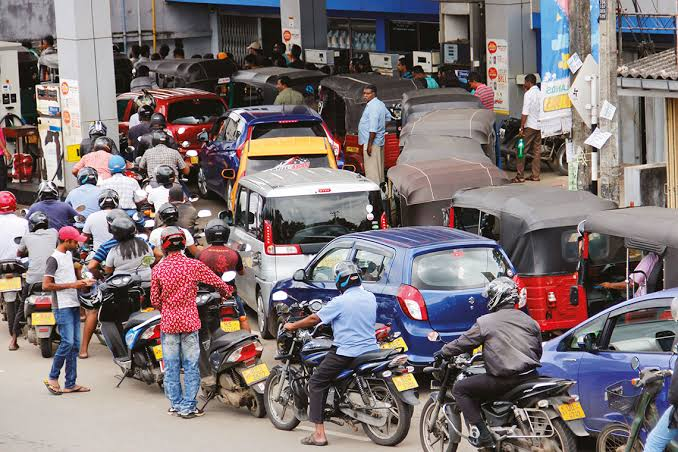
    Image: Punch Newspapers

    Nigerians aren’t strangers to fuel scarcity, but the 2022 floods and reports of adulterated fuel brought us the worst version we’d seen at that point. Unstable fuel prices followed us into January 2023, with fuel stations selling at between ₦200 – 250 per litre against the standard ₦167. The Federal Government officially standardised fuel prices at ₦185 per litre on January 19, 2023, and sent a memo to petroleum marketers informing them of the same. Lagos State even created a timetable for filling stations to further beat the scarcity. By April, fuel sold at ₦254 per litre.

    THE STORY: Nigeria has Standardised Fuel Prices. But Our Problems Are Not Over

    The cash scarcity saga
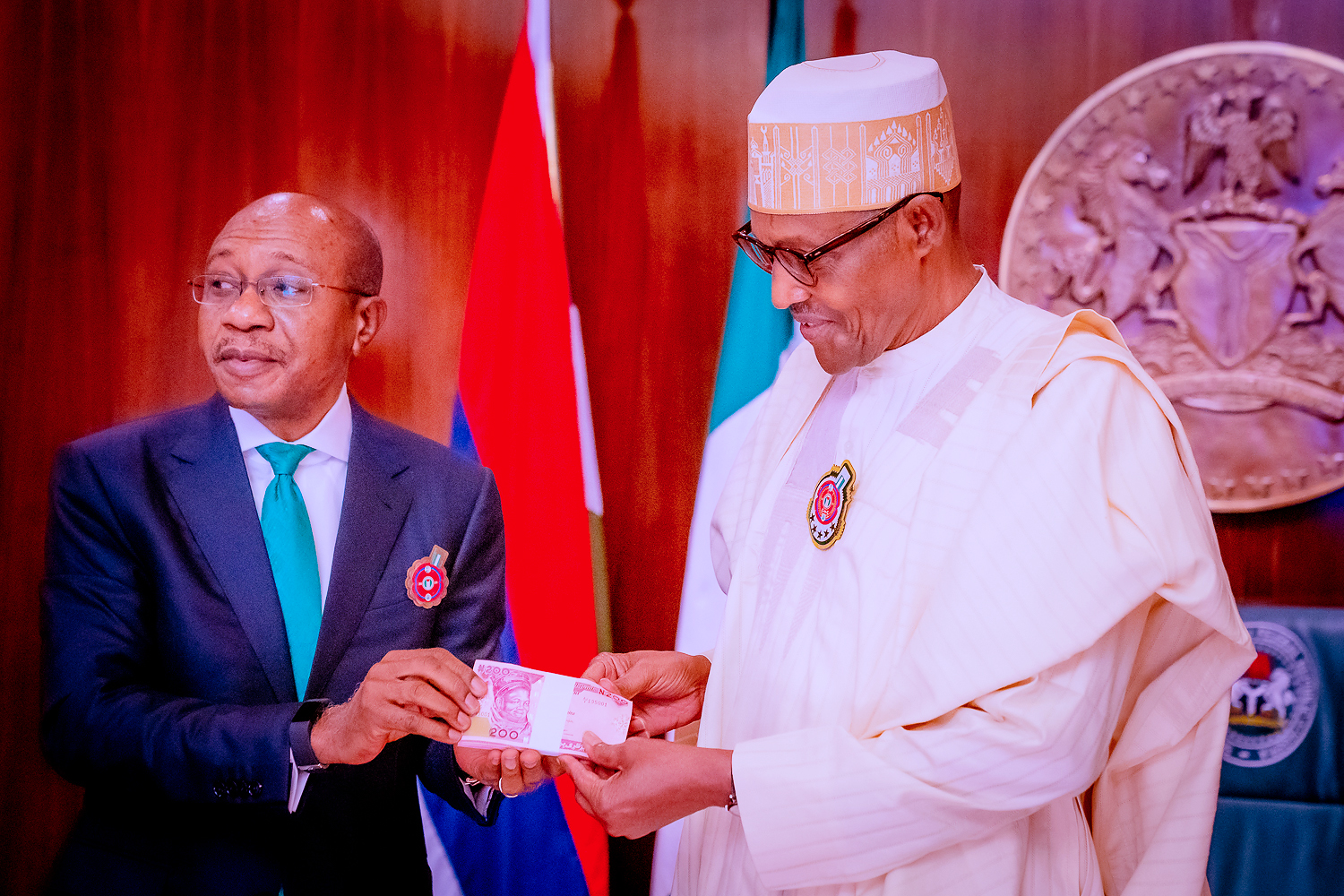
    Image: Channels Television

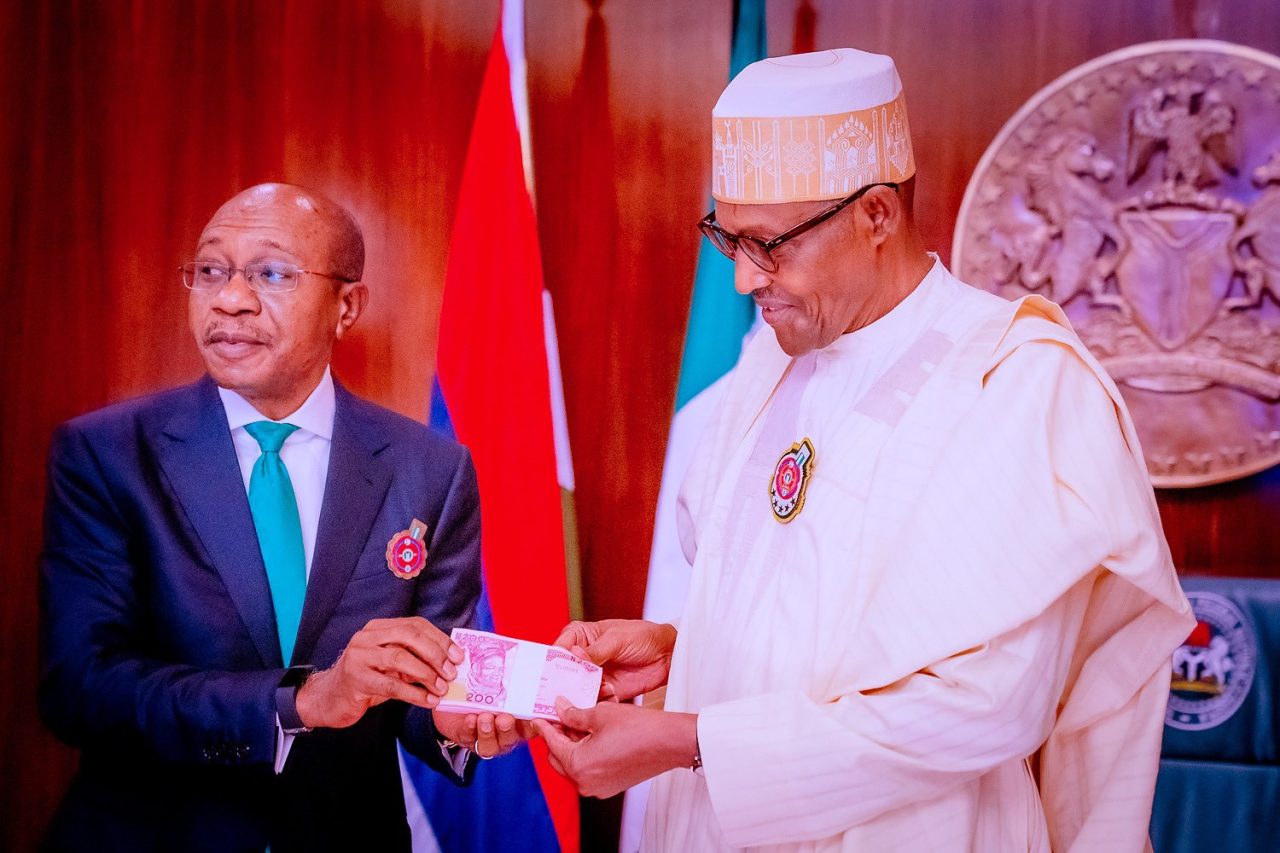
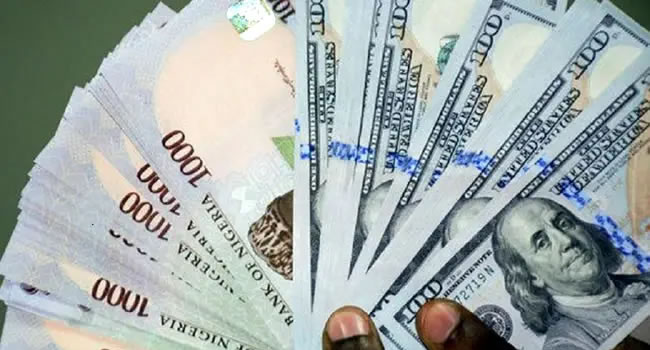
    Godwin Emefiele first announced the redesign of the ₦200, ₦500 and ₦1000 notes on October 26, 2022, with a January 31, 2023, deadline to phase out the old notes. What followed was a series of events fit for a telenovela. The Minister of Finance, Zainab Ahmed, claimed she wasn’t informed. The naira soon fell sharply in the foreign exchange market — selling at ₦1,000 to £1 and ₦800 to $1. By January 2023, the new notes still weren’t in circulation.

    The CBN moved the deadline to February 10, but two days before the new deadline, the Supreme Court gave a temporary order to halt the expiration of the old notes. In response, President Muhammadu announced that only the old ₦200 notes could remain in circulation beyond February 10. While experts debated on whether the president could overturn the Supreme Court’s ruling, Nigerians suffered the brunt of widespread cash scarcity and bank transaction failure.

    The ATMs were either empty or limited to ₦5k daily withdrawals. Bank queues were longer than a Fela album. This led to protests across the country — several banks and ATM points were set ablaze. Most institutions were ill-equipped to accept cashless payments. Patients were left untreated as family members went on the hunt for cash. People were left stranded in supermarkets after botched POS or bank transfer transactions. A pregnant woman in Kaduna reportedly died because her husband couldn’t get cash in time for her to be admitted to a health centre. Pure chaos.

    THE STORY: What Has the Naira Scarcity Cost Nigerians?

    The rise of POS agents

    Image: Zikoko Memes

    POS agents quickly became major players in the scarcity as Nigerians turned to them for urgent cash needs. But the agents had to brave the long ATM queues or buy the scarce new notes at high rates, which reflected in their transaction charges. In Ekiti, POS charges increased from ₦20 per ₦1k withdrawal to ₦300 per ₦1k. In Lagos, POS agents charged as much as ₦2k – ₦3k  to give ₦10k cash. 

    While all this was happening, the Nigerian government was focused on the February 2023 elections. It wasn’t until March that the Supreme Court and CBN confirmed all old notes would remain legal tender till December 31, 2023. In November 2023, the Federal Government asked the Supreme Court to extend this deadline yet again for an indefinite period. And one is forced to ask: Why all the wahala in the first place?

    THE STORY: The #NairaLife of a POS Agent Forced to Plot New Business Moves

    “Fuel subsidy is gone”
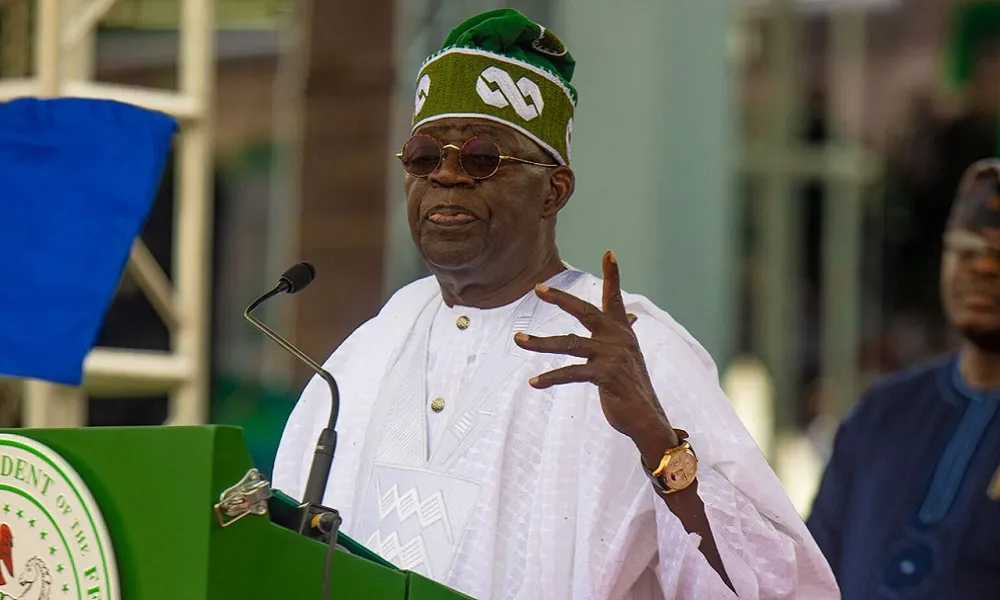
    Image: The Ideal

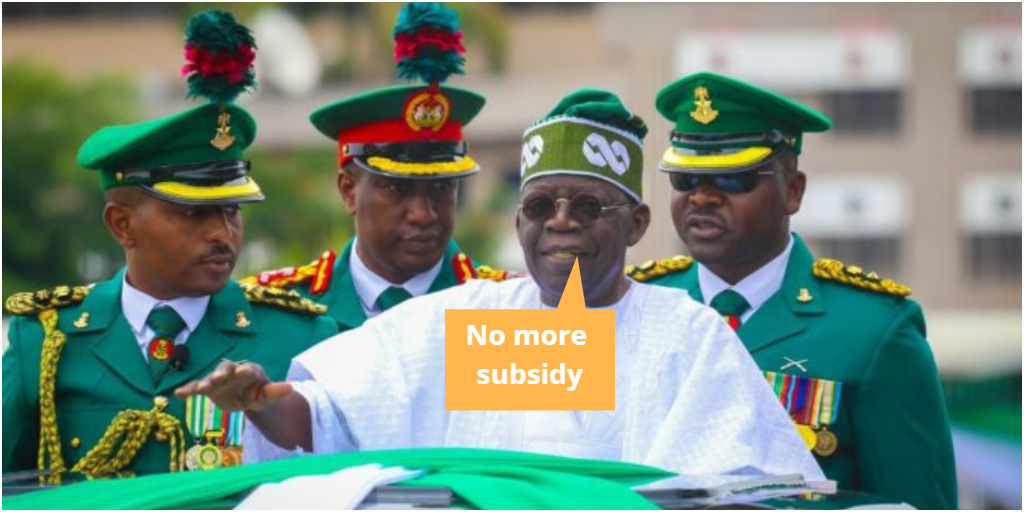
    Those were President Bola Tinubu’s famous words in his inaugural speech on May 29, 2023. Right away, fuel stations started hoarding fuel, leading to another scarcity within months of the last one, panic buying and transportation hikes across the nation. The few open fuel stations sold at ₦500 – ₦700 per litre even before the new prices were announced. 

    The official prices ended up going as high as ₦557 per litre. By July 2023, it had climbed to ₦617 per litre. Fuel rationing led to a decline in fuel consumption nationwide, fewer cars on the streets as people took to trekking, increased cost of goods and services hinged on transportation and general hardship. E-hailing cab drivers even went on a nationwide strike, requesting an increase in fares as they could no longer work with the new fuel prices.

    President Tinubu claims that fuel subsidy removal saved Nigeria over ₦1 trillion in two months, which “will now be used more directly and more beneficially for you and your families.” What this means exactly and how it will be done isn’t clear right now.

    THE STORY: Fuel Subsidy: Tinubu Went off Script, and Nigerians Are Facing the Brunt

    Student loans with a jail-time caveat
    President Tinubu signed the Student Loan Bill into law on June 12, 2023. The bill, which should provide interest-free loans to indigent Nigerian students, was received with mixed reactions. Nigerians expressed concern over the loan requirements and two-year imprisonment punishment for defaulting on repayment. The Student Loan Scheme is expected to kick off in January 2024.

    THE STORY: The ABC of Nigeria’s New Student Loan Bill

    Foreign exchange goes south
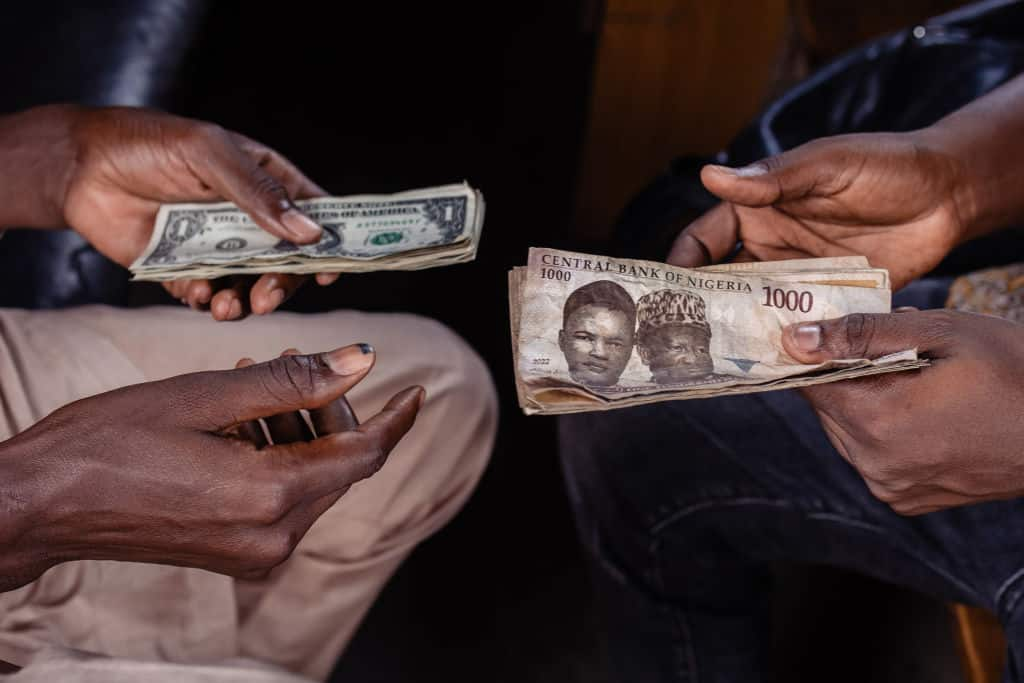
    Image: Forbes Africa

    On June 14, 2023, the CBN released a press release announcing its decision to allow the naira to “float” in the foreign exchange market, with hopes that it’d bring our currency to a unified exchange rate. This came after Tinubu suspended former CBN Governor Emefiele on “financing terrorism” charges. The policy change meant the CBN would no longer determine the exchange rate, and the rate at which the naira gets exchanged for any foreign currency is dependent on the agreed price reached by the buyer and the seller.

    [ad]

    The naira fell by 36% against the dollar on the official market and sold at ₦750 to a dollar from the previous ₦477 to a dollar. Some experts commended the float, expecting the rate to stabilise over time and positively impact investor confidence. Others, like Femi Falana SAN, criticised it as illegal.

    THE STORY: Losers and Winners from CBN’s Unified Exchange Rate Policy

    School fees 200% hike

    What’s really going on?

    In July 2023, the Federal Ministry of Education (FME) announced a school fees hike from ₦45,000 to ₦100,000 for new students of Federal Government Colleges. This came despite appeals by the Nigerian Parents Forum in June 2023. Federal universities like the University of Lagos (UNILAG), the University of Nigeria (UNN) and the University of Maiduguri (UNIMAID) also announced hikes by as much as 200%, to the dismay of students and parents alike. While the presidency argued that tuition is still free, the schools increased their miscellaneous levies, citing prevailing economic realities and the high cost of living.

    Mass business closure and layoffs

    Image: Zikoko Memes

    In August 2023, Pharmaceutical company GlaxoSmithKline (GSK) announced its decision to exit the Nigerian market after 51 years of operation, due to foreign exchange scarcity and volatility, rising business costs and a shrinking consumer base. Procter & Gamble, Unilever, Sanofi, Jumia Food and Bolt Food, joined the exodus, contributing to mass unemployment in a country with 71 million citizens already living in extreme poverty. Nigerian-based companies and small businesses weren’t spared either. 20 out of the 175 textile companies in Nigeria were forced to shut down. Due to the rising cost of maize, poultry farms followed. Tech companies like Bolt, Alerzo and Jumia, conducted mass lay-offs to stay afloat.

    Nigeria’s new $1.95 billion loan
    Maybe this is why they keep giving us loans

    Between June and September 2023, President Tinubu took out three loans from the World Bank to fund the power sector, women’s economic empowerment and the Adolescent Girls Initiative for Learning and Empowerment (AGILE) project. These loans are in addition to the country’s outstanding external debt of $14.51 billion to the World Bank.


    RELATED: Tinubu Wants Nigerians to Endure, but Can He Follow the Memo?


    Money supply rises
    Image: Zikoko Memes

    The CBN revealed that the total amount of money available in Nigeria’s economy rose to ₦66.4 trillion in September 2023. But before you think, “Finally, a highlight!” This doesn’t mean we’re swimming in money. A larger money supply indicates declining interest rates, inflation and decreased purchasing power. Essentially, not good.

    Highest inflation in two decades

    Image: Zikoko Memes

    The naira entered a free fall between September and October 2023, reaching a historic low of ₦1k/dollar and earning the tag of “one of the worst-performing African currencies” from the World Bank. In the parallel market, it sank as low as ₦1,170/dollar. Inflation rose to 26.72% in September — the ninth straight increase in 2023 and the highest in 20 years. Food inflation rose to 30.64%, adding to the food and living crisis across the nation.

    THE STORY: What’s the Real Cost of Inflation? Five Nigerians Tell Us

    Drug prices soar as high as 1000%

    Image: Zikoko memes

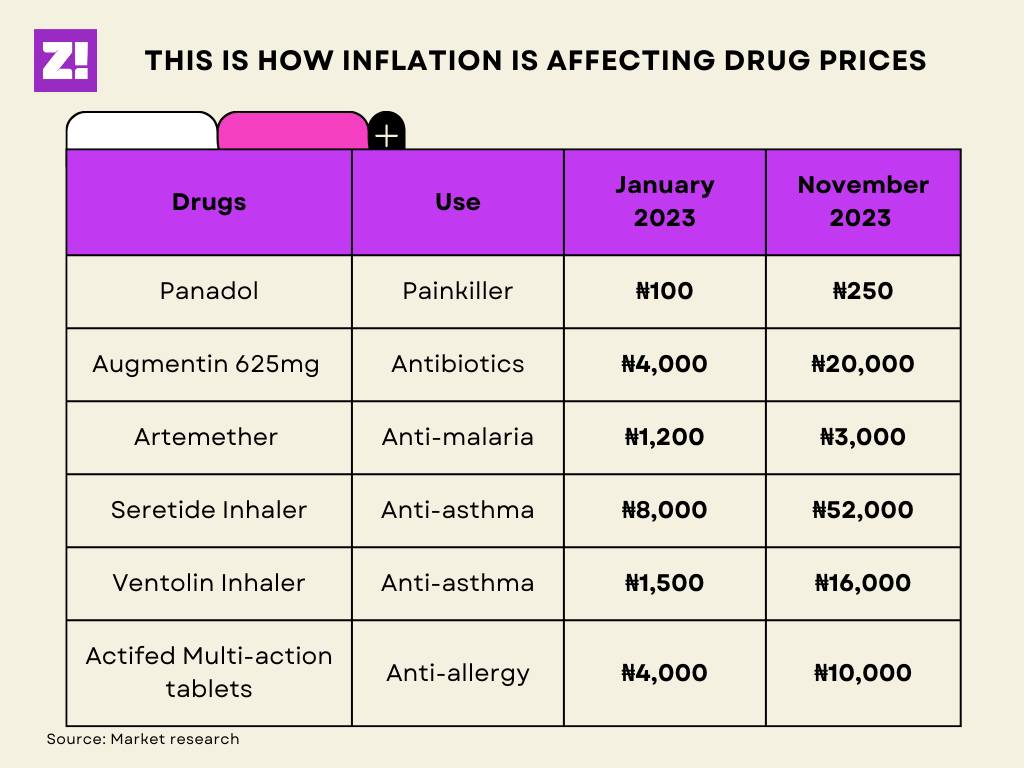
    Remember GSK Nigeria’s departure? As of November 2023, it meant drug prices had increased by up to 1000%, especially affecting inhalers and antibiotics. There has also been a reported drug scarcity due to the massive devaluation of the naira and a less-than-optimal business environment, leading to panic among consumers.


    NEXT READ: The Year in Review: These Events Drove The Hottest Conversations in 2023

  • The Year in Review: These Events Drove The Hottest Conversations in 2023

    2023 came with a truckload of drama for Nigerians. Our dear fatherland witnessed things that had citizens in a perpetual state of “Wetin be this?” stirring heated discussions and emotions. As we finally countdown to the end, we take a trip down memory lane to capture the essence of events that drove the hottest conversations in 2023, reflecting the pulse of our nation through the course of the year.

    The botched naira re-design

    Image source: The Guardian Nigeria

    Yes, there was a naira redesign exercise that ended up being pointless. Ex-CBN governor, Godwin Emefiele, with President Buhari’s backing, announced plans to revamp the naira notes to curb the circulation of counterfeits. He gave a deadline for citizens to return their old notes to their banks in exchange for new ones, which he extended to February 10, 2023. However, a shortage in the circulation of the new notes caused a cash scarcity that showed Nigerians shege in 3D for the next several months. 

    One woman even went viral for cursing out the CBN governor.

    In came President Tinubu’s administration in May, and the old notes were legal tender once again. Two weeks later, Emefiele was suspended from his post as CBN governor and arrested by the DSS over allegations of fraud. The arrest sparked joy amongst Nigerians who went through hell during the cash scarcity period. 

    The Story: What Has the Naira Scarcity Cost Nigerians?

    Emi Lokan becomes the president

    Image source: ThisDay

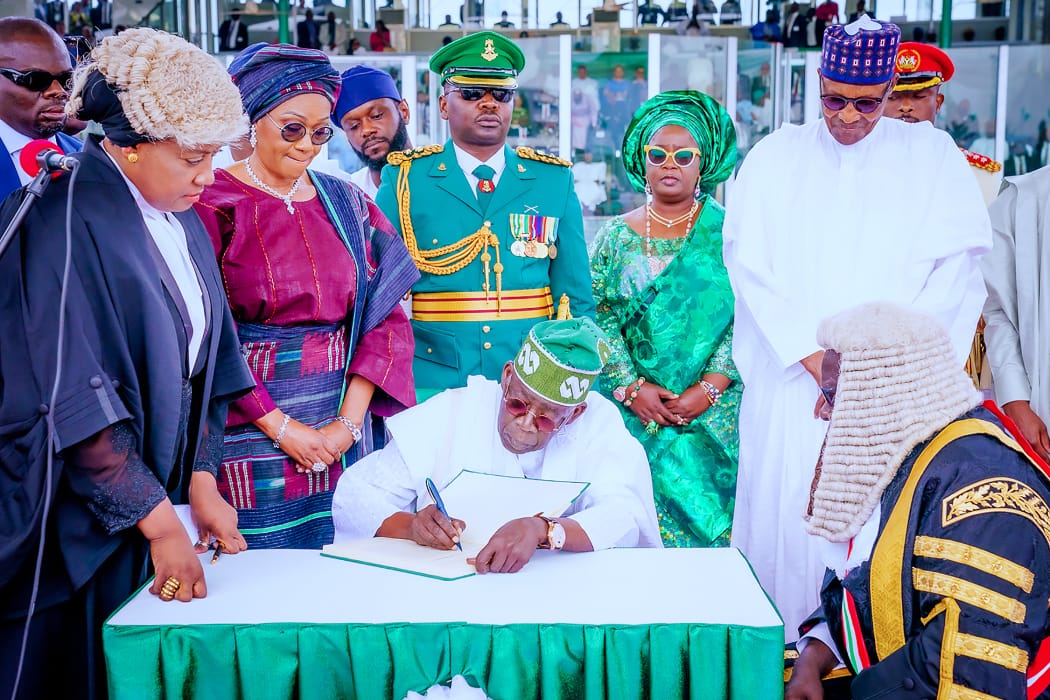
    On February 25, Nigerians stepped out en masse to vote for their next president. Bola Tinubu of the All Progressives Congress (APC), Peter Obi of the Labour Party (LP) and Atiku Abubakar of the People’s Democratic Party (PDP) were the strongest candidates out of 18 who vied for the position. On May 29, Bola Ahmed Tinubu was sworn in as the 16th president of the country. This happened despite agitation from citizens, and reports from international observers like the European Union Election Observation Mission in Nigeria (EU EOM), that the elections were anything but free and fair. 

    Tinubu’s campaign and win further deepened tribal divides in the country. His controversial “Emi Lokan” (it is my turn) slogan touted a Yoruba-led presidency above other tribes. On election day, several cases of voter suppression against people who wanted to vote for Labour Party’s Peter Obi were reported across the country. Notable celebs like Chioma Akpotha and Falz reported cases of violence in their polling units.

    The Story: #NigeriaDecides: Is the Choice Really Ours or INEC’s?

    Hilda Baci and the Guinness World Record craze

    Image source: Pluboard

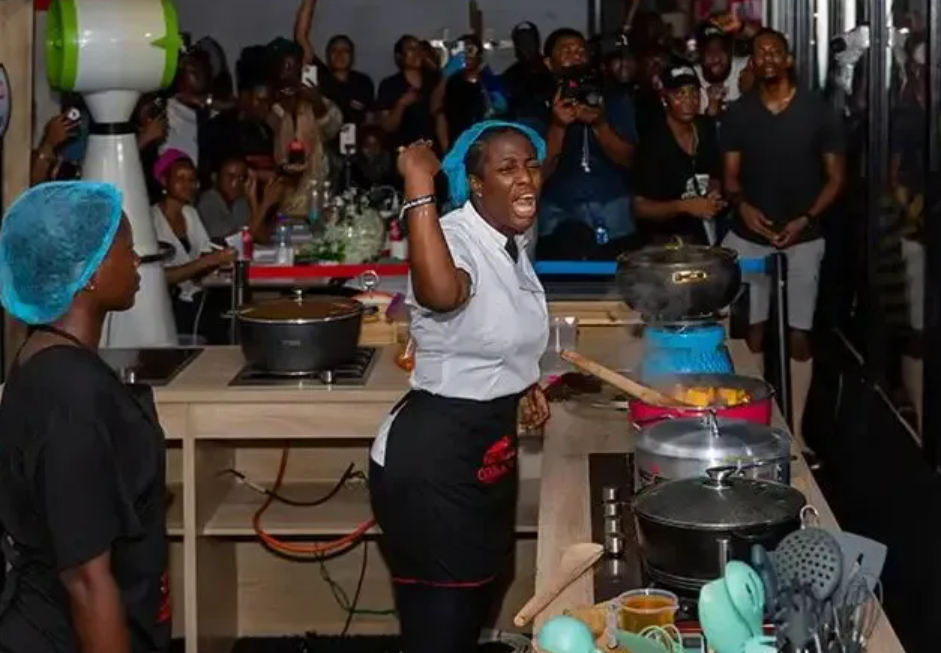
    On May 11, Hilda Baci set out to break the Guinness World Record for longest cooking marathon. In June, she was awarded the record for 93 hours — even though she cooked for 100. In that waiting period, Nigerians showed the GWR shege with an estimated 1500 people applying within two months. But none quite caught a buzz like Ekiti state’s Chef Dami, who got the heat for challenging Hilda’s record right after she’d completed her attempt. Chef Dami embarked on an ambitious 120-hour cook-a-thon. However, it turned out she never made an official application to the GWR team. 

    To make matters worse, the GWR team saw a Hilda Baci x social engagement recipe, and did they cook? She visited their London headquarters barely a week after an Irish chef, Alan Fisher, broke her record and set a new one with 119 hours of cooking and baking on November 7.

    The Story: 100 Hours Completed: Hilda Baci on the Journey to Breaking a Culinary World Record

    The fuel subsidy removal

    Image source: Vanguard

    Tinubu promised to “hit the ground running”, and he didn’t disappoint. The president’s gift to Nigerians upon assuming office was the immediate removal of the controversial fuel subsidy. During his inauguration speech on May 29, he said: “Subsidy can no longer justify its ever-increasing costs in the wake of drying resources.”

    The aftermath of the subsidy removal? Fuel scarcity, a litre jumping to ₦617 from ₦198 and inflation.

    The Story: Navigating Nigeria: How Nigerians Are Adapting to Fuel Subsidy Removal

    Elon Musk, Twitter and X

    Image source: The Times

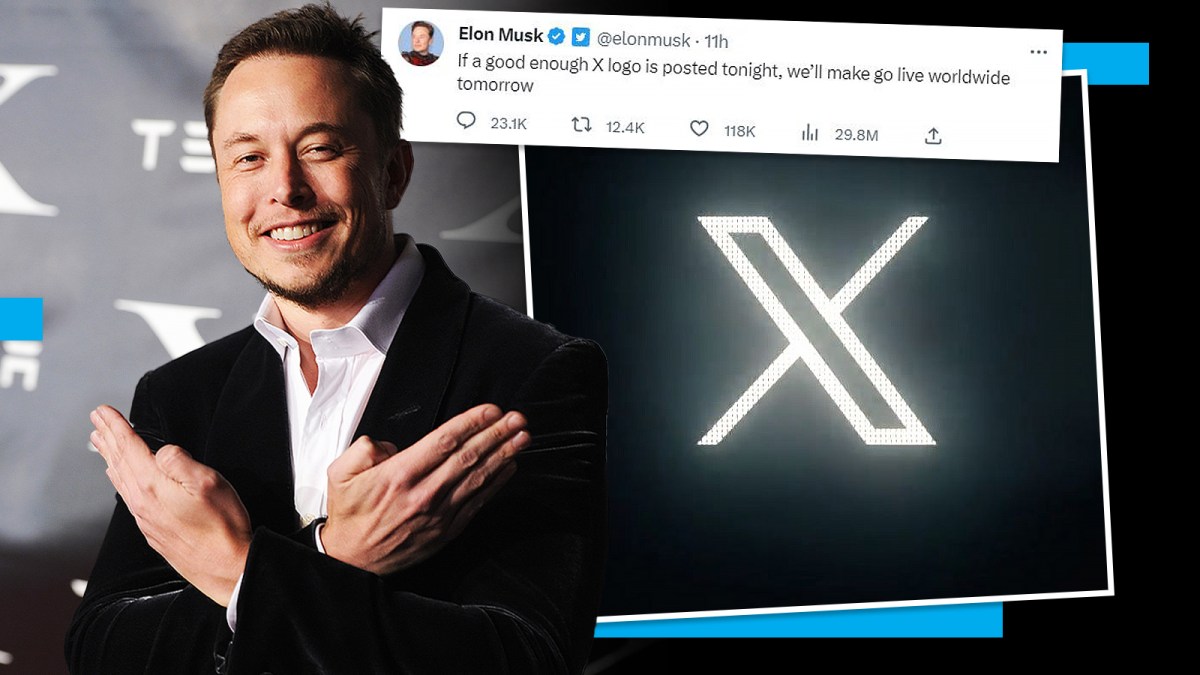
    When you buy a $44 billion plaything, you don’t just abandon it to gather dust. Tesla billionaire, Elon Musk, knows this, and that’s why he started by rebranding “Twitter” to “X” in July 2023. And we simply can’t get used to the name change. The iconic bird logo was also replaced. However, all was forgiven when the new landlord rolled out his payout feature in August, and Nigerian users smiled to the bank.

    Since Elon’s takeover, he’s introduced a range of features that have both excited users and pissed them off too. Verification is now available to anyone who subscribes to Blue, Circle is gone, no tweet character limit as a Blue subscriber and more chaos.

    The Story: Interview With X Premium: “You Too Can Cash Out”

    Mark Zuckerberg’s Threads

    Image source: x.com/finkd

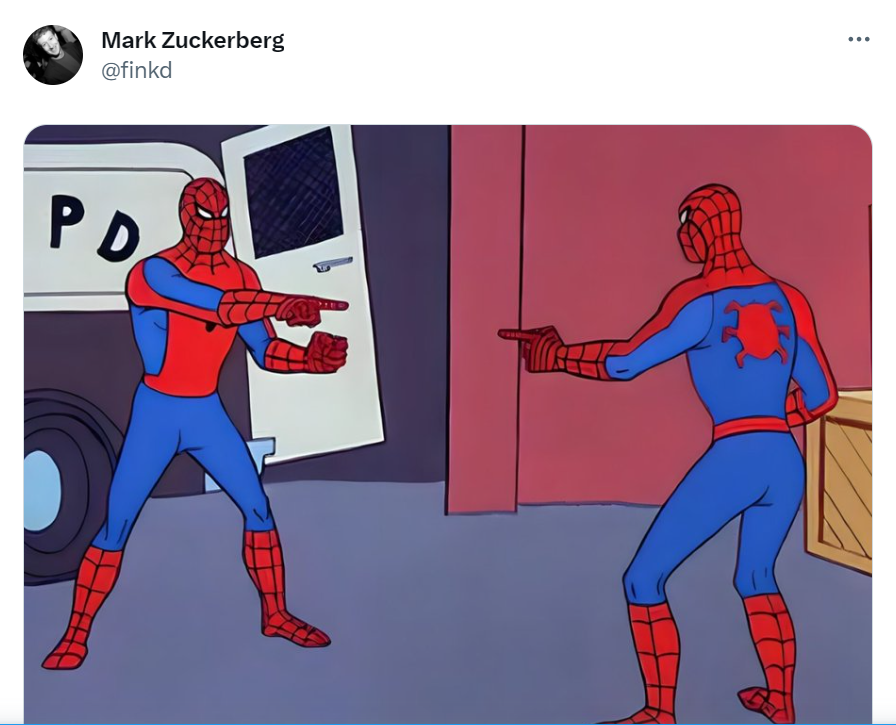
    What’s better than one billionaire’s hostile takeover of an iconic social media app? Two billionaires competing against each other with similar social apps. While Musk navigated the murky waters of X, Meta CEO, Mark Zuckerburg, launched his rival app, Threads, in July. And he did this with an iconically humorous tweet, his first post on the platform in 11 years. The app debuted with a staggering 10 million users, and trust Nigerians to join in the great migration. 

    But four months later, it’s safe to say Threads isn’t exactly Threading anymore.

    The Story: 24 Hours of Threading: A Report Card for Twitter’s New Rival, “Threads”

    Viral NPC TikToker

    Source: Ubermedien

    July got Nigerians acting a fool on TikTok when US TikToker, PinkyDoll, went viral for live streaming herself acting like a video game non-playable character (NPC). Her popular catchphrases: “Ice cream, so good”, “Geng geng” and “ You got me feeling like a cowgirl” filtered into Nigerian TikTok, and we made a mess of it.

    The rise of VeryDarkBlackman

    Image source: IntelRegion

    The Abuja-based influencer, Martins Vincent Otse AKA VeryDarkBlackman, caught the public’s attention in July, during his epic battle with Igbinoba Jennifer, owner of the popular skincare brand, Jenny’s Glow Nigeria. He reported the brand to NAFDAC for not duly registering her range of skincare products, and the agency sealed her Abuja office. The battle, however, would extend to other skincare brands in the country who were forced to act right, thanks to him.

    These days, he’s in the news for stirring controversy with his takes on trending topics.

    The exit of age-long multinationals 

    Pharmaceutical giant, GlaxoSmithKline (GSK), announced its exit from Nigeria in August, 51 years after it set up shop in Lagos. The company cited different reasons for the decision, and the usual culprits made the list: harsh business environment, fluctuating foreign exchange. The exit led to a rocket-high increase in drug prices. Panadol moved from ₦100 to ₦400, Augmentin from ₦4k to ₦20k, and Ventolin inhaler, ₦1500 to ₦16k.

    [ad]

    About four months after GSK’s exit, Procter & Gamble (P&G) announced that it would stop producing in Nigeria and return to an import-only model. The company’s Chief Financial Officer, Mr. Andre Schulten, also cited the foreign exchange situation as a major driving factor for the decision. Meanwhile, in March, Fast Moving Consumer Goods company, Unilever, exited the home care and skin cleansing market in Nigeria. The company’s departure was poised to help it find a more sustainable and profitable business model. They took with them, popular brands like OMO, Sunlight and Lux.

    The Story: What’s the Real Cost of Inflation? Five Nigerians Tell Us

    Tech bro becomes Nigerian minister

    Image Source: X

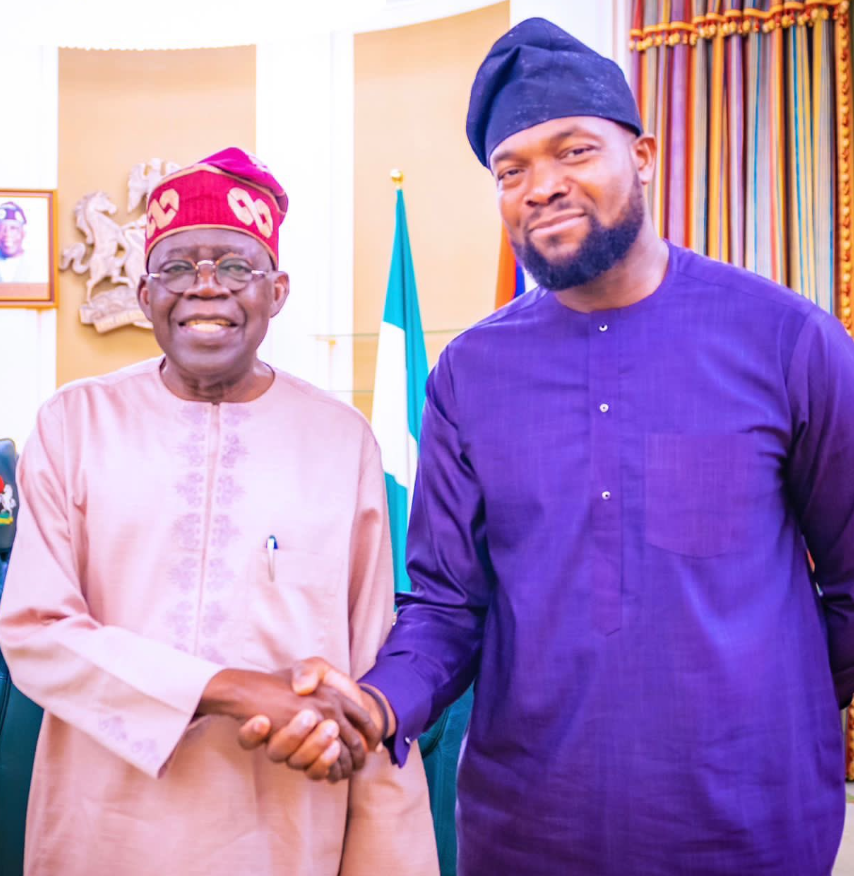
    The Nigerian tech ecosystem scored a major win in August when President Tinubu appointed CCHub’s co-founder and CEO, Bosun Tijani, as minister of communications, innovation and digital economy. Things almost went south during the screening, when senators dug up a 2021 tweet in which he called them “morons”. His response:

    “The tweets online don’t represent me at all. As a young man born and bred by Yoruba parents, I tender my sincere apology. I am profusely sorry,” Tijani said.

    In October, Tijani unveiled his implementation plans for the Technical Talent Training program, which will train and develop three million young Nigerians.  

    The naira’s downward slope

    Image source: Premium Times

    2023 was a bad one for the Nigerian naira (NGN) as it hit a record low that sent a wave of worry across the nation. September saw the national currency trade between ₦950 and ₦1200 to a dollar from around ₦700 at the beginning of the year. Things haven’t gotten better yet.

    The Story: Losers and Winners from CBN’s Unified Exchange Rate Policy

    The election tribunal and Tinubu’s certificate

    The 2023 presidential election packed up in February, but many electorates, including the presidential candidates of PDP and LP were dissatisfied with INEC’s result. Obi and Atiku headed to the tribunal in March to seek the nullification of the election. The drama played out for months, and an unfavourable judgement was finally delivered in September.

    The Story: The Presidential Election Tribunal: What You Should Know

    Source: Arise News

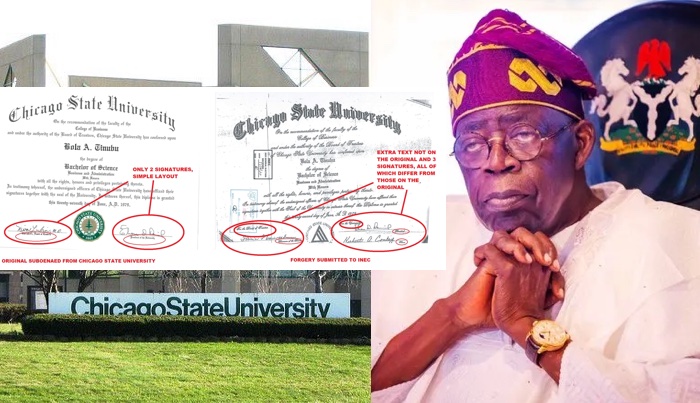
    However, Atiku continued his fight post-tribunal, leading to an inquiry into Tinubu’s university certificate. In October, a US court ordered the Chicago State University to release the president’s academic records. Discrepancies in some of the records suggested that Tinubu’s certificate was disputable at best. The Supreme Court eventually dismissed Atiku’s suit on grounds that it couldn’t entertain evidence that wasn’t tendered before the lower court.

    The Story: What Do The Chicago State University Tinubu Documents Tell Us?