Notice: Function _load_textdomain_just_in_time was called incorrectly. Translation loading for the wordpress-seo domain was triggered too early. This is usually an indicator for some code in the plugin or theme running too early. Translations should be loaded at the init action or later. Please see Debugging in WordPress for more information. (This message was added in version 6.7.0.) in /home/bcm/src/dev/www/wp-includes/functions.php on line 6121
Xenophobia | Zikoko!
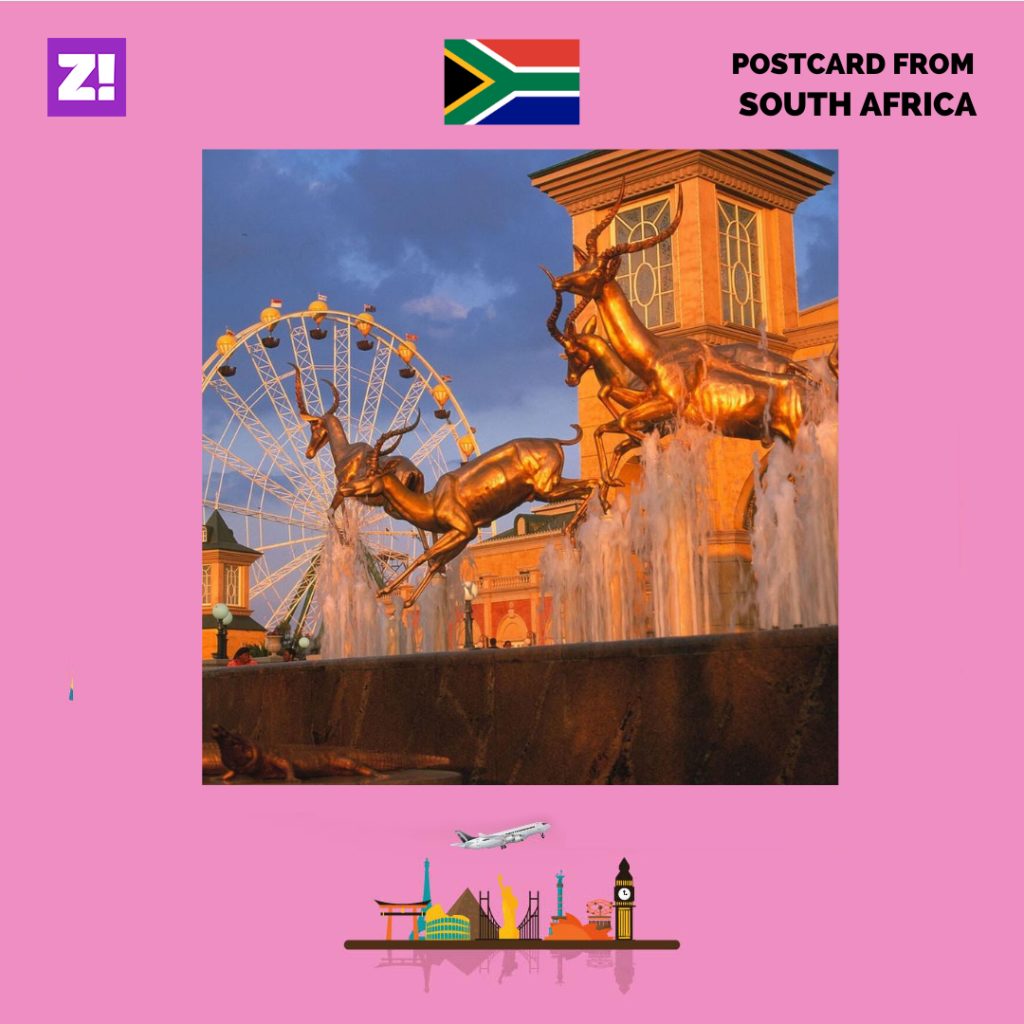
  • Abroad Life: Patrick is Staying In South Africa, Regardless of Xenophobia

    The Nigerian experience is physical, emotional, and sometimes international. No one knows it better than our features on #TheAbroadLife, a series where we detail and explore Nigerian experiences while living abroad.


    When you hear of Nigerians living in South Africa, one topic crosses your mind: Xenophobia. The subject of today’s Abroad Life today, Patrick, tells us what it is to live and study in a place many Nigerians are scared of, and why he plans on staying there for the foreseeable future. 

    First things first, what are you doing in South Africa?

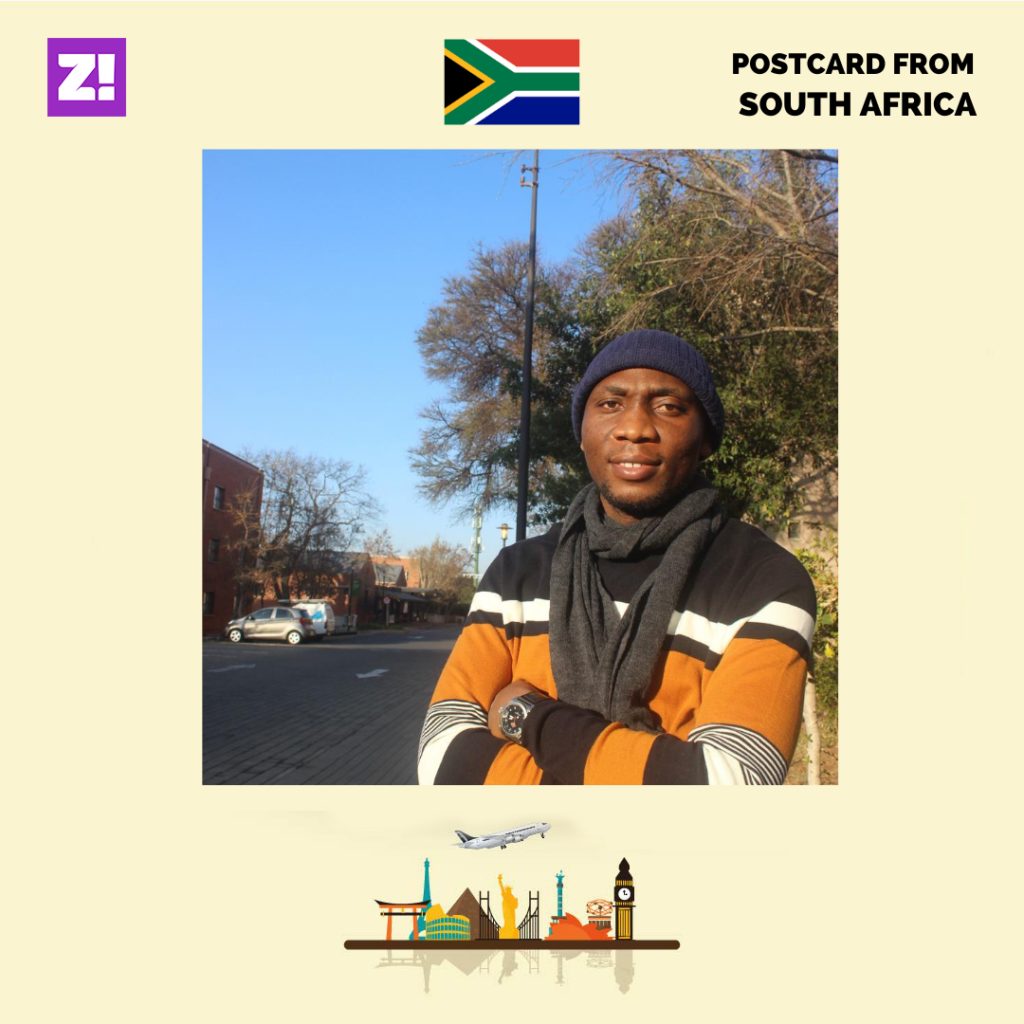
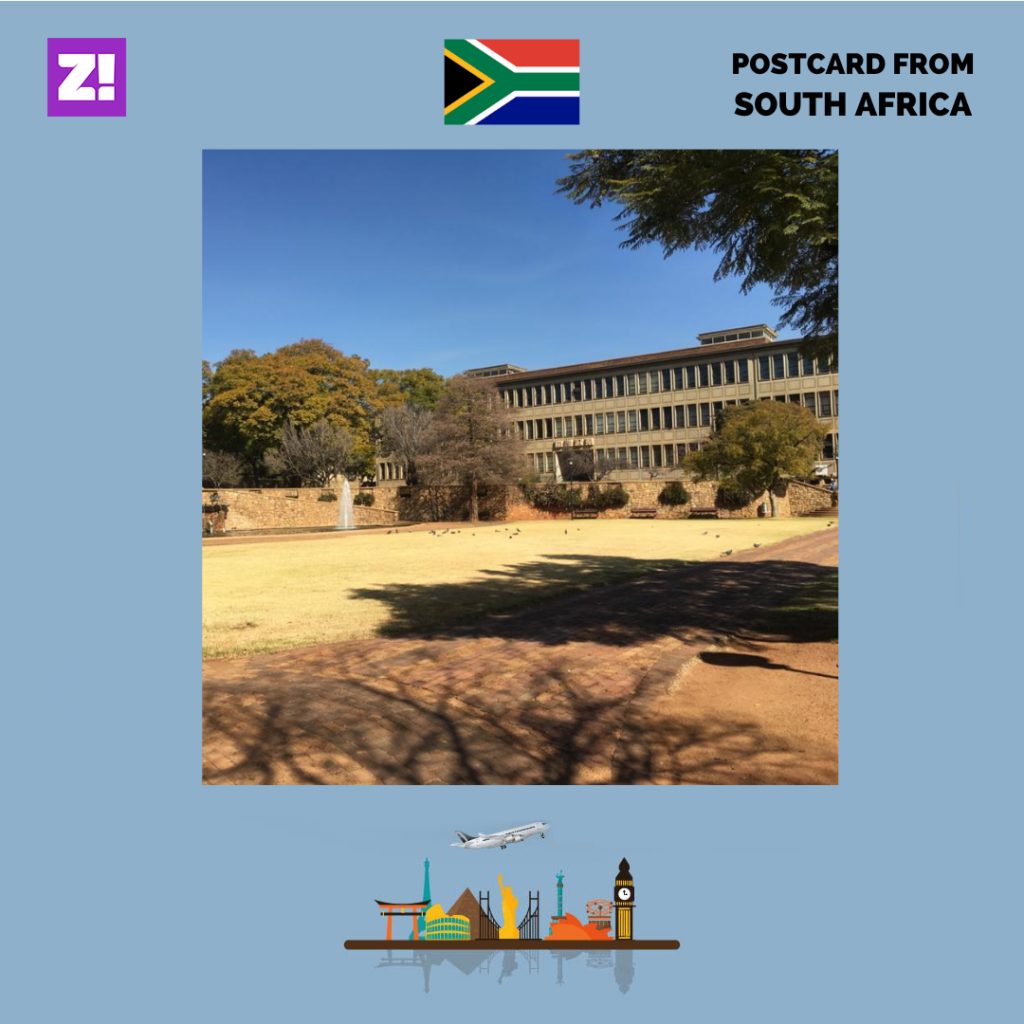
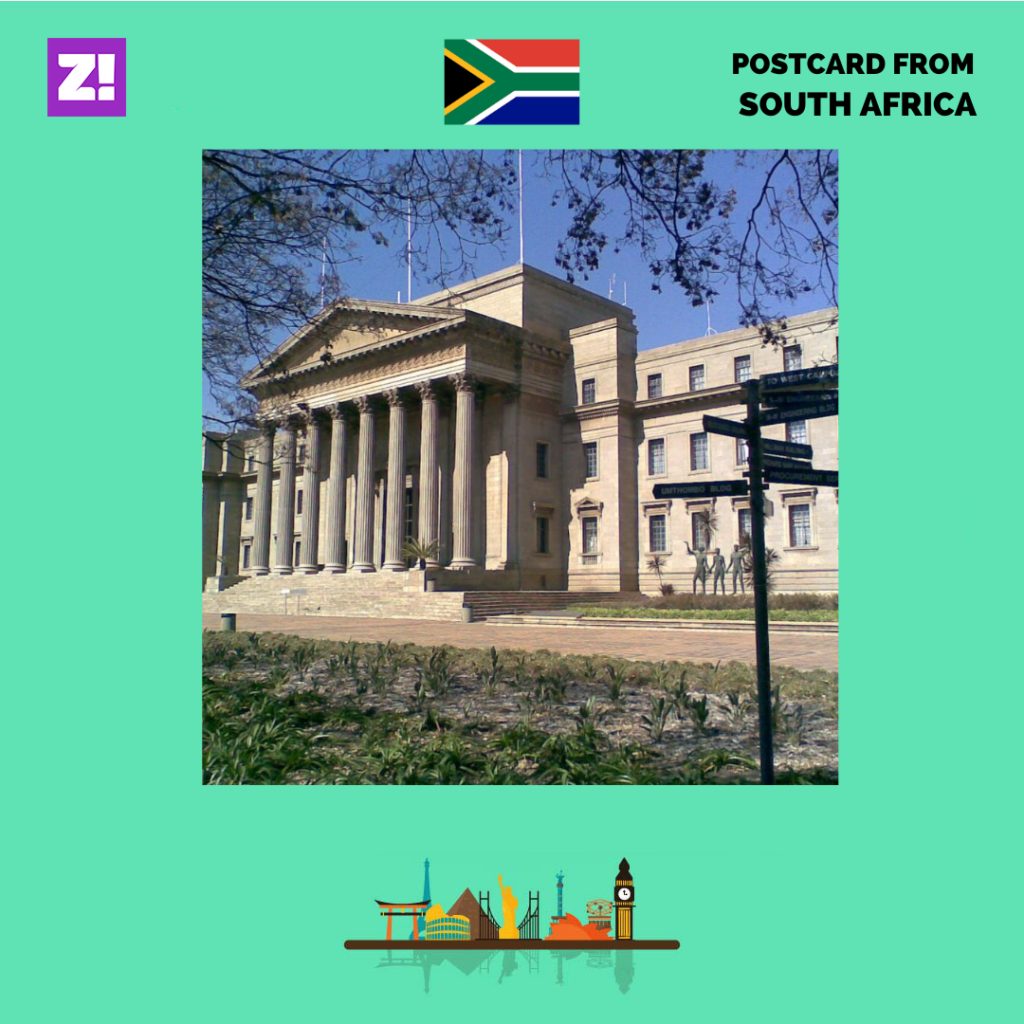
    I’m here as a fellow for the Open Society Foundation on Investigative Journalism at the University of the Witwatersrand, in Johannesburg. I arrived in February 2020 and started lectures on that same day. 

    No time to settle?

    None at all. 

    The fellowship is all about data and investigative journalism. Five people were selected: one Ugandan, a Nigerian [ me], and three South Africans. It’s actually a  practical fellowship, so apart from attending lectures, we also do a lot of fieldwork. 

    At the end of the fellowship, we’ll be interns for investigative newsrooms here in South Africa for 6 months – the fellowship is for a  year, followed by an internship for six months.  This makes everything one year and six months. It’s been wonderful so far. It’s been a great learning experience and we’ve had amazing investigative journalists from all around the world as lecturers. 

    That’s awesome. 

    How has Covid-19 affected your learning experience? 

    The only thing the pandemic affected was physical learning because South Africa went on lockdown in March. Everything else has been normal because of tools like Zoom, Skype and WhatsApp. Although, it’s also been really disappointing not getting to meet more world-renowned investigative journalists one-on-one. Networking is a big deal and when you’re meant to meet someone in person and they end up talking to you through a Zoom call, it can be underwhelming. 

    Damn…sorry about that.

    So are you studying full time, or…

    No. I’m also working as a freelance journalist for whatever publication comes around.   Recently, I received a grant from National Geographic to do a story on how COVID 19  affected Nigerian farmers and how they are coping.

    Are you doing that as a story from South Africa?

    I have colleagues back at home in Nigeria who are journalists and they do the fieldwork while I do the writing. 

    I’m curious though, how did you get admitted into the fellowship at the University of the Witwatersrand?

    I had tried to apply for another fellowship three times and I kept getting rejected, so I decided to try this one out. The Open Society Foundation on Investigative Journalism fellowship started in 2019 to celebrate its  20th year in South Africa. They intend to let it run for three years. I applied in 2018 to be among the first set of people to be selected for the 2019 class, but that was unsuccessful. So I tried again last year and here I am for the 2020 class. I guess you could say that my tenacity paid off. 
    That’s awesome. 

    Can you walk me through the timeline from when you got the admission till when you got to South Africa?

    I remember that I was notified on November 24th that my application was successful. I was really excited because apart from getting something I really wanted, I was  really looking forward to some timeout from Nigeria. Additionally, I was also looking for a chance  to add to my skills, get some exposure, and meet people in my field from all over the world – I knew I had a better chance of getting that in South Africa than in Nigeria. 

    After getting notified, I started all the visa processing. 

    By yourself?

    Yes. They supplied the letters I needed: letter of acceptance, and letter of admission. After getting notified, I had to apply for admission. I got the admission and  I also applied for other stuff like medical insurance. 

    It was a really hectic and overwhelming process.

    Was there a possibility that your visa application would be denied? 

    Haha… Yes.

    I was confident that I was going to get the visa but anything is possible. I’d have been extremely disappointed if I didn’t get the visa because I had been trying to get an opportunity like this for some time. Imagine getting it and being denied a visa at the final stage. That would have been drastic. 

    Okay. You moved there in  February.  How quickly did you settle in? 

    The department handling the fellowship had already paid for my accommodation, so, before I arrived, an apartment was waiting for me. Immediately I landed at the airport, I checked in with the security, and then I went to the apartment. I dropped my bags in my room and headed straight to the university for classes. 

    I think I arrived around 7 am and I had lectures by 10 am so I had to rush the whole registration process with the stress of being on a plane for hours without sleep. 

    After that day though, settling in was a bit easy for me even though it was a new environment. If you survived in Nigeria, there’s no place you can’t survive so getting around and meeting new people was easy. So I’d say in one week, I got accustomed to the environment. 
    So you were living normally in the space of one week?

    Yeah but not 100%, I wasn’t entirely familiar with the whole environment but it wasn’t awkward anymore. I could go to the mall, to campus, and come back home with an Uber. Making friends was also becoming easy. I was even making friends and other connections before I got here so that made it easier. We’d just go out together and settle in together until Coronavirus made us all stay indoors. 

    When I hear that a Nigerian is in South Africa, I get scared because of the reported Xenophobia. Did you have that fear when you were leaving Nigeria, and how has that played out?

    I wouldn’t say I had fear. It was more of a subconsciousness that there was a possibility of something like this. Before I got here, I spoke with a lot of Nigerians here and read wide about the dangers of coming to South Africa as a Nigerian, so I knew it was a reality. 

    Getting here, I met wonderful people who welcomed me warmly, I can’t lie about that. But I have also witnessed a lot of hatred for foreigners. Not only for Nigerians, but for people from Zimbabwe, Zambia, Lesotho, and other African countries. The narrative of other Africans coming to take their jobs and their wives is a real and prevalent one. 

    There’s a mindset that has been built in the media about African foreigners, so they [South Africans] tend to keep their distance even if they don’t have a reason to. 

    I have both male and female South African friends and we get along. Some of them ask questions about Nigeria that they find in the media. They watch Nollywood and know about Wizkid, Davido and all that but they’re in the minority. 

    What is a South African experience that you can’t forget?

    This one might interest you – About two weeks after I arrived, I was getting my Student ID one day and I needed help locating a building. I ran into this South African babe who offered me all the help I needed. We got talking, and even went to get some drinks. 

    During the conversation, she just randomly said: “My mom would be so mad if she knew I was hanging out with a Nigerian.” To my face o. Then she started talking about how we would just come to take their jobs and commit crimes. She said she admits that South African men might be “lazy” but it was still their country and they didn’t need to be dominated. 

    Awkward…

    Yeah. I downed the rest of my drink and called it a night. She did the same. We haven’t spoken since then. We’d see one another from time to time and just wave or say hi, but I’m not about to hang out with her anymore. 

    Crazy

    In day to day living, how’s South Africa different from Nigeria?

    The food, the dressing, and the crime. 

    Women here have a very liberal way of dressing that I couldn’t first understand because I come from Nigeria where stuff like that is majorly done conservatively. 

    The food is obviously different because it’s a different culture. And the crime rates are high. For some areas, it’s dangerous to walk even in the broad daylight. Just yesterday, I saw the video of a man in Johannesburg being grabbed by 5 people in broad daylight.  People were recording but couldn’t  help  because they didn’t want any trouble. They [the robbers] also collected his phone and all his belongings. Not so long ago, my Kenyan friend was also mugged.
    Do you feel unsafe?

    I just know where to be and where not to be at different times. My area is relatively safe andI hope it stays that way.

    I hope so too. 

    What’s the cost of living there like?

    Feeding is pretty much normal. I could actually say that it’s cheap. I have not adapted to the local food so I go to the supermarket to buy my normal Nigerian foodstuff and cook myself. 

    Transportation is not expensive. I almost always use an Uber or the school bus to move around. I hear the trains and buses are very cheap as well, but I have not tried using them yet. 

    But house rent is extremely expensive. You’ll probably pay about N70k monthly for a self-contained room. And you have to pay every month. A room and parlor will probably cost you N100k a month. It might also depend on location too, but generally, it’s very expensive. 

    Omo

    Would you advise a Nigerian to live in South Africa? 

    To be honest, I don’t know about coming here to hustle as a Nigerian. It might be toxic. But being here as a student has been nice for me. It basically depends on what you’re coming  to do. To live and work here as a journalist is something I can advise.  Maybe if you’re coming to work and the organization you’re working for has provided accommodation  , then it’s nice too. 
    After your fellowship do you plan on coming back to Nigeria? 

    I’ve not decided but I am most likely to stay back and practice; I’ll work from here to see how it goes. Going to Nigeria won’t be to stay so I’m most likely staying here to practice journalism after my internship.  I might leave for another country. To explore, and maybe further my academics and get other fellowships, but I’ll be based here before I decide. 

    So you’re one of the Nigerians coming to take South African jobs and women.

    *wink wink*

    Haha…I’m not here to drag their women with them. As for the job, it’s an open market where the best person will get it. Nobody is “stealing” anybody’s jobs. I’m not even looking to get a full-time job. I’ll keep freelancing

    I hope that works out man. I hope it does. Stay safe

  • A Detailed Investigation of Burna-Boy’s “Anybody”?

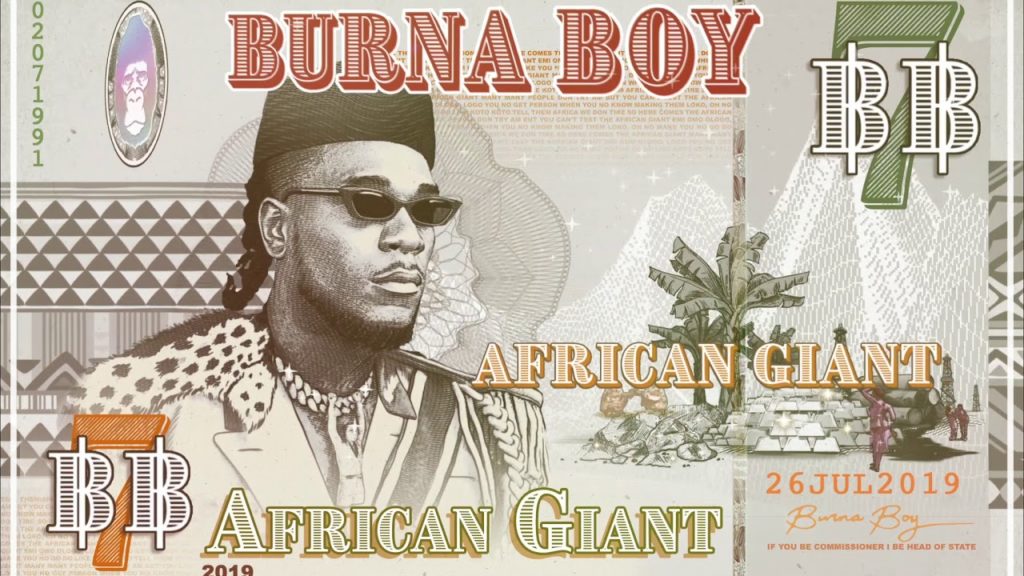
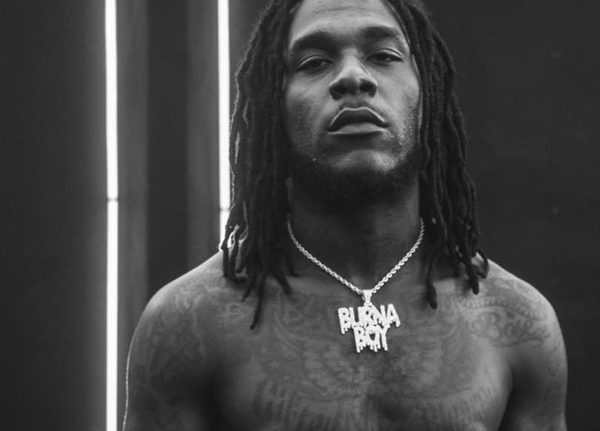
    Sometime in September, while condemning xenophobia, the Nigerian philosopher/prophet Burna Boy (Government Name: Damini Ogulu) solemnly vowed on Twitter to fight South African Rapper AKA (Government Name: Unknown). Tweet made 3rd of September 2019, exactly a month ago, has now been deleted.

    The logic behind this gauntlet drop is pretty clear. International Law stipulates that if two musicians physically fight, the country of the loser has to apologise to the country of the winner and stop extra-judicial killings. Xenophobia solved. 

    So in solidarity of Burna’s brave decision to be Nigeria’s Champion, I decided to listen to our dada-haired Messiahs 2019 banger “Anybody.” While listening I had an epiphany. The chorus of the song is fire but it also raises a fascinating question. It goes:

    Anybody, wey no want to soji
    Anybody, wey no dey carry body
    Nack am something, ahh
    Nack am something

    To ba ta fele, fele
    Nack am something

    It suddenly hit me. I mean I get wanting to beat up AKA (who doesn’t right?!) but the scope of this chorus goes further than beating up one annoying rapper. Is Burna Boy advocating for physical violence on certain portions of the Nigerian population with his incendiary lyrics? The chorus literally says “Anybody, wey no want to soji or Anybody, wey no dey carry body” such persons should be “Nacked (Nigerian slang for hit) with something” promptly. 

    He then proceeds to stress this point by crooning that “To ba ta fele, fele”, a Yoruba phrase which roughly translates to “if they misbehave in your presence” you are entitled to hit them with a weapon of your choice. 

    But then why would Oluwa-Burna (with his controversial past/present/probably future) say such a thing?! I set out to find out.

    I began by asking the important questions. “What does it mean to Soji?” And “Why does Burna-Boy strongly believe that a failure to do so should result in grave bodily damage?” 

    So “What does it mean to Soji?” This was a simple question to answer. The Nigerian man “Sojis” by “Carrying his body”. He does this by flailing his limbs around in an established rhythmic pattern. For example. He might mime the act of masturbating while hopping on both legs, etc. This act is commonly referred to in the Western World as “Dancing”. 

    And why “Why does Burna-Boy strongly believe that a failure to do so should result in grave bodily damage?” This was a tougher question to answer, but I solved it by digging deep and answering the existential question “What does it mean to be Nigerian?”

    For a significant percentage of the population, Nigeria is a terrible place to live. Thus, the average Nigerian consistently craves literal or metaphorical moments of escape and fleeting moments of happiness. This is where Nigerian music comes in. Nigerian music (from Fela to Wizkid) has been crafted in such a way that it is impossible for a Nigerian listener (or the occasional enthusiastic white man on Instagram) not to find the joy and escape he seeks. 

    In plain terms, it is literally impossible not to “Soji”. 

    Thus in Nigeria, if a man chooses to not “Soji” when confronted with Nigerian jams, he has made a deliberate choice to pick unhappiness over joy. Such persons are locally described as Bad-Belles. Furthermore, the negative energy of a bad-belle is a contagious plague to innocent bystanders around him. Nigerian poet, WizKid echoed this sentiment when he crooned in 2018 hit “Bad Energy” that “Bad energy stay far away”. He did so because he feared its unstoppable effects.

    Logically therefore, if you encounter a bad belle who refuses to Soji you should act by defending himself against such person.

    In summary, Burna-Boy is a lover of peace and positive vibes not an advocate for assault merely self-defence (except when he is literally threatening to assault someone on Twitter). The hidden meaning of the chorus of “Anybody” is: 

    “No longer shall we passively accept the Nigerian bane of unhappiness. Never again!!  Arise my fellow patriots!! Any man woman or child who wilfully chooses to deny himself and his fellow man joy, Assault him with the closest weapon!!! For if he is left unchecked our fleeting joy shall be stolen!!” 

    Words befitting of a true African Giant.  


    Guest article by Bartholomew Eboseremen

  • The Misplaced Anger of South Africa’s Xenophobic Attacks

    The headlines have been short, scary and painfully familiar, spelling out different variations of the same message: “Xenophobic Attacks In South Africa.”

    The story: the alleged shooting of a cab driver in Pretoria erupted into a wave of mob violence against African nationals in South Africa this week. Xenophobia is today’s trending topic of discussion, although the unfurling of the now-too-familiar #SayNoToXenophobia hashtag is the only reminder you need that we’re simply rehashing a very old problem.

    In 2008, 60 people were killed and over 50,000 forced from their homes in violence against African nationals, according to Human Rights Watch. In 2015, similar attacks forced many foreign governments to repatriate their citizens from South Africa.

    The recent violence is motivated by decades-old rhetoric that blames immigrants, particularly those from other African countries, of ‘stealing’ jobs and bringing crime into local communities. The sentiment was echoed by South African truck drivers who, on Monday, embarked on a wildcat strike protesting against their foreign colleagues. In videos circulating on social media, mobs can be seen shouting “Go Home” in the streets.

    https://twitter.com/mouse_ani/status/1169260164513501184

    A closer look, however, suggests a disturbing connection between socio-economic conditions and the outbreak of these xenophobic attacks. The South African economy has been unstable for four years and counting. It shrank badly in the first quarter of 2019, amidst fears of an impending recession. There are other sources of discontent. The South African government still faces crises of representation and legitimacy, months after ex-president Jacob Zuma was ousted. Unemployment is worryingly high; more than 10 million people are unemployed, or 38.5% of people who could be working.

    In the last few years, populist regimes and movements have emerged in almost every corner of the world. From Brexit to the Trump White House, it would seem the nationalist bug has now bitten South Africa. If there’s anything we’ve learned from Trump, it is that populism needs enemies. And when things go wrong, it often looks to offer up ‘minorities’ as the problem. It doesn’t help that immigrant population in South Africa has doubled in the last decade.

    Add that to years of systemic oppression, apartheid and unfair land ownership laws and you can see how decades of discontent and anger are directed at an easy target – immigrants. Despite subsequent reports that the Pretoria shooter was not Nigerian, many have been killed, beaten, forcefully removed and had their businesses destroyed. It is an easier solution than the years of economic development, institutional restructuring and education that South Africa’s indigenous population, and Africans in general, should be asking for.

    While the hashtag #WeHaveNoPresident silently indicts Nigeria’s notoriously lethargic President Buhari, Nigerians are outspoken about the attacks. Nigeria’s Foreign Affairs minister, Geoffrey Onyeama condemned the attack in strong language – so did the former minister, Oby Ezekwesili among other commentators and public personalities.

    Social media has become the second battleground of sorts. Nigerian rapper, Ycee alluded to old tweets by AKA, which in turn led to a slew of ill-advised comments by the SA rapper that forced Burna Boy out of his social media hiatus with strongly-worded warnings to the former, MI and South Africa. Burna’s tweets have now been deleted.

    https://twitter.com/SubDeliveryZone/status/1168982438145642497

    The misplaced anger of South Africa’s xenophobia has also exposed problems in other African countries, most notably here at home in Nigeria. While the giants fought on social media, a spate of reprisal attacks began in suburbs of Lagos, Ibadan, Uyo and later, Abuja. They gradually descended into outright robbery, particularly in Lagos where two large malls were looted. “What does this have to do with South Africa?” is the burning question. First, nothing. Second, the answer has been staring us in the face for years.

    Years of multidimensional poverty are festering like an open wound. The World Poverty Clock reports that Nigeria’s 87 million extremely poor people are the most of any country in the world. Over half the population of young people aged 15 to 35 are without work. The government is facing corruption allegations of its own. Amidst all of this, there is pervading sentiment that some classes & groups have managed to corner the good of the land for themselves. Sounds familiar?

    These moments hold up a mirror to us as Africans. Two things have been made clear. As we learned yesterday, any cue to blame or antagonise a group in these times is an invitation to misplace anger and unleash violence. It doesn’t matter if it’s South Africa or Nigeria – oppressed, marginalised people react in the same way, whether there is a xenophobic agenda or not. It’s why many have warned that the looting in Lagos is a precursor to a violent class struggle that could follow the same script as the attacks in South Africa.

    A few conspiracy theories have been thrown in the air: Why is this happening while Africa tries to get its act together? Why is this coming barely weeks after all 54 countries agreed to trade freely across the continent? Why did Burna Boy destroy his chance of winning a Grammy? Who has been hacking Babes Wodumo’s social media accounts? Is every Nigerian musician a cultist?

    Whatever the angle, our biggest learning is that African countries have a huge job on their hands. Some say it’s a ticking time bomb. It is why it’s important to reiterate now more than ever that no country is the other’s problems.

    The present path only threatens to drive us further apart, with the world watching. Reprisal attacks have begun in Zambia. Nigeria has just recalled her High Commissioner to South Africa and joined several African countries in shunning the World Economic Forum event holding in Johannesburg. Free Trade & Internal security were thought to be high on the agenda.

    SA President Cyril Ramaphosa has spoken against the attacks. The Police have made over 60 arrests since Tuesday. But some of the silences are too loud. More South African leaders and monarchs need to condemn the violence in clear terms, and call their followers and constituents to order. These are small, necessary strides. Long-term solutions will be required to prevent a re-occurrence.

    Africa’s governments need to get the message – the people need economic freedom. We also need to know our history, so that friends are not presented as enemies. For now, there’s little we can do but use our voices to #SayNoToXenophobia.

    Did you enjoy this? You should sign up for our weekly pop culture newsletter, Poppin’. You’ll get to know what we’re up to before anyone else + insider gist, reviews, freebies and more. If it sounds like your deal, sign up here.