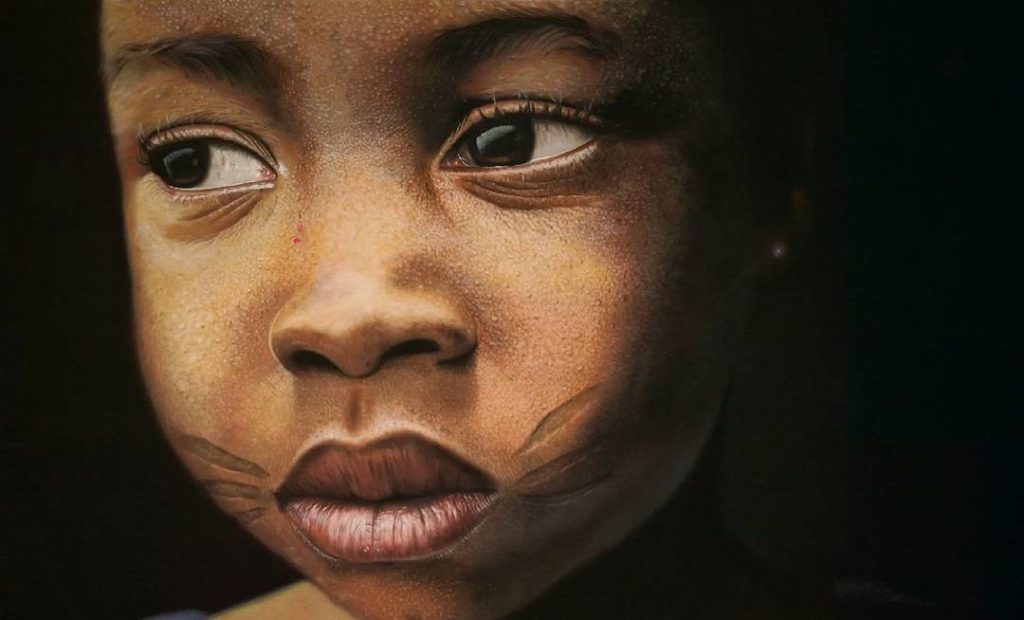
Notice: Function _load_textdomain_just_in_time was called incorrectly. Translation loading for the wordpress-seo domain was triggered too early. This is usually an indicator for some code in the plugin or theme running too early. Translations should be loaded at the init action or later. Please see Debugging in WordPress for more information. (This message was added in version 6.7.0.) in /home/bcm/src/dev/www/wp-includes/functions.php on line 6121
tribal marks | Zikoko!
  • The Different Types of Hausa Tribal Marks in Nigeria

    Like the Yorubas, tribal marks are common among the Hausas from northern Nigeria. Parents or relatives give infants these marks a few days after birth for reasons that vary depending on the family or tribe. The Gobirawa of present-day Sokoto marked their faces for easy identification in times of war.

    Although tribal marks have declined in recent times thanks to civilisation and ex-president Olusegun Obasanjo’s Child Acts Law of 2003, it’s not uncommon to still find northerners with facial markings. We compiled some common Hausa tribal marks and what they mean.

    Gobirci with temple marks
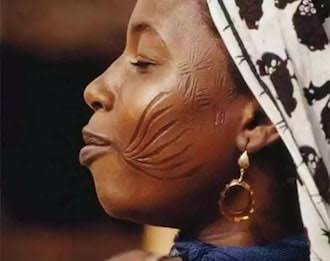
    The Different Types of Hausa Tribal Marks in Nigeria

    Photo source: Wikipedia

    These marks once distinguished a group of Hausas from Gobir, an old kingdom that’s been split into Sokoto and Zamfara states in present-day Nigeria. Multiple lines lead to the corners of the mouth and more markings on the temple.

    Gobirci with single “Tage”
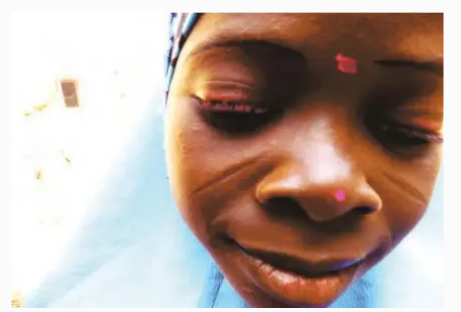
    The Different Types of Hausa Tribal Marks in Nigeria

    Photo source: Daily Trust

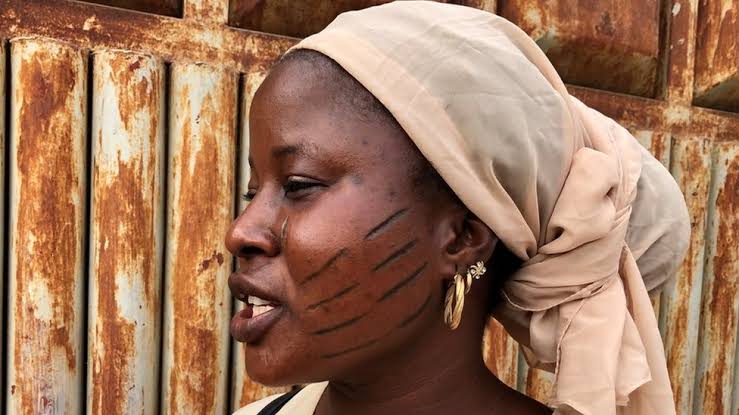
    Single peripheral marks on both cheeks. This is a simpler variation of the gobirci tribal marks, common among the younger generation.

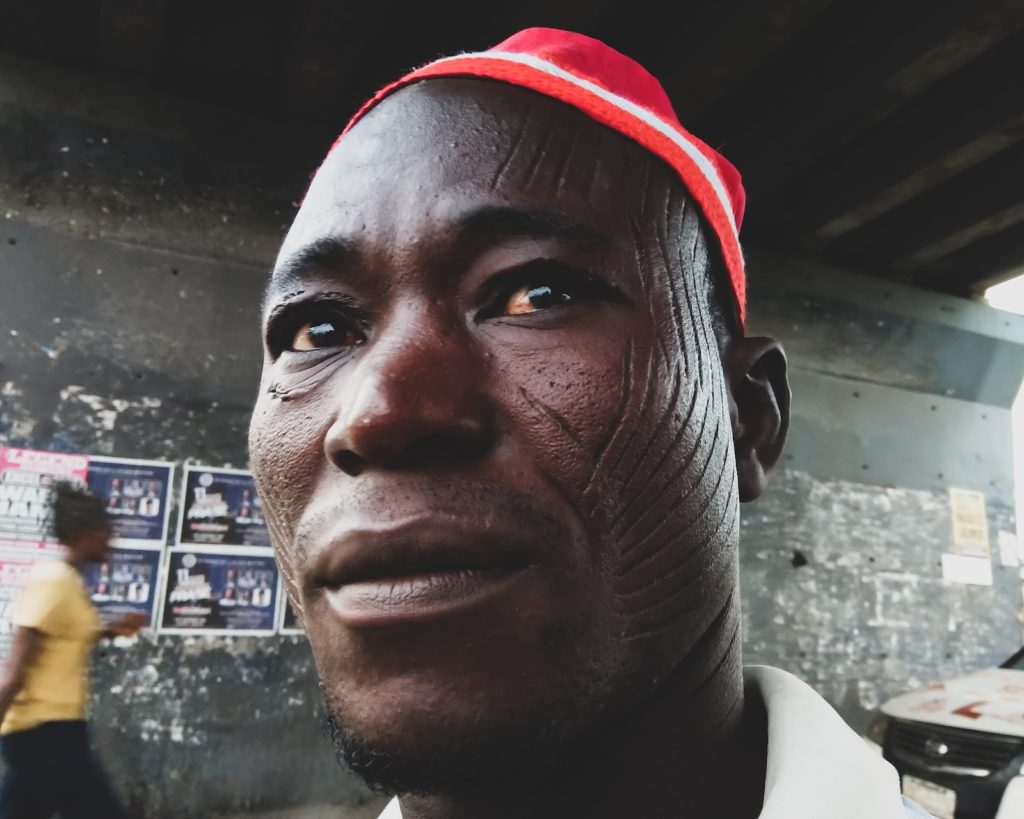
    Lekanci
    The Different Types of Hausa Tribal Marks in Nigeria

    Photo source: Wikimedia Commons

    The Lekanci marks are common among members of the Lekayewa clan of Argungu, Kebbi state. It’s made up of ten marks on the right cheek and nine on the left.

    Susa’na
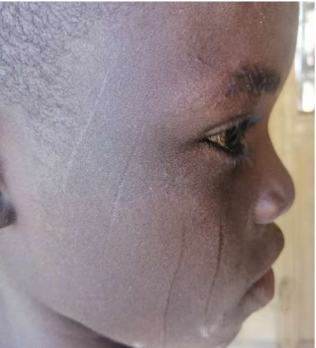
    Photo source: Researchgate

    Four vertical lines on both faces, this tribal mark is common to the Kanuri tribe in Borno state. Susa’na identifies normal citizens who don’t belong to a traditional political class. 

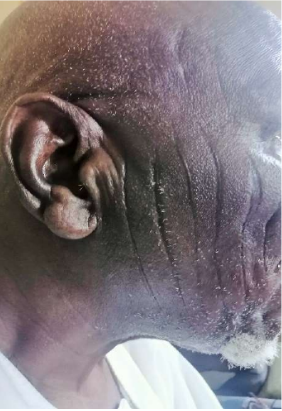
    Mami
    The Different Types of Hausa Tribal Marks in Nigeria

    Photo source: Researchgate

    It’s common among Kanuri people who speak the Mami dialect and claim to be descendants of the Sayfawa dynasty. Seven sets of vertical lines on both cheeks and one on the forehead.

    Rijiya 
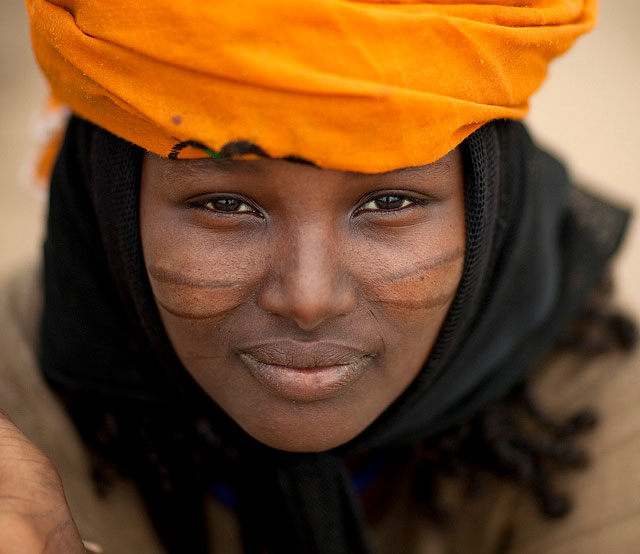
    Photo source: Nairaland

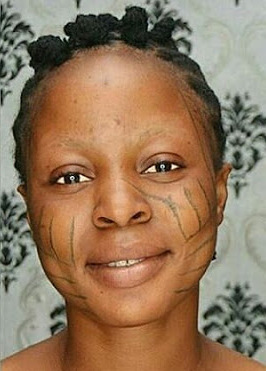
    This Hausa tribal mark features varying numbers of horizontal marks across both cheeks, depending on family, customs or specific northern regions.

    Arauci
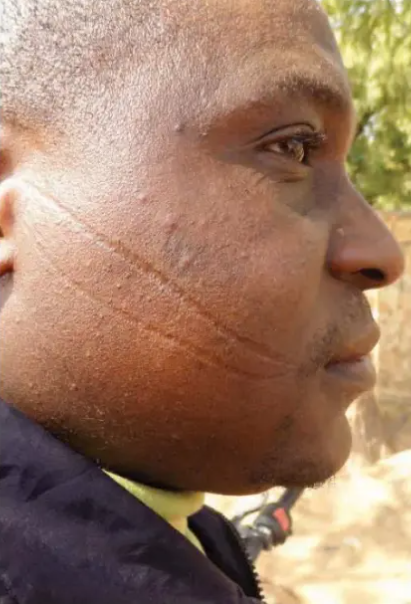
    Photo source: Daily Trust

    Arauci is two marks drawn on both cheeks, from the ears to the corners of the mouth. It’s common to the people of Arawa in Argungu, Kebbi.

    If you enjoyed learning about Hausa tribal marks, you’ll love this: 6 Stages of Getting A Tattoo In A Nigerian Home


    Seen our Valentine’s Special yet? We brought back three couples we interviewed in 2019 – one now with kids, one now married and the last, still best friends – to share how their relationships have evolved over the previous five years. Watch the second episode below:

  • These Are the Different Yoruba Tribal Marks in Nigeria

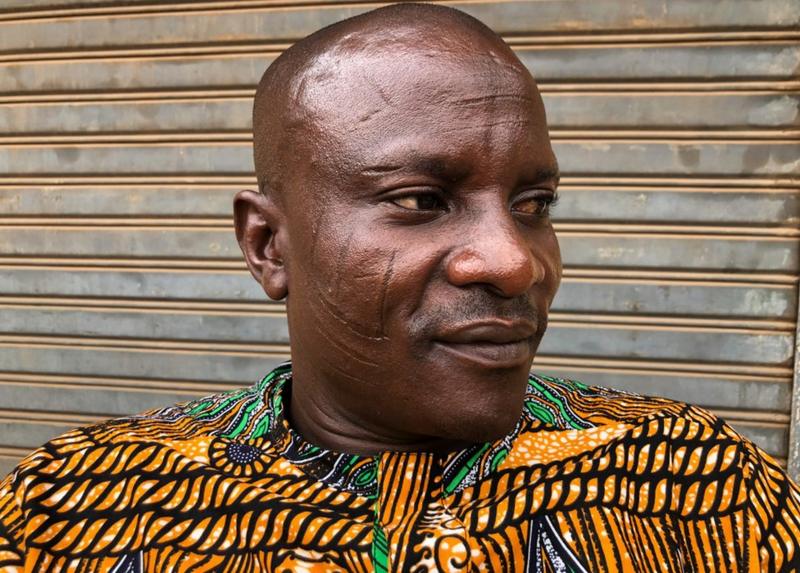
    Tribal marks are a unique Yoruba tradition passed down generations. They’re face tattoos done without the consent of the carriers, often infants. In the past, people would mark their newborns so it’s easy to tell which tribe, family or town they belong to.

    But they’re less popular nowadays thanks to civilisation and the Child Rights Act ex-President Olusegun Obasanjo’s government enacted in 2003: “No person shall tattoo or make a skin mark or cause any tattoo or skin mark to be made on a child”. Violations could attract a ₦5,000 fine, jail term of one month, or both.

    These are some of the common ones that still exists, and what they mean.

    Abaja Olowu

    These Are Different Types of Yoruba Tribal Marks in Nigeria

    Image source: BBC

    Three vertical lines over three horizontal lines. It’s associated with people from the Owu Kingdom.

    Gombo

    These Are Different Types of Yoruba Tribal Marks in Nigeria

    Image source: KnowNigeria

    Also known as “Keke”, this Yoruba tribal mark is four to five perpendicular lines and three vertical lines on both cheeks. In some cases, it also features a stroke across the nose. Gombo tribal marks are prominent among people from Oyo and Egba land.

    Double Abaja

    These Are Different Types of Yoruba Tribal Marks in Nigeria

    Image source: BBC

    The Abaja marks once distinguished the noble families of Oyo. But these days, they’ve been adopted by many Oyo-oriented groups. Abaja tribal marks come in variations of threes and fours. 

    [ad]

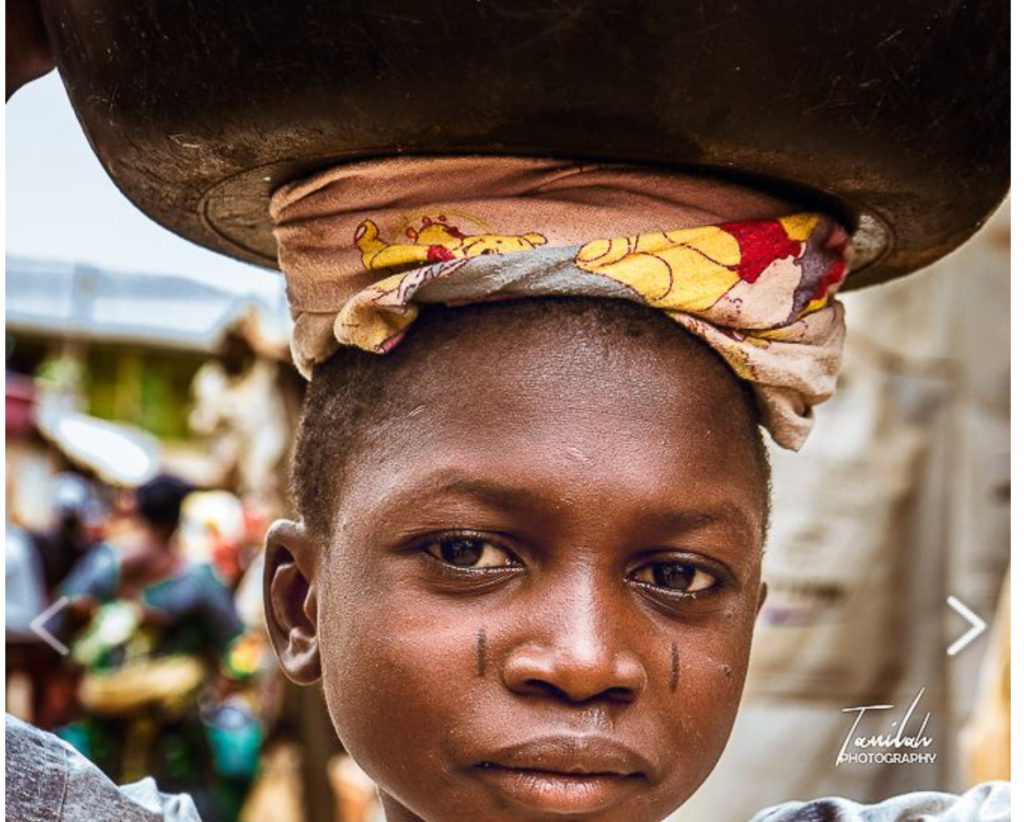
    Pele

    Image source: TamilahPhotography

    Pele is a generic tribal mark in Yorubaland. It varies in size and number of strokes according to tribe. Some pele marks are tiny and barely noticeable, while others are long and prominent on the face.

    Single Abaja

    Image Source: X/@adetutu_oj

    This is a single set variation of the Abaja tribal mark, common among people from Oyo state. 

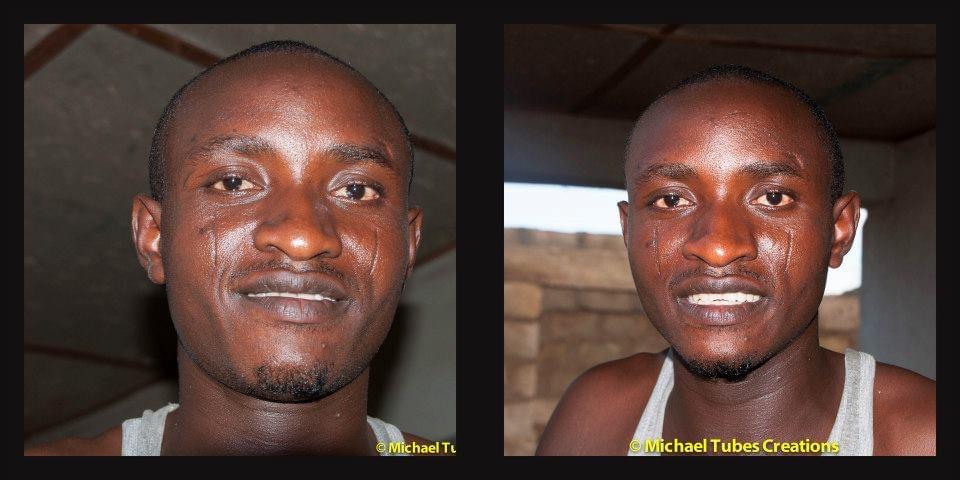
    Soju

    Image source: Facebook/MichaelTubesCreations

    Soju marks are single vertical lines on both sides of the cheek. They’re common among natives of Ondo state. 

    Jaju

    This is another tribal mark common among people from Ondo state. But unlike Soju, the lines are horizontal.

    Yagba marks

    Image source: Nairaland

    This tribal mark style is fairly less common than the others. With three converging lines at both corners of the mouth, it’s common among the Yagbas — Yoruba people from the north.

    Enjoyed this piece about Yoruba Tribal marks? You should get into this: Before You Get a Tattoo, Take Note of These Facts


    Seen our Valentine’s Special yet? We brought back three couples we interviewed in 2019 – one now with kids, one now married and the last, still best friends – to share how their relationships have evolved over the previous five years. Watch the second episode below: