Notice: Function _load_textdomain_just_in_time was called incorrectly. Translation loading for the wordpress-seo domain was triggered too early. This is usually an indicator for some code in the plugin or theme running too early. Translations should be loaded at the init action or later. Please see Debugging in WordPress for more information. (This message was added in version 6.7.0.) in /home/bcm/src/dev/www/wp-includes/functions.php on line 6121
Ramadan | Zikoko!
  • “It Reminds Me of My Loneliness” — 6 Nigerians on Celebrating Eid Outside Nigeria

    Like it or not, japa has become part and parcel of the Nigerian reality. In most families, at least one person has left the country to start afresh (in saner climes).

    But starting afresh for the japa-ee also often means loneliness, a feeling that’s emphasised during festive periods. I asked 6 Nigerian Muslims living abroad what celebrating Eid-Al-Fitr was like in a strange land without family.

    Image designed by Freepik

    Rofiat*, 26, Canada

    I’ve only been here for about four months, and getting into Ramadan this year was difficult. I always missed Sahur, and Iftar required serious calculation to be sure I was breaking my fast at the right time because the sun here has a mind of its own. I never had to worry about this back home because it was a family thing; we all looked out for each other. I couldn’t really celebrate Eid because I didn’t think I did my best during Ramadan, and I felt guilty. Plus, there’s no public holiday here, so I just had a cup of ramen noodles after classes and cried myself to sleep.

    Banji*, 30, UK

    For the first time this year, I spent Eid with my mum’s former student’s family. It was great; there was food, and I got to play with her kids.

    When I first arrived in the UK in 2022, I spent Eid alone, and it was so depressing. My mum suggested I connect with her ex-student, and I thought it’d be weird. Like, how do I just appear at your door to eat rice? But when loneliness wanted to finish me again in 2023, no one told me before I found myself at her house. 

    Hamid, 29, Canada

    Eid always reminds me that I’m all alone in a no-mans-land. Back home, every Eid was a big deal. We’d kill rams — even for Eid-al-Fitr when it’s not compulsory — and everyone would gather at our olori-ebi’s house.

    I’ve been in Canada for about a year, and there’s a stark difference. I spent this year’s Eid at work and returned home alone to my cold apartment. In all, we thank Allah. 

    Jola, 24, US

    I spent Eid cooking up several pots of rice and soups. I had to store most of it in the freezer to eat for the rest of the month, but cooking that much helps me feel connected to my family. We always cook up a storm for holidays in Nigeria, so, in a way, I’m still holding on to family traditions.

    Bolajoko, 29, UAE

    Maybe it’s because I live in a Muslim country, but I hardly feel alone in Dubai even though I have no family here. I spent this year’s celebration with friends (some of whom relocated from Nigeria, too), and we ate together in someone’s house after Eid prayers.

    Ranti, 23, Ireland

    I celebrated Eid by dressing up just to sit down in my apartment. I took pictures, so I guess that’s better than nothing. It’s my first Eid alone, away from home. I hope to have connected with more Muslims around my area before Sallah later in the year, so it’s not so lonely.

    *Some names have been changed for anonymity. 


    NEXT READ: Strictly Halal Activities That’ll Take Your Eid-Al-Fitr Celebration from Zero to 100

    [ad]

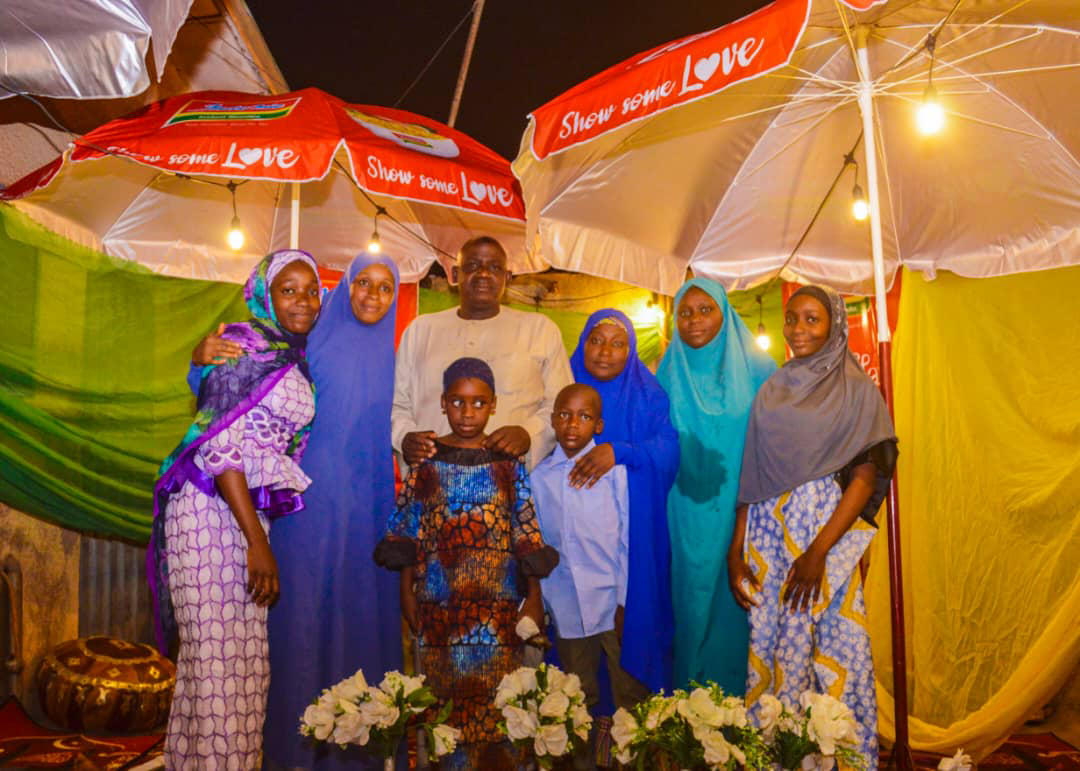
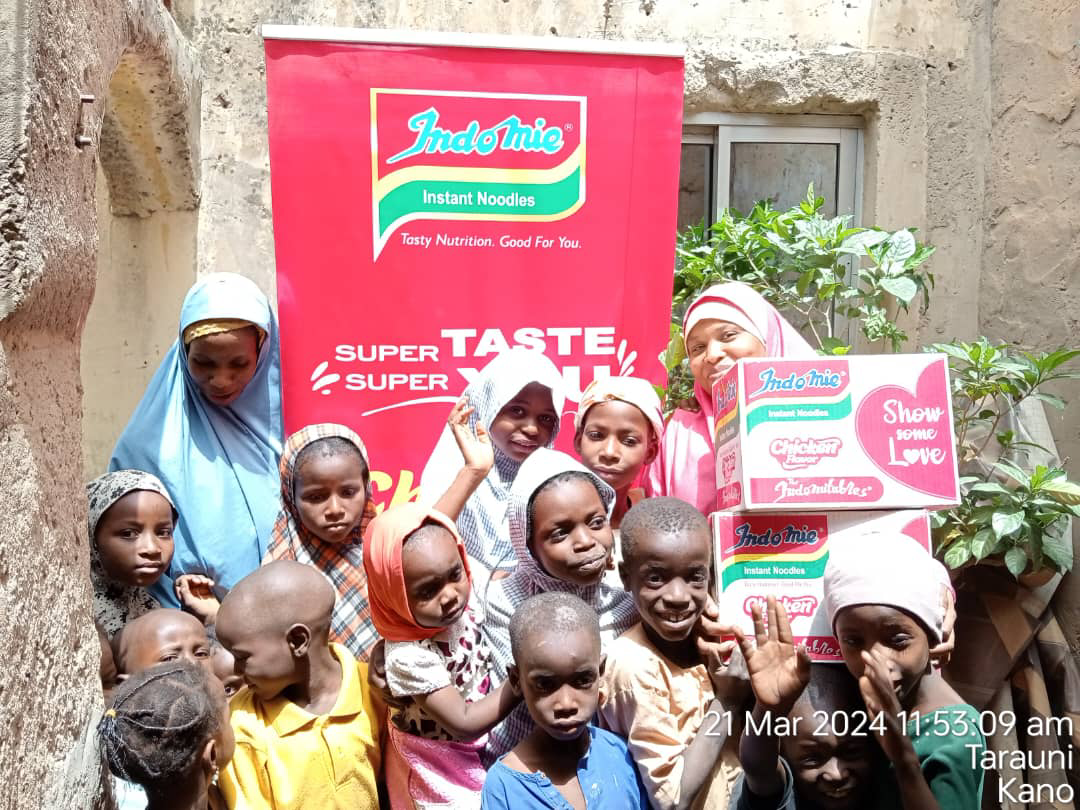
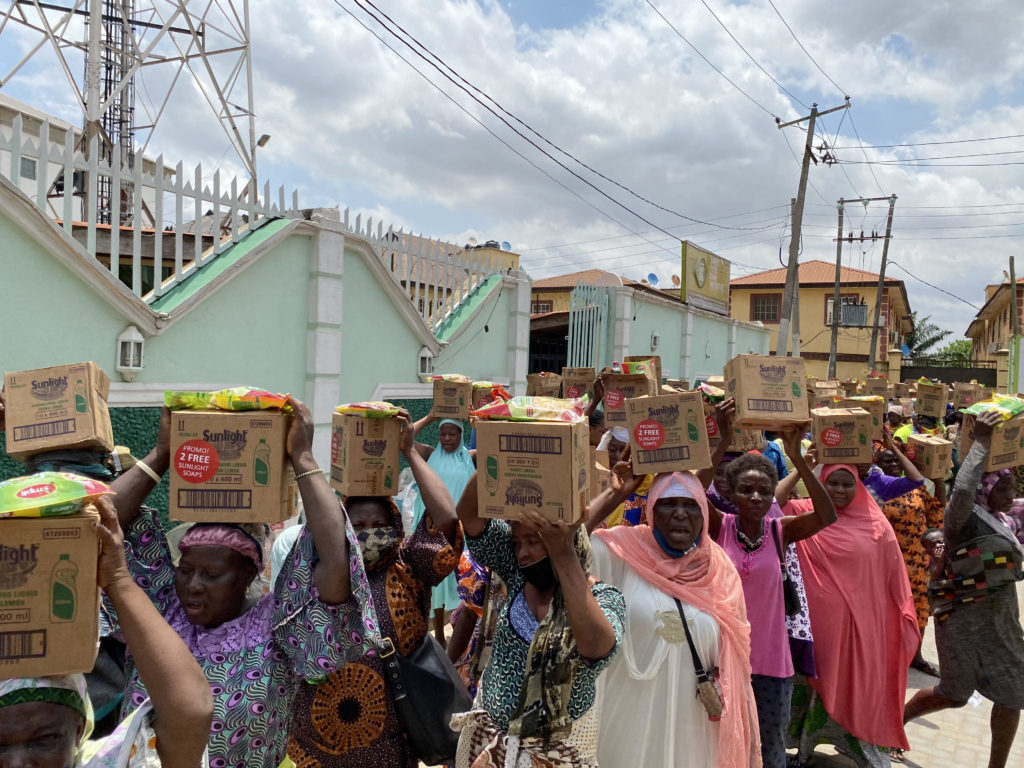
  • Indomie Instant Noodles is spreading love and joy this Ramadan Season with a nationwide campaign that is aimed at celebrating all the good things that are associated with the period. The campaign is aimed at enriching the experiences of Muslim faithful by spreading joy, unity, and generosity as we mark this sacred month of fasting.

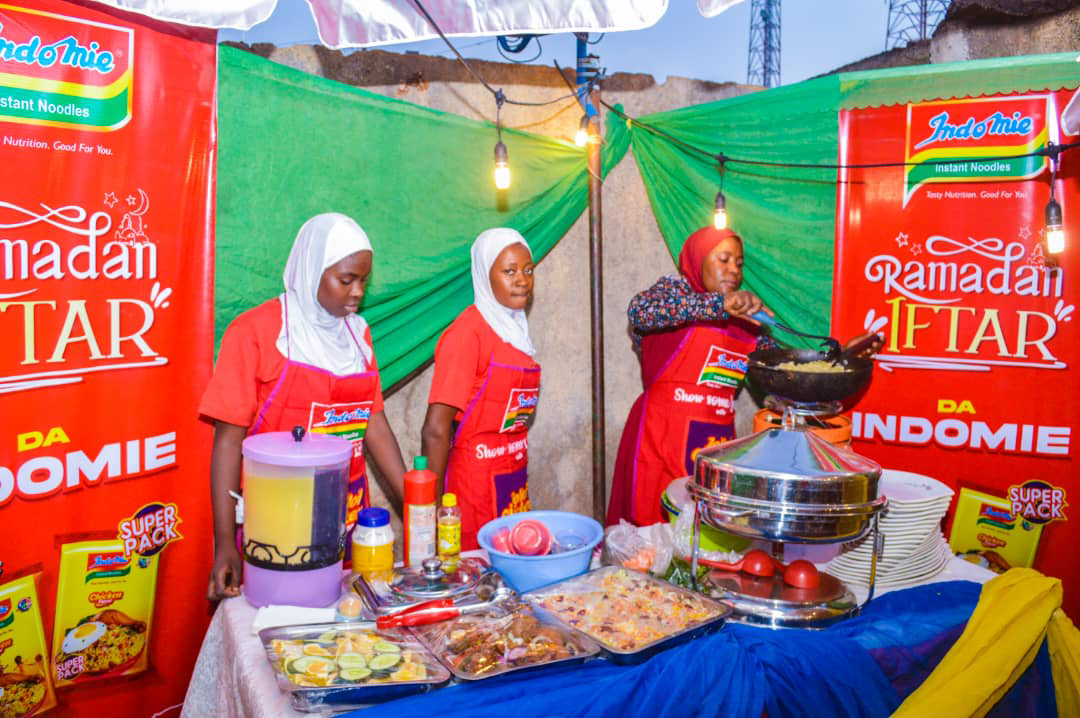
    A group of women wearing red aprons standing in front of a table with food

Description automatically generated

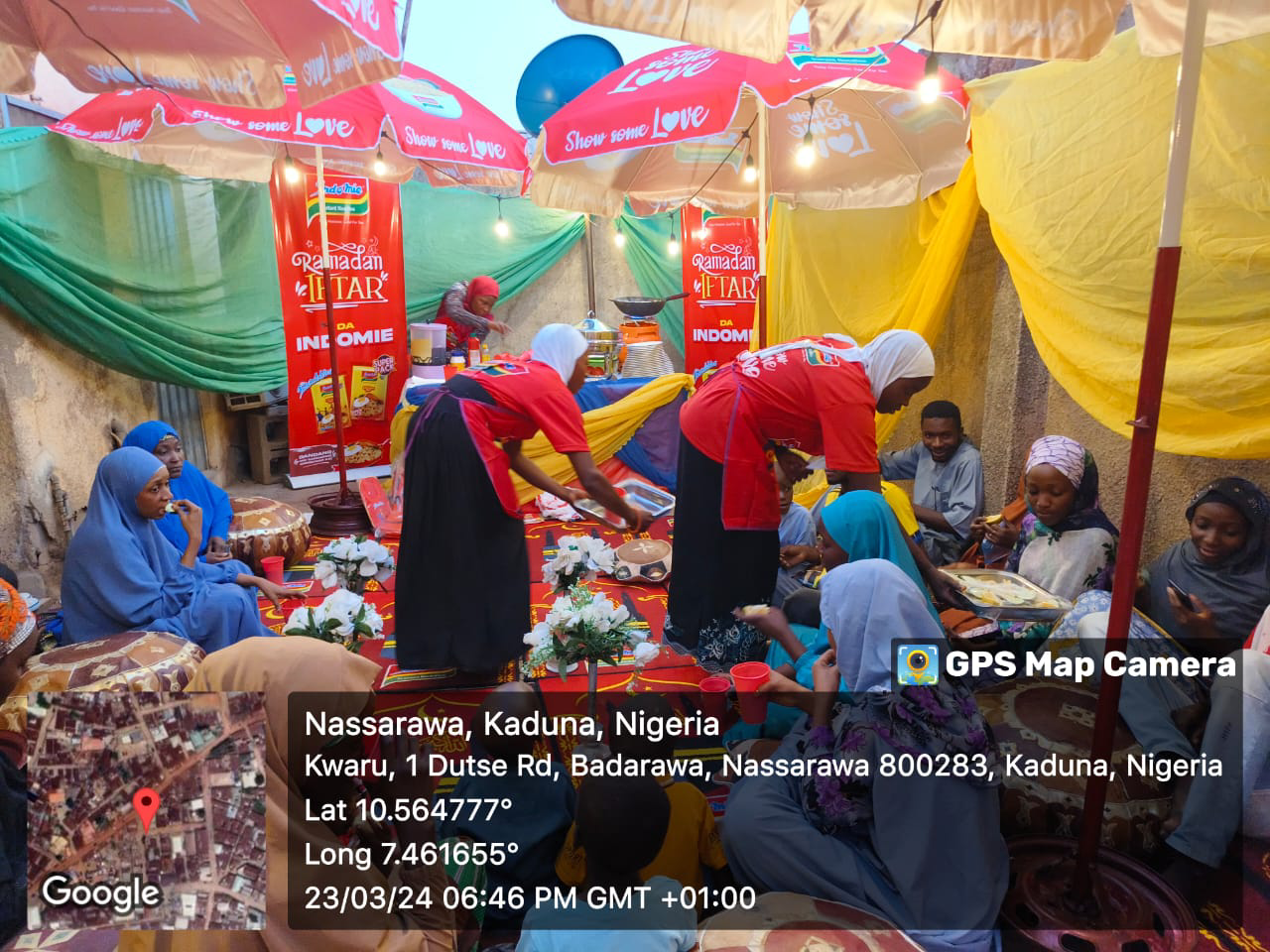
    All over the country, the brand’s famous Indomie Mobile Kitchen can be seen at various mosques, offering free meals to all who care, while also encouraging the faithful to imbibe the culture of sharing.

    The campaign which was kicked off in Kaduna and Kano, also features the brand’s sponsorship of a popular radio show, Ramadan with Indomie (Ramadan tare da Indomie) which airs on Freedom FM and Capital FM. Indomie’s sponsorship 15-minute live radio show which started on March 18 and runs until April 8, 2024, just a day before the end of Ramadan, airs daily on Freedom FM and Capital FM stations with each episode capturing captivating Islamic stories and teachings, providing moments of reflection and inspiration for listeners.

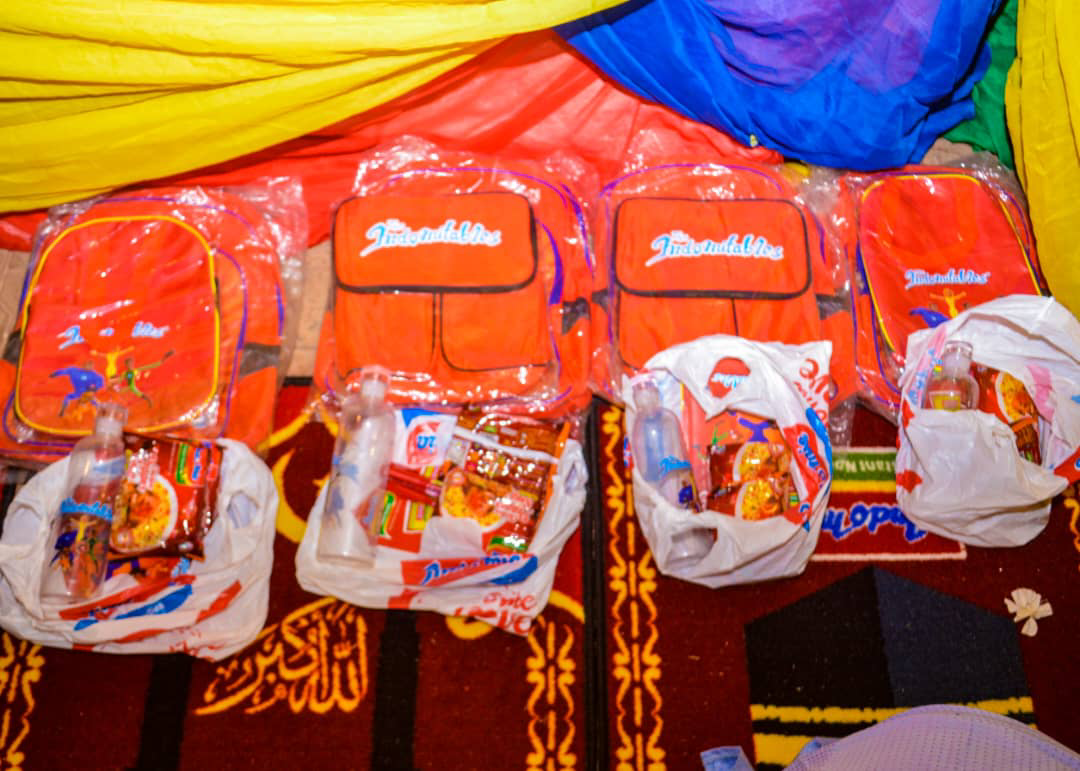
    A group of bags on a red carpet

Description automatically generated

    The programme promises to provide listeners with an amazing experience like they’ve never witnessed on the show, with each getting a chance to win exciting prizes as they participate in interactive fun quizzes to test their knowledge of both Islamic teachings and Indomie. Responses to the quizzes are submitted via WhatsApp or SMS to the radios’ dedicated numbers.

    As part of the sponsorship, Indomie will continue to spread joy during this Ramadan, by rewarding three lucky winners every day. The first-place winner will have the honour of hosting a beautiful Iftar meal for their family and friends, with Indomie graciously providing the feast. Second and third-place winners will receive a carton of everyone’s beloved Indomie noodles, perfect for sharing with loved ones.

    In addition, Indomie’s Mobile Kitchen is still on streets and ready to delight faithfuls with delicious free meals of Indomie Instant Noodles, drinks and branded bags at various mosques. 

    What a gesture! What a unique way to strengthen togetherness among family and friends, especially during these hard times.

  • 12 “God Abeg” Moments Every Muslim Can Relate to During Ramadan

    Every Muslim knows that fasting during Ramadan is a different ball game. From messed up sleeping and eating patterns to keeping a clean spiritual slate, the month will test you.

    It’s officially day 9 of Ramadan and every fasting Muslim should have experienced one or all of these moments.

    The struggle to wake up

    12 “God Abeg” Moments Every Muslim Can Relate to During Ramadan

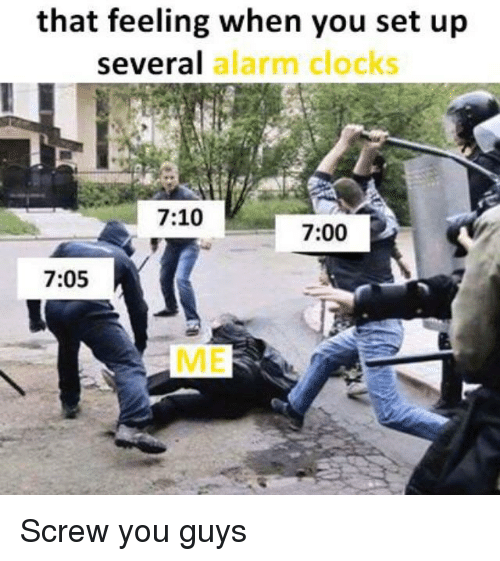
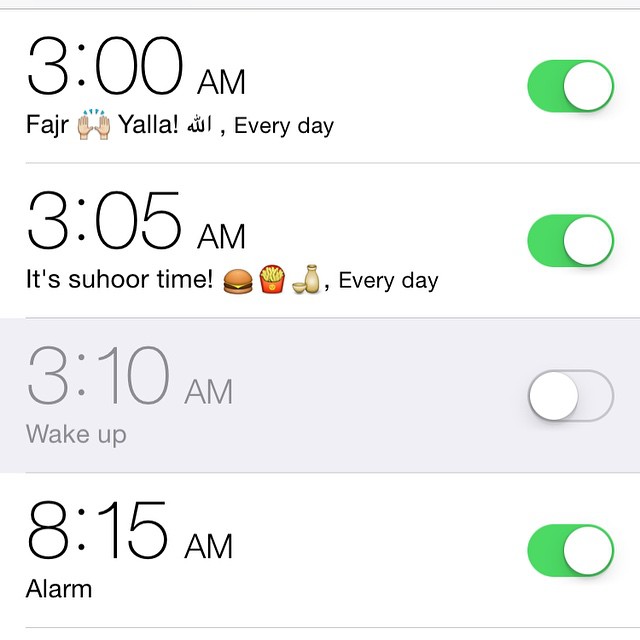
    If you live alone, you’ll keep snoozing the alarm until your consciousness jerks you off the bed. Then, you realise it’s too late to eat. So you just drink water. God, abeg.

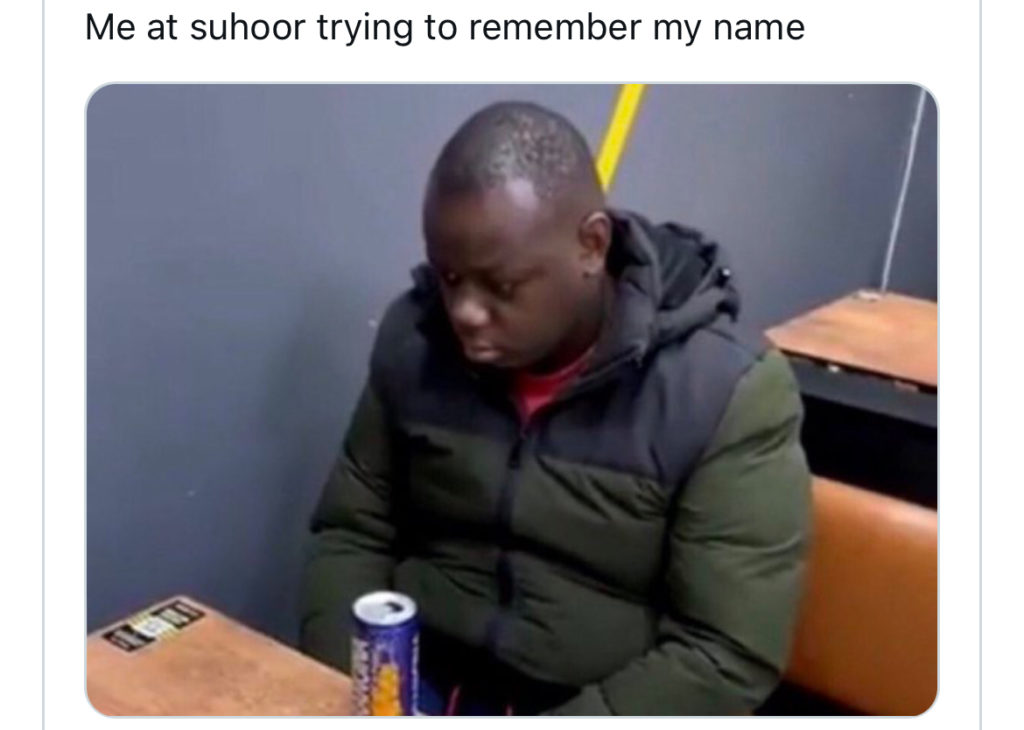
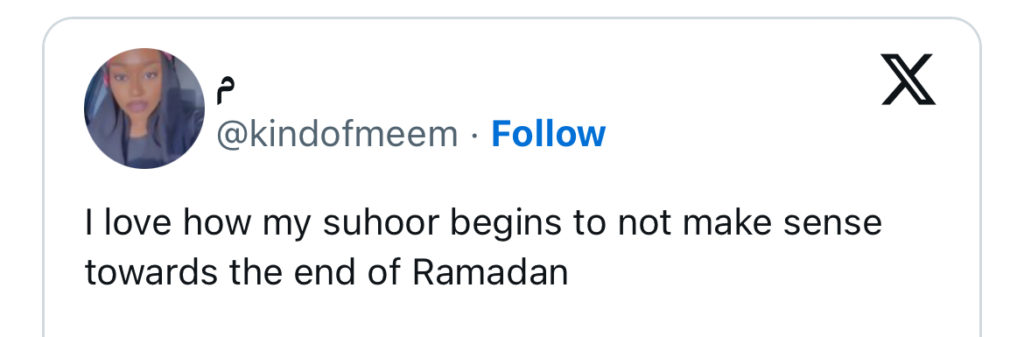
    The Sahur existential confusion

    12 “God Abeg” Moments Every Muslim Can Relate to During Ramadan

    You know how you wake up in the morning and don’t know WTF is going on? Let’s just say the confusion is ten times worse during Ramadan.

    Trying to finish a gallon of water before fajr

    12 “God Abeg” Moments Every Muslim Can Relate to During Ramadan

    OG Muslims know there’s no point overeating or over drinking during Sahur, but the JJCs try to drink as much water as they possibly can seconds before Fajr — the morning prayer.

    The biggest women-only festival in Lagos is BACK.
    Get your tickets here for a day of fun, networking and partayyyyy

    And still waking up thirsty

    After the struggle to wake up for sahoor, the second test of Ramadan is waking up thirsty in the morning. Then when you’re about to help yourself, you’ll remember you can’t drink or eat until later in the day.

    When people keep asking “even water”

    Ramadan has been around for as long as ever, but trust non-fasting folks to always act like it’s brand new every year. But then again, it’s not Ramadan if this question hasn’t come your way.

    The concert in your tummy

    12 “God Abeg” Moments Every Muslim Can Relate to During Ramadan

    This happens seven to nine hours into the fasting day. The hunger growls get louder, and there’s nothing you can do about it.

    Hoping the Imam speeds things up

    12 “God Abeg” Moments Every Muslim Can Relate to During Ramadan

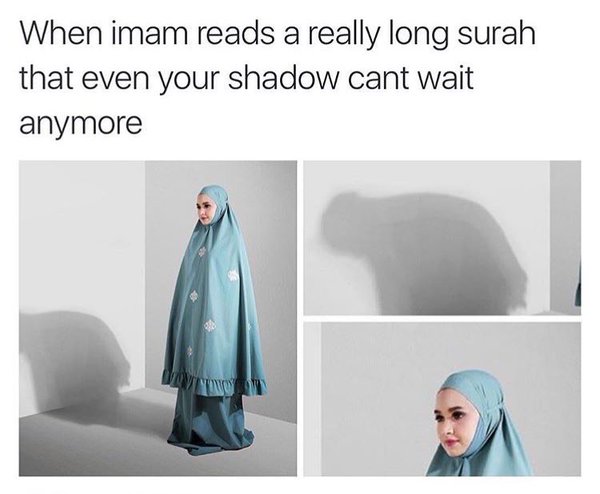
    Whether it’s the regular day prayers or the evening taraweeh, there’s a teeny-weeny angry thought that creeps into your mind when the imam goes for lengthy verses. Does he not know that folks are weak and hungry?

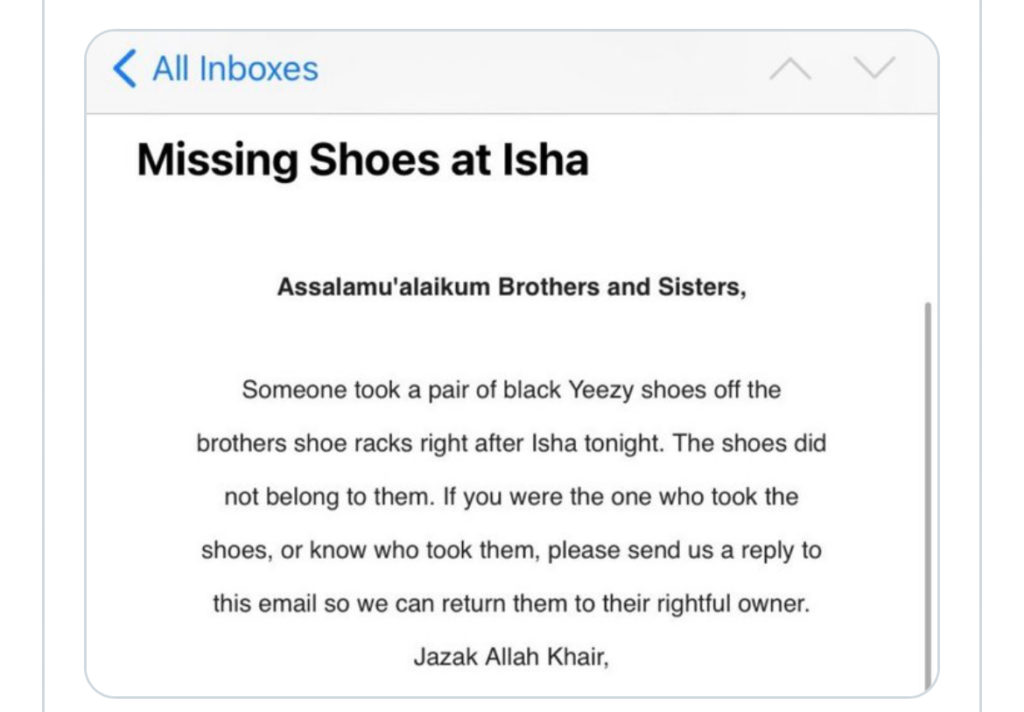
    Missing your shoes at the mosque

    Is it really Ramadan if you don’t lose your slippers at the mosque during taraweeh? Nothing concerns the slippers thieves with abstaining from sins during the holy month.

    When the period shows up

    Some ladies can act like they’ll miss the few days of fasting but deep down they’re happy AF they finally get to rekindle their love for food.

    [ad]

    The urge to drink ablution water

    Many things will test you during Ramadan and one of them is fighting the urge to nick a drop of water for your patched throat every time you do an ablution.

    The chaotic meals mid Ramadan

    12 “God Abeg” Moments Every Muslim Can Relate to During Ramadan

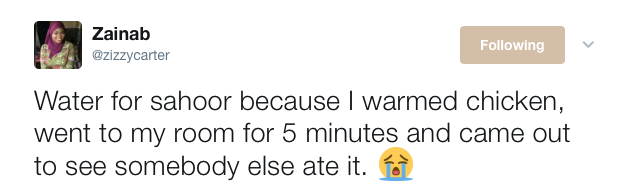
    Forget the food bloggers or the recipes you saved on IG. By the nighttime, you’ll probably be too tired to do anything. Water for sahoor might seem aiit and noodles for iftar settles it for you.

    The soft guilt on eid-morning

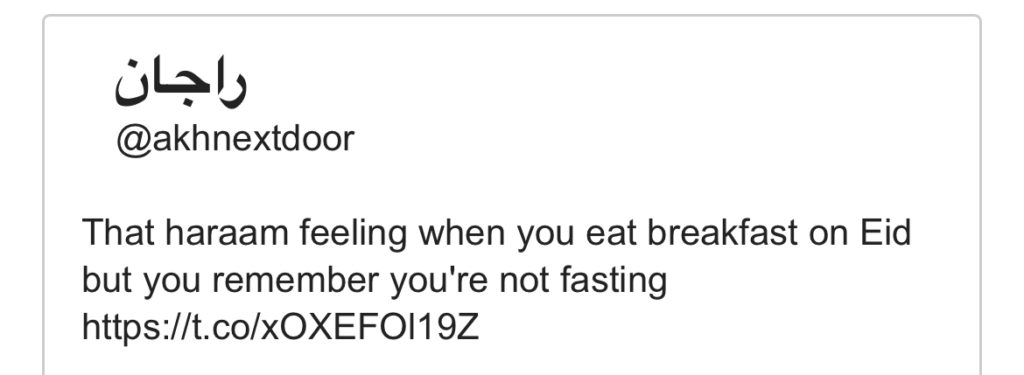
    You’re supposed to have breakfast before you go to the mosque on Eid but that soft guilt always comes through before you remember “Oh, I can eat. Ramadan is done with”.

    Read next: How to Make Time Faster During Ramadan

  • 7 Young Muslims on Navigating the Demands of Ramadan

    The holy month of Ramadan comes with great spiritual discipline which may prove tough for young Muslims. It’s said that during this time, the devil has been put on a leash and you’re solely responsible for whatever wrongdoings you commit. 

    While it might seem like most people have their shit together and lead a pristine month, there are others who find it hard to keep up with the demands of the holy month. You might learn a thing or seven from the stories of these young Muslims.

    Ibrahim*, 30

    Waking up for Sahoor is the hardest part of Ramadan for me. I’m such a heavy sleeper and even my alarm has the toughest job trying to wake me up. Left to me, I’ll go on without waking up to eat sahoor. Unfortunately, the waking and eating bit also makes your fasting valid so you can’t decide to skip it. Thank God my younger brother is around. He’s been the one waking me up since we started.

    Balikis*, 25

    This might sound weird but the only thing I struggle with during Ramadan is this awful taste in my mouth. I can’t describe it. It’s sort of this bitter-ish taste you get when you’re about to come down with malaria. You should see my brushing after sahuur. I do everything—floss, tongue scrape, gargle with mouthwash—yet it never leaves. I once spoke to a doctor about it and he said something about acid reflux. A friend suggested using chewing sticks to clean my mouth after every ablution, so that’s something I’m trying this month.

    Kehinde*, 27

    I don’t look forward to Ramadan because of the midnight cooking. It’s the hardest part for me. Growing up, my mum used to handle it and she’d only come to wake us up when food was ready. But now that we’ve grown older, the baton has been handed down to me and my sisters. We’ve devised a roaster to make it easier but I don’t think that does much. I still get to cook four times a week. My consolation is the reward from Allah and the prayers that follow when I serve my parents. 

    Mariam*, 27

    Ramadan is the only month when it feels like I’m in a long-distance relationship. I cut down on visits to my boyfriend and even our communication isn’t all that. Islam doesn’t quite agree with the concept of dating, so it’s just one of those “sinful” acts I tone down on during Ramadan. Does it take a toll on me? Yes. Because I don’t get to see the one person who babies me. But thankfully, he’s also a Muslim so he also understands. I can’t wait for when we’re married and spend Ramadan together as a proper couple.

    [ad]

    Ahmed*, 24

    Outside of Ramadan, it’s easier to form unlooking when you miss your salat or hear the call to prayer. It’s hard to do that during Ramadan. It’s constantly ringing in your head that your fast is void and unaccepted if you don’t complete your five daily prayers. As someone who struggles with five daily prayers, I like that this Ramadan makes me more intentional. Is it difficult? Yes. Would I rather skip prayers? Probably. But, deep down I know I’m getting my rewards for doing one of the most basic things expected. 

    Jamiu*, 28

    Ramadan as a bachelor isn’t easy. I can’t even tell you the number of times I’ve considered moving back home just to spend the month with my parents. It’s not just about the waking and cooking bit, there’s also the loneliness that makes the entire process hard on you. Back at home, Sahur is always a vibe. There’s the fun bit of seeing who wakes up first, we get to eat as a family and watch some of the Muslim shows that air around that time. But here, it’s just me, myself and I doing it all alone. Although I try to channel that feeling of loneliness into reading the Quran, listening to sermons and other things that can earn my rewards in the holy month.

    Jumoke*, 30

    There’s something different about Ramadan in the UK compared to Nigeria. Back home, there’s this sense of “Ramadan is in the air” you get. You don’t feel lonely in all of that experience of waking up to cook at midnight, going for tarawee and attending tafsir because there are so many people doing it around. It’s not like that here. This is my third Ramadan and I’ve been slightly agitated since we started because I don’t know what this one will bring. I struggled during my last two—No friends, away from my family, missed so many fasting days and cried a lot. Now, I’m part of a Muslim community and it helps. But it’s still not like fasting at home. 

    Read next: How to Make Time Faster During Ramadan

  • How to Make Time Faster During Ramadan

    Possible hunger aside, time is your biggest op while fasting. It’s painfully slow and drab on most days. But what if we told you there are ways to embrace delulu and willfully believe that an angel in heaven’s time management department has pressed fast forward?

    Embrace hard labour

    How to Make Time Faster During Ramadan

    You know how you can get into house chores very early in the morning and next thing you know,  it’s 3 p.m? Exactly. Hard labour speeds up time.

    Don’t work from home

    How to Make Time Faster During Ramadan

    Let’s just say time moves faster when you’re not in your house during Ramadan. By the time capitalism and Naija traffic finishes with you, 7 p.m. for don knack.

    Remove every time-tracking device

    How to Make Time Faster During Ramadan

    Deactivate the clock on your phone, gather your wristwatches and lock ‘em up for a month. Finally, remove batteries from the clocks in your house. The day moves faster when you have no sense of time.

    [ad]

    And divide the day into prayers

    How to Make Time Faster During Ramadan

    Don’t think of the day in hours during Ramadan; think of it in prayers. Let’s do the maths: After you pray Dhuhr, remind yourself there are two prayers left. After  Asr, there is one prayer left, and when you pray Maghrib you’re done. 3 prayers >>> 14 hours.

    Avoid sleep

    True OGs know that 10 hours of Ramadan sleep is one hour of sleep in real life. So therefore, thou shall not slumber. Stay woke.

    Trek-a-thon

    Instead of sitting your ass in a private or public ride, hit the ground walking. That one hour road trip will be four hours by foot. Before you get to your destination, time to break for don reach.

    Remember, Ramadan is low key the official fitfam month for Muslims, so it doesn’t hurt.

    Plan a mosque tour

    Most mosques run daily lecturing programmes during Ramadan. Set out every day with at least seven new addresses. Before you reach the sixth or seventh location, it’ll almost be time to break.

    READ NEXT: What to Include in Your Ramadan Fruit Basket on a ₦5k Budget

  • What to Include in Your Ramadan Fruit Basket on a ₦5k Budget

    The inflation is inflationing, but that shouldn’t keep you from sending something valuable to your Muslim friends this Ramadan. Start with a Ramadan fruit basket to show you’re all about their well-being without breaking the bank.

    Watermelon

    What to Include in Your Ramadan Fruit Basket on a ₦5k Budget

    Photo source: Nairaland

    Watermelons are 90% liquid and a great choice for anyone who’s been dehydrated for hours. A small to medium-sized watermelon should set you back about ₦3000 – 3500. Watermelon slices sell for ₦150 – 200.

    Pineapples

    What to Include in Your Ramadan Fruit Basket on a ₦5k Budget

    Photo source: Next Cash and Carry

    If your Muslim friend or relative has a sweet tooth, you can replace the watermelon with a pineapple. A small to medium-sized one costs about ₦1200 – 2500. Pineapples contain vitamins A and C, and are great options for rehydrating a fasting Muslim.

    Apples

    What to Include in Your Ramadan Fruit Basket on a ₦5k Budget

    Photo source: BO Farms

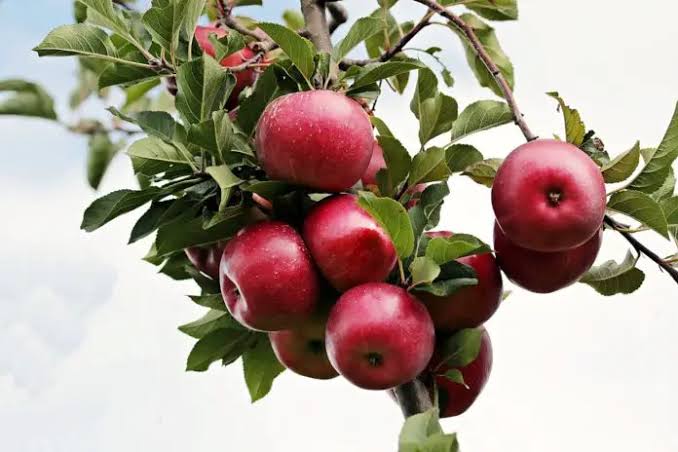
    Apples have great water content and are rich in vitamins A and C, which help reduce skin issues. A medium-sized apple costs about ₦200 – 250, which means a dozen will cost no more than ₦3000.

    Oranges

    Photo source: KitchenButterfly

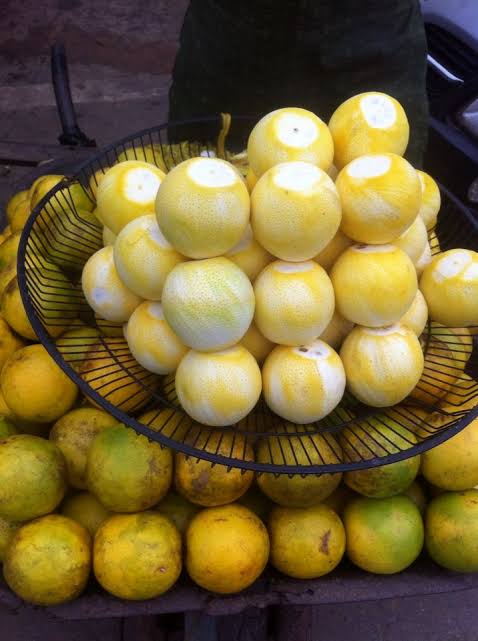
    Oranges are rich in vitamin C and water, and are probably the cheapest option on this list. A dozen medium-sized oranges cost between ₦1000 – 1500. Go for the vibrant yellow, slightly heavy ones if you want them juicy.

    Grapefruit 

    What to Include in Your Ramadan Fruit Basket on a ₦5k Budget

    Photo source: Mile12Market

    Grapefruit isn’t as sweet as an orange, but it’s another vitamin C-rich fruit with high water content. A dozen in your fruit basket should cost about ₦1500 – 3000.

    Plums

    Photo source: Fairway Market

    If your friends and relatives find apples boring, add some plums in that fruit basket. They’re rich in water content and are good for bone health. A medium-sized plum sells for as high as ₦300 – 500. You can do half a dozen for your fruit basket.

    Mango

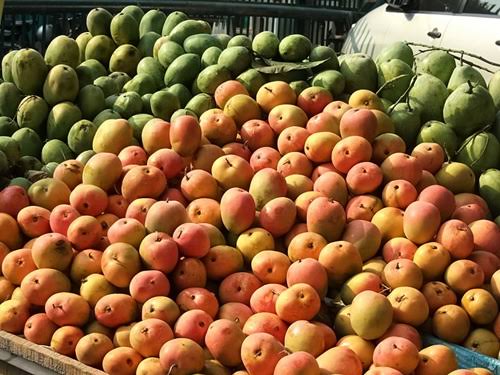
    Mangoes contain vitamins A, C and E, which are all effective in hydration. A dozen should cost about ₦1000 – 1500.

    Ready to build a Ramadan fruit basket? Take this quiz first: Can You Unscramble These Fruits In 2 Minutes?

  • 20 Thoughtful Ramadan Messages to Send to Your Loved Ones

    Short of giving them hard currency or a loaded gift basket, heartfelt messages are one of the most thoughtful ways to welcome your friends and family into the month of Ramadan. If you need help crafting Ramadan messages to loved ones, we’ve got you covered.

    20 Thoughtful Ramadan Messages to Send to Your Loved Ones

    Photo source: Pinterest

    Ramadan messages to your friends

    Whether you want to usher them into the month of Ramadan or inspire them during the hunger strike, these messages will do the job.

    20 Thoughtful Ramadan Messages to Send to Your Loved Ones

    Photo source: Pikbest

    “Ramadan Kareem”

    It translates to “generous Ramadan” and it’s the simplest way to wish them well in the holy month.

    “Your iftar is on me”

    Want your gees to know you’re really thinking about them? Let them know you’ll cover what they’ll eat to break their fast.

    “May your fasting feel fast”

    Send these to friends who hold time to ransom during Ramadan. No better way to give them small perspire to maguire.

    “Wake up. It’s time for suhoor”

    Send this message around 4:30 a.m. every day for those friends who oversleep and might miss the morning meal AKA suhoor.

    “If I’ve ever wronged you, please, forgive me as we enter the month of Ramadan, and I’ll forgive you too”

    Is it even Ramadan if you’ve not sent or received this message from your friends?

    “May Allah accept your Ibadah”

    Ibadah means “worship”, and fasting is considered a form of worship. This is a nice message to send after each day’s fast.

    “May this month fill your heart with mercy. May your soul become kind. May politeness take over your arrogance. And may this Ramadan be your guide in life.”

    Send this to friends who’ve taken “stay wicked” a little too far.

    “Salaim alaikum. You’re welcome to share iftar with me and my family tonight”

    Know a friend who’s spending Ramadan alone? You should light up their day with this message inviting them to break the day’s fast with you.

    “Wishing you a healthy and holy fast”

    No better way to tell your friends you wish them the strength to keep sin at bay during Ramadan.

    “May Allah touch and shape your heart. Ramadan Mubarak to you”

    This one is for friends who struggle with their faith.

     [ad]

    Ramadan messages to your loved ones

    Don’t let see-finish be the reason why you don’t craft a thoughtful Ramadan message to your family members. These ones should get you started.

    Photo source: Google

    “Wishing you a Ramadan filled with Allah’s abundant Rahmat, overflowing Barakat, and a fasting experience that brings you closer to Him”

    Send this heartwarming message to your loved ones at the start of Ramadan. 

    “Sending you strength and positive vibes as you observe your fast“

    Send this to your loved ones who struggle to keep up with the long hours of hunger required during Ramadan. 

    “O you who believe! Fasting is prescribed to you as it was prescribed to those before you, so that you may learn self-restraint”

    Send this Quran 2:183 verse to motivate your loved ones to stay on track.

    “May you see the last of it and many more Ramadans to come”

    Ramadan comes once a year, so let your loved ones know you want to witness the month with them for as long as you can.

    “May your love, service and sacrifice during the holy month keep Jannah’s doors open for you forever”

    Send this prayer as a Ramadan message to your loved ones to encourage them weeks into the holy month. 

    “May almighty Allah accept your supplications”

    It’s a simple prayer for almighty Allah to grant their heart’s desires as they fast.

    “Sending you prayers for a smooth and successful fast today. May Allah bless you”

    Every fasting day tests the strength and faith of Muslims. This message is a thoughtful way of encouraging your loved ones.

    “Jummah Mubarak and Ramadan Kareem. I wish you a peaceful and rewarding Ramadan. May Allah accept your fasts and prayers”

    Send this message on Fridays, the day of the jummah prayer.

    “O Allah, forgive us for our sins and accept us into your bounties and joys. Give us the strength to combat sin because we are weak”

    Ramadan is all about seeking forgiveness. This message does just that.

    “Let the abstinence from negativity during Ramadan continue always”

    A gentle way to remind them that their good ways shouldn’t stop with the end of the holy month.

    Read this next: What Essential Items Should Make Your Ramadan Gift Basket This Year?

  • What Essential Items Should Make Your Ramadan Gift Basket This Year?

    Ramadan starts in a few days and Muslim folks are gearing up to embark on a 30-day long fasting exercise. If you’ve got Muslims friends and want to support them during this period, a Ramadan gift basket is a great place to start.

    If you need help or ideas for what to put inside a Ramadan gift basket, this post is for you.

    Ramadan Gift Basket Ideas

    Foodstuff

    What Essential Items Should Make Your Ramadan Basket This Year?

    Photo source: 24 Hours Market

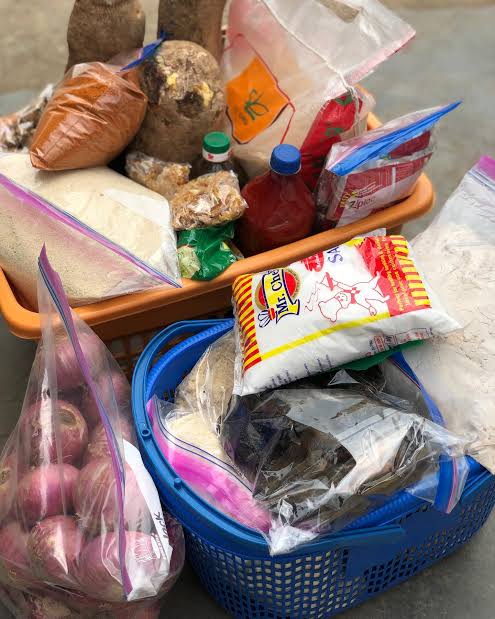
    Food inflation is crazy high and your Muslim friends will appreciate a Ramadan gift basket of items that take the pressure off their food consumption bills.

    A foodstuff basket can include a bag of rice, kegs of palm oil and groundnut oil, tubers of yam, a paint bucket of garri, and more. Your budget will determine the size and quantity of each item.

    Protein cuts

    What Essential Items Should Make Your Ramadan Basket This Year?

    Photo source: Greatland Grocery

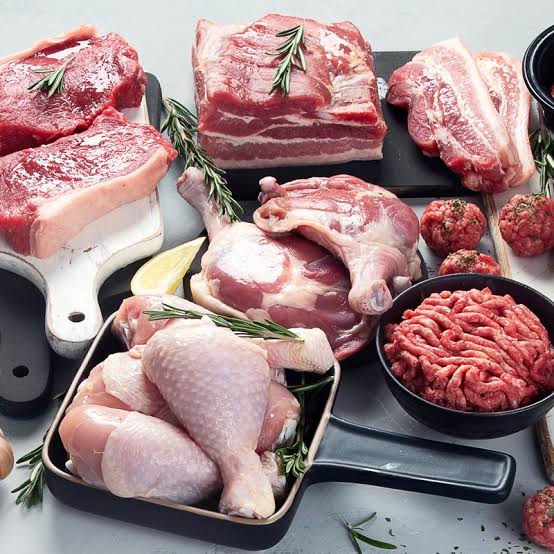
    Beef, turkey, fish and even ponmo have doubled in price, no thanks to food inflation. Take the expense off your Muslim friends by giving them fresh or oven-dried protein options that’ll last them through the month of Ramadan

    Beverages 

    Photo source: Pinterest 

    During the fasting period, folks can’t consume liquid between 12 and 13 hours every day. You should consider giving your Muslim friends a gift basket with healthy and non-alcoholic drinks that’ll keep them refreshed after breaking the day’s fast.

    Prayer essentials

    What Essential Items Should Make Your Ramadan Basket This Year?

    Photo source: Modah

    The month of Ramadan isn’t just about going on a hunger strike for your creator; it’s also a time to get closer to God. Gift your Muslim friends personalised gift baskets that include Qur’ans, hadith books, incense, rosaries, a praying mat, etc.

    Oral care essentials

    What Essential Items Should Make Your Ramadan Basket This Year?

    Photo source: Pinterest

    Abstinence from eating and drinking during Ramadan can cause an unpleasant smell in the mouth. Curate a gift box that contains oral care essentials like mouthwash, toothpaste, toothbrushes,  including miswak sticks, which are highly recommended for fresh breath during ramadan. 

    Ramadan Fruit Basket

    Fruits are one of the most essential items during Ramadan and many people break their fast with them. If you’re not a fan of the regular gift hampers, you should consider giving out a Ramadan fruit basket.

    What Essential Items Should Make Your Ramadan Basket This Year?

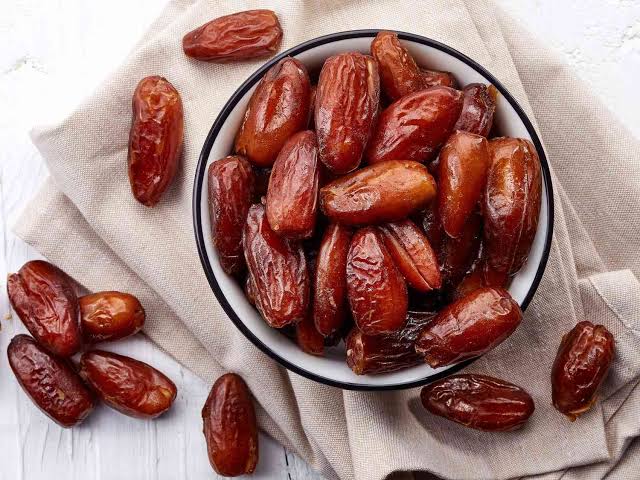
    Dates, oranges, pineapple, watermelon, and apples are some nice options to include in a Ramadan fruit basket.

    Read this next: 10 Frustrating Things That Happen To Muslims During Ramadan

  • QUIZ: How Well Do You Know Ramadan?

    How much do you know about the holy month of Ramadan? Test your knowledge in this ultimate Ramadan quiz.

    Ramadan begins during which month of the Islamic lunar calendar?

  • Everything Nigerian Muslim Women Can Relate to During Ramadan

    Ramadan is a blessing to all who get to witness it but it’s also one of the most interesting periods for women who wake up extra early to cook different kinds of foods in a day for sahur. Here’s a list of things Nigerian women can relate to during Ramadan. 

    1. If you’re the first daughter, you’re automatically the main cook.

     This also applies if you’re the only daughter. 

    2. Waking up earlier than usual

    During Ramadan, you have to wake at 3.30 a.m. so you can prepare sahur for your family. There are no excuses — you either do it or you do it. 

    RELATED: What’s Ileya Like For A Nigerian Woman?

    3. No more hanging out till late 

    Since you are the official cook for the family, you have to be home early to cook and set the table for the family before sunset. 

    4. Ramadan police 

    We usually have police that criticise how you practice your religion but during Ramadan, they become worse. They are Allah’s left-hand man so they know whether your fasting is accepted or not because you didn’t cover your head for five seconds. 

    RELATED: 10 Annoying Things Nigerians Need To Stop Doing To Other People

    5. Pap must always be available 

    Some people do not consider sahur or iftar to be complete without pap. For them, if you don’t make pap, you’re wrong. We all know how hard it is to make great pap

    6. During Ramadan, your father’s appetite grows 

    That’s when he wants to taste everything. Also when he remembers food he hasn’t had in years and you have to make it whether you know how to cook it or not. They will eat snacks, appetisers, main course, dessert and snacks. Before you can rest, it’s time for sahur. 

    7. Ramadan is time for tailors and abaya sellers to flex 

    They won’t allow us rest with different pictures of abaya on the timeline. Also, if you don’t go to your tailor early with your material, you’re on your own when it’s time for Eid-l-fitr


    READ: 5 Nigerian Women Talk About Ramadan

    Subscribe to our newsletter here.

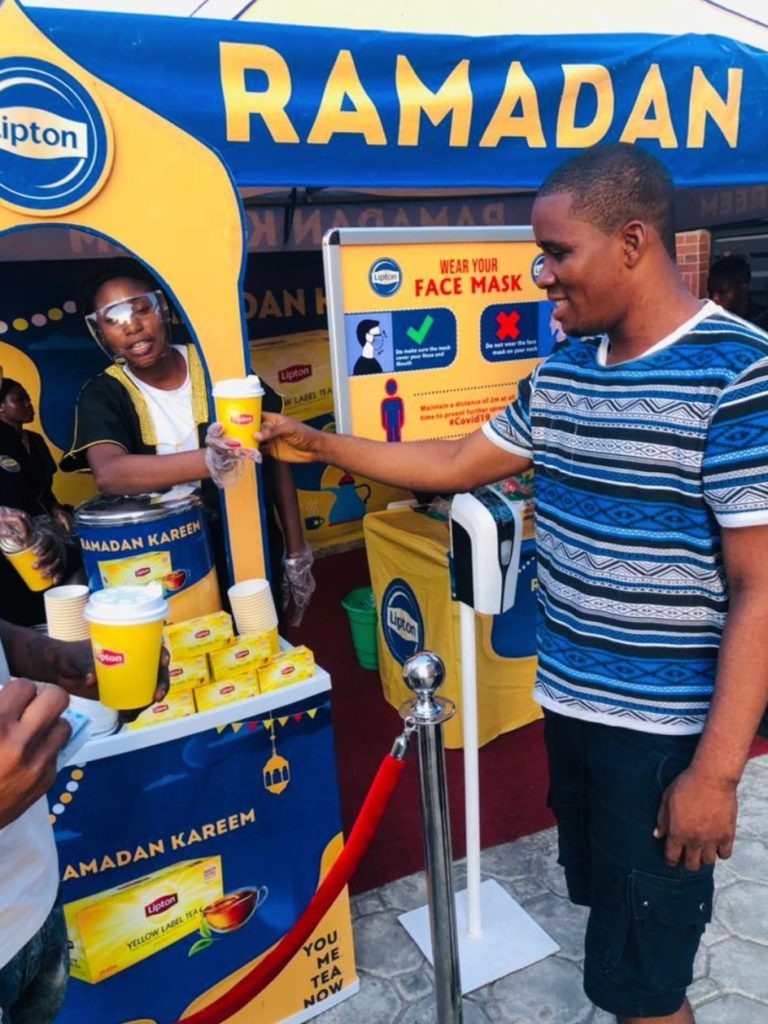
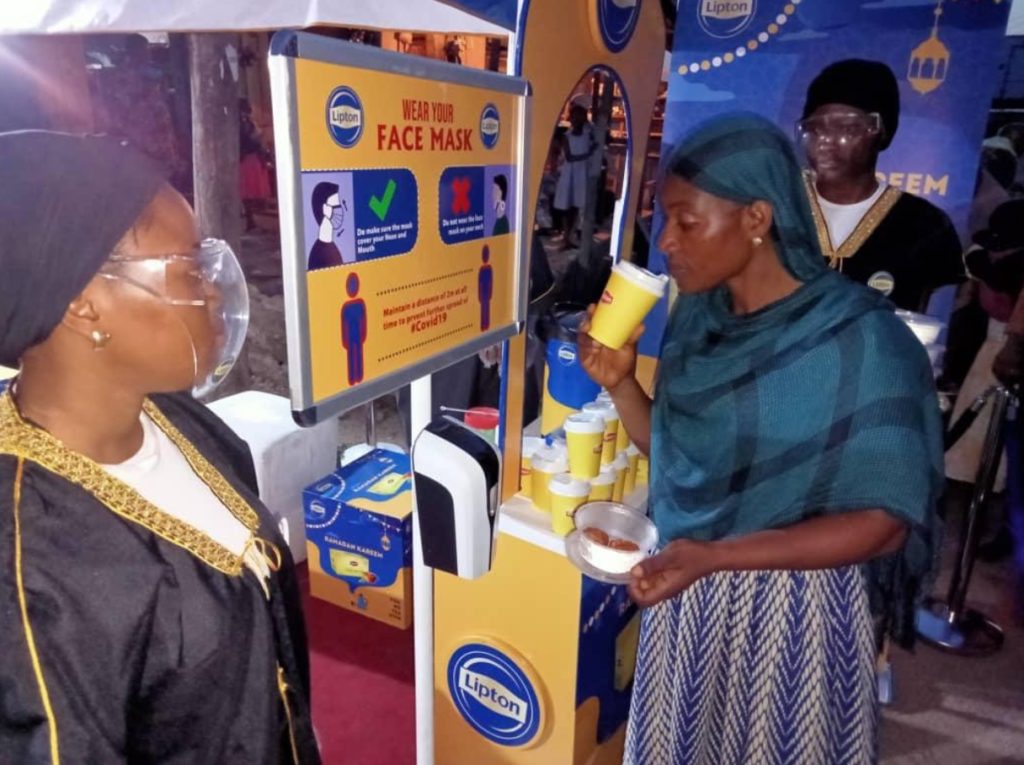
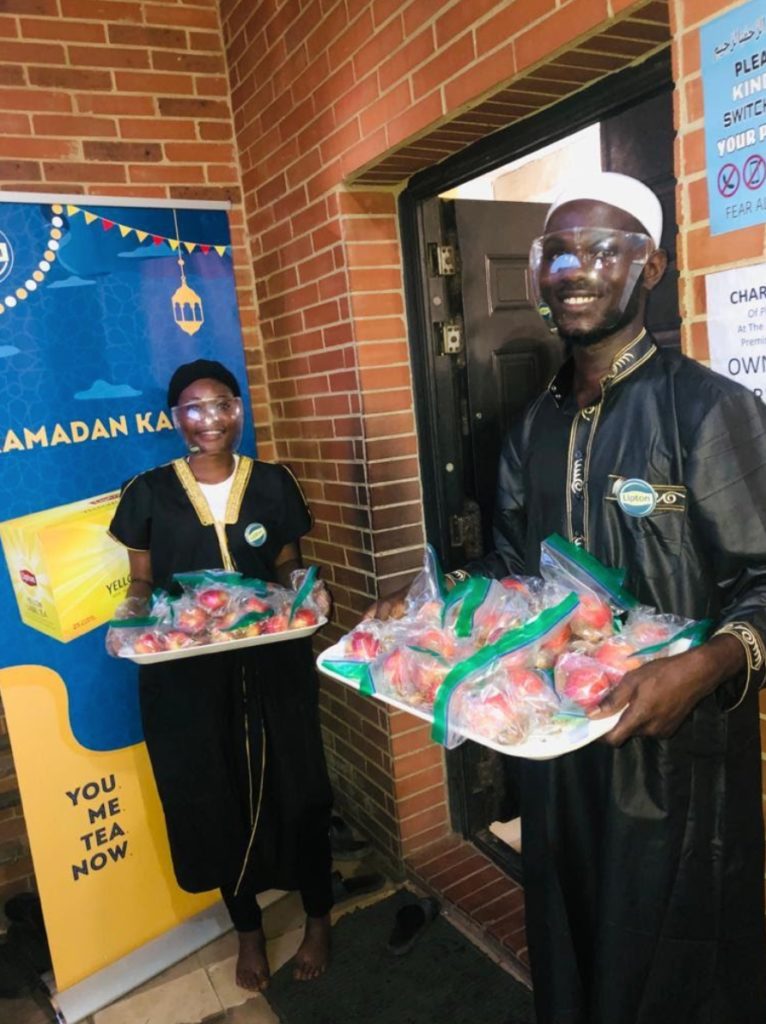
  • 3 Inspiring Ways Lipton Made This Year’s Ramadan Better

    Ramadan is usually a reverred period for Muslim faithfuls to spend time reflecting, praying fervently and reconnecting with family. As is customary, Ramadan also serves as the Month Of Good for Muslims all around the world. Everyone is expected to add their quota of goodness to an otherwise bleak world.

    During this period, leading tea brand, Lipton made it a point of duty to uphold some of the most important virtues of Ramadan, especially charity. Here are 3 inspiring ways Lipton achieved this:

    1. The #ThinkLessDoMore Campaign

    Thinking of doing something good for the benefit of others is great, but what’s more awesome is actually carrying out that good thought. Lipton set a good example of this through the #ThinkLessDoMore campaign aimed at doing more for customers on social media

    2. Outreach

    Lipton was able to reach out to over 68,000 fasting Muslims in different regions with fruit packs and steaming cups of Lipton. This helped them break their Ramadan fast in a healthy and wholesome manner. A healthy body, helps with a healthy mind. Awesome!

    3. Fostering goodwill

    The world can be difficult, especially to those not as privileged as you may be. Hence, one way we can make it better for everyone is to foster goodwill and spread hope. Again, Lipton came through and distinguished itself as not just a Tea brand, but also a source of inspiration in the community by encouraging others to do good.

    Why choose Lipton?

    Lipton tea provides you with flavonoid antioxidants. These antioxidants are thought to help keep one’s body healthy by preventing everyday wear and tear by free radicals. Studies observing large populations and their eating and lifestyle habits over a period of time show that regular tea drinking may help maintain heart health.

  • Interview With The Moon: “Why I Was Not Sighted On Time”

    Interview With… is a Zikoko weekly series that explores the weird and interesting lives of inanimate objects and non-human entities.


    Today, many Nigerians are at work against their own will. While the world was waiting to sight the moon, the Nigerian government declared Wednesday and Thursday as a public holiday instead of Thursday and Friday which many Nigerians were hoping for.

    On this week’s episode of Interview With, we sat down with the Moon to ask why it refused to appear when everyone expected thereby ruining everyone’s plans for the long weekend. The answers were… unexpected.

    Zikoko: It’s good to have you here.

    Moon: Thank you.

    Would you like a glass of water?

    This one you’re acting nice. Is this a set-up?

    No oh. We are just trying to treat you specially because you are an influential personality.

    Hian. Why the special treatment?

    You didn’t appear when the world needed you the most.

    But how is that my fault? I had to take my time too. If I’ll be making a major appearance, I might as well do it in a way you all can never forget.

    Do you know that you are the reason many Nigerians are working today?

    Did I send them work? Please oh, nobody should blame me for anything.

    But how can we not blame you?

    This is one thing I hate about Nigerians. Your house will be on fire and you will go ahead and start digging a gutter. The problem is right in front of you, but no, you will rather pick something else to blame.

    Your government is the one at fault, but you called me here and started blaming me. If it’s not that I just finished fasting, I would have laid a curse on you.

    Ahan, small play.

    Please know the kind of play you will be playing next time.

    Ahan, why is your own different in this Nigeria? Other countries knew I was coming and when they did not sight me on time, they waited. But Nigeria? No oh. They jumped and declared public holiday. If only your government will be that enthusiastic about important things.

    But why did you not show up when everyone expected?

    Again, why did your government declare public holidays when I had not given a sign of my coming?

    Is that how impatient you all are? Is that how much you love public holidays?

    Look, we are all tired in this country. Any opportunity of rest, we take it.

    Every time rest. If you continue this way, you won’t have any notable achievements when you turn 23.

    Look at me, for instance. When I was 23, I was already well known in all the seven continents. I had a mansion up in the sky, and I was being visited by astronauts. This is what you should aspire to, not just public holidays.

    Is that all you have to say?

    Moon: What else do you want me to say when your government is there to take the blame? If they cannot get the proper dates for a public holiday correctly, what is the assurance that they will do anything else correctly?

    They had one job and they messed it up, and now you’re asking me questions. Better direct your questions to them.

    You’re a really wicked soul.

    At least I don’t have to work this Friday. Maybe finish your work first and then see if you have the strength to point out who is wicked and who is not.

    Check back every Friday by 9AM for new Interview With episodes. To read previous stories, click here.

  • QUIZ: Can You Make 15 Words Out Of “RAMADAN” In 1 Minute?

    “RAMADAN” can be rearranged into 40 different English words. Can you get 15?

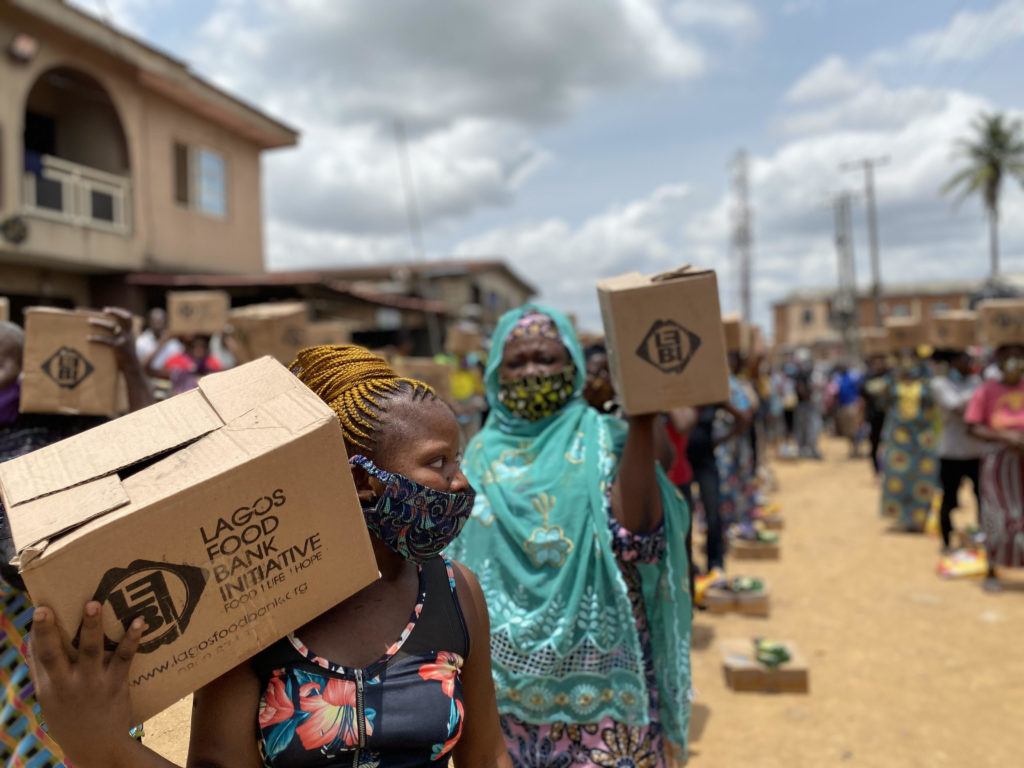
  • Lagos Food Bank Initiative Supports Communities With Food This #MonthOfGood

    Lagos Food Bank was established in 2015 making it the first food bank in Nigeria. Since then, the organization has been able to reach 1,500,000 people in 120 underserved communities across Lagos and other neighbouring states, with the help of a network of over 10,000 volunteers.

    This Ramadan, also known as the month of all good deeds, where 1.9 billion Muslims across the world celebrate by carrying out charitable acts and giving to their community, even as they engage in fasting from dawn to dusk. Brands often take the time to express their values, speak authentically and seek to give back to communities in which they operate.

    For Lagos Food Bank Initiative, this season is only one of the periods they show support for the impoverished in the society with targeted outreach programs. In this conversation with the Lagos Food Bank team, they shed light on their operations and plans for Ramadan 2021.

    1. Tell us about Lagos Food Bank and the goal behind the initiative?

    Lagos Food Bank Initiative is a non-profit, nutrition-focused initiative committed to fighting hunger, reducing food waste and solving the problem of malnutrition through targeted programs that seek to improve the nutrition/food intake of pregnant women and their infants who are not able to get the required nutrient during pregnancy and breastfeeding of their babies. Our primal goal is to reach out to children from 0-16, pregnant women and lactating mothers, patients of diet-related diseases, seniors from ages 50 and above, the destitute and extremely indigent families. We cater to the entire spectrum of the impoverished in our society, providing them with relief materials and nutritious food.

    2. How often do you reach out to the less privileged and malnourished in society?

    We reach out to the less privileged on a daily basis. We have 5 active programs targeted at addressing the problem of malnutrition and hunger.

    3. What does the Holy Month of Ramadan mean to you?

    To us, The Holy month of Ramadan is a month of love, kindness and giving. It’s a month of paying special attention to the needs of our Muslim brothers and sisters; especially the needy fasting Muslims. We hope to enrich their spiritual experience this Ramadan by doing the little we can to provide food and essentials for them.

    4. How has Lagos Food Bank promoted love, togetherness and kindness during Ramadan in the last few years?

    As part of our commitment to solving hunger-induced problems, we have worked with over ten thousand volunteers across all the 20 LGAs in Lagos to deliver meals and shelf staple items to fasting needy Muslims during Ramadan.

    5. How has Lagos Food Bank used social media to reach out and impact the community during Ramadan?

    We use Social media a lot, especially Facebook and its suite of Apps such as Instagram, and WhatsApp. They have been very effective and instrumental in propagating what we do, fundraising for events and recruitment of volunteers. Most of the volunteers who participate in our yearly Ramadan Feeding Programs were recruited through the Facebook suite of apps. Thanks to Facebook, we are able to reach a wider audience of both potential sponsors and volunteers.

    6. What are some of the challenges you have surmounted in your journey to where you are now?

    The issues of Finance, Logistics and Infrastructure. We have also been able to surmount the challenge of trust and volunteer apathy towards charitable causes. We have recruited over 11,000 volunteers from inception till date who help in reaching all our beneficiaries across Lagos state and its environs.

    7. This is the second Ramadan being celebrated during COVID-19 pandemic. How has this affected your outreach and how has it motivated you to do more to help the needy in society?

    Last year, the COVID 19 lockdown had a great impact on so many families in Lagos state. Our mission is to act as a frontline agency to assist those struggling with hunger across the country. This period was the time our food interventions were needed the most and thankfully Lagos Food Bank received permission from the government to operate throughout the lockdown. Through the help and support of our frontline volunteers who were resilient and willing to put their lives and wellbeing at risk, we were able to provide meals from door to door to needy Muslims for the 30 days of Ramadan in 2020. This Ramadan, we hope to do even more.

    8. How will you be showing acts of kindness this Ramadan?

    In addition to our Temporary Emergency Food Assistance Program where we provide immediate food, nutrition and relief assistance to families in low-cost communities, we have been providing Iftar (meal served at the end of the day during Ramadan) to feed fasting needy Muslims in Agege, Lagos and other neighbouring communities. This exercise has been a daily activity for us all through the Holy Month of Ramadan.

  • 5 Nigerian Women Talk About Ramadan

    Ramadan is a special time for Muslims dedicated to fasting, prayer, reflection, and community. What then does this time mean for some Nigerian women?

    Bola, 17

    Every Muslim no matter their spiritual strength works hard in Ramadan, the vibe is just different. Even though I’m not the strongest spiritually on a regular day, Ramadan makes me want to improve and be a better person and pray harder. The one thing I do not look forward to in Ramadan is the meal preparation. My mum handles the cooking in sahur and then I clean up after her, wash all the dishes and then I am saddled with the responsibility to cook and clean for Iftar, even though I have brothers.

    I do not like that the constant meal prep and cleaning that has to fall on my shoulders just because I’m a woman, while everyone else just gets to chill and relax because they’re fasting. I’m also fasting and I think that work should be shared equally so every body should have time to work on what Ramadan is truly supposed to be about, and that’s the spirituality.

    Raheemat , 21

    When you’re on your period and not fasting, people always want you to feel some kind of shame. They’ll ask why you’re eating like you’re obligated to explain and when you say you’re off-salat, they’ll tell you how you should eat your food in hiding. It’s like they want you to feel shame for eating, as if you have any control over when periods come and go.

    Hafizat, 20

    Well, it’s just me and my dad fasting but then I have to make sure I know what he’s eating at iftar. I also am not able to go back to sleep immediately after sahur because I would have to do a couple chores. Luckily, my dad knows I’m lazy so he doesn’t bother me too much. I just wish we didn’t have to cook for iftar all the time, maybe order out once in a while.

    Yinka, 18

    There’s this unspoken pressure especially because I’m the first girl, to do more and do better and still maximise on worshipping during the month. It makes everything overwhelmimg, but towards the end it gets better because everyone gets a bit more relaxed, you don’t get as many visitors.

    Eid day is always high maintenance though. We have a lot of guests over, so there’s always a lot to be done in terms of hosting, taking care of different things and making sure things go where they are meant to be. I get yelled at a lot when things go wrong even when they’re out of my control. Sometimes, I pretend to need to use the bathroom so I can hide and have time to myself. Cleaning is always horrid, especially the bathroom.

    Kudirat, 24

    Sometimes, it feels like people forget women fast too. I get to spend Ramadan without my family this year, and I’m so excited about it. If I was at home my mother, sister, and I would spend the bulk of our time cooking and cleaning while all the men in our family just relaxed, prayed, and got to better themselves spiritually. My relationship with Allah means a lot to me, and I too want to improve it.

    For more stories of women, please click here

    Subscribe to our newsletter here.


  • Eid Fitr 2020: We Asked 5 Muslims How They Plan To Celebrate
    Eid Fitr 2020

    Ramadan is officially over and with it comes Eid Fitr 2020. This year’s Ramadan has been weird and that’s putting it mildly. For many Muslims, Eid Fitr is usually a glorious celebration where you get to bond with family and friends and generally chill. With Miss Rona around, there isn’t going to be any of that this year.

    Worried about how people may be feeling, we asked 5 Muslims their plans for this years Eid.

    Hussein.

    Eid Fitr 2020

    “Well, to me, it’s just like any other day. That means I am going to be at work. No holiday for me because I work as a doctor. I’ll probably order food from one of these vendors and try to recreate that feeling of community with my co-workers. Apart from that, I have no other plans.”

    Hameedah.

    Eid Fitr 2020

    I am just going to cook, eat, and talk to my family over the phone. I stay in Abuja because of work. During Eid, I’d normally come down to Lagos to catch up with them. However, none of that this year. I have to just make do to talking to my people over the phone. I feel so so lonely being far away from them. Whatsapp call can’t replace a warm hug from people who love you unconditionally but Alhamdulilah for that option.”

    Lateefah.

    Eid Fitr 2020

    “Omo, in my house nothing has changed. We are still killing ram as usual. The main courses are still Jollof rice and pounded yam. The only difference is that we won’t invite neighbours to the house.”

    Ahmed.

    Eid Fitr 2020

    “Since we can’t pray at the mosque this year, I am going to lead the prayers at home. I had to learn how to lead the Eid prayers. My house people think I am one Alfa so they are looking to me to lead them. I have never had any reason to learn how to. I have spent the last week learning the amount of Takbeers and the surahs to recite. I have been a nervous wreck, but I’ll figure it out. What a time to be alive.”

    Maryam.

    Eid Fitr 2020

    “I am happy there’s no celebration because that means I don’t have to go home to my family. I haven’t been doing this Muslim thing for a while, but, I always have to go home during these celebrations and pretend like I am still a Muslim. At least, this year, no need to pretend. For that, I am grateful.

    I plan to read a book, light a blunt, and worship my body.

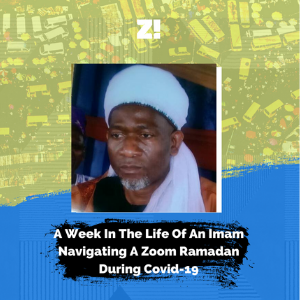
    Have you read this? A Week In The Life Of An Imam Navigating A Zoom Ramadan During Covid-19

  • 10 Things Every Nigerian Muslim Will Relate To When Ramadan Draws To A Close

    Ramadan is a big deal for Muslims. It’s an exciting time when it starts, but also, it’s also exciting when it draws to an end. If you’re fasting and lowkey counting down to the last day of Ramadan, this post is for you.

    When you try to act unbothered but you really can’t wait for the last day of Ramadan

    Food. Food. Food.

    When you realise that it’s the last 10 days and you have to up your praying game

    It’s Laylat al-Qadr season

    You, struggling to stay awake every night

    This could be the night. I have to do this.

    When it’s day 29 and they haven’t sighted the moon

    Please nah, announce this thing.

    When they didn’t sight the moon and you have to fast for one more day

    Hay God!

    You, on the last day of Taraweeh

    Till next year.

    You, thinking about all the food you will eat on Eid

    Long time coming!

    You, when you realise that there’s only so much you can eat

    infectious diseases bill

    It’s fine. I have time.

    When you realise that there’s nothing really holding you back from all the “vices” you’ve abandoned anymore

    So, back to square one?

    When you realise that you actually don’t want Ramadan to end

    Make up your mind!

  • This Is What Ramadan On The Frontlines Of Covid-19 Looks Like

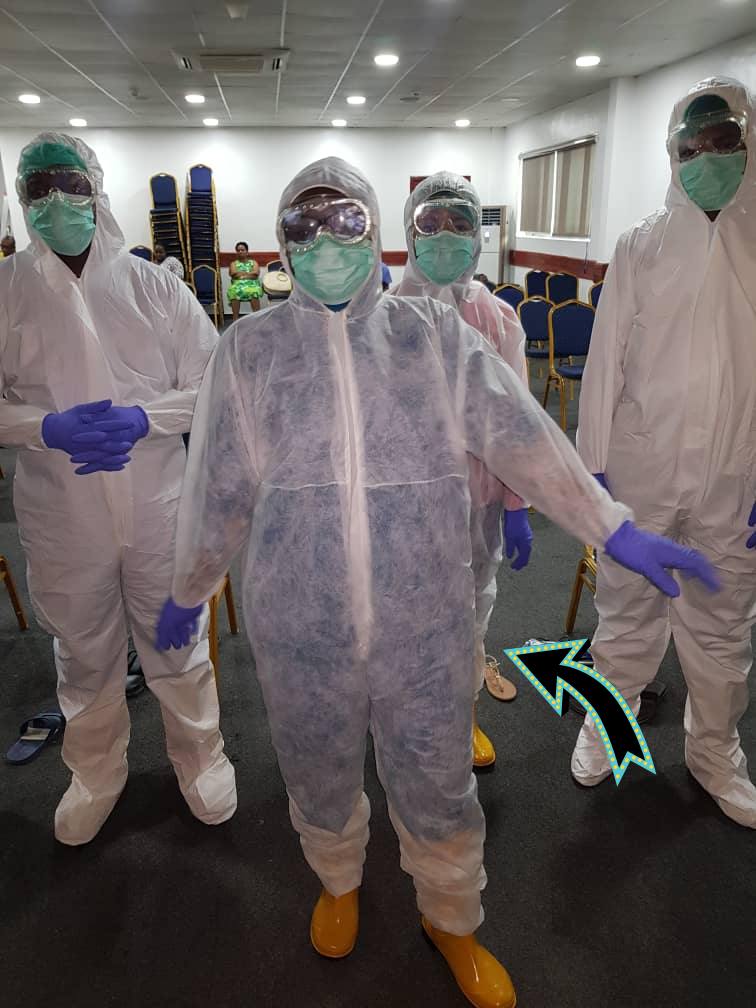
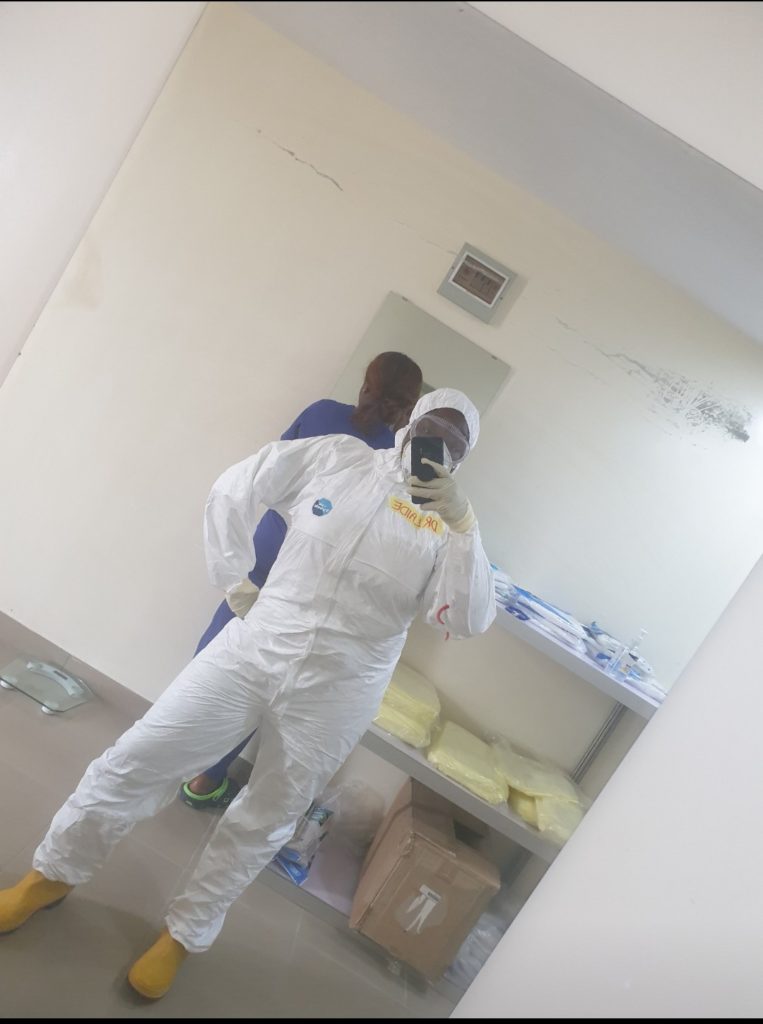
    With the shutdown of the holy city and the uncertainty of this year’s Ramadan, we spoke to three Muslim health workers. They tell us about juggling Ramadan with working on the frontline.


    A Special Kind Of Ramadan.

    Aminat (Nurse) 

    Muslim health workers

    Ramadan hasn’t been very hard. The only difference is that I don’t get to eat what I want to eat, and I am not with family. Because of the nature of my work, the hospital provided hotel accommodation for us. That means that I don’t get to go home and I have to eat whatever the hotel provides.

    Olamide (Doctor)

    Muslim health workers

    I can’t remember the last time I did proper Ramadan at home. From uni to house job, I have mostly done Ramadan alone as an adult. The only difference was that then, I could go home to spend some time with my family, but now I have to stay in a hotel provided by the hospital. It’s nothing out of the ordinary for me because I am used to fasting alone.

    Aminat (Nurse)

    Ramadan this year is different because I can’t afford to miss Sahur. I know that missing it will be problematic because carrying PPE requires energy. When Ramadan started, the first thing I did was call home to make sure that they always wake me up by 4 am, no matter what.

    Laide (Doctor)

    Muslim health workers

    In school, I was the only Muslim in my room. Most times, I had to wake up to eat Sahur and Iftar alone. So, it’s not really different. The major difference is a hotel which is not convenient food-wise because you have to eat whatever they give you. The hospital put us in a hotel to reduce the risk of infecting our families.

    On Loneliness:

    Laide (Doctor)

    My last Ramadan was a bit different because I was in Dubai. The iftar there is a celebration – There’s food, people, it’s a big deal. But this year, it’s just me eating alone in my hotel room or eating at work like any regular person.

    It’s a bit solitary because there are just three of us here who are Muslims. We work in different units and different shifts. So, it’s just you, your God, and your Ramadan. To be fair, it doesn’t feel like it’s Ramadan here. Except for the three Muslims here, everyone else is just going about their usual business. We are the ones telling them that we are fasting.

    Aminat (Nurse)

    It also doesn’t help that there aren’t a lot of Muslims around or on similar shifts, so I am very lonely. No one to remind me to read my Quran, or tell me when it’s time to break. Sometimes, I just sit alone in a corner. 

    Olamide (Doctor)

    It helps that one of my family friends who is a doctor is here with me. We work the same shift, so we do Sahur and Iftar together. It’s nice to have someone to do all of that with.

    The PPE Struggle:

    Aminat (Nurse)

    Muslim health workers

    My teammates are very nice. In situations where I don’t feel like going in, they offer to go in. This is important on days where I had very light Sahur and I am weak. Also, wearing the PPE leaves you dehydrated because of how hot it is. So, it’s very nice when they offer to go in.

    Laide (Doctor)

    Muslim health workers

    In the beginning, it was weird because wearing PPE makes me hot and dehydrated. On the first day of Ramadan, I didn’t eat proper Sahur. I had to go into the ward wearing PPE and we had a lot of admissions. What stood out for me from that day was that I was very thirsty when I came out. I don’t remember ever being that thirsty in my life.

    Olamide (Doctor)

    Any day I have to wear PPE longer than usual is a difficult day. This happens on days where there are a lot of samples to collect and patients to see. I try not to miss Sahur so I can be at my best. 

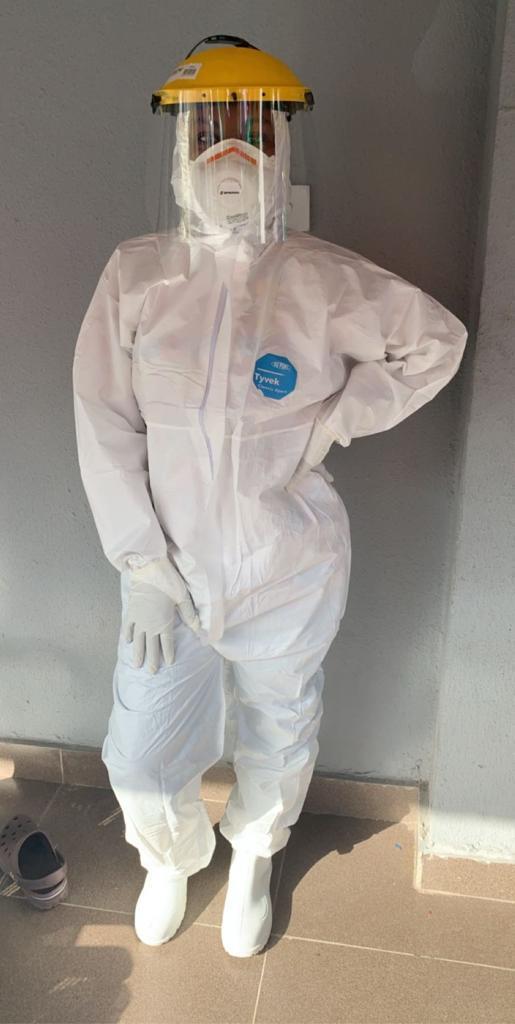
    The PPE is made from nylon. It is unbreathable. That means no air is getting to your skin and whatever is inside the PPE. It feels like you are trapped with all your body heat. Nigeria is hot, so on a sunny day, it’s ten times worse. No matter how cold the A.C is, you won’t feel it; you are sweaty and uncomfortable. It’s not like coming out and removing the PPE is a quick process. It takes at least 15 minutes to decontaminate you. So, if 12 people go in, you have to wait until it’s your turn. It’s really uncomfortable.

    When people come out, the first thing they reach for is a bottle of water. That’s where it can get tricky for people that are fasting. Because of this, a lot of Muslims aren’t fasting at the moment. 

    Food and Drink:

    Olamide (Doctor)

    I think one of the most difficult parts is looking for what to eat. The hotel provides us with food but sometimes you want to eat a certain meal for iftar and that option isn’t there. It’s not the same as preparing your own meal and planning ahead. I just have to eat whatever they provide. 

    Laide (Doctor)

    This year, I made the decision to eat well. But it’s not about food, it’s the thirst. I need to have something in my belly because I don’t want to add hypoglycemia to my dehydration troubles. 

    Because there are only three of us here, there’s no special arrangement for food for us. We have to sort ourselves. The hotel provides breakfast, lunch, and dinner, so people convert either their breakfast or dinner to Sahur. I had to get a microwave because the hotel doesn’t come with microwaves in the room. Using it to warm my food during Sahur has been super helpful as opposed to eating cold food. 

    “I enjoy the fulfilment that comes with it.”

    Laide (Doctor)

    I am fasting because I don’t feel like I qualify to not fast. I saw the Fatwa about not fasting if you are on the frontline. I don’t think I could have not fasted and been comfortable because I don’t see the difference between doing this and regular hospital work. For me, this is my regular job. I didn’t think it was going to be difficult. Or unbearable. To me, not fasting was never an option and it never crossed my mind.

    However, I understand that anyone not fasting on the frontline has their own reason for doing so. 

    Everyone’s case is peculiar. For me, it was never an option because I evaluated my experience and I knew I could handle it.

    Aminat (Nurse)

    I can’t remember the last time I completed Taraweeh. It’s not easy. Sometimes, on the night shift, I don’t get to pray Ishai till past 10 pm (I normally pray at 8 pm). And that’s after attending to patients. It can be difficult to complete Taraweeh because I am already tired by then. 

    Olamide (Doctor)

    Fortunately for me, I don’t sweat a lot so that part of Ramadan has been easy for me. I am committed to fasting because I enjoy the fulfilment that comes with it.

    I don’t think about it that much because I chose to volunteer. I wasn’t going to volunteer, at least not in this capacity, but an incident changed my mind. I heard about the patient who didn’t disclose his travel history in Luth. So, whether or not I am in an isolation centre, at the end of the day, I am going to be exposed to Coronavirus. Because you don’t know the history of whatever patient you are attending to.

    I’ll rather be in a place where I know this is what we are managing so it’s not a surprise. At least, if you are aware, you are more careful. At the end of the day, every health worker is at the risk of exposure. 

    Muslim health workers

    “The hardest part is the stigma”

    Olamide (Doctor)

    When I was moving to the hotel, I had to go to my apartment to pack some stuff. On getting home, my flatmate saw me, ran to her room and locked herself.

    Laide (Doctor)

    Unlike other parts of the world where they appreciate you for being on the frontline, in Nigeria, it’s “don’t come to my house!” In the beginning, there was stigma from the hotel staff where we were staying. They were scared, so we had to re-educate them and re-orientate them. I have also had to adjust the way I dress to make them comfortable. Even though the hotel is a walking distance from the centre, I can’t wear my scrubs from the hotel. I have to wear my regular clothes from and to the hotel. 

    Some people even have to show others their negative test results before they are comfortable around you. It’s that bad, but it is what it is.

    Aminat (Nurse)

    Being a Muslim already comes with its own stigma. When you add Covid-19 stigmatisation, it becomes a lot worse.. But I will be fine. At least that’s what I tell myself every morning. 

    “I find myself missing my friends and my family.”

    Olamide (Doctor)

    Because we can’t leave the hotel and isolation centre, I find myself missing my friends and family. It feels like I am in a routine – go to work, come back, stay alone in my hotel room.

    I try to stay in touch with my family through video calls. I am constantly updating them with what’s going on at work and they update me with theirs. I’m looking forward to when this is over. I miss my old life.

    Aminat (Nurse)

    I am used to spending Ramadan alone and away from family. However, the last ten days are  special because I get to go home. I go for Itikaf where I catch up with friends, family, and generally bond together as a religious community. It’s kind of like a reunion. Funny enough, I had plans for this year’s Itikaf because I missed last year’s. Sadly, Corona has prevented that.

    Laide (Doctor)

    I’ve been avoiding going home. I am worried about infecting my family. Especially in a case where I am asymptomatic. I really wanted to see my Grandma but I cannot afford to infect her.

    When this is over, I am going on dinners, travelling… It feels like my life is on hold. Covid-19 derailed a lot of plans and the world is never going to be the same. Even though I can’t envision what life would like in the aftermath of this virus, I am looking forward to the new normal.


    Glossary:

    Fatwa – a ruling on a point of Islamic law given by a recognized authority.

    Sahur – the meal consumed early in the morning by Muslims before fasting (sawm), before dawn during or outside the Islamic month of Ramadan.

    Iftar – This is the evening meal with which Muslims end their daily Ramadan fast at sunset. 

    Taraweeh – refers to additional ritual prayers performed by Muslims at night after the Isha prayer.

    Itikaf – an Islamic practice consisting of a period of staying in a mosque for a certain number of days, devoting oneself to worship during these days.


    If you enjoyed this, you should read this next: A Week In The Life Of A Nurse On The COVID-19 Frontlines.

  • If You Are Struggling With Addiction During Ramadan, You’ll Relate

    For many people, Ramadan is the month of new beginning and fresh starts. A chance to get it right one more time. Going along with that premise, I spoke to people who are currently looking for fresh starts during Ramadan.

    Here’s what they had to say:

    Umar/25.

    “I hope that this Ramadan helps me with masturbation. I remember reading one time that if masturbation prevents fornication then it’s permissible. For the longest time, I have used that to justify my actions, but deep down I still always feel like I am committing a sin.

    In the past, after the tenth day of Ramadan, I start to wank after Iftar. My body can’t just stay so long without endorphins. I am an orgasm addict. Lol.

    My target for this month’s Ramadan is at least 20 days clean without it. I don’t know if I can make it. It has been a tough couple of days but I will keep trying no matter what. This is an opportunity for a fresh start.”

    Kunle/27.

    “For my job, the two things that help me get through it are copious amounts of stress food and copious amounts of alcohol. No in-between. I cut my stress relief for Ramadan, and to be honest my body is not having it. I am cranky, irritable, and desperate.

    I tried reading the Quran as a substitute but it’s not the same. Ughhhh!”

    Aminat/28.

    “Let me be real with you, I haven’t fasted anything yet. I will fast but it’s just difficult. I struggle with low self-esteem and my validation comes from sending select men pictures of my body. And their resulting desire to sleep with me. I get validation from them wanting to sleep with me rather than the act itself. Do you get? the thrill of being pursued, desired. A man that wants to sleep with you will do anything. I mean anything. That feeling of worship is what powers me.

    The issue now is that when I fast, I can’t play these games and I can’t get validation. Without that validation, I can die. I can’t go back to face that girl that was unsure of herself. So, that’s why I keep hesitating. It just feels like a huge tradeoff tbh.”

    Hassan/25.

    “As a writer, I need music and food to write. Music for mental ginger, and food for stomach ginger. I have had to give up these two for Ramadan and it has been tough. Whenever I am stuck on inspiration, I subconsciously open Deezer. Or, I walk to the fridge to grab a bite. I tried replacing music with podcasts, but I can’t listen to podcasts and work at the same time.

    After Iftar, I find myself on Youtube consuming two times the usual amount of music videos I would normally watch. It’s almost like I am compensating for not listening to music during the day.”

    Lola/21.

    “Can someone be addicted to lying? I have to lie because of work. I am a sales rep and sales involves some measure of half-truths and over-exaggeration. So, I catch myself in tight corners these days whenever I call my customers. If I don’t bobo them, I won’t eat. If I bobo them, I won’t go to heaven. Which way?”

    Ahmed/26.

    “Lower your gaze has never been harder. I am obsessed with staring at beautiful women. I go down rabbit holes on Twitter once I see photos of a beautiful woman on the timeline. These days, when I see a beautiful woman on the TL, I send the photo to my Dm for surfing after Iftar. I am trying to suppress this habit but it’s just so difficult. There are too many fine people in the world to stop appreciating.”

    You should definitely read this: A Week In The Life Of An Imam Navigating A Zoom Ramadan During Covid-19.

  • All The Things That Happen When You Miss Sahur

    This is based on a true-life story. Names, characters, and incidents are not the products of the author’s imagination. This is definitely not fiction. And any resemblance to actual persons, living or dying, or actual events is real.

    In Ramadan, when you wake up and you realize you missed Sahur, “Oh shit” shouldn’t be the first thing that pops to your head. But, it is what it is.

    Here is everything that happens when you realize you are going to have an interesting day ahead:

    Weird cravings.

    I am not the biggest fan of cake but I have been craving it all day. This is my body saying let’s eat cake, die, and hasten the process.

    Everything starts to look like food.

    I have caught myself subconsciously chewing on my pen cover two times today.

    You need two naps per task.

    Going for my second nap after writing this post because my body is protesting.

    You try to suppress day dreams.

    I keep having flashbacks of when I ate well. Also, dreaming of the many meals I will have for Iftar. Astargafurllah.

    Concentration is in the gutters.

    “I reallty gope there’s no typoi in thise sentecne”

    Adding 5 other alarms to your first 5.

    Naming the alarms “don’t miss Sahur for anything 1- 10.” As an extra precaution, I am going to name a last one by 5:00 am “at least drink water na.”

    Texting your exes.
    Wait, what?

  • A Week In The Life Of An Imam Navigating A Zoom Ramadan During Covid-19

    “A Week In The Life” is a weekly Zikoko series that explores the working-class struggles of Nigerians. It captures the very spirit of what it means to hustle in Nigeria and puts you in the shoes of the subject for a week.



    Today’s subject is Imam Nojeem Jimoh. He tells us how he’s navigating Ramadan using technology in this special time.

    Zoom Ramadan Covid-19

    THURSDAY:

    I wake up by 4:15 am today. I pray two rakats and make dua until it’s time for fajr. In the past, I would have left the house ten minutes to the time for fajr to lead congregational prayers in the masjid, but that’s no longer possible. We are in special times. By Saturday, it will be one month since we last gathered for congregational prayers at the masjid. But we have no choice.
    Everyone has had to adapt to the new change. Even the madrasa. There are now online classes for the children. Their Arabic teacher recites and records the surah he wants the children to memorize and he sends it to them via Whatsapp. Then, they recite and record and send it back to him and he makes corrections. Arabic classes are now held over Zoom calls. One hour session where everyone recites along and tasks are monitored. It doesn’t replicate the madrasa perfectly but it at least ensures that time is not wasted during this period. You cannot escape Alfa because Alfa is online monitoring your task and progress.

    So, instead of going to the mosque to lead prayers, I lead my family in prayers. In the past, I would have had my bath and prepared for my 9-5 after fajr. I am not a full-time imam. I have a job that I report to during the week. My job is classified as essential services so that means I still have to go in during this period. However, I don’t have to go in as early as I used to. This means that I have some leeway to do one or two things.

    I am a morning person and I am not used to going back to sleep after waking up. So, I find a way to pass time before leaving for work. 

    FRIDAY:

    If ever we can say something good came out from this period, it is becoming internet savvy. Especially among my own congregation. I have encouraged everyone to actively download Zoom and the response has been encouraging. This is because it seems like this is going to be a Zoom Ramadan. Why I am grateful for Zoom is that it still gives people the communal feeling even though we are all apart. This is especially important because of people who are struggling with their iman during this period. We all struggle with iman normally and that’s why we all need to keep in touch with each other.

    Today, after work, I am going to address my congregation on Whatsapp concerning Ramadan. We have a general Whatsapp group where we send important messages. I have informed them that it’s going to be for 90 minutes, and I have asked for their cooperation. 

    My message to them is simple: this virus is real and deadly. We have been tasked by the Sharia to obey Allah and the people who have authority over us. The Sharia also tasks all Muslims with the preservation of life. The people in authority over us have enforced rules to ensure the preservation of life. Therefore, by obeying these rules, we are preserving life and following Sharia. It is important that regardless of how unusual things are, everyone follows instructions.

    Everyone should pray Taraweeh in their homes with their family. Islam is not stressing anyone.

    After the address, I look forward to enjoying a quiet Iftar with my family. Me, my wife, the children, feasting on a delicious meal of ogi and moi moi.

    SATURDAY:

    I wake up with a slight cough today. Normally, I would reach for water but I don’t, because I am fasting. It is one of those things. 

    Being an imam like any other thing comes with its own “challenges”. I have had a member of my congregation call me by 1 am to just “come to their house immediately” without telling me the nature of the emergency. Bearing in mind that I still had to go to work later that day, I had no choice but to rush down.

    Other times, I have had parents bring children to me suffering from depression and anxiety issues. It has been my job to walk the fine line between offering them spiritual comfort based on the Sunnah and also making sure that the child receives the appropriate modern medical treatment. That is, encouraging them to go see the appropriate specialist as the case may require.

    In some cases, it has also been myself. Contrary to popular belief, Imams too get low iman. The only advantage we have is the knowledge of the scripture with relevant examples of past prophets who have experienced something similar. Reading these stories and seeing similarities helps shake off the feeling and bounce back. Coupled with the fact that I have to constantly remind myself that leaders are meant to lead by example. These two factors help to always make sure that I am not down for too long. It’s also the same scripture by which I motivate myself that I use to help members of my congregation that come seeking help. It becomes easier to help them when you can relate.

    I am going to spend the rest of the day joining Zoom calls. I plan to listen to the lectures that I would have normally attended if I wasn’t staying at home.

    SUNDAY:

    In the masjid, we have an army of Alfas. During Ramadan when we have an increased number of prayers, we rotate who leads the prayers. So, someone leads Ishai, another person leads Taraweeh, another person leads shafi and witr. While another person recites a Juz of the Quran. This division of labour makes it easier for everybody.

    I am the only man in my house. It’s just me, my wife and two daughters. As an imam, even though we no longer gather, it is still my job to encourage members of my congregation over the phone to pray in their own homes. Also, because I am the only man in my house, I am quite literally the imam. So, it means that in addition to leading my congregation virtually, I also have to lead my home. I have found out in the last few days that being the one to lead all these prayers can be exhausting. 

    Today, after praying shafi and witr, I am quite exhausted. This is the first Ramadan I have had to do without being able to delegate. Even if it’s Ishai. Also, what makes it exhausting is that we try to recite half of a Juz at home. For one person leading all of this, it can be tiring. But may Allah make it easy. 

    My favourite meal — rice and stew — is what we have for iftar but it is a struggle to keep my eyes open. After the meal, I go to bed sufficiently exhausted.

    MONDAY:

    Today, I have had time to think over some things. It is now clearer to me why congregational prayers are important.

    As an imam, the last few days made me realise what energy comes from having a crowd praying behind you. The way I feel exhausted after praying taraweeh in the last few days made me realise this.

    I told my wife that in the masjid, I wouldn’t have felt exhausted so soon in Ramadan. It is clear to me that the crowd behind is part of the energizer that makes things easier. 

    When I am leading taraweeh and I know that there are 100 – 150 people behind me, the knowledge of that keeps pushing me. Also, there are people to rotate the responsibilities with. However, in this case, we are only four at home praying. I have found out that the energizer is missing and that’s why I feel tired easily.

    Zoom has been really helpful with keeping in touch and communal feeling, but you can’t pray via Zoom. I am looking forward to things going back to normal. I miss my congregation, I miss the energy they give me. That energy has never been more important than during this Ramadan.


    Glossary:

    Imam – The person who leads prayers in a mosque.

    Rakat – Single unit of Islamic prayer.

    Dua – Literally meaning invocation, is an act of supplication. The term is derived from an Arabic word meaning to ‘call out’ or to ‘summon’, and Muslims regard this as a profound act of worship.

    Fajr – The Fajr prayer is the first of the five daily prayers (salah) performed daily by practicing Muslims. 

    Masjid – Mosque.

    Madrasa – A school for Islamic instruction.

    Alfa – Islamic scholar.

    Iman – Faith.

    Sharia – Islamic canonical law based on the teachings of the Quran and the traditions of the Prophet (Hadith and Sunna), prescribing both religious and secular duties and sometimes retributive penalties for lawbreaking. 

    Taraweeh – Additional ritual prayers performed by Muslims at night after the Isha prayer during the holy month of Ramadan. It involves reading one Juz’ (Arabic: جُزْءْ, i.e a section of the Quran 1/30 its length, which generally takes somewhere between 20-60 minutes), and from 8 to 10 cycles of Raka’ah, lasting well over an hour in total.

    Iftar – The meal eaten by Muslims after sunset during Ramadan.

    Juz – A juzʼ is one of thirty parts of varying lengths into which the Quran is divided. It takes 30 – 60 minutes to finish reciting one.

    Ishai – This is the night-time daily prayer performed by practicing Muslims.


    Check back every Tuesday by 9 am for more “A Week In The Life Of” goodness, and if you would like to be featured or you know anyone who fits the profile, don’t hesitate to reach out. Reach out to me: hassan@bigcabal.com if you want to be featured on this series.

  • Muslims, Here Are Some Podcasts You Should Listen To During Ramadan

    Ramadan is going to be interesting this year for many reasons. With social distancing and the whole staying at home thing, it’s going to be a long ride.

    People have complained about how their faith can’t thrive in isolation. Inspired by a Twitter user, I found a thread of podcasts that can make Ramadan a lot easier for Muslims.

    This is the tweet that started everything:

    1) Freshly Grounded.

    I like this one because of how open minded the presenters are. The episodes are long but worth it. My best for now is the episode with Yahya Raaby where he talks about Ramadan without mosques and learning Arabic in quarantine.

    2) IlmFeed Podcast.

    This is a fave. They discuss things from marriage to depression, to creativity, self-care, business. The range here is astounding. Wow. An absolute fave and I can’t decide on my best episode yet. However, one that comes to mind is the episode on gratitude in times of hardship. Loved it!

    3) Mufti Menk.

    Everyone loves Mufti because of how compassionate and self aware he is. He tackles serious matters with empathy and that’s all we need in life.

    4) Honest Tea Talk.

    This is for women but I couldn’t help but be moved by the vulnerability. Honest conversations from abuse to depression to jealousy. The honesty is refreshing and it’s a must listen for Muslim women.

    5) The Deenspiration podcast.

    I haven’t fully listened to this one but the voice of the host, brother Usman, sounds very soothing and kind. On first listen, I was hooked. The reviews look good so I am looking forward to it.

    You can check out more podcasts by clicking here.

  • 7 Reasons Why Ramadan As An Adult Is Different From Ramadan As A Child

    Dread it, run from it, Ramadan arrives – My Alfa, circa 2000.

    If you grew up in a Muslim home, chances are that at one point or the other, you have been scared silly of Ramadan. Mostly because you were unsure if you could give up (some) pleasure for asceticism. Afterall, Shaitan is singing locked up in some unknown location.

    As a child, you had adults to enforce the rules. As an adult, it’s pretty much the wild wild west. So, how is Ramadan different as an adult than as a child?

    These are some of the reasons people gave.

    1) It’s not Satan, it’s me.

    “The hardest part of Ramadan as an adult is self-awareness. As a child, the excuse for any shortcoming is blamed on age. As an adult, you come to the sober realization that everything you blamed Satan for, you didn’t need to. I can do bad all by myself.”

    2) Nobody said it was easy but no one said it would be this hard.

    “Working or schooling during Ramadan is not fun at all. I highly do not recommend it. And the worst part? you can’t afford to not show up. It’s a paradox; if you have nothing to do, you’ll be bored out of your mind. If you have to work, you’ll be tired out of your mind. Adulting, which way?”

    3) If I had ₦1,000 for every time I cursed.

    “I wonder how many times I will curse before I realize it is Ramadan. Cursing is how I let off steam in helpless situations. I had better not just read the news because I won’t be able to hold myself. Especially when it’s news about Nigeria and the fuckers called politicians.”

    4) Twitter and Astaghfirullah.

    “There was no Twitter growing up, but it is now my escape from the realities of this adult life. Every time I refresh my feed, I have to be Astaghfirullah-ready because people there are badly behaved. So, are you saying I shouldn’t take the medicine for my sorrows? Chai

    5) Cooking and not being to eat.

    “Cooking is not fun because when it’s time for iftar, I have lost my appetite. Low-key, I miss someone cooking for me. I miss just walking up to eat without all these senrere.”

    6) Catch 22.

    “Should I wake up in the night to eat and be sleepy and slow all day at work, or should I sleep well and be hungry and slow all day at work?”

    7) This Dunya is actually killing me.

    “I can’t wank. I know this is bad but it’s the only thing that makes me feel alive. Especially in this lockdown. As a child, I didn’t know anything like depression or lethargy existed because I was always happy. But now that depression is the theme of my adult life, orgasms are the only thing that makes me feel alive. Even if it’s short-lived. I don’t know how long I can do without it during this period.”

    In case you missed it, watch Nigerians talk about their Ramadan struggles below:

  • On Thursday, we all couldn’t wait for the day to be over, because fasting had come to an end and we were finally going to get that short holiday we deserve.

    If you didn’t go home this excited, then I don’t know

    There are the ones who slept from the time they got home till the day they resumed work. Almost all of us fall under this category.

    Ha! This sleep will be tired of me today

    The ones who didn’t get any sleep because they wanted to use enjoyment to kill themselves.

    Please I just have to turn up with my guys

    The ones who made plans to turn up all week but ended up spending the whole weekend at home.

    Because if you stay at home, you don’t spend money.

    Let’s not forget the ones who left their house to look for ramadan meat.

    But realised this isn’t that season. Tragic.

    This is the time we know those who can complete 15 series in one day.

    ” Me and this movies will die on the line today “

    There’s also those people who were on their phone all weekend, watching the people who went to turn up on instagram.

    “I should have just gone out oh “

    The workaholics who continued to work from home.

    Oga you better don’t kill yourself

    The ones who just watched nothing but the World Cup every day.

    What a sweet match

    The ones who were just on their phones doing absolutely nothing.

    ” where’s my phone? oh it’s in my hand “

    Finally, there’s the people who can’t relate to any one of these so far.

    Because they didn’t even get a break from work.
  • See this story? We dunno if it’s funny, or cute, or inspiring.

    Please grab a seat.

    Some days ago, halfway into the match between Portugal and Tunisia, the Tunisian goalkeeper, Mouez Hassen suddenly collapsed!

    Helpppp!! Don’t let me die like this

    After a few minutes, Hassen came back looking very alright

    Yes yes I’m okay, let’s continue.

    It was that time again and the Tunisian boys were warming up

    “Ha! we will finish Portugal today” and they did score a goal after the break

    Fast forward to their next game, Hassen abruptly collapses on the pitch again!

    Uncle nawa ohhh

    This guy had a plan all along

    But just continue watching.

    The referee had no choice but to call for another break. This time we noticed some of the players were quickly eating whatever they could.

    “Guy guy abeg sharply borrow me that water”

    After investigating, it turns our guy had been faking it all along

    But why was he doing that? Was he just tired?

    Hassen was helping his teammates break their fast, because you know, Ramadan.

    Since there was really no other way. Hassen, our Hero!

    They say lying is not good in Ramadan

    Is this lying or strategic positioning though? You decide. But while you’re here, check out all the other struggles Muslims have in Ramadan.
  • 19 Pictures That Perfectly Sum Up Your Ramadan (Number 7 Is the Most Hilarious)

    1. You’ve been counting down to Ramadan all year and you can finally smell it in the air.

    Time to turn a new leaf.

    2. So you go on serious binge eating of all your cravings.

    That shawarma and White House amala won’t eat themselves.

    3. And get your Ramadan stash.

    Man must prepare for the days ahead.

    4. When the moon sighting wahala starts and you’re not even sure when to begin fasting.

    Can we not do this?

    5. So you jejely wait for the moon sighting announcement in Nigeria.

    Sultan of Sokoto, wyd?

    6. And you start blocking all those accounts that make you sin.

    Mufti mode activated.

    7. Including anybody that tweets about anything that looks like food.

    https://twitter.com/NoLaughingMata/status/739424714364473345
    Have you seen their food posts? God!

    8. Realising you can’t have coffee or your usual morning snacks.

    My chest, or rather, my stomach.

    9. But you can’t afford to miss Sahur so you set all the alarms in life.

    My body is ready.

    10. You eat everything you see including anyone that thinks you’re eating too much.

    Food must not waste.

    11. When someone insults your daddy but you can’t slander them.

    The Lord is testing me.

    12. When you realise you can’t blame your sins on shaytan this month.

    Hay God!

    13. When someone says something funny but you can’t be wasting energy for ordinary laughter..

    I’ll laugh when I see food at Iftar.

    14. When that annoying non-Muslim colleague asks why you can’t drink water.

    Just look at this one.

    15. When your body is only half ready for Taraweeh.

    Those long Surahs.

    16. How you wait for Iftar after fasting all day.

    The struggle is real.

    17. Because you’re ready to eat like never before.

    https://twitter.com/CertifiedBaghi/status/611498243852214272
    My phone looks like meat-pie right now.

    18. When you know you’ll have peace of mind for the next 30 days.

    Bye bye, Shaytan!

    19. How the entire Muslim Ummah looks when Ramadan starts.

    All happy and Masha Allah.
  • 1. When someone stains your white and expects you to not talk because you are fasting.

    “Aunty, you dey fast na’.

    2. Getting your period 10 minutes before Maghrib.

    The fast won’t count because Aunty Flo decided to spoil show.

    3. When your colleagues ask you why you can’t drink water.

    “But water is not food now”

    4. When you attend an Owambe and have to turn down party Jollof.

    You have to pretend it is not chooking you.

    5. When your colleagues start eating their lunch in your presence.

    “I’m not crying, rice enter my eye”.

    6. Waking up late and missing Sahur.

    Because bad things happen to good people and now you have to fast on an empty stomach.

    7. THIS!!!

    Someone will definitely catch these hands.

    8. Hearing the Imam recite ‘Alif Lam Mim’ during’ Taraweeh.

    It is going to be a long night.

    9. When you eat one spoon of rice at Iftar and get full immediately.

    So the hunger pangs were for nothing?

    10. Knowing you can’t blame any of your bad deeds during Ramadan.

    Satan is chilling in hell so you are just a terrible person deep down uno.

    More Zikoko!

    https://zikoko.com/list/15-things-nigerian-muslims-definitely-tired-hearing/
  • 13 Things That Are True For Non-Muslim Nigerians This Ramadan

    1. When you hear Ramadan, and you’re already thinking of the 2-day public holiday at the end of it.

    God bless you guys!

    2. And all the food that you’ll be going around eating.

    Imma need these days to move fast.

    3. When they finally announce the public holidays and it’s not a long weekend.

    What’s all these?

    4. How you greet all your Muslim acquaintances.

    Where that meat at?

    5. When you dress up on Eid day and people start asking if you’re a Muslim too.

    No, I’m just going to eat.

    6. When you see your Muslim friends receiving Sallah money from their relatives.

    Y’all get Sallah money? Why don’t Christians give Easter money though?

    7. When you’re keeping an eye on your neighbor’s house to know when they start serving the meat, so you’ll ‘unintentionally’ walk past.

    Don’t mind me. Just running an errand.

    8. When you hear some people saying this is not the ram holiday.

    Are you kidding me? Are we here to joke?

    9. You, yesterday, when the government added one more day to the public holidays.

    Yass!!!

    10. When you secretly wish that they won’t still sight the moon so that Friday can be a public holiday too.

    The moon should lost please.

    11. But now you’re confused about which day to go about eating.

    Is it today or tomorrow?

    12. When your boss calls to ask if you can manage to come to work on Thursday.

    NO!

    13. When you finally get the reward you’ve been waiting for.

    Happy Eid!!!
  • 13 Pictures Every Nigerian Who Is Broke This Public Holiday Will Get

    1. When your co-workers ask for your holiday plans.

    Gats pray.

    2. When your friend calls you to come and hang out.

    This one is not serious.

    3. What everyone else is eating during Sallah vs. What you are eating:

    The struggle.

    4. You, during the public holiday.

    No money, no turn up.

    5. When you want to leave your house but your account balance tells you:

    Let me respect myself.

    6. You, waiting for one of your Muslim friends to invite you over for chow.

    Epp me, please.

    7. When someone asks you “anything for boys?”

    You cannot see me looking hungry.

    8. You, waiting for any kind of credit alert like:

    Baba God, do it for your child.

    9. When you see people turning up on social media.

    Na wa oh!

    10. You, when people start making plans around you.

    Not today, Satan.

    11. When someone tells you “do Sallah for us.”

    Better leave me.

    12. When someone offers to come and take you out instead.

    Now you’re talking.

    13. How you eat when someone else is paying:

    Can’t carry last.
  • 13 Pictures That Describe How Nigerian Muslims Really Feel At The End Of Ramadan

    1. How you really feel everyday since Ramadan started.

    Iftar, where are you?

    2. And you’ve been in a constant battle with sleep.

    The struggle is real.

    3. How you act calm but deep down you’re just counting down to Eid.

    I can’t wait abeg!

    4. So you wake up one morning and realise it’s Lailatul Qadr season.

    Yassss!

    5. So you try to make up for all your lazy days.

    *Sujuds forever*

    6. How you feel when your period decides to show up at the end of Ramadan.

    Kuku kill me.

    7. How you wait to collect the Sallah cloth you gave your tailor last year.

    Hay God!

    8. How you wait for them to sight the moon on the 29th of Ramadan.

    This moon better not act childish.

    9. When they don’t sight the moon and you have to fast for one more day.

    Why??????

    10. When they finally announce the public holidays and it’s not a long weekend.

    What nonsense!

    11. You, planning to eat everything you see at the end of Ramadan.

    My body is ready.

    12. How you feel during the last Taraweeh.

    Tomorrow will be lit!

    13. When you realise part of you doesn’t want Ramadan to end.

    Till next year!
  • 13 Ramadan Hacks You Should Totally Try Out
    PS: These hacks will not prevent you from getting hungry! Oya let’s begin.

    1. Do NOT miss Sahur.

    Because if you do, you’re playing yourself and punishing your body.

    2. Prepare your Sahur the night before.

    So you won’t go through the stress of cooking early in the morning.

    3. Going to bed early is the key to success.

    Simply so you can be up early for Sahur and prayers.

    4. Instead of sleeping all day, try to read and keep yourself active.

    It’s not easy really, but sleeping through the day will only cause more weakness.

    5. Hydrate like there’s no tomorrow.

    Drink lots of water especially after Iftar. This will help prevent dehydration and make you feel less thirsty.

    6. Avoid sugary foods and drinks.

    Potassium-rich foods (banana, fish, potatoes, etc) are preferable because they retain water and will keep you full for a while.

    7. Not every time Eba, sometimes Kunu and Akara.

    If you think Eba will sit in your tummy from Sahur till Iftar, you’re on a long thing. Eba isn’t made for Sahur abeg, unless you don’t mind being constipated all day.

    8. Try not to overeat at Iftar so you can pray Taraweeh easily.

    More like, so you can Ruku properly during Taraweeh.

    9. Not every time clap back, sometimes unlook.

    Imagine getting riled up while your stomach is grumbling. Stress abi? The block button on your social media pages isn’t for jokes sha. Just, saying.

    10. It’s never too late to set goals.

    Write a daily list of things you want to achieve during the month and work towards them. You’ll be too busy working on them to count down to Iftar.

    11. Coconut oil is here for you.

    Coconut oil is life! After brushing and you still feel your fasting breathe hanging in the air, rinse your mouth with a little coconut oil. PS: Rinse, not drink oh!

    12. Start off your Iftar with dates and something warm.

    A warm cup of tea is just perfect to prepare your stomach for what’s coming next.

    13. Learn how to cook a new dish.

    Instead of moping at the clock, learning to cook something different at Iftar makes time fly faster than you can imagine.
  • Lipton Leads The Giving Conversation This Ramadan

    Charitable giving is one of the five pillars of Islam, and in the month of Ramadan, Muslims are encouraged to share some of the blessings they have received with people who are less fortunate. However, the practice of giving charitably to those in need should not be exclusive to just the season of Ramadan or practiced by Muslims alone. For this reason, leading tea brand, Lipton, has since 2018 through its “Do Good” campaign been doing its part in giving charitably to people and also inspiring others to do the same by awaking them to what really matters.

    As part of Lipton’s 2021 Ramadan Do Good campaign, the brand led the giving conversation through engagements on social media and activations in Mosques and Muslim gatherings in the North, Middle-Belt, and South West regions, where Lipton extended a hand of charity to those in need. People in these regions certainly felt Lipton’s charitable hand as over 68,000 fasting Muslims across various mosques got a chance to break their fast in a healthy manner with fruits, and of course, a steaming hot cup of Lipton tea! Lipton understands that asides serving as a period for reflection, the Ramadan season is also a time for acts of charity and generosity, and this is why Lipton is encouraging Nigerians to take their generosity from mere thought to actionable steps. Lipton believes that it is not enough to only think about doing good deeds; what is important is turning these thoughts into action and positively impacting the lives and wellbeing of the people around us. This belief is effectively summed up in Lipton’s #ThinkLessDoMore tag on social media. Through this campaign, Lipton has set a good example and hopes to do more for its consumers in months to come.

    With over 68,000 people impacted by the Do Good campaign in just this year alone, one can only begin to imagine the impact this campaign will have in coming years. With the success of yet another Ramadan Do Good Campaign, Lipton has undoubtedly proven that it is not just a brand that makes wholesome beverages, but is also a brand that is committed to the overall well-being of people all over the world.