Notice: Function _load_textdomain_just_in_time was called incorrectly. Translation loading for the wordpress-seo domain was triggered too early. This is usually an indicator for some code in the plugin or theme running too early. Translations should be loaded at the init action or later. Please see Debugging in WordPress for more information. (This message was added in version 6.7.0.) in /home/bcm/src/dev/www/wp-includes/functions.php on line 6121
Presidential Election | Zikoko!
  • The Presidential Election Tribunal: What You Should Know

    On March 1, 2023, the Independent Nigeria Electoral Commission (INEC) announced the results of the keenly-contested February 25 presidential election, declaring Bola Ahmed Tinubu as the new Nigerian President. Subsequently, he was sworn in as President on May 29, 2023.

    But this didn’t mark the end of the election process. 

    What happened?

    Nigerian elections are usually fierce contests, but no election since the country’s return to democracy in 1999 was as close as the 2023 cycle. Three favourites emerged in the months leading to the polls: Peter Obi of the Labour Party, Atiku Abubakar of the People’s Democratic Party and eventual winner, Bola Ahmed Tinubu of the APC. 

    While Tinubu’s 8,794 726 votes were enough to be victorious at the polls, it was the smallest win margin by any Nigerian President since 1999. Atiku Abubakar and Peter Obi followed relatively closely at 6,984 520 and 6,101 533 votes, respectively. 

    This wasn’t the most significant bone of contention, though. The election was also allegedly marred by violence, voter intimidation, harassment and other irregularities, begging one question: Can the legitimacy of the results be trusted?

    Following INEC’s declaration, various calls emerged to invalidate the results, accusing the electoral body of multiple electoral irregularities. Since May 2023, three political parties — Labour Party (LP), People’s Democratic Party (PDP) and Allied People’s Movement (APM) — have contested the INEC results that declared Tinubu president, basically telling the tribunal to evict Tinubu from Aso Rock. 

    Here’s what to know about the petitions

    On March 21, 2023, four presidential candidates from four political parties lodged different suits with the election tribunal, seeking to nullify the results. 

    Labour Party (LP)

    The party believes the new President and vice were not qualified to contest the election, referencing Tinubu’s alleged involvement in narcotics and his running mate, Shettima’s nomination, while being the Borno Central constituency’s senatorial candidate. Also, President Tinubu didn’t get 25% of the votes in the FCT, which according to the Labour Party, should have stopped INEC from declaring him the election winner. 

    The petition prays the tribunal to order a return to the polls where Tinubu and Shetimma will not participate. 

    People’s Democratic Party (PDP)

    PDP’s petition also asked the tribunal to dismiss the results of the presidential elections. They argue the invalidity of the results based on electoral irregularities during the process. 

    Allied People’s Movement (APM)

    The petition noted that Shettima’s double nomination is against the provisions of the Nigerian constitution and electoral act.

    Action Alliance (AA)

    The party asked the tribunal to annul the election results because its candidate, Hamza Al-Mustapha, wasn’t allowed to contest by INEC.

    AA subsequently withdrew its petition. 

    What will the tribunal ruling mean?

    The tribunal announced it’ll deliver its ruling in Abuja on September 6, 2023. One of two things will happen: uphold the election results and confirm Tinubu as President, or cancel the election and order a rerun. 

    If the former happens, the petitioners can seek out the Supreme Court and appeal the judgement. According to the law, an appeal should be concluded within 60 days from the date of the tribunal judgement.

    Whatever the Supreme Court decides is the final judgement. There is no other place to go from there. 

    Highlights From the Presidential Election Petition Tribunal Judgement

    Allied Peoples Movement (APM)

    Petition: The party noted that Tinubu’s running mate, Kashim Shettima, was a senatorial candidate at the time of his nomination, which, according to the provisions of the Nigerian Constitution and Electoral Act, is a case of double nomination.

    The party asked the tribunal to void all the votes scored by the APC and announce PDP’s Atiku as the authentic winner of the election.

    Judgement: Justice Haruna Tsammani cited the petition as “incompetent” and noted that the issues raised were pre-election matters outside the tribunal’s ruling. The election petition tribunal dismissed the APM’s case, noting that the party had no legal standing to file the motion.

    Labour Party (LP)

    Petition: The party’s candidate, Mr Peter Obi, sought to have Tinubu disqualified on the basis of an alleged pre-existing drug case in the U.S., making him unqualified to contest for the election. 

    The petition challenged his vice, Kashim Shettima’s nomination while being the Borno Central constituency’s senatorial candidate.

    The petition also noted that Tinubu failed to secure 25% of votes in the FCT, so he shouldn’t have been declared the winner.

    Judgement: Justice Abba-Bello Mohammed read the court’s judgement, throwing out Peter Obi’s petition to disqualify Tinubu based on a U.S. drug case. According to the court, the U.S. court fine, which led to a civil forfeiture of $460k, did not disqualify Tinubu from running for president of Nigeria.

    The tribunal has also held that President Bola Tinubu and Vice President Kashim Shettima were qualified to have contested the last presidential election.

    Peter Obi’s motion to cancel the election result based on manual transmission has also been dismissed. According to the tribunal, INEC can transmit election results how they see fit.

     Obi’s last two motions to cancel the election results on allegations of overvoting and corrupt practices and the failure of Tinubu to secure 25% of votes in the FCT have also been dismissed by the tribunal.

    All of Peter Obi’s motions have been dismissed in favour of Tinubu.

    People’s Democratic Party (PDP)

    Petition: The party sought the tribunal to dismiss the election results based on electoral irregularities, as well as allegations of Tinubu’s dual citizenship.

    Judgement: Justice Boloukuoromo Ugo read the court’s judgement, throwing out all the motions filed in favour of Tinubu.

    The tribunal made a unanimous decision

    All five judge-members of the presidential election tribunal have unanimously affirmed Bola Tinubu as Nigeria’s validly-elected president. Justice Haruna Tsammani, in the lead judgement, held that none of the three petitioners was able to prove their allegations as contained in the petitions. They claimed the petitioners failed to provide credible evidence.

    According to Justice Mistura Bolaji-Yusuf, “It is clear from the outset that the petitioners were engaging in wild goose chase and an inquisitorial adventure.”

    Most of the exhibits and testimonies tendered by the petitioners were rejected based on “procedural blunders” and “technicalities”. The entire judgement ran for over 12 hours.

    Is this the end of the road for the petitioners?

    Far from it. The petitioners have the opportunity to file an appeal to the Supreme Court within 14 days to counter the tribunal’s judgement. It’ll likely be a long road ahead.

    [ad][/ad]

  • Meet Bola Tinubu, Nigeria’s New Fly Boy

    In the wee hours of March 1, 2023, Bola Ahmed Tinubu, the All Progressives Congress (APC) presidential candidate, was declared the winner of the presidential elections. Since the news broke, many people have started looking for ways to japa with only ₦10k, and others are preparing themselves for a life in the BAT army, eating garri,ewa and agbado for the rest of their lives.

    For many Gen-Zs, myself included, much of what we know about Tinubu are stories passed down to us by our parents. Although we can hardly remember his time as governor, during his campaigns, we’ve heard him claim to be responsible for “building” Lagos into what it is right now. So, maybe it’s time for us to look at who our president-elect is. 

    There’s a lot of drama around where exactly Tinubu’s from. Some say he’s from Lagos, while others claim to know his family house in Iragbiji, Osun state. And I can’t say much about his age because while he identifies as a 70-year-old, his daughter, the Iyaloja of Lagos, is 60, so the math isn’t really math-ing there. 

    But because I like to mind the business that pays me, let’s instead look at his accomplishments while in government and his plans for us. 

    Bola Tinubu’s the 12th governor of Lagos state from 1999-2007. As governor, he introduced a free healthcare policy for children under 18 and adults above 65. Also, the Under Blindness Prevention program was launched, where millions of Lagosians were given free eye surgeries and glasses, saving them from sight problems. 

    The Lagos state government also set up clinics to combat polio by immunising children.

    His government also paid close attention to the education sector. A free education programme was launched, which also fully sponsored WAEC AND NECO registration for all students in Lagos public schools. He also initiated the Lagos state spelling bee competition, now an annual competition where the winner gets cash prizes and a chance to be the One-Day Governor. 

    And as many of us might have heard repeatedly, in Tinubu’s government, Lagos was able to significantly increase its Internally Generated Revenue. Tinubu plans to recreate what he did in Lagos across the entire country, hopefully minus the thugs, traffic and unreasonable high living costs. 

    In October 2022, he released an 80-page manifesto, and some of his plans are:

    • Police officers will no longer act as bodyguards for the elites.
    • He will continue in Buhari’s footsteps to discourage importation and support local production.
    • A commodity board to control the price of staple crops in the interest of farmers will be established.
    • A Creative Industry Advisory Team will be created to provide a more conducive environment for content creators, although, given the APC’S history, this might end in another social media regulation.
    • 35 per cent of government positions will be allocated to women, but I can’t help but wonder if the idea of a 50-50 government between both genders scares them.
    • To tackle our high inflation rate, they will study it a bit longer.  

    Looking at some of Tinubu’s accomplishments and plans, it might serve as a reassurance that maybe the next four years won’t be so bad, but it still isn’t easy to get past the allegations, controversies and questions that have surrounded him for years. 

    For one, there’s the ever-present claim that he’s heavily involved in drug trafficking and money laundering. Some even say he receives commissions from Lagos’ taxes and the toll gate fare. There was also a frenzy on social media about how he falsified his academic records from Chicago State University. Another issue many people have with him is how he plays the “Godfather” role, particularly in Lagos state. 

    Many Nigerians still hold on to the hope that something might still happen to change the outcome of the recently concluded elections. But if nothing does and Bola Tinubu gets successfully sworn into office on May 29, 2023, not many people will hold their breath to see what his administration brings. And maybe that would be best. After all, as we’ve seen repeatedly with Nigeria, it’s the hope that kills. 

  • Why a Presidential Candidate Can Be Disqualified in Nigeria

    It’s one month until the presidential election. Almost everyone’s giddy about the prospect of choosing Nigeria’s next President. 

    So it’s fascinating to learn that the two leading parties, the All Progressives Congress (APC) and the People’s Democratic Party (PDP), have commenced court proceedings seeking the disqualification of their opposing principals. 

    This led us to ask, what needs to happen for a candidate to be disqualified from contesting for president? But, before we answer that, let’s see if something like this has happened.

    Is this the first time this is happening?

    No. In the lead-up to the 2015 presidential election, the current president Muhammadu Buhari was at the centre of a certificate scandal

    Section 131 of the Nigerian Constitution covers the qualifications for becoming President

    Subsection (d) reads, “A person shall be qualified to the office of President if he has been educated up to at least school certificate level or its equivalent.” The problem was, despite Buhari’s claim at the time that his school leaving certificate (WAEC) was with the military, they initially denied having it. After much back and forth, Buhari’s academic records were released to the public. However, their authenticity remains an open question.

    What are eligibility requirements to become president?

    The essential requirement needed to be President, not stated in the Constitution or the Electoral Act is money. Lots of it.

    Beyond being a joyful spender, section 131 of the Constitution provides four personal requirements, namely;

    1. You must be a Nigerian citizen by birth
    2. You must be at least 40 years old
    3. You must belong in a political party and sponsored to the office of the President
    4. You must be educated up to at least school certificate level or its equivalent

    So what needs to happen to be disqualified from becoming president?

    Section 137 of the Constitution provides grounds for disqualification to the office of President. Unlike the qualification requirements, this one’s a longer list. A person shall not be qualified for office of the president if they;

    1. Have dual citizenship, although this is subject to the provisions of Section 28 of the Constitution.
    2. Served two terms as President already which excludes Buhari and former president Olusegun Obasanjo.
    3. Have been declared to be a lunatic or of unsound mind by any law in Nigeria. Sounds fair. Nigeria’s hard enough as it is and we don’t want to worsen things by electing a mentally unfit person.
    4. Are under a death sentence, or sentenced to prison for fraud. 
    5. Are convicted of fraud or dishonesty less than ten years before the election date.
    6. Have been declared bankrupt. Because someone who can’t manage their own affairs shouldn’t be trusted to manage that of a country.
    7. Haven’t resigned from any public office at least 30 days before the election.
    8. Belong in a secret society. Because why?
    9. Have been indicted for embezzlement or fraud by a judicial commission or tribunal.
    10. Present a forged certificate to the Independent National Electoral Commission (INEC).

    How likely is it for anyone to be disqualified at this point?

    There have been allegations of corruption and forgery levelled against the top two parties both within and outside. Aspirants have the right to challenge the results of primaries as provided in Section 29 of the Electoral Act.  

    However, INEC, as an umpire, has limits on how it can intervene. For example, in 2019, a federal high court in Abuja in a case between the Social Democratic Party (SDP) in Kogi State and INEC, ruled against INEC saying it had no power to disqualify a candidate that its party has cleared. 

    There’s good reason to believe that despite court cases springing up this late, the presidential candidates may still have to slug it out at the polls on February 25. 

    Ultimately, the people will pass judgment with their ballots.

    We write the news and track the 2023 elections for citizens by citizens in our weekly newsletter, Game of Votes. Make the subscription of a lifetime here.

  • What You Should Know About Tinubu’s Agenda for You

    Since he won the presidential ticket of the All Progressives Congress (APC) in June 2022, all we heard from Bola Tinubu was that it was his turn to be president. But on October 21, 2022, he finally released a manifesto titled Renewed Hope 2023 to back up his entitled “emi lokan” campaign.

    [Image source: Twitter/@O_Muhammadu_O]
    If “Renewed Hope 2023” sounds familiar, then you’re in the same WhatsApp group with the people who’ve accused Tinubu of copying MKO Abiola’s “Hope 1993” campaign which was also a Muslim-Muslim ticket.

    Tinubu promised that his manifesto would provide the “true and innovative solutions” that Nigeria needs to address its challenges, so we had to read this 80-page document so you don’t have to.

    Here are some of the interesting things we found that Tinubu has promised to do for Nigerians if he becomes president in 2023.

    No more police guards for VIPs

    It’s not a secret that the Nigeria Police Force (NPF) is understaffed. Yet, many of the ones we currently have are acting as bodyguards for the highest bidder. They even help their VIP clients carry handbags sometimes.

    But Tinubu’s manifesto promises to free police officers from being guards for VIPs if he becomes president. The VIP guard and bag-carrying job will now go to officers of the Nigeria Security and Civil Defence Corps (NSCDC) while the NPF undergoes critical reform.

    What it means for Nigerians

    Nigeria is suffering from insecurity on a scale that’s never been seen before. We need police officers to be fighting crime, not acting as glorified guards. But Nigerians shouldn’t hold their breaths for this promise because every Inspector-General of Police (IGP) since 1914 and even Buhari have tried and failed to make this change happen.

    The import substitution plan

    Remember how Buhari has been hostile towards importation and even has a ban list for the importation of certain items like rice? Well, Tinubu’s manifesto promises to follow in his footsteps and discourage reliance on imports through policy measures like luxury taxes and higher tariffs. Buhari tried border closure at some point, so we wouldn’t be surprised if that’s on the table for Tinubu too. 

    What it means for Nigerians

    Tinubu’s anti-import plan promises to incentivise international brands to set up manufacturing plants in Nigeria. The manifesto also notes that there’ll be support for local manufacturing and production. But if we’ve learnt anything from Buhari’s anti-import policies over the past seven years, there’s a lot to fear about this part of Tinubu’s manifesto.

    ALSO READ: Emi Lokan: Why Tinubu Feels Entitled to Nigeria’s Iron Throne

    The price control plan

    The agbado master cemented his love for ‘cassava, garri, ewa” and other crops with the promise to establish a commodity board. The major objective of the board is to control the prices of staple crops. 

    Tinubu believes price control will help Nigerian farmers gain their daily ₦‎2k for their business. 

    What it means for Nigerians

     Nigeria doesn’t have a good history with price-fixing and there’s little to suggest Tinubu’s plan won’t fail the economy like the others in the past. Let’s see how things turn out.

    The content creators’ plan

    If you thought Buhari’s attempts to regulate social media were bad, wait until you hear about Tinubu’s plan for content creators if he becomes president. The candidate plans to create a Presidential Creative Industry Advisory Team which would review the legislative framework of the creative industry.

    What it means for Nigerians

    Tinubu says the goal of this plan is to create a better business environment for Nigerian creatives, but we’ve seen all the memes about him and won’t put social media regulation attempts past him.

    The inflation plan that’s not really a plan

    In his manifesto, Tinubu has found a revolutionary action plan for inflation that’s certain to change Nigeria’s economy. That solution, ladies and gentlemen, is to study inflation.

    What it means for Nigerians

    This half-baked non-solution simply means that Nigeria’s 23.12% inflation rate may not improve anytime soon.

    The women empowerment plan

    One fact is clear —  the number of women in Nigeria’s political space is very low

    Tinubu wants to address this and has promised to allocate 35% of all government positions to women. He even plans to strongly encourage private institutions to reserve a minimum number of senior positions for women. Who knew Tinubu is such a feminist?

    What it means for Nigerians

    If this plan works, we may be seeing more women becoming senators, and governors, and maybe even sitting in Aso Rock Villa.

    The only issue with the plan is it’s only offering women 35% when they’re half of the population. Why can’t important government positions be split 50-50 between both genders?

    ALSO READ: One of These Women Is Nigeria’s Next First Lady

  • 5 Times Donald Trump Has Behaved Like A Nigerian Politician

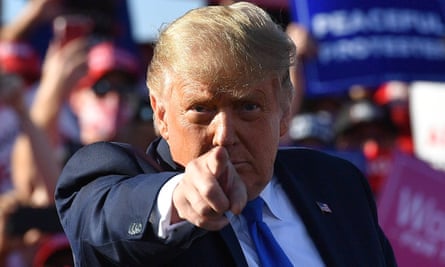
    The US elections is holding today. But as Americans go out to the polls, it is easy to think Donald Trump is a version 2.0 of the average Nigerian politician – refined, composed and less tricky.

    Well, we’re here to tell you “na lie“. Trump is just a Nigerian politician who stays in the abroad Nigerian politicians run to. You don’t believe us? See for yourself.

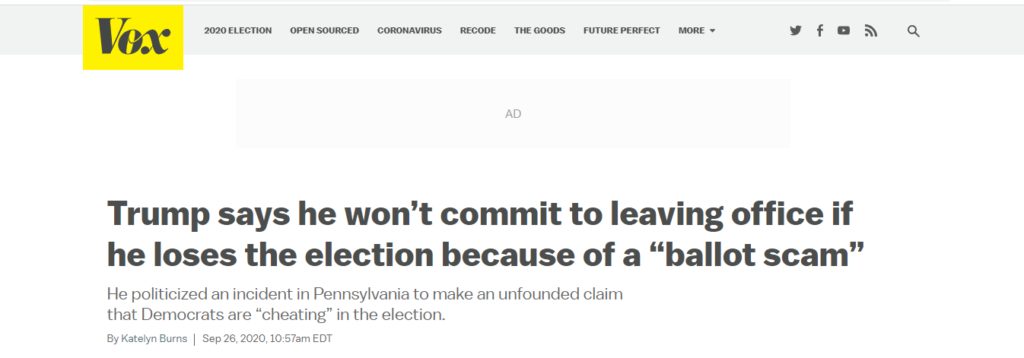
    1. When He Said He won’t Leave Office Because of A “Ballot Scam”

    Sounds like something Nyesom Wike can say.

    Read: 13 Pictures About Nigerian Politicians That Are Beyond Accurate

    2. When He Suggested A Delay To The Election

    Where do you wake up to go and cast your vote,. only to realise that the election has been postponed. Nigeria, and Trump’s America.

    3. When He Won’t Commit To A Peaceful Transfer of Power

    Even Goodluck Jonathan was kind enough to make the first call.

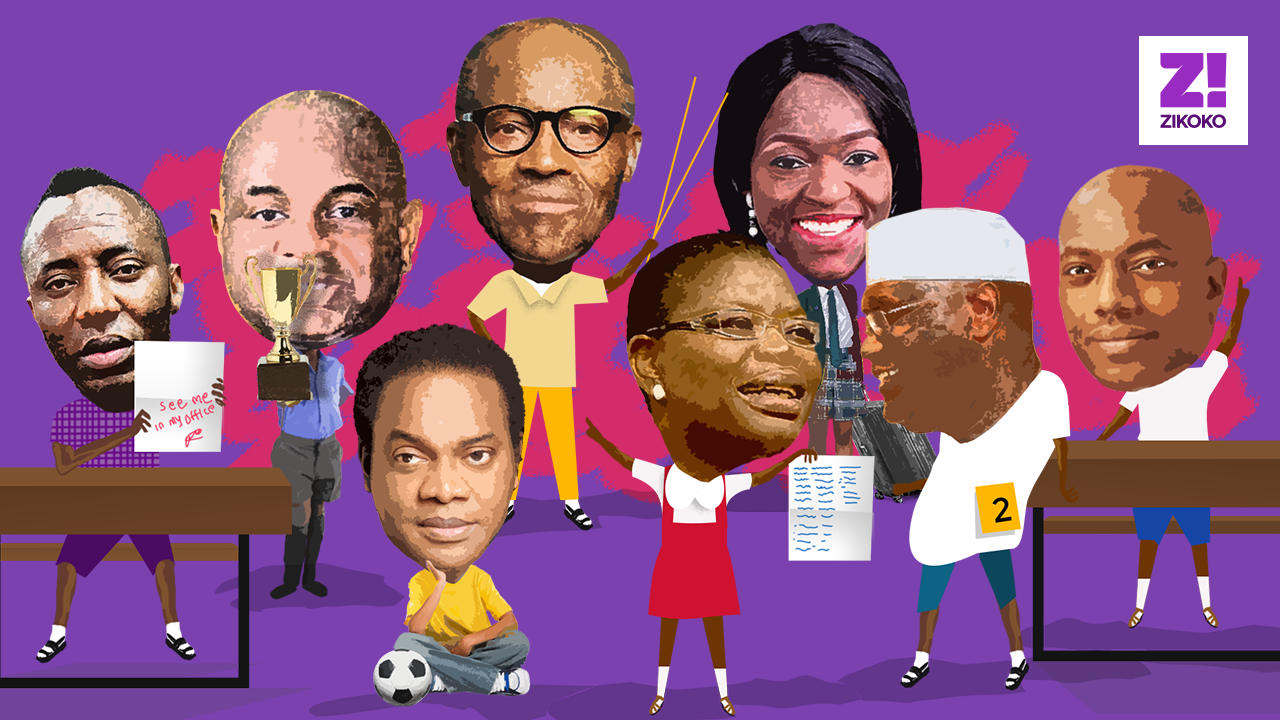
    Read: We Reimagined Some Presidential Aspirants As Secondary School Students

    4. When There Were Claims That He Planned To Steal The Election

    LMAO. Maurice Iwu’s INEC, plis.

    5. When He Mocked His Opponent

    Which Lagos State governor called a press conference to say that his challenger was arrested for spending “fake American dollars”, and that his records are at the Gbagada General Hospital?

    Hint.

    With these few points of mine, I hope you can now realise that east or west, every politician is the worst.

    Read: The 10 Stages of Becoming A Nigerian Politician


    [donation]

  • Election season is upon us and we’ve never had a more interesting and more diverse crop of presidential aspirants.

    And because politics in Nigeria reminds us of secondary school we couldn’t help but re-imagine some of our 2019 presidential aspirants as secondary school students.

    Fela Durotoye is the smart kid who is always the first to put up his hand when the teacher asks a question, whether he knows the answer or not.

    Teacher: What’s 2 plus 2?

    Fela: If you really believe in yourself, the answer will be 22.

    Oby is the kid who will write names of noisemakers, put her best friend’s name and submit it to the teacher.

    She’ll even add x2 if she catches you talking again.

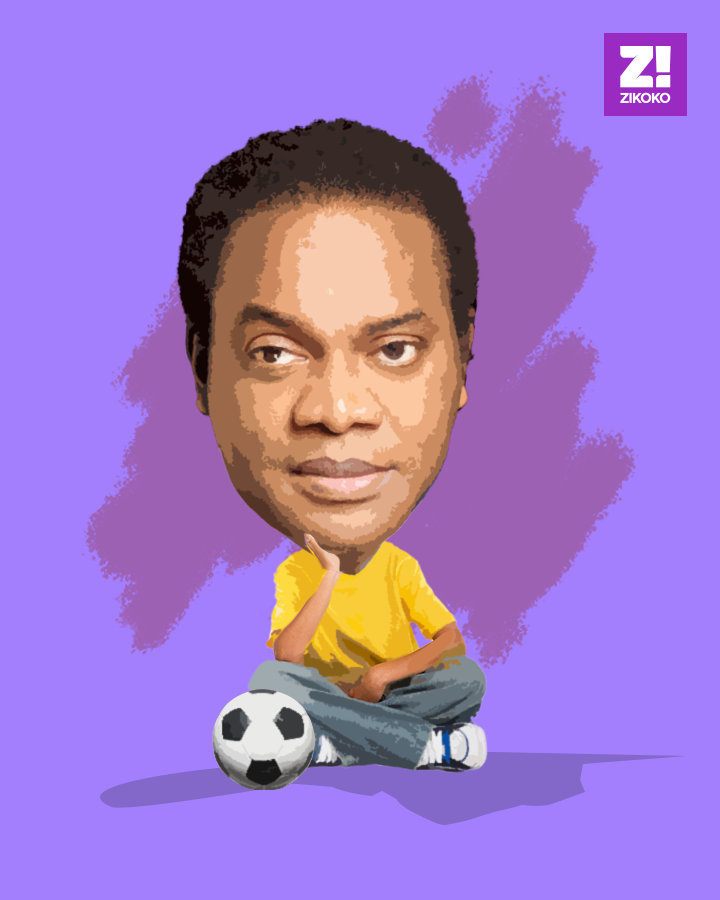
    Donald Duke is the fresh kid everyone likes and is very popular.

    He was Social prefect once and everyone loved him. The whole school thinks he can do no wrong.

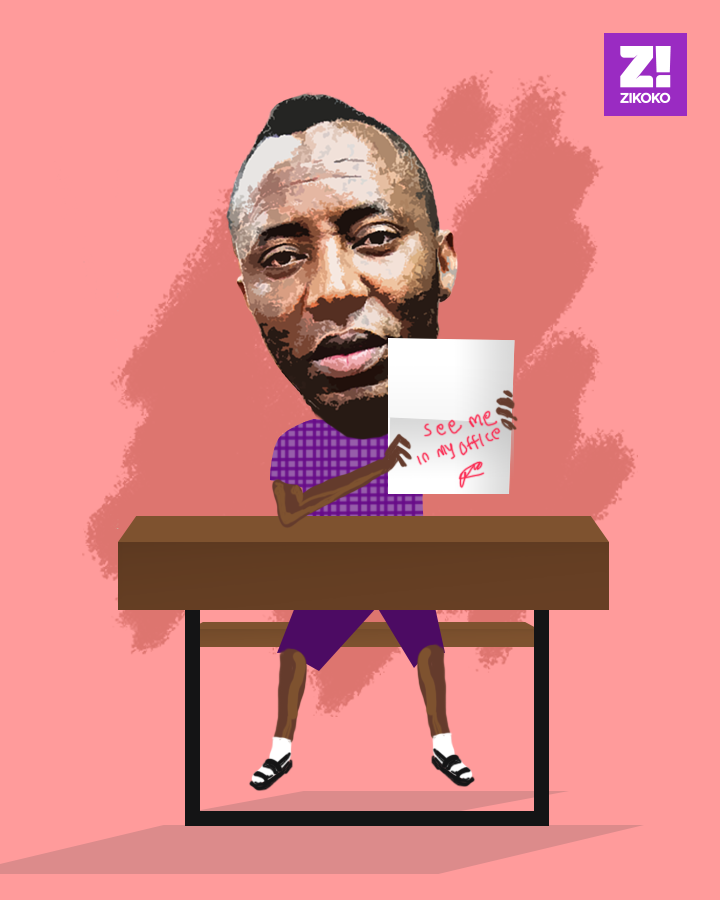
    Sowore is the one all the teachers used to call useless boy and now he wants to prove them wrong by becoming head boy.

    He gets called into the principal’s office every single day.

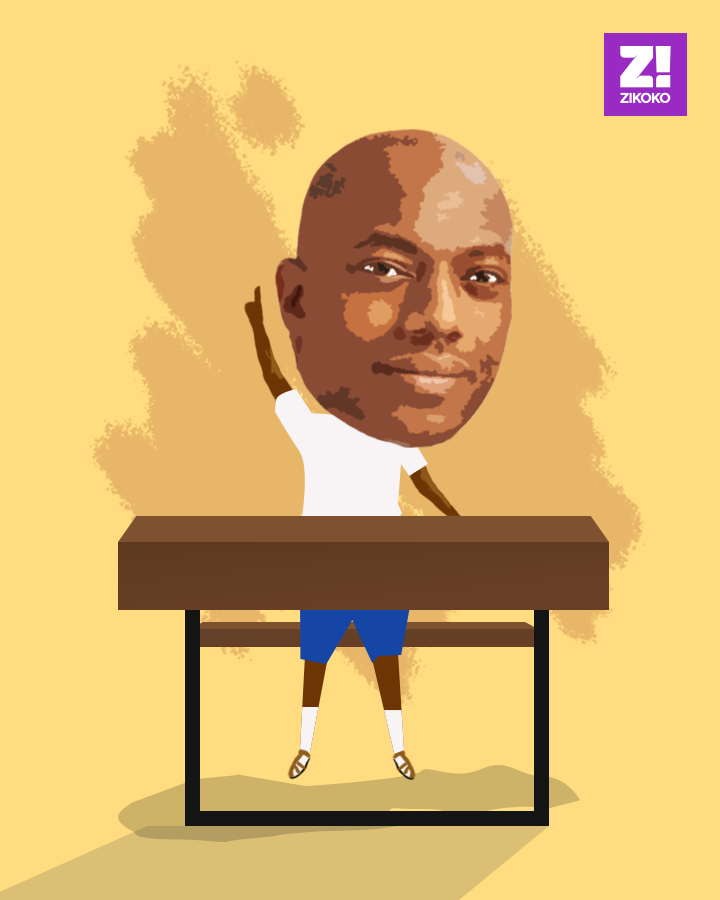
    Moghalu is the smart kid who always comes first and everyone thinks he has two heads.

    But the day he came second he went to report to the Principal that the person who came first didn’t deserve it.

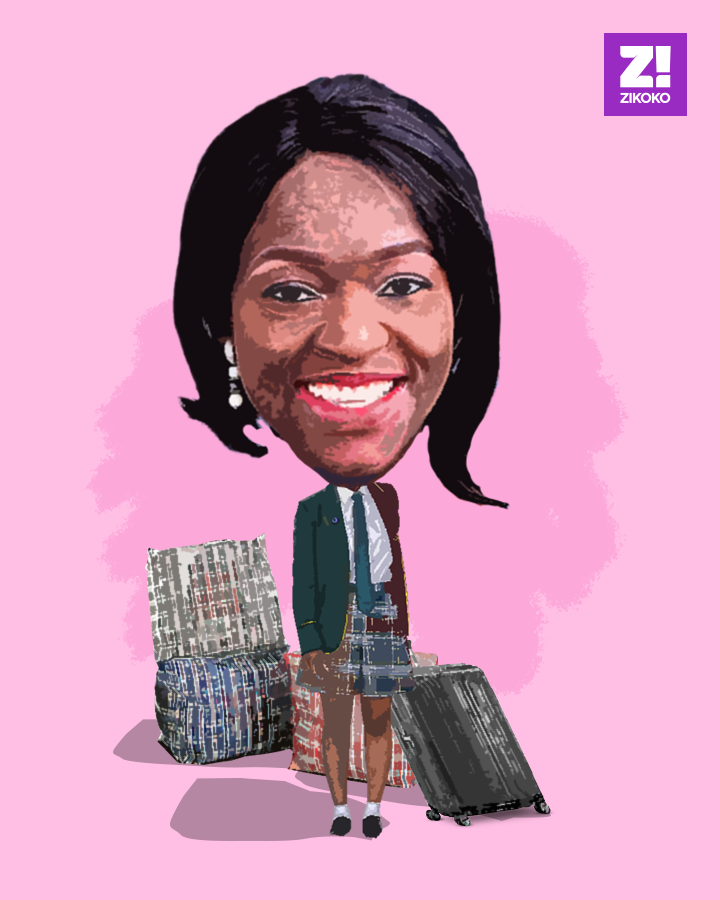
    Eunice Atuejide is the transfer student who came in SS2 and nobody knew until she said she wanted to become head girl.

    The boys like her because she refused to join the Girls’ Guide.

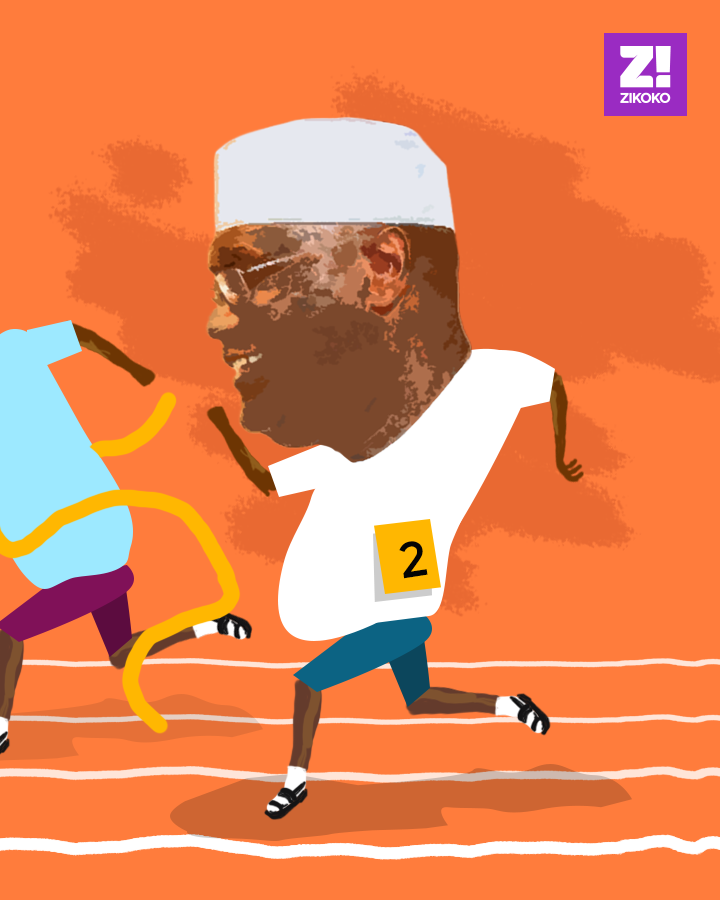
    Atiku is the rich kid who was Assistant Class Captain once and has now made it his life’s mission to become Class Captain.

    He has been trying since JSS1, he is in SS3 now.

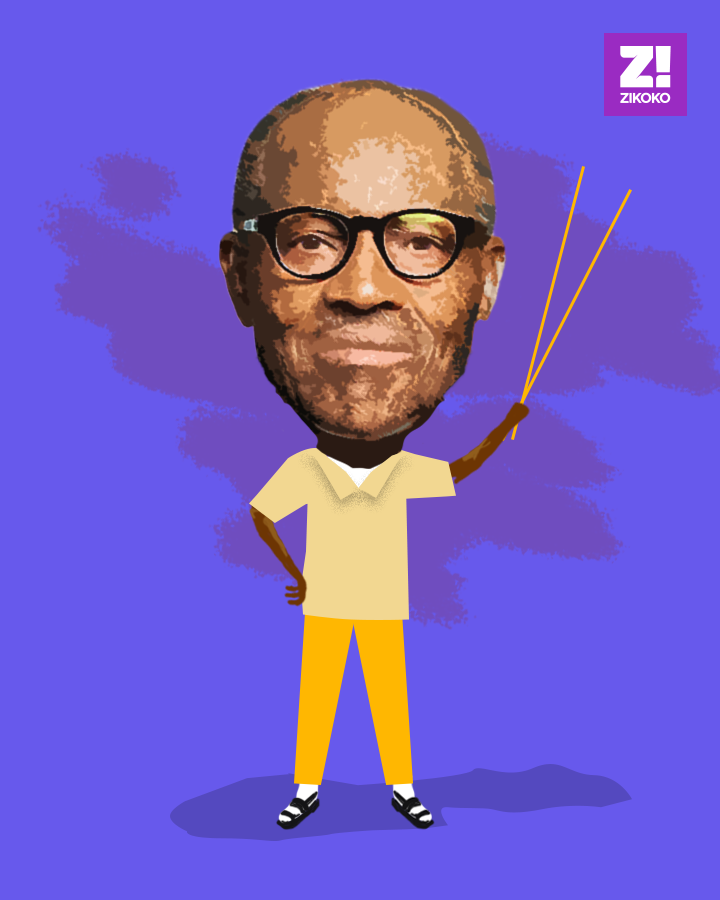
    Buhari is the one who has been trying to become class captain since JSS1, when they finally gave it to him in SS3 he decided to show the whole school pepper.

    And he’ll continue to show us pepper till he graduates.

    Eighteen other Nigerians have also come out to say they want to run for president. Who else do you think we should add to this list?

  • Don’t say our own is too much o!

    But this is too good to ignore!

    Apparently, President Buhari isn’t really working from home because he’s too tired to go to office.

    Yes. Daddy Bubu just really wanted to work on his 2019 campaign in peace.

    Already? You say? But of course. He just wanted to work in secret where bad belle people will not pour sand in his garri.

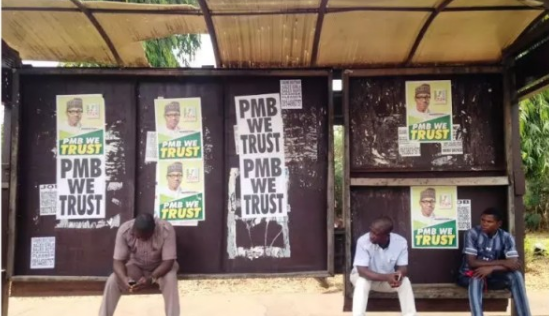
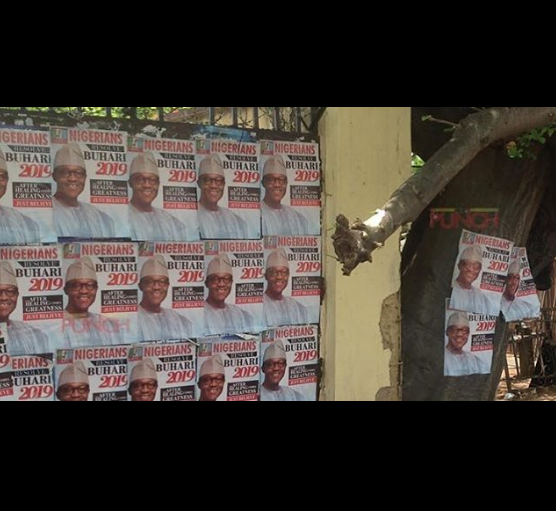
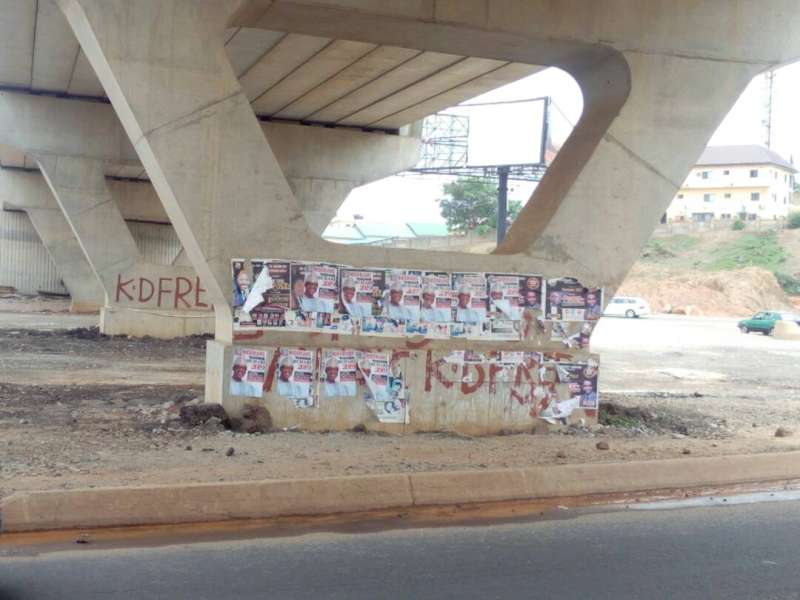
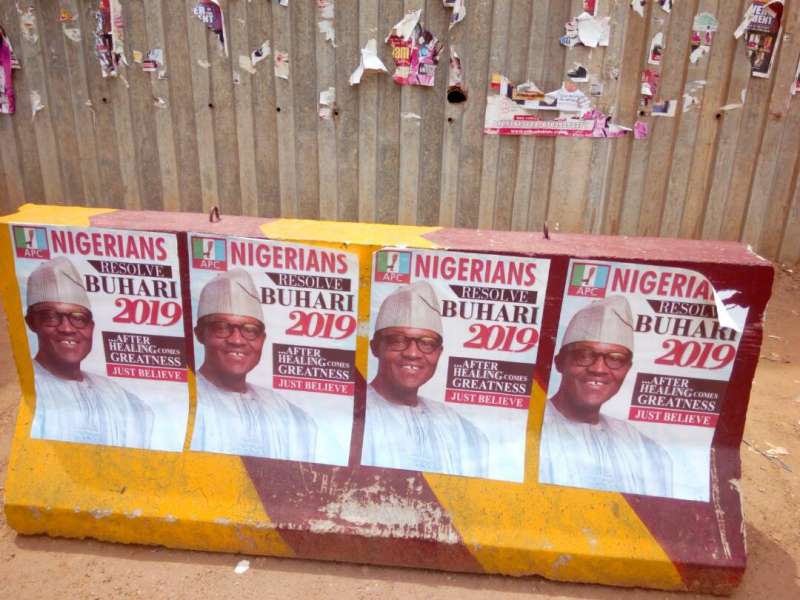
    Because it cannot be only by coincidence that after the May Day celebrations, these 2019 campaign posters began springing up everywhere.

    Nah. Imposicant.

    First they were in Benue, Makurdi;

    Then, they were in Abuja;

    All over the place they’re just putting the poster everywhere.

    And they’re already telling us it is, “PMB we trust” and “…After healing comes greatness, just believe”

    HELLO! After whose healing? Buhari or Nigeria?

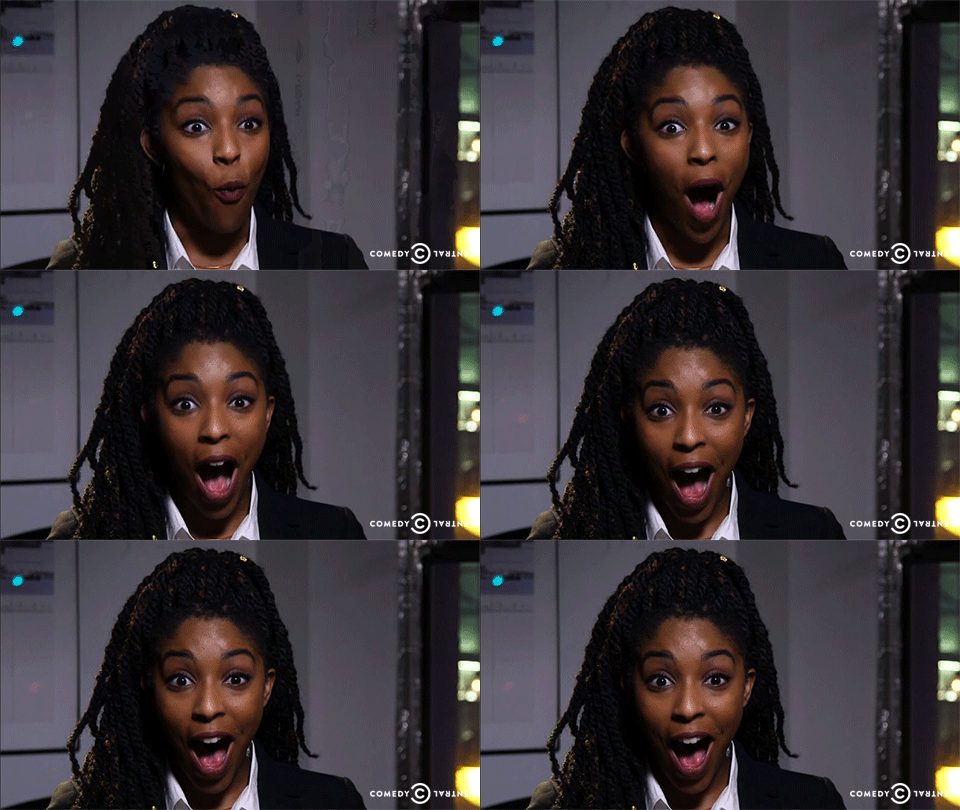
    These posters will just make you want to scream;

    WAWU!! My people. WA to the real WU!!