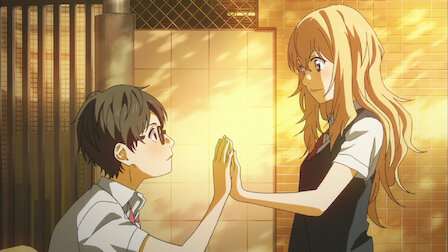
If you watch a lot of anime, and you call yourself an otaku, chances are, you probably learnt these Japanese words while watching anime and now you use them to terrorise people in your day-to-day conversations.
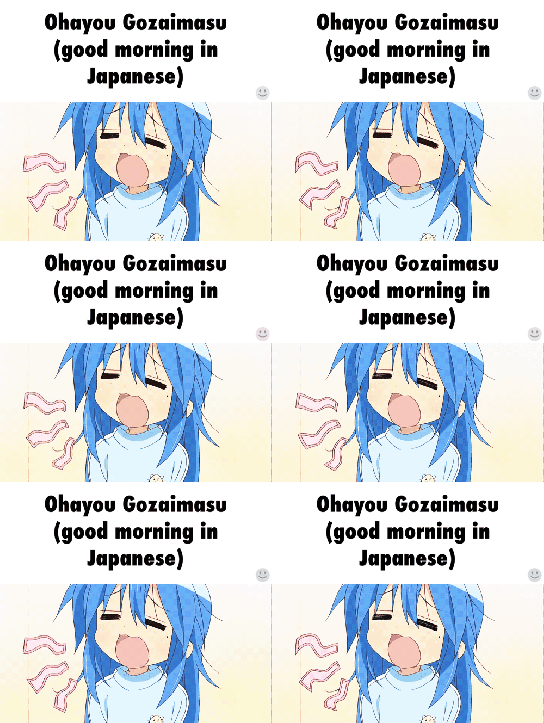
1. Ohayo/Ohayo gozaimasu: Good morning
Bonus points if you shout this loud enough for your entire neighbourhood to hear. To be fair, it is a much sweeter way to say good morning and everyone should use this more often.
2. Sayonara: goodbye
Nothing beats a character saying this when they are about to die. It’s usually one of the top two worst things you’ll ever hear in an anime series and it’s not number two.

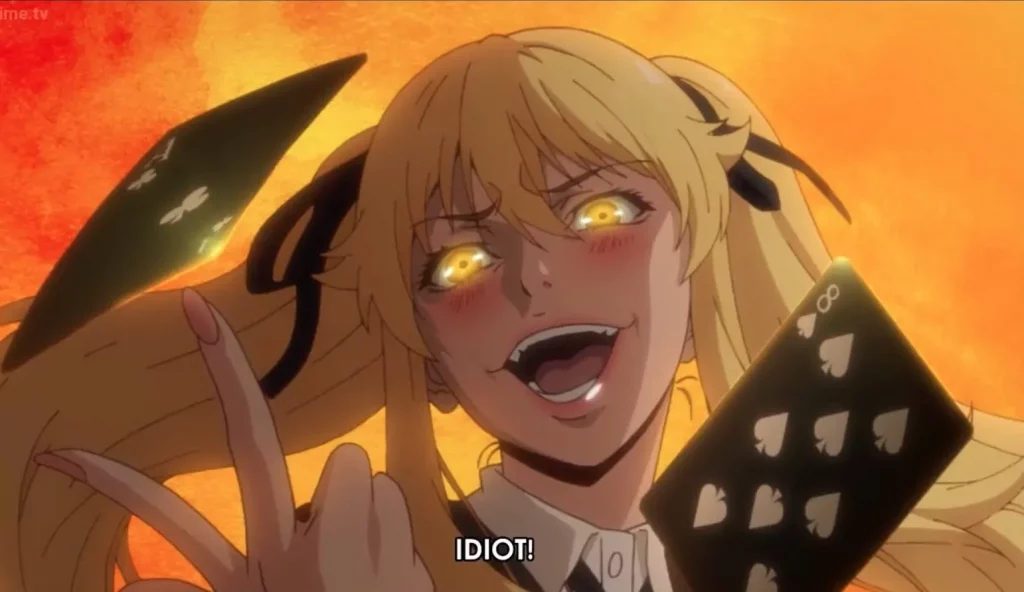
3. Baka: stupid
You use this one playfully to describe a character that behaves foolishly or is an idiot. Shout while using it or it doesn’t count.
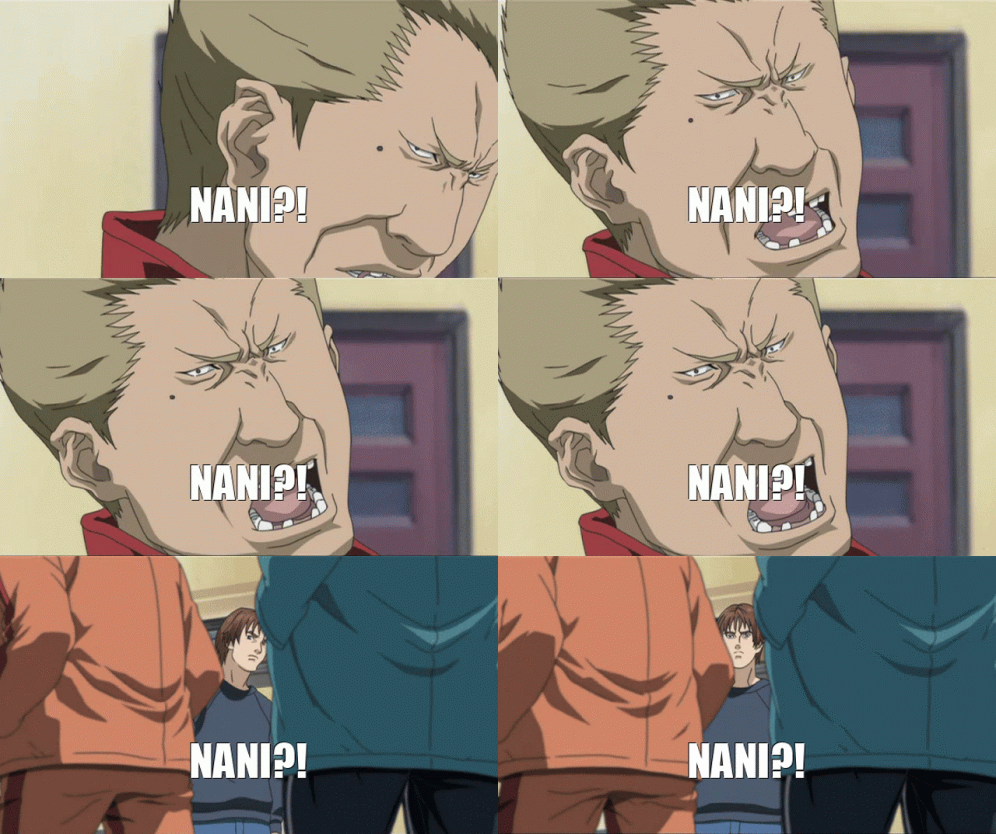
4. Nani: what?
Two distinct characters use this word: the softhearted, concerned side character that will most likely die soon, and the loud comic-relief character that almost always wants to kill the main character.
5. Senpai: senior
A senpai is someone who is your senior, mostly at school. In many ways, Japanese people are just as notorious as Nigerians in hunting for respect. If you are watching any anime where this is said a lot, I dare you to watch it with your parents. I’m not saying it has sexual undertones, but, “Notice me, senpai!” is popular for a reason.
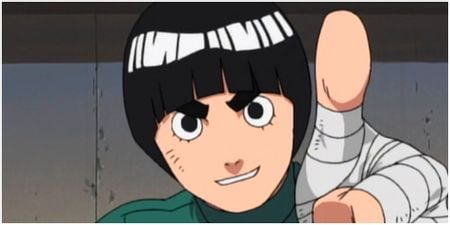
6. Hai: yes
This word is only popular because in some movies, their sensei will tell them to run one million meters and the character will just shout yes, no question asked. Could never be me. Rock Lee, I’m looking at you.
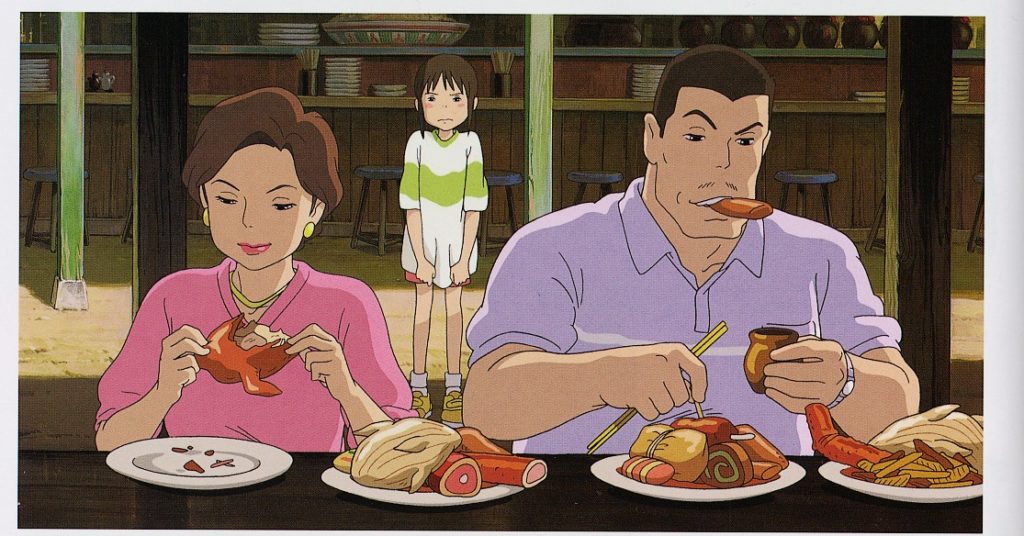
7. Okasan: mother/Otousan: father
You’ll probably learn this Japanese word first because they are usually the first characters to die in every anime. What sort of hero will you be if the deaths of your parents do not motivate you?
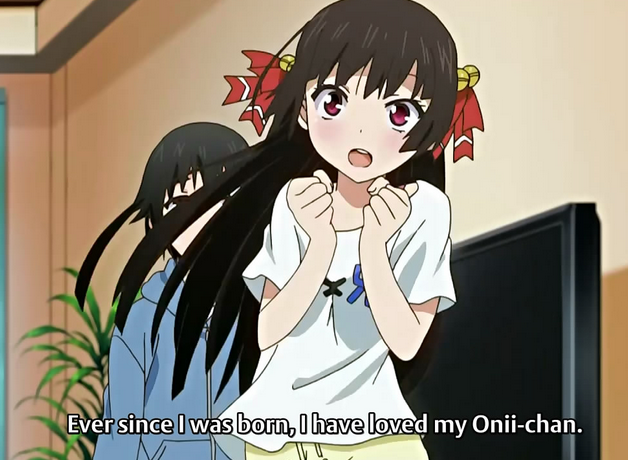
8. Oniisan/Oniichan: brother Oneesan/Oneechan: sister
These words are almost always used by the little sister character in the show, and their Oniichan and Oneechan are usually the sweetest older siblings you’d ever see on TV. Many anime writers must have been the only child in their households because people that grow up with siblings know that if they are being too nice, something bad is about to happen.
9. Nandemonaiya: nothing/nevermind
Anime characters will have their guts spilling out and when a character that cares about them asks, they will still lie with their full chest and say nandemonaiya. I’m not saying otakus lie a lot, but….
10. Arigato gozaimasu: Thank you
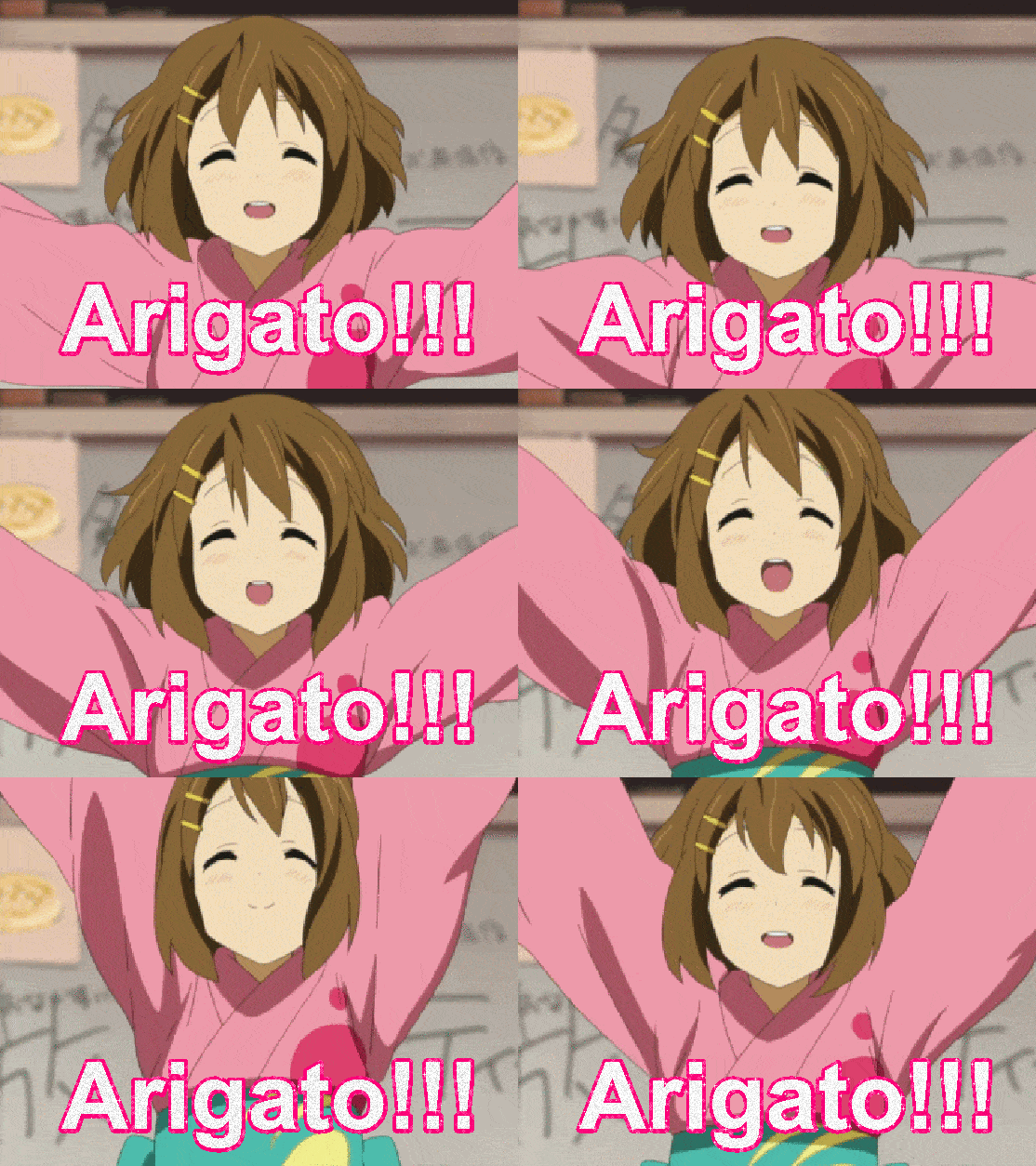
I can’t explain how simply saying thank you in Japanese can sound so wholesome, but it is a thing. Just try it and you’ll see what I mean.
11 Gommenasai: I’m sorry
Name a character from Naruto that didn’t say this before they died and I’ll name ten that did. Why the writers always make characters who are about to die to say this, I’ll never understand. But, if anyone ever uses this Japanese word to apologise to me, I will 100% accept their apology.