Notice: Function _load_textdomain_just_in_time was called incorrectly. Translation loading for the wordpress-seo domain was triggered too early. This is usually an indicator for some code in the plugin or theme running too early. Translations should be loaded at the init action or later. Please see Debugging in WordPress for more information. (This message was added in version 6.7.0.) in /home/bcm/src/dev/www/wp-includes/functions.php on line 6121
PCOS | Zikoko!
  • What She Said: I Was Asked To Withdraw From Pharmacy In My Final Year

    Navigating life as a woman in the world today is interesting. From Nigeria to Timbuktu, it’ll amaze you how similar all our experiences are. Every Wednesday, women the world over will share their experiences on everything from sex to politics right here. 

    The subject of today’s What She Said is a 24-year-old woman who talks about studying pharmacy to please her parents, getting withdrawn from school after failing a semester, and finally studying what she wanted.
    Let’s talk about your childhood

    Growing up, I was a very shy child. I wanted to be noticed and to also stand out, so I decided I would be either a journalist or a military woman. However, as I grew older, that changed. 

    When I was 12, I fell in love with agricultural science when I was taught in school. Seeing green leaves and plants made me feel excited, so I told my mother I wanted to study that. 

    What did she say? 

    She actually didn’t say anything. What she did was to tell my dad. There’s nothing you tell my mum that she won’t relay back to him. 

    One day, while my dad and I were out, he brought it up. He didn’t tell me directly to study medicine instead, but it was there. 

    When I was 13, my brother wrote JAMB. My dad wanted him to fill medicine as his course of study, but he refused. I remember seeing the hurt in my dad’s eyes. In that moment, I made up my mind that I’d study medicine and please him. My plan was to farm as a hobby once I made money. 

    So, you studied medicine? 

    I actually didn’t, but I didn’t study agricultural sciences either. I applied for a medicine related course – pharmacy instead. I felt I couldn’t do medicine because I wasn’t exceptionally smart. Plus, since it was a medicine-related professional course, I’d still work in the hospital. 

    How did your dad take it? 

    Initially, he was annoyed when he found out that I didn’t choose to study medicine, but I explained to him that although I had a high chance of getting a good jamb score, it might not be good enough to get me medicine because of how competitive the course is. It’s funny because I was actually right. All the people that got around the same score I got were given either veterinary medicine, biochemistry, anatomy, physiology or microbiology. 

    How did studying pharmacy go? 

    It started off sort of well. I had one carryover in my first semester and I doubt I ever recovered from it. I got the carryover because they had changed the test format. I thought the test was objective, and so I read for that, only for them to make the test subjective. I cried so much when I saw the result because that was the first ever major failure I had gotten in my life. 

    I was determined to bounce back in my second year, but it was hard because I couldn’t take some courses until I passed my carryover. From my very first year studying pharmacy, I knew I was going to have an extra year. 

    Omo, that’s tough.

    It gets worse. In my third year, I carried over almost all the courses I took. There was no definite reason why. It was rather, a combination of a lot of things. I was sad, tired, and exhausted. I had a lot of clashing classes because of the courses I was still taking from my lower class. Studying got even harder to do. There were back to back tests and I was extremely anxious because I was scared of failing again. It was a really difficult year for me. 

    I’m so sorry. Did your dad know?

    He didn’t. I was too ashamed to call home. I wanted to fight all on my own, so I decided to repeat the entire session so I could retake all the courses I failed. To my surprise, I failed again. This time, it was because I fell sick during exams. My test results were good, but the exams were awful. It destroyed my CGPA, and I was placed on probation by the school. 

    Honestly, I should have applied for a deferral. It’s just that the thought didn’t cross my mind until one of my lecturers saw me repeating a class. When I told him I fell sick, he mentioned the deferral, but it was already too late. I was on probation. 

    It was after being put on probation I decided to tell my dad what was going on. We spoke extensively, and I still convinced him I could do it. So, I pushed on to year five, with courses from year three and four still on my neck and a probation. 

    I managed to pass, but my overall CGPA was not enough to get me out of probation. I was constantly praying for death. I’d rather die than see myself disappoint my father.

    Having pcos didn’t make it easier for me. The increased anxiety and depression PCOS brings made everything even harder.

    I’m so sorry. PCOS too? 

    The first time I had my period was when I was 11, and it was absolutely painful. Since then, it comes about once or twice a year. Nobody enjoys seeing their period, so I wasn’t bothered because I felt I was God’s favourite. 

    In 2017, I went to see my gynaecologist to complain about my lack of a period. After some tests and ultrasounds, I was diagnosed with PCOS. However, I only decided to get treatment for it in 2018 because the people around me were worried by the fact that I hardly ever saw my period. When I went to the hospital, the doctor told me that I didn’t need to worry about it and should come back when I want to have a baby. 

    Do you intend on going back? 

    Not really. The fact that I don’t see my period regularly doesn’t bother me. I even prefer it this way. What does bother me is the other side effects like anxiety, depression, weight gain, acne and a host of others. Even the infertility aspect doesn’t bother me as much. I’m a muslim woman, and if my husband marries more than one wife, I could help take care of my stepchildren. Also, I’m very open to the idea of adoption. 

    When was the last time you saw your period?

    In March, after my gynaecologist placed me on some medication. I bled for 20 days consecutively and decided I didn’t want to do that anymore, so I stopped taking the medication. I can’t be dealing with school and never ending bleeding. 

    Yes, about school. What now? 

    Well, because my CGPA wasn’t enough to get me out of probation, I was withdrawn from the faculty of pharmacy in my final year. Then, I reapplied for a change of course to the agriculture department.

    How is that going? 

    They haven’t approved my application yet, so my parents are still trying to convince me to study pharmacy again, but I don’t think I can. If my application is denied, I’d rewrite JAMB next year and apply for agriculture. 

    Do you think all of this could have been avoided if you just studied Agriculture from the beginning? 

    Honestly? Yes, I do. Agriculture is a four year course. It doesn’t have a schedule as tight as pharmacy, and I genuinely enjoy it. They also wouldn’t have asked me to withdraw from the faculty because I have a CGPA that’s less than a 2.4. 

    Does that make you resent your parents? 

    No, it doesn’t. Why will I resent them because I failed? I wouldn’t have if I had passed and gotten good grades. 

    What’s next for you now? 

    Trying to get my life together again. I don’t sleep as often at night anymore because I keep thinking of how I can no longer be dependent on my parents. I also worry about failing agricultural sciences. What then will I do with my life? It’s only book I know; I’m not a business person. I just need everything to work out for me. 

    I hope everything works out well for you.

    Thank you.

    [donation]

  • What She Said: I’m Looking Forward To A Hysterectomy

    Navigating life as a woman in the world today is interesting. From Nigeria to Timbuktu, it’ll amaze you how similar all our experiences are. Every Wednesday, women the world over will share their experiences on everything from sex to politics right here. 

    The subject of today’s What She Said is a 26-year-old woman. She talks about not really having a childhood, not wanting children, living with PCOS, wanting a hysterectomy, and wanting more money.

    Tell me something about your childhood. 

    Growing up was fun. I’m the last born and even though my parents didn’t have much, it never really bothered me. I was somehow still very spoiled and protected. 

    I didn’t have toys or watch cartoons because we didn’t have cable and I was growing up with people 5-11 years older than me.

    That’s a huge age difference.

    My siblings are all way older than me. I am 26 now and my parents still ask for their approval about things I want to do with my life. It’s like my siblings are my parents and my parents are higher authorities. 

    How does that make you feel? 

    It doesn’t bother me much. I just wish my parents would take me more seriously, but I don’t see that happening. I know my siblings always have my best interest at heart and it’s a lot easier to go through them till I no longer have to. 

    They’re also very close and that’s what I knew. I learned friendship from my siblings. We are friends with each other and always have each other’s backs. It’s nice and warm.

    They have been very big influences on my life. From listening to rappers like DMX, Ja-Rule, Snoop Dogg and a lot of artists from the early 2000s because of my older brother, to getting a PCOS diagnosis with the help of my sister. 

    Why did you think you had PCOS? 

    I’d never had regular periods. I started seeing my period in 2006 and even then they weren’t regular. I told my mum about it, but it wasn’t a big deal until I didn’t get my period for 5 months at a stretch in 2012. We went to the doctor and he said it was stress from writing WAEC. The period eventually came in October and came for a while. It was on and off.

    I started having sex in 2016 and didn’t get my period for months. I took multiple pregnancy tests and they kept coming back negative, so I eventually told my mum about the delayed period and she insisted we go to a gynaecologist to get me checked. 

    Before that, I’d done some hormone tests, so I already knew I had a hormonal imbalance. I just didn’t know it was PCOS. My sister has PCOS and my mum is a retired nurse, so she put two and two together and she said I probably had PCOS too but wanted a proper diagnosis. I went to two different gynaecologists, and I got the diagnosis. 

    I went to a government hospital and then I went to a fertility hospital. I got a scan to check the size of the cysts and my female gynaecologist told me not to bother so much about it till I’m ready to have kids, but I don’t even want to have children. Not for any particular reason, I just don’t care much for them. I have two nephews and a niece I love very much but I’m not keen on having any of my own. 

    What happened after the diagnosis? 

    I got medication and I’m very nonchalant about it. I didn’t really start paying attention to my PCOS until this year when it felt like it was going to kill me. It was like every single symptom hit me at once. It was insane and drove me to read a lot about PCOS. The more I read, the more sense things made.

    What were these symptoms? 

    I got period pain so intense, I couldn’t sleep. I was taking medication, but it wasn’t working. I was even having hot flashes. 

    I’ve only had two periods this year and they’ve both come with different madnesses. I had to induce the first one by taking the medication my doctor prescribed and the period lasted for 16 days and left me depressed and ill for the whole month. The second period I had this year came on its own but it felt like all the blood in my body was going to drain out and it lasted five days. Honestly, I’m really looking forward to a hysterectomy

    That’s very intense. Why a hysterectomy? 

    I don’t want a uterus anymore, and I want to live a life free from PCOS even if it’s just for my mental health. I went from a size 12 to a size 18, and I’ve had bouts of severe anxiety. It’s also worse when I’m on any form of medication for PCOS. September was an awful month but I’m a lot happier in October. No more medication, plus I was a lot more intentional about my happiness. 

    I thought medication made things better? 

    Better ke!? All the medication did for me was make my period come. It left me miserable. Letrozol, the medication my doctor prescribed for when I hadn’t seen my period, showed me pepper. I would have joint pain and be unable to sleep. I was crying and had to throw it out even though I’d used it for just two days. I’d rather not get a period than be in so much pain. 

    Honestly, what’s the point of periods anyway? 

    I don’t know. Nothing happens when I don’t get my period for months. If anything, I’m always so happy. I just want the period because I like to feel like a woman, but it’s like being a woman comes with hardship because why should I be crying for days because I didn’t get pregnant? 

    There were some times I even tried getting pregnant just for fun, but that didn’t work. No periods mean no ovulation. I’m not so bothered because like I said, I don’t want children. I consider that symptom of PCOS a blessing in disguise. 

    Since you don’t want children and your uterus is stressing you, why haven’t you done the hysterectomy? 

    I don’t know how much it costs, but I really don’t think I’d be able to afford it. Also, it’s a really big step and I haven’t given it much thought. I fancy the idea of not having a uterus, but am I ready to give it up? I need to think it through a lot more. 

    What’ll make life easier for you? 

    Money. I don’t think about PCOS when I’m enjoying my life. I want to earn enough to survive on my own and that’s one of the reasons I really want to leave the country. I’m only earning enough to make it through a few days post salary day. Money gives you a lot of options, and I don’t have that yet. 

    For more stories like this, check out our #WhatSheSaid and for more women like content, click here

    [donation]

  • 6 Nigerian Women Share Their Experiences Visiting Male and Female Gynaecologists


    Women are very intentional about who they trust with their health and quite a number of women have talked about their different encounters with male and female gynaecologists. For this piece, we asked a few Nigerian women to share their experiences with male and female gynaecologists and here’s what they had to say:

    Kim, 26

    I have visited both male and female gynaecologists and the experience was the same with both of them. I felt comfortable enough to trust them with my body. There was no fear or judgement; both of them were kind and patiently answered all my questions. 

    Both visits weren’t in Nigeria. I visited the first gynaecologist in Ghana because I was experiencing irregularities with my period. A female gynaecologist attended to me on that visit to the hospital. The second visit to the gynaecologist was in Nigeria and I was attended to by a man. I was met with the same patience and kindness by both of them.

    Sarah, 20

    I was 12yrs old when I first visited a gynaecologist. I had menorrhagia and my mum was scared. My male gynaecologist was really nice and welcoming. I have been attended to by another male gynaecologist and he was also very nice. He also made me feel very comfortable. 

    I still look forward to being attended to by a female gynaecologist.

    Racheal, 25

    Personally, I had mostly good experiences with female doctors than I did with male doctors and I always picked female doctors over male doctors. A few years ago, I had to do a surgical abortion at a teaching hospital and chose a female gynaecologist for the procedure. She was mean to me, she insulted me and was really rough with me. I cried all through the procedure. The male gynaecologist in the room held my hand and was consoling me throughout the procedure.

    She was to insert an anal antibiotic pill in my anus after the procedure, and it wasn’t a small pill. She kept shoving it forcefully into my anus without lube and tearing me up till I started to bleed from my anus. The pain was so intense I cried a lot. She continued to insult me,  saying when I was enjoying the sex I didn’t cry. When she couldn’t get the pill in, she just threw it away and stormed off. A nurse helped put the pill in more gently. I couldn’t sit well on my butt for 3 days after that experience. 

    I was 20yrs old at the time of the procedure and the procedure was a manual vacuum aspiration. 

    Nora, 23

    When I was 17yrs old, I found out I had appendicitis and had to go for an appendectomy. I was advised to see a gynaecologist before going in for the procedure. I was met by a male gynaecologist before proceeding with the appendectomy procedure. The visit was very uncomfortable. It was my first time seeing a male gynaecologist and having to take all my clothes off for the medical examination. Midway into the medical examination, another male gynaecologist walked in. The second gynaecologist was a student. 

    I was still barely dressed and on the bed when the first gynaecologist started to teach the second gynaecologist. I was obviously very uncomfortable with what was going on, but he still continued. I was hoping he was going to read my body language, but that unfortunately didn’t happen. I eventually voiced out my discomfort to him, he didn’t apologise, he even wanted more time with me to continue teaching his student. 

    A few years after that, I was diagnosed with PCOS and had to visit a gynaecologist again. This time, I was attended to by a female gynaecologist. She was warm and very kind. It was a far better experience than my first visit.  

    Kike, 18

    Two of my friends got diagnosed with ovarian cysts and womb cancer within a short period of time and that prompted me to visit the gynaecologist. When I got to the gynaecologist’s office, he immediately told me to take off my clothes and underwear, lie on the bed and spread my legs. This made me very uncomfortable and the manner in which he said it was always not helping. His tone sounded very commanding and brusque. I had to lie to him that I was on my period and I was going to come back another day for the medical examination. I have not been back to his office since that day.

    Tosin, 25

    When I was 16yrs old, I had to go in for a pelvic ultrasound and it was done by a male gynaecologist. He was patient with me, however, he dismissed the other symptoms I complained about and reduced them to stress.  A few years later, I had to visit another gynaecologist and I was diagnosed with PCOS. It was another male gynaecologist. He immediately told me to lose some weight and prescribed oral contraceptive pills. His approach also felt very dismissive. I opted for a second opinion and went to see a female gynaecologist. She was more patient, she recommended a different treatment and she shared her experience treating other women with PCOS. I felt a lot more comfortable with her and I have been hesitant to visit male gynaecologists after seeing her.

  • 7 Things Women With PCOS Can Relate To

    PCOS (Polycystic Ovarian Syndrome) is a hormonal disorder that is common in women of childbearing age. PCOS has different side effects, varying from obesity, to irregular periods, fatigue and so many other symptoms. Here are a few things many women with PCOS can definitely relate to.

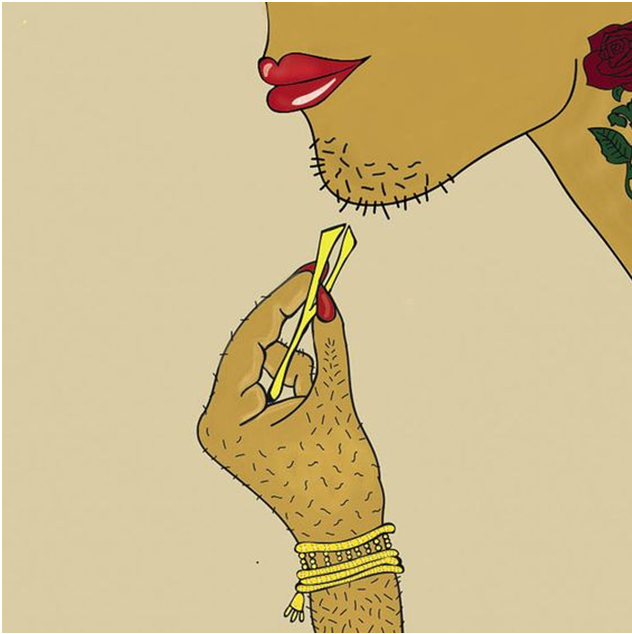
    1. Always needing a tweezer.

    Hirsutism is a common side effect of PCOS which oftentimes occurs as facial hair. Women with PCOS understand the struggle of always needing to have a tweezer nearby to pick out hair from their chin or the most random spots on their faces.

    2. The weight gain.

    Gaining weight due to PCOS is not such a fun experience, especially for women who battle with weight loss and self-image issues. Some women gain so much weight and struggle to lose it.

    3. Getting told to lose weight.

    A common remedy that is often recommended to a woman with PCOS is being told to lose some weight or try out a new lifestyle regimen. A lot of gynaecologists suggest weight loss like it’s the balm of Gilead.

    4. Trying out different supplements and hormone treatments.

    One thing women with PCOS are definitely going to do is try out supplements. They don’t care for the price of the supplements and they are always willing to pay for hormone treatments and period inducers.

    5. Dealing with fatigue from nowhere.

    Fatigue is one of the main symptoms of PCOS. You don’t have to do so much more work before you are hit with fatigue from nowhere. Sometimes you wonder if the fatigue is from your funny working uterus or if you are just a lazy person. It’s not you, it’s your uterus.

    6. Having to deal with different bouts of sadness.

    See, one of the most confusing things has to be sadness. You can be sitting by yourself and get hit with bouts of sadness from nowhere.

    7. Trying out different meal plans and diets.

    From KETO to any other meal plan you can think of; PCOS babes have tried out all of them.

  • What Is PCOS? 5 Myths and Facts About The Condition

    Polycystic Ovary Syndrome (PCOS) is still largely unspoken about across Nigeria. Many people may have heard about it but a lot of them don’t know what’s true or false about the condition. Here are five myths and facts about Polycystic Ovary Syndrome.

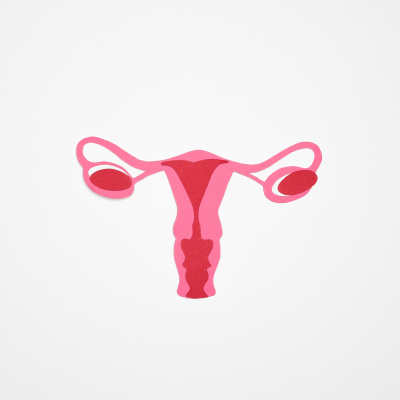
    diagram of the female reproductive system What is PCOS
    1. Every woman with Polycystic Ovary Syndrome grows hair in unlikely places. 

    Though a common symptom of PCOS is abnormal hair growth, where women grow hair on their chins, upper lips, and chest, not everyone with PCOS will have this symptom. Also, some women who don’t have PCOS grow hair in those places as well. In other words, anybody can grow hair wherever. 

    black pregnant woman lying in grass
    1. It’s not possible to get pregnant when you have Polycystic Ovary Syndrome.

    Many people believe that women with PCOS are unable to get pregnant, and it is untrue. It is a common cause of infertility because of how it affects the ovaries but women can still get pregnant even when they have PCOS. 

    blood on a sanitary pad
    1. If your periods are irregular, then you have Polycystic Ovary Syndrome.

    Yes, irregular periods are a cause for concern and could also be an indicator of PCOS. But not all irregular periods point to PCOS. Other causes of irregular periods are stress, breastfeeding, extreme dieting or overexercising, fibroids, and pelvic inflammatory disease. If you get irregular periods, you should see a gynaecologist. 

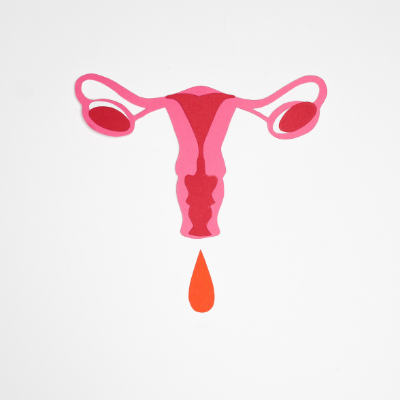
    illustration of the female reproductive system with blood
    1. Polycystic Ovary Syndrome is a rare condition

    A hormonal disorder that 1 in 10 women of child-bearing age has is not a rare condition, dear. One reason why people think it is rare is that there is not enough awareness about it so people who have it do not know they do. This is why it is recommended to see a gynaecologist as often as you can once you reach 21. 

    woman leaning on a window, sad
    1. Your actions caused you to have Polycystic Ovary Syndrome.

    The cause of PCOS has been attributed to a number of factors including genetics and insulin resistance. However, the actual cause is unknown but what we do know is that it’s definitely not something you did to yourself. 

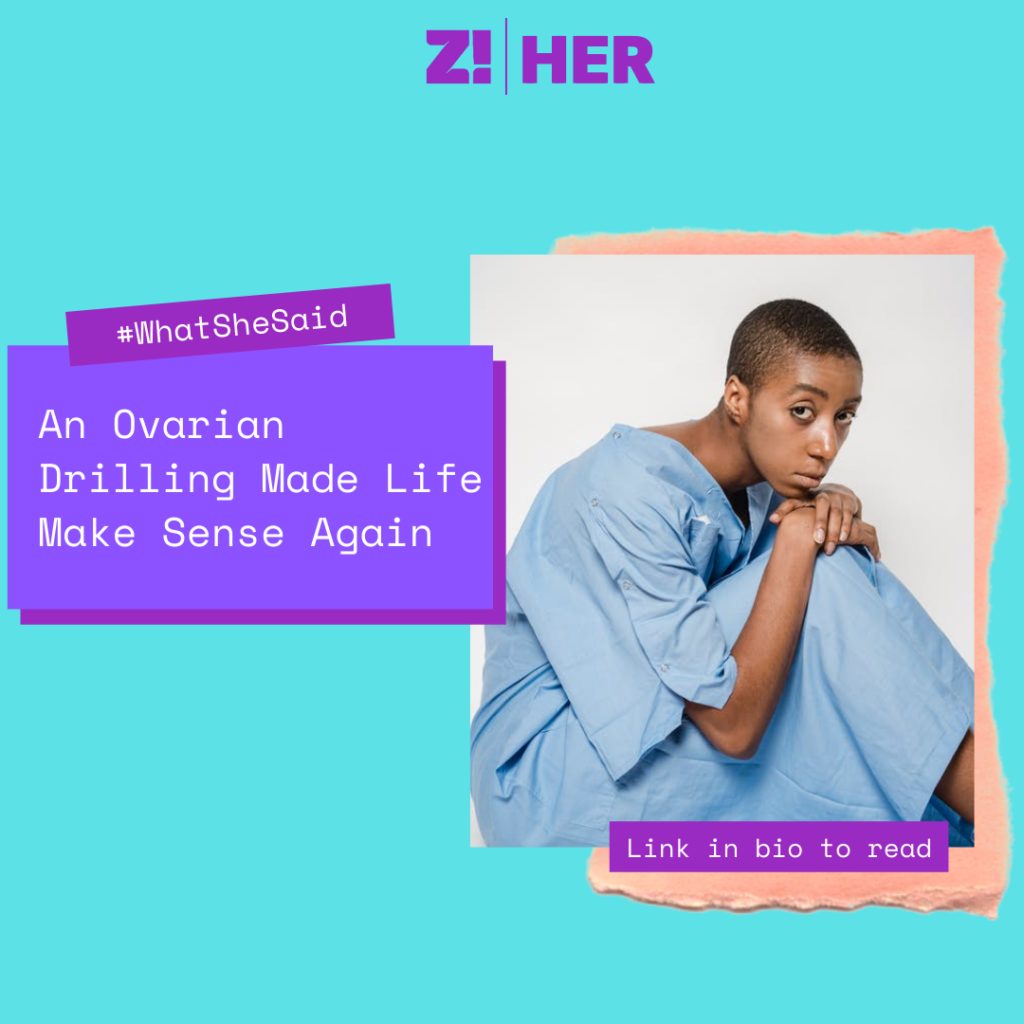
  • What She Said: An Ovarian Drilling Made Life Make Sense Again

    The subject of today’s What She Said is a 23-year-old woman who had an ovarian drilling surgery. She talks about PCOS and how it affected her mental and physical health, how unhelpful the doctor who diagnosed her was, and needing an ovarian drilling. 

    what she said design with a woman in a hospital gown sitting down

    Tell me something about your childhood.

    Okay, let’s talk about my first period.

    Sure.

    I got my first period on the Sunday after my 13th birthday. We were in church, and after service, I went to the bathroom and there was blood. My mum had already given me a comprehensive rundown of periods, so I felt zero panic. I just whispered it to her. We left the church and she gave me a pack of pads when we got home. That was that!

    Sounds very stressless. 

    It was, but unfortunately, that didn’t last for long. 

    What happened? 

    When I was 14, I started gaining a lot of weight. I also got really bad cramps whenever I got my period, but I just chalked it up to puberty. I noticed how terribly people treated me once I gained weight. And this went on till I went to the USA for university in 2015.  

    I don’t know if it was the stress of change or a new diet that triggered it, but my first semester in school, my period came and just didn’t stop. 

    Ah? 

    I tried to ride through it because I’m very stubborn when it comes to pain, but after the 20th day, I went to the campus health centre and got put on the birth control pill. My period stopped then. 

    At the same time, I gained a lot of weight. 

    Did you go to the hospital again? 

    Yes, before I came back to Nigeria for the summer, I went to the health centre one more time. The nurse said that based on what had been going on, I might have something called PCOS and should go to the ob/gyn when I go home.

    I googled it, and honestly, it read so fatalistic that I cried for days at the possibility of having it.

    That must have been so traumatic for you. Did you still see the oby/gyn?

    I did. When I came home, my dad took me to the ob/gyn. I described everything that had happened in the past year and told him about the suspicion of PCOS. 

    I laid down for an ultrasound, and he pointed at my ovaries on the screen and said, in the most condescending tone, “See that? You have what we in the field call polycystic ovaries.” 

    After we’d sat back down, he wrote me a prescription for 4 packs of birth control, handed it to me, and said, “Lose some weight and you’ll be fine”. That was all. 

    It was one of the worst doctor visits I’ve ever had, and considering all the things PCOS does to a body, it was completely unhelpful and almost harmful honestly, but that was my diagnosis.

    It must have hurt for someone to have dismissed you like that. What did you do next? Lose weight? 

    It was such a jarring experience. Since all he said was that I’d be fine if I lost weight, I tried to focus on that. I went on all sorts of diets, did so much fasting and got plied with so many “fat-burning” vitamins and supplements.

    None of it worked. I kept gaining weight. My periods were longer and more painful. I was exhausted all the time, my neck got darker and darker, and I constantly had acne. My mental health was in the bottom of the gutter. Overall, I was not doing great. 

    I’m so sorry you had to keep dealing with all of that. 

    It’s fine now but not so much then. Since I was fat, acne-ridden with dark patches of skin and constantly tired, people who didn’t know I had PCOS simply assumed I was a lazy slob who overeats. They would offer me all kinds of unsolicited advice. It’s honestly rough to feel like you live in a body that’s constantly hurting and betraying you, and then people add to it by playing doctor with you in a rude, overfamiliar way.

    When I went back to school, I had to deal with my studies, my part-time job and extracurricular responsibilities. I didn’t have any energy to devote to taking care of myself. This went on for about three years.

    In my final year of school, I decided to visit the campus dietitian a few times, but I found it so hard to take on her suggestions. I was already averaging one meal a day, barely sleeping and the gym was so far on the other end of campus that getting there felt like a full workout of its own. I simply couldn’t handle the effort it would take. It was truly a gift from God that I graduated with the grades I had.

    Did graduation change anything? Give you more time to focus on your health? 

    After graduation, I went online and bought a book about PCOS that I had seen in the dietitian’s office. I started some proper research into PCOS by reading and trying to create a routine for myself. At the time, I had a visa for a year of post-college work (OPT), so I was living in the DC area in the US and working full time. It was fully up to me to make sure I was feeding myself well and getting some daily exercise. 

    For a while, I seemed to be getting a solid grasp of how to handle things, focusing more on feeling healthy rather than losing weight. But as life and work got busier, I started to slip on focusing on my health. 

    Despite all I tried to do, I was completely exhausted at the end of each day even though I was at my desk for most of it. My mental health had not improved at all. I didn’t have the physical or mental energy to juggle life, and I kept seeing the lack of progress as me being a complete failure, so my well being took a backseat to all the other stuff going on with my life like my job and visa issues.

    COVID-19 hit, and the US was enforcing a lockdown, so I started working from home in March 2020. I tried to rest a lot, but even when I slept for hours, I never felt rested. 

    Also, at this point, my period hadn’t shown up since January. Still, I made the effort to start eating better and taking a walk every day, and for a while, I was actually feeling pretty good! Then the worst happened, LOL.

    What happened? 

    My job decided not to sponsor a work visa, so my last day would be in July and I had to be back in Nigeria before the end of September. I was gearing up for that emotional rollercoaster when, on June 16th, 2020, my period finally showed up for the first time since January.

    I was excited about it and took it as a sign that all the work I was doing was causing changes. Then a week passed and it was still there. Two weeks, three weeks, a month. My period was still going. 

    July passed and I was looking for COVID exit flights home, but my period was still there. August came and went, September came and was almost over, it was still there. What I and my body went through at that time was unbelievable to me. I was heavily iron deficient, and my iron supplements weren’t really helping considering how much I was bleeding. I spent most of my days in my bed because I had no energy to do a single thing but take a shower and then lie down. 

    My then roommate had to make my food sometimes because I couldn’t walk down the stairs to cook. I ended up ordering more food than usual so I wouldn’t have to go buy groceries and then cook.

    Every other day, because even in my suffering, internalised fatphobia was still hooking me by the throat, I would get up and try to exercise. Every time, without fail, I would barely make it back to my room and sip some water before passing out. Unsurprisingly, I was in the worst depression of my life. 

    I once saw someone tweet “Is there anything that PCOS cannot do or cause?” And the answer is truly no. In those days, I gave up on trying to fix my PCOS. I told myself that if it killed me, it killed me.

    You and your body went through so much. Please tell me it ended eventually.

    I decided to just focus on getting home and thinking about further steps when I got there. Hearing what I was going through was very hard on my parents, and they were desperate to get me back in their care. I flew back to Abuja at the end of September. 

    When I got back, my parents had some good news. They told me that while visiting some family in Ilorin, they were referred to a hospital where the head ob/gyn had a lot of experience and kept up on new research about reproductive health issues, especially PCOS. So, we travelled to Ilorin and met with the doctor. It was the kindest I’d ever been treated by a healthcare professional.

    He was very patient with me, listened to my experiences and explained in-depth what was actually going on with my body. I nearly cried at the amount of kindness and clarity I was getting. 

    I’m so glad. I hope this kindness came with help. Lots of it.

    It really did. He ran some tests, did an ultrasound and actually explained what it was showing about my ovaries. When we discussed my weight gain, he was upset with me about how many uninformed decisions I had had to make trying to lose weight, because the doctor who diagnosed me should’ve told me differently. 

    Through him, I learned that intense cardio is actually bad for people with PCOS because the increased cortisol it causes can trigger weight gain for us, and that weight training, yoga and low impact workouts like walking or a casual bike ride was healthier. Diet-wise, I also learned that PCOS causes chronic inflammation, so more whole grains instead of refined carbs, and a more anti-inflammatory diet would help. Reducing stress is also key because stress worsens PCOS a lot. 

    What happened after the tests? 

    After all the tests, he candidly told me that the way my PCOS had progressed, he’d have to suggest a last resort: an ovarian drilling surgery. 

    How did the idea of surgery make you feel? 

    I was terrified at the idea, but he calmed me down and explained what it was. it would be done with a camera (laparoscopically), so it was minimally invasive. 

    They would make two small incisions, go in with a camera and drain a lot of the cysts on my ovaries. It would take at best three hours, and after maybe two weeks of recovery, I would be fully healed. 

    After talking with my parents, we agreed on it being the best course of action, and since it was way more affordable there than it would be in Abuja, we stayed in Ilorin. We scheduled a surgery for the next Sunday morning.

    How did you feel before the surgery?

    The day before surgery which was Saturday, October 17th, made it exactly 123 straight days of being on my period. At that point, anything that would bring me lasting relief was very welcome.

    I felt a little jittery before the surgery, but overall, I was quite calm. I checked in the night before and had to beg my dad to go sleep in an empty hospital room, otherwise, he would’ve watched me all night. He knows I don’t like to break down in front of people, but he didn’t want to leave me alone. At the end of the day, I was okay. 

    Knowing I made it out of that honestly helps when people make rude comments about my body. It’s always in my mind that my body and I have survived more than some people will ever deal with.

    How are you now post-surgery?

    I’m a lot better! My periods aren’t 100% regular yet because it’ll take a little time for my hormones to recalibrate, but they are shorter than they have been in at least six years. 

    I feel healthier. I’m taking vitamins and supplements recommended for people with PCOS, and I try to walk with my dog or do some yoga to decompress from the day as soon as I get home from the office. 

    I have days where I mess up and eat something I know will make me feel like garbage, but keep pushing instead of beating myself up. I’ve lost a bit of weight as well, but I’m working on focusing on how I feel rather than how I look. It’s a marathon, not a sprint.

    My mental health is also improving. I make a lot of noise about being tired of living at home and wanting to move away, but I really need the care and love I’m getting. Life feels like it makes sense again. 

    For more stories like this, check out our #WhatSheSaid and for more women like content, click here


    [shortcode]

  • I Took Out My Uterus To Live A Better Life

    As told to Mariam

    Last month, in a conversation about womanhood, Bee told me she had her uterus taken out. Curious, I asked more questions and here’s what she told me:


    woman lying down holding her stomach

    The doctor found the first cyst during a routine ultrasound. It was 2014, and I was 18 and pregnant. The doctors didn’t know what it was, so nothing happened. Three years later after I moved to the United States, I went to the hospital to complain about some symptoms I had been experiencing. My periods were never consistent. They would come at different times in different months. Some periods came with so much pain and hurt till I cried. I was also experiencing acne breakouts and mood swings. The doctor said she would test for polycystic ovary syndrome.

    After a couple of blood tests and ultrasound scans, they found a ton of cysts of different sizes on my ovaries and fibroids growing in my uterus. That was when I knew for sure that I had been living with PCOS and fibroids for a really long time. I had other symptoms I didn’t catch early like a slight insulin resistance, so I was prediabetic. 

    My doctor told me that there is no permanent treatment for PCOS and fibroids. I would have to manage each symptom with drugs like birth control pills. I said no to the drugs because I worried about the effects on my body. She also said I had to cut back on carbs since my body couldn’t process it normally — this is a general PCOS symptom. I was more concerned about what PCOS was doing to my body — my hormones were a mess, from mood swings to acne. I started working out and I tried doing the keto diet for a few months. I felt better but the diet wasn’t sustainable for me because I like to eat everything.

    In 2020, I started feeling uncomfortable. Whenever I peed, I felt sharp pains in my bladder. My lower belly had grown big and felt hard to touch. I thought it was a hernia at first.  In August, I went to the hospital for a heartburn reoccurrence, but the doctor said that it was a stomach infection and prescribed drugs for it. Also, she suggested an MRI scan because my stomach was unusually hard. The results showed us that the fibroids in my uterus had grown so large in my stomach that they were crushing on my ureter, and it was affecting my bladder and kidneys. The doctor sent me to a gynaecologist to discuss my options. 

    My options were taking out the fibroids or the entire uterus. The problem with taking out the fibroids was that there is the possibility of the fibroids reoccurring. Also, there would be a lot of scarring in my uterus. If I manage to get pregnant in the future, my baby and I could die.

    After a lot of discussions with my gynaecologist, I decided to take out the entire uterus. She told me that the hospital sets aside money for necessary life-saving surgeries like mine, so I didn’t have to pay a dime. 

    The doctors did the surgery laparoscopically so there are fewer scars on my stomach and vagina. The whole thing took about four hours. After taking it out, my kidneys and bladder started to hurt so bad, especially when I had to pee. They healed over time, but my ovaries started to malfunction because of the absence of my uterus and PCOS. I had premenopausal symptoms — hot flashes, headaches, chronic insomnia, etc. I started hormone replacement therapy treatment in February 2021 and it helps with the symptoms but I need a new insert, which costs $300 every three months.

    Honestly, I haven’t processed how all of this affected me mentally. I told my siblings and friends I could trust about the surgery but I couldn’t tell my mum about it. I knew the idea that her first daughter wouldn’t have any more kids would break her. My siblings told her it was a fibroid surgery. Till today, she doesn’t know. I don’t feel so bad about it because I cannot deal with her being sad. Right now, I am focusing on living my best life. 

    Subscribe to our newsletter here.

    [ad][/ad]

  • 8 Things About PCOS You PROBABLY Did Not Know

    For PCOS awareness month, we talk to Doctor Opeyemi , a medical doctor, graduate of Obafemi Awolowo University, social activist, sexual and reproductive rights advocate, a healthcare manager and administrator who has been practicing for three years.


    1) What PCOS stands for

    PCOS stands for Polycystic Ovarian Syndrome. It is called a syndrome because there are different parts of it.

    2) Who it affects

    PCOS can be had by woman between reproductive ages. Basically, any woman that has experienced menarche (the beginning of menstruation).

    3) How common it is

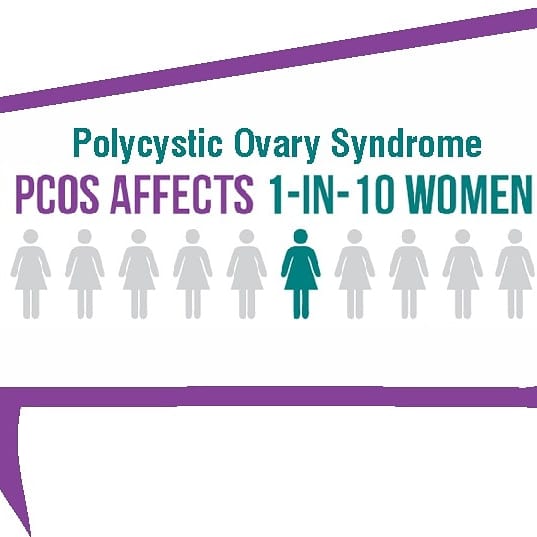
    PCOS is a fairly common illness. Studies that say that ten percent of women who see their gynaecologist are diagnosed with PCOS. If 1 in 10 women walk into a gynaecologist clinic, they get diagnosed with PCOS.

    Globally, 1-in-10 women are diagnosed with PCOS

    In Nigeria, there are studies that show that 16% of women are diagnosed with PCOS.

    4) Some of the common symptoms

    a) Menstrual irregularities

    It could be reduced menstruation or no menstruation at all. Irregular periods manifest due to the lack of ovulation, or the irregular occurrence of ovulation

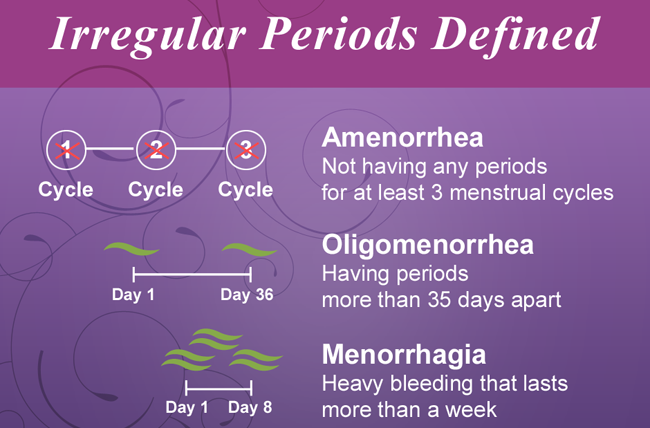
    Definitions of irregular periods

    b) Infertility

    In fact, a lot of women do not know they have PCOS until they go to the clinic due to their inability to conceive.

    c) Excessive hair growth

    This is as a result of the excessive accumulation of androgens

    Woman with excessive hair growth as a result of increase in testosterone

    d) Obesity

    Many of them are obese, and are at risk of getting diabetes later in the future.

    5) What it takes for a doctor diagnose you with PCOS

    It is important to note that PCOS is a syndrome, so it is not just about the Polycystic ovary. So, there are three main things doctors look out for, and diagnosis is usually made when at least two are present. They are: excessive production of androgens, polycystic ovaries or cysts in the ovaries, or menstrual irregularities.

    6) When to get diagnosed

    Once you notice any of the symptoms, it is important you go see a gynaecologist to get treatment. Also people that have had other close relatives have it, or those with diabetes.

    7) Why a lot of people do not know they have it

    Nigeria has a poor approach to healthcare, and an even poorer approach to reproductive healthcare. There are not many people talking about it, or trying to raise awareness on this issue. So, they do not know the right places to go to, or people to ask. Also, seeing as it is not a well known disorder yet, there will be a lot of misdiagnoses.

    8) The best way to raise awareness for it:

    More people talking about it and having conversations about it. Improved sex education will also help raise awareness for it.

    For more PCOS articles click here, and for more general women’s stories, click here

  • What Is It Like Living With PCOS: The Woman That Has Had PCOS For 8 Years

    September is Polycystic ovary syndrome (PCOS) awareness month, and after our interview with ten Nigerian women on what it is like living with PCOS, we interview Karina, a Nigerian woman that has had PCOS for eight years.


    Can you tell us something about you?

    My name is Karina, and I am a 26-year-old project engineer. 

    How did you know you needed a PCOS diagnosis?

    I was doing my A levels and had had stomach issues for a few months. People kept giving excuses for my pain and I let them until one Sunday in the study room where I was in so much pain I could not move.

    A levels?

    Yes, I was in the UK when I got my first cyst.

    Oh, okay. What happened next?

    I made them take me to the hospital, and after some tests, they found an ovarian cyst.

    Was that when you got the diagnosis?

    No, because having a cyst doesn’t automatically mean you have PCOS so, they just counted it as a cyst. Even though the usual cyst is about 2-3 cm, the one they found in me was 8 cm.

    That’s about four times the average size…

    It is. The doctors told me they could cut off blood supply to the ovary or it could rupture. So, I needed surgery done. 

    How did the surgery go?

    I did not have it.

    But I thought? What changed?

    The cyst was gone a day before my surgery. 

    Miracle?

    Maybe. I do not know. 

    Any more cysts since then?

    Yes, a year later I had a 6 cm cyst that ruptured. 

    Ruptured sounds so painful

    Well, this was. I was awake at 5 am, just tired. So tired. That was when I actually got my first diagnosis, after the rupture. The diagnosis was polycystic ovary, ovarian cyst and hormonal imbalance. 

    What happened after the diagnosis?

    I was put on birth control pills for a few years and then I stopped taking my meds after discussing with my gynaecologist.

    Why did you stop? Were they not helping?

    They were, but I was so tired of being on medication, and I felt I had no time to actually understand how my body worked or what was wrong with me. So, I stopped after talking to my gynaecologist extensively. After that, I learnt about symptoms like amenorrhea. I also found out I was at a higher risk of getting cancer. 

    What happened after all this discovery?

    I went back on birth control.

    How did birth control work the second time around?

    My body took a long time to adjust. I kept gaining weight. Doctors will tell you to lose weight so you can feel better and manage this better, so you are trying to lose weight, but your body does not want the weight to leave.

    That must have been a lot, considering how young you were

    It is a lot for anyone honestly. It messed with my mental health so much. I felt like my body was going through trauma every day. The bleeding, pain, weight gain. It was a lot. 

    Is that why you decided to start raising awareness and pushing body positivity?

    I was already a really big advocate for body positivity and mental health awareness, but then PCOS allowed me to intersect all of that with this condition. There is not much information out there, and the more I talked about it on social media, the more people came out to tell their story, and people got curious enough to want to get tested as well. 

    Have you considered pushing this to more offline spaces?

    Yes, I was to start a support group and even some awareness walks with some doctors and mental health professionals, but Corona. 

    Why do you think there is not that much information about it?

    It could be because it is considered a woman’s sickness, and society does not care much about women’s illnesses as much. There aren’t enough studies done, and no two women work the same. Maybe because women’s bodies are different, and not all the things that work for one might work for the other.

    You have had treatment in two different continents, would you say there is a huge difference?

    When it comes to information, what the doctors in London told me was what the doctors in Nigeria told me as well. The main difference was that I did not have to pay for birth control there because it was free. Here, I pay about 17-20k for medication that lasts about three months. Also, accessibility. Doctors that are knowledgeable about these things are not as many or easily accessible, but when you find them, they know their stuff. 

    How do you cope with all of it?

    I see a therapist, rest as much as I can, and try to live a healthy lifestyle. I exercise, do yoga, and rest. 

    That seems like an expensive lifestyle, especially since you are back in Nigeria now.

    It is. Pills, tests, scans alone are expensive enough as they are. I am grateful I have my parent’s support, and my sister is a doctor, so that also helps.

    What advice will you give someone that just gets diagnosed with PCOS?

    Take each day one at a time, try to figure out what works for you and take breaks. It might feel like this will define you, but it won’t.


    For more women centered stories, click here

  • 10 Nigerian Women Tell Us What It Is Like Living With PCOS

    September is Polycystic ovary syndrome (PCOS) awareness month, and to do our part in raising awareness for this very common illness, we asked ten Nigerian women, to tell us what it is like living with PCOS.


    Amaka, 24

    One day in Secondary school, I stained all my underwear and dresses. We had to go out for some activity and I was just crying. I couldn’t sit down, and I was bleeding down my thighs while standing. I kept running to and from the hostel while dodging seniors, so I wouldn’t get beaten. The matron was annoyed with me. I ran out of pads and dry panties, because they all got stained. I was changing pads and pants every hour and a half. My dresses were also wet because I washed them. I just had to stay in the hostel and get ready for my punishment. The seniors increased my punishment, even after I tried explaining to them. It was apparently my fault for not knowing how to take care of myself during my period.

    Sylvia, 23

    I was first diagnosed at 16 and one of my symptoms is amenorrhea, absence of periods. The year I turned 18, I did not see my period for nine months. My mother finally dragged me to the hospital after that. I was put on Combination 3 for about three months, and my period was like clockwork for five months or so. I just had to deal with the side effects of the drug; nausea, mood swings, weight gain, fatigue, stretch marks. After three months, I refused to take the pills anymore. These days, all I do is research to try to make my life easier. 

    Amanda, 27

    My grandma died of cancer, so I already have genetics to worry about, but finding out that PCOS increases those chances even more rocked me to my core. I cried for days. It has been a year since my diagnosis, and I have my will planned out, and a bucket list I am crossing. People are telling me it is not a death wish, but I do not want to be caught unawares. 

    Kikelomo, 18

    I was 15 around the time I got pregnant. I did not see my period for a few months, and I though it was just like the previous times. Nine months later, and I have a child. PCOS usually means there is a rare chance you get pregnant. Rare. That was why when I did not see my period again for three months, I went to the hospital. It consisted of a lot of fake details, seeing as I was still a minor.  At some point, one of the doctors I saw congratulated me on my pregnancy. I almost spat in her face. Four doctors later, and I finally had a diagnosis. 

    Beatrice, 32

    Travelling, visitations, events, all of those things terrify me, because what if my period just starts? Then what? I once travelled to Lagos to visit a friend. I was to spend a week there. My first night, my period came. It was hell. I bled for a month at that time.

    Sandra, 21

    I used to be a size zero, but now I am currently a size twelve. Rumours started spreading that I was pregnant, that I got a butt job, others said I used Apetamine. People would see me and spend the entire conversation talking about my body. The growth was gradual, so I had to change my entire wardrobe more than once. Now, I just buy bigger clothes and adjust. 

    Adaobi, 20

    When I first missed my period in late 2018, I had this boyfriend then. We never had sex. The guy and I only dry humped. I just wanted to remove what was inside of me. So, I got a pill from the black market and voila, I saw my period. It continued for the next two days and that was it. I cannot ovulate. I do not know why I am terrified of being pregnant. Some women with PCOS can, but I do not. With PCOS, it is not a one size fits all manual. 

    Chukwuka, 24

    Last year was the worst year of my life. I bled from June till November. Nonstop. When I tell people, they think I’m some ridiculous liar. I probably wouldn’t have believed it myself if it didn’t happen to me. I just noticed my period wasn’t stopping, I was cramping terribly in the beginning and I was in a very bad place physically and mentally. The strange thing is that I went to the hospital so many times, and saw so many doctors. They all misdiagnosed me. I took so many drugs, injections and diets, nothing worked. I tried praying and fasting, nothing. They ran tests on me, and they wouldn’t find anything wrong with me. My life was just buying pads and drugs. I passed the thickest blood clots of my life at the time. I read things on the Internet I did not understand (before then, I was told that it was an inherited thing and that was just how it was for some women in our family). If I could afford it at the time, I’m fairly certain I would have had a hysterectomy. I jokingly called myself the woman with the issue of blood. I was living alone in a rural town, with no finances for better health. This was a battle I was fighting by myself and I didn’t  know what to do. Then it suddenly stopped.  20th November last year, I couldn’t believe it. I didn’t know how to feel. It just stopped.  

    Ibukun, 34

    Every night before I go to bed, I check my chin for hairs to pluck. I feel very insecure about it, the chin and chest hair. I wax my chest hair. When I cannot, I do not wear clothes that have a lot of cleavage showing. The place I work in relies on appearance a lot. It stresses me out because my normal hair is thinning out, but this hair on my chest and chin are thriving. 

    Hafiza, 21

    Regular painkillers don’t work for me, so I’ve always had to ride my pain out. Some also mess with my ulcer, so the amount of affordable drugs I have is limited. Nobody takes me seriously once I present myself and my weight. During the consultation, instead of focusing on fixing the current pain, they were telling me to exercise. Please how? If I can’t stand or sit, how do I exercise? I was forced to go on a lot of diets, because the doctors said weight loss was the key to solving it, but it did not work. Honestly, I just take my drugs and wait. I’ve been dreading going back to the hospital because I have to do other tests, but I can’t even find the time or the mental strength to start searching for affordable hospitals, and teaching hospitals irritate me because they have zero tact. 

    For more women centered stories, click here

  • Working Just To Pay Medical Bills? This #NairaLife Is About That

    Today’s story counts the costs of what life is like living with illnesses like fibromyalgia and Poly Cystic Ovarian Syndrome (PCOS).

    Every week, Zikoko seeks to understand how people move the Naira in and out of their lives. Some stories will be struggle-ish, others will be bougie. All the time, it’ll be revealing.

    #Nairalife stories require a lot of time to make. It’s why partnerships like ours with Barter means a lot to us. Barter makes it ridiculously easy to pay bills, send and receive money to people you care about, and help you create Virtual Cards. Where you’re Android or iOS, you’re invited to the Barter party.

    Where would you like us to start? 

    It would have to be when I was a kid and my dad died. You know this thing when you’re a teenager and they don’t want you to know what’s going on? Yeah. 

    Things got so hard, and there was no greater evidence of it than that time my mum sent my older sister to the market to go buy stuff.

    My sister came back with ₦10 change, and my mum collected it from her. That was when I knew. 

    Ahhh, I get this.

    Man, things were rough after popsy died. I remember getting ₦600 to take to shop for school and use as pocket money. I just bought garri, sugar and milk. This was in the year 2000, and I just started SS3.

    This was also around the time that everyone started to sell their jewellery – my sister and my mum – just to fund hospital bills.  

    What was your dad’s cause of death? 

    Headache – that’s all the hospitals said everywhere we went. The tricky part was that my mum had to leave her business to take care of him. That meant that she couldn’t earn. Then after he died, she couldn’t work for a while, so more money problems. We were living in a government house – my dad was a civil servant – but when he died, we had to move. 

    How did you fund that?

    Someone bought us a house. I think it cost 10 million at the time. 

    Mad o!

    Yeah. Brother-in-law. It was in an estate. One of our family friends bought his a few years later at 14 million. When he sold it less than 3 years ago, it went for 70 million. 

    It’s a duplex with 5 bedrooms and boys quarters. But yeah, my mum still had to hustle to put food inside the house. We didn’t have to worry about rent forever, but at least, we needed money, so the grind continued. 

    Did this push you to want to start making money? 

    That feels like the natural thing right? But not for my mum. University wasn’t an option. I tried to gain admission – I wrote the hell out of JAMB – but I was home for like two years. 

    All the time I spent at home, I was helping her with her fabric business. I mean, she paid me once in a while, but she mostly paid me with “AM I NOT FEEDING YOU?”

    I eventually got into University in 2004. Now, an interesting skill I’d already picked up while I was in secondary school was sewing. 

    Tell me about that. 

    I wanted to start sewing for people, but my mum didn’t want me working, so all I did in 100-level was sew for myself on the weekends. But people wanted it. Do you know what I wasn’t giving? 

    What?

    Value for my work, hahaha. People might compliment me and instead of me to charge them, I dashed them. I just knew I knew how to sew, I just didn’t know how to charge for it. I sewed a shirt for my boyfriend at the time.

    Did he pay? 

    Nope. But he made all his friends pay. Then I started charging like ₦2,500 per piece and people were paying. That’s how I started making money. Then I started getting more gigs, like bulk gigs and making more. 

    There’s this job I did then, but I can’t remember what it’s called. 

    Try. 

    You know those events that they organise, where you bring people from other schools abroad and do a big ass event? 

    Like a student fair? 

    Yes! That. My memory is a mess. Anyway, I might not remember what it was called, but ₦10k a day for being an usher? I can’t forget those days. I used to eat at Mr Biggs’ every time I had those gigs. 

    What else fetched you money when you were in uni?

    I was the last born, so I used to do the rounds with my older siblings, and then I’d skip the stingy ones. You know, all that “oya bros send me money na”

    I left uni in 2009 and got a job at a fashion house.

    How much did it pay? 

    ₦25k. But then I got another one-month contract with another fashion house, then I called my boyfriend to tell him about it. I told him I was going to ask for 50k. 

    What did he say? 

    “Ask for ₦120k.”

    That’s how I asked for ₦120k, and we settled at ₦100k. I was like, wow someone is confident enough to give me 100k for my work. All I did was sit in a room and design. So I started juggling this gig with the other one.

    What happened? 

    As soon as my 1-month, 100k contract ended, my main employer added 10k to my salary, and I started earning 35k. 

    I think most importantly, that 100k gave me the confidence to go and start my own business. I was going to pour everything I’d learned from working in fashion into it. 

    By the end of 2010, I took the jump. 

    How did you fund it? 

    My mum sold her car for ₦258k. Then I took my ₦100k and poured everything into buying machines and materials. Well, not everything. 

    I’m listening.

    The plan was to stock up on materials and hire tailors. That’s how when it was time to buy materials, my mum said: “I don’t have money to be spending please!”

    I was like wooooow. I thought you said it was for the business! My dreams! Hahaha. 

    When I think about it now, I think I might have been too entitled. 

    Anyway, I started with about 7 machines and set up at the house. 

    What’s your day like running a clothing business? 

    If your business is mostly bespoke like mine, you’re going to have to go to the market a lot. You’re going to have to collect measurements and listen to what they want. Because my business is run from the house, I also have to deal with my mum every day. 

    And my tailors. Ahhhhh. 

    Ahhhhhhh. 

    Hahaha. Because I wanted to keep people happy in the beginning, I was designing a new dress for every customer that came. 

    I think I might have made up to 100 dresses in 2011. I can’t remember – the only reason I remember the business is 10 years old is that I had to make a dress for my friend’s wedding and her bridesmaids. 

    How did you find customers? 

    I’m shy af, so word of mouth did it for me. My happy customers told their friends, and that’s what has kept my business alive. 

    Not to brag, but I know I do great work. It just doesn’t feel as important to me as it feels for most people. I got nominated for one award. I was supposed to reply a message confirming my nomination – I didn’t respond, hahaha. 

    Tell me about how money moved when you started. 

    Imagine earning ₦25k a month, then becoming a person that was making dresses and earning ₦25k. In one day. Hahaha. Do you feel me? I was never a rich kid, so seeing money like that burst my brain. 

    What’s the highest amount of money you’ve invoiced in a day? 

    600-something-k. This was a few years ago. Around that time, I also started to fall sick a lot. 

    Why? 

    Stress. The demand increased, fashion was changing, and my customer base was growing. Also, my business never really had a structure, so I failed on the business end of things a lot. I think it was around this time that I first started feeling symptoms of fibromyalgia. 

    What’s that? 

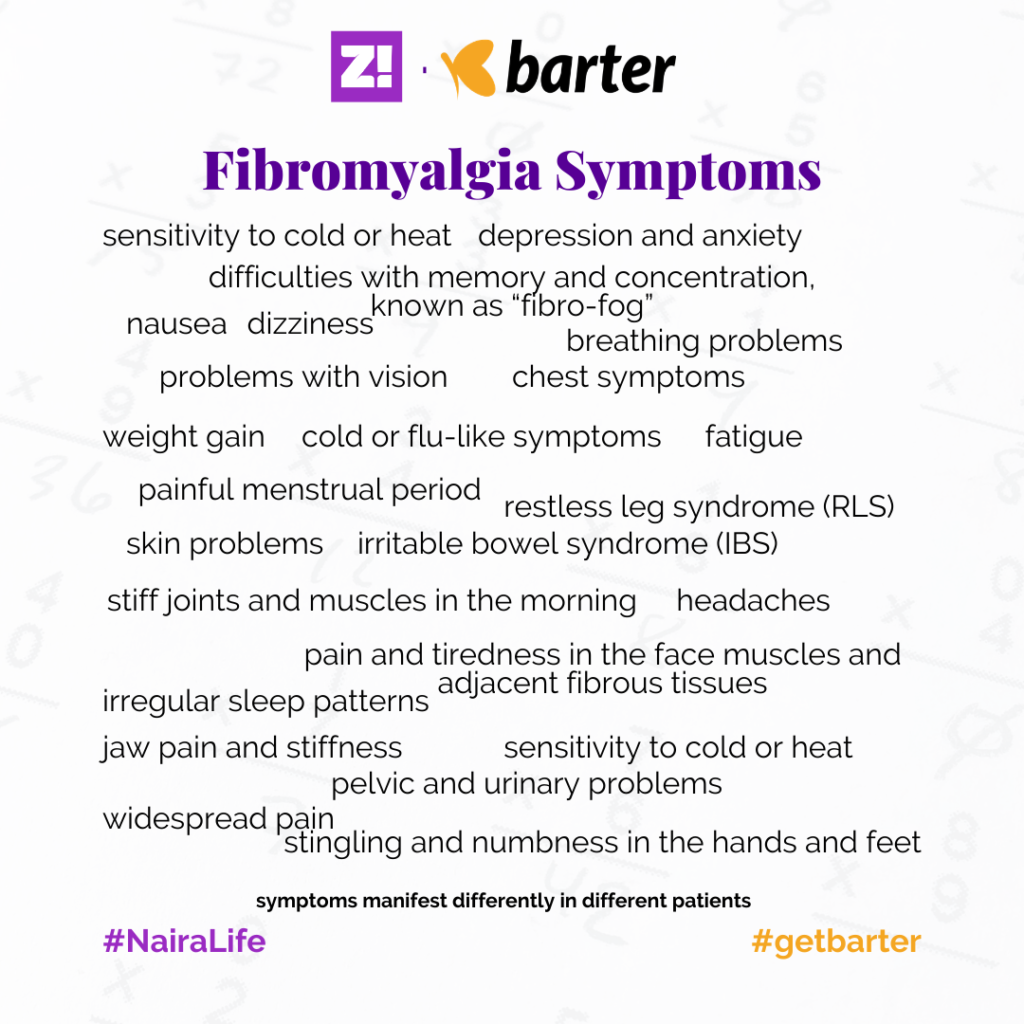
    Imagine spending eight hours in traffic. Do you know how tired you’ll be? Then imagine you have malaria. Then imagine that before you got in that car to get into traffic, you got beat up by the police. Also, someone had a cold, and sneezes, so you catch that cold. And then you so much anxiety. And then, you’re sad. 

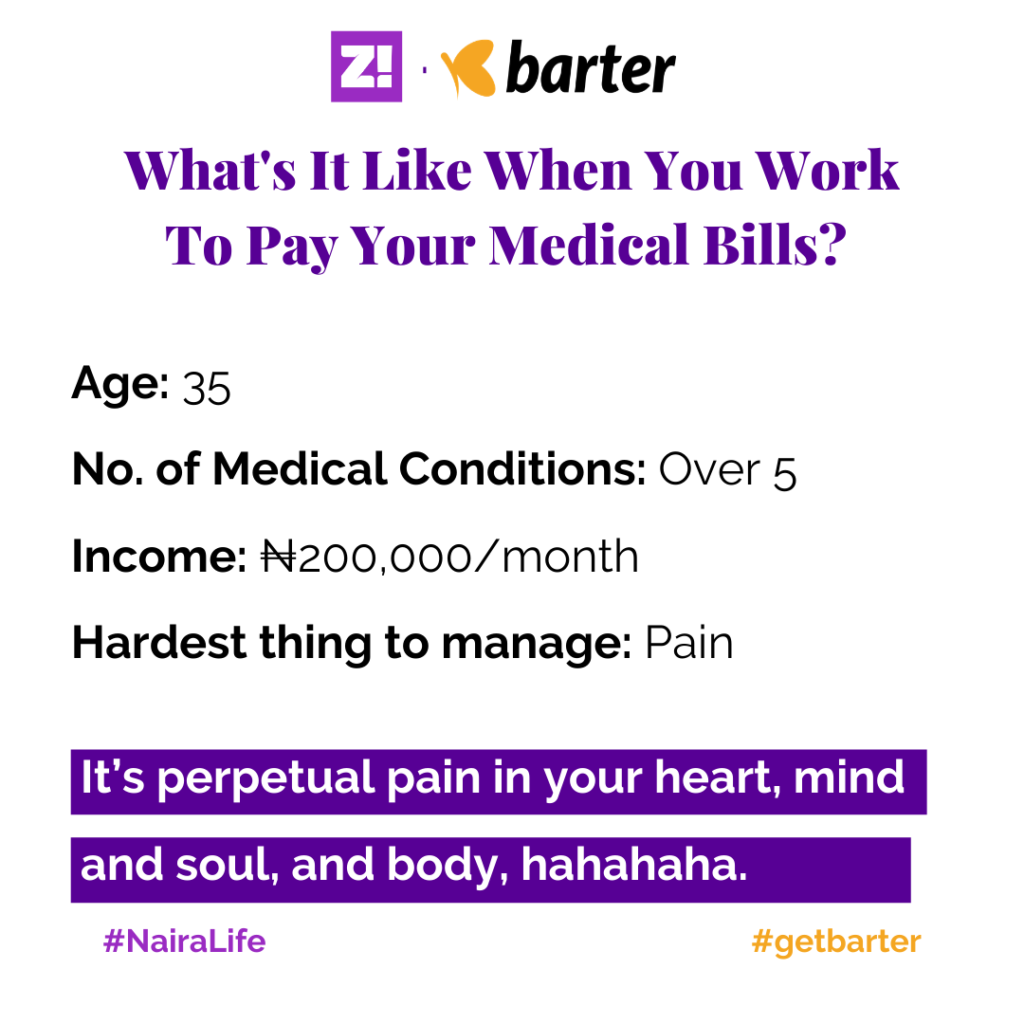
    That’s what fibromyalgia is. It’s perpetual pain in your heart, mind and soul, and body hahaha. It’s also eating at my memory. 

     I think I spent over a million naira on medical bills in 2019 – tests, admissions, consultations. Then there’s also PCOS to worry about. 

    What’s that? 

    I first realised that something was wrong was in my secondary school. My friend saw her period but I didn’t. I think it’s different for people, but for me, it mostly manifests in my period cycles. I menstruated thrice in 2019. 

    Then I’m treating Gastritis. Started in 2019. You know what, let me you all the things I’ve treated since the beginning of 2019. 

    First of all, what and what have you treated in the past year? 

    Poly Cystic Ovarian Syndrome. Fibromyalgia. Possibly asthma – a doctor called it intermittent asthma or something. Gastritis. General allergies. Sinusitis – fluid builds up in my sinus and my face starts to hurt, allergies trigger it. I’ve treated all kinds of other things like malaria, typhoid, stomach infections, UTIs, throat and chest infections, migraines. And all of this is because Fibromyalgia has weakened my immune system.

    Let’s play a number game. How much do you think you’ve spent on these in the past year. 

    Let’s say out of 12 months, I was sick during 10. The lowest money I’ve ever paid at any hospital ever was ₦12k. I was shocked, ehn? Only ₦12k. I normally spend nothing less than ₦30k to ₦50k per visit. 

    One day, I walked into my room and there were papers everywhere. Receipts. Receipts from medical bills. Pharmacy receipts. Consultations. Everything. It felt like I had so many papers that didn’t feel productive. It upset me. 

    So I packed everything and tore it all up. I did this December 2019, but it wasn’t even the first time I’d done such. 

    When was the first time? 

    I was sick a lot in 2014, the stress came from everywhere – relationship, work. It was a lot. I think that’s when it really started. 

    Do you think your Fibromyalgia started then? 

    I don’t know, because if you ask me what happened in 2013, I don’t remember it. Anyway, those receipts piled up in 2015. My sister paid for me to go get checked in the middle east. I went, nothing. By the time I got back, I had so many receipts that I was bagging them. I didn’t get a diagnosis then. 

    When did you eventually get a diagnosis? 

    Mid-2017. In the US. I was on my a family member’s Insurance. Now, it’s either I’m spending my money on a medical bill or saving up for the next medical bill. 

    Let’s talk about last month, how much did you spend, and on what? 

    I put myself on a ₦200k salary. I spent ₦120k on my car’s gearbox, then I spent the remaining on my medical bills. I actually started tracking properly in 2020. 

    Let’s break it down. 

    From mid-January till mid-February, I was visiting the hospital – went at least six times. Treated Malaria, Sinus infection, some asthma, UTI. I’ve also spent ₦133,180 altogether. 

    Woah. Why haven’t you considered health insurance?

    Isn’t it run by the government? I have no trust in those people. I can’t be dealing with my stress, and then have them add their own to it. 

    No no, there are a lot run by private companies. 

    Ah, I always thought it was run by the government. I guess that’s what happens when you’ve never had a structured 9-5. I’m definitely going to look into it. 

    Back to you, what do you honestly wish you were better at? 

    Saving. But how can I be saving when I need the money to do something. I need a Glucose Guardian. Write it there please. Give them my number.

    What do you imagine life is like 5 years from now? 

    I don’t have any plans. I just want to be happy. I don’t want to be sick anymore. Because my immune system is so weak, every visit to the hospital feels like a last. I honestly can’t even plan long term because what really is the point?

    It’s my only fear about Coronavirus – my immune system is a mess. 

    This question is a formality, but how would you rate your financial happiness? 

    Hahahaha. It does not exist. 

    Okay, let me be an adult. There are things I need and things I want, and I’ve learned to know the difference. My needs aren’t a lot. I just want food, I need to communicate, so data. I want to be able to pay my bills when I fall sick. 

    I make noise about wanting $3 billion, but I honestly don’t know what I’ll do with it. I’ll probably buy a house where the oxygen is different from all of you’s oxygen. 

    So, that’s it. 

    What’s something you bought recently that improved the quality of your life? 

    Diclofenac, hahaha. That shit is good. That’s one drug I don’t want to abuse so that it never stops working. The weed used to help with pain, but not anymore. It just helps with my mind. 

    The weed? 

    Ah yes, I smoke weed to help with the pain. 

    So how much did you spend on weed in say, December 2019? 

    I’ve bought ₦70k weed since. Basically, my dealer sells 2 rolled up blunts for ₦2,500

    Aren’t your painkiller cheaper? 

    It’s cheaper, but then painkillers don’t kill the pain in your mind. Last year, I realised I wasn’t using weed as a painkiller but as a mind-numbing device. The amount required to help with the pain has increased over time. So now, it’s my fuck-it drug. It’s safe to say I’m addicted. 

    I don’t think it’s easy to be a drug user in Nigeria without being addicted. The stress will send you running back to it, every time. 

    This question is not about money, but why do you show up every day? 

    I love making nice dresses. I really do. Also, I have (medical) bills to pay.