Notice: Function _load_textdomain_just_in_time was called incorrectly. Translation loading for the wordpress-seo domain was triggered too early. This is usually an indicator for some code in the plugin or theme running too early. Translations should be loaded at the init action or later. Please see Debugging in WordPress for more information. (This message was added in version 6.7.0.) in /home/bcm/src/dev/www/wp-includes/functions.php on line 6121
Nigerian literature | Zikoko!
  • Okadabooks Turns Its Final Digital Chapter: A Tribute 

    I loved my storybooks as a child; the way they wrapped me in a cocoon of colourful imagination and suspended reality. This affection for stories would grow into a yearning to tell them, to write them even. In pages after pages of 60-leaf notebooks, I named names, created happiness, sadness, poverty and wealth, telling stories with happy endings. In senior secondary school, friends and classmates would discover my stash of story-filled notebooks and pay to read them. ₦20 to rent a book for a day, and ₦50 if it exceeded a day.

    It was this yearning to tell stories, and earn money while at it, that led me to discover OkadaBooks in 2014 — a year after it was established by author, Okechukwu Ofili. 

    Image Source: Taylor & Francis Online

    Like many Nigerian writers, Ofili had faced his share of frustrations from the bureaucracy of traditional publishing.

    “The problem was not selling the book, the main issue was collecting the money after I had sold the book,” he recounted in a 2017 interview. “I would visit the bookstores, and they would keep telling me to come back later or that the manager was not around.” 

    Ofili would launch the platform that revolutionised digital publishing in Nigeria and sub-Saharan Africa by extension. The name “Okadabooks” was inspired by a dream in which he saw himself hitching a ride on a motorcycle AKA okada. The mode of transportation was known to bypass traffic congestion in Nigeria, and get commuters to their destination in record time. 

    For Ofili, the poor distribution and high printing costs of traditional publishing were similar to traffic jams. They could only be bypassed by an alternative that made it easier to publish, buy and consume literature on mobile devices.

    Since it took off, the platform has become an integral part of the Nigerian literary community, providing a safe haven for upcoming writers. It has housed over 55k authors in its virtual bookshop and connected over 500k readers to their favourite stories. 
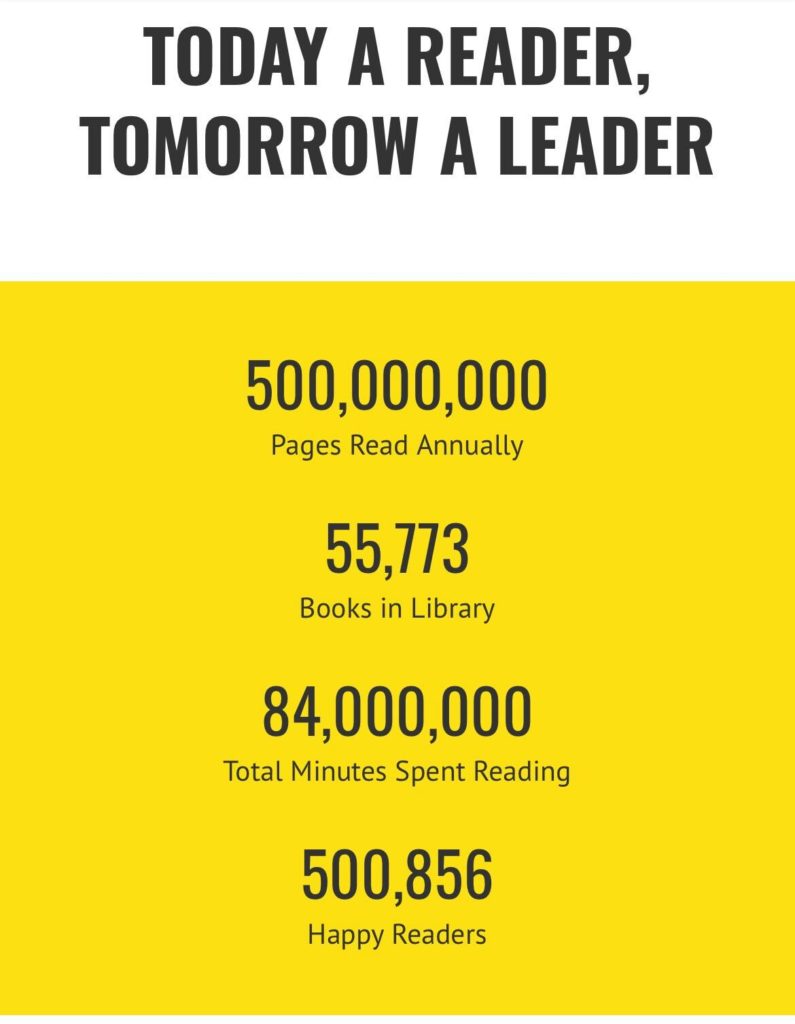
    Image Source: Okadabooks

    However, on Monday, November 20, 2023, ten years after beginning its mission to simplify and provide access to digital publishing, Okadabooks announced its closure.

    “This has not been an easy choice. We’ve explored various avenues to keep our virtual bookshelves alive, but unfortunately, the challenges we face are insurmountable,” the company posted on social media

    The end of an era

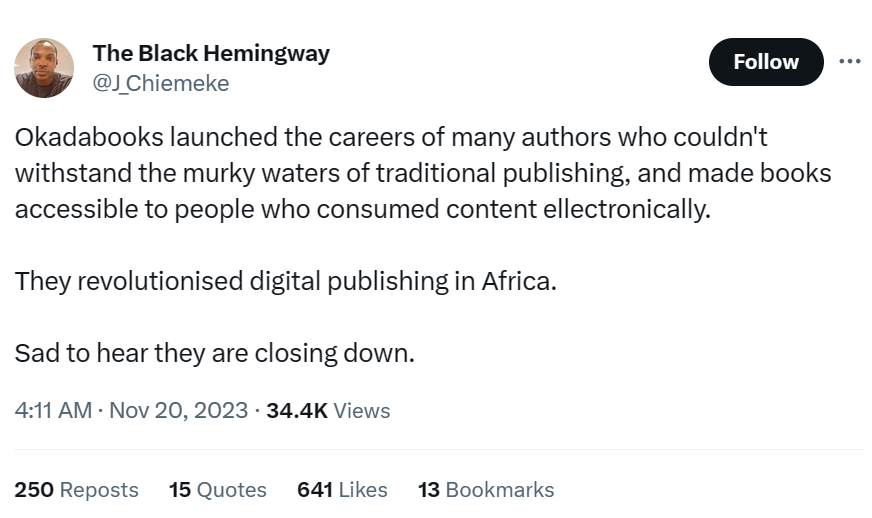
    Image Source: X/@J_Chiemeke

    “Okadabooks served as a refuge of sorts when I was exploring various e-platforms for African books in 2014. It made reading cool, fun and easy,” Kumashe Yaakugh, an author with three published titles on the digital platform told Zikoko. “It wasn’t just a digital space; it was a community that nurtured my love for African literature and helped my journey as a writer. The absence of such a platform means a reduction in the visibility of African literature, hindering the opportunities for emerging writers to showcase their talent and connect with readers.”

    [ad]

    Jerry Chiemeke, a Nigerian author and critic mulling over the shocking closure, said he’d received an email a few weeks earlier, asking him to claim his payout.

    “I just felt that the platform was trying to balance its books for end-of-year analysis… but then, on Monday (November 20), the bombshell dropped. It was a big shock, to put things mildly.”

    Chiemeke described Okadabooks as a premium brand that set the blueprint for other publishing websites in Nigeria.

    “It eased the process for ambitious creatives who were looking to make a career out of their passion. Aspiring authors no longer had to wait for years to receive feedback from publishers. As an author, it helped me get my first manuscript out to the world in 2017. I had written a hybrid collection of prose and poetry, and at the time, it would have been difficult to be accommodated by a traditional publisher.”

    He expressed concern over the opportunities for investment in the Arts, and independent authors who may have to turn back to traditional publishing.

    “The closure is another sad addition to the list of platforms folding up. It raises questions to the viability and sustainability of virtual publishing platforms. People will begin to wonder whether it’s even worth it to invest in the Arts. A lot of independent authors will no longer have a home for their work, and they will be thrown into the wild terrains of traditional publishing where they have to hawk for agents and a press to accept their manuscripts. For others, their careers as authors might even grind to a halt. However you want to look at the situation, it’s sad all around.”

    Another author, Tomilola Coco Adeyemo, remembers Okadabooks as the platform that gave her the balls to put a price on her fiction: “I published on Okadabooks several times over the years. The literary space is tough in Naija. That thing they did where you could just upload your work in a few minutes, and it’ll be in the hands of thousands? Bliss! The royalties were fair too. I made over a million in royalties even though my first book was free. I have an ebook with over 3000 downloads. As an indie romance author, that was amazing. Listen, Okadabooks was the only platform where you, as an indie Naija author, could outsell Chimamanda by your number of downloads. Ofili had a vision, and oh, it was good!”

    While the closure came as a shock, Adeyemo had her concerns about “perceived low sales and usability of the app”. She suspected something was off when Okadabooks sent an email to authors asking them to withdraw their money weeks before the closure announcement.

    “It’s a sad time for the Nigerian literary community, and recovery might take time. That platform pushed writers far. My books got downloads from as far as China — that’s not beans. The Nigerian literary community has lost one of its lifelines; an avenue for writers to make money, be seen and build a community. Even if the industry recovers, it’ll take time.”

    Kehinde, a literary enthusiast, never published on Okadabooks. But he’s been a dedicated user of the app since he discovered it in 2014: “I’ve had the privilege of using the Okadabooks app for nine years. I discovered it through a literary club, and at the time, I struggled to read paperbacks. Discovering a platform where I could access so many Nigerian writers across different genres was bliss. I was like a kid who’d been thrown into a candy shop without supervision. It’s really sad to see them go, especially knowing that it’s a decision tied to limited financial resources. There are so many young authors and literature lovers who’ll never get to experience the beauty of the platform. It’s really the end of an era.”

    As Okadabooks comes to its final chapter, it poses new challenges and casts a shadow over the future of aspiring Nigerian authors.

    Okadabooks wasn’t your regular platform; it shattered barriers posed by traditional publishing, allowing untold stories to find a home. It emboldened writers to put prices to their work and earn honest income. It satisfied the appetite of readers in search of diverse literary experiences. 

    As we bid farewell, we also commit to memory the vibrant tales it housed. Okadabooks may be closing its doors, but Okechukwu Ofili’s impact will continue to resonate in the hearts of those whose stories were given the chance to soar.

  • The 5 Books Nigerian Millennials Can Never Ever Forget

    Many millennials discovered their passion for books in different forms: a literature book, FOMO because all your friends were reading or just general curiosity, etc. Whatever reasons that made us love books were good enough. 

    In this article, I’m going to share some of my personal favourite books that were definitely some of yours too. 

    1. Koku Baboni  Kola Onadipe

    I read this book when I was in Primary 5 and it’s one of the books that have stuck with me since then. It was part of the school curriculum but it was very well written for kids. Koku Baboni is a story about an abandoned boy who was rescued by an old lady and raised by her. I hope to get a copy and read it again. 10/10 book. 

    Koku Baboni by Kola Onadipe

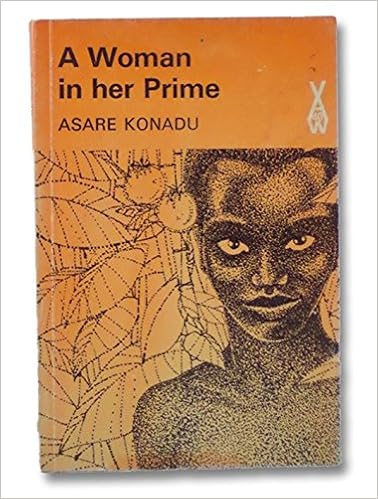
    2. A Woman in Her Prime Asare Konadu

    I’m glad that books written by African authors have come a long way from being forced into school curriculums. But I’m also glad that this was included in mine back in the day (the day being 2010). This book made me know what a woman being in her prime really means to society. It touches on barrenness, the need to have children before your “time” runs out and how much women sacrifice to have children of their own.

    Amazon.com: Woman in Her Prime: 9780435900403: Konadu, Asare: Books

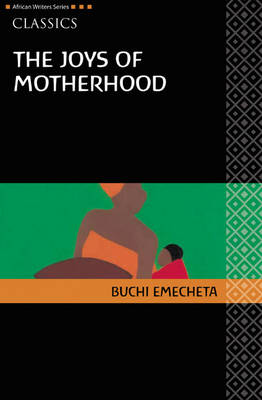
    3. The  Joys of Motherhood  Buchi Emecheta

    The first time I read this book, I was too young to understand the intricacies of it, but I know I felt nothing but grief at the end. A young woman who had many children died on the road at the end of the book. The Joys of Motherhood conjured so many emotions in it: from rage, to hope, sadness, pity, exhaustion, more rage, etc. It’s  What a life!

    The Joys of Motherhood - Bookly.ng

    READ: These 7 African Books Need to Be Adapted Into Film ASAP

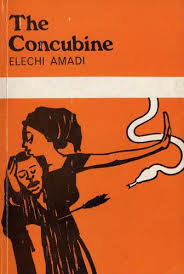
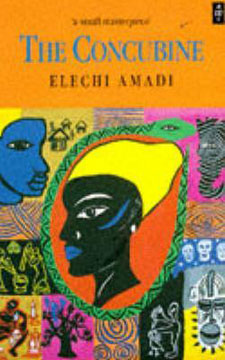
    4. The Concubine – Elechi Amadi

    The concubine is about a woman whose husbands die after marrying her. The book touches on Igbo culture, tradition and the worship of gods amongst the eastern people of Nigeria. I don’t remember much about it, but I know it’s a book I should pick up to read again. 

    The Concubine, by Elechi Amadi | ANZ LitLovers LitBlog

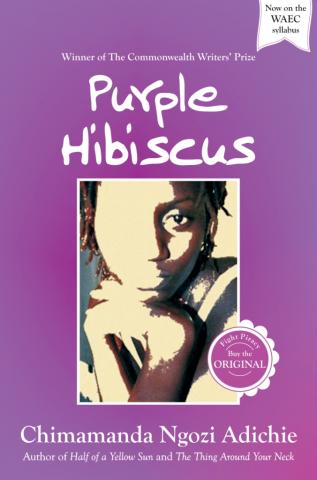
    5. Purple Hibiscus Chimamanda Ngozi Adichie

    Purple Hibiscus touches on several topics, but for me, it mostly opened my mind up to the complexities of fanaticism. Beyond its focus on religion, the book also focuses on life from childhood to teenagehood and family and societal impacts on young adults. 

    Purple Hibiscus - Chimamanda Ngozi Adichie

    QUIZ: If You Get 10/25 On This Quiz, You’re A True Bookworm

  • Quiz: How Well Do You Remember The Classic Novel, “Things Fall Apart”?

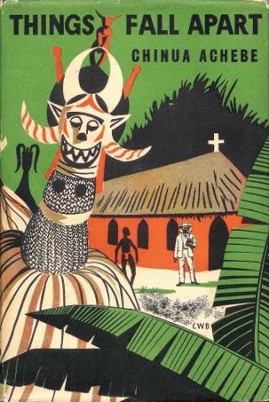
    If there’s one book that every Nigerian, both old and young, rich and not-so-rich have read, it is Chinua Achebe’s classic novel, Things Fall Apart. This book marked a milestone for Nigeria and African Literature. It’s been several years since it was published, but people all over the world still read it and talk about it. I would say don’t call yourself a Nigerian if you haven’t read it, but then, the joke will be on me.

    Take this quiz and we’ll find out if you’ve truly read it or not.

  • 10 Literature Books We All Loved In Secondary School

    1. Things Fall Apart by China Achebe

    The babanla of all babanla literature books.

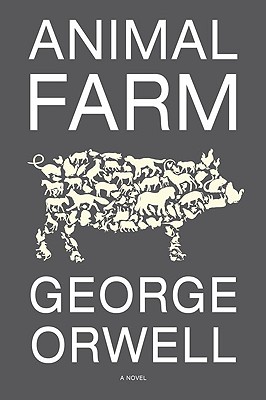
    2. Animal Farm by George Orwell

    4 legs good, 2 legs baaad!

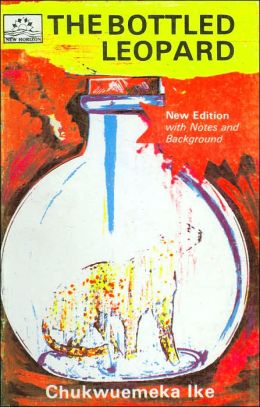
    3. The Bottled Leopard by Chukwuemeka Ike

    Original textbook on why dreaming about animals is nor good.

    4. Joys of Motherhood by Buchi Emechata

    Made me hug my mother after I read it.

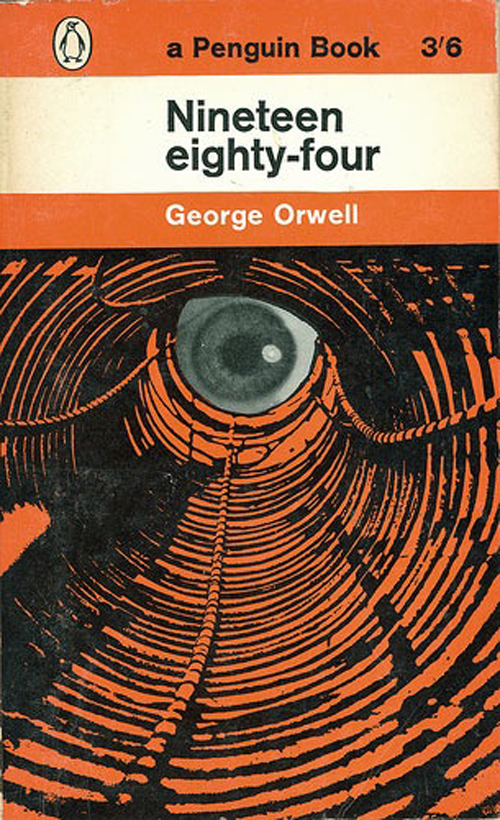
    5. 1984 by George Orwell

    Big brother is watching you…

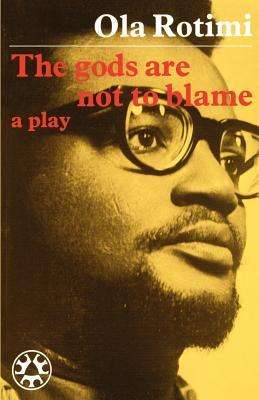
    6. The Gods Are Not To Blame by Ola Rotimi

    Everyone acted in the play as well.

    7. Purple Hibiscus by Chimamanda Adichie

    Made all the girls in my class cry over and over again.

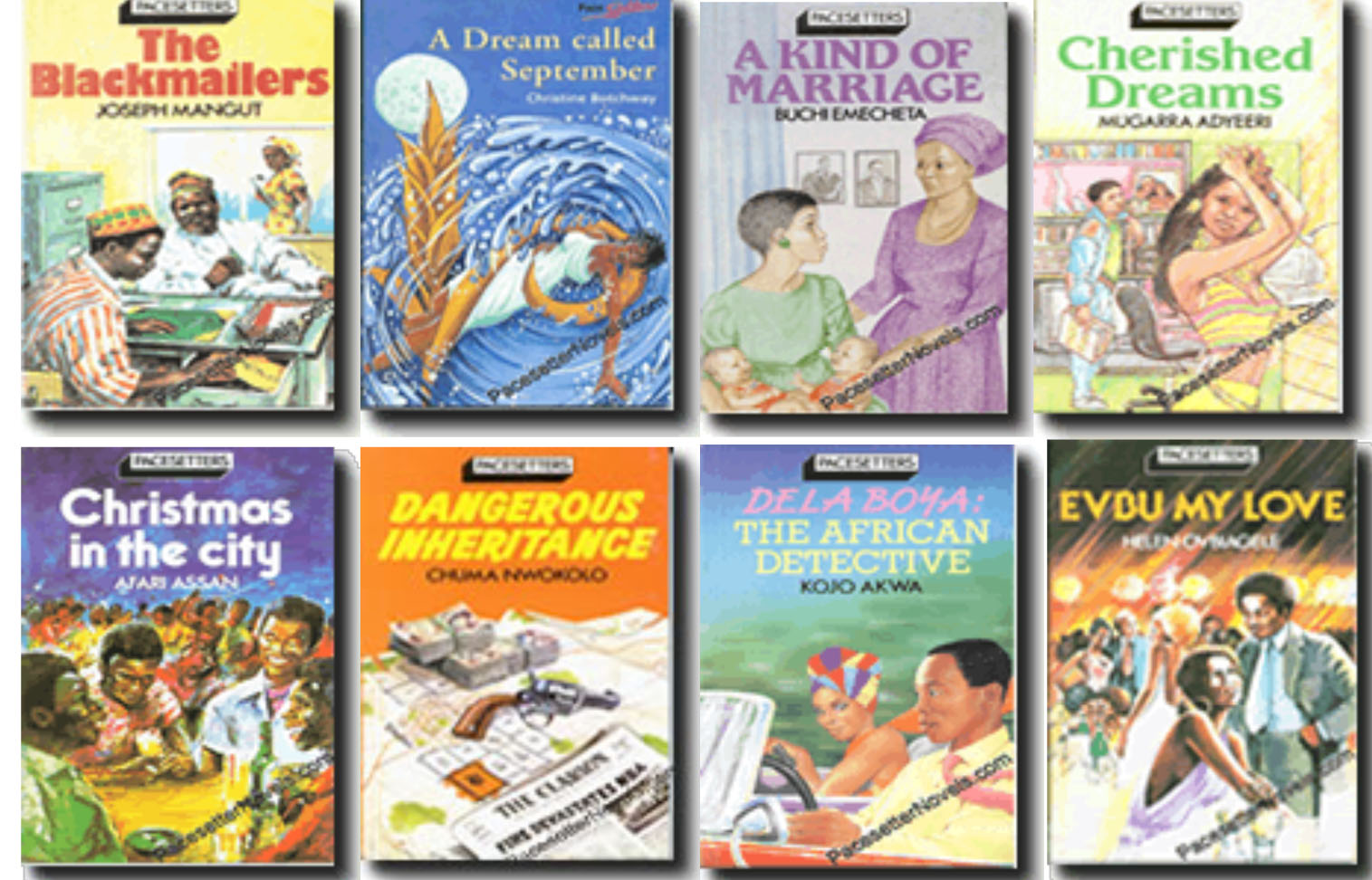
    8. Pacesetter Novels

    I had to read every single one I came across.

    9. The Concubine by Elechi Amadi

    Spirit husband no good o.

    10. The Secret Lives of Baba Segis Wives by Lola Shoneyin

    Women go through a lot tbh.
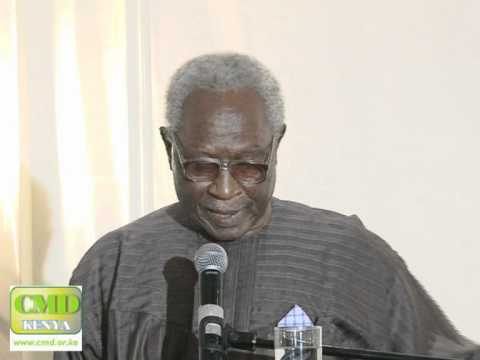
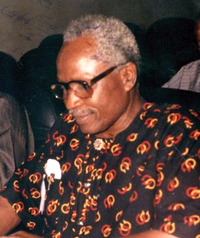
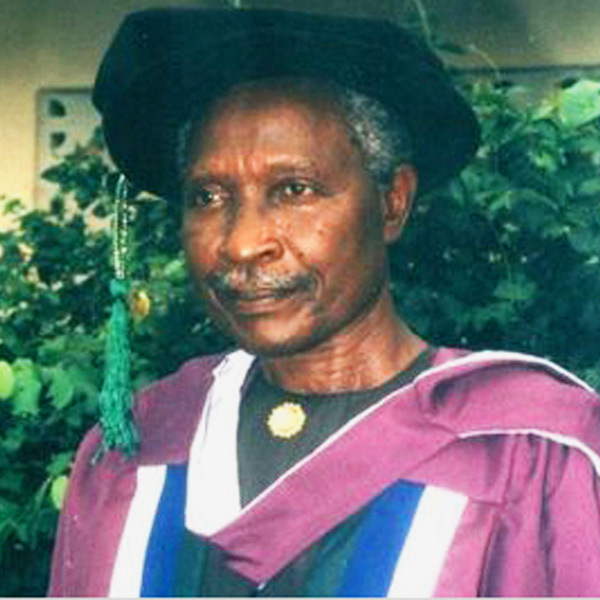
  • The Wonderful Life Of Late Literary Icon, Elechi Amadi

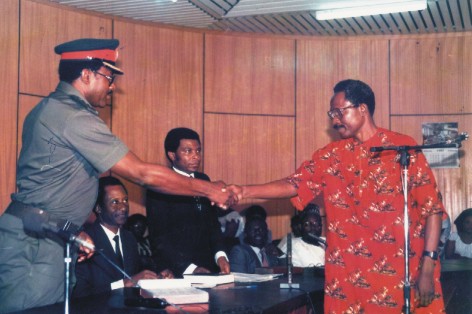
    Elechi Amadi, one of Nigeria’s literary icons just passed on but he will be remembered for being so much more than a writer.

    Nigeria is really blessed to have been the home country of Elechi Amadi, who was born in Aluu, Rivers state on May 12, 1934.

    This genius writer didn’t have a degree in Literature or Arts, rather he was a trained scientist who earned a degree in Physics and Mathematics from University College, Ibadan.

    However, while studying at the university, Elechi’s talent came to the surface during the times he contributed to the English department and students magazine, The Horn.

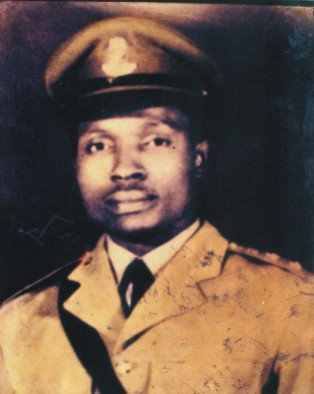
    He dabbled in surveying and even taught science for a while before joining the Army and serving as captain between 1963 and 1966.

    Taking his Army career further, he joined the Marine Commandos in 1968 after his first novel, The Concubine, was published in 1966.

    Being a man driven to serve, he worked at different levels of government in Rivers state until 1990.

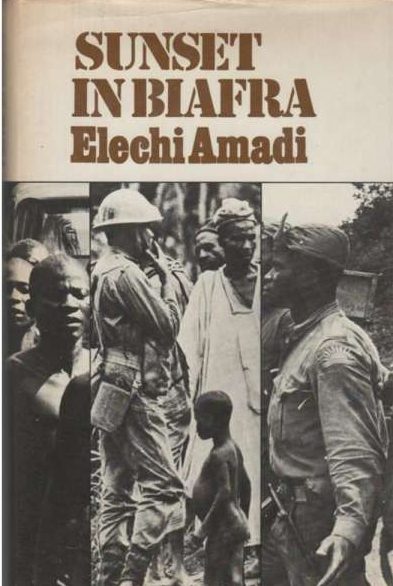
    While helping in the development of his state, he still blessed Nigerians with plays and documented his experience during the war in his autobiography, Sunset in Biafra.

    After his marriage to Priscilla Iyalla in 1991, he spent the rest of his days teaching and writing until his death on June 29.

    He will be remembered for his revolutionary stories, his teachings and how beautifully he portrayed the richness of Nigerian culture.

  • One Of Chimamanda’s Short Stories Is Being Adapted Into A Film And We’re So Here For It!
    Some of the best movies ever made are the ones that were adapted from novels.

    And because Chimamanda’s greatness must never be overlooked, her award-winning novel, Half Of A Yellow Sun, was made into a film produced by Biyi Bandele.

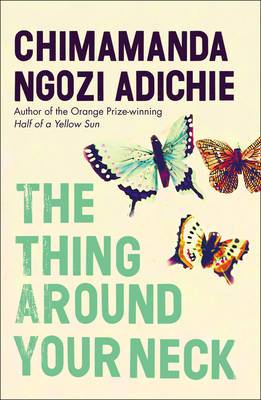
    And in seriously awesome news, Chimamanda has signed the film adaptation rights of a short story from her award-winning collection, The Thing Around Your Neck, to Ghanaian director, Adoma Akosua Owusu.

    The short story, On Monday Of Last Week, reveals the experience of a Nigerian immigrant, Kamara, and her interest in the mother of the boy she babysits.

    Scheduled to play Kamara’s role is Chinasa Ogbuagu, who recently featured in Off-Broadway Nigerian-themed play, Sojourners.

    Akosua Owusu who fell in love with the story because it addresses issues like race, self-awareness and liberalism has launched a Kickstarter campaign to help fund the project.

    We’re so excited and can’t wait to see how great this movie will turn out!

    To help towards making the production of this film possible, check out the Kickstarter campaign video here.