Notice: Function _load_textdomain_just_in_time was called incorrectly. Translation loading for the wordpress-seo domain was triggered too early. This is usually an indicator for some code in the plugin or theme running too early. Translations should be loaded at the init action or later. Please see Debugging in WordPress for more information. (This message was added in version 6.7.0.) in /home/bcm/src/dev/www/wp-includes/functions.php on line 6121
Nigerian elections | Zikoko!
  • What Is Nigeria’s Fourth Republic?

    Why waste time revealing the answer to a question when a greater curiosity is waiting to be explored? A few of the many questions that often arise, especially among young people trying to understand Nigeria’s politics, are: What is Nigeria’s Fourth Republic? Who is Mr Fourth Republic?

    With the release of the Citizen Election Report, the query delves into the heart of the country’s democratic journey. Before you move on, are you ready to learn about the identity of the influential figure(s) who played a pivotal role in shaping Nigeria’s political scene during the Fourth Republic?

    Get to know the man!

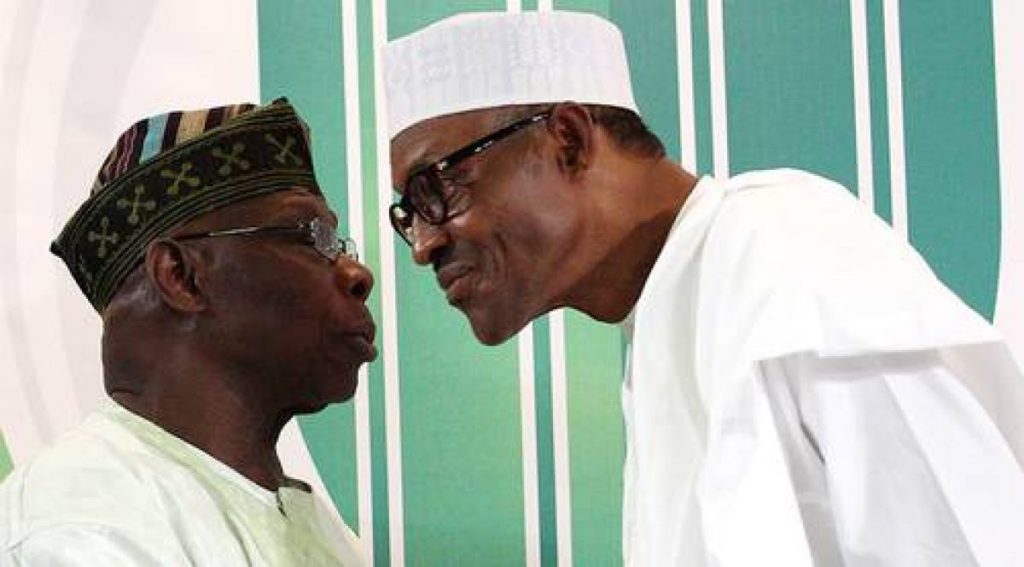
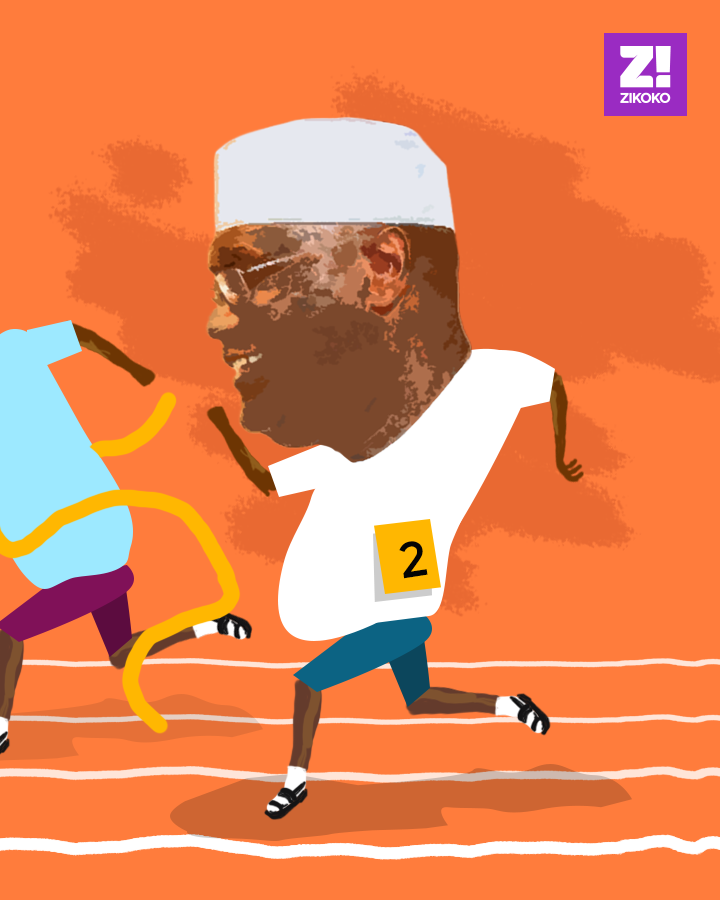
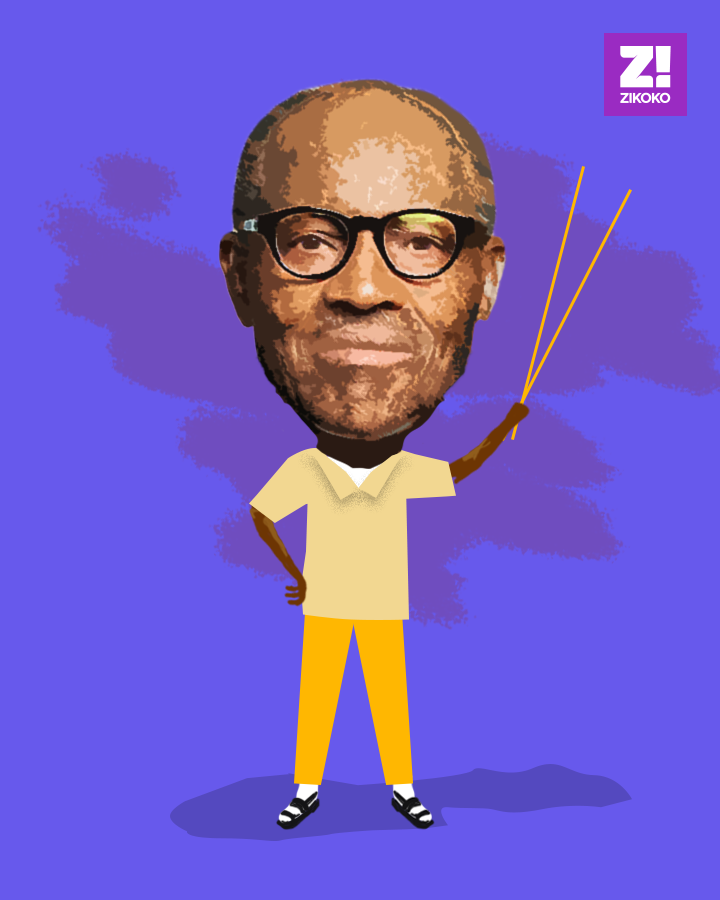
    “Mr Fourth Republic” refers to former President Olusegun Obasanjo. Nigeria’s fourth democratic republic began in 1999, and Obasanjo served as President of Nigeria from 1999 to 2007 and was the first civilian president after several years of military rule.

    During his tenure, Obasanjo implemented various reforms to promote democracy, promote economic development, and tackle corruption. He oversaw the establishment of institutions like the Economic and Financial Crimes Commission (EFCC), aimed at combating corruption, and the Independent National Electoral Commission (INEC), meant to ensure free and fair elections.

    Obasanjo’s presidency marked a pivotal period in Nigeria’s democratic journey, and his influence extended beyond his time in office. His role in leading Nigeria during the Fourth Republic earned him the moniker “Mr Fourth Republic” due to his enduring impact on the country’s political landscape and his contributions to shaping Nigeria’s democracy.

    Nigeria’s troubled history 

    Ethnic tensions, corruption, military rule, and economic downturns are just a few of the difficulties plaguing Nigeria throughout its troubled history. Amidst this backdrop, Nigeria’s elections’ significance cannot be overstated. The country has witnessed numerous troubled elections, each leaving its mark on the nation’s political fabric.

    Since gaining independence in 1960, Nigeria has transitioned through four republics. The Fourth Republic began in 1999 and is an ongoing democratic era where citizens elect their leaders. However, it is important to note that the Third Republic, which ran from 1992 to 1993, was short-lived due to political crises surrounding the annulment of Chief MKO Abiola’s presidential election victory.

    Following the turbulent period under military rule, the Fourth Republic emerged, bringing forth a new wave of political parties and figures. The People’s Democratic Party (PDP), founded by prominent individuals who stood against the Abacha regime, won the 1999 presidential election with Olusegun Obasanjo as its candidate. The Alliance for Democracy (AD) also emerged as a formidable opposition party during this time.

    As the Fourth Republic unfolded, Nigeria experienced several elections, shaping the political landscape and the nation’s perception of its leaders. The presence of ex-military men like Muhammadu Buhari (2015–2023) in politics raised questions about the true nature of civilian governance. However, with each election cycle, the number of ex-military contestants decreased, hinting at a potential shift in the future political landscape of Nigeria.

    Join us as we explore Nigeria’s democratic journey, learn more about the mysteries of Nigeria’s “Mr Fourth Republic,” and delve into the pages of the Citizen election report, your go-to guide that provides cool insights into Nigeria’s political history and the intricacies of its democratic process.

    Download the Citizen Election Report: Navigating Nigeria’s Political Journey

  • Announcement: Citizen’s Election Guide for Gen Z

    Hey there, young Nigerians! We’ve got some fantastic news for you. Zikoko Citizen is thrilled to announce the upcoming launch of our highly anticipated Citizen Election Report. Building off our 2023 general election coverage, we have much in stock for you. 

    With this report, get ready to dive into a captivating journey through Nigeria’s political history and gain a deeper understanding of our democratic process.

    The Citizen Election Report is not your typical boring academic paper. We are making it immersive, engaging, and interactive. 

    Launching Soon

    Mark your calendars! The Citizen Election Report will be launched on Friday, June 16. We can’t wait for you to explore the captivating chapters that will guide you through Nigeria’s fourth republic elections and their potential for national change. We no dey disappoint. 

    Trust us to give you the best meats and serve you the best stews. We’ve been cooking this right for you.

    Stay Tuned and Get Involved

    The Citizen Election Report is just around the corner, and we can’t wait to share it with you. Keep an eye on our website and social media channels for more updates and sneak peeks leading up to the launch.

    Remember, your voice matters, and your participation in Nigeria’s democratic process is crucial. Let’s come together, make a difference, and believe in the power of our democracy.

    Please share this far and wide. Speak of our name everywhere. Anticipate and sell this hot bread with us. 

  • Civic responsibility is not cosplay. When your brand claims to be politically conscious, you should show up when it counts.

    As millions of Nigerians gathered at the polls to decide the country’s fate during the 2023 presidential elections, some singers who’ve built their identities around fixing Nigeria were nowhere to be found. It’s one thing to sing about the struggles Nigerians go through. It’s another thing to actually do something about it, especially when that thing is voting — or encouraging others to.

    Following the events of 2020 — the year we protested for our lives while some people in government hoarded Indomeeen meant for COVID-19 palliatives — I wasn’t surprised when, as early as 6 a.m., most Nigerians were already at their polling units ready to exercise their civic duty and protect their mandate. One of those early birds was Nollywood actress, Omoni Oboli. 

    Omoni Oboli at her polling unit on the morning of the elections

    Not too long after Omoni’s post on social media, Nollywood started showing up en masse with posts from actors like Jemima Osunde, Chioma Chukwuka-Akpotha, Kate Henshaw, Rita Dominic, Toyin Abraham, Stan Nze, Adesua Etomi and Adunni Ade. These actors didn’t just show us they were voting, they also provided situation reports on their various polling units, encouraging their over 40 million combined followers to go out and vote. 

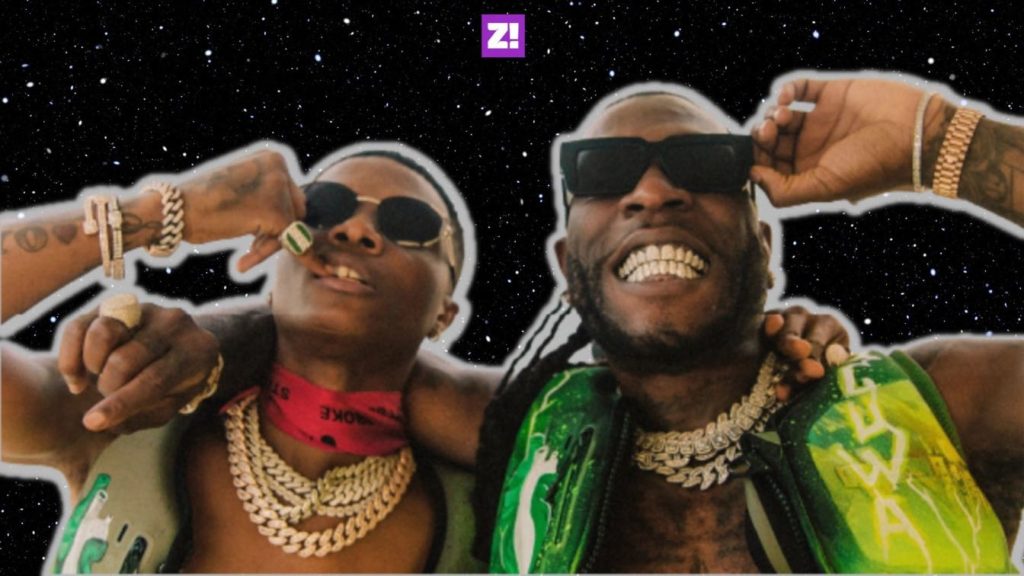
    But while Chioma Chukwuka was getting attacked by thugs trying to snatch ballot boxes and Omoni Oboli camped at her polling unit till 6 a.m. the next day, our self-proclaimed African Giant, Burna Boy, was nowhere to be found. And our best export since crude oil, Wizkid? Well, Machalla was in Ghana, attending the funeral of a music producer’s mum, which might be good enough reason to not be in the country, but to not talk about the election? 

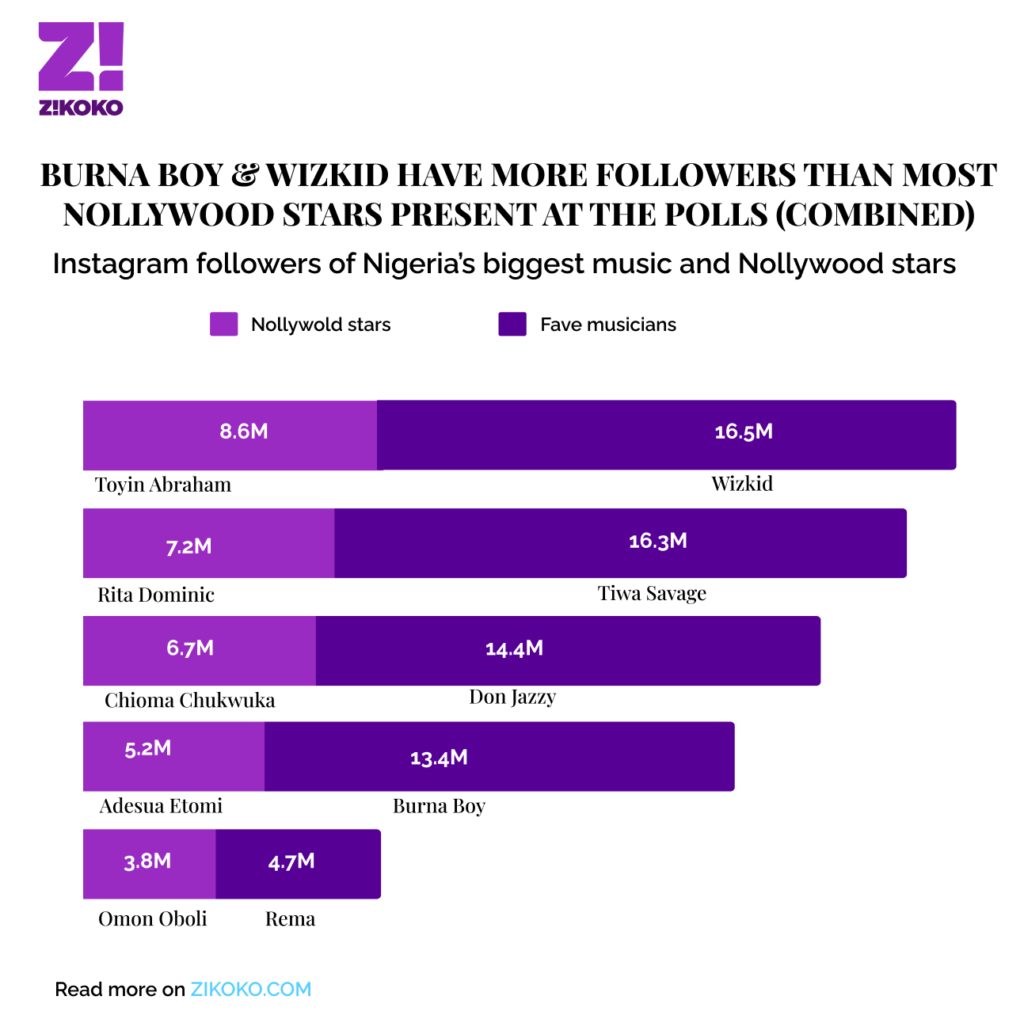
    It’s easy to dismiss Burna Boy and Wizkid’s absence from the polls; they’re just two votes out of 93.4 million registered voters. But then there’s the question of their reach. These two men have a larger social audience than most Nollywood stars who showed up at the elections and talked about it combined.

    RECOMMENDED: Just Imagine These Nigerian Celebrities As Nigeria’s President

    Leading up to the 2023 elections, some of these actors and musicians like Falz, Davido, Ladipoe, M.I and Zlatan spoke about PVC collection, urging their fans to equip themselves with the only permissible weapon for the elections. Meanwhile, Burna and Wizkid refused to disrupt their perfectly curated social feeds with election information. 

    https://twitter.com/zikokomag/status/1629459099120279554?s=20

    Other singers like Tiwa Savage, Don Jazzy and Rema were also quiet (Tiwa put up a post after voting had officially wrapped up wishing Nigeria a peaceful election). These musicians aren’t known to be silent on social issues. After all, Burna called out Coachella, and Wizkid also attacked Reekado Banks for attempting to promote music during #EndSars, all on Blue Ivy’s internet. So why keep quiet now? 

    Imagine Wizkid not showing up after this:

    Singling out Wizkid and Burna Boy is intentional, and their selection runs deeper than surface-level social media reach. Wizkid’s first international claim to fame and one of his biggest hits to date isn’t Essence; it’s Ojuelegba. The 2014 semi-autobiographical hit narrated Wizkid’s journey from shopping demos to becoming one of the biggest stars of his generation.
    Ojuelegba wasn’t just Wizkid’s story; the song presented a certain level of hope that if this random guy could hustle his way out, then maybe it’s possible for the rest of us too. 

    Similarly, Burna Boy’s transition from “underrated” to international superstardom came in 2018  with a little song called Ye. Sampling Fela’s 1977 classic, Sorrow Tears and Blood, Ye positioned Burna as the voice of the people, a narrative he’s continued to push internationally from African Giant to Love, Damini

    These two, more Burna than Wizkid, have each benefited from posturing as messengers of the Nigerian experience — good and bad. So you can’t blame the people for expecting them to show up somehow when the going gets really tough. 

    In a very on-brand move, Wizkid has remained silent in the face of the warranted social media drag. Meanwhile, Burna has decided to be defensive and condescending — something we’ve gotten accustomed to. 

    RECOMMENDED: 9 Old Songs About Nigeria that Prove that Nothing Has Changed

    Although I don’t have hard evidence to prove that celebrities showing up at the polls can influence voter turnout in Nigeria, it’s not far-fetched to imagine many people would’ve pulled up to the Ojuelegba polling unit in Lagos if they thought there was a slight chance their fave would be there. 

    Research shows a direct relationship between celebrities encouraging people to vote and actual voter turnout in countries like America. In 2018, vote.org recorded 65,000 new registered voters after Taylor Swift endorsed a political candidate and asked her fans to vote. The same organisation recorded a 1500% increase in voter engagement after a similar Kylie Jenner post in 2020. So even though Nigeria and most other African countries don’t record data like this, celebrity culture can influence voting culture. 

    That being said, going out to vote is a civic duty, and the decision shouldn’t be forced. But we should look at the bigger picture.

    Music has held Nigerians together generation after generation, reflecting our collective struggles and hopes for the future. It was music Fela used to hold the military accountable during his time, and it was music that fueled the #EndSARS protests

    As Afrobeats dominates the “world” it’s been trying to reach for years, our faves must remember where the sound came from. There’ll be no “Afrobeats to the world” if Nigeria goes to shit. And when you claim to be about civic responsibility, you should show up when it counts.

    Check here for live updates on the ongoing presidential and legislative elections. 

    ALSO READ: Understanding the Trending Celebrity to Politician Pipeline in Nigeria

  • Understanding the Trending Celebrity to Politician Pipeline in Nigeria

    If there’s one thing that’s become common with elections in Nigeria, it’s the announcement that one or two of our fave celebrities will be running for office. In 2022 alone, we’ve gotten announcements from Funke Akindele, Tonto Dikeh, Yul Edochie and Carolyna Hutchings — we’re sure there’s going to be more. 

    With politics also working as a popularity contest, I’ve taken it upon myself to investigate this transition from red carpet and TV screens to the corridors of political power. 

    Not the first time

    The celebrity to politician narrative is not new to Nigerians or elsewhere in the world. And in Nigeria, specifically, there’s a history of celebrities running for office — and winning — long before those running for office next year. 

    Desmond Elliot won a seat in the Lagos State House of Assembly in 2015, and way before him in 2003, NTA TV presenter Abike Dabiri contested and won a seat in the National House of Representatives. 

    These wins aren’t shocking. After all, elections are in fact popularity contests, and who better to excel at something like this than the actors, athletes and singers whose lives — fictional and otherwise — play out on our screens daily. 

    While the recognition may place celebrities one step ahead of some of their competitors, their political dreams don’t always come to pass, with top Nollywood stars like Kate Henshaw, Banky W and Kanayo O. Kanayo having lost elections over the years. 

    RECOMMENDED: Which Nigerian Song Accurately Describes Our Presidential Candidates?

    From endorsers to contenders

    Once upon a time, celebrities were only involved in politics whenever they were “inspired” to throw their weight behind a candidate in one of those cringe worthy videos that always felt forced. Another entry point into politics in the mid-2000s that also became popular was state governors handing out “Special Adviser” roles on random issues to Nollywood celebrities  like party rice. 

    “Celebrities aren’t much better or worse than any of the other types of people running for office,” says Zikoko Citizen Editor, Samson Toromade. “The reaction to celebs doing the same just stems from the fact they’re usually more well-known already and there’s a see-finish angle to it.” 

    But do celebrities taking up political roles work out well for the Nigerians they’re supposed to serve? 

    Looking at the cases of Desmond Elliot and Abike Dabiri — two veterans with infamous transitions — I have my doubts. Desmond Elliot is known more for his insensitive statements during the #EndSARS protests and that infamous wooden bridge than he is for achieving anything positive for his constituent. 

    Similarly, Abike Dabiri has sunk from being the icon who stood firmly against former President Olusegun Obasanjo’s third-term agenda to becoming a rally host who likes to famz and give and Twitter shoutouts in her spare time.

    This is not to say celebrities going into politics is bad, but when I look at the material before me, it’s not saying it’s a great idea either. But is it the celebrities or the trope that power corrupts? 

    Social media publicity stunts

    Social media’s chokehold on us as a people and, inadvertently, our political process cannot be taken for granted. Funke Akindele announced her bid on Instagram even before making an official statement to the press. Carolyna Hutchings, Banky W and Yul Edochie have all done the same. 

    But with social media and politics becoming new ways to get audience attention, Samson also thinks some of these announcements are nothing more than daylight clout-chasing. “I guess everyone wants a bite of the national cake? It’s hard to tell,” he admits. “Some of them also come off as publicity stunts because they’re mostly on platforms that don’t have any real chance of actually winning the election.” 

    Do voters even care? 

    Going by the number of celebrities that have won elections, I’m forced to consider that Nigerian voters back then weren’t swayed by celebrity ginger when it came to leadership.

    But in an era of increased social media penetration and more Nigerians having to choose the least  of evils when it comes to the major political parties, there’s a high chance things might change. 

    While I stand by my choice, Samson doesn’t see it that way, explaining that a celebrity on a ticket doesn’t significantly swing the contest in any party’s favour. According to him, “A meaningful portion of the electorate won’t be compelled to vote based on “I’ve seen this person on my TV before” energy — a fair point to make. But whether they win or not, every election cycle seems to bring more celebrities with little or no political experience. 

    While I’m not the biggest fan of this movement, I doubt it will stop anytime soon. 

    ALSO READ: What Regular Jobs Should These 7 Nigerian Politicians Have?

  • Don’t Fight Me, but This Is Why I Don’t Have a Permanent Voter Card (PVC)

    In 2021, INEC  set a target to register 20 million new voters before June 2022. But like the many times the government has promised better power supply, they’re nowhere near that target. As of March 2022, INEC only recorded 4.4 million registered voters since June 2021, only 22% of the 20 million target. So what’s going on? Why aren’t Nigerians registering to vote?  We asked Nigerians without PVCs to explain themselves.

    Please note: all the names affiliated with this article have been changed.

    Kemi: I’ve actually tried. Earlier this year, I registered online, but no one from my voting centre has contacted me to come and collect my PVC. 

    Salami: Kemi, shey at least you’ve registered? I started my registration online and went for my biometrics but the queue sent me back home. The whole place was crowded. I just postponed the whole thing abeg.

    Tejiri: The same thing happened to me in March. I was told to show up for my biometrics by 1 p.m., but I didn’t get my biometrics done until 4 p.m. Like, I left the queue to sort out an issue with my bank account at a GTB branch and went back to still meet the queue at the Abule Okuta centre in New Garage. And you know how long bank queues are. 

    Kemi: If you people know anyone from Kosofe Local Government Area, beg them to release my PVC.

    Lizzy: The online registration process is stressful because tell me why I haven’t been able to upload my passport.

    Kimi: Look at that. It’s kuku not only me. Every time I try to take a picture, it just shows me “invalid”. It’s quite annoying. Even when I try to add a picture from my gallery, the website rejects it. I don’t know if it’s a studio passport I’ll need to succeed at this point.

    RELATED:  How to Get Your Permanent Voters Card In 4 Simple Steps

    Kemi: Again, Kosofe Local Government I’ve tried my best, please. Help me help my country.

    Susan: LOL. Me and you both sis. I first registered in Ogun State, but I moved to Abuja and applied for a location change. Since January, not a word from either state.

    Ogundairo: I know you people didn’t call those of us with PVCs, but can we talk about how the voting itself is unnecessarily stressful? During the last election, I couldn’t even find a bike to my voting centre. No kekes, no bikes, nothing!

    Tunde: Broooo! 2019 was a big turn off for me to care about 2023. I lived in Isolo then, and there were gangs in certain areas harassing and attacking people they suspected to be Igbo. And it was all because they wanted them to vote for Buhari. I kuku stayed inside my house.

    Lizzy: You’re Igbo?  

    Tunde: No oh, but people always assume I am. So to be on the safe side, I stayed inside. 

    RELATED: Zoning: Who Do Nigerian Politicians Want as Buhari’s Successor?

    Rita: I tried registering and they told me to come back when I turned 18.

    Tejiri: I don’t get. How old are you?  

    Rita: 16. 

    Salami: ???  

    Rita: Doesn’t the country affect me too?  

    Tejiri: LOL. Nigeria isn’t running away. Enjoy being 16 sis.

    Salami: But does my vote really count? 2023 will just be another round of rigging.

    Amaka: Omo. I just need it for identification.

    Kimi: I understand what you guys mean, but how does “not voting” solve anything?  Any move these guys make affects everything. 

    Tunde: No problem. I’m sha travelling in 2023. I’ll see how it goes from the abroad.

    Ogundairo: Kemi, how far? We fit go Kosofe if you’re up for it.

    Kemi: Oya.

    ALSO READ: Zikoko’s Responsible Voter Starter Kit for 2023 Elections

  • Primary Elections Are Coming, But What Does Zoning Mean?

    While the build-up to the 2023 general elections signals us to dust off our voter’s cards ahead of the polls, as Nigerians, the year before elections also means we should get ready for a lot of political terms and remixed promises from 2019. Over the years, we have noticed that zoning is one thing that seems to pop up every time politicians smell a presidential election. Zoning is so controversial that parties, their candidates and their supporters are willing to drag themselves through the poteaux-poteaux to prove it’s their turn. But what exactly does it mean? Is it even legal? We put on our detective hats and this is what we found out. 

    What does zoning mean? 

    Since transitioning from military to civilian rule, Nigeria’s two “main” political parties — the ruling All Progressive Congress (APC) and its opposition, the People’s Democratic Party (PDP) — have practiced presidential zoning. What this means is that the parties agree (separately, of course) to split their presidential and vice-presidential candidates between the North and South with the origin area of each candidate rotating between these two regions. Still complicated? Well, breaking it down, this means that not just anybody can run for the highest office in the land. Before you run, you have to know the geo-political zone of the current president and if you’re both from the same place, omo, you’ll just have to settle for vice president or wait for the next election year. 

    For example, according to the zoning process, since President Bubuski is from Katsina state (North-West Nigeria) and has held power for eight years, his successor should be from a region in the South, and after another eight years, the North again. It’s the circle of life Nigerian politics. 

    To avoid stories that touch, parties try to adhere to the zoning process by presenting candidates whose zones give them a shot at Aso Rock — most parties will be pushing Southern candidates this year for sure. 

    When did we even start this zoning thing? 

    Zoning in party politics can be traced back to 1995 after the annulled elections of June 12, 1993, where M.K.O Abiola was announced the winner. Apparently, a couple of political jagabans at the General Sanni Abacha Constitutional Conference led by Dr. Alex Ekueme and Chief Emeka Odimegwu Ojukwu had championed the cause of rotating the presidency among the country’s six geo-political zones. However, it wasn’t until the general elections of 1999 where the two main parties presented candidates from the South, that zoning actually kicked off in full force. 

    1999 saw the election of former military leader, Olusegun Obasanjo from Ogun state (South-West Nigeria). Obasanjo was replaced by Umaru Musa Yar’Adua from Katsina state (North-West Nigeria), whose tenure was cut short following his death.  This led to the entry of Yar’Adua’s vice president at the time, Goodluck Ebele Jonathan from Bayelsa state, shifting the presidency to the South-South albeit too soon. Despite the controversy surrounding his bid, Jonathan won his first official term in 2011 before losing a second term to our current president.  

    Why did zoning start? 

    Zoning was designed to be a solution to the deep sense of injustice people from the South felt after the annulment of the 1993 elections and the assassination of their candidate, M.K.O Abiola. That is why in the first major elections of 1999, most of the candidates were from the South. 

    But on a larger scale, it was created to ensure that no zone or area in the country hoards power all to itself. The presidency was meant to rotate in a way that promotes inclusion for all, so if you don’t feel like your zone is in power now, there’s a high chance it could change by the next election. 

    But is zoning legal? 

    Zoning isn’t included in the Nigerian constitution. According to Section 131 of the constitution, a person will be qualified for election to the office of president if they’re a citizen of Nigeria by birth; forty or over forty years of age; a member of a political party willing to sponsor them; have been educated up to at least School Certificate level (This is the one that is always biting our leaders in the bumbum). 

    However, it’s  important to note that Section 14 (3) of the same constitution requires that the composition of the government and all its agencies must reflect different zones and regions in the country, ensuring that “there shall be no predominance of persons from a few states or a from a few ethnic groups or other sectional groups in that Government or any of its agencies.” This shows that for peace to reign, it’s important that positions of power be distributed evenly. 

    All in all, zoning isn’t in the Nigerian constitution, however, it’s in the constitution of some parties. For example, Article 7 of the Constitution of the PDP states that the party will adhere to the policy of the rotation and zoning of Party and Public elective offices in pursuance of the principle of equity, justice and fairness. 

    What does it mean for the 2023 presidential elections? 

    According to the further math of zoning, Bubu is to be replaced by a successor from the South. So far, over five candidates have indicated interest from that region. That being said, zoning isn’t enshrined in the constitution so it can be contested. But will it though? 

    While zoning provides stability and equality in its own right, now more than ever, it’s important that we choose candidates based on qualifications and potential, as opposed to religious or ethnic sentiments. Waiting another four years to rewrite a mistake is a long time abeg, so let’s vote with sense this year. T for Tenks.

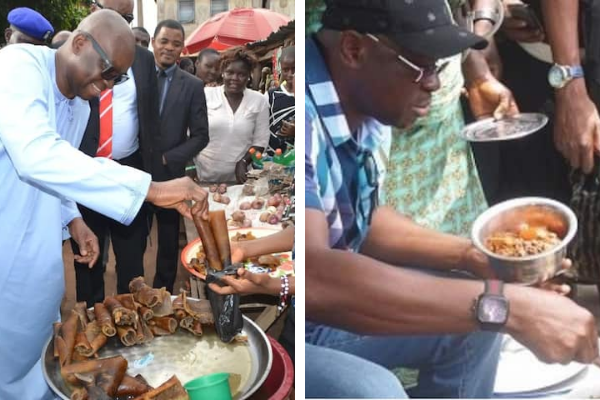
  • Hilarious Photos of Nigerian Politicians Cosplaying Humility During Elections

    We’ve told you everything you need to know about the aspirants hoping to enter one trouser to fight for your vote in 2023.Well, ding ding ding. This time, we made a picture compilation to remind you of the hilarious moments Nigerian politicians were on the streets to impress us. 

    1. 2018 Ekiti State gubernatorial campaign 

    Tell me your Governor is working without telling me your Governor is working.

    They had to show us that the ‘other room’ is not the only place they get down and dirty in. Just look at them digging into that kpomo stew for the masses. Ekiti we hail.

    2. 2019 presidential election

    Daddy oyoyoyo…

    This is how politicians tell you they are for the people and by the people. It’s the pure water for us.

    3. 2018 gubernatorial campaign

    We might have missed the job description here.

    Governor by day and hairdresser by night? If your candidate can’t plait kpatewo and fight ‘kwarapption’ at the same time, throw them in the bin.

    4. 2014 Osun State gubernatorial election 

    Governor toh bad

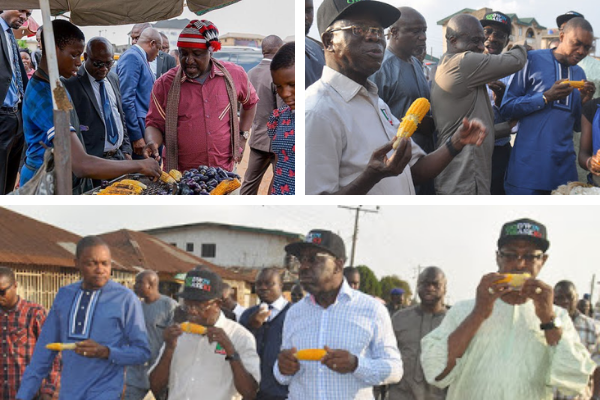
    This is a mood. Omisore quietly said “na who cut maize for me I go amaze.” If you don’t gerrit, forget abourrit

    5. A mix of corn eaters between 2014 and 2019

    There’s clearly a problem here

    Is roasted corn the jazz politicians share amongst themselves? Because what’s been going on?

    6. 2019 gubernatorial election 

    Is it your daddy’s money? Maybe.

    Talk about when you’re big, you’re big, Kashamu was sharing palliatives even before COVID hit.  Our sugar daddy, Kashamu, called this the “Dividends of democracy.” 

    7. 2019 presidential election

    Who are we to question true love? 

    Aunty Aisha was clearly stressed. This was aunty Aisha after uncle Bubu asked what she brought to the table. She kuku went to help him fry akara outside. A queen and more.

  • These People Want to Lead Nigeria But Who Are They?

    And just like that, we are headed towards another election season. While elections are not expected to officially kick off until February 18, 2023, a couple of familiar faces (and one new face) have indicated an interest in replacing our dearest President Buhari. But before you get bombarded with billboards and promises, we decided to do a little research and introduce you to some of these politicians.

    1. Asiwaju Bola Ahmed Tinubu

    Finally, after months of guessing and speculation, the Jagaban of Lagos, Asiwaju Bola Ahmed Tinubu has officially thrown his fila into the 2023 presidential race

    What you should know

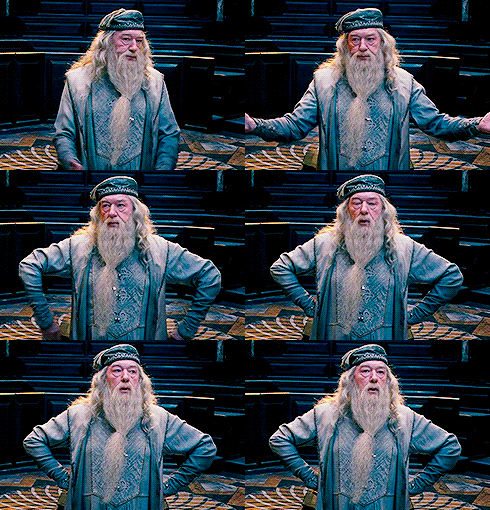
    Tinubu has been running things in Nigeria, especially Lagos, for a long time. He was a senator in 1992, served as governor twice, handpicked all the governors that came after him, pushed his wife to the senate and created the All Progressive Congress (APC) which got Bubu into Aso Rock. So far, there have been questions surrounding his source of wealth, educational background and whether or not he’s as old as Dumbledore.

    Let’s not get into the health concerns that had him in London for the better part of 2021. It’s giving Buhari 2.0. 

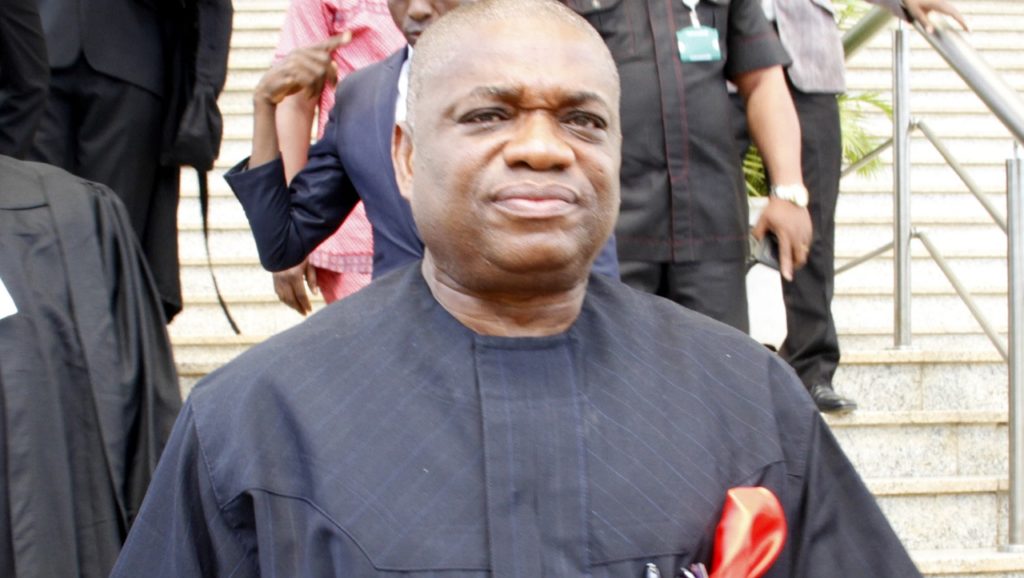
    2. Orji Uzor Kalu

    Former Abia state governor and current Chief Whip of the Nigerian senate (the whip is not a BDSM thing o), Orji Uzor Kalu has also indicated an interest in the 2023 presidential elections. 

    What you should know

    While Kalu has done well for print media with The Daily Sun and The Telegraph, we can’t ignore the ₦7.1 billion fraud case that was brought against him in 2007. Despite the case still ongoing, he was allowed to run for and win a seat in the senate in 2019.

    Kalu was eventually convicted and sentenced to 12 years in jail in 2019, but before he could really start sweeping cells in kirikiri, a Supreme Court judge nullified his conviction in May 2020. Interesting. 

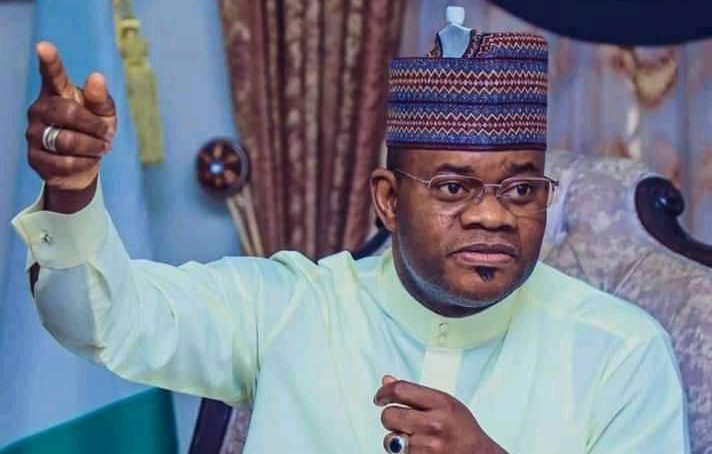
    3. Yahaya Bello

    This man announced his intentions as far back as 2020, less than a year after he won his second term as Kogi state governor. Apparently, Nigerian youths, celebrities and elites were “pressuring” him to run. 

    What you should know

    Yahaya Bello is no stranger to the news. When he’s not dancing in the gym, he’s being criticised for owing salaries in his state, despite receiving a ₦20 billion bailout from Sterling Bank to pay said salaries. He was also allegedly involved in the mistreatment of Barrister Natasha Akpoti, the only female candidate to run against him in the 2020 Kogi state governorship polls. It’s giving bully with a side of misogyny. 

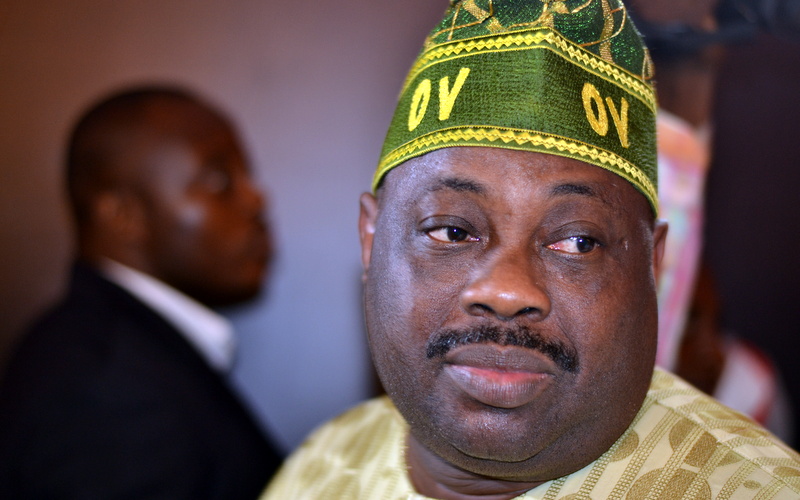
    4. Dele Momodu

    Remember Ovation Magazine? Yes, this is the man behind it. Famous publisher and media personality, Dele Momodu has also offered to lead us to freedom

    What you should know

    This isn’t his first time at the rodeo. Momodu previously ran for president in 2011 under the National Conscience Party (NCP), however, despite that loss, he has decided to run again. This time, he intends to run under the Peoples Democratic Party (PDP). While his beefs with Davido and KWAM 1 might be more popular than his lack of experience in office, it feels good to see a different face in the race, even though it’s a face we already know. 

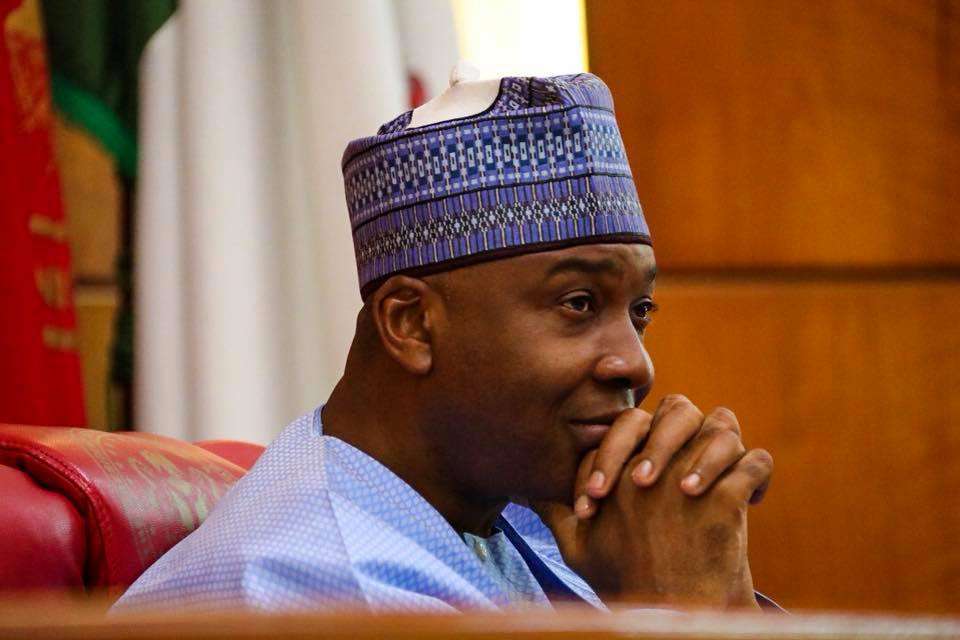
    5. Bukola Saraki 

    Former Senate President, Bukola Saraki has also made his intention known about 2023

    What you should know

    Before becoming a senator and then Senate President, Bukola Saraki served as governor of Kwara State from 2003 to 2011. Saraki has switched parties so many times, it’s hard to keep up. Starting out with the PDP, he switched to the APC before switching back to the PDP.

    He intended to run for this job in 2019, but eventually settled as the top man in charge of Atiku Abubakar’s presidential campaign. From corruption cases to armed robbery, Saraki has had his fair share of run-ins with the law. However, he has continued to maintain his innocence. Has anyone ever accepted that they’re guilty? 

    6. Anyim Pius Anyim 

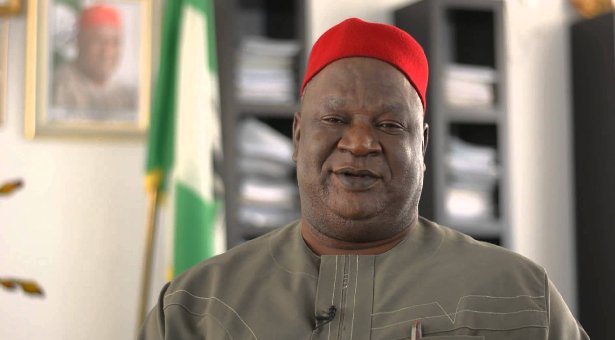
    One of the most vocal aspirants from the South-East, Anyim Pius Anyim was a Senate President during the era of Olusegun Obasanjo from 2000 to 2003. He also served as Secretary-General of the Federation under Goodluck Jonathan from 2011 to 2015. 

    What you should know 

    During his time as Senate President and Secretary-General of the Federation, Anyim racked with Samuel Ominyi Egwu and Martin Elechi, two sitting governors from Ebonyi state (his state).

    In 2021, he was also invited and interrogated by the EFCC in connection with a ₦780 million corruption case involving former Minister of Aviation, Stella Oduah. Again, nothing new. 

    7. Khadijah Okunni-Lamini 

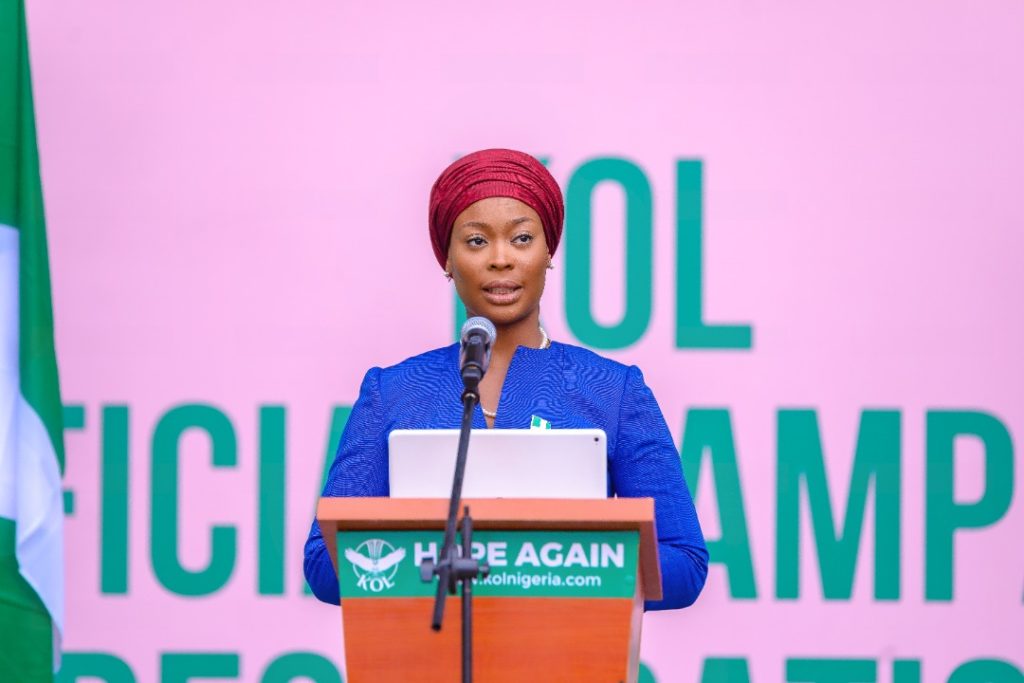
    Nigerians have discovered a brand new candidate and the first woman to officially throw her hat into the ring for the 2023 presidential elections. Khadijah Okunni-Lamini (popularly known as KOL) has stated that she is joining the race out of a strong desire to rekindle hope and make Nigeria work for all Nigerians. 

    What you should know

    KOL is one of the lesser-known candidates to have shown interest in joining the presidential race this year. While she might lack political experience, KOL is a media personality and the brain behind Slice Media Solutions, an advertising agency based in Lagos Nigeria. She is also behind some social impact initiatives such as Water Relief Nigeria, Help Our Youth (HOY), To Better Nigeria & Project: Bridge the Gap.

    8. Kingsley Moghalu 

    Kingsley Moghalu, a 2019 Presidential candidate is also making a comeback to the race next year after previously losing to Bubu. 

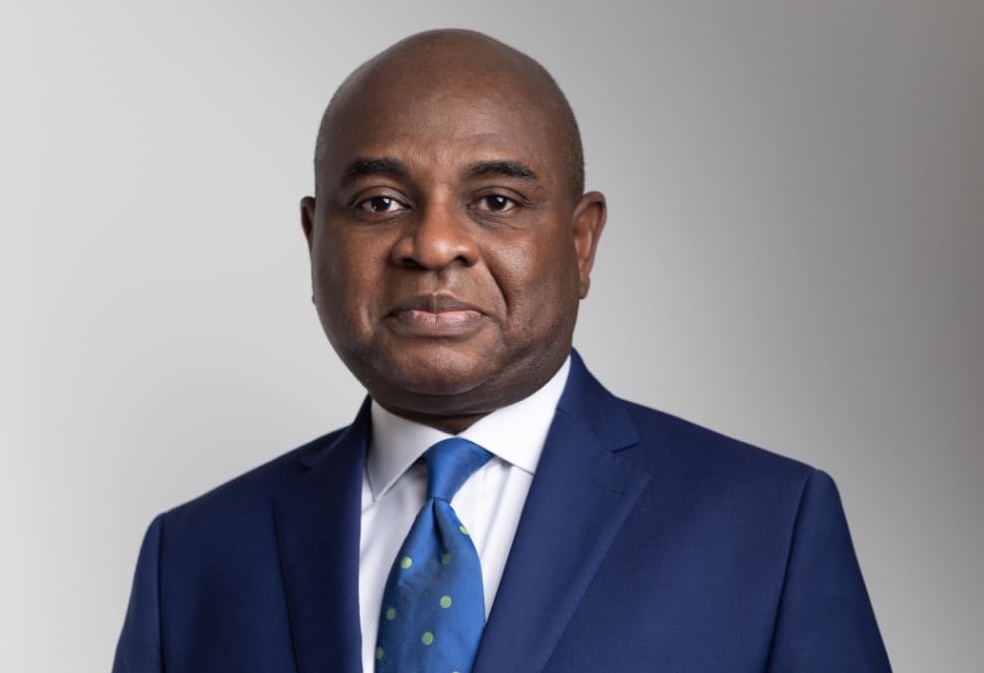
    What you should knowMoghalu served as the Deputy Governor of the Central Bank of Nigeria from 2009 to 2014. He was one of the youngest contenders in the last elections, where he contested under the Young Progressives Party (YPP). Next year, he will be joining the race again, this time, under the African Democratic Congress (ADC)

  • The Next Level Campaign: A Recap of the 2019 Promises to the Youths

    Twitter is back! And it’s a reminder that 2023 is not as far as we think. So as the campaign strategies slowly begin, we want to remind you of some of the promises President Buhari made while campaigning for the 2019 elections . These were four promises to the Nigerian youth in the 2019 Next Level Campaign.

    1. Job creation across various sectors

    Bubu’s promise: Over 50 million new jobs will be created.

    Are you shocked?

    If this isn’t a part of any Nigerian electoral campaign, then just know the real elections haven’t started. One of the ways Buhari’s administration was hoping to achieve this ambitious figure, is the N-power program — one of the four “empowerment” schemes created in 2016 with a budget of ₦500 billion. The other arms focused on addressing poverty and hunger.

    It was going well, until…

    The government claimed that since 2016, the programmes combined have supported more than 4 million beneficiaries country-wide. Let’s even overlook that the target figure for just employment under this campaign was 50 million jobs. 

    Who runs the data for these guys?

    Because in May 2019, we saw Bubu’s wife, Aisha Buhari, criticising the administration managing the funds under Maryam Uwais — the senior special assistant to the President — for the lack of accessibility of the fund to the people. 

    Hm...

    If somebody sleeping in the same house with Bubu is asking questions, who are we not to bring back these questions even in 2022? 

    Our Question:

    Before Buhari even made this new pledge in 2019, who had benefited from the program since 2016?

    Now here’s another confusing part.

    The goal was to provide Nigerian graduates aged 18-35 with skills that are valuable to the global job market and a ₦30,000 stipend under the program.

    Are you thinking what we’re thinking?

    What’s the difference between this program and the Skills Acquisition & Entrepreneurship Department program under the National Youth Service Corps? 

    Absolutely nothing. They literally have the same target audience and remuneration for participants. So why pump money into creating something that already exists?

    It doesn’t stop there o.

    Even without the receipts to prove the benefits of this program, especially with the pledge to ensure more jobs for us, about a year in, Bubu set up the Nigerian Youth Investment Fund with another ₦75 billion in 2020.

    Hm…

    Now to the big question: 

    With the three million jobs yearly Buhari promised in his first term, and 50 million in his second term, what’s Nigeria’s unemployment rate looking like?

    Just look at this chart.

    Unemployment has quadrupled between the first quarter of 2015 and the second quarter of 2020. 

    How can unemployment be rising when every four years, candidates are promising thousands of jobs to the youths? What are the success rates of participants awarded after the programs? 

    These are the questions we need to hold Bubu by his kaftan to ask, with all the money being pumped into these youth empowerment programs. 

    2. A pledge to the creative industry
    As part of the promise to provide more jobs for the youths, this administration pledged to commit to the growth of the creative industry.

    Bubu’s promise: To invest in technology, as well as the creative and agricultural industry of the economy.

    So a little back story. 

    Small play and Buhari showed us that the Nigerian government can actually move fast. It all started from the attacks on offices of the national electoral commission by arsonists and gunmen, mainly in the South-east —  they claimed these attacks were orchestrated by Biafra stans. Buhari responded on June 1 2020,  with a tweet that angered Uncle Jack:

    Militant Bubu wan dey disguise, so Uncle Jack took it down almost immediately. 

    That’s how Bubu vexed and reported him to big daddy Lai Muhammed. Before we knew it, the government mandated all network providers to block servers from connecting to Twitter. 

    Glo users weren’t exactly sure though. If you don’t gerrit, forget about it.

    Anyway, that’s how Nigerians started Tweeting all the way from the United Kingdom in Ajah for seven months. After that love speech to the creative industry, Buhari threw our livelihood into the gutter for the rest of 2020. 

    How much did we really lose after 222 days of the  Twitter ban? 

    According to Netblocks — a watchdog organisation that monitors cyber-security and governance of the Internet — Nigeria was losing approximately $250,000 (₦102.5 million) for every hour of the Twitter ban. 

    The government finally agreed to lift the ban on January 13 2022, after insisting for Twitter to commit to: respecting our laws, setting up direct communication with the government to manage content that violates rules, establishing a legal entity under the Corporate Affairs Commission, designating a Nigerian representative and paying Bubu’s black tax. 

    I

    3. An overhaul of the education sector

    Bubu’s pledge: To improve education in the country, the government will do whatever it takes to prepare the teachers, curriculum and classrooms to attain the right educational goals and grow our country. 

    We’ll keep this short. 

    Let’s just recall that ASUU was on strike from February 2020 – December 2020 and still threatened us in October 2021 to commence another strike over unpaid salaries.

    Where is the ginger from the initial campaign to reform the educational system?

    4. Political inclusion for youths

    Bubu’s Pledge:  To introduce a special mentoring programme in governance with young graduates working with ministers and other appointees. The government would  also provide more access to youths as aides of cabinet members through opportunities for appointments in board and agencies.

    Plenty grammar.

    All this and for months, the government denied any massacre happening at Lekki toll gate on October 20 2020. More than a year later and we still don’t know who gave the command. 

    This is just another pledge to us that failed woefully, if we have the youths in governance, who are they and where were they when it mattered to us during the #ENDSARS protest? 

    The point of this recap.

    2023 isn’t as far as we think. You need to be clear on what you want candidates to bring to the table in their campaigns. We must stay vigilant and be aware of the promises that already exist and failed. 

    There will be no audio representation for us in 2023 on our watch.

  • 9 Old Songs About Nigeria that Prove that Nothing Has Changed

    Nigerians have always used music as a means to either escape or reflect the times. As we gear up for the 2023 election year with campaigns kicking off as early as next year, we’ve  pulled out some old songs that captured the reality of Nigerians then (and now). From Fela in 1977 to Wande Coal in 2009, these songs show that in terms of real change, Nigeria still has a long way to go. 

    [newsletter]

    1. Eedris Abdulkareem – Jaga Jaga

    One of the most controversial political drags in Nigerian history, Eedris Abdulkareem’s Jaga Jaga was so powerful that ex-president Olusegun Obasanjo banned it from radios across the country. Released at a time when corruption was becoming the norm, 19 years later, this song still describes the current state of the country. 

    2. 2Face – E Be Like Say 

    An iconic song from 2face’s second album, E Be Like Say gives an accurate description of a typical Nigerian election year. In this song, he sings about being tired of politicians peddling the same lies every four years, just so they can secure votes. It’s an important song to listen to as we step into 2022, which is set to be a tense campaign year leading up to the general elections of 2023. 

    3. Wande Coal – Se Na Like This? 

    On his debut album, Wande Coal asked this very important question. Looking at the current situation of the country, we’re sure Black Diamond has a sense of what the answer looks like. 

    4. Black Face – Hard Life 

    Blackface may be known now as the guy who drags 2face to court now and then, but despite all this drama, his bop, Hard Life, has remained relevant over the years. Life was hard for Nigerians then and unfortunately, not much has changed now. 

    5. African China – Mr President 

    This song is what we’d like to call iconic. Not only does African China throw shade at the justice system for going after poor people while allowing rich criminals to strut in peace, he also demands that all tiers of government sit down and do the job they were hired to do. 

    6. Fela – Sorrow, Tears & Blood

    If there’s one thing 2020 taught us, it is that Nigeria hasn’t changed much since Fela dropped his 1977 hit, Sorrow, Tears & Blood. Continuing in his role as the artistic moral conscience of his time, Fela spoke about the brutality and corruption within the Nigerian security force. Over 40 years later, the same issues continue to plague this generation of Nigerians.  

    7. Sound Sultan – 2010 with M.I 

    https://www.youtube.com/watch?v=hzv-s13QtYY

    Remember in the early 2000s when the Nigerian government kept hammering on 2010 as the year the country would finally get constant electricity? Well, 2010 was 11 years ago. Kindly raise your hands if you have constant power. We’re trying to check for something. 

    8. Asa – Jailer 

    On the opening song of her 2007 classic self-titled album, Asa reminds listeners that while she might be in chains, we (knowingly or unknowingly) are in chains too. A poetic way of telling us that breakfast will reach everybody, this song remains poignant even today. 

    9. PSquare – Oga Police 

    At the height of their stardom, PSquare released this song, chronicling two different encounters with the Nigerian police. Based on true events or false, these stories show scenarios young Nigerians today can relate to, especially when it comes to their interactions with the police.

  • Why The Edo State Election Is Jazzing Up

    Citizen is a column that explains how the government’s policies fucks citizens and how we can unfuck ourselves.


    The Edo State Governorship election is on the 20th of September, and it will be interesting to know who governs Edo State for the next four years, including how the winning candidate eventually makes the state better.

    Will Adams Oshiomole have his man, Osagie Ize-Iyamu become Governor of Edo State? Or will Godwin Obaskei hold on to a office he decamped to the PDP at the last time for? Importantly, will the lives of Edo indigenes get better over the next four years?

    WHY IS THE ELECTION HAPPENING NOW?

    Ideally, all the 36 state Governorship elections in Nigeria should be held at the same time every four years, counting from 1999 when Nigeria returned to a democracy. However some states hold their Governorship elections at a different time usually because of election petitions and the judgement of election tribunals.

    The different date of the Edo State is because of the 2007 Governorship elections in the state where Adams Oshiomole took Oserhiemen Osunbor to the Edo State Governorship Elections Tribunal over the results of the April 2007 Governorship election in the state.

    The Federal Appeal Court in Benin City eventually found judgement in favour of Adams Oshiomole on November 11th, 2008. This is why Governorship elections in the state holds at this time every four years.

    WHO ARE THOSE CONTESTING?

    Right now, candidates from 14 registered political parties are contesting for the Governorship seat of the state, but Godwin Obaseki of the PDP and Pastor Osagie Ize-Iyamu are the most popular candidates.

    All the other candidates include: 

    Edemakhiota Osaimiamia, Action Alliance (AA), Reuben Edokpayi, African Democratic Congress (ADC), Emmanuel Obio, African Democratic Party (ADP), Lucky Idehen, All Progressives Grand Alliance (APGA), Igbineweka Osmimuede, Allied Peoples Movement (APM); Amos Areloegbe, Accord Party (AP), Isaiah kosifu, Labour Party (LP), Jonathan Enobhaysobo, New Nigeria Peoples Party (NNPP); Stevie Ozono, National Rescue Movement (NRM); Felix Obayangbon, Social Democratic Party (SDP); Jones Osagiobare, Young Progressives Party (YPP), and Akhalamhe Amiemenoghena, Zenith Labour Party (ZLP).

    WHAT ARE THEIR CAMPAIGN PROMISES?

    The current Governor of Edo State is running under the campaign theme “Make Edo Great Again (MEGA)”. At the launch of his reelection campaign in July, he stated: “We are going to be introducing a lot of technology. We are going to make sure that programmes we are starting particularly with agriculture, youth employment, we are going to insist that we are going to continue in that path. Edo will be the business and economic hub of the country”.

    During Obaseki’s first Governorship tenure, he got to office by campaigning on 37 promises — but the question of whether he has substantially fulfilled a majority of those promises still remains.

    Meanwhile, Pastor Osagie Ize-Iyamu of the APC is running for office on what he calls the SIMPLE agenda, which is an acronym for: Security, Infrastructural development, Manpower development, Public Private Partnership, Leadership and Employment creation.

    He also plans on creating 70,000 jobs in four years, including 10,000 new jobs in the construction, housing and education sectors – within 4 years.

    However, these guys have still not given us a detailed plan on how they will achieve these goals. They do not even have a website where their plans and how they will achieve them are properly outlined.

    WHAT IS THE INDEPENDENT NATIONAL ELECTORAL COMMISSION (INEC) DOING?

    The Independent National Electoral Commission (INEC) is the Government Commission established by Nigeria’s 1999 Constitution to organize elections into various political offices in the country, among other things. Section 15 of the 1999 Constitution gives it this powers.

    On September 19, 2020, INEC released a final list of the governorship candidates for the election, including all the deputy governorship candidates and their respective parties.

    The Commission has also released a policy on how it will go about conducting elections during the Covid-19 pandemic, including a consideration of the legal issues, health issues and logistics and/or operational issues that have to be factored into conducting elections at this time.

    SOME POLITICAL CALCULATIONS

    Edo State has always been a politically charged state, especially considering that all states in the South-South Geopolitical zone are now run by governors in the PDP. So, this presents the only chance for the APC to win back a state in that geo-political zone of the country.

    Actually, Godwin Obaseki of the PDP was initially elected on the platform of the APC. However, he was disqualified from the Party’s primary elections, on the grounds that his academic certificates were incomplete. Pastor Ize-Iyamu (who was formerly in the PDP) then became flag-bearer of the APC in the September 29 Governorship election, with Obaseki joining the PDP at the very last minute.

    The political situation of things in Edo State is ascribed by many people to Adams Oshiomole, a former Governor of the state, who is said to have found ways to disqualify Obaseki from re-contesting under the APC in the state after both of them fell out. Many say Oshiomole brought Obaseki to become Governor of the state but fell out with him after some differences. Oshiomole now supports Ize-Iyamu to be Governor of Edo State, a former Secretary to the government of the state whom he once abused in the run-up to the 2016 Governorship elections in the state.

    ISSUES OF ELECTION VIOLENCE, VOTER SUPPRESSION AND VOTE BUYING

    There has been prominent issues of election violence leading up to the elections in Edo State. The situation of things have gotten so bad that the Oba of Benin, Oba Ewuare 2, had to invite all the candidates, including the two major aspirants to his palace to plead with them to “reduce the political temperature” in the state. Lately, the Edo State House of Assembly has also been drawn into all sorts of crisis, all of which is not unconnected from the upcoming election in the state.

    Also, voter suppression and vote buying still remain major issues in Nigerian elections. It is hoped that this election will witness significant changes in these vices, and that a free and fair election can happen, so that the votes of the people can count.

    Check back everyday by 10am for more Zikoko Citizen articles.

  • Election season is upon us and we’ve never had a more interesting and more diverse crop of presidential aspirants.

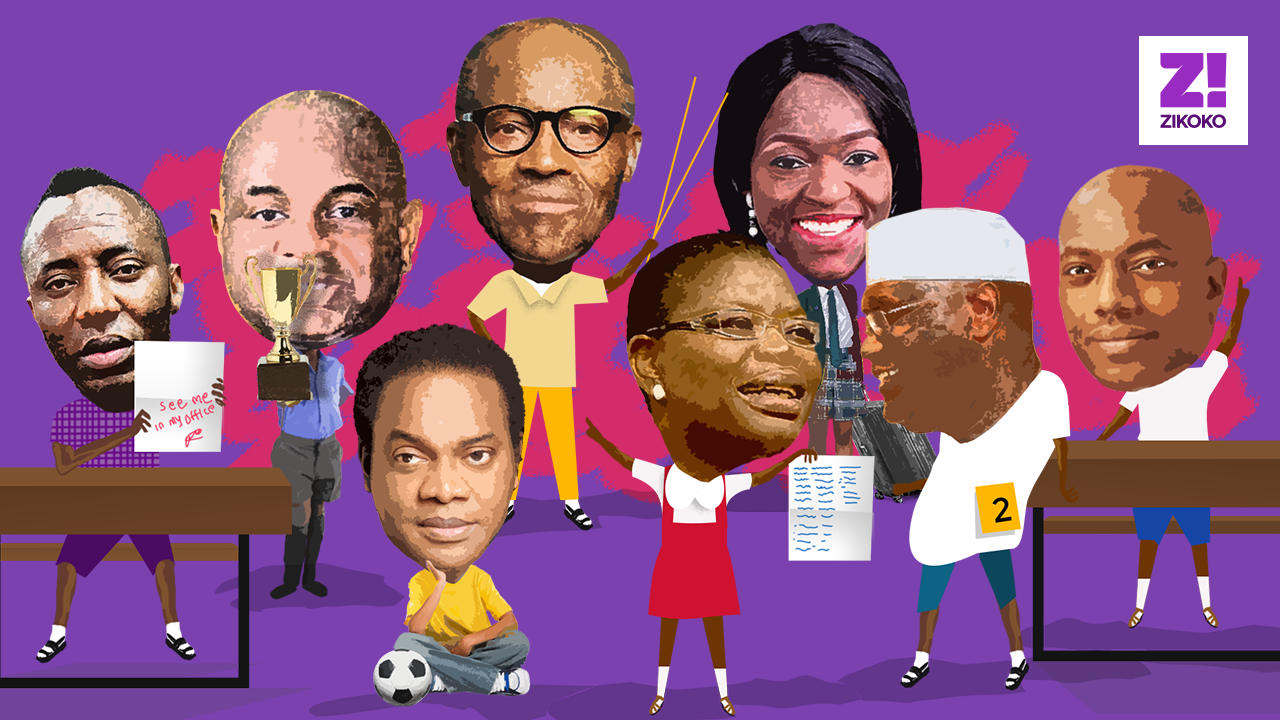
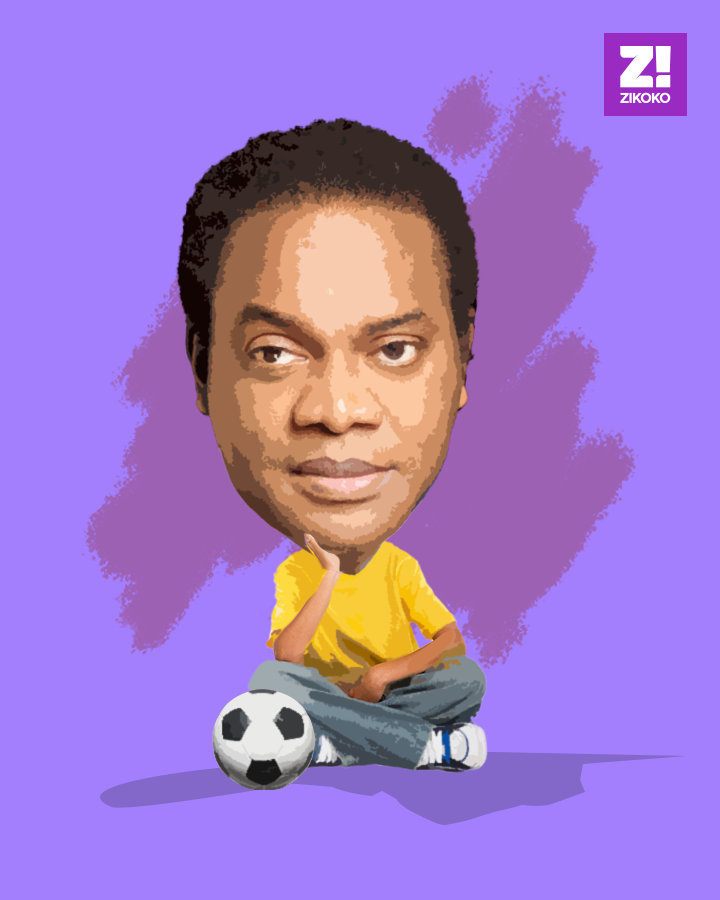
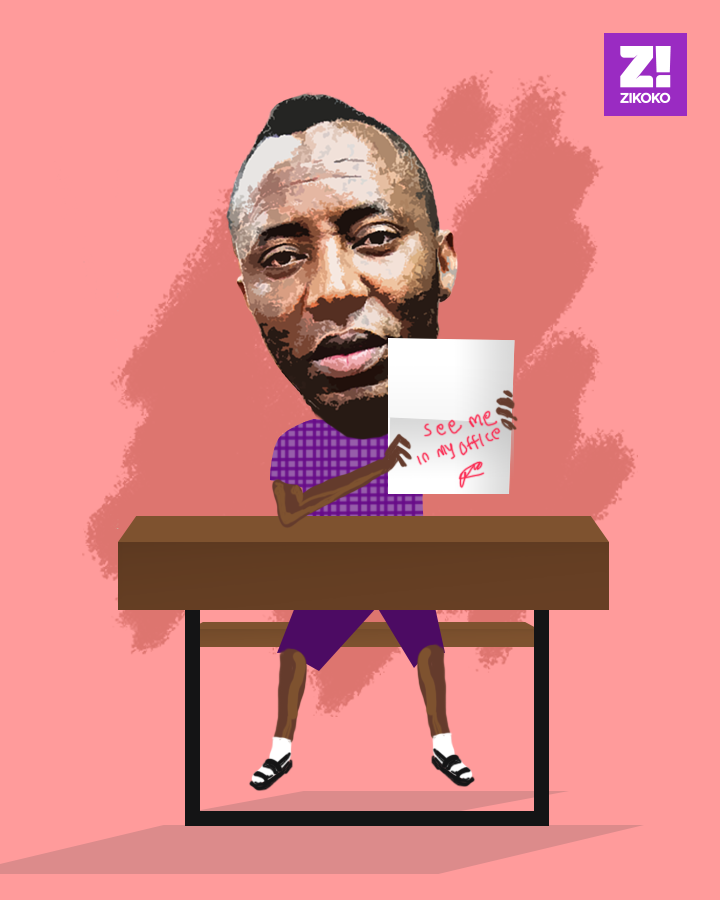
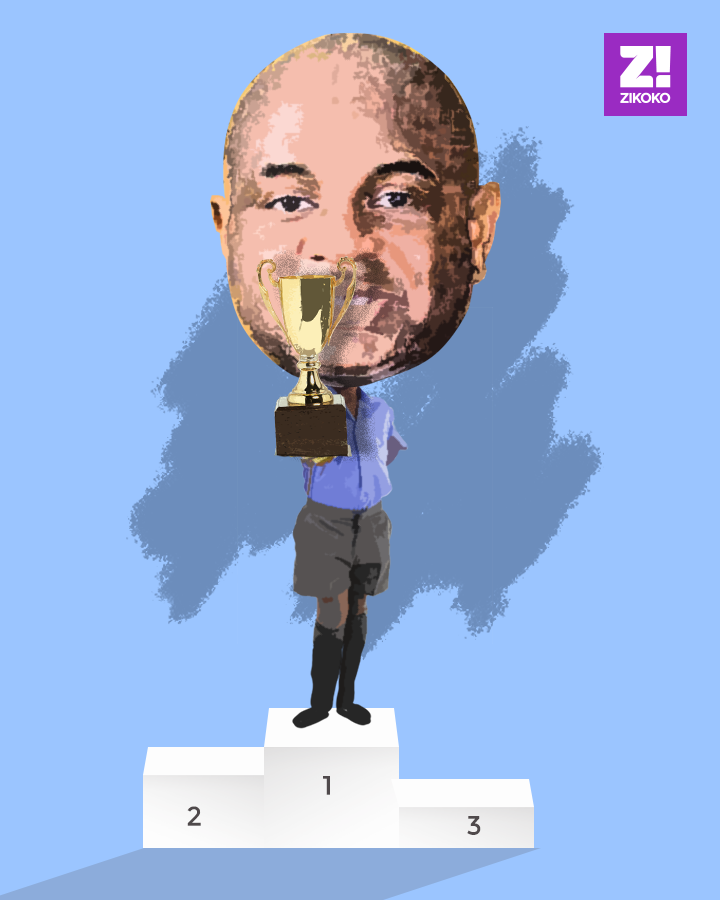
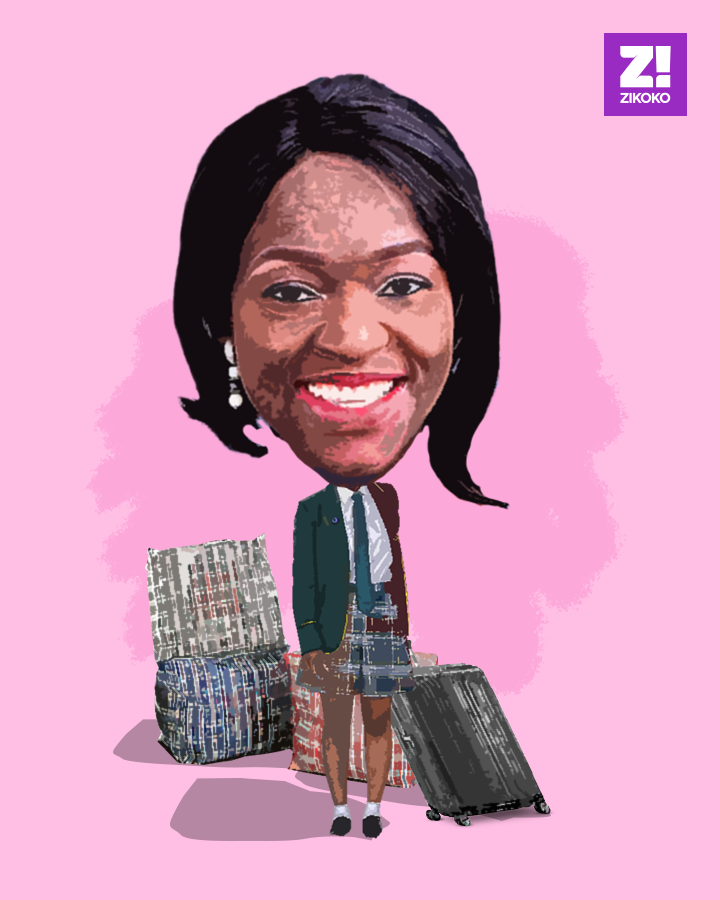
    And because politics in Nigeria reminds us of secondary school we couldn’t help but re-imagine some of our 2019 presidential aspirants as secondary school students.

    Fela Durotoye is the smart kid who is always the first to put up his hand when the teacher asks a question, whether he knows the answer or not.

    Teacher: What’s 2 plus 2?

    Fela: If you really believe in yourself, the answer will be 22.

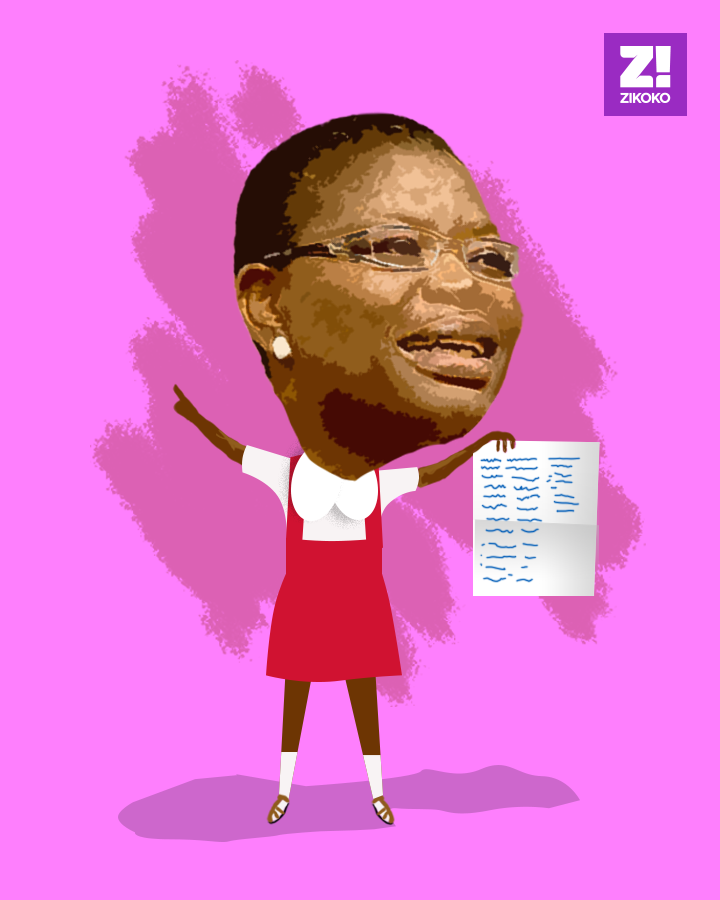
    Oby is the kid who will write names of noisemakers, put her best friend’s name and submit it to the teacher.

    She’ll even add x2 if she catches you talking again.

    Donald Duke is the fresh kid everyone likes and is very popular.

    He was Social prefect once and everyone loved him. The whole school thinks he can do no wrong.

    Sowore is the one all the teachers used to call useless boy and now he wants to prove them wrong by becoming head boy.

    He gets called into the principal’s office every single day.

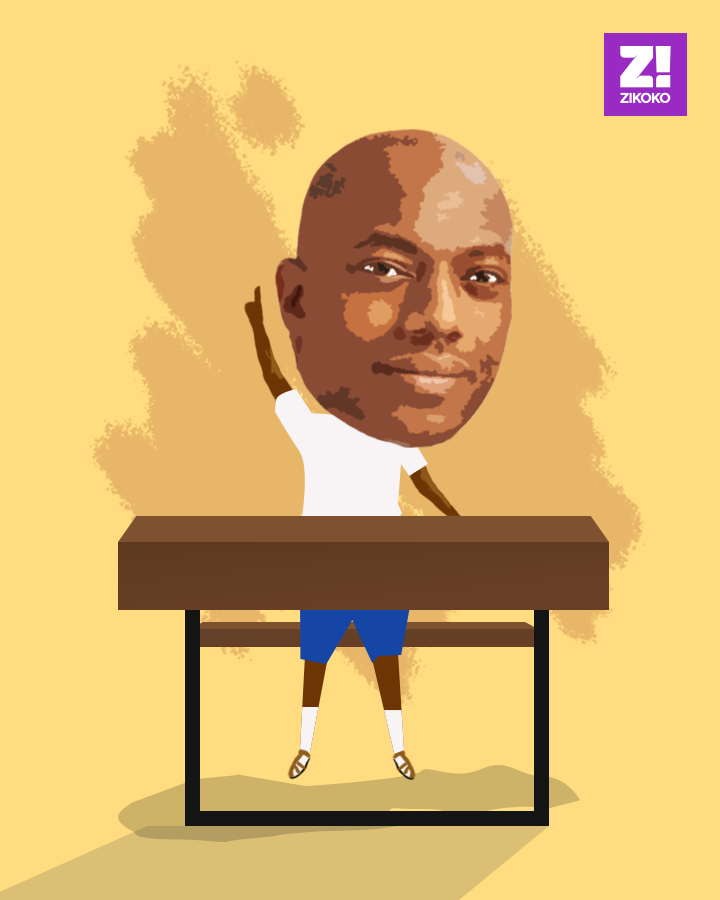
    Moghalu is the smart kid who always comes first and everyone thinks he has two heads.

    But the day he came second he went to report to the Principal that the person who came first didn’t deserve it.

    Eunice Atuejide is the transfer student who came in SS2 and nobody knew until she said she wanted to become head girl.

    The boys like her because she refused to join the Girls’ Guide.

    Atiku is the rich kid who was Assistant Class Captain once and has now made it his life’s mission to become Class Captain.

    He has been trying since JSS1, he is in SS3 now.

    Buhari is the one who has been trying to become class captain since JSS1, when they finally gave it to him in SS3 he decided to show the whole school pepper.

    And he’ll continue to show us pepper till he graduates.

    Eighteen other Nigerians have also come out to say they want to run for president. Who else do you think we should add to this list?

  • Nigerians are famed around the world for our determination and ability to spot an opportunity, and for good reason. 

    We can sell bibles to the Pope, and we’ll even rent your own property to you at a small discount. One Nigerian by way of the United States is trying to be the Thanos of taking chances as they come.

    When one door closes, open the window.

    Vitalis Lanshima

    Nigerians go to the polls to elect new leaders in February 2019, as we do every four years.

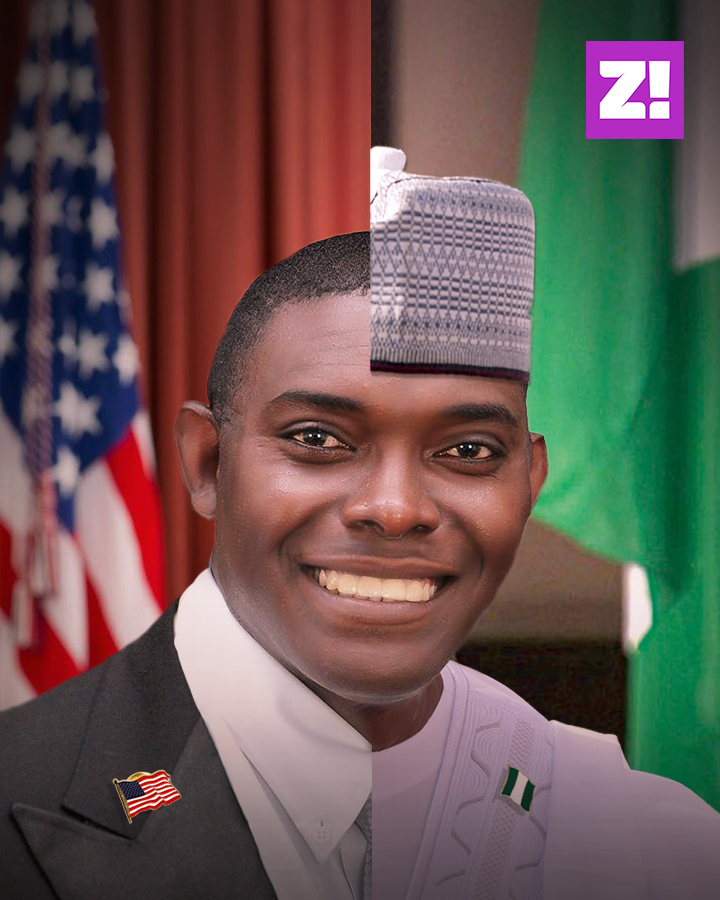
    Jos-born Vitalis Lanshima is running for the Federal House of Representatives as a member of the All Progressives Congress. 

    The only problem is that this living legend is also a member of the city council in Louisville, a city in the US state of Kentucky.


    Lanshima has a quite inspiring story

    He lost his arms in a freak accident before moving to the US and qualifying for the 2012 Paralympics as a US athlete. He’s lived in the US since then.

    But things have not been perfect of late – since he turned his focus to Nigeria, lawmakers in Kentucky have been calling for Lanshima to resign immediately. 

    Lanshima lost council elections and has to vacate his seat in November anyway but apparently, the future is too far for these people.

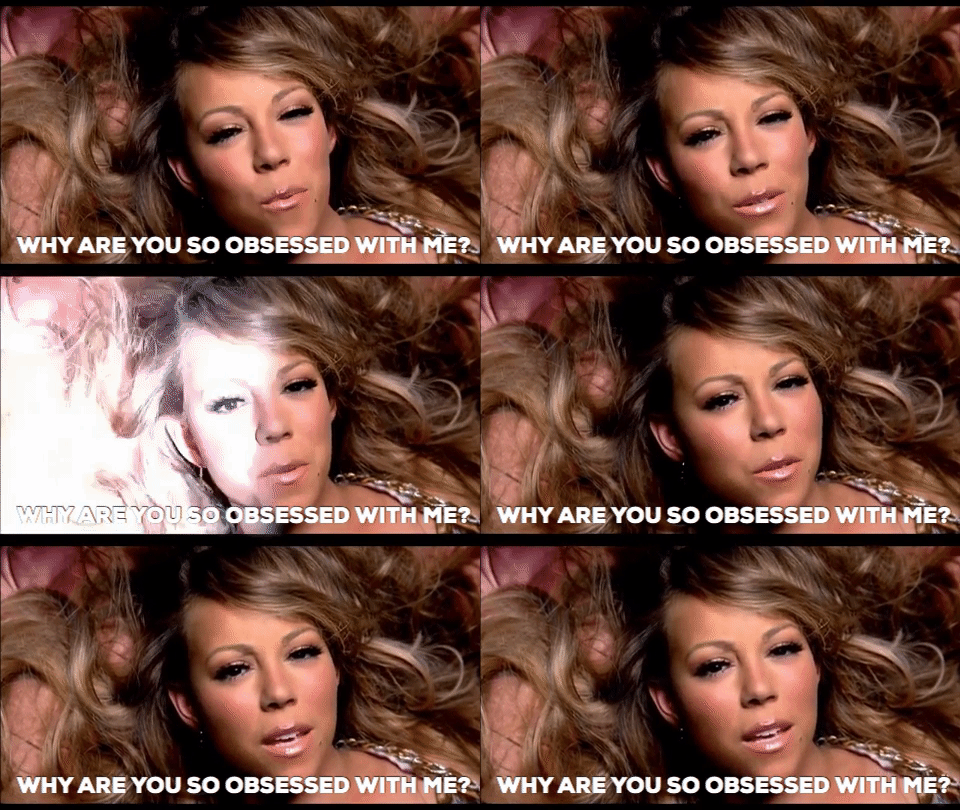
    “You don’t have to be obsessed with me”

    Mariah Carey - Obsessed
    Like the icon that he is, the man says he has no intention of taking that route.

    In his own words, “there are many things for us to worry about… we do not have to be obsessed with me. Please stop being obsessed with me”, he told a Kentucky newspaper.

    Lanshima is already campaigning at home.

    Like all serious candidates, he’s appeared on AIT. His campaign website says “I believe in Nigeria, and the immense potential that permeates our country, as well as the tenacity and ingenuity of our citizens,”

    See what I was saying?

    During that period, Lanshima has been paid 40,000 dollars of American taxpayers’ money. Can someone say ‘Awoof?’

    It’s not clear if he’ll be the APC’s chosen candidate in his constituency but we stan an icon with follow-come work experience and multiple streams of income.


  • Nigeria’s 2019 General elections are close, but what’s super close is the deadline to register to be eligible to vote.
    On the 6th of July 2018, the Independent National Electoral Commission (INEC) said it’ll suspend the Continous Voter Registration (CVR) by 5pm, August 17. At the time of the announcement, the CVR was ending at 3pm, only on Mondays to Fridays. This timing clearly made it more difficult for working-class people to register.

    INEC listened to feedback, and later announced that from August 1st, CVR will happen till 5pm everyday of the week, including Saturdays and Sundays. Awesome.

    While this is great, it still doesn’t solve some fundamental problems with the process.

    We asked over 100 Nigerians currently living in at least 10 states in Nigeria, all scattered across every region. The problems appear to be the same.

    “I don’t even know where to register.”

    28.5% of the respondents say they don’t even know where to find registration centres in their area.
    This is despite the fact that tools already exist to make this process easier. INEC’s website has features like a PVC locator and a Voter Verification page. GoVote has a locator to help people find registration centres.
    We built GetYourPVC.com to help people walk through the entire registration process in 5 minutes.

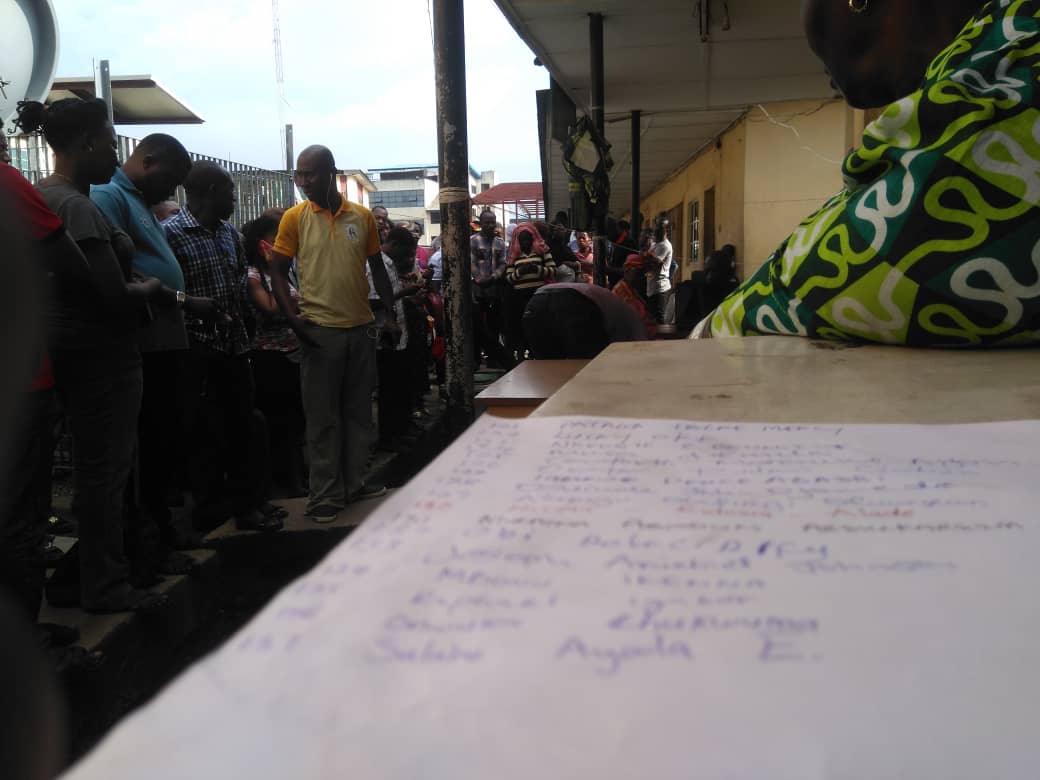
    “Have you seen the queues?”

    “I’ve been there like 3 times,” Blessing said, “but every time I reach there at 6am, my number on the list will almost be at no. 200. I got tired and stopped going.”

    She’s not alone. Over 48% of the respondents say this is why they haven’t registered. The understaffed INEC centres take the hit, with officials transferring that frustration to people trying to register.
    “Someone came out and announced,” Bankole said, “We’re only registering 100 people today.” The crowd was way more.

    “They were collecting ₦2000 to register people.”

    That’s what Prince said. There have been allegations of INEC officials taking advantage of this overwhelming process, collecting bribes, and giving preferential treatment.

    But complaints like these, including the “they said the machines were bad” issues, only account for less than 3% of reasons people gave for not wanting to register.
    People we’ve spoken to have generally commended the INEC officials for sticking to their albeit cumbersome process, and refusing bribes.
    “In the INEC office I registered,” Samsideen said, “they were very strict and were sending away people wanting to break the process.”

    “What’s the point?”

    With almost a third of the people in the survey not believing in the electoral process, this might be an indication of a wider problem.

    Allegations of election malpractice from the 2015 general elections has bred mistrust. Reports of misconduct by INEC officials like this one in Taraba isn’t helping (INEC fixed this immediately). According to Taiwo Makanjuola, INEC’s Citizens Contact Center Manager, INEC has had a pretty good record in the past few years. “Since 2015, we’ve conducted elections in 182 constituencies, and only 2 have had issues at the Tribunal.” Apathy is not exactly a Nigerian problem. In the United States, almost half of eligible voters didn’t even show up in the 2016 elections Trump won.

    Updated poll numbers

    231,556,622 eligible voters 46.9% didn’t vote 25.6% voted for Clinton 25.5% voted for Trump 1.7% voted for Johnson — Josh Nelson (@soxmachine_josh) November 9, 2016 Bringing it back home, of the 67,422,005 registered voters, only 43.65% of them came through to vote in the 2015 elections.
    Even worse is the fact that the total votes cast in 2015 was about 10 million less than was cast in 2011. Still, Taiwo believes the turnout has been impressive. “Since April 27, 2017, when CVR started, about 11.4 million Nigerians have registered.” The inconveniences people are currently facing, he believes, is a consequence of the last minute rush. What this means, is that INEC didn’t properly prepare for this rush, inevitably cutting a significant amount of people off.

    This is just one poll.

    The observations on the other hand, are valid; a lot of people won’t be able to vote in February 2019, and it won’t be because they didn’t try.

    It’ll be because of the flaws that could have been avoided in a more efficient system.

    Have you registered?

    If you haven’t, visit getyourpvc.com and in 5 minutes, you’ll have a better understanding of what it is you need to do.