Notice: Function _load_textdomain_just_in_time was called incorrectly. Translation loading for the wordpress-seo domain was triggered too early. This is usually an indicator for some code in the plugin or theme running too early. Translations should be loaded at the init action or later. Please see Debugging in WordPress for more information. (This message was added in version 6.7.0.) in /home/bcm/src/dev/www/wp-includes/functions.php on line 6121 nigerian children | Zikoko!
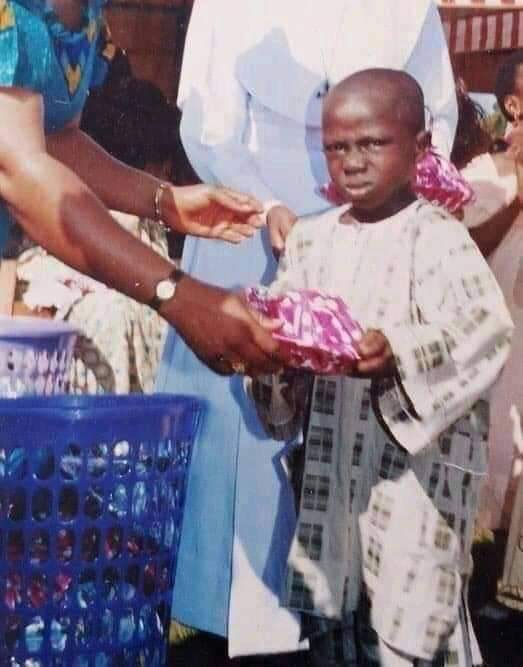
If you were forced to attend enough parties as a kid, you’ll definitely be able to relate to this one. I wouldn’t be surprised if I found out that every Nigerian MC attended the same MC school for MCing children’s parties.
1. “A Chu Chu….A Chu Chu”
I promise you, MCs this is not the only way to start a party, and this is not the only way to test a microphone.
2. “Who can tell me why we’re here?”
The answer is always something like “Destiny’s birthday!” And the winner will win something like a Caprisonne.
3. “Who can tell me the celebrant’s name?”
“Destinyyyyyyyy”
4. “Go and bring your mummy to dance”
Mothers will be sitting on their own and somebody will just drag them out for some embarrassing dancing competition. Kids really need to be stopped.
5. “Is she the winner?”
After the dancing competition for the parents, the children will spend the next twenty minutes equally embarrassing themselves in the name of dancing. And then obviously the winner will win something too. The circle of life.
When a lot of people recall childhood beatings, it’s often with a hint of wry humour and I’m usually just blown, like
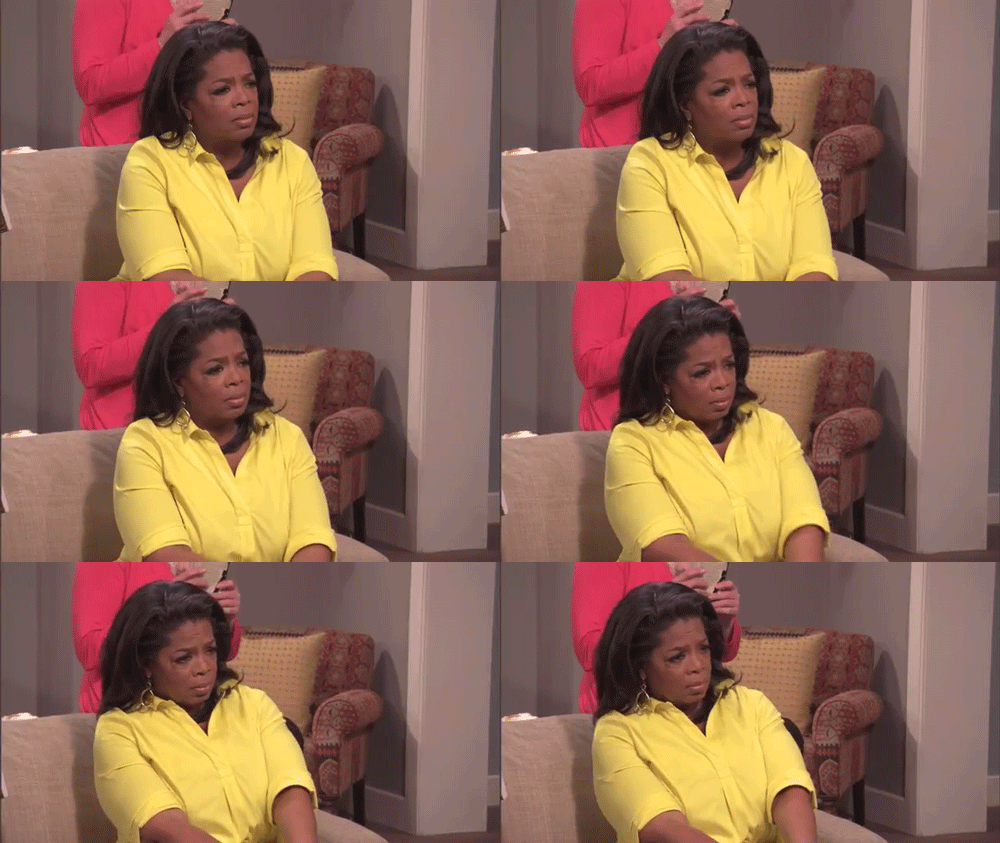
Excuse me, what about getting beaten is funny?
Your dad or mom had you hospitalized and left a permanent scar on you and you’re laughing almost fondly? What in the Stockholm Syndrome is this?
I often find that the longer people tell these stories, the humour fades and their true feelings of the events are exposed – whatever they may be.
Admittedly, if I were asked to recount such tales, I’d probably laugh in the process of telling it as well. Well, that just might be because I’m damaged. Who knows?
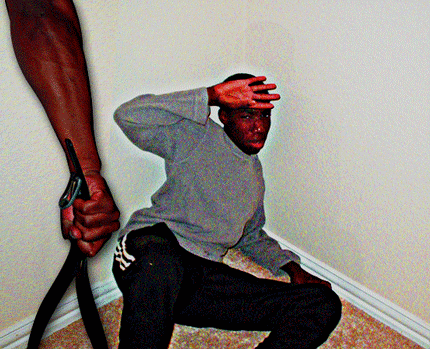
Corporal punishments or what we call beating, is tightly woven into the average Nigerian or African’s correctional culture.
It starts at home with parents, aunts or uncles and older siblings, and extends to school and sometimes even religious institutions.
In fact, it’s not the strangest thing to see a man or woman “discipline” a complete stranger’s child for some wrongdoing or other.
They say it takes a village to raise a child and this village believes in the supposed effectiveness of beatings. However, with all the beatings and supposed discipline, crime and immorality are still rife in the society.
A lot of people will argue that beatings didn’t leave any lasting mental scars, that they’re actually better for it.
These same people look forward to beating their children for not much other reason than ‘well, it was done to me and I turned out well’.
That might be true, but you could definitely have turned out a whole lot better. In an environment that often disregards mental health, it would be hard for you to even tell the signs.
Damaged people damage people.
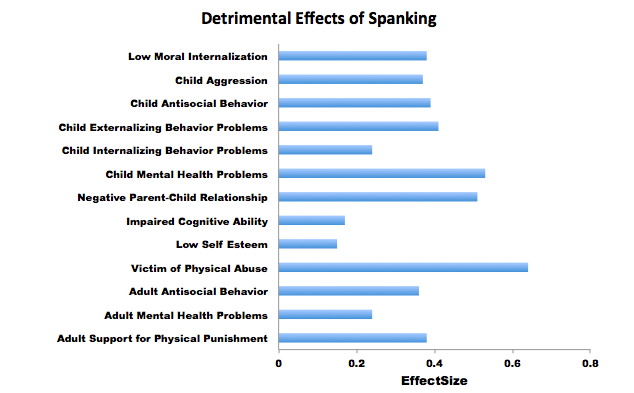
There are many detrimental effects of corporal punishment.
If you were beaten as a child, it’s okay to admit that you are damaged. It makes it easier to notice the signs and break the cycle.
Unless you have the very spawn of the devil as a child (which is very unlikely) there’s no way he/she won’t be able to discern right from wrong, especially if broken down and properly communicated to them.
It doesn’t have to be etched on their bodies through beatings. In contrast to what parents are trying to achieve, the child most often only learns to fear punishment, rather than understand why he should follow rules. They become sneaky and learn to hide bad behaviour well, because of the fear of punishment.
AKA “wrong is what gets you punished; right is what gets you praise or avoids punishment.” Morally upright, indeed. See this.
Beatings don’t teach your child to behave properly. A child who gets beaten for fighting a sibling won’t magically learn how to get along better in future.
Parents are in fact just sending a confusing message by doing exactly what they’re trying to get the children to not do. Children do what parents do, more than what they say. Effective discipline should always teach new skills, and parents are responsible for the child they raised.
Parents often lose it and react, and in the process don’t teach anything other than that their child should be afraid of them. Parents who use corporal punishment often react out of desperation before they really consider the underlying reason.
The child just gets beaten without fully understanding what they did wrong, simply learning that their parents don’t like it and not to do it again… and get caught.
Parents who employ corporal punishment as a discipline tool are simply training their kids to resent them.
Beatings damage your child’s self-esteem, their ability to interact properly with others, their view of the world and their view of how they deserve to be treated!
Beatings push your children away from you, and they become vulnerable to picking up vices from strangers. They also perfect bad habits such as lying. Why make your child grow up traumatised?
Punishment isn’t the only facet of discipline! In fact, if your discipline consists of just negative consequences, it isn’t very effective.
Some parents, when asked why they beat their children, will say out of frustration “I don’t know what else to do.” How would you feel if you were meted out that same punishment by a spouse or loved one with the excuse of them not knowing how else to let you know you’d made a mistake? That would be termed ‘Emotional Pain and Suffering’ for an adult, so why do we believe children don’t have the same feelings that adults do?
The screaming that comes from a young child being beaten is not so much the result of physical trauma as it is emotional trauma. They experience the overwhelming emotional pain of rejection, worthlessness, and the betrayal is usually much worse than any physical pain.
So, is #StopBeatingChildren a relevant movement in the Nigerian society? Yes.
We need to recognize beatings for what they are – abuse. We need to break the cycle of abusing our children because we were abused.
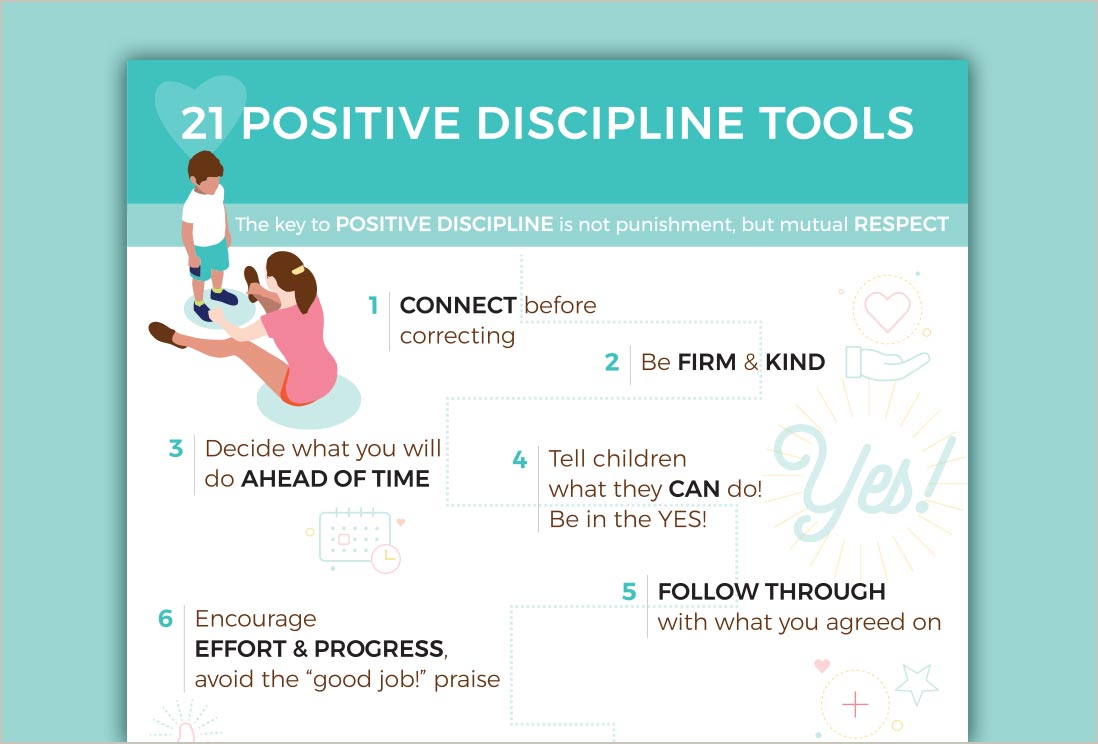
There are other equally effective methods of disciplining a child without physical (or verbal) abuse.
Parents can try, for one, actually talking to the kids like they’re human beings with brains. They should also try educating them as patiently as possible about the dangers or implications of their bad behaviour.
Ignore them, ground them, take away something they love, clearly express your disapproval and lecture them if need be, just do anything but abuse them.
The mental scars you inflict on them will last longer than any lesson you’d like them to learn.
What are your thoughts on using corporal punishment as a discipline tool?
We don’t know who started them or where most of them or where they originated from but we remember that these stories gave us sleepless nights.
For those who went to boarding school you definitely remember madam koi koi the dead teacher who came back to haunt boarding school students in red heels.
We don’t know how the same teacher reached all the boarding schools in Nigeria o.
That if you beat a boy with a broom he’ll become impotent.
We don’t even know how the two are connected.
Did you ever hear the one about how drinking coconut water will make you a dullard.
We still don’t drink it sef better safe than sorry.
That if you eat fish eye too you will also become a dullard.
Remember how we used to sing oju eja lo mo je.
When you eat mango after drinking garri or coke you’ll die immediately.
Has anyone tried this one yet because we are still afraid?
When you see this bird you’ll get white crests on your fingernails.
How did we even believe this?
Anyone who sleeps with their legs on the wall is a witch.
In fact if your leg is on the wall that means you are at your weekly meeting.
If you swallow orange seed or even any fruit the plant will start growing in your stomach
We really want to know who started this one.
If you swallow chewing gum by mistake it’ll tie up your intestines.
Don’t lie you started crying the first time you swallowed chewing gum by mistake.
Snakes will come to your house when you whistle at night.
In a Nigerian home, there’s a very fine line between being a child and being an adult. 21 might be the official legal age for most things like voting or drinking but if you think that’s when you come of age then you are a joker. To prevent your parents from calling a family meeting on your head, here’s how you really know you’ve come of age in a Nigerian home.
When your mum starts putting two pieces of meat on your rice.
Is this me
When they ask for your opinion during a family meeting.
You mean you want my opinion??
When you are still out at 7pm and your mother hasn’t called you ten times
I don’t understand what’s happening right now
When they start using style to ask you if you have a boyfriend/girlfriend.
Is this a trick question?
When your parents stop sending you pocket money just because you got one small job like that
Am I not your child again?
When they start asking you what you are still doing in their house.
Is it not our house again?
When they bring NEPA bill and your parents ask how much you are going to contribute
But when did this one start?
When your mum starts asking you for grandchildren
Please ma stop this rough play
When you can go out without dropping 5 working days notice
Ehn sho mo age mi
When during family prayer your parents only prayer point for you is to get married and leave their house.
When did this one start?
When you tell your parents you have a boyfriend and they reply ‘Thank God o!’
Is it that serious?
But the surest way to know you’ve come of age is when they give you signs you’re ready to become a parent. Are you ready to have a child? Watch this video to find out what Nigerians have to say about parenthood.
Kids Say The Darndest Things was one TV show many of us loved watching as children. Children came on the show to give their unrehearsed opinions on various issues.
The show which was initially created in the U.S is now being produced in Lagos for Nigerian children. Here are some of the funniest episodes:
This hilarious Father’s Day episode.
https://www.youtube.com/watch?v=GoAtaPNKb5o
This sassy 10-year old who loves Ariana Grande.
https://www.youtube.com/watch?v=lX6kdJ41IzA
These little girls that had so much to say about their parents.
https://www.youtube.com/watch?v=8Psh3TfBf1Q
When some children had to act as customer care agents for a day.
https://www.youtube.com/watch?v=y7DjWpVce9Q
Their funny reactions when they took a taste test.
https://www.youtube.com/watch?v=0I2A2czMORI
This girl’s secret confession is too funny.
https://www.youtube.com/watch?v=x3oH9UU29kU
To watch more episodes, check out their Youtube Channel here.
Featured image credit: Bella Naija
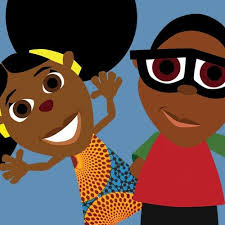
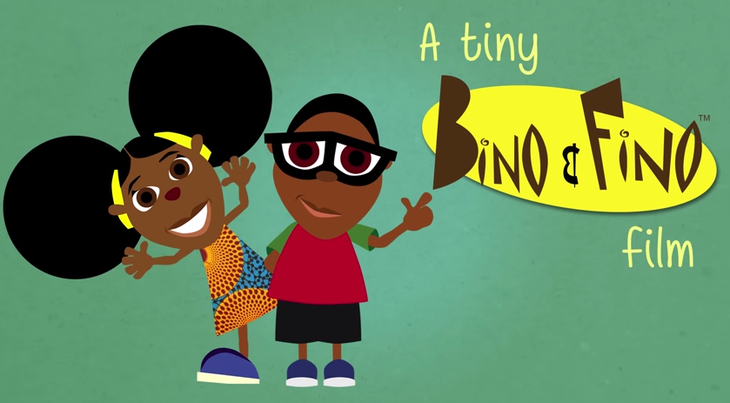
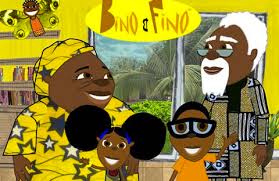
From the stables of EVCL studios is this cartoon series aimed at educating children between the preschool and toddler ages.
Learning just got more interesting and creative.
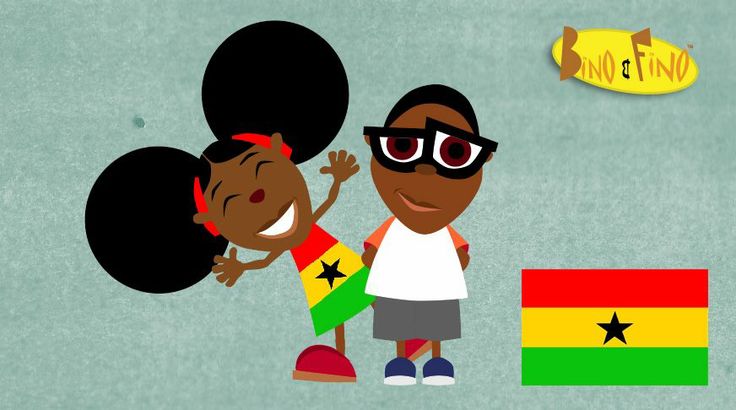
The cartoon series was created to reach out to African children within and outside the continent by providing information on African history through entertainment and fun.
The need to help African children connect with their heritage prompted the EVCL team to create the series in 2010.
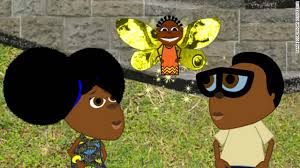
The characters are siblings who go on really awesome adventures with their friend, Zeena the butterfly.
Based in a modern African city setting, Bino and Fino live with their grandparents, Mama Mama and Papa Papa.
Topics such as female empowerment, geography and also the ways of life of people of other cultures are explored during their adventures.
The cartoon has been viewed across countries like Nigeria, South Africa and even the UK.
Some of their videos are on their Youtube channel, while more episodes can be bought off their website.
You can watch the official trailer of Bino and Fino here.