Notice: Function _load_textdomain_just_in_time was called incorrectly. Translation loading for the wordpress-seo domain was triggered too early. This is usually an indicator for some code in the plugin or theme running too early. Translations should be loaded at the init action or later. Please see Debugging in WordPress for more information. (This message was added in version 6.7.0.) in /home/bcm/src/dev/www/wp-includes/functions.php on line 6121 market | Zikoko!
Nigerians are not smiling at the moment, and it’s for good reason. Fuel scarcity, sudden subsidy removal, exchange rate palava and inflated foodstuff prices — we’re going through a lot.
But again, things aren’t that bad. You can still go to the foodstuff market with ₦1k. We can’t promise you’ll get the things you need, but you surely won’t return home empty-handed.
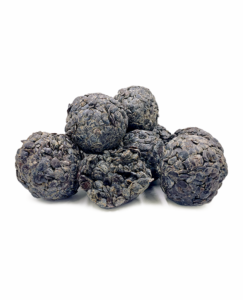
Locust beans
Source: FarmhouzNG
Did you know this is a great alternative to seasoning powder? Ask your granny. She’ll share the secret.
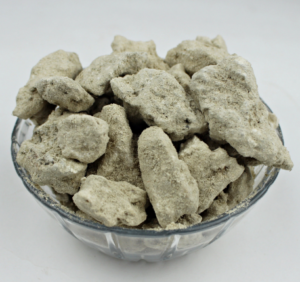
Limestone
Source: Afrilege
Don’t you need to soften your ewedu leaves? It’s cheap, and remember the point is to not go home empty-handed.
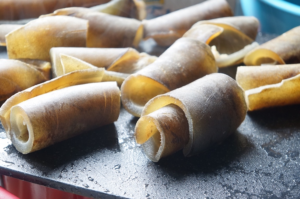
Kpomo
Source: 9jafoodie
Forget turkey and beef, word on the street is kpomo is king. Your pot of soup might smell funky, but it’ll be loaded with “proteinous” pieces.
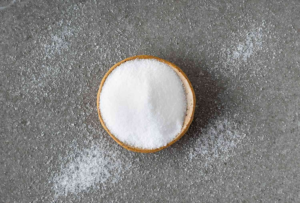
Salt
Source: allrecipes
Salt is life, so it makes perfect sense that it’s cheap.
Potato
Source: Mile12mart
Sweet potato is ridiculously cheap.
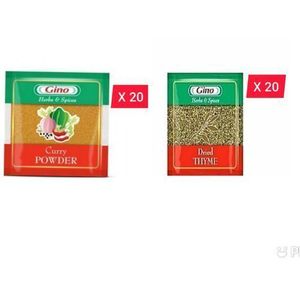
Curry and thyme
Source: Jumia Nigeria
Bring the neighbours to the yard with your cooking. The food might be bleh, but the aroma will do what you need it to do.
Vegetable
Source: Guardian
Ewedu, ugwu, waterleaf. Maybe this is the motivation you need to start your home garden.
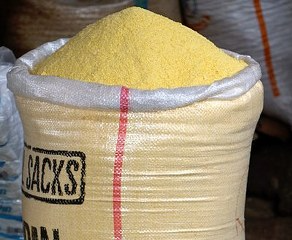
Garri
Source: HTC Plus
Garri stays the most loyal grain in Nigeria — a paint bucket is still about ₦1k. We should give this king his flowers.
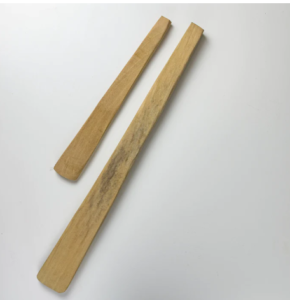
Spatula (AKA omorogun)
Source: Mychopchop
At this point, ₦1k is showing off because how dare you afford a kitchen utensil.
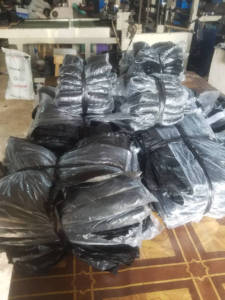
Polybag
Source: Nairaland
Because how else will you carry your groceries home?
How would it feel to have access to free healthcare, especially as a woman in the informal sector? For this article, we spoke to 5 Nigerian women who shared with us the challenges they face with work in the informal sector, and the need for free healthcare to make things easier for them.
*Mrs. Olujimi.
I sell shoes in a very busy market. To make as many sales as I can, I have to be up as early as 6 or 7 AM. It is a fast life, and also very full of stress. I sit in the open space to call out to passers-by who might be potential buyers. I have to jostle with other competitors too.
This spot isn’t convenient for me. The weather isn’t always favourable, and when you add this to the daily stress of stocking the shoes, waking up early to go to my spot in the market, shouting to beckon customers, the effects on my health can be a lot. I believe that healthcare can go a long way to make a difference.
Ijeoma.
My name is Ijeoma. I sell fabric. Adire and George are the major ones I often stock. For me, I open my shop by 7:30 in the morning. The display of the fabric is what takes all the time. Because of the large sizes, it can take me up to two hours to display all the fabrics.
While displaying, I often force fabrics into the display space to allow for more room. As a result of this, I have a lot of problems with my right arm. The pain slows me down when it hits. It is annoying, stressful, and when it happens, I cannot work at my full capacity. Having access to affordable healthcare will make a difference for me.
Mama Habeeb.
Food is my own business here. Every morning, I cook rice, beans, and spaghetti. I fry plantains, prepare a stew with meat, fish, eggs, and ponmo, then, I head to the market to sell.
It’s hard work. Cooking, dishing, and trying to ensure I make a profit. And yes, there are health issues too. Especially with my hands — they do all the job, so they are bound to complain. But then, what choice do I have? I have to press on. You go to the hospital, they charge you for tests and drugs. And it’s not like I can choose to buy just any drugs without getting tested to know what is wrong with me. I need better healthcare, but when the money is not available for it, what will I do? Me I have left it to God.
Mrs. Linda.
My trade requires a lot of moving around. I leave the house around 5am to go buy the soup items I’ll sell that day. After buying, I return home to rest briefly and shower before I prepare for the day’s business at the market.
Falling sick is a major worry because of the stress. The last time I fell sick, I know how much I spent. I wanted to get well quickly, so my business would not suffer it. My children are young and they go to school, so I had nobody to stay in my market spot for me. Despite how sick I was, I had to come to the market so I could raise money for my own treatment. It wasn’t a very great experience.
Osas.
My day begins with me arranging shoes on the display rack. The quality and beauty of the shoes displayed are what attract potential buyers to stop by and check out the other things we have on the rack. Sometimes, we have to persuade them. Customers need convincing before they buy and you have to be ready to do it when the situation calls for it, which is everytime.
Hustling is what I do. It is what we all do. And even though we don’t plan for it, sickness is definitely going to happen. When it comes, either you have money to go to a hospital or you have to treat yourself. Ordinary drip that you’ll call a nurse to come and give you sharp-sharp, it can cost you N5,000 in the blink of an eye. How does one account for that?
Did you know you can nominate a woman in your area to receive access to healthcare coverage?
To celebrate International Women’s Day 2021, GTBank is giving 1000 women in the informal sector free access to healthcare coverage. Here’s how you can be a part of this:
More details below.
To celebrate #IWD2021, we #ChooseToChallenge by giving 1000 women in the informal sector free access to healthcare coverage for a year and we need your help. #GiveHerBetaHealth
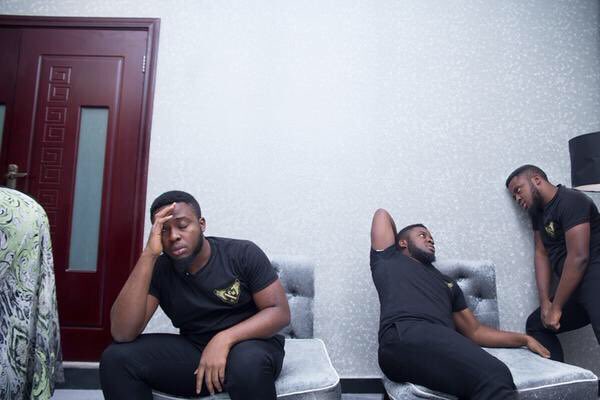
1) Make sure you go in the afternoon when the sun is hot as hell.
Because they’ll be exhausted by this time and easy to manipulate.
2) Find the shop of a seller who clearly looks like he/she can’t even anymore.
They’re super easy to spot.
3) If you’re looking to buy something in particular, don’t let the seller know.
No matter what item you’re looking at, have a look of utter disgust on your face.
4) If/When you do find what you’re looking for, casually ask:
Your facial expression has to make them think you finally found something you don’t hate.
5) When they tell you the price, scream:
Clutch your chest for dramatic effect.
6) When they ask you how much you want to pay, slash the price they called for you and slash it in half.
After all, they’re the ones that asked you how much you want to pay.
7) The second they disagree, walk away.
Or even better, start walking towards one of their competitors. They’ll beg you to come back because it’s almost the end of the day and they want to make the most money they can before closing.
8) As they reluctantly pack the things you bought, laugh maniacally at the fact that you broke their spirit.
You are victorious.
What’s up, Zikoko Fam? It would mean the world to us if you spared a few minutes to fill this Reader Survey. It’s so we can bring you the content you really want!
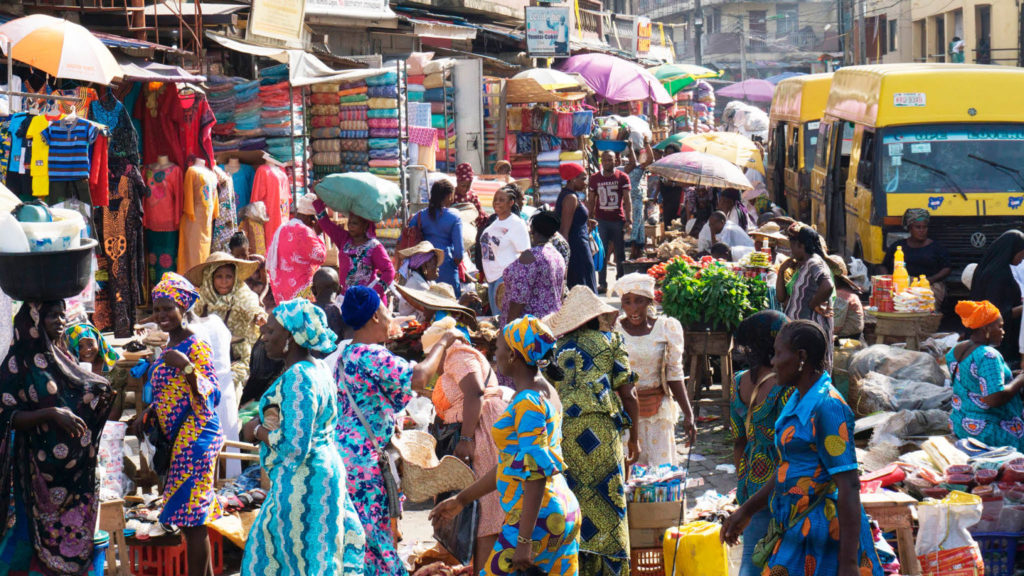
Going to a market at any time in Lagos is helluva stressful, and it requires more planning than your purchase list. Dealing with sassy market women is one thing, having to navigate the tricky pricing and fight for breathing space is another.
Here are some things you’ll relate to if you’ve ever been to a Lagos market:
1) Having to hold onto your bag with a death grip or wearing your backpack on the front.
That’s the only way you can ensure someone with a knife doesn’t cut it off your arm and run off with it.
2) Not picking up any calls or responding to any text because you don’t want anyone to steal your phone while you’re distracted.
In fact, don’t take your phone to the market because pickpockets will find a way to grab it, even if they have to put their hands in your bag or cut you with a razor to get it. Ruthless, those folks.
3) Walking under the sun for countless hours looking for that one item that is scarce now even though you saw it everywhere two days ago.
Suddenly everything is a mirage, and you’re not sure what you saw before.
4) Avoiding sellers with harsh facial expression and bad mouth.
There’s always that one man or woman that will abuse your ancestors because you tried to bargain.
5) Getting pulled left, right and center by people wanting to sell their wares to you by fire by force.
You must see their goods by force o!
6) Staying sharp and trying to avoid buying bad products.
Because you know there’d be a switch if you glance away for a minute. You’re sure to learn this the hard way.
7) Dealing with the reality of zero guarantees and no cashback.
You have to shine your eyes well if you don’t want to be scammed.
8) Having to wear your worst outfit to the market because you know it can’t get ruined any further than it already has.
That’s the only way you can endure the mud on the road, dust, and dirty hands.
9) Get ready to be shoved by the neighbours of people you buy from.
It’s guaranteed that a jealous market woman will shoo you away, abusing you and the seller you’re buying from. Usually, because his goods are in her space and you’re encroaching on her territory by trying to look closer at them.
10) Sellers always have an excuse for a price hike.
They have a Ph.D. in this field. They usually blame Buhari’s government or school fees period.
There’s also the famous one about ‘odun’, which is used during festive seasons; Christmas, Easter, Valentine’s day, Sallah, Muhammad’s birthday, Independence Day, Workers Day. You name it, they’ve got it.
11) Leaving your glamour at home.
Face full of makeup and lots of accessories and jewelry? Lagos markets are not friendly to that. If walking around doesn’t make the makeup feel heavy after a while, then having your jewelry stolen will make you weep with regret.
12) Don’t even bother to take your car to the market because the car park is so far off.
You’ll wish you didn’t by the time you trek for 3 hours, and you’re nowhere near the market.