Notice: Function _load_textdomain_just_in_time was called incorrectly. Translation loading for the wordpress-seo domain was triggered too early. This is usually an indicator for some code in the plugin or theme running too early. Translations should be loaded at the init action or later. Please see Debugging in WordPress for more information. (This message was added in version 6.7.0.) in /home/bcm/src/dev/www/wp-includes/functions.php on line 6121
juju | Zikoko!
  • What She Said: Growing Up around Juju Made Me a Stronger Christian.

    What was it like growing up in Edo state?

    It was fun. I grew up in a town close to Irrua, my father’s village in Edo Central. Family was a huge part of my upbringing; I have five siblings, but there were always other people around, even people who weren’t family by blood. There’s a warmth that Edo people have. You might not necessarily agree with how people lived their lives, but you loved them anyway, despite their moral choices. 

    What sort of moral choices?

    Let me tell you a funny story. There was this family we were always intrigued by: they were step-siblings, but everyone got along nicely. The legend was that Mr A was sleeping with Mr B’s wife and vice versa. When they all found out, there was a huge scandal, and one of the couples had to move, but they eventually switched partners. So now, Mr A’s wife is with Mr B, and vice versa. 

    Many girls I went to primary school with were pregnant for boys their age by the time they were 14 or 15. I never judged them. Of course, people would talk, but they were never ostracised because it happened often. It was also expected for the girl to move in with the boy’s family. That’s how many marriages started. 

    You’d just hear, “Oh, this babe has gone to her husband’s house o.” Not because the bride price was paid, but because she got pregnant, and that was it. And these were young 16 to 17-year-olds, and sometimes, they got pregnant the first time they had sex.

    So there’s value in investing in sex education in that part of the country

    Absolutely. If anything pushed me into development communication, it was the fact that some things people term as “normal” can be prevented with better education. For instance, someone gets pregnant at 16 because they didn’t know they could get condoms. And despite how seemingly open the society is, they were ashamed to talk about it. 

    The culture is also very brutal on women, specifically. I remember one day, we were driving home from school, and we saw a woman being paraded naked for adultery. Our driver said it needed to be done to prevent a curse on her household.

    That’s awful. Did it affect your mindset?

    That was a turning point for me. My feminism started because I saw a lot of marginalisation of women growing up. I’d see stuff and say, “God forbid.” 

    When men beat their wives in public, people would say she probably offended him, she didn’t behave right, etc. The patriarchy is strong in these parts. The women who live in Edo are strong and outspoken, but the moment they’re with a man, it’s almost like all that they are exists to be a feather in a man’s cap. 

    After I saw the woman who was paraded naked, I started reading books about Edo culture because I was curious to find out if what the driver said was true. I was very studious and serious about school, and reading and people kept saying to my dad that “I’ll marry a man, so he’s spending all that money just for a man to marry me.” It was all very misogynistic. 

    Moving to Abuja in 2016 made me realise that women there could have more agency. A lot of the women I was told were bad women when I was growing up were just women who didn’t get married or want to remarry. The core of who I am, my feminism and belief in women’s rights was shaped by those experiences.

    I guess it’s a microcosm of the larger Nigerian society.

    But there were good parts, too: the most beautiful part about growing up in Edo state is that you’re never alone. Everybody is invested and cares about your success, and always tries to contribute. There’s a strong sense of community based on the fact that we know we’re a minority tribe. 

    Recommended: I Needed to Cut Myself to Feel Something

    Minority in what sense?

    Edo state is one of the states where the people who speak the language live predominantly. For instance, Yoruba people are spread across different indigenous states and some other countries. The Edo language has about four main languages and 14 dialects. My father is Esan, while my mum is Bini. Although the groups are within the same state, they have different cultures. Another thing with Edo State is that you’re always in proximity to jazz whether you like it or not, so you have to be very prayerful. 

    We’re Catholic, and my family is very prayerful, especially my mum. We’ve seen first-hand what jazz can do. People say they don’t believe in it, and that’s fine, but I’ve witnessed it. One thing about growing up in Edo state that shaped me is that even though I have first-hand experience, I’m not afraid of jazz. How we see it in my family is that people will try, but we believe it won’t work. It’s helped my Christian faith become stronger. Understanding that juju exists and people would go to any length made me a better believer. 

    Do you remember a specific incident with juju?

    Yes, I distinctly remember how my dad kept getting the urge to sell the house when I was 11. He talked about it constantly for about three months, which was odd because he had no reason to sell the house. My mum tapped me and told me it wasn’t ordinary and that we should go and meet God. My family doesn’t believe in jumping from pastor to pastor; we just open our Bibles and pray indoors. So we prayed and prayed, and one day, we heard that our neighbour was sick and had been for a while. It wasn’t unusual because she was an older woman in her 70s. One day, my parents decided to visit her just to check on her, and the next thing, people followed them back home and started helping them to cut down a plant. 

    When I asked my mum, she said the woman was glad they came and that she would’ve come but was too sick to move. She said that she was angry that we bought the land from someone in her family she didn’t like, so she wanted us to be frustrated and leave it by force. 

    She asked my dad if he’d felt the urge to sell the land, and he said yes. She said she was the one who did it but hadn’t had peace of mind since then. She had broken some sort of code of conduct. If you’re from a certain place, you can’t do juju against people from certain villages because your ancestors might have been siblings and all that. 

    Meanwhile, the bigger the plant grew, the bigger my dad’s urge to sell the house. When they plucked it out, my father stopped talking about selling. The experience was surreal to me. It didn’t make sense that a plant was linked to someone’s mind. I kept saying, “This doesn’t make sense, ” and my mum was laughing at me. 

    That’s crazy. Was there ever a time when you realised how you grew up was different?

    My father was insistent on us travelling a lot, so we used to travel out of the state and country, but in short bursts, and we never travelled without family. So the first time I left Edo state for an extended time was when I went to Abuja for NYSC in 2016. The things that make you different aren’t apparent until you’re far from home and by yourself. It wasn’t until Abuja that I realised I’d grown up differently. 

    The first culture shock was that my voice was very loud. People used to tell me I was shouting whenever I spoke. On the other hand, I used to wonder why people were whispering instead of speaking out or why they cowered when trying to make points. It was different from the way we communicated back home. 

    In Edo, people are confident; they speak their minds without fear. Conversations were always about being confident and knowing that the other person is secure in themselves. There’s always room for debate, storytelling and general expression. People could disagree with you without being seen as malicious. In fact, cowering while speaking was seen as a reason to distrust you because why are you avoiding eye contact? Why are you shaking? Are you lying? Are you spineless?

    What else did you notice?

    Another thing that was odd to me was that people were very judgmental. Not that we don’t gossip where I’m from, but for instance, if a girl got pregnant, people would talk and stuff, but there was always a helping hand. 

    And a lot of people were barely close to their extended families. They cut family members off easily. It was fascinating to me because people behave like they don’t know what a mistake looks like. Even if you don’t agree with people, you don’t cut them off completely. I don’t have to agree with you to love you. I don’t believe in cutting people off. 

    If you’d like to be my next subject on #WhatSheSaid, click here to tell me why

    So you never cut people off?

    Not immediately. There are people who’ve done crazy things to me, but I have my way of dealing with it. I give them space, but they’d never doubt my love for them. 

    I had a friend who had a whole relationship with my man. I only found out because she got tired of him and threw him under the bus. It was jarring for me because I’m so happy-go-lucky. I talk everything out; it’s another thing I learnt from home. So I called her, and we talked it out. 

    I asked questions, and her answers made me realise that I didn’t want that kind of person close to me at that time in my life. So I kept a distance for three years. 

    One day, she called me, and we spoke at length. I could see that she had grown, and so had I. That’s the caveat for me; once I can see you’ve changed and evolved, I’m open to renegotiating the terms of our relationship. We’re not best friends like we used to be years ago, but we’re still way more than acquaintances. 

    The only people I don’t talk to anymore are people who promise change and don’t change. The way my brain works, it doesn’t remember the person until someone mentions them. But if I see they’re evolving, and doing the hard work, I give them space and then renegotiate the terms of my relationship with them when they’re in a better place. 

    That’s fair. Your upbringing is a factor in that, for sure. 

    Yes. I grew up being able to separate people from the actions they take. I know it’s flawed, but it’s my way. We are a sum of our actions, and we should be held accountable for them. That said, I find it useful to know what the motivation for the action was. So that as you’re facing punishment, you know you are not alone, and there is room for redemption if you decide to evolve. People are not just one way, and life is not black and white. 

    For example, I had a relative living in our house, who was really mean. When we were strapped for cash, and she had money, she’d lock herself in her room to eat. One day I asked why, and she told me all the horrible things that had happened to her. How different men got her pregnant and left her, and how even the kids don’t talk to her anymore because they believe she intentionally kept them from their fathers. I had more empathy for her after hearing her story and realised that she was mean because she was lonely. 

    I’ve learnt to separate people from their actions, especially their mistakes. The concept of people being multi-dimensional was very evident in the type of people I grew up around. I know people who are cultists and still the sweetest, kindest, people who’d always answer my questions when I was younger. They deserve to go to jail for their crimes, but they don’t deserve for their humanity to be stripped off them. 

    While growing up, I saw people make mistakes over and over again, and still reinvent themselves. I don’t discard people based on mistakes. And that’s who I am. 

    For more stories like this, check out our #WhatSheSaid and for more women-like content, click here

    Fair enough. Do you think your environment influences your work too?

    For sure. I grew up in a small town, and apart from travel — which my father insisted on — the only other conduit between me and the world was the media. I was also always inquisitive and sought clarity all the time.

    The most interesting thing, though, was that I saw firsthand how hard it was for my community to get the infrastructure it needed because of broken systems. So, I began to challenge those systems and did a mini-speaking tour, and eventually, I started some community reporting and decided to pursue it. Everyone assumed I’d study law because of this, but it never felt like a fit for me. My choice to pursue development journalism came from realising that communities need people who understand the intricacies of their layered lives to report them.

    There’s context behind every behavioural pattern, and there is work that needs to be done to put young people in communities on the right path, and the media is the perfect tool for this.

    Agreed. Any final words?

    Stop stereotyping Edo babes. Just stop it, abeg. Someone hears you are from Edo and thinks the most, but there are different personalities within tribes.

    Also, I find it fascinating that when people hear “I grew up in a small town”, they imagine Africa Magic Epic, when in reality, my town looked loads better than the places most people live in within big cities. 

    My siblings and I were always disappointed when we visited a Nigerian city, and it had so many slums. In Irrua, we didn’t see slums. I think people even build their best houses in small towns and villages, but what do I know? 

    Also read: I Couldn’t Bond With My Mum Because of My ADHD


    Growing Up around Juju Made Me a Stronger Christian.

    Find out more here.


  • No Be Juju Be This?

    Juju–fetish–is something many of us don’t believe in. After all, if it were as real and effective as some claim, then many politicians wouldn’t end up with generational commonwealth, nor would police officers go scot-free for their many crimes.

    But be it as it may, a community in Enugu have lost faith in Nigeria’s judicial system and resorted to getting justice the traditional way: by invoking ancestral spirits.  

    On February 22, 2023, three days before the 2023 National Assembly elections, the Labour Party Candidate for the Enugu East senatorial district, Oyibo Chukwu, was assassinated on his way from a campaign. Although he was replaced by his younger brother, Kelvin Chukwu, who won the election, the community leaders are still displeased with the killing.

    And to make matters worse, barely anyone in power, including Enugu’s state governor, Ifeanyi Ugwuanyi, has come out to condemn the act. Also, police and security agencies have refused to ascribe the death of Oyibo to politics; they’ve instead attributed the killing to the separatist group, The Indigenous People of Biafra (IPOB). 

    But, the deceased’s family insists that the killing was politically motivated, and to get justice, on April 4, 2023, community members and leaders gathered at the town’s square by 9 a.m. They “invoked the spirits of their forefathers and ancestral gods” and rained curses on those behind the assassination, the sponsors and their immediate families. 

    We’ll see if this becomes a rare case where juju or karma actually punishes criminals so a grieving family can get closure. And hopefully, Nigeria will become a country that values human lives, and families won’t need to rely on supernatural methods to get justice. 

    What Else Happened this Week?

    Soyinka Places $1000 Bounty on Misinformation Peddlars

    In the months leading to the 2023 general elections and after, misformation is an enemy everyone has had to fight. 

    During an interview with Arise TV on April 5, 2023, the Nobel Laureate, Professor Wole Soyinka, lamented that recently, some news media have been spreading fake news about him. And wanting nothing to stain his white, he has given a $1000 reward to anyone who can successfully point him to the author. 

    We must understand that misinformation and propaganda can cause violent extremism, fear, and anxiety and create unnecessary panic in society. And these are things we don’t need as Nigerians right now. 

    Video of the week

    Question of the week

    The Federal government has plans to create a portal for older persons to find jobs after retirement. What are your thoughts on this?

    Ehen one more thing…

    Ex-editor-in-chief of Zikoko, Fu’ad Lawal, has launched Archivi.ng with a mission to make a digital repository of 500,000 pages of Nigerian history from January 1, 1960, to December 31, 2010. Here’s why this is important.

  • Nollywood Needs to Go Back to Making Films About Juju

    Early this year, the Nigerian Parliament accused Nollywood of promoting ritualism through films and influencing Nigerians to commit crimes. But if you ask me, I don’t think we’re doing enough juju in Nollywood these days and it sucks. 

    Over the past couple of years, the eyes of the world have turned towards Nollywood, with streaming apps popping up with deals left and right. Not long ago, Netflix only showed movies that have played in the cinema, and now, they have their first original series, Blood Sisters. Honestly, it’s the growth for me. 

    But while these significant moves open us up to the world, I’m worried we might be losing some of the things that made Nollywood unique in the first place. 

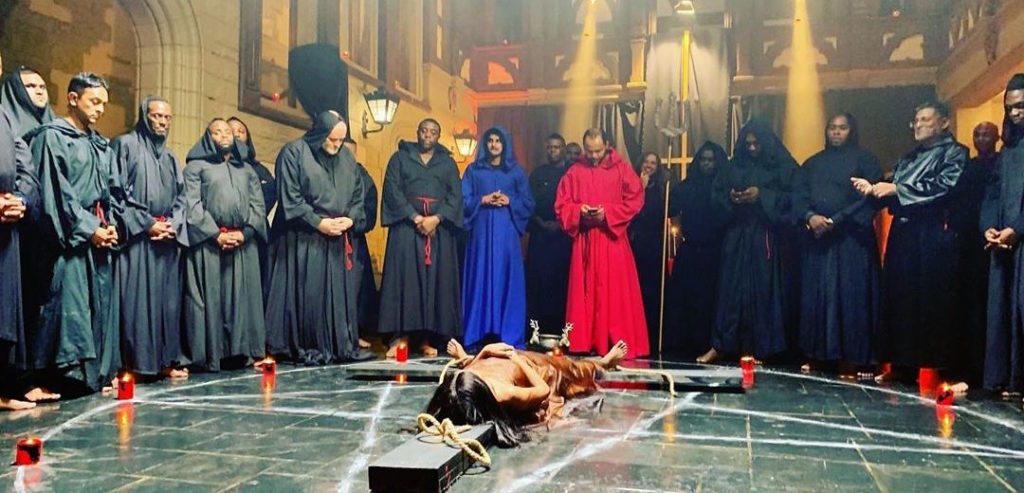
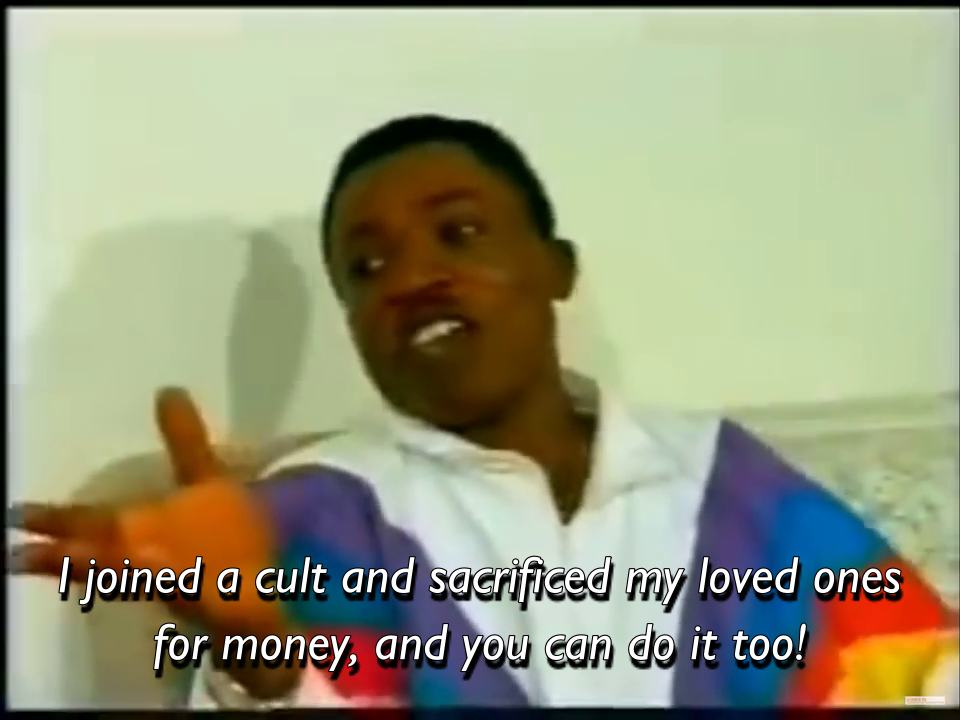
    When Ken Nnebue’s Living in Bondage came out in 1992, there was nothing like it. The film Introduced us to its unlikeable protagonist, Andy Okeke (Kenneth Okonkwo) and his thirst for wealth that saw him sacrifice his ride-or-die girlfriend, Merit. Living in Bondage not only started what we know as Nollywood today, but it also set off a deluge of films in the 1990s exploring themes surrounding blood sacrifices and supernatural elements: Blood Money, Karashika, End of the Wicked, Nneka the Pretty Serpent, etc. 

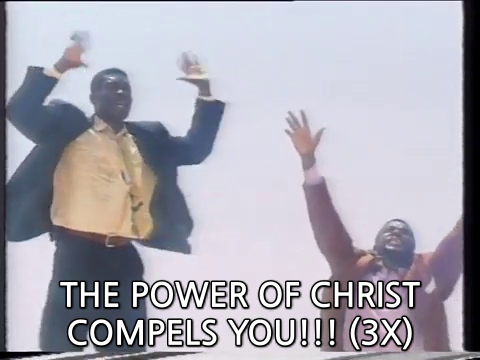
    This trend continued into the 2000s, with most of the films being moralistic tales of “you reap what you sow,” — if you do juju, you will suffer the consequences. Nigerians were obsessed! We watched these films repeatedly, knowing fully well that they all ended the same way — a deliverance in church or someone running mad. 

    So what went wrong? 

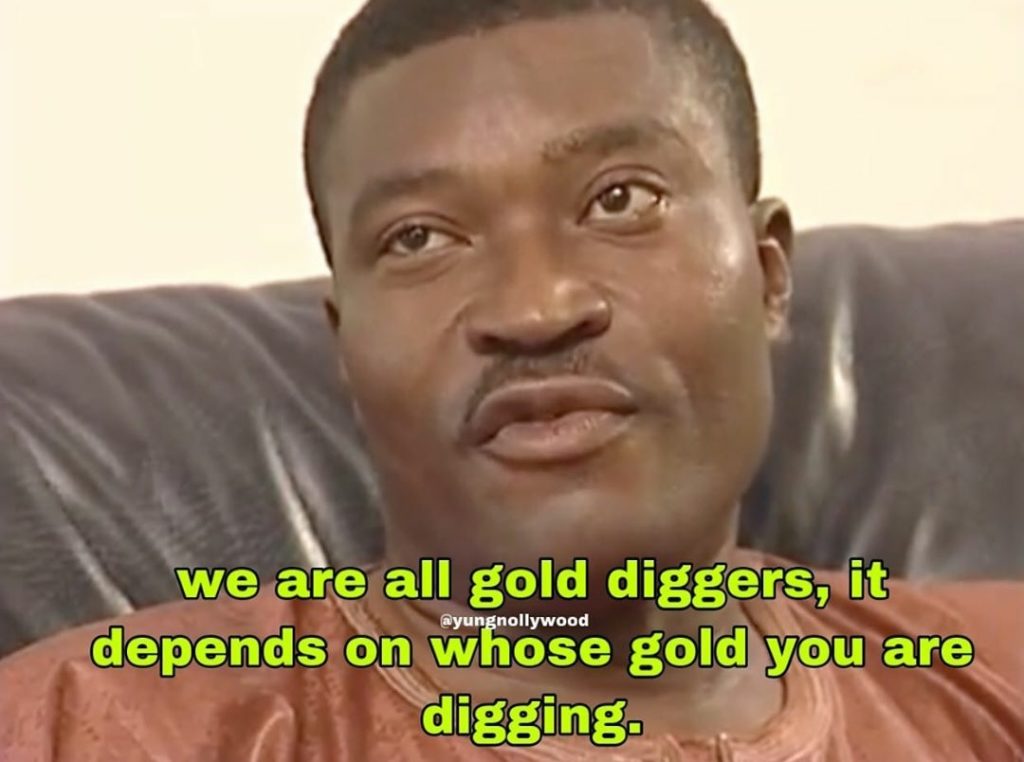
    There are only so many times a young man who just landed in the big city will sacrifice his wife and die from mysterious circumstances. The narrative became repetitive especially as the same actors were typecast for the same roles over and over again until it became their real-life identity. Like  Kanayo O. Kanayo, for example.. 

    With nothing new being added to the genre and the internet giving us more film options, juju in Nollywood quickly became “razz”. After all, it looked nothing like the the allure and flashiness of Hollywood. 

    RECOMMENDED: The Zikoko Guide to Making a Nollywood Romantic Comedy

    Thriving in spite of a romcom overload

    When The Wedding Party hit Nigerian cinemas in 2016 and became the highest-grossing film at the time, romantic comedies officially cemented their spot as the new Nollywood cash cow. Weekend after weekend, we watched one wedding, funeral or “IJGB looking for love” film after another with painfully similar storyline, same class of actors and Instagram celebrities. 

    And just like that, the same thing that affected old Nollywood bit new Nollywood in the ass. 

    Despite Nollywood’s insistence to milk this ensemble comedy genre, films exploring juju have thrived on the sidelines. C.J Obasi’s 2014 horror film, Ojuju is one such projects. The problem is these films didn’t show here in Nigeria; instead, they were screened in other countries for white-centric audiences. 

    This sidelining of juju-themed films changed with the success of Play Network’s Living in Bondage: Breaking Free, a remake of Ken Nnebue’s 1992 classic. It was followed by Surreal 16’s Juju Stories and more recently, Dare Olaitan’s brilliant Ile Owo

    We need more juju in Nollywood 

    Now more than ever — especially after films like the Chief Daddy franchise and Glamour Girls, Nollywood needs to return to the drawing board. The industry constantly complains about funding, but Nollywood thrived in the 1990s and 2000s, even in the face of piracy. 

    What we need now are intentional stories and, yes, more juju. Forget parliament — last time I checked, they tried to ban generators too. If recent films like Ile Owo and Juju Stories are anything to go by, it’s clear that Nigerians look for diversity in the entertainment we consume. 

    Juju films showcased Nigerians in a way other films didn’t. From the hustle of the everyday man to the belief in the sometimes quixotic grass-to-grace Nigerian dream, Nollywood scripting once had range — and filmmakers are capable of showing such range again. 

    It’s easy to dismiss films with supernatural elements as hyperbolic misrepresentations of our society, but they’re more than that. If executed properly, these films hold a mirror to who we are, and/or can be as human beings when pushed to a corner, especially when no one else is watching. 

    For example, in flicks like Love Potion and Suffer the Witch off Surreal Collectives’ Juju Stories, filmmakers explored obsession and consent in unique ways. Similarly, Daniel Oriahi’s Sylvia tackled mental health through the lens of a man dealing with his spirit wife. These themes are not new to Nigerians, but for some reason, they don’t get nearly as much screen time like new Nollywood’s run-of-the-mill party-themed romantic comedies. 

    The aforementioned films offer a more nuanced approach to juju storytelling. And if Nollywood wants to make juju-themed films again, they need to be conscious of how Nigerians have changed and evolved over the years. I refuse to settle for the old tropes and porous stories that characterised films from the past. Religion has evolved — to an extent, and I will ask questions when and if I have to. 

    A scene from Nneka The Pretty Serpent (1994)

    I understand now that sometimes, religion may not be the solution to all my problems. I also understand that sometimes, karma unlooks, and the bad guy wins. These are the things I’d like to see. Swap the moralistic tales for realistic lessons because the truth is, the evil that men do don’t always come to bite them in the ass — and that’s just life. 

    ALSO READ: Nollywood Keeps Doing Remakes, So We Ranked Them From Best to Worst

  • 4 Nigerians Talk About Their Experiences With Juju

    Is the average Nollywood movie complete without someone mentioning or going to a shrine? To find out if it is as prevalent and popular in real life, I asked my Twitter followers and some people I know in real life about their experiences with juju/jazz. The answers? Absolutely fascinating.

    Ben, 32.
    In 2018, I was going through a very rough patch – financially, physically, every way you could imagine – and then a friend suggested I go see this person he knew that does prayers. I was desperate, when I got there I realized it wasn’t a place for ‘prayers’ like my friend told me. However, I won’t lie I went on with it because I was desperate. After consulting with the ‘spirits’ and everything, he gave me a cup that had some very salty water and a stone. I paid ₦15,000. He said it would ward off the evil spirits that was bringing bad luck. Six months, later my life was still the same so I threw the stone away.

    Shola, 20.

    I haven’t used juju on anyone, but it’s been used on me. It was a Sunday and I was going to church from school in Akure and when I got to the bus stop, a guy came to meet me and spun a lie about how his mom was dying and he needed to see a herbalist for the cure. He begged me to lead him there, but I said I didn’t know the place. Another man came to meet me and said I should help the guy with the “sick mother”. We walked together for a long while till we got to a house made of mud. A man came out and performed some rituals. When I left, I realised the money with me had disappeared and so had the Samsung Galaxy tablet with me also disappeared. He spoke some incantations and these things happened before my eyes.

    Chioma, 41.
    My husband married another wife after getting a new and better position. I was very angry and I started going to church to pray against it happening. One day, someone I met in the church came up to me and told me she had heard and told me I had to fight for my family. I told her, I was doing what I could do. She told me, that this wouldn’t cut it and offered to take me to a person she knew and at this point, I was desperate enough to do it. The place we went to was three towns far from us. The man listened as I talk and then told me how much it would cost. When he started explaining what the thing he was giving me would do: abort the girl’s pregnancy, possibly make it so she wouldn’t be able to take it further. I couldn’t do it so I left the place.

    Adam, 26.
    I don’t know if this counts but in university, there was a girl I wanted to get with that wasn’t looking my way. And when I told my friends, they told me they know a person that’ll fix me right up. I went to see this guy with them, it cost ₦10,000 and he gave me a powder that I should put on my face when next I went to see the girl. I did it and the next morning, I was really sick. I had to get hospitalized for a few days. I don’t know if it’s linked but never again.

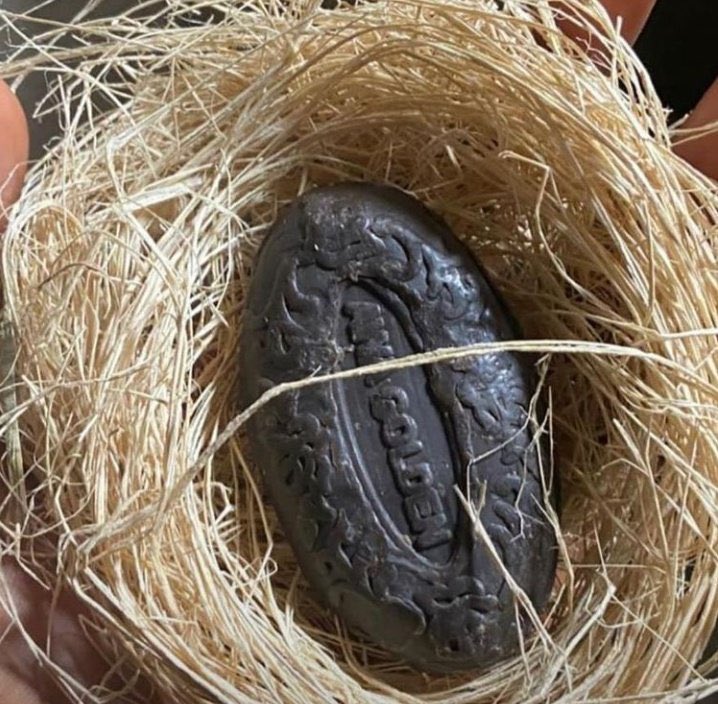
  • How To Make Your Own Soap So You Can Stop Begging Others

    These days, people are stingy with the source of their soap. They don’t want you to be as rich as they are. But that is their cup of tea. We too, we will make our own soap and we will blow and pass them.

    Here’s what you need:

    1. Black soap.

    That is the starting ingredient. You will add every other thing inside it and pound together.

    2. Red oil.

    This will do an opposite work. That is, when everyone is saying, “E don red oh, it will never be red for you. Forever blue. Or whatever colour you desire.”

    3. Boiled eggs, the expensive ones they are now selling N70.

    The spirits in charge of soap will feed on it. Please don’t go and buy the cheap ones oh. Otherwise, your black soap will just be feeding you coins.

    4. Your blood.

    Ehen? Why are you shouting? Don’t you want to make money?

    5. Your armpit hair.

    Yes nau. This life is give and take oh.

    6. Hair from your private part.

    It’s just small you need.

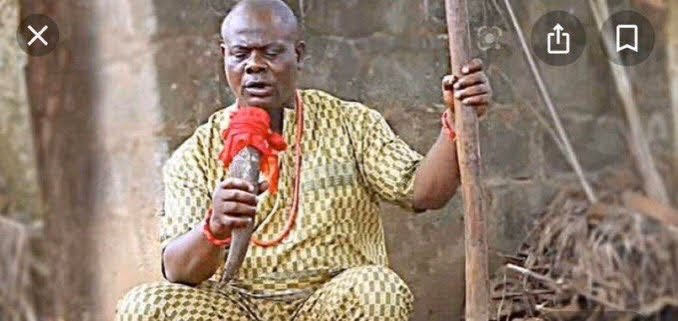
    7. Someone’s destiny.

    This image has an empty alt attribute; its file name is babalawo.jpg

    Oh, you think it’s easy? My dear, to make money and blow is not a child’s play oh. You can surrender your own destiny if you cannot find someone’s destiny to use.

    When you have gathered everything, please contact Hauwa to help you. Her prices are very decent.

    By now, you should know that this kind of soap will not bring you success, because we don’t have a PhD in this kind of thing. But if you still want to go ahead and try it, toh, anything your eyes see, take it like that.