Notice: Function _load_textdomain_just_in_time was called incorrectly. Translation loading for the wordpress-seo domain was triggered too early. This is usually an indicator for some code in the plugin or theme running too early. Translations should be loaded at the init action or later. Please see Debugging in WordPress for more information. (This message was added in version 6.7.0.) in /home/bcm/src/dev/www/wp-includes/functions.php on line 6121
food scarcity | Zikoko!
  • You Should Worry About Nigeria’s Hunger Crisis

    On October 14, 2022, a German-based Welthungerhilfe and Dublin-based Concern Worldwide published the Global Hunger Index 2022 report which exposed an open secret about hunger levels in Nigeria.

    The index has five levels of hunger — low, moderate, serious, alarming, and extremely alarming. Nigeria ranked 103 out of 121 countries with a score of 27.3 which signifies “serious” hunger levels. Last year, Nigeria held the same position and finished in the 98th position in 2020.

    While “serious” may seem manageable because it’s an average score, we don’t need to get to an “extremely alarming” level before we realise there’s fire on the mountain and we should be running. Or doing something about it.

    What’s responsible for Nigeria’s hunger crisis?

    Why exactly is there a major hunger crisis in Nigeria? There’s a long list:

    Floods

    With the current flood situation happening in key food-producing states like Benue and Kogi, farmlands have been totally destroyed. A disruption in food production inevitably leads to scarcity and a severe hunger crisis. Experts have pegged the food inflation at 23.34% and they don’t see it slowing down anytime soon with the damage caused by the floods.

    Image Source: AP

    Insecurity

    The activities of armed bandits, terrorists, and militants have affected food production and caused food inflation, and an increased reliance on imports. For safety reasons, many farmers have abandoned their farmlands, fled their communities, relocated to urban areas, or taken shelter in Internally Displaced Persons (IDP) camps. And when the farmers are not around to farm, how would there be food?

    COVID-19

    Even though the severity of the pandemic has reduced greatly, it’s needless to say that it caused way more damage than expected. Due to the lack of revenue coming into the country as a result of the lockdown, Nigeria had to borrow as usual

    The country also slipped into its second recession in four years and food security took a hit we haven’t recovered from. 

    The Russian-Ukraine War

    Nigeria relies heavily on imports of major staple foods such as rice and wheat, but trade has been disrupted by the Russian-Ukraine war that started in February. With the two countries being major exporters of agricultural produce for Nigeria, food prices have increased to unimaginable highs. It also doesn’t help that enough local food isn’t produced. 

    How can we escape the crisis?

    Now that you know the causes, what can be our solution to the hunger crisis? Ending terrorism, responding well to the flooding crisis, and praying for the end of the Russian-Ukraine war are obvious answers, but those won’t happen immediately. So instead, here are some solutions that seem much simpler:

    Cultivate the habit of buying food materials in bulk

    When you buy food items in bulk, you’re almost always saving money. Plus, the more food you have, the lesser the need to buy more. It’s that simple.

    Please, let’s slow down on imported foods

    Food grown in Nigeria will always be cheaper than food imported elsewhere. Let that Basmati rice rest for once.

    Avoid food wastage

    It only goes without saying that we should exercise discipline in eating the foods we consume. For instance, don’t finish one bag of rice in a day. You never know if it’s going to be the same price as when you bought it.

  • How Nigeria’s Flooding Crisis Can Go from Bad to Worse

    Millions of Nigerians are going through it, as a flooding crisis washes through most of the country. More than 600 people have died and over a million people displaced since the beginning of 2022.

    Flood in Nigeria

    [Image source: BBC]

    The coverage of the flood has focused on the immediate impacts including the unfortunate loss of lives and the destruction of property. According to the Federal Government, the floods have fully or partially destroyed over 200,000 houses. But more than the immediate impacts of loss and displacement, floods have social, economic and environmental consequences that outlast them. So, here’s a look at the long-term worries that come as a package deal with these floods.

    Food scarcity and inflation

    Nigeria’s 2022 flooding crisis has caused the partial or total destruction of 440,719 hectares of farmland across the country. The disaster has visited key agricultural production areas like Benue State. The effect of flooding in these areas will almost certainly impact food production and lead to a shortage. When that happens, inflation is never far behind. Unfortunately, Nigerians already suffer enough from food inflation.

    Gas issues

    Flood in Nigeria

    [Image source: NLNG]

    Nigeria’s flooding crisis is also going to have a long-term effect on the supply and prices of gas. The floods have forced the shutdown of gas production in affected areas. 

    The Nigeria Liquefied and Natural Gas (NLNG), the company responsible for Nigeria’s gas exports has already declared a force majeure which is contractual jargon for, “This thing don pass us. Anything you see, take it like that.”

    Nigeria was already facing a gas supply crisis due to oil theft, and now the disruption caused by the floods will make it even more difficult to earn our daily $2k in the global market‎.

    The spread of diseases

    Floods create the perfect environment for water-borne diseases like cholera, diarrhoea and typhoid to spread. This is another post-crisis issue that can trouble Nigeria’s already fragile health sector.

    Humanitarian crises

    Flood in Nigeria

    [Image source: IOM]

    The 2022 floods have already displaced over 1.3 million people from their homes. These people are currently homeless and are now at the mercy of loved ones, kind strangers or the people who hide palliatives

    Many Nigerians who are residents of internally displaced persons (IDP) camps are already complaining of neglect. Depending on the level of the devastation suffered, it’ll take a long time for many of these Nigerians to get back on their feet.

    Unemployment

    More than losing homes, some Nigerians are losing their businesses to the floods. Some of these businesses will take a minute to resume operations after the water recedes, while some may never even reopen. It’s not the best situation for a country already dealing with record levels of unemployment.

    Environmental damage

    Flood in Nigeria

    [Image source: BBC]

    Flooding can contaminate clean water bodies, and damage roads and other critical infrastructures like electricity poles and transformers that’ll take the Nigerian government ages — and inflated contracts — to repair.

    Disruption of education

    Education is one of Nigeria’s important sectors that critically needs a boost. But flooding further complicates the sector’s progress. Many state governments in Nigeria regularly use schools as temporary shelters in emergencies like floods, which further disrupts students’ education. 

    Trauma

    Flood in Nigeria

    Flooding is a traumatic event. Some of the millions of Nigerians affected by the floods are bound to feel the weight of the devastating losses suffered in the blink of an eye. It’s important that the government provides social support to victims of floods.

    ALSO READ: From Homeowner to Homeless — Nigerians Speak On Flood Crisis

  • 9 Things You Can Buy And Hold As Investment In Nigeria

    Investment in Nigeria requires common sense. If you ask people, they might tell you to invest in Cryptocurrency and all those kinds of things, but listen to us: THE SOURCE OF YOUR WEALTH LIES AROUND YOU. Everyday things are rising in cost. Why not buy and hold them as investment? Don’t worry, we will guide you through it. Here are 9 profitable things you can buy and hold as investment in Nigeria:

    1. Maggi cubes.

    Maggi was two for N5 in 2012, but now it’s one for N10 now. Who knows, you could wake up next year and hear that one cube of Knorr Chicken now goes for N50 per piece. Better buy the dip now before it rises.

    2. Titus sardine.

    Titus Sardine (125g) – Chopbox

    Sardines are now hotcake, but Titus sardine is the hottest of them all. It recently attained a record high when it rose from N340 to N650 in less than one week. Bitcoin is shaking. You better buy and hodl now, so you can resell when it lands at N1k.

    3. Egg.

    You can bear me witness when I say eggs once sold for N25 per piece, four pieces for N100. Now, one piece of egg goes for nothing less than N80. Chickens are now laying the new Cryptocurrency. Egg-o-currency to the moon!

    4. Gas.

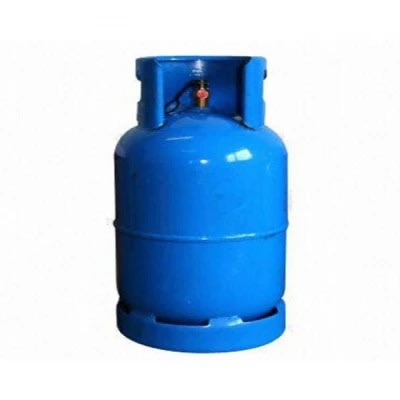
    Before we say anything, it is important to let you know that anyone who can afford to refill their gas these days is a ritualist. If they cook for you with that gas, you better not eat it. Maybe they want to collect your destiny and use it to refill gas. But please, investing in gas is one easy way to cash out these days. Do you know how much one kg costs now? You better buy and hodl now. Christmas is coming, you will make your money back. Just stay safe sha. Don’t let your investment kill other people. Their ghost will swear for you.

    5. Onions.

    Onions will soon start competing with gold. Two small pieces now sell for N100. And these are sizes that used to sell at N20 per piece. Can you see how wide the profit margin is? If you are lucky, you can enter into partnership with a caterer. Year in year out, you will just be cashing out. If we were you, we would even buy stocks for our unborn children with it.

    6. Titus fish.

    Titus Fish – Frozen – Carton (20Kg) – FARMBOY.NG

    Like Titus sardine, like Titus fish. One piece now goes for N1k plus, and according to the investment analysts on Zikoko’s Wall Street, this is still estimated to rise higher. You better buy ice blocks and convert your bathing drum into a cold storage. Stock up Titus fish and wait. When the boom happens, even Dangote will be begging you to invest in his business. Dangote wey still dey find money.

    7. Frozen turkey and chicken.

    OROBO CHICKEN 1 KILO - chef360

    Frozen turkey is now N2,500, if not more. Frozen chicken is slowly climbing up to N2,000 per kilo. If after all our advice, you still don’t know that you should invest in it now, then we are sorry for you oh. Don’t you want to get rich?

    8. Vegetable oil and palm oil.

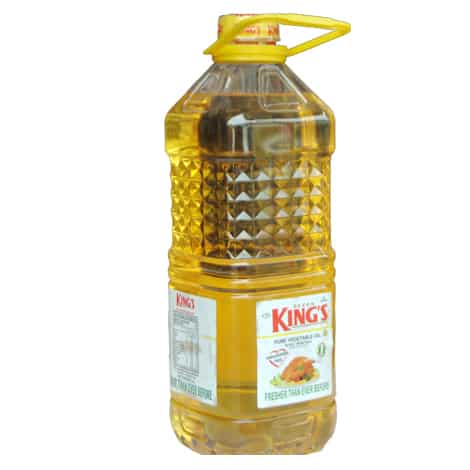
    King's Vegetable Oil 3 L - GoMarket

    If anyone is saying tech is the best place to make money, it is a big lie. Tech, when you can invest in vegetable oil and palm oil, and cash out big time??? Do you know how much one gallon of vegetable oil is now? BUY THE DIP NOW OH. BUY IT NOW. A lot of these tech people are surviving on investment returns from vegetable oil and palm oil. They are just using tech to cover face. If tech is as easy as they say, how come you have not made money after one week of UI/UX?

    9. Cows.

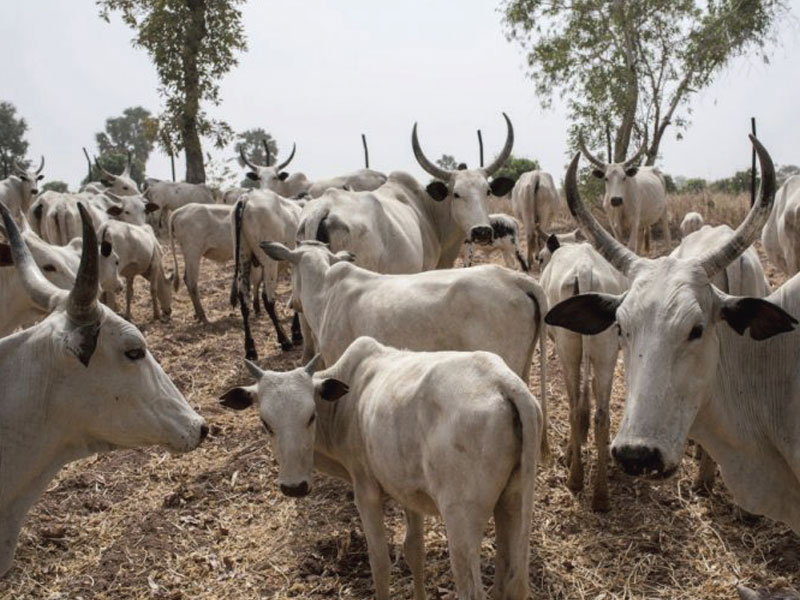
    If you need us to spell out how profitable this is for you, then you don’t know anything. Go and start your investment portfolio now. May the dip be with you. Sha don’t forget us when the returns come in. It’s not only Dangote that is still looking for money. Zikoko sef still dey find money.

    [donation]