Notice: Function _load_textdomain_just_in_time was called incorrectly. Translation loading for the wordpress-seo domain was triggered too early. This is usually an indicator for some code in the plugin or theme running too early. Translations should be loaded at the init action or later. Please see Debugging in WordPress for more information. (This message was added in version 6.7.0.) in /home/bcm/src/dev/www/wp-includes/functions.php on line 6121
Ethiopia | Zikoko!
  • Why Obasanjo’s Role in Ethiopian War Is Good for Nigeria

    There’s not a lot to be happy about right now if you’re a Nigerian. Most recently we’ve had to deal with a terrible fire tragedy, terror alerts, a rapidly declining naira and in the background of it all, our worst flooding crisis in a decade.

    So when there’s any whiff of good news to uplift the mood, we won’t hesitate to share. Which is why we’re delighted to announce, ladies and gentlemen, that former president, Olusegun Obasanjo, aka OBJ, has scored a big win for himself and Nigeria on the African scene.
    What did OBJ do?

    It’s easy to forget Nigeria isn’t the only country facing shege. Thousands of people have died in the ongoing war in Ukraine and we really can’t wait for it to end. But closer to home in Africa, Ethiopia has been at war with itself for the past two years and over half a million people are dead. On November 2, 2022, the Ethiopian government and rebel forces agreed to stop fighting.

    Acting as an African Union (AU) mediator, our very own OBJ led the team who made that truce happen.
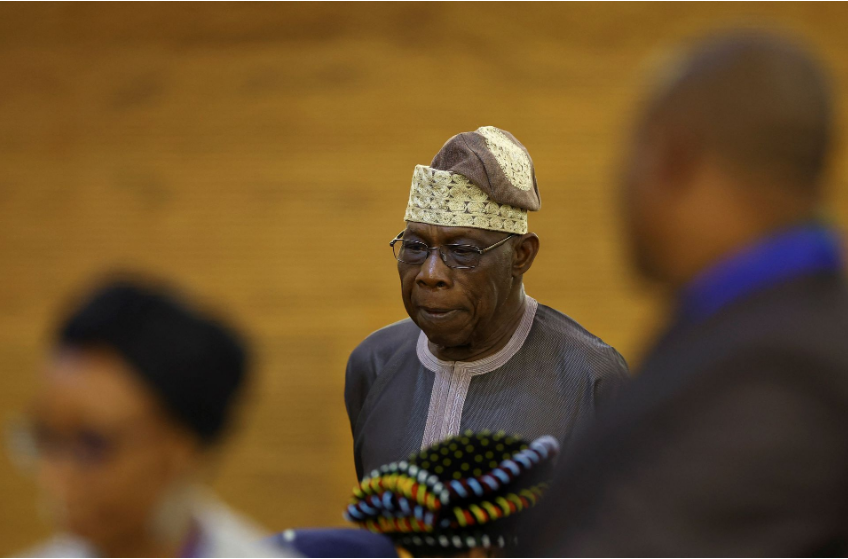
    Obasanjo arriving at the signing ceremony [Image source: Reuters]

    OBJ preached caution about the full implementation of the peace agreement,but the koko is, as of this moment, the Tigray War has ceased.

    Why is this significant?

    This isn’t the first time Nigeria has played the mediator role on the African continent. Another former president, Goodluck Jonathan, received Mali’s highest honour in 2013 for providing humanitarian support during a time of crisis. In 2021, Jonathan’s efforts ensured the release of Mali’s president and prime minister from detention after a military takeover.

    The scale of the Tigray War makes the truce signed in South Africa significant. One estimate notes that the war has claimed 600,000 lives since it started in 2020. The war also displaced millions of people and created a worrying humanitarian crisis. Remember that Ethiopia is the second largest African country by population, after Nigeria, and whatever happens spills into surrounding countries. 

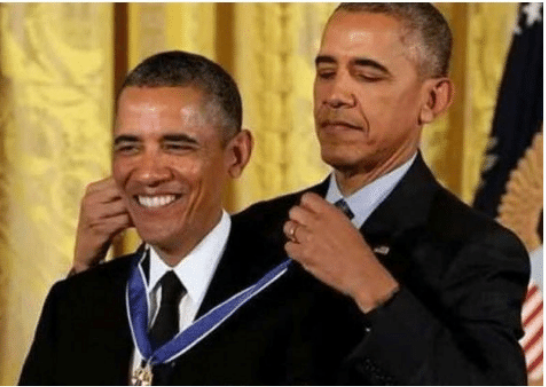
    The United Nations (UN) Secretary General, Antonio Guterres, has already commended OBJ for his work on ending the crisis, and it further proves his legacy in Nigerian foreign policy remains unmatched. So we can’t blame him if he decides to buga.
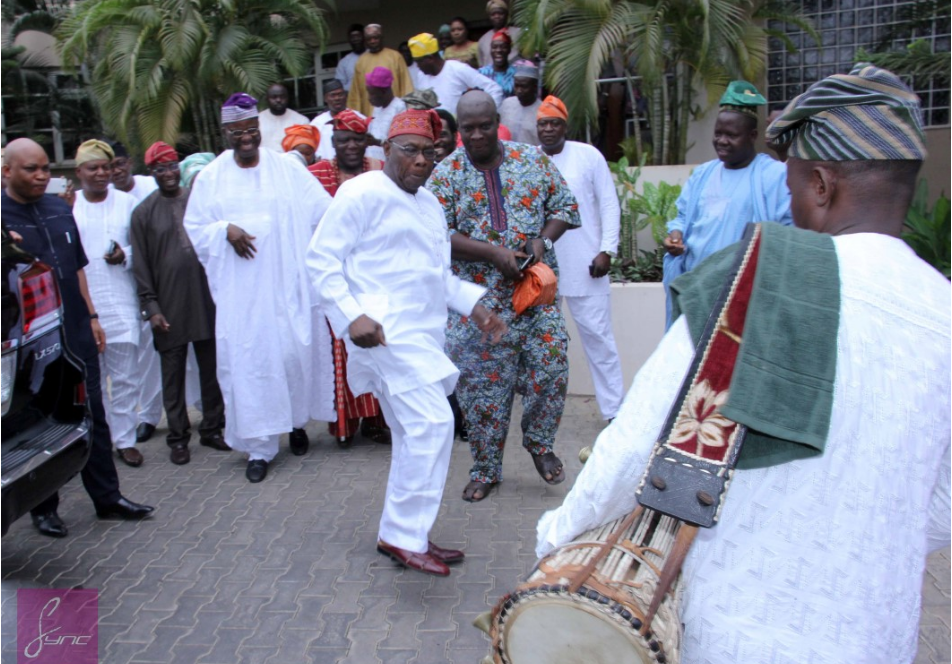
    Ultimately, OBJ’s significant role in helping to resolve the crisis, in a way, affirms Nigeria’s place as the continent’s big brother. We may be some distance away from truly assuming that African giant status, but this is a timely reminder of how important Nigeria can be when it decides to gbera.
    ALSO READ: History Lesson: Nigeria’s Past Presidents

  • INEC Has a James Bond Plan for the 2023 Elections, Sort Of

    This is Zikoko Citizen’s Game of Votes weekly dispatch that helps you dig into all the good, bad, and extremely bizarre stuff happening in Nigeria and why they’re important to you.

    Subscribe now to get the newsletter in your email inbox at 8 am every Friday instead of three days later. Don’t be LASTMA.

    Anyone who envies the job of the Independent National Electoral Commission (INEC) is a bloody liar. Every four years, the commission coordinates a national election involving tens of millions of voters spread across 774 local government areas in Nigeria. 

    And considering the dire consequences of messing up an election, we’d say INEC’s job isn’t the easiest in the world. Some of us can’t even organise a house party without a guest peeing in the kitchen sink.

    INEC Has A James Bond Plan For The 2023 Elections, Sort Of

    [Image source: Shutterstock]

    With the scale of INEC’s task, it’s unsurprising that there are problems. For example, Nigerian elections have suffered from violent acts like ballot snatching and voter intimidation for as long as anyone remembers. 

    But another problem that has prominently hampered Nigerian elections is vote-buying. Party agents target vulnerable voters at the polls and pay them to vote for their candidates. 

    This culture cheapens the democratic process and boosts the victory chances of only the unworthy and desperate. But INEC has a solution for that vote-buying problem ahead of the 2023 elections: secret agents.

    INEC Has A James Bond Plan For The 2023 Elections, Sort Of

    [Image source: Zikoko Memes]

    One of INEC’s core strategies to clamp down on vote-buying is to unleash spies on polling units. These James Bond wannabes are plain-clothed security officers deployed to catch vote-buyers and sellers. But INEC won’t stop there. 

    The agency is also repositioning voting cubicles to make it easier for voters to cast secret ballots. This creates a trust issue between buyers and sellers as a vote-buyer can’t confirm that the seller is voting in the direction agreed between both parties. And if you’re thinking, “That’s what phone cameras are for, duh,” INEC also plans to forbid voters from taking their mobile phones into the voting cubicles.

    INEC Has A James Bond Plan For The 2023 Elections, Sort Of

    [Image source: Zikoko Memes]

    Vote-buying is a very serious problem for Nigeria’s democratic process. The nation’s laws already criminalise the buying and selling of votes with a maximum fine of ₦500,000, 12 months imprisonment or both. But this isn’t enough to deter politicians from buying the conscience of voters.

    However, INEC’s James Bond plan won’t be enough to limit vote-buying. As a voter on election day, when you see something at a polling booth, say something. Your future depends on it.

    What else happened this week?

    Ethiopia withdraws red carpet treatment for Nigerian travellers

    [Image source: Zikoko Memes]

    Nigerians must be crowned the eighth wonder of the world with all the shege that we use our eyes to see as citizens of Nigeria. This week, the Ethiopian government announced that Nigerians have to apply for a visa before they hop on a plane to visit their — let’s not forget — very war-torn country. Before this announcement, Nigerians could jump on that plane first and get a visa on arrival there.

    Ethiopia didn’t even dignify Nigeria with an explanation for why it made this decision, but the same restriction applies to 41 other countries mainly in Africa and South America. At least we can say it’s not only us, but this isn’t about just Ethiopia. The country’s action continues a worrying trend of visa restrictions hurting Nigerians.

    In September, the United Arab Emirates (UAE) reviewed its visa regime and stopped issuing tourist visas to Nigerians under the age of 40 years, except for those applying for family visas. Earlier in July, Turkey also barred Nigerian applicants from accessing the e-visa provisions and they didn’t even bother to announce it. Nigerians need answers as their movement around the world is made harder by the colour of their passports.

    INEC Has A James Bond Plan For The 2023 Elections, Sort Of

    Let my people go! [Image source: Zikoko Memes]

    In times like this, you have to wonder what the Minister of Foreign Affairs is doing, and we assure you his name isn’t Abike Dabiri-Erewa.

    Have you seen this video?

    Question of the week

    What’s the single most important thing you think Buhari needs to do before he leaves office next year?

    Click here to tweet your answer to @ZikokoCitizen on Twitter.

    Ehen, one more thing…

    It’s only months until the 2023 general elections and Governor Babajide Sanwo-Olu announced salary increments for civil service workers in Lagos State. You’re not sleek Cousin Jide. We know vote-buying when we see it.

  • Haters have Been Body Shaming This Ethiopian Athlete But He’s Not Giving Up On His Dreams
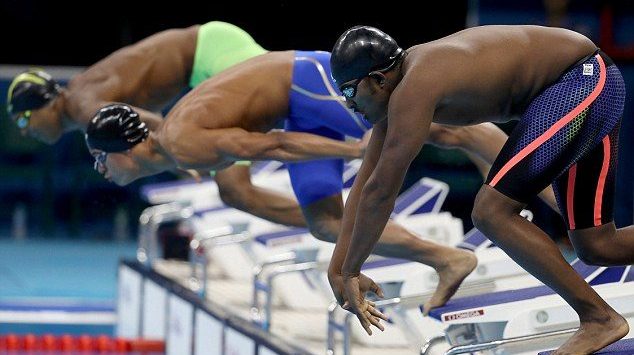
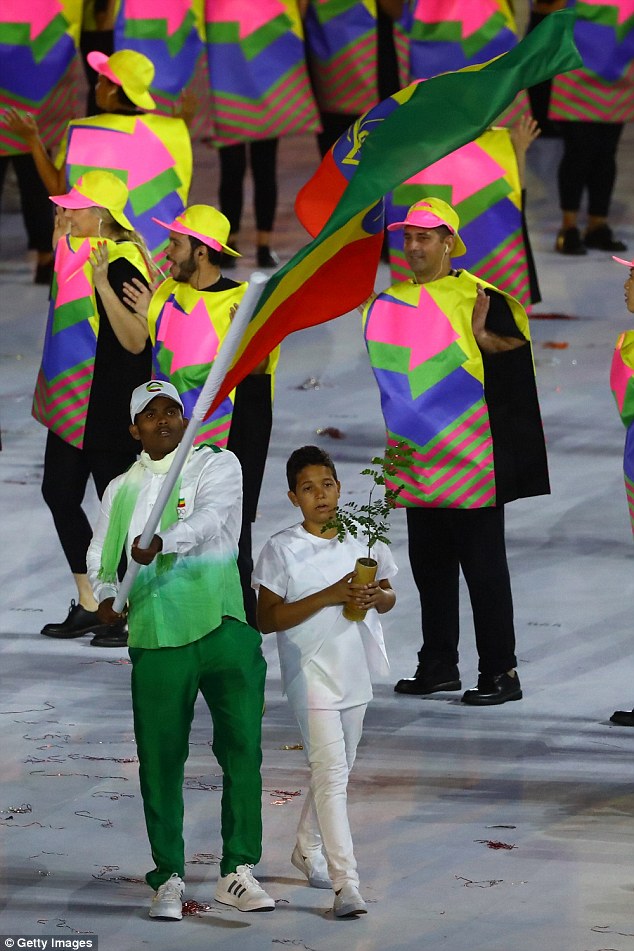
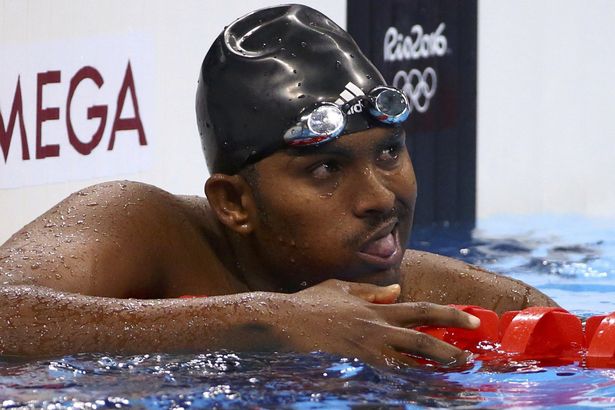
    24-year-old Robel Kiros Habte, out of his love for swimming joined the Olympic team to represent his country, Ethiopia, at the Summer Olympics in Rio. Unfortunately for him, haters had a lot to say about his weight.

    During the competition, Robel came 59th out of the 59 competitors and even got cut from the camera.

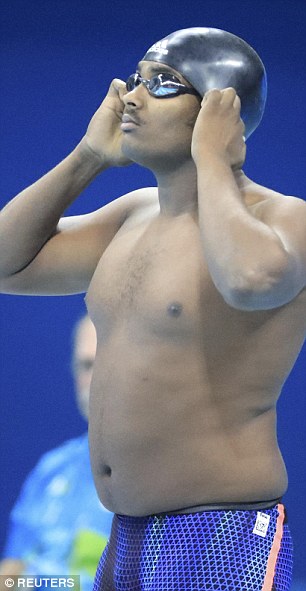
    After this poor performance, he was badly body shamed for his 179 pound weight and was even given a horrible nickname, “Robel The Whale”.

    https://twitter.com/Ashe_Q/status/763198222949093376

    People had so many horrid things to say about his weight and performance.

    Although reports say he was only able to join the team with the influence of his father, who is the president of the Ethiopian Swimming Federation, Robel has decided to not give up on swimming.

    He explained that he wanted to do something different for his country for the first time. In his words, “My country is famous for runners. I wanted to be famous for being a swimmer”.

    Speaking to Daily Mail about his current body size, he shared how he gained a lot of weight after surviving a car accident.

    While these negative comments have put him off from contesting in the next Olympics, Habte has sworn to shut all the haters down by working hard and placing his name in other international swimming competitions.

    In spite of his poor performance, he’s proud to be an Olympian and that should be the most important thing.

    And although his entry into the Olympics may have been out of corruption and not merit, body shaming him will not change the fact that he was the 1st Ethiopian to swim at the Olympics.

  • The Most Embarrassing Exam Leak Happened In Ethiopia, But The Government Clapped Back
    What would you do if the Nigerian government blocked all social media apps for days because of some troublemakers?

    Well, in Ethiopia, the most embarrassing exam leak happened when questions to an end-of-year exam which was to be taken by 254,000 university students leaked all over the internet in May.

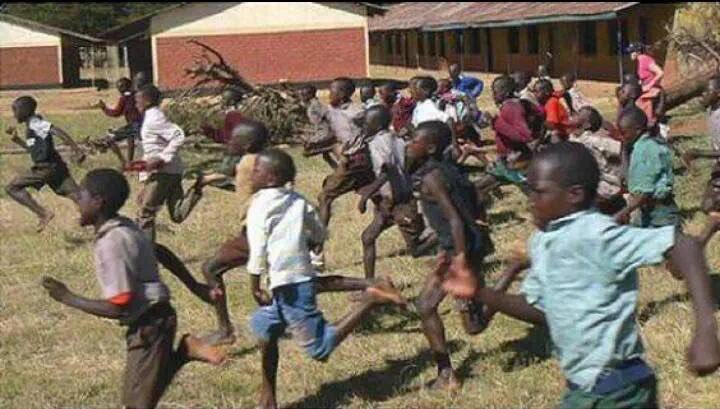
    And like typical Nigerian parents, the Ethiopian government blocked all the popular social media sites for few days, as per the students like pressing their phones too much.

    Na wa o! Instead of them to tackle the exam malpractice problem directly.

    Technology didn’t kuku stop people from cheating in exams before Twitter and Instagram were created.

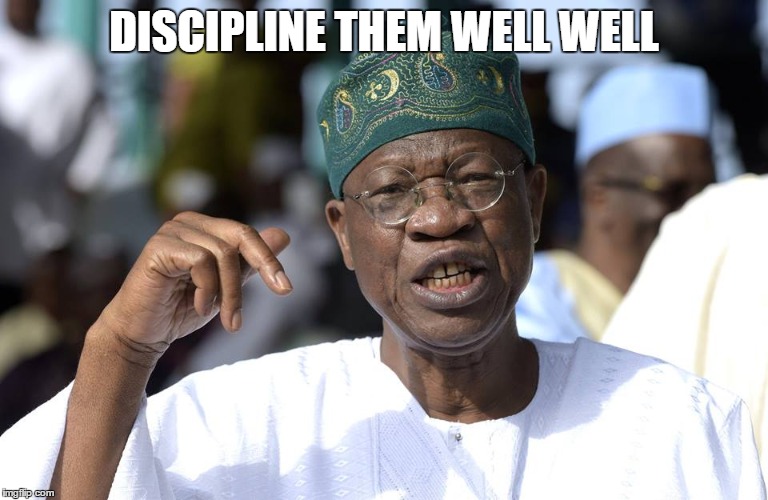
    But sha, can you imagine the Nigerian government taking this sort of ‘disciplinary action’ on its citizens? Very possible, right?

    Nigerian students when they see leaked questions on the internet…

    However, Ethiopians aren’t keeping quiet, the ones who currently have access to social media outside the country have condemned this action.

    But the people that leaked the questions didn’t try sha. Let’s hope the Ethiopian government properly gets to the root of the problem.

  • See 100 Years of Ethiopian Beauty Trends in Just 77 Seconds
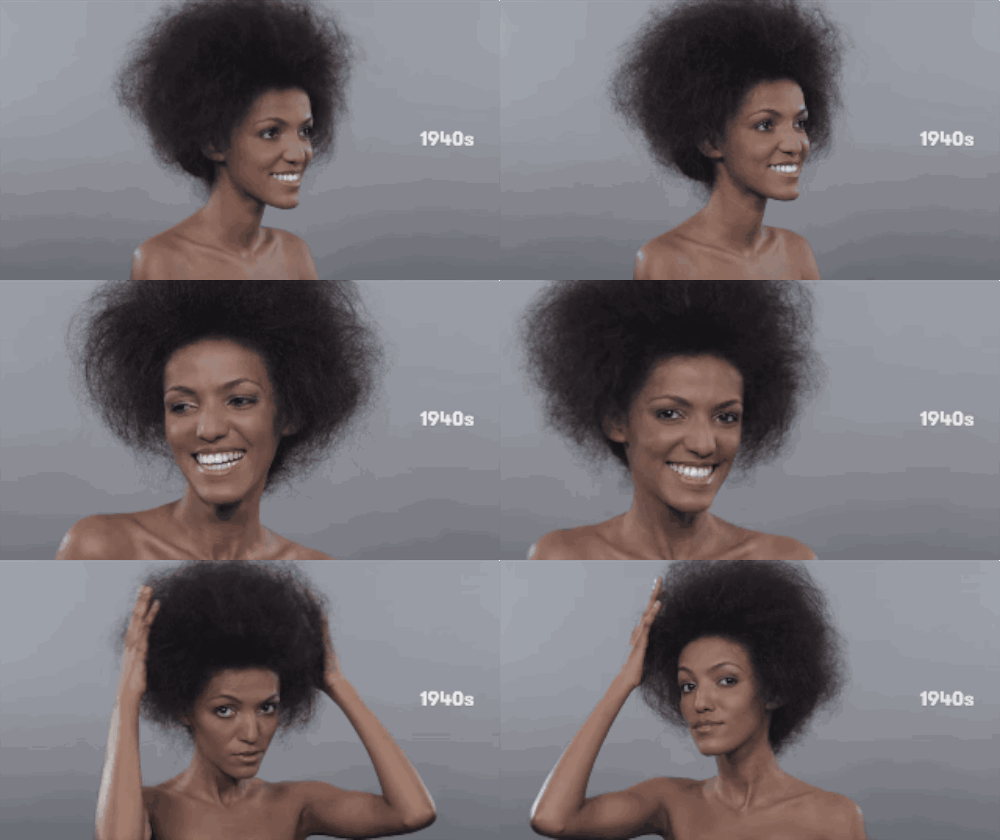
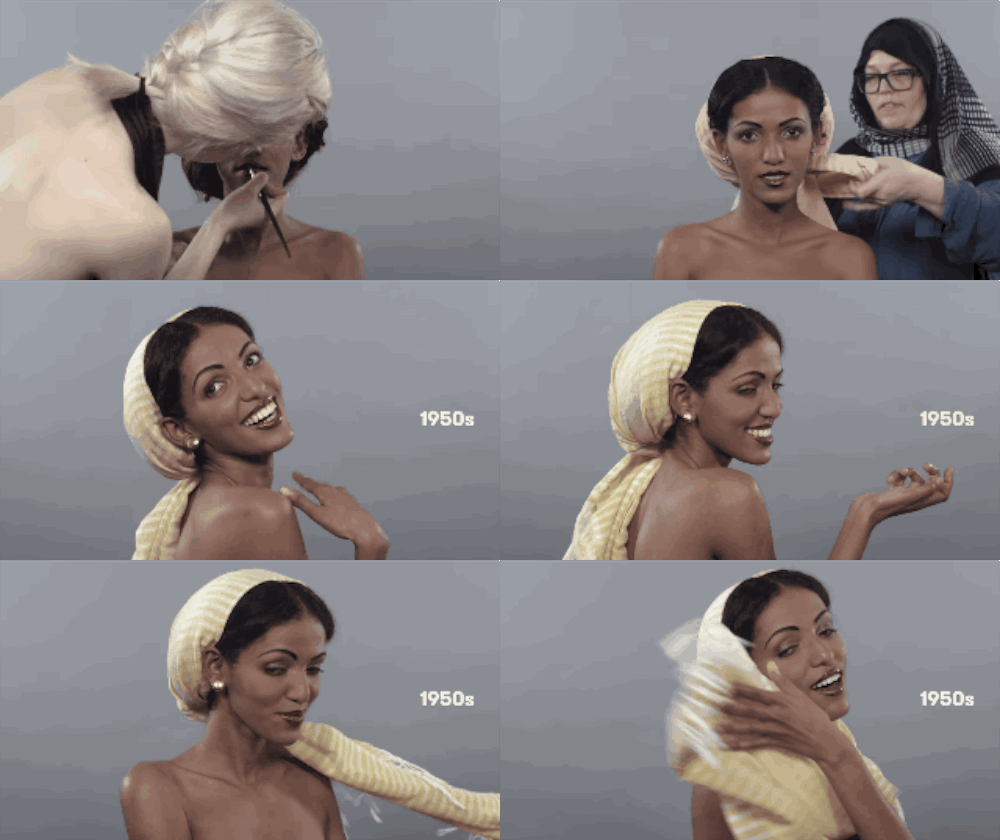
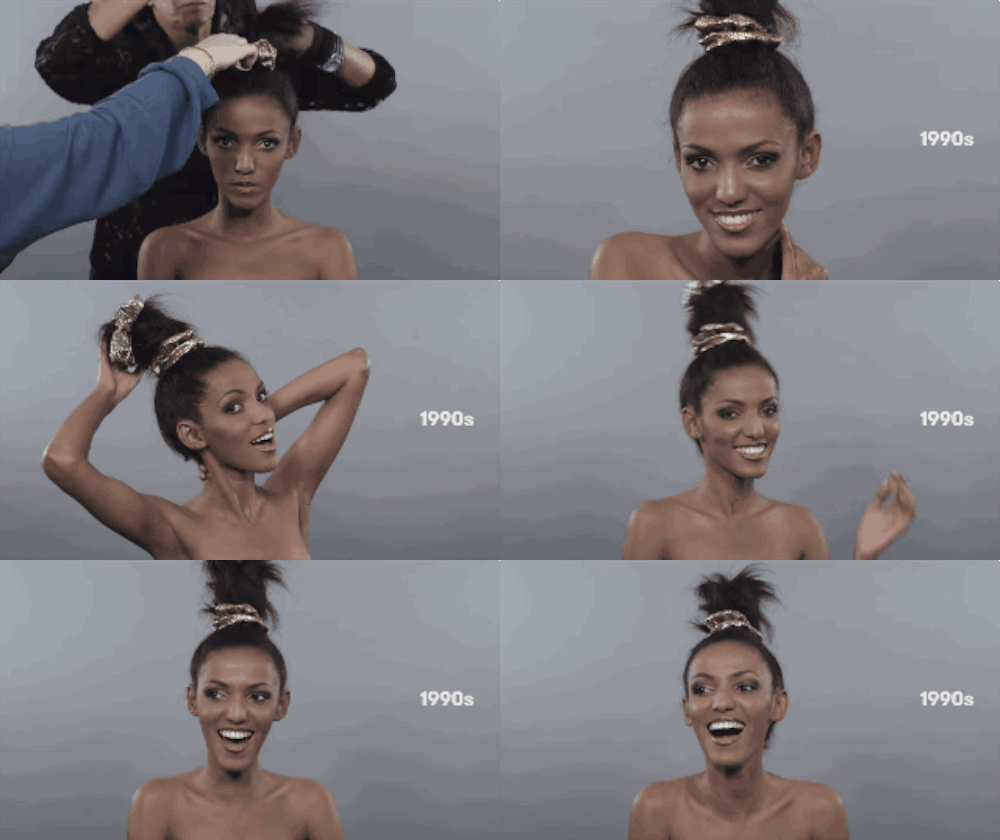
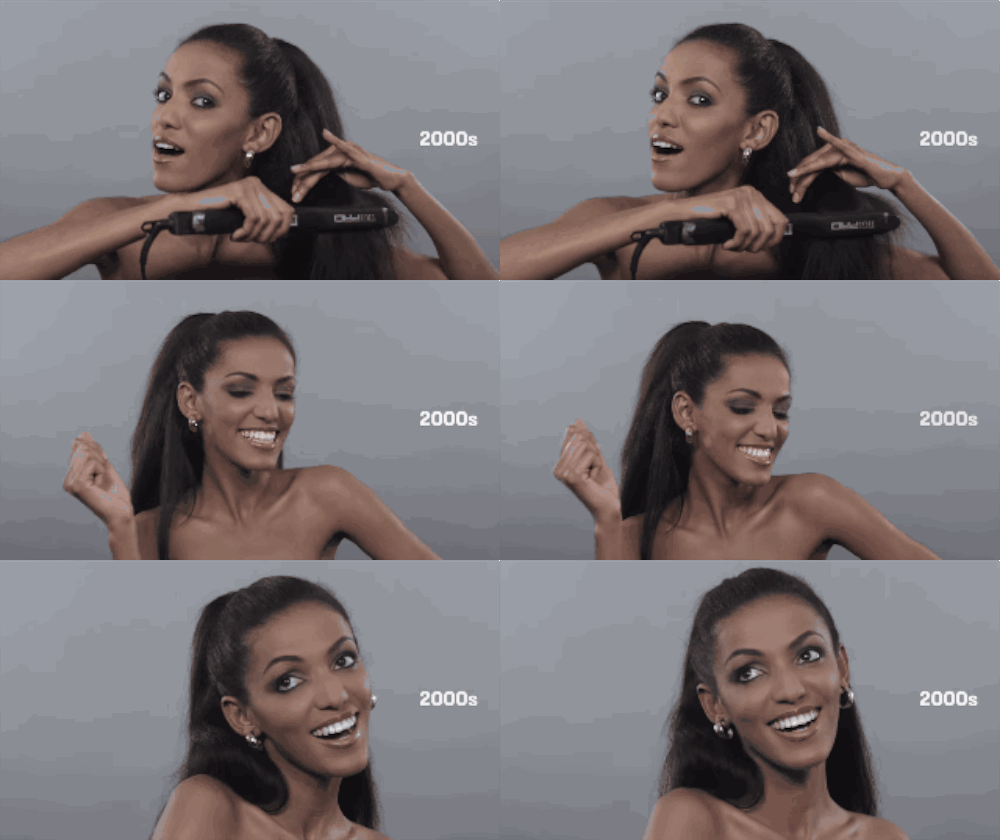
    All Africans are beautiful, and our fashion and style has gone through a series of evolution over time. WatchCut shows us how beauty trends in East Africa –Ethiopia in particular, have evolved over a hundred years in just over sixty seconds.

    1. 1910s – The cornrows.

    2. 1920s – The tweeny weeny ‘fros.

    3. 1930s – The big, full hair.

    4. 1940s – The big ‘fros.

    5. 1950s – The bold makeup and lips.

    6. 1960s – The teased hair, with curls.

    7. 1970s – Coiffed hair with bangs.

    8. 1980s- Party hair and bright makeup.

    9. 1990s – The scrunchies.

    10. 2000s – The straight hair.

    11. Today – The soft, loose curls.

    Watch the full video below: