Notice: Function _load_textdomain_just_in_time was called incorrectly. Translation loading for the wordpress-seo domain was triggered too early. This is usually an indicator for some code in the plugin or theme running too early. Translations should be loaded at the init action or later. Please see Debugging in WordPress for more information. (This message was added in version 6.7.0.) in /home/bcm/src/dev/www/wp-includes/functions.php on line 6121
doctor | Zikoko!
  • The Doctor Who Ditched Clinical Practice to Sell Perfumes — A Week in the Life

    A Week in the Life is a weekly Zikoko series that explores the working-class struggles of Nigerians. It captures the very spirit of what it means to hustle in Nigeria and puts you in the shoes of the subject for a week.


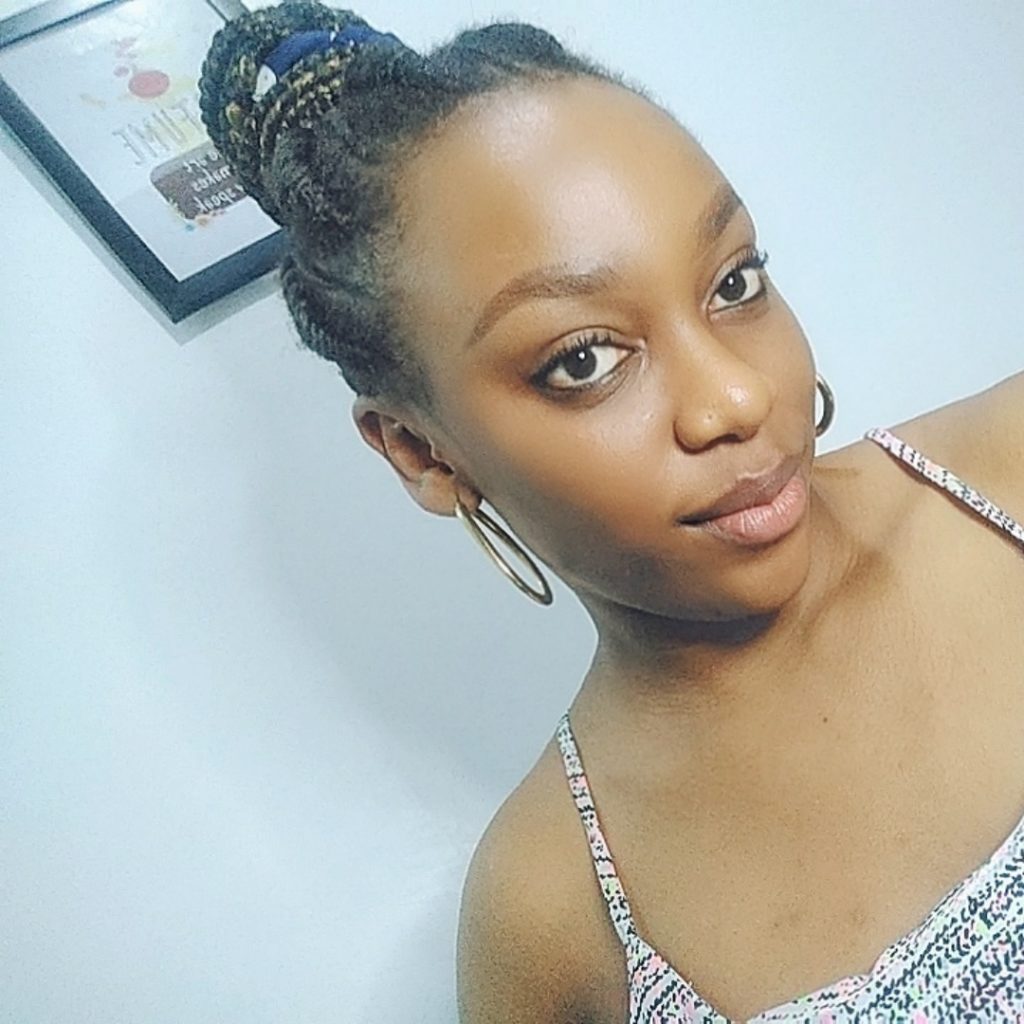
    Kedei Ibiang is a medical doctor who specialises in public health, but she quit her job this year (2022) and turned her focus to selling fragrances and scented candles. For today’s A Week in the Life, she explains the process of making fragrances, why she quit her job and the beauty of being in control of her time.
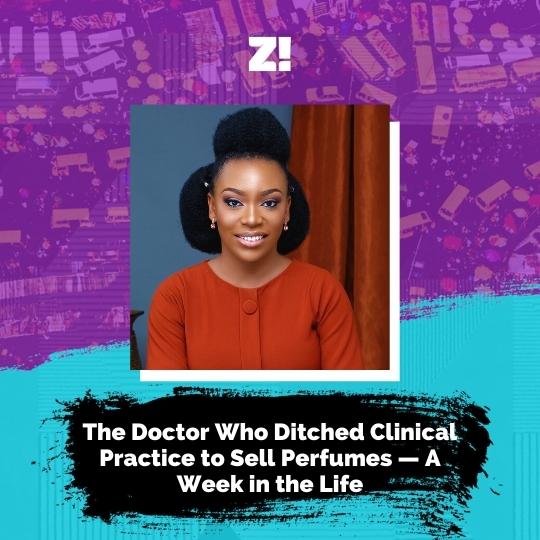
    Photo of: graphic design of a doctor who left her job to sell perfumes

    MONDAY

    I’m not a morning person, so when I wake up at 7 a.m., the first thing I do is pick up my phone to check social media. I spend about 20 minutes checking my inboxes to ensure I’ve not missed any messages or inquiries from customers or prospective customers. Then, I catch up on Facebook and Instagram. There’s always one drama or the other. The recent one is about some lady influencer who scammed people for billions of naira in a Ponzi scheme. After 30 minutes of mindless scrolling, I’m out to face the business that pays me.

    I spend the rest of the day packaging orders within Abuja for the delivery guy to pick up. When he does, I follow up with him and ensure that all the orders reach their buyers. For interstate orders, I have an account with a delivery company. The dispatch rider picks up the orders and drops them off at the company’s office, and they take it up from there.

    I have terrible eating habits which means I often forget to eat. Ironic that I’m a doctor but I’m not a fan of food. If I could find a way to exist without eating, I would. But by late afternoon, I order food and go back to work until 7 p.m. I don’t have a social life, so after work, it’s Netflix until 10 or 11 p.m. when I sleep.

    TUESDAY

    When I started using perfumes around 2006, I discovered that I couldn’t use most sprays because my mum and I are asthmatic. I had respiratory allergies myself, which meant that the alcohol in perfumes choked me. The best I could use were roll-ons and body mists because of their lower alcohol content. Even then, I would run into the bathroom, spray whatever I needed to spray while pinching my nose shut, and run back into the room, slamming the bathroom door shut so I wouldn’t inhale the spray. Wild times.

    But in 2017, I decided to look for non-alcoholic alternatives that are non-toxic and hypoallergenic. My search led me to start Kay’s Perfumery the following year. I eventually Then I expanded my product line to producing and selling scented candles, diffusers and room sprays. I also formulate fragrances once in a while.

    My process starts with contacting my supplier in Dubai. Once every three or four months, I send him a list of fragrances I need, and we conclude on quantity, sizes and pricing. My orders usually cost anywhere from ₦300k to ₦600k, but the naira’s freefall has really affected my business. The quantity of oils I’d have gotten for ₦300k in 2021 now costs me an extra ₦75k to ₦100k. It’s really wild.

    When I’m ready to pay, I send the payment through a middle man who converts my naira to dirhams. Once my supplier confirms that I’ve paid, he ships my order.

    I play around with ideas in my head a lot, so when I get one that sticks, I just type it out on my phone’s notepad and expand on it. When I have enough options for the notes, I start formulating the scent. It’s sort of an elimination process: I decide on my main notes and the ones that I want to be in minute quantities, then I come up with the first sample which I test for notes and sillage — the trail created by a perfume when it’s worn on the skin. If I don’t feel comfortable with the scent, I go back to tweak it — drop some percentages, increase others, add a new note and repeat the process to come up with a second sample. I test it again: do I like it? Is it nice? Does it linger? I could repeat that process up to five times until I get something that works nicely. When I’m satisfied, I wear it out to gauge people’s reactions and the kind of compliments I get. 

    If it’s a scent I think would sit better on a guy, I gift it to a few friends or some old customers — if a longtime customer is lucky enough to be placing an order at the time I’m creating a new scent, I just throw in a small sample and ask them how they like it. I use their feedback to decide whether or not I’m adding it to my product line. 

    And when I create a scent that bangs? It really bangs. In December 2021, I formulated a signature diffuser — I called it “Christmas Wine” — that was a hit. I sold over ₦400k worth of it in eight days! The orders poured in so much that I had had to stop taking orders for two days so I wouldn’t break down from stress.

    WEDNESDAY 

    Today, while I was writing ideas down for a new candle scent, I remembered the time I made a scent that flopped. 

    Before Valentine’s Day this year [2022], I was working on three special candle fragrances: Date Night, Love Potion and Let’s Get Nutty (which had coconut and truffles in it). I spent so much time on Love Potion because I wanted it to be the flagship. I had made noise about it on social media and people were hyped! I received so many pre-orders. The mix of notes was just perfect… in theory, but when I produced it, it turned out mid as fuck. 

    I tried so hard to make it work but it just didn’t. I was running out of time so I had to abandon it and inform my customers that Love Potion wasn’t going to be available due to unforeseen reasons. Luckily for me, customers accepted other fragrances. The Let’s Get Nutty that I didn’t really put much effort into making turned out to be the star — and saviour — of the show. 

    THURSDAY

    Even though everything in this Nigeria is out to frustrate business owners, I still derive joy from this entrepreneurship thing. I carry my customers on my head, and I love it when they’re delighted, but once in a while, someone comes around and moves mad.

    When I’m not making signature scents, I sell candles wholesale and produce in bulk for other brands. The candle industry is fairly new in Nigeria. People have started appreciating scented candles, so these days, they bring me almost 70% of my monthly revenue. Vendors buy my custom scents, slap their branding on them and resell. Sometimes, I take orders to import specific scents that can’t be found here, and I sell them as well.

    In February, a lady reached out and asked me to make candles and diffusers, and import packaging materials for her. She had very niche requirements, and her order amounted to ₦1.2m. We spoke for over a week. I invested so much time and effort into this deal. I even informed my suppliers, and we finalised on shipping and delivery timeline. All that was left was payment. Then this babe ghosted me.

    This thing pained me, I can’t lie. I’d been so happy about the deal because I wanted to get some things from a supplier in China at around the same time she reached out. I was like, “Oh, perfect. I’m just going to throw my other cargo into this and ship all of them at once.” The ghosting touched my chest. 

    To add insult to injury, she now blocked me. I was shocked when I found out. All she needed to do was just let me know she wasn’t going to proceed, but she just went ahead and blocked. Just. Like. That. 

    Me that like closure, I reached out to her through my personal IG profile only to receive excuses and apologies. She told me that something came up and yada yada yada. She now promised to continue the deal later on. Abeg abeg. At that point, I no longer gave a damn.

    That experience has taught me to be more apprehensive of customers when they make certain inquiries. Sha the information I fed that babe for free, ehn? I suspect she didn’t really want to buy from me; she just wanted information. I hate when people waste my time. But we move.
    FRIDAY

    It’s not every day you see a medical doctor who sells perfumes, but abeg, at the moment, I’m not “doctoring”. I never liked clinical practice because it was very monotonous. I hated going through the same processes every day go to the hospital at 7:30 a.m., work all day till maybe 4 p.m., attend to the patients, rinse and repeat.

    When it was time to specialise, I decided to go for public health because no two projects are the same. There’s always variety. I could work with organisations that either run as private firms or provide public health services to the government. So everything from infectious diseases or sexual reproductive health or maternal and child health. 

    For a while, I was running my fragrance business on the side. I used to coordinate a gender-based violence project that wrapped up in 2021. After that, I decided to take three to four months off to focus on my perfume business and do some serious marketing. During that time, I applied to several grants and won one of them. 

    This year (2022), I decided to delve back into public health, so I joined an organisation in March. But it didn’t quite work out. I didn’t enjoy working there, and even though it paid quite well, the work culture was very different from what I was used to. The environment was beginning to tell on my mental health, so I quit after one month. Now, I’m back to focusing on Kay’s Perfumery full-time. That doesn’t mean I’m done with medicine. I still have a lot of plans for the year. 

    I have an assistant who helps with inventory, so after the dispatch driver picks up the orders for today, I catch up on the International Health and Women’s Rights course I’m taking. There’s another course on health tech that I’ve abandoned for a million years, but I intend to go back to it.

    I didn’t exactly plan my work life to turn out this way, but it couldn’t have been better if I did. I love that I own my hustle and I get to create and execute my ideas. I’m excited to see what more the future holds. Who knows? I could be expanding to skincare soon.

    I study till I’m tired. By 7 p.m. on those rare days I feel like stepping out for fresh air, I’ll just check on a friend to see if she’s free. If she is, we’ll have a chill girls’ night out till about 10 or 11 p.m.


    Check back every Tuesday by 9 a.m. for more A Week in the Life goodness, and if you would like to be featured or you know anyone who fits the profile, fill out this form.

  • QUIZ: If You Score 9/13 On This Health Trivia, You Should Add “Doctor” To Your Name

    How many health-related questions can you answer correctly? Test your knowledge by taking this quiz:

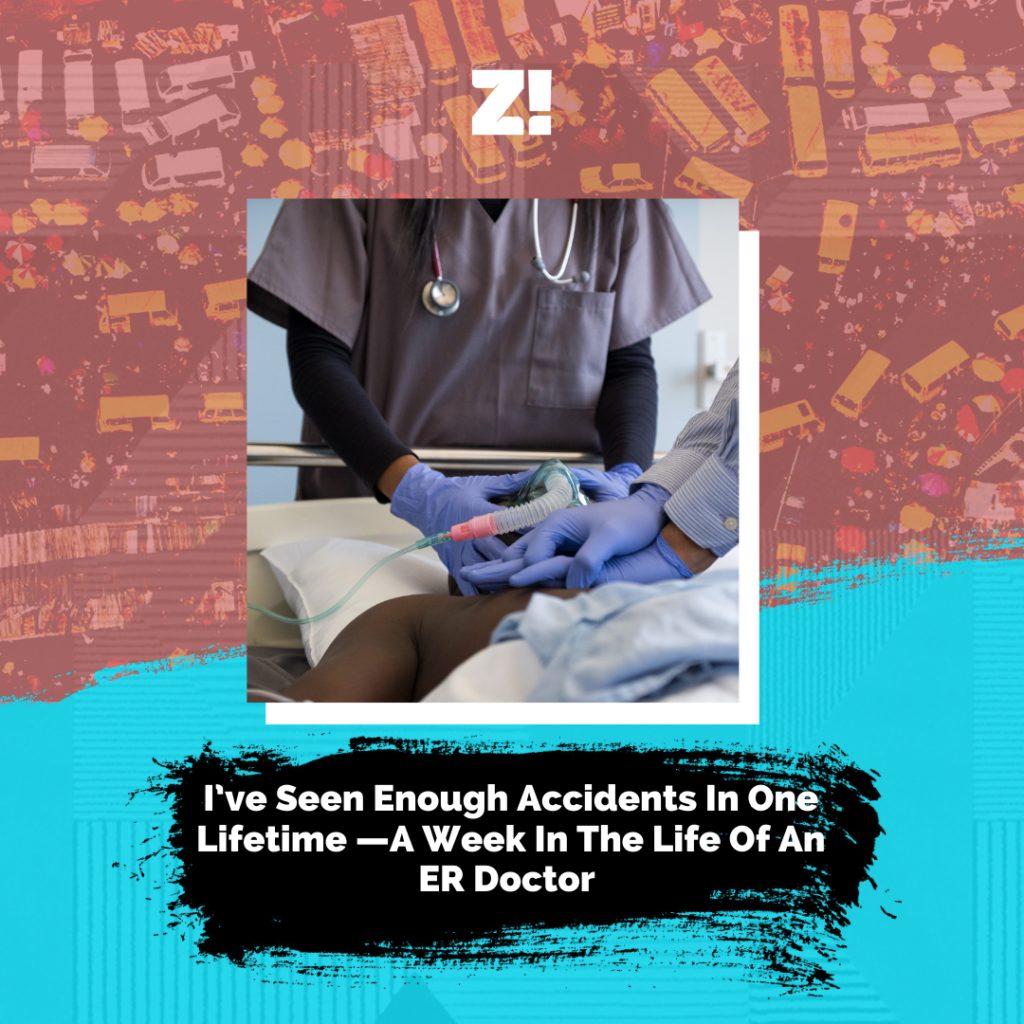
  • I’ve Seen Enough Accidents In One Lifetime —A Week In The Life Of An ER Doctor

    A Week In The Life” is a weekly Zikoko series that explores the working-class struggles of Nigerians. It captures the very spirit of what it means to hustle in Nigeria and puts you in the shoes of the subject for a week.


    The subject of today’s “A Week In The Life” is an emergency room doctor at the Lagos State Accident and Emergency Center. He talks to us about the stress that comes with his job, how witnessing road accidents has made him more cautious, and the procedure for contacting emergency services in Lagos. 

    ER doctor

    MONDAY:

    Because everyone is rushing to beat Lagos traffic, Mondays are one of the busiest days for me. And I’m not saying this because I’m also stuck in traffic.

    I start my day at 6 a.m. on most days. My routine is the same: I wake up for morning prayers, have my bath and freshen up, then I dress up. 

    Work resumes at 8 a.m. so I leave my house at 7 a.m. Because I work in an emergency centre, the first thing I do when I get to work is change into scrubs — a protective garment worn by healthcare professionals involved in patient care. 

    After that, I go to the emergency room to take over from my colleagues on the night shift. My colleagues hand over by briefing me on the history of patients on admission and treatments done so far. Somewhere between all the paperwork and catching up, my day fully starts. 

    On Monday, we get a lot of road traffic accidents and a high number of assault cases. Unsuspecting workers who leave their houses early to beat the traffic are sometimes attacked by hoodlums. Also, private cars and bus drivers who drive too fast in the early morning get into accidents. 

    My job involves resuscitating these patients and stabilising them. That is, keeping them alive long enough until they can get to a General hospital or to a specialist. 

    My first patient today stood out to me because he was a victim of assault. He was rushed in with a fractured skull and he had lost a lot of blood. I noted to the ambulance driver that I could only stabilise the bleeding, and he had to take the patient to LASUTH for specialist care. 

    After that patient, the rest of my day was a blur: stabilise this patient, repeat, stabilise that patient, repeat. Over and over again. 

    TUESDAY:

    We get a lot of emergency cases every day and our response time is of utmost importance. When a patient enters our gate, the security personnel rings an alarm system to alert every healthcare worker in the facility to start running to the ER. You leave whatever you’re doing and run. 

    It takes less than two minutes to get to a patient, then treatment commences. 

     Before any contact with the patient, we put on our PPEs, gloves, disposable aprons, face mask and shields. Then we move to what we call initial patient evaluation and resuscitation. This follows a stepwise pattern known as A — E: 

    A — airway and cervical spine  — spinal cord  —  protection

    B — breathing & ventilation

    C — circulation

    D — disability or neurological deficit observation

    E — environmental checks. You check the surroundings to eliminate any other form of injury that might have happened due to the environment. 

    Different doctors handle different parts of the protocol.

    A: There’s a doctor whose job is to ensure that the airway is not compromised and the patient can breathe well. In addition, they also protect the cervical spine which houses the spinal cord. Protecting the spine is important because the lifting of a patient for treatment, especially after an accident, can damage important nerves connected to the diaphragm. And this can affect the supply of oxygen to the brain and heart, which can lead to death.

    There’s another doctor in charge of monitoring the patient’s breathing. They ensure the patient has no injuries that can affect breathing. Then circulation where the doctor replaces body fluid of patients who are in shock due to reasons like bleeding or infection.

    Finally, we check for disability and monitor the patient’s surroundings to ensure that we don’t miss anything. While all this is ongoing, the patient’s vitals like pulse rate, heart rate and oxygen level are being measured by the nurses.  

    Once the health team is satisfied with the patient’s stability, we then refer them for specialist management. A nurse accompanies the patient in our ambulance and hands over the patient to the new team that’ll resume management. 

    The best part? We do all this for free so that patients don’t have to worry about money. In an emergency, people just need to dial 121 and our ambulance will pick them up. Then our facility handles the rest.

    WEDNESDAY:

    Today, I’m thinking of how quickly things in the ER move from 0-100. One second you’re in your call room chilling and the next you hear the alarm ringing. And you start to run. 

    It can be overwhelming and demanding because you’re always on your toes. I remember being nervous on my first day of work because of the number of patients and the pace of the job. But now? I can function in my sleep. 

    It’s been a year since I started this job and the experience has given me self confidence. Now, I don’t panic and I never freeze. 

    I’ve also changed a lot since I resumed the job. I now take extra caution when driving by wearing my seat belt before leaving my house or office. I don’t drive more than 60km/h. And if I see a car speeding, I allow them to go past me. 

    When everyone is horning on the road, I put on my double-pointer [hazard light] and stay on one side of the lane. I let everyone overtake me because I’m not rushing anywhere. 

    I also don’t cross the express. If the pedestrian bridge is 30 minutes away, I’ll trek towards it and climb. I’ll also not be caught dead on a bike.

    Why? I’ve seen enough road traffic accidents to last a lifetime. I know better. 

    We have a saying in the emergency centre: “What are you running for? Even if you go slow, you’ll still get to where you’re going.”

    THURSDAY:

    In this job, there’s no “off” switch that you can just turn off. The lines between home and work get blurred, especially for patients who have spent some time in the facility with us. I find myself constantly thinking about my patients even when I’m off work. 

    I’m happy that the Lagos state government pays the patient’s fees so we can focus on saving lives. In my experience, the delay from payment and deposit affects a patient’s chances of survival. But this way, we commence treatment quickly.

    I wish there were more centres like this around the country. I also wish the health system as a whole was something to be proud of. If things worked well and doctors had equipment, maybe jaapa would reduce. I love my job, but I know it’s a bubble so I’m still making plans to leave for greener pastures. 

    The experience has opened my eyes to many possibilities. When I get abroad, I know that I’d like to still continue as an emergency responder. The adrenaline and fulfilment from helping patients is second to none. 

    But away from daydreaming to the present. We have a lot of accident cases today. But I’m not worried —with our level of care and protocols, we’re fortunate to have a low mortality rate. For that, Glory be to God. 

    I can’t wait to close from work in the evening and crash on my bed. I’m on the night shift tomorrow, and I need all the rest I can get. Fridays are also one of the busiest days because of TGIF accidents. But until I have to think of Friday, my plan is simple: I must survive today’s madness. 


    Check back every Tuesday by 9 am for more “A Week In The Life ” goodness, and if you would like to be featured or you know anyone who fits the profile, fill this form.

    [donation]

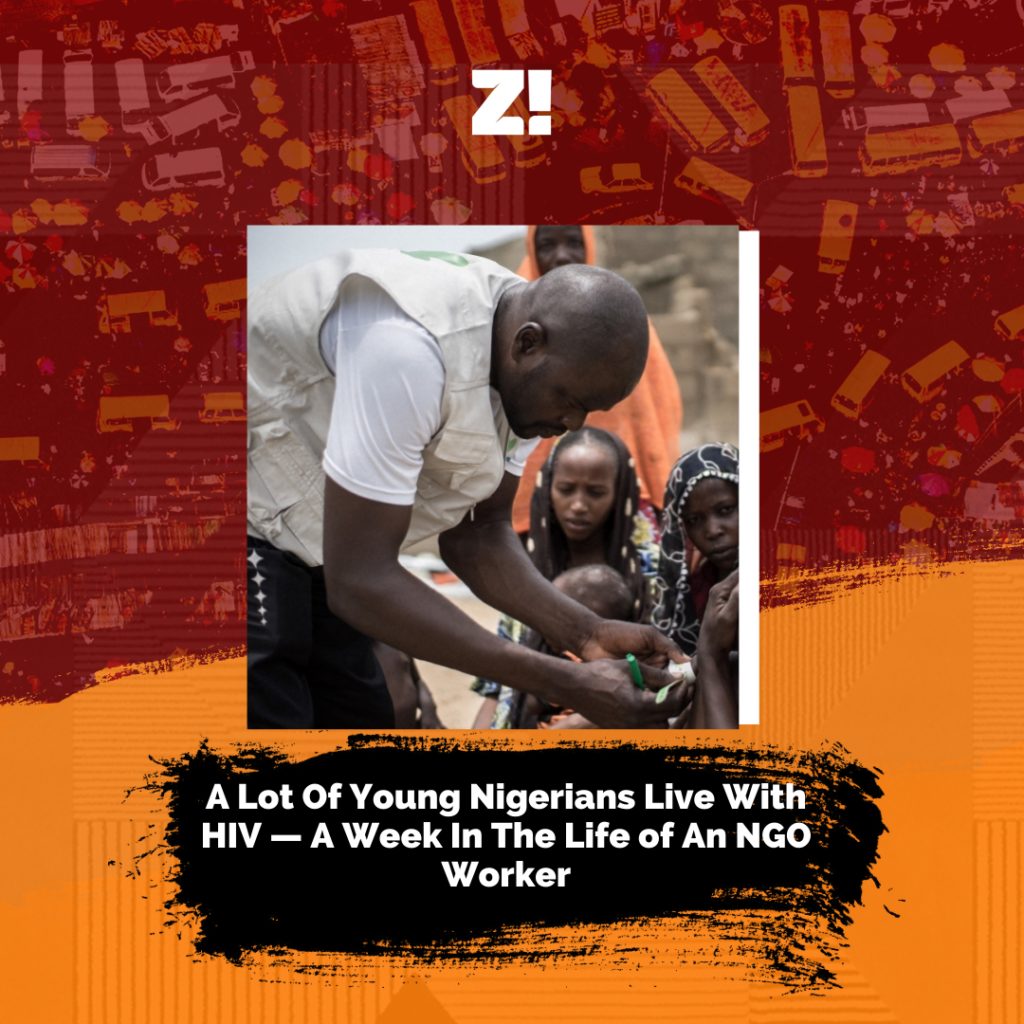
  • A Lot Of Young Nigerians Live With HIV — A Week In The Life of An NGO Worker

    A Week In The Life” is a weekly Zikoko series that explores the working-class struggles of Nigerians. It captures the very spirit of what it means to hustle in Nigeria and puts you in the shoes of the subject for a week.


    The subject of today’s “A Week In The Life” is a medical doctor working at an NGO. He talks to us about why he left clinical medicine for NGO work, lessons he has learnt on the job, and how all his experiences add up in helping him achieve his dreams.

    NGO
    Image source: Google Images

    MONDAY:

    My day starts early because I’m a nightcrawler. I wake up at 3 a.m. to read an email or watch a movie, then I return to sleep when I’m done. 

    I wake up again by 5:30 a.m. to pray, and I lie in bed after prayers doing nothing till 7:00 a.m. Then I get up to have my bath. A side effect of living outside Lagos is that I spend 45 minutes bathing, brushing, singing in the shower and still get to work by 8 a.m. The roads are free and my house is a 10-minute drive from my office. 

    I resume my day with coffee to wake me up and I start to mentally psyche myself to face the day. Mondays have one thing in common: meetings, meetings, more meetings. 

    Yay! 

    TUESDAY:

    I work as a program associate at an NGO providing access to care for people living with HIV. My organisation’s job is to monitor and manage the entire care process in line with the UNAIDS 95-95-95 goal. This states that firstly, 95% of people who are HIV positive should know that they are HIV positive. Secondly, 95% of people who receive an HIV positive diagnosis should be on medications. Thirdly, 95% of people who start treatment for HIV should be virally suppressed

    We try to achieve this goal by splitting ourselves into various teams: the tuberculosis HIV team, the prevention of mother to child transmission team, the paediatric team and the adult team. I work with the adult team and my job involves receiving patient’s data from health workers on the field and using it to guide strategy and program implementation. 

    Today, I read through the data of the number of clients in care, their viral load level and drug adherence. From these indicators, I can tell where our strategy is working and where it isn’t. One of the states I’m managing shows a number of patients with a relatively high viral load, so I make a mental note to enrol some of them in an enhanced adherence counselling program. This is to understand their specific challenges and help them work through them.

    If that doesn’t work, then we’ll have to switch them to second-line antiretroviral drugs.

    I inform my boss of this development and he suggests we travel down to the community for a few days to support the work of the field workers and to observe their process. 

    I acknowledge his advice and concern, however, the major thing on my mind is food. I need to eat before I can continue thinking. It’s important I help myself first before I try to help others. 

    WEDNESDAY:

    It’s 5:00 p.m and it’s the close of work. Days like this remind me of why I decided to leave clinical medicine. As a clinician, I’d work 48 hours non-stop shifts and still resume work on the third day by 6:30 a.m. Every free time I had was dedicated to either sleeping, catching up on sleep or dreaming about when I’d sleep. 

    I quickly realised that the 24/7 work lifestyle wasn’t for me and I ran. I was also looking for something mentally tasking with a large scale impact on the population, so the NGO job fit perfectly. The ability to work flexible hours while providing impact? Sign me up. 

    In addition, the remuneration was very attractive. Suddenly, work went from being miserable to being “fun.” 

    I’m fortunate to have this job and I don’t take it for granted. I plan to make the best use of my time and that’s why today, I’m meeting up with a few friends for dinner. After all, all work and no play…

    THURSDAY:

    It’s been a relatively chill week and nothing has broken, yet. That’s why I have some time to reminisce today. 

    A few things I’ve learned from this job: there are a lot of young people living with HIV in Nigeria. A lot. But it’s also not a death sentence because, with proper treatment and adherence, people live till old age. I’ve seen first-hand how compliant patients who receive HIV diagnosis live with suppressed and virtually undetectable viral load. This means they can carry on without the fear of infecting their sexual partner. 

    I’ve also seen how people struggle with stigma because of their HIV diagnosis. And how tedious it can be to use medicine at a fixed time every day. 

    Then, I’ve also noticed that the prevalence of HIV seems more among people from low socioeconomic backgrounds. And that’s why I’m sure that if we didn’t have NGO’s, the HIV burden in Nigeria would have been 10 times more than it currently is. 

    At the end of the day, everyone needs to understand that HIV is not a death sentence and that people live meaningful lives regardless.

    Work has also made me abstain from having multiple sexual partners. Because I understand that the easiest mode of contracting HIV is through unprotected sexual intercourse,  I have only one sexual partner. I wish younger people had more sexual education to encourage them to stay safe. 

    FRIDAY: 

    It’s currently noon and that means we’re a few hours away from the weekend — TGIF! 

    I’m aggressively trying to wrap up all my tasks for the day so I don’t take work home over the weekend. But my tasks involve a lot of “dear sir”, “dear ma”, “please find attached” and so many “best regards.” One of the hard parts of corporate culture is the formality and email culture, but I don’t mind. It’s still better than where I’m coming from. 

    I know that if I put my head down this experience will be very useful. As long as I keep polishing my Excel skills, Microsoft skills and soft skills, it’ll add up. After I’ve gained meaningful experience then I’ll go for my Masters in health policy or data science and start to focus on health system strengthening. By the time I’m done, I’ll be one big consultant focusing on Nigeria, Then I’ll forget all about this struggle. 

    Until that time comes, I’ll keep typing my “warm regards.” And working and playing hard. However, before I start dreaming, I need to first survive today in one piece. 


    Check back every Tuesday by 9 am for more “A Week In The Life ” goodness, and if you would like to be featured or you know anyone who fits the profile, fill this form.

    [donation]

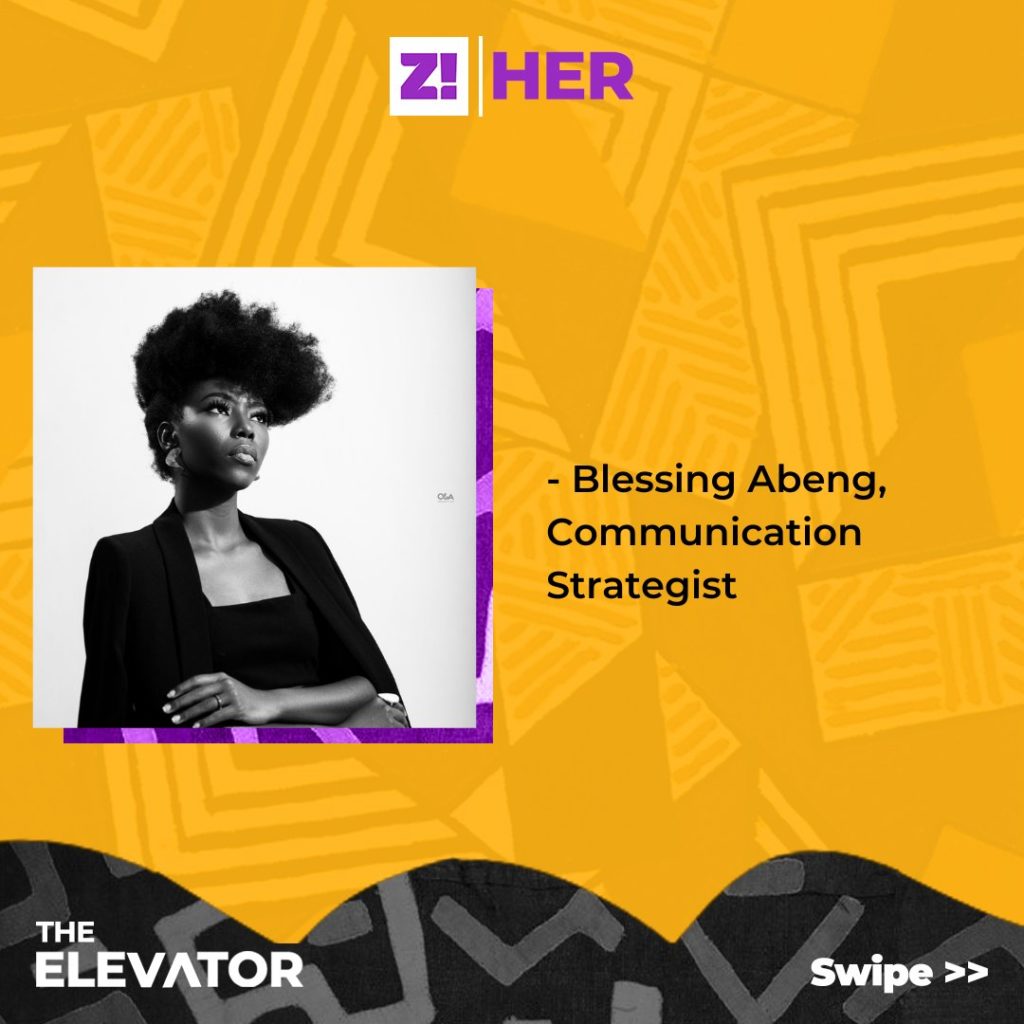
  • The Elevator: I Want To Save Lives By Impacting People’s Livelihood – Blessing Abeng

    The Elevator is a limited Zikoko series that details the growth of young successful Nigerian women. We tell their stories every Tuesday by 12 p.m. 

    Blessing grew up dreaming of being a medical doctor because she wanted to save lives but while studying for her first degree as a Biochemist, she discovered that Medicine wasn’t the only path to that dream. Blessing Abeng is a 26-year-old Communications and branding expert who works centres community building. In today’s episode of The Elevator, Blessing talks about her journey as a communication strategist with a goal to impact the lives of those around her.


    What did you want to be as a child?

    A medical doctor.

    How did that change?

    As a child, I was really enamoured by the idea of being a medical doctor. I liked the idea of being able to treat people. My parents got me lab coats when I was a kid. I read Ben Carson’s book like my life depended on it. I didn’t want it to be a basic medical doctor — I wanted to be a neurosurgeon because there weren’t many neurosurgeons in Nigeria at the time. It was like a superpower to me. Shonda Rhimes’ Grey Anatomy also played a part. Christina Yang was my favorite character — I loved how passionate she was.

    In secondary school, I was in art club. I featured in plays. I was always part of the team that represented our school in writing competitions. I was also in science club. I also joined the school team for Mathematical competitions. When it was time for us to pick between science and art class, my choice was science but my teacher was not having it. Eventually we had a conversation with the principal, who agreed that I could do both science and art classes.

    When it was time for me to go to university, my dad thought I was too tiny to go to the US alone so he suggested I go to Covenant University first to study biochemistry.He said when I was done, I would now go for my medical career. In my head, I was like Medicine is a long path. It didn’t make sense that I would finish biochemistry and go for another four years plus of schooling. One day, I was in one of my Biochemistry classes and I just knew that this wasn’t for me. The teachers didn’t seem interesting to me. It felt like there was nothing more to it and being a doctor in Nigeria can be very limiting. So I started asking myself of other ways to save lives.

    One of my friends who knew I was a writer asked me to try writing business plans and I did. Most of the business plans I was seeing at the time were boring and looked similar so I used to add my own creative flair to it. I had such cool ideas for marketing and positioning. There was this club in Covenant University where we learned business writing. The facilitator would give us cool tasks like pitching products to attract investors. That’s how I wrote my first business proposal and it became a thing I did.

    One day, another of my friends reached out to me. She said, “This thing you do, people make money from it. How about you try going to a branding school called Orange Academy?” I looked it up and I liked what I saw. I planned that it would be the first thing I did once I finished school.

    During my NYSC, I was working hard to get the money required for the school fees. I asked my dad but he said I wasn’t going to be a doctor so why would he pay for that? I started looking for jobs in Lagos so that I would be able to go to the school there. I knew my dad would not let me move from Abuja to Lagos except it was for educational purposes so I knew I had to get a job. When I did, I was able to negotiate with my boss that he would pay a percentage of my house rent. That’s how my father let me move.

    What was your first job?

    I was looking for social media related jobs. At the time, social media was just getting popular in Nigeria. This was around the time where people still used to greet each other good morning on Twitter and tweet fights were sweet. I was good at mine so I thought managing a brand’s social media couldn’t be that hard.

    I found a couple of openings and I applied. One day, a guy called me that they had received my CV and wanted me to come for an interview. I remember taking a bus from Imo state, where I was serving because I couldn’t tell my father where I was going and I couldn’t afford a plane ticket because I was still saving for branding school.

    When I got to Lagos for my interview, me and the guy were just talking like we have been friends for a while. Personally, I have never had a bad interview. I always end just gisting with whoever is interviewing me because the worst that can happen is that they will tell me no and I would move on. Funny enough, I have never gotten a ‘no’.

    At the interview, the guy told me about his company which was giving an afropolitan angle to things happening around the world. He was very passionate about changing the African narrative. He was doing that through films but I knew they could do more. He was so impressed by my ideas. He said, “Your vision for my company is bigger than what I even have in mind.” He promised that if I did well within the next six months, he would promote me to assistant manager. It felt good.

    I took the course at branding school. I did really well at it that many agencies wanted to hire me afterwards. I kept getting better at my job and I realised saving lives doesn’t just mean holding somebody’s heart or brain in your hands. Business is a source of people’s livelihood. If you can help people’s businesses scale, you are saving lives because you are helping people make a living and improving the quality of their lives. Branding school changed my mindset and afterwards, I pursued branding and communications like my life depended on it.

    When I joined the team, I was the only woman and I thought my colleagues were mad at me for coming from nowhere but we did amazing things together. That’s how I got my first business client.

    Tell me about it

    So at my job, I was the presenter, assistant manager and the business development person. I was to interview Lemi Ghariokwu, who was the album art designer for Fela for our program. Before the program, I researched him to know more about him but I found that he didn’t even have a website. All the conversations around him on the internet were by journalists. I found him really interesting for someone as old as he is. The day we met, I asked him, “Why don’t you have a website?” It led to a long conversation about how he had been scammed in the past and I convinced him to try again. My partner, who I am now married to bought him a domain name and web hosting. We didn’t ask for anything. I became his handbag. He took me everywhere and introduced me to a lot of people. Later when I was focusing on my business, all those people became my clients.

    That’s interesting. What was your first project?

    It wasn’t my first per se considering that I had done a lot of things at school but it was the first time my company did a website for a client.

    Nice! Tell me about your company

    It was a branding and communications company. I wanted to register it as a publishing house but my dad advised against it. He is a businessman so he liked to give me advice on how best to navigate issues. He advised me to register the company as a communication company that could do digital training as well as publish. Then, the only thing I wanted to do was publish and I did. I wrote my first book and published it as an experiment. I like to experiment with things I don’t fully understand — that’s how I learn.

    I knew that I had a lot to learn as a business owner. I wanted to grow, which is why I started looking for jobs. I even told my first boss that I would be using his company to practice everything I learned from school and he was super excited about that. The company eventually went defunct after I left. They couldn’t find someone who could replace me and so the company lost that direction. I feel bad because I think I should have groomed someone to take over for me.

    I moved on to work at an agency and I learned so much from that experience. That was the period a lot of people wanted to work with me but I didn’t want to commit to just anything in the name of side hustle so I decided to test my company. My company offered the same services that the agency I worked at offered — branding and communications for businesses but instead of going for big clients like the agency did, my company went for smaller brands.

    My friend who was a top staff member at a big company asked me to take over the communication manager role at the new company he was setting up and I did. He also set up a microfinance bank and I handled communications there as well. For my company, I ensured that I didn’t hire full time staff so it was a flexible schedule for everyone. It was a great experience — I put all the things I had learned over time into my work. But after a while, I got bored and started toying with the idea of becoming a housewife so I could chill and travel.

    LOL. What happened next?

    In 2019, I quit every single thing and focused on my business. In under one year, I built the business of my dreams. We had a rule where we would never take more than a certain number of clients so we can give the best possible services to the brands under our clientele. It was really successful. People reached out to me to join their teams but I really didn’t want anything else at the time.

    But then towards the end of 2019, Disha reached out to me and I liked what they had planned so I joined their team. I became the Co-founder and Chief Marketing Officer of Disha. Before I joined Disha’s team, I made sure I had set my business up in a way that it could run without me. I automated a lot of processes and changed the services we offered. Instead of a hands on service, we offered short term services that didn’t require a lot of our attention. For example, instead of taking on content creation for a brand, we would create content strategy plans that they could employ someone else to execute.

    A few months later, my friend Maya, who had been chasing me for two years to work ]with her, told me about a social project she was working on. I really loved the idea and I had never worked in nonprofits before. I thought it would be interesting so I joined the team at Ingressive4good as Director of Communications, which is where I work currently. Unfortunately, I had to resign from Disha.

    Your journey has been exciting so far. Do you have a favorite project?

    One of my first loves was Heritage Bank. It was one place where I broke rules and did things brands weren’t doing at the time on social media. This was around the time Jon Snow just woke up in Game of Thrones. I had a fun idea to use Game of Thrones to teach people about their finances. We did that for a while and it trended.

    I also really loved Disha. When I joined the team it was easy to build the business because I loved the business, I loved the idea and I loved the people in the team. In the short time I was there, I was able to help the business grow from 1000 users to over 20,000 users and increase revenue by 5,900%. It was such a lovely company that even the users knew that it was a gift.

    That’s amazing. How do you deal with stumbling blocks along the way?

    I am never afraid to ask for help. I also borrow from other industries. When I have a problem, instead of researching that problem, I could read other things like architecture or engineering. I realised that the most innovative solutions came from marrying two entirely different things together.

    What have you learned so far?

    My favourite hack to set structures that ease your process. For example, whenever I have a bad experience with something, I would create a structure to ensure it doesn’t happen again. I also do this when I have a good experience — i replicate it and make it even better. That way, I am not brainstorming every time I have to do something similar. I do that by documenting the process every step of the way.

    Are there any women that you admire?

    I like Ellen DeGeneres. I think she’s a marketing genius. I know she has a team but I know she also has to sign off on a lot of things and I think her campaigns are always super interesting.I also love Shonda Rhimes and Chimamanda. They share something in common, which is independent thinking. They can think for themselves irrespective of whatever backlash they’re going to get. I like women who are fearless and confident. That’s something they all have one thing in common.

    With everything you’ve done, what’s something you’ve learnt along the way?

    One of my biggest lessons has been about consistency. One day during the lockdown, after brushing my teeth, I had a light bulb moment. I realized that when we forget to brush our teeth one day, we don’t associate shame with it and stay away from brushing our teeth forever. Instead, the next day, we brush harder and that is consistency.

    What’s next for you?

    One of the key things I’m focused on is finding ways to directly impact members of my community beyond what I have done now. I’m passionate about ensuring every single person I meet is better than when I met them. I often think of how I can help the people around me and right now, I’m thinking of pivoting my communications careers towards helping individuals with personal branding. I can’t wait to see what I come up with.


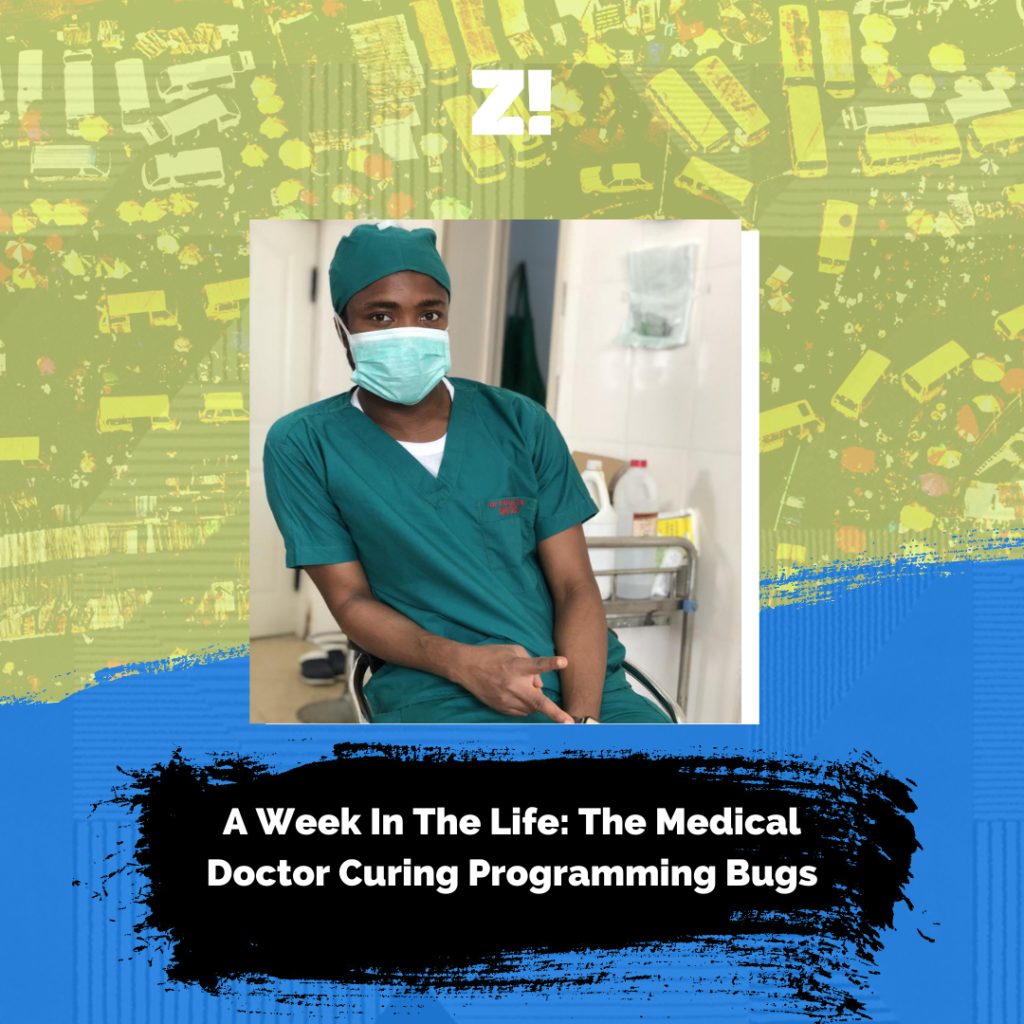
  • A Week In The Life: The Medical Doctor Curing Programming Bugs

    “A Week In The Life” is a weekly Zikoko series that explores the working-class struggles of Nigerians. It captures the very spirit of what it means to hustle in Nigeria and puts you in the shoes of the subject for a week.


    The subject of today’s “A Week In The Life” is a Medical doctor. He talks about the worst year of his medical career, how Nigeria kills dreams, and why he’s aggressively learning to code.

    MONDAY:

    I wake up by 5:30 a.m. because I have to pray and get ready for work. I like to get to work early because punctuality is a virtue. After prayers,, I scroll through messages on my phone to see if I missed anything from the night before. I reply to a few messages, then I go through the ritual of brushing, bathing and general grooming, and I’m ready for the day.

    I work as a doctor in a small private clinic. When I resume at the hospital, the doctor on the night shift hands over a patient that was on admission over the night. I introduce myself and go over the treatment plan. There is no other patient on admission, so I sit and wait for outpatients. I’m grateful for this job because I don’t see more than 5 – 10 patients in a day. It’s rare, as a doctor, to do a job that gives you free time. 

    Thankfully, I’m with my laptop, so I decide to write some code. I inform the nurse that I’ll be in the doctor’s room if she needs me, and my day really begins.

    TUESDAY:

    The residency program for doctors in this country is crap. I considered doing residency and even wrote the first qualifying exam, but thank goodness I noticed a trend that changed my orientation on time. 

    A few months ago, each unit had ten doctors, and even that wasn’t enough. But now, you have one doctor doing the work of ten people. So you realise that the person is overworked, underpaid and underappreciated. This is quite discouraging. 

    I still think that my house job year was one of the worst years of my life because it was a really long year. There were days I thought I was going to die because of the workload. I don’t consider myself a lazy person, but it was overwhelming even for me. It was just too much work. 

    I’ll never forget a weekend call that broke me. Typical weekend calls last for 48 hrs — you resume at 8 a.m. on Saturday and leave the hospital by 4 p.m. on Monday. I remember that I was in one extremely stressful unit and by 9 p.m. on Monday, we hadn’t left the hospital. I’ll never forget thinking I was going to die as we moved to the last patient. My eyes were closing as I struggled to keep up with my senior colleagues. At one point, I didn’t even realise I had started swaying until I felt a hand on my shoulder. It was an elderly matron who had noticed I was about to fall that stopped me. She got me a chair, sat me down and sent for a bottle of coke for me. For the first time since that day started, someone showed me empathy. It’s funny how people are so focused on getting help that they don’t realise that even the helper needs help. That singular act was the kindest thing anyone did for me during that house job year. 

    I think that was one of the straws that made me realise that this country is not it and any hope for a change in the healthcare sector is light-years away. 

    The thought of residency being worse than house job is scary, and that’s why a lot of doctors are investing in jaapa. I hope that journey will be more straightforward and rewarding. Today, I’m going to spend my time dreaming of a healthcare system that’s not trying to kill me.

    WEDNESDAY:

    The hardest part of being a doctor is societal expectations. People expect you to dress a certain way, act in a certain manner and then go down the traditional path of residency. 

    Anyone who diverges from this path — I have friends exploring other fields — is considered a failure. In a way, medicine has a way of indoctrinating you to believe that you can’t be anything without it.  And that doctrine is one of the hardest things to break free from. I think once many doctors realise that there’s much more outside of the profession, the better they’ll be for it. I’m hoping that when we jaapa, our passion will be reignited. I think for many people, passion died during the house job year, and they’re just winging it until they get out. 

    Learning to code started out as a result of curiosity and a lack of options. I remember reading a book that changed my perspective. The book talks about how people with two high in-demand skills can give more value, and how they own the future. These people are able to identify opportunities for innovation in one field and then bring knowledge from another completely different field to help in problem-solving. The unique advantage they have is that someone in either field would either be unable to see those unique problems or would lack the skills to solve them. 

    After reading the book, I started learning to code as part of my new year resolution. I’m trying to see if I can use technology to solve medical problems. Two months to the end of 2020, and I’m grateful for how far I’ve come. I can’t wait to say it’s been one year since I started learning to code. 

    THURSDAY:

    Today, I can’t sleep. I’m tossing and turning. I’ve been dreaming of a bug that just won’t allow my code to be great. I dreamt of the solution to the problem and that’s what woke me up. 

    For something that started out of curiosity, I’m hooked. I find myself waking up in the middle of the night to solve some problem. I’ve lost count of how many times I have found myself dancing in the middle of the night alone, with no music playing, because I successfully fixed a bug in my code. 

    My proudest moment still remains my first project. I was at work one day when a child was brought in the middle of the night. The child had seizures, was dehydrated and unconscious. Being the only doctor [with only a nurse] in the clinic, I had so many responsibilities. I had to monitor vital signs, set intravenous access [a line] and calculate the amount of fluids to give the child. Even though the calculation wasn’t hard, I couldn’t help but think of how to automate the task so that the next time I had a similar patient, I’d have one less task to perform. I wanted a way to input some values and get the amount of fluid to give. This made me build my first project — a calculator to determine the amount of fluid to give to a dehydrated child. 

    After building this, I innocently put in on Twitter because I felt like one or two people would relate. In less than six hours, I had over two thousand views. I was shocked because I don’t think I’ve ever had anything that had more than 10 views. It was a humbling experience which has prompted me to build a lot more medical applications. 

    I’m grateful for the medical community on Twitter, and I’m glad to be a part of it. I’m also grateful for my support system, most notably my girlfriend who’s always there for me. 

    I’m just here thinking about how she’s been my number one supporter on this journey. She has supported me with time, money and encouragement. In fact, my plan for today is simple: I’ll start calling her sugar mummy. 

    FRIDAY:

    Today, I made $100 from my first coding job. This may not seem like a lot until you realise that it is one third the average salary of a doctor in Lagos. It’ll take 10 full working days for a doctor to earn that amount, and I did that in six hours. More than anything, this has shown me that there’s some prospect in coding. We die here.

    I’m not going to white-wash it; coding is hard. It’s frustrating. It makes me feel clueless, stupid, dumb. It’s ridiculous that because you miss one semicolon, your project is breaking.  However, if you stick through the difficult times, it gets easier and you begin to gain some proficiency. I’m lucky because I have a good support system, and I’ve also been a recipient of kindness from helpful strangers. 

    I’m going to keep pushing it — medicine and technology. I see a future where I’m running my own tech startup. At the back of my mind, I’m hoping that it’s not within this country because Nigeria has a way of killing your dreams. And because medicine in Nigeria is a jealous lover; it’s almost impossible to combine anything with it, especially if you’re going through the path of a residency programme. Outside this country, you can have a life outside of medicine, the long hours and poor pay, and that’s all I’m hoping to have. Is that too much to ask for?


    Check back every Tuesday by 9 am for more “A Week In The Life ” goodness, and if you would like to be featured or you know anyone who fits the profile, fill this form.

    [donation]
  • 8 Things About PCOS You PROBABLY Did Not Know

    For PCOS awareness month, we talk to Doctor Opeyemi , a medical doctor, graduate of Obafemi Awolowo University, social activist, sexual and reproductive rights advocate, a healthcare manager and administrator who has been practicing for three years.


    1) What PCOS stands for

    PCOS stands for Polycystic Ovarian Syndrome. It is called a syndrome because there are different parts of it.

    2) Who it affects

    PCOS can be had by woman between reproductive ages. Basically, any woman that has experienced menarche (the beginning of menstruation).

    3) How common it is

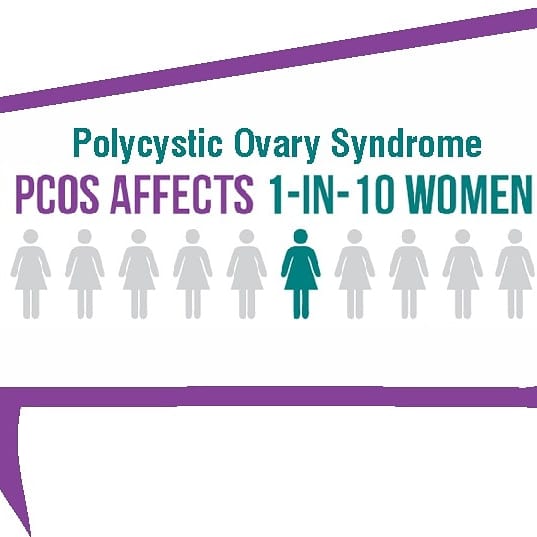
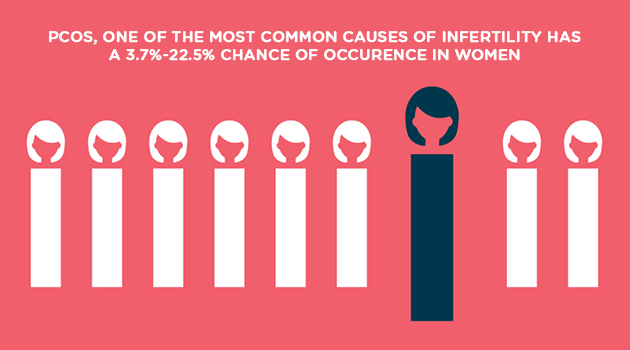
    PCOS is a fairly common illness. Studies that say that ten percent of women who see their gynaecologist are diagnosed with PCOS. If 1 in 10 women walk into a gynaecologist clinic, they get diagnosed with PCOS.

    Globally, 1-in-10 women are diagnosed with PCOS

    In Nigeria, there are studies that show that 16% of women are diagnosed with PCOS.

    4) Some of the common symptoms

    a) Menstrual irregularities

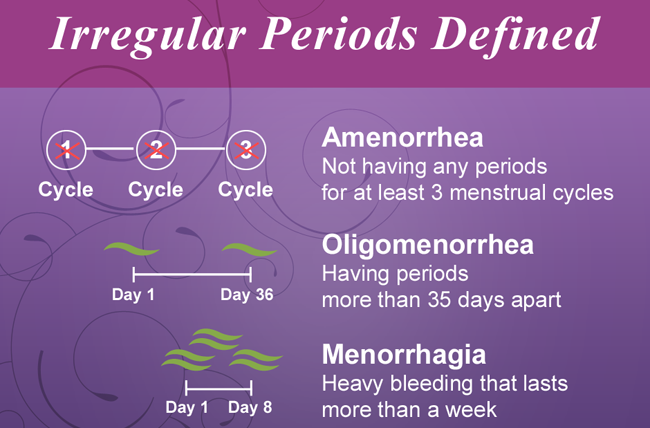
    It could be reduced menstruation or no menstruation at all. Irregular periods manifest due to the lack of ovulation, or the irregular occurrence of ovulation

    Definitions of irregular periods

    b) Infertility

    In fact, a lot of women do not know they have PCOS until they go to the clinic due to their inability to conceive.

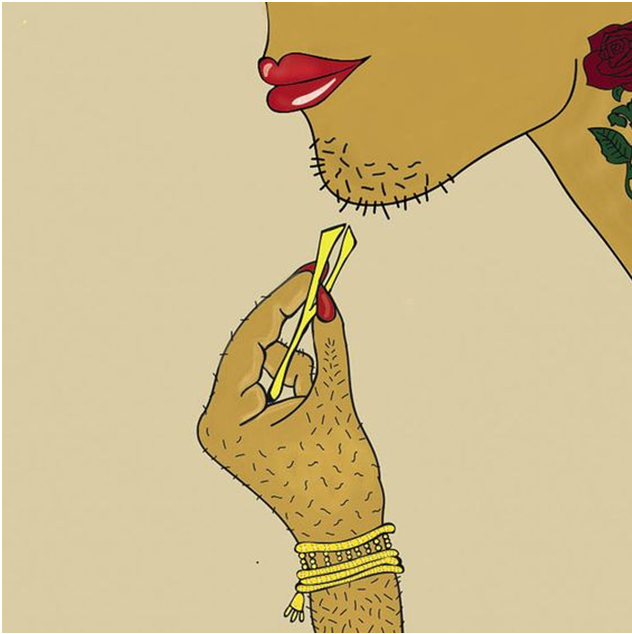
    c) Excessive hair growth

    This is as a result of the excessive accumulation of androgens

    Woman with excessive hair growth as a result of increase in testosterone

    d) Obesity

    Many of them are obese, and are at risk of getting diabetes later in the future.

    5) What it takes for a doctor diagnose you with PCOS

    It is important to note that PCOS is a syndrome, so it is not just about the Polycystic ovary. So, there are three main things doctors look out for, and diagnosis is usually made when at least two are present. They are: excessive production of androgens, polycystic ovaries or cysts in the ovaries, or menstrual irregularities.

    6) When to get diagnosed

    Once you notice any of the symptoms, it is important you go see a gynaecologist to get treatment. Also people that have had other close relatives have it, or those with diabetes.

    7) Why a lot of people do not know they have it

    Nigeria has a poor approach to healthcare, and an even poorer approach to reproductive healthcare. There are not many people talking about it, or trying to raise awareness on this issue. So, they do not know the right places to go to, or people to ask. Also, seeing as it is not a well known disorder yet, there will be a lot of misdiagnoses.

    8) The best way to raise awareness for it:

    More people talking about it and having conversations about it. Improved sex education will also help raise awareness for it.

    For more PCOS articles click here, and for more general women’s stories, click here

  • A Week In The Life: My Love For Talking Saves Me From Practicing Medicine

    “A Week In The Life” is a weekly Zikoko series that explores the working-class struggles of Nigerians. It captures the very spirit of what it means to hustle in Nigeria and puts you in the shoes of the subject for a week.


    The subject for today’s “A Week In The Life” is a doctor currently waiting for his youth service. He talks about choosing not to practice medicine, discovering his love for entertainment, and why he shows up every day. 

    MONDAY:

    On most days, I typically wake up by 8 am but I don’t stand up from the bed until 9 am. I’m currently in the phase between finishing my mandatory house job program and waiting for NYSC so I have some ‘free’ time. I say ‘free’ because the coronavirus and the lockdown are delaying me from going to NYSC camp. All I can do is wait patiently for the government to say something. Anything at all. Even if it’s that they cancelled the 3 weeks orientation camp so that I can just start NYSC and move on with my life. However, since they aren’t saying anything, I’m trying to make the best use of this period.

    This period is depressing for me in two ways: Firstly, because there are no events happening, I can’t host shows. I can’t entertain and make people happy as I normally would. I’m a master of ceremonies and I enjoy making people happy and shutting down shows. Secondly, because of the lockdown, I can’t go for service, so this makes me feel stuck. To prevent idleness, I’ve gotten a remote job as a health consultant on an app. where I interact with patients and give health tips.  I’ve also started hosting some radio and TV shows as an in-house doctor where I talk about common sports injuries. Additionally, I’ve also dived into content creation for my social media and Youtube channels.

    Today, after sorting out food and running some errands, I’m going to focus on creating content for those channels. I plan to finish today but if I can’t, I’ll roll it over to tomorrow. Whatever happens, I must be done creating by Tuesday evening because Wednesdays through Fridays are for shooting videos. I really can’t wait to see what I come up with.

    TUESDAY:

    I didn’t finish creating content yesterday so I’m continuing today. Even though I appreciate that I have time to do what I love, I’m starting to consider getting a proper 9 -5. Only my remote job pays me a salary and that’s barely sustaining me these days. For now, the television and radio gigs I’m doing are mostly out of passion and not because of money. If it was because of the money, I’d have quit a long time ago.

    I once swore that I could no longer practise clinical medicine but these days, as things are getting tighter, I’m starting to entertain the thought. In the past, when I hear anything clinically related, I’d just turn off like engine. When my classmates advertise locum jobs, I’d un-look. However, these days I find myself asking if I’m sure that I don’t need that extra  ₦5,000. Now, I look at job opportunities and feel bad for not taking it. I just hope it doesn’t reach the stage where I’ll have to take one of these jobs because I have no interest at all. I need to shake off these thoughts and focus. Pre-COVID, I’d not have been bothered because I always had an event every other weekend and that made me enough money to keep pushing it. 

    I’m doubling down on creating my content plan today because tomorrow is shoot day. I have to make sure that everything is good to go. In the middle of this, I also plan to cook my favourite food of Jollof rice and white beans because, at the end of the day, I can’t kill myself.

    WEDNESDAY:

    I’m up early today because my show starts by 8:30 am. I have my bath, get ready, and quickly rush down to the radio station. My show ends by 9:30 am and once I’m done, I head over to shoot my videos. I work with a management team for the videos so they handle all the production and heavy lifting. After all the stress of the shooting is done, we take pictures, play games and just chill.

    I’ve had an extremely productive day. 

    THURSDAY:

    Today, I’m not going anywhere so that I can save my t-fare. Money is tight so I have to plan my outings well. I’m reminiscing about how much I miss being an M.C and t’s funny how I got started on this path. 

    In my final year of medical school, I was confused about what to do with my life so I started asking around. I was sure that I didn’t want clinical medicine but I didn’t know what I wanted. Luckily, I read a book by Teju BabyfaceSecrets Of The Streets and that motivated me to explore this path. In the book, Teju listed characteristics of an MC and I fit the description perfectly. However, it was still not an easy journey because coming from my medical background to entertainment was hard. It was difficult to find people with a similar background. Thankfully, I met a mentor called Dr Hakeem who put me through. He took me around and taught me the ropes of the business and I’m forever indebted to him.

    I’ll never forget the first big event I hosted which was a wedding. After a while doing free shows and ₦10,000 – ₦30,000 shows, I decided to shoot my shot and charge ₦100,000 for a wedding. In my mind, I was like they’d price me down to ₦30,000 and I’d still kill the show. I remember the groom saying that the price was too much but he could only afford ₦75,000. I put on a straight face along with big English. I was like “this is below my usual rate but because of the circumstance under which we met and who introduced you, I’ll do it. I consider you family.” But in my head, I was asking myself who sent me message. Immediately, the groom left like this, I called my mentor [Dr Hakeem] to cry on the phone that I had bitten more than I could chew. That I overpromised even though I’d never hosted a wedding alone before. He ended up calming me down and coaching me on what to do. From the day they paid my fee till the wedding, I couldn’t sleep because I kept on asking myself who sent me message. I’m sure that my blood pressure went up during that period.

    To further worsen things, my final year medical exams were moved to the weekend of the wedding. Exams in medical school are split into one week of theory and one week of practical/oral exams. Initially, the wedding was supposed to be two days after my final exams and that’s why I took it. Then, exams got moved by a week so the wedding fell on the weekend after the theory exam and just before the practical exam.

    I couldn’t sleep and I also couldn’t refund the money because I had spent it. It was like my village people were out to finally get me.

    Somehow, I found a way to do it. Immediately after my last theory exam for that week[on a thursday], I started preparing for the wedding which was on that Saturday. I had barely one day to do all of the runnings. At the wedding, I was so scared because my mind kept on going back to my books. My mates were studying for exam while I was jumping up and down. I remember that I wore a grey suit that was soaked with sweat. Not from the jumping, but out of fear. At the end of the day, I did the wedding, killed it, and ran back to school to continue studying. To add to my win, I passed my exam in one sitting which also shocked a lot of people.

    I learned a valuable lesson from that incident- If you don’t try some things, you’ll never know what can come out from it. You just need to be brave. I think that lesson is part of why I’m still pushing it during this period even though things are not so smooth. 

    All this thinking is exhausting, I’m going to spend the rest of the day doing what I truly love, which is sleeping. Tomorrow, I go again. 

    FRIDAY:

    I’m on my way to the studio this morning. I have a show on T.V from 10 – 11 am. After that, I’m going on the radio by 11 am where I’m going to talk about sports injuries. I do all these because my end goal is to combine these skills into opening a media house focused on health communications. The space is relatively untapped and I hope to be a pioneer. Since I have no plans to leave the country, this is my way of showing up. I’m hopeful that everything will add up and by the time I’m forty, I’ll be close to achieving that reality. 

    It’s scary sometimes thinking about it because, at the end of the day, na money be fine bobo. All these things must translate to living a comfortable life. At least let me be able to sustain my family and plan. The world is moving away from certificates to talents – If I can keep putting in the hard work, taking short courses, creating relationships, and learning from people, I’m sure that it’ll pay off. It also helps that I am very fluid. I might have dreams that are in pillars but they are not fixed. If something comes up tomorrow and based on available information, I feel that’s the next step that’ll benefit me, I’ll dive into it.

    For now, all I can do is control the present.

    As at today, I’m just praying that the government re-opens event centres. Abeg, let events just come back. Even if they give me mic say make I stand for road dey shout. I go take am. I have missed events – That dressing up, looking good, having fun and collecting money. I’ve missed it so much and it has affected me.

    I can’t wait for things to return to normal.


    Check back every Tuesday by 9 am for more “A Week In The Life ” goodness, and if you would like to be featured or you know anyone who fits the profile, fill this form.
  • QUIZ: What Did You Want To Be When You Grew Up?

    Growing up as a Nigerian, there were very few career options to aspire to, unless you wanted your parents to kick you out. So, we’ve created a quiz that can guess what your younger self hoped to become, whether it was a doctor, a pilot or a lawyer.

    Take and see if we got it right:

  • 1. When patients come in and, for some reason, insist that their illness was caused by their village people.

    So why are you telling me? Please take drugs and go.

    2. When a patient looks up their symptoms online before coming to the hospital so they argue with you when your diagnosis isn’t what they thought it would be.

    Are you mad?! Who is the doctor here?! Oya take pad and write your own prescription na!

    3. When a patient calls you “Aunty Nurse” just because you’re female.

    Why have you decided to not have sense like this?

    4. When you’re unlucky enough to work with incompetent nurses.

    So what you’re telling me is that you went to Nursing school and you don’t know what the word, “Trauma” means.

    5. When a patient attempts to compare your knowledge of drugs to that of their neighborhood chemist.

    Idiot.

    6. When you inevitably fall sick and people are like, “Ah . So doctor sef dey sick?”

    No. Doctors are half human/half robot. I’m not sick. I just need to change my battery.

    It’s hard out here for doctors sha. If you don’t believe us, read this article about the annoying patients every Nigerian doctor has treated.

    16 Annoying Patients Every Nigerian Doctor Has Ever Treated
  • If Your Doctor Is Close To Your Family, This Is For You

    1. When you have to go to the doctor again.

    2. When the doctor asks if you are sexually active, you’re like:

    3. When you have to undress in front of him/her.

    4. When the doctor eventually finds out the source of your issues and it’s sexual.

    5. When you have to ask for advice on sex and STD’s.

    6. When you realise they’re actually cool and treat you like the adult you are.

    7. But when next you see them at any family event, you’re still like:

  • If You Are A Long Suffering Doctor, This Is For You

    1. When people start crying before you’ve even started talking.

    2. When you are asking simple questions and people start saying you’re judging them.

    3. When people keep insulting you like you are the creator of diseases.
    4. When after all your hard work patients don’t even say thank you.

    5. When your religious patients say “I reject it” to everything you are saying.

    6. When you have repeat offender patients that refuse to take their medicine or follow instructions.

    7. When the repeat offenders then say “Nigerian doctors are rubbish”.

    8. When patients are still trying to lie after test results.

    9. When you think of how much your foreign colleagues are earning while you are earning peanuts.

    10. When your parents and family members think they can call you for every problem they have including the spiritual ones.

  • 1. Those ones that are afraid of hospitals.

    2. What is internal heat please?

    3. Those one that crack dry jokes.

    4. Those ones that never remember their periods.

    https://twitter.com/Marinze_Sheila/status/792826080939896841

    5. The ones that patronise 419 doctors.

    https://twitter.com/tawiotobi/status/792827289067196416

    6. When your multipurpose agbo finally stops working.

    7. Somebody can’t even play with these patients sha.

    8. Those ones that don’t really know what a hospital is.

    https://twitter.com/Mz_mowgee/status/792813329710452736

    9. This funny one about Caesarean Sections.

    10. When a patient thinks palm oil is water.

    11. Those ones that are too superstitious.

    12. Some patients even use style to set P.

    13. The ones that want to turn the doctor to a teacher.

    https://twitter.com/bhorlagnificent/status/792816577242656768

    14. When your patient is the cause of his own sickness.

    15. Those oversabi patients that like forming ITK.

    16. Those patients that can lie for Africa.

    https://twitter.com/SickSage_/status/792801325302112257
  • 1. When he is frowning up and down the house and you ignore him, he’s like:

    “Can’t you see I’m not okay?”

    2. When you finally ask him what’s wrong, he’s like:

    “You don’t even have compassion.”

    3. When he has a small headache, he’s like:

    “Somebody help me oh!”

    4. When men have to go to the hospital for treatment, they’re like.

    “This is how people die oh!”

    5. When you try to do anything that doesn’t involve waiting on them hand and foot, they’re like:

    “You don’t care about me!”

    6. When he has to take his medicine, he’s like:

    Medicine? Again?

    7. So what if he had to go through period cramps?

    Ehn Mr man?

    8. Or go through hours and hours of labour multiple times?

    Obviously nobody would hear word.

    9. And they say women are the weaker sex!

    Imagine!
  • When I was born, the plan was to be a baby girl for life and literally too. First day I heard… “you suck breast too much, I can’t wait for you to grow up”.

    But you see, life’s not fair, I started walking and people started throwing around words like “responsible”, “house chore” etc.

    School started and everything was smooth until I got to senior secondary class.

    Science class or art class or commercial class?

    Decided science class and then my mother decided to tell mummy Biola that always has an opinion about everything. Mummy Biola went..

    And then, “this girl that likes to talk a lot, she should be a lawyer”.

    Meanwhile, I was like..

    So time for JAMB, I studied the brochure.

    I concluded on Medicine and Surgery. So first year in school, I was ready. New baffs, who this?

    Year 1 was a breeze!

    Year 2, Anatomy lecturer said “look beside you, that’s your competition”.

    Big texts, human bones, people started calling me “D Doctorrrrrrr”, I started..

    First test and our scores were pasted on the notice board, when I saw my score..

    Year 2 to year 3 break, went home and dad introduced me as a doctor to his friends, I was like..

    Year 3. Restrategized and was ready.

    I wasn’t going to fail anymore because..

    First professional exam.

    Meanwhile, family and friends were very expectant.
    Results were released and yay! I passed.

    Time for wardcoat and actually dealing with real humans.

    Things took a different turn. Each Consultant* had their rule.

    When you resume in the morning, then you get to the clinic and there are no patients.

    And the Consultant announces an impromptu wardround “to keep you busy”.

    Consultant then asks “Whose patient is this?!” and you have not clerked.

    But you signed for your clerking* partner in exchange for him to clerk your patient but he still didn’t clerk.

    Consultant starts insulting you and your ancestors and a Registrar* now puts mouth.

    After you finish chopping that insult from your Consultant.

    Then, the person that was meant to clerk comes to say sorry to you.

    When you get to the hospital early the following day to clerk the patient and are feeling quite confident..

    You finish presenting and the Consultant asks if you’ve seen a stupid person before and you reply..

    And then, he asks you when last you checked the mirror.

    When you forgot to ask a question from your patient but you lied to your Consultant you did.

    And the consultant now asks the patient to confirm if you really did.

    And the patient answers “no”.

    Then he asks the patient “have you seen this medical student before?” And the patient is hesitant.

    Meanwhile your classmates are behind you like..

    After wardround, they come to pay their condolences.

    But you still believe tomorrow will be better.

    Exam time and everybody is like..

    You and your study partner sit in the exam hall like..

    First question- which of these is not unlikely to be true?

    “How was your paper?”

    And that guy that always passes comes to tell you yet again that the paper was bad.

    When you’re the first person to finish oral exams.

    Then you start permutating your scores to see if you will have up to 50%.

    And finally, you passed.

    Then your finally have the time to go to those weddings your friends always invite you for.

    But through everything, you’re still D Doctorrrrr

    Written by Zikoko contributor, Adeola Adedeji. Featured image from Edu Africa Definitions: *Consultant – A specialist in a particular area and the most senior doctor in a clinical team. *Registrar – A senior doctor in the team studying to become a consultant. *Clerking – Interviewing a patient to determine what is wrong with them.