Notice: Function _load_textdomain_just_in_time was called incorrectly. Translation loading for the wordpress-seo domain was triggered too early. This is usually an indicator for some code in the plugin or theme running too early. Translations should be loaded at the init action or later. Please see Debugging in WordPress for more information. (This message was added in version 6.7.0.) in /home/bcm/src/dev/www/wp-includes/functions.php on line 6121
charity | Zikoko!
  • Lagos Food Bank Initiative Supports Communities With Food This #MonthOfGood

    Lagos Food Bank was established in 2015 making it the first food bank in Nigeria. Since then, the organization has been able to reach 1,500,000 people in 120 underserved communities across Lagos and other neighbouring states, with the help of a network of over 10,000 volunteers.
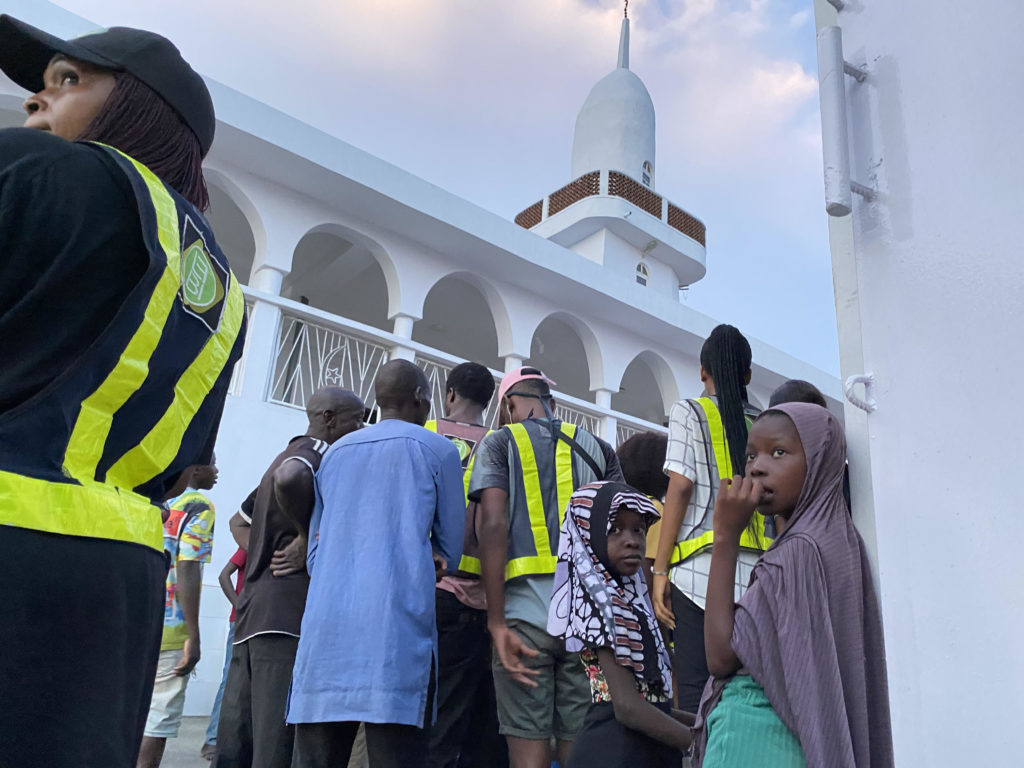
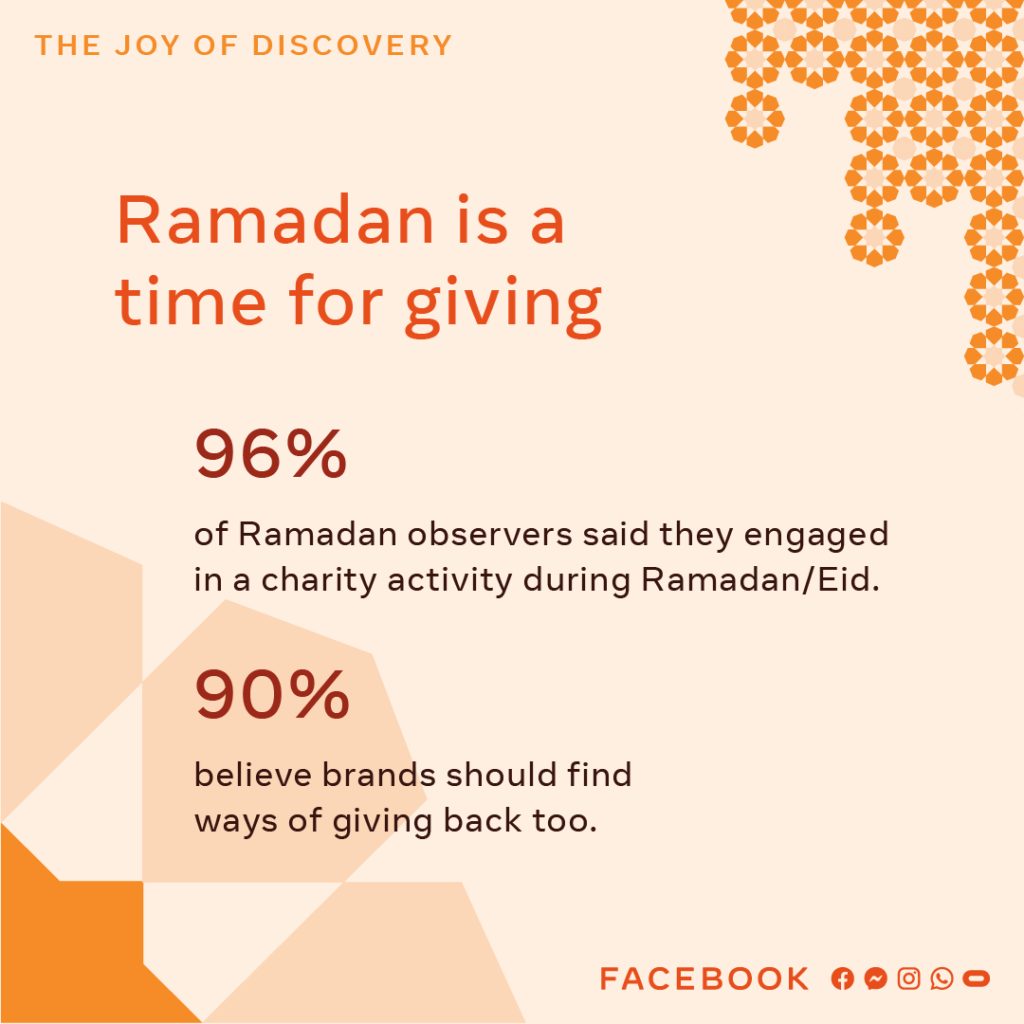
    This Ramadan, also known as the month of all good deeds, where 1.9 billion Muslims across the world celebrate by carrying out charitable acts and giving to their community, even as they engage in fasting from dawn to dusk. Brands often take the time to express their values, speak authentically and seek to give back to communities in which they operate.

    For Lagos Food Bank Initiative, this season is only one of the periods they show support for the impoverished in the society with targeted outreach programs. In this conversation with the Lagos Food Bank team, they shed light on their operations and plans for Ramadan 2021.

    1. Tell us about Lagos Food Bank and the goal behind the initiative?

    Lagos Food Bank Initiative is a non-profit, nutrition-focused initiative committed to fighting hunger, reducing food waste and solving the problem of malnutrition through targeted programs that seek to improve the nutrition/food intake of pregnant women and their infants who are not able to get the required nutrient during pregnancy and breastfeeding of their babies. Our primal goal is to reach out to children from 0-16, pregnant women and lactating mothers, patients of diet-related diseases, seniors from ages 50 and above, the destitute and extremely indigent families. We cater to the entire spectrum of the impoverished in our society, providing them with relief materials and nutritious food.
    2. How often do you reach out to the less privileged and malnourished in society?

    We reach out to the less privileged on a daily basis. We have 5 active programs targeted at addressing the problem of malnutrition and hunger.

    3. What does the Holy Month of Ramadan mean to you?

    To us, The Holy month of Ramadan is a month of love, kindness and giving. It’s a month of paying special attention to the needs of our Muslim brothers and sisters; especially the needy fasting Muslims. We hope to enrich their spiritual experience this Ramadan by doing the little we can to provide food and essentials for them.
    4. How has Lagos Food Bank promoted love, togetherness and kindness during Ramadan in the last few years?

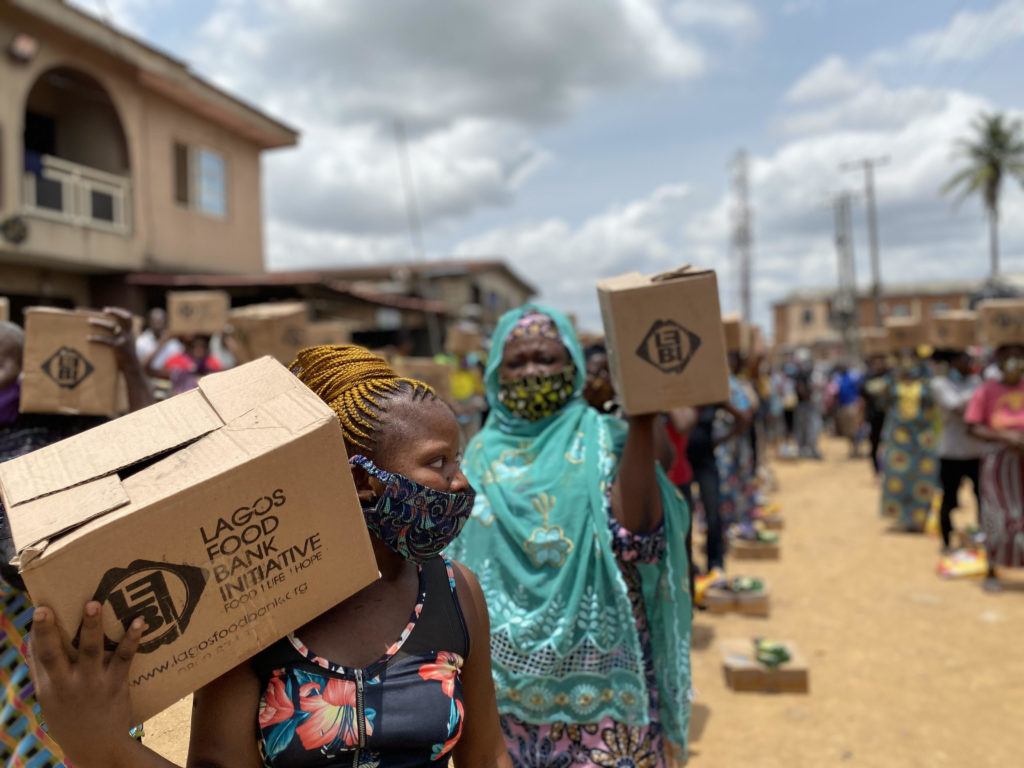
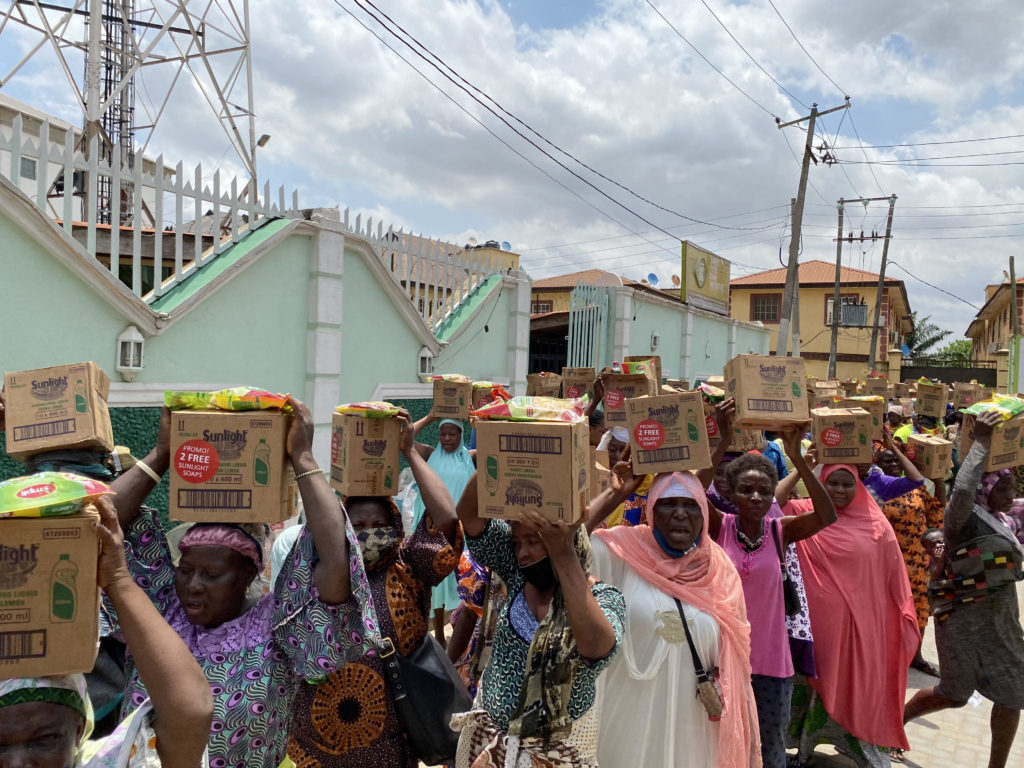
    As part of our commitment to solving hunger-induced problems, we have worked with over ten thousand volunteers across all the 20 LGAs in Lagos to deliver meals and shelf staple items to fasting needy Muslims during Ramadan.

    5. How has Lagos Food Bank used social media to reach out and impact the community during Ramadan?

    We use Social media a lot, especially Facebook and its suite of Apps such as Instagram, and WhatsApp. They have been very effective and instrumental in propagating what we do, fundraising for events and recruitment of volunteers. Most of the volunteers who participate in our yearly Ramadan Feeding Programs were recruited through the Facebook suite of apps. Thanks to Facebook, we are able to reach a wider audience of both potential sponsors and volunteers.
    6. What are some of the challenges you have surmounted in your journey to where you are now?

    The issues of Finance, Logistics and Infrastructure. We have also been able to surmount the challenge of trust and volunteer apathy towards charitable causes. We have recruited over 11,000 volunteers from inception till date who help in reaching all our beneficiaries across Lagos state and its environs.

    7. This is the second Ramadan being celebrated during COVID-19 pandemic. How has this affected your outreach and how has it motivated you to do more to help the needy in society?

    Last year, the COVID 19 lockdown had a great impact on so many families in Lagos state. Our mission is to act as a frontline agency to assist those struggling with hunger across the country. This period was the time our food interventions were needed the most and thankfully Lagos Food Bank received permission from the government to operate throughout the lockdown. Through the help and support of our frontline volunteers who were resilient and willing to put their lives and wellbeing at risk, we were able to provide meals from door to door to needy Muslims for the 30 days of Ramadan in 2020. This Ramadan, we hope to do even more.
    8. How will you be showing acts of kindness this Ramadan?

    In addition to our Temporary Emergency Food Assistance Program where we provide immediate food, nutrition and relief assistance to families in low-cost communities, we have been providing Iftar (meal served at the end of the day during Ramadan) to feed fasting needy Muslims in Agege, Lagos and other neighbouring communities. This exercise has been a daily activity for us all through the Holy Month of Ramadan.

  • “Angels Among Us” Is The Good News You Need This Week, Despite The Coronavirus

    Imagine you were working in digital communications until you lost your job in late 2019.

    After losing your job, your wife delivers a baby. Complications from the delivery puts your family in a bad financial situation. You had to empty the family savings to pull through. Early this year, you start to drive Uber/Taxify to make ends meet. Your wife also starts a fashion outfit to support household income. 

    Then comes the coronavirus and the whole economy stops. You have to stop driving and your wife closes the shop because everyone has to stay at home. This lack of daily income further worsens your already bad financial situation. In all of this, there’s a baby that needs to be fed.

    This is the true-life story of one of the many Nigerians affected by the coronavirus pandemic.

    The coronavirus has paralysed economic activities in Nigeria resulting in the shut down of many businesses. This is as a result of a Government-ordered lockdown in two major cities — Abuja and Lagos — as part of its efforts to slow down the coronavirus. The implication of this is that many Nigerians, who live hand-to-mouth and rely on daily income, have suddenly found themselves in scary financial conditions.

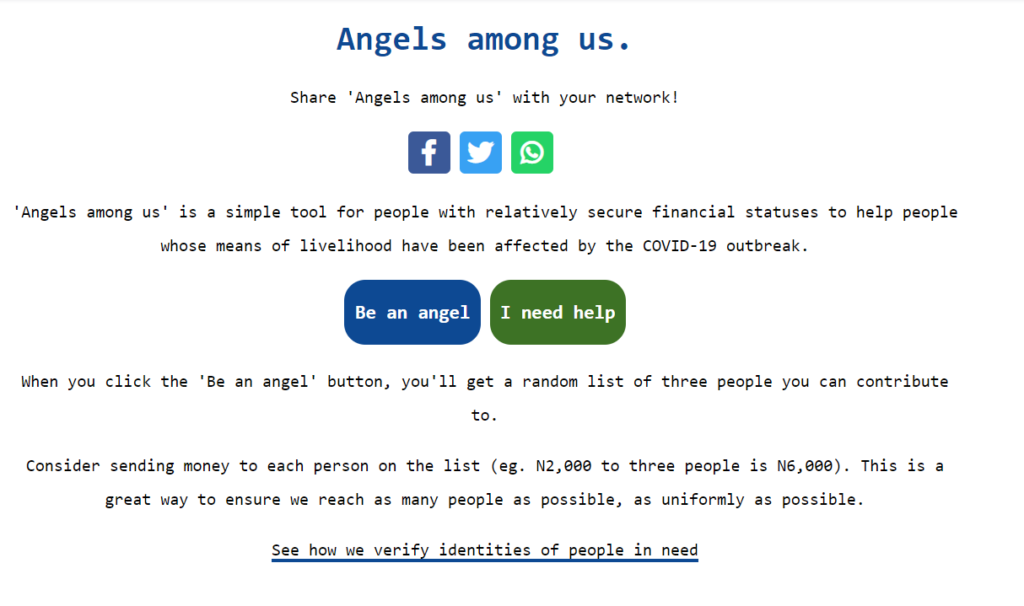
    Their only hope right now is that they receive a donation from an Angel. Not a real-life Angel but one of the many Angels who are willing to help on the Angels Among Us website.

    Individuals and organisations have organised relief drives to help some of the people affected by the lockdown. This drive usually involves fundraising, buying of food, and distribution to those in need. Inspired by a need to also help out, the Angels Among Us idea was born. 

    What makes the Angels Among Us different is that it removes the need for a middle man who raises funds and distributes. Instead, it connects the helper directly with the person in need. Justin Irabor, the creator, says he chose this model because while looking for a way to help Nigerians during this crisis, he favoured a model that wasn’t limited by his personal time and capacity to disburse. That is how much time he had to spare to collect and share funds. “I wanted a solution beyond my personal limitations: an infinite pool of people helping an infinite amount of people without needing a middle man to drive the process,” he said. 

    Justin Irabor.

    When asked about the idea behind the name, Justin said: “I was inspired by the idea of supernatural beings living like human beings; taking danfo to work and back, eating, and doing regular stuff. So, after cycling through several names, I settled on Angels Among Us – because it brought back that image of regular people ascending to the status of angels as they helped people who didn’t even know them.” 

    Nigeria is a low trust society where people are raised to be wary of each other because everyone wants to get ahead of the other person. To prevent fraud and to increase trust, there’s a photo verification section. People who need help share a photo of themselves holding a piece of paper with their name and account details on it. And while he knows that this can be gamed, “most people don’t game it because they understand the binding principle here – honesty from the asker attracts kindness from the giver,” he said.

    In addition, they also verify that the name in the photo matches the bank account name supplied. There are also phone calls to people seeking help to get more context and verify more details. This process he says is handled by a network of volunteers (nicknamed ‘archangels’) working tirelessly. While they have verified a few hundred people so far, not everyone passes their process.

    “Very soon, there are plans to implement BVN verification through an established payment service provider and this will add another layer of security to the program,” he said.

    There are also plans to explore other methods of payment for people who do not have bank accounts. Work is ongoing to create a platform that can handle multiple payment types like Paga, O-pay, etc. But this may take a while.

    The best part of this project for him, has been discovering the kindness of people. He admits to being cynical by default so the kindness of people has been positively overwhelming. “Being able to write the software for this cause has also been satisfying,” he added.  

    “The reason I do interviews with publications like Zikoko is to encourage people to use the platform by building trust,” he said. “To increase transparency, I have also made myself more publicly accessible for questioning. There is also a Frequently Asked Questions (FAQ) page angelsamong.us/faq that addresses this skepticism. Furthermore, the team is setting up a communications unit (made up of volunteers) who will start sending reports and updates on what’s happening internally. We want to ensure accountability.” 

    In the age where social distancing is the rule, Justin understands something fundamental; If Nigerians hope to beat this illness, then we must band together and pull resources. This is because the effects of the virus on the economy are more familiar to many Nigerians than the novel virus itself. His ultimate aim is “to ensure that helping anyone affected by this pandemic is as easy as clicking a button.”


    If you would like to be a part of this initiative, you can either choose to donate by clicking here. Or by sharing this article with someone that can help. 

    Together, we can beat this!

  • The Amazing Work Being Done To Help Children With Physical Challenges Continues
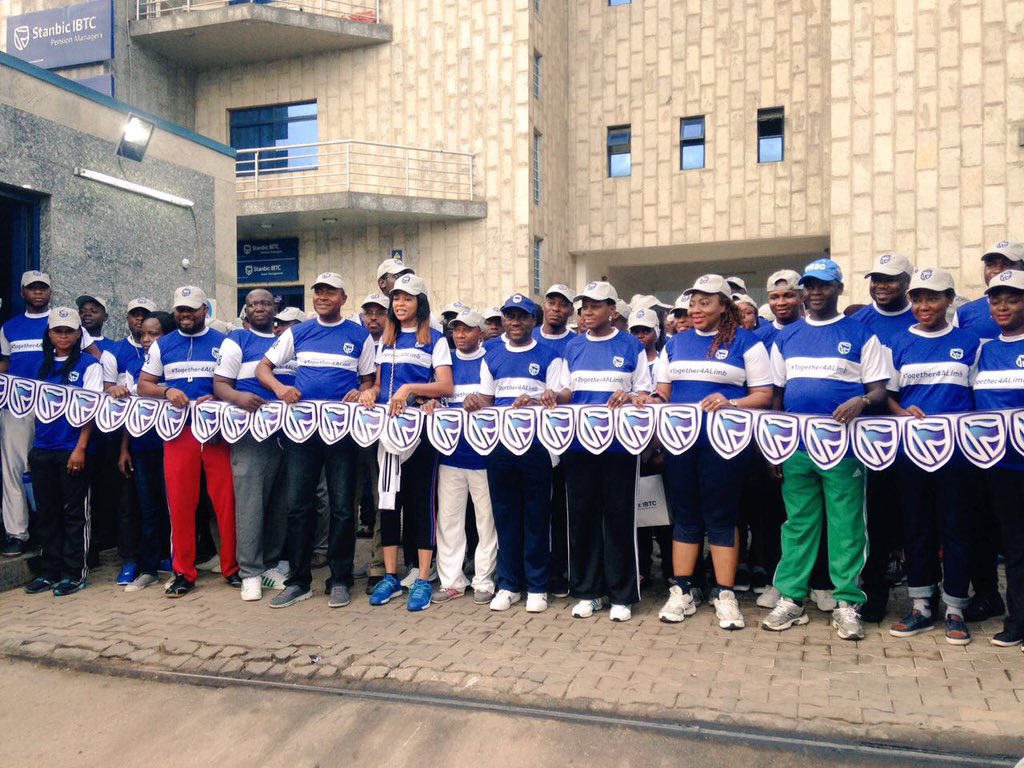
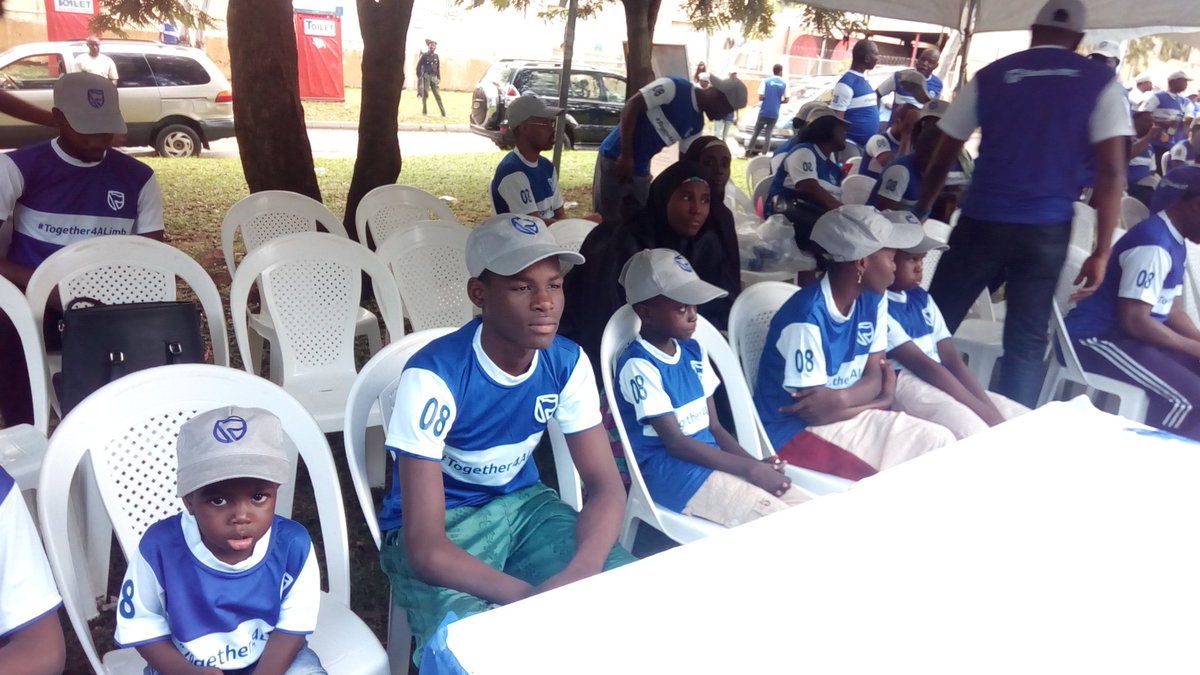
    A few weeks ago, we told you about the amazing work being done to help children in need of prosthetics via the STANBIC initiative, “together for a limb”.

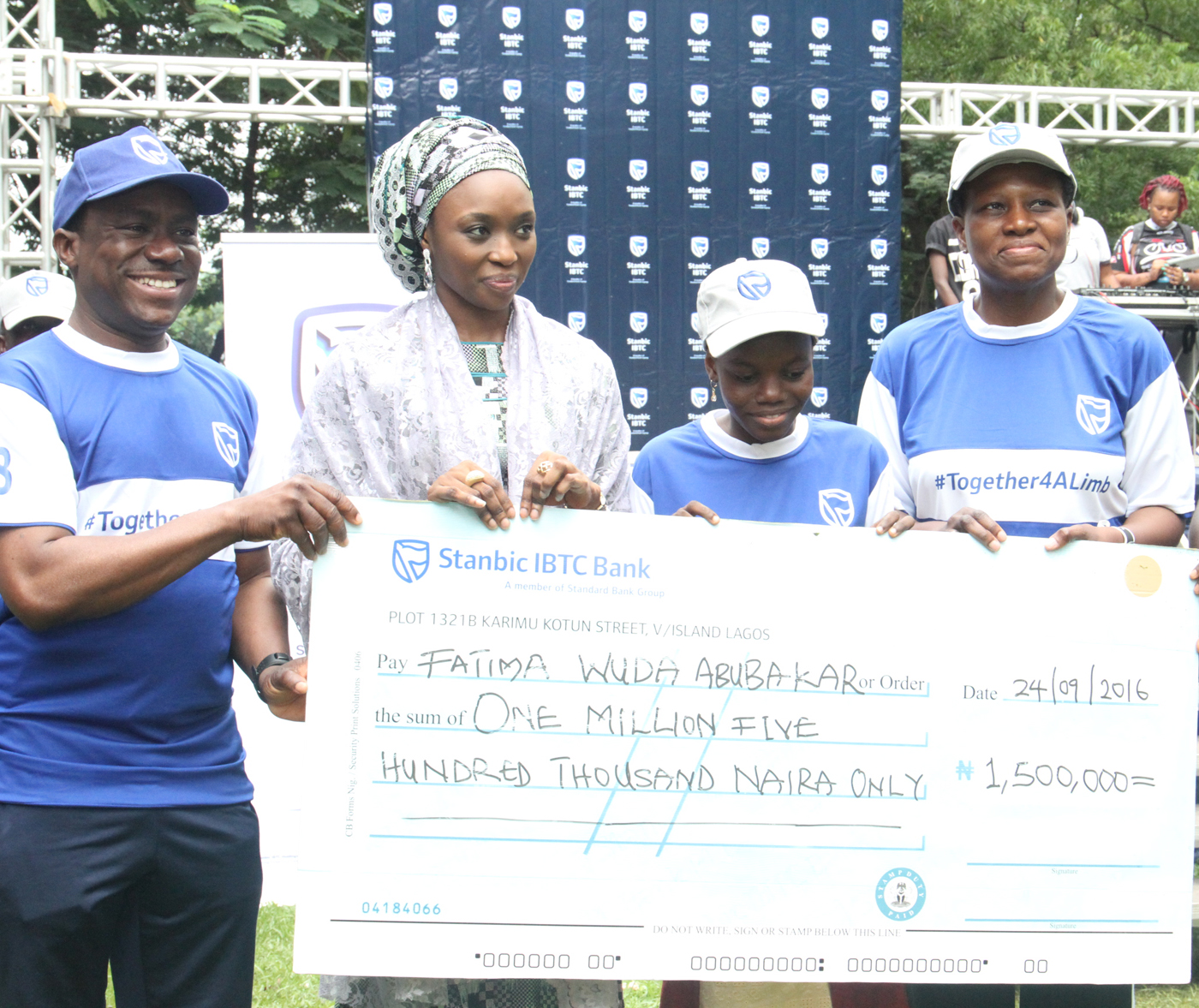
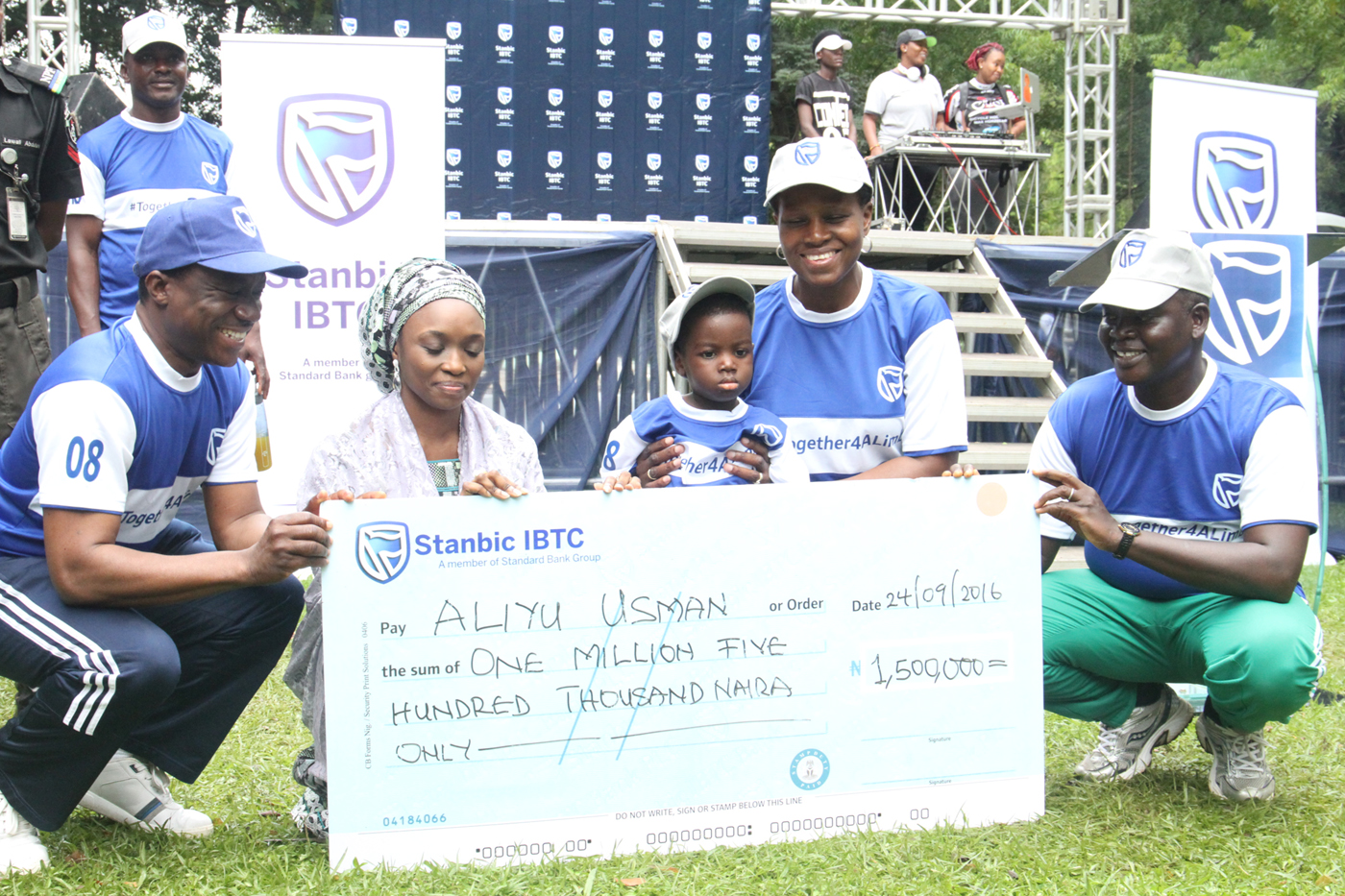
    In addition to the much-needed prosthetics, the kids also received an Educational Trust Fund of N1.5 million each!

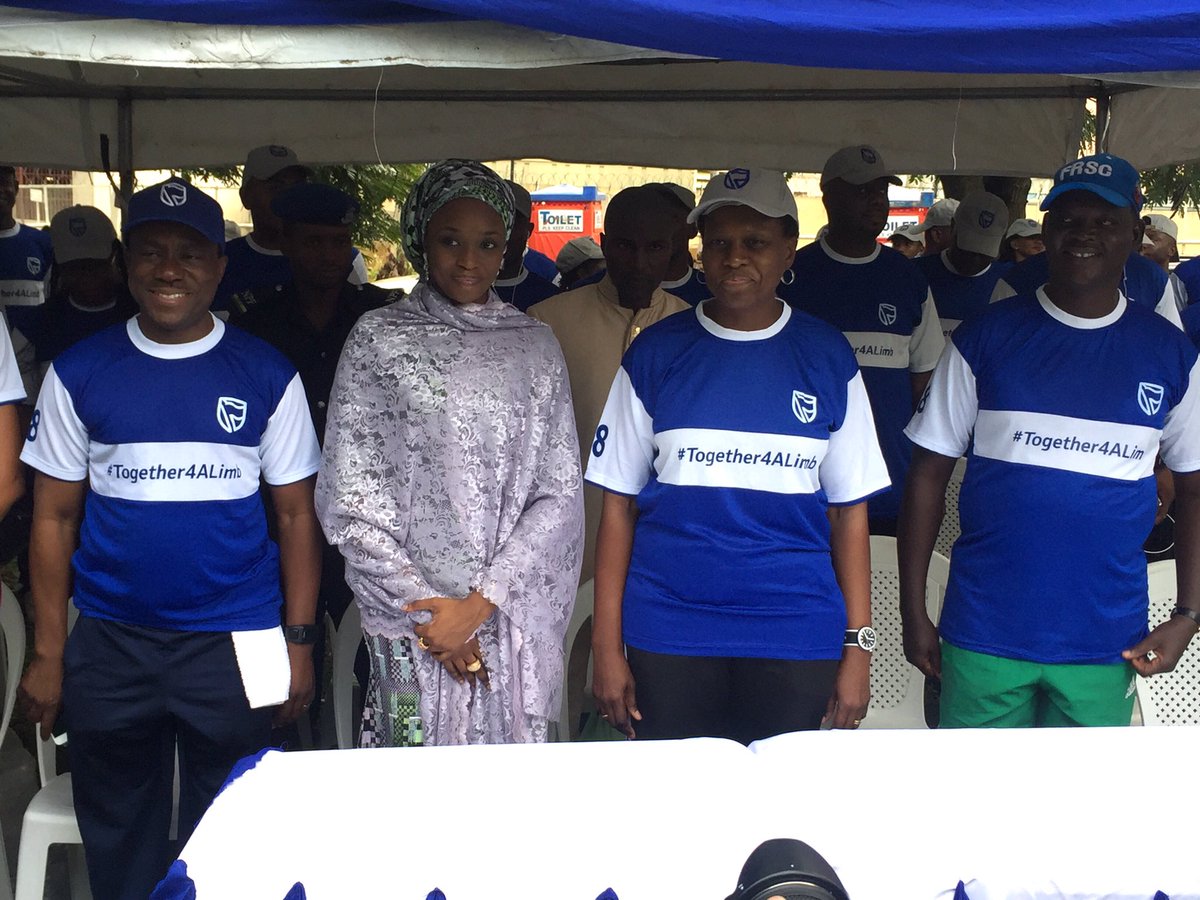
    After the 3km charity walk in Abuja which was attended by hundreds of people, the children were presented with their trust fund cheques by First Lady of Zamfara, Hajiya Asmau Yari, who represented the First lady of Nigeria.

    Here is Fatima, who was born with a congenital deformity which required the amputation of her leg.

    Little Aliyu’s foot was crushed by a keke driver, and now he has a comfortable prosthetic and the promise of an amazing education.

    Here is a cross section of some of the children the initiative has been able to help.

    The “Together for a limb” initiative is doing some incredible work. Children deserve the very best life has to offer, regardless of any physical or financial impediments they might have found themselves in.
  • A Really Lit Yard Sale Is Happening In Lagos This July, But Are You Ready For It?

    When wardrobes start overflowing with clothes that are hardly worn, it only means one thing, TIME TO DECLUTTER!

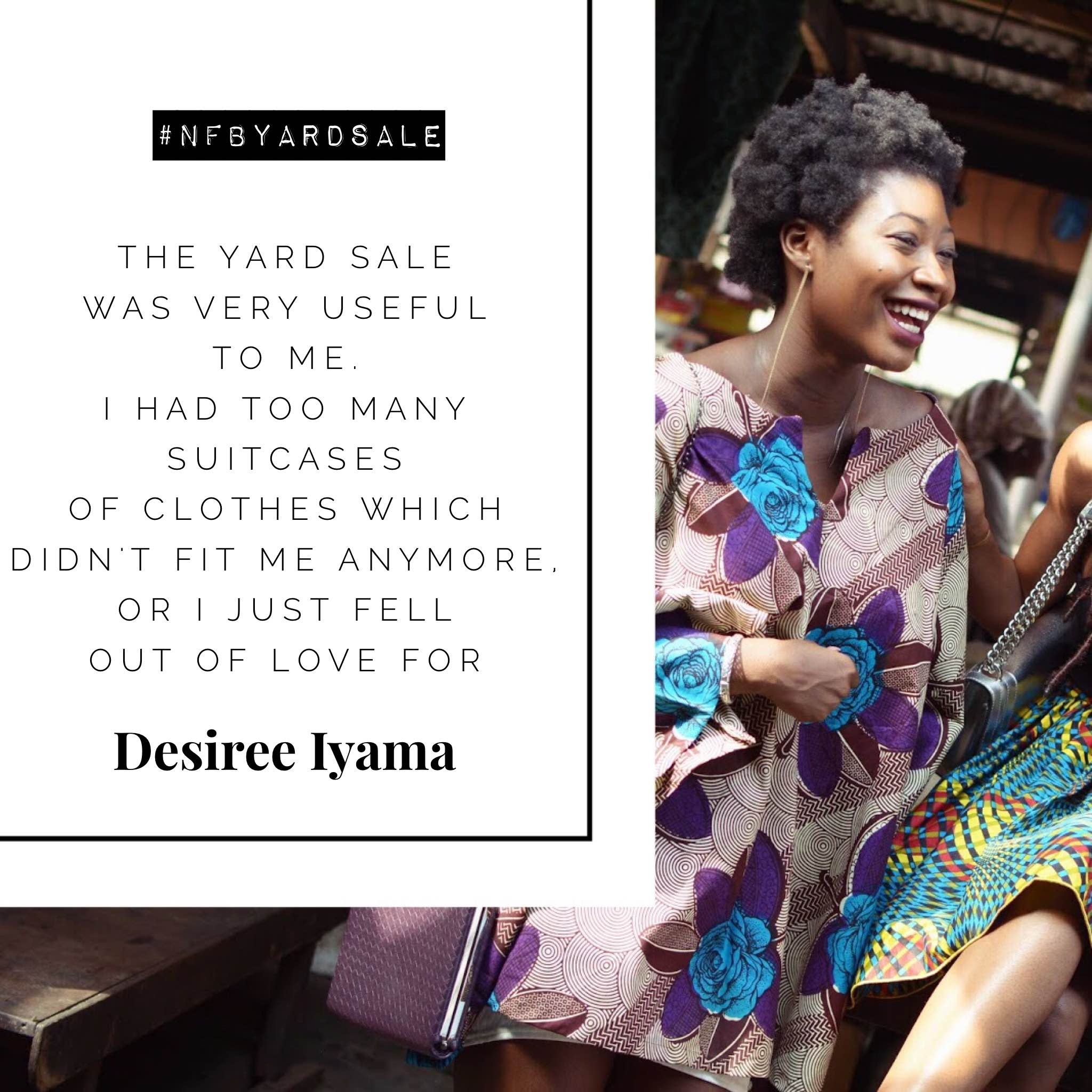
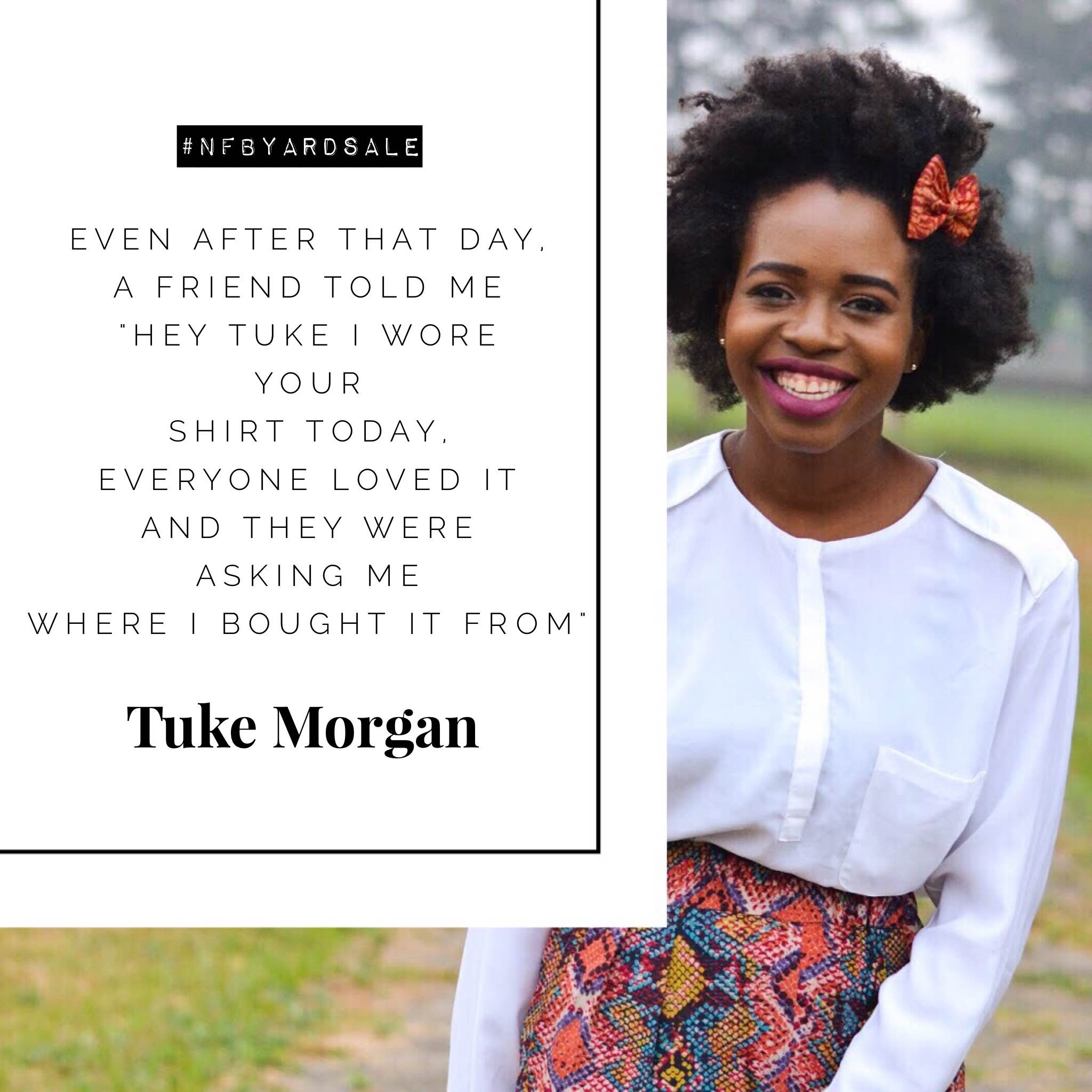
    This was exactly how Ginikachi Eloka, the brain behind NFB yard sale, felt as a UNILAG undergraduate in 2014, when she stared in to her wardrobe and realised she had a lot of valuable clothes she wasn’t wearing.

    Reaching out to her friend, they both organised a yard sale in December 2014 and the buyers couldn’t be more pleased at the good deals they got.

    Now a graduate of Systems Engineering and a force to be reckoned with in the creative industry, Kachi believes more people should engage in letting go of things they don’t need because it helps them focus on acquiring more important things in life.

    However, Kachi’s NFB Yard Sale now comes with a bigger objective of charity and providing value for the buyers and sellers.

    People who want to declutter their wardrobe for a reasonable amount of money can be a part of the forth-coming yard sale.

    It’s also an opportunity for fashion lovers to shop stylish pieces at affordable prices.

    And because it’s important to reach out to those in need, there will an auction segment where the money generated will be donated towards empowering the less privileged women of Iroto, a rural community in Ogun state.

    Although the aim is to generate over N250 million towards the Iroto project, the auction is set to begin at N3,500.

    The yard sale is set to happen on July 24 at Ethnic Heritage Center, 35A Raymond Njoku street, off Awolowo road Ikoyi.

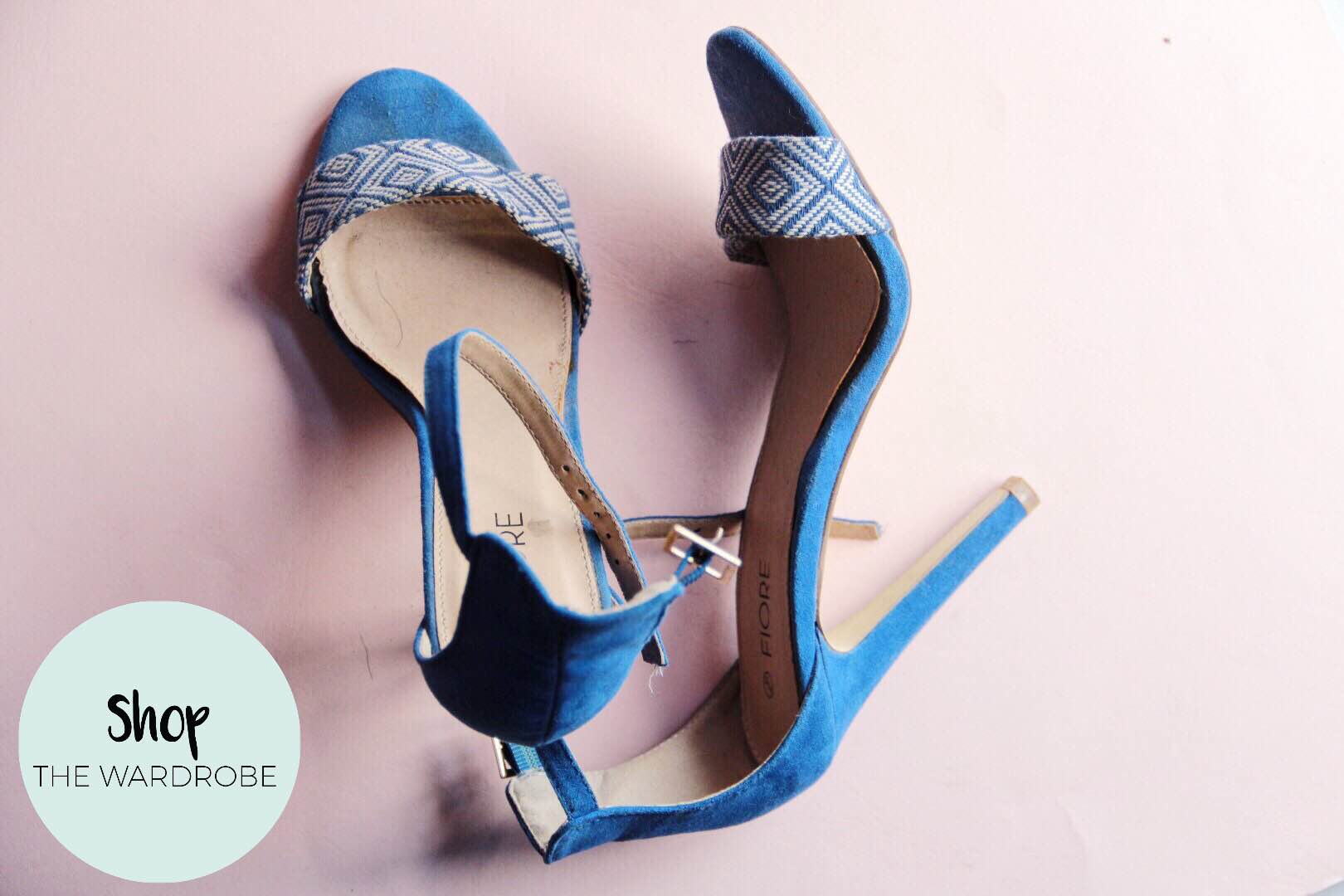
    There’ll be so many awesome pieces from designers like Gucci, Lisa Folawiyo, CLAN, Hermes and Swarovski and also what we all love the most, PLENTY FOOD!

    To be a part of this yard sale, check out more details via the Instagram and Facebook pages.
  • Kenneth Nwadike Jr Is Spreading Love With His Free Hugs Project
    In a world where everyone is angry and always ready to fight something or someone, it takes a lot to believe there is any kindness and love left to share.

    However, Kenneth Nwadike Jr wants to turn things around, one hug at a time.

    It all began at the annual Boston Marathon of 2014 which was only a year after the unfortunate bombing that happened during the previous year’s marathon.

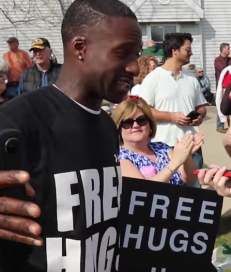
    Ken, who had been disqualified from the race after only 23 seconds held up a “Free Hugs” sign and offered hugs to the runners.

    This move touched many of the runners because the Marathon meant a lot to most of them who had lost a lot during the 2013 marathon bombing. This inspired him to launch his Free Hugs Project as a means of spreading love and also tackling social issues.

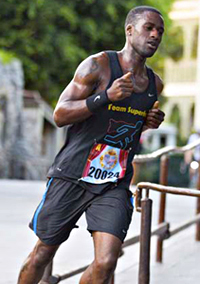
    Ken started running as a homeless teenager in high school and secured a scholarship to run Track and Field in college.

    This was followed by a short professional running career with Nike Farm Team Olympic Development Program at Stanford Univeristy.

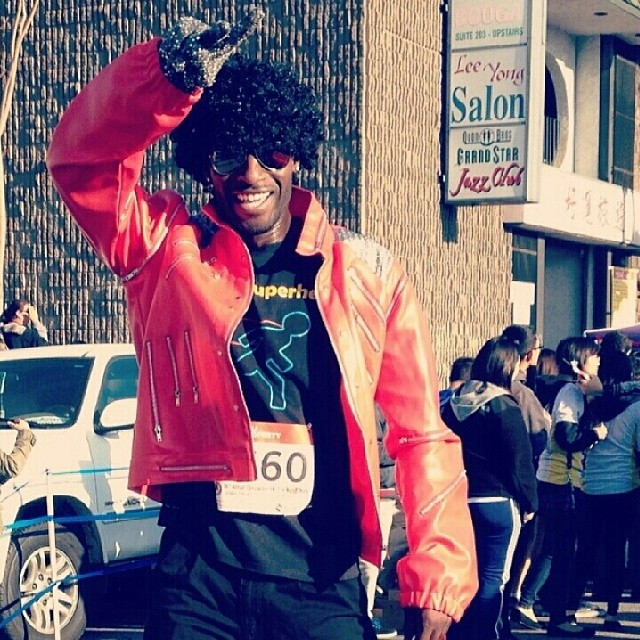
    Together with his wife, Sabrina, he launched his own sports events company, Superhero events, based in San Diego.

    They organise themed sports events which aim at not only charity but as a means of inspiring the runners into channeling their inner superhero for good. The events also promote general family fitness and health.

    He recently took his campaign to various political rallies in Wisconsin and he met different responses at the Donald Trump and Bernie Sanders rallies.

    A lot of the Trump supporters were outrightly racist and hostile, one of them threatened to punch him if he didn’t support Donald Trump. However, he was received with warmth and open hands by Bernie Sander’s supporters. This video moved people on Facebook to start the hashtag #MakeAmericaLoveAgain which is still trending at the moment.

    People like Kenneth restore our faith in humanity with their efforts at making things around them better. 

    If a black man offering free hugs could be snubbed by Donald Trump’s supporters, we can only imagine how they treat Black men and women who work or live around them.
  • It’s Hard To Recognise This Child Who Was Rescued After He Was Accused of Being A Witch
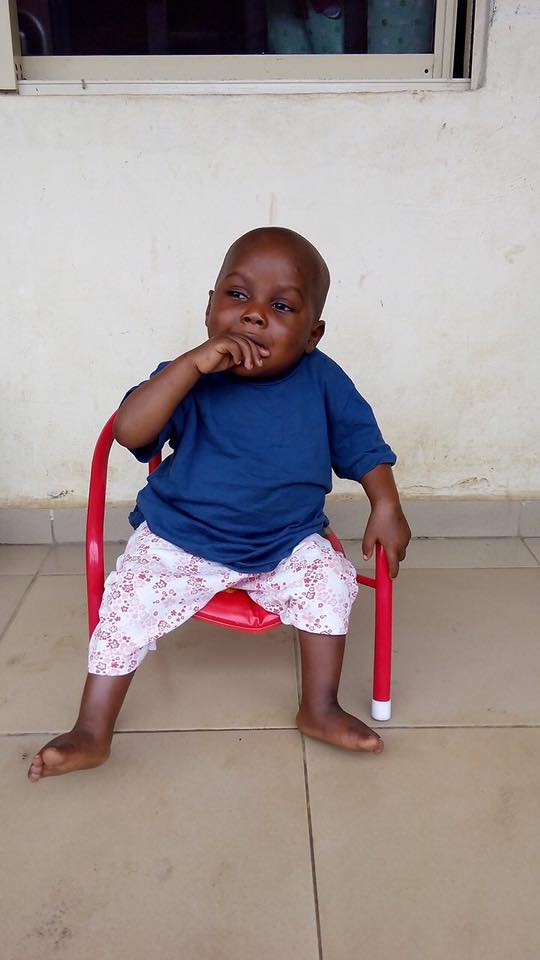
    Remember the rescue story of 2 year old Hope who was accused of witchcraft and left for dead?

    After Anja Ringgren Loven found him, Hope was hospitalised and treated for worms.

    He was hospitalized immediately and was recuperating gradually under the watchful eye of her charitable organization and orphanage, African Children’s Aid Education And Development Foundation.

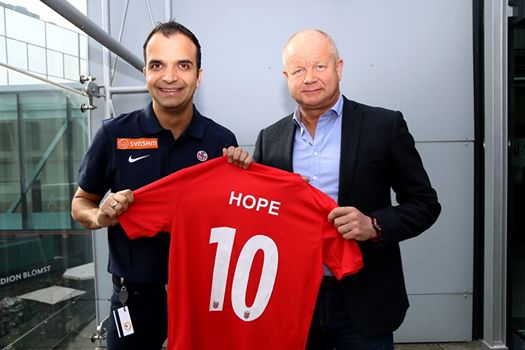
    This rescue story reached many parts of the world and touched several hearts including a Norwegian Policeman.
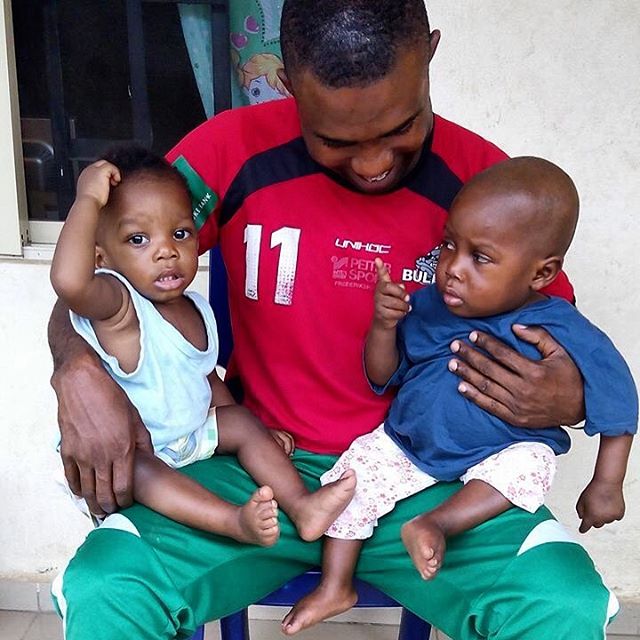
    Reading Hope’s story moved Djorn Druglimo and he started collecting football jerseys from his colleagues and willing donors for donation to the orphanage.
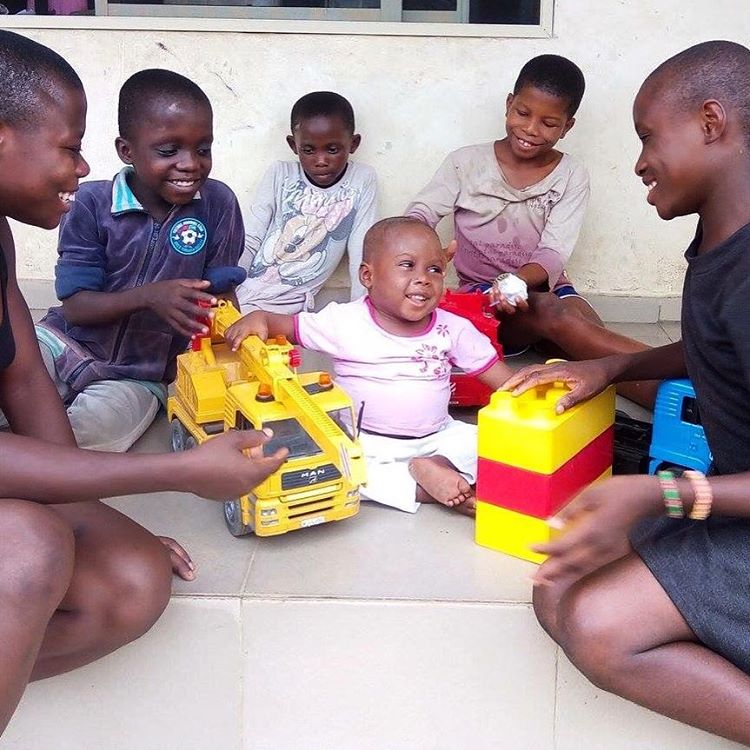
    Two weeks ago, Hope was finally discharged from the hospital.

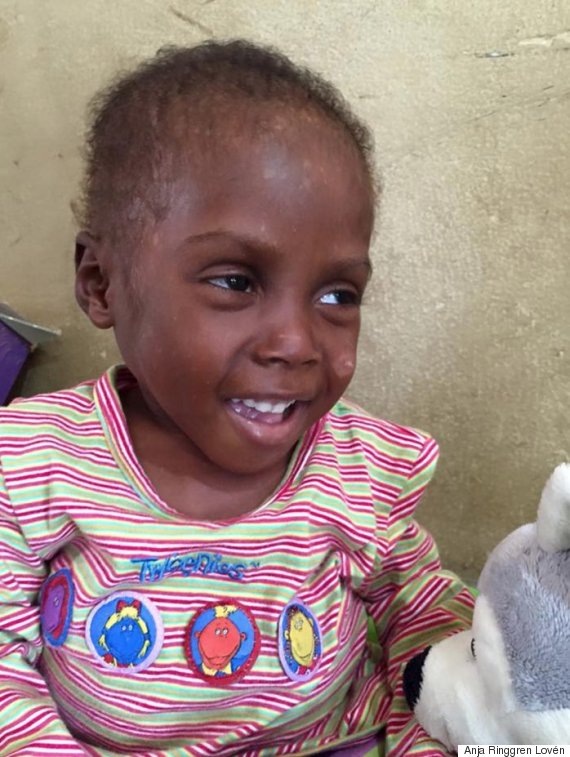
    And was photographed playing with other children in the orphanage.

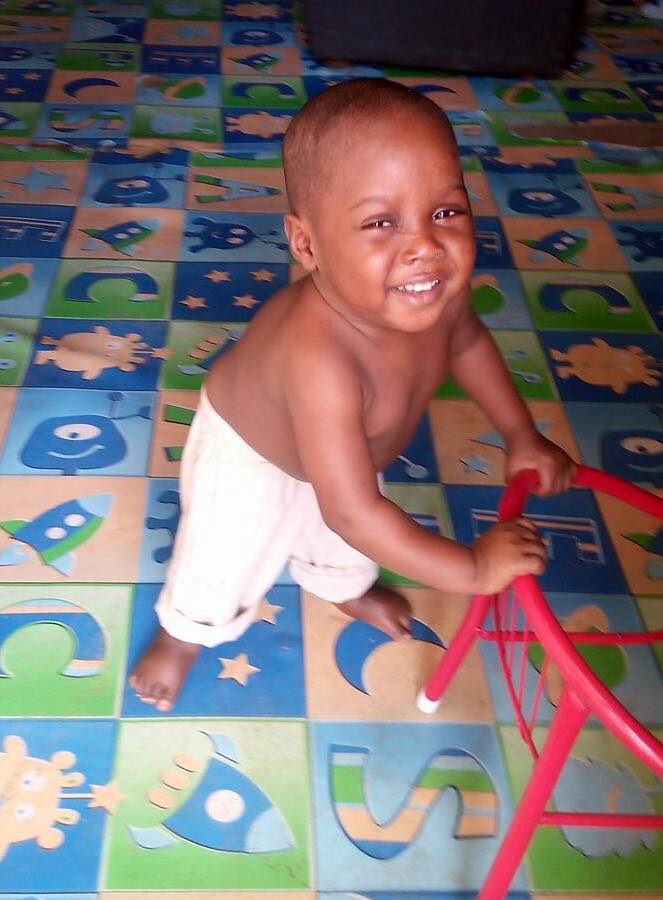
    It is hard to believe he was the sickly child Anja rescued this year.

    He looks really cute here.

    In Anja’s recent Facebook post, she shared pictures of him playing and the reason she named him Hope.

    “The day I carried this sweet little boy in my arms for the very first time I was so sure he would not survive. Every breath he took was a struggle and I did not want him to die without a name, without dignity, so I named him Hope Hope to me is a special name. Not only the meaning of Hope, but what it stands for. Many years ago I got the name HOPE tattooed on my fingers because to me it means: Help One Person Everyday ? HOPE”

    It’s amazing to see him transform into a cute, healthy baby after going through such a horrible experience.

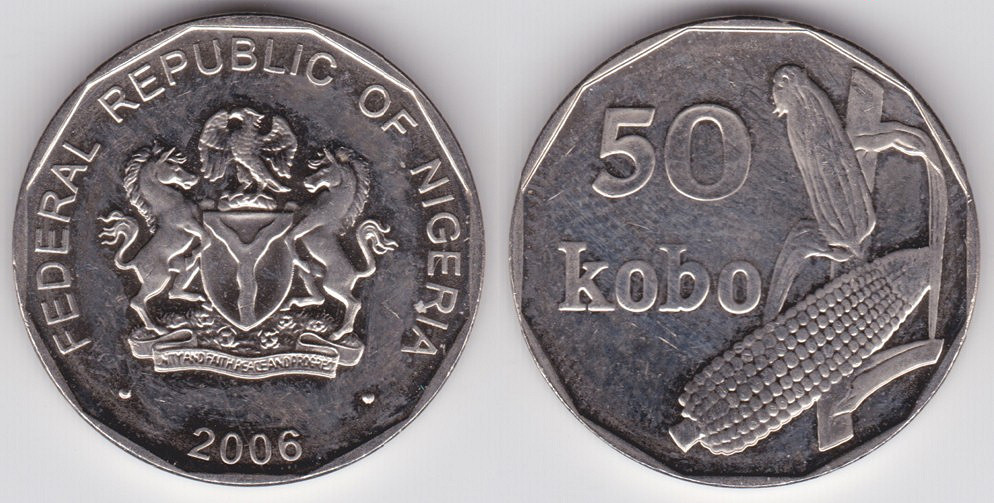
  • 10 Things To Do With A 50 Kobo Coin

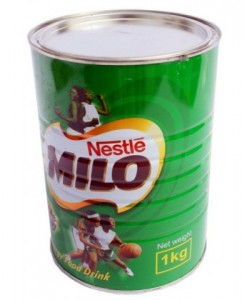
    Remember those good old days of buying Chocomilo, ice water, sugar and Kuli Kuli with this.

    Blissful days! Some of you are old though!

    Although this beauty can’t even buy a sip of water anymore and is going into a very quick extinction, Here are 10 ways a 50 kobo coin can still be a part of your life.

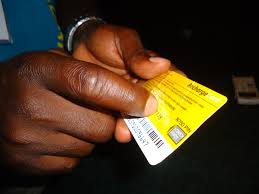
    1. Properly scratch recharge cards.

    Stop using your nails please.

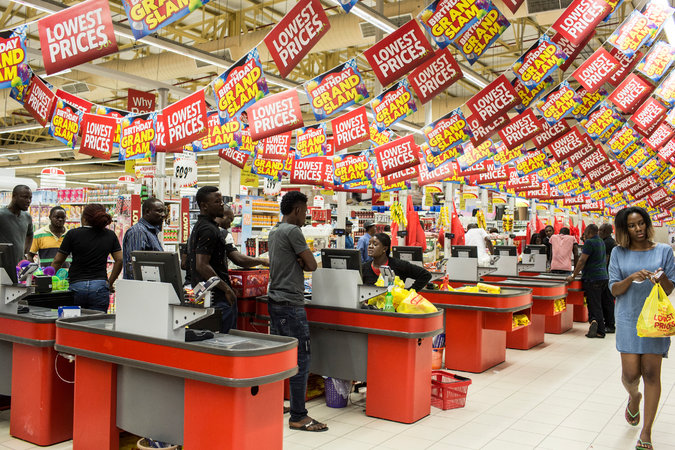
    2. Pay for stuff at Shoprite.

    Now you won’t dash them your 3 Naira change anymore, thank us later.

    3. Pay for fuel.

    50 Kobo has been shaved off the fuel price so you can pay the exact amount for the fuel you buy in Naira and Kobo.

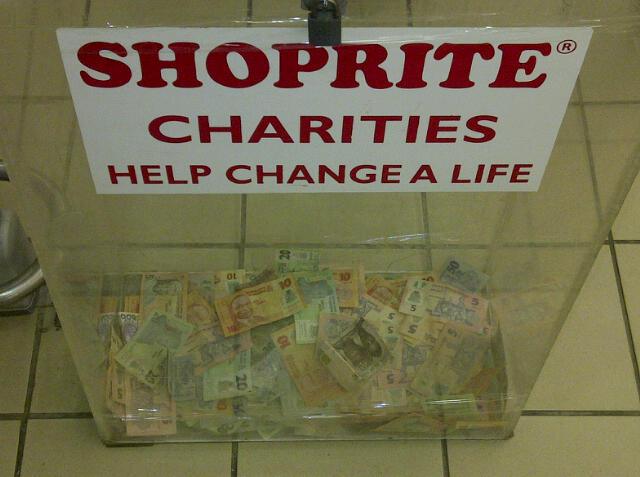
    4. Donate into this charity box at Shoprite.

    50 kobo will go a very long way in changing people’s lives if you don’t know.

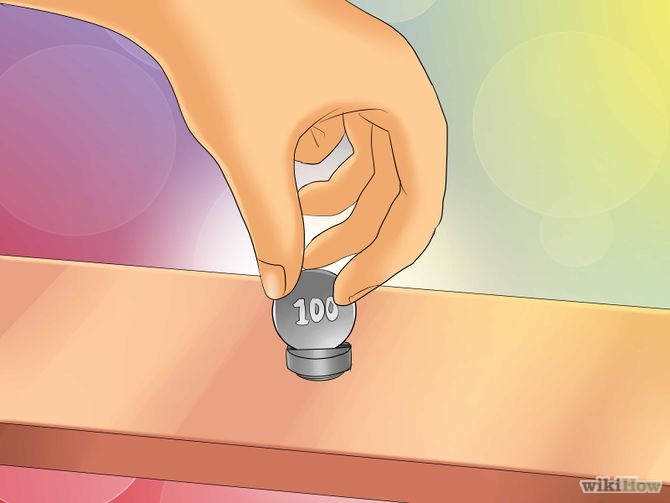
    5. Teach a child how to count.

    Instead of counting with fingers and stones.

    6. Open Milo and milk tins with ease.

    That struggle can be annoying sometimes.

    7. Make really pretty jewellery.

    Slay can come really cheap.

    8. As a screw driver.

    When real screw drivers become hard to find.

    9. Charge your phone battery.

    Because, who Nepa don epp?

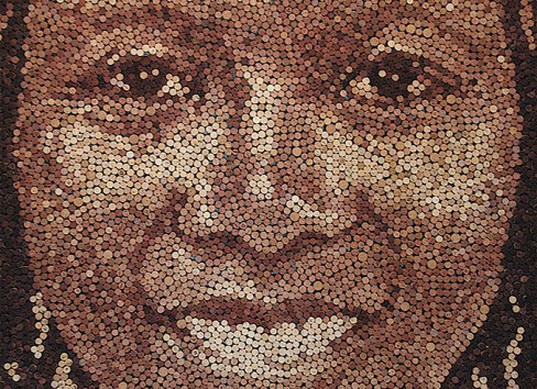
    10. Portraits and other artsy items.

    This is a brilliant art project idea.

    What other things do you think a 50 kobo coin can be used for?

  • Lipton Leads The Giving Conversation This Ramadan

    Charitable giving is one of the five pillars of Islam, and in the month of Ramadan, Muslims are encouraged to share some of the blessings they have received with people who are less fortunate. However, the practice of giving charitably to those in need should not be exclusive to just the season of Ramadan or practiced by Muslims alone. For this reason, leading tea brand, Lipton, has since 2018 through its “Do Good” campaign been doing its part in giving charitably to people and also inspiring others to do the same by awaking them to what really matters.

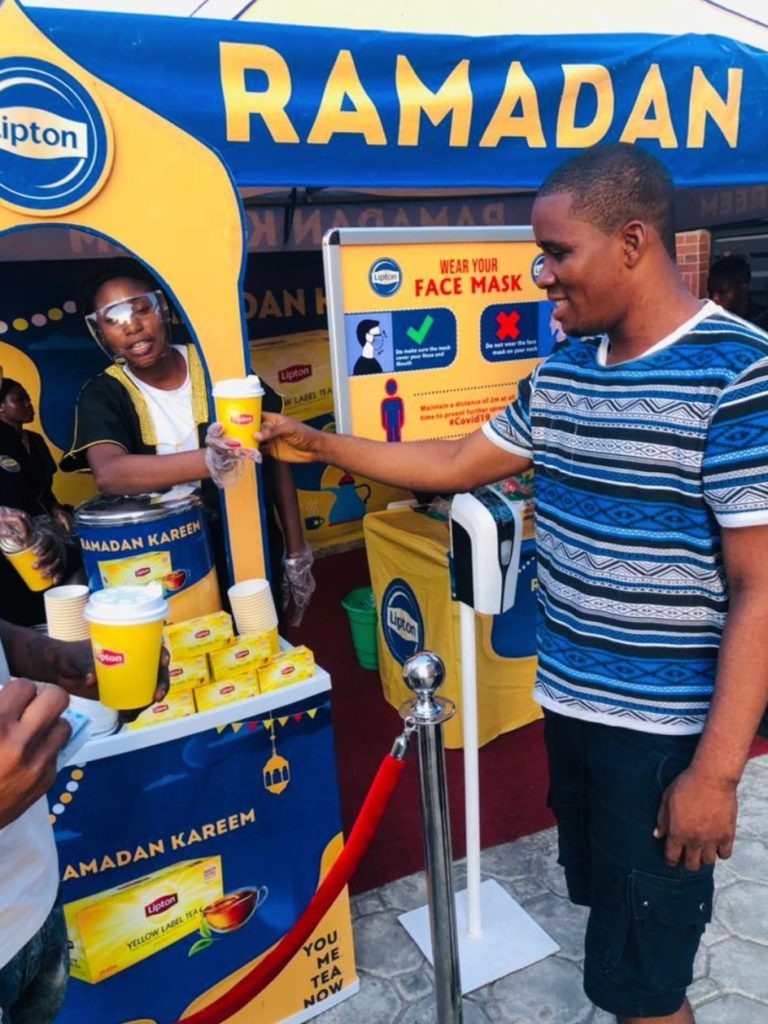
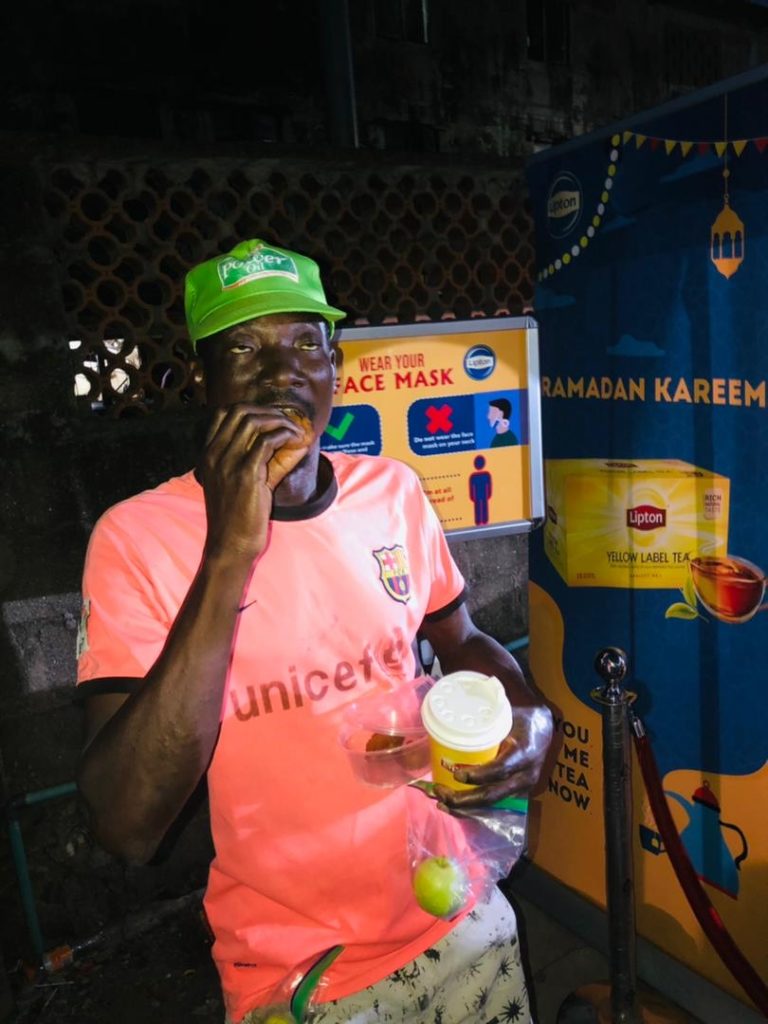
    As part of Lipton’s 2021 Ramadan Do Good campaign, the brand led the giving conversation through engagements on social media and activations in Mosques and Muslim gatherings in the North, Middle-Belt, and South West regions, where Lipton extended a hand of charity to those in need. People in these regions certainly felt Lipton’s charitable hand as over 68,000 fasting Muslims across various mosques got a chance to break their fast in a healthy manner with fruits, and of course, a steaming hot cup of Lipton tea! Lipton understands that asides serving as a period for reflection, the Ramadan season is also a time for acts of charity and generosity, and this is why Lipton is encouraging Nigerians to take their generosity from mere thought to actionable steps. Lipton believes that it is not enough to only think about doing good deeds; what is important is turning these thoughts into action and positively impacting the lives and wellbeing of the people around us. This belief is effectively summed up in Lipton’s #ThinkLessDoMore tag on social media. Through this campaign, Lipton has set a good example and hopes to do more for its consumers in months to come.

    With over 68,000 people impacted by the Do Good campaign in just this year alone, one can only begin to imagine the impact this campaign will have in coming years. With the success of yet another Ramadan Do Good Campaign, Lipton has undoubtedly proven that it is not just a brand that makes wholesome beverages, but is also a brand that is committed to the overall well-being of people all over the world.