Notice: Function _load_textdomain_just_in_time was called incorrectly. Translation loading for the wordpress-seo domain was triggered too early. This is usually an indicator for some code in the plugin or theme running too early. Translations should be loaded at the init action or later. Please see Debugging in WordPress for more information. (This message was added in version 6.7.0.) in /home/bcm/src/dev/www/wp-includes/functions.php on line 6121 black women | Zikoko!
Nigerian women are elite babes because their wickedness knows no bounds. If any one of them breaks your heart, you should actually be grateful because it is a privilege. If you’re a Nigerian woman looking to tap into your full potential as a wicked entity, here’s a guide on how to do that.
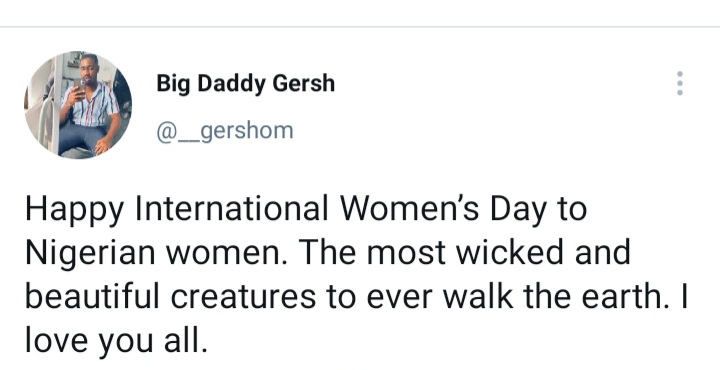
This guy gets it.
1.Be an Igbo woman
If you’re an Igbo woman reading, you already have inbuilt wickedness so there’s nothing we can teach you about wickedness tbh. If anything, you should organise a masterclass to teach others.
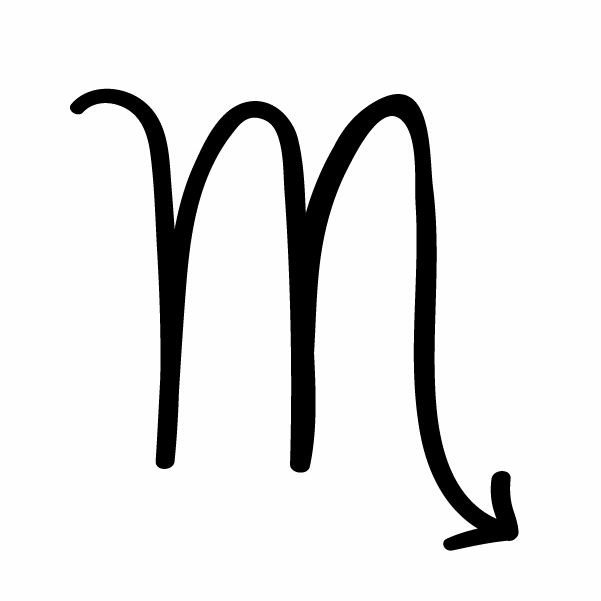
2. Be a Scorpio
Your wickedness was written in the stars. There’s nothing here for you to learn.
By the time he uses your heart to play basketball, your heart will turn to stone and you can come into your wickedness properly. In fact, just date Yoruba men in general if you are looking for painful character development.
4. Be unable to cook
There is nothing that makes Nigerian men froth at the mouth like a Nigerian woman’s inability to cook. Outsource all your cooking and watch Nigerian men die a little inside.
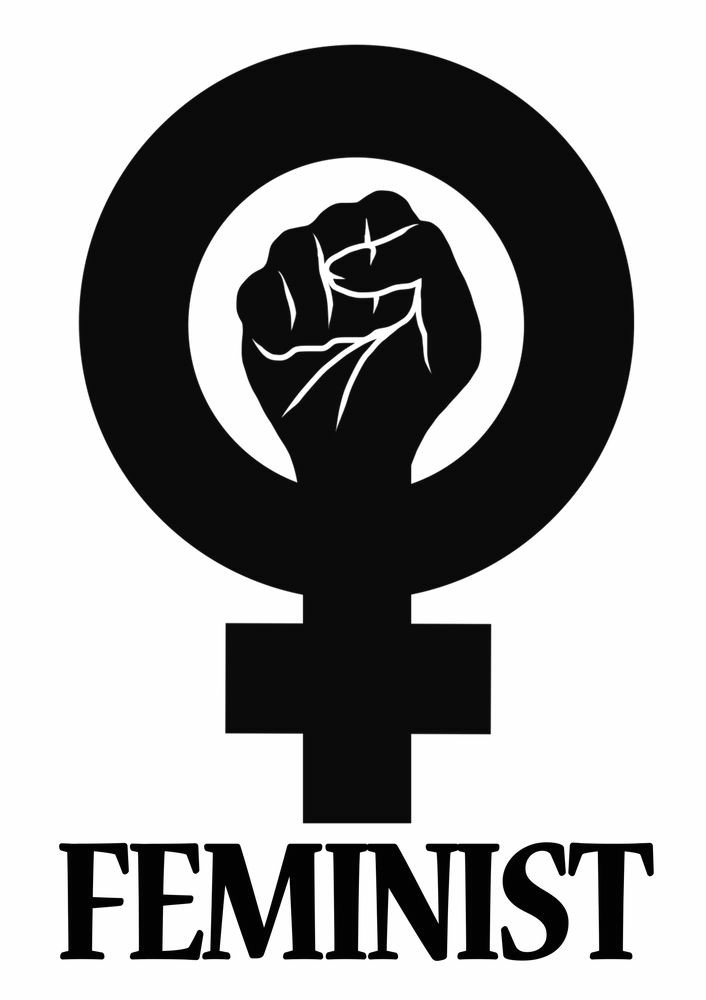
5. Be a feminist
This one is very important. To truly be wicked, you must become a feminist. If someone insults you by calling you a feminazi, my sister you’re doing something right.
6. Be anti-kids
Are you truly a wicked Nigerian woman if you want kids? As a Nigerian woman, you must be anti-stress and kids will stress you. Do you know the gratification that comes with telling a man that has decided on his own that you’ll bear all his ten sons that you don’t want kids? Top tier feeling.
7. Be a slow texter
If anyone has the audacity to text you, surely they can wait for you to reply at your own pace. You did not come to this life to suffer, abeg.
8. Stress him
I promise you, he can take it. If he can’t, someone else will. Don’t lose guard. You are a spec, a moment, an event, and a happening babe. Move anyhow. Nobody will admit it but wickedness is sweet.
We are gathered here because some human said black people will be able to activate superpowers on the 21st of December. The jokes online are just hilarious and outrageous. So, we’ve decided to compile a list of superpowers black women will finally have from December 21st.
1. Stop all periods
No more periods with cramps and mood swings from hell. With superpowers comes the need to end unnecessary suffering. Black women will finally be able to stop their periods without getting pregnant or having weird side effects.
2. Activate natural birth control
With superpowers, black women will finally be able to activate a birth control means that have no side effects whatsoever. So, the days of bloating, headaches, hormonal imbalance, partial blindness, all because we’re trying to avoid pregnancy, will end.
3. Take long evening walks… ALONE
If you ever take a stroll at night and see an unescorted black woman, chances are she is a witch or a mythical creature because most black women can’t take walks, runs, jogs, strolls without fearing for their lives. Having superpowers would give women the confidence they need to do simple things like this without fearing for their safety.
4. Eradicate breast cancer
Breast cancer is the second leading cause of cancer in women after lung cancer and breast cancer death rates are 40% higher among black women than white women. Imagine a world where women don’t have to suffer the pains of treating breast cancer. They can just snap their fingers like Thanos, self-heal and move on with their lives. Having superpowers would be a game-changer for black women.
5. Open Jars and zippers by themselves
What most women won’t tell you is that they got married so they can have someone to open their jars and unzip their dress for them. To be fair, jars are extremely difficult to open. Most jars are designed as if only bricklayers and people who do hard labour can open them, that’s where the men come in. However, superpowers mean that women don’t need men any more for stuff like this. We good here.
6. Eradicate all pain attached to pregnancy
You will not believe the shit women have to go through to have babies. Some women lose their teeth, others lose their sight or sense of hearing. Most women even have postpartum depression. Why? Just so we can have babies. Well, December 21st will bring a new dawn. NO MORE PAIN. Black women will now be able to procreate without all the hazards of procreating.
1. Chimamanda Ngozi Adichie – We should all be feminists
Chimamanda Ngozi Adichie is a renowned Nigerian novelist. She is the author of Half of a Yellow Sun, which won the 2007 Orange Prize For Fiction; and Purple Hibiscus, which won the 2005 Best First Book Commonwealth Writers’ Prize and the 2004 Debut Fiction Hurston/Wright Legacy Award. In 2009, her collection of short stories, The Thing around Your Neck was published. She was named one of the twenty most important fiction writers today under 40 years old by The New Yorker and was the guest speaker at the 2012 annual Commonwealth lecture. She featured in the April 2012 edition of Time Magazine, celebrated as one of the 100 Most Influential People in the World. Half of a Yellow Sun, has been named ‘the best of the best’ in the Baileys women’s prize for fiction.
2. Fadekemi Akinfaderin-Agarau – Finding my calling
Fadekemi Akinfaderin-Agarau discontinued a career in medicine and left the United States after a life changing experience working as a HIV researcher in South Africa. She is a co-founder of Education as a Vaccine, a non-profit organization that builds and implements innovative programs to improve the quality of life of vulnerable children and young people in Nigeria. EVA challenges the social, cultural and structural factors that fuel the HIV epidemic and contribute to the poor sexual and reproductive health status of adolescent and young people.
3. Kakenya Ntaiya – A girl who demanded school
Kakenya Ntaiya made a deal with her father: She would undergo the traditional Maasai rite of passage of female circumcision if he would let her go to high school. Ntaiya tells the fearless story of continuing on to college, and of working with her village elders to build a school for girls in her community. It’s the educational journey of one that altered the destiny of 125 young women.
4. Chioma Omeruah – Chasing your dreams
Don’t be a waste.
Chioma Omerua, aka C-flow, aka Chi-gul, is a singer and actress who was born in Lagos, where she lived until she moved to the U.S in 1994. She remained in the U.S for the next 12 years where she continued to pursue her passions while teaching drama to kids and in the high school where she worked as a French teacher. Chioma has taken part in various theater productions such as Lorraine Hansberry’s “Raisin in the Sun”, one act plays such as “It’s not my fault” and has dabbled in the genre of absurdism, taking on roles in a play called “The Bald Soprano”. Since returning home to Nigeria in 2006, she has been in two musical productions; “Avoice for Ella” (a Nigerian adaptation of the Cinderella Story) and Disney’s “The Lion King” in conjunction with standard bearers school, Lagos. She currently resides in Abuja where she is still pursuing her passions as a comedian, and MC/compere, while working a regular 9 to 5 job. Chigul also is a talented linguist and voice-over artist. She speaks 5 languages and can imitate 12 different accents.
5. Zain Asher – Trust your struggle
Zain Asher discusses how to harness your success. Zain was born and raised in London. She graduated from Oxford University where she studied French and Spanish (graduating with a distinction in oral Spanish). In 2006, she earned her MSc. from Columbia University’s Graduate School of Journalism, where she focused on business and financial news. Asher is a national business and personal finance correspondent for CNN, where she appears across platforms covering the latest news on money and the economy.
6. Kimberly Bryant – Defy impossible
Kimberly Bryant founded Black Girls Code to introduce programming and technology to a new generation of coders; coders who will become builders of technological innovation and of their own futures.
7. Shakirah Bourne – The curse of the starving artist
Shakirah Bourne is a Barbadian writer, owner of freelance writing and editing company, getWrite! and Partner in Caribbean film production company, Let’s Do This Filmz. Her first collection of award-winning short stories, In Time of Need, is scheduled to be released in November 2013. Her first feature film, a comedy-drama called Payday. She has a second film, a psychological thriller called Two Smart in the works.
8. Michaela DePrince – From ‘devil’s child’ to star ballerina
Born Mabinty Bangura in 1995, Michaela DePrince had many identities. One of them was “devil’s child” thanks to her vitiligo. Michaela grew up as an orphan in Sierra Leone during the civil war. Her life was difficult from the start, with her father killed by militant rebels and her mother dying of starvation. Frequently malnourished, mistreated and derided, life only got worse when she had to flee to a refugee camp after her orphanage was bombed.
In 1999 at the age of four, an American family adopted Michaela. Inspired by a picture she found in Sierra Leone, Michaela began to train in ballet. Her dream was to look as happy as the woman in the picture. It was only after many years of hard work and perseverance that Michaela’s dream came true. She was finally happy.
Through her story she wants to encourage young people to aspire to a dream.
9. Peninah Nthenya Musyimi – I am the change
Peninah was born and raised in the Mathare slums of Nairobi looking at a future of starting her own slum family. She decided to change the course of her life with perseverance, letting herself be guided by the words ‘always look for possibilities within your reach’. She walked 16km to her high school every day, which she could effort with financial help of the slums area chief. After only one month of training, she managed to get in the university basketball team, so she would be able to pay her fees and study law. She started Safe Spaces – an organization where she now mentors and empowers 1200 girls from the slums to change the course of their life.
10. Minna Salami – To change the world
Minna Salami shares images of women from around the world, highlighting how out of touch the stereotypes are from reality. She tells powerful stories of her diverse grandmothers whose lives have shaped hers and of how images of African women in the West do not represent the experiences of her own friends and family. And how, very simply, African women like the same things as women everywhere.
Minna Salami is the founder of the award-winning African feminist blog, MsAfropolitan.
11. Elizabeth Nyamayaro – An invitation to men who want a better world for women
Around the world, women still struggle for equality in basic matters like the right to drive and to marry when they choose. In a bid to enlist everyone, men and women, as allies for change, Elizabeth Nyamayaro invented the #HeForShe Twitter campaign, which created 1.2 billion conversations about a more equal world.
12. Maggie Aderin-Pocock – The dawn of a new space era
British space scientist and TV presenter Maggie Aderin-Pocock talks about her ideas to democratise space travel and exploration.
13. Ndidi Nwuneli – Rage for change
Ndidi Nwuneli established LEAP Africa in 2002. LEAP Africa provides leadership, ethics and management training and coaching for youth, business owners, social entrepreneurs and the public sector.
Featured image via Uptown Magazine.