Notice: Function _load_textdomain_just_in_time was called incorrectly. Translation loading for the wordpress-seo domain was triggered too early. This is usually an indicator for some code in the plugin or theme running too early. Translations should be loaded at the init action or later. Please see Debugging in WordPress for more information. (This message was added in version 6.7.0.) in /home/bcm/src/dev/www/wp-includes/functions.php on line 6121
Bauchi state | Zikoko!
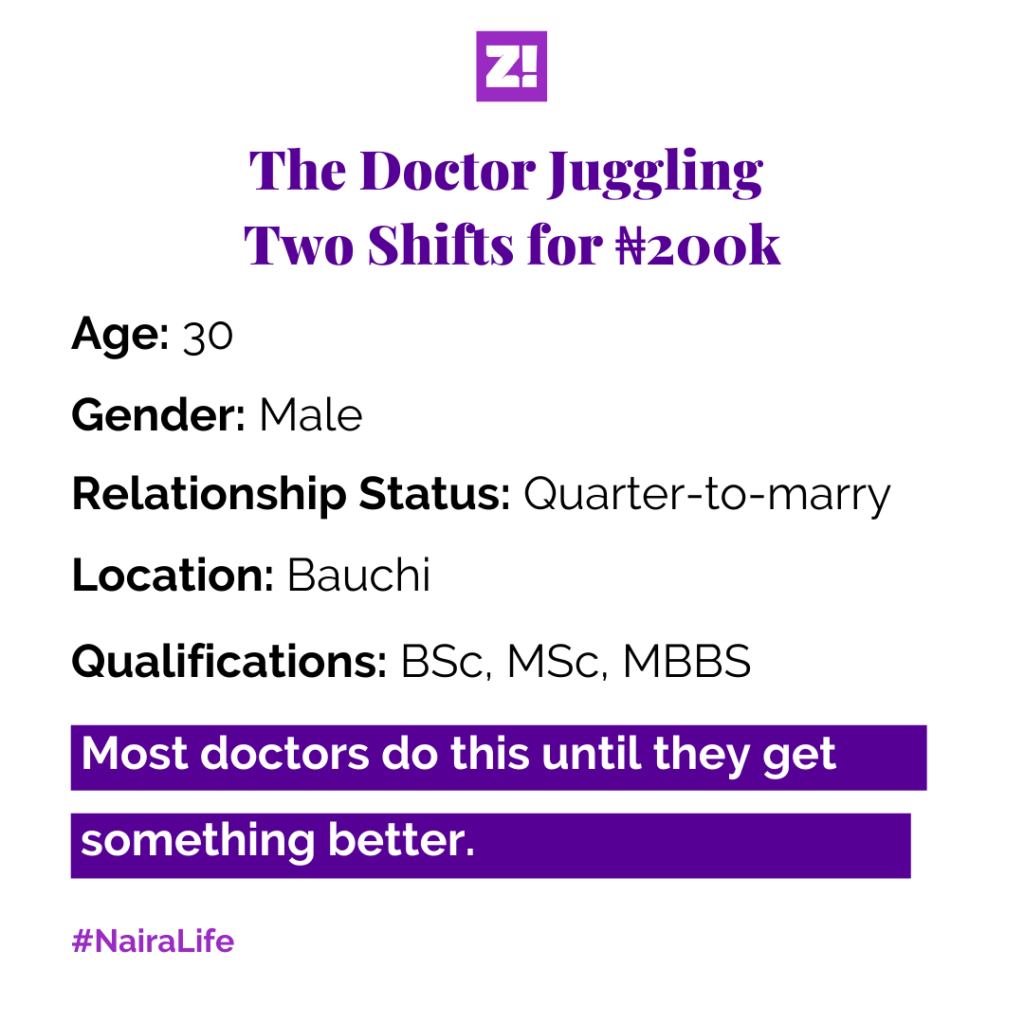
  • The #NairaLife Of A Doctor Juggling Two Shifts For ₦200k/Month

    Every week, Zikoko seeks to understand how people move the Naira in and out of their lives. Some stories will be struggle-ish, others will be bougie. All the time, it’ll be revealing. This is #NairaLife.


    Nigeria has over 70,000 registered doctors, this #NairaLife is about one of them.
    What is your oldest memory of money?

    Primary school – primary one to be specific. I used to get ₦2 for school every morning for doughnuts and some sweets. Something else that comes to mind is getting some money from my mum whenever I sold her recharge cards at wholesale – she used to sell them at retail. I was about 11 or 12. 

    What’s the first ‘big’ money you had as a kid?

    That will be my allowance in boarding school, around ₦1k or so – end of 2001. First time I got that money, I was thinking of buying a video game with it hahaha. PS One. I didn’t even know how much they cost o. 

    Tell me about boarding school. 

    I went to a government-run boarding school. What you quickly learn is that money is mandatory for survival and necessary for respect. If you don’t have money, you’ll perch up and down and lose your respect. Everyone will know because when they are buying, you can’t. 

    For me, money was nothing big really. I had money to get a Palito in JSS2, an MP4 player in SS2, and a Sony Eriksson phone in SS3. 

    What was it like post-secondary school? 

    I got more money from my pops. I never really did anything outside academics in my 1st degree. I was comfortable but couldn’t get all I wanted.

    What’s something you wanted but couldn’t get?

    A place and car of my own. I stayed with my uncle and in hostel in different levels.

    Fair enough, what came next?

    Graduated with a first-class, then NYSC. I stayed alone for the first time. Also bought a Samsung Galaxy S3 felt like a big boy. During NYSC, I had 3 sources of income:

    1. My pops 
    2. NYSC allowee 
    3. Home lessons I did for secondary school and JAMB students.

    How much did you charge for lessons and what year was this?

    ₦7k monthly for each centre – I taught in 2 places. 2012-2013. 

    So, after NYSC?

    First, I started Masters and was already halfway then got accepted into medical school. I had to run both programmes simultaneously. Managed to finish Masters while I was in MBBS 3. I used to do some side hustle too, helped compose and print projects for some final year students. 

    What year was the toughest year?

    2015 was the toughest year. I prayed for my MSc thesis defence dates and MBBS exams not to clash. They were going to take place almost the same time. Why was this important to me? I was studying medicine in Maiduguri and doing an MSc in Ilorin. 

    Bruh, how crazy was that route?

    First of all, I don’t travel straight. I’ll leave Ilorin and stop for the night in Bauchi, then continue to Maiduguri. Bad roads in Kwara, the ever-scary Lokoja-Abuja road, multiple checkpoints in the Northeast.

    It was exhausting, but I think I made the most of the opportunity I had. I finished my Master’s with a PhD grade – you can call that an excellent grade. In all, my dad was really supportive.

    Your dad is clearly a force in your life.

    Yeah. I actually won’t have been where I am today if he wasn’t there for me then.

    That’s why December 2014 was very tough: I was writing my MBBS 2 exams when my dad died. 

    Bruh. I’m so sorry man That must have been devastating.

    Yeah, it was. That’s why I rarely talk about it, it makes me emotional.

    I’m so sorry man. Is it okay if I ask about some aspects of it now, less about him and more about how you had to cope?

    Yeah. For starters, I used my inheritance to finish up medical school. My share was ₦2 million in cash – we didn’t have to sell off properties. I also got his car. What made it better is that one of my uncles was rich enough to take care of my two sisters and my little brother. So, I only had to worry about myself. 

    In my final year, I started receiving a monthly medical allowance from Bauchi state – ₦26k. This one started coming in January 2018. 

    How many years did the inheritance cover for you?

    3 years, also my uncle paid for my school fees. I finished medical school in November 2018. 

    Congratulations! So the money was just even a backup.

    That backup was for my mum and me. She was starting up a business, so I threw some into it. 

    Lit. And post-medical school?

    I upgraded when I started my House job. My allowance from the state government upgraded to ₦110k, I got ₦165k from House job, then a side hustle paid ₦30k. That’s 305k. When I got my first pay, I gave my mum 80% of that money, almost ₦250k for her business. 

    Well done, man. What was the side hustle?

    I consulted at a clinic. 

    What’s it like these days? 

    Now, I earn ₦200k working 2 jobs. No more government allowance. 

    Ouch. What type of life will this money fetch in Bauchi per month? 

    Not bad, considering the cost of living is relatively okay. Plus, I have a car so transportation isn’t much of a problem. 

    Most people in Bauchi generally earn less than ₦80k. Entry-level lecturers and bankers earn ₦90k and above. 

    How do you juggle two jobs? 

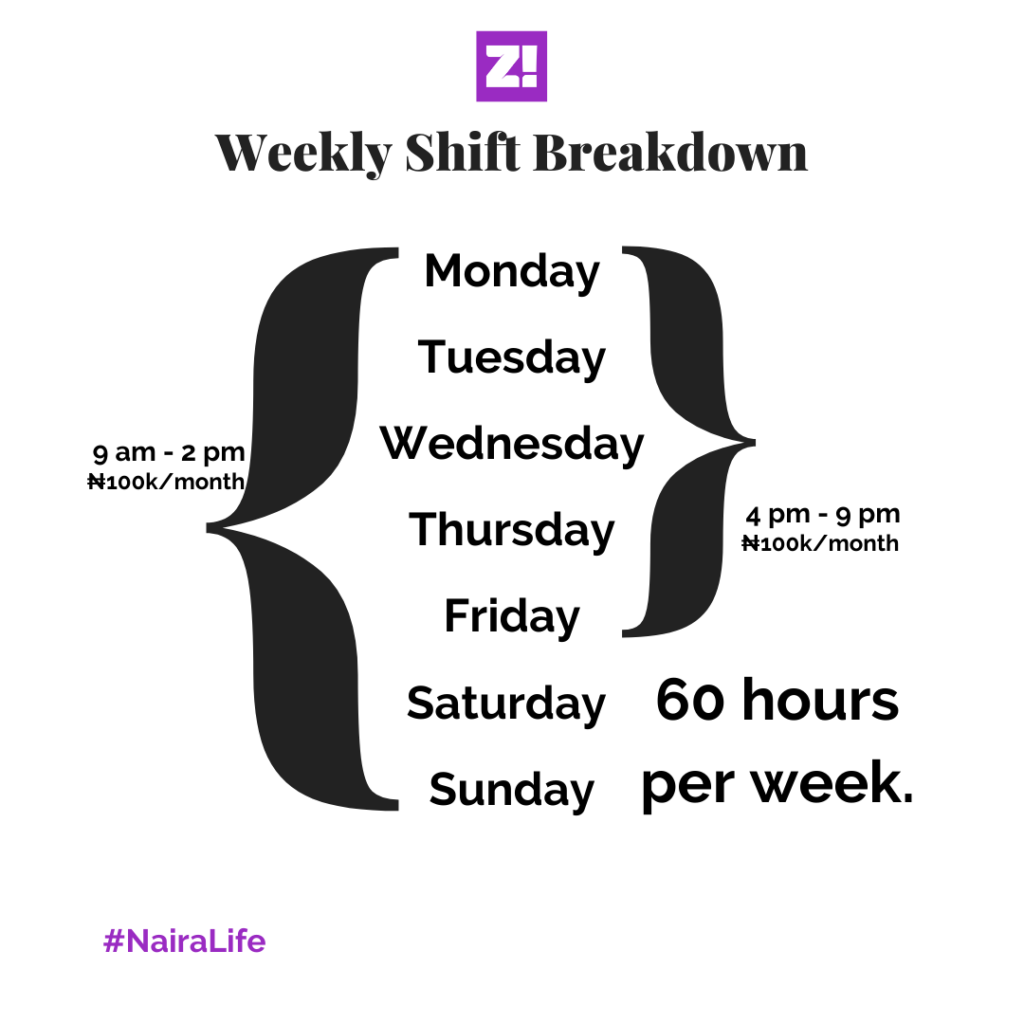
    I work every day from 9 am to 2 pm. Then 4 pm – 9 pm on Monday’s through Friday. I get ₦100k at each job. Most doctors do this until they get something better. Some entrepreneurial doctors even do it to get capital. But no doctor wants to do it forever. This will soon be over because I’m about to start my residency. 
    What’s the difference between a residency and a house job?

    House job is officially called Housemanship, and it’s the compulsory 1-year internship for doctors immediately after medical school. Residency is our postgraduate. We get paid for both. Depending on the hospital, my residency should pay me from ₦250k to ₦350k.

    Let’s break down how your 200k goes every month.

    I give my mum ₦15k. I save ₦100k. My sisters are both working as nurses – the younger one is still doing her internship. I pay my little brother’s fees, ₦18k thrice yearly. Then food and other stuff. 

    The constant thing is my mum and my savings. 

    At this stage in your career, how much do you feel like you should be earning?

    ₦500k. If I get an NGO job with my qualifications – a BSc, MSc, and a medical degree – I’ll get paid this amount. If I start a residency, then combine this with the poultry business I intend to start, I’ll earn this amount. 

    What’s the next 5 years looking like?

    I intend to the Medical licence exams for the UK. I don’t have all the details now, but for that entire process, I’m just going to budget 1.5 million.

    Besides this 1.5, what’s something you want right now but can’t afford?

    Another car. The one I want will cost me about ₦2.5 million, but I’m preparing for my wedding so no –

    – Ohhhhh. There are a bunch of things. First, I’m renovating the family house, because we’ll be staying there temporarily. This renovation alone is costing ₦1.5 million. I actually got an architect to redesign before it got renovated. 

    Mad mad.

    Then, the things inside the box for the bride, that’s costing ₦500k.  

    Ehn? 

    Kayan Lefe: it’s the boxes that the groom presents to the bride in the north, mostly containing fabrics and clothes. It could be less or more depending on what you can afford sha.

    Then my bride will still need some things for the main ceremony – roughly ₦100k. Then I’m spending another ₦200k on myself. The food and other souvenirs will take the rest. If I decided to host a dinner, it would have been more. Postponed it because of coronavirus. 

    We postponed everything we thought we couldn’t postpone.

    Yeah. 

    What’s an expense you incurred recently that significantly improved the quality of your life?

    The renovation. It just feels so good. Fixed a water problem too. POP ceilings. Re-tiled a lot of the house. 

    What’s your biggest financial regret in recent memory?

    Spending too much on restaurants. Lending people money too. I gave one girl ₦50k, and she just japa’d with my money. 

    Hahaha. Sorry man. About the restaurant part…

    I spend up to ₦30k at restaurants in Bauchi. That’s a lot for me, especially when the average meal is like ₦500. Especially when you think about the fact that we have a cook. 

    We? 

    Oh, I live with my mum, my two sisters – the older one is divorced, so she lives with my niece, her daughter. There’s also my little brother and a cousin. 

    Your sister, it’s a curious thing.  

    Oh, she’s 25. When she was in Nursing School, she married this guy. And then suddenly, he wanted her to stop school. She divorced him. So all of us stood with her, and now she’s done and is a practising nurse. 

    Good riddance. 

    Hahaha. 

    On a scale of 1-10, how would you rate your financial happiness? 

    6. To be honest, I know I’m not doing badly. I get more respect these days, but maybe that’s because I’m a doctor. But right now, getting married, starting my residency, and getting my business going will bring me close to 10.

    Do you ever imagine what life would look like if things turned out differently? 

    To be honest, I think it’d have been worse. I might have had to drop out of school with my siblings. Maybe I’d be running a small business. 

    Your dad was a force in life and a force from the afterlife.

    Haha, I didn’t even think about it like that. 

    Yeah. Sometimes when we talk to people, they give us new perspective to old grief.

    True.


  • 48 Hours In Bauchi

    ‘Unbelievably hot’. Those are the first words I usually use to describe Bauchi to almost everyone who asks what my first impression of the Northern city was. That’s usually followed by charming and historic.

    In 2017 I spent 5 glorious days in the Northen state and I’ve counted the hours till I get to make a trip back since then. If you ever get to stop by, here’s how to spend your first 48 hours.

    Day 1

    7:00 – 8:00 am

    You wake up to soft knocks on your hotel room door. You are freezing even though you slept with the air conditioner off. The origin of the knocks is an old man you assume works for the hotel. You can’t be sure because no one wears uniforms. He asks if you’ll be needing hot water. There’s no heater in your room. There’s also no electricity until 9:00 am as per ‘management’s’ instructions.

    8:00 am – 9:00 am

    You go in search of breakfast but there is no sign of activity in the hotel’s restaurant. After waiting for 30 minutes a passer-by informs you that the cook has gone to the market and won’t be back for another hour. So you grab some leftover snacks from your road trip the day before and head out.

    9:00 am – 9:30 am

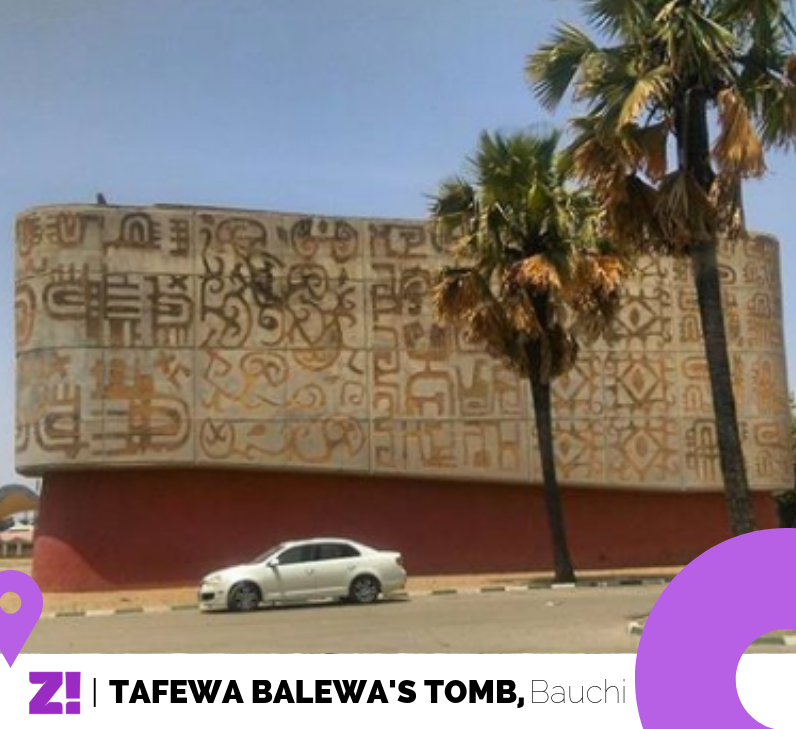
    You spend 30 minutes trying to get a keke to take you to the tomb of Nigeria’s first Prime Minister – Abubakar Tafawa Balewa. It should have taken you 5 minutes but the language barrier is making it difficult to describe where you are headed. Even your fluent pidgin can’t help. According to Google Maps, your destination is a 5-minute drive away. You contemplate just walking at the same moment you finally get a keke driver who recognises the photo of the tomb you’ve been jutting in peoples faces for the last thirty minutes.

    9:40 – 12:00 pm

    You arrive at the tomb and are welcomed warmly by two men sitting under a tree. One of the two men goes eagerly to fetch a tour guide while the other makes small talk with you. He’s pleasantly surprised you’ve made a trip up to Bauchi from Lagos despite what he calls the media’s unfair portrayal of the North.

    Your tour guide is a tall well-spoken man with a deep Hausa accent who doesn’t seem half as excited to see you, as the two men who welcomed you were. But he politely begins your tour. As you walk into the mausoleum, you are thrown into a pitch dark hallway with towering stone walls and absolutely no windows. The floor ascends as you walk. Your guide explains that every bit of the architecture was built purposefully to tell a story.

    The pitch dark hallway symbolises the struggle of Nigerians during all the years of slavery and colonialism. As you continue to ascend you begin to see small window openings casting beams of sunlight into the halls, this he describes as signifying the first sign of hope as we drew near to the end of colonialism.

    A right turning comes out of nowhere as you continue down the hallway and you are suddenly thrown into a well-lit chamber, where the tomb is located. The chamber is bright and beautiful. The walls are made of a colourful mosaic which he describes represents the various Nigerian ethnicities.

    Your guide gives you exactly 5 minutes to gape in awe and take a dozen photos before guiding you out of the tomb. He then leads you to a small museum away from the main building.

    He goes through the museum artifices in the manner of someone who had had the same job for several years. He speaks in a slow and dismal tone as if he is trying to inflict you with a sense of somberness. The museum is small and walking through it takes no more than 30 minutes.

    12:00 – 13:00

    Once you are out of the mausoleum, you flag down another keke and ask to be taken to Gubi Lake. This time you are prepared for the look of confusion that will register on the driver’s face. You show him a picture of the lake and he grins and signals for you to get in. 600 naira he says. You don’t try to bargain. The lake is about an hour away from your location. 600 seems fair

    The path leading to the lake is strewn with small village settlements and acres of deserted land and even more acres of land spotting signs with promises of development to come, but no sign of actual development.

    As you approach the lake you realize that you’ll have no means to return if you don’t ask your keke driver to wait. So you ask, promising extra compensation. He agrees, even though you don’t give a figure.

    13:00 – 15:00

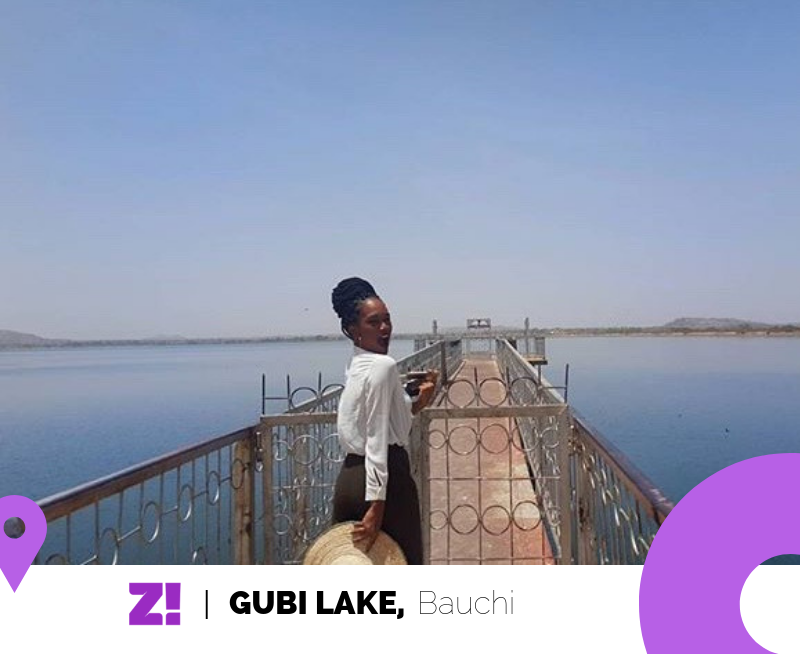
    You go up about two dozen steps carved out of the hills surrounding the lake before you get a good look at the lake, and it’s breathtaking. You take a thousand and one photos but no single one does the view justice. You get so lost in it, you don’t notice that your driver had come with you. He’s also mesmerized. You can tell he has never been here, even though he’s a native.

    For some reason, although the lake is a recognised tourist stop there are no signs or a guide to give you a little history. There’s a pier built for what you assume are tourists but there is a gate stopping you from getting to end.

    Your driver climbs down the rocks to converse with a fisherman waiting for his clothes to dry you insist on following so you can stick your toes in the water. Both your driver and the fisherman speak very little English so your hopes for getting some background about the lake from them are dashed.

    You climb back to the top when you realize your driver must want to head back by now. You can’t help taking more pictures. You are already heading down the stairs when you notice your driver taking pictures too.

    18:00 – 19:00

    You head back to your hotel and make a beeline for the restaurant. This time thankfully the cook is in. No one hands you a menu, your options are rice and stew or rice and stew. So you go for rice and stew. It might be your hunger talking but the stew is the tastiest you’ve ever had.

    Day 2

    10:00 – 12:00

    You wake up late because you’d really like to have breakfast before you head out. You have only one stop – Yankari Game Reserve.

    Since Bauchi has no private taxis and Yankari is two hours away from town, you have no idea how you’ll get there. Luckily, there is a motor park right outside your hotel with vehicles lined up, waiting their turn to make the Bauchi- Kano transit and that is where you meet Bashiru.

    While haggling the fare with the other drivers who are insistent on carrying you for nothing less than 10,000 naira, Bashiru agrees to take you for 5. When you get to Yankari you realize that Bashiru’s fare wasn’t just a bargain he has done you a favour.

    12:00 – 14:00

    You chat with Bashiru throughout the two-hour drive. He too is pleasantly surprised you’ve made the trip up North. ‘They say we are bombing everywhere, but there are no bombs here’ he says. His English is fluent and he tells you a little bit about every town you pass through.

    14:00 – 15:00

    Moving around the game reserve’s grounds without a car is a little bit of a hassle. The reception is quite a distance from your chalet, which in turn is quite a distance from the Safari’s information centre. Bashiru, bless his kind heart refuses to leave until you are all settled in and about to go on your tour.

    15:00 – 16:00

    You set your expectations low for the tour, you’ve come in the dry season and most of the animals you really want to see like the hippos and elephants have retreated deep into the forest. You still hold out hope to come across at least an elephant. There are supposed to be least a hundred scattered across the campgrounds in small herds.

    The tour takes about an hour in total and you only came across 4 different species of antelopes and no elephants. Seeing the antelopes gets you surprisingly pumped. Probably because you’ve driven through nothing but green grass and trees for 20 minutes. At some point during the tour, the truck stops for you and other tourists to get off and check out a couple of caves.

    The caves are a huge expanse of interconnecting caverns carved into a large hill smack in the middle of the forest. Your guide tells you how people hid in them at the peak of slave trade.

    17:00 – 19:00

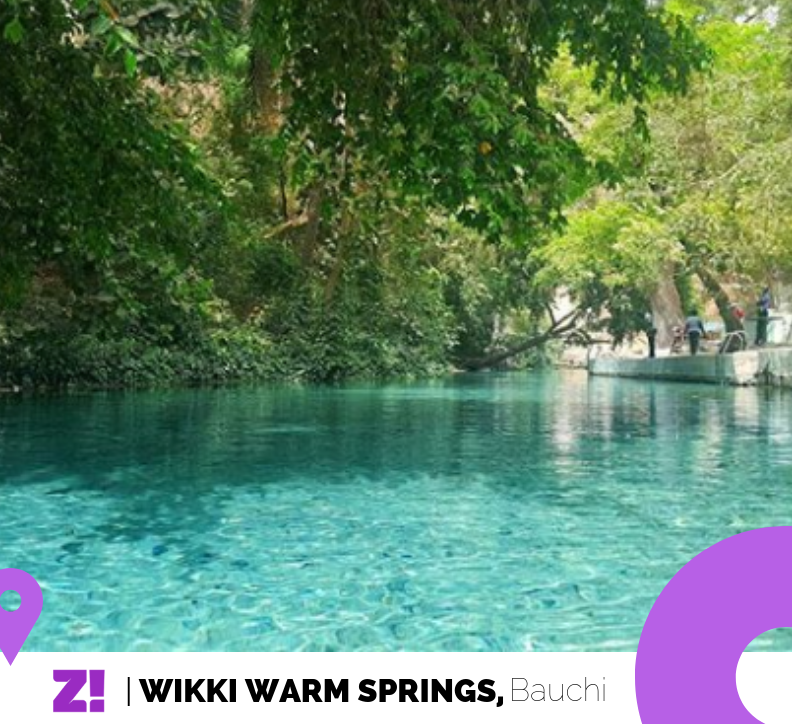
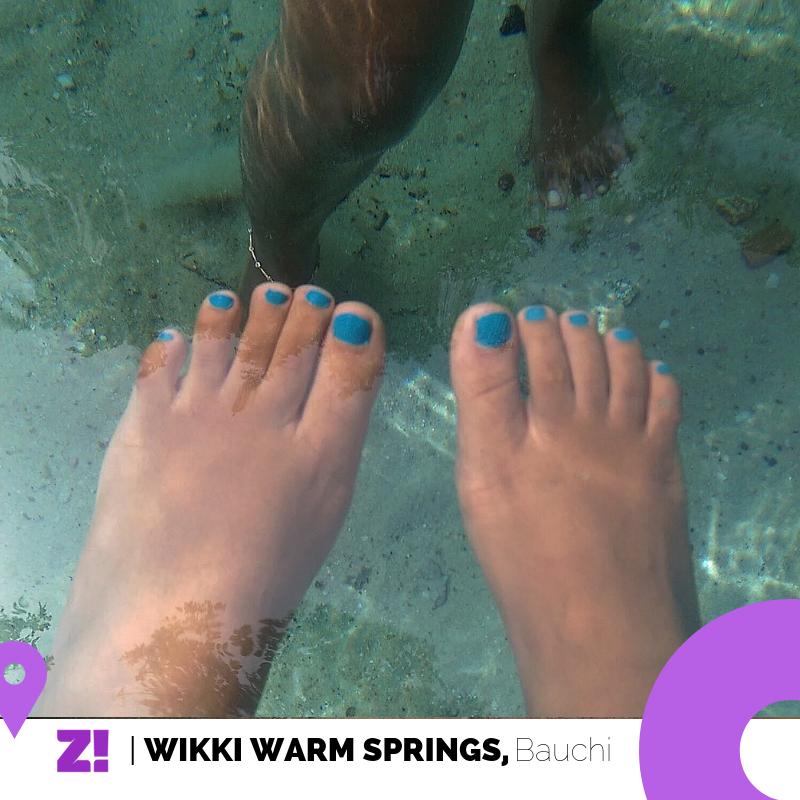
    After the tour, you can get back to campgrounds fast enough. You are itching to see the warm springs. You’ve seen a couple of pictures and you are sure there’s no way the water is that crystal blue. But it’s even more stunning than the pictures. The water is clear as day and you can see straight to the bottom of the spring, where there’s a bed of the whitest beach sand. Rays from the sun hit the surface of the water causing it to sparkle and glisten.

    You dip a toe in and then immerse your whole body. The water is warm. The perfect temperature for a bath. You stay in it until your body starts to wrinkle and the sun sets.


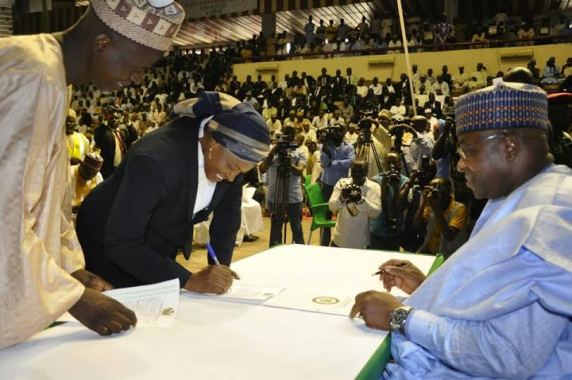
  • Justice Rabi Umar Has Been Sworn In As Bauchi State’s First Female Chief Judge

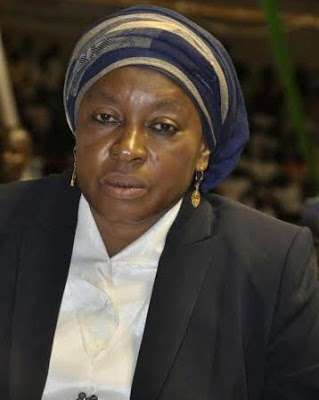
    In record breaking and women-empowering news, Bauchi state got its first female judge when Justice Rabi Talatu Umar was appointed in June 2016.

    She was appointed 2 years after the former Chief Judge, Justice Ibrahim Zango, retired in 2014.

    However, her appointment didn’t come so easy. In March 2016, her recommendation as the most qualified and suitable candidate for the position of the Chief Judge of Bauchi State was met with protests and petitions.

    One of them claimed Justice Umar wasn’t qualified enough because she wasn’t the most senior judicial officer nor an indigene of the state.

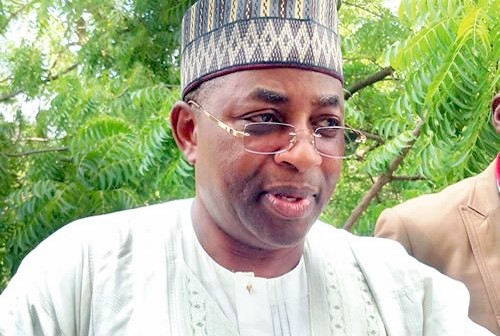
    However, Bauchi state governor, Mohammed Abubakar, on the swearing-in ceremony argued that her appointment was legal and based on her long-standing record of being upright and professional in her official assignments.

    Although haters tried to stop her, Justice Rabi has made history in Bauchi. We wish her all the best at her new job!