


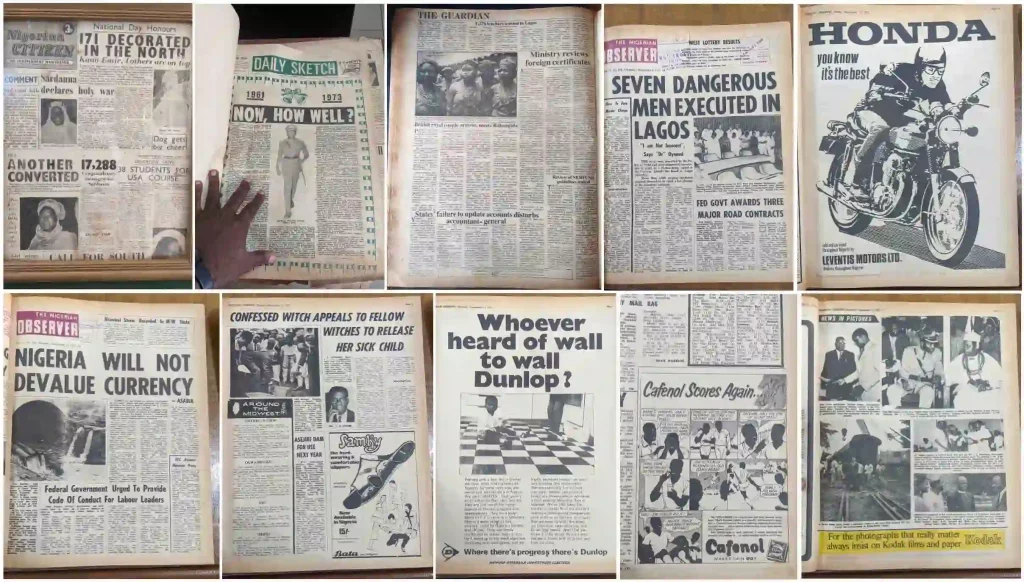
In 2016, I was in my final year at university. For my project, I had to do a content analysis of the Nigerian media coverage of Boko Haram insurgency for the 12 calendar months of the year under review. It was impossible to access old newspaper publications online, so I had to comb Ibadan for libraries that kept old newspapers. It was a daunting experience, mentally, physically and financially.
Source: Reuters
Seven years later, undergraduate students like me, researchers, journalists and anyone interested in our history need only carry out a simple search on Archivi.ng, a website that has successfully scanned 50 years of Nigerian newspapers in the first phase of its newspaper digitisation project.
Here’s all you should know about the team and the important work they’re doing.
What is Archivi.ng?
It’s a project committed to “digitising old Nigerian newspapers and making them accessible to everyone online.” The Archivi.ng team’s first phase goal is to upload 18,627 different newspapers and 360k pages from January 1960 to December 2010.
How did it start?
In August 2019, Fu’ad Lawal, Archiving CEO, asked a question on his Twitter page: “Who’s going to get all the Final Year research papers rotting in the Faculty storages across tertiary schools in Nigeria, and bring them online?”
This need to do something with loads of research work Nigerian students churn out yearly soon metamorphosed into a different direction.
On November 10, 2019, his attention was drawn to a throwback video shared on Twitter which captured the court proceedings that led to the execution of Ken Saro-Wiwa, Saturday Dobee, Nordu Eawo and other members of the Ogoni 9.
Fu’ad expressed sadness at the fact that Nigerian knowledge seekers or researchers would only obtain the full context about the historical incident from the archives of an international publication like the New York Times.
“My own sadness is that if you want to read about this case, you’ll have to go to the New York Times.”
Five days later, he returned with a post stressing the need for old Nigerian newspapers to be archived. “Our old newspapers need to be archived, for the culture. Contextual reporting becomes easier when you can just google 1999, and Punch/Guardian pops.”
[ad]
Fu’ad’s tweets started to receive a cocktail of reception from followers, friends and acquaintances who shared similar sentiments. Subsequently, he drew up a concept note with a clear goal to retrieve and digitise newspapers from January 1, 1960, to December 31, 2010 — a total of 18,627 days. The months that followed would see Lawal, his friends and other volunteers sourcing newspapers. In less than five weeks, they’d sourced 95% of the newspapers needed for the period of focus.
But sourcing the papers wasn’t enough; they also needed a digital home where the papers could be housed and easily accessed. And this birthed Archiv.ng.
How does the website work?
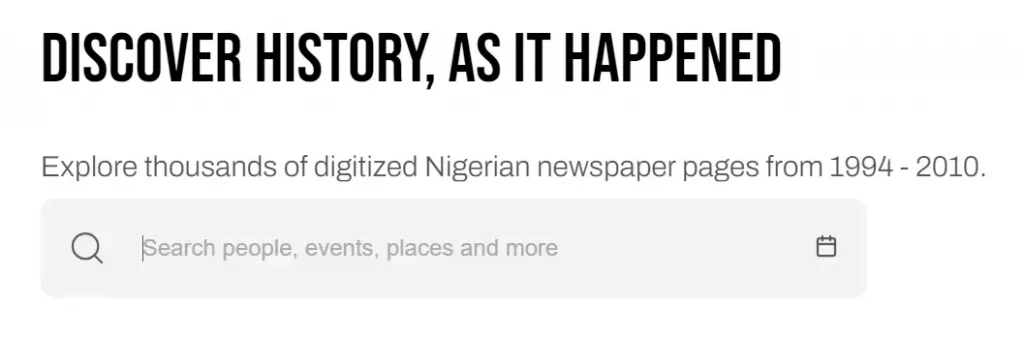
If you enter specific keywords, names and dates in the homepage’s search box, it’ll return a string of scanned newspaper pages. Each scanned newspaper page comes with an AI-generated summary.
For example, when you enter the date below, it returns with the newspaper images.

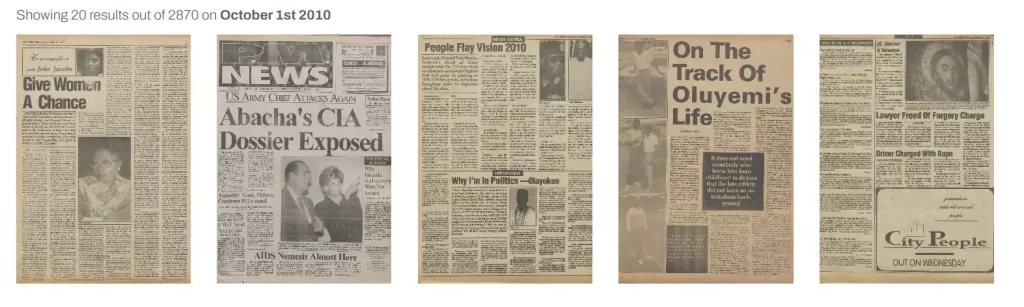
At the moment, Archivi.ng only accounts for PM News reports from January 1, 1960, to December 31, 2010 which is approximately 50,000 pages. Publications like The Punch (1971), Tribune (1949) and Vanguard (1983) are yet to be scanned and uploaded to the archive. However, it’s all part of the goals in the first phase of the project.
Is the website free to use?
The website has been free for visitors since it launched on September 30. However, there’s an option to donate and support the project. The team has raised over $37,000 in donations but still needs at least $100,000 in funding to complete the first phase of the project.
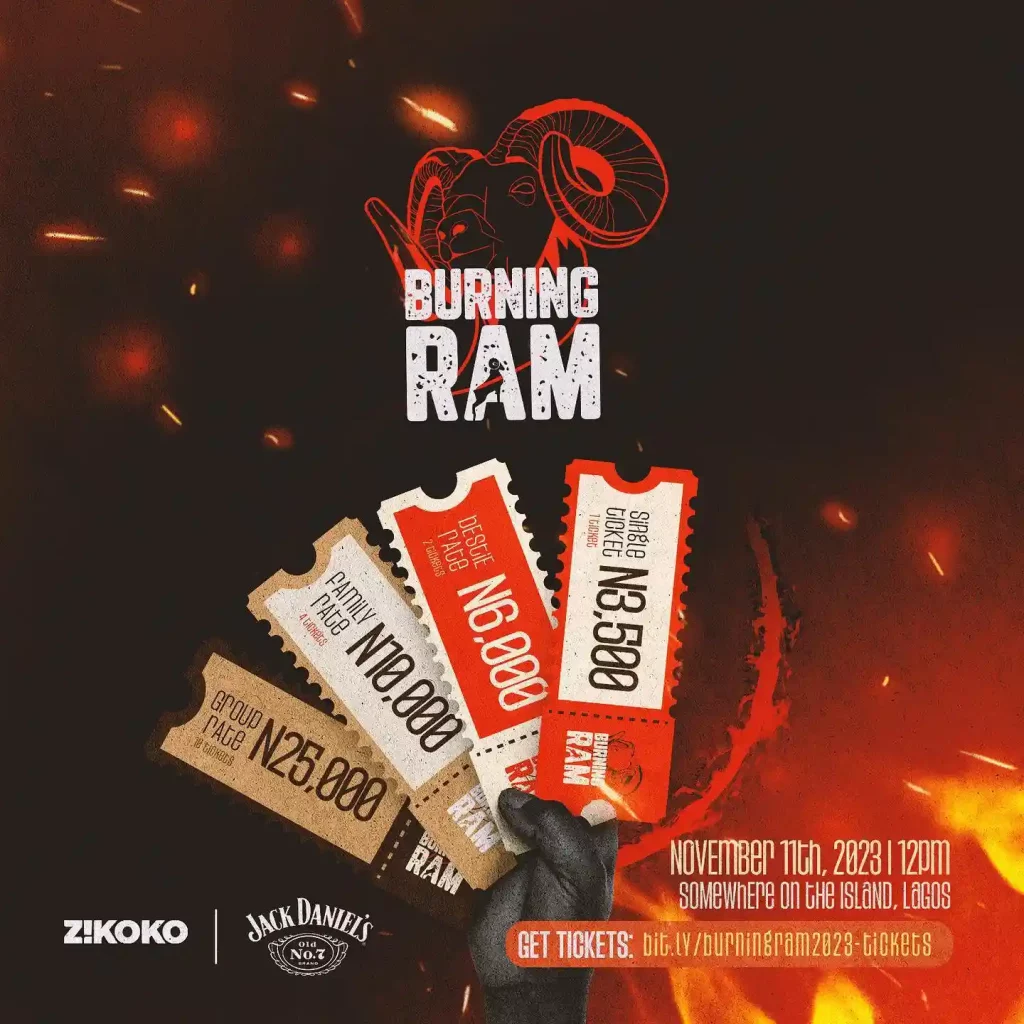
Burning Ram tickets are now available. Get your personal meat and many more at Zikoko’s meat festival coming up on November 11th. Tickets are available here.


