Notice: Function _load_textdomain_just_in_time was called incorrectly. Translation loading for the wordpress-seo domain was triggered too early. This is usually an indicator for some code in the plugin or theme running too early. Translations should be loaded at the init action or later. Please see Debugging in WordPress for more information. (This message was added in version 6.7.0.) in /home/bcm/src/dev/www/wp-includes/functions.php on line 6121
Almajiri | Zikoko!
  • Zamfara Doesn’t Need An Airport, WYD Bello?

    In the most ideal of settings, Zamfara state would be bathed in the red of neon lights signifying the state of emergency in the majority of its sectors.

    In Oxford University’s Multidimensional Poverty Index Data Bank of 2017, Zamfara State had a 92% poverty ranking, making it the poorest state in the north and the whole of Nigeria.

    Its literacy rate, at 19%, fails to scratch even a quarter of a pass mark of a thriving education sector, with Almajiris constituting a great proportion of its child population, and a 46.3% primary school completion rate.

    In more good news, its 1,869,377 population, with a Maternal Mortality Rate at 1 100 deaths per 100 000, has at last count, a whopping two tertiary hospitals to cater to the healthcare needs of its citizenry. Zamfara also takes notice as the state with the least Early Childcare Development (ECD) centres in Nigeria.

    To top things off, the state also has the worst insecurity problem in North West Nigeria.

    Which is why, it is only logical that the first point of call for its newly elected Governor – Bello Matawalle is the construction of an airport in the city capital – Gusau. This project, so imperative, will supposedly take off within the first one hundred days of his office.

    iguodala confused

    You know, so the citizens of the state, the dominant majority of whom can barely afford the very basics of a dignified life, can saunter into the airport and jet of to holiday destinations of their choosing.

    It’s irrelevant that Zamfara State is surrounded to by Sokoto State, which has an already developed airport, whose travel time is 0.16 hours between both states. And also by Katsina State, with its state airport, with a travel time of 0.19 hours — making this expenditure, largely unnecessary at best, and grossly pre-mature at worst.

    It should be noted that this airport, despite all other standing impediments in the state, wasn’t freshly conceived by Governor Matawalle. The brainchild of Governor Mamuda Shinkafi, this airport has been included in budgetary estimates and proposals for about 10 years.

    To be fair, however, someone must have gotten an early look into the opening paragraph of this here article, as the administration headed by Governor Matawalle has begun moves in earnest, promising free healthcare to women and children in the state. As well as states of emergency on education, security and energy in the states. But then again, Nigeria’s education sector has been under a state of emergency since November 2018, so are states of emergencies really working out for us?

    It isn’t presumptuous to suggest that whatever amount is to be expended on this airport, would be much better spread across sectors that are in the direst need of development. Putting measures in place to make sure your citizens can compete on a national level (for starters) is most imperative.

    Let’s leave overpriced airport food and bribe-soliciting airport officials to a time in the future, when school children doubling as alms-seekers aren’t a given part of the landscape of your state.

  • A UI Designer Wants The World To Know About Invisible People Of The North
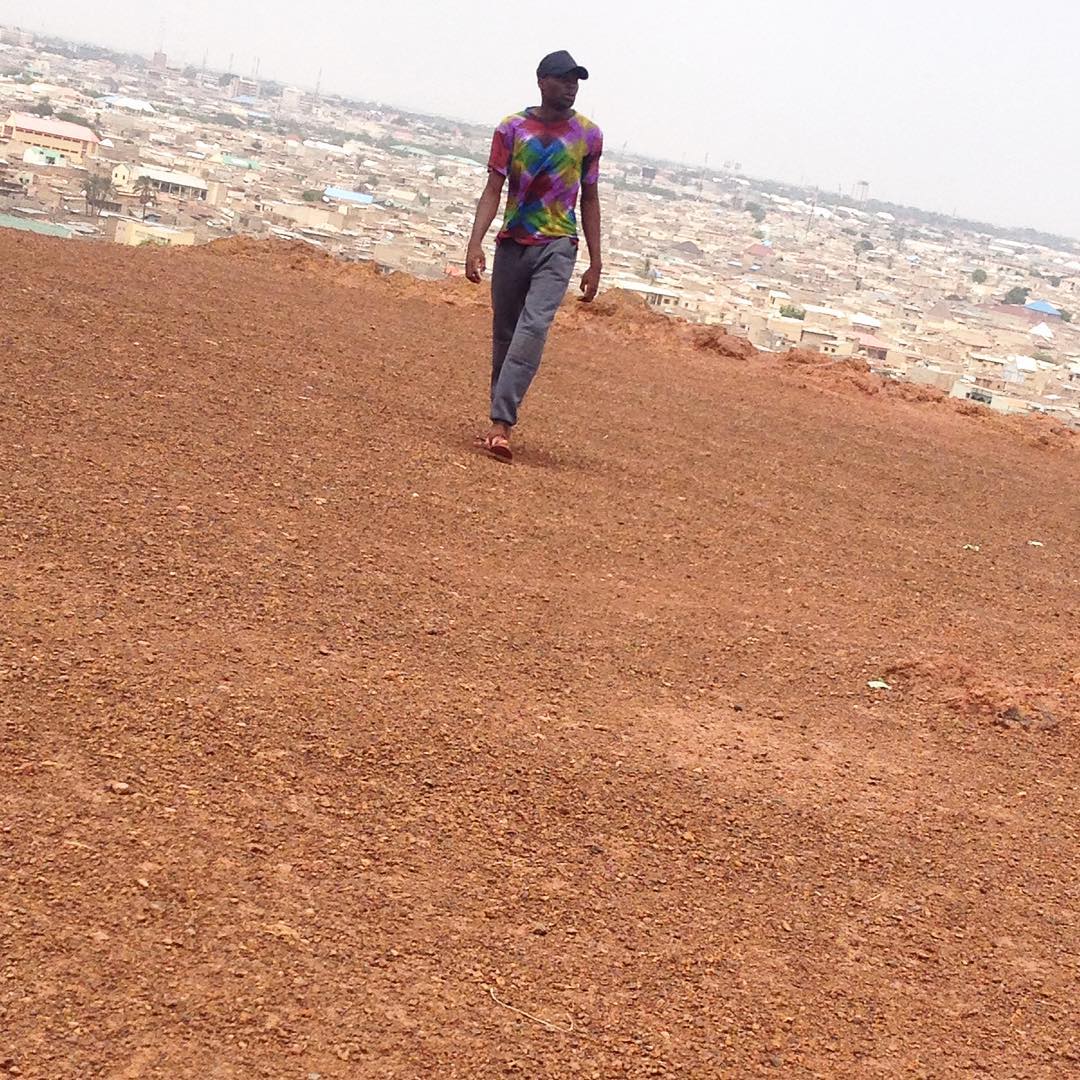
    When people who love to travel return from their journeys, they come with souvenirs and stories of their experiences and the people they met.

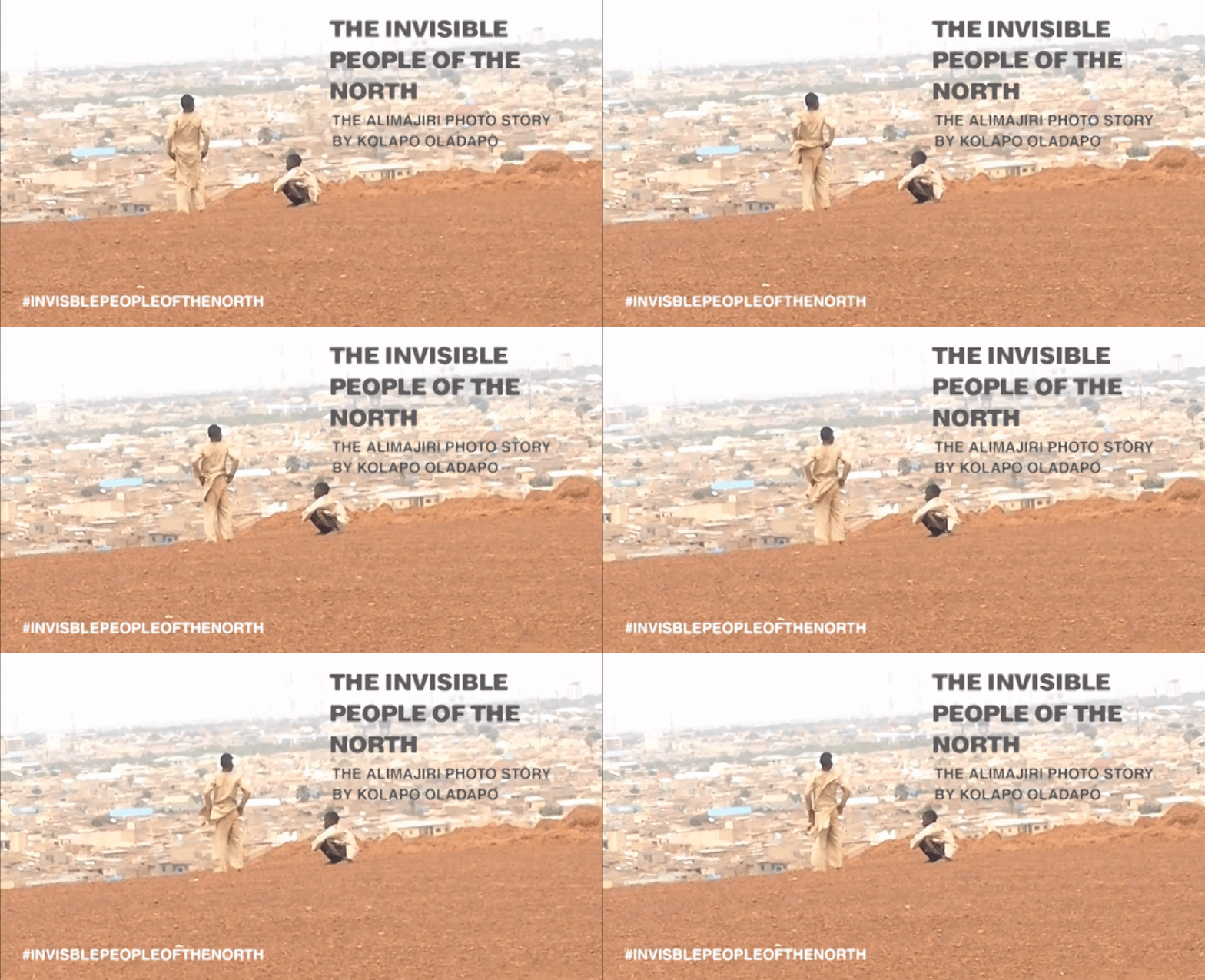
    Telling the Al-Majiri story with pictures is Kolapo Oladapo, a UI and graphic designer who takes interest in changing the African narrative with code and design.

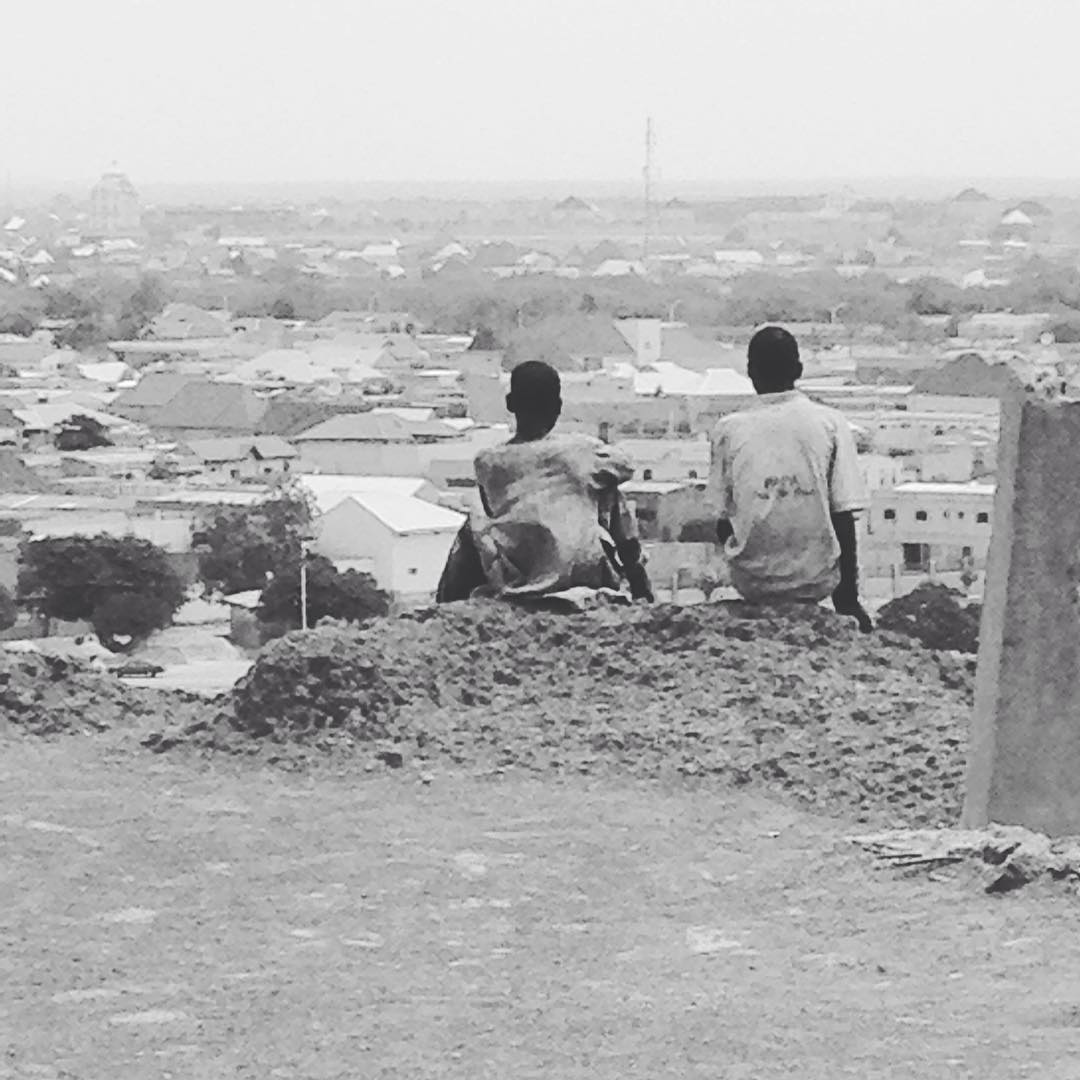
    During his travel across some northern states, he learnt about the Al-Majiri community and how they are invisible realities in their own community.

    Although the Al-Majiri system is now a nightmare compared to what it used to be, the number of children in the system keeps growing.

    Kolapo decided to tell the story of these children who should be the future of tomorrow.

    In his words, “I could show you a thousand photos exhibiting the rare & preserved beauty of Northern Nigeria”.

    “I’ve seen the beautiful tall city gates, the horses,the castles…I could tell you about the INVISIBLE PEOPLE, my people, our people who are seen only by outsiders but not the indigenes and I will. They move in troops & their cloaking device is abject poverty, that way you cannot see them because they blend into the general statuesque of Northern Nigeria and indeed the entire nation, poverty”.

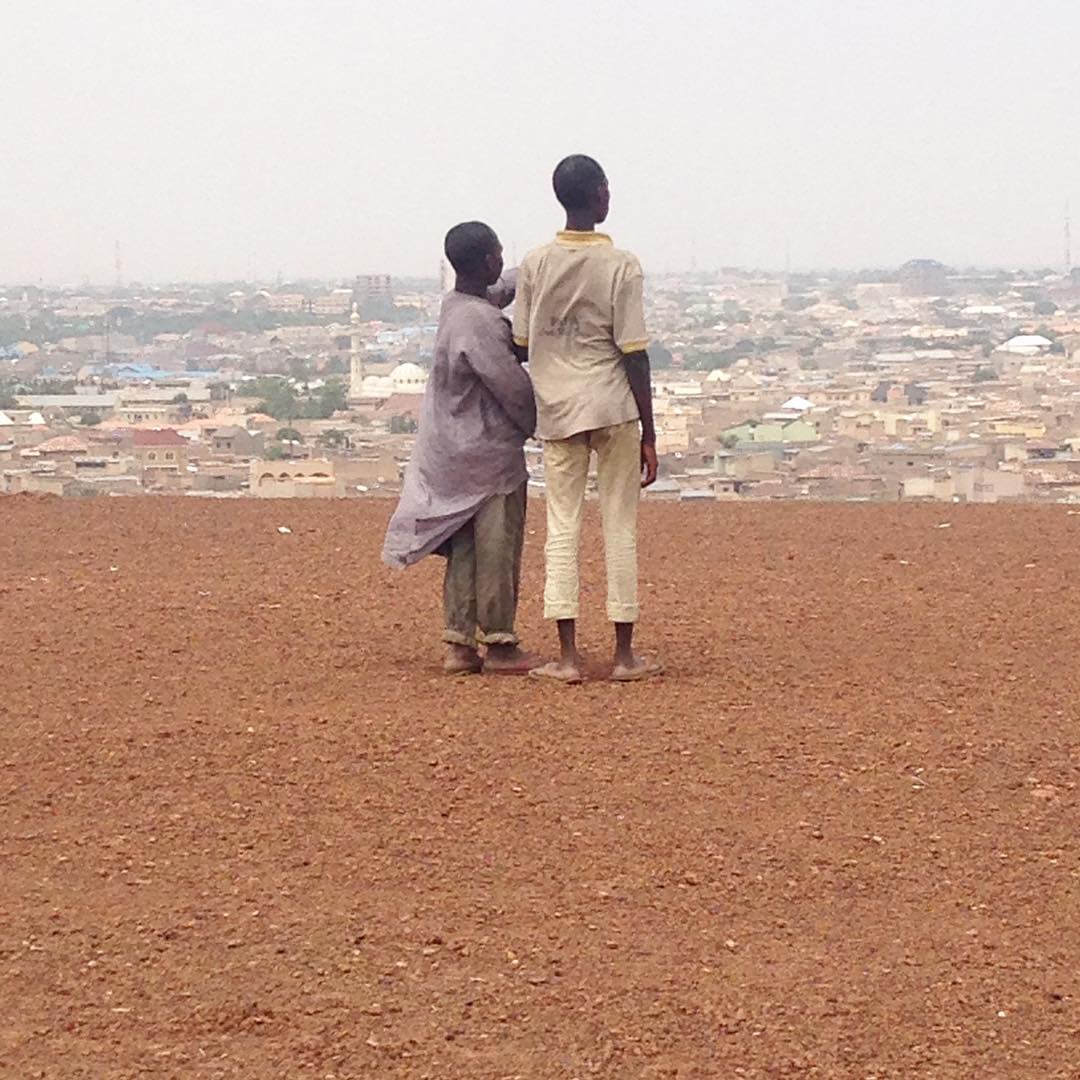
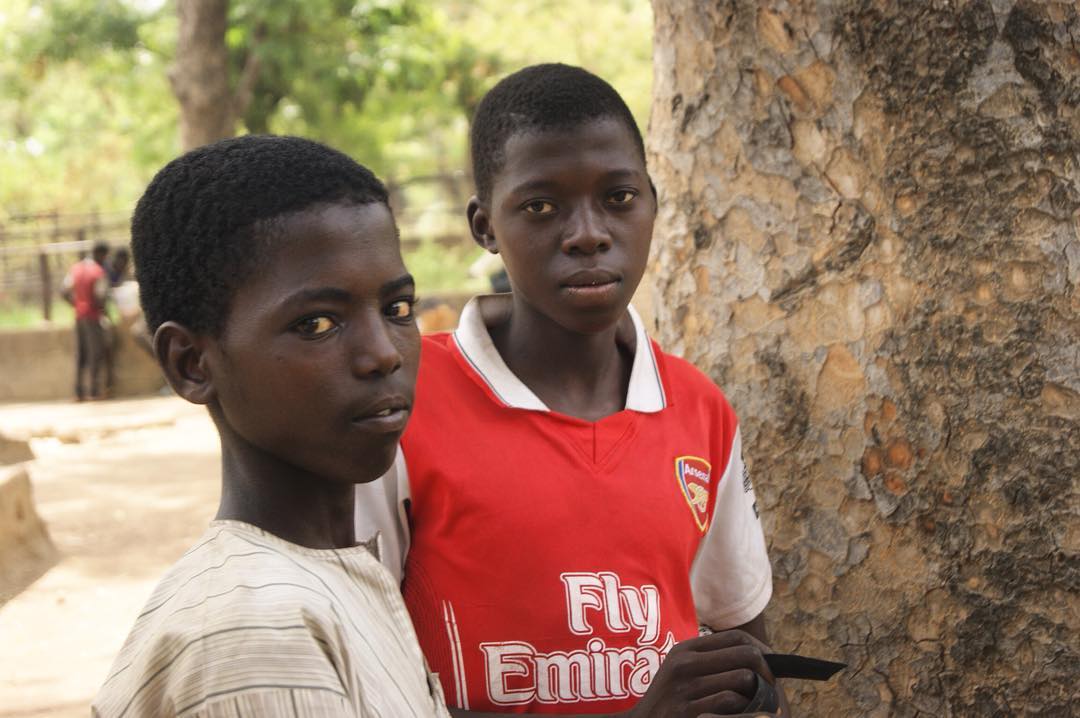
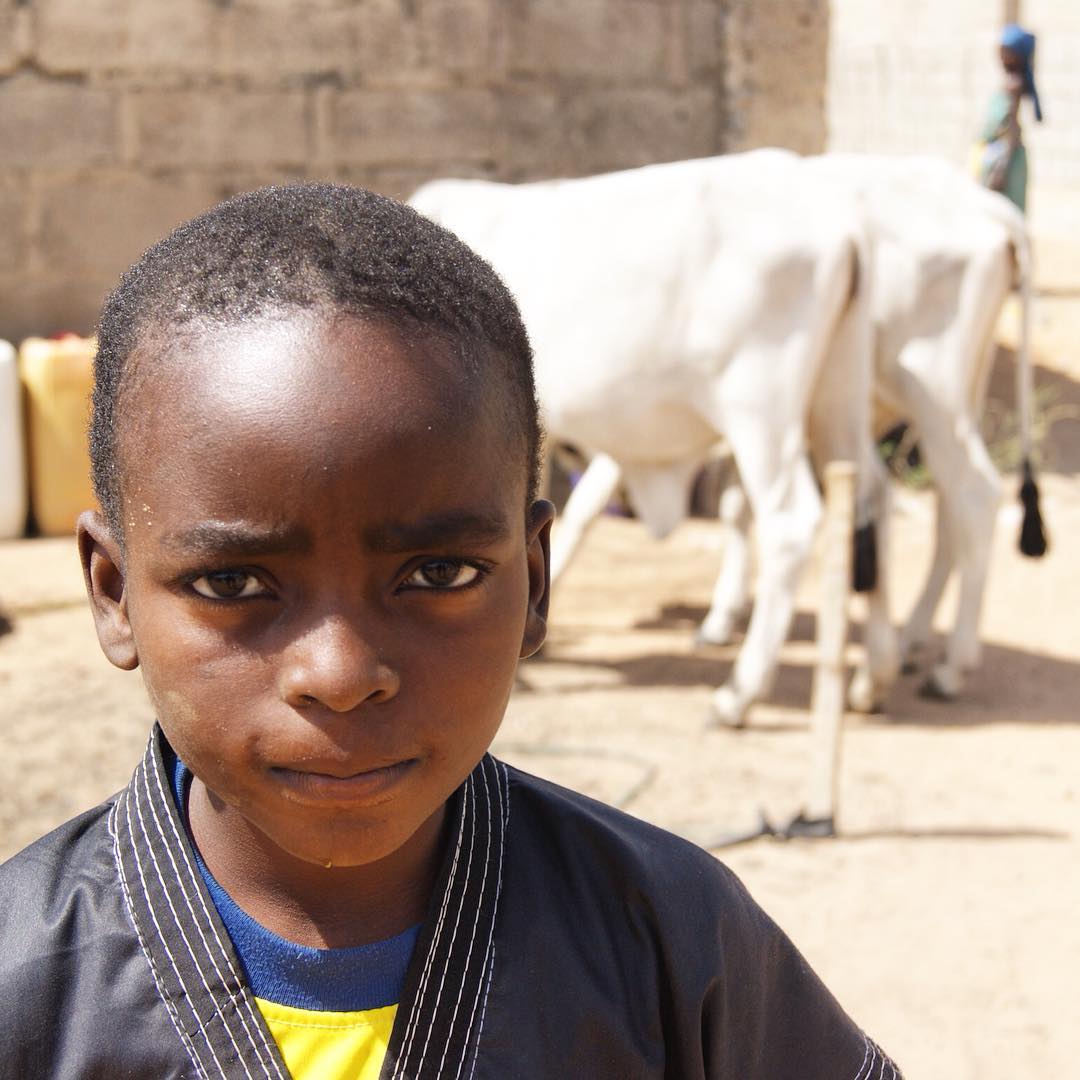
    These children are found everywhere in the north and are usually treated like outcasts. In this photo story, Kolapo explains the story of the average Al-Majiri child.

    They are everywhere, everywhere”.

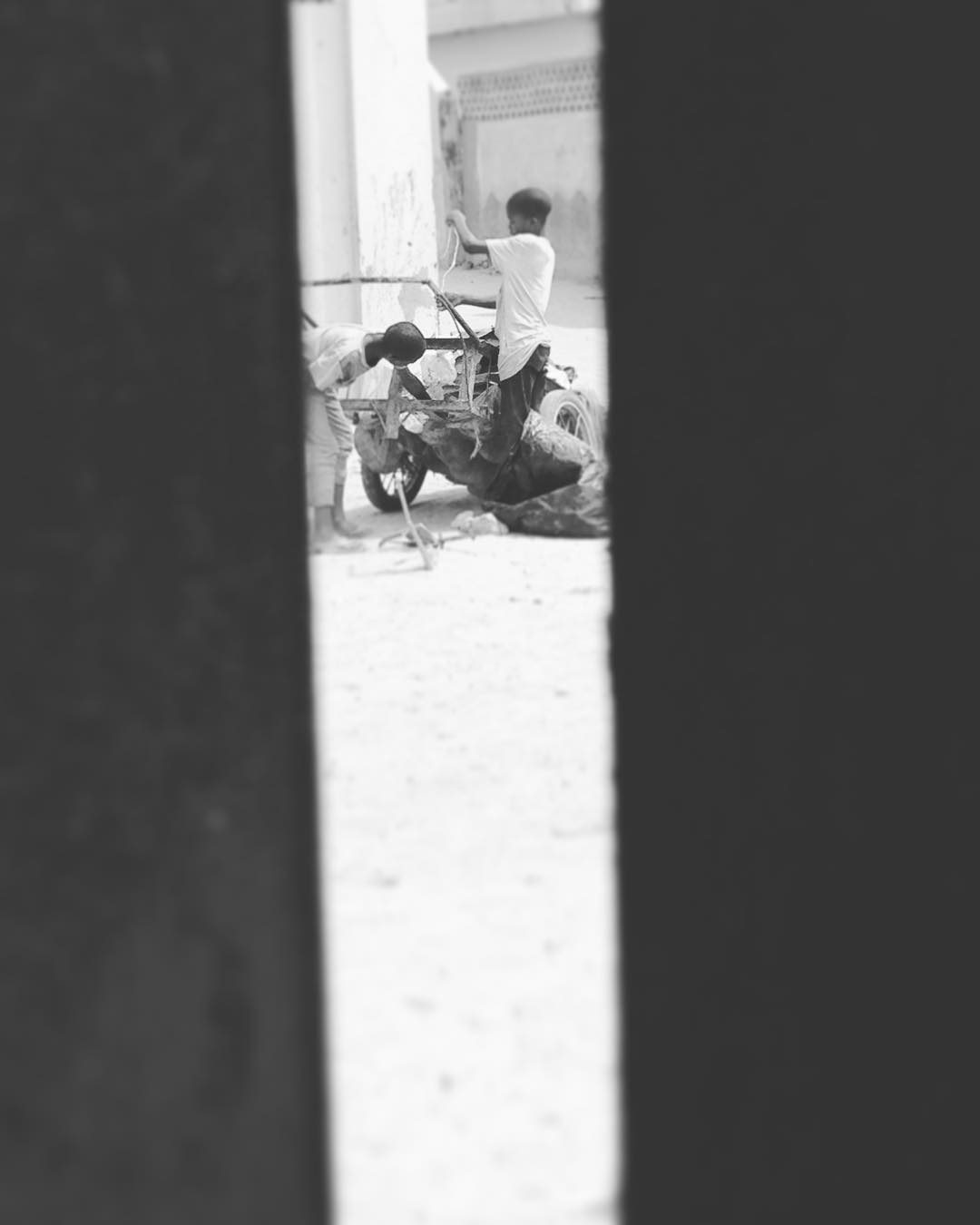
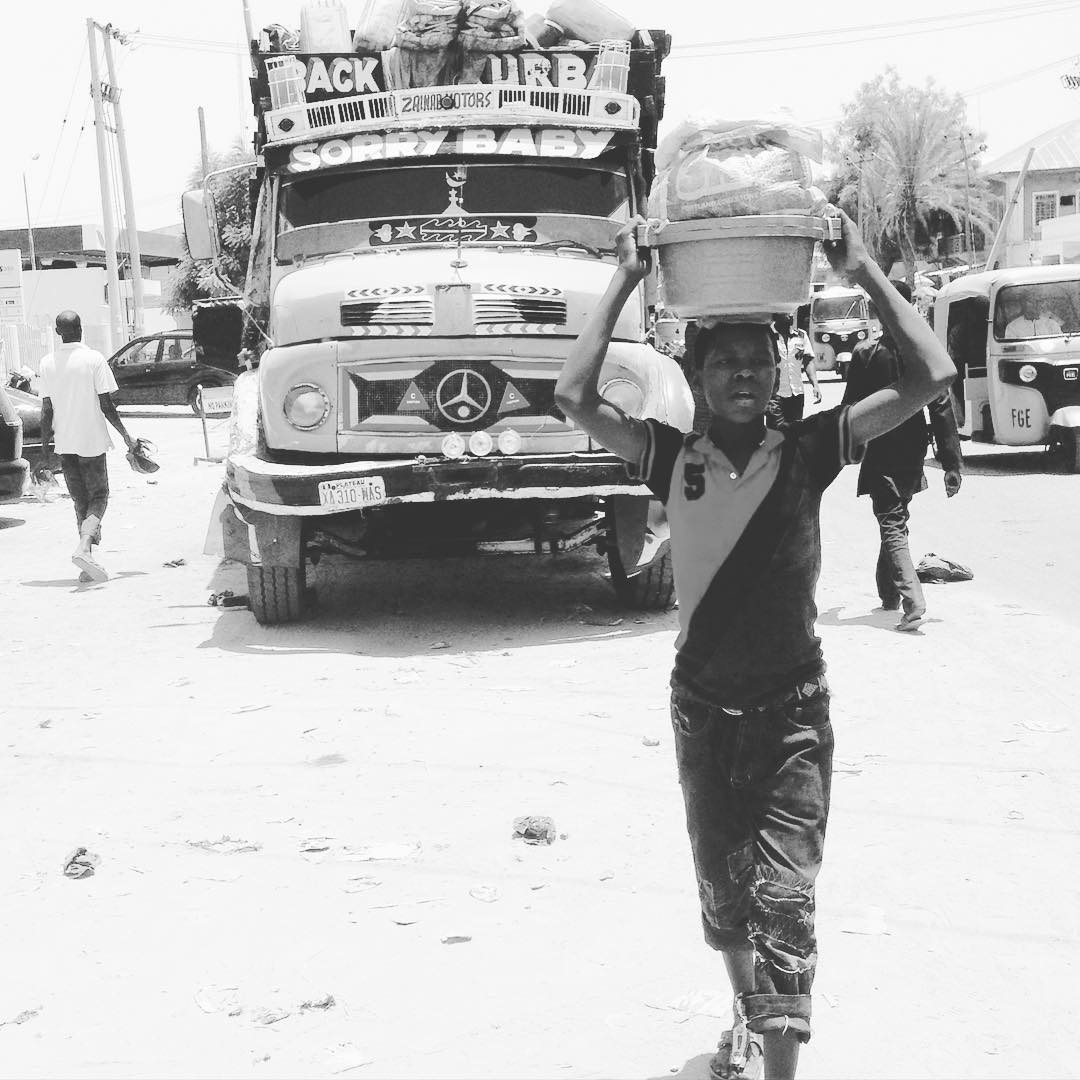
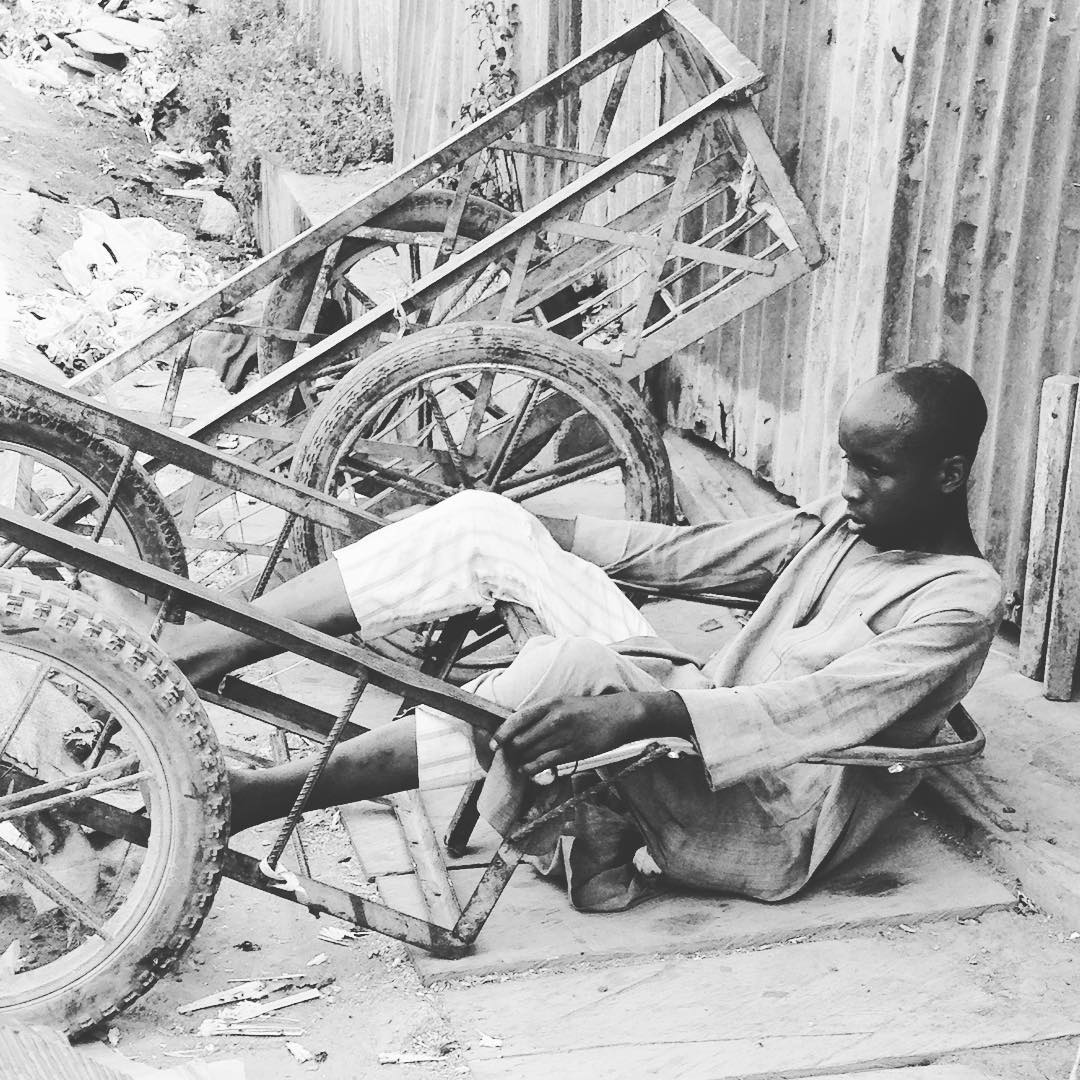
    These children who ought to be in school usually work as refuse collectors.

    Refuse collectors in Kano. Lots of children ages 5-15 are engaged in menial jobs around Nigeria but a little more than usual in Northern Nigeria”.

    Their parents place them in the care of Mallams who are expected to teach them Arabic and Islamic education.

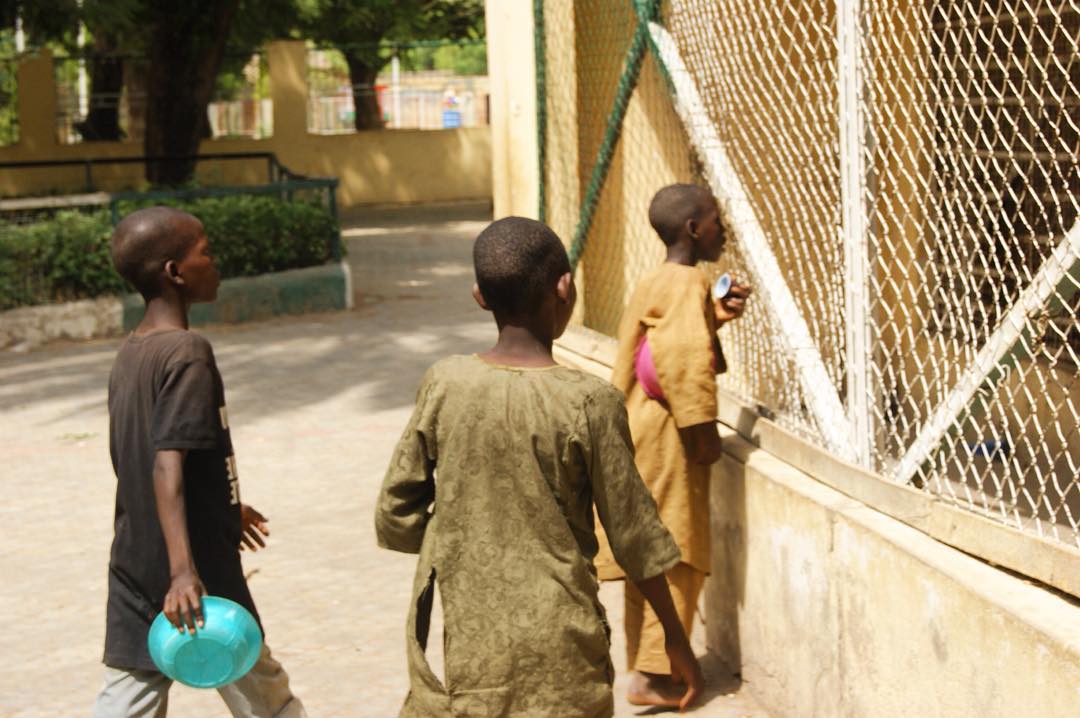
    “The Al-Majiri kids usually between age 5-15 can be found everywhere in Northern Nigeria even in the eyebrow places like malls, parks, the zoo, etc. It’s almost like they are INVISIBLE”.

    In return for their education, their parents send funds and farm produce for their upkeep and also in appreciation of the Mallam’s efforts.

    The Mallams like pimps use the wards as beggars who file returns to them at the end of the day. If they don’t meet the target, the sleep in the many abandoned infrastructures around. Places like old theaters houses, behind public toilets, market stalls & so on”.

    One can only imagine the harsh conditions they have to go through.

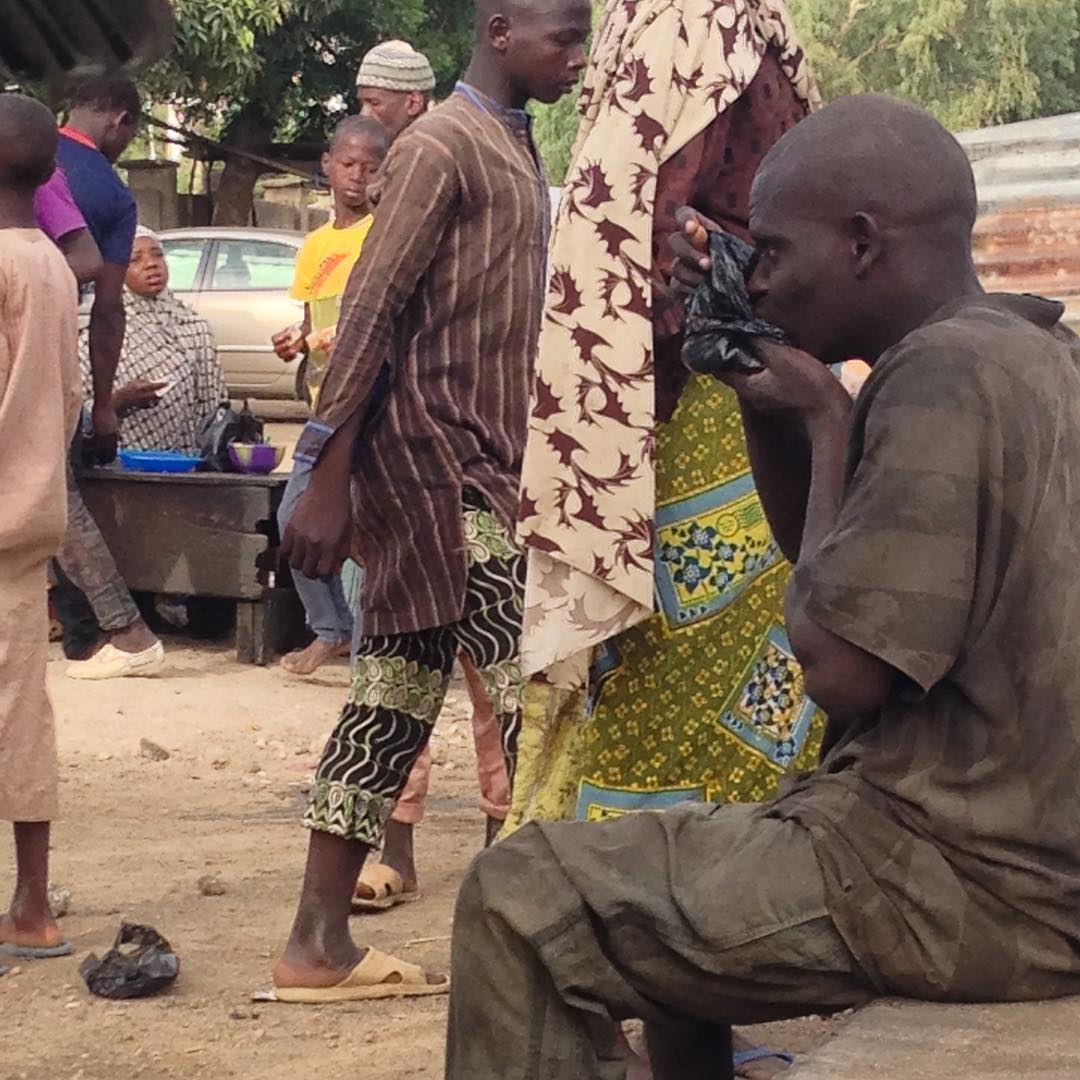
    “An Alimajiri eating his morning ration (breakfast) from a polythene bag”.

    Most times, the few who meet their daily target get to sleep in a crowded room of 20-30 people.

    Most times in pursuit of the Mallam’s happiness they get beaten, injured, whipped for either trying to steal or behaving like one who lacks home training. These are the times where the indigenes see the INVISIBLE PEOPLE. But I wonder how a child can have home training, when they have no home”.

    Some of these children resort to menial jobs.

    These harsh conditions of survival drive some into petty crime.

    Even though their children will have to beg for a living, some parents still continue to send their children to these Mallams.

    I told my friend Abdul that in Lagos the government through its task force picks up children who hawk during school hours…He laughed and told me that if the government tried that here, they’ll be chaos because most parents don’t want their wards in “western styled” schools. They prefer them learning from the Mallams”. Check out more stories from Kolapo on his Instagram page @Kp.e.