Notice: Function _load_textdomain_just_in_time was called incorrectly. Translation loading for the wordpress-seo domain was triggered too early. This is usually an indicator for some code in the plugin or theme running too early. Translations should be loaded at the init action or later. Please see Debugging in WordPress for more information. (This message was added in version 6.7.0.) in /home/bcm/src/dev/www/wp-includes/functions.php on line 6121
African Literature | Zikoko!
  • Okadabooks Turns Its Final Digital Chapter: A Tribute 

    I loved my storybooks as a child; the way they wrapped me in a cocoon of colourful imagination and suspended reality. This affection for stories would grow into a yearning to tell them, to write them even. In pages after pages of 60-leaf notebooks, I named names, created happiness, sadness, poverty and wealth, telling stories with happy endings. In senior secondary school, friends and classmates would discover my stash of story-filled notebooks and pay to read them. ₦20 to rent a book for a day, and ₦50 if it exceeded a day.

    It was this yearning to tell stories, and earn money while at it, that led me to discover OkadaBooks in 2014 — a year after it was established by author, Okechukwu Ofili. 

    Image Source: Taylor & Francis Online

    Like many Nigerian writers, Ofili had faced his share of frustrations from the bureaucracy of traditional publishing.

    “The problem was not selling the book, the main issue was collecting the money after I had sold the book,” he recounted in a 2017 interview. “I would visit the bookstores, and they would keep telling me to come back later or that the manager was not around.” 

    Ofili would launch the platform that revolutionised digital publishing in Nigeria and sub-Saharan Africa by extension. The name “Okadabooks” was inspired by a dream in which he saw himself hitching a ride on a motorcycle AKA okada. The mode of transportation was known to bypass traffic congestion in Nigeria, and get commuters to their destination in record time. 

    For Ofili, the poor distribution and high printing costs of traditional publishing were similar to traffic jams. They could only be bypassed by an alternative that made it easier to publish, buy and consume literature on mobile devices.

    Since it took off, the platform has become an integral part of the Nigerian literary community, providing a safe haven for upcoming writers. It has housed over 55k authors in its virtual bookshop and connected over 500k readers to their favourite stories. 
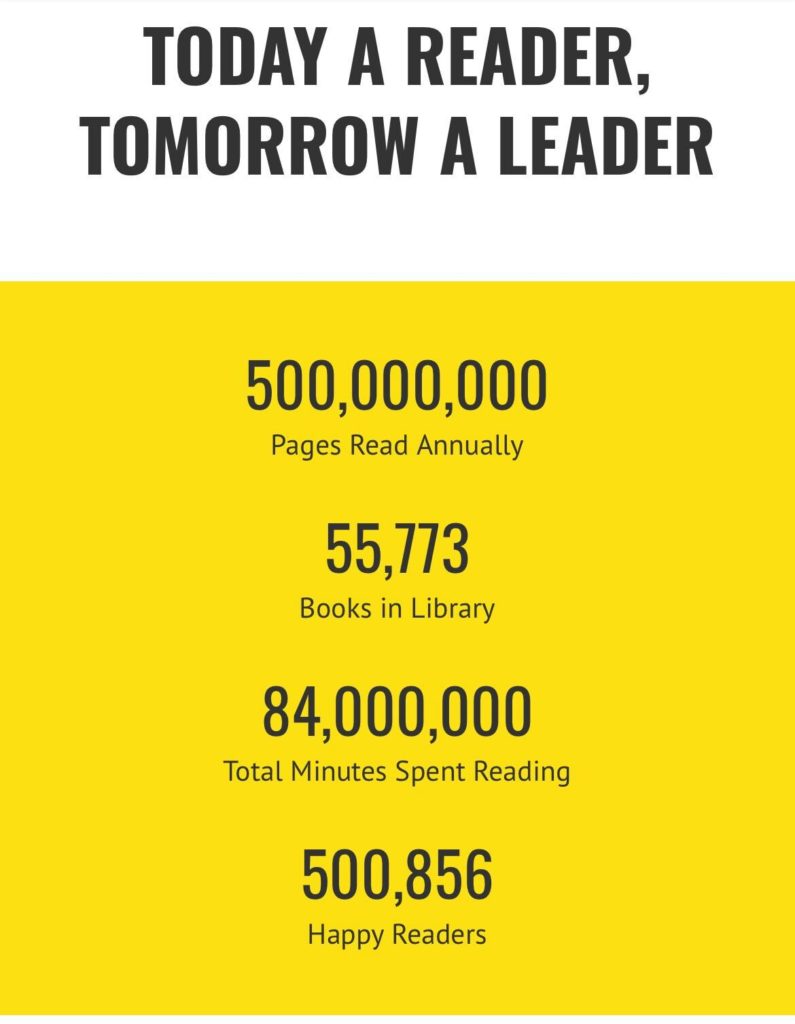
    Image Source: Okadabooks

    However, on Monday, November 20, 2023, ten years after beginning its mission to simplify and provide access to digital publishing, Okadabooks announced its closure.

    “This has not been an easy choice. We’ve explored various avenues to keep our virtual bookshelves alive, but unfortunately, the challenges we face are insurmountable,” the company posted on social media

    The end of an era

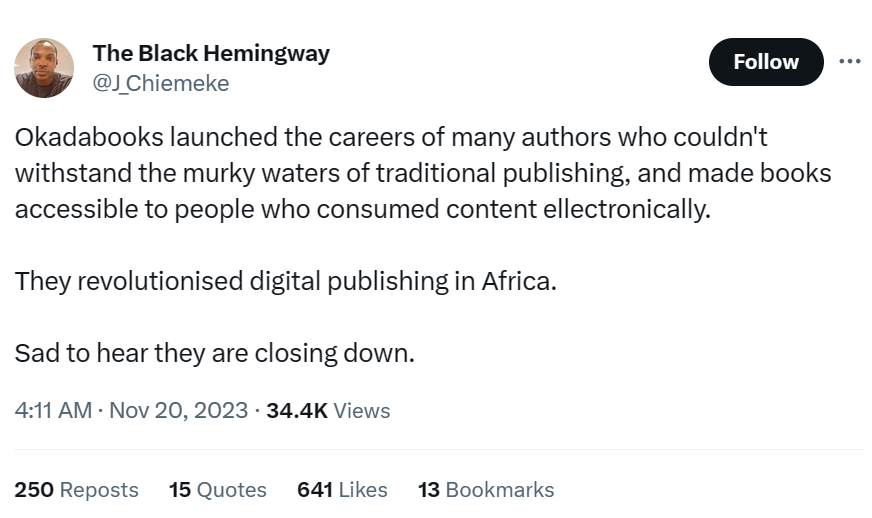
    Image Source: X/@J_Chiemeke

    “Okadabooks served as a refuge of sorts when I was exploring various e-platforms for African books in 2014. It made reading cool, fun and easy,” Kumashe Yaakugh, an author with three published titles on the digital platform told Zikoko. “It wasn’t just a digital space; it was a community that nurtured my love for African literature and helped my journey as a writer. The absence of such a platform means a reduction in the visibility of African literature, hindering the opportunities for emerging writers to showcase their talent and connect with readers.”

    [ad]

    Jerry Chiemeke, a Nigerian author and critic mulling over the shocking closure, said he’d received an email a few weeks earlier, asking him to claim his payout.

    “I just felt that the platform was trying to balance its books for end-of-year analysis… but then, on Monday (November 20), the bombshell dropped. It was a big shock, to put things mildly.”

    Chiemeke described Okadabooks as a premium brand that set the blueprint for other publishing websites in Nigeria.

    “It eased the process for ambitious creatives who were looking to make a career out of their passion. Aspiring authors no longer had to wait for years to receive feedback from publishers. As an author, it helped me get my first manuscript out to the world in 2017. I had written a hybrid collection of prose and poetry, and at the time, it would have been difficult to be accommodated by a traditional publisher.”

    He expressed concern over the opportunities for investment in the Arts, and independent authors who may have to turn back to traditional publishing.

    “The closure is another sad addition to the list of platforms folding up. It raises questions to the viability and sustainability of virtual publishing platforms. People will begin to wonder whether it’s even worth it to invest in the Arts. A lot of independent authors will no longer have a home for their work, and they will be thrown into the wild terrains of traditional publishing where they have to hawk for agents and a press to accept their manuscripts. For others, their careers as authors might even grind to a halt. However you want to look at the situation, it’s sad all around.”

    Another author, Tomilola Coco Adeyemo, remembers Okadabooks as the platform that gave her the balls to put a price on her fiction: “I published on Okadabooks several times over the years. The literary space is tough in Naija. That thing they did where you could just upload your work in a few minutes, and it’ll be in the hands of thousands? Bliss! The royalties were fair too. I made over a million in royalties even though my first book was free. I have an ebook with over 3000 downloads. As an indie romance author, that was amazing. Listen, Okadabooks was the only platform where you, as an indie Naija author, could outsell Chimamanda by your number of downloads. Ofili had a vision, and oh, it was good!”

    While the closure came as a shock, Adeyemo had her concerns about “perceived low sales and usability of the app”. She suspected something was off when Okadabooks sent an email to authors asking them to withdraw their money weeks before the closure announcement.

    “It’s a sad time for the Nigerian literary community, and recovery might take time. That platform pushed writers far. My books got downloads from as far as China — that’s not beans. The Nigerian literary community has lost one of its lifelines; an avenue for writers to make money, be seen and build a community. Even if the industry recovers, it’ll take time.”

    Kehinde, a literary enthusiast, never published on Okadabooks. But he’s been a dedicated user of the app since he discovered it in 2014: “I’ve had the privilege of using the Okadabooks app for nine years. I discovered it through a literary club, and at the time, I struggled to read paperbacks. Discovering a platform where I could access so many Nigerian writers across different genres was bliss. I was like a kid who’d been thrown into a candy shop without supervision. It’s really sad to see them go, especially knowing that it’s a decision tied to limited financial resources. There are so many young authors and literature lovers who’ll never get to experience the beauty of the platform. It’s really the end of an era.”

    As Okadabooks comes to its final chapter, it poses new challenges and casts a shadow over the future of aspiring Nigerian authors.

    Okadabooks wasn’t your regular platform; it shattered barriers posed by traditional publishing, allowing untold stories to find a home. It emboldened writers to put prices to their work and earn honest income. It satisfied the appetite of readers in search of diverse literary experiences. 

    As we bid farewell, we also commit to memory the vibrant tales it housed. Okadabooks may be closing its doors, but Okechukwu Ofili’s impact will continue to resonate in the hearts of those whose stories were given the chance to soar.

  • If You Loved Vagabonds!, You’re Going to Love These Books

    Everyone is raving about Eloghosa Osunde’s Vagabonds! Looking at the lives of defiant characters navigating the streets of Lagos, Vagabonds! has everyone in a chokehold. But what do we do when we finish reading it? Well, if you loved Vagabonds! or just African literature in general, we’ve got some more great stuff for you to read.

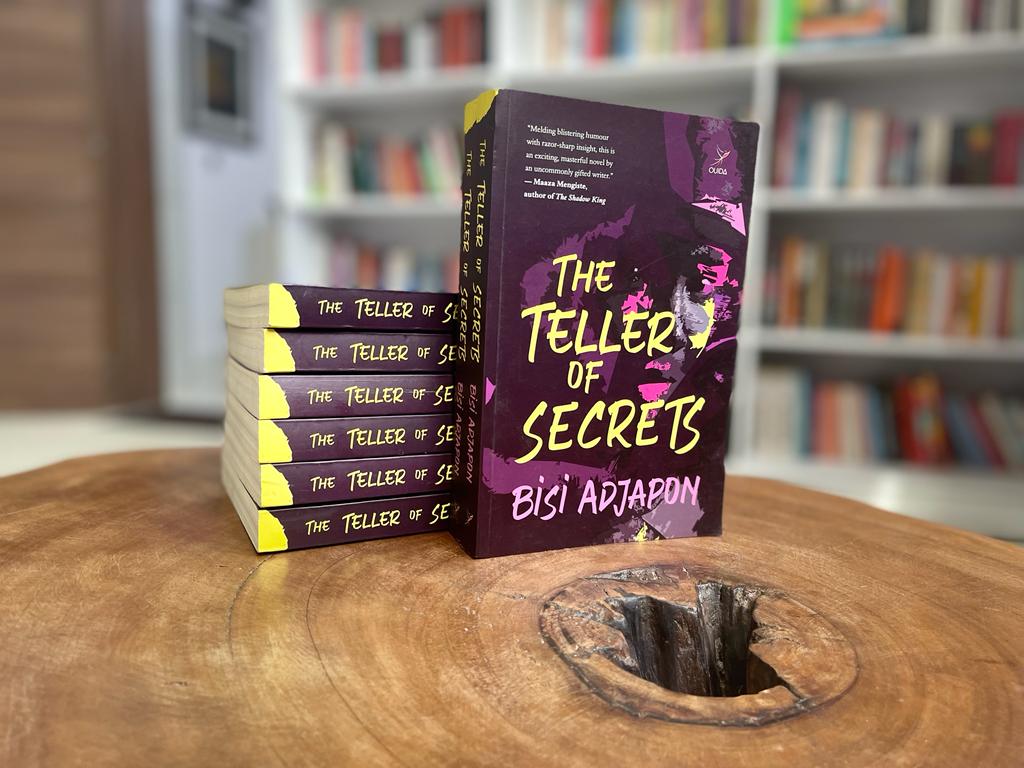
    1. The Teller of Secrets by Bisi Adjapon

    In Bisi Adjapon’s debut novel, we embark on a journey of self-discovery and feminist awakening through the eyes of Esi, a Nigerian-Ghanaian girl who’s trying to figure her shit out amid the political chaos of 1960s Ghana. Narrated entirely from Esi’s point of view, we quickly begin to question the hypocrisy of the patriarchal society and the crazy demands placed on women of that time. 

    Why it slaps: Even though we argue about Jollof every three days, The Teller of Secrets shows that Nigerians and Ghanaians are more alike than we’d like to admit. The book also succeeds at weaving actual historical facts into the characters’ timeline. Love it!

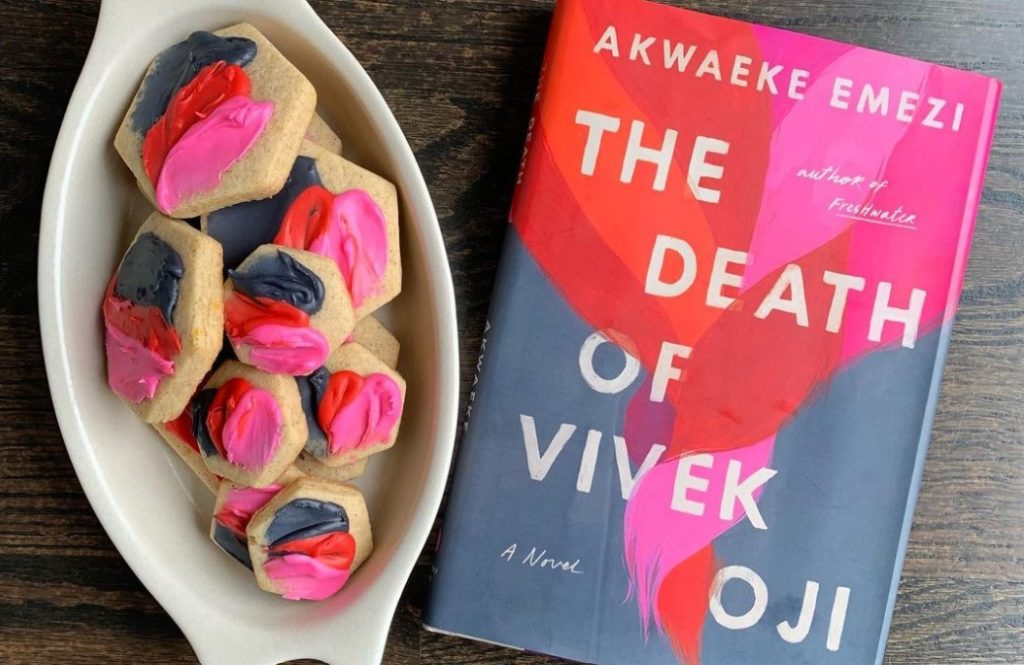
    2. The Death of Vivek Oji by Akwaeke Emezi

    This book opens with the death of our title character, Vivek Orji after their mother discovers their lifeless body on her doorsteps. Throughout the book, we work our way through multiple narratives as we attempt to figure out not just how Vivek died, but who they were. 

    Why it slaps: The Death of Vivek Oji is a raw and audacious story that is told in a way that the characters feel like real people. It also explores themes of culture, identity, family and loss in a way that feels different, yet very familiar.

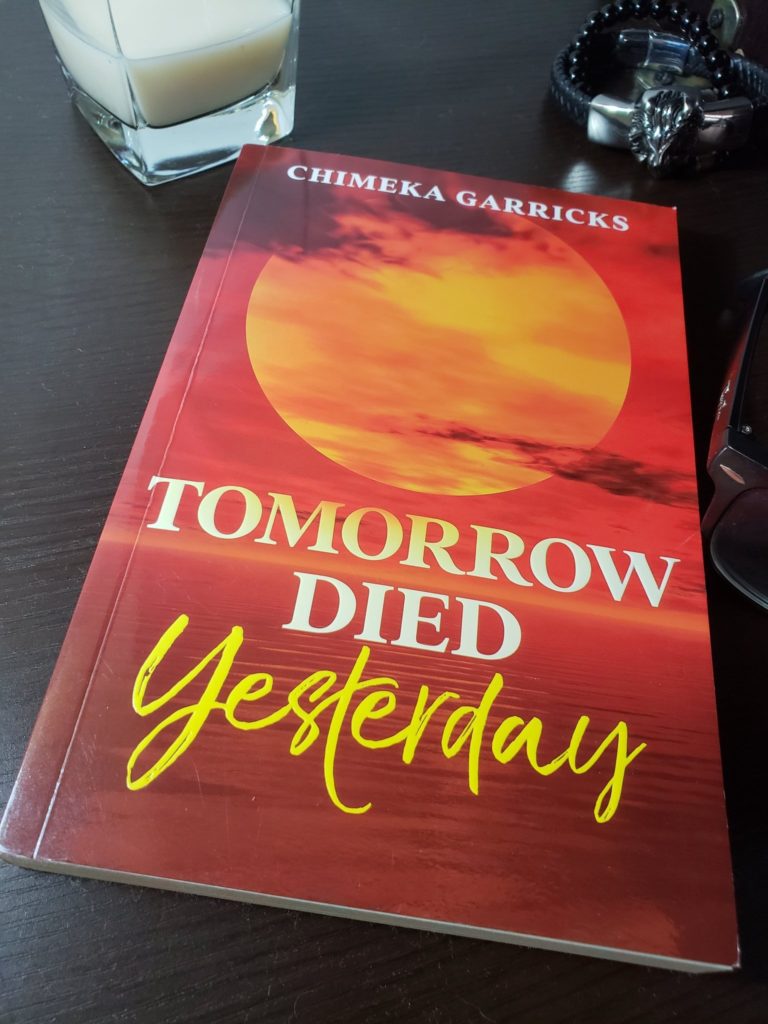
    3. Tomorrow Died Yesterday by Chimeka Garricks 

    Crude oil and friendship sit at the centre of Chimeka Garrik’s tragic debut novel Tomorrow Died Yesterday. Tracking the lives of four characters Doughboy, Amaibi, Kaniye and Tubo, we’re transported to the oil-rich Niger Delta circa 2004, as we dig deep into a tale of greed, corruption and a sprinkle of religion. 

    Why it slaps: Who doesn’t love a good thriller? The drama in this book is insane as we move from kidnappings to court proceedings to jails — omo, it’s a lot. 

    RECOMMENDED: These 7 African Books Need to Be Adapted Into Film ASAP

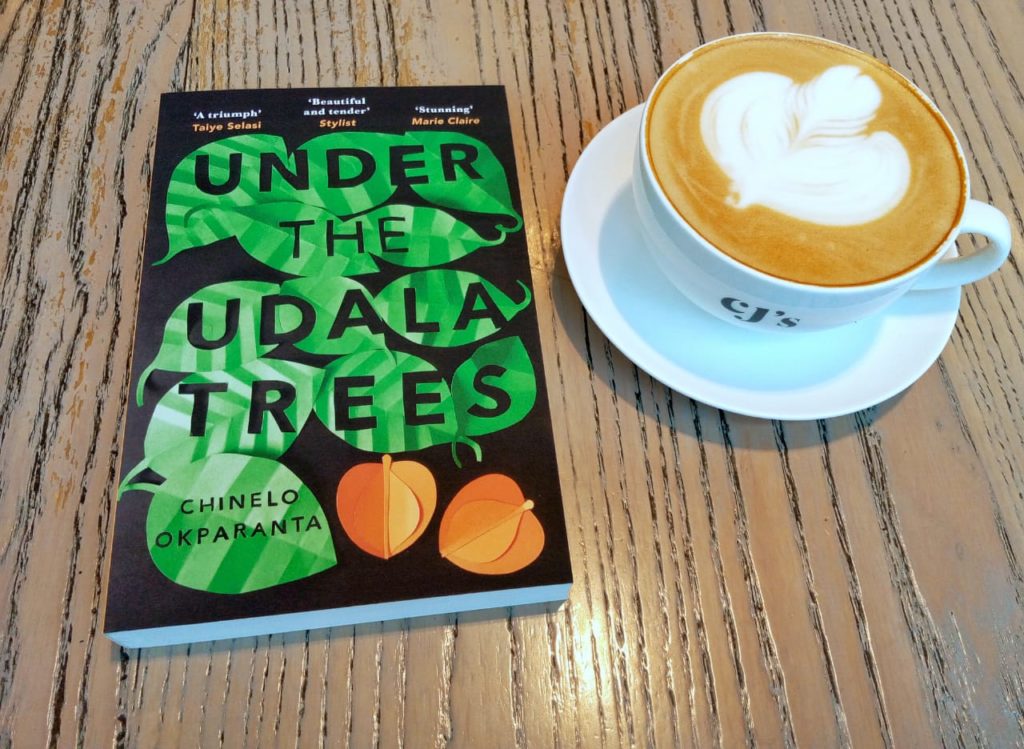
    4. Under the Udala Tree by Chinelo Okparanta 

    Set in 1968, just one year into the Biafran war, Chinelo Okparanta’s Under the Udala Tree explores love and how a chance encounter can change your life forever. The book follows the friendship between Ijeoma, a Christian Igbo girl, and Amina, a Muslim Hausa girl, and how this friendship evolves into a forbidden passion. 

    Why it slaps: Just like Chimamanda Ngozi-Adichie’s Half of a Yellow Sun, this book is another masterclass on how to creatively weave a war and love story into one that captures the readers and has them turning the pages in anticipation. 

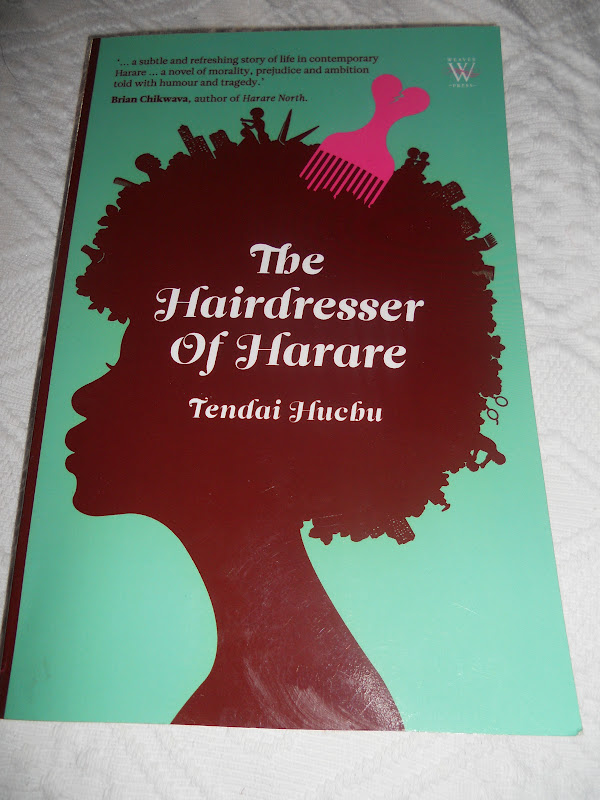
    5. The Hairdresser of Harare by Tendai Huchu 

    What happens when two hairdressers in modern-day Zimbabwe cross the line between rivalry and friendship — and eventually romantic attraction? This book starts up as a classic love story but slowly delves into concepts surrounding otherness and acceptance. It’s a brilliant read and a deep dive into how people make things work in relationships these days. 

    Why it slaps: You almost don’t see the plot twist coming even though the signs have been there all along. It also explores something that seems to be a social media hot topic every week. Want to know what that is? Well, you have to read the book. 

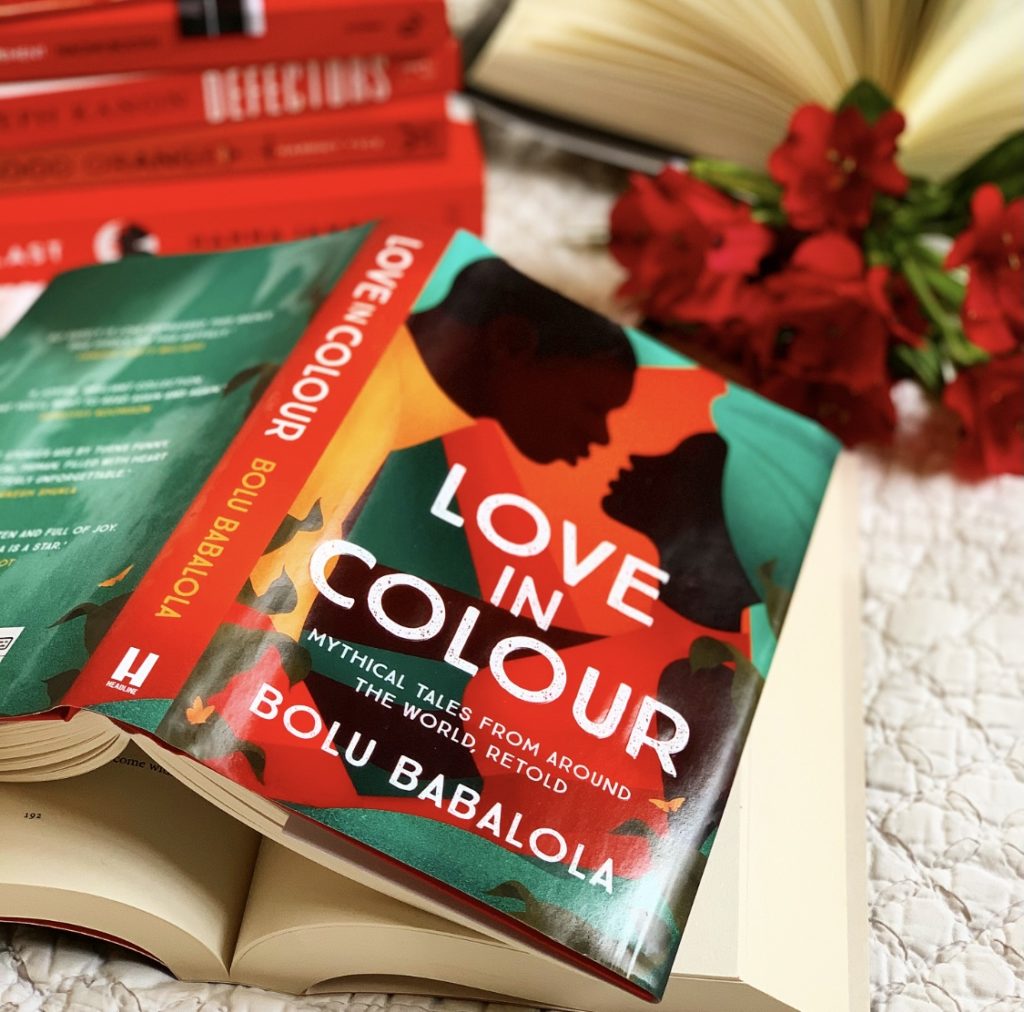
    6. Love in Colour by Bolu Babalola 

    If you need ginger to hunt down the love of your life, read Love in Colour and watch the new season of Bridgerton. Bolu Babalola is a sucker for love and she tells her stories in such a vivid way that at the end, you’ll find yourself in her shoes. Capturing different love stories with different characters, Love in Colour is an exquisite retelling of black love for a new generation of readers. 

    Why it slaps: Who doesn’t want to read about love, especially when it centres black people like us? It just hits different. 

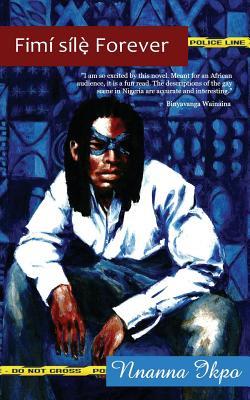
    7. Fimí Síle Forever by Nnnana Ikpo

    How do two twin brothers — bisexual, closeted and dreadlocked — navigate existing in Nigeria after the Same-Sex Marriage (Prohibition) Act becomes law?  Fimí Síle explores activism, love and the power of creating art. Nnnana Ikpo shines a light on remarkable lives affected by a senseless bill

    Why it slaps: The lives of Nigerian bisexual men and women rarely get a time in the spotlight which makes this story a rare find. It’s a delicious book that refused to back down from something most Nigerians would rather ignore than analyse. 

    ALSO READ: 8 Books by Nigerian Women Everyone Should Read in Women’s History Month

  • The Hottest Sex Scenes in Modern African Literature

    African writers are awesome in many things: they write the most thoughtful prose; they’re also great at building remarkable worlds and making us fall in love with their characters, etc. 

    But there’s one area where they fail so badly at: writing sex scenes in their stories. It’s either they shy away from writing sex scenes or they write them as badly as their Nollywood counterparts

    A couple examples of epic fails: Ben Okri wrote a rocket-sex scene that won him a Literary Review Bad Sex in Fiction Award in his 2014 novel, The Age of Magic; over six decades ago, in 1954, Mongo Beti wrote the longest and most ridiculous sex Scene in an African novel.

    But while you’ve probably been exposed to bad sex writing by African writers, there’re actually some pretty hot sex scenes in African stories, rare as they might be. My list includes scenes from short stories, anthologies and full-length novels.

    1. “Indulgence” by Joyce Nawiri, from Erotic Africa: The Sex Anthology

    He slowly caressed my thighs and his hand journeyed upwards till his fingers found a resting place for their magic. For three years I had been married, but my husband would not recognize my pussy in a lineup. His dick was the only contact he made with my body, and that wasn’t very often.

    Father Silas slid two fingers inside of me and, after a few seconds, I began to grind against them and even found myself spreading my thighs further apart for him. My hips found the luxury of balance in his hands. Although I quivered and moaned, he didn’t break rhythm. He knew the exact rubbing pressure to exert against my clitoris; a little fast but not too much to prevent me from climaxing.

    “Put me on the bench,” I pleaded, and he did, only not the way I intended. He made me kneel on the bench with my feet hanging off in such a way that my buttocks stuck out to his groin. Holding my skirt up to my waist, I heard his belt unbuckle. I bent lower, yearning for him to quench the thirst he had awakened. As he pinned himself closer, I felt his cock nudging at my entrance. I exhaled and my body opened to receive him. At first, he was slow but once fully inside, his thrusts were so powerfully vicious that I froze almost immediately at its strength. As I relaxed, he began to plough me, faster and deeper. I could feel every hardened bit of him as he continued to wreck me, surprising me with the flexibility of his waist. Our moans and groans filled the chapel.

    With each thrust, I could feel his power. Sweat dripped off us. My vagina flooded. This man was working me the way a blacksmith handled hot iron. Suddenly he whispered, “Our acts scream hell.”

    “But what we are making here is heaven.”


    The tabooest sex in the history of taboos. Phew!


    RECOMMENDED: Sex Life: I Was No Longer Scared of Being Sexual in God’s Presence


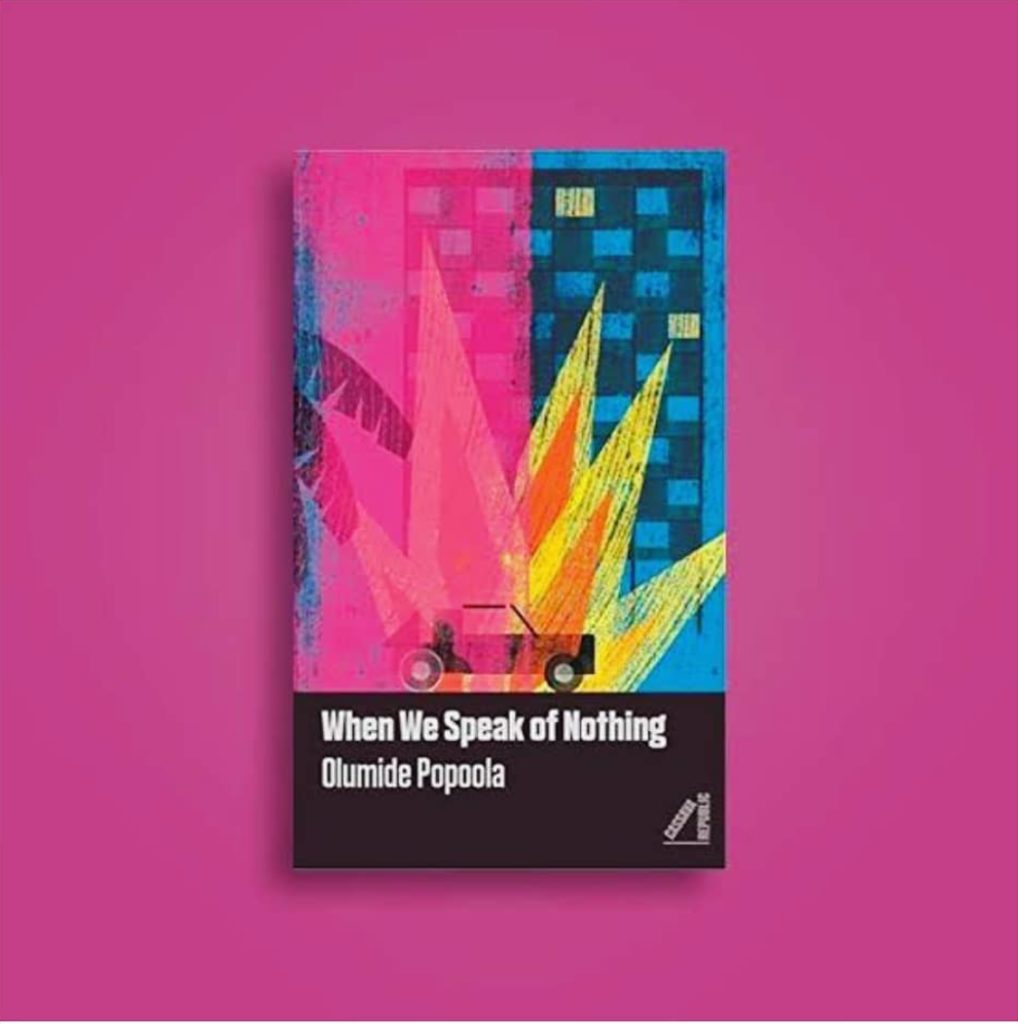
    2. When We Speak of Nothing by Olumide Popoola

    The hands went everywhere. The lips, the mouth. Their clothes piled around them. Their naked skin touched the cement. It helped. It helped cool the heat that rose from the skin. It was strange to have his body all exposed. To show everything. Stranger even to have hers like that, close up. She was so soft it tickled him each time her skin touched his body. Especially when her hands travelled down his arms or up his legs, worst at the back, up the spine. The hairs stood, but it felt good.

    Her hand took his and guided it until he was inside her. Moved it, so that he could feel what felt best to her.

    Janoma opened, leaning her back against the wall of the shack and reached with her hand between Karl’s legs. Karl knelt, his hand deeper, his face between her thighs now until her stickiness spread past his lips, all over his chin, and she moaned, trying to hide the sounds from the outside world. The heat seemed trapped inside their bodies, spreading and trying to push out. Pushed and pushed until her legs clamped his face and she moved her head. Opened her eyes to look at him. He was panting. When he leaned back her hand slid out between his legs.


    After Karl visits Nigeria and falls in love with Janoma, the two young lovers have a hideaway to have sex for the first time, after their previous attempt was interrupted. The scene works so well because it’s not trying too hard or taking itself too seriously. It’s honest and short and awkward, but it’s satisfying.

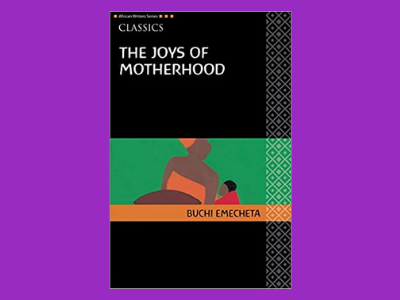
    3. The Joys of Motherhood by Buchi Emecheta

    He found himself rolling towards her, giving her nipples gentle lover’s bites, letting his tongue glide down the hollow in the center of her breasts and then back again. He caressed her thigh with his good hand, moving to her small night lappa and fingering her coral waist-beads. Ona gasped and opened her eyes. She wanted to scream. But Agbadi was faster, more experienced. He slid on his belly, like a big black snake, and covered her mouth with his. He di not let her mouth free for a long time. She struggled fiercely like a trapped animal, but Agbadi was becoming himself again. He was still weak, but not weak enough to ignore his desire. He worked on her, breaking down all her resistance. He stroked and explored with his perfect hand, banking heavily on the fact that Ona was a woman, a mature woman, who had had him many a time. And he was right. Her struggling and kicking lessened. She stared to moan and groan instead, like a woman in labor. He kept on, and would not let go, so masterfully was he in this art. He knew he had reduced her to longing and craving for him. He knew he had won. He wanted her completely humiliated in her burning desire. And Ona knew. So she tried to counteract her feelings in the only way she guessed would not give her away.

    “I know you are too ill to take me,” she murmured.

    “No, my Ona, I am waiting for you to be ready.”

    She felt like screaming to let free the burning of her body. How could one’s body betray one so! She should have got up and run out, but something was holding her there; she did not know what and she did not care. She wanted to be relieved of the fire inside her. “Please, I am in pain.”

    She melted and could say no more. She wept and the sobs she was trying to suppress shook her whole being. He felt it, chuckled, and remarked thickly, “Please, Ona, don’t wake the whole household.”

    Either she did not hear, or he wanted her to do just that, for he gave her two painful bites in between her breasts, and she in desperation clawed at him, and was grateful when at last she felt him inside her.

    He came deceptively gently, and so unprepared was she for the passionate thrust which followed that she screamed, so piercingly that she was even surprised at her own voice: “Agbadi, you are splitting me in two!’

    Suddenly the whole compound seemed to be filled with moving people. A voice, a male voice, which later she recognized to be that of Agbadi’s friend Obi Idayi, shouted from the corner of the courtyard: “Agbadi! Agbadi! Are you alright?”

    Again came the law laughter Ona loved and yet loathed so much. “I am fine, my friend. You go to sleep. I am only giving my woman her pleasures.”


    Emecheta weaved in sexual tension and even elicited a couple of laughs in such a sad story. And the build-up of anticipation? Oh boy!

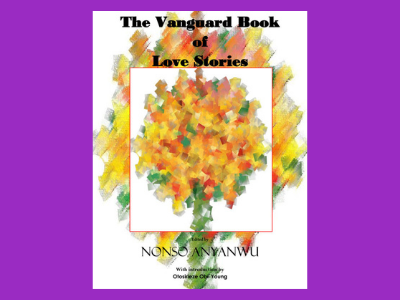
    4. “Solutions” by Howard Maximus, from The Vanguard Book of Love Stories

    THE FIRST TIME Papa V. asked Lucy to spend the night, she shaved and brought coconut oil for massage. In Vanessa’s bedroom—for he couldn’t take Lucy to his matrimonial bed just yet—, they kissed and fondled each other for several minutes, she telling him how good he looked for a man his age, his body toned and his belly flat enough, and he pecking and necking and smacking and moaning, massaging and then more kissing, but when she was ready to receive him, Papa V. did not rise….

    The day it finally happened, Papa V. came to his room to find Lucy dressed in his late wife’s clothes. She wore the same woody perfume his late wife wore. She would later tell him how Vanessa had come up with this when she had gone to their university to visit and that had come up.
    “You bring up our sex life with my kids?” he’d ask, and she would tell him how desperate she was to make it work. Now, they were lying close to each other, overwhelmed by the fact that they had finally done it, when Papa started to apologize.

    In the coming days, he would try all the things she wanted to try. On one night, she would be the queen and he would be the slave, going down on his knees, following her around the room; on another, she would be a celebrity and he would be a fan, and on another, she would be a naughty doctor and he would be a patient; but always, it ended in disappointing sighs, Papa V. rising a little, and then falling like a limp-stalked plant.


    The lovers finally have sex after several attempts. I love that Maximus spotlights an unlikely couple, shows sex can be awkward and people don’t always get it right the first time.


    RECOMMENDED: Sex Life: Sleeping With Older Men Changed My Life


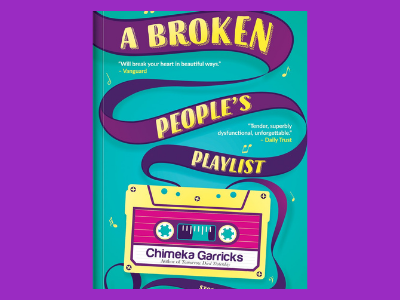
    5. “Lost Stars” from A Broken People’s Playlist by Chiemeka Garricks

    When I returned on Thursday, I went to your flat at Stadium Road. Famished, we didn’t make it to your bedroom. We tore at each other’s clothes, but gave up mid-way and merged, half-dressed on your living-room wall. As your face headed down between my legs, as always, we paused for a moment and chuckled, because we remembered – the first time you ate me, my first time ever, I farted uncontrollably through a long orgasm, and you rolled off and laughed till I joined in. Thursday was kisses, bites, sweat, thrusts and screams – a frenzied mauling because there was no tomorrow. Liquid electric, it coursed through every cell, jolted my body alive, but felt good for my spirit like a homecoming. Eventually, we collapsed to the floor beside your door. After, we stumbled to your room where we drank wine, cuddled, and ribbed each other. Then we did it again, slower, bodies rhyming gently, because of scarred souls. Then we napped (different sides of the bed because I disliked being cuddled when I slept), woke, and talked. It was when you touched my head that I realised my wig had fallen off.


    Writers often get it wrong with using metaphors for sex. But the unexpectedness of this scene in the story and the awkwardness right after the sex made it feel… authentic.

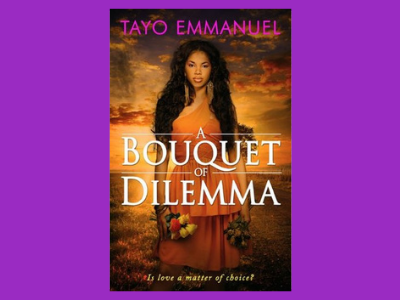
     A Bouquet of Dilemma by Tayo Emmanuel

    He is singing into my ears now. It’s Boyz 2 Men’s I’ll make love to you. That’s the only thing he needs to do to keep me going. My breathing becomes heavier as I remove his shirt and my clothes. He goes on kissing me and humming at the same time. My hands and mouth are all over him with sheer hungry passion, caressing, kissing, fondling. I feel his erection, yet he is not hurrying me, in fact he is trying to slow me down, but I am past that point of no return. I am afraid if I stop now, I will never get around it with him and I want him so bad. My whole body is taut and tingling and sultry; how do you ever find the right words at this moment? I am on the bed, naked and ready; he manages to extract and wear a condom before lying down next to me. He is still humming, more quietly, when I feel him inside me. Gently at first, then getting bigger and pushing deeper. Must pain and pleasure always go together, I wonder. It’s a sticky burning sensation, it’s consuming, it’s liberating; I’m crying and shouting his name and he is shouting mine too and it seems like I am about to faint, but I don’t. I feel some more stickiness, then silence. “I love you so much, baby.”

    “I love you too.”


    Is it a little cheesy and matter-of-fact? But it’s urgent and provocative; it gets the people going.


    ALSO READ: 8 Books by Nigerian Women Everyone Should Read in Women’s History Month

  • Quiz: How Well Do You Remember The Classic Novel, “Things Fall Apart”?

    If there’s one book that every Nigerian, both old and young, rich and not-so-rich have read, it is Chinua Achebe’s classic novel, Things Fall Apart. This book marked a milestone for Nigeria and African Literature. It’s been several years since it was published, but people all over the world still read it and talk about it. I would say don’t call yourself a Nigerian if you haven’t read it, but then, the joke will be on me.

    Take this quiz and we’ll find out if you’ve truly read it or not.