Notice: Function _load_textdomain_just_in_time was called incorrectly. Translation loading for the wordpress-seo domain was triggered too early. This is usually an indicator for some code in the plugin or theme running too early. Translations should be loaded at the init action or later. Please see Debugging in WordPress for more information. (This message was added in version 6.7.0.) in /home/bcm/src/dev/www/wp-includes/functions.php on line 6121
tanzania | Zikoko!
  • Lights, Camera, Action: Idris Elba Boost to Swahili Film Industry

    Tanzania’s rapidly growing ‘Bongo’ film industry is going full steam ahead, with British actor, Idris Elba, planning a major studio in the country.
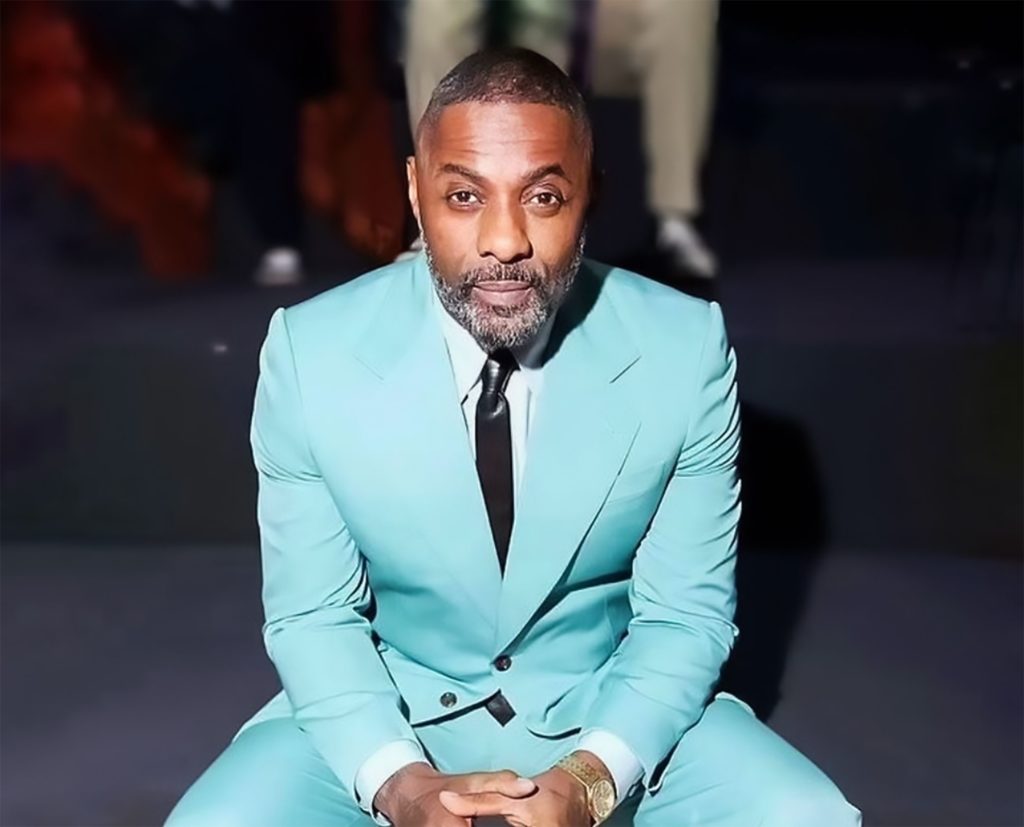
    British actor Idris Elba plans to open a major film studio in Tanzania after holding initial talks with President Samia Suluhu Hassan.

    Tanzanian’s Director of Presidential Communications, Zuhura Yunus, recently made this announcement during a media briefing session on the outcome of President Hassan’s trip to the 53rd World Economic Forum in Davos, Switzerland.

    “The president met with Idris Elba and his wife Sabrina, and they are keen to invest in a film studio in Tanzania,” said Yunus.

    “Discussions on the project have just begun, and if successful, the project will help not only Tanzania but also Eastern and Central Africa,” she added.

    Elba, who was born in Britain to a Ghanaian mother and a Sierra Leonean father, has previously spoken about his plans to help develop the film industry on the continent.

    “Young Africans view me as a leader or a beacon. And I feel like I could bring something. So I’m keen to bring what I’ve learned in media and amplify it in Africa,” he told South Africa’s SA People in August last year.

    And while this recent news is a shot in the arm for the country, Tanzania has worked hard over the years to package and position its film industry for international success.

    Despite having low budgets and limited production skills and equipment, the country’s filmmakers have matured the local ‘bongo’ films to rival Nigeria’s Nollywood and Kenya’s Riverwood.

    In September 2021, Vuta N’kuvute made history by becoming the first Tanzanian feature film to screen at the Toronto International Film Festival. It has also been screened at various festivals in Germany, South Africa, the USA, Brazil, Switzerland and Tanzania.

    The Swahili film, which tells the story of a young woman whose romance blossoms on the back of a political revolt woman during the final years of British colonial Zanzibar, won the Tanit d’Or at the prestigious Carthage Film Festival in Tunis.

    It also took home four awards at the 18th edition of the Africa Movie Academy Awards, held in October 2022 in Lagos. It won the Oumarou Ganda Prize for Best Fiction at FESPACO 2021 and the Special Jury Prize at the Seattle International Film Festival 2022.

    The most significant success for the film, however, came in September 2022, when it became Tanzania’s official entry for the Oscars 2023 Academy Awards under the Best International Feature Film category.

    “The future of Tanzanian cinema is finally in our hands. A wave of Swahili filmmakers is growing every day with pride, intelligence and boldness,” said Amil Shivji, the film’s co-producer.

    Tanzania also saw three of its films streamed on Netflix in 2022, marking a great start in the international market. Binti, produced by Angela Ruhinda, became the first Swahili movie streamed on Netflix, followed by Bahasha and Nyara: The Kidnapping (2020), respectively.

    But Tanzania’s prolific film industry did not start with the Bongo films and movies in the early 2000s.

    The industry dates back to 1961 when the government of the new nation of Tanzania established the Government Film Unit in 1963, the Tanzania Film Company in 1968, and the Audio Visual Institute in 1974.

    These institutions produced, distributed, and exhibited films, albeit films that propagated the Ujamaa socialist policies of president Julius Nyerere’s government.

    Over the years, the government has continued to support the film industry with incentives and new regulations.

    The Tanzania Film Board, in October 2022, embarked on a programme to coordinate the production of films with local strategic content featuring the country’s richness in several avenues to market the country’s attraction.

    “We want a vibrant and aggressive film industry,…we are training the local producers to enhance quality, competitiveness and national identity films,” said the film board’s executive secretary, Kiagho Kilonzo.

    The government also reduced filming permit fees to help filmmakers produce high-quality movies. According to the new regulations, filmmakers pay US$21 to get a filming permit, down from the previous US$215.

    Non-profits like the Zanzibar International Film Festival, established in 1997, have also continued promoting Tanzania’s film industry.

    The annual festival screens approximately 70 domestic and foreign productions and hosts capacity-building sessions for upcoming filmmakers, including workshops, masterclasses, debates and network events.

    In a 2021 report, the UN cultural agency, UNESCO, revealed that Africa’s film and audio-visual industries could create over 20 million jobs and contribute US$20 billion to the continent’s combined Gross Domestic Product (GDP).

    Market and consumer data company Statista says that Africa produces about 5,500 films per year, of which Tanzania manages around 500 yearly.

    According to the Tanzanian Minister of Culture, Arts and Sports, Mohamed Mchengerwa, the country has at least 30,000 people employed in the filmmaking business, and the entertainment and arts industry contributes at least 19.4 per cent to the economy.

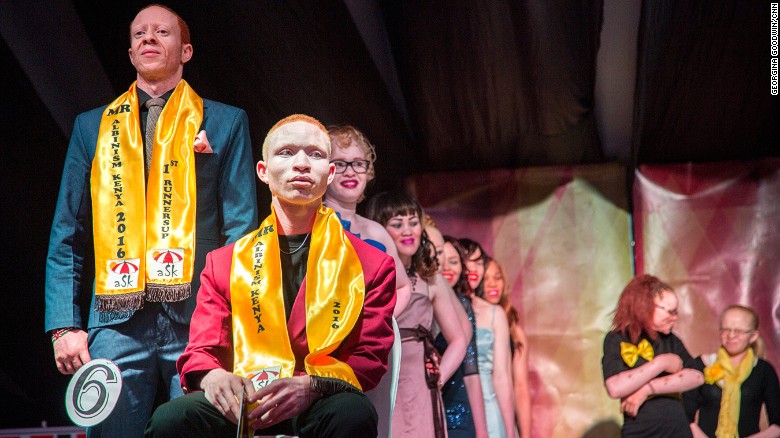
  • These Photos From Kenya’s Albino Beauty Pageant Are The Cutest Things You’ll See Today
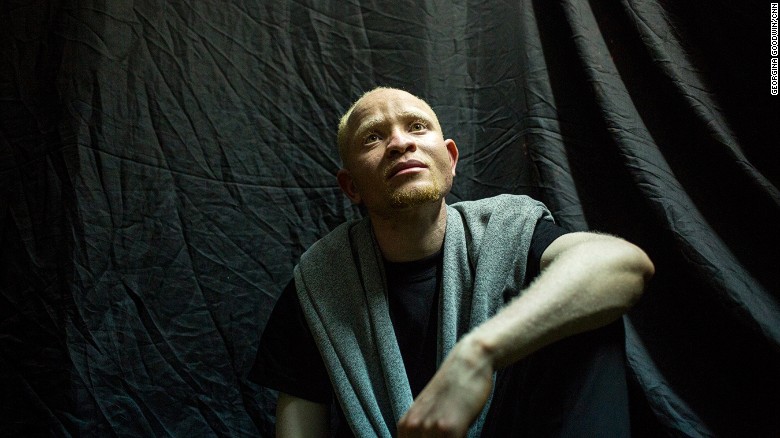
    In April of this year, 4 Malawians, including a baby were murdered. Their crime? They were albinos. Albinism is a genetic condition resulting in little or no pigmentation in the skin, eyes, and hair. In countries like Nigeria, albinos face societal discrimination, but in countries like Malawi and Tanzania, their bones are hunted for ritual purposes.

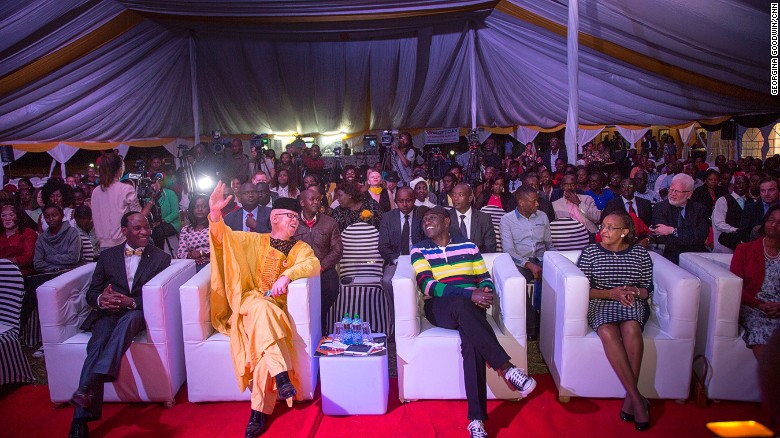
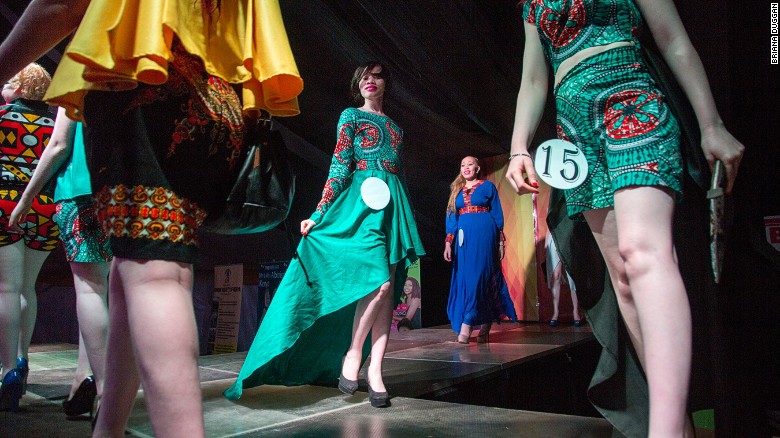
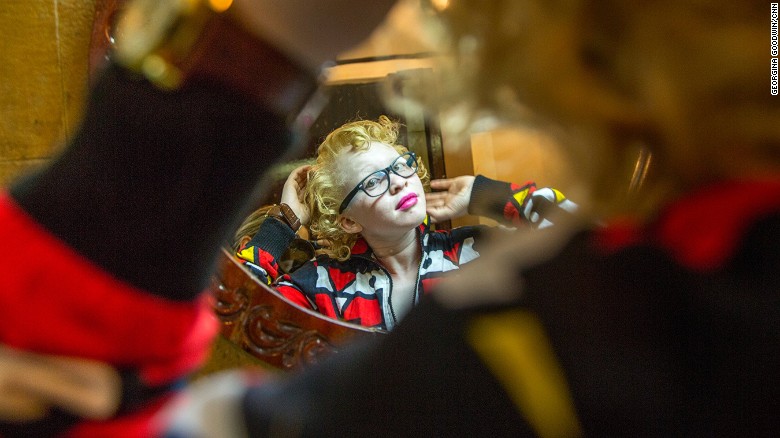
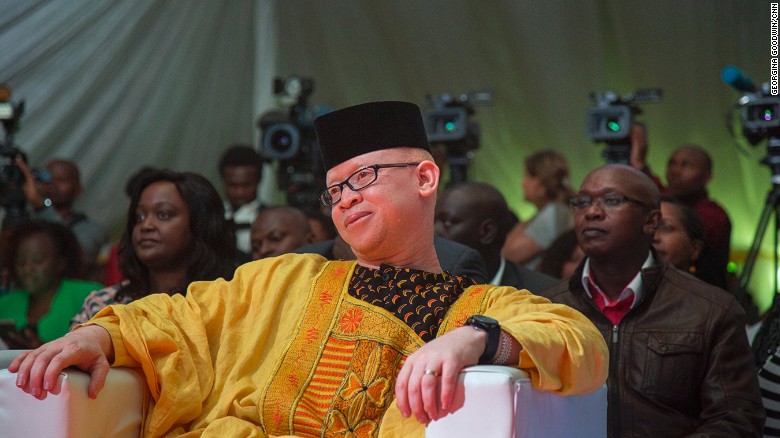
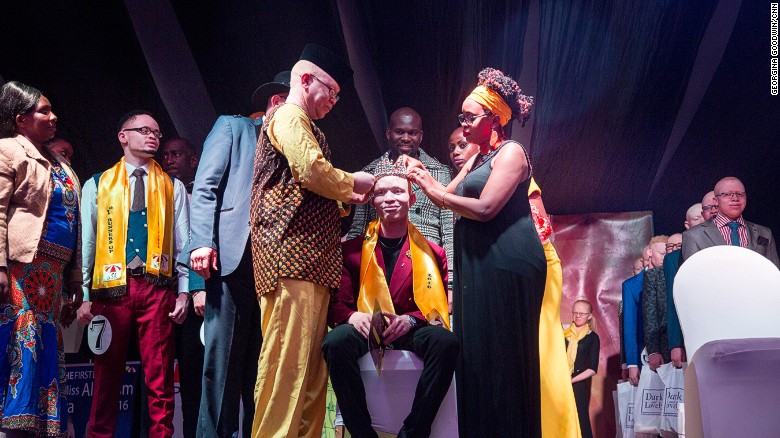
    The Mr and Miss Albinism contest that held in Nairobi on October 21, was no small deal.

    Bigwig politicians including Isaac Mwaura, Kenya’s only albino Member of Parliament, were present at the first-of-it’s-kind event.

    In all, 20 contestants got dolled up to cat-walk, sing and dance for the competition.

    The contest was aimed at changing the narrative and showcasing the beauty of albinos in Kenya, and in Africa.

    Many African countries see albinism as a curse, but Kenya is redefining what it means to be an albino.

    MP Isaac Mwuara, who spearheaded the contest, said he wants to make the world understand albinos are not meant for money rituals.

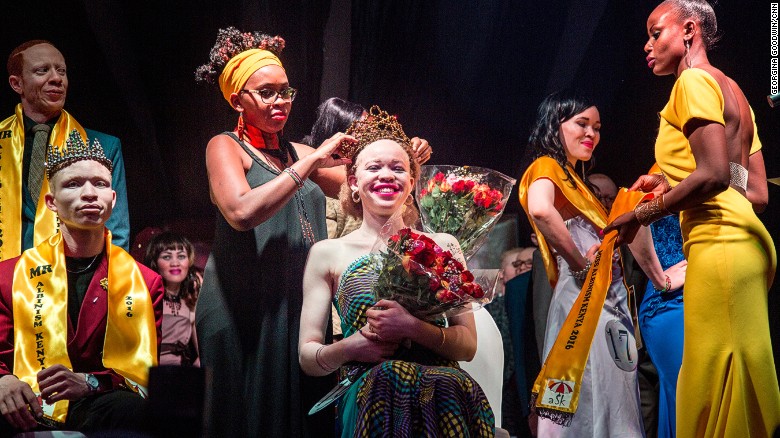
    Jarius Ong’etta was crowned Mr Albinism 2016.

    While Miss Albinism went to Loise Lihanda.

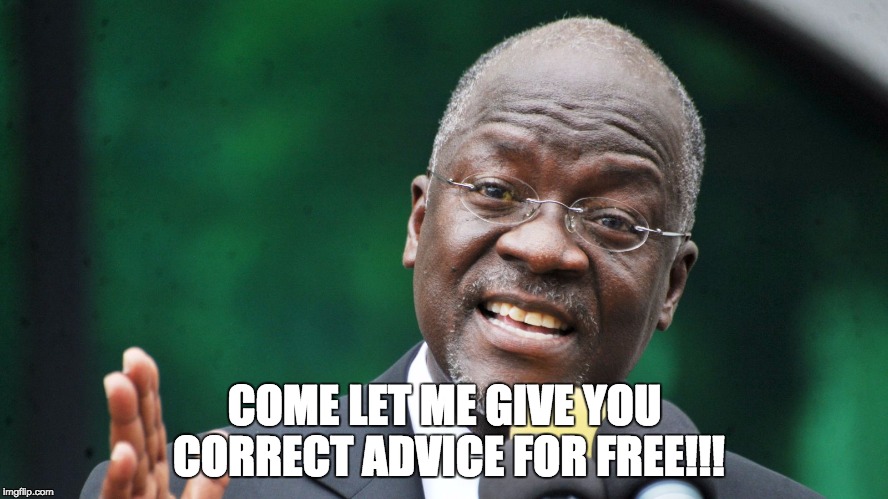
  • Tanzania’s President Magufuli Is At It Again!
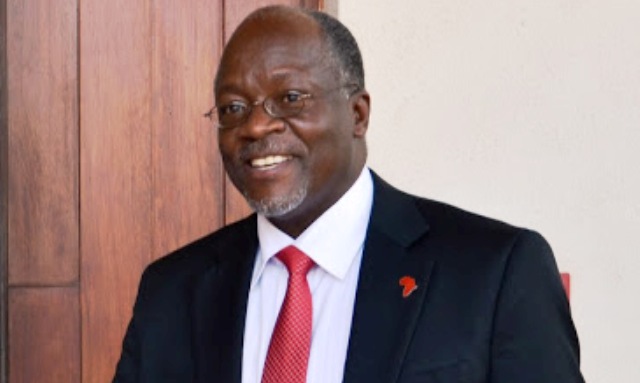
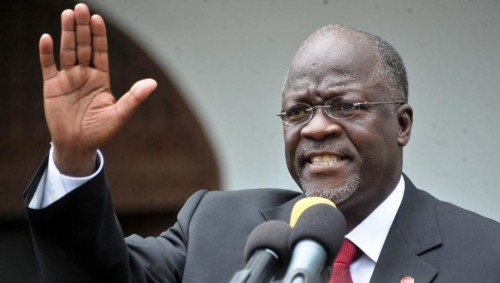
    John Magufuli keeps giving other African presidents leadership goals. From looking for ways to use taxpayers money for more important things to providing quality health care to free education for children. The man has been known to drive himself.

    Now he has done something else. He went to renew his gun license and went through due process.

    And Africans are admiring him for it.

    Some imagined how the exercise would have been like if it was another president.

    @abdikadir2014 @coldtusker In Kenya, this would have been accompanied by political speeches and entertainment by traditional troupes

    — Michael Owuor (@Myqall) March 22, 2016

    Some lauded him for setting a good example.

    @abdikadir2014 @jadwong #magufuli is just such a law abiding citizen. he is patrotic and a leader africa needs to push forward

    — ossy b (@ossybmusic) March 22, 2016

    Some wondered why he needed a gun.

    @RobertAlai lol…publicity stunt…does he really need a gun considering He’s the most protected Tanzanian?

    — Roy Senior ⚽ (@Kevchicah) March 21, 2016

    Some compared Tanzania to Kenya.

    @RobertAlai that a leader showing example to his people in Kenya you are threatened with the license

    — stephen kikau (@StephenKikau) March 21, 2016

    And some wondered about something critical.

    @abdikadir2014 ……… Eh….is he putting his Pistol inside his trouser or is there a holster ?

    — Robert Nagila (@Rnagila) March 22, 2016 [zkk_poll post=25162 poll=content_block_standard_format_7]
  • 8 Reasons Why Tanzania’s John Magufuli Is Africa’s Most Beloved President!

    What would Magufuli do?

    And his countrymen will definitely say that he’s doing exactly that, plus more.

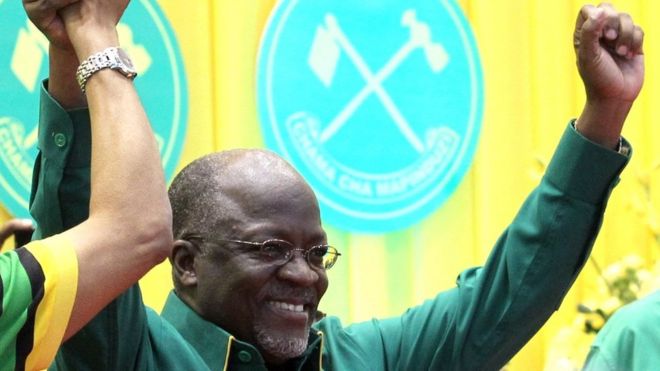
    John Magufuli, the current president of Tanzania is completely restructuring his home country and we’re loving it! In a continent where politicians say the opposite of what they mean to do, Magufuli is an outlier!

    Here are the eight reasons why we admire this man.

    1. He came from humble beginnings.

    Magufuli is a former school teacher, industrial chemist and ex-minister of works. He is the son of a peasant farmer.

    2. He’s shown integrity.

    As the Minister of Works, he was reputed to be a no-nonsense, results-driven politician. It was while in office that he got nicknamed “The Bulldozer” for steering the program to build good roads in Tanzania. He had opportunities to make riches while he held this position, but chose not to.

    3. He campaigned for the presidency on a platform of hard work.

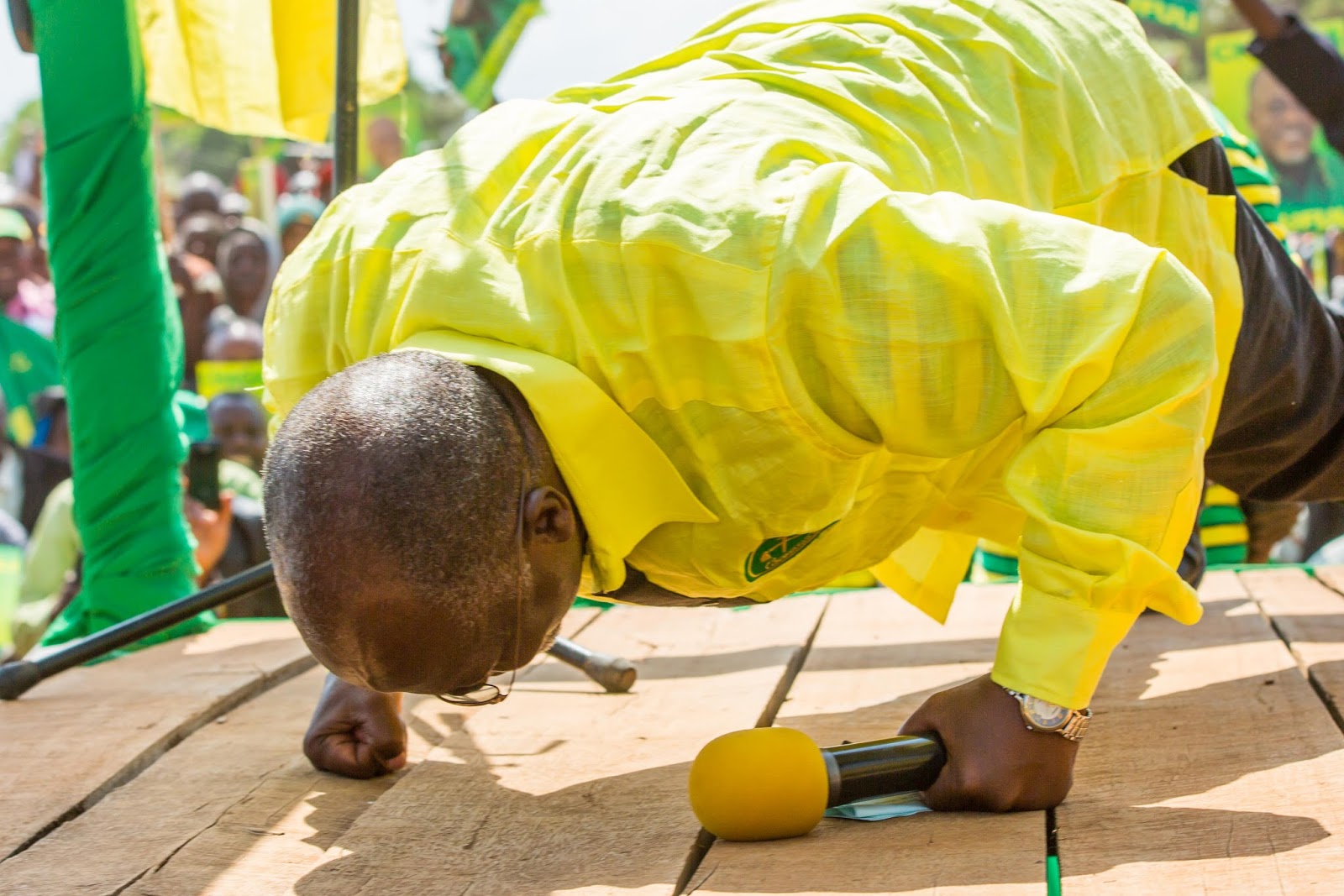
    Hard work from his previous position as a Minister. He also did pushups to show that he was fit and ready for office.

    4. He’s been keeping his promises.

    Since being sworn in as Tanzania’s president on November 5, John Magufuli has been cracking down on corruption and wasteful spending. This has led to him losing a lot of friends. But he doesn’t let that stop him from doing the good work.

    5. He’s been leading by example.

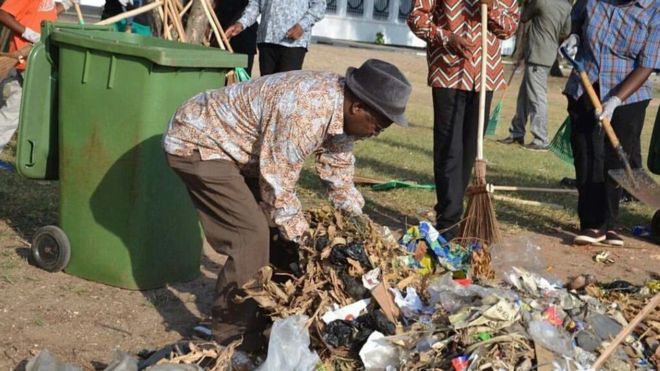
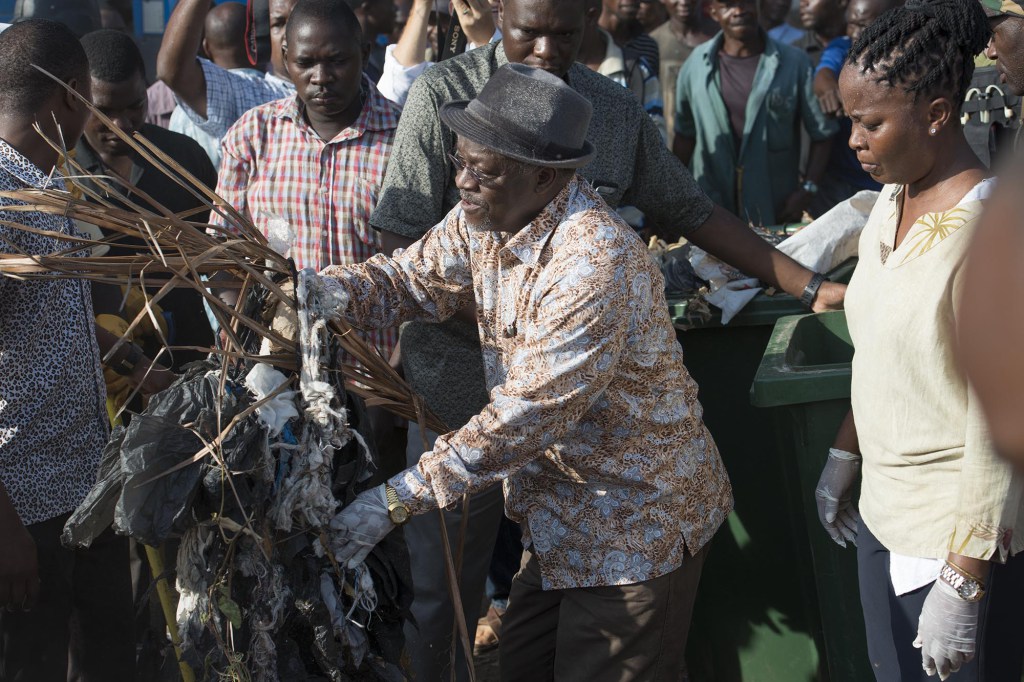
    Rather than doing the disappearing act, or practicing “do as I say not as I do”, he’s been acting out what he preaches. Let’s give you some examples: For Tanzania’s Independence Day in 2015, rather than spend money on celebrations that would promptly have been forgotten the next day, he ordered a clean-up exercise. And he didn’t just order it, he joined in. This caused thousands of Tanzanians to come out and join as well, because if their president could do it, who are they not to?
    When going to officially open parliament Magufuli didn’t go by plane, he drove all the way. He has reduced the size of the presidential convoy, as well as the size of presidential delegation that travels with him. What a guy!!!

    6. He’s been channeling Tanzania’s monetary sources to more important ventures.

    Not long after assuming office, he took drastic measures to boost government coffers, which includes:

    A. He put a stop to the public procurement of goods and services at inflated costs.

    He declared that anyone found procuring public goods or services on inflated prices will face the music.

    B. Immediate ban on foreign travels by public servants. He did this ON HIS THIRD DAY IN OFFICE!

    He stated that all tasks that necessitated government officials to travel abroad will now be done by the country’s high commissioners and ambassadors abroad.

    C. He called on all public institutions to cut expenditure on refreshments during meetings.

    Magufuli decried “unnecessary heavy refreshments” being offered at meetings and directed that lunch be served “in very rare and exceptional circumstances”, where a meeting that starts in the morning is expected to continue into the evening.

    D. He issued a directive for unnecessary physical meetings to be stopped and for public servants to conduct conference calls instead.

    This is to cut unnecessary costs that the government incurred from meetings and conferences held at various venues.

    7. He made education free for children whose parents couldn’t afford it. A promise he made during his election campaign.

    He also directed relevant authorities to sort and resolve the problems stopping the release of education loans.

    8. He keeps federal workers on their toes, so they don’t mess up.

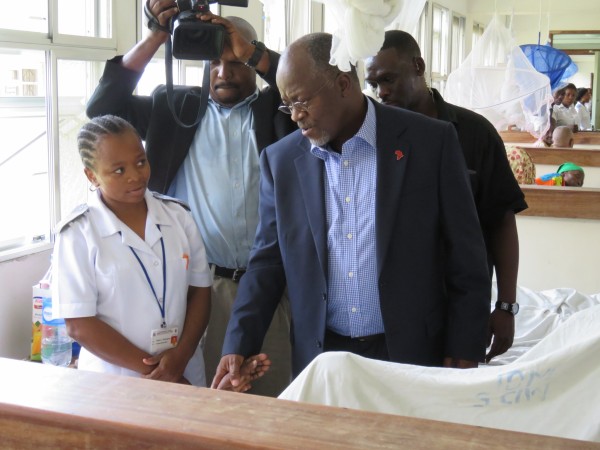
    He went to the federal hospital unannounced and made sure to visit all the wards, including those kept from high profile visitors like himself. After discovering the sorry state, he fired the director, the hospital board and ordered that the equipment that weren’t working to be repaired within two weeks,  otherwise he would fire even the newly appointed director. The repair happened in three days!

    Watch this video for the commentary on his work!

    It’s hard to not admire such a man who is hell bent on doing the best for his country! Well done President Magufuli!!!

    Other African presidents would do well to follow suit! [zkk_poll post=20140 poll=content_block_standard_format_17]
  • 7 Beautiful Images Of Zanzibar That Will Make Your Day

    Travel is one of the only things we spend money on which makes us richer.

     Africa is beautiful, despite the many news reports and stories that would have us believe otherwise. Many countries in Africa are making the most of their natural resources, building a wonderful tourism sector. Here are some beautiful pictures from Zanzibar, Tanzania, in East Africa, that should make you want to see the real thing for yourself. Trust us, the pictures do it no justice.

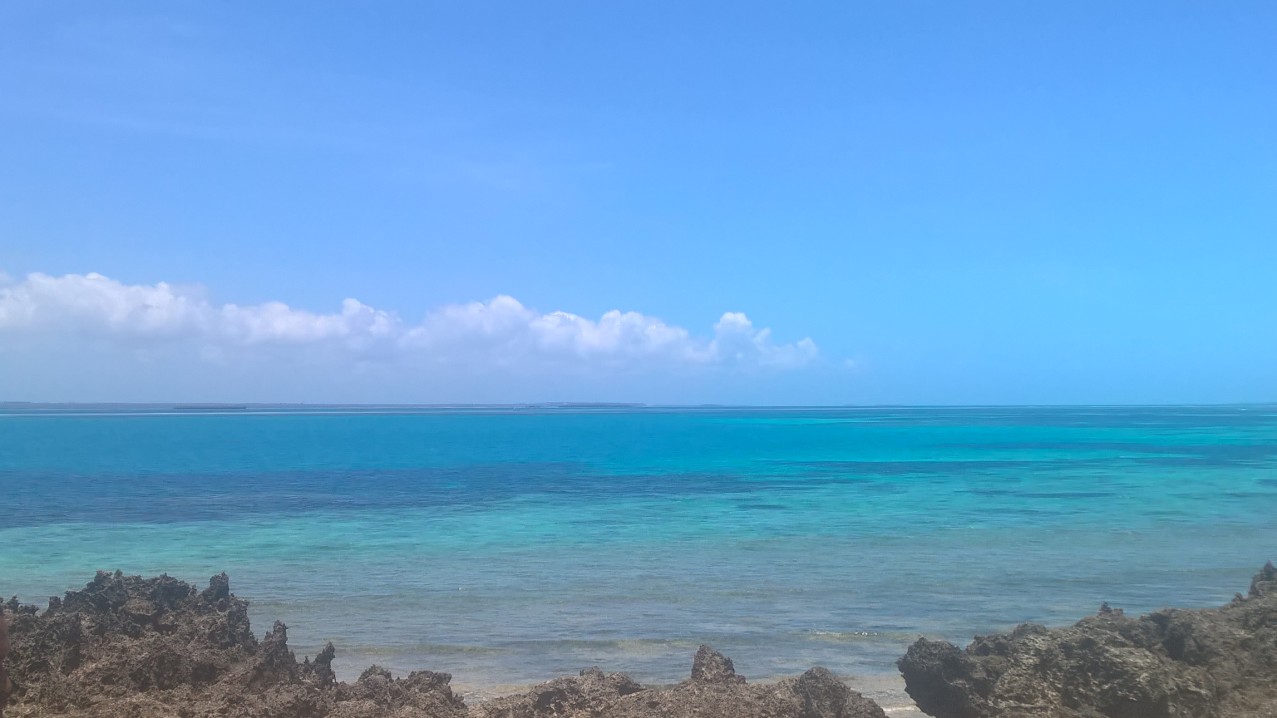
    1. Overlooking the beautiful Indian Ocean from Chumbe Island.

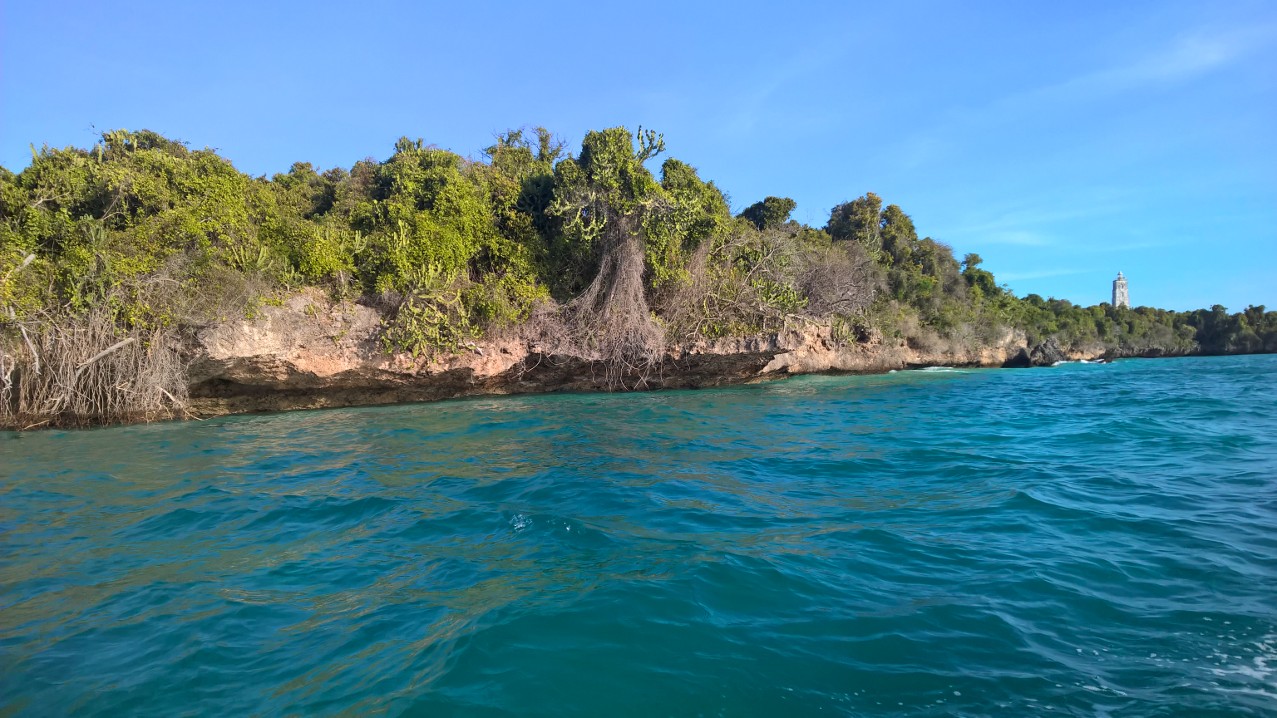
    2. Leaving Chumbe Island at high tide.

    3. No big deal, just taking a seaside stroll on the beach in Zanzibar.

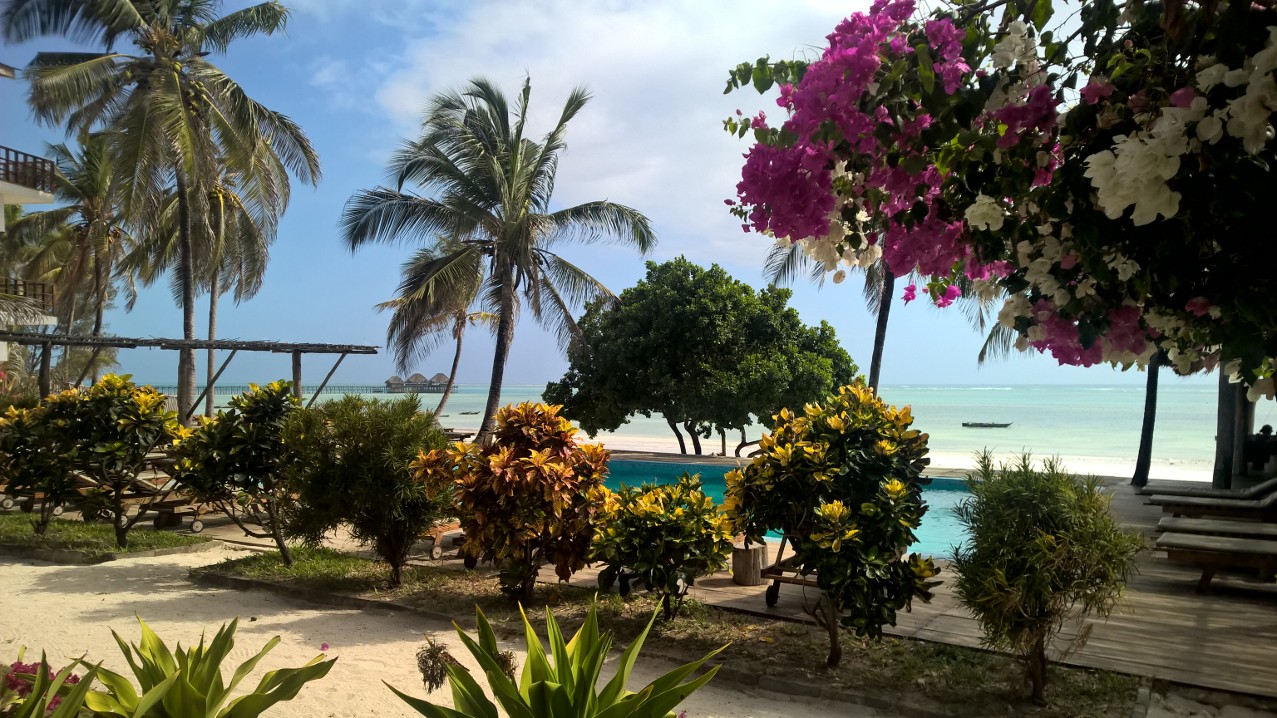
    4. The view from a seaside room at the Dongwe Beach resort in Zanzibar. Who wouldn’t want to wake up to this?

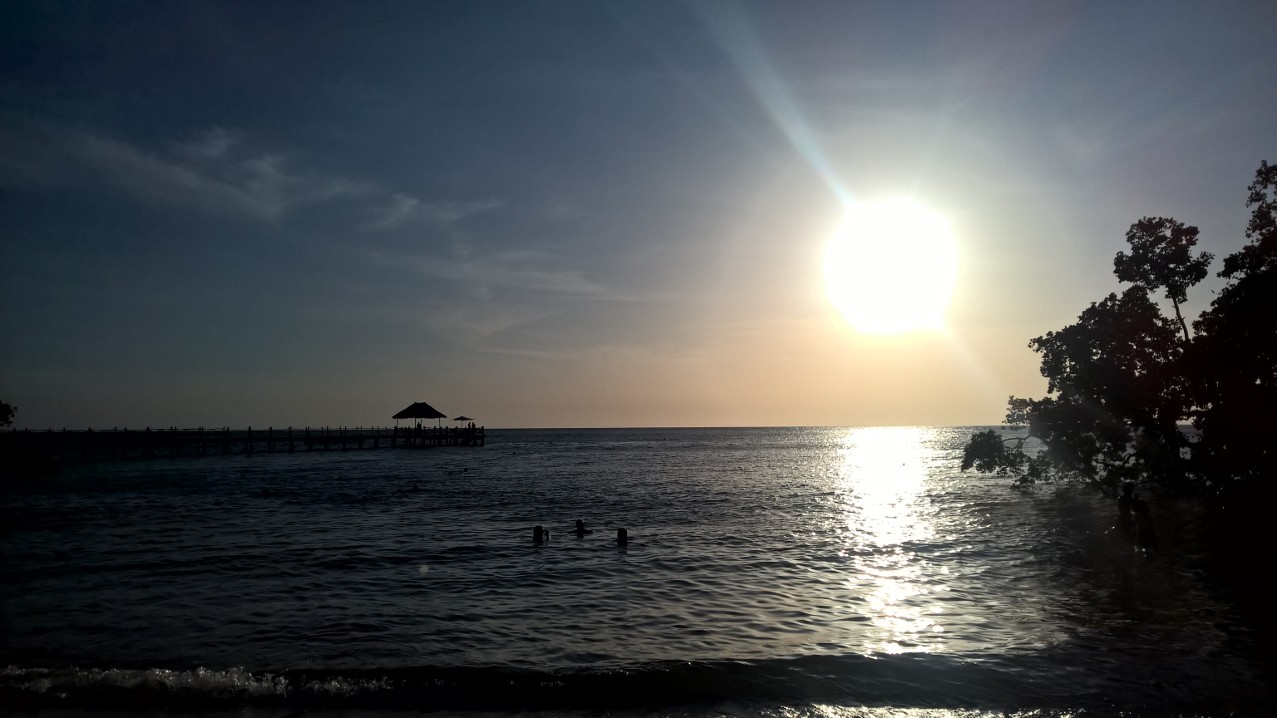
    5. Watching the sun set from the Michamvi Pingwe beach after a sunset cruise.

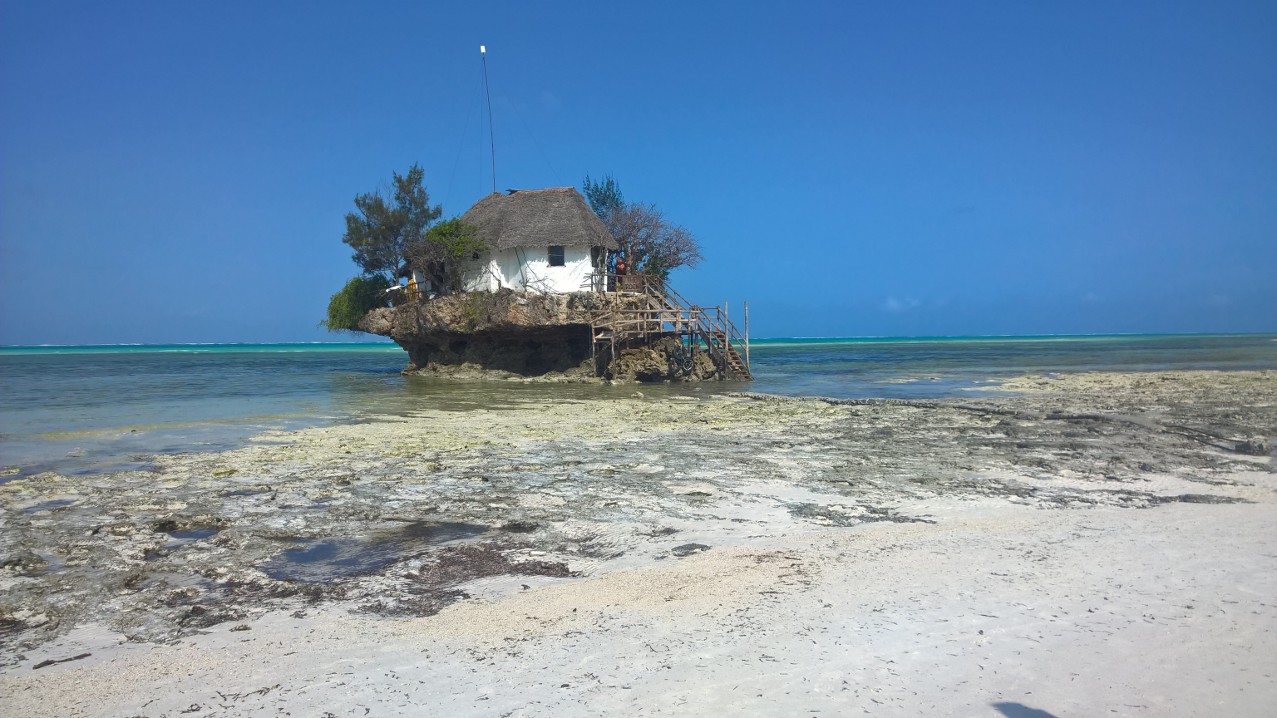
    6. The Rock restaurant in Michamvi – Literally a restaurant built on ocean rock. You walk through the water at low tide, then take a boat back to shore during high tide.

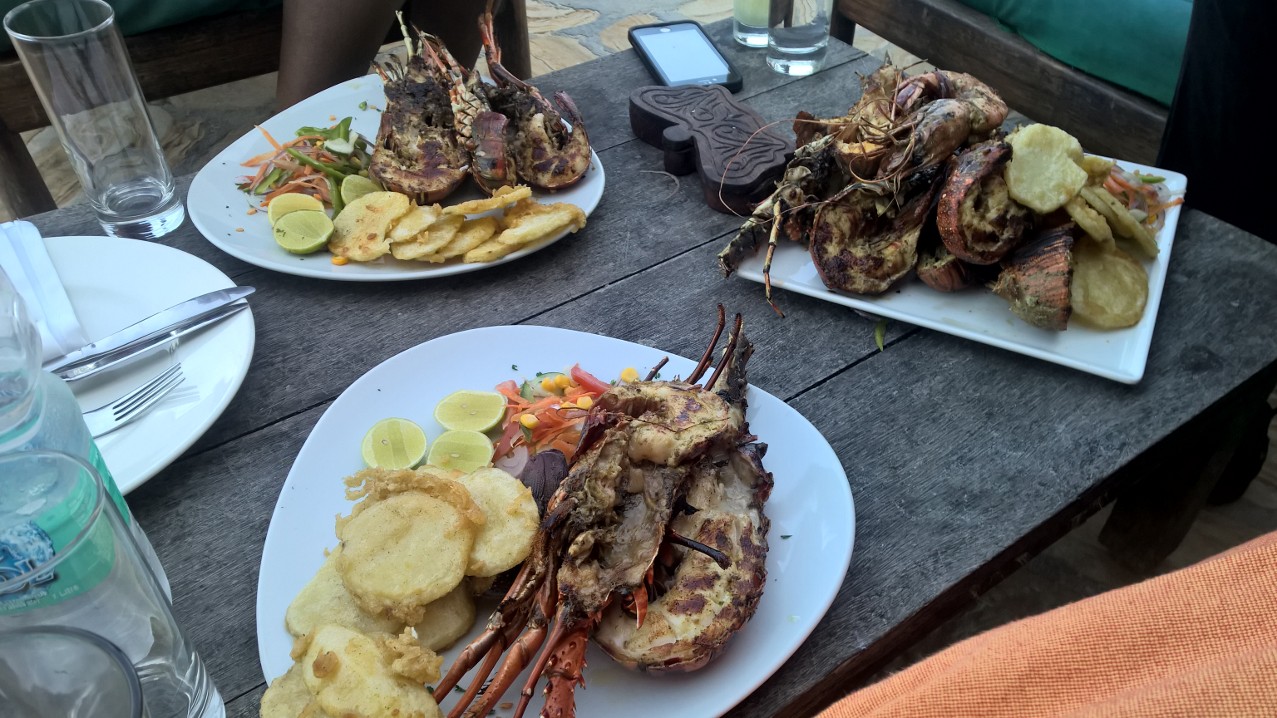
    7. Dining on the most amazing seafood at The Rock restaurant, Zanzibar. Come chop!

    All images taken by Lamide Akintobi.

    Lamide Akintobi is an award-winning freelance journalist, documentary maker and TV personality with a passion for storytelling, travel, adventure and more than a little wanderlust in her soul, which is why she started recording and editing her travels around the world. She currently hosts “The Spot” on Ebonylife TV and spends lots of time plotting world domination and daydreaming about more epic travel adventures.

    Check out this video on her trip to Zanzibar from her ‘Travel With Me’ series:

    To find out more about Lamide and her ‘Travel With Me’ series check out her YouTube channel: www.youtube.com/lamideakintobi, her website at www.LamideLive.com, and follow her on Twitter, on Instagram and on snapchat  (@LamideLive).