Notice: Function _load_textdomain_just_in_time was called incorrectly. Translation loading for the wordpress-seo domain was triggered too early. This is usually an indicator for some code in the plugin or theme running too early. Translations should be loaded at the init action or later. Please see Debugging in WordPress for more information. (This message was added in version 6.7.0.) in /home/bcm/src/dev/www/wp-includes/functions.php on line 6121
sunscreen | Zikoko!
  • How to Safely Use Gel Polish for Your Nails

    Applying gel polish to your nails is simple: buff the nails and cuticles, then apply a gel-like solution that hardens to form the polish. After the nails are polished and shaped to perfection, the session is finished off by drying the nails in a UV lamp. 
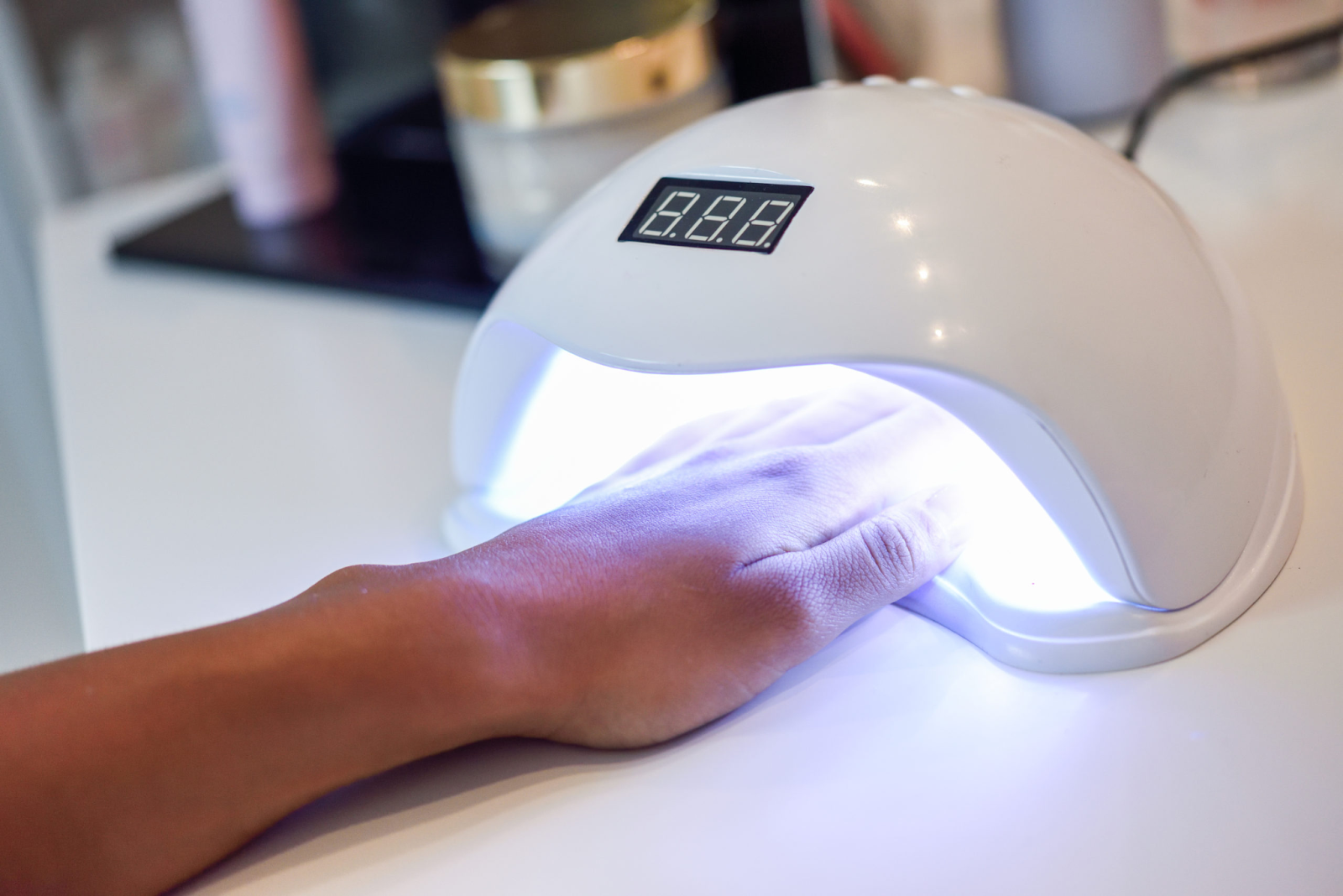
    This lamp 

    [Source: Javier Sánchez Mingorance]

    Seems simple and safe, right? Not really. It turns out that the UV (or ultraviolet) lamp produces UV radiation — the same type that the sun produces — and repeated exposure to it can damage your skin and even lead to skin cancer.

    Does that mean you should abandon gel polish forever? You can, but you can also use it safely instead. These tips will help.

    Avoid the UV light entirely

    Use a non-UV gel polish that doesn’t require the lamp to dry off. If this isn’t available, you can also dip your freshly painted nails in an ice bath for about five minutes, then let them air dry. Another option is to use a quick-drying nail polish spray.

    Or reduce the amount of time spent in it 

    The shorter your exposure to UV rays, the less risky the exposure. Try to stick to 5-10 minutes under the lamps. This also depends on the particular lamp brand and the level of radiation it gives off. You can ask your manicurist to be sure.

    Don’t be shy to pack up and leave when necessary.

    Invest in UV-absorbing gloves 

    These are dark gloves that only expose the fingertips. With them, you can ensure your skin is safe from radiation while doing as many gel polishes as your heart desires.
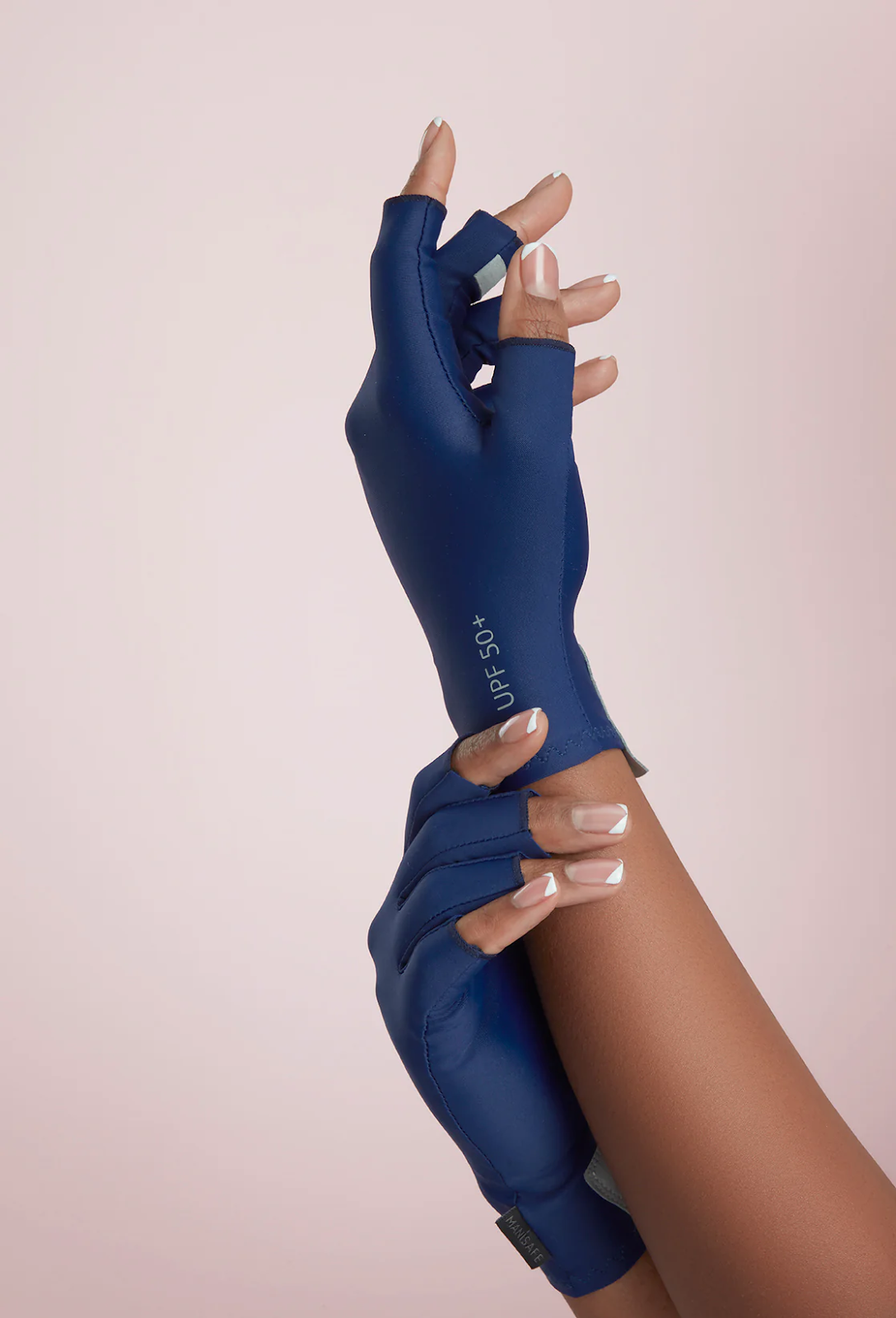
    Image: Manisafe

    Wear sunscreen

    Using a broad-spectrum sunscreen, with an SPF of 15 or higher, on your hands before every nail session will significantly reduce your exposure to the lamps’ UV rays.

    Image: Greatist

    Only soak your fingertips

    When taking your nails off, you’ll need to use a remover solution, and it contains acetone. Repeated contact can cause your skin to become dry, irritated and cracked. You want to make sure only the fingertips with gel get in contact with this chemical, to prevent long-term skin damage.

    Rehydrate your nails

    Be intentional about moisturising your nails and cuticles several times daily. This will minimise brittleness and help prevent nail damage.

    Let your nails breathe

    Sometimes, swap your beloved gel polish for traditional nail polish to give your fingernails time to breathe. You know what they say about too much of everything being bad for everyone.


    NEXT READ: Talk True: Does Facial Hair in Women Mean Hormonal Imbalance?


    Burning Ram promises to be an exciting festival for food lovers and meat enthusiasts. Sign up to be the first to know when tickets are available.

    [ad][/ad]

  • Why Nigerian Women Still Need Sunscreen, According to Olapeju

    “Black don’t crack.”

    “Black people don’t get sunburn.”

    “Melanin protects us from the sun.”

    These are some of the excuses people give when I recommend sunscreen. More than anyone, I wished our black skin didn’t crack and that our melanin was strong enough to protect us from sunburns, but that’s just not realistic. 

    Remember how we used to get darker during practice for inter-house sports competitions or march past events in secondary school? That happened as a result of the photoprotective factor of the melanin in our skins. Our bodies use melanin to protect us from harm. Whenever your skin feels like it’s under threat of inflammation or any other sort of damage, it produces excess melanin to fend off damage. 

    It’s also why every time you injure a part of your skin it gets darker when it heals. In the same way, when you expose your skin to the sun for long periods, your skins produce more melanin and thus, get darker That’s where sunscreen comes in. 

    RELATED: A Nigerian Woman’s Car Will Always Have These Things

    Sunscreen helps to: 

    1. Protect us from ultraviolet radiation

    Sunscreen helps to protect you from ultraviolet radiation, which is a major environmental factor that affects the function and survival of many cell types. It’s a big cause of skin cancer which is often not detected early enough — or at all — in black people, because of the myth that black don’t crack. 

    2. Protects us from premature ageing 

    Sunscreen also helps protect the skin from premature ageing which is caused by exposure to ultraviolet radiation from the sun. There are two kinds of ultraviolet radiation you need to be conscious of — UVA rays and UVB rays. UVA rays are ultraviolet rays that cause the skin to age faster while UVB rays cause sunburn. A good sunscreen should be able to protect you from both UVA and UVB rays. It’s also important for your sunscreen to have a sun protection factor that’s high enough to protect you. SPF 30 to SPF 50 is a sweet spot. 

    3. Even out your skin 

    Sunscreen is also important if you have a skincare routine targeted at evening out your skin tone or getting rid of specific dark spots.  Sun damage is the biggest cause of hyperpigmentation and why it’s so difficult to treat. 

    RELATED: Skincare 101: 5 Basic Skincare Steps Everyone Should Have, According to Abiola

    How to Use Sunscreen

    A number of exfoliants and brightening ingredients can make your skin more sensitive to the sun. In such cases, you need to be more deliberate about using sunscreen. With that said, your sunscreen should be the last step of your skincare routine, unless you’re going to put on makeup. If you use makeup, apply your sunscreen a few minutes before you apply makeup so it sets in properly. 

    The best sunscreen is the one you know you can commit to using as consistently as possible. Ideally, you should use two fingers full of sunscreen every morning. You’ll also need to reapply every two to three hours because research states that UV filters in your sunscreen degrade as the day passes.

    However, the two-finger rule isn’t set in stone. But you do have to make sure you’re getting an even layer of protection, particularly on your face, ears and neck. 

    I tend to go for sunscreen products that give off a satin skin finish. These products work well for me and my clients: 

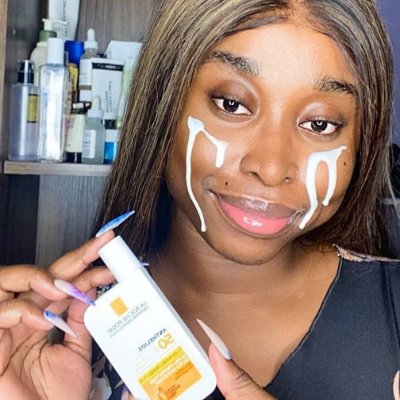
    1. La Roche Posay Antihelios Invisible Fluid Shaka SPF 50 
    2. Beauty of Joseon Relief + Probiotics Sunscreen SPF 50 
    3. Skin Aqua UV Essence SPF 50 
    4. Kose Suncut UV Protect Gel 
    5. Hadalabo UV White Gel 

    It’s also helpful to consider other forms of protection from the sun aside from sunscreen. Things like hats, visors, baseball caps and umbrellas. Remember, if you can see the sun, the sun can see you, and you know what that means.

    ALSO READ: 7 Nigerian Women Talk About Living With Acne

    Subscribe to our newsletter here.