Notice: Function _load_textdomain_just_in_time was called incorrectly. Translation loading for the wordpress-seo domain was triggered too early. This is usually an indicator for some code in the plugin or theme running too early. Translations should be loaded at the init action or later. Please see Debugging in WordPress for more information. (This message was added in version 6.7.0.) in /home/bcm/src/dev/www/wp-includes/functions.php on line 6121
sick | Zikoko!
  • What She Said: I Think Of My Body As A Clunky Old Car

    Navigating life as a woman in the world today is interesting. From Nigeria to Timbuktu, it’ll amaze you how similar all our experiences are. Every Wednesday, women the world over will share their experiences on everything from sex to politics right here. This is Zikoko’s What She Said.


    The subject of this week’s What She Said is a woman who was born with Sickle Cell Disease (SCD). She talks about the first time she had a crisis, losing her sister to the disease, not allowing it stop her from enjoying her life, and how breakdowns are a regular part of her life. 

    What’s your earliest memory of your childhood?

    I was a talkative kid and quite troublesome. My earliest memory is hiding behind a sofa one evening to avoid my mum, who was trying to convince me to go to bed.

    Another memory is of a crisis I had.

    Crisis? 

    It was a cool night, around 1 a.m., and I woke up with a sharp pain in both my knees. 

    Often, my crises start around joints, but the pain was unexpected and excruciating. It was so excruciating that I was rushed to a hospital emergency unit. I was bedridden for about six days and heavily medicated. I’ve never had a crisis as bad as that one since.

    But you’ve had others?

    Yes. I’ve had regular crises for as long as I can remember.

    As I’ve grown, it’s become easier to manage and avoid crises, but I used to have one a day or four a week consistently for the majority of my earlier years.

    How did your parents take it?

    My family learnt about SCD the hard way and went through various hospital visits with my sister. So when I was born and later diagnosed, they were more prepared.

    I grew up taking daily prescription medication, avoiding excessive sports and drinking a minimum of two litres of water a day.

    Unfortunately, my sister died in 2013. 

    I’m so sorry.  

    It’s okay. My family understands only the basics. This made it hard for my siblings to understand crises earlier in life, but thankfully,  my stepmother and legal guardian was a nurse; and she was always available during a crisis.

    The first time I learnt about SCD in school, the biology teacher taught us that people with SCD can’t live past 20. It’s bullshit. I did the majority of my education on SCD by myself, with no help from my doctor or family members.

    What about outside school? Where was the first place you heard about it?

    I was young, maybe 7 or 8. I found out I had SCD by overhearing an early morning conversation between my stepmother and brother outside my room, the morning after I had had a crisis in the night.

    They didn’t tell you before? 

    No. 

    Why?

    I don’t know. I doubt I would have had any use for the information. I’m glad I didn’t find out any later than I did, but I don’t wish I knew earlier.

    So, what’s life like for you with SCD? 

    I think of my body like a clunky old car. Since almost anything can trigger a crisis, I try my best to drink more than enough water, maintain a medium body temperature and avoid extreme stress.

    It’s very touch and go, hence the comparison with an old car. I’m managing my body and despite how much I try, it breaks down often and I end up in the workshop.

    What about the future? What does a future with SDC look like for you? 

    I used to despise thinking about this. I’ve been suicidal after crises, but this life na one.

    I plan to travel, explore my many talents, taste many foods and work on my career goals. 

    In the short term, I intend to purchase equipment for a personal gym soon. I’m working towards a toned body ideal that I once believed was unattainable for me because I believed I couldn’t exercise.

    I intend to live to the fullest, and see where that takes me.

    What about a family. Any plans for that? 

    Maybe. If I choose not to marry and/or have kids, it will be for reasons outside SCD.

    If I ever marry, I will not have biological children unless I do so in a country where medicine is advanced enough to avoid passing the sickle cell trait.

    Do you think having SDC changed you in any way? 

    Yes, actually. It’s helped me be more empathetic towards people with chronic illnesses.

    Alongside other things, having SCD has helped shape the way I live. I’m here for all the goodness, all the enjoyment.

    I did not choose SCD, so why should I let it stop me from enjoying my life?

    For more stories like this, check out our #WhatSheSaid and for more women like content, click here

    [donation]

  • The Horror Of Falling Sick When You’re A Nigerian Adult

    You probably liked falling sick when you were young. Maybe not the “stay-in-bed-until-you-get-better-part”, but you liked all the attention that came with it. You got a pass on almost everything, and more importantly, you got everything you wanted from your parents. You were probably even amused with how agitated they got seeing you down.

    You should have remained a kid. Now, you are grown, moved out, and living your life. When the earliest symptoms of whatever will knock you down start to materialise, you think it is one of those things. You are wrong.

    We’ve all been there, and that’s why this article is here.

    You don’t know how sick you are until it hits you

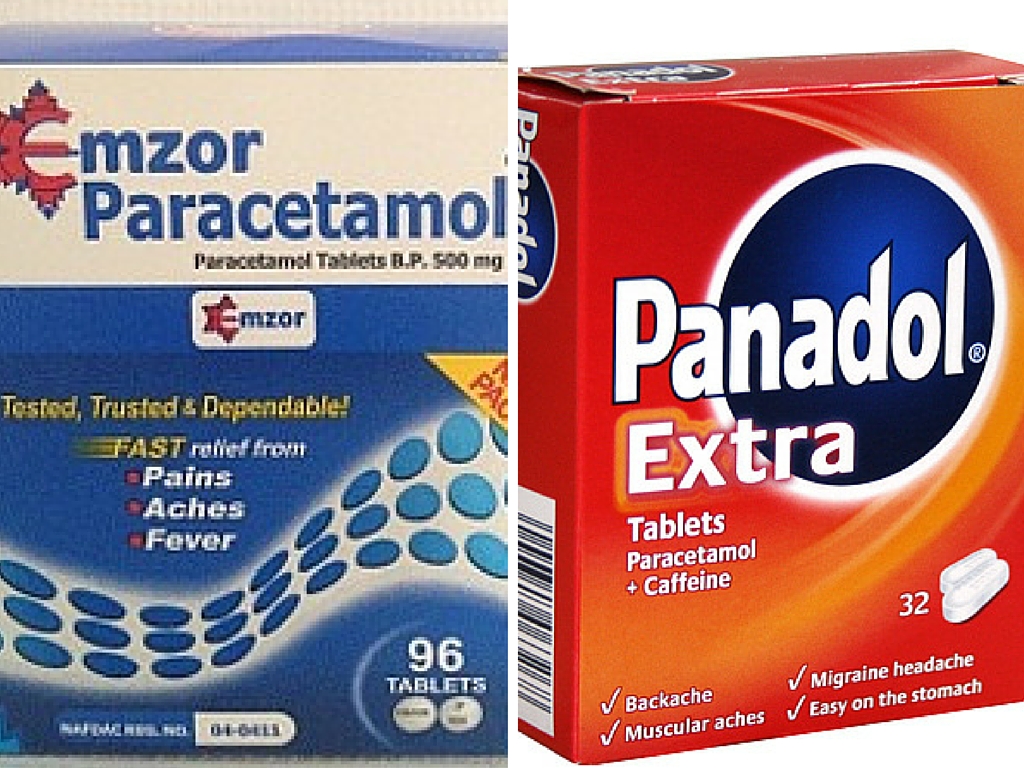
    You are an adult. You are also Nigerian. You have more things to worry about than a common headache. You like to chalk everything down to stress and think one good night sleep (which you never get, by the way) will sort everything out. If push comes to shove, you will take paracetamol, and that will be all.

    You start to hit the panic button

    Strangely enough, the “just a headache” you think you have has decided to stick around. You can feel the first signs of panic streaking in. You know it’s a bad idea, but you search google for answers. Now, you see that the ordinary headache you have might be a brain tumour. Full-blown panic jumps in at this point.

    You realise that you are on your own

    You know you are not dealing with a brain tumour, but you just really wish there is a real adult around – someone who could just feel your forehead, tell you, with certainty, what you are dealing with, and nurse you back to health. Unfortunately, you lost that person the moment you moved out of their house. You finally get yourself to a hospital. Good news, nobody is cutting your head open. Bad news, what you are dealing with is not “just-a-headache”
    The worst part about this is you have to do this all by yourself; show up for your appointments, take the pills, find what you eat, and so on.

    Time doesn’t actually wait for you

    You have a job to do. Sure, whoever you work for or work with might be considerate enough and grant you sick leave, but after two-three days, the feeling of dread starts eating you up. What if you get fired because you took too long? What if there are volumes of work waiting for you, and what happens if you don’t sort them out soon; will you get fired? You are not about to find out, so you drag your sick ass out to wherever you work.
    You miss the days you could take a week off school and nobody would care now, don’t you?

    You Almost Go Broke


    As a kid, all you knew about getting sick was that your parents would worry themselves, ship you off to a hospital, put you on a schedule, and you would be fine. You knew they spent money too, but the magnitude of what they spent does not hit you until you have to pay your hospital bills yourself. Nothing makes you want to cry more than seeing money fly out of your account into the thin air, never to be seen again. And that happened because of a headache you didn’t pay enough attention too.

    You promise yourself to be more careful, but nah

    After you have survived the ordeal with your life intact but your pocket dried up, you promise yourself to be very intentional in making sure you remain the healthiest you can be. To your credit, you do that for a week or two. But after that, you feel there is nothing to worry about anymore, at least not until the next time you fall sick.

  • If You Are A Long Suffering Doctor, This Is For You

    1. When people start crying before you’ve even started talking.

    2. When you are asking simple questions and people start saying you’re judging them.

    3. When people keep insulting you like you are the creator of diseases.

    4. When after all your hard work patients don’t even say thank you.

    5. When your religious patients say “I reject it” to everything you are saying.

    6. When you have repeat offender patients that refuse to take their medicine or follow instructions.

    7. When the repeat offenders then say “Nigerian doctors are rubbish”.

    8. When patients are still trying to lie after test results.

    9. When you think of how much your foreign colleagues are earning while you are earning peanuts.

    10. When your parents and family members think they can call you for every problem they have including the spiritual ones.

  • 1. When he is frowning up and down the house and you ignore him, he’s like:

    “Can’t you see I’m not okay?”

    2. When you finally ask him what’s wrong, he’s like:

    “You don’t even have compassion.”

    3. When he has a small headache, he’s like:

    “Somebody help me oh!”

    4. When men have to go to the hospital for treatment, they’re like.

    “This is how people die oh!”

    5. When you try to do anything that doesn’t involve waiting on them hand and foot, they’re like:

    “You don’t care about me!”

    6. When he has to take his medicine, he’s like:

    Medicine? Again?

    7. So what if he had to go through period cramps?

    Ehn Mr man?

    8. Or go through hours and hours of labour multiple times?

    Obviously nobody would hear word.

    9. And they say women are the weaker sex!

    Imagine!
  • 13 Things You Will Recognize From Falling Sick In A Nigerian Home

    1. When you tell your mother you’re sick and she says “you’re strong in Jesus’ name.”

    Amen! But I’m still vomiting sha.

    2. How your parents see themselves when you fall sick:

    You people are now doctors, abi?

    3. When your mother feels your forehead to check your temperature.

    Hian! Is it only malaria?

    4. The real doctors in every Nigerian home:

    Nigerian parents not-so-secret weapon.

    5. “I have a cold.” “I was shot in my leg.” “I was hit by a trailer.”

    Robb is the answer when you don’t even know the question.

    6. The last stop before your parents actually take you to a hospital

    Can’t even imagine using it to cook. It is anointing oil now and forever.

    7. The sick Nigerian’s unofficial diet:

    THE BEST.

    8. When you think sickness will stop you from going to school.

    When it’s not that you’re dead.

    9. When your parents still wake you up to go and wash pot.

    Hay God!

    10. Your mother, when you fall sick on a Sunday.

    Holy Spirit will heal you.

    11. When you vomit in front of your parents.

    That’s the only explanation.

    12. When your parents suddenly start acting nice to you.

    Oh? I should fall sick more often.

    13. Your mother, if your sickness lasts longer than 4 days:

    Better get up.