Notice: Function _load_textdomain_just_in_time was called incorrectly. Translation loading for the wordpress-seo domain was triggered too early. This is usually an indicator for some code in the plugin or theme running too early. Translations should be loaded at the init action or later. Please see Debugging in WordPress for more information. (This message was added in version 6.7.0.) in /home/bcm/src/dev/www/wp-includes/functions.php on line 6121
Recession | Zikoko!
  • Why Is Nigeria In A Recession?

    Citizen is a column that explains how the government’s policies fucks citizens and how we can unfuck ourselves.
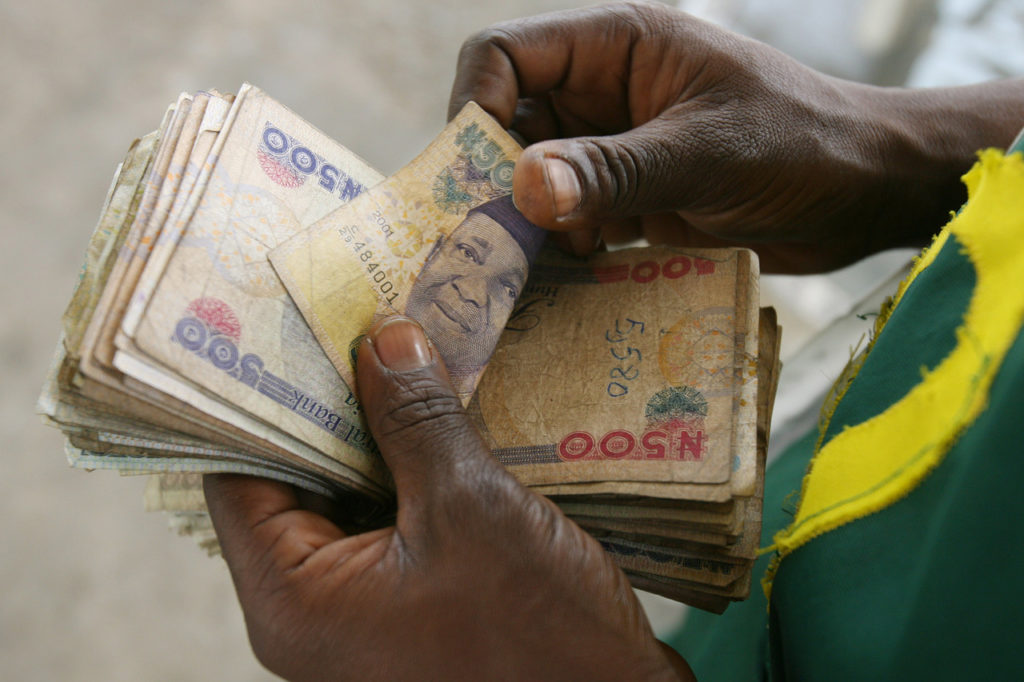
    Recession, palliative, ad-hoc committee, ultra-modern, bistro — you can’t claim to be a Nigerian if you’ve never heard these words. They are so popular, we wrote about them.

    Speaking of recession, on Saturday, November 22nd, 2020, the Nigerian Bureau of Statistics reported that Nigeria’s GDP (Gross Domestic Product) reduced by 3.62% from September to October 2020 (Q3 2020). The economy had reduced by 6.10% from April to June 2020 (in Q2 2020), all of which led to the report that Nigeria is now in an economic recession.

    A recession is a decline in economic activity for a few months. Usually, when many businesses in a country lose money instead of make profits for six months, economists declare that the country is in a recession. In Nigeria’s case, our trade, financial and manufacturing activity have reduced in six months — which means that the country is officially in a recession.

    It is usually rare for a country’s economy to decline for two or more consecutive quarters, or over six months, but since 1960, Nigeria has entered into recessions only four times — in 1983, 1987, 2016 and 2020.

    The curious thing, though, is that most of these recessions are usually linked to the low oil prices. Because 90% of Nigeria’s foreign revenue is gotten from oil, 80% of our export is crude oil and over 50% of all the money the federal government makes is also gotten from oil, any time the price of oil reduces, it badly affects Nigeria’s economy.

    In 2020, COVID-19 has affected economic activity badly. For instance, China, Nigeria’s biggest oil importer, implemented large scale lockdowns in January, 2020. This meant that Chinese factories were not working, neither was any travel or economic activity that seriously required crude oil happening in China. Meaning that China had no need to import Nigeria’s crude oil.

    Because of the low demand of crude oil from China and many other countries, oil prices fell to $28, and even less —  some of the lowest oil prices in history. All of which meant that Nigeria’s federal government had less revenue to balance the budget and pay for critical development activities. 

    Worse, because oil sales are conducted in dollars, low oil prices also meant that Nigeria could not generate enough foreign currency, which ended up affecting Nigerian business people who wanted to import goods from other countries. This meant a higher cost of importing goods into Nigeria, which led to a higher price of goods or “inflation“.

    Read: Nigeria’s Economy Shrank 6% From April To June. What Does That Mean?

    Nigeria’s Recession In The 1980s

    Again, it is important to note that this is Nigeria’s economic fourth recession since 1960, most of which is usually inextricably tied, one way or the other, to globally low oil prices.

    In 1980, global oil prices collapsed as it has in 2020, and because the Nigerian government was spending lavishly in the 1970s, the oil price fall of the 1980s affected the government’s revenues.

    With the fall in oil price, Nigeria quickly entered into a recession. The government was making little money and there was no foreign exchange to pay for Nigeria’s imports. All of this led to an economic crisis, which included high unemployment, the government’s inability to pay its debts, a foreign exchange shortage, and so on.

    In 1986, General Ibrahim Babangida’s government decided to reject an IMF (International Monetary Fund) loan proposal. Instead, he adopted a modified variant of the transitional Structural Adjustment Programme (SAP), which was designed and implemented by Nigerians. The World Bank also supported the policy with a $450 million trade and export diversification loan.

    The objectives of this modified Structural Adjustment Programme (SAP) was to:

    • Restructure and diversify the productive base of Nigeria’s economy so as to reduce dependency on the oil sector;
    • Reduce the amount Nigeria paid for imports while increasing how much we exported;
    • Reduce inflation in the country i.e the high cost of prices of goods.

    The GDP growth objectives for 1987 was set at 3-4%, while inflation was supposed to reduce to 9%. 

    The government decided to go about this modified Structural Adjustment Programme by:

    • Adopting measures to boost domestic production of goods;
    • Setting up of a “Second-Tier Foreign Exchange Market” where foreign exchange would be traded without government control;
    • Eliminating price control and commodity boards;
    • Reducing control of interest rates;
    • Reducing public sector enterprises and reducing public sector workers.

    The government also introduced “relief packages” like the Urban Mass Transit Programme of 1988, the People’s and Community Banks of 1989, the Directorate of Food, Road and Rural Infrastructure (DFRRI), the Better Life for Rural Dwellers Programme of 1989, amongst others.

    However, as of 1995, the modified Structural Adjustment Programme showed mixed results. The programme was shown to have brought few tangible results to the people, and the poor implementation and execution of the programme meant that it did not achieve what it set out to achieve.

    Nigeria’s 2020 recession

    Nigeria’s 2020 recession is not unconnected from the impact of the COVID-19 lockdowns that have reduced economic activity for a considerable part of the year.

    Several countries are currently facing economic recessions because of COVID-19 and the consequent lockdowns. 

    However, one way to reduce Nigeria’s exposure to recession is to reduce the overdependence on crude oil sales, which currently accounts for over 65% of our revenue and over 90% of our foreign exchange earnings. The Structural Adjustment Programme of the 1980s set out to achieve this independence from oil sales and “structurally adjust” the economy of the country, but it achieved mixed results, at best.

    Going forward, Nigeria must diversify its economy from crude oil sales. By growing other sectors, especially agriculture, information technology, maritime, transportation, aviation, solid minerals and entertainment, Nigeria can withstand economic shocks better. 

    Read: Should Nigeria Keep Paying For Petrol Subsidy?

    We hope you’ve learned a thing or two about how to unfuck yourself when the Nigerian government moves mad. Check back every weekday for more Zikoko Citizen explainers.


  • 11 Tweets About This Buharinomics That Will Make You Shake Your Head

    1. Onigbeses can no longer pay their debts o!

    2. Money isn’t even trying to chill in our wallets these days.

    https://twitter.com/TillyTillie/status/731592021828308992

    3. You can’t even afford to play small rough play.

    https://twitter.com/jem2gem/status/818064959707942912

    4. Someone should give Nigerians World Cup for their patience and resilience.

    5. Na wa o! In this recession?

    6. How to price iPhone in a recession:

    7. This hilarious tweet about 5 Alive.

    https://twitter.com/KANYEWESTAFRICA/status/818835876029591552

    8. Sugar daddies are now stingy with their sugar.

    https://twitter.com/DrCraigUjeez/status/818835483606269954

    9. We’ll all kuku be one with mosquitoes at this point.

    https://twitter.com/exschoolnerd/status/820293761494237184

    10. People with babies are trying o.

    11. Daddy Bubu, well done o!

  • 1. When you put on your TV an hear about “recession” again.

    2. Then you check the newspaper, same thing.

    3. In your office, that’s what everyone is talking about.

    4. Even in church, they’ve been using it do prayer point for the last one million weeks.

    5. When you get to the market and prices have gone up again because of “recession”.

    6. When you even dream of buying things from abroad, the exchange rate laughs at you like:

    7. Then you try and be more than you are and look at airline ticket prices, only to see a lot more zeros than you expected.

    8. Even your boyfriend does not call you again because “recession”.

    9. And your salary is now for decoration since all it can buy you is …. nothing.

    10. Then the government people are just talking jagbajantis instead of fixing the thing.

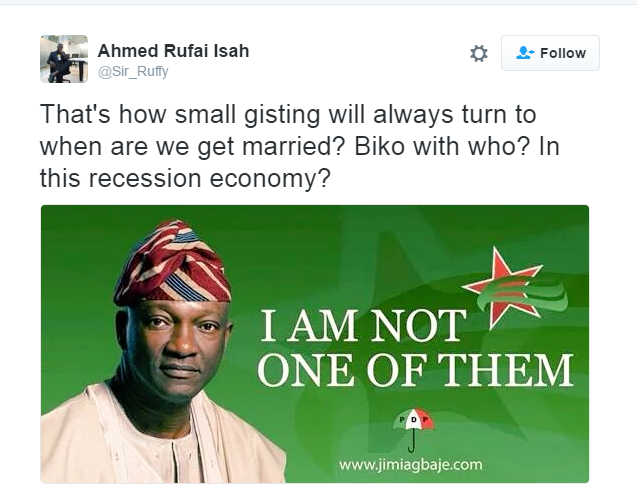
    11. Your friends don’t even have respect, some are marrying and still want you to pay for aso ebi.

    12. And some are even asking you to join them in one useless pyramid scheme or the other.

    13. But you sha won’t die whether the recession like it or not!

  • 7 Life Hacks For When You’re Broke

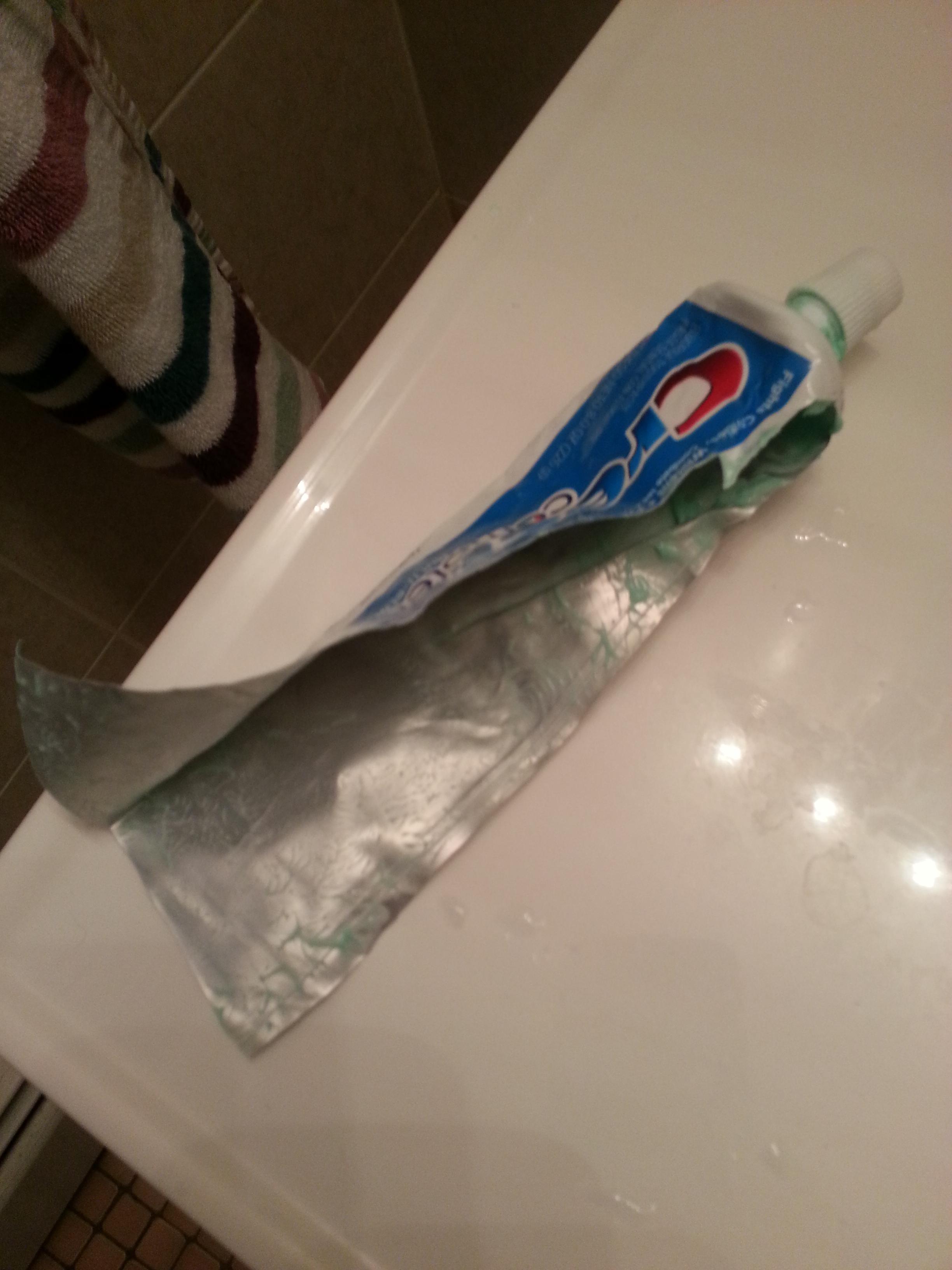
    1. Using your toothpaste till the very end…I mean the very end

    You know how much toothpaste costs nowadays? My friend cut it open!

    2. Using soap till it disappears

    If I can see the soap, I don’t need a new bar na.

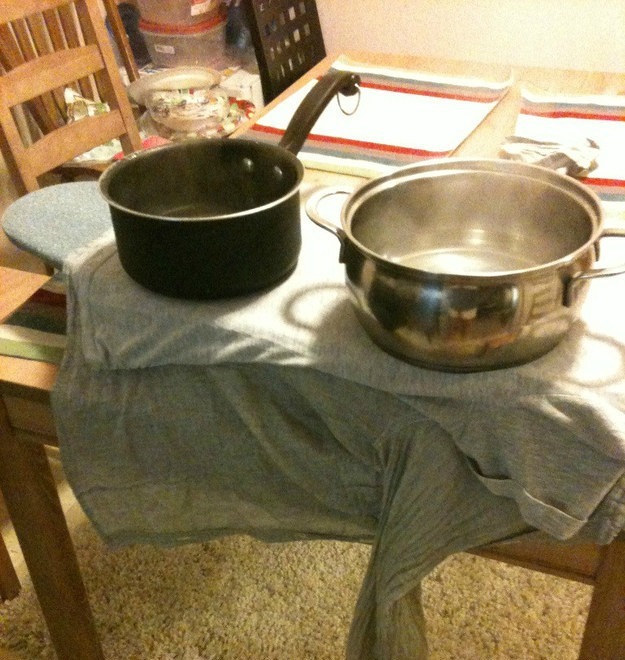
    3. Ironing clothes using boiling water in pots

    I can use that money for iron to buy food for 3 weeks.

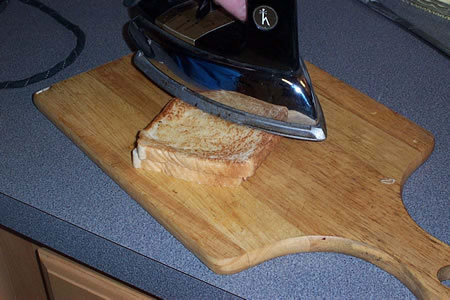
    4. Using an iron to toast bread

    I can use it to fry egg too, if you want.

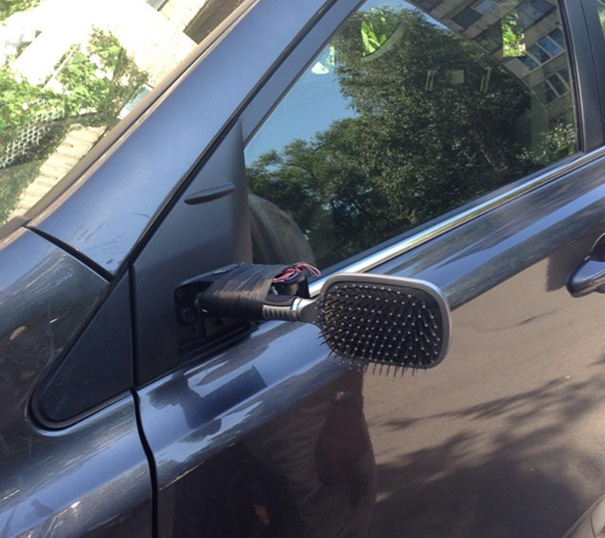
    5. Who needs a side-view mirror? Mechanic is expensive nowadays

    Because money is just growing out of my ears ba?

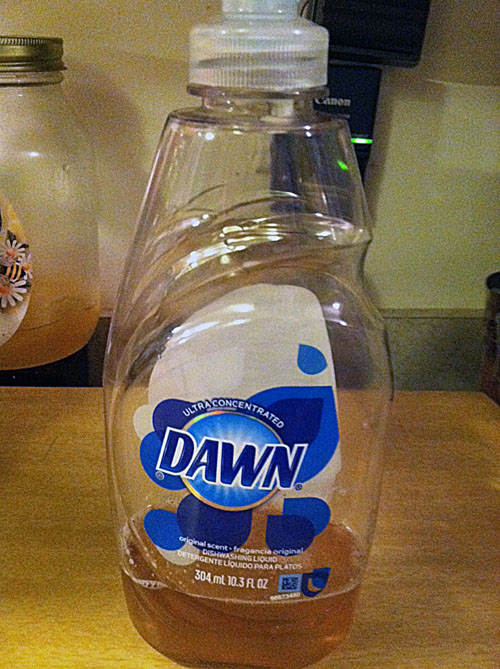
    6. The dishwashing soap is never empty as long as there’s water

    Yes, I know it’s just coloured water at this point but money no dey oga.

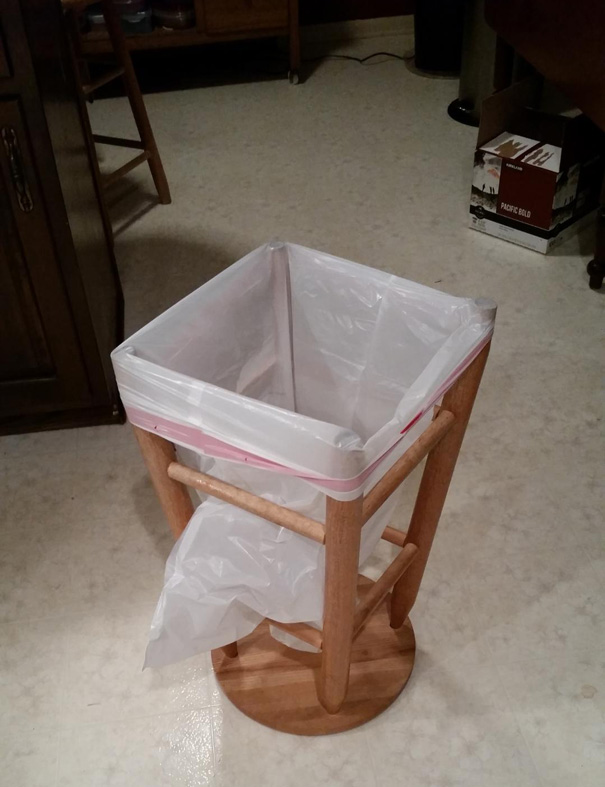
    7. No dustbin? No problem!

    Until they pay my allowance, this stool is my dustbin.
  • Zikoko’s Recession-Friendly Guide To Attending Your Next Owambe

    1. If you can’t bring a friend, push the invitation away like this:

    Unless you want to pay cab money alone, then be going.

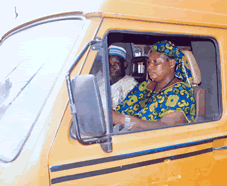
    2. Infact, cab is too far, danfo still dey there.

    If you can even drive it sef, anything to save costs.

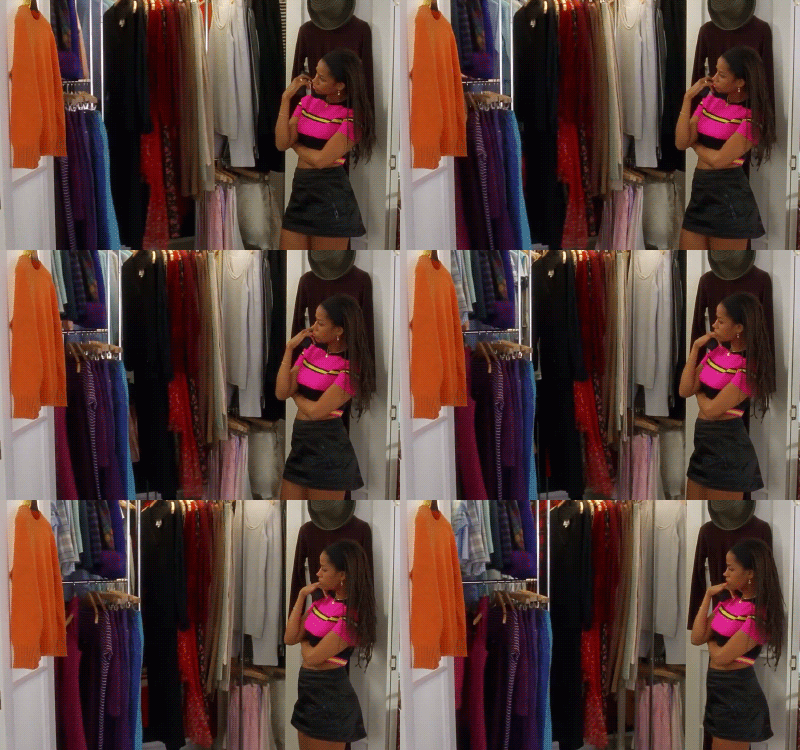
    3. Aso ebi for what?

    With the way this Forex is set up, might as well freestyle from your own wardrobe.

    4. No need for makeup artiste, Youtube is your best friend.

    When you want your face beat, but dollar is beating you.

    5. Forget clutch, the bigger the bag, the better.

    Where else will you put all the take away?

    6. What is home training when food is involved?

    The plan is to eat enough for two days, don’t disappoint us!!!

    7. When you see they’re sharing souvenirs, this is how you attack.

    This is where your bag comes in, you can even add food join.

    8. Once you’ve acquired enough, dance like you’re earning Dangote’s salary.

    As you cannot come and go and die.
  • This Graduate Can’t Land A Job, And He’s Very Mad About It
    It’s no secret that Nigeria is currently  in a terrible condition. The economy is suffering, and leaders  are proving more and more incompetent by the day. In a country where  too many graduates already walk the streets in search of a viable source of income, the current economic recession is not helping matters. According to Samson Olaleye, a lot of Lagosians, most of them graduates like himself,  sleep in the streets.
    https://twitter.com/d_problemsolver/status/784654764306989056

    According to @d_problemsolver on Twitter, some employers are already looking to employ the young man, and they want anyone with information on his whereabouts to come forward.

  • How To Be Romantic During A Recession

    1. Be generous with verbal affection, you kuku can’t afford anything else.

    Every small thing “I love you”.

    2. What a restaurant can do, a buka can do better.

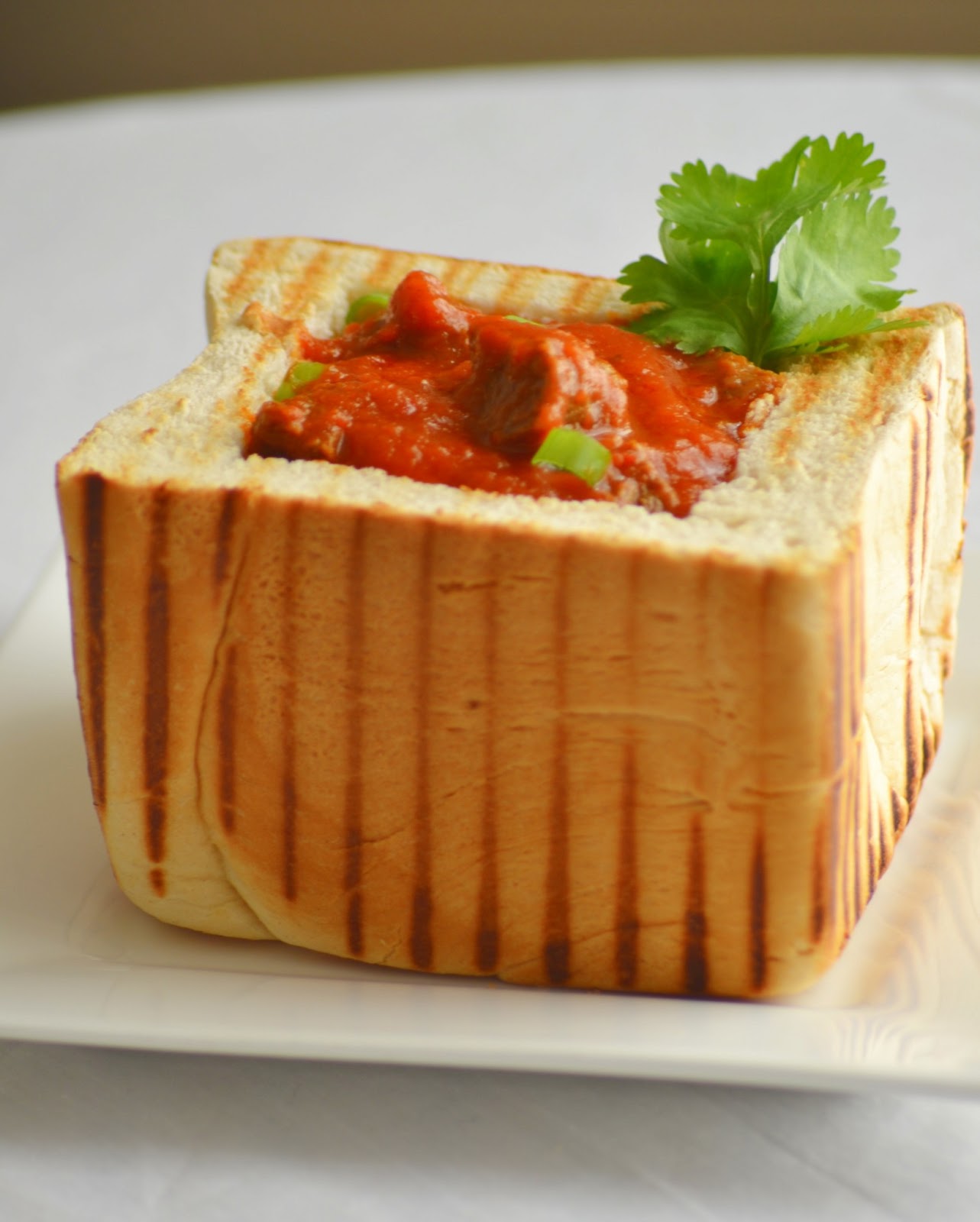
    See Agege bread and stew!

    3. Only fall in love with someone that lives near you, money for transport cannot be too much.

    Local love is better.

    4. No need for ice cream, stick to frozen kunu.

    It’s better.

    5. No need to eat out actually, you and your partner should just be fasting.

    Jesus did it, you will not die don’t worry.

    6. Cuddle in the danfo so you only pay for one seat.

    It’s not lapping it’s cuddling.

    7. No need to call unless it’s free midnight phonecall.

    The love talk is even sweeter at night.

    8. No need to go to the cinema, just allow Alaba boys hook you up.

    Even if the film is not clear you will get the gist of the story!

    9. Barb his hair for him, and plait her hair for her!

    Even if it’s ugly you people are making memories and saving money.

    10. Don’t acknowledge any birthday or anniversary

    “Every day is a special day with you”
  • 1. First of all, don’t tell anyone you’re getting married.

    Tell them after maybe like 2 years of marriage.

    2. Get married on a weekday, not the weekend where people have time to crash your nuptials.

    Awon alakoba! Stay where you are.

    3. When anyone mentions aso ebi, you’re like:

    I don’t want to hear noise!

    4. If anyone recommends a caterer that has an instagram page, this should be your reaction:

    Their eye is too big please, bring the one that barely has mobile phone!

    5. A reception is overrated, just share takeaway at court/church.

    Everybody should carry their wahala and go!

    6. No need for a wedding cake, it causes jedi jedi.

    Give each guest an apple if they really want something sweet.

    7. Instead of a DJ, just attach your brother’s phone to the speakers.

    All na entertainment.

    8. No need to rent a hall, if your father has a sitting room.

    If they don’t like it, they should not come!

    9. No need for souvenirs, how can you give guests presents?

    Are they not the ones supposed to give you presents?

    10. If you are really serious, just elope!

    Go to court, sign the papers and be done with all the wahala!
  • 1. At this point, only rich people can buy pizza.

    https://twitter.com/ItsBollyLomo/status/765574554978775040

    2. When someone is talking about one nonsense independence.

    3. When your account balance is the stuff nightmares are made of.

    4. Children are God’s gifts, but this economy is saying something else sha.

    5. It’s time to put that stubborn onigbese on speed-dial.

    https://twitter.com/Extratainment/status/735815654905806852

    6. When someone asks you to buy iPhone 7 for them.

    https://twitter.com/TheOfficialOre/status/773634007762362368

    7. Who has time for marriage abeg?

    8. The worst thing that can happen to anybody:

    9. Don’t let any 419 carry your money o!

    https://twitter.com/CheRox/status/775087227755958273

    10. No time to waste energy on yama yama relationships.

    economy_vufwau.png

    11. This one about asoebi and rice.
  • The Zikoko Guide To Reacting To The Recession

    1. So in case you didn’t know, Nigeria is officially in recession.

    2. First of all, if you don’t know that means, allow us tell you.

    3. It means that the Nigerian economy has experienced negative growth as a result of reduced trade and industrial activity, and it’s usually identified by a fall in GDP in two successive quarters.

    4. That has very many implications for the Nigerian economy, and everyday people like us.

    5. A good question to ask is “how exactly do I react to this information”?

    6. Well, you can decide to see recession as a word…

    7. In which case, it doesn’t matter. Just continue as you were.

    8. Or you can panic and start crying!

    9. You can get on social media and start abusing any and everybody who is meant to be in charge of the economy.

    10. Or you can become an automatic prayer warrior, because suffer suffer is not your portion.

    Whichever way you choose to react, just continue reading Zikoko sha! We are here for you.