Notice: Function _load_textdomain_just_in_time was called incorrectly. Translation loading for the wordpress-seo domain was triggered too early. This is usually an indicator for some code in the plugin or theme running too early. Translations should be loaded at the init action or later. Please see Debugging in WordPress for more information. (This message was added in version 6.7.0.) in /home/bcm/src/dev/www/wp-includes/functions.php on line 6121 protest | Zikoko!
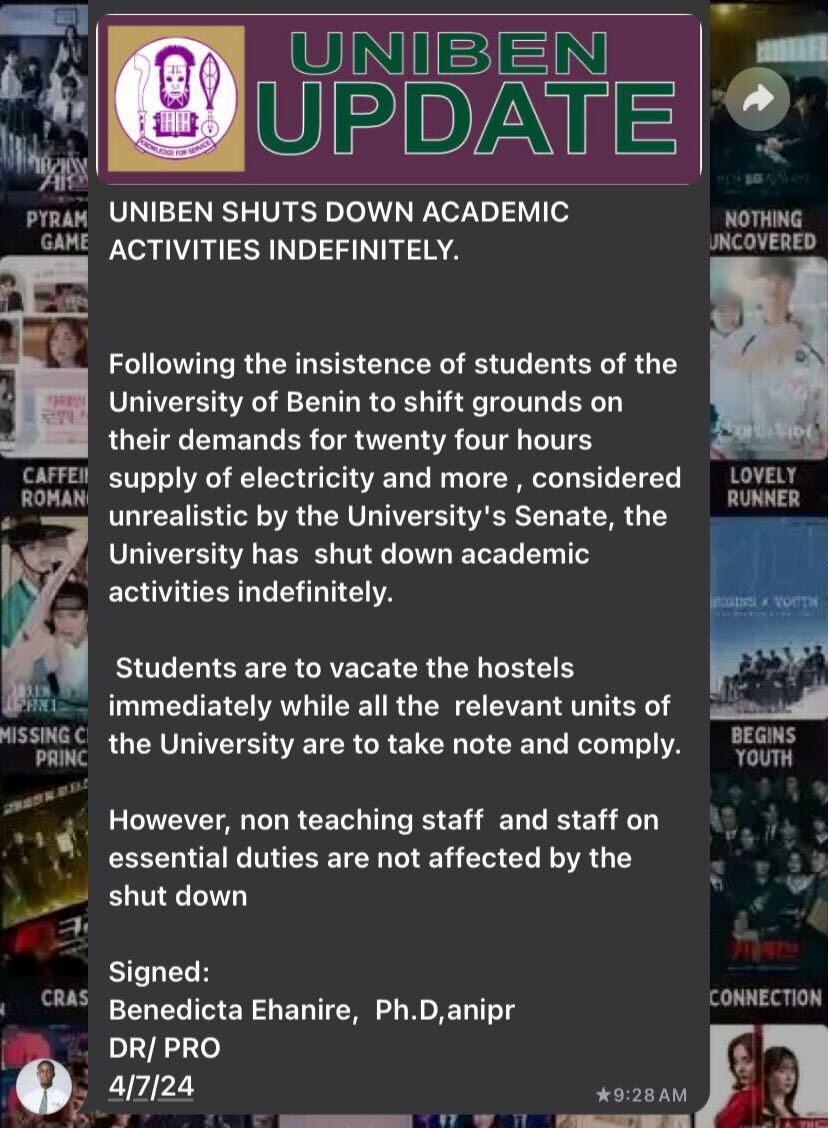
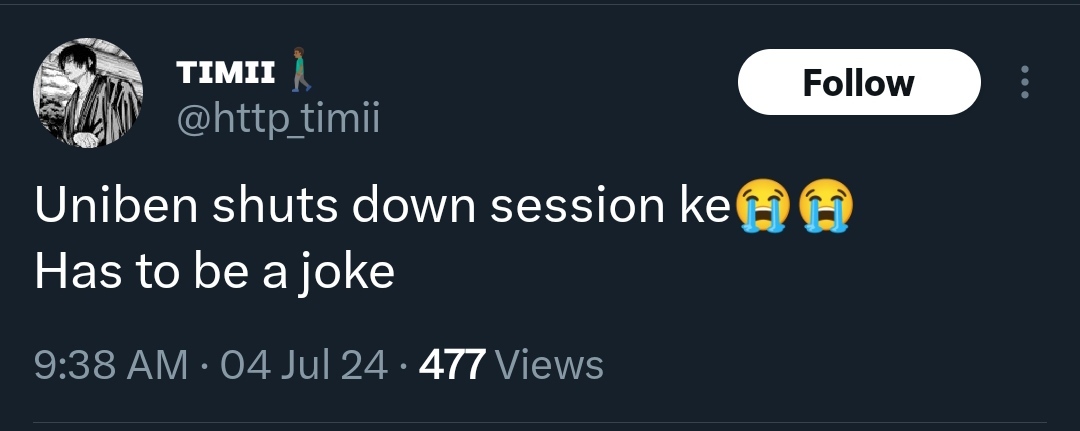
Academic activities at the University of Benin have been suspended indefinitely following an announcement from the school’s Public Relations Officer, Doctor Benedicta Ehanire.
Why did this happen?
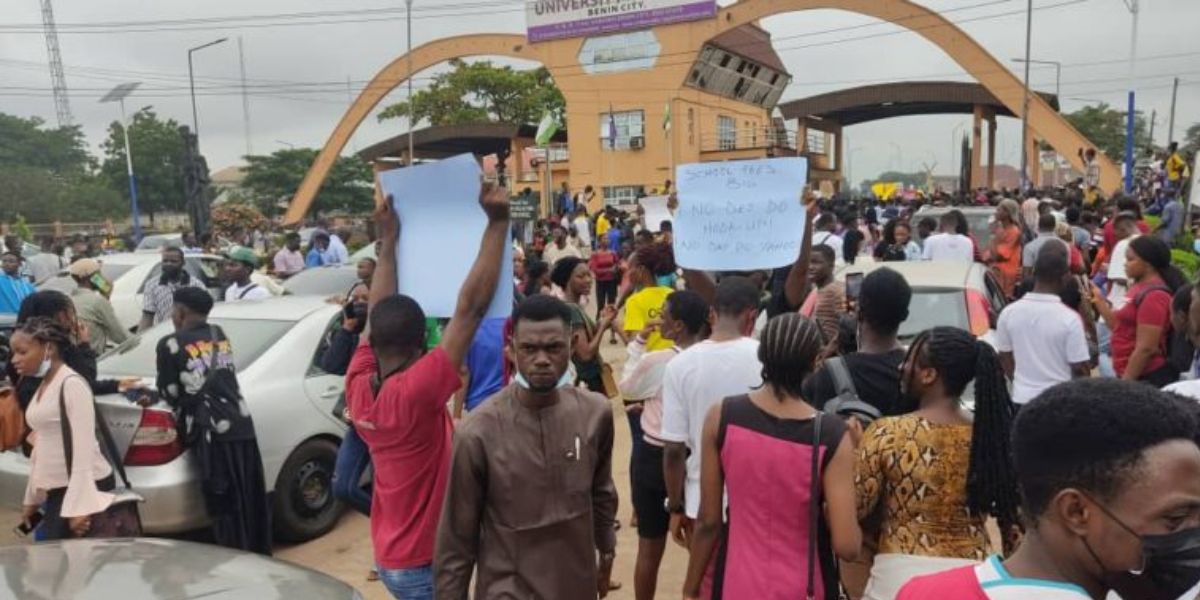
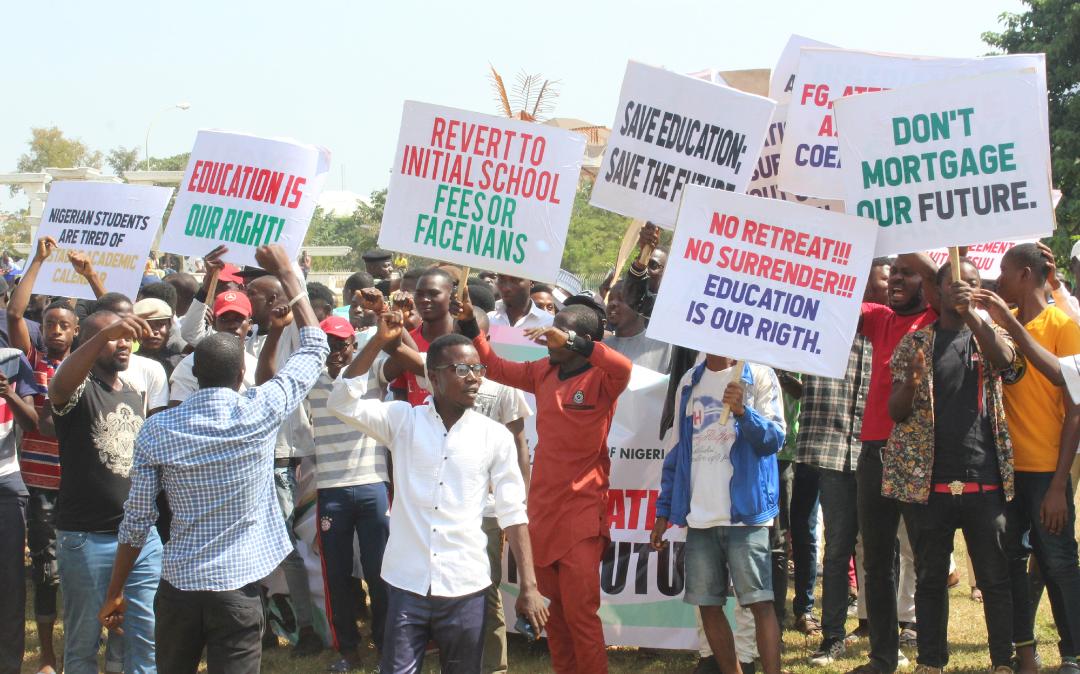
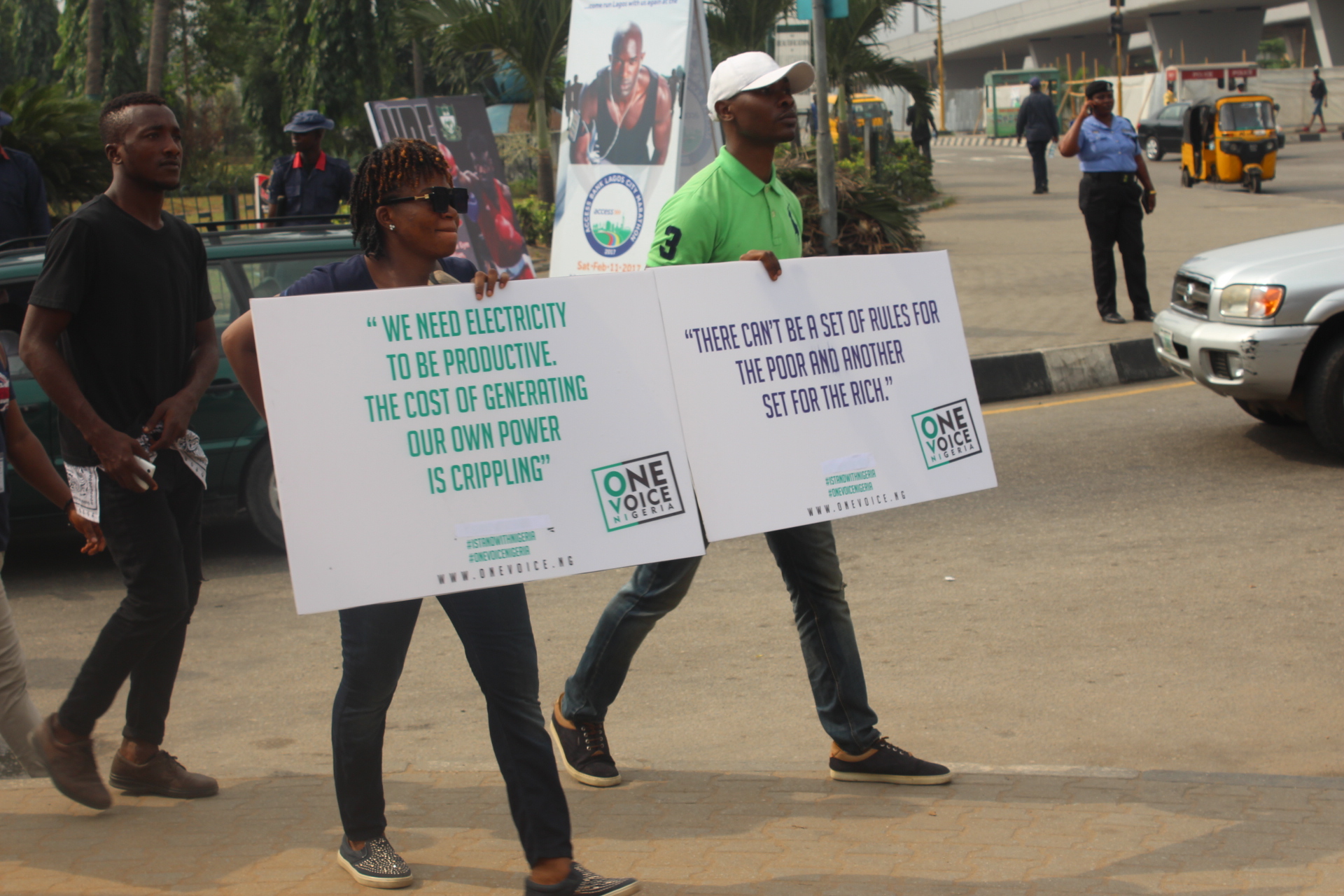
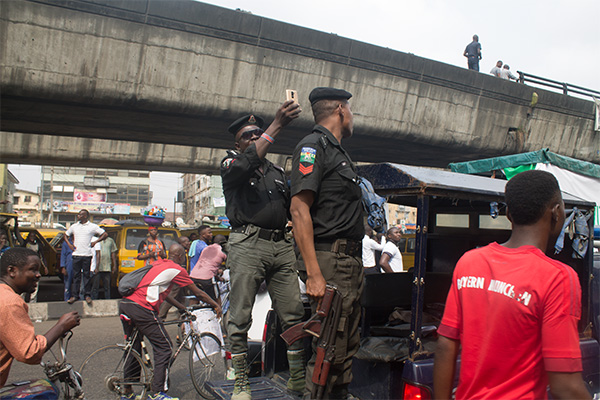
On July 3, 2024, Uniben students seized the Benin -Ore highway to protest a power outage and lack of water in their hostels and campuses. The university has been struggling with power cuts, thanks to a new 200% increase in its monthly electricity bill — from 80 million to ₦200-280 million. This new energy cost came after the Benin Electricity Distribution Company (BEDC) cut the university’s power supply over a ₦300 million debt, forcing the university to work with power generators.
The students say they took to the street because light now comes up for only an hour a day, compared to the 20 – 22 hours they usually got. As a result, studying without electricity has become unbearable for them.
Image source: ChannelsTV
The university statement, announcing the closure, states that the university’s senate considered the students’ demand for 24-hour electricity and stable water supply in their hostels and the two campuses unrealistic. It instructed all students to leave the school hostels immediately. Academic and non-academic staff on primary duties are unaffected.
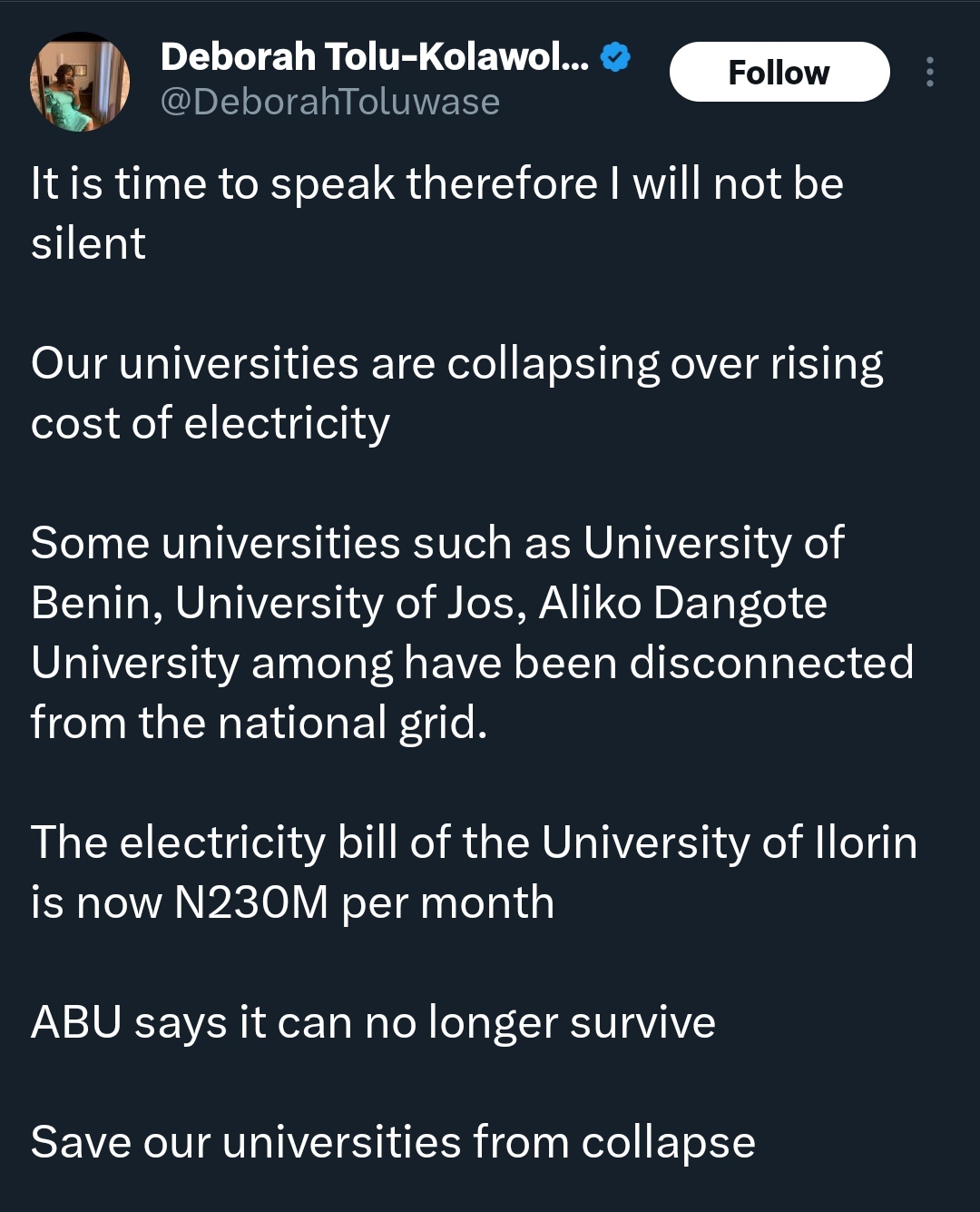
Power outages aren’t limited to Uniben alone. In a report by Punch, rising energy costs are crushing Nigerian universities.
“Some of the institutions have been disconnected from the national grid owing to millions of unpaid electricity bills to DISCOS while others who are still connected are currently grappling with huge amounts of debts running into millions of naira.”
The College of Medicine, University of Lagos, is struggling with its migration to Band A, which has increased energy costs to ₦253 million. The University of Ilorin’s electricity bill jumped from ₦70 million to ₦230 million. Kano Electricity Distribution Company (KEDCO) disconnected the power supply at the Aliko Dangote University of Science and Technology due to a ₦248 million unpaid debt. The University of Jos has an electricity bill debt close to ₦126 million.
For Uniben, this isn’t the first time it’d shut down over students’ protests. In 2021, the university closed for 24 hours following a protest over a ₦20,000 late registration fee.
On July 21, 2023, the University of Lagos (UNILAG) put out an important notice to all its students that their school fees would be increased by 400% from September 1st. Neither the new undergraduates nor returning students were exempt.
On September 6, students gathered to march and raise their voices in solidarity against the inconsiderate school fees hike. The UNILAG management responded by calling the police on its students. Let’s get into everything there is to know about these events.
New school fees
New students whose course of study requires laboratory or studio use now pay ₦140,250. Others pay ₦100,750, while college of medicine undergraduates had their fees increased to ₦190,250 from an average of ₦20k per year. Why the sudden increase despite the current economic hardship?
Mr. Adejo also revealed that the Ministry of Education gave UNILAG the go-ahead but has stopped giving other universities. But why can’t there be a uniform decision for everyone?
The VC said it’s the national price
Although the government at the top has said they’ve stopped other universities from increasing their school fees, Professor Folasade Ogunsola, the Vice Chancellor of UNILAG, said the fees have been set all around Nigeria and can’t be adjusted for anyone.
UNILAG staff privilege
Staff members’ children can still pay their fees in installments at least a month before final exams. They also get accommodation spaces in the hostels reserved for them. The staff members themselves may begin remote work soon to cut down on their transportation expenses. These compromises make it easier for some people, while the majority bear the brunt of hardship.
The protest
After the university’s management failed on their promise to the student leaders on August 2 that they’ll reduce the school fees , the National Association of Nigerian Students (NANS) announced their plans to protest against the hike. NANS also sent a warning to the Department of State Services (DSS) not to stop them from protesting as it’s their universal human right.
But on the morning of September 6, 2023, policemen shot rubber bullets and teargas to scatter the agitated students’ peaceful protest.
Please what the hell is going on in Unilag ? How can university students be shot at for protesting ? At a university again ?
Some of the protesting students have been arrested. While most are yet to be identified by names, the NANS PRO, Giwa Temitope, alongside another student named Femi Adeyeye are among them. The students’ representative council of Obafemi Awolowo University (OAU) wrote a solidarity letter, calling for the release of their arrested comrades and other students.
Unilag @UnilagNigeria management must understand that this struggle will only going to end in one way. That is, #FeesMustFall All this that you people called the @PoliceNG to arrest, better go and release all of them. Cos it is just starting pic.twitter.com/qoSW56kJke
— Osetohamhen“ Revolutionary Jesusbaby” (@j_samdavid) September 6, 2023
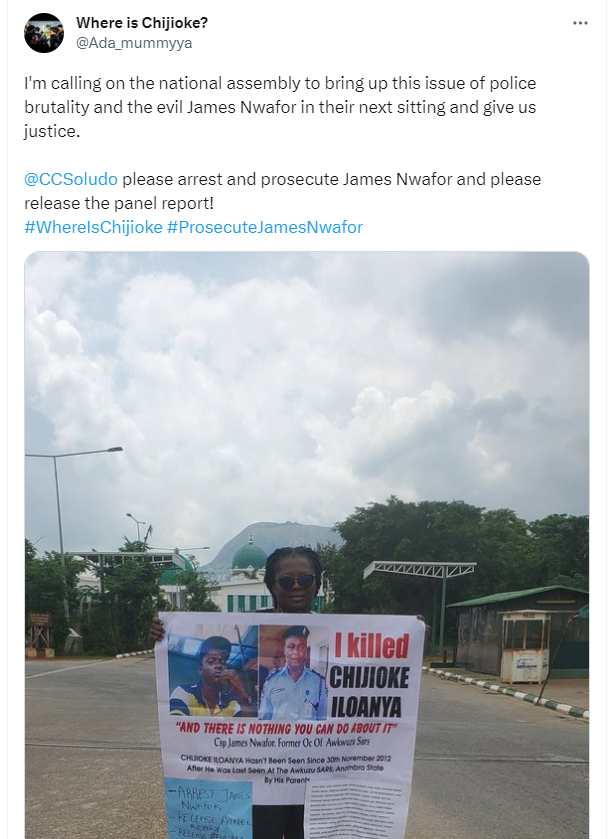
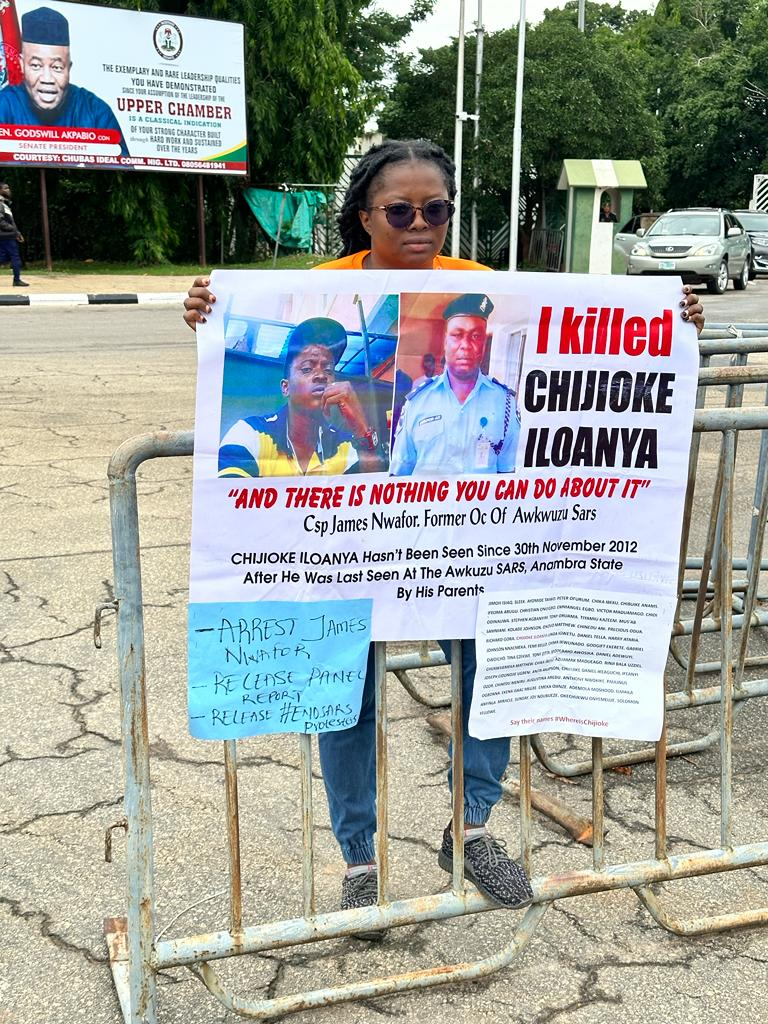
Ada is determined to see justice served for the disappearance of her brother, Chijioke Iloanya. Chijioke’s case was part of what fueled the 2020 #EndSARS protest after he went missing in 2012. The notorious Awkuzu SARS in Anambra, where Chijoke lived with his family, is said to be responsible, and there’s a face and name for who to hold accountable. Now, Ada is staging a solo protest at the National Assembly in Abuja, demanding justice for her brother and other victims of police brutality.
The Nigeria Police Force’s vision is “To make Nigeria safer and more secure…to create a safe and secure environment for everyone living in Nigeria.”
However, this vision has been nothing short of a nightmare for Ada and her family, who have been searching for elusive justice for the past 11 years. Ada narrated to Citizen everything that has led her up to this moment.
Walk us through why you’re staging this protest
My brother, Chijioke, was arrested by the Nigerian police on November 29, 2012. Then he was transferred to Awkuzu Special Anti-Robbery Squad (SARS) in Anambra state before my mum could bail him out.
When my parents tried to bail him out at Awkuzu SARS, they denied having him at first. My parents were about to leave the station when they saw my brother being led in, and my mum raised the alarm that he was the one they came to bail out. My parents were thrown out, and it would take several days before they were allowed into the station.
When they eventually got access, they met James Nwafor, the officer in charge of the SARS unit. When my mum asked for my brother, he told her that if it was those boys (including my brother) she was looking for, he’d already killed them and that there was nothing she could do about it.
My mum slumped when she heard it and was taken to the hospital. This started this journey for us, and we’ve been trying to get justice in different ways. In 2019, I wrote about it on Twitter. In 2020, I called out James Nwafor because I saw his handle on Twitter.
We went to the #EndSARS panel in 2020. The Anambra state government hasn’t made the panel’s recommendations and findings public. No whitepaper has been released either. Nothing has happened. James Nwafor is still a free man while we’re still in the pain of losing our brother and son. Other families have lost someone to James Nwafor, and others have been victims of police brutality.
It’s tough what you and your family have had to go through
I started this protest on July 3. It will go on for ten days, ending on July 13. The reason it’s happening now is because it’s going to three years since we wrote a petition and went to a panel for #EndSARS to demand justice over the death of my brother, Chijioke.
The panel made findings and recommendations, but we’ve not gotten that yet, up till now. I’m also doing this because I’m getting tired. I have a life outside of this. My life revolves around Chijioke, and I would like justice for him. It draws me back whenever someone sees me and asks if something has been done about my brother’s case. I have no good answer to that, and that has to change.
July is also Chijioke’s birth month, which makes this symbolic. His birthday is July 13, which I’ve chosen as the day to end the protest. Because I’ve fought for justice for my brother, other people who have been victims of police brutality have reached out to me as a point of contact. They tell me about family members they’ve lost, and I feel so bad I can do nothing for them. The least I can do is use my voice to speak on their behalf. So while I’m advocating for Chijioke, I’m also trying to get justice for them because we deserve it.
How’s it been so far?
I’ve been pushing, although it’s been getting harder and harder. Yesterday’s protest was harder than Monday’s because the sun was scorching hot, and I had to stand for long hours without a place to sit. When I get tired, I sit at the barricades, which still places me under the sun’s searing heat.
It rained in the morning today so I couldn’t start early. But I’m here now, protesting. I’ve noticed that people have been asking me to go to Ahmed Isah (Ordinary Ahmed of Brekete Family). But when I first tweeted about it, some people like Segalink tried to help, but nothing happened. So I’m conflicted. Do I reach out to him? Would it change anything or not? Also, it’s not just about me. What about other families? It’s a little convenient for me because I’m based in Abuja but what about them? Do they spend their money to come to Abuja to meet Ahmed when it’s easier to arrest James Nwafor immediately?
What would you like to see happen?
Start the investigation and prosecution of James Nwafor immediately. Let each state release its #EndSARS panel reports, whitepapers and recommendations to the public. It makes no sense for ordinary citizens to seek justice through one man who is probably overwhelmed with so much. Why should I rely on a regular Nigerian to help me when we have institutions that aren’t doing their jobs? It’s unfair. I’ve been here since having people look at me with pity, and I don’t want that. I just want justice.
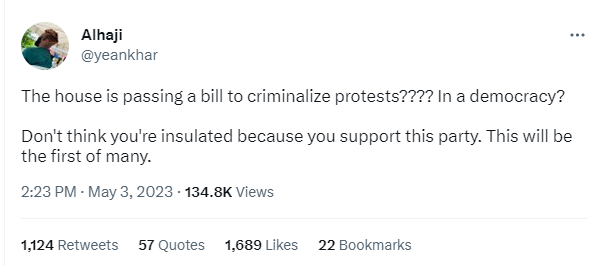
On May 3, 2023, Twitter user @yeankhar claimed the House [of Representatives] (HOR) was passing a Bill to criminalise protests. The tweet has been viewed over 134k times at the time of writing.
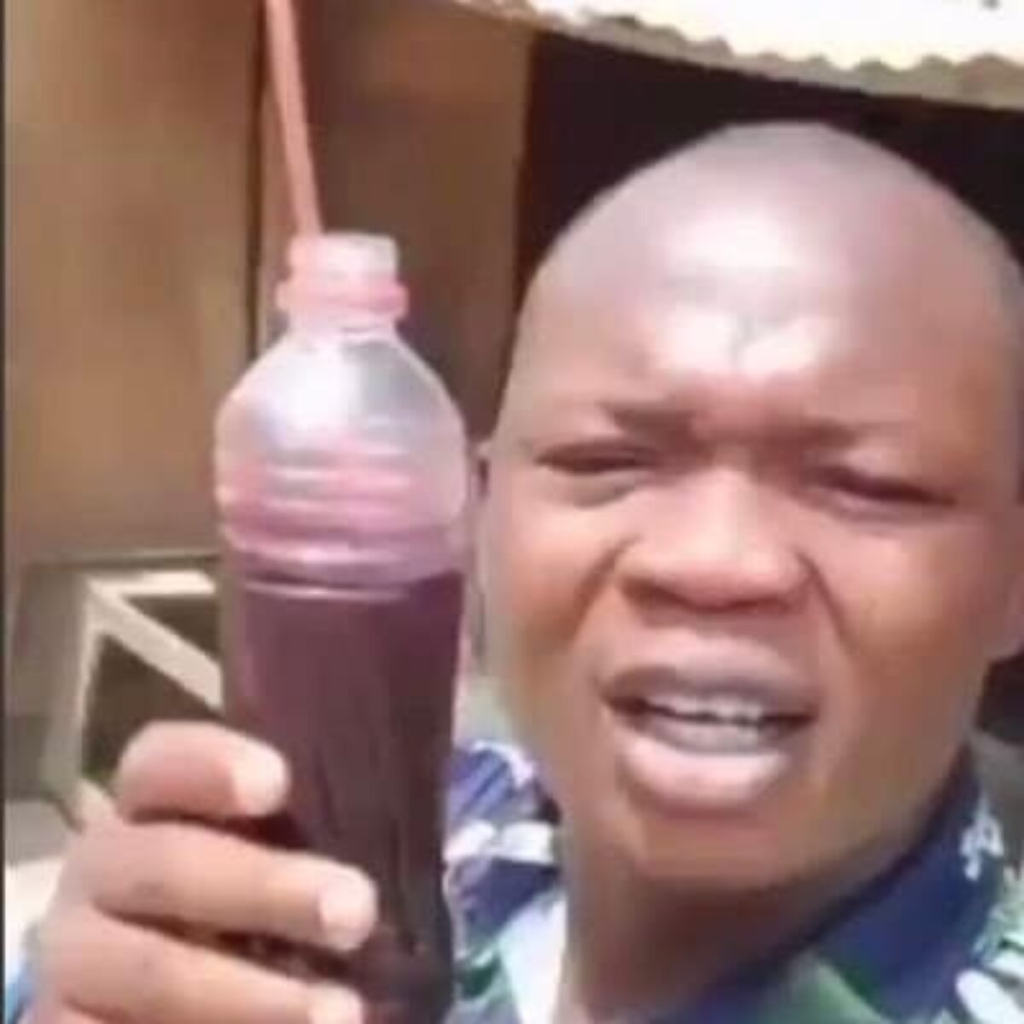
On Wait First, we divide claims into three categories. A valid claim is fresh banana. A false claim is burnt dodo. And a misleading claim is cold zobo.
So, how valid is this claim?
Verification
We looked into news reports to see if any Bills banning protests had recently been passed. There were none. The Policy and Legal Advocacy Centre (PLAC), an NGO that promotes civic participation by, among other ways, tracking Bills being read at the National Assembly, had no report on this Bill. We also looked at the Twitter handle of the HOR. It has no record of this Bill.
We were, however, able to identify a news report by The Guardian from July 2021. It mentioned a Bill that claimed to propose a five-year jail term for unlawful protesters. This Bill, which generated controversy, was sponsored by Emeka Chinedu, representing Ahiazu Mbaise and Ehinihitte Mbaise Federal Constituency of Imo state. In an interview with Punch, Chinedu clarified that his sponsored Bill only condemned mob action, not protesters.
His words
“The caption of the Bill that went viral was never my intent or opinion. Neither was it an embodiment of the Bill I sponsored that passed the first reading on the floor of the National Assembly on Tuesday, July 6, 2021. Hence, a clear case of misunderstanding, misconception and misrepresentation of the facts.
“As a representative of the people, whose political idealogy is rooted in democratic tenets, I can never be a party to a system that seeks to stifle or cripple dissenting voices whose right to freedom of assembly, expression and protest is guaranteed by the combined effort of section 39 and 40 of 1999 Constitution as amended, as well as Article 11 of the African Charter on Human and People’s Right to assemble freely.
“While I urge Nigerians to imbibe the culture of reading beyond newspaper captions to comprehend the body of a message, it is imperative to put the record straight to douse tension and allay the concerns of my teeming adherents.
“The Criminal Code Amendment Bill, 2021, did not discuss criminalising protests or protesters in Nigeria. Rather, it is a Bill that proactively seeks to preserve life and protect the killing of the innocent through mob action, known as ‘jungle justice’ in our local parlance.”
Verdict
The tweet about a Bill to criminalise protests is based on events that happened in 2021 that have been debunked. The poster presented it as new information that no available evidence can support. The claim is, therefore, misleading and is cold zobo.
Did Peter Obi Pay a Visit to BAT, Gbaja, Sanwo and Dangote?
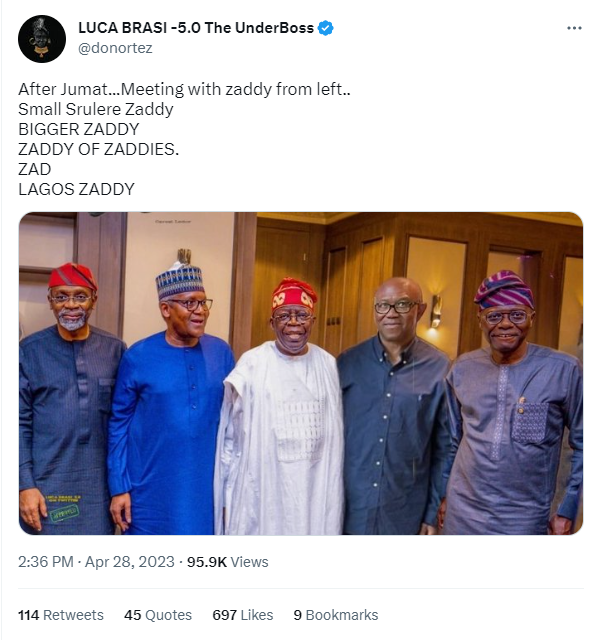
On April 28, 2023, a Twitter user @donortez shared a photo that appeared to show the Labour Party (LP) presidential candidate, Peter Obi, in company with the president-elect, Bola Ahmed Tinubu (BAT), businessman Aliko Dangote, Speaker of the HOR, Femi Gbajabiamila and Lagos state governor, Babajide Sanwo-Olu.
The poster claimed that the meeting took place after Jumat, which refers to the prayers by Muslims on Friday. This tweet which was still up at the time of writing, has been viewed over 95,000 times.
“The original photograph featured Aliko Dangote and BAT, but not Peter Obi. The photograph was taken during a previous meeting between the two men, which has been misrepresented by the person who manipulated the image.
“No credible evidence supports the claim that Peter Obi visited BAT recently. No major news outlet or credible source has reported such a meeting, and no photographic or video evidence has been produced to support the claim.
“Upon closer examination, it is clear that the photograph has been manipulated. The image of Peter Obi has been superimposed onto the photograph, creating the false impression that he was present at the meeting. This manipulation is common on social media, where users frequently create and share false or misleading images to gain attention or spread false information.”
Verdict
No evidence exists of any such meeting taking place between Obi and BAT. The photo has been dismissed as a doctored one. Therefore this is burnt dodo and should be treated as false.
On October 20, 2022, Nigerians will commemorate the two-year anniversary of the EndSARS protests which ended in Nigerian security forces shooting and brutalising unarmed Nigerians.
As we remember them, we take a look at the timeline of events leading up to the tragic events of October 20, 2020.
A brief history of SARS
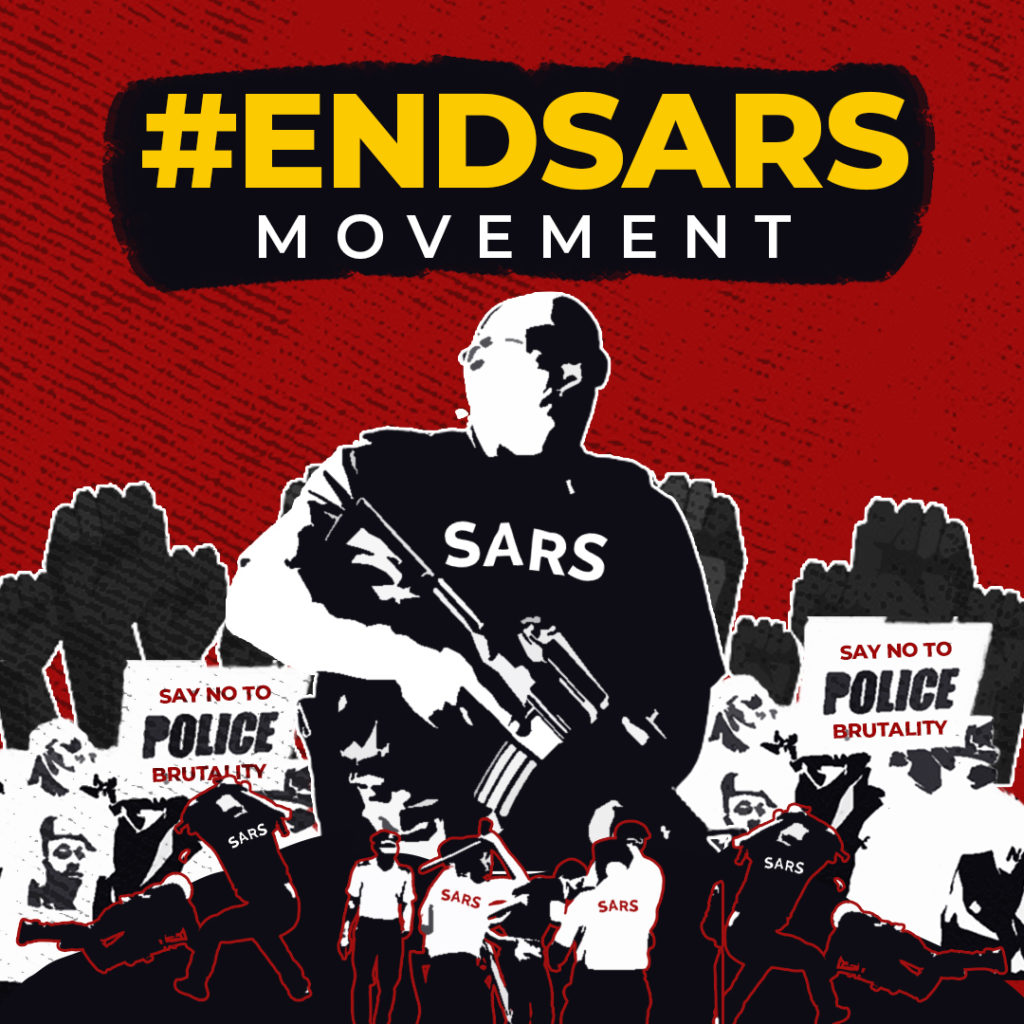
The Special Anti-Robbery Squad (SARS) was created in 1992 as a unit of the Nigeria Police Force (NPF) to combat a worrying trend of armed robbery and kidnapping. However, SARS eventually became the monster it set out to destroy as officers tortured, blackmailed, kidnapped and extrajudicially murdered Nigerians.
For 10 years, SARS operated in Lagos, but by 2002 it had spread to all the states in Nigeria. The rest of the country was about to see the shege Lagos people were seeing.
SARS gone rogue
SARS gained international notoriety in 2010 when Amnesty International rebuked Nigeria over its poor human rights record. The organisation singled out SARS for its unlawful killings and enforced disappearances of citizens, but that didn’t dissuade them.
In 2016, Amnesty International again released a strongly-worded report, condemning SARS for its “widespread torture and other cruel, inhuman or degrading treatment” of detainees. The organisation noted that officers subjected Nigerians to various methods of torture and ill- treatment in order to extract information and bogus confessions.
Still, SARS continued with impunity, and young Nigerians, fed up with the government’s inaction over the rogue agency, took their grievances online.
The seeds of EndSARS
It’s not clear exactly when the #EndSARS hashtag was first used, and by whom. Despite disputed claims over its origin, by 2017 the hashtag became frequent on Twitter.
By December 2017, there was an #EndSARS rally staged in Freedom Park, Lagos. Although it recorded a low turnout, the seeds that would inspire a global protest had already been sown.
Weak government and police response
In December 2017, then Inspector General of Police (IGP), Ibrahim Idris, ordered the “reorganisation of SARS” — a cosmetic response that was, in essence, the same thing as asking a rabid dog to stay quiet. By 2018, following public outcry, the acting president, Yemi Osinbajo, ordered the IGP to “review the operations of SARS”. In January 2019, a new IGP, Mohammed Adamu, ordered the “disbandment of SARS”.
Police reform in Nigeria typically followed this template for years — a press release here, photo op there, and empty promises all over the place.
The trigger
In June 2020, Amnesty International released yet another report faulting Nigerian authorities for failing to prosecute a single police officer in three years over the use of torture, despite laws being passed against it. The warning signs were there but the government ignored them as usual.
On October 3, 2020, a trending video that accused SARS officers of shooting a man and throwing him off a speeding vehicle in Ughelli, Delta State set off the chain of events that became the EndSARS protests.
It was at this point Nigerian youths had enough and took their complaints to the streets.
Timeline of the EndSARS protests
October 3, 2020
Protests began over footage of SARS officers shooting a young man in Delta state.
October 8, 2020
Youths converged at the Lagos State House of Assembly complex to protest against police brutality. They stayed over till the next day.
October 9, 2020
The Lagos State House of Assembly held an emergency session to address the grievances of the protesters. Young people also protested at the police headquarters in Abuja and protests started popping up in other states across Nigeria.
October 10, 2020
Protests continued with police using water cannons and teargas to disperse protesters in Abuja. In Ogbomosho, Oyo State, police officers fired gunshots to disperse a protest and killed Jimoh Isiaka.
October 11, 2020
The IGP, Mohammed Adamu, announced the dissolution of SARS but protesters welcomed it with doubts and continued the demonstrations. Three more protesters were shot dead in Ogbomosho.
October 12, 2020
The governor of Rivers State, Nyesom Wike, outlawed protests in his state. In Surulere, Lagos, stray bullets from the police killed a bystander but they blamed the protesters.
October 13, 2020
Delta State governor, Ifeanyi Okowa, announced the formation of a complaints committee to deal with the grievances of protesters. The IGP announced the setting up of a Special Weapons and Tactics (SWAT) unit to replace SARS but protesters didn’t welcome the idea.
The Lagos State government announced a ₦200 million fund for victims of police brutality, and the presidency said it would accept the five demands of EndSARS protesters.
October 14, 2020
In Lagos and Abuja, hoodlums and pro-SARS individuals attacked protesters and burnt vehicles.
October 15, 2020
The Minister of the Federal Capital Territory (FCT), Muhammad Bello, banned protests in the capital city.
October 16, 2020
An activist group, Anonymous, hacked the Twitter account of the Nigerian Broadcasting Corporation (NBC) to post a solidarity message for protesters. Candlelight vigils held across the country.
October 20, 2020
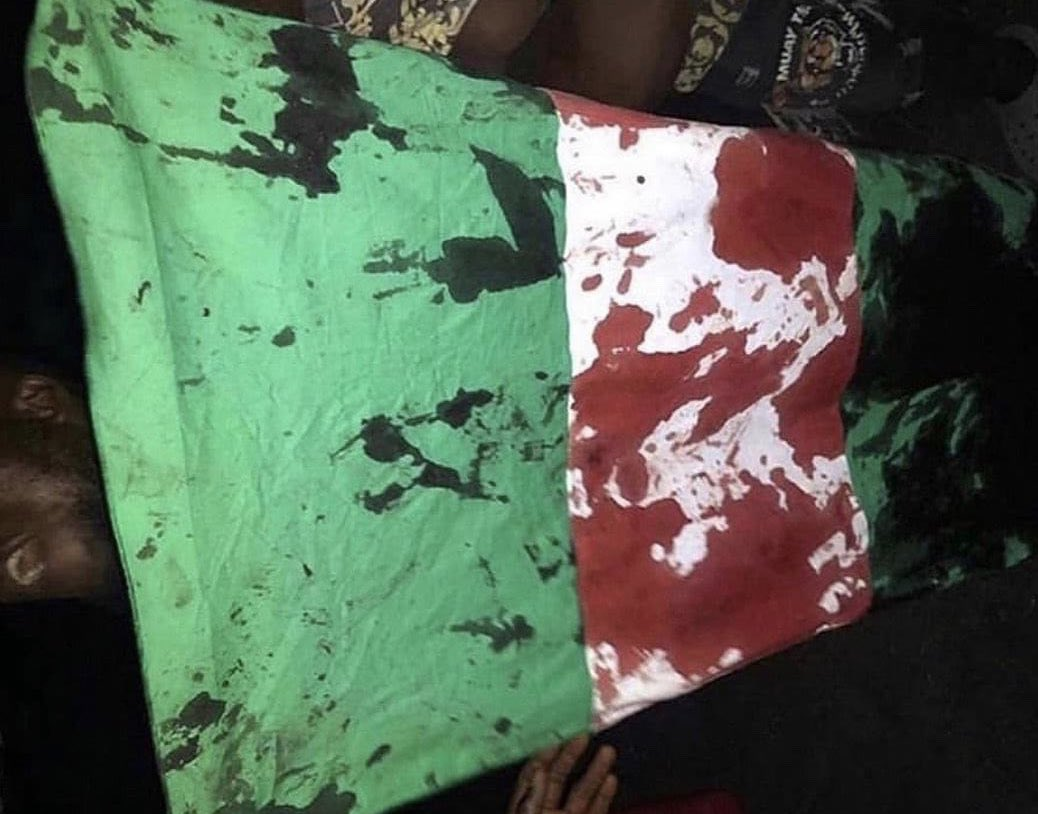
Governor Sanwo-Olu announced a state-wide curfew in Lagos but some protesters remained at the Lekki Toll Gate. As night approached, officers of the Nigerian Army arrived at the toll gate and opened fire on unarmed protesters who were singing the national anthem.
The defining image of that night is the Nigerian flag soiled with the blood of its slain youth.
Everyone has a part to play in this essential fight, and this post is for those who are doing that with their phones. Here is how to be an effective and responsible online protester.
Tweet and retweet #EndSARS aggressively
We need to keep the #EndSARS hashtag trending. With each passing day, it gains more attention around the world — making it harder for the government to ignore our demands for police reform.
Now is not the time to rest. Whenever you tweet, remember to add the hashtag. If you get tired of tweeting, then retweet as much as you can. Also important to remember that one hashtag per tweet is more than enough.
N.B: It’s #EndSARS, not #EndsSARS. Always use the correct hashtag.
Report responsibly
When sharing details of any kind of unrest on social media, it’s important to be as precise as possible. Share the time, the location and a timestamped video or picture if you can.
In the past week, with the rise in popularity of activists like FK Abudu and Mr Macaroni, a ton of fake accounts imitating them have been springing up. They share fake news with the intention of drumming up engagement.
Once you spot one, you should immediately report them for impersonation. Go to their profile, click the three dots at the top of their page, and choose “They’re pretending to be me or someone else”.
Don’t limit your online protest to one social media platform
Right now, it’s impossible to open Twitter and not see a flood of #EndSARS hashtags, but that’s not really the case on other big platforms like Instagram and Facebook.
If you can, share protest pictures, posters and infographics on your Instagram feed and Instagram stories. Do the same on Facebook and WhatsApp as well.
At different protest locations across the country, there have even reports of attacks by hoodlums and law enforcement officials. When you see a legitimate cry for help, please retweet.
There are people working to send ambulances and security to help. They need to know where to focus their efforts, and your RT helps make that possible. You are vital to the movement.
We hope you’ve learned a thing or two about how to unfuck yourself when the Nigerian government moves mad. Check back every weekday for more Zikoko Citizen explainers.
Let’s start with a random day: you’re in a car or a bus, on your way home from work. It’s late. You’re eager to get home, eat and unwind in front of your favourite Nollywood web series. It’s dark. The street lamps are dead (typical). You see the flashlights before you see them, the men in uniform. Your mind is still on food. “Hay God,” you mutter as they start to slow down your vehicle. You know what they want. You say a silent prayer. You start to hide your iphone. You watch as they cock their guns, these men in uniform, and listen to their harsh voices telling everyone to get down. You’re scared, thinking at once of the multiple things you’ve not done with your life, the uneaten pounded yam and white soup in your fridge, and how you can ask for help before it escalates. You imagine the Twitter hashtag. You shudder.
That’s our reality as young people in Nigeria and that’s only scratching the surface. Over the past couple of days, we’ve witnessed something groundbreaking in the history of Nigeria: young people of different tribes, different backgrounds, living in different cities, states and countries have assembled to protest SARS officers who oppress young people for simply existing.
In this time, amongst several problems, the problem of information has been growing and spreading sporadically. False information and fake news is flying around, while at the same time, the news of the protests eludes different sets of people including a chunk of the older generation Nigerian.
What did we do?
At Zikoko, we consolidated efforts to ensure that people were getting verified information at a timely manner, while at the same time providing updates and explaining the situation without the “grammar” that tends to exclude part of our people. We were (and are) providing updates on protest locations, telling the stories of people who have been victims and survivors of SARS brutality and updating our audience on government action. We have been trying to answer important questions: What happens when SARS is disbanded? Who has the power to disband SARS? and so much more.
But even answering these questions was not enough. It was good to temporarily solve an information problem, but what about the knowledge problem?
As an organisation that cares about the things that affect our audience, including how society affects their personal lives, we decided to bring you something bigger.
Enter, Zikoko Citizen: The Police Is Not Your Friend But Zikoko Is:
A long time ago, we were told we were the leaders of tomorrow. Ironic that the same people who ruled us then still rule us now. They’re our governors, senators, representatives and even president.
Here’s where it gets interesting:
As Citizens of a country, in this case, Nigeria, we have several rights and freedoms including the right and power to choose who our leaders are. We have the right to demand better policies and hold the people in power accountable. But how do we do this?
That’s where Zikoko, your friend REALLY REALLY comes in:
Before it even begins to become a problem, Zikoko’s Citizen wants to anticipate and find answers to your burning questions around governance and policy. Curious about what DaddyBubu or Wike or Sanwo is doing and how it affects you? — from employment to elections to health — Citizen will be on the beat.
Think of Citizen as a knowledge-hole. Everything you need to know, broken down, simplified, and visually compelling through the use of infographics and simple illustration.
Gbe body e, AKA action. One of the strong points of the EndSARS protests is that we first understood our rights as citizens of Nigeria — a right to life, a right to dignity, a right to freedom, amongst others — and secondly, we understood our leaders are to be held accountable. Using that knowledge and transforming it into something tangible as we’ve seen in the past few days is action.
Action comes in different forms: from protests, to petition to impeachment to getting your PVC so you can vote in elections.
Let us paint you another quick example: it’s 2023. You’re on social media complaining about how messed up Naija is. The elections are in a few weeks, you really really want to vote o, but to go and be stressing yourself for ordinary permanent voter’s card? Your consign no reach like that. You also don’t really know who the candidates up for elections are. You see their posters around, and you know some of them because they were in power when you were in primary school, but the information is too scattered for your busy self. Imagine a database breaking down all the information you need to know about the elections including how to get your PVC and voting centres close to you? Imagine all of this data available months before the elections! That’s what Citizen will do. It will make the long game easier in the short term.
Zikoko Citizen is that friend that will always help mobilize you to take action. You ask: There’s a problem, what can we do about it? Zikoko Citizen breaks down your options and explains what’s realistic.
You, yes you reading this. Citizen is for you. Whether you’re abroad oh, or you’re in the process of japa-ing oh, or you’re still here, Citizen is for you.
Why should you care?
Because you deserve a say in the way things work in Nigeria and it’s high time we exercise some of it. You feel me?
When should you expect Zikoko Citizen stories?
Monday morning, 9am sharp. As you’re drinking your coffee like this, or sitting in commute, irritated by traffic, there’s a Citizen story waiting for you.
And on Thursday by 9am, as you look forward to the weekend, there’ll be a new Citizen explainer patiently waiting for you to dive into it.
After all the long talk here’s what we’re saying: Citizen helps you understand the problem and how to take action.
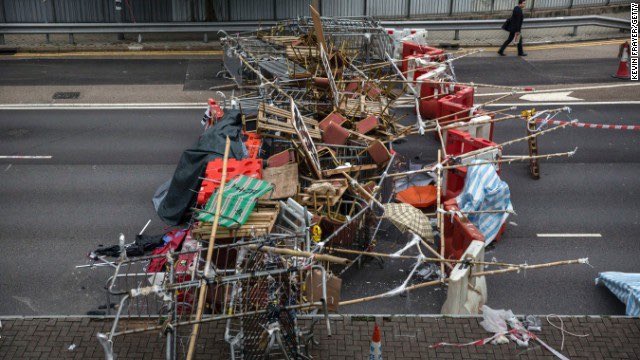
As protests continue and police brutality increases, it’s important more than ever to keep protesters safe. And as far as possible from police officers as possible. One of the ways is by erecting a barricade.
In the absence of cows, here a few tips that may be useful as protests continue all around Nigeria today.
1) The bigger, the better.
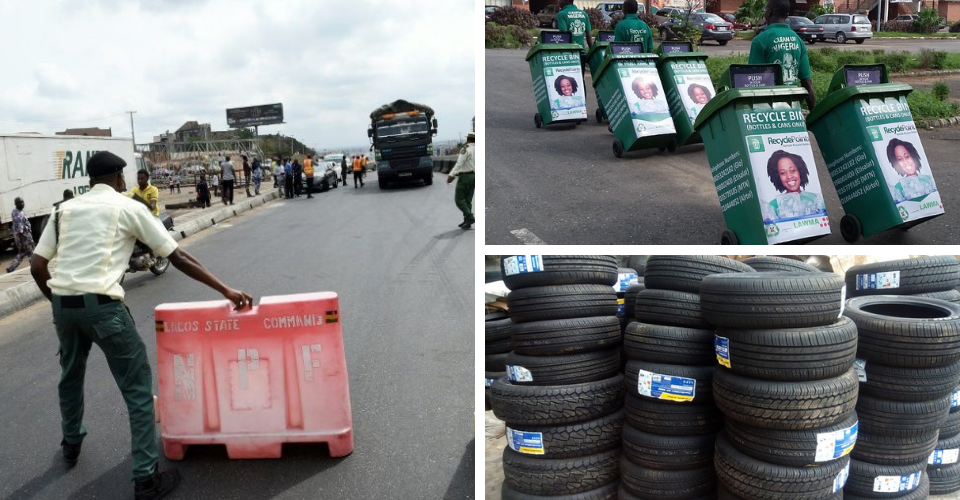
Think Lawma cans, tyres, big sticks, bag of cements, sand. Anything that can form a shield and can be gotten lawfully should be considered.
2) Link or connect them together.
For tyres, stack them on each other. For sticks or garbage cans, link them by putting them side by side or wrapping them with tape. Do just enough that they are connected and they form a barrier between two sides.
3) Make sure you work in teams and delegate jobs.
The aim is to work fast and effectively before the police arrives.
As early as 6am on Monday morning, Peaceful protesters have been spotted at Lekki Toll Gate.
The aim is to slow the police down and barricades can’t completely keep the police out. The idea is that a barricade gives protesters enough time to get to safety. That means that it doesn’t have to be the most durable, it just has buy you time.
5) Umbrellas are a key requirement for protesters.
Umbrellas not only protect against the elements, but they can also shield against tear gas canisters.
6) DO NOT LOOT!
While it’s important to build barricades for protest, it’s also important to make sure it’s all lawful and orderly. If not, we lose the plot.
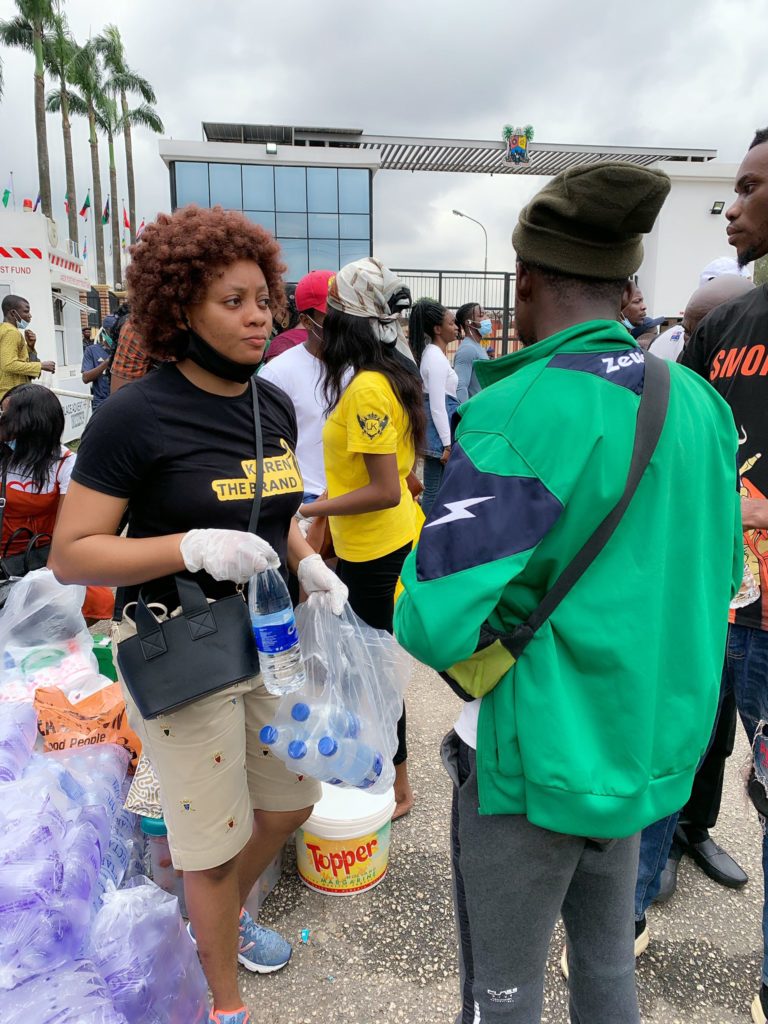
If I was unsure of the generosity of Nigerians, yesterday at the #EndSARS protests in Lagos proved me wrong. Except for the yoghurt I bought with my own money, I was well fed due to the sacrifice of many Nigerians who took it upon themselves to feed, fuel and energize the rest of us on the frontlines.
If you find yourself at the #EndSARS protests, which I absolutely think you should, these are some of the foods that can make your anger a righteous one. And I’m talking from personal experience.
1. Pizza
Omo, there’s really nothing like shouting #EndSARS with a mouth stuffed with Pizza. Your voice might be muffled, but your anger is not because you’re hungry, at least.
Meanwhile, I had a nasty Pizza at the protests yesterday. Thanks to @flyestkaren on Twitter.
Mehn nothing we no share at the protest yesterday,pap and akara, ijebu garri, pizzas, food, biscuits, bread mehn u name it
GOD BLESS EVERY SINGLE PERSON WHO DONATED FOR THE PROTESTERS🙏🏻
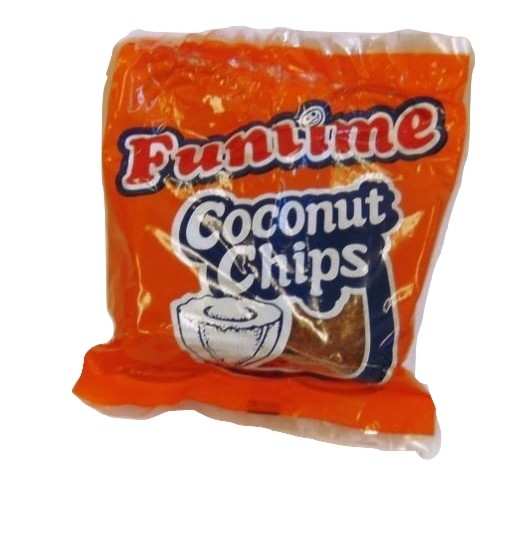
You know it’s a tasty coconut chips when your guy goes looking for it, too. I have forgotten the brand now, but yes, that coconut chips was proper.
If you can, grab one to rejig yourself when the “End” in your “EndSARS” chant is fading away because the organisms shouting in your stomach just won’t end.
3. Yoghurt
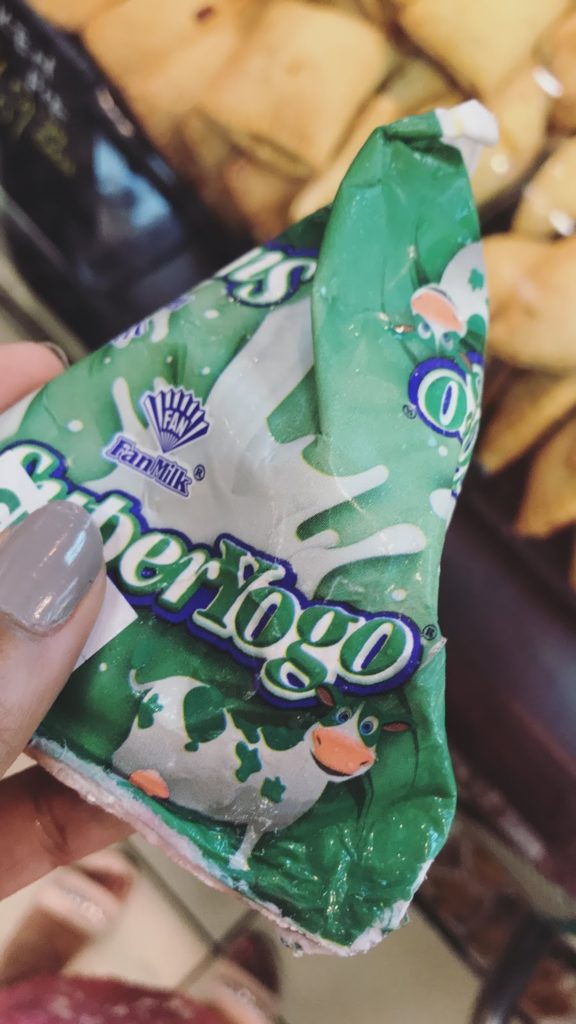
Good old, ice-cold Superyogo hardly goes wrong. I was surprised it goes for ₦200 now (these Buhari times), but yeah, it calmed my senses at the time I was already running a temperature.
4. Spaghetti and Chicken
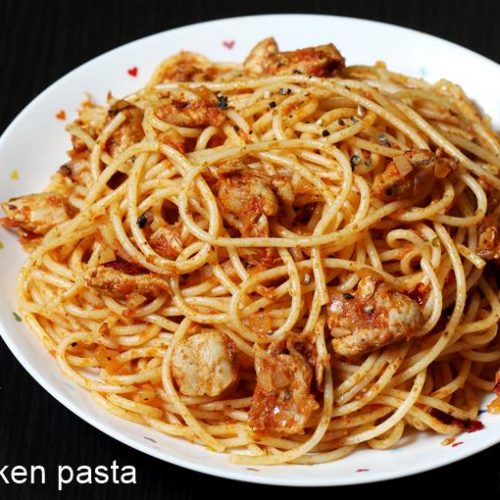
I was too everywhere to enjoy this meal, but yeah, it was worth it by a mile. I hope you found yourself at a protest location that is well funded so you can enjoy meals like this. If not, you can switch from Ikorodu to say, Lekki. All na #EndSARS.
5. Water
Yeah, there’s hardly anything more common at an #EndSARS protest than water. There’s lot of it, and you should drink lots of it. You don’t want to be crying #EndSARS instead of shouting because you’re dehydrated.
PS: You might end up pissing in front of big buildings like the Lagos State House of Assembly or the Deputy Governor’s house if you drink too much water. But that’s a big W if you ask me.
(Child: Daddy what did you do when you were young?
You: I pissed in front of the Deputy Governor’s house, duh.)
Citizen is a column that explains how the government’s policies fucks citizens and how we can unfuck ourselves.
#EndSARS protests are currently ongoing across different cities in Nigeria. Remember that many celebrities had tweeted that they will be leading #EndSars protests.
I will be at the peaceful #EndSARS protest taking place on Thursday Oct 8 by 10AM. We take off from Lekki Phase 1 toll gate! cc @iRuntown
Amidst celebrity promises and tweets against SARS brutality, groups of young Nigerians have also decided to conduct their own protests to #EndSARS in the country.
SARS is the Special Anti-Robbery Squad, a “tactical unit” of the Nigerian Police Force dedicated to fighting armed robbery in the country. However, the squad is notorious for extorting young Nigerians, illegally arresting them and subjecting them to many human rights abuse.
If you have not been confronted, robbed or harassed by SARS, you don’t know what God has done for you.
Last week, there were unconfirmed reports of SARS killings in Ughelli, Delta State Nigeria. And while the Police have called those videos “false and malicious”, SARS still remains a nagging issue for many Nigerians.
https://www.youtube.com/watch?v=yW1UAkdS0b8
At the end of the day, the message from many Nigerians is clear: SARS needs to end. But will it?
Citizen is a column that explains how the government’s policies fucks citizens and how we can unfuck ourselves.
Should Burna Boy lead a protest? Well, it all started with a tweet:
Everybody is a Fela fan and supporter now that he is dead. Humans are so Funny, You politicians are ALL the same (especially in Nigeria) and Frankly I don’t trust none of you.@YeleSowore.
Hello @burnaboy, everywhere I turn people describe you as a revolutionary musician, the foreign media even celebrate you compare you to Fela Kuti, but I am yet to see you lead anyone to a police station carrying a coffin for head of state! Join #Oct1stProtest#RevolutionNowpic.twitter.com/LOYfQfRCyc
1. Some think Burna Boy only likes the fun part of being Fela:
Burna Boy doesn’t want DSS wahala. Man wants to drop hits, fly to London on private jet and give interviews about revolution, being an African giant & how we are cowards who can’t face govt.
Sowore likes DSS wahala.
Sowore says Burna (Fela Jnr) come and join us. Burna says no😂
Lool hypocrite. Same Fela sang time & again against Buhari—even described him as an animal in his songs. YOU KNEW THIS—yet you supported Buhari with your full chest. Now that things are not going your way you want Burna to play Fela to your faux revolution.
Thing is, anyone can criticize their government. Burna Boy is within his rights to be angry with Nigerians and the Nigerian government.
But if you sound so passionate about the stupidity of politicians and the docility of Nigerians, then shouldn’t you be doing something about it? The easiest part is staying in a studio somewhere yabbing Nigeria and Nigerians, without actually doing putting any pressure on the government. Whereas, Sowore is at least doing something with his #RevolutionNow protests.
People have to be educated about the best policies a candidate should offer. They have to be enthusiastic about voting. They have to be enthusiastic about protests. Government itself needs to see that people are angry with it. Elections need to be better. The Police needs to be reformed. In fact, there is a whole citizen and governance culture that needs to be fixed.
The barest minimum is tweeting and singing about Nigeria. Nigeria can only work if people show up in real life to fix society’s issues. And this is not to say that making conscious music alone is bad. But we need to do more.
So, maybe Burna Boy should join Sowore in a protest if je really means it. No?
Check back every weekday by 10am for more Zikoko Citizen stories.
(A look at the events surrounding the protests of August 5.)
If you’re reading this, you’re already too late. All the cool people got it a day early because they’re already subscribed to our newsletter – Game of Votes.
We know you don’t like being a professional LASTMA, so here’s a chance to read all that happened in Nigerian politics in a way that won’t bore you to death, before everybody else. Subscribe to the Game of Votes newsletter, to get just that, here.
So quick question: Where are we going as a country?
Back to the late 20th century, it seems. Is the “newly sworn-in” President Bubu scared that someone that is not his clone is coming to take over from him?
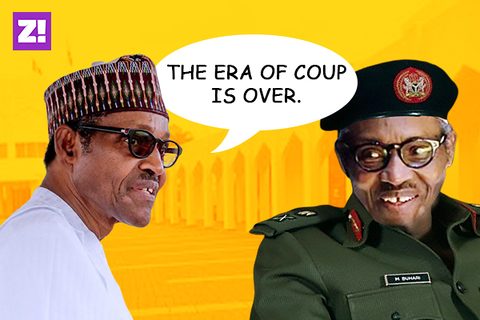
President Bubucakes insists he respects the rights of citizens to protest, but described organisers of the #RevolutionNow protests “as individuals merely seeking to attain power by violent and undemocratic means”. He insisted that the era of coups and “revolutions” were over. Could he be afraid of something? Could he be having a serious case of PTSD? I mean, it was in this same August in 1985 that he was overthrown in a coup led by General Ibrahim Babangida and other members of the ruling Supreme Military Council (SMC).
They arrested protesters in Osun and brutalised a woman and a journalist.
What the hell is going on here???
Under the sun and in the rain…
Despite heavy rain, protesters in Abuja weathered the storm and went ahead to protest. And if the rain couldn’t stop them, surely the police taking over their original venue the Unity Fountain, did not stop them. All they had to do was change locations. If the NYSC anthem was the theme for their protest, there would be a consistent emphasis on this part of the lyrics: “under the sun and in the rain.”
In Ibadan, the police laid siege at the main gate of the University of Ibadan to prevent the protest. They were successful in doing this but also succeeded in creating fear in the students and University occupants. Counteractive if you asked me.
Is this time any different from Occupy Nigeria of 2012? Not really. According to the National Secretary of the Committee for the Defence of Human Rights, Olayinka Folarin,“The word revolution is a predated statement that was even used by the people in government today, including President Muhammadu Buhari. In 2012, Goodluck Jonathan did not stop our nationwide protest at Ojota, and the people in the present government participated. They have become tyrannical and have started unleashing mayhem and terror on the good people of Nigeria after they took office.”
What’s that you said? Gbas-gbos.
As of today, a court has ordered the detainment of Sowore for 45 days while the police investigates the allegation of instigating the public and seeking a change of the present administration order than the provided constitutional means of doing so. against him.
Earlier in 2016, the student union members of UNILAG staged a protest against the university management concerning the state of welfare of the students, which resulted in the school being shut down for weeks.
In the face of these events, some of the student union leaders were rusticated for their participation including Adeyeye Olorunfemi.
Interestingly, Adeyeye’s biggest crime was the unapologetic Facebook post he wrote that contained harsh words about the university’s Vice Chancellor, Professor Rahman Bello.
And now Adeyeye is once again protesting his rustication along with other students and he’s not mincing words at all.