Notice: Function _load_textdomain_just_in_time was called incorrectly. Translation loading for the wordpress-seo domain was triggered too early. This is usually an indicator for some code in the plugin or theme running too early. Translations should be loaded at the init action or later. Please see Debugging in WordPress for more information. (This message was added in version 6.7.0.) in /home/bcm/src/dev/www/wp-includes/functions.php on line 6121
Politics | Zikoko!
  • Nigeria’s Ministers and Their Portfolios in 2024

    Blurb:

    President Bola Tinubu won the 2023 elections and was sworn-in on May 29, 2023. As is customary, he recruited a new set of ministers to work with. The president appointed 45 new ministers with a slight increase in his female selection. They were sworn in on August 21, 2023.

    The full list of ministers and their portfolios includes:

    Minister of Communications, Innovation and Digital Economy 
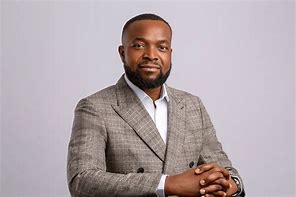
    Name: Dr Bosun Tijani

    Age: 46

    State of origin: Ogun

    Geopolitical Region: South West 

    Another name for this man could be Minister of Tech. His job is to influence job creation, economic growth, and good governance through technology and innovation. It’s a new portfolio, but long overdue.

    Minister of State, Environment and Ecological Management  
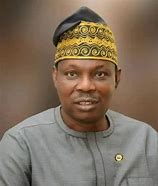
    Name: Dr Ishak Kunle Salako

    Age: 64 

    State of origin: Ogun 

    Geopolitical Region: South West

    The Minister of State for Environment, Environment and Ecological Management in Nigeria leads environmental sustainability efforts, implementing research-based reforms and ensuring a greener environment. 

    Minister of Finance and Coordinating Minister of the Economy  
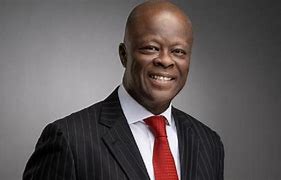
    Name: Wale Edun

    Age: 61 

    State of origin: Ogun 

    Geopolitical Region: South West

    Ever heard of the national budget, AKA national cake, that everyone wants to get a piece of? This man  is in charge of it. Everything about how money works in Nigeria is this man’s cup of tea.

    Minister of Marine and Blue Economy 
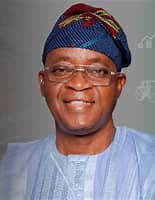
    Name: Adegboyega Oyetola

    Age: 69

    State of origin: Osun State 

    Geopolitical Region: South West 

    This Osun state ex-governor helps Nigeria make money from the water through practices such as fisheries, aquaculture, tourism, shipping, and maritime transportation.

    Minister of Power 
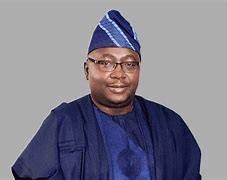
    Name: Adebayo Adelabu

    Age: 53

    State of origin: Oyo State 

    Geopolitical Region: South West 

    For everything concerning the national grid and electricity, hold this man accountable. He is literally NEPA. 

    Minister of State, Health and Social Welfare
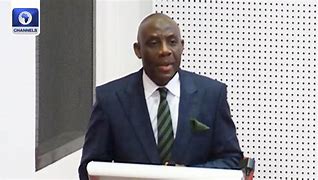
    Name: Tunji Alausa

    Age: 53 

    State of origin: Lagos

    Geopolitical Region: South West 

    Remember that we had prefects and assistants in school? The same applies here. The Minister of State assists the Minister of Health and welfare in providing healthcare facilities, disease prevention and improving the Nigerian health system. 

    Minister of Solid Minerals Development 
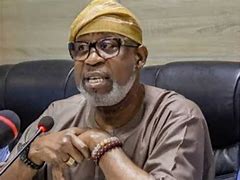
    Name: Dele Alake

    Age: 67

    State of origin: Ekiti state

    Geopolitical Region: South West 

    We’re always ranting about mismanagement of Nigeria’s natural resources. This minister’s job is to ensure our solid minerals are profitable and sustainable.

    Minister of Tourism 
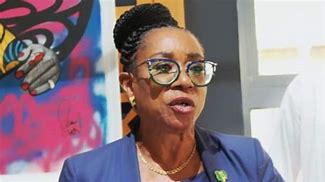
    Name: Lola Ade-John

    Age: 60

    State of origin: Lagos

    Geopolitical Region: South West

    For laws, funds and licences regarding tourism, hotels and affiliated centres, this is the go-to minister. She also heads the Council for Arts and Culture.

    Minister of Transportation 
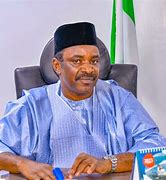
    Name: Sa’idu Ahmed Alkali

    Age: 55 

    State of origin: Gombe

    Geopolitical Region:  North East

    A lot of Nigerians will probably want to have a word or two with the minister who is in charge of road safety, efficiency and fair transport rates. The Minister directs and manages the transportation sector to ensure a safe, and integrated transport system.

    Minister of Industry, Trade and Investment
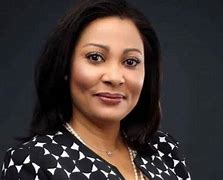
    Name: Doris Uzoka-Anite

    Age: 50

    State of origin: Imo  State

    Geopolitical Region: South East 

    This minister can be called the national iyaloja which means captain of the market. She’s in charge of how Nigeria runs businesses either with other countries or between citizens. 

    Minister of Innovation, Science and Technology
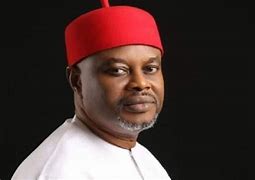
    Name: Uche Geoffrey Nnaji

    Age: Unknown

    State of origin: Enugu

    Geopolitical Region: South East

    Need a minister to handle the sciences and represent the government’s interest in terms of research? That’s what this one is for. 

    Minister of State, Labour and Employment
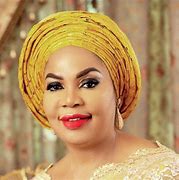
    Name: Nkiruka Onyejeocha

    Age: 54 

    State of origin: Abia state

    Geopolitical Region: South East 

    The Minister of State for Labour and Employment deals with issues such as poor working conditions, child labour, labour migration, registration of trade unions, and overall labour protection services.  The National Labour prefect never felt so right. 

    Minister of Women Affairs
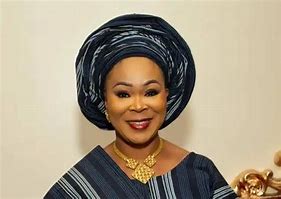
    Name: Uju Kennedy-Ohanenye

    Age: 50 

    State of origin: Anambra

    Geopolitical Region: South East 

    For all things female in Nigeria, this woman takes the lead. Either it is business, empowerment, education, arts, households or even disputes. She’s the national headgirl.

    Minister of Works
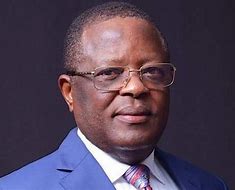
    Name: David Umahi

    Age: 60

    State of origin: Ebonyi

    Geopolitical Region: South East 

    Bridges, roads, houses, hospitals, barracks etc —- everything can be traced back to this man. Talk about being a life-size bob-the-builder. 

    Minister of Aviation and Aerospace Development
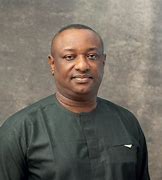
    Name: Festus Keyamo

    Age: 54 

    State of origin: Delta State 

    Geopolitical region: South South 

    Who needs the Avatar Aang when we have our own airlord? The Minister of Aviation and Aerospace Development monitors and directs Nigeria’s air travel and aviation services. 

    Minister of Youth
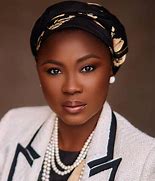
    Name: Dr Jamila Ibrahim

    Age: 37 

    State of origin-  Kwara state

    Geopolitical Region: North Central

    Her job is to promote socio-economic development for the Nigerian youth. Basically, she’s like the class rep but for young people in Nigeria. 

    Minister of Humanitarian Affairs and Poverty Alleviation

    Name: Betta Edu

    Age- 37

    State of origin-  Cross River 

    Geopolitical region- South South

    Although currently suspended for embezzlement of funds, the Minister of Humanitarian Affairs and Poverty Alleviation in Nigeria is usually responsible for developing humanitarian policies and showing the government how best to help its citizens.

    Minister of Foreign Affairs 
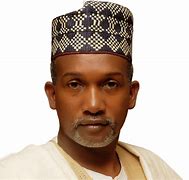
    Name: Yusuf Tuggar

    Age- 57

    State of origin: Bauchi

    Geopolitical Region: North East

    The Job of “oga foreign” is to direct foreign policies that reflect the domestic, political, economic, technological, social, and cultural aspirations of the Nigerian people. 

    Minister of State, Gas Resources
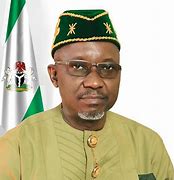
    Name: Ekperikpe Ekpo

    Age: 55

    State of origin: Akwa Ibom 

    Geopolitical region: South South

    Nothing new here, just the assistant minister of gas resources. His job is to help Nigeria tap into its natural gas assets. 

    Minister of State, Petroleum Resources
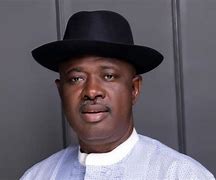
    Name: Heineken Lokpobiri

    Age: 57 

    State of origin: Bayelsa State

    Geopolitical region: South South

    In one word, The Minister of State, Petroleum Resources works with the Minister of Petroleum to drive policies that enhance the sector and economy.

    Minister of Sports Development
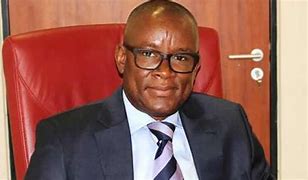
    Name: John Enoh

    Age: 57

    State of origin: Cross River State

    Geopolitical Region: South East 

    If jerseys and teams are involved, this man attends to the matter on a national level. The job of the Minister of Sports Development in Nigeria involves overseeing youth and sports development policies, programs, and activities. 

    Minister of Federal Capital Territory
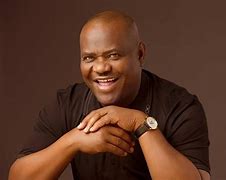
    Name: Nyesom Wike

    Age: 56

    State of origin: Rivers State

    Geopolitical region: South South

    The Minister plays a crucial role in institutions, headquarters, and political entities in the FCT, which houses major political figures and government institutions. 

    Minister of Art, Culture and the Creative Economy
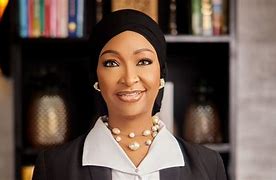
    Name: Hannatu Musawa

    Age: 49

    State of origin: Katsina State

    Geopolitical Region: North West 

    Just like the science folks got their minister, there’s one for art too. The Minister of Art, Culture, and the Creative Economy in Nigeria is tasked with the development of the creative sector in the country. This includes initiatives to support artists, preserve cultural heritage, and drive economic growth through creative industries. 

    Minister of Defence
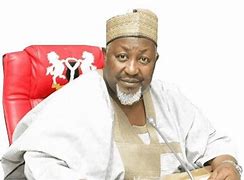
    Name: Mohammed Badaru

    Age: 61 

    State of origin:  Jigawa State 

    Geopolitical region: North-West

    This man is the don in charge of the Armed Forces of the Federal Republic of Nigeria, ensuring they are modern, competent, and well-equipped to fulfil their duties effectively. He keeps them trained and ready on all fronts. 

    Minister of State, Defence
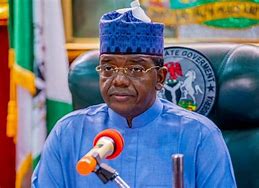
    Name: Bello Matawalle

    Age: 55 years 

    State of Origin: Zamfara State 

    Geopolitical Region- North West 

    This is the assistant defence minister. He’s in charge of the National Defence Policy, and helps the balance for internal and external security needs.

    Minister of State Education 
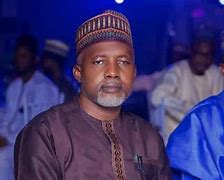
    Name: Tanko Sununu

    Age: 72 

    State of origin:  Kebbi State

    Geopolitical Region: North West 

    The Minister of State for Education’s responsibilities include creating and managing educational policies, resolving federal and local state matters, and executing duties related to the Federal Ministry of Education, 

    Minister of Housing and Urban Development
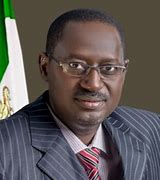
    Name: Ahmed M. Dangiwa

    Age: 61 

    State of Origin:

    Geopolitical Region: North 

    The is the federal real estate agent, if you may. His job is to provide affordable housing, foster livable communities, and ensure access to decent and quality housing for all Nigerians. He’s also the man who decides what lands can be commercial or public, and what houses have been wrongly built or not.

    Minister of State, Housing and Urban Development
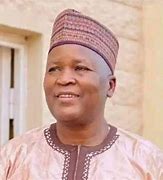
    Name: Abdullahi T. Gwarzo

    Age: 63

    State of Origin: Kano state 

    Geopolitical Region: North West

    Beyond housing, this minister seeks to foster public-private partnerships, creating an enabling environment for private-sector investments, and advocating for sustainable urban development. He’s also in conjunction with the minister of housing.

    Minister of Budget and Economic Planning 
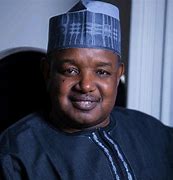
    Name: Abubakar Atiku Bagudu

    Age: 62

    State of origin: Kebbi

    Geopolitical Region: North West

    This is your guy for economic plans, policies, budgeting, advice on development, and nation building. He works closely with the minister of finance and is often in charge of planning how national expenditure happens. 

    Minister of State, Federal Capital Territory
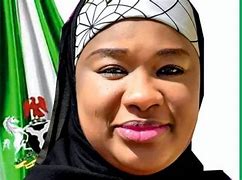
    Name: Mairiga Mahmud

    Age: 48

    State of origin: Kano

    Geopolitical Region: North West

    The Minister of State supports the main Minister in executing various responsibilities related to governance, infrastructure development, and service delivery within the FCT. 

    Minister of State, Water Resources and Sanitation
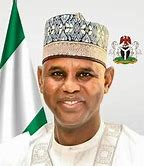
    Name: Bello M. Goronyo

    Age: 58

    State of origin: Sokoto

    Geopolitical zone: North West

    This Minister assists in the administration of activities within the ministry, allowing the senior minister to focus on delivering water and sanitation services nationwide. 

    Minister of Agriculture and Food Security
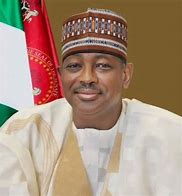
    Name: Abubakar Kyari 

    Age: 61

    State of origin: Borno

    Geopolitical Region: Northeast

    He’s the reason why the agricultural sector is still alive. The Minister of Agriculture and Food Security in Nigeria is responsible for ensuring food security, rural income growth, job creation, and rural development.

    Minister of Education
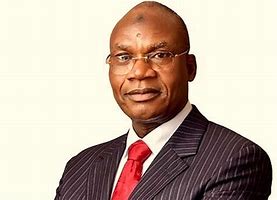
    Name: Tahir Mamman

    Age: 69

    State of origin: Adamawa

    Geopolitical Region: North East

    The Minister of Education is the biggest driver of the education agenda through budgeting, policies, inspection and standard-setting. He defines the educational trends and models for institutions across the country.

    Minister of Interior
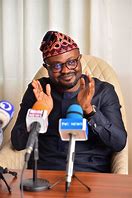
    Name: Olubunmi Tunji-Ojo

    Age: 42

    State of origin: Ondo

    Geopolitical Region: South West

    This minister is everywhere in internal affairs. He covers various duties such as granting Nigerian citizenship, providing consular and immigration services, issuing business permits and expatriate quotas, managing federal marriage registries, coordinating national celebrations, managing national emergencies, recruiting personnel for security services, and handling retirement benefits for paramilitary retirees.   

    Coordinating Minister of Health and Social Welfare
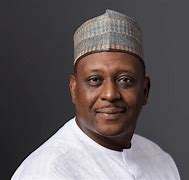
    Name: Prof Muhammad Ali Pate (CON)

    Age: 55

    State of origin: Bauchi 

    Geopolitical Region: North East

    The task of providing quality healthcare for all Nigerians, achieving health goals, and enhancing health security measures falls on this minister. He is the go-to for national health partnerships with international bodies and whatnot. 

    Minister of Police Affairs
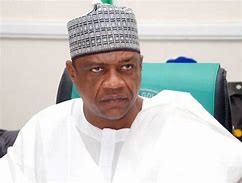
    Name: Ibrahim Geidam

    Age: 67

    State of origin: Yobe

    Geopolitical Region: North East

    The Minister of Police Affairs oversees the affairs of the Nigerian Police Force, ensuring the effective administration and management of the country’s law enforcement agency. 

    Minister of State, Steel Development
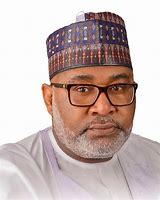
    Name: Uba Maigari Ahmadu

    Age: 57

    State of origin: Taraba

    Geopolitical Region: North East

    The Minister of State works with the main minister of steel development to collaborate with stakeholders, industry players, and government agencies to promote the importance of steel in driving economic activities, supporting construction projects, and fostering technological advancements in Nigeria. Basically, he’s Iron Man but from Taraba.

    Minister of Steel Development
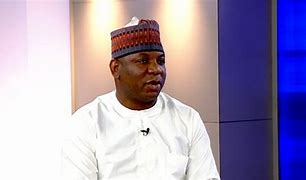
    Name: Shuaibu A. Audu

    Age: 43

    State of origin: Kogi

    Geopolitical Region: North Central

    The minister’s job is to lead efforts to revive key steel projects like the Ajaokuta Steel Company, formulate policies, implement strategic initiatives, and partner with stakeholders to ensure the success of steel development projects. 

    Minister of Information and National Orientation
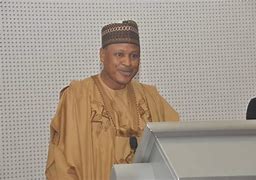
    Name: Muhammed Idris 

    Age: 57

    State of origin: Niger

    Geopolitical Region: North Central

    Ever seen a public relations officer at work? This is the National P.R.O. He controls the information distribution process and serves as the key spokesperson for the Nigerian federal government. 

    Attorney General of the Federation and Minister of Justice
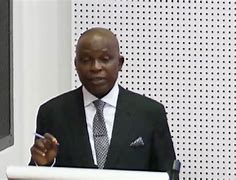
    Name: Lateef Fagbemi

    Age: 64

    State of origin: Kwara

    Geopolitical Region: North Central 

    This is the chief law officer of the Federal Government. He represents the government in legal matters, provides legal advice to government agencies, oversees public prosecutions, and ensures the rule of law is upheld.  

    Minister of Labour and Employment
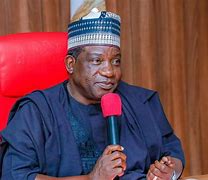
    Name: Simon Bako Lalong

    Age: 60

    State of origin: Plateau

    Geopolitical Region: North Central 

    The relationship between workers and employers can be complicated, but this man lords over such disputes and ensures that labour relations remain cordial. He also manages labour policies in both the public and private sectors. 

    Minister of State, Police Affairs
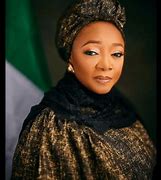
    Name: Imaan Sulaiman-Ibrahim

    Age: 43

    State of origin: Plateau 

    Geopolitical Region: North Central 

    This Minister works on implementing police reform efforts, enhancing community engagement, transparency, and professionalism within the police force. He works with the minister of police affairs to ensure that the armed forces and security are managed properly.

    Minister of Special Duties and Intergovernmental Affairs
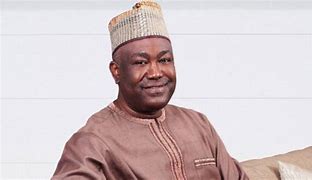
    Name: Zephaniah Bitrus Jisalo

    Age: 54

    State of origin: FCT

    Geopolitical Region: North Central 

    If anything is tagged as unconventional or special, this minister handles it. Programs that cover federal, state, and local governments, and extend to relations with the organized private sector are included. He also handles National Youth Service Corps matters.

    Minister of Water Resources and Sanitation
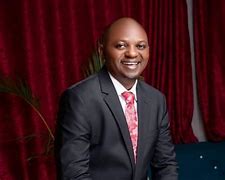
    Name: Prof Joseph Utsev

    Age: 43

    State of origin: Benue

    Geopolitical Region: North Central 

    His job is to oversee the development, management, and regulation of water resources, ensuring the provision of clean water supply and sanitation facilities. 

    Minister of State, Agriculture and Food Security
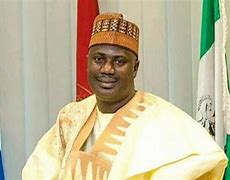
    Name: Aliyu Sabi Abdullahi

    Age: 57

    State of origin: Niger

    Geopolitical Region: North Central 

    This minister fills in to help the minister of agriculture improve food security and promote agricultural development. He contributes to their shared goal through local production, reducing import bills, and ensuring sustainable practices.

    Check out this exclusive list of female ministers and their portfolios.

  • Nigeria’s National Awards and How People Get Them

    The Nigerian National Awards are a series of ceremonial awards given to outstanding individuals for their exemplary service and contributions to the country. These honours are divided into different ranks and categories, showing their hierarchy and significance. 

    The National Awards were established by the National Honours Act No. 5 of 1964 and have been conferred yearly to deserving individuals since October 1963.

    The National Honours Awards Committee, the body in charge of nominations and award presentation, selects nominees according to different criteria, including efforts in nation-building, community development, service to humanity, professional excellence and the upholding of national integrity.

    Here is a list of the National Awards in descending order: 

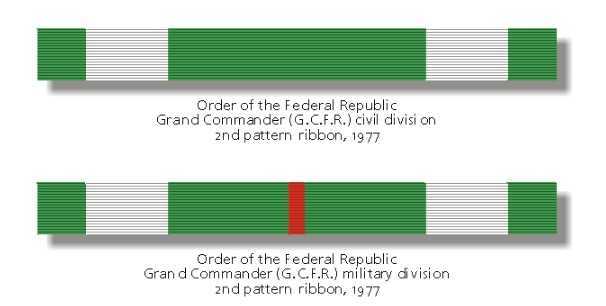
    1. Grand Commander of the Order of the Federal Republic (GCFR)

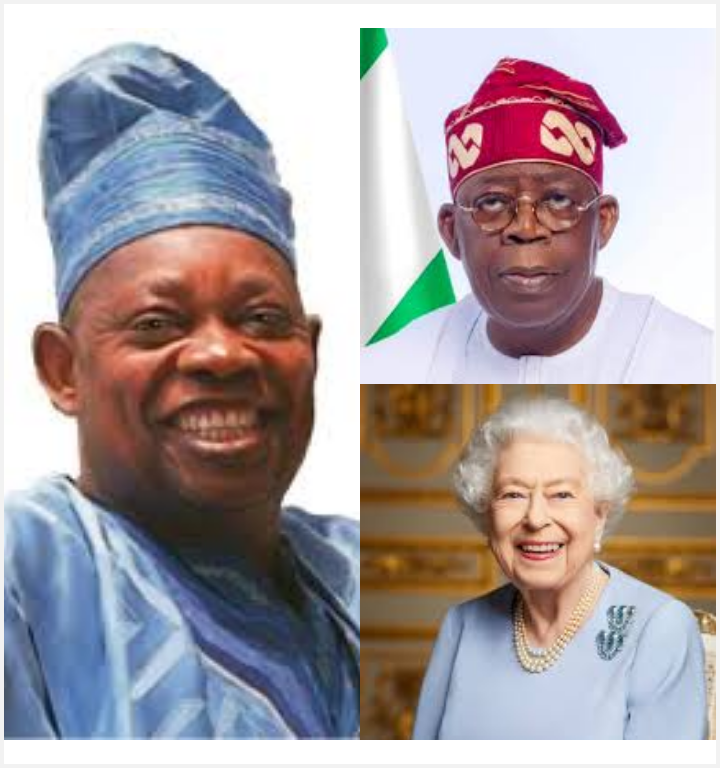
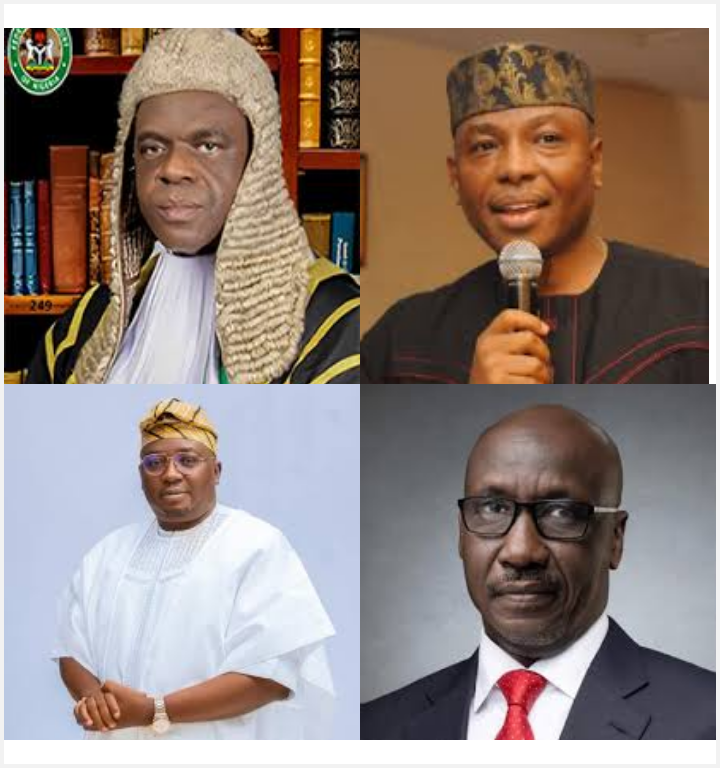
    This is the highest award that can be conferred to civilians. The award is mostly held by presidents and past presidents, with the last individual to attain it being the current President, Bola Ahmed Tinubu. Notable non-presidential holders of the award are Queen Elizabeth II, Chief Obafemi Awolowo and Moshood Kashimawo Abiola (MKO) for their contributions to nation-building.

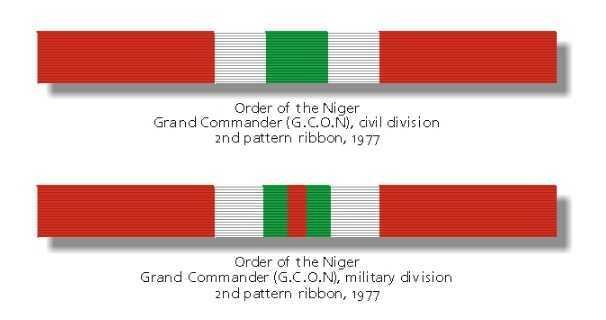
    1. Grand Commander of the Order of the Niger (GCON)

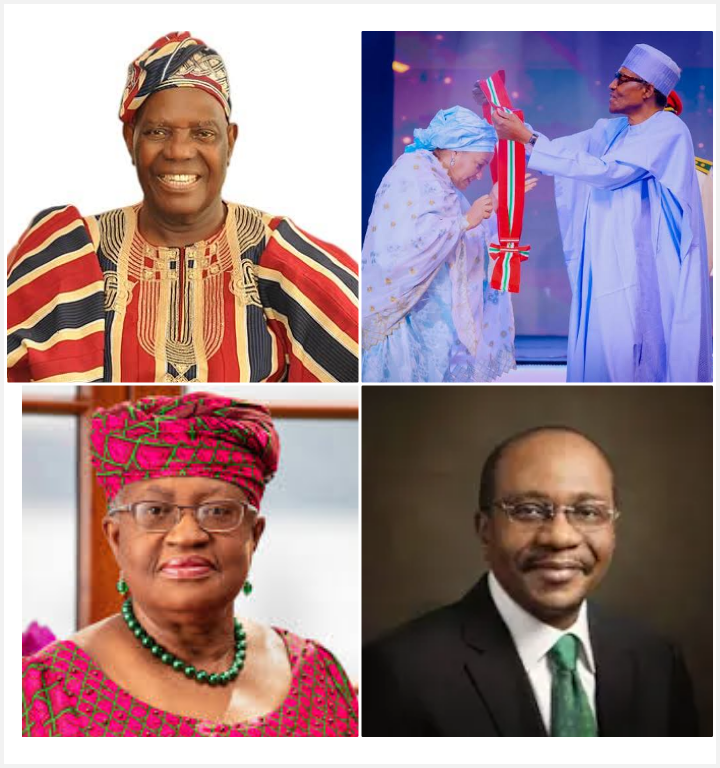
    This is the second-highest award on this list. Its holders are usually vice presidents, chief justices, senate presidents, and monarchs in Nigeria. However, there have been exceptions to this rule, and they include Ngozi Okonjo Iweala, Godwin Emefiele, Chief Bisi Akande, and Amina Jane Muhammed who were awarded for their work internationally and as nation-builders.

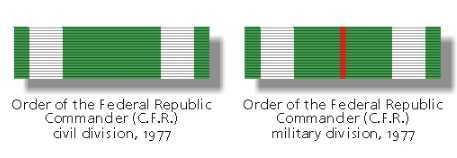
    1. Commander of the Order of the Federal Republic (CFR)

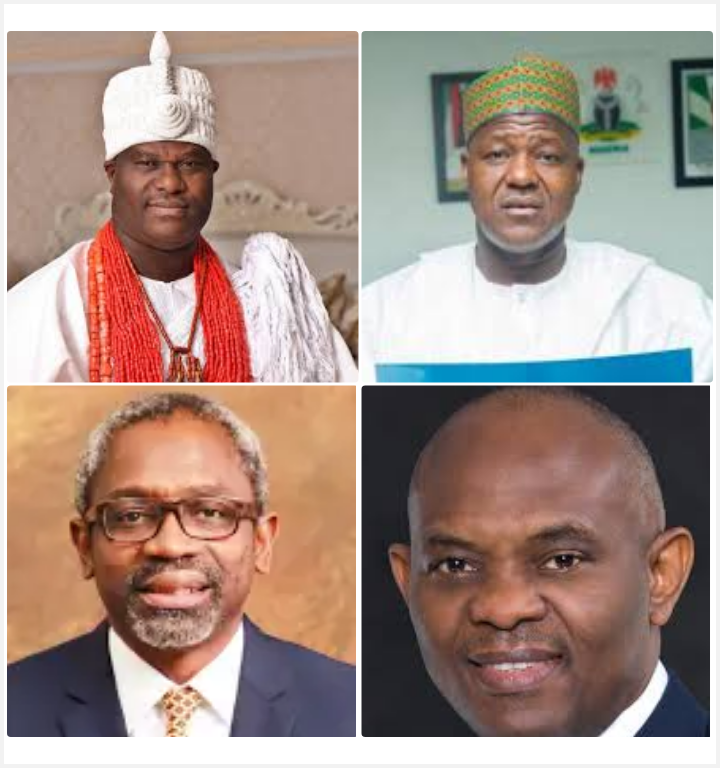
    This award is given to present or past speakers in the House of Representatives or top cabinet Members in the Executive Council, police chiefs, significant traditional rulers, and distinguished military generals.  It is also esteemed to individuals esteemed to have contributed immensely to politics, philanthropy in the society and community development. Past awardees include Tony Elumelu, Rt. Hon. Yakubu Dogara, Rt. Hon. Femi Gbajabiamila, and HRM Oba Adeyeye Enitan Ogunwusi Ojaja II.

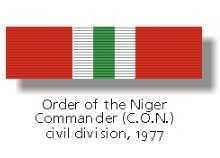
    1. Commander of the Order of the Niger (CON)

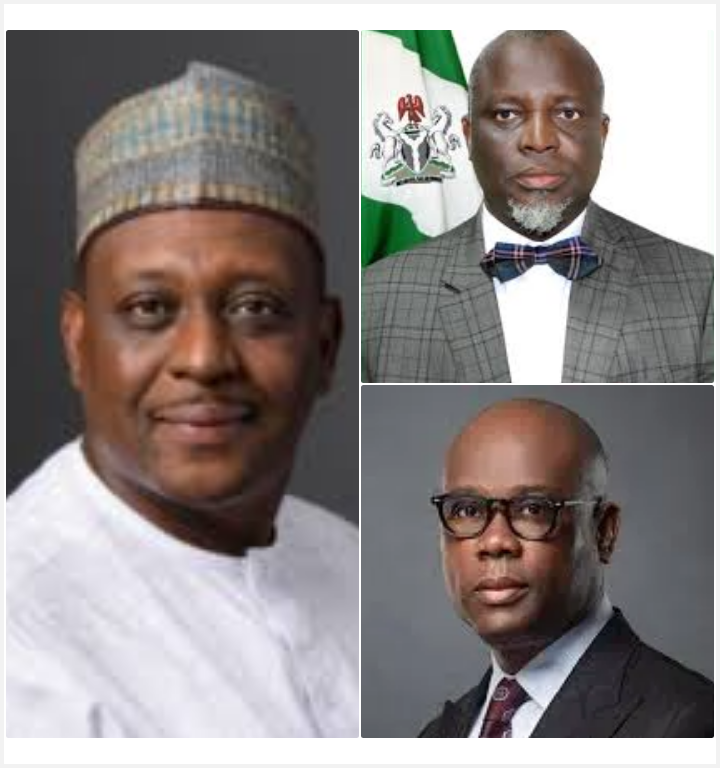
    This national honour is often presented to state governors, exceptional members of the legislature, cabinet members of the executive council and any other individuals who have contributed immensely to society as deemed fit by the President and award board.  Past awardees include Sen. Abubakar Kyari, Prof Ishaq Oloyede, Prof Ali Pate, and Dr Herbert Wigwe

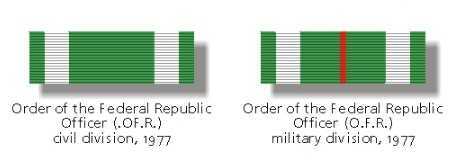
    1. Office of the Order of the Federal Republic (OFR)

    This is one of the highest civilian national award in the country. It is awarded to individuals who have shown great leadership and have recorded achievements in the country. This list of awardees ranges from individuals in the business, education and industry to legislature members. Past awardees include Tony Ezenna, Hon. Adebayo Adelabu and Sam Ohuabunwa.

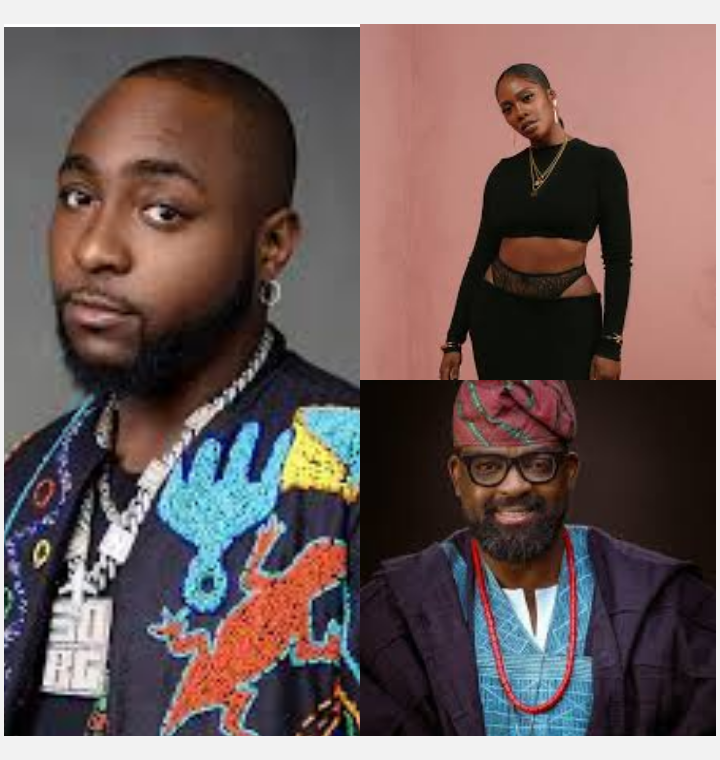
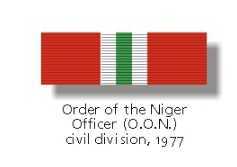
    1. Office of The Order of The Niger (OON) 

    The Order of the Niger is the second-highest civilian honour in Nigeria, and it’s awarded to individuals who have made immense strides in sectors such as Agriculture, Business, Arts and Culture. Notable past recipients include David Adeleke aka Davido, Kunle Afolayan, and Tiwatope Savage.

    1. Member of the Order of the Federal Republic (MFR)

    The award is for individuals who have shown significant commitment and support to the country and its ideals. The award is presented to public servants, community leaders, and worthy individuals in the society.

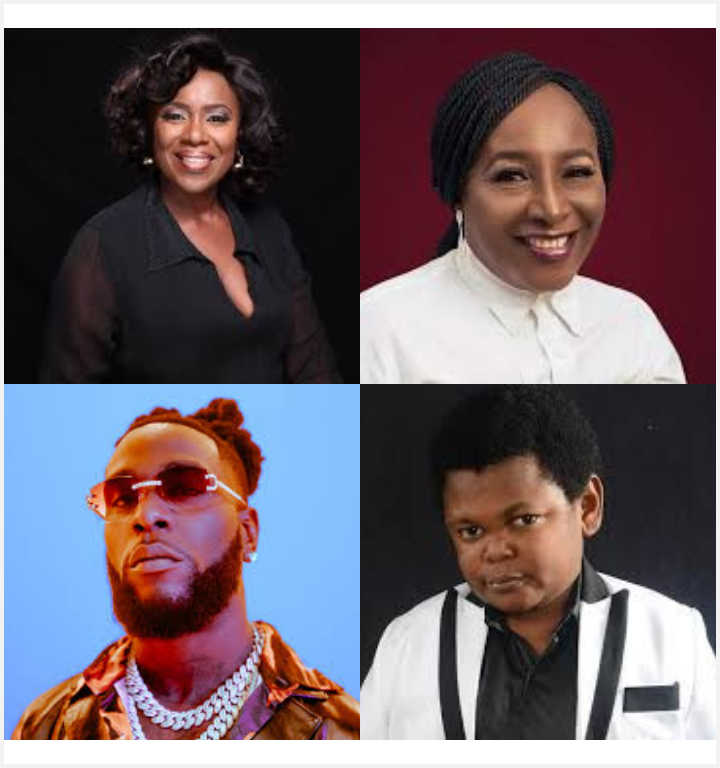
    A notable recipient of this award is musician Damini Ogulu aka Burna Boy. Other recipients in the entertainment industry include Omotola Jalade-Ekeinde, Joke Silva, Kanayo. O. Kanayo, Osita Iheme, Genevieve Nnaji, Patience Ozokwor.

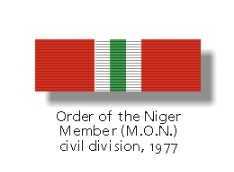
    1. Member of The Order of the Niger (MON) 

    This award is conferred on individuals who have made admirable contributions to the country in their respective fields. The MON has in the past been awarded to professionals in sports, entertainment, journalism, social or legal advocacy, etc. 

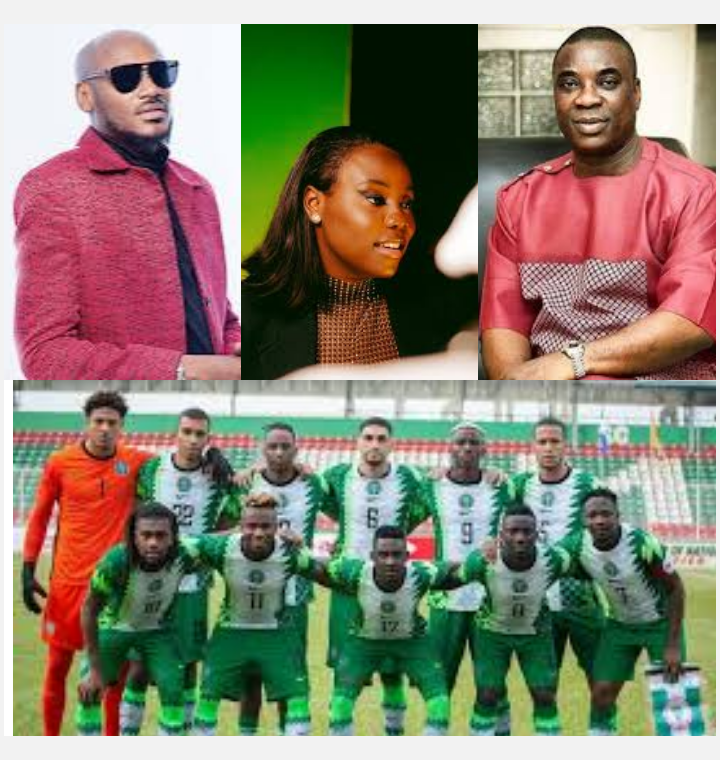
     The most recent recipients of this award are the officials and players in the National team after their impressive performance in the 2023 African Cup of Nations (AFCON), as well as musicians: Innocent Idibia, K1 De Ultimate, and Teniola Apata. 

    Another award in Nigeria that you should learn about is the Nigerian National Merit award.

  • Guns in Nigeria: A disaster waiting to happen? 

    Between 2020 to 2024, several bills and pleas have reached the Nigerian Senate regarding the use of firearms. The most recent bill came from Senator Ned Nwoko in January 2024.  His bill called for the introduction of a law allowing civilians in Nigeria to own and carry firearms for self-defence stating insecurity as a major reason. 

    The requirements necessary for owning these firearms as proposed by Senator Nwoko included references from medical doctors, endorsement from local government officials, certification from traditional leaders, and confirmation by the Divisional Police Officer to verify the absence of criminal involvement among others. While this bill has passed its first reading and garnered strong support from other prominent figures, recent events paint this bill as a bad idea. 

    On Saturday, March 30 2024, the bodies of three dead and four injured children were recovered after a gunpowder explosion in Taraba state. The  Commissioner of Police, Taraba State Command, CP David Iloyanomon confirmed the incident happened in Didango Geita, a community in Karim Lamido Local Government Area of Taraba State. 

    What’s the full story?

    The seven victims had reportedly gone to help on a rice farm belonging to the grandfather of one of the deceased. Things took a different turn when an explosion was heard at the site. The eyewitness who reported the event,  Mallam Audu Danjuma, said the villagers broke into a panic thinking it was an IED explosion and contacted the police.

     However, CP David Iloyonomon refuted this claim stating it was a gunpowder explosion from a Dane gun triggered by the children. According to him, the anti-bomb unit has carried out a thorough investigation and confirmed this. The Police commissioner further explained that a bombing or dynamite explosion would have blasted the children’s bodies beyond recognition, leaving no survivors. The positioning of the children’s bodies and pellets of gunpowder found at the scene also supports the police’s findings. This paints a clear picture of what happened and takes away the possibility of an IED explosion or an assailant.

    The deceased children, all below the age of 12, were identified as Miracle Danjuma, Liyacheyan Bitrus, and Kefas Bitrus. The injured children, Joseph Danjuma, Leah Aluda, Godbless Hassan, and Christian Hassan, are receiving treatment at the state’s specialist hospital in Jalingo, the state capital.

    This brings to question whether firearms are a solution to Nigeria’s insecurity problems or the beginning of many possible problems with accidents like this being one of them. Can the Senate trust Nigerians to only use guns for self-defence and to keep them far away from children or should we potentially expect more cases like this? 

  • Why the ECOWAS Lifted All Sanctions on the Republic of Niger

    President Bola Ahmed Tinubu is barely a year into his reign and is already arguably the most critiqued president of Nigeria. One of his lesser-known but still highly criticised actions is his response to the Republic of Niger’s current political instability.

    What happened between Nigeria and the Republic of Niger?

    On July 26, 2023, junta forces took over President Mohamed Bazoum’s government through a coup. In a bid to return things to order, the ECOWAS imposed sanctions spearheaded by President Tinubu. 

    However, these sanctions have affected both Niger and Nigeria, disrupting cross-border trade and causing economic hardship in both countries. They have also hindered regional stability and counter-terrorism initiatives in which both countries were involved. What started as an effort to control political turmoil has created multiple problems in that region of West Africa. 

    What were the sanctions placed on Niger?

    The sanctions included the closure of land and air borders, freezing of assets in the ECOWAS Central Bank, suspension of commercial and financial transactions between ECOWAS member states and Niger, freezing of state enterprises in commercial banks, freezing of service transactions, including utility services, and a no-fly zone for commercial flights to and from Niger. 

    What is Nigeria’s business there? 

    Our President, Bola Ahmed Tinubu, is the sitting chairman of the ECOWAS. And the sanctions with the most effect on Niger’s socio-economic decline are Nigeria’s decision to cut off electricity supply to Niger and close the borders between us. 

    As the chairman, President Tinubu was instrumental in the decision-making of the ECOWAS board. He received criticism for initially taking forceful measures that affected the trade and security of Nigerian states sharing borders with Niger. Once the border was reopened, he received praise from the Northern governors forum whose states had been most affected in Nigeria. 

    What’s the current situation?

    The ECOWAS sanctions against the Niger Republic were lifted on February 24, 2024, on humanitarian grounds, with the hope of fostering dialogue with the military junta in Niger, Mali and Guinea and improving the socio-economic conditions in the region. 

    The land and air borders between ECOWAS countries and Niger, the No Fly Zone for all commercial flights to and from the country and the suspension of all commercial and financial transactions between ECOWAS member states and Niger have all been lifted. 

    Public reaction

    While some political analysts, like Idayat Hassan, welcome the decision to lift the sanctions, others doubt its impact. Some others believe the ban should have never happened in the first place and that lifting it is a sign of weakness from the ECOWAS, which the junta will exploit.

    Do you think ECOWAS could’ve done better, or President Tinubu could’ve managed a better compromise? 

    To keep up to date with what’s happening in society, start with this: About Nigeria’s Plan to Increase the Minimum Wage

  • About Nigeria’s Plan to Increase the Minimum Wage

    The National Minimum Wage Act of 2019 states that the minimum wage must be reviewed every five years. Vice President Kashim Shettima inaugurated a 37-member committee to do so in January 2024. However, the committee did not take action until after the Nigerian Labour Congress’ strike on February 27 and 28, 2024, holding its first meeting on March 7, 2024, to discuss the prospects of increment. 

    Here are the details of that conversation: 

    First off, how does a “minimum wage” conversation affect you?

    If you are a Nigerian working in either the public or private sector, the Minimum Wage Act is what ensures you get enough to meet up with the cost of living. The minimum wage is the lowest possible amount of money an employer can pay his employee as regulated by the government. 

    The industrial wage unions, trade unions and labour organisations ensure this rate is adhered to and reviewed when necessary. This is why the Nigerian Labour Congress (NLC) went on strike to protest the economic conditions that have rendered the current wage useless. 

    Rising from ₦18,000 in 2019, the minimum wage in Nigeria currently stands at ₦30,000 per month.  

    What’s the update on the minimum wage conversation?

    The 37-member committee held regional meetings on March 7, 2024, where stakeholders suggested new minimum wage figures to alleviate the high living costs. 

    In the South-West, the NLC leaders proposed ₦794,000, while the Trade Union Congress (TUC) proposed ₦447,000. In the South-East, the NLC said it preferred ₦540,000. South-South workers proposed ₦850,000, and their North-West counterparts angled for wages of ₦485,000, while the North-Central union suggested ₦709,000. 

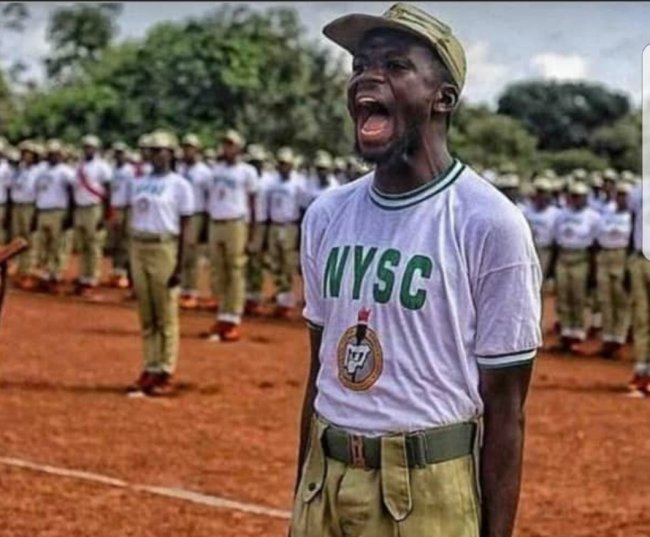
    We’re pretty sure the current NYSC members are on their toes for this one as it directly affects their allawee. 

    The Nigerian government’s response

    In response to this, the Nigerian Governor’s Forum and the Nigerian Employers Association asked the committee and labour unions to consider the current economic realities and individual capabilities of the states and employers to meet the proposed amounts. 

    24 states, including Oyo, Kogi and Delta, among others, can’t keep up with the current wage payments and have incurred internal debts. On February 8, 2024, the Central Bank of Nigeria (CBN) stopped giving the salary bailout funds (SBF) granted by former CBN Governor Emefiele to state governments struggling with wage payment and poor internal revenue generation. The debt and backlog will also affect the states’ capacity to pay an increased minimum wage.

    What’s likely to happen? 

    With each sector proposing wages in the hundreds of thousands, another strike may be unavoidable. The official announcement is expected to come on May 1, 2024. However, the wage implementation will be backdated to April 20, 2024, as all processes regarding the minimum wage are expected to have been completed by then. 

    Did you enjoy this read? Join our WhatsApp channel to stay informed. Click here

  • Is Politics a Dirty Game?

    You may have encountered the cliche “Politics is a dirty game.” This expression often describes politics as a free-for-all fight where everything is considered fair game in the quest for power. Nigerian politics, for example, is notorious for various shady practices. During campaigning and election season, politicians and their aides take to the streets to canvass votes using different tactics. Based on this, it’s easy to conclude that politics is a dirty game.

    Let’s look at three tactics promoting the idea that Nigerian politics is a dirty game.

    Vote buying

    Vote buying is one prominent example. It often involves an exchange in which voters sell their votes to the highest bidder. In Nigeria, you may observe this practice in internal democracies, that is, within parties when delegates get to vote on who their party flag-bearer should be. It’s also a feature in general elections.

    In a paper by the Governance and Social Development Resource Centre (GSDRC), it notes: “In accepting or rejecting offers, or in changing or not changing their electoral behaviour, recipients may be acting, among other things, out of fear, duty, indignity, gratitude, righteousness, or calculated self-interest.” 

    However, vote buying isn’t necessarily always economical. It could also be a combination of economic and social rituals. In places where the practice has become deep-rooted, politicians come to expect it as a “duty.” For some Nigerian voters, it is their way of laying claim to the “national cake.”

    Addressing vote buying means understanding the various institutional and socio-economic contexts that influence it, such as tradition and poverty. We should also account for the sentimental meanings people attach to these gestures before we can eradicate them.

    Dog-whistling

    The term is named after the dog whistle, which is audible to dogs but not humans. In politics, dog-whistling describes a communication strategy politicians use to send out a coded message. On the surface, it may appear harmless, but to the subgroup of people the message is targeted at, it carries a serious tone that may be harmful.

    In America, Donald Trump’s campaign mantra “Make America Great Again” (MAGA) has been described as dog-whistling that appeals to people of white background. In Nigeria, leading up to the election, the phrase “Yoruba Ronu” (Yorubas, Think!) was widely interpreted as dog-whistling. 

    The term was the title of a famous play by Hebert Ogunde, which attacked the then-premier of the Western Region, Ladoke Akintola. 

    [Hebert Ogunde / The Guardian]

    The phrase, however, took on a sinister meaning during the 2023 elections when APC Youth Leader, Dayo Israel, posted it after the 2023 presidential election. It would become a rallying cry in the subsequent gubernatorial election in Lagos that witnessed targeted harassment and violence against residents suspected to be Igbo. 

    Dog-whistling plays on fears, biases, or preconceptions of people without explicitly stating them. And as the Lagos election showed, it can lead to violence. As such, this tactic should be discouraged.

    Download the Citizen Election Report: Navigating Nigeria’s Political Journey

    Bigotry

    A bigot is one who is intolerant of beliefs, lifestyles or identities that differ from theirs. Anyone who engages in this is practising bigotry. Unfortunately, bigotry is a mainstay in Nigerian politics and takes different forms. The most prominent of which is tribalism.

    Ordinarily, the term tribalism has positive connotations. The Cambridge Dictionary defines it as “the state of existing as a tribe, or a very strong feeling of loyalty to your tribe.” However, the sense in which tribalism can be described as bigotry is best captured by Walter Schwarz in his 1966 article, “Tribalism and Politics in Nigeria.”

    Schwarz was a former Nigeria correspondent for The Observer and The Economist before the military regime expelled him. Below is how he describes tribalism in Nigeria:

    Tribal and ethnic bigotry is commonplace in Nigerian politics, particularly in the heat of elections. The idea that one ethnic group is superior to another, pushing stereotypes and placing ethnicity above merit, are problems that have persisted for decades.

    Bigotry manifests itself in hate speech, harassment, marginalisation and the violation of human rights. It breeds distrust and makes governance difficult. So when people say politics is a dirty game, they’re likely referencing the abovementioned tactics.

    Can Nigerian politics be clean?

    Absolutely yes. In an earlier piece, we explained that politics shouldn’t be a do-or-die thing. We also noted that politicians should prioritise the national interest over party and selfish interests. It is possible to win elections without using any of these tactics. Yes, a difference in opinion or ideology is unavoidable, but we can disagree to agree so long we stay on the right side of the law. We should promote tolerance over bigotry, unity over dog-whistling, and a good track record over vote buying.

    Ultimately, the journey to making Nigerian politics clean again can only happen with deep retrospection and a commitment by all political actors towards ensuring that dirty politics no longer has a foothold in Nigeria.

  • How to Survive as a Newly Unemployed Nigerian Politician

    If you don’t count the many court cases and possibility of re-runs in some places, the 2023 election season is over. 
    What this means is many politicians have now lost their jobs — noticeably five governors (out of eleven) and a certain Senator Chimaroke who’s gone on a Twitter rant since he lost his Enugu East senatorial seat to a Labour Party candidate.

    It must suck to suddenly be unemployed, especially after putting so much effort into a campaign, and we get it. That’s why we thought to share all the other jobs these ex-incumbents can do now that they’re back in the job market.

    Activist

    All they have to do is put “Political Activist” in their bios and drop one tweet condemning injustice every three months. They can even throw in random hot takes once in a while for pizzazz. Will they earn? I don’t know, but at least, they won’t be idle.

    Social media influencer

    They already have the two major requirements: followers and small fame. Just get a ring light, start going live every two days, and brand endorsement deals will start rolling in.

    Hairdresser

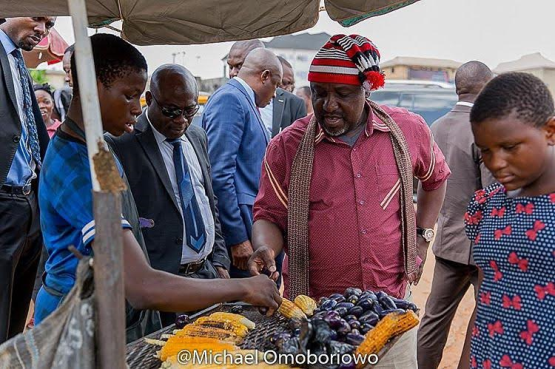
    Why only get pictured making hair in salons during election season when you can make it a full-time job? Those who learnt how to fry akara and roast corn for campaign pictures can also sell their wares for real now.

    Motivational speaker

    No shade to motivational speakers, but it seems like an easy job. All they have to do is share how they got their first pair of shoes at the ripe old age of 25, and career don set.

    Travel vlogger

    Our politicians don’t like sitting their asses down in Nigeria before, so they might as well take up vlogging. I know I’d love to watch a “Travel to launder money in Turkey with me” video.

    Organise meet-and-greets

    Shocking as it may seem, many questionable politicians have die-hard fans. They should just ask those fans to pay to shake their hands, since they obviously don’t have sense. 

    Magician

    Remember how a snake swallowed ₦36 million in JAMB office? Nigerian politicians are already experts in doing the impossible. So what are a few more magic tricks to them?

    Bus conductor

    They obviously love promising us change and never delivering. Maybe if they become bus conductors, they’d remember to?


    NEXT READ: Can We Cancel Cover Letters and Apply for Jobs With These 8 Things Instead?

  • QUIZ: How Well Do You Know The Notable Women in Nigeria’s History?

    It’s officially international women’s month and since it’s election season we’ve decided to test your knowledge on women in Nigerian politics.

  • My Husband Woke Up One Day and Decided to Join Politics

    When Derin* married her campus fellowship friend-turned-love interest, politics was the last thing she saw in their future. She talks about why she decided to follow his lead, fearing for her children’s safety and other challenges when you’re in the public eye.

    This is Derin’s story, as told to Boluwatife

    Pexels

    When we met, Debo* was a mild-mannered church boy. We became close friends, and soon realised we had similar dreams, We were simple people who just wanted to do business and serve God with our finances.

    He proposed marriage to me soon after I graduated from Lagos State University in 2011. We’d actually met there, in the campus fellowship I joined in my second year. He was in his finals.

    We got married in 2012, and had two kids in succession. We didn’t lack anything. His real estate business was growing steadily, and I was into retailing female fashion items. We’re both quite entrepreneurial, so the long-term goal was to build a business empire. We’d own multiple businesses and support the church financially. And we were on track, until politics entered the picture.

    I should mention that all through our years of friendship and brief courtship before marriage, politics was never in the picture. No reaction to national issues or conversations gave the tiniest idea that he’d someday be interested in politics. Business and church had always been his priorities. We were — and still are — very religious, so we just focused on God guiding us through the way and blessing the works of our hands.

    Then in 2016 — four years into our marriage — people started coming to him to talk about politics. He had become quite successful in real estate, which meant he had access to an impressive network of people. They told him how much real impact he’d make if he were part of the people making decisions that affected the nation and even the business sector. He relayed their suggestions to me, and I wasn’t in support. 

    Everyone knows politics is a dirty and often violent game. I didn’t even think he was seriously considering it till he woke up one day and said he would become a card-carrying member of one of the popular parties. I kicked against it. This was a party known for thuggery and corruption, but he assured me he wasn’t actually running for office, he was only joining. According to him, there was no way to make light take the place of the darkness in our society if the light decided to cower away. I had to agree.

    He eventually became fairly active. He’d attend their meetings and conventions, which seemed to triple in frequency as election season drew closer. His weekends became filled with party activities. I hated it, but I could do nothing except pray for him and hope his interest would end with becoming a member. It didn’t. He came home one day in late 2018 and said he felt God was leading him to contest in the 2019 elections for a federal representative seat in his hometown.

    This was a big shock for two primary reasons. One, we weren’t in the habit of making significant decisions without agreeing as a family and seeking God’s approval together. Two, when did running for office enter the picture? We had extensive talks about it, and again, I agreed though I wasn’t so sure about it. He’s my husband, I have to follow his lead. Apart from the somehow-ness of politics, I’m also not a big fan of begging people to “Please, vote for me”. There’s this desperation attached to it that doesn’t sit well with me.

    He picked the form and started campaigning in earnest. The first hurdle to cross was the party primary elections. I think two people from his party were also seeking the party’s ticket. The campaigns meant he had to leave our home in Lagos a lot to oversee things in his hometown. I also tried to attend some of the campaign efforts.

    I wasn’t as involved in the campaigns as he was because it really wasn’t my thing, and less attention was placed on the spouses since it was still just the primaries.

    We had to start moving with armed police officers though, because joining politics automatically opens you up to more eyes. We also had to take down pictures of our children from social media just to be safe. Our finances really took a hit during this period because most of the campaign efforts were out of pocket. Most of which involved providing relief packages for his constituency, refurbishing a water distribution system, and all those small small monies here and there to community heads to boost popularity.


    RELATED: How Does Campaign Fundraising Work in Nigeria?


    These tactics seemed to work because he became something like a household name. According to his team on the ground, his campaign materials were everywhere and the people knew his name. He was like the people’s favourite to win the primaries.

    Then one day, the party leaders called him aside and suggested he entered into some sort of covenant with them so they’d be assured of his loyalty if he eventually got the party’s ticket and won the House of Representatives elections. It already sounded diabolical, and my husband refused. He assured them he had the party’s interests at heart and that they could take his word for it. They obviously weren’t pleased with that response because after he won the first primary election, they cancelled it due to some “irregularities” they noticed and slated a date for a re-run. 

    On the eve of the re-run, they came out to say they didn’t want an election again, stating that the party stakeholders had appointed someone to represent the party instead. That’s how my husband’s ambitions ended.

    I’m somewhat relieved, but it feels like it’s just the start of his political career. He didn’t run in the 2023 elections, but we’re already in the public eye. It means I can’t tweet anything I like or even go to the cinema alone for a late-night movie, and I’m still concerned for his and our children’s safety once in a while.  

    I know 2019 won’t be the last time he’ll try to run for office, because I sense how uneasy he feels about the state of the nation. His favourite line now is, “We need godly people in government.” He may not run now, but definitely when the political landscape changes for the better. For me, I’m just prepping myself to pray for and support him when the time comes.


    *Names have been changed for the sake of anonymity.


    NEXT READ: I Hate Spending My Own Money

  • The Different People You’ll Meet at Your Polling Unit

    The most interesting Nigerians are the ones you meet on a queue. But this isn’t just any queue. Here are the seven types of people you’re sure to meet at your polling unit come February 25th.

    The one who just wants to be comfortable 

    These guys don’t care how long it’ll take, all that matters is they have their charged power banks, foldable chairs with an umbrella attached, multiple bottles of water, food and snacks. They want to vote but in the most comfortable way, and to be honest, I stan. 

    The one who came to keep space for all their family members

    They’d keep space for themselves and their entire generation unborn, if possible. And you can’t even be upset because, at least, they came to vote. 

    The pastor who prays before voting starts

    You’ll be trying to get yourself together after arriving early to see a long queue, and the next thing, you hear is, “Can we please close our eyes for prayers”. We’ll allow it sha. Maybe God will make people vote right for the good of Nigeria.

    The first-time voter

    This one is just there to stress about the process. The person at their front or back will get sick of answering questions and start ignoring them. They’ll be alright when they realise it’s not hard — just make your choice and go. 

    The political analysts

    Instead of voting and going home to their families, they find a spot to hang around and argue for hours. 

    The vote watchers

    Just like the political analysts, they stay behind after voting to see who other people have voted for. They’ll interview everyone and just cause a nuisance. Ignoring them is the only way to go. 

    You

    You know what you want from your candidate. You know the future you want for yourself and everyone else. All that matters to you is casting your vote so you can go home and wait for a favourable result. Your vote counts in every way. 

  • QUIZ: Can You Match These Slogans to the Right Political Parties

    Let’s help you test your brain before tomorrow to be sure you remember the political part of your candidate. Take the quiz!

  • QUIZ: Can You Ace This Simple Current Affair Quiz?

    How much do you know about Nigeria? We’ll know at the end of this quiz.

  • How Much Does Your Loyalty Cost During Elections?

    This is Zikoko Citizen’s Game of Votes weekly dispatch that helps you dig into all the good, bad, and extremely bizarre stuff happening in Nigeria and why they’re important to you.

    Subscribe now to get the newsletter in your email inbox at 8 am every Friday instead of three days later. Don’t be LASTMA

    Doyin Okupe Resignation Sanwo-olu Meffy

    In the famous Harry Potter series, the villain, Voldemort, succeeded, for the most part, because he had followers who were more than ready to fight, bleed and die for him. Unfortunately, this type of loyalty doesn’t exist in Nigerian politics. The “Emi lo kan” campaign team of the ruling All Progressives Congress (APC) recently experienced this first-hand as they were seemingly betrayed by one of their own a month before the presidential election.

    On January 21, 2023, Hajiya Naja’atu Muhammad, a Director in the Presidential Campaign Council (PCC) for the APC, tendered her resignation letter. She claimed she didn’t want Nigeria’s affliction to rise a second time by supporting Bola Tinubu, APC’s presidential candidate, who’s too sick to rule a nation properly. Also, she said she’d be quitting partisan politics because none of them aligned with her values or beliefs. 

    This is why it was shocking to see Hajiya Muhammad, a mere 72 hours after her resignation and “quitting party politics”, smiling brightly for the camera with Atiku Abubakar, the presidential candidate for the People’s Democratic Party (PDP).

    And while we’re still trying to figure out if this means she’s now a part of PDP’s campaign, the APC recently released a statement saying Hajiya’s resignation is a scam as she was fired for incompetence and being a mole. 

    So you can’t help but wonder, was Hajiya Muhammad just someone planted by the PDP into Bola Tinubu’s presidential campaign or was she recently bought over? 

    What else happened this week?

    Woman wins ₦1.5 million for being called a witch

    In the words of the great Bobrisky, “Have you ever seen anybody on this earth that died of insurrrttt?”. Well, you can’t die from insult, but you can make money off it. 

    Naja’atu Muhammad APC elections

    On June 5, 2020, Sahura Suleiman, on her way back from grocery shopping, was called a witch, hypocrite and bastard by six people: her in-laws, neighbour and a native doctor. They grabbed her by her neck and also almost stripped her naked. 

    In turn, she filed a case against them in court for defamation and breach of her fundamental human rights. Three years later, it ended in praise as a High Court in Kano ordered the six respondents to pay a sum of ₦1.5 million. 

    Have you seen this video?

    Question of the week

    We’re weeks away from the 2023 general elections. Have you gotten your PVC yet?

    Ehen one more thing…

    Nigeria experienced one of the worst flooding crises in 2022. The Nigeria Meteorological Agency (NiMet) has released a report warning Nigerians to expect early rainfall in most parts of the country. Here’s everything you need to know about this.

  • Sunken Ships: Politics Is Enough for Me to End Our Friendship

    Sunken Ships is a Zikoko series that explores the how and why of the end of all relationships — familial, romantic or just good old friendships.

    The subject of this Sunken Ships is *Kunle (27), who tells us how he chose the elections over his friendship and why he can’t be friends with “politically irresponsible” people. 

    How did you become friends with this person?

    Kunle: I want to believe Femi* and I became friends the same day his mother started renting the shop beside my mothers. We were the same age and both spent a lot of time in the shops after school. We’d do our homework together and play football in front of the shops together. Sometimes, if my mum wants to go somewhere, she’d just leave me with Femi’s mum. I think we were even the reason our mums became friends. 

    When we were ten years old, we applied to the same secondary school and we became even closer. One of our mums will drop us off at resumption and they rotated picking us up as well as coming for our visiting days. At a point, people just assumed we were brothers. We shared many things and I knew I could always count on him and his mum and they could do the same. 

    That’s cute.

    Kunle: I won’t say cute exactly. It’s like we didn’t have any choice but to be friends. Being friends was the sensible option and it’s the one we chose. 

    So you didn’t like each other? 

    Kunle: We did o, but since with all the time we spent around each other, it was bound to happen. I just think if not for the proximity we had towards each other, it may not have happened. 

    Femi has always been a bit more outgoing and irresponsible than I have. While I was the first child, he’s the last born, so his parents were a lot more lenient with him than they were with me. Add to the fact that the age gap between him and the child immediately before him is five years, his parents and two siblings let him get away with almost anything. 

    I, on the other hand, had to deal with firstborn pressure. I’d have to look after not just myself, but my three younger siblings. There was a lot on my plate and a lot was expected from me. I tried to be that good example my siblings need. 

    So, it’s not like we didn’t like each other. I had grown to love him like a brother. It’s just that a lot of my life would have happened differently if not for him. 

    As in how? 

    Kunle: When we were 16, he got a girlfriend. That wasn’t a problem, but he felt I had to have one too, so he introduced me to her friend and we started dating. My mind wasn’t in that relationship, but I did it anyways. Femi was fun. To be friends with him, you have to be fun as well. 

    RELATED: Sunken Ships: What’s Friendship Without Trust

    Interesting. So did you remain friends till your adulthood? 

    Kunle: Yes, we did. However, we moved houses and by extension, shops. Femi and I’s friendship had already taken a hit when we both went to different universities, but we still saw each other when we could. After the move though, there was a time I didn’t see him for almost a full year. I was 20 then. Luckily, our mothers kept in touch and we reconnected as friends. We’d go to events, drink and watch football together. Just the little things to maintain the friendship. 

    I won’t say we were as close as we used to be, but we still treated each other like brothers. When his dad died in 2015, I went to the burial and stayed with him for a while. Even helped his mother with some running around seeing as the first son was not in the country anymore. 

    You guys had been through a lot together

    Kunle: Yes, we have. He was my longest friend, ever. 

    So why exactly did you both stop being friends?

    Kunle: The problem started around 2022 when people started declaring their interest in running for President. Out of all the candidates, I think there’s only one sensible option, and I thought it was so obvious, anyone with eyes can see it. Turned out, not everyone is interested in this country finally having progress. 

    When we started discussing politics, it turned out that my friend had another candidate in mind. I was not one of those politically serious people, but this election means a lot to me. Over half of my friend group has left the country in search of greener pastures. My rent is ridiculous and my salary is just enough for the things I need. Barely enough for savings and other things. I can’t continue in a Nigeria like this. So I started discussing politics with my friends a lot more than we usually did. I encouraged them to register for their PVC and to vote as well. I carried the matter on my head. 

    RELATED: Sunken Ships: She Chose Jesus Over Me

    Political gbogbo 

    Kunle: Abeg. I don’t like how this country is and I want to do my part in making sure it changes. That’s why in the usual fashion of encouraging my friends to do things, I reached out to Femi to find out his plans for the election. As we were talking, I found out he planned to vote for a different candidate than me and that’s when the fighting started. I’d question him about the reasons for his choice and he’d never give me a sensible answer. I was irritated. I’d send presidential rallies, articles and videos to try to convince him otherwise, but he didn’t budge. 

    The day I saw him actively campaigning for his candidate? I wanted to beat him up. I knew his irresponsibility was a lot, but is he not tired of how this country is? To me, it was like he was actively putting our lives in danger. I didn’t care if he was just one vote. I couldn’t look past the display of foolishness. The friendship could not continue. Before someone will associate me with his brand of nonsense. 

    That was it? 

    Kunle: That was it. I didn’t need either reason. Which other reason could I have possibly needed? Political irresponsibility is basically murder. If you’re irresponsible with your vote, your candidate and the policies you support, you’re risking people’s lives by trying to elect the worst option possible. 

    Hmm

    Kunle: I simply stopped talking to him

    and he stopped talking to me either. We’re on two opposite sides, so there’s no fence sitting that can happen here. His mother still asks after me and I occasionally call to say hello, but Femi? Never again o. When we see each other outside, we act as if we don’t know each other. Our mutual friends have picked up on it, but they haven’t asked why exactly we stopped talking. 

    Do you regret it? 

    Kunle: My future and that of Nigeria is more important to me than any friendship. I can and will end any friendship over politics.

    RELATED: Sunken Ships: My Work Wife Made the Job Enjoyable

    Starting next week (January 31st, 2023)
  • Zikoko’s Guide to Becoming a Typical Nigerian Politician

    So you’ve decided you’re tired of being a regular citizen and want to go into politics. Read this guide, go forth and prosper.

    Start by being an activist

    Insult politicians 24/7, on every platform you can think of. Make it known that you’d rather chew sand than become one of them.  

    But have exactly zero plans for the country

    What’s your business with the issues the country is facing? You have your own personal issues, so that’s none of your business.

    Once you’re popular, secure an appointment with the same people you’ve been shading

    You can always tell the people you’re trying to change things from the inside this time around. Even though you know the only thing that’ll change is the size of your pocket.

    Prepare your three-letter acronym

    What will people call you? You want something that’s sweet to pronounce and can easily be remembered. So what’s it going to be? GTB? CNN? Just make sure you arrange the letters well, so you don’t end up with ODE.

    Be good with words (or lies)

    It’s not good enough to just tell lies, you need to believe your own lies too. So if anyone wakes you at 2 a.m. to ask a question, you’d give the same devious answer you gave on TV during the day.

    Find a godfather

    You think you can do this thing without a sponsor? Find a godfather and become his apprentice.

    Run for office

    Start with the senate so you can collect enough money to last you forever, in case you don’t win another election.

    Remember to make promises you can’t keep

    If you have transferable skills from your days as a Yoruba demon or Lagos babe, use them here. 

    Hire a music band

    People will insult you anyway, so why not hire a band to sing your praises everywhere you go?

    Steal

    What’s the point of your entire political career if you don’t do this?


    NEXT READ: Nigerians Should Stop Doing These Weird Things for Politicians


  • The Ingredients Behind Youth Exclusion In Nigerian Politics

    The United State’s midterm election is presently a global hot topic and for some Nigerians, there is a more personal reason why it matters. In case you missed it, eight Nigerian Americans have won legislative seats in the US midterm election. 

    The fun fact is that five of them are under 40.

    Who are they?

    The five Nigerian youths are:

    • Solomon Adesanya (37) – Georgia State Representative
    • Phil Olaleye (37) – Georgia State Representative
    • Carol Kazeem (30) – Pennsylvania State Representative
    • Oye Owolewa (33) – Washington DC Representative
    • Esther Agbaje (37) – Minnesota State Representative

    As we celebrate these Nigerian youths for their extraordinary feat, we find ourselves asking a serious question on behalf of other Nigerian youths back home — do we stand the same chances on home soil? 

    Re: The “Not Too Young To Run” bill

    In May 2018, President Buhari signed the “Not Too Young to Run” bill into law  — a law which gave every Nigerian youth who had political dreams, the chance to achieve them without being gunned down as “too young” for the position.

    So think of the benefits of the law this way.  A 30-year-old can now decide to run for presidency, governorship, or senate. And a 25-year-old could become your next House of Assembly or House of Representatives member. Besides, there’s no better person to make laws that will benefit  53.7 percent of Nigeria’s population than the youth.


    But five years later, can we say that the bill has been effective for the Nigerian youth? Or was it just for aesthetics’ sake?

    What progress has been made? 

    Five years later, there is evidence the bill for youth is clearly not playing out in our favour. The average age of  Nigeria’s current 44 ministers is 61 years old. Our current Minister of Youth, Sunday Dare, is 59 years old. Overall, 17 of the nation’s ministers are within the age bracket of 60 to 69, an age group that represents about three percent of Nigerians.  

    Meanwhile, the youth, which forms the largest percentage of Nigeria’s population are barely represented, as the youngest minister in Nigeria, Sadiya Farouq, is 46 years old.

    For context, the benchmark for youths in the Nigerian National Youth Policy is from ages 18-39. According to the African Charter, the youth benchmark is 15-35.

    So for a 46-year-old to be our youngest minister yet, it just shows that we have a long way to go regarding youth representation in Nigeria.


    Why youths should care about politics

    There are a lot of reasons why Nigerian youth should care about politics. But let’s look at a few:

    • There would be provisions for better laws that benefit the younger folks. 
    • There are chances for a better economy and infrastructural development.
    • The creatives in  Nigeria stand a chance to be better represented.
  • QUIZ: Govern Nigeria on This Quiz and We’ll Give You a Political Post

    Here’s your chance to have a piece of the national cake. Come and govern Nigeria on this quiz and we’ll give you a political post.

  • What She Said: I’ll Run For Office in 2027

    Navigating life as a woman in the world today is interesting. From Nigeria to Timbuktu, it’ll amaze you how similar all our experiences are. Every Wednesday, women the world over will share their experiences on everything from sex to politics right here. 

    Even though Yakubu Gowon was only 31 when he became Head of State, few younger millennials (30 and under) are in political offices today. But since 2015, I’ve noticed this subject’s consistency in public service, so I reached out to her to share her journey and inspire other young people to action.

    This week’s #ZikokoWhatSheSaid subject is Nafisa Atiku-Adejuwon, a 29-year-old Nigerian woman. She talks about experiencing politics in secondary school, choosing public service over a legal career and finding purpose in helping young women enter politics through “Girls Just Want to Run”.

    What inspired you to get into politics?

    Exclusion. It’s widespread in Nigeria. I have this memory from when I was very young: I was in a car driving by some young kids begging on the road, and I felt terrible because I had access to education, a good home, food, electricity, water, and these people didn’t. Exclusion has always been a thing for me. I’ve always hated it. 

    Tell me about your personal experience with exclusion

    In SS 2, my Economics teacher encouraged me to run for Assistant Dormitory Prefect. I didn’t want to because one of my good friends was running for the same post. I’d even written her speech for her.

    What did you do?

    The teacher submitted my name anyway, so I had to enter the race. I was really bullied for it because other people in our class saw me as a betrayer. I would go to eat in the dining hall and that clique of girls would just hiss at me, so I would leave without eating. 

    I still won the election and became one of only six SS 2 prefects that year. Other teachers saw how responsible I was in that welfare role and nominated me for Head Girl the next year.

    How did university go? More leadership roles?

    The incredible irony is I didn’t really do anything in university. I’m sure if my uni classmates see me now, they’d be shocked and be like, “We didn’t know she had it in her.”

    I almost can’t believe that

    You know the kind of culture we have. Women aren’t exactly encouraged to be leaders. I went to university, and I was just like the average student. I went to class, had friends, went to church, and went back to my room. 

    When I went home during school breaks, I always had an internship or job or volunteering experience. But in school, you couldn’t distinguish me from the pack.

    Why though?

    I think it’s because I went from a private secondary school to a federal institution — the University of Nigeria, Nsukka. It’s a big school with plenty of people to compete with, and as I said, the dynamics weren’t exactly friendly for female leadership. 

    I studied law, and we set up mock chambers every year to put everything we learnt to practice. I wanted to volunteer to be a counsel or witness or something. But the guys were monopolising all the spots. They would edge out the girls and were very assertive about what they wanted. I didn’t feel like I had the energy to fight back, so I just said, “Fine. I’ll just pack my things and go and read my books”.

    And nothing changed through the years?

    Actually, in my fourth and final year, I got involved in more service-to-humanity-type activities. I joined the Rotary Club and became the secretary. I was a member of the legislative arm of my class that year. But in general, it was too late to make any real impact. 

    It comes down to the environment. Some are engineered to allow you to thrive; some actually choke your potential.

    All that exclusion, what would you say it changed for you?

    My whole uni experience taught me to have thicker skin and appreciate the struggle. It gave me a teaser of the real world. I spent the first few years trying to discover myself and my own place. 

    While I knew I could be a leader because I’d done it in secondary school, moving to university, I felt like a small fish in a very, very big pond. I couldn’t find my place in it. So a lot of existential questions flew through my mind. Like, what exactly do I want to do with my life?

    I considered entrepreneurship because everyone was doing that at the time. I started curating hamper baskets, but it didn’t work out. I tried NGOs and got into some leadership roles in community service organisations. It was kind of my thing, but it was already too late to capitalise on it since I was basically graduating.

    What happened after graduation?

    Law school. I was at the Lagos campus, and it was a hustle. You’re in classes from morning to night just struggling to pass, to be honest. I made some friends and met a guy called Temi Vaughn. His dad was doing some youth development town hall meetings and told him to get some of his friends who were passionate about Nigeria. 

    I come from a very political background. Politics is a huge topic in my household, and we’re always dissecting government policies, so it wasn’t a new conversation for me. I saw the way Nigeria was going in 2015 when there was a major election. I’d started interrogating the system and consistently posting write-ups on Facebook about politics and youth empowerment. 

    So Temi’s dad got some of us to host his town hall meeting in collaboration with the Lagos State government. I capitalised on that until I got chosen for the Young Professionals Bootcamp, by Pastor Poju of the Covenant Christian Centre, the same year. It was the turning point of my entire life. 

    How?

    At the boot camp, Mark Okoye, a commissioner or special adviser serving under Peter Obi’s Anambra state government, told us about his journey into public service, and how he troubled Peter over and over to give him a place in his government. 

    I was like, if this dude can leave the US where he schooled and had excellent grades, to do that, I could too. It was like a view into what my life could be. I went to the boot camp still wondering about my career options. Should I go the normal route of becoming a lawyer or the unpredictable path of public service? 

    After hearing Mark speak, I said, I have my choice, and that was it.

    What did you do next? 

    I had a couple of job interviews already lined up, one in particular at a law firm offering some good money. I told them I didn’t want it and found my first job on Facebook at a youth organisation called Leads Nigeria. From there, I moved to She Leads Africa as a program associate. 

    I’m currently the program officer at the Shehu Musa Yar’Adua Foundation. We work on creating safe spaces on university campuses to protect young women from sexual violence. We also have an anonymous whistleblowing platform for survivors of sexual harassment within Nigerian tertiary institutions.

    How did you get into the foundation?

    In 2020, I wanted to pivot fully to the non-profit space and work on women’s issues. It made sense for my political future. I was also tired of Lagos stress and traffic and needed to move to a less stressful place for health reasons. I talked to my dad, who referred me to someone at the foundation. They called me to interview for a position in their new gender justice program. I got the job and moved to Abuja.

    It’s been an interesting six to seven years in public service so far, but there’s been a lot of sacrifices. 

    Sacrifices?

    During NYSC in Ibadan, I decided I would do a project teaching civic and political education to senior secondary students who, by the next election in 2019, would’ve been old enough to vote. 

    I was earning ₦18k from the federal government, and ₦3k from the ministry of justice. And I was living in a flat with roommates. I had to buy food, etc. I went to those schools, raised money to donate schoolbooks, and pay school fees, all without a proper job.

    After NYSC, while I was waiting for a job, I continued the work with schools in my neighbourhood in Lagos State. 

    MEANWHILE: 10 Corpers Tell Us How They Spend Their NYSC Allowance

    What exactly inspired the project?

    Young people have always been the focus of my political work; young women are my primary focus. My book, Girls Just Want to Run, was born out of my own experience trying to be actively involved in politics.

    Going into politics, I discovered that there were no other women in my age range. How do we get women in their 50s to run for office when they’ve not built up their social and political capital from when they were in their early 20s like men do?

    We would only continue to pay lip service to women being involved in politics if we don’t concentrate on getting them into the political party system young. That was what made me say, “Okay, somebody has to write this message. And I don’t mind being the bearer of good news”.

    How did that go?

    Getting the money to launch the book was by God’s grace. I saved up, people donated, and I managed to do it well. It’s now grown into a community young women are inspired by.

    Before then, through my NYSC projects, I set up an organisation for civic and political education called “NYouth Speaks” because young people aren’t very aware of their civil and political rights. 

    My political articles, school tours and initiatives became subsumed under NYouth Speaks. Then when I evolved into pushing for youth and women’s political participation and published my book, everything fell under “Girls Just Want to Run” but focused on young women.

    What are some of the things you’re doing under this initiative?

    This month [September], we’re doing a book drive, to give young women civic education books. Through that, we would form leadership clubs for girls in secondary schools. We want them to be acquainted with social change, justice, political participation from now so that even in their own way, they can bring change to their communities. 

    It starts with influencing the younger generation. We talk to them about the qualities to look for in a leader. We educate them about their rights, what the constitution provides for, and how to enforce or challenge the constitution. What are the gaps in our society that need to change within the next few years? We want them to start taking ownership of these things.

    And what’s your personal journey into the political system been like?

    It’s been a constant process of upskilling and making meaningful change by educating young women. This country needs leaders. Not everyone can leave. If I set my mind to japa, I could probably be gone by next year. But I won’t do that.

    It also helps that I married somebody who’s just like me. He was at my book launch and, crazy story: I was scheduled to give a TEDx talk in Abakaliki, Ebonyi state, the day before my launch. We missed our flight coming back to Lagos because of bad roads. 

    So we had to take a night bus to get back in time. We met armed robbers on the road, and they shot at our bus. It was so scary, but did I look like I’d gone through that by my launch the same evening?

    So sorry you had to experience that. Did your political growth happen naturally or was it something you worked towards?

    A lot of intention and hard work has gone into it. While I was waiting for my NYSC placement, the boot camp came up and I thought that if I could get into the program, I would get some clarity about what steps to take next. I applied for it while I was still posting political pieces on Facebook, BellaNaija, etc.

    Right

    Then I was posted to Kebbi State for NYSC. I have delicate health, so at the beginning, my family said, “We have to get you reposted. We can’t risk certain things. You need to be closer to home so if anything happens, we can rush you out quickly”. 

    So I went to Kebbi knowing I wouldn’t stay past orientation. But I got there and changed my mind because I felt like I could do some good regarding girls’ education there. I called home to tell them, and they said, “Okay, no problem. We won’t change it”. But they didn’t listen. I was still transferred down to Ibadan.

    Where your civic education journey started

    Yes, I was able to do what I wanted to do in Kebbi in Ibadan, and I got chosen for another boot camp by RED Media, called the Future Project. It was a three-day boot camp on understanding how the local government works. People like Demola Olanrewaju and Lam Adesina, a member of the Oyo State House of Representatives, spoke to us. 

    My circle widened, and I applied for more opportunities, looking for what I could do next. I started thinking about how to join the process officially to see how it works. I joined the KOWA Party, and it proved to be instrumental because it was my firsthand experience there that birthed Girls Just Want to Run in 2018, which opened platforms for me to talk about young women’s issues, political justice and participation. 

    Why KOWA?

    Because I felt KOWA was a youth-friendly party. Ironically, that’s where I met my husband; he was the national youth leader of KOWA Party. I needed somewhere I could volunteer my skills and add some value to the system as a young person. Also, it was easy to join. If you want people to be part of a process, you need to make it easy for them to join it.

    Is it really? I’m not sure access to political parties is readily available to the average citizen 

    A lot of work could be done to bring more awareness to these kinds of fellowships, boot camps, training, and so on. I wouldn’t have found the information if I wasn’t intentionally looking for it. 

    The political system and process in our country are not straightforward; it’s not user-friendly at all. The established parties don’t make it easy for you to find or join them. Only the newer parties do a level of mobilisation. 

    But APC did a membership drive around last year [2021], and PDP had an online registration portal going on around the same time.

    But where? Do people know about these things?

    The APC one was physical in local government councils of different states. I do agree there’s not enough awareness of these systems and initiatives, but people also need to be active about their interest in finding them. Let them not shave your head in your absence. 

    Some parties use digital membership channels. PDP has tried to do a whole campaign by revealing their online registration portal in 2021. The link was flying across my WhatsApp like no man’s business. You could just upload your passport and details, and it would go into the members’ register.

    But at the end of the day, to improve the system, we need to be part of it. And that can only happen by being intentional about it.

    Fair. So how did it go at KOWA?

    I was a party member for about a year. Apart from the fact that INEC deregistered the party, I left in 2019 because I wanted a more in-depth political experience. So I joined PDP in 2021, through the e-registration portal.

    Beyond community development, do you see yourself actually running for political office?

    I do. But not right now. I’m a new mom, I run a business and work in an office, so there’s only so much I can juggle. The next four years will be critical in gaining some much-needed experience within the political space as part of the system now, as opposed to being a community service advocate. 

    I need to see and understand the intricate workings of politics in Nigeria. After four years, I can then officially say I’ll take a step and run as a candidate to serve people on whatever level I think will be practical at that point in time.

    And what’s one thing about your life right now that makes you happy?

    One thing that really makes me happy and fulfilled is being on a journey to becoming the person I dreamed I could be. Someone who creates change. I’m happy I can sit down, look back on my life so far and see that I’ve improved a lot of people’s lives.

    NEXT UP: Do We Really Need Celebrities in Nigerian Politics?


    For more stories like this, check out our #WhatSheSaid and for more women like content, click here

  • QUIZ: What’s Your Political Personality Type?

    Does reading anything Nigerian-politics-related on Twitter excite you or make you want to throw your phone away?

    Take the quiz to determine your political personality.

  • What Vibe Do These 10 Nigerian Political Parties Give Off?

    You can’t deny that APC gives off sugar daddy vibes and Labour party feels very working-class. But there are 16 other political parties that need introduction. And we’re here to do just that.

    All Progressives Congress (APC) 

    Founded in 2013, these are the loud-mouthed sugar daddies who spray mint ₦100 notes at parties. When you ask them what it’s for, they tell you beans and garri. These men have zero shame and no problems borrowing money to fund their sugar daddy lifestyle. On top of that, nobody even knows where all the sugar is going because it’s not really helping or touching anybody.

    People’s Democratic Party (PDP)

    Founded in 1998

    This party gives off old money vibes but with a touch of sugar daddy too. The only problem is the money has finished. So when you ask them to show workings, you’re just playing yourself.

    All Progressives Grand Alliance (APGA)

    Founded in 2003

    This band of people keeps rising and falling just like crypto, except they don’t have the money most crypto bros do. They remind us of that aunty who’s been around the longest but we keep forgetting to invite for family parties.

    People’s Redemption Party (PRP)

    Founded in 1978

    Nobody knows anything about these ones except that they’ve been around since 1978.

    Social Democratic Party (SDP)

    Founded in 1989

    They give off boomer vibes but  with a high debt-to-GDP ratios instead of plenty money. Nobody understands anything they say, but we like having them around.


    RELATED: These Are the Funniest Nigerian Political Party Logos We’ve Ever Seen


    Young Progressives Party (YPP)

    Founded in 2017

    This party gives off tech startup vibes. They say a lot of nice-sounding things, but we all know they’re also just hustling for money.

    African Democratic Congress (ADC)

    Founded in 2005

    They give off freedom fighter vibes, but when you need actual freedom fighters, they’re surprisingly quiet. 

    National Rescue Movement (NRM)

    Founded in 2017

    You get firefighter vibes from this party. You can’t blame them for this because, technically, the country is on fire. The only thing we need to explain is why there’s an insect on their logo. It’s giving mosquito coil.

    Boot Party (BP)

    Founded in 2019

    We’re pretty sure this party was going for ajebutter vibes with their name, but they ended up giving malaria drug vibes with a logo that looks like sadness.

    New Nigeria People’s Party (NNPP)

    Founded in 2001

    This party feels like it was created in a hurry and nobody inside it really knows why they’re there. 


    ALSO READ: How Much Are Nigerian Parties Charging Aspirants to Run for Office?

  • Where You Live in Abuja and What That Says About You

    Abuja is the much-adored capital city. While the city plays host to people from different places, classes, and ethnicity, the most popular towns that make up the city are occupied by specific kinds of people, and we’re here to expose them today.


    1. Maitama/Asokoro

    black man in yoruba attire and traditional bead necklace holding multiple bundles of $1 bills to his ear

    This is where you find the big boys with fuck-you-money. The politicians, children of politicians, oil magnates, people who can still afford Titus sardine, etc. 

    2. Kubwa

    cute biola in traditional igbo attire

    According to the Zikoko Bureau of Imaginary Statistics, half of the Igbo population in Abuja live in Kubwa. That’s why okpa is the most popular staple around there. Every Igbo person in Nigeria has a family member in Kubwa.

    3. Dutse 

    youth corper appearing to shout out commands to his platoon during a march past on an unidentified NYSC camp

    For people who want to live in Abuja but can’t afford to live in Abuja. Typically people who did NYSC in Abuja and couldn’t find a job afterwards but refused to go back to Asaba and Lagos.

    4. Gwarimpa 

    places in abuja and people who live there

    Everybody is innocent until proven guilty, except people who live here. Gwarimpa is for Lagos people who moved to Abuja but couldn’t move on from Lagos. The traffic within the estate is numbing and if you go out of your house at exactly 1:53 a.m., you might see LASTMA officials harassing yellow Lagos buses.
    5. Kuje

    nigerian international passport with "Kuje" superimposed in a white underlined text over "Nigeria" on it

    An autonomous country near Abuja. Residents are required to have their own international passports before they are allowed to travel to Abuja or any other part of the country.

    6. Lugbe

    Everyone who you have lost contact with for years now lives in Lugbe. Also the town is for people who live in Abuja but want to avoid the responsibilities of Abuja people. When you bill them, they tell you they don’t have. If you say, “Don’t you live in Abuja?” They quickly respond with “Yes, but I live in Lugbe.”

    sydney talker in a blue face cap worn backwards folding his arms expressing disbelief

    9. Gwagwalada

    Basically Lokoja but with wider roads. Mostly for folks from Kogi state who tried to migrate to Abuja and failed to make it all the way to the city itself. These people lie to everyone else that they live in Abuja, and so we have grudgingly accepted them.
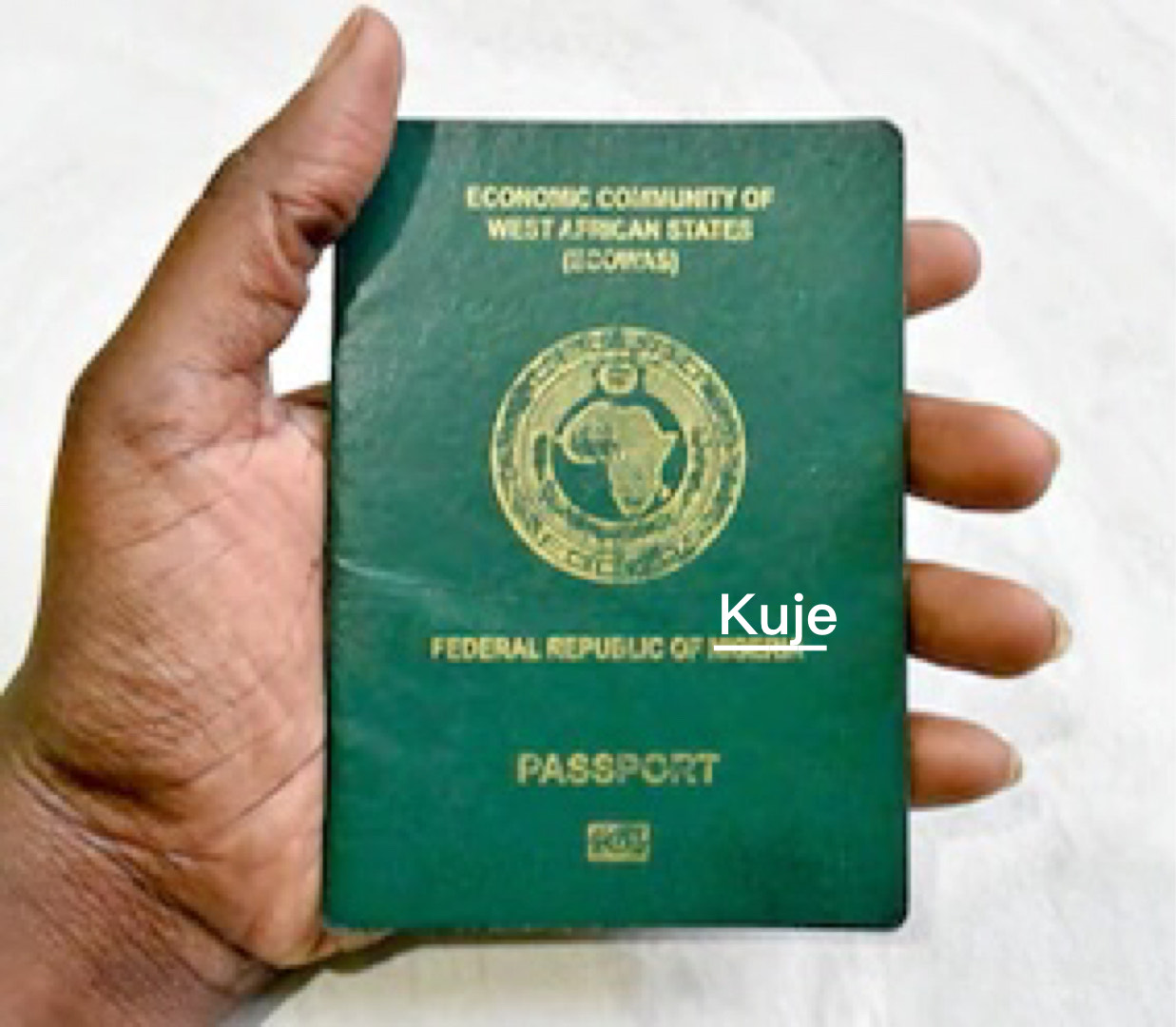
    osita iheme in four states of facial expressions ranging from disgust to unconcern

    Read Next: How to Spot an Ex-Lagosian Living in Abuja

  • Single Women in the Nigerian Police Force Are Expected to Remain Virgins. Here’s Why

    Narcos isn’t the only action film going on in the police force. 

    It’s 2022 and, added to the fight against corruption, the Nigerian Police Force (NPF) is also up against fornication — among women only, that is. Yes, being unmarried and pregnant are grounds for dismissal even when you’re serving your country. 

    Is this even legal?

    According to section 127 (also referred to as Regulation 127) of the 2006 Nigerian Police Regulations (NPR), an unmarried woman on the Police Force, who becomes pregnant shall be discharged from the Force and shall not be re-enlisted except with the approval of the Inspector General of Police (IGP).

    The regulation insists that a female police officer must undergo post-training experience on the field for at least two years before marriage and three years before childbearing.

    Or in this case, get sacked?

    Still in doubt? 

    Let’s roll the tape on Olajide Omolola, an ex-police officer in Ekiti State. 

    In January 2021, she was dismissed from the force based on Regulation 127 of the 2006 Police Act, because she was  pregnant while unmarried. 

    Stay with me

    Next, activists from the Humanist Association of Nigeria (HAN) took to the stage and demanded the reinstatement of Omolola on the Force. This push was based on the 2019 Police Amendment Bill which describes Regulation 127 as discriminatory .

    If this were a game of cards with your school guys, this is the point you’d shout, “Last card!” and end the game. Sadly, victory wasn’t in sight for Omolola. 

    According to the Ekiti State Police Commissioner, Mr Babatunde Mobayo, the repeal of Regulation 127 under the 2019 Police Amendment Bill had not been gazetted.

    A quick lesson

    When a bill hasn’t been gazetted, it means that the bill hasn’t officially been publicised by the government. So anything you hear about a bill is hearsay until it’s in the government gazette. Essentially, the 2019 Police Amendment Bill, can’t be applied in court to overrule a decision, as in the case of Omolola. 

    So, as for Mobayo, the dismissal by the Nigerian Police Force was justified. For him, Omolola’s pregnancy was scandalous because it happened less than a year after graduating from the Nigerian Police Force. 

    The Nigerian Police Force to single women in the Force

    Guess what?

    Regulation 127 in the Police Act also exists for women serving in the Nigerian Army. Before Omolola, in August 2020, an unnamed soldier got dismissed from the Force after being raped by bandits in Ogbomosho. The dismissal was justified based on the offence of ‘Conduct Prejudicial to Service Discipline’ under section 103(1). Her lawyer, Barr Oyewole tried to fight this ruling, but he also had to “pick two” in this game of cards.

    So what’s happening with Omolola?

    The Nigerian Bar Association (NBA) took NPF to court and filed a suit against Regulation 127 as a discriminatory act. Their angle was the purpose of the 1999 Nigerian Constitution to uphold our human rights, particularly, sections 37 and 42 of the Constitution.

    Here’s the summary: Section 37 guarantees every Nigerian the right to private and family life, while Section 42 provides for the right to freedom from discrimination.

    So who won this round?

    There was no round to win because the defendants told the NBA to go and sit down.

    The defendants to a whole NBA

    The Attorney-General of the Federation, Abubakar Malami (SAN), Police Service Commission and the Nigeria Police Force who were listed as defendants in the suit never responded. They simply submitted a counter-affidavit and asked for a dismissal of the court case. Talk about playing with the big boys.

    On Monday 21 January, Justice Iyang Ewo refused to nullify Regulation 127. The ruling states: “It is my opinion, the Regulation 127 of the Police Act is to be seen as a code of conduct for an unmarried woman in the Police Force.”

    Basically, the Judge took us off-court and asked the NBA to go to “general market”, effectively closing the case.

    NBA after the ruling on Monday

    So, scorecards?

    Patriarchy — 1

    Single Nigerian women in the Police Force — 0

    Boys and girls, the moral of this story? Get your PVC.

  • Will Nigeria’s Fuel Scarcity Be Over Soon? We Have Updates

    If you have a gen or car, two things may have crossed your mind in the past two weeks. First, you’ve asked yourself why you’re still in this country for the 100th time. 

    Then, you’ve wondered why you’ve spent the past two weeks queueing at fuelling stations.

    Well, the good news? We have all the details on the latter and we’re here with more updates. As for the former, we can’t really help you. 

    Pele, go and collect your PVC to vote in 2023.

    Now, for the updates

    The last time we had the resident big boys of Nigeria’s petroleum sector, the Nigerian National Petroleum Corporation (NNPC) and its ring leader, Mele Kyari, on the hot seat. Three main things went down:

    1. Earlier in February, adulterated fuel was imported and distributed to fuel stations across the country. 
    2. There was a tussle with MRS over who was to blame for the oversight that led to the importation of contaminated fuel.
    3. In the heat of the drama, an alleged entanglement between NNPC’s trading arm, Duke Oil, and a fraudulent law firm in Panama surfaced on Twitter.
    The gist is here

    So right now, who’s fixing this mess ?

    In the midst of all the “he said, she said” drama, NNPC assured Nigerians that 2.1 billion litres of methanol-free petroleum would be imported into the country to end the fuel scarcity in a few days. It’s been seven days since the update and well, your empty jerrican says it all.

    The Minister of State for Petroleum, Chief Timipre Sylva, has apologised to Nigerians on behalf of the Federal Government and asked us to stay focused.

    An excerpt from the speech: “It is not a time to trade blames as is customary in Nigeria. After the storm settles, there will be time enough to investigate and get to the bottom, so that this does not repeat itself.”

    So technically, we’re still here.

    Does it get better?

    Not really. In the midst of the power outages and hike in transportation fares, the Trade Union Congress (TUC) has threatened to go on strike due to the seemingly unending fuel scarcity.  

    Why is a strike from TUC problematic?

    They are the senior brothers of ASUU, so you may want to put some respect on their name. TUC is a union for senior staff from various associations in Nigeria to coordinate activities in their industries. 

    If they decide to embark on this strike, buying fuel for ₦1000 per litre won’t be our only problem. We will see stores shutting down, shipping and clearing agencies closing up — essentially every union under TUC will pack up.

    What is our designated bad boy, Uncle Bubu, doing?

    Uncle Bubu’s PR team is moving fast and will not tolerate any Buhari slander. In an interview with Channel Television’s, Femi Adesina,  the Special Adviser to the President on Media and Publicity, has asked Nigerians to stop crying as if the heavens have fallen.

    Uncle Femi out on parol for Bubu slander

    Does he stop there? No. He goes further to say: “Nigeria has only witnessed one major fuel scarcity since the inception of the Muhammadu Buhari administration.”

    Let me interpret

    Uncle Femi to Nigerians complaining

    At least we still have Google

    Let’s take a trip
    AdministrationYearChallenge
    Uncle Bubu2015Fuel scarcity
    Uncle Bubu2016Fuel Scarcity
    Uncle Bubu2017Fuel Scarcity
    Uncle Bubu2019Fuel Scarcity
    Uncle Bubu2021Fuel Scarcity

    So in other words, fuel scarcity is an annual event in the country, but according to Bubu’s PR squad, this is the first major one. Therefore, we all need to stop making noise.

    Nigerians to Uncle Femi

    So what next?

    We can only wait to see the 2.1 billion barrels of fuel distributed and hope things return to “normal”  soon. 

    Until then, stay glued to our daily updates on the chaos that is our beloved country, Nigeria, on Zikoko Citizen.

  • QUIZ: If You Score 8/10 On This Political Party Quiz, You Should Run For President

    A lot of people are showing interest in the Presidential position. Do you have what it takes to run for President?

    Take the quiz to find out:

  • QUIZ: If You Can Identify 10/13 Of These Politicians, You Should Move Into Aso Rock

    If you kill this quiz, start heading to Aso Rock because you belong there.

    Let’s go:

  • 5 Nigerian Government Poverty Alleviation Schemes That’ll Vex You

    President Buhari’s last televised message to Nigerians has been living in my head, rent-free. Not only did he ignore most of what he was supposed to talk about, he somehow used most of the time to brag about how much his government has done to alleviate poverty in Nigeria. Which is insane because:

    This happened in 2018 btw. 3 years after Buhari came into power.

    Buhari’s constant bragging made me look up some of the poverty alleviation schemes that have been initiated by members of the government since he came into power in 2015. Here are 5 I found.

    1) That time the First Lady of Bauchi State distributed bags of pure water to women as start-up capital.

    Yes. In June 2020, Dr Aisha Bala Muhammed empowered some women in the state by giving them 10 bags of pure water each so they could start businesses with. To understand how insane this is, a bag of water costs like N100. You do the math.

    2) That time a member of the Zamfara House of Representatives distributed basins, coal irons, and detergent to the youths.

    Kabiru Amadu, popularly referred to as Mai-Palace, did this in July 2020 as a way to empower the youths in his constituency.

    3) That time the minister of humanitarian affairs, disaster management and social development, Sadiya Umar Farouk, flagged off a Federal Government Special Grant of N20,000 to 700,000 rural women.

    Financially empowered with N20,000? Girl…

    4) That time the Nigerian Presidency’s Twitter account announced that payments of N30,000 were ongoing to 330,000 artisans across Nigeria in an Artisan Support Scheme but this happened:

    Girl, I…

    5) That time they gave out tricycles and moped scooters.

    This is funny and infuriating because whenever Nigerian youth do exceptional shit in world-class fields (e.g. Paystack’s recent acquisition), the government tries to take credit for it.

    But keke napeps are their idea of youth empowerment. Tueh.

    [donation]

  • The 10 Stages Of Becoming A Nigerian Politician

    Becoming a Nigerian politician is a long and tedious process many people are unwilling to go through. But we’ve hacked it for you and broken it down into these 10 simple steps so that you can become a Nigerian politician and start living your best life.

    1. You have to start by becoming a political activist.

    Call out corrupt politicians on every platform possible and amass a large following. Renounce politics and all politicians because they are the devil’s spawn. Make it clear that you’d rather sell your kidney than become one of them.

    2. When you’ve become a very well known activist and a voice of the people, use your popularity to collect political appointment from the same people you were criticising.

    After you collect your appointment jump through hoops to defend your appointees and blame everything on the previous government. Rain is falling too much? The previous government embezzled the money that was meant to pay rainmakers to hold the rain.

    3. Now, start making promises that you have no intention of ever keeping.

    You will give Nigerians 24/7 light and free WiFi. You will build 20 schools in one week. You will reduce the exchange rate to $1 to ₦1. With you, corruption shall go to an early grave.

    4. As you progress in your political career decide whether it’s broom or umbrella you want to be carrying.

    There are 68 political parties in Nigeria but you know the fastest way to get a post is to carry broom or umbrella.

    5. Next find yourself a godfather or godmother to sponsor your career.

    Image

    You think political campaigns are cheap? Better be ready to drop it down low so you can get sponsorship.

    6. Practice your fighting skills especially if you are gunning for a place in the National Assembly.

    Maybe ask Uncle Dino for some tips.

    7. You have to show Nigerians that you are one of them.

    You might be worth millions of (laundered) naira but that doesn’t mean you will stop taking okada or buying corn on the road like the average Nigerian.

    The script is to act like you feel their plight, so get in character and act like your life depends on it.

    8. As a politician you also need to get yourself security by whatever means.

    Hire cultists, militants or religious extremists. What’s your business if they end up becoming a terrorist group because you funded them.

    9. You have to get your wardrobe on check too. Get a tailor to sew plenty agbadas for you.

    Only make white. White is the colour of serious politicians.

    10. Once a year share bags of rice to a few people and take a thousand pictures.

    Bathroom slippers too isn’t a bad idea. Depends on the kind of message you intend to pass.

    Image

    Any time Nigerians accuse you of not doing your job publish the pictures online to show them that you are a very hardworking politician.

    Now that we’ve shown you the way go forth and flourish as the baby girl or baby boy politician we know you have the potential to be.

  • Who Is Abba Kyari, And Why Are Nigerians Concerned That He Has The Virus?

    Unless you don’t live in Nigeria, that’s when you won’t know who Abba Kyari is. For starters, he is the Chief of Staff of the Federal Republic of Nigeria. Basically, he is the liaison through the President and the agencies of Government. That means that it is through him the President communicates to the Government and vice versa.

    in 2019, due to the increased absence of the President as a result of illness and medical visits, he was in charge of running the country. President Buhari even directed that all queries and requests be sent through him in his absence. So, for a while, he was the informal “President” of Nigeria.

    Since the Coronavirus shut down borders all over the world, our leaders haven’t been able to fly out for treatment. So, naturally, some Nigerians were delighted when this news broke:

    Abba Kyari

    I mean it’s not every day that someone so close to power falls ill and can’t seek treatment outside the country. This means that they have to face the consequences of whatever healthcare facilities we have because they are in charge of budgeting and allocating resources for fixing it.

    Nigerians reacted in various ways to this news:

    Some people were happy that he would pass the virus to other powerful elites.

    Abba Kyari

    If I speak I am in big trouble.

    This person asked the question that was on all our minds.

    Abba Kyari

    Nigeria, which way?

    This person gave us a lesson in maths and history.

    Abba Kyari

    A most important question during this critical period.

    Abba Kyari

    Why?

    Some Nigerians are also worried about what this means for our Government.

    Abba Kyari

    We can’t afford inaction at this point.

    Then, there was this person advocating for empathy in these trying times.

    Abba Kyari

    What do you think? Share your thoughts with us in the comments section. If you want the latest information on happenings in Nigeria, then you should absolutely read this stack.


    What’s up, Zikoko Fam? It would mean the world to us if you spared a few minutes to fill this Reader Survey. It’s so we can bring you the content you really want!

  • Nigerian politicians are corrupt. This statement isn’t news to any Nigerian. But yesterday two video of the governor of Kano, Abdullahi Ganduje surfaced. In the videos, he’s seen collecting bundles of money one at a time from someone we can’t see. Even with the levels of corruption we experience, the videos still managed to surprise us and we have so many questions.

    What was the money for?

    Was Ganduje helping them change it to naira? Was he collecting it for safe keeping?

    Why hasn’t anyone in leadership said anything about it?

    It’s not as if we expect them to say anything sensible, but why the silence?

    Why was he collecting the bundles one by one? Is that how it’s done now? What happened to ghana bag?

    Was he counting the money to see if it’s complete?

    Why did he put some bundles in his agabada and put some on the floor? Is that why so many of our politicians like to wear agabada?

    Is agabda banking the new one? What happened to cap banking?

    According to Daily Nigeria, these two videos are the first of 15 which show the governor collecting a bribe. So what’s in the remaining 13?

    Watch out for all new episodes of ‘How to get away with dollars’.

    For the people saying the video is fake, is it not Governor Ganduje who’s in the video?

    Abi it’s someone else we are seeing?

    According to his Special Adviser for media, the governor was framed but the video is fake. Which one is it? Is the video fake? Or was he framed?

    #FakeNews: Some key facts to look into critically and objectively on the alleged video of Governor Ganduje receiving kickbacks. pic.twitter.com/L2XE1u2ze9

    — Salihu Tanko Yakasai (@dawisu) October 15, 2018

    The special adviser also goes on about how the people trying to set his poor governor up couldn’t fake his voice. But isn’t this his voice we hear in the second video?

    But the most important question of all, is why is he still in office?

    This won’t be the first time we’ll see politicians get away with such blatant acts of corruption.  But we are still hoping something is done about this.
  • Yesterday Aunty Oby declared her bid to run for presidency. Now, this might be the best news we’ve gotten since Burna Boy dropped Ye (our new national anthem).

    As expected what is likely to follow after this announcement is a slew of interviews and press runs.

    So here’s a public service announcement for all the members of the Nigerian Press. There are a thousand and one questions we should be asking Oby Ezekwesili right now, but they shouldn’t include any of these.

    May we meet you?

    So what we will call your husband if you win? Is it first husband?

    If you become president where will you find the time to be cooking for your husband/will you still be cooking for your husband?

    What does your husband think of you running for presidency?

    Do you think Nigeria is ready for a female president? Don’t you think you should wait a few years for your turn?

    Don’t you think you’d stand a better chance running alongside a man as Vice President?

    You can never win, so why are you running?

    So if you win how are you going to balance being president with your family life?

    If you become president, how do you think it’ll affect your home?

    Do you think as a woman you are up to the task of being president?

    Did you ask for your husband’s permission before you declared?

    What of your pastor? Did you ask for his permission?

    As a woman do you think you have what it takes to become the president of Nigeria?

    You know you should be asking? About her plans to fix the country’s debt situation, or how she’s going to provide more jobs, or improve national security. Thanks and God bless.

  • We were doing some research and to our surprise, APC and PDP are not the only registered political parties in Nigeria. According to INEC, there are actually 68 registered political parties! We are pretty sure you’ve never heard of these ones.

    All Blending Party (ABP)

    From the name, you’ll already know these ones came to play. What does All Blending Party mean?

    Abundant Nigeria Renewal Party (ANRP)

    Is this a political party logo or the logo for a Yahoo boy’s side hustle?

    All Democratic Peoples Movement (ADPM)

    I like how they’ve already packed themselves inside bus. They better keep driving until they reach Cotonou, because we don’t want them here.

    Citizens Popular Party (CPP)

    These ones had the liver to put ‘popular’ in their party’s name. Why tell such lies?

    Freedom and Justice Party (FJP)

    ‘Freedom and Justice’, as if any Nigerian politician knows the meaning of those words.

    Green Party of Nigeria (GPN)

    I like how there’s a hand telling us ‘your father’ in their logo. At least they are straightforward.

    Independent Democrats (ID)

    If we put all Nigerian politicians together in a room we are pretty sure none of them can spell ‘Independents’ or ‘Democrats’ but there is a political party called Independent Democrats?

    Justice Must Prevail Party (JMPP)

    Is there anywhere in this country that justice prevails?

    Masses Movement of Nigeria (MMN)

    These ones what to use ‘we the people, for the people’ to deceive us. Stay woke, they are all the same.

    National Conscience Party (NCP)

    I’m pretty sure we all know that if there’s one thing all Nigerian politicians lack, it’s conscience.

    New Generation Party of Nigeria (NGP)

    Just look at these wicked people that don’t want us to progress as a country. How can they use hand fan as their logo? So they are praying for us to never have light?

    National Rescue Movement (NRM)

    It took a bit to convince me this is a political party. What’s the bee doing there, please?

    Re-build Nigeria Party (RBNP)

    Please, there is nothing to rebuild we need to start from scratch. We have to lay foundation again.

    Socialist Party of Nigeria (SPN)

    So there are people who are socialists in this country?

    Young Progressive Party (YPP)

    So there is a Young Progressive Party in this country and Buhari is still president. Wawu.
  • Nigeria is a country blessed with an extraordinarily diverse set of people. Our politicians are a different breed of their own.

    Let’s talk about of the distinct types of politicians in Nigeria.

    The first type of politicians are the calm ones, believe it or not, some of them fall under this category.

    Whatever the situation, they remain calm.

    Then we have the CEOs of trouble making.

    From jumping fence to tearing cloth, these ones can scatter anywhere.

    You know those types of people who can lie their way out of every situation?

    No comment.

    There’s the special ones who have Ph.Ds in dancing.

    They play a very vital role in the Nigerian politics.

    Let’s not forget the ones who have refused to fully retire.

    Help us beg these baby boys o. It’s okay.

    This category is for the ones who grace us with their beautiful grammar once in a while.

    Higi Haga. Crinkum Crankum.

    The ones who are always in the news for one drama or the other.

    We know the people we’ll send to Big Brother next year.

    What of the ones that change party like SIM cards?

    Home is where the power is.

    There are the ones that are just doing House of Cards with Nigeria

    Will the real Frank Underwood please stand up?

    What about the ones who do everything but their job?

    Is that why we’re here?

    Is this list even complete without the Keyboard Warriors?

    Lion on the Internet, but meow-meow when it’s time to solve our problems.

    Finally, we have the ones who are ready to change Nigeria.

    We’re still waiting for the change sha.

    So if you’re tired of all this nonsense, perhaps the first step is to:

    Make your voice heard. Visit getyourpvc.com and learn how to register to get your PVC ASAP.

    What type of politician did we miss out on? Tell us in the comments below or tweet us @zikokomag!

  • Everyone knows literally everything that has to do with registration is an extreme sport in this country.

    If you don’t agree, you’re not Nigerian.

    For the first time in forever, Nigeria has made this one thing rather easy for us.

    See it’s very okay to still be in doubt

    Seriously, we all need to save this country and it’s easier now that getting your PVC is like ABC.

    Pay attention

    Note: if you have a valid voter’s registration from 2011, lucky you! you’re only reading this for one reason.

    To let your friend’s know how easy it is.

    This is your opportunity to take a day off work, because your right to vote is important.

    Do I have your attention now?

    Any time between 9am and 3pm from Monday to Friday is great. They’re not open on public holidays though.

    See why you need that day off work? Your Oga has to understand.

    You should carry your International passport or Birth Certificate or Driver’s licence.

    In short just show them everything so they’d know you’re a real life person

    Go to your nearest INEC registration centre, or go to your local government area, they will definitely have one.

    Or you can stand on the road and say “excuse me ma, I’m looking for INEC”

    Once you’re done, you’d get a TVC (Temporary Voter’s Card) slip. Don’t get it missing, you need it to get your PVC later.

    That paper must not get lost oh.

    You can try to ask the INEC person attending to you when your PVC will be ready.

    “Sorry sir, when should I come back for my PVC?” They better know o.

    Finally, Wait and pray, it could take a while.

    But just like 6 months, nothing serious. At least you’ve done your part.

    We made an even simpler and detailed guide here:

    Just visit GetYourPVC.com.  Don’t forget to share!
  • Dino Melaye Is Acting Very Weird And We’re All A Bit Worried

    Actually, scratch that. Dino Melaye is acting exactly like Dino Melaye over a certificate scandal, and no, we’re not worried about him

    https://www.youtube.com/watch?v=fzfXGm3dHWk
    The video shows Nigerian senator, Dino Melaye, rejoicing and shaming his ‘enemies’ after accusations came up that his educational certifications may have been forged. How many people can dance like this?

    How did we get to this? Let’s go back to Mon 20th, March, when it all started

    Sahara Reporters allege that Sen Dino failed some compulsory courses and so could not have graduated.

    The same platform also alleged that his London School of Economics (LSE) degree was a fake, and they had receipts

    On March 21st, the Senate Committee on Ethics led by Senator Ali Ndume called for a probe of the allegations and invited the Vice Chancellor of ABU to defend the school

    The committe also called for probes into allegations that Senate President Abubakar Saraki evaded customs duty on a Range Rover Sports SUV, which caused it to be impounded by Customs officials.

    March 27th. Vice Chancellor of ABU, Prof Ibrahim, appeared before Senate to confirm that Melaye indeed graduated as ‘Daniel Jonah Melaye’ in 1999

    The professor confirmed  he graduated in 2000, with a 3rd class in Geography.

    Meanwhile, Dino posted his NYSC certificate on his Twitter and that only caused him more trouble

    https://www.instagram.com/p/BSLMvtyALnO/?taken-by=dinomelaye
    Somebody explain why he’s producing a black and white certificate? Where is the original? Where is his ABU certificate? Somebody? Anybody?

    But where did the line under ‘2000’ and ‘2001’ go to?

    Hmmmmmmmmmmmmmmmmmmmmmmmmmmmmmm! Also, the logical arrangement of the code should carry ‘2000’, not 1999. If Dino graduated 2000 and started service year in 2000, where is the ’99’ coming from?

    So trust Nigerians to investigate things by themselves

    https://twitter.com/TytbonesCEO/status/846683270851039232
    People of God, Dino started and ended NYSC on Sunday.He also posted that embarrassing video shaming his haters.

    And what did Dino do in response? Of course he wore his gown to a plenary session in true clown fashion

    https://www.instagram.com/p/BSLncb1g8Ml/?taken-by=dinomelaye

    What will Dino wear next? NYSC uniform?

    Anything can happen at this point.

    We are not even surprised. In 2011, allegations surfaced against Senator Andy Uba for forging his Ph.D certificate

    It’s a damn shame, but if you take a good look at this pattern and if indeed some senators have been lying about their qualifications, you’ll begin to understand why almost everything they do is a mess. Logically, learned people would be more productive and less clownish.
  • 1. Since Trump became President, Americans have not allowed the rest of the world hear word.

    2. Everyday one palaver after another.

    3. Are they the first?

    4. Today they say he wants to ban everybody.

    5. Tomorrow, it’s that he wants to use his office to make money.

    6. So are they too good to manage corruption and incompetence?

    7. The rest of us around the world doing it, do we have two heads?

    8. Then they started complaining that Russia interfered in their election.

    9. But hasn’t America been interfering in all the elections in the third world since 19whatever?

    10. Did we die?

    11. Okay many people died, but we are still here!

    12. But wait, did they not vote for the Trump man?

    13. So what’s all this crying and shouting?

    14. This is all of us, laughing at the fact the we don’t have the monopoly on bad and nonsense leadership.

    15. Welcome to the club, America!

  • 1. So we saw that there was going to be a protest and we decided to attend.

    2. Because to be honest, we are freedom fighters and patriotic Nigerians.

    3. Also, there was no light in the office!

    4. So we carried camera and marched to the National Stadium, like:

    5. When we got there and saw all the security personnel, we were like:

    6. We quickly ran inside to stand with our fellow “bloody civilians”.

    7. Before somebody will chop slap on top of “fighting for our rights”!

    8. When we saw the low turnout, we were confused oh!

    9. Because everybody on social media was forming “Young Fela” and freedom fighter!

    10. But now we could not find them.

    11. Even the musicians and celebrities that were using all their power to type in CAPS on social media.

    12. Their activism apparently na audio oh!

    13. We dey hear am, we no dey see am!

    14. Before we could say “When is daddy Bubu coming back” it was time to start walking!

    15. We walked from the national stadium to the national theatre with panache and style.

    16. And whenever anyone asked us which media house we were from, we said with pride…

    17. After some time we realised the police and extra security were there to make sure it didn’t get out of hand.

    18. When one of the speakers said “we will fight for Nigeria even if we have to die”, we were like:

    19. Sorry please who is writing list of die-makers can they remove our name?

    20. When we got back to the office all our colleagues were like:

    21. Because we were sweating like christmas goats, and so tired we just collapsed in the office!

    22. They were just jealous, because they don’t have what it takes to be real freedom fighters!

    23. And do you know the fantastic thing?

    24. There was still no light in the office!

  • All The Things That Happen When Your Oga Travels

    1. So out of nowhere your oga decides to travel.

    2. First he says it’s a family issue.

    3. Then small time he changes mouth and says it’s for a much needed holiday.

    4. Next thing, you hear that it’s a medical issue.

    5. When you ask what type of medical issue, he’s like:

    6. Okay no problem! What of a return date?

    7. Small time his PA starts saying he has spoken to someone, who has spoken to someone who has spoken to him, and all is well.

    8. So even oga’s PA too no longer has direct access!

    9. Meanwhile oga is uploading snazzy pics on facebook.

    10. Making new friends and feeling funky!

    11. The long and short of the story is, which day are you coming back sir?

  • All The Things We Are Tired Of In Nigerian Politics

    1. When everyone is in traffic and a politician’s mopol starts blaring their sirens for people to make way.

    No, please fly over our heads.

    2. When even ordinary local government chairmen starts forming bad guy.

    Wow! Can you imagine?

    3. When you try to get a meeting with a politician and they waste hours of your time.

    You know some of us actually have to work! We don’t have hours to waste lounging in your office waiting room.

    4. When it’s 6 months to election time and all of a sudden roads are being fixed and schools being built.

    Oh so now you people know how to work!

    5. When the election jingles start playing everywhere.

    Who authorised this noise?

    6. When all the walls and billboards are covered with political posters.

    Na wa oh.

    7. When politicians start promising the moon and stars.

    Like we haven’t been here before.

    8. When feuding politicians all of a sudden become best friends because of elections.

    We are not fools oh, we know what it is.

    9. When after the elections they fall out again and start insulting each other everywhere.

    Nobody is surprised.

    10. If you’re tired of all the rubbish, this is what you should do:

    Visit getyourpvc.com and in 5 minutes, you’ll have all the information you need to register to get your PVC. Don’t dull.

    And tell us, what is the most irritating thing about Nigerian politicians?
  • We all know baba Atiku as former Vice President during Olusegun Obasanjo’s tenure. But lately, he’s been showing us a different persona on social media and we’re all wondering why.

    Could it be a campaign of sorts; as part of his lifelong ambition to be President of Nigeria?

    I mean, just look at this:

    Baba Atiku, what did we just see please?

    You’ve not seen anything, just look at how Twitter users now responded:

    See how this person threw shade at Hilary Clinton, former US presidential candidate.

    Did you also notice this in the video?

    See this one, Joseph the Dreamer.

    Plenty people are not alright in this country!

  • Every now and then, in the name of empowerment, Nigerian politicians turn up with big ass geles and agbadas, scissors and ribbons just to give out the most ridiculous amount of ‘vocational equipment’.

    Usually, these politicians go on to post pictures of their incredible feat on social and electronic media just so the world can give them a gigantic cookie for effort.

    In the usual manner, this recently happened in Oyo state.

    I mean, it’s a good thing to encourage the people every now and then, but why is that Mummy’s gele that lit on top one hair dryer?

    Does this hair dryer come with a salon for the graduant to actually dry hair in? Abi is she supposed to play with it?

    When will Nigerian government bodies create long-lasting programs that will serve Nigerians positively?

    Let’s know what you think of this in the comments section.