Notice: Function _load_textdomain_just_in_time was called incorrectly. Translation loading for the wordpress-seo domain was triggered too early. This is usually an indicator for some code in the plugin or theme running too early. Translations should be loaded at the init action or later. Please see Debugging in WordPress for more information. (This message was added in version 6.7.0.) in /home/bcm/src/dev/www/wp-includes/functions.php on line 6121 Police | Zikoko!
This story opens with the Foundation of Investigative Journalism (FIJ Nigeria), a media organisation that pursues investigative stories such as corrupt activities at Nigeria’s borders, decadence within the police force and negligence of citizen rights.
However, the job often comes with lawsuits and unlawful detentions. The most recent is the recent arrest of FIJ journalist, Daniel Ojukwu.
What’s the backstory?
Daniel Ojukwu, an investigative journalist for FIJ, went missing on May 1, 2024, with his phone switched off. On May 3, FIJ Nigeria discovered him in police custody on May 3, detained over a report he published in November 2023.
Despite meeting bail conditions, the Nigerian Police allegedly refused to release Ojukwu due to an “order from above”. The Committee to Protect Journalists (CPJ) called on Nigerian authorities to release Ojukwu and end press intimidation in the country.
He was being held at the State Criminal Investigation Department (SCID) on allegations of violating the Cybercrimes Act. On May 5, Ojukwu was transferred to the National Cybercrime Centre in Abuja from Panti in Lagos.
Why was he really arrested?
Daniel Ojukwu was arrested over a report in which he alleged that Adejoke Orelope-Adefulire, Senior Special Assistant to Ex-President Buhari on Sustainable Development Goals, diverted ₦147 million (US$106,154) of government money into a restaurant’s bank account. A complaint was filed on behalf of the Ex-President’s SSA by an NGO affiliated with the All Progressive Congress (APC) political party.
Ojukwu’s detention by the Nigerian Police is not the first of its kind. On February 7, police charged reporters, Azeez, Ayatullahi, Taofeek and Damilola, with conspiracy under section 27(1)(b), and cyberstalking under section 24(1)(b), of Nigeria’s Cybercrimes Act, and defamation under section 393 of the penal code. The most recent case is First News Editor, Segun Olatunji, who recently resigned from his role after his release from police custody on March 28, 2024. His firm claimed that his reports were falsified after his arrest but Segun Olatunji maintains his stand and says that his reports are true.
As Democracy Day draws closer, concerns continue to rise about press freedom in Nigeria.
[ad]
What was the Nigerian Police’s response?
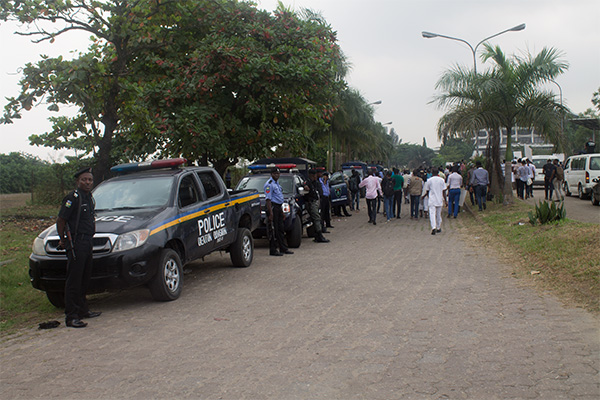
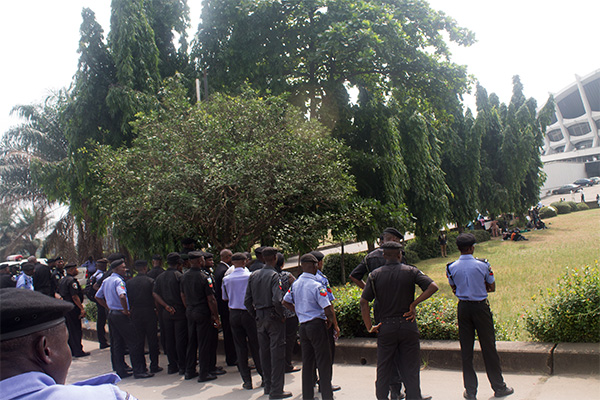
Following the protests at Abuja on Thursday, May 9, 2024, by action groups affiliated with press freedom and human rights protection in Nigeria, the FCT Police Commissioner, Ben Igweh, assured that the detained Daniel Ojukwu will soon be released from detention.
This promise was kept on May 10, 2024, when Ojukwu was released.
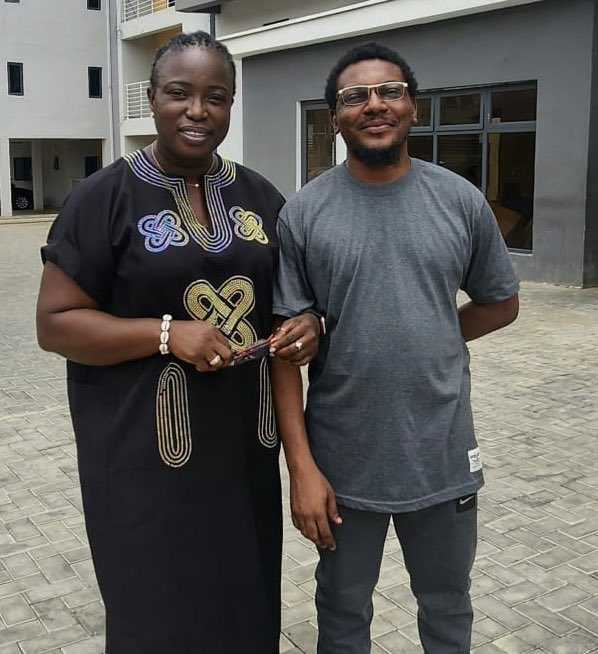
Daniel Ojukwu and Bukky Shonibare after his release on Friday, May 10, 2024.
The CP also warned journalists to be careful of what they write and say as they would be arrested and prosecuted like normal citizens if found guilty. Although Daniel Ojukwu is now free, many questions linger. Every journalist behind a keyboard may be writing with a new fear.
A few weeks back it was Segun Olatunji, today it’s Daniel Ojukwu. Who’s next?
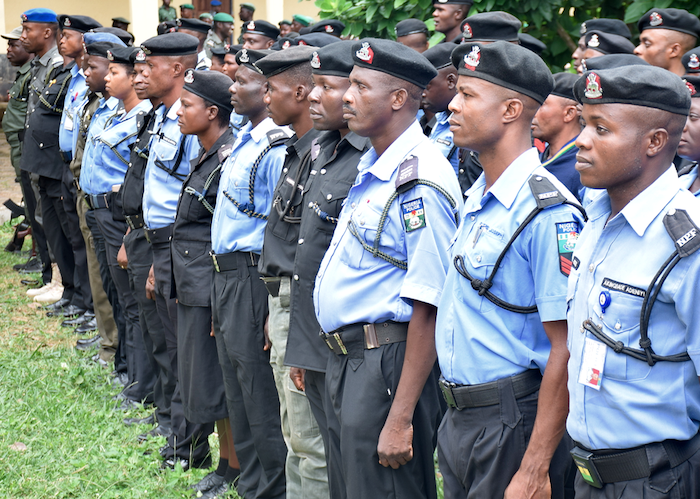
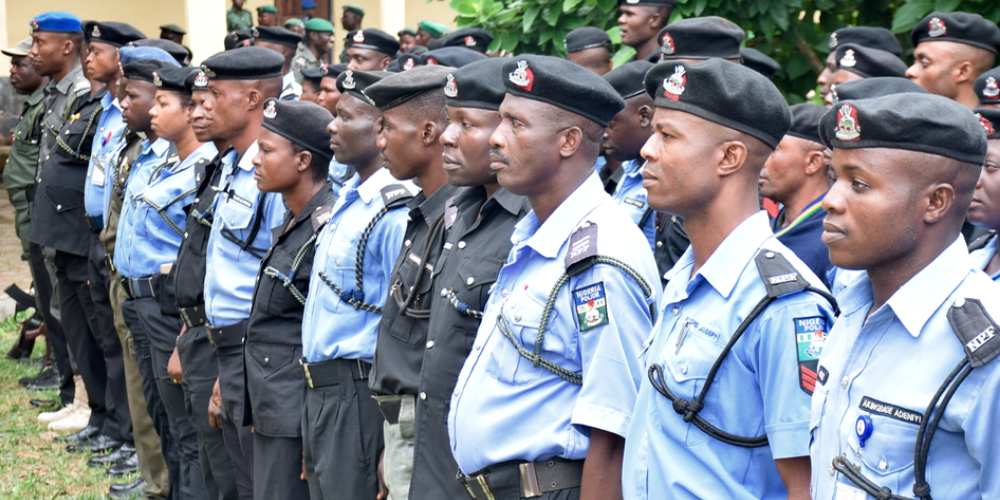
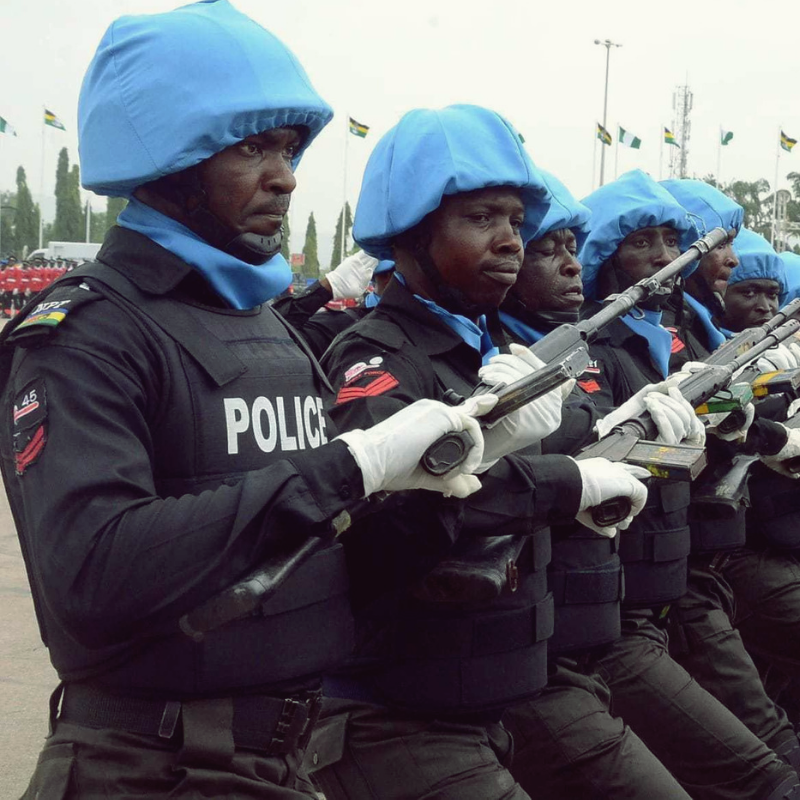
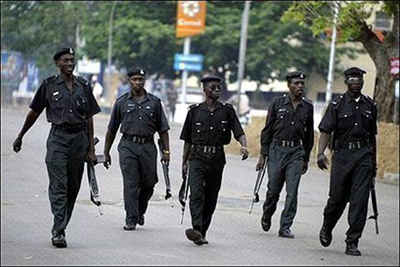
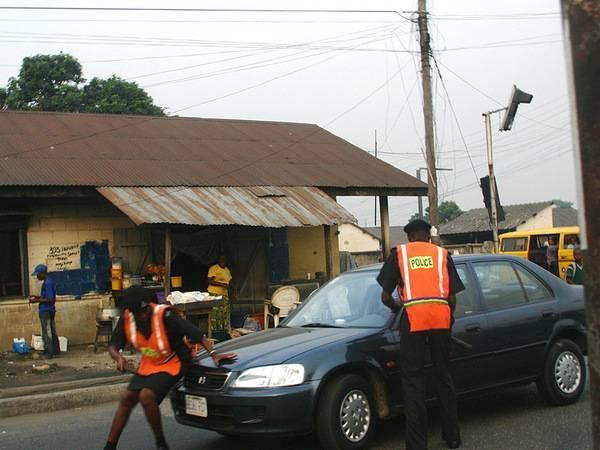
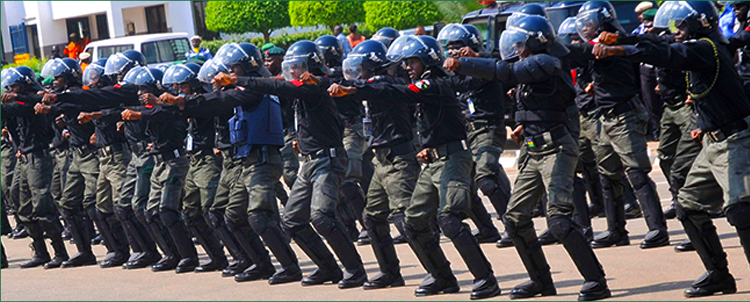
The Nigerian police force (NPF) has become an integral part of every Nigerian’s life. You see them everyday — in the heat of car traffic, in their patrol cars and at checkpoints. While these uniformed officers represent the law and coordinate arrests of defaulters, not much is known about their administrative structure.
The NPF consists of departments that work together to discharge their duties. This structure is according to sections 214(2)(a) and 215(2) of the constitution which defines how police force authority is layered in ranks and the extent of their power. In these provisions, the NPF has been divided into three different structures:
Command Authority Structure
Administration Structure
Organisation structure
While these three structures are all interconnected, this article primarily focuses on the “Administrative Structure” of the NPF and their duties.
The NPF’s Administrative Structure is made up of 7 Departments (A – G). Each department has a core focus to maintain, and while it might be different, they are all charged with the central duty of upholding Justice and keeping the country safe from all threats.
A Department (Administration)
Here we have the top officials of the rank and file saddled with the core responsibility of supervision and coordination of the police in the discharge of their duties. Officers in this department handle everything from formulating policies, reforms, and procedures to carrying out disciplinary actions against juniors and senior officers in the force. This department also handles convening senior officer’s conferences and preparing annual reports and budgets.
B Department (Operations)
We have the officers in charge of directly handling the security and safety of the lives and properties of the citizens throughout the country. They plan and organise security measures for the larger communities to prevent crime, oversee inter-agency operations, and handle all policy formation on traffic control, terrorism, insurrection, natural disasters, and many other issues that affect the general population.
C Department (Logistics and Supply)
These officers handle the procurement and distribution of clothing and accoutrements such as vehicles, buildings, arms and ammunition, spare parts, and printing equipment. They maintain and distribute all necessary equipment related to the NPF.
D Department (Investigation and Intelligence)
These officers handle all criminal investigations, liaison with Interpol, Forensic investigations, prosecution, and maintenance of all records on policing and enforcing the laws.
E department (Training and Command)
This department is in charge of recruiting and training fresh cadets and other officers in the NPF. They maintain and supervise all police colleges and create policies to standardise the development of staff and equipment of the NPF in line with international standards.
F Department (Research)
This department is charged with researching and developing new and existing policies to ensure the standards of the NPF are up to date. They also handle information and ethics management.
G Department (ICT)
This department handles all the computer-related affairs of the NPF. They see to matters of cyber security and maintain all the sensitive registries and systems of the NPF such as the Biometric Central Motor Registry (BCMR), Automatic Fingerprint Identification System, and Tracking and Intercepting Device Unit.
These are all different systems and registries that are employed across departments within the NPF. They are experts in the ICT field and are essential to the discharge of the NPF Mandate.
These departments are the machines that make the police department work and show that beyond the roadside patrols and highway checks, the Nigerian police force does much more.
The Nigerian Police Force (NPF) is one of the most prominent security agencies in the country, tasked with ensuring the security of citizens within the country. If you’ve ever been curious about the Nigerian police ranks and salary structure, this article answers your questions.
A brief history
According to the NPF, its history dates back to 1861, when it was a 30-man security group that operated in Lagos state. The group would be expanded to accommodate about 1200 men in 1879 and renamed the Hausa Constabulary, an armed paramilitary outfit. By 1896, the Lagos Police was established and a similar security outfit, the Niger Coast Constabulary, started operations in Calabar in 1894. Meanwhile, the north had its own security agency, the Royal Niger Company Constabulary which was set up in 1988.
In 1900, the Northern and Southern Nigeria Protectorates were born, and with them came the Northern Nigeria Police and Southern Nigeria Police. Fast forward to 1930, the Northern and Southern forces merged to form the colony’s first national police, the Nigerian Police Force.
Ranks of the Nigerian Police Force
Nigerian police officers are deployed from across the 36 states of the country and the capital to “fight crime, criminality and ensure the maintenance of law and order vis-à-vis peaceful co-existence in the society.”
The NPF has three different structures: Command (authority), administration and organisation. The command is hierarchical, starting with the Inspector-General of Police and ending with the constable.
We outline the Nigerian police ranks and salary below:
The Inspector-General of Police (IGP)
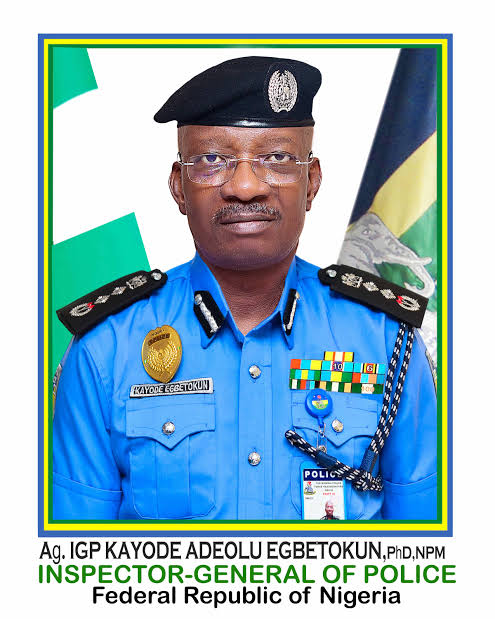
Image: NPF
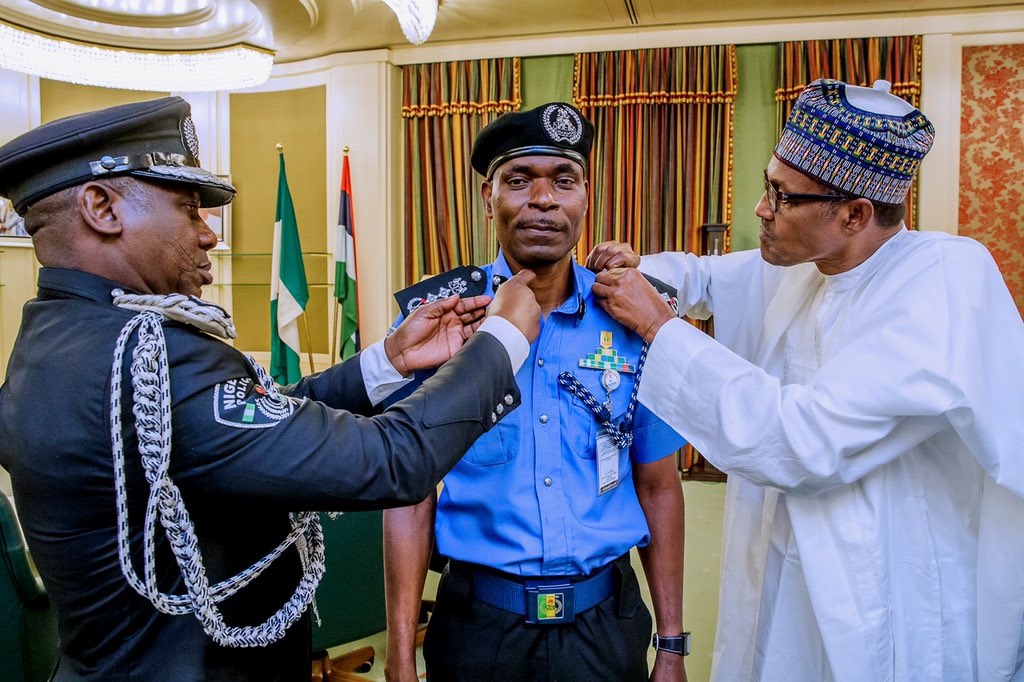
The head of the entire NPF and the most senior officer, the IGP controls the administration of the NPF. Kayode Egbetokun is the current IGP, after he succeeded Usman Baba in 2023.
Monthly salary according to grade
Inspector-General (1): ₦1.543,960.95
Inspector-General (2): ₦1.701,188.95
Inspector-General (3): ₦1.849,000.29
Inspector-General (4): ₦1.987,396.61
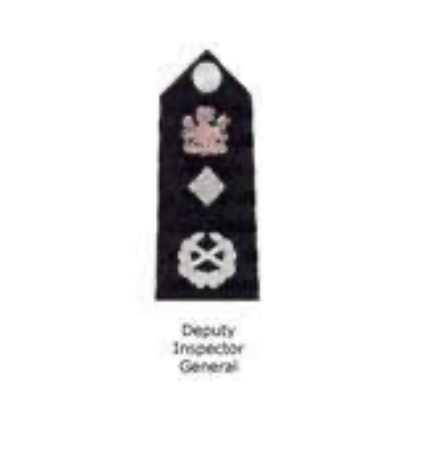
The Deputy Inspector-General of Police
This is the second most-senior office of the NPF, and it usually has multiple officers who can step in for the IGP when the situation arises. The deputy IGPs head the administrative departments of the NPF. Frank Mba, Habu Sani, Usman Nagogo, Daniel Sokari-Pedro, Ede Ekpeji, Ibrahim Ka’oje and Bala Ciroma are the current Deputy Inspectors-General of Police.
Monthly salary according to grade
Deputy inspector-general (1): ₦1,405,277.58
Deputy inspector-general (2): ₦1,558,160.45
Deputy inspector-general (3): ₦1,706,152.46
Deputy inspector-general (4): ₦1,849,057,45
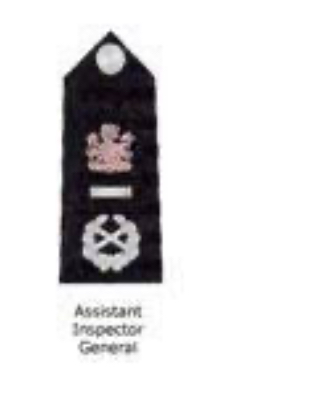
The Assistant Inspector-General of Police
Commonly called the AIG, this rank is subordinate to Deputy IGP. AIGs oversee the zonal operations of the NPF. In October 2023, Kayode Egbetokun decorated 12 AIGs.
Monthly salary according to grade
Assistant Inspector-General (1): ₦867,552.16
Assistant Inspector-General (2): ₦1,018,009.62
Assistant Inspector-General (3): ₦1,168,071.66
Assistant Inspector-General (4): ₦1,318,468.87
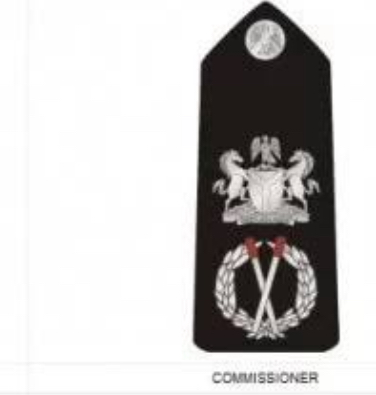
The Commissioner of Police
These are officers charged with overseeing the force’s state commands. The CP is appointed by the IGP, subject to approval by the Police Service Commission.
Monthly salary according to grade
Commissioner of police (1): ₦849,977.67
Commissioner of police (2): ₦869,472.56
Commissioner of police (3): ₦887,087.64
Commissioner of police (4): ₦909,435.78
Commissioner of police (5): ₦929,497.93
Commissioner of police (6): ₦960,137.01
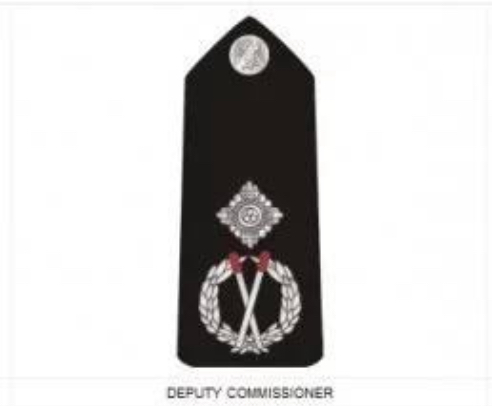
The Deputy Commissioner of Police
A DCP oversees an area command. They’re the second-highest ranked officer in the force’s state command and are often in line to succeed the CP.
Monthly salary according to grade
Deputy commissioner of police (1): ₦420,772.22
Deputy commissioner of police (2): ₦432,576.03
Deputy commissioner of police (3): ₦443,576.03
Deputy commissioner of police (4): ₦454,977.94
Deputy commissioner of police (5): ₦466,379.84
Deputy commissioner of police (6): ₦477,781.85
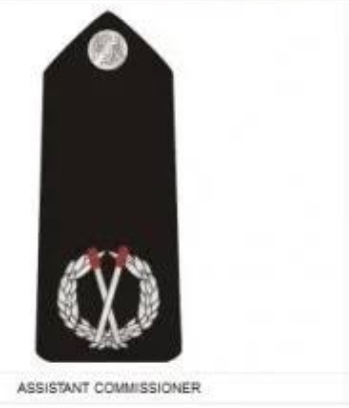
The Asst. Commissioner of Police
These are officers directly below the DCP. They answer to both the DCP and the Commissioner.
Monthly salary according to grade
Asst. commissioner of police (1): ₦382.860.45
Asst. commissioner of police (2): ₦396.258.98
Asst. commissioner of police (3): ₦409,847.23
Asst. commissioner of police (4): ₦423,626.20
Asst. commissioner of police (5): ₦433,396.91
Asst. commissioner of police (6): ₦447,459.47
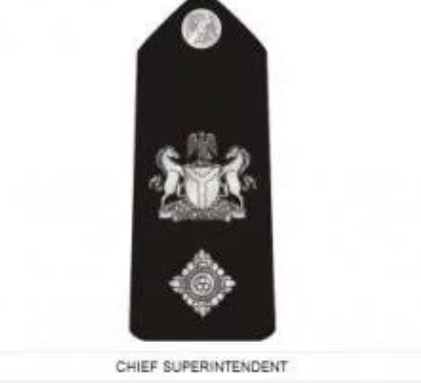
The Chief Superintendent of Police
Monthly salary according to grade
Chief superintendent of police (1): ₦338,759.83
Chief superintendent of police (2): ₦346,451.39
Chief superintendent of police (3): ₦354,306.95
Chief superintendent of police (4): ₦362,162.38
Chief superintendent of police (5): ₦370,017.94
Chief superintendent of police (6): ₦377,873.50
Chief superintendent of police (7): ₦385,728.92
Chief superintendent of police (8): ₦393,584.48
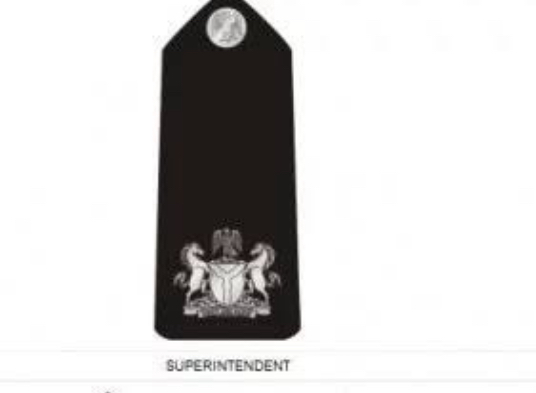
The Superintendent of Police
Monthly salary according to grade
Superintendent of police (1): ₦276,759.05
Superintendent of police (2): ₦283,103.54
Superintendent of police (3): ₦289,447.89
Superintendent of police (4): ₦295,792.39
Superintendent of police (5): ₦302,136.88
Superintendent of police (6): ₦308,481.37
Superintendent of police (7): ₦314,825.72
Superintendent of police (8): ₦321,170.21
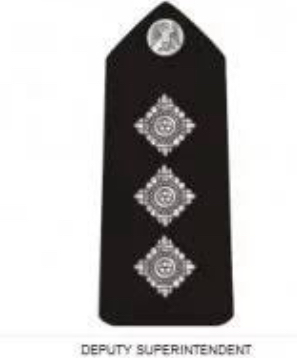
The Deputy Superintendent of Police
The DSP answers to the superintendent and can take up the role in their absence.
Monthly salary according to grade
Deputy superintendent of Police (1): ₦259,706.29
Deputy superintendent of police (2): ₦265,707.25
Deputy superintendent of police (3): ₦271,708.08
Deputy superintendent of police (4): ₦277,708.90
Deputy superintendent of police (5): ₦283,709.86
Deputy superintendent of police (6): ₦289,710.68
Deputy superintendent of police (7): ₦295,711.51
Deputy superintendent of police (8): ₦301,712.33
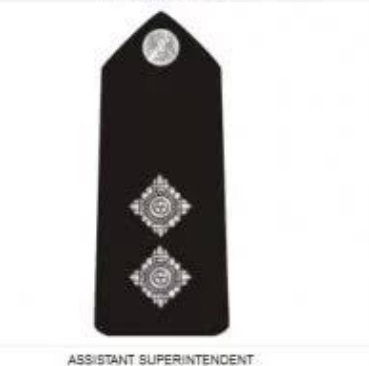
The Asst. Superintendent of Police
Nigerian police ranks and salary according to grade
Assistant superintendent of police II (1): ₦219,736.63
Assistant superintendent of police II (2): ₦223,254.74
Assistant superintendent of police II (3): ₦226,772.98
Assistant superintendent of police II (4): ₦230,281.23
Assistant superintendent of police II (5): ₦233,809.47
Assistant superintendent of police II (6): ₦237,327.58
Assistant superintendent of police II (7): ₦240,845.82
Assistant superintendent of police II (8): ₦244,344.06
Assistant superintendent of police II (9): ₦247,882.17
Assistant superintendent of police II (10): ₦251,400.42
Assistant superintendent of police I (1): ₦239,210.28
Assistant superintendent of police I (2): ₦243,079.18
Assistant superintendent of police I (3): ₦246,948.09
Assistant superintendent of police I (4): ₦253,312.59
Assistant superintendent of police I (5): ₦259,754.55
Assistant superintendent of police I (6): ₦268,847.01
Assistant superintendent of police I (7): ₦275,482.53
Assistant superintendent of police I (8): ₦282,195.23
Assistant superintendent of police I (9): ₦288,985.51
Assistant superintendent of police I (10): ₦293,125.15
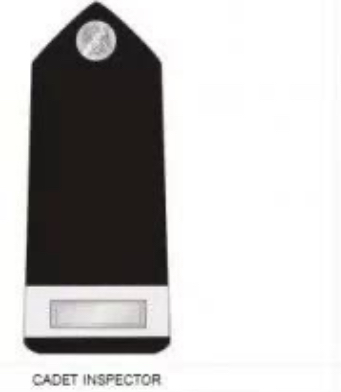
The Inspector of Police
Monthly salary according to grade
Inspector II/Cadet inspector (1): ₦119,693.87
Inspector II/Cadet inspector (2) ₦121,879.47
Inspector II/Cadet inspector (3): ₦124,064.96
Inspector II/Cadet inspector (4): ₦126,250.56
Inspector II/Cadet inspector (5): ₦128,436.16
Inspector II/Cadet inspector (6): ₦130,621.65
Inspector II/Cadet inspector (7): ₦133,747.12
Inspector II/Cadet inspector (8): ₦136,872.59
Inspector II/Cadet inspector (9): ₦139,997.95
Inspector II/Cadet inspector (10): ₦143,123.42
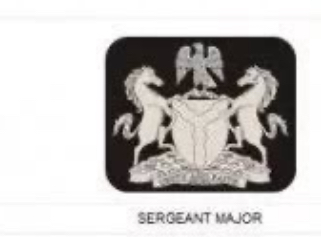
Sergeant Major
The highest-ranked non-commissioned officer of the NPF, and the highest junior officer of the force. A sergeant major offers assistance to administrative officers in regiments.
Monthly salary according to grade
Sergeant major (1): ₦96,216.19
Sergeant major (2): ₦99,233.25
Sergeant major (3): ₦102,250.32
Sergeant major (4): ₦105,267.53
Sergeant major (5): ₦108,284.59
Sergeant major (6): ₦111,301.66
Sergeant major (7): ₦114,318.86
Sergeant major (8): ₦117,335.93
Sergeant major (9): ₦120,353.00
Sergeant major (10): ₦123,370.20
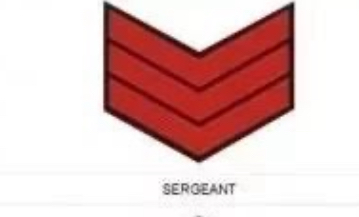
Sergeant
A sergeant is a middle-ranked non-commissioned officer under the sergeant major.
Monthly salary according to grade
Police sergeant (1): ₦77,974.65
Police sergeant (2): ₦79,336.16
Police sergeant (3): ₦80,617.34
Police sergeant (4): ₦82,128.16
Police sergeant (5): ₦85,639.11
Police sergeant (6): ₦88,150.07
Police sergeant (7): ₦90,660.89
Police sergeant (8): ₦93,171.84
Police sergeant (9): ₦95,682.80
Police sergeant (10): ₦98,193.61
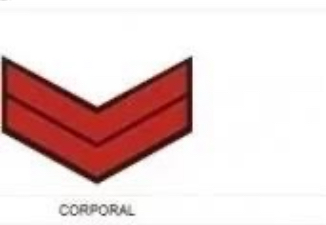
Corporal
This officer is responsible for the supervision and training of police officers. The corporal assumes the position of the sergeant when on the streets or in the absence of one.
Monthly salary according to grade
Police Corporal (1): ₦71,809.19
Police Corporal (2): ₦72,951.64
Police Corporal (3): ₦74,093.95
Police Corporal (4): ₦75,236.27
Police Corporal (5): ₦76,378.72
Police Corporal (6): ₦77,521.04
Police Corporal (7): ₦78,663.35
Police Corporal (8): ₦79,805.80
Police Corporal (9): ₦81,002.13
Police Corporal (10): ₦82,144.58
Constable
This is the lowest-ranked officer in the NPF, which includes newly employed graduates of the Nigeria Police Academy.
Monthly salary according to grade
Police constable II (1): ₦68,262.29
Police constable II (2): ₦69,035.85
Police constable II (3): ₦69,809.41
Police constable II (4): ₦70,582.97
Police constable II (5): ₦71,356.54
Police constable II (6): ₦72,130.10
Police constable II (7): ₦72,903.66
Police constable II (8): ₦73,677.22
Police constable II (9): ₦74,450.78
Police constable II (10): ₦75,224.48
Police constable I (1): ₦69,524.55
Police constable I (2): ₦70,475.23
Police constable I (3): ₦71,426.04
Police constable I (4): ₦72,376.85
Police constable I (5): ₦73,327.66
Police constable I (6): ₦74,278.47
Police constable I (7): ₦75,229.28
Police constable I (8): ₦76,180.09
Police constable I (9): ₦77,130.90
Police constable I (10): ₦78,081.71
Salary structure
During the heat of the protest against police brutality in October 2020, former president, Muhammadu Buhari, approved an increase in the salary paid to police officers.
In 2021, the then police affairs minister, Maigari Dingyadi, said the Federal Executive Council (FEC) approved a further 20% increase from January 2022.
A document titled “New Consolidated Police Salary Structure (CONPOSS) with 20% chart (Effective January 2022)”, obtained by DUBAWA, outlines the current Nigerian police ranks and salary paid to officers of the law in the country. Officers are paid according to their ranks and grades.
It’s not a nice feeling to be caught in a web of dangerous or life-threatening situations. It’s even worse for it to happen in our dear country, Nigeria, where systems are often crippled to the point of slow response or all-out inactivity. Always self-prioritise and take the necessary safety measures in case of emergencies.
We’ve compiled some vital steps to take when it feels like you are in harm’s way.
Police is your friend
An important first step to take when involved in life-threatening situations is to visit and make an official report to the nearest police station in your neighbourhood. Never take matters into your own hands, especially if such problems escalate to involve violence.
The Nigerian Police Force (NPF) has a dedicated website with the official mobile numbers of each state’s PROs and another page with emergency numbers for every state. In cases where you’ve been a victim of cybercrime, they have an official website where you can file a complaint or report suspected individuals.
Use national and state emergency lines
Many Nigerians understandably have trust issues when it comes to the functionality and responsiveness of systems that have been put in place by the government. The emergency services are one such systems, but it’s not a good bet to rule them out completely.
Nigeria’s toll-free emergency number is 112. It’s an umbrella code that caters to all emergencies from fire outbreaks to road accidents or flood and even personal safety. It’s also important to get familiar with the emergency services in your state of residence. For instance, Lagos State has contact numbers for designated agencies.
Amplify your cry for help on social media
Source: SearchEngineJournal
Some social media platforms have proven to be effective in helping people get out of life-threatening situations or get the help they need. For instance, X (formerly Twitter) has become a go-to for people to get the public, and sometimes, local authorities’ attention.
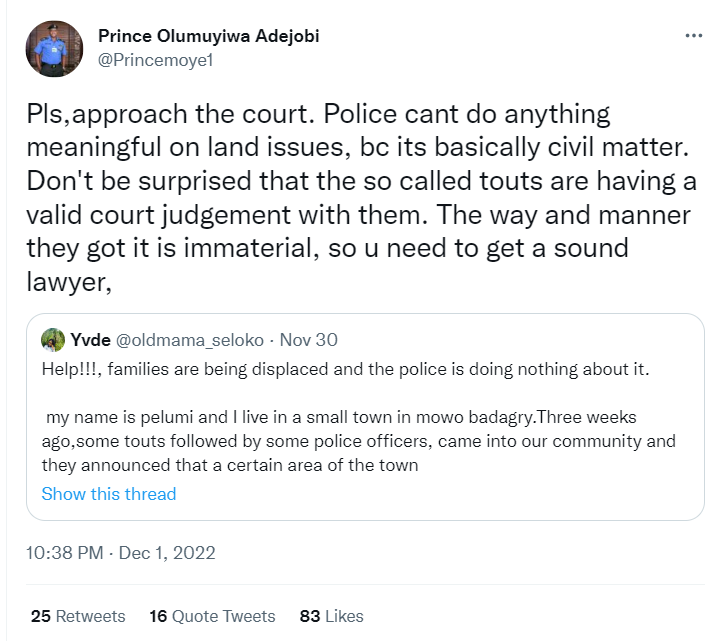
Police officers like Benjamin Hundeyin and Olumuyiwa Adejobi have gained popularity for taking up requests or offering guidance to citizens on X. The NPF also has an official account on the platform, dedicated to receiving complaints about erring police officers.
In addition, several cases ranging from missing persons, fraud or abuse have been solved because they were shared on X. It’s important to follow relevant security-related accounts and reach out whenever you find yourself in life-threatening situations.
Inform trusted contacts
It’s important to let everyone around you know what is going on as silence will only embolden perpetrators of abuse, intimidation or harassment. Inform your family members and friends about what is going on.
In urgent situations where you can’t get to family and friends quickly, inform your neighbours.
[ad]
Use technology to your advantage
Apple recently released an iOS 17 feature called Check-In. The feature detects when you’ve arrived at your destination and automatically informs family and friends. Every 15 minutes during your trip, the feature also asks if you’ve gotten to your destination. If you don’t respond, it’d automatically share useful information with loved ones. It’s important to get familiar with security features on your mobile devices and set them up ahead of time.
Another useful hack is to take photos, audio and video recordings when you find yourself in distressing situations. The evidence gathered can help the police or other security agencies carry out a smooth investigation and absolve you in case of false accusations.
Many Nigerians land in avoidable situations because they don’t know their rights. It’s important to get familiar with your fundamental human rights as a Nigerian citizen to avoid being a pawn in the hands of corrupt police officers, landlords or people who want to ride on your ignorance.
This should always be the last resort. You might sustain serious injuries, get implicated and even land in jail while trying to defend yourself.
However, just as Yoruba people are commonly assumed to make empty threats, doing so could save you from potentially threatening situations and get you flagged as not-so-easy targets. Still, It’s important to always gauge the situation properly before taking the bet on self-defence.
We’re throwing the biggest meat festival in Lagos. Sign up here to be notified when ticket sales begin.
Victor is a Nigerian police inspector who’s been in the force for 16 years. For this week’s Navigating Nigeria, he spoke to Citizen about his reasons for joining the police, why he thinks the Nigerian people get the police they deserve, and other policing matters ranging from Seun Kuti to the Police Pension Bill.
Editorial Note: Navigating Nigeria is a platform for Nigerians to passionately discuss the Nigerian experience with little interference from individual opinions. While our editorial standards emphasise the truth and endeavour to fact-check claims and allegations, we are not responsible for allegations made about other people based on half-truths.
What were your motivations for joining the Nigerian police?
I didn’t sit down and decide to join the police. It wasn’t out of free will. I joined out of anxiety for myself and my siblings. It’s needful to add that my father was a police officer. He was retiring from the force, so I had to take up the job to cater for myself because it’d have been difficult for him to provide for my younger siblings and me as a retiree.
I lived a quiet and principled life, thanks to my parents’ upbringing. This has helped me to stay sane in the force.
The truth is that many conditions have pressured some of us into doing not-so-nice things that aren’t worth mentioning. Ultimately, policemen aren’t drafted from space or a foreign country. We’re all a product of Nigerian society, for better or worse.
Care to shed light on this?
The police aren’t the most corrupt institution there is in Nigeria. We’re just closer to the people than other institutions, reinforcing the perception that we’re the worst, and I’d like to clarify this.
If you’re crude to them, don’t take care of them or see to their basic remuneration needs, or if working conditions are not good, they’ll do whatever they can to make things conducive for themselves. The risk involved in policing is high, and we’re endangering ourselves daily without adequate insurance. You meet all of these needs, and you’ll get a civil police. If you don’t, you’ll have a disgruntled and unsatisfied police force that can’t attract the best minds.
I hope Nigerians’ defensive nature can be worked on as we assert our authority when we feel undermined. Things could improve if Nigerians don’t always see us as the enemy.
Addressing these issues will attract people with principles to the force and help sanitise it.
What has your experience with the police force been like so far?
I’m a police inspector and have been in the police force for 16 years. A police officer is a member of society vested with the authority to keep society sane by a set of prescribed rules and regulations put in place by society. A police officer makes sure no one contravenes these laws. If these laws are contravened, the erring person faces the consequences.
Society has to consent to your authority as a police officer before you can police them. Other than that, it’s sheer slavery.
That said, my experience hasn’t been so bad. Besides the impediments I raised earlier, I’ve consistently tried to improve myself. I see some of the pitfalls police officers face when policing the community and learn from them not to replicate them in my life. I want to leave lasting impressions in the minds of the people I meet daily. I’m courteous with people, keeping an open mind, and empathetic in my interactions. This has made me stand out, and overall, the testimonies I’ve received make the experience worthwhile.
This would be a good time to hear your thoughts on the Seun Kuti matter
I think Seun’s reaction was malicious and premeditated. It was a calculated attempt at humiliating the entire Nigeria Police Force. He went on Instagram (IG) to brag that he isn’t like other celebrities who would come on IG to explain being slapped or confronted by the police. He even asked if we knew how many police he’d slapped in the past without consequence.
Overall, the police handled the situation well, as due process was followed after he turned himself in, and eventually, he was bailed. He would have been sorry he slapped an officer in uniform in other, more advanced countries. Somebody got 70 years imprisonment for spitting on a police officer in the USA.
In conclusion, men of the junior ranks, like the policeman involved with Seun, should exercise more restraint, and civilians should loosen up a little more and show some respect for our police force. It’s the only way the experiences between the two can get better.
The passage of the Bill for the Nigeria Police Pension Board is a very laudable and long due. I’m hopeful for the gracious endorsement of the President, and that implementation will be expedited.
I like this development because, consequently, police officers, upon retirement, can access a chunk of, if not all, of their retirement benefit and not the meagre amounts handed to them, which is almost inadequate to do anything meaningful with.
As with the other sister agencies, like the DSS and the military, which were since exempted from the contributory pension scheme, retired police officers would be able to maintain a decent livelihood and also cater for their essential needs, especially their health, as their take-home would remain their basic salaries while they were still serving.
That said, I’d like the government to look at upscaling the remuneration of police officers. As it stands, the risk involved in policing far outweighs the monetary compensation. I’m not implying that there’s a momentary equivalent of staking one’s life daily but as a moral booster. The Nigeria Police has one of the poorest remunerations compared to other African Countries.
There are also other welfare-related matters, such as comprehensive insurance packages for every police officer. The present Inspector General of Police hinted at it, but I’m not sure of the state of the proposal at this time. Housing is another crucial necessity. Most police officers live outside the barracks, largely in shabby and dilapidated states. The aforementioned facilities are the basic requirements that are supposed to be in place for a functional and confident police force and officers, as it were. Again, I’d say that every society gets the police force it deserves. If you compromise their welfare and working conditions, you’ll have a dissatisfied police force.
This week’s subject of Navigating Nigeria is Pelumi who’s struggling to understand why land grabbers, in collusion with the police, demolished and took her community hostage. She told Citizen the injustice her community has suffered and how the Lagos State government and the Nigerian Police have turned a blind eye to their cry for help.
Walk us through your experience
I live with my parents in Age Mowo, Badagry. They acquired two properties in two different parts of the community when they first moved in. Where we live now is about a 20-minute walking distance to the other property which my dad uses for farming and storage. What’s left of the remaining is what he rents out.
The property we live in is currently not affected by any issues, although there was a time the federal government was expanding the road and marked it for demolition. Luckily, the road was fixed and our house wasn’t demolished. Our other piece of land isn’t owned by the government or under any acquisition. My father got it like several others from omo oniles around 2009.
I was in school about four weeks ago when my dad called. He said some thugs came into town and announced they’d acquired a portion of the community where my dad’s second property was located. They said everyone should vacate it and that the order was from above.
Obviously, we were perplexed. Who issued this order? Initially, those affected had a meeting and went to talk with the omo oniles. Did you people resell our lands to these new guys? They said they didn’t. Some weren’t even aware of what was going on.
Apparently, the land grabbers, who came with policemen to pursue us from our lands, had gone to file a case in court without even informing us. This meant at first that we were a no-show in court. But when we found out, we started attending court proceedings after which the land grabbers dropped the suit. They just said they were no longer interested in a court case, that they’d acquired our lands and there was nothing we could do.
Ahhhhhh
While that was happening, my dad and the others reported the matter to Area K Police Command that oversees Badagry and its environs. The police officers said they were aware land grabbers were on our property, but the matter was out of their hands. They said the police officers on our lands were from the Zone 2 Police Command. The officers advised us not to cause trouble.
Ehn?
It’s not like we had a choice anyway. These people brought guns into our community. We made attempts to reach the Zone 2 Command and get in touch with the officers in charge but they weren’t responsive. There were more meetings in the community on plans to take things up in court. But the community is populated by indigenes who aren’t wealthy — just average Nigerians that work menial jobs or sell things. Hiring a lawyer who’s asking for ₦3 million or more is a lot for most of them. Spending that kind of money is a huge expense for many of these people who are also looking for alternative places to live now.
In fact, the first time the community’s lawyer appeared in court, my dad contributed the most that was paid as fees. The issue is also nuanced in that my dad’s residential property isn’t the one affected, just the one that contains his farmland. My dad didn’t want to be at the forefront of the issue because he doesn’t want to be targeted by the land grabbers and be kidnapped. They’ve done that in the past so he had to play it cool to be safe.
Wow. What other steps did you take?
The chairman of our Local Council Development Area (LCDA) who was assisting the people affected wrote a petition to the Lagos State government concerning the land grabbers. It wasn’t even up to 30 minutes after he submitted it that someone somewhere in the state government’s office alerted the land grabbers and told them of the petition.
Damn, that was fast
Next thing, the land grabbers came to the chairman’s house and demolished it. It was really shocking and scary because we sent a petition to the government and somehow the land grabbers knew about it and came to break down the petitioner’s home as a way to intimidate and threaten us.
We went to the police who told us they were aware but asked us to stand down. We went to the government who informed the land grabbers about our move. It’s like there’s an organised ring with some very strong backing. No one wants to come to our aid and there’s no one we can turn to.
The land grabbers even demolished my dad’s fence. He had to try and salvage some things he stored on his land. The funny thing is, if you want to salvage your property, the land grabbers and their louts will tell you to pay some money before you can pick up your things.
Nawa
My community is a small town and almost everyone knows everyone. This is December. With these guys on ground they’ll probably settle down there and the crime rate will increase, or they’ll just keep coming back. The police don’t seem to care and it’s a scary situation right now.
I have cousins, friends and acquaintances who once lived around here and are now currently displaced. I grew up with these people and now they’re living on the streets because somebody somewhere decided one day to go about stealing people’s lands and the government is doing absolutely nothing about it.
That’s serious
At one point, my dad wanted to forfeit the property, but it didn’t sit well with me. It was an injustice, so I said, “Let me bring it to Twitter and see what can be done about it.” I didn’t even tell my dad about it. I also didn’t really think it would go viral but my friends helped with retweets. It was posted on my WhatsApp and sent as a broadcast message to my contacts. My aim was to get the police to comment on it and probably send people there to maintain the peace because the louts are still there, constituting a nuisance and beating people up.
How did the police respond?
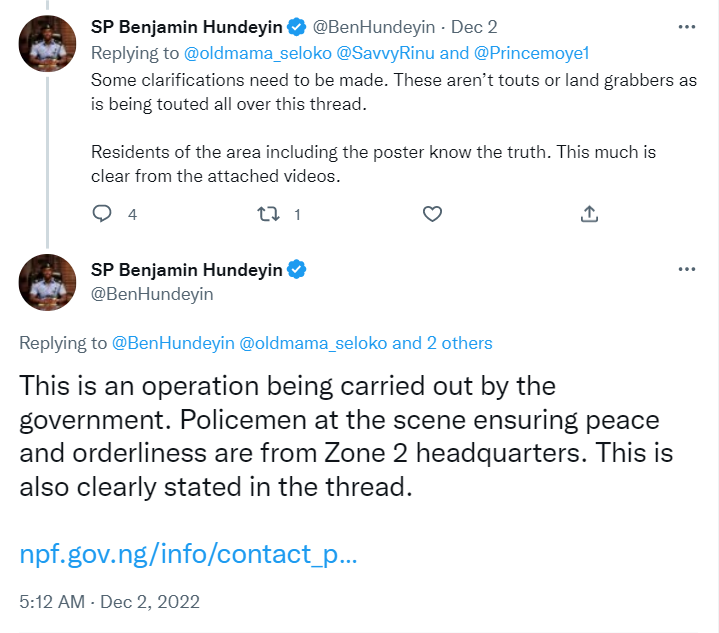
Ben Hundeyin, the police spokesperson for Lagos, and Prince Olumuyiwa Adejobi, the head police spokesperson in Abuja, responded to the tweet. Adejobi said it was a civil matter and that the police can’t do anything about it. He asked me to take it to court.
This was surprising to me because I believe the duty of the police is to protect lives and property. I don’t think they need a court order to perform their duties. People are being threatened and beaten up. Even if it’s a civil case, at least the police should come there to restore the peace. Those demolishing property should at least present a warrant. If they don’t have it then they should be stopped until the court decides on the matter.
Why do you think this is happening?
Let me give you a back story. There’s a seaport that’s about to be opened in Badagry. From my house to the seaport is about ₦400, and that’s because of the fuel hike. It used to be around ₦150 to ₦200 before then. Because of the economic value the port will bring when it’s launched, people are trying to steal our lands there. They’ve already made promises on how much they’d share from the proceeds. An Anglican church that bought plots of land in the area is also affected and has taken the matter to court.
I think the excuse of the police is mental, but it’s Nigeria — everyone’s mental. Ben Hundeyin even said I was lying, that I knew that the land grabbing was a government activity.
How did that make you feel?
This is where I live, and the police spokesperson is trying to gaslight me that they aren’t louts. I’m not interested in arguing about semantics here. I asked him, if this is a government operation does the government now operate with louts? Does the government demolish houses without any prior warning or court order?
At least if this was the government’s doing, they’d have put up posters and government officials would have notified us. Nobody came, except for the land grabbers and the police officers that accompanied them. Is this how the government now operates?
When I tagged him to the tweet, he responded about 24 hours later. He perhaps already discussed it with the higher ups before dishing out that layman’s excuse to discredit me. His reasoning had many holes in them which I pointed out to him. Till today, he hasn’t replied.
How do you think this will end?
I had hopes that the police would intervene but seeing their responses offline and online, it’s clear they won’t do anything about it. An NGO reached out about helping but they’ve not said anything since, despite sending them a message. My dad is still hoping we can get justice, but our best hope now is through the media or the court.
The Chinese government has set up “overseas police stations” all over the world to keep track of its citizens, as reported by THISDAY on October 17, 2022.
President Xi Jinping of China [Image source: Johannes Eisele/AFP/Getty Images]
The Chinese Communist Party calls them, “110 Overseas Police Service Centres” to crack down on all kinds of illegal and criminal activities involving Chinese in the diaspora. These stations are run in various parts of Africa, Europe, and America, according to a report by Safeguard Defenders.
In Nigeria, the Fuzhou-Run overseas police “Service Station” is reported to be located in Benin City, Edo State.
How does the station work?
Well, the Chinese are setting up the centers in a bid to combat fraud committed by citizens abroad. Chinese authorities have claimed that from April 2021 to July 2022, 230,000 nationals were “persuaded” to return to China to face criminal proceedings. The “persuasion” happened through harassment and intimidation methods, such as threatening the family members of overseas citizens, according to the report.
According to Safeguard Defenders, “These operations eschew official bilateral police and judicial cooperation and violate the international rule of law, and may violate the territorial integrity of third countries involved in setting up a parallel policing mechanism using illegal methods.”
What will Nigeria do?
The Nigerian government hasn’t reacted to the report yet, but everyone is curious about the next line of action. Will we shut down illegal Chinese operations or allow them to continue the fight against corruption? Are we strong enough to stand up to a country we’re owing over $3.48 billion?
On December 7, 2021, a white delivery truck was reported to have hit school students along the Ojodu Berger axis of Lagos state, allegedly killing over a dozen students and leaving several others injured.
How it happened
The cause of the accident is still being debated. However, several eyewitness reports and a tweet from news coverage and intelligence provider, Eons Intelligence, reveal that the vehicle’s driver lost control of the wheels while being pursued by officers of the Nigerian Federal Road Safety Corps (FRSC) and Vehicle Inspection Officers (VIO) around Isheri Road, just before the Ojodu Police Station.
The children — all students of Ojodu Grammar School — were reportedly killed by the truck as they made their way home from school after closing hours, at about 3 p.m.
Despite attempts to flee the scene, the truck’s driver was reportedly chased to the Ogba area where he was apprehended and handed over to the police.
Following the tragic killings, students and residents of the area reportedly took to the streets of Ojodu Berger in protest. Causing a gridlock, the upset crowd proceeded to vandalise and burn trucks and other vehicles belonging to the VIO office in the area.
Arrival of the police and sporadic shootings
These police officers are definitely High!!!! These kids at Berger Lagos decided to protest on behalf of their friends and to scare them away these demented and deranged individuals thought it was good to use gun!! Later they will so No o we shout in the air ahhhh God abeg! pic.twitter.com/sFWbRaCGC0
Officers of the Nigerian Police Force (NPF) were eventually dispersed to the scene. After firing canisters of teargas to disperse protesters, police officers were caught on camera shooting repeatedly into a school compound after forcing their way in.
At the moment, it is unclear how many students were killed or how many are currently receiving treatment. While representatives of the Lagos state government and the agencies involved are yet to offer statements regarding the events, residents and commuters around the Ojodu Berger axis continue to report cases of chaos and traffic jams.
We’ll update this article as more information becomes public.
“A Week In The Life” is a weekly Zikoko series that explores the working-class struggles of Nigerians. It captures the very spirit of what it means to hustle in Nigeria and puts you in the shoes of the subject for a week.
The subject of today’s “A Week In The Life” is a drug dealer. He talks to us about his process for baking edibles, how he almost lost a knee cap, and his plans to set up a cartel if his japa plans fail.
Editor’s note: The views expressed are those of the subject and in no way represent the views of Zikoko.
MONDAY:
Even though I spent the whole night getting high, I’m up early. I work as a baker-drug dealer, and I start my day on the “legal” side of my business — baking edibles. I sell almost everything that gets people high: brownie cookies, cupcakes, gummy bears, puff puff. The beauty is that I can publicly advertise these products as “happy brownies” or call them by another name because it’s an “if you know, you know” business. It’s through this front-facing part that customers looking to buy loud, LSD,molly — I draw the line at crystal meth and heroin because I can’t deal with crackheads — and shrooms contact me. I take pride in my baking skills, and I’m always tweaking and challenging my recipes.
Today, I’m making cannabutter. I heat up my flowers for 30 minutes to “wake” the weed up, then I crush it into fine particles. The next step is to melt the butter. I mix the fine particles with the melted butter under low heat for another 30 minutes until it changes colour. I’m confident that the liquid butter has absorbed all of the weed, so I strain it in a sieve. Once it cools, food is ready to be served. My plan is to use one portion of the butter to bake and to sell the other part. I take a quick glance at my phone and realise that I’ve gotten orders for cannabutter already. I thought I’d get a chance to lie down, but there’s work to be done. I’m going to have a quick shower, make plans for delivery and label my butter “prescription” keep out of reach of children. Eat with bread or fry with eggs.
TUESDAY:
I once tried to grow my own batch of weed but it wasn’t cost-effective. The quality and potency of made in Nigeria weed significantly differ from the imported stuff — this country doesn’t support growth in any form. I have different plugs depending on what drug I’m looking for. I have one plug linked to a smuggler and another plug that’s the plug of all plugs. Because of the tendency for violence in this business, and the fact that I’m always looking over my shoulder, my plugs are people I’ve known for a while. One is a childhood friend while the other is someone I’ve also known for a fairly long time. My business model is simple: I collect an advance of drugs, sell and remit an agreed-upon sum at a due date. I also try to distance myself as much as possible from the product, and my business is mostly cash-based. There’s also a covert distribution system in place that I can’t reveal.
I spent today thinking about how you can’t be too careful in this business because if trouble comes, people will cut off your head. I don’t blame anyone for snitching — they’re not Jesus so they can’t die for me. Worrying doesn’t help anything, that’s why I’m going to distract myself by watching a movie. All I can really control is my being careful and to constantly remind the people I work with to be careful.
WEDNESDAY:
I’ve gotten into all kinds of trouble from selling drugs. Police trouble. Customer trouble. And failing to meet my repayment schedule, which almost led to me losing a knee cap. It all started when I collected a batch of molly and agreed to deliver the profit in a week. Things were going smoothly until my village people looked into my matter. A few days before repayment was due, I got into an accident while making a large delivery. And I lost almost half of my stock. I panicked and went underground. When my supplier didn’t see his money, he came to my house to look for me. It was interesting because he brought a gun and was prepared to bear the loss and leave a bullet in my knee. I quickly took responsibility and explained what had happened. Let’s just say that I’m glad that I still have two functional knees.
Thankfully, all of that is in the past now.
I’ve had a long day of fulfilling customer orders, and I’m looking forward to this evening. My girlfriend is coming over, and we’re going to chill and relax. Her support is one of the things that keeps me going. Not a lot of people would openly associate with a drug dealer but she’s different. In fact, one of the reasons she’s dating me is because I’m a bad boy. I guess we’re both addicted to the thrill of life.
THURSDAY:
I got fucked up last night, and I wake up late today. The first thing I do is check my phone, and I see a message from one of my friends whining me about how cool my job is. I guess it’s easy to glamorise what I do because of how pop culture has white-washed drug dealing. This business is profitable enough that I can pay my school fees in millions per semester, and you can make fortunes in a year of dealing drugs because you have a repeat customer base addicted to your product. But the truth remains that it’s still a very dangerous job. I started dealing drugs because I couldn’t afford to pay school fees after transferring schools. Every day I make a sale, I keep asking myself: what if someone snitches and I get locked up forever? That’s my education down the drain. But what if I somehow see my education through? That means I’ll be set for life. These thoughts are why I’m constantly risking the odds.
The most difficult part for me as a drug user is the discipline to not get high on my own supply, and the grit to constantly keep my eye on the target. I pay for my drugs in full without any discount. I give myself achievement points to reach before I allow myself to buy drugs. And I never remove money without being accountable.
FRIDAY:
Policemen are your friend as long you settle them. I’ve had instances where policemen have stopped me, extorted me and tried to befriend me. Someone once gave me his number to call him anytime I got into trouble along a particular route. Another time, while being searched on suspicion of dealing drugs, a police officer was telling me he knew a plug for where to buy loud at wholesale price. It’s crazy thinking about the fact that these are the people meant to protect us. I can’t help but think that outside of drug dealers, policemen are liaising with other criminals. I’m fairly certain that kidnappers and ritualists are having a field day with the system.
It’s easy to judge me and say I’m ruining my life, but the system failed me. In my old university, I was told that the entry-level for graduates studying my course was ₦20,000. That’s not even enough to cover half of the cost of the professional exams I had to write. In a society where people only respect your pocket, I had to fall in line and jazz up. In a year of dealing, I’ve gone from being scorned at home to being respected. I’m now the person who takes care of utilities and stocks the house without asking anyone for nada.
The only reason I’m selling drugs is that I’m still in Nigeria. I’m currently working my way through school to become a full stack developer. The next step is to find my way out of this hell hole. 2022 must not meet me here. If, for some useless reason, I’ve still not escaped, I’m just going to set up my own cartel.
Check back every Tuesday by 9 am for more “A Week In The Life ” goodness, and if you would like to be featured or you know anyone who fits the profile, fill this form.
Citizen is a column that explains how the government’s policies fucks citizens and how we can unfuck ourselves.
If you don’t know about Eromosle “Eromz” Adene’s case, well you should. The arrest of the 27-year old musician and philanthropist has generated a lot of controversy across social media, with opinions and counter opinions on how horrible the Nigerian society is, and why the Nigerian government cannot keep abusing human rights while getting away with it.
This young man is being held without charge for doing nothing other than asking to end police brutality.
In case you need a complete breakdown of when, why and how Eromosele Adene was arrested by Nigeria’s police authorities, this article should be helpful.
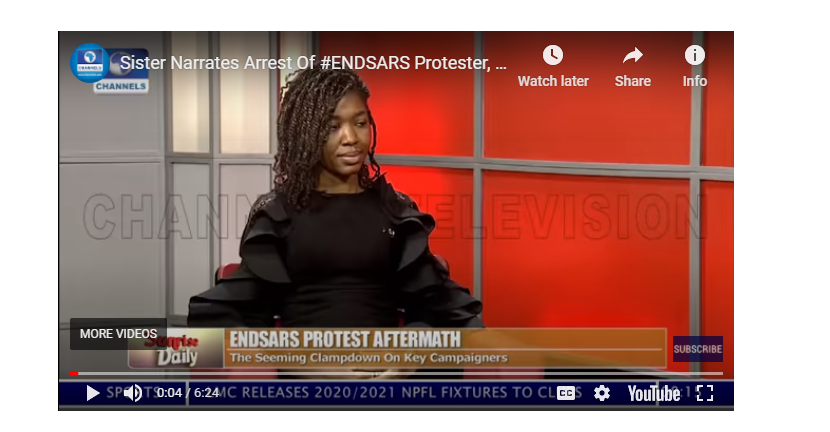
On November 10, Eromosele Adene’s sister, Onomene Adene, spoke to ChannelsTv’s Sunrise Daily, where she narrated how her brother was arrested by unnamed policemen.
She stated that at around 7 am on Saturday 7th November 2020 she received a call from a man who stated that he formerly attended the same church with her and that he had a parcel for her dad, who was the pastor of the church.
Scrape the panels because @simplyEromz was just arrested this morning. His family members were harassed and his whereabouts is still unknown
On leaving her house, Eromosele’s sister stated that she realised she didn’t recognise the man and that the “parcel” he claimed he had for her dad was a black nylon bag containing some items, after which she knew something was wrong.
The man and other policemen, led by one Hamzat who is a Chief Superintendent of Police (CSP) insisted that she should take them to her brother on the claim that they bought commodities from Eromosele Adene, and that he failed to deliver the commodities after they had paid into his Zenith bank account.
She stated that the policemen took her brother way when they got to him and that they kept claiming the arrest was about a commodities business, even when Eromosele Adene’s lawyer joined them at the house, and that it was not until they got to the police station that the police revealed that the arrest was related to the #EndSARS protests. Some social media users later claimed that he was detained at Area F police station, Ikeja, Lagos.
On this day, it was revealed that Eromosele Adene was transferred to Area F police station, Ikeja, to the Commissioner of Police’s office in GRA, Ikeja to Panti police station and then back to Area F police station because of space constraints.
More Details on Eromosele: Today, he was moved from CP’s office, GRA to Panti & then to Area F, Ikeja (space constraint).
He is accused of “Subversion” and “inciting the public to undermine constituted authority”.
On November 9, it was revealed that Eromosele Adene had been transferred to Abuja.
Update on Eromosele:
We've confirmed that he was taken to Abuja today. I spoke to him earlier and he is okay.
Our lawyer is with him, his lawyer is also now in Abuja and many people are working to get him out as soon as possible. Will update when there's any more concrete info https://t.co/WCEOgjwjuR
In another update given on social media, FK Abudu stated that a group of lawyers were working hard on securing Ermosele Adene’s bail.
Update on Eroms:
Tough. He's been detained since the 7th. We've applied for bail & are using every resource we have (lawyers, police, politicians etc) to get him out. Hopeful that it can happen today.
Lighter note, when I asked if he needed anything, he said a house in Banana😅 https://t.co/C82Khphvqm
Eromosele Adene was transferred back to Lagos on the night of Sunday, November 15th, 2020, at around 9 pm to the Lagos State Police Command, Ikeja, so that he could appear before a Magistrate Court in Lagos. However, his family and lawyers say that the police did not notify them of the move to transfer Eromosele Adene back to Lagos.
And the plot thickens. They tried to lie to journalists that he wasn’t taken to Abuja but that’s just ridiculous because our lawyers were with him in Abuja. Here’s a video of him arriving Lagos. pic.twitter.com/t4dCtOIA0D
What we know so far on Eromz. 1. He was arrested in Lagos 2. Transferred to Abuja 3. He hasn’t been formally arraigned yet. So we cannot apply for court bail. 4. He was transferred to Lagos last night & we did not know why yet. 5: He is currently at Lagos State Police Command
On this day, Eromosele Adene was finally arraigned at a Magistrate Court in Lagos. He was charged with the offences of: criminal incitement, cyber stalking, provoking breach of public peace, and conduct likely to cause breach of peace.
The magistrate, O. Salawu, adjourned the hearing till November 17 because she felt threatened by the media.
Eromosele “Eromz” Adene one of the #EndSARS protesters who was arrested in his home in Lagos (after policemen harassed his family members), taken to different locations, including Abuja (without informing his family/lawyers), has finally been arraigned by a court in Lagos. pic.twitter.com/oxRa8XaRBV
Eromosele “Eromz” Adene one of the #EndSARS protesters who was arrested in his home in Lagos (after policemen harassed his family members), taken to different locations, including Abuja (without informing his family/lawyers), has finally been arraigned by a court in Lagos. pic.twitter.com/oxRa8XaRBV
On November 17, 2020, Eromosele Adene was arraigned before the Yaba Magistrates Court amidst a heavy police presence.
Heavy Police presence at the Yaba Magistrates Court where Eromosele Adene's case is to be heard today. Journalists are currently barred from entry. pic.twitter.com/v2WmM9weOg
His lawyer states that he has been in police detention for 10 days and that his freedom should not depend on the time it takes for the police to investigate him.
[BREAKING] Eromosele has been granted bail by the court. N1million. He will be released as soon as the bail conditions are met. pic.twitter.com/zmmVNp7cKG
Eromosele Adene was finally granted bail. The bail was set at ₦1 million with two sureties of ₦1 million naira each. One of the sureties must own property and they must both be taxpayers.
We hope you’ve learned a thing or two about how to unfuck yourself when the Nigerian government moves mad. Check back every weekday for more Zikoko Citizen explainers.
Sex Lifeis an anonymous Zikoko weekly series that explores the pleasures, frustrations and excitement of sex in the lives of Nigerians.
The subject of today’s Sex Life is a 23-year-old heterosexual woman who only enjoys sex in public places. After getting caught and harassed by the police, she’s been terrified of even kissing outside.
What was your first-ever sexual experience?
My cousin who lived with us had a porn stash. The first time I watched one of the movies was with a family friend. Watching it felt so good that we decided to practice. She humped me and it felt great. We were about 11.
Was it just a one-time thing?
No. We kept meeting up every Saturday to do it, but after a while, she stopped coming over.
Do you know why?
I’m not sure. Maybe she was disgusted or scared. We were still friends, but we just never hung out like that again.
What did you do then?
I had another neighbour who was also into it, so I picked it up with her. I didn’t really understand what was going on, so it was easy to just do it and forget about it until the next time. There was also my sibling.
Wait! Your sibling?
Yeah. My sister asked to try something with me once, and that was it. I figured it was something she picked up from the girls’ boarding house she was in.
Did your mother ever suspect?
She didn’t, but she once caught me masturbating and all hell broke loose. She made me strip and had my father beat me. She also shamed me every day after that.
I am so sorry.
I mean, it scarred me for a while, but it is all good now.
Most of your earliest experiences were with girls. Do you consider yourself bisexual?
I consider myself bi-curious. I’m attracted to women and I’ve fooled around with them, but I’ve never ventured into anything serious. So, I’m not sure I can call myself bisexual.
Fair. Did you try anything else apart from humping and masturbating?
Oral sex too. The first two or so times men tried to penetrate me, it was hellish. So, I took my mind off it for a while and just enjoyed these other activities. Peer pressure and manipulation from the guys I messed around with eventually made me interested in penetrative sex again.
How did you eventually hack it?
Well, I realised I couldn’t get maximum pleasure from sex unless my heart was beating fast from fear or a little bit of physical pain.
How did you even realise that?
It was my third year in University, and I had this friend in school I was into. I attended a private Christian university and my campus was quite small, so the risk of getting caught was high. It was on top of a table and my heart kept beating. I knew there was no going back after that.
So, the sex was good?
Yeah, but I didn’t even have an orgasm. The risk was what made it fun for me.
So, where is the riskiest place you’ve had sex?
A makeshift bathroom at a wedding.
Do you intentionally look for these places?
Well, sometimes, I scope out the places. For the bathroom, I followed my friends to touch up their makeup. While they were doing theirs, I kept thinking, ‘What part of this place will be convenient for me to have sex?’
Does that mean every place is a potential spot?
Yes, if it has good vibes. By good vibes, I mean relatively clean.
Is there any out-of-bounds spot?
My house. I cannot imagine having sex on a bed any of my family members have touched.
But every other place is fair game?
Yeah. Cars, parties or even work.
Ah. Work too?
LMAO. Yup.
My office is open, it cannot even work. They will nab you.
Not when the person you are having sex with has friends in high places or, even better, is the friend in high places.
So, how does it work? Do you just approach one Segun and ask him to have sex with you on the roof?
LMAO. No, that’s not how it happens. I guess I’ve just been fortunate when it comes to finding guys who like public sex too. Like, even just a little PDA excites me. I remember when a guy I had a thing with in uni kissed me in public. I was so excited.
Are you still about that public sex life?
Nah. I stopped after the police caught me one day.
Omo. Wahala. How?
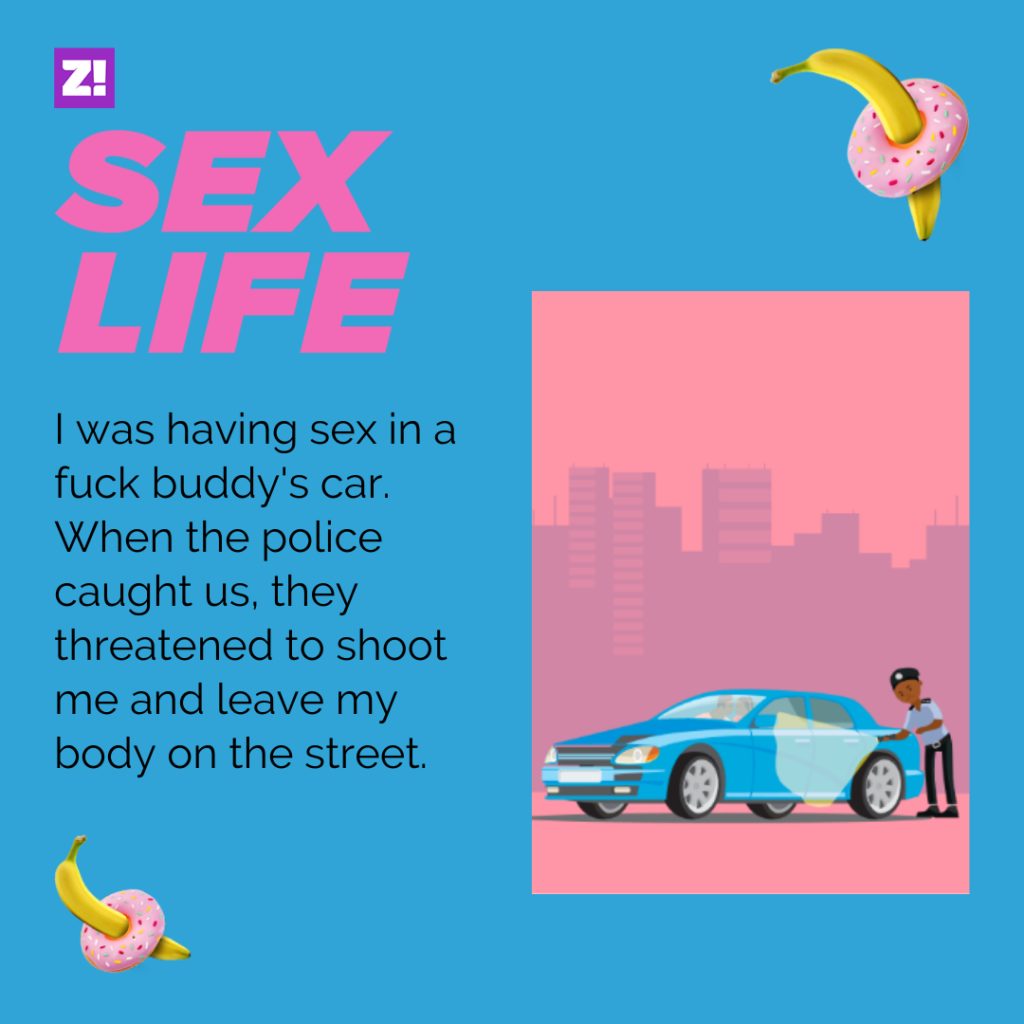
I was having sex with a fuck buddy in his car one time. The place was known to be patrolled by the police regularly, and as I was riding this man, I noticed flashlights. He asked me to get off, but I couldn’t comprehend until I heard them shouting at us.
I can’t imagine what was going through your mind.
I went through a rollercoaster of emotions that day. I thought I was either going to die or get sent to jail. They kept threatening to shoot me and leave my body on the streets if I did not comply. They scrutinised my entire body, called me a prostitute and said a lot of terrifying things.
What did complying mean?
It meant I had to pay them off. They separated me from my partner. While my partner was able to negotiate a lower amount, I was so scared that I was ready to pay whatever. He was even pissed off by it.
Ah? Was he not scared?
I don’t even know for him. He actually tried to reinitiate sex that night, and I found it wild that he’d want to keep going even after we had just been harrased.
How did you recover from that?
It was hell for a while. I think I was celibate for about a year after the experience.
So, you haven’t had sex in public since then.
No. Right now, I am not sure I can even kiss anyone in public again.
Would you want to though?
I think so. If I get over this trauma, then sure, but I don’t think I want public sex to be my source of maximum pleasure anymore. That’s really not sustainable.
Have you considered therapy?
Please, I cannot afford therapy right now. Also, I am not a very expressive person, so I don’t know how that would even work.
All things considered, how would you rate your sex life on a scale of 1-10?
Right now, about a 5 or 6. I have a fuck buddy, and sex with him is pretty great, but sometimes, when I close my eyes, I can still feel the police staring at me. It’s not a nice feeling to have.
Citizen is a column that explains how the government’s policies fucks citizens and how we can unfuck ourselves.
The Nigerian police are always averse to protests. But things took a different turn earlier today when the Lagos State government, through its official Twitter account, stated that the Lagos State police command has vowed to resist any protests in Lagos State, under any guise or “nomenclature”.
The Lagos State Police Command has vowed to resist any form of planned protest, procession or gathering under any guise or nomenclature in Lagos as the government and residents of the State recover from the devastating havoc and violence unleashed by suspected hoodlums.#LASGpic.twitter.com/RvUkIrBufE
As expected, a lot of social media users were angry at the declaration. Many people referred to the constitution as supporting the rights of citizens to protests, and they went on about how the police and the Lagos State government were trying to stifle the rights of displeased Nigerian or protesters.
So Does this mean that Lagosians have no right to protest? That they have been stripped off their fundamental rights to protest? I ask so this tweet can be clarified & expanciated on as one can read different means to it. https://t.co/dWxQiswxLz
Curiously, we decided to look at the laws that guide assembly in Nigeria, including if and when the Nigerian police can put an end to protests in Nigeria. Just maybe the police and the Lagos State government were seeing some things we weren’t.
The most important position of the law for anyone who wants to understand the position of Nigerian laws on protests is Section 39 and 40 of Nigeria’s 1999 constitution.
Section 39 of the constitution guarantees free speech while Section 40 of Nigeria’s 1999 the constitution states that:
Every person shall be entitled to assemble freely and associate with other persons, and in particular, he may form or belong to any political party, trade union or association for the protection of his interests.
This provision states simply that everyone is entitled to assembly freely and associate with other people.
However, Section 45 of the constitution states that any law against section 40 is valid if it is in the interest of defence, public safety, public order, public morality or public health, or in the interest of protecting the freedom of other people.
So, the only thing that can affect the right to hold a peaceful protest is if the government makes a law that restricts movement in the interest of defence, public safety, public order, public morality or public health or in the interest of protecting the freedom of other people.
But the laws on assembly are not finished.
2. Public Order Act of 2004
The “Public Order Act” was enacted in 2004.
Section 1(1) of the act gives a governor of a state the power to direct the conduct of any assembly on a public road or all public places of resort in the state, and prescribe the route any procession may pass.
Section 1 (2) also states that anyone who wants to convene any assembly or meeting or of forming any procession in Nigeria must have a licence to do so.
The person must first make an application for a licence to the governor not less than 48 hours before the assembly, and if the governor is satisfied that the assembly is not likely to cause a breach of the peace, he must direct any superior police officer to issue a licence, not less than 24 hours to the assembly, specifying the name of the licensee and defining the conditions on which the assembly to take place.
If he is not so satisfied, he must convey his refusal in the same manner to the applicant within the time stipulated.
Section 1 (4) of the Act also gives the governor the power to delegate his powers in relation to the whole state or part thereof, to the Commissioner of Police of the State or any superior police officer of a rank not below that of a Chief Superintendent of Police.
This means that a state governor has to give a licence before people can assemble in any state, and he can delegate his powers to the commissioner of police of the state.
But the position of the law is still not over with regards to protests.
3. All Nigeria People’s Party v. Inspector General of Police (2006)
At the Federal High Court, the Judge stated the Public Order Act is a violation of section 39 and 40 of the constitution, and chapter 11 of the African Charter on Human and People’s Right, and the law is a violation of the right of people’s assembly to free speech.
The judge agreed with Mr Falana, the lawyer for ANPP, that Nigeria’s criminal law should be used to prosecute violent protesters, but the rights to assemble cannot be taken away if they protest peacefully.
The judge conclusively stated that “sections 1(2),(3),(4),(5) and (6), of the Public Order Act are inconsistent with the fundamental rights provisions in the 1999 Constitution and to the extent of their inconsistency, they are void. I hereby so declare.”
4. In Conclusion
The Federal High Court has held, through a continuous order, that the Inspector-General of Police, whether by himself, his agents, privies and servants cannot prevent aggrieved citizens of Nigeria from organizing or convening peaceful assemblies, meetings and rallies against unpopular government measures and policies.
The Court of Appeal also held, on the same case, that permits for peaceful demonstrations are things of the past, and that protesting peacefully is part of the fundamental pillars of a democracy.
It is now a settled case that peaceful protests are guaranteed under the Nigerian constitution, and are an important part of Nigeria’s democracy. And they cannot be denied except in a situation where Nigeria or part of the country is in a special emergency like a disaster.
Citizen is a column that explains how the government’s policies fucks citizens and how we can unfuck ourselves.
In Oko-aba, Abule-Egba, Lagos, a budding journalist, Pelumi Onifade captured Abiodun Bolarinwa, a politician, shooting at a crowd after not being allowed to address them. However, since October 20, 2020, when the incidence occurred, Abiodun Bolarinwa has still not been sanctioned.
Today, we will explain Nigeria’s firearms act, and why Abiodun Bolarinwa should not have had access to guns.
The firearms act was enacted in 1990. The main point of the law was that no person should be in possession of any firearm in Nigeria, except such person has a licence from the president of the Inspector General of Police.
Some of the most important provisions of the law include:
1. Possession of firearms
Section 3 of the firearms act states that no person must have in his control any firearm of one of the categories specified in the Act, except in accordance with a licence granted by the President.
The firearms in this category includes artillery, gas explosives, rocket weapons, bombs and grenades, machine guns and machine pistols, military rifles, revolvers, pistols and any other firearm that is added to the category.
2. Possession of personal firearms
Section 4 of the firearms act states that no person must be in possession of any personal firearm except a licence has been granted by the Inspector General of Police.
3. Muzzle-loading firearms are prohibited
Section 5 of the firearms act states that the Commissioner of Police of a state may, by order, prohibit the possession or use of muzzle-loading firearms.
4. Firearm licences are not rights
Section 6 of the firearms act states that the authorities have the right to grant a licence permit, and revoke a licence, and the licence to own a firearm may be given as the authorities may think fit.
However, nobody will be granted licence of a firearm if the person is under the age of 17, is of unsound mind, has defective eyesight, has intemperate habits, or has been convicted of an offence relating to violence within the past five years .
5. Safe custody of firearms
Section 7 of the firearms act states that the licenced owner of a firearm must keep the firearm in safe custody.
6. Prohibition in dealing in arms except by a registered dealer
Section 9 of the firearms act states that nobody must sell a firearm in Nigeria except the person is a registered firearms dealer.
7. Maintenance of armouries
Section 10 of the firearms act states that registered firearms dealers must maintain armouries for the purpose of selling firearms.
8. Sale only to licence holders
Section 11 of the firearms act states that nobody must transfer firearms to anybody else except that person is a registered firearms dealer.
9. Stamping of firearms sold
Section 12 of the firearms act states that every registered firearms dealer must stamp the permit that was given to them to trade in firearms, with the person’s name, number or any other particular required.
10. Import of firearms
Section 17 of the firearms act states that nobody must import or export firearms through sea or air or by any other means into Nigeria, except a port in Nigeria.
11. Restriction on import of firearms
Section 19 of the firearms act states that no person must import any firearms or ammunition into Nigeria, except the person produces to a customs officer, the licence to import a firearm or ammunition.
12. Prohibition of manufacture
Section 22 of the firearms act states that no person will manufacture a firearm in Nigeria except the armed forces, established with the discretion of the president.
13. Penalty
Section 27 of the firearms act states that anyone found guilty of the offence of possessing a firearm without a licence is liable to a minimum sentence of ten years.
14. Production of licence
Section 28 of the firearms act states that anyone who has a firearms licence or is in possession of a firearm must produce it if a police officer requests it from him, and if he is unable to produce it, the offender will be fined one hundred thousand naira or sentenced to six months imprisonment.
From the provisions of the law, it is clear Abiodun Bolarinwa should not have had access to a firearm. Section 6 of the firearms act states that a firearms licence should not be granted to a person who has “intemperate habits”, or has a lack of self-control.
😳 politician apparently shooting at #EndSARS peaceful protesters after they refused to allow him address them at Abule Egba , he killed 2 people
Consequently, the Nigerian police authorities have exercised a serious lack of judgement if they truly granted Abiodun Bolarinwa licence to firearms. And they owe the Nigerian public an explanation.
We hope you’ve learned a thing or two about how to unfuck yourself when the Nigerian government moves mad. Check back every weekday for more Zikoko Citizen explainers.
What does it mean to be a man? Surely, it’s not one thing. It’s a series of little moments that add up.
“Man Like” is a weekly Zikoko series documenting these moments to see how it adds up. It’s a series for men by men, talking about men’s issues. We try to understand what it means to “be a man” from the perspective of the subject of the week.
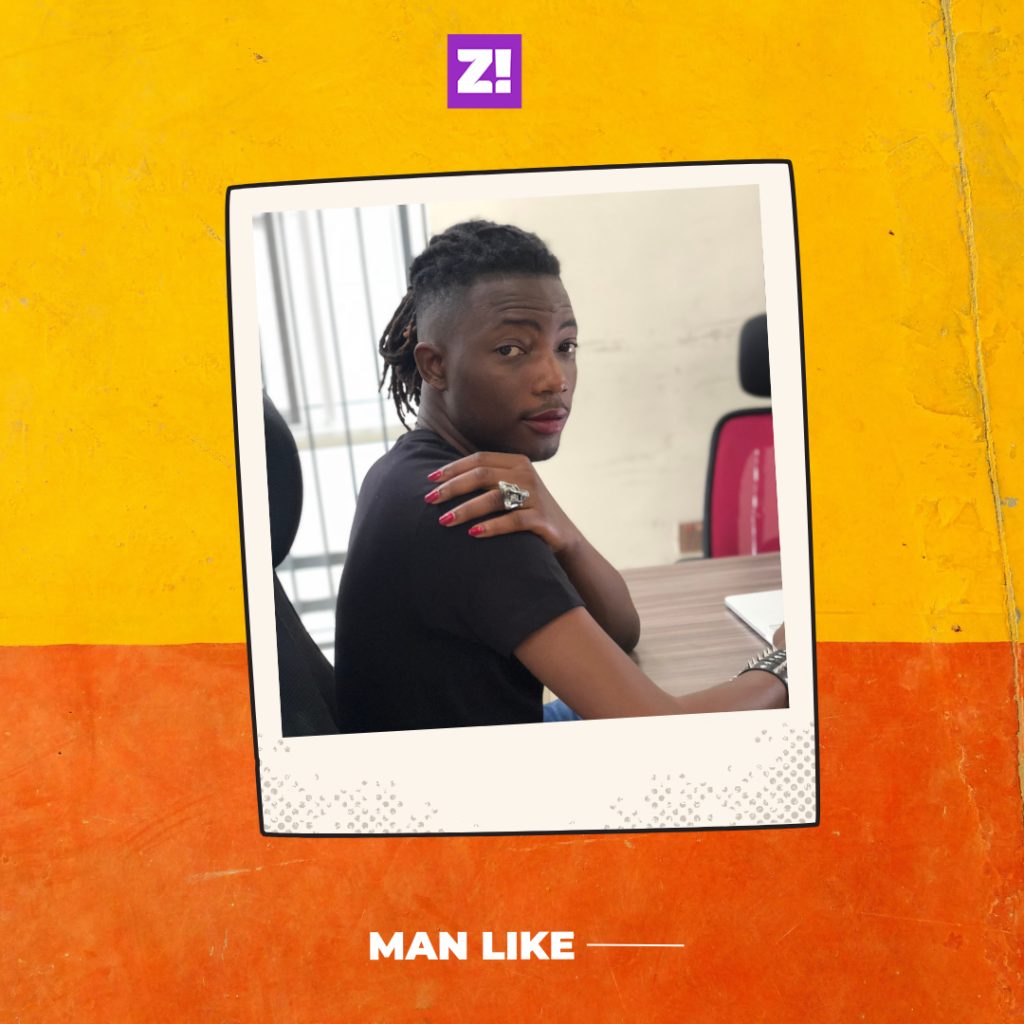
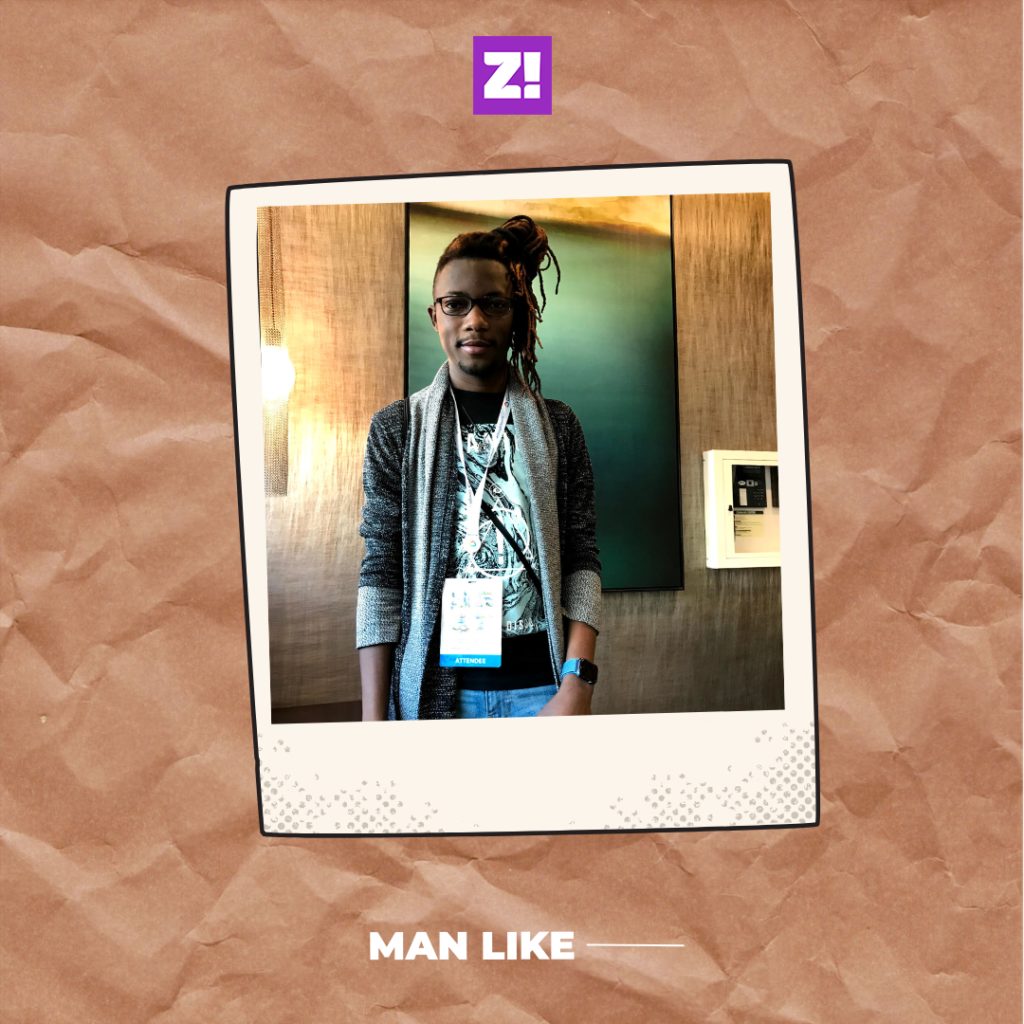
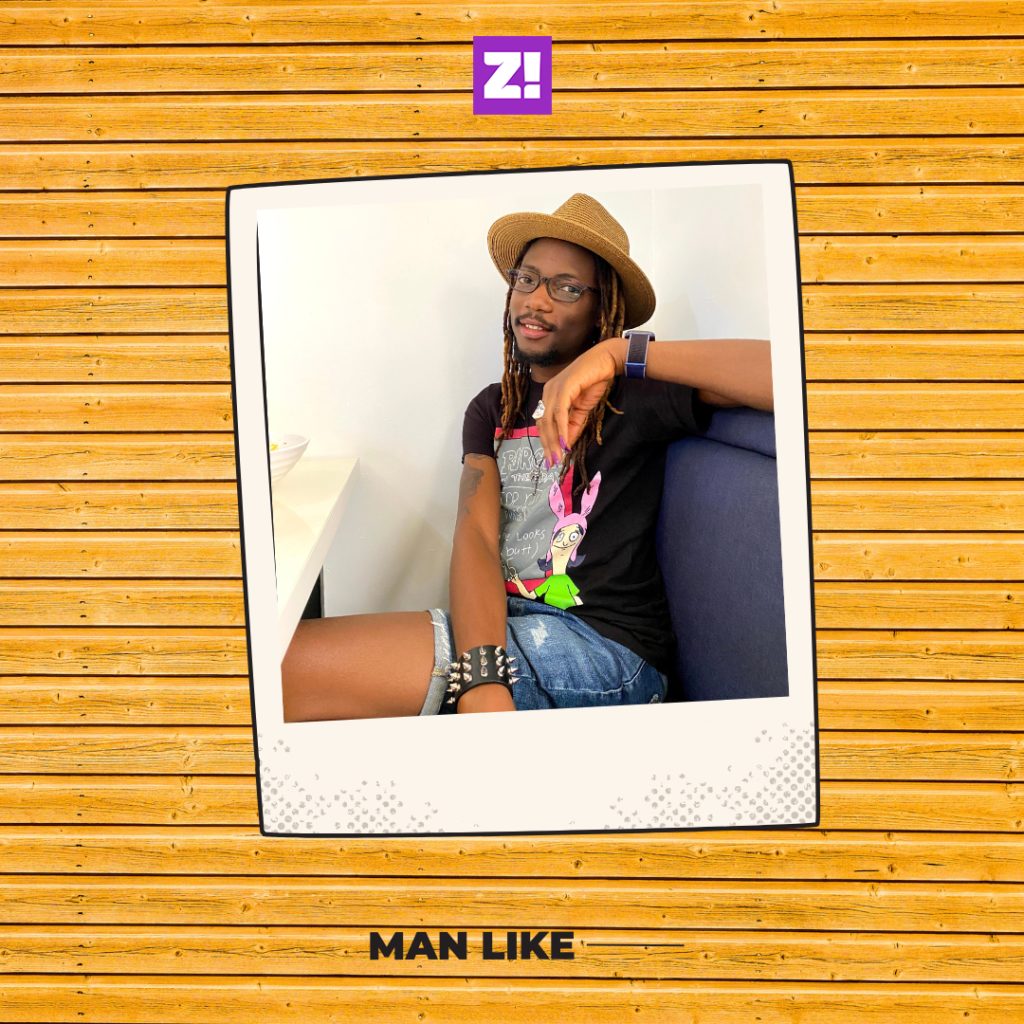
The subject of today’s Man Like is Ezra. He’s the co-founder of Paystack, a payment solution company. He talks about painting his nails, avoiding police trouble, and the struggles that come with being the first child.
When was the first time life showed you that you were now a man?
I don’t know if it came as you’re a man and you have to man up. It was more like you’re the firstborn and you’re now out of school, and your siblings have to finish their education. Your dad that was responsible for everyone is no longer in the picture so you have to step up. At the time, I was earning small money while trying to pay for the education of my siblings and also give them pocket money. At some point, I think I was sending money to my mum too.
For me, the ultimate aim was for my siblings to become independent because I was only expecting myself to be the breadwinner for as long as necessary.
I’m curious: how old were you?
I think I was 21 or 22. I left uni just before turning 20, so I had gotten a job by then. This was around 2006/2007, and I was the breadwinner until my siblings got out of uni around 2012/13.
Man. How did this affect your growth?
I remember having a conversation with my mum about this. At that time in my life, I felt like I was making money (however small) but I wasn’t able to save up and do things for myself. For the most part, getting a car was super far-fetched. Every time I attempted saving for something substantial, something would happen that would take the funds. That was a little bit unsettling for me. And it was easy to blame my inability to do things on the fact that I had to take care of my siblings and mum.
In retrospect, it’s funny to see how my finances have evolved to the point where I’m comfortable enough to take care of those concerns in the past and not necessarily think about it.
What’s one difference between not having enough and being comfortable now?
Peace of mind. And not getting upset. I don’t know if I was upset at myself or with the people making the request. There’s the powerlessness when a need comes from your family and you don’t have the funds for it. It’s worse when you know that you shouldn’t be at this point in your life because you can see your friends doing well. You know that these friends can easily take care of the problems you’re struggling with.
Thankfully, it doesn’t happen again. If I can’t take care of something right now, it just means that I don’t have the resources for it today. Because I can plan properly, I feel more in charge of myself and my emotions and how I face difficulties.
Pls, do giveaway.
[Laughs]
What’s your biggest fear?
Nigerian policemen scare me. When I’m driving from point A to B, I’m mentally picturing the route where I have lesser chances of encountering policemen. It’s definitely going to be a longer route, but I’ll be more at rest.
Sigh.
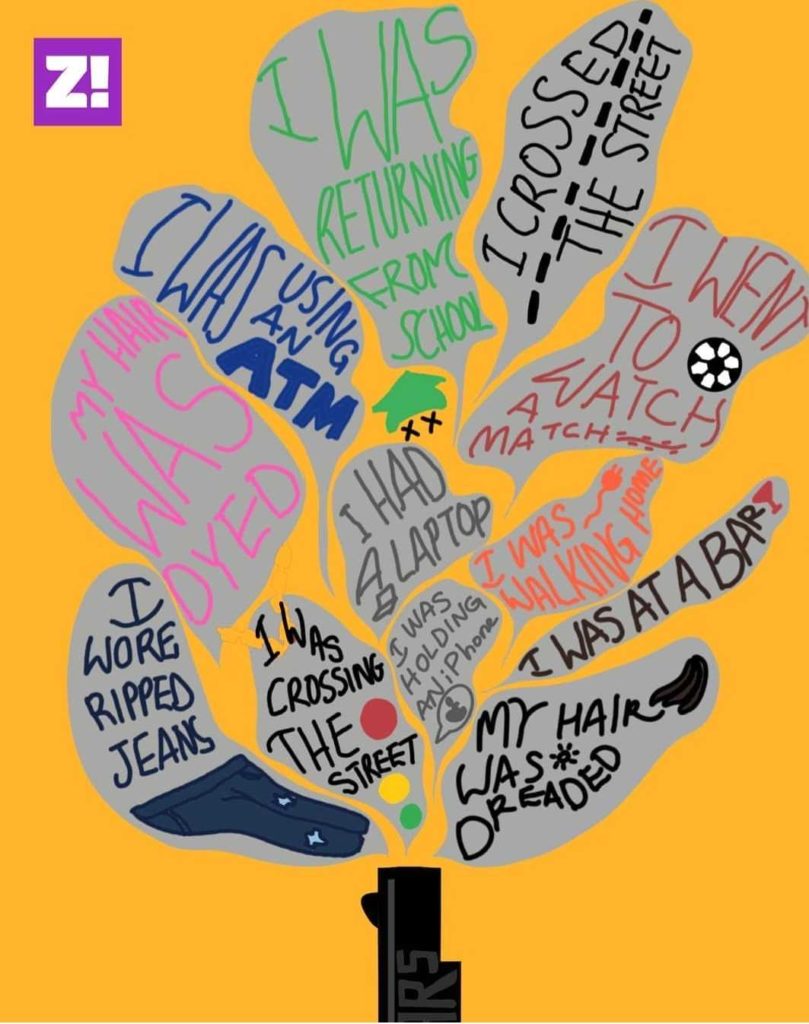
I think the police trouble started with my hair in 2011. That’s when I became a regular customer. I’ve ended up writing statements in the police station over ridiculous things — like carrying a laptop in my bag.
There was a day I closed from work by 9 p.m. and left the office to get suya. Somehow somehow, I landed in the police station because I got stopped. After delaying me for an hour, they finally let me go home that night. After that incident, there have been random stops and questioning where you can tell that the police officer is trying to get to a point where they have something on you. And if they don’t, they invent something.
Ahan.
Thankfully, I’ve not been flogged or rushed. I don’t know. Maybe I’ve been hit, and I can’t remember because of the beating. I won’t say that I’ve had some of the other scary experiences that people have had.
It’s annoying because I’m not someone that likes wahala. All I’m trying to do is get from point A to B in peace. It’s not like I’m an outgoing person either, so I barely go out or go long distances. I’m just going down the road, and I end up getting stopped by the police. Usually, the encounter with the police lasts longer than the trip itself, and I also end up parting with money.
What’s the most money you’ve parted with at once?
₦40,000 – ₦50,000.
Man, fuck the police.
Yup.
Moving on to happier things, I’d like to hear about your style inspirations.
I remember relaxing my hair when I was uni and wearing it all back. During that time, even though there was no official rule against that kind of hairstyle, the school authorities gave me so much trouble. At the end of the day, I ended up cutting the hair.
Immediately I got out of uni, I felt I had the freedom to do whatever I wanted, so I started growing my hair. Then I started plaiting it around 08/09. In 2010, I decided to cut it off and have dreadlocks instead. On one of the days I was getting my hair done at the salon, I decided to paint my nails and I liked it. And that just became a thing I started doing as well.
Basically, I am just being me. I don’t let the societal constraints that define what’s expected of a man or Ezra define me. I do what I want as long as I’m happy with it. Another thing that fascinates me is androgynous clothing and appearance. Unfortunately, I’ve not had a lot of them. Apart from a couple of sweaters, most of my clothing is the stereotypical guy clothing — T-shirts.
Interesting. Don’t you care about what people will say?
[Clears throat]
I dunno. Part of it might be realising that whatever you say or do will not stop people from still asking questions again tomorrow. I’ve developed general apathy towards people’s feelings. I will continue being myself.
Does this extend to your family members?
My mum is not going to continuously hammer on the same thing. Yes, she brought it up, but after I explained to her, she was fine. My siblings never questioned my choices though. I don’t know if that’s out of respect or…
In the beginning, it probably started out like why is my elder brother painting his nails or ordering this and that. Then it progressed to I can’t talk to him because he’s my elder brother. Now, I think it has become I’m very proud of my elder brother being able to do this without caring what people say about him.
I’m crying in the club.
Lmao.
You said something about your dad being out of the picture. What was that about?
Long and short was that he cheated on my mum.
Wait.
It’s wild because he was a regional overseer in Deeper Life church. That meant our house was very spiritual. By the time I was six, I had finished reading the bible like twice.
Wait. Did you just say Man of God?
It doesn’t mean that he’s not a man. Lmao.
Omo.
[laughs]
The cheating wasn’t once, but this particular one broke the proverbial camel’s back. And that’s because he moved in with the person. It was the way he handled everything that made me realise that I don’t want to have anything to do with this man again.
Omo.
Do you think this influences in any way the red flags you look out for in relationships?
I don’t know that I have red flags. It’s important that the person is like me in some way and should be able to hold conversations. If not, anything happening becomes out of the question. However, I’ve not been in a relationship since 2013 when my last one ended.
Oh. Wow. Do you belong to the streets?
If you want to put it that way, yes.
Dead. This changes my question: how do you decide people to have sex with?
Basically, I have my friends. They are the people I go to for my needs ranging from just talking to advice to work, and somehow that just becomes a part of it with some of them.
Doesn’t that complicate the friendship?
My older friends know me so there’s nothing like them wanting more. And if they do, they know I’m not the person for that. When I make new friends, I try as much as possible to be very clear about the kind of person I am. I let them know that I’m not looking for a relationship, and I have many friends. I’m not about the life of trying to schedule that oh this friend is coming today, come tomorrow. Because at the end of all day, it’s a friendship and we’re all friends.
It’s not surprising to come to my house and see me with three friends I met individually but are now friends with each other. You’ll see us either chilling, watching TV, playing board games or making food. New friends I make end up coming into this picture where they can see every other person and how I am with them. It’s now for them to decide whether this person who is friends with a lot of people is what they want. Thankfully, I’ve not gotten into any situation where I have to explain myself about why I can’t be in a relationship with anyone. And that’s because I try to be honest and clear way before anything outside of just being friends happens.
Interesting. What’s one friendship that has immensely added to your life?
I think that’s the one I have with my best friend at the moment. I met her in late 2009, we dated for like a month in 2010, but we went back to being friends. And we’ve been best friends till date. We’ve grown together. We even ran a consulting firm together from 2013 till when I started at Paystack. She’s an expert in her field. She’s always giving trainings because she’s like a manager of managers. One time, she was even a lecturer at the African Leadership University.
She’s the one person I’ve always gone back to over the years when I have issues and need someone to discuss with. This person always comes through for me when I have a complication in my life that needs to be unravelled. I can’t imagine what my life would be like without her in the picture because she’s been a part of every single thing I’ve done so far.
You didn’t ask me oh, but I think you guys should get married.
[Laughs]
Tell me how you felt when you finally bought your first car.
For me, it was a…it felt good.
[Laughs]
Check back every Sunday by 12 pm for new stories in the “Man Like” series. If you’d like to be featured or you know anyone that would be perfect for this, kindly send an email.
Citizen is a column that explains how the government’s policies fucks citizens and how we can unfuck ourselves.
There gave been 9 different Inspectors General of Police in Nigeria within the last 15 years. And while it is always easy to make the Nigerian Police the fall guy, there are structures within the Nigerian Police itself that genuinely makes it impossible for the “Force” to be effective.
Definitely, no organisation that changes its leader every one or two years can maintain a vision.
Under the Police Act (2004), the tenure of the Inspector General of Police (IGP) was not specified. Section 9 (4) and (5) of Act gave the President operational control of the Police Force while the Inspector General of Police was given the power to command the Force, but subject to the directive of the President.
The President may also give the IGP any order which he “shall” comply with, and the IGP is strictly appointed by the President who is advised on this duty by the Nigeria Police Council.
No wonder that in the past 15 years, we have had 9 different Inspectors General of Police, most of them serving for only a year or two.
Sunday Ehindero (2005-2007), Mike Okiro (2007-2009), Ogbonna Onovo (2009-2010), Hafiz Ringim (2010-2012), Mohammed Dikko Abubakar (2012-2014), Suleiman Abba (2014-2015), Solomon Arase (2015-2016), Ibrahim Idris (2016-2019) and Mohammed Adamu (2019-) have all served as IGPs of the Nigerian Police from 2005, but it is clear that the tenure of their roles is uncertain. As it appears, you can be removed from being IGP if the President wakes up on the wrong side of his bed.
Certainly, this uncertainty about the length of tenure handicaps any IGP who wants to implement long term reforms within the Police. Add this to the political uncertainty within the Presidency itself and you’ll realise why Police terms should not be left in the hands of the President.
Police Act 2020
Under the Police Act (2020), this situation has been fixed.
Section 4 of the Act states that the Inspector General of Police shall not be removed from office except for gross misconduct, a gross violation of the constitution and demonstrated incapacity to discharge the duties of the office.
Furthermore, Section 6 the new Police Act states that the Inspector-General of Police shall hold office for four years, except he has served in the Police Force for a period of 35 years or he has attained the age of 60 years.
With this certainty of office, we can at least expect new Inspectors General of Police to implement their own reforms within the Police Force, knowing fully well their four year term is guaranteed to a very large extent.
We hope you’ve learned a thing or two about how to unfuck yourself when the Nigerian government moves mad. Check back every weekday for more Zikoko Citizen explainers.
We are populating an unending list of people who’ve been victims of Sars brutality.
Here are a few:
1)
she was my course mate, she was shot and killed by SARS while sitting in the passengers seat of her friends car in Abuja. #EndSARShttps://t.co/YloQ3o4IMn
Stella was raped and killed by SARS in Abuja a month ago. Just like many of us, she had dreams and aspirations. Despite the outrage and cries, nothing was said or done by the government. You turned deaf ears to the same people who elected you. Shame on the government!!! #EndSARSpic.twitter.com/RLqzo4kBxh
The Nigerian Police is currently recruiting, and we want a clean slate from the past. These questions must be asked if we are serious about integrity and professionalism in the force.
1. “Are you hopelessly addicted to 50 Naira?”
Obviously, he won’t say he is. But check his eyes, if he describes 50 Naira with so much passion and gusto, and his eyes light up with lust, that’s an incoming thief. He is high on mutilated N50 Naira. Boot him out!
2. “Who Is Kcee? Do you know his brother E-money?“
He will try to hide his admiration for Kcee (“Alhaji Bureau de Changer”) and his elder brother E-money. But pay attention to his lips, if he smirks it any suggestively then he’s somebody who will leave the force to open doors for rich people. He’s a door opener, not a police. Get that man out!
3. “Are tattoos from the Devil?”
If he says no earrings, no tattoos and no dreadlocks and anyone who has them on is suspect, that’s a SARS material. He will be a menace on the streets. Sack that man before you’ve even given him a job!
If he says virginity is a material fact, and that he has to ask about virginity once he questions any girl, that man is going to be a benefit policeman, and a terror to our girls. Sweep him out!
5. Tell him to say “Park”
If he shouts “Parrrrrrrk!”, and the veins in his head is bulging out and his eyes are almost coming out of their socket, that’s a baby tyrant. He will stop every car and tax every driver, even more than Sanwo-Olu. Show that man the exit!
6. “Road or air travel, which do you prefer?”
If he says he “so much” likes road travel and that he likes Nigeria’s rough and rugged inter-state roads, he’s going to be an inter-state extortionist. Decline his application before he extorts all the drivers on Nigerian roads.
7. “Oga or Boss, which is correct?”
If he says he likes calling his superiors “Oga”, you’re looking at a Makanaki. He will start a bribery ring with his “Oga”, and they’ll share it 70-30. He understands how to pay tithe in the Devil’s kingdom. Sack than man, now!
Jara
Check his wrist and see if he’s wearing a wrist watch. If he’s not, he will run away from the crime scene and come back hours after the criminals have gone. He’s a scammer, that one.
But we know the Nigerian Police Force won’t ask these tough questions. That means, God safe us from this incoming batch of members of the police force who will certainly not be our friends, as always.
Honourable senators breaking into fights on TV? Routine.
The president announcing that he’s journeying abroad for healthcare inaccessible to the regular guy on the street? Irritated, but not surprised.
But every time word gets out, of a policeman assaulting a citizen for using an iPhone, or sporting dreadlocks or moving about with a laptop, there is no amount of victims, no amount of tweet threads and no amount of repetition that would ever make it seem normal place.
Recently, a software developer and twitter user – @toniastro_ narrated his ordeal at the hands of alleged SARS operatives around Ketu in Lagos State.
So yeah 😪, SARZ messed up my Saturday and I get to be locked up because I’m a software developer. A thread.
In the thread that has been shared over 11,000 times, Toni narrated how members of Nigeria’s Police Force demanded he alight from a bike transporting him to get a BRT home, before demanding he pay the ridiculous sum of one million naira to members of the force.
His pleas that he be released, as he was only a software developer working for a company fell on ears made deaf with guilt. To the policemen, “everything na yahoo-yahoo’, just going to show how detached Nigerian policemen are from the realities of changing vocational systems.
He was taken to the Area H Police Command in Ogudu where he was subjected to all manner of physical abuse for hours before being made to part with an undisclosed amount of money that could have been at least half the amount in his account.
This story is not unlike the hundreds or even thousands of others that have no doubt happened in the course of this year alone, but nothing can take away from the horror each new event brings.
Perhaps what’s most frightening about these occurrences isn’t simply the fact that your mere existence, whether or not you’re sporting dreads, or tattoos or an iPhone could make you a potential target, but the fact that the one body of people, the same ones reports of assaults should ideally be tabled, are the sole harbringers of harm.
In the aftermath of Toni’s attack, the #StopRobbing Us movement has been borne, an offshoot of the #EndSars movement which Nigerian youth have been campaigning for, for at least two years.
This movement is largely supported by members of Nigeria’s tech scene, with big players like IrokoTV CEO – Jason Njoku, pledging ₦10 million to the cause. Whether or not the renewed vim will finally bring an end to this Nigerian scourge remains to be seen, we can only hope that until then, these uniformed marauders #StopRobbingUs until then.
So you’re a Nigerian who has decided to join the Nigerian police.
Yay.
I’m going to ignore the brain damage that most likely caused you to make this decision and just move on to the list of things you need to know before you join the force.
Things like:
Your uniform must be badly-tailored:
If you’re on the heavy side with a pot belly, your shirt and trousers must be tight so it looks like your buttons could give way at any second and fly in all directions like bullets. If you’re skinny, your shirt and trousers must be at least 3 sizes too big so whenever you move, it looks like floating clothes on a hanger.
Plant yourself on strange roads so you can stop cars and harass the people in them for money.
Of course, you won’t just say “Give me money!” like that. Start by asking them for obscure car documents you know they won’t be with. If they happen to have these documents, break the ice with a terrible joke and ask them to give you something for the weekend.
If they don’t have the documents, ask them to drop money to get themselves out of “trouble.” If they call you out on your bullshit (which, make no mistake, you are full of), refer to the image above for your next line of action.
Do what ever it takes to get that egunje.
It’s usually never more than ₦200 but that shouldn’t stop you from doing whatever you can to get it. Even if that means shooting up a bus full of innocent people.
Plant yourself at strange corners so you can stop and harass random (young) people.
You could use the usual criteria (dreads, piercings, expensive laptop and/or phone, etc) or you can just look in their eyes and see the guilt in them using the telepathic abilities they gave you in training school. Also, abuse your power even further by going through their personal belongings e.g. phones, computers, bags etc.
Freak the fuck out when anybody speaks anything to you that isn’t pidgin English.
According to your enabler, Yomi Shogunle.
Sit in a corner close to your station and drink insane amounts of hot cheap beer, ensuring that no one can tell the difference between your station and a kidnapper’s den.
If you are a part of the very small percentage of Nigerian adults who have their lives put together enough to make budgets, we have a thing or two to tell you. While you might think that you’ve covered all your bases. You’ve made a budget for food, transport even Friday night faji, there are a couple of key things you are leaving out of your budget that could ruin your finances.
The second cloth you have to buy after your tailor takes the aso-ebi you bought for a wedding and travelled with it.
Please, when are we going to come together as a people and boycott Nigerian tailors?
The extra tyre you need to buy after that deep pothole on your street finally tears your tyre.
And the second one you’ll buy after the same pothole tears the new one.
If you thought you’ll need only 10k fuel for the month double it, because the transformer on your street will blow and you won’t have light for three months.
And you’ll still contribute for NEPA people to come and fix the transformer.
Drugs for malaria you only got because your street has been flooded for the past two weeks.
By the time you get your hospital bill, you’ll wish you just stayed home and prayed the malaria away.
The third and fourth internet subscriptions you have to pay for because the first two start moving mad.
Then you go back to the first two when the third and fourth one starts misbehaving too.
The funny sound your generator starts making even though you only serviced it last week.
You’ll think it just needs to be serviced again until your gen guy tells you, you need to replace the carburetor.
When someone steals wires from the NEPA pole on your street and you have to contribute to pay for it.
You also have to settle the NEPA guys who will come and fix it.
The new phone you have to buy because they obtained your old one in traffic.
Shebi if the traffic was moving the thief won’t have seen road to collect your phone.
When your rent is due on January 1st and your landlord tells you on the 31st that he’s increasing the rent.
After you’ve used all your extra money for December rocks.
Getting that message from your younger brother, sister asking for money.
Me sef I need epp.
The borehole in your compound just suddenly stops working because the last plumber to fix it used fake parts.
And you just fixed it last month,
All the people you have to settle just so you don’t die on the line collecting things like your driver’s license or passport.
And they’ll still ask anything for the boys after you’ve settled them.
Settling police so they can release your friend they carried for no reason.
They said because he was using an iPhone he must be a yahoo boy.
The side mirror of your car you have to replace because one danfo guy trying to overtake you hit it.
After hitting it he started rolling on the floor using God to beg you.
Having to replace the compressor of your freezer because NEPA blew it.
And the surge protector you bought was fake.
NEPA bringing a 90k bill for you even though they only gave you light twice that month.
If you don’t have a prepaid meter go and get one now.
Uncle Yemi Osinbajo has done it again. This time, he has shown out for guys about the dreadful SARS situation.
Why does it seem like whenever Baba Bubs goes on one of his frequent medical trips, things just seem to work a little better? Somebody help me say political gimmicks good governance.
On Tuesday August 14, the Acting President aka Uncle Yemi gave directives to the Inspector General of Police, Ibrahim Idris to overhaul the Special Anti-Robbery Squad (SARS).
We were shook!
Especially because all our complaints had always been brushed off as false or exaggerated.
— Abayomi Shogunle, 𝘧𝘴𝘪 (@YomiShogunle) July 26, 2018
Just a few weeks ago, Assistant Commissioner of Police, Yomi Shogunle still trolled Nigerians with this irresponsible tweet. He should better switch careers if he wants to be making silly jokes online.
Oh, you remember SARS, the police unit that was so infamous for their abuse of power and Nigerian citizens, we had to write you a survival guide?
This is just one of the many, many videos people have used to back their complaints. Let’s not even go into pictures and narratives. But we’re all lying, hey. The #EndSARS movement has been going for at least two years! Nonstop police brutality for two years.
While we’re overjoyed that our pleas and relentless #EndSARS campaign finally made some headway, we still have some doubts.
Way too many people have been unlawfully killed, jailed and extorted for us to just accept it, and things are often not what they seem in Nigeria. Gotta stay woke.
First of all, it is important to note that this overhaul doesn’t mean the police department is going to be scrapped.
This overhaul is more like a reform. In summary, the state SARS will be broken down and the officers reassigned to the already existing Federal SARS (there will only be FSARS). I know what you’re thinking, but chill. We are told that this is only going to be after investigations into the existing abuse allegations have been done, as well as mental evaluations and retraining.
Again, I know what you’re thinking, because even the Federal SARS people abuse the citizens.
The new FSARS is to be strictly intelligence-driven and their duties are to be restricted to the prevention and detection of armed robbery, kidnapping, and apprehension of offenders related to the stated offences. Nothing else.
At least that’s what they’re telling us. Me I’m only a reporter.
How are the illegal arrests going to stop, you ask?
Well, the new FSARS officers are now mandated to go about bearing proper identities. They will have a ‘new’ uniform so there will be no more random black-polo-clad-hoodlum-looking-ass-niggas jumping out of unmarked space buses. At least this will curb the possibility of the officers being impersonated by armed robbers and such. Also, THEY ARE NO LONGER AUTHORISED TO STOP AND SEARCH! Let’s forget the fact that I still saw the same SARS doing that just yesterday.
What can we do if we still get harassed?
Call the police lol. Honestly, I don’t have an answer for this. This is a commendable move on Uncle Yemi’s part, but we worry about the enforcement and implementation. Hopefully, this is not just another one of those reforms that don’t change anything at the end of the day.
And if you’re like me that is happy about this development but still believes this is just pre-election gra-gra and doesn’t trust anything this government does, I hope you’ve gotten your PVC o!
If you haven’t, there are two more weeks for you to register. Hurry! If you need any help, we gatchu!
7. They probably wanted to join the protests too, but the work will not allow
Aren’t we all in this suffering together?
BUT to be quite honest, the Nigerian Police really made us feel secure at the protests.
Whether it was because their bosses were around or not, they did very well. There were hundreds of them from the National Stadium down to the National Theatre at Iganmu, and there was a police helicopter circling the skies all through. They just stood on the sidelines, silent and watchful. In their eyes, though, was a solidarity they could not fully express because of the nature of their work. For once, the police truly was our friend.
According to a statement by the Nigerian Police regarding its recruitment, it won’t be business as usual in the Force.
Successful applicants to the Force will now be required to undergo lie detector tests, to ensure all applicants are not shady individuals.
This is great in so many ways, because we actually did not expect such initiative from the Nigerian Police.
So if you lied on your application, we are really, truly sorry for you; because unless you have strong juju, you’ll be caught.
Other compulsory tests will include background checks, biometrics, medical and physical examinations, aptitude tests as well as oral and psychological tests.
The NPF plans to make things easy for applicants; all Police Training Colleges across the country will be equipped to carry out the tests.
We hope the tests are effective and the Nigerian Police Force recruits policemen and women who will face their work and not be a pain in our necks.
In case you didn’t know, The Nigerian Police recruitment short-list was released on June 2. A total of 338,227 candidates were selected for the final screening which started on June 6 as announced by the Chairman of the Police Service Commission, Mr Mike Okiro.
What makes this screening more interesting is that about 911,000 candidates initially applied for positions available for only 10,000 people.
On top of that, as reported by The News Agency of Nigeria, the spokesman of the Enugu state command of the Nigerian Police Force stated that over-aged people, those with some physical impediments and people with tattoos will be disqualified.
Although this screening shows how serious the unemployment rate has gotten, we have some questions.
Will those tattoos prevent them from keeping the law and order in the country?
Should officers be judged based on their appearances or how well they can do the job?
Or was this rule passed on the moral stereotype Nigerians have on tattoos?
Is it necessary to screen out people with disabilities even if they have useful skills necessary for the job?
What do you think about this rule? Share your thoughts in the comments section.
The latest fight between Linda and Wizkid was messy, no doubt. Wizkid made really misogynistic statements and even threatened to beat Linda because she reported “not-so-awesome” news about him getting evicted from his Lekki house.
Linda who took his threat seriously, went to report the matter to the Commissioner of Police for her own security.
And instead of her to carry on with life, she came to share a long essay explaining to Nigerians why she reported.
She started things off with how much she likes Wizkid’s music and reported all his successes.
“Even Wizkid himself thinks I don’t like him. Why he or anyone would think so is puzzling to me to be honest. Apart from his achievements after he started insulting me online a few weeks ago…everything else, every success Wizkid has recorded in the last 3/4 years is on LIB. All the awards, all the record breaking feats, his sold out concerts, his foreign magazine features, and collaborations, everything that has built him up to the young man he is today is on LIB”.
She was just doing her amebo job by reporting about Wizkid’s alleged eviction notice.
“When I reported that he was served quit notice at his Lekki home, I stated fact and I didn’t write it out of malice. It’s not everyday you get exclusive stories…and I’m sure any other blogger who got the story first would also have published it. So, there was no beef, I was just doing my job”.
And she just switched into feminist mode, and still managed to slut shame at the same time.
“You call a woman, who gave another young woman, whose real name she doesn’t even know N500,000 just because she said she would rather work by carrying cement than prostitute herself, that’s the person you call a hoe? When your mind is so warped you can’t differentiate between a woman and a hoe, then this is what happens.”
And said she reported so women can speak up against violence.
“I went as far as I did for me and for other women. This is to pass a strong message to our young men that these kinds of behaviour towards women will not be tolerated. Should not be tolerated. If you assault or even threaten to assault a woman, the law will come after you if she chooses not to be silent. Women, don’t be silent. Let’s break the circle”.
Yes, violence against women and anyone should not be condoned and must be reported to authorities.
More action should be taken against people (and celebrities) who make misogynistic comments and unnecessary violent threats!
When someone who has brought other women down with false news tries to tap into the anointing of female empowerment.
When people resort to feminism only when it suits them.
When she brought Tupac from the land of the dead to prove her slut-shaming point.
When someone slut-shames and claims to empower women in one breath.
When Linda comes again with her long essays.
When it takes only a bag to make someone lose their mind yet they claim to be humble.
When someone keeps announcing how they dashed people money every time they have problems with people.
But why should Wizkid still have any endorsements after making those trashy and disrespectful comments?
We hope this step she took will actually deter people like Wizkid from making such threats and comments next time.