Notice: Function _load_textdomain_just_in_time was called incorrectly. Translation loading for the wordpress-seo domain was triggered too early. This is usually an indicator for some code in the plugin or theme running too early. Translations should be loaded at the init action or later. Please see Debugging in WordPress for more information. (This message was added in version 6.7.0.) in /home/bcm/src/dev/www/wp-includes/functions.php on line 6121
Music producer | Zikoko!
  • 8 Times Don Jazzy Influenced Nigerian Contemporary Music

    Nobody should get carried away by Don Jazzy’s chronically-online, playful social media influencer personality. That’s all recent development.

    This isn’t an attempt at inducing nostalgia. But when Don Baba J returned to Nigeria from London two decades ago, it was the beginning of a journey to becoming one of Nigerian contemporary pop’s greatest contributors, and he changed the soundscape forever. 

    Don Jazzy seems to have taken a break from actively producing music, but not before making multiple impacts on Nigerian pop music. These eight songs Jazzy produced across music eras prove this.

    Tongolo – D’Banj

    At a time Don Jazzy and his previous business associate and artist D’Banj were still testing Naija music waters, the latter’s debut album came out with Tongolo as its lead and biggest single. Not only did this song introduce D’Banj’s arrival to Nigerian listeners, it birthed his “Koko Master” persona. 

    Ijoya – Weird MC

    Two years after stepping into the motherland, Don Jazzy produced Weird MC’s Ijoya alongside JJC. This song was Weird MC’s reintroduction to the Nigerian audience in 2006. Till date, Ijoya remains the biggest single from a Nigerian female rapper.

    Why Me — D’Banj

    Why Me transformed D’Banj from potential entertainer into a national hitmaker. Don Jazzy’s production did that.

    Jebele — Kween

    Kween had lovers in chokehold with this 2007 jam. Its music video won the Soundcity Music Video Award for Best Female Video and Best Highlife Music Video at the Nigerian Music Video Awards in 2008.

    “Mushin 2 Mo’ Hits”

    In 2009, Wande Coal released his debut “Mushin 2 Mo’ Hits”, creating a template for how a Nigerian pop album is made. This album has popular hits like Move Your Body, Bumper2Bumper, You Bad, Taboo, Private Trips, Ten Ten, etc. Wande Coal did his thing on this album, but we have Don Jazzy to praise for its stellar production work.

    Wind Am Well – Ikechukwu

    This song is one of the singles that secured Ikechukwu’s spot in the mainstream. Guess who produced it? It’s Don Jazzy again.

    Oliver Twist – D’Banj

    Before Don Jazzy and D’Banj parted ways in 2012, they made their last collaboration titled Oliver Twist count. This song climbed charts and did wonders for Afrobeats appeal, even pushing its potential into global space.

    Godwin – Korede Bello

    It took Godwin three days post-release to become an anthem among Nigerians in 2015. Due to Korede’s resonating lyrics and Jazzy’s production, Godwin is a party jam to some listeners and a testimony song to others. 

    Also Read About the 14 Times Don Jazzy Proved He’s the Master of Hooks & Choruses

  • “‘Carry Me Go’ Was One of the Most Straightforward Jams I’ve Ever Made” — Signal on His Breakout Hit

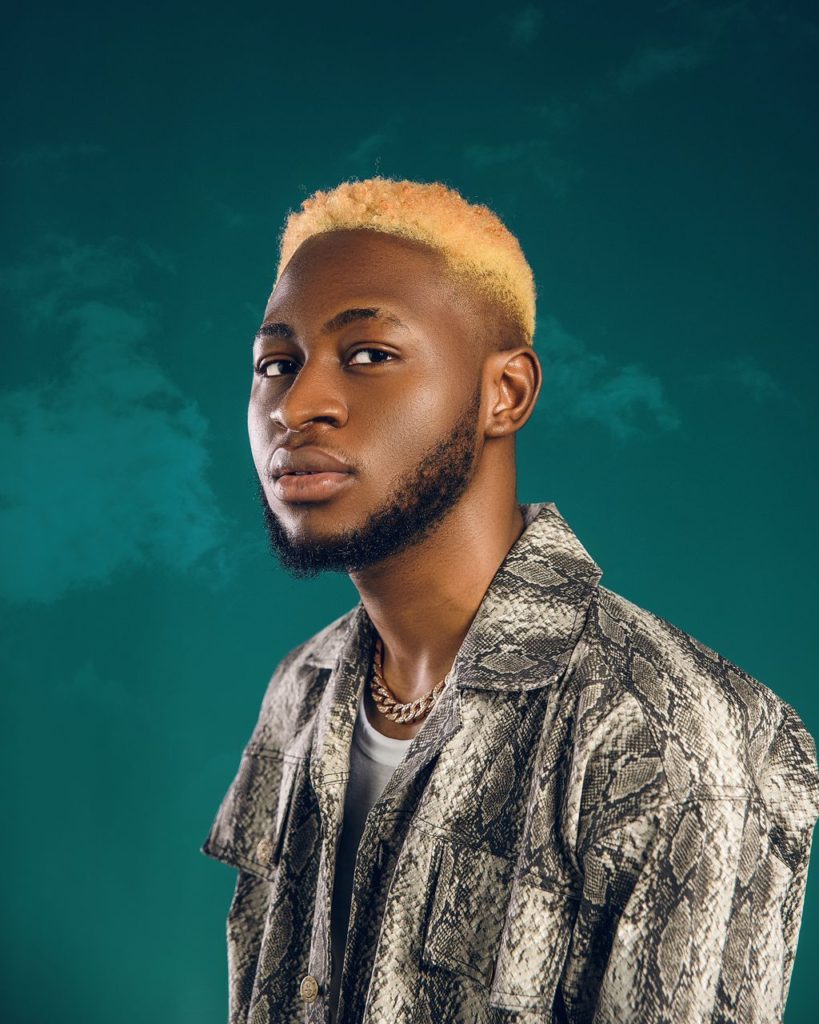
    Signal is a new producer on the Afrobeats block, who got his big break working on Khaid’s Carry Me Go in March 2023. Since then, he’s worked with Joeboy, DJ Neptune and other household names. Signal took time out from putting his personal project together to share the process behind these hits, the pressure he’s faced since and what the music production game needs.

    Tell us about yourself

    Signal: I’m Signal, the Plug. I’m a music producer originally from Ekiti State, but born and bred in Ibadan. IB City is a massive part of my musical influences. 

    How so?

    Signal: I grew up listening to Yoruba music. I still listen to a lot of Tungba, Fuji and Juju music, and it’s reflected in the drums aspects of my production.

    How did you get into music production?

    Signal: My interest developed in National Open University (Ekiti Chapter) in 2018. My mum noticed I liked computers, so she gave me her laptop. I got a production software my brother had told me about and messed around with it, and watched YouTube tutorials, for nothing less than a year. Then I started to recreate top-charting tracks.

    Our local music and electronic dance music (EDM) influenced my early production. I’d constantly listen to music and blend different sounds based on how I felt about it. That was my start. In 2020, I jumped in and out of Lagos many times, going from studio to studio, linking up with artists that people recommended and those that I met online to create. From going studio to studio; producing and recording, I have since met more artists and music business people.

    Describe your signature sound

    Signal: I call it a “happy sound” because 99% of the time, my sound will put you in a happy mood. My catalogue is proof of that.

    What’s your creative process like now?

    Signal: I produced Carry Me Go in January 2023, and it was one of the most straightforward jams I’ve ever made. I was in the studio with Khaid and Boy Spyce, and we decided to work on something. I had the drums down, we figured out the melody on it, we vibed for a bit, and when it got to the “Carry me go” part, we were sure the jam was done. We left it, returned to the studio later, trimmed it and moved to the mixing session. 

    For Mumu, I recorded it with Joeboy on my birthday — February 23. I went to his side, and he asked if I had beats to play for him. At first, I said no because I didn’t have any beat I’d made for him in particular, but I eventually played him a random beat. He was like, “But you said you didn’t have any”. He got to writing, and we finalised on the song that night. Months later, he connected me with DJ Neptune to release it.

    Has anything changed for you since you made these hits?

    Signal: Yes. How people view me. More people are willing to work with me. They feel like since I have hit songs under my belt, I can replicate it for them. If people insist they want me to recreate something I’ve done before, I will. But I don’t miss the chance to convince them that we should work on something new. If I’d stayed recreating stuff I’d made before, I probably wouldn’t have any of the popular jams I’ve made now. 

    I’m a beat selector now; people seek for my special sound. I have to stay innovative. Music production began as fun for me. It’s more work now, but I can’t afford to lose the fun part.

    How hard has it been to keep the fun part?

    Signal: Quite hard.

    My experience so far has changed my idea of what it’s like to be a musician. Beyond making beats, I’ve had to learn to be strategic. 

    My experience with creators outside Nigeria has changed how I create too. Now, I know music is more than just recording a song. I also have to constantly adapt to new technology.

    What are your thoughts on the current Nigerian music industry?

    Signal: We need more transparency. The industry can be more open about information musicians need to navigate the business. People who contribute to songs should be credited appropriately. There should be an official platform where listeners can read the lists of people who worked on their favourite songs. We need more recognition for the people on the backend.

    The situation is getting better though. And that’s exciting.

    What’s next for Signal?

    Signal: I’m working on my own project. Most of the tracks are ready, but getting clearances from different artists and their managements takes a while. I might make an instrumental project too, but we’ll see. Signal isn’t going anywhere anytime soon.