Notice: Function _load_textdomain_just_in_time was called incorrectly. Translation loading for the wordpress-seo domain was triggered too early. This is usually an indicator for some code in the plugin or theme running too early. Translations should be loaded at the init action or later. Please see Debugging in WordPress for more information. (This message was added in version 6.7.0.) in /home/bcm/src/dev/www/wp-includes/functions.php on line 6121
minimum wage | Zikoko!
  • Is NLC Winning The Minimum Wage Negotiations?

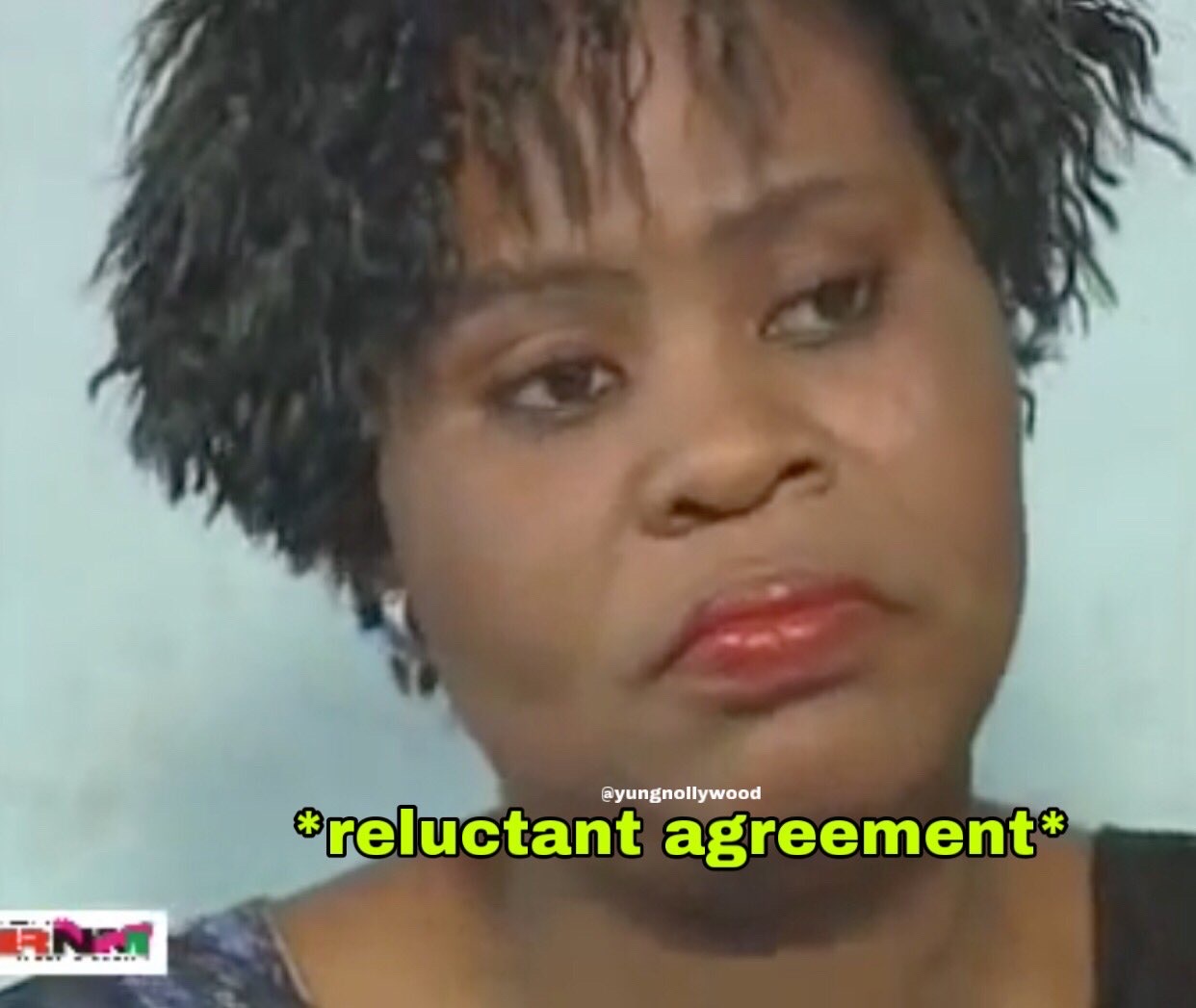
    The National Labour Congress (NLC) must’ve taken the “no gree for anybody” theme of the year seriously with their minimum wage negotiations. They’ve still not settled, following meetings between the minimum wage committee and labour unions in Abuja on May 15 and 21, 2024. 

    The federal government proposed a wage increase from ₦35,000 to ₦48,000 per month at the first meeting. The organised private sector (OPS) settled for ₦54,000 while labour unions maintained their stance of ₦615,000 to cope with the high cost of living. 

    In the second meeting on May 21, 2024, the federal government and the OPS maintained ₦54,000 because the government is short of funds. After a 30-minute break, they proposed the sum of ₦57,000. The final proposal from labour was ₦497,000. The meeting was then adjourned till Tuesday, May 28, 2024.

    The major concern of the NLC is that the newly proposed amount will do nothing to help workers survive the current economic conditions, considering the electricity tariff hike, housing rates and inflation. The labour unions have given the federal government until May 31, 2024, to conclude negotiations and announce a new national minimum wage, threatening industrial action if their demands aren’t met.

    [ad]

    The federal government has stated that although the Tripartite Committee on National Minimum Wage is yet to conclude negotiations, the new minimum wage, whatever the final amount may be, will be backtracked to May 1, 2024, regardless of when negotiations end. 

    READ: About Nigeria’s Plan To Increase The Minimum Wage.

  • About Nigeria’s Plan to Increase the Minimum Wage

    The National Minimum Wage Act of 2019 states that the minimum wage must be reviewed every five years. Vice President Kashim Shettima inaugurated a 37-member committee to do so in January 2024. However, the committee did not take action until after the Nigerian Labour Congress’ strike on February 27 and 28, 2024, holding its first meeting on March 7, 2024, to discuss the prospects of increment. 

    Here are the details of that conversation: 

    First off, how does a “minimum wage” conversation affect you?

    If you are a Nigerian working in either the public or private sector, the Minimum Wage Act is what ensures you get enough to meet up with the cost of living. The minimum wage is the lowest possible amount of money an employer can pay his employee as regulated by the government. 

    The industrial wage unions, trade unions and labour organisations ensure this rate is adhered to and reviewed when necessary. This is why the Nigerian Labour Congress (NLC) went on strike to protest the economic conditions that have rendered the current wage useless. 

    Rising from ₦18,000 in 2019, the minimum wage in Nigeria currently stands at ₦30,000 per month.  

    What’s the update on the minimum wage conversation?

    The 37-member committee held regional meetings on March 7, 2024, where stakeholders suggested new minimum wage figures to alleviate the high living costs. 

    In the South-West, the NLC leaders proposed ₦794,000, while the Trade Union Congress (TUC) proposed ₦447,000. In the South-East, the NLC said it preferred ₦540,000. South-South workers proposed ₦850,000, and their North-West counterparts angled for wages of ₦485,000, while the North-Central union suggested ₦709,000. 

    We’re pretty sure the current NYSC members are on their toes for this one as it directly affects their allawee. 

    The Nigerian government’s response

    In response to this, the Nigerian Governor’s Forum and the Nigerian Employers Association asked the committee and labour unions to consider the current economic realities and individual capabilities of the states and employers to meet the proposed amounts. 

    24 states, including Oyo, Kogi and Delta, among others, can’t keep up with the current wage payments and have incurred internal debts. On February 8, 2024, the Central Bank of Nigeria (CBN) stopped giving the salary bailout funds (SBF) granted by former CBN Governor Emefiele to state governments struggling with wage payment and poor internal revenue generation. The debt and backlog will also affect the states’ capacity to pay an increased minimum wage.

    What’s likely to happen? 

    With each sector proposing wages in the hundreds of thousands, another strike may be unavoidable. The official announcement is expected to come on May 1, 2024. However, the wage implementation will be backdated to April 20, 2024, as all processes regarding the minimum wage are expected to have been completed by then. 

    Did you enjoy this read? Join our WhatsApp channel to stay informed. Click here

  • Telling People to “Live Below Their Means” May Be a Privileged Take

    Don’t get me wrong. Advising people to live below their means isn’t bad financial advice. Spending less than you earn is a good way to manage your expenses.

    But giving that advice in 2023 Nigeria may very well be a privileged take. What do I mean?

    First, let’s understand what this advice means 

    To live below your means implies that if you earn ₦18k/month, you shouldn’t be spending all that ₦18k every month — you need to keep some aside for emergencies, savings, or investments by cutting out unnecessary expenses. But that’s where the problem starts.

    How many people have this “means” to start with?

    According to the World Poverty Clock in 2023, 71 million Nigerians live in extreme poverty. 828 million people wake up every day having no idea when or where their next meal will come from. By definition, these people don’t have any excesses or expenses to cut off. Food is essential, but most can’t even afford it. You might argue that these aren’t the target audience for the “live below your means” advice, so let’s move forward.

    A minimum wage earner has no means to live below

    The minimum wage in Nigeria is ₦30k/month. Now, with the constantly rising cost of food and literally everything else, the minimum wage earner is already forced to cut out additional expenses. Some even have to resort to loans to pay rent and medical emergencies — all essential expenses, by the way.

    The advice only works from a place of privilege

    If you can afford your basic needs and still have a little to flex, you’re the one we’re referring to. Technically, you can live below your means because you can already afford your basic necessities. The others are just jara.

    If most people live lower than they already do, they’d be in the gutter

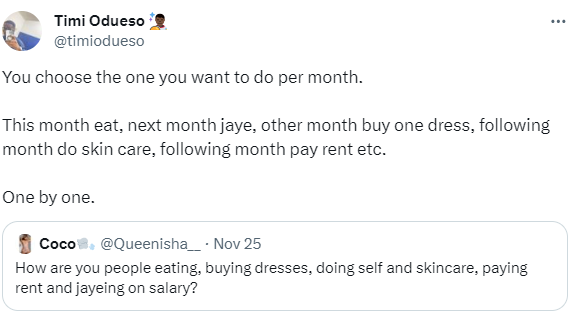
    If your means are barely meeting your basic needs in the first place, how you wan do am? Except, of course, you choose to follow this genius advice. After all, is it every month you want to be eating?

    The most effective way to live below your means is to earn more

    Because how will you have money to spare when the money you currently make isn’t sparing you from inflation? You can’t even do delayed gratification again because what you planned to buy for ₦5k today can increase to ₦30k tomorrow.

    In conclusion, do the one you can do

    Don’t say you want to live below your means and start eating once a week. Hunger will finish you. 


    NEXT READ: A Very Specific Guide to Understanding How Money Works

    [ad][/ad]