Notice: Function _load_textdomain_just_in_time was called incorrectly. Translation loading for the wordpress-seo domain was triggered too early. This is usually an indicator for some code in the plugin or theme running too early. Translations should be loaded at the init action or later. Please see Debugging in WordPress for more information. (This message was added in version 6.7.0.) in /home/bcm/src/dev/www/wp-includes/functions.php on line 6121
health | Zikoko!
  • Lagos on Red Alert for Cholera Outbreak

    On June 11, 2024, Professor Akin Abayomi, Lagos State’s Commissioner for Health, issued a press statement that reported, confirmed, and warned about excess cholera reports in Lagos State.

    Although the state government issued another official statement yesterday stating that the alarming gastroenteritis cases are contained, this is what’s been happening.

    According to the Nigeria Centre for Disease Control and Prevention (NCDC)… 

    The data from the NCDC showed that from January 1 to June 11, 2024, Nigeria reported 1,141 suspected cholera cases, 65 confirmed cases, and 14 deaths across 96 local governments in 30 states. Ten states contributed 90% of the total numbers: Abia, Bauchi, Bayelsa, Cross River, Delta, Imo, Katsina, Nasarawa, and lately Lagos.

    The Lagos State’s cases

    According to the surveillance reports, Prof. Abayomi (Commissioner for Health, Lagos) revealed severe cases in areas like Ikorodu, Kosofe, Eti-Osa and Lagos Island.

    The casualties

    The Lagos Health Commissioner’s report noted five deaths and nothing less than sixty hospital admissions.

    Increased surveillance and investigation

    The Ministry of Health Directorate of Environmental Health and the Lagos State Environmental Protection Agency are alerted to investigate a likely water contamination source around Victoria Island and Lekki. These agencies have also taken in samples for confirmation.

    Hotlines

    Report suspected cholera cases in Lagos to the following emergency contacts: 08023169485 and 08137412348. You can also dial helplines 112 or 767.

    Suspected cases in Ibadan

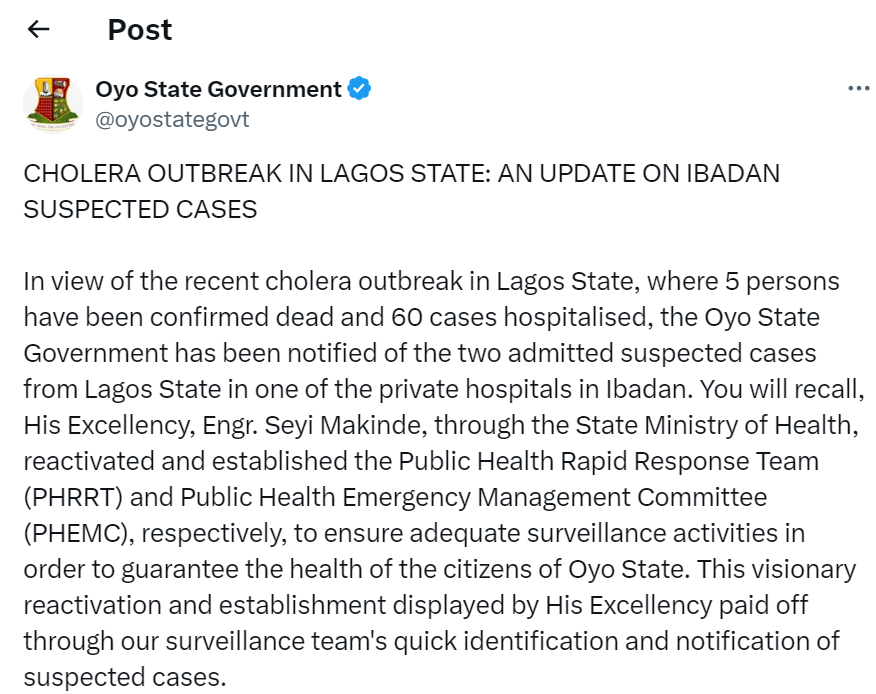
    In a press statement issued on X on June 13, 2024, the Oyo State government reported two admitted suspected cases of Cholera from Lagos state in a private hospital in Ibadan. However, the state’s health agencies are on it.

    Federal government’s intervention

    The government has established a multi-sectoral National Cholera Technical Working Group that comprises the NCDC, Federal Ministries of Environmental and Water Resources, the National Primary Health Care Development Agency (NPHCDA), World Health Organizations (WHO), United Nations Children’s Fund (UNICEF), and other partners.

  • Talk True: Does Facial Hair in Women Mean Hormonal Imbalance?

    Talk True is a Zikoko limited series for medical myth-busting. With each episode, we’ll talk to medical professionals about commonly misunderstood health issues to get the actual facts.


    Like most things in our society, men and women have different experiences — relationships, even — with facial hair. For men, facial hair is usually associated with maturity and good looks. For women, the situation is different.

    And more than a little odd

    It’s not uncommon for people to claim that facial hair in women is a sign of masculinity, “wickedness”, and even infertility linked to hormonal imbalance. Are these claims based on scientific fact, or are they just myths? Dr Henrietta Quarshie provides answers.

    What causes facial hair growth in women?

    “I’ve heard the funniest beliefs about facial hair; how it indicates riches, wickedness, infertility, or that it means the women would beat their husbands,” Henrietta says.

    Henrietta explains that there’s actually a medical term for this unusual hair growth.

    “It’s called hirsutism, and it’s characterised by excess hair growth in women that occurs in a male pattern distribution: face, arms, chest,  abdomen and back. The hair is usually excessive, coarse, curly, and pigmented. Hirsutism is quite common and mostly implies abnormal androgen (hormone) action.”

    Androgens are hormones typically found in men but are also produced in small quantities in women. Abnormal androgen action, in this case, means that the hormone is produced at a higher level than it should be. 

    But before you get scared, not all facial hair is a sign of this condition.

    “Some people are just naturally hairy. Sparse hair growth on the chin, for example, doesn’t necessarily indicate hirsutism. 

    However, we must note that some people might present with only facial hair in hirsutism, but it is often as described; excessive, coarse, curly and really dark.”

    Is every woman with facial hair at risk of a medical issue like hormonal imbalance?

    In a word, no. Henrietta explains further.

    “Not all facial hair is related to hormonal imbalance, and it doesn’t indicate masculinity. But when facial hair is caused by hirsutism, the person has high testosterone levels. This doesn’t always represent a serious medical problem, but if it does, it’ll have to be investigated and managed.

    Some serious medical problems that can cause hirsutism include adrenal gland disorders, ovarian tumours or Cushing disease.”

    Sometimes, the cause of hirsutism is unknown. But Henrietta notes that there are certain risk factors for the condition.

    “Obesity can influence the way the body produces and processes hormones. If someone in your family also has excess hair, you can have it too.”


    RELATED: Talk True: Is Period Syncing a Real Thing?


    Should you be worried?

    “While facial hair can be a very emotionally distressing experience for most women, excess hair in itself is not harmful. The concern most women have is due to cosmetic reasons and appearance. However, it’s necessary to rule out any potential or underlying health issue,” Henrietta notes.

    Do you need to see a doctor?

    Henrietta emphasises that while it’s not always a concern, excess hair may need to be investigated.

    “The clinician needs to confirm that the underlying condition that caused the hirsutism, if any, isn’t harmful to the person. For example, while facial hair growth doesn’t mean the woman has Polycystic Ovarian Syndrome (PCOS), it’s one of the commonest causes of facial hair growth. PCOS leads to ovarian cysts, which can lead to defective hormone production in a biological female and thus can cause fertility problems if not managed.

    Whatever the cause, it doesn’t mean the patient is losing her femininity.”

    Can facial hair growth be stopped or treated?

    Yes. Depending on the cause of the hair growth, different strategies can be effective in its removal.

    “Systemic therapy, like the use of oral contraceptives, can help to reduce the production of androgens. You can also go the mechanical depilation way via shaving, plucking, waxing or laser hair removal.”

    The takeaway

    Facial hair growth doesn’t make you less feminine and probably doesn’t indicate a serious medical issue. If there’s excess hair in other parts of your body, or you just don’t feel comfortable with it, please visit a doctor to rule out any underlying medical issue. 

    The next time someone says, “You have beards/a moustache? That means you’re wicked o”, feel free to hit them with the facts … Or just show them real wickedness.


    NEXT READ: Talk True: Can Sex “Loosen” the Vagina?

  • Talk True: Are Toilet Infections Actually a Thing?

    Talk True is a limited Zikoko medical myth-busting series. With each episode, we’ll talk to medical professionals about commonly misunderstood health issues to get actual facts.


    If you paid close attention the first time you heard the term “toilet infection”, there’s a high possibility it was in a danfo. It probably involved someone standing in one corner of the bus selling pills they swore were the solution to all your life’s problems. 

    Sigh

    If it wasn’t a danfo, it was one of those loud voices that repeatedly thundered from hidden speakers in the market urging you to buy “Dr Iguedo’s Goko Cleanser” to clear the million toilet infections in your system. If you asked the danfo entrepreneur or the cleanser marketers about what the symptoms of toilet infections are, their responses would range from “itching in the vaginal area” to “watery smelly discharge” and even “infertility”.

    But are toilet infections really a thing? What state must your toilet be in to “infect” you? Itohan, a general medicine practitioner, speaks on this. 

    What’s a toilet infection?

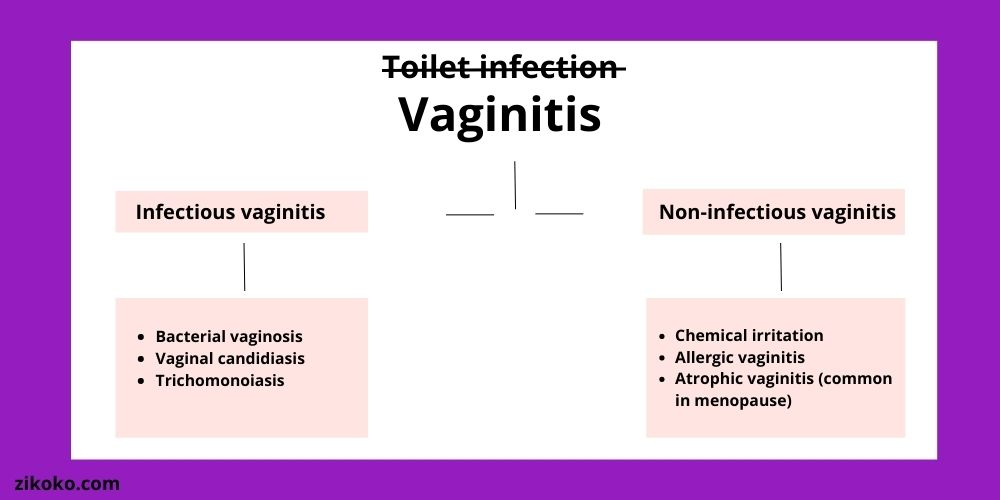
    “Toilet infection is a layman — and often misleading — term for vaginitis,” Itohan says. 

    Google-trained doctors be like…

    Vaginitis (or vaginal infection) is an inflammation of the vagina that may result in itching, unusual discharge and pain. It is usually caused by either one/or a combination of a bacterial or fungal infection, a change in the normal balance of vaginal bacteria, a sexually transmitted infection (like Trichomoniasis) or even menopause. And it’s actually a common medical condition.

    “About one-third of women — especially those in the reproductive age — will have vaginitis at one point or another.”

    But is it gotten from toilets?

    The list of probable causes above doesn’t mention toilets, but I ask Itohan to be sure.

    “No. It’s definitely not. A dirty toilet doesn’t lead to a vaginal infection. To know what might be causing inflammation, it’s important to look at the symptoms and more likely causes.

    When due to a fungal infection, vaginal inflammation is caused by an overgrowth of yeast (a fungus called Candida). This type of vaginitis is called a yeast infection or vaginal candidiasis and is characterised by intense itching around the vulva, a burning sensation after sex or urination, thick white cottage-cheese-like discharge and general soreness.

    Another type of vaginitis is bacterial vaginosis, and it’s typically a result of an imbalance in the normal vaginal bacteria due to factors like douching or unprotected sex with a new partner. The difference here is, this type usually comes with an abnormal offensive odour. Some people don’t even experience itching or any symptoms with bacterial vaginosis.”

    While Itohan insists dirty-toilets-causing-infections are a myth, she admits irritants can upset the vaginal environment and cause vaginitis.

    “We call this type non-infectious vaginitis, and it’s often caused by an irritation or allergic reaction. Some people will start to itch when they come in contact with chemicals from perfumed soaps, detergents or tissues. This is why your doctor will always advise you to clean the vulva with water and mild soap. Vulva, not vagina, please. That’s another recipe for bacterial imbalance.”

    And definitely don’t do this:

    Generalising can be dangerous

    As someone who’s seen several cases of vaginitis, Itohan understands the dangers of blanketing every symptom as a “toilet infection”.

    “Most people attribute every itch or discomfort they feel to yeast or some toilet infection and just use boric acid to relieve the itching. But you need to know the actual cause if you want long-term relief. 

    Imagine treating vaginitis caused by trichomoniasis, a sexually transmitted infection, with boric acid (which treats yeast infections). You’d get temporary relief but left untreated, trichomoniasis can last years and cause complications like premature delivery in pregnant women and poses an increased risk for cervical cancer.”


    ALSO READ: After Surviving Cervical Cancer, I Just Want Peace


    Should you be worried?

    Even though vaginitis may be concerning, it’s not something to be too worried about.

    “Whatever the cause of vaginitis is, it’s usually treatable. It’s nothing to be ashamed of. Don’t be scared to visit your doctor. It’s ten times better than relying on what Aunty A from Instagram said she used to treat hers.”

    Know your body, babes

    The first step to properly detecting and managing vaginitis is knowing your body well enough to observe when something’s off.

    “Every woman has some form of vaginal discharge and smell. The discharge tends to change in consistency and quantity throughout the menstrual cycle. When you’re in tune with your vaginal health, you’d know when there’s a different odour.

    For example, yeast infections are probably the most common type of vaginitis (after bacterial vaginosis), and it tends to reoccur in most ladies. A babe who’s had it before and is self-aware knows to watch out for factors that increase the risk, such as using antibiotics and birth control pills which may disrupt normal vagina flora, hormonal changes due to the menstrual cycle or pregnancy, or any condition that causes a weakened immune system. Again, most types of vaginitis are highly treatable.”

    On treatment

    Itohan emphasises that treatment is relatively simple and accessible, but the right diagnosis is key.

    “Once a diagnosis is made by your doctor or healthcare provider, treatment will typically involve over-the-counter pills, creams or suppositories. A yeast infection requires antifungal medications, while antibiotics are the go-to for bacterial vaginosis. See why proper diagnosis is important?”

    Preventing vaginitis is also very possible, and mainly requires some lifestyle changes.

    “Avoid douching like a plague. Please don’t steam your vagina to make it ‘tight’. It may destroy naturally occurring bacteria in the vagina and lead to an infection. Avoid scented tampons or soaps. Change out of wet clothing as soon as you can. Clean your sex toys after every use. Use water-based lubricants, and of course, use protection with new sexual partners.”

    If you have recurring vaginitis, please visit a doctor or healthcare provider.


    NEXT READ: Why Women’s Nipples Hurt, According to Marion

  • “It’s Not a Spiritual Attack”— Spine Surgeon Debunks Scoliosis Misconceptions

    In his eight years as a spine surgeon, Dr Mutahleeb Shobode has seen it all — from babies born with scoliosis to adolescents and adults who develop the condition over time. And one thing he’s noticed is Nigerians would rather waste time looking for who to blame than finding an immediate solution.

    What exactly do you do? 

    I’m a consultant spine and arthroplasty surgeon specialising in spine deformity correction. I’ve been doing this for about eight years now, with five years dedicated to scoliosis and kyphosis. 

    What are those? 

    While scoliosis involves a sideways bend in the spine, kyphosis is quite the opposite. It’s a forward-to-backwards bend of the spine like you see in hunchbacks. Trauma, accident and diseases such as tuberculosis can lead to different deformities in your spine. 

    What part of the spine does scoliosis affect? 

    The curve could be in the upper, middle or lower back. Or everywhere at once. 

    How do you know you have scoliosis? 

    In most situations, friends and family of the patient usually notice the physical changes. A sideways bend of the back, hip bone sticking out or bump on the back, among other things.

    But what are the causes? 

    The most common scoliosis cases in the world are idiopathic — that is, there’s no known cause. Even though it affects infants, adolescents and adults alike, it’s most prominent in people aged 10-18.

    Is there a cure?

    Yes, and it’s surgery. Let me add that exercise, yoga, physiotherapy, or drugs can’t cure scoliosis, nor can they stop the progression. Their only function is to help you deal with the pain that comes with it. 

    Oh wow. What about braces?

    After a “bracing in adolescent scoliosis” trial was done in the UK, they noticed bracing worked on patients who were still growing. It helped delay the curve and assist in correcting the spine. But for adults way past puberty, the back brace has no use. 

    Okay. What type of surgery is needed?

    A spinal fusion surgery. The curved bones of the spine are fused together in order to heal into a solid bone. The fusion usually involves using some type of bone material, referred to as bone graft. 

    Are there risks involved in surgery?

    Of course, just like with every other surgery. Sometimes, there’s bleeding, allergic reaction to the anaesthesia and infections. But these are very rare instances. It’s like aeroplanes. Millions of people fly all the time. Even though there’s a possibility of a plane crash, it isn’t common. 

    Fair enough. Does age have anything to do with the risks? 

    Risks are not dependent on age but rather on the severity of the curve. So even though 45-50 degrees is the average determinant for surgery, if I see a 12-year-old who hasn’t started menstruation but already has a 40-degree curve, I’d recommend surgery. Because after puberty, the curve will grow rapidly. 

    Who’s the youngest patient you’ve had to perform surgery on? 

    A three-year-old baby girl. Her curve magnitude was 45 degrees, and her condition was congenital scoliosis — she was born with it.

    Are there other types? 

    Oh yes. There are the congenital and neuromuscular types. Congenital scoliosis occurs during organogenesis — when the child’s organs are forming, and there’s a lack of proper formation of the spine. 

    From as early as two/three years, the child begins to bend. Because this affects babies in their formation stages, pregnant women are advised to attend antenatal, eat right, exercise, stay away from overcrowded places to avoid contracting viruses and avoid taking unprescribed drugs. 

    What about neuromuscular scoliosis? 

    You may have a heart, kidney or genitalia dysfunction, and scoliosis could be one of the symptoms. The easiest way to control this is through surgery. 

    What’s the most common misconception people have about scoliosis? 

    One thing I’ve continuously heard from patients and their families is that it’s a spiritual attack. So instead of finding a solution, they waste time pointing fingers in the wrong direction.

    Scoliosis is just a condition. When you start noticing it, see a spine surgeon or orthopaedic doctor so they can measure and monitor your progressions. 

    How often do you suggest a visit to the doctor? 

    It would help if you got an x-ray every six months. Your spine grows at a rate of 0.6 degrees a year. With scoliosis, your back may eventually crumble. Regular x-rays will help you monitor and manage it. 

  • At 11 Years Old, Life Threw Me a Curved Spine

    Scoliosis happens when the spine curves sideways, and it’s common in childhood or early adolescence. For a condition that affects about 5.3% of the Nigerian population very few people know about it. So for Scoliosis Awareness, we’re sharing stories of real-life scoliwarriors.


    For some people life throws curve balls. But for others, it’s a curved spine in the form of Scoliosis. This is the story of Ojimaojo, a 22year old who has been living with scoliosis for half her life. 


    This interview has been edited for structure and clarity.


    How did you find out you had scoliosis?

    When I was 11 years old, my parents used to think my walking posture was because I was trying to act like a baby for some reason. Because my spine was already curving to the right, I had a slight tilt to one side and walked at a slower pace. But then, I started to suffer backaches. After two years of increasing pain, no improvement in my walking posture and noticeable changes in my body — my shoulders were slanted, and I was bending to the right — we decided to visit a doctor. 

    After I got diagnosed with scoliosis, I became more inquisitive. I didn’t have a phone at the time, so I couldn’t really do my own research. I kept asking my doctor questions about what the condition meant for me and how it could be handled. 

    Questions like?

    What the cause of scoliosis was, if there was a way I would have prevented it, what it would mean in the coming years or what my options for treatment were.

    That was when I found out that the condition could either be inherited from birth, develop from an injury to the spine, or just appear from nowhere. And they provided two treatment options: a back brace or surgery. 

    Usually, the curves were measured in degrees, and since my curve was just about 20 degrees (you needed to be at about 40 degrees for surgery) and not affecting any of my vital organs, we opted for the back brace. 

    Hand holding a back brace for spine alignment
    An image of the back brace

    How did that go? 

    Omo, it was hard. Having to wear a brace was so uncomfortable and restrictive. I couldn’t bend or do any strenuous activity. And after a year of wearing it, I told my mum it wasn’t giving what it was supposed to give. It didn’t feel like it was doing much, and we had to seek a second opinion.

    Which was?

    We were referred to an orthopaedic hospital in Abuja, which referred us to a guy that made braces. He checked the brace I’d been wearing, and it turned out I had been using the wrong type the whole time. He said the one I was using was made for accident victims, not for someone with a case as idiopathic as mine.

    Idio—what now?

    Haha. It means a condition that has no known cause.

    He gave me a Boston brace after, which actually worked in restricting my curve from growing, compared to the previous one. But after about a year, I told my mum I thought it had done enough and I wasn’t going to wear it anymore.

    If it was working so well, why did you stop? 

    I feel like it had done what it was supposed to do. And the discomfort was too much. Imagine having to wear them for at least eight hours daily. That was basically from when I woke up until the close of school. On some days when it got overwhelming, I took it off in class to allow my back breathe.

    Isn’t the brace something you wore under your clothes? 

    Lol, yes, it is. But it was an all-girls school too. So I’d sneak to a corner and have one of my friends on the lookout while I took it out. On one of those days, I got into trouble with the vice principal, and to date, it’s one of the worst experiences living with scoliosis. 

    What happened?

    The whole class had gotten into trouble for noise-making. So when the vice principal asked the entire class to kneel, I just crouched beside everyone because I technically couldn’t kneel. When he noticed, he got upset and even when everyone tried to tell him that I had a condition, he didn’t listen. He walked up and gave me two heavy slaps on my back. 

    Your back? OMG 

    I literally just froze. I can tell he started to feel remorseful afterwards because he asked me to stand up. I couldn’t blame him for not knowing about my condition. With over 900 students in the school, there was no way he’d know about everyone. 

    That’s awful. Having to deal with secondary school and scoliosis could not have been easy

    It wasn’t always so bad, to be honest. I went to a boarding school, so I spent most of my time there. And because my seniors knew about my condition, I was usually exempted from strenuous chores and punishments. But that may have fuelled the negative comments I got. One person once said my back looked like a “C”. 

    Considering secondary school was six years ago, what’s different now? 

    I’ve gotten really comfortable in my skin. And it’s become easier for me to spot people with the same condition. I’m not a professional, but I’ve tried to help people in the best way I can by providing them with directions and things to look out for. 

    That’s awesome. So it’s smooth sailing from here?

    For the most part, yes. However, I had to visit the doctor earlier this year, in May. The pain had started to get more frequent again, and I couldn’t work for long hours without feeling the need to lie down. The doctor said the curve had reached its peak and would no longer be growing. So he prescribed some painkillers. 

    Is there anything you think scoliosis has stopped you from doing?

    Not really. It’s not a deformity but a part of me that I’ve accepted. So, I’m good. I still have my back brace, though. It’s just in my wardrobe as a memento.


  • Here’s Everything You Need to Know About Alzheimer’s Disease as You Get Older

    Thousands of Nigerians live with Alzheimer’s Disease, and a good percentage of them are undiagnosed. You’ve probably heard people say Alzheimer’s is the same thing as dementia. This isn’t true. Yes, Alzheimer’s and dementia are related, but it’s only because Alzheimer’s is the most common type of dementia. 

    A few facts

    1. Alzheimer’s isn’t a result of ageing. It’s actually a disease.
    2. Anyone can get the disease, but it’s more common in people above 65 and people with family histories of Alzheimer’s.
    3. The symptoms start slow, and worsen with time.
    4. Doctors can look at symptoms and conclude a person has Alzheimer’s, but can never be sure until after a person dies and they look at their brain. 
    5. People experience the disease differently. Some live longer, with little cognitive damage, while others experience a quick onset of symptoms and rapid disease progression.

    What does having Alzheimer’s look like?

    You might forget things a lot, but it doesn’t mean you have Alzheimer’s. These are the major symptoms people with Alzheimer’s show:

    1. Memory loss. This gets worse over time. 
    2. Trouble doing simple tasks, like turning on a gas cooker
    3. Inability to solve simple daily problems 
    4. Trouble with speech or writing
    5. Becoming disoriented about time and places
    6. Mood swings and withdrawal from friends and family
    7. Poor personal hygiene

    How can you prevent Alzheimer’s?

    Because scientists haven’t put a pin on the exact cause of the disease, it’s difficult to say how to prevent it. But here’s what they recommend: 

    1. Protect your head: Avoid activities and sports that put your head at risk of being hit. Constant head trauma could lead to Alzheimer’s.
    2. Keep your brain challenged: Apparently, people who remain intellectually and socially active are less likely to develop Alzheimer’s. Learn something new, read a book, go out. 
    3. Stop smoking, and reduce alcohol.
    4. Eat a lot of fruits and vegetable, and less red meat.
    5. Exercise.
    6. Go for regular checkups.

    Could you be at risk of having Alzheimer’s?

    Again, experts don’t know the specific cause of Alzheimer’s, but they advise people to be watchful and talk to their doctors if:

    1. They’re above 65
    2. They have a family history of Alzheimer’s
    3. They smoke
    4. They have depression 
    5. They have a cardiovascular disease
    6. They’ve had a traumatic head injury

    Alzheimer’s is in stages

    According to experts, these are the stages someone with Alzheimer’s will go through. 

    Source: Healthline

    Is Alzheimer’s treatable?

    There’s no specific treatment for Alzheimer’s, but doctors prescribe medications to slow the progression of its stages. People with Alzheimer’s need a lot of love and care around them. 


    You might also like: All You Need to Know About Donating Sperm in Nigeria

  • My Weight Loss Journey Led Me to Binge-Eating

    In 2021, I lost a lot of weight and my life changed. 

    I lost 37kg in less than a year, and till now, I can’t believe I did it. I’d been trying to lose weight for the longest time, but I’ve always struggled. Last year was when I actually started to see changes. What worked for me? Consistency with my workouts and intermittent fasting

    But I took intermittent fasting to an extreme level and wouldn’t recommend it to anyone. I’d begin eating at 11 a.m. and stop at 4 p.m.; the next time to eat would be the next day at 11. I didn’t want to feel the hunger pangs from having dinner so early, so I would go to bed at 8 p.m. 

    If I could go back, I’d do things a bit differently because restricting myself that much caused me to start binge-eating in 2022. 

    ALSO READ: Is This What An Eating Disorder Feels Like?

    How I discovered I was binge-eating

    2022 has been a tough year for me in terms of my fitness lifestyle. I’ve added significant weight (10kg), struggled with consistency at the gym and been really awful with my diet. Gaining some of the weight back after doing so well the previous year made me really depressed as well. 

    I didn’t show it, but internally, I was extremely sad and disappointed in myself because I shouldn’t have allowed myself fall that far back. It didn’t help that everyone kept telling me I’d added weight, every five seconds. All this made me start extremely rigid diets that didn’t make the situation better. 

    I initially blamed my weight loss on work stress and relationship weight. But I knew it was due to my eating habits. I was eating like a child who’d been starved for the longest time and was so happy to see food. I’d enter the kitchen, eat cereal as breakfast, and two slices of bread cause I felt like it. 

    Then I’d tell myself, “maybe I should eat bread and egg.” That’s how I’d end up eating a full day’s meal in one hour. And it continued like that throughout the day. After eating that much, I hated myself; I felt disgusted to the point where I couldn’t look at my body in the mirror, and I’d call myself all sorts of names. 

    One thing about me, I would always research. I knew my eating habit wasn’t normal so I had to figure out what the problem was. I researched unhealthy eating habits online and asked questions, but I kept seeing and hearing the same thing: “You just need to eat healthy,” how helpful. One fateful day, I was scrolling through TikTok when I discovered someone who talked about her binge-eating disorder. 

    I could relate to everything she was saying; it was as if she was me and I was her. I went deeper and discovered her Youtube channel and a book she wrote; I read and watched everything. I’m not sure I have her disorder because I haven’t sought a professional yet, but at least, I feel closer to an answer than I did before. 

    ALSO READ: I Gained Weight as a Vegetarian, So I’m Back to Eating Meat

    What I learnt from reading about the binge-eating disorder  

    I’ve learnt so much from reading about binge-eating disorder, and it has, to an extent, affected my eating habits positively. I’ve learnt that: 

    • Intermittent fasting and other restrictive forms of dieting aren’t good. When we place restrictions on what we can and can’t eat, our brains start creating compulsions and obsessive thoughts. At some point, we cave and it becomes extreme. 
    • Feeling guilty after eating isn’t normal, and it’s one of the first signs of an unhealthy eating habit. If you do this, you’ll be unhappy when you don’t get the desired results and this can lead to bigger problems such as depression and low self-esteem. 
    • Counting calories, consistently obsessing over the scale and cutting out foods, can turn into unhealthy habits. Don’t starve yourself or eat a tiny portion of food just because you ate too much the day before.
    • Never put yourself under pressure when it comes to weight loss. Don’t say things like, “I need to lose 5kg in one month.” Just focus on your workouts and healthy eating habits. Don’t rush; it’s a marathon, not a race (Sounds cliche but it’s true).
    • No food is bad food. What’s most important is finding a balance. So please, don’t say you won’t eat that slice of bread because it’s “unhealthy”. 
    • Workout to be fit and strong, not just for weight loss (This is a tough one for me).

    Now that I’ve discovered that binge-eating can actually be an eating disorder, I’m thinking of seeking a professional. But I’ve also been doing some ground work on my own, trying to change my eating habits, and so far, it hasn’t been too bad. 

    I still struggle with binge eating; it’s not something you can just stop immediately, but you can make an effort. I guess this is where professional help comes in. Once in a while, I fall back into my restrictive dieting ways and try to lose a lot of weight in an unhealthy amount of time. Like two weeks ago, when I tried to lose 4kg in two weeks. I wore a dress that was my size at the beginning of the year, and all of a sudden it was tight. This instantly triggered my need to lose weight fast. I felt like I was about to pass out from killing myself at the gym and not eating. 

    The good thing is I’m learning from my mistakes. Right now, I’m staying away from the scale and just focusing on cardio and weight training, while finding a balance in my diet. Wish me luck. 


    ALSO READ: Is Intermittent Fasting Really Worth It?

  • All You Need to Know About Donating Sperm in Nigeria

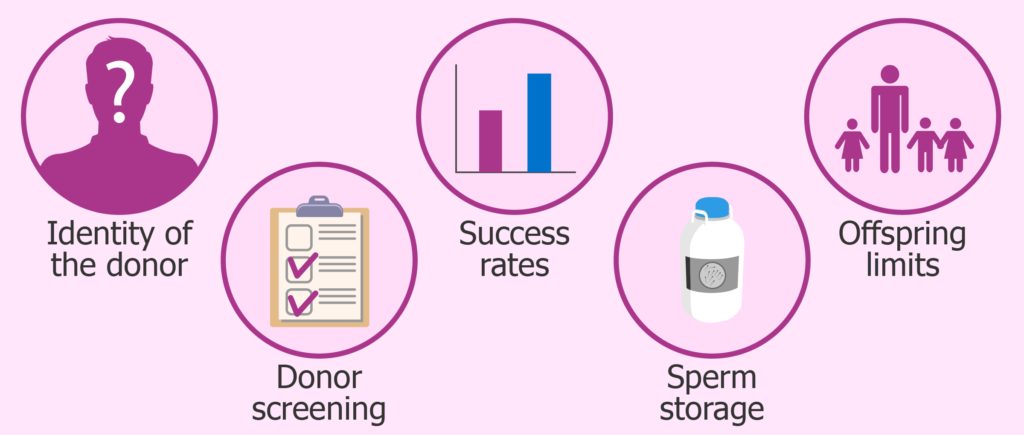
    I recently just discovered sperm donation in Nigeria, and I think more people need to know about it. And no, you can’t just walk into a sperm bank, donate sperm, get money, and go. It’s not as easy as you think. Here’s all you need to know.

    What is sperm donation?

    Mayo Clinic says it’s aprocedure in which a man donates semen — the fluid containing sperm that is released during ejaculation — to help an individual or a couple conceive a baby.”

    A sperm donor doesn’t have to be a stranger. Sometimes, couples use a known donor such as a friend or relative. But that may complicate the process as you’ll have to pay close attention to the psychological, ethical, and moral issues involved. 

    Requirements

    Not just anybody can walk into a fertility centre and be a sperm donor. First things first, to qualify, you’ll undergo a series of tests. 

    Physical tests: You’ll have to do a complete physical and genital examination, checking for urethral discharge, genital warts and ulcers. You’ll be screened for infectious diseases like syphilis, Hepatitis B and C, HIV and gonorrhoea. If you become a regular donor, you’ll have physical exams every six months for as long as you’re donating. 

    Genetic screening: Next, tests will be carried out to find out if you’re a carrier of any genetic or inherited diseases. You’ll be screened for conditions such as sickle cell anaemia, high blood pressure, diabetes, or any type of cancer. They’ll run very extensive tests at this stage, so be ready. 

    Semen test: Yes, that’s right. For this one, you’ll be asked not to ejaculate for 48 to 72 hours (it varies for different centres). If you’re a smoker, you’ll be asked not to smoke for a week. These restrictions are so that your sperm can be analysed properly for quality, quantity and motility. You will need to provide samples of your semen after the stipulated hours. 

    Personal and sexual history screening: Here, you’ll be asked questions about your daily activities, hobbies, habits, education, etc. They’ll also ask about your sexual history: interests, drug use, etc.

    Mental screening: Some centres go deeper to find out if there’s any history of mental disorder, acquired or genetic. 

    Age: It varies for different centres, but the average age range for donors is 18 to 40 years old. 

    Photo credit: inviTRA

    RELATED: I Got A Vasectomy. Here’s How It Went

    What’s the actual donation process?

    You go into a private room and ejaculate into a cup. Once you’re done, the sample will be frozen and stored in quarantine for at least six months. Then, you’ll be re-tested for infectious diseases, particularly HIV. If all of the tests come back negative, your frozen sample will be thawed, and the quantity, quality and motility will be assessed again. Some men’s sperm samples are more prone to damage during the freezing process than others.

    Counselling and confidentiality

    When it comes to sperm donation, counselling is essential. Most of the time, you’ll be asked to waive all rights to the donated sperm and the identities of the recipients. Confidentiality is ensured both ways; your identity will not be revealed either. Before signing the consent form, it’s important to ask questions so you’re aware of all the terms and conditions.

    How much does it pay?

    Hospitals and fertility centres pay differently. Some don’t pay at all, while others pay between ₦30k-₦50k per donation. Payment is intended to compensate you for your time throughout the process and should not be the main incentive for donating. That’s why the amount is typically low. 

    Where can you donate sperm? 

    There are a number of hospitals and fertility centres across Nigeria where you can go to donate sperm. Just do proper research to find a good one close to you.

    ALSO READ: I Keep My Egg Donation Hustle A Secret — A Week in the Life of an Egg Donor

  • What Do These 7 Nigerians Think About Donating Their Organs?

    As Nigerians, the last thing we want to think about is what will happen after we die. First off, we’re not even dying anytime soon. 

    Although blood transfusion is common in Nigeria, not a lot of Nigerians have been in a situation where they’ve had to either donate or receive an organ from another person. So we wondered, is organ donation something Nigerians would consider and why? We asked a few Nigerians and here’s what they said:

    Festus, 33

    I was very indifferent about organ donation until six years ago when, while still living in New York, I had to rush my roommate to the emergency room for a surgery that ended up requiring a  kidney transplant. Apparently, somebody had recently passed away in the hospital, and based on the severity of his case, he got bumped up the UNOs list or something. Because his parents lived far away, I had to be on top of everything. Watching him finally get a kidney was a lot for me. I registered to become an organ donor that day. What if the person whose kidney he got hadn’t registered? Would he be alive today? We’d never know. If it could save my friend, I’d love to give someone else and their family a second chance as well. 

    Babatunde, 26

    God forbid! Unless it’s a family member, I’m not trying that shit—it’s creepy AF. So many times we’ve seen movies where someone receives an organ and creepy shit starts to happen to them. I know I’ll be dead and it’s not my business what happens to the person who collected my organs, but I still think it’s weird that a part of me would be out here living in someone else’s body. 

    Kelechi, 22

    Once I’m dead, I don’t see why I should be holding on to something I’m not using. It makes zero sense to me. Alive or not, if I can help, I’m more than happy to do it. Science and medicine have come a long way when it comes to giving people a second chance at life and I want to play my part. I’ll be dead either way, so why not? They can take everything, down to my eyeballs and skin, it’s not like I’ll be using it. But I’ll prefer it if it goes to a human being that needs it, not some random research facility. 

    Akinola, 30

    When I was still a teenager, I donated a kidney to my older brother. Unfortunately, his body rejected it and he passed away not too long after. While I’ve done it before, I don’t think I can do it again unless I’m actually dead. But even at that, I’d rather donate it to a research facility. Something about my brother dying despite all we did to save him still has a strange effect on how I view organ donations. 

    Ifeyinwa, 27

    I’m a doctor, what do you expect? I’ve seen so many people lose their lives simply because they couldn’t access an organ, or maybe the organ got to them too late. That feeling of knowing you can help, but the power is out of your hands — mehn, it can be devastating. If I feel like this, think about the person’s family and loved ones. As a doctor, I’ve seen too much to not want to help in any way I can. For now sha, I haven’t had to give one out but when the call comes, I’ll be there like NEPA bill. 

    Musty, 30

    People can do that in Nigeria? I thought it was only outside the country like India or something. Either way, I’m totally down to donate my brain because the truth is, a lot of Nigerians don’t have sense. LOL.

    Cynthia, 22

    I don’t think the Bible speaks against it, but my spirit just doesn’t agree with the idea of either having someone else’s organ in or me giving out an organ to someone else. I can’t categorically explain it, but it just doesn’t work for me. If a family member needs an organ, the hospital should provide it. If they can’t, I’m sure God will provide another solution. I’m not sure I can do it. 

    RECOMMEND: I Keep My Egg Donation Hustle A Secret — A Week In The Life Of An Egg Donor

  • Omicron is in Nigeria — Here’s Everything You Need to Know

    Nigeria is currently experiencing a wave of illnesses. While some Nigerians are concerned about a fourth COVID-19 wave, many others are chalking the symptoms to malaria and a change of weather. Meanwhile, the Nigerian Centre for Disease Control (NCDC) has recorded a significant surge in the number of confirmed COVID-19 cases over the past two weeks attributed to newer variants of the virus — the Delta and Omicron variants.

    Here’s everything you need to know about the newest Omicron variant and how to stay safe this Detty December period.

    1. What is Omicron?

    When a virus spreads rapidly enough, it is more likely to change. The process of a virus changing is called a mutation. In the case of COVID-19, the virus has undergone several mutations forming the variants: Alpha, Beta, Gamma, Delta; the newest variant is called Omicron. 

    The Omicron variant has been detected in many countries, including Nigeria

    2. How quickly does it spread?

    In November 2021, 111 people attended a party in Oslo, Norway. Out of the 111 attendees, 80 of them caught COVID-19. Sixty other people who later dined at the same venue also caught the virus. When a virus spreads so quickly at large gatherings, such an event is called a superspreading event. A study from the University of Hong Kong suggests that the Omicron variant infects and multiplies in the body 70 times faster than other variants of COVID-19. This information is crucial in Nigeria, as we are in the season of potential superspreading events — owambe parties, music concerts and Detty December celebrations.

    3. Does the Omicron variant cause different symptoms?  

    Right now, all the symptoms of Omicron seem to be consistent with other variants — cold-like symptoms which include:

    • Runny nose
    • Headache
    • Fatigue (either mild or severe),
    • Sneezing
    • Sore throat.

    Early results suggest that Omicron may not be as severe as the Delta variant, but it is too early to conclude. The World Health Organization (WHO) insists that more data is needed and warns that Omicron should not be dismissed as “mild”.

    4. Do COVID-19 tests detect Omicron? 

    Yes. PCR and antigen-based rapid diagnostic tests detect COVID-19 infection, including the Omicron variant.

    5. How can we protect ourselves?

    While Omicron spreads rapidly, we can reduce the risk of exposure. To protect yourself and your loved ones from the virus, make sure to: 

    • Wear a mask properly — make sure it covers your nose and mouth. Also, be sure your hands are clean when you wear or remove your mask.
    • Practice social distancing — keep a physical distance of at least 1 metre from others. 
    • Avoid crowded spaces or poorly ventilated rooms.
    • Wash your hands regularly and avoid touching your face. When you cannot wash your hands, use a hand sanitiser with at least 60% alcohol.
    • Get vaccinated. WHO-approved COVID-19 vaccines are safe and effective. 

    This is a developing story. Check back for updates and follow Zikoko on Twitter.

  • High Blood Pressure in Young People? 3 Nigerians Share their Story

    Hypertension in young people is more common than you think. It’s also more disturbing because the majority go unchecked and can result in further health complications.

    We were able to speak with some Nigerians on how they manage hypertension. You can share with your circle to create awareness and save a life.

    Jessica, 18, F

    “There was a period when I was very sick. I self-treated for malaria, but I wasn’t getting any better. Then my dad asked me to go to the hospital. As is the custom, before the doctor attended to me, a nurse checked my temperature and blood pressure level. She looked at me and back at the figure on the machine, then sent my file to the doctor. On getting to see the doctor, the first thing he asked was if I was hypertensive. I didn’t exactly know what that meant, so I responded in the negative. He then explained and informed me that I might have teenage hypertension because my blood pressure was 150/100 then. The scary thing is that it got higher than that over time. Then I was referred to a specialist and asked a series of questions, like if I was doing drugs. They ran a drug test to confirm, and it came out negative. Other tests were carried out to ascertain the cause of my hypertension including a renal scan (had something to do with my kidney). Finally, I was permanently placed on drugs, and it was hell; I was always urinating and tired. The drug was just one tablet every day with checkups, but I wasn’t getting any better. My blood pressure was still rising and falling. To make things worse, COVID happened, my dad got retrenched and I automatically got cut off from the HMO plan his company provided. Then I started paying for the drugs myself and saw that it was very expensive. Thankfully, I got better this year; my blood pressure was 120/80 for the first time in three years.”

    Biola, 25, F

    Before now, I had limited information about what being hypertensive entails or how to prevent it. Maybe because we’re not properly sensitized about these things in this part of the world. Anyway, in 2018, I noticed I was always experiencing a certain level of fatigue and shortness of breath. I ignored this for a while due to my busy schedule until one day when I almost fainted on the road. On proper examination at the hospital, I was diagnosed with hypertension. It came as a shocker, because how old was I? Lol. In a nutshell, my fast-paced work lifestyle largely contributed to this. As a Digital Marketing Manager, there are days when I barely get time to catch a break, but I don’t complain, because I love what I do. But after that diagnosis, I had to make conscious lifestyle changes and periodic checks a priority. It’s not easy living with it, especially with the drugs and watching my diet, but I’m glad it’s manageable.

    Rotimi, 29, M

    “I’d been in the NYSC camp in Ogun state for a week and had only slept for like 8 hours of that because the beds were wildly uncomfortable. I’m talking about paper-thin mattresses on bunk beds. I started having headaches that wouldn’t go away no matter what I tried so I went to the camp clinic to get checked out. As is routine at hospitals, the doctor checked my blood pressure first and gasped. She took a second reading as if to confirm what she just saw, and then called her colleagues to come to see. When she found out how old I was at the time (23), she had a long talk with me about how abnormal it is for a 23-year-old blood pressure reading to be 160/110. She put me on a drug named Moduretic and told me to make lifestyle changes to ensure I wasn’t on the drug for the rest of my life. I get regular checkups now and thanks to her, I know what to do to keep my blood pressure where it should be.”

    Keeping track of your blood pressure and overall health doesn’t have to empty your pockets…

    Hygeia HMO has a wide variety of health insurance plans for individuals, families, and even employees at businesses. You can get check-ups, medical advice, and treatment from health professionals at a fraction of the usual cost. Visit https://www.hygeiahmo.com/our-plans/personal-family-plans/ to find a plan that best fits your needs.

  • QUIZ: If You Score 9/13 On This Health Trivia, You Should Add “Doctor” To Your Name

    How many health-related questions can you answer correctly? Test your knowledge by taking this quiz:

  • 6 Things You’ll Relate To If You Have Motion Sickness

    Having motion sickness at any age can feel embarrassing, even though it shouldn’t since it’s one of those things you can’t control. If you’ve ever made a driver stop a ride for a bit because you got sick, you’ll relate to this article.

    1. Having mint on you at all times.

    Sometimes it helps and other times, it upsets your stomach even more. The truth is that everyone knows that the baddest bitches have stomach issues.

    2. Always wanting car windows down

    Especially if the car has a weird air freshener that makes you want to throw up. Motion sickness can be triggered by the smallest things.

    3. Not being able to read or watch anything in cars

    The words begin to dance and your eyes won’t be able to focus. You can’t concentrate on anything because your body is using all your energy to breathe at that point. 

    4. Falling asleep as soon as the car ride starts.

    It’s always better to close your eyes and drift off than to watch other people worry about you throwing up at any second.

    5. You never eat on the road

    Whatever goes in, instantly and violently comes out. There’s no point forcing yourself to eat something that’ll be a mess on the ground in a few minutes.

    6. People hated taking you out as a child

    If you had motion sickness as a child, you can relate to being left out of things sometimes. While it’s hard to deal with motion sickness in an adult, it is harder to take care of a child experiencing it. Plus children are infinitely more annoying.


    [donation]

  • 7 Amazing Benefits Of Bitter leaf You Should Know About

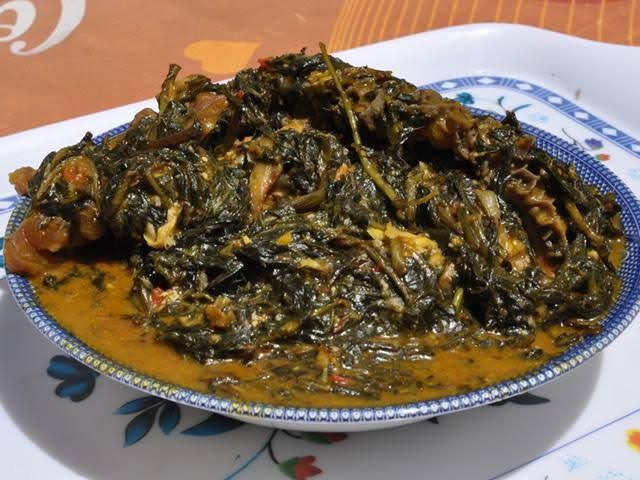
    If it’s bitter, then avoid it right? Not really, because if it’s bitter, then it might actually be of great benefit to your body. In Nigeria, bitter leaf is mostly incorporated into meals such as bitter leaf soup (Ofe-Onugbu in Igbo) or used mostly for medicinal purposes by the Yorubas (Ewuro). Hence, it is more popular in Western or Southern parts of the country.

    Bitter leaf soup (source: Pinterest)

    Bitter taste aside, the bitter leaf shrub (Vernonia Amygdalina) is packed full with healthy goodness for your body.

    Having said that, below are 6 benefits of bitter leaf you should know about. Maybe you will perceive the leaf differently afterwards.

    1. It’s a rich source of protein and vitamins

    Whether you belong to the “fit fam” club or not, vitamins are good for you. If you need an all-in-one source for vitamins your body will thank you for, then bitter leaf should be your plug. It is rich in Vitamin A, B1, B2, C, E and K.

    2. Relieves abdominal issues

    Those stomach upsets, diarrhea or indigestion that can have you bent in discomfort can’t stand the presence of bitter leaf in your system. For noticeable relief, you might want to chew a stalk of bitter leaf or extract the juice for drinking.

    3. It’s a great detoxifier

    Sometimes certain conditions or issues manifest on your skin or body as a result of internal impurities. Bitter leaf helps curb this by removing harmful toxins which might be present in your blood, kidney, or liver. So, a glass of bitter leaf often keeps the toxins away!

    4. Aids bowel movement

    First, let’s get the fact that infrequent bowel movements (say less than thrice weekly) is not normal and should be a cause for concern. If you experience trouble doing the needful, then it is advisable to incorporate bitter leaf into your diet.

    5. Boosts appetite

    This life is not balanced; some people have food, but struggle with getting it past their mouth into the stomach. This can point to anorexic tendencies in some individuals. Thankfully, bitter leaf is rich in fibres and minerals that can open up spike up your appetite levels. Make sure to have it around or plant some in your backyard if you can.

    6. It cures fever

    Those who are knowledgeable in herbal treatment of ailments can attest to the effectiveness of bitter leaf in curing feverish feelings. Oftentimes, fever is an accompanying symptom of malaria. Bitter leaf is effective in controlling this due to the anti-plasmodic properties it contains e.g quinine.

    7. It boosts immunity

    As cliche as it sounds, prevention really is better than cure. The various vitamins, minerals and proteins, antibiotic, antifungal properties in bitter leaf makes it an ideal immunity booster. It protects against illnesses, skin issues, and life-threatening diseases like cancer and pneumonia.

    Caution: Depending on your medical history, it is advisable to consult a medical professional before consuming bitter leaf, especially in the case of pregnancy.

  • 7 Ways To Lose Your Belly Fat, According To Onflood

    While your partner might like rubbing your beer belly, you might not exactly like the extra flat you’re keeping downstairs. Apart from keeping putting extra strain on your joint and heart, it can make it hard to fit into your favourite clothes. We spoke to Twitter user @Onflood_, a fitness enthusiast and the proprietor of Ishanfit, a fitness page. He tells us about the best way to get rid of the spare tire around your waist.

    1. Eat healthier

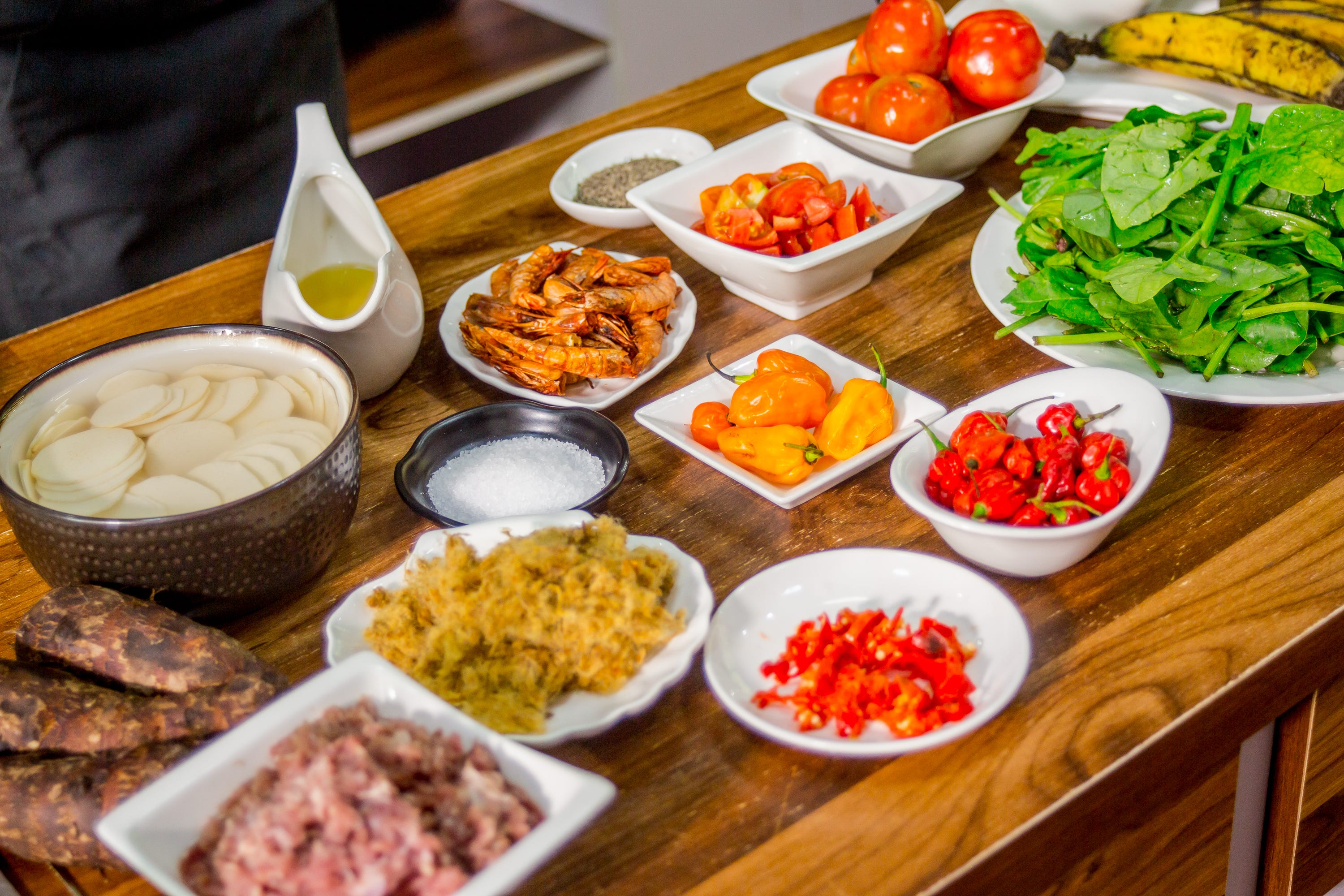
    “Abs are made in the kitchen,” Onflood says. One of the reasons why men get a beer belly is poor nutrition. Cut back on the carbs, get on proper nutrition and eat healthy to deflate your tire. Cut out fatty/oily foods. Proteins are your friends — they fill you up and digest easily. It’s also a great idea to cut down on your portion size. You don’t have to eat as if you’re preparing for a famine.

    The food explorers of Nigeria. Nigerian chefs tell why they cook, and… | by  WFP West Africa | World Food Programme Insight | Medium

    2. Not every time carbonated drinks. Sometimes, water

    It’s not just beer that gives you a round belly. Alcohol and carbonated drinks are some major culprits too. Instead of opting for fizzy drinks so much, go with water, because e really no get enemy.

    Are Fizzy Drinks Good or Bad for Singers? - OpenMic

    3. Move your body

    While going to the gym alone will do little to help your beer belly, regular exercises can help you drop a few inches from your stomach, says Onflood. Aim for about 30 minutes of aerobic exercise each day and you’ll be surprised at how much better you feel.

    2,857 Black Man Crouching Stock Photos, Pictures & Royalty-Free Images -  iStock

    4. Check your health

    “A big belly might actually be a sign of underlying disease, anything from diabetes to irritable bowel syndrome.” If you feel a bit weird about your belly, talk to a doctor about it.

    An open letter to Black men about going to the doctor

    5. Coffee is actually a friend

    Apart from being the only legal “drug”, coffee can help boost your metabolism and help speed up weight loss.

    Coffee - Wikipedia

    6. Intermittent fasting

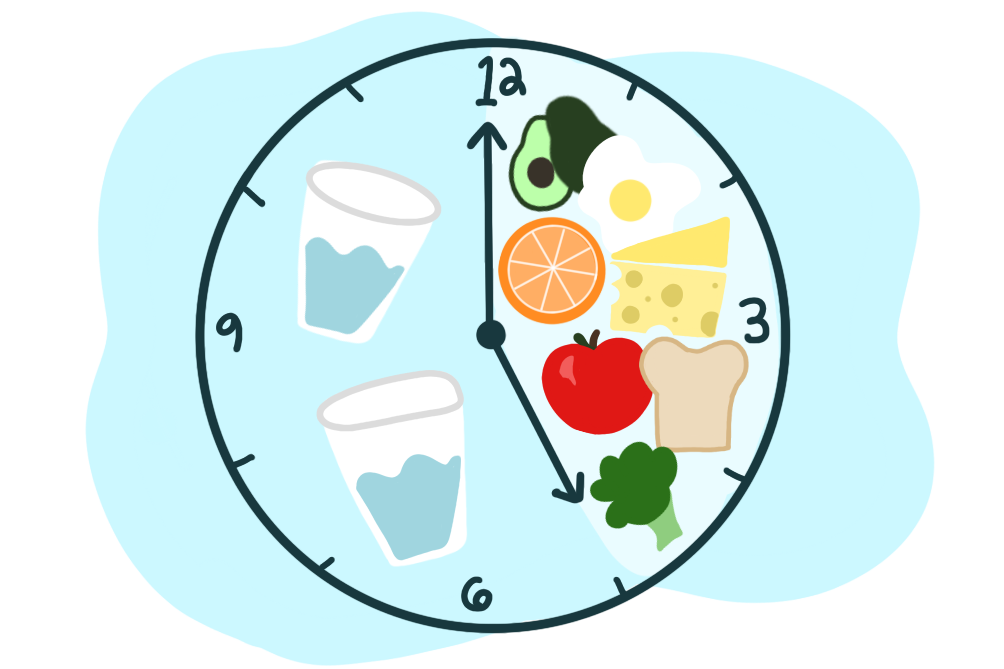
    “Although I’m not a big fan because I like eating, intermittent fasting can help reduce your calorie intake which will lead to a reduction in your waistline.”

    Campus Recreation staff discuss flaws with popular intermittent fasting  trend | News | dailynebraskan.com

    7. See a dietician

    What you eat is really important, so you should consult with a dietician who would help you figure what foods work for you and which ones you should throw in the bin.

    74 Nutritionist Adult African Descent Cheerful Stock Photos, Pictures &  Royalty-Free Images - iStock

    [donation]

  • 6 Nigerian Women Share Their Experiences Visiting Male and Female Gynaecologists


    Women are very intentional about who they trust with their health and quite a number of women have talked about their different encounters with male and female gynaecologists. For this piece, we asked a few Nigerian women to share their experiences with male and female gynaecologists and here’s what they had to say:

    Kim, 26

    I have visited both male and female gynaecologists and the experience was the same with both of them. I felt comfortable enough to trust them with my body. There was no fear or judgement; both of them were kind and patiently answered all my questions. 

    Both visits weren’t in Nigeria. I visited the first gynaecologist in Ghana because I was experiencing irregularities with my period. A female gynaecologist attended to me on that visit to the hospital. The second visit to the gynaecologist was in Nigeria and I was attended to by a man. I was met with the same patience and kindness by both of them.

    Sarah, 20

    I was 12yrs old when I first visited a gynaecologist. I had menorrhagia and my mum was scared. My male gynaecologist was really nice and welcoming. I have been attended to by another male gynaecologist and he was also very nice. He also made me feel very comfortable. 

    I still look forward to being attended to by a female gynaecologist.

    Racheal, 25

    Personally, I had mostly good experiences with female doctors than I did with male doctors and I always picked female doctors over male doctors. A few years ago, I had to do a surgical abortion at a teaching hospital and chose a female gynaecologist for the procedure. She was mean to me, she insulted me and was really rough with me. I cried all through the procedure. The male gynaecologist in the room held my hand and was consoling me throughout the procedure.

    She was to insert an anal antibiotic pill in my anus after the procedure, and it wasn’t a small pill. She kept shoving it forcefully into my anus without lube and tearing me up till I started to bleed from my anus. The pain was so intense I cried a lot. She continued to insult me,  saying when I was enjoying the sex I didn’t cry. When she couldn’t get the pill in, she just threw it away and stormed off. A nurse helped put the pill in more gently. I couldn’t sit well on my butt for 3 days after that experience. 

    I was 20yrs old at the time of the procedure and the procedure was a manual vacuum aspiration. 

    Nora, 23

    When I was 17yrs old, I found out I had appendicitis and had to go for an appendectomy. I was advised to see a gynaecologist before going in for the procedure. I was met by a male gynaecologist before proceeding with the appendectomy procedure. The visit was very uncomfortable. It was my first time seeing a male gynaecologist and having to take all my clothes off for the medical examination. Midway into the medical examination, another male gynaecologist walked in. The second gynaecologist was a student. 

    I was still barely dressed and on the bed when the first gynaecologist started to teach the second gynaecologist. I was obviously very uncomfortable with what was going on, but he still continued. I was hoping he was going to read my body language, but that unfortunately didn’t happen. I eventually voiced out my discomfort to him, he didn’t apologise, he even wanted more time with me to continue teaching his student. 

    A few years after that, I was diagnosed with PCOS and had to visit a gynaecologist again. This time, I was attended to by a female gynaecologist. She was warm and very kind. It was a far better experience than my first visit.  

    Kike, 18

    Two of my friends got diagnosed with ovarian cysts and womb cancer within a short period of time and that prompted me to visit the gynaecologist. When I got to the gynaecologist’s office, he immediately told me to take off my clothes and underwear, lie on the bed and spread my legs. This made me very uncomfortable and the manner in which he said it was always not helping. His tone sounded very commanding and brusque. I had to lie to him that I was on my period and I was going to come back another day for the medical examination. I have not been back to his office since that day.

    Tosin, 25

    When I was 16yrs old, I had to go in for a pelvic ultrasound and it was done by a male gynaecologist. He was patient with me, however, he dismissed the other symptoms I complained about and reduced them to stress.  A few years later, I had to visit another gynaecologist and I was diagnosed with PCOS. It was another male gynaecologist. He immediately told me to lose some weight and prescribed oral contraceptive pills. His approach also felt very dismissive. I opted for a second opinion and went to see a female gynaecologist. She was more patient, she recommended a different treatment and she shared her experience treating other women with PCOS. I felt a lot more comfortable with her and I have been hesitant to visit male gynaecologists after seeing her.

  • What She Said: My Heart Seems To Be After My Life

    The subject of today’s What She Said is a 23-year-old Nigerian woman who is no stranger to the hospital. She talks about having breast lumps, dealing with heart attacks and an enlarged heart at 23, and enjoyment being her driving force. 

    Tell me something interesting. 

    I have had five heart attacks between 2020 and 2021. 

    Wait, how old are you again?

    23. I’ll be 24 in December. 

    Let’s start from the beginning. Before the heart attacks. 

    Well, before the heart attacks was the inflamed appendix. When they found out, I was rushed into surgery. After the appendix was sorted, I was diagnosed with an ulcer three months later. I was 18 and in my second year of university. One thing I did notice was that after I graduated from university, the ulcer reduced to almost nothing. I guess stress had been a major factor. 

    That’s good, right?

    Yeah, it is. Then towards the end of 2019, I started feeling pain in my right breast. When I went for a scan, it turned out I had breast lumps. I freaked out a bit because my mum is a breast/cervical cancer specialist nurse. I had grown up knowing how dangerous lumps are. On the 5th December 2019, I got surgery to remove the lumps. 

    How was surgery like?

    The surgery went okay. It was done in the late morning and when I woke up by late evening, I was able to walk down the hospital stairs to my dad’s car. 

    The only abnormality was that during the scan they said I had two lumps, but during surgery, they removed four. 

    What was more stressful than the surgery, was post-surgery hospital visits. I spent most of my December going to the hospital to get my dressings cleaned. I even spent half of my birthday in the hospital. It was a very sobering day. 

    In between all of this, the lab results of the lumps came back and it turned out I had Benign Proliferative Breast Disease without Atypia. 

    What’s that?

    It means I have a disease that causes cells to grow excessively and abnormally. While it is not cancerous, it slightly increases my chances of having breast cancer. It also causes me pain from the cells that are lumped together. Currently, I have two lumps in my breasts. 

    Wait, you have to regularly remove the lumps?

    Well, yes, but I have decided not to. I just have regular breast exams now. If I keep removing the lumps, I may have no breasts left. I’ve gotten used to the lumps. Well, as used to it as the pain will allow. 

    Also, the last time I went to remove the lumps, the doctor narrowly missed slicing off of my nipple. I don’t even know how he did that, but I have blanked that part out of my mind. 

    Do you know I just clocked you haven’t even started talking about your heart attacks? 

    I have too many health issues, that’s why. With the ulcer and breast lumps, there’s still potential PCOS to deal with and ovarian cysts. 

    I am so sorry. That’s a lot

    Well, my main issue now is my heart. It seems to be after my life. I have had a total of five heart attacks between 2020 and 2021. Two major ones, and three minor ones. 

    The first major one happened in May 2020. Before that, I had been having severe chest pain since February 2020. I brushed it off as ulcer pains, stress, or my body healing from the surgery. This was because the pain was in the middle and right side of my chest. The chest pain kept increasing. It got to a point where I could barely exercise and was tired all the time.

    Then May 1st, 2020, I was cooking when my dad called me to his room. As I entered, I felt a pain radiating from my chest down my right arm. I fell, but luckily my dad caught me and started massaging my heart. I laid on my parents’ bed till the doctor came. 

    After that heart attack, I went to see a doctor. He gave me medication for the ulcer, and I really wanted to shout at him that what was wrong with me was more than an ulcer, but I didn’t. I faithfully took my medication. Then on the 28th of May, heart attack number two happened. 

    This one happened in my room and if not for my brother entering just as I fell on the floor, I may have been telling a different story now. After that, my mother carried my health on her head.

    Wait, why was that doctor treating you for just an ulcer?

    A lot of doctors kept saying I was too young to have any heart problems. Throughout all my hospital visits, I had to be asking questions and pushing them to do tests. The doctor just looked at my age and cancelled any thought of anything heart-related. Also, it’s probably because the pain is on my right side, rather than the left as it usually is. 

    When a doctor finally diagnosed me with ischemic heart disease, my first thought was “so no more alcohol for me again? I’m finished.” The doctor gave me three different drugs and sent me home. 

    Then I had to deal with comments from outsiders about my size. It took all my willpower to not punch people that asked stupid questions. My life was in the balance and people were asking me why I was so small. To top it off, I was put on a restrictive diet. 

    This sounds like so much, I am so sorry. How did you cope?

    I was barely coping. I threw myself into work (I’m a writer/editor), read, and my tribe of friends really helped to ground me but it was still hell. 

    I was in so much pain, and there was physical and mental exhaustion. I was managing well then on the 24th of June, heart attack number three happened. 

    This heart attack led to the diagnosis that truly tipped me over the edge. They told me that the right side of my heart is enlarged. The doctor tried to play it off as nothing too serious, but I knew it was bad. I was having shortness of breath, cold hands and feet and chest pain. 

    I got home after this diagnosis and cried. I was down for a whole week, and then I entered a self-destructive spiral. I was eating and drinking anyhow and was skipping my medication. 

    What grounds you now? 

    At first, nothing grounded me. From 2018 to the middle of 2020, I was just floating through life. It’s only from lockdown, I was forced to finally confront my mortality and my life and my baggage. I became more honest with myself and I realized I had to get back as much of my sanity as possible. I stopped self-destructing so much and started taking my medication again. I also found out I have an incredible tribe of friends. I started journaling and doing stretches. 

    I guess you can say I am currently grounded in the knowledge that everything is useless and when you break life down, the core of its meaning is nothing and that’s okay. I am here for a good time and not a long time. Just because my body seems to hate being alive, doesn’t mean I have to let it make me miserable all the time. I am seizing my joy by fire by force. Enjoyment is my driving force. 

    Overall best in enjoyment.

    That’s me. It’s just that it gets lonely being chronically ill. I can’t get into a serious relationship because I don’t want to bother anyone with my health issues. I also won’t have sex because I’m afraid I might pass out. It has been two years without sex now. Being chronically ill is a very lonely place to be, but I’m currently at the most emotionally healthiest I’ve been all my life.

    I’m lucky I have a supportive family. Both my parents have tried for me. My uncles and aunts too. Although they get on my nerves sometimes, like when they complain about what I eat when they see me snacking. I eat healthy 90% of the time. They should allow me to have my guilty pleasures. I have lost my mind too many times to be policed by people like this. 

    I know they mean well, but they should allow me. I am in pain every day of my life. The least I can do is enjoy what I can. 

    For more stories like this, check out our #WhatSheSaid and for more women like content, click here


    [donation]

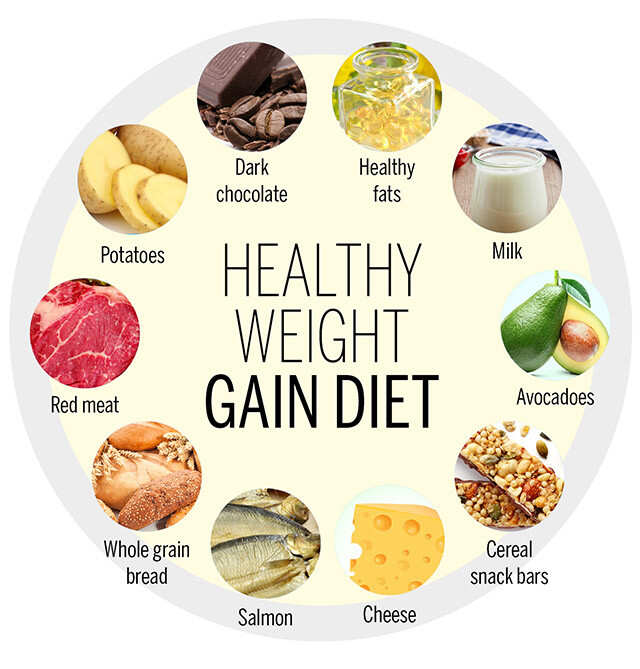
  • How To Gain Weight: 6 Easy Steps On How To Do It

    Gaining weight can be a really difficult process for some people, and an easy process for others. Being slender can be very healthy and being underweight can also be a health concern. It is advisable for underweight people to see a doctor or dietician for diet plans and evaluations. In the meantime, you can follow these easy steps on how to gain weight.

    1. Eat more often than before.

    A Healthy Weight Gain Diet | Femina.in how to gain weight

    Underweight people tend to get filled up faster. Eat more meals during the day, preferably smaller portions, about 5 to 6 times a day. It is better to eat smaller portions more often than a big meal once or twice in the day.

    2. Increase the amount of calories you eat.

    calories how to gain weight

    You can monitor your calorie intake with a calorie calculator. One of the most important things for people who want to gain weight is to eat more calories than their body burns. Eat 300 – 500 calories more than your daily intake if you are aiming for a slow and steady weight gain process – try to eat 700 – 1000 calories more than your daily intake for a quicker weight gain process.

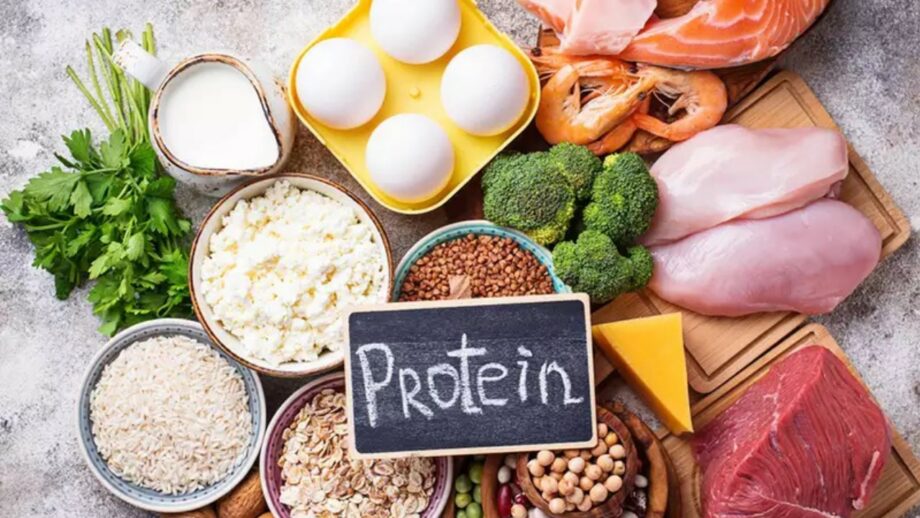
    3. Eat a lot of protein.

    how to gain weight

    Protein is the most important nutrient for gaining a healthy weight. If you’re trying to gain weight, aim for 0.7–1 grams of protein per pound of body weight (1.5–2.2 grams of protein per kilogram). You can even go above that if your calorie intake is very high. You can get daily protein supply from meals like fish, meat, eggs, milk and other dairy products.

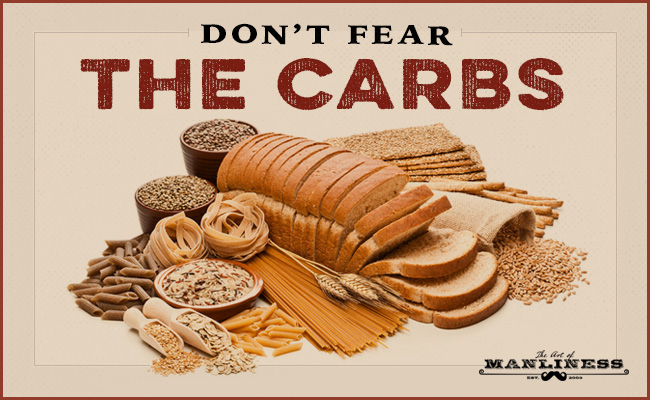
    4. Eat plenty of high carbs and high fat meals.

    Do Carbs Make You Fat? | The Art of Manliness how to gain weight

    In order to gain weight, it is important to eat more meals with high carbs, high fat and protein. Restriction of carbs in meals should only be done by people trying to lose weight. Also, avoid intermittent fasting. Eat nothing less than 3 meals a day.

    5. Excercise more.

    Exercises at Home to Build Muscle: 18 Moves with and Without Weights

    It is important to go to the gym and lift weights. It helps calories store as muscle, instead of getting stored only as fat cells. Lifting weights at the gym also helps with strength training. Avoid doing cardio when trying to gain weight.

    6. Do not drink before meals.

    WHY YOU SHOULDN'T DRINK WATER IMMEDIATELY BEFORE AND AFTER MEALS ~ The  Wisdom Awakened

    Watch what you drink before meals. Liquids can be filling and in turn, reduce the amount of food you are supposed to eat. The aim is to be able to eat more and not less. Drinking whole milk to quench thirst is a simple way to get in more high-quality protein and calories.

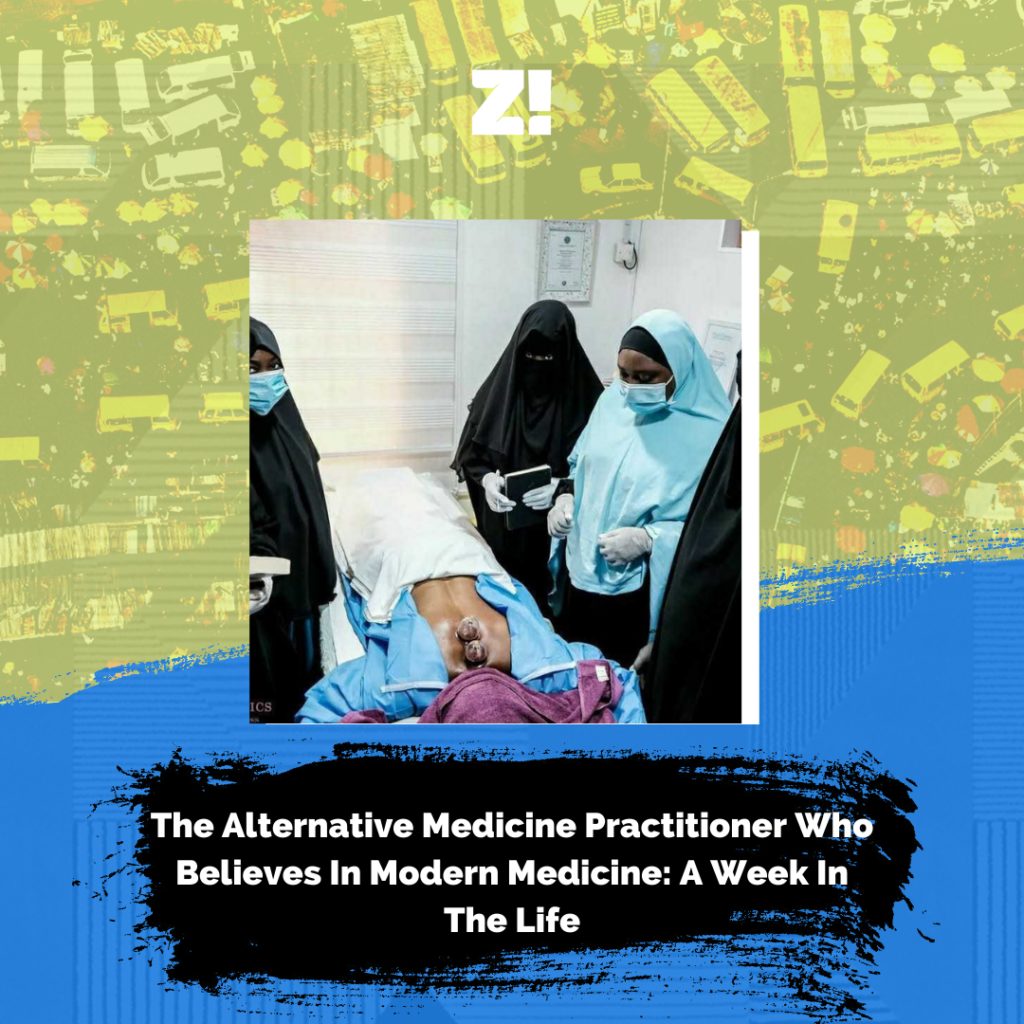
  • The Cupping Therapist Who Believes In Modern Medicine: A Week In The Life

    A Week In The Life” is a weekly Zikoko series that explores the working-class struggles of Nigerians. It captures the very spirit of what it means to hustle in Nigeria and puts you in the shoes of the subject for a week.


    The subject of today’s “A Week In The Life” is a cupping therapist. Cupping is a form of alternative medicine practice that involves making painless cuts on the skin to remove toxins. Our subject talks about the health benefits of cupping, why she enjoys her job and how she combines alternative and modern medicine. 

    MONDAY:

    I’ve been awake for about 30 minutes now, trying to prepare for Tahajjud. My day starts at 4:30 a.m. every day, and I pray from dawn till the first traces of morning light. 

    Once I’m up, I rarely go back to sleep unless I’m really tired. But today is trying to prove me wrong. It takes all my energy to remain awake. 

    My days are relatively flexible. Sometimes, work starts as early as 8 a.m., other times, it starts by 3 p.m. My schedule depends on whether I have classes for the day or not. As a master’s student at Unilag, I try to balance work and school so I don’t lose out on any. If I have classes in the morning, I’ll work in the evening, and if classes are in the evening, I work in the morning. 

    It’s not a perfect system but I try. 

    I love my job, okay? I don’t make all the money in the world but it gives me a lot of satisfaction because I get to help people. 

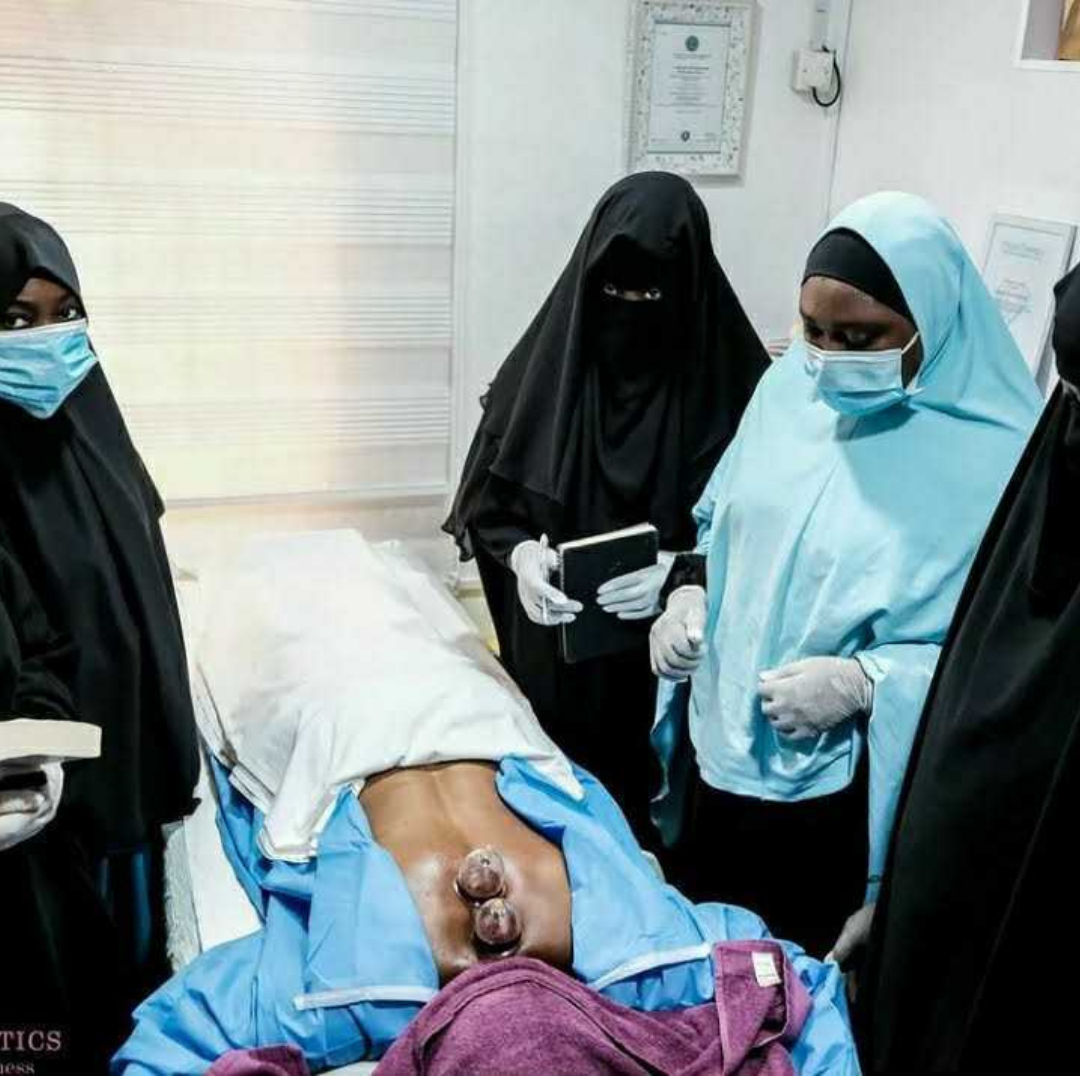
    I’m a cupping therapist who treats people using cupping therapy. Cupping is an ancient form of alternative medicine where therapists put special cups on the skin to create suction. The suction lifts the skin tissues and improves blood flow to other parts of the body. In places where the body tissue is stressed or constricted, it provides relief and keeps the body relaxed.  I guess you could say it’s like a deep tissue massage, but more magical. 

    Cupping is a treatment that constantly amazes even the practitioners. However, we all agree that it’s a simple procedure with great results. 

    A perfect example of great results: I’ve had patients with severe back pain come in, schedule a consultation, receive treatment and get better. The next day, I’ll wake up to long epistles thanking me for solving their problem and giving them peace. 

    A typical session lasts between 30-40 mins and involves a lot of standing, disinfecting and massaging — all of which are stressful. However, seeing people get better makes it worth it. On most days, I go home aching, tired, but happy. 

    Today is shaping up to be one of those days. My lectures start in the afternoon, so I have appointments scheduled from 9 a.m. till afternoon. 

    I’m standing up to pray because it’s 4:40 a.m. and the time for Tahajjud is slowly slipping away. Prayer is important because at the end of the day, no matter what I do, it’s still Allah’s blessings that make everything work. 

    TUESDAY:

    Today was difficult because I’m still recovering from yesterday’s sessions. I had a slow day, and the highlight was explaining the various types of cupping methods to a new client. 

    There are several methods, but I mostly focus on dry, wet and massage cupping. 

    Dry cupping involves applying cups to form suctions on certain parts of the body, after which the suctions are released. In massage cupping, the cups are used to massage a person’s body and this goes a long way in helping with blood flow and reducing pain and inflammation in the body.

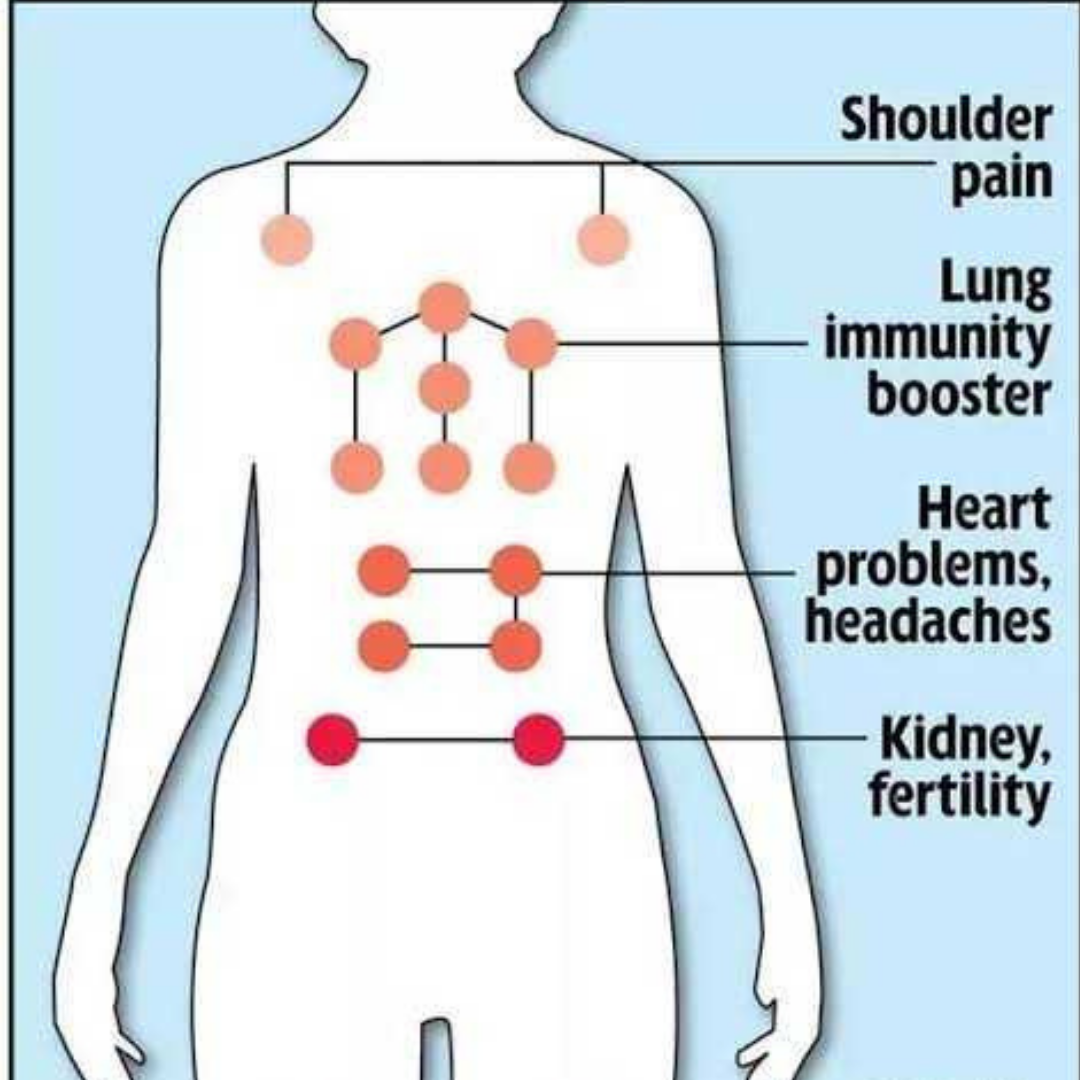
    Wet cupping, also known as Hijama, is my forte. For this, surgical blades are used to create superficial, painless incisions on the skin to remove toxins from the body.  After this, special suction cups are placed on the skin and toxic blood is allowed to accumulate where the cups are placed. Body sites for these “cuts” range from behind the neck to the shoulder to the back. These sites work for boosting immunity, treating ulcers, relieving back pain, etc. 

           Image source: Google

    As cupping therapists, we have points in the body we don’t touch. We avoid places containing veins, such as the inner arm. We also avoid working on some parts of the face and head.

    After explaining all this, I ended my speech by telling my patient that if done well, cupping leaves no marks and is less painful than a pinch.

    WEDNESDAY:

    The first thing I do when a patient approaches me is a consultation session. This helps with two things: to either recommend the person to a doctor or to understand what might be wrong with them. Sometimes it’s issues they’re not aware of and during these consultations, they bring them up. 

    For example, a patient complaining of migraines may reveal that they don’t eat or sleep well. So better sleep and diet could be a solution instead of cupping. In other instances, the problems are psychological and all the patient needs is a heart to heart conversation. I always tell my patients that without attending to other factors, cupping will not solve anything.

    Today, a patient approached me for cupping saying they had symptoms they thought might be malaria. I told them not to “think” and to consult their doctors first for a diagnosis. After the results, they were then free to choose their preferred treatment approach.

    No diagnosis, no cupping. 

    THURSDAY:

    The best part of my job is that I get to meet different people. As someone who is a people person, connecting with my clients gives me joy.  The next best part is I get to help women. Women are delicate and go through a lot. We endure a lot of pain and consider it as “part of our lives.” It’s not. I want women to live happier and better lives, and I don’t think this is too much to ask.

    As a Muslim woman who can’t touch men, a lot of my practice is women-focused. And because women endure a lot of pain due to hormones, I’m always looking for ways to help them live pain-free lives.

    Today, I’m thinking about getting more education to fulfil this dream. My goal is to become a naturopath — I want to learn acupuncture, hydrotherapy, fire therapy and any important therapy women need. 

    I’ll then use this knowledge to run a  clinic where women can get treatment using the natural medicine approach. My goal is to remove barriers like menstrual cramps that prevent women from living their best lives. 


    Editor’s note: Zikoko doesn’t give medical advice and only seeks to tell diverse stories. You should always consult a physician first.

    In addition to being a cupping therapist, the subject of today’s “AWITL” is also a pelvic steaming expert who helps women relieve menstrual cramps. She can be reached here.

    Check back every Tuesday by 9 am for more “A Week In The Life ” goodness, and if you would like to be featured or you know anyone who fits the profile, fill this form.

  • 5 Nigerian Men Share Their First Encounters With Menstruation

    Menstruation is a very normal female experience. But in many societies, people are tight-lipped on the topic, causing a huge knowledge gap. Some women never find out about it until their first period is upon them. It is hardly surprising that many young men have little to no awareness of menstruation until they get into the bigger world. In commemoration of Menstrual Health Day 2021, five men share stories on their exposure to menstruation.

    Awwal, 22

    When I was about 10, my aunt who was living with us at the time would go out sometimes then return with a black nylon bag later. She did this very often. Each time, she held the content of the black nylon close. That got me curious. I would disturb her to show me what was inside, but of course, she always ignored me. One day, I got to press the nylon, and it felt soft,  like bread. I got more confused. Why was this bread so colourful? Why was she secretive about the bread? It was later, in senior school, I got to understand menstruation and pads properly.

    Tosin, 21

    The first time I heard the word “menstruation” was in maths class. When the maths tutor introduced us to mensuration (the part of geometry concerned with measurements) and asked us to repeat it after him, some of my friends were saying menstruation instead. And it wasn’t a mispronunciation. I remember girls being uptight about the whole thing. They were not happily chanting menstruation the way boys did. After the class, I looked up the meaning and saw that it meant the flow of blood. I couldn’t imagine why and how someone could bleed when they’re not dying.

    Yusuf, 23

    That day, I caught my sister sneaking food to her room when it was supposed to be the Ramadan fast.  I, thinking I was a detective, ran to report to my father. After I finished narrating everything to him, all he said was “okay”. I was confused and angry. I narrated it again and he told me to leave. I was convinced that my father loved my sister more than me. She wasn’t praying too. He’d have flogged me if I ever did that. It happened the next day again and my father saw her do it this time. Of course, there was no need to point it out anymore. After Ramadan, he sat me down and explained menstruation the best way he could and that women on their periods were not supposed to fast or pray. I didn’t fully understand it then— neither do I now —but I know not to harass a Muslim woman not fasting or praying.

    John, 19

    My first exposure to menstruation was in Primary 4. A girl in my class was stained and it was very obvious. Many of us were scared for her. I can’t forget how much the girl cried that day. It must have been her first because she didn’t know what to do. The school nanny removed her from the class to clean her and she returned wearing the school’s sportswear. After the lunch break, her parents came to collect her and our teacher told us she was taken to the hospital. For the longest time, I viewed menstruation as a severe illness that affected girls.

    Ope, 25

    My mom used to send me to buy pads for herself and my sister. I would go get it without asking what it was. Sometimes I wondered what it was that they never gave me a share of but it wasn’t a priority. I didn’t even know it was considered shameful by boys my age to be seen with a pad until one day in school when a friend told all the boys in my class that he saw me buying a pad. They mocked the hell out of me. The whole time, I had no idea why pads were a shameful object or what menstruation was. After that incident, I stopped buying pads for them at home. When they eventually taught menstruation in my school, they sent the boys out of the class but told the girls to remain. It was my first girlfriend that later explained everything to me.

    Read this too: 5 Nigerian Men Talk About The Best Part Of Being Married

    [donation]

  • 8 Food Decisions You Need To Make This New Year

    Making New Year resolutions are important, but most of the time, people ignore the food part. This year, resolve to do better for your health and body by making these food decisions.

    1. Drink a lot of water.

    benefits of drinking water

    Drinking water helps the balance of body fluids that aid digestion, absorption, circulation, creation of saliva, transportation of nutrients, and maintenance of body temperature. It’s very important to your health.

    2. Incorporate fruits and vegetables into your diet.

    benefits of eating fruits and vegetables

    Fruits and vegetables are important sources of vitamins, minerals, dietary fibre, plant protein and antioxidants. That sounds…. a lot, but here’s the gist of it: eating a lot of fruits and vegetables will lower your risk of obesity, heart disease, stroke, diabetes and certain types of cancer.

    3. Cut back on sugar.

    how to cut back on Sugar

    For a healthy diet, sugars should be less than 10% of your intake. Instead of eating cookies, sweets, chocolates and the likes, opt for fresh fruits. Also limit your consumption of soft drinks, and other drinks with a high sugar content.

    4. Cut back on excess salt.

    how to reduce intake of salt

    We kuku said this last year but you refused to hear us. Anyway, we’re back again. Reduce the way you eat salt! Frying plantain with salt, and the likes should stop this year. A reduced salt intake helps prevent hypertension, risk of heart disease and stroke.

    7 Food Habits Of People Who Have Trust Issues

    5. Resolve not to miss breakfast.

    breakfast ideas to try

    Breakfast is an important part of your day. Please, don’t be too busy and miss it. You’re doing yourself a great disservice.

    6. Eat less fat.

    how to stop eating fatty food

    Excess fat consumption can increase the risk of heart disease and stroke.

    7. Replace red meat with fish.

    red meat

    Red meat can be high in saturated fat, cholesterol, and excess consumption of it can lead to an increased risk of diabetes.

    8. Reduce junk food.

    how to cut junk food

    Everything we have said in this article points to this final fact. Junk food contains elements that can be quite harmful when consumed in excess. Sugar, high salt content, excessive saturated fat.

    Make these food decisions your watchword, dears.


    Chopist is the Zikoko category for everything food. There’s always something for you, we promise.

    10 Foods That Will Improve Your Love Life


  • 6 Nigerian Women Talk About Being Misdiagnosed Because Of Their Weight

    Have you ever had a doctor give you a wrong diagnosis simply because of your weight? Well, these six Nigerian women have.

    Amaka, 31

    I went to the hospital because I was having constant stomach aches. The doctor told me it is because I was eating too much, so to stop the stomach ache, I needed to lose weight. Two months after that, I kept adding even more weight and my stomach still hurt. Turns out I was pregnant, and that was why my stomach hurt. I didn’t even know it was a probability because I kept having my period.

    Ginika, 20

    So when I was in year 2, I finally moved into hostel. I gained a bit of weight because of campus food and half way into the semester, I began having body pain. My family thought it was posture because of the bad beds in the hostel, so we petitioned to have it changed and it was, but the pain kept coming worse and more frequently. I went to a pharmacy and they gave me pain killers. The doctor kept telling me how he couldn’t give me a proper dosage because of my body weight and age disparity, and that my weight was the cause of the pain. The pain killers weren’t strong enough and I would wake up crying because of the pain.

    Even when I lost a bit of weight, it was just as bad. The doctors kept insisting I diet more and work out. They said that the fat on my spine would ease up. One day, my roommate left her period pain meds out so I took from hers, and I felt so much better. I went to a clinic near school and explained to a female doctor what had been happening. Apparently, The thing was, I have a crazy period cycle It comes like once every 3 months Sometimes it can go for 4/5 month, and I’d never had cramps because I’d been taking hormone pills to regulate it. So my body was rejecting the pills and was trying to restart my cycle. I was having cramps for the first time and the rejection of the pills was the cause of my pain. My weight gain had nothing to do with it.

    Halima, 27

    I had always been a fairly skinny person. I did not work out as much, and I ate whatever I wanted. When the frequent nausea, fatigue and hunger came, my doctor suspected pregnancy. It was diabetes, but he did not think it was a possibility because I was not fat. Even though my mother has it, he did not think it possible.

    Hi there! While you are here do you want to take a minute to sign up for HER’S weekly newsletter? There’ll be inside gist from this series and other fun stuff. It’ll only take 15 seconds. Yes I timed it.

    Jane, 21

    I was having a lot of rashes from my back to breasts, and it itched so badly. I used different creams, and none worked. Eventually, my mom took me to this doctor. He said it was a sign that something was wrong with one of my organs. Apparently, my fat caused my organ to have issues. He had weight loss pills he sold, and brought them out for us to buy. I had an infection called staphylococcus aureus, it was not because I was fat.

    Anita, 23

    I went to the hospital because I kept feeling so tired and nauseated. I had even fainted a couple of times. The doctor I saw told me I needed to lose more weight, because my size was making me lazy. I was a size 18, but I knew it was not that. I complained to my cousin who is a doctor and she insisted I come for a check-up. Turned out I had low blood pressure.

    Cynthia, 22

    My periods were irregular and were always accompanied by a lot of pain. My doctor told me it was because of my weight, and I should switch to a healthier diet and exercise more often. I did this for over four months, and nothing changed. After seeing a gynaecologist, and it turned out to be PCOS. I was so angry.

    For more HER stories, click here


    [donation]

  • 8 Important Things About AIDS You HAVE To Know

    December 1st is World AIDS Day. It is a day to raise awareness about AIDS. We spoke to Doctor Opeyemi, to tell us some facts about the disease, common misconceptions and how to care for people living with AIDS.


    1) AIDS

    AIDS (Acquired Immuno Deficiency Syndrome) is the late stage manifestation of the viral infection called HIV (Human Immuno Deficiency Virus). When the CD4 cell count of the body falls below a certain level (200 per cubic millimetres), it means the disease has overpowered the body. AIDS can also occur when an opportunistic infection, which is an infection that happens because a bigger infection is already in the body is happening, or because the body’s immune system is weak, is also present in the affected person’s body.

    2) People that can get AIDS

    Anyone can get AIDS. There is a common saying that “e no dey show for face”. For some people, it is basically impossible to detect. 

    3) How to get AIDS

    So, you cannot directly contract AIDS from someone, but you can contract HIV which, if not treated, can progress to AIDS.

    4) Some ways of contracting HIV

    You can get HIV through sharing sharp objects with someone who has it or having unprotected sex with someone who has not been taking their medication and as such has a viral load. It is also possible for positive pregnant mothers to pass the virus to their children, or if an iatrogenic blood transfusion with blood that is infected occurs. This is actually very rare because blood is usually screened before transfusion.

    5) Preventive measures

    Abstinence and ensuring that even when sex is had, it is protected are ways to prevent AIDS. Condoms are not only for preventing pregnancies but also for preventing infections. You can also help by making sure HIV infected persons use their drugs at the right time and attend the appropriate clinics to get the appropriate care. Also make sure you do not share sharp objects. 

    6) Common misconceptions

    A lot of people think AIDS can only affect a certain group or demographic of people when in truth, anyone can get it. Another common misconception is that only gay men get AIDS or only women get it because they are sex workers. This is untrue and a dangerous misconception. 

    7) Ways to help people with AIDS

    Do not stigmatize them. Support them and treat them like the human beings they are. If they are struggling with their medication, be there for them. You can take care of them at home and follow them to the hospital if you can. 

    8) Destigmatisation of AIDS

    The best way to destigmatise AIDS is to understand that it is a disease like many others, and it does not matter how the person got it. Do not refuse them employment simply because of their illness, and do not cut them off as friends. Things like that only tend to cause them more hurt.

    For more information about World AIDS Day, please click here


    [donation]

    For more information about World AIDS Day, please click here

  • What It’s Like To Be 12 and Living With Type 1 Diabetes

    Pelumi is a 12-year-old boy living with Type 1 diabetes. Diabetes is a metabolic disease that causes high levels of sugar in the blood.  It affects 3.9 million people in Nigeria, and it is prevalent among children and adolescents. While the causes of Type 1 diabetes are unknown, it is suspected that it occurs when the body’s immune system attacks the insulin-producing cells in the body. Insulin is crucial to the conversion of sugar or food to glucose, which the body needs to function.

    To commemorate World Diabetes Month, I spoke to Pelumi, a 12-year-old boy living in Nigeria and his mother, Celine, about what it is like living with diabetes. They talk about their daily challenges and their hope for the future.

    Celine

    It started two years ago in November 2018. For about two weeks, he was peeing  very often. He was always tired when he came back from school and would sleep, which was strange because he normally doesn’t sleep in the afternoon. He also used to complain about headaches.

    What really made us take him to the hospital was that he lost weight despite being skinny. I assumed it was because he was maturing into his pre-teens. I noticed he was always going to the toilet, about three times at night, which was strange. One Sunday, his dad took him to the hospital, assuming he had a urinary tract infection. They ran tests on his urine, blood etc. and found nothing wrong.  The doctor on duty recommended a blood sugar test, and we found that his blood sugar level was around 408 mg/dL. In a healthy person, it should be between 100 mg/dL and 130 mg/dL. They immediately called the specialist paediatrician and the first question she asked was, “Is the patient still conscious?” 

    We didn’t immediately recognise the severity of the situation. He was admitted into the hospital, and when on the second day, they wanted to start administering insulin to him, I said, “No, it is not my portion. My child cannot have Type 1 diabetes.” 

    glucometer

    Pelumi

    Since I was diagnosed with diabetes, I’m not allowed to eat anything I want. Before my diabetes, I used to love pizza, ice cream, peanuts and meat pies, but now, I can’t eat any of those things unless I bring my blood glucose under control. This makes me sad.

    I didn’t want to tell anyone in school about my diabetes, but I eventually had to tell two of my friends.

    Every morning, when I wake up, I do my blood sugar tests. To do this, I wash my hands and prick my finger with a special pin. I then collect the blood with the test strip and I insert it into a glucometer. The glucometer displays my blood sugar level on the screen. 

    Sometimes it’s high, other times it’s normal or it might be low.  If it’s too low, it means I’m hypoglycemic. I’d eat a cube of sugar or drink a quarter of a bottle of coke to increase it, wait 30 minutes and do the test again. If it’s too high, I’ll take an injection shot of insulin. 

    I can take my insulin injection into four parts of my body: my thighs, upper arms, my buttocks or my stomach. I prefer taking it in my thighs because other parts of my body are more painful.

    If it’s normal, I’d take my normal insulin dosage and eat my breakfast. In the afternoon, I check my blood sugar again, and if it’s too high, I take my rapid insulin to bring my blood sugar down before eating lunch. 

    Celine 

    There are many types of insulin. Pelumi uses rapid-acting insulin and long-lasting insulin. Before, he only used to take long-lasting insulin twice a day, leaving the rapid for occasions where he wants to eat stuff like pizza. However, during the lockdown, everyone was home and there was no real physical activity. We were all eating a lot, so his blood glucose went out of control. We had to go back to the hospital and after a lot of tests, his paediatrician recommended he started using insulin injections three times a day: the long-lasting insulin in the morning and night, and the rapid insulin before lunch.

    insulin

    We monitor his weight very closely now because pre-teen and teenage years are often the most difficult for type 1 diabetics. At that age, they eat a lot of food, burn energy faster and they need to grow. Inasmuch as you’re worried about blood sugar levels, you also want him to grow strong and gain healthy weight.

    My husband and I also scrutinise his body for changes, particularly his skin. He’s the handsomest boy on earth. When he starts to look a certain way, perhaps he has bags under his eyes or his lips are dry or his skin changes, we notice

    Three weeks ago, I noticed that he was looking skinnier, so I weighed him. He had dropped from 40kg to 38kg. The day before, he slept twice and kept saying he was tired when we asked him to do some chores. At that point, his dad got worried and took him to the hospital. 

    They ran tests and found that his blood sugar was at an incredible 453 mg/dL again. We were shocked and refused because he had been doing his tests regularly and his blood sugar had been normal. We thought our glucometer at home was broken and I rushed home to get the machine. We ran the test again with our glucometer and the result was the same. We were shocked. So, I checked the memory of the glucometer to check the test results of the past few days and found that his blood glucose had been persistently high in the last few days. I screamed.

    Because he runs the tests himself in his room, we regularly ask him what his test reading was after every test, and for two whole weeks, he had been lying actively that it was normal. 

    You see, there are two special things about my son: he’s the most compassionate person in the world and he does not lie. I understand how that might sound, but it’s true. So we were shocked that he had been lying about his test results. I asked why he had been lying to us. 

    Pelumi

    I lied because I wanted to be normal. I’m tired of not being able to eat anything I want. I want to eat the snacks I used to love before I had diabetes. 

    I was admitted to the hospital for four days and missed a test in school. I’m never going to lie about my blood test again because those were the most horrifying four days of my life. I wasn’t allowed to eat for 36 hours and I had to be rehydrated. Diabetics get dehydrated very quickly because the body is trying to get rid of the blood sugar so they pee a lot. I was hooked up to two IV drips at the same time, one for sodium-potassium and another for insulin and antibiotics.

    Celine 

    Because he’s young, he thinks the major problem with his condition is about lacking access to food, but there are other issues involved too. For instance, we can’t just up and go out. We need to plan every step of our outing. We can’t just drop him and his siblings at his grandparents’ house. We have to plan every meal and pack all the insulin he’ll need while he’s away. If he wants to go to a party, we also need to plan. All these take a heavy toll on a little boy. 

    It really breaks my heart and shakes my faith because I wondered that if indeed my God was a loving God, why would he let this happen to my son who has done nothing to deserve this. People would say “God loves us, he understands.” But that’s not enough. I need to know why. 

    I’m also worried sick that because we’re in Nigeria and people don’t know much about diabetes or insulin and if he faints on the road, people would just be pouring water on him. In his new school, his teachers know about his condition and ask whether he needs to avoid sports. I say no, he needs to do sports. 

    We’re always careful about injuries too because diabetics have to be cautious. Injuries get quite complicated so we are always checking him out for injuries and even insect bites because that can get ugly too. 

    Pelumi

    I don’t even step out of the house into the compound without wearing my slippers. I’m that careful. 

    I enjoy physical activities like playing football and riding my bike but we have a small compound, so I can only play at my grandparents’. Their compound is extremely big. I also play the piano and I draw and make animations too. 

    Celine

    It’s really important for people to know that the difference between the types is that type 1 is not as a result of an unhealthy lifestyle, unlike type 2. The body’s pancreas is simply unable to produce insulin. In the case of my son, his antibodies started attacking his pancreas, preventing it from producing insulin. It’s also genetic. Pelumi has an uncle who also has had Type 1 diabetes since the age of 2.

    It’s also important to say that diabetes isn’t just caused by eating processed sugar. It’s also about your carbohydrates. You have to eat plenty of vegetables, balance your diet and exercise regularly. If you’re predisposed to diabetes and aren’t doing these things, it will very likely happen. 

    I’m very optimistic. His uncle who lives with type 1 diabetes turns 50 this year and he’s doing very fine. We’ve been hearing about some medical research going on about an artificial pancreas which might be available in the nearest future. We are very hopeful.

    Read: “Don’t Tell Anyone”: The Sexual Abuse Of Nigerian Boys

    Help us keep bringing you the stories that matter.
    [donation]

  • Breast Cancer and Diet: Advice From A Dietician

    October is breast cancer awareness month, and in order to do our part to raise awareness on breast cancer, we spoke to Temitope Alao-Sanni, a registered dietician and nutritionist at Diet Tech Africa, on how diet affects terminal illnesses such as cancer, and health tips people can follow.

    How does food affect cancer doc?  

    There are some foods that are classified as pro-inflammatory. Diets that consist of a lot of these foods could increase the risk of breast cancer, while diets that encourage anti-inflammatory foods will reduce the risk of developing breast cancer, according to several research and clinical trials. 

    What are pro-inflammatory foods? 

    It basically means food that supports inflammation, and inflammation can play a significant role in developing cancer or tumors

    So, examples of such food include?

    Sugar, fried foods, processed meat, alcohol, fatty fast food.

    *Puts down cookies and ice cream* Excuse me? 

    Well, sugar, for example, needs about five minutes to travel into the bloodstream and cause an increase in blood sugar levels. Taking a lot of sugary foods at a sitting may lead to an excess amount of sugar and glucose in the bloodstream. 

    Omo, what about fried foods and processed meat?

    Cooking foods using frying and other methods that require very high temperature can result in having compounds called Advanced Glycation End-products (AGEs) in your food. AGEs are pro-inflammatory. Also, reheating oils to fry foods can increase the trans fat. 

    Trans fat is bad? 

    Yes. Trans fat is harmful and women who eat foods high in trans fat have high levels of inflammation. Processed meat however, usually refers to red meat that has undergone curing, or some sort of processing to lengthen its shelf life or improve playability. Due to the methods involved in processing meat, it contains high amounts of inflammatory compounds.

    Is there anything that can combat these? Because this is tew much?

    Although these foods are considered pro-inflammatory, it is good to note that low to moderate consumption can be tolerable, and no single food is capable of causing a disease by itself. 

    There are anti-inflammatory foods that fight against inflammation in the body and prevent increased rate of cell division. Foods like tomatoes, fruits, vegetables, nuts and seeds, fatty fish e.g titus, salmon sardines,olive oil, herbs and spices. 

    For more HER content, click here. Also, if you have not subscribed to our HER newsletter, what are you waiting for? Oya, click here. Please.


    Hi, wonderful person. If you like the work Zikoko is doing and would love to support us, you can donate money to us. Even if you do not like us, you can send us money. Thank you!

    [donation]
  • “People Don’t Listen To Women” – A Week In The Life Of A Midwife

    “A Week In The Life” is a weekly Zikoko series that explores the working-class struggles of Nigerians. It captures the very spirit of what it means to hustle in Nigeria and puts you in the shoes of the subject for a week.


    The subject of today’s “A Week In the Life” is Jumoke, and she’s a midwife. She talks about challenges women face with contraception, why women need more people in power speaking for them, and the best part of her job.

    MONDAY:

    I wake up at 5 a.m. every day and depending on my mood, I either work out or do yoga. However, there’s none of that today because I’m tired and can’t wait for my day to be over. I go through the motions — brush my teeth, have my bath, wear my cloth, and my day begins. 

    At work, patients are waiting for me, and I don’t get to drop my bag before I start attending to them. The complaints are usually almost the same after women adopt a contraceptive method. It’s either they haven’t seen their period or they’re experiencing unusual bleeding. 

    Because menstruation is seen as a sign of fertility, women panic when it doesn’t come. Sometimes, you’ll hear their partners say things like: “it’s not good for a man to have sex with a woman that hasn’t seen her period.” Other times, [some] women are worried because of their religion. For Muslim women, excessive bleeding affects their prayer cycles — you can’t pray during your menstrual cycle — which in turn affects them psychologically.

    One part of my job involves helping these women find a solution so they can go home happy. The other part is counselling and calming them while we try to find the solution. 

    My dilemma today is counselling the Muslim couple in front of me. The wife recently converted to Islam, and her husband thinks that she’s using excessive bleeding as an excuse not to pray. My job is to explain how contraceptives work to him and convince him to be patient with her. I’m just wondering about the best place to start my shalaye.

    I can tell that today is going to be a long day.

    TUESDAY:

    Young people aren’t given proper sex education, so we’re having a lot of issues. I hear a lot of women say that they use Postinor or Post-pill to prevent pregnancy, and it makes me sad. These pills are meant for emergency cases and they fail. If women knew where to get contraceptives, they’d be better informed and wouldn’t have to marry people because of pregnancy. 

    I don’t blame anyone because of how this country is set up. Many times, the only places to learn about contraceptives is where there are old women or pregnant women. You shouldn’t have to wait until you’re young and pregnant before getting access to this information. That’s why I’m thankful that sites like Planned Parenthood, Marie Stopes, Honey and Banana, Reprolife and Sid initiative are making things easier. 

    When I’m not working at my 9-5,  I run a social enterprise focused on young women. I provide contraception services to women who don’t have time or can’t afford to go to the hospital. Today, I’m meeting up with a client to advise her on a method that’ll make her life easier. Nothing excites me more than helping a woman live her best life.

    WEDNESDAY:

    It’s either people don’t listen to women or they are not patient enough to listen to women issues. I’ve seen people offer to do a maternity app or USSD, and their target is Makoko community. But in Makoko, new wives or mothers are not allowed to use phones because the men think it encourages promiscuity. So, who’s getting the information? If they took the time to ask what women need, they’ll know that it’s not these things. 

    Women need things like education and access to financing. Education influences the use of contraceptives, and finance ensures the uptake. Some women can’t afford to pay the bulk fee that government hospitals usually want to collect at once, while some don’t even know what to do. And not a lot of health workers offer contraceptive services. I keep wondering why there are no services that fill this gap instead. That’s why I think no one is listening. One hill I’m willing to die on is that women need more people in power talking for them so that money can be pumped into women’s issues.

    Until I get to a position where I can do anything, I’m going to be content with helping women live their best lives. Anytime I start to think too much, I remember the babies that come for immunisation and how they’re gaining weight. This gives me joy and lifts my mood. 

    THURSDAY:

    Whether they are having sex regularly, once in a while or not at all, I tell women to never be ashamed of their libido. The most important thing is for them to be conscious of what they need. Women younger than thirty need vaccinations against sexually transmitted infections like hep B and cervical cancer. I also advise sexually active people who don’t plan on having a baby to adopt a contraceptive method. Confidence in your sexuality allows you to be conscious of what you need so nobody can ride you or make you feel ashamed. Once you’re past that, everything falls into place and the confidence reflects in every area of your life. Nobody can come and use nonsense to stain your white.

    Today, I’m thinking about how much I enjoy my job. 

    My best days are when a woman comes to me anxious, and at the end of the day, she leaves better. I think my purpose in life is to tell women: “Oya come, bring your headache and give it to me.” Helping women makes me so happy. 


    Check back every Tuesday by 9 am for more “A Week In The Life ” goodness, and if you would like to be featured or you know anyone who fits the profile, fill this form.

  • #EndSars: 8 Very Important Safety Tips Every Protester Should Know

    After the tragedies of yesterday’s protest, safety is now a major issue for protesters. Since our government has decided that they won’t keep us safe, we have to look out for each other.

    This article will highlight emergency contacts, first aid tips, and services to contact in case of an emergency. It’s a combination of expert advice and information from reputable companies.

    Let’s begin:

    1) The first most important thing you need to know.

    Fear not. Please don’t stand by and watch people die. Something as little as first aid or calling an ambulance can make a difference.

    https://twitter.com/thebiyitudors/status/1315644918661079041?s=20

    2) First aid tips for gunshot wounds.

    The difference between standing by while someone dies, and helping out before medics come may just be this thread:

    3) In case the first one wasn’t clear enough, here’s another one.

    Sadly, getting shot is part of our reality as protesters in Nigeria.

    4) For first aid against tear gas, see below:

    5) Also, for protection against tear gas:

    6) Here are emergency contacts:

    https://twitter.com/thebiyitudors/status/1315665704910286849?s=20

    7) Here are Twitter hash tags for emergencies:

    For legal and medical aid, use them.

    https://twitter.com/xix_Ella/status/1315891637260869639?s=20

    8) Feeling overwhelmed? MANI dey for you.

    Don’t hesitate to reach out to Mentally Aware Nigeria Initiative if it gets too much.

    We hope you’ve learned a thing or two about how to unfuck yourself when the Nigerian government moves mad. Check back every weekday for more Zikoko Citizen explainers.

  • 7 Things You’ll Relate To If You Like Googling Your Symptoms

    1) It all starts when you feel a random pain in a random part of your body.

    We Move! – Being Honest

    Sharp and fleeting.

    2) Even though the pain stopped almost immediately after it started, you wonder if that was your body giving you a sign that something inside has gone terribly wrong.

    What if that was your spleen ramming into your liver?

    3) You decide not to freak out and ignore it. But your mind goes into overdrive thinking about the wide variety of diseases that could be ravaging your insides at that very moment.

    🎵Elephantiasis & Cancer! YOU BESTA BEELEEVAH!!🎵

    4) So armed with your symptoms, you start an epic journey across the internet to find what ails you.

    Type in all the symptoms, real and imaginary.

    5) And find that, according to the stuff you’ve read, you died 6 years ago after suffering from a brief case of every type of cancer at the same time.

    With just a splash of diabetes.

    6) So you curl up into the fetal position and begin your descent into madness.

    Like that one famous writer that lost his mind due to a violent case of syphilis.

    7) The story ends with you arguing with your doctor when he assures you, after a full check-up, that you’re fine.

    But that’s not really the end. Is it?

    This will happen again.

    It always does.

    One year ago, we left Nigeria for an 80-day adventure across West Africa. Something is coming. Unshared stories. New perspectives. Limited series. 10 episodes.

    Jollofroad.com

  • Coronavirus Is In Nigeria And Here’s What You Should Know

    For a while now, Coronavirus has been making the rounds with different countries reporting a new case every day. In Nigeria, we have been spectators since the first incident was reported and we empathized from afar.

    However, yesterday, the Nigerian Center for Disease Control informed us of the first reported case of Coronavirus in Nigeria. They also released a press statement concerning the issue and here’s what you should know.

    1) The infected person is an Italian citizen who just returned from Milan.

    Coronavirus Nigerian Minister of Health press release

    2) The Government in partnership with relevant stakeholders is managing the situation well.

    Coronavirus Nigerian Minister of Health press release

    3) We should all take these necessary precautions and be safe.

    Coronavirus Nigerian Minister of Health press release

    Please call the toll free number if you suspect anything funny with you or around you. Also, follow the Lagos State Ministry of Health for the latest updates on the outbreak.

    4) Please, don’t panic or engage in misinformation.

    Coronavirus Nigerian Minister of Health press release

    You should definitely read this to learn more about Corona Virus and how to properly wear a face mask.

  • Five Signs You Might Be FitFam Without Realising

    The year is about to end and while many are panicking about not having achieved 2 out of the 30 goals they had on their New Year’s resolution, you can’t relate because you don’t have one, not even a fitness goal, the one everyone seems to have. You don’t need it because you feel people who create one are aje-butter. Your mantra is, “Why go to the gym when I trek everyday?”

    Let me blow your mind: If any of these applies to you then you may have been fitfaming all this time without realising !

    • You have a food schedule in your house. Yes, the one you painstakingly created, ensuring that carbohydrates and protein mix daily.
    • You don’t go anywhere without water. Your name should be Fountain, considering the gallons of water you drink on a daily.
    • You don’t drink fizzy beverages because they make you sneeze and are sickening sweet; why do people go crazy over it for reals though?
    • You don’t need a treadmill, you walk so fast, Usian Bolt can’t keep up with you.

    Did you relate to any of this? Then fam, you are part of the fitfam fambam.

  • Seriously y’all.

    Health insurance is an important financial scheme that helps protect a person’s finances in the event of illnesses. However, Nigeria’s dearth of education about the subject has led to the perpetuation of myths and misconceptions about it, which is a major reason why a large number of people still don’t have one.

    The aim of this article is to dispel the many myths surrounding the concept of health insurance by giving you the tea on what is real and what isn’t.

    Let’s get into it.

    1. “No need to get insurance at a young age.”

    The hilariously terrible thing about the meat suit that houses your skeletons and organs is how fragile and susceptible it is to (external) damage. Not to be a downer but you’re not Superman, which means that your current youth and vitality isn’t going to matter if you get hit by a truck tomorrow and need to be hospitalized for proper treatment. This is why health insurance plans exist for all age groups.

    In fact, buying and renewing a health insurance policy at a young age is advised because it leads to higher sums and better claim experiences later in life (when you need it).

    2. “Getting health insurance indirectly means that I’m inviting illnesses into my life.”

    Look at it this way: If anthropomorphic illnesses (or some babalawo with a bag of illnesses) wanted to attack you, they wouldn’t wait till you got health insurance. They’d take a page out of Nike’s book and just do it.

    The idea of health insurance is to be prepared for any health problems that MIGHT occur.

    3. “My health insurance won’t cover all my medical conditions.”

    All health insurance companies have a list of all the medical conditions covered by each plan in the clauses section. Your insurance will cover whatever illness you’re getting treated for as long as it’s covered in the plan.

    4. “My health insurance won’t cover the full hospital bill.”

    Health insurance plans actually cover the full hospital bill, not part. If whatever you’re getting treatment for is covered on your plan, then your insurance will cover the full cost.

    5. “I will start enjoying the benefits of my health insurance from the moment I buy it.”

    Even though most health insurance plans have a waiting period of at least 30 days, some benefits can be enjoyed from scratch. However, this depends on agreements made before purchasing the plan. Accidents and emergencies aren’t the only things covered from scratch too.

    6. “My health insurance will cover all my pre-existing health conditions.”

    Health insurance policies generally cover pre-existing health conditions but only after a waiting period (which can range from 3 months – 4 years). The only requirement here is that the person discloses all their pre-existing conditions when buying the policy. A common example of this is pregnancies.

    7. “I’m going to get the cheapest health insurance possible because they’re all the same thing.”

    The best health insurance plans aren’t determined by their prices but by the benefits they offer. This also works the other way around. When presented with plans, don’t immediately go for the most expensive one because “it has to be the best, given its price.”

    These days, plans are designed to fit people’s lifestyle and budget so the most expensive might not necessarily be what fits you. For instance, there’s no need for you to get a family plan when you’re single and hustling. Just look around, you’ll most likely find something that fits.

  • 18-year-old Faith Dagana is certainly much more than your everyday model.

    https://www.instagram.com/p/BMj-F3GjzQI/?taken-by=da_majesty

    After suffering from Aloepecia areata- an autoimmune disease that causes hair loss, Faith turned things around and started modelling.

    https://www.instagram.com/p/BLWIZu-j2Tx/?taken-by=da_majesty

    Faith continues to spread awareness of the disease with her work and even launched a campaign, Bold Is Beautiful, to further help her cause.

    https://www.instagram.com/p/BFleF3Rm2jk/?taken-by=da_majesty

    She looks totally badass while at it though!

    https://www.instagram.com/p/BJieT2nj9JY/?taken-by=da_majesty

    Slay on, Faith!

    https://www.instagram.com/p/BFtMqhlm2tD/?taken-by=da_majesty
  • 1. When he is frowning up and down the house and you ignore him, he’s like:

    “Can’t you see I’m not okay?”

    2. When you finally ask him what’s wrong, he’s like:

    “You don’t even have compassion.”

    3. When he has a small headache, he’s like:

    “Somebody help me oh!”

    4. When men have to go to the hospital for treatment, they’re like.

    “This is how people die oh!”

    5. When you try to do anything that doesn’t involve waiting on them hand and foot, they’re like:

    “You don’t care about me!”

    6. When he has to take his medicine, he’s like:

    Medicine? Again?

    7. So what if he had to go through period cramps?

    Ehn Mr man?

    8. Or go through hours and hours of labour multiple times?

    Obviously nobody would hear word.

    9. And they say women are the weaker sex!

    Imagine!