Notice: Function _load_textdomain_just_in_time was called incorrectly. Translation loading for the wordpress-seo domain was triggered too early. This is usually an indicator for some code in the plugin or theme running too early. Translations should be loaded at the init action or later. Please see Debugging in WordPress for more information. (This message was added in version 6.7.0.) in /home/bcm/src/dev/www/wp-includes/functions.php on line 6121
ghana | Zikoko!
  • This Is What An African Music Hall of Fame Would Look Like

    A hall of fame solidifies the iconic work a person puts into their craft.

    We should have an African music hall of fame, a museum to highlight the impact of its music on society and honour the significant contributors to the industry. But since we don’t have one yet, we can only imagine it would feature these greats.

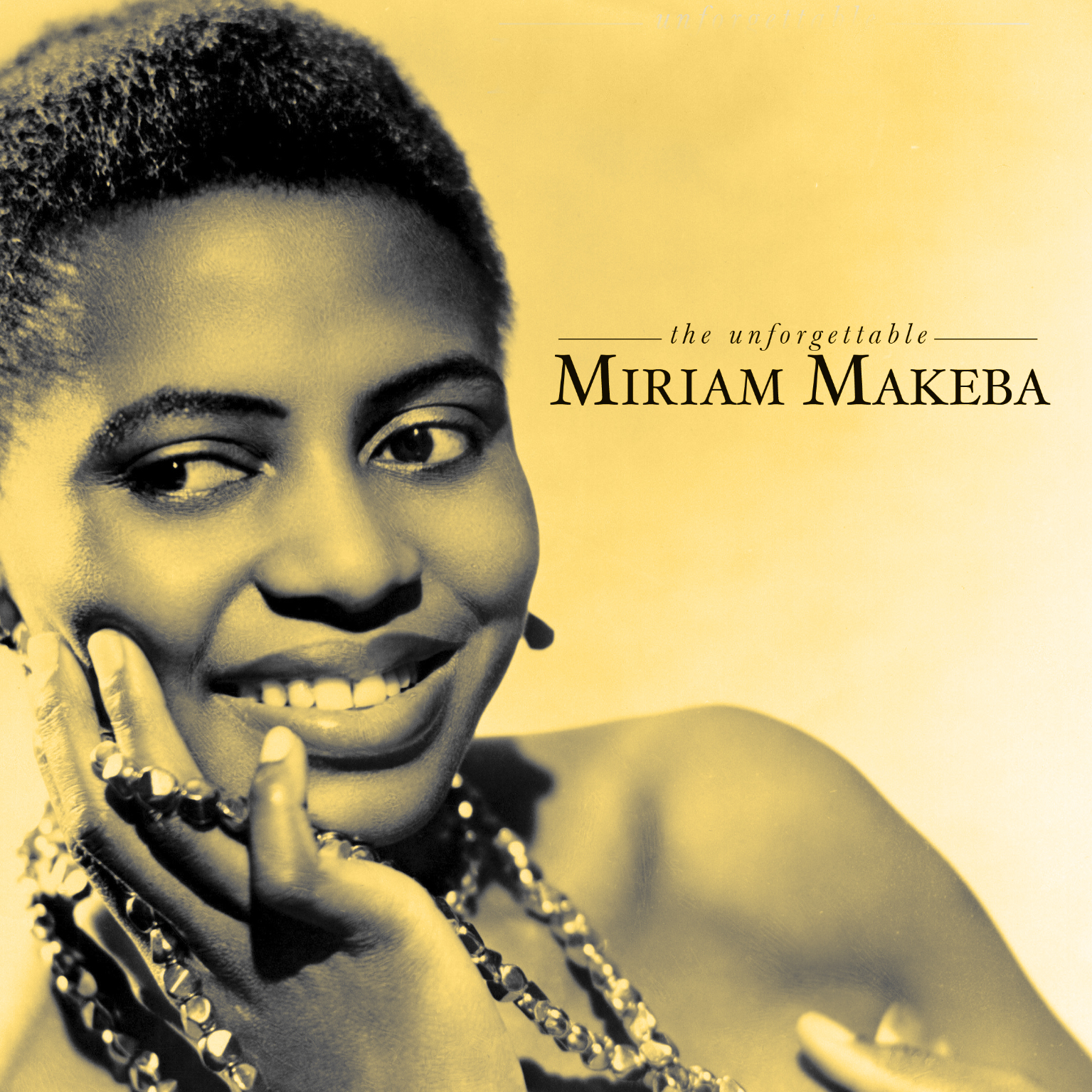
    Miriam Makeba

    Mama Africa wrote, sang and performed music, acted in movies like “Come Back Africa” and campaigned against the apartheid — even got exiled from South Africa as punishment. While on exile in the U.S, she performed at the birthday party of US President John F. Kennedy at Madison Square Garden in 1962. Due to her exile from South Africa, she moved around a lot, eventually holding nine passports and honorary citizenships from ten countries — her situation is the grace japa warriors pray for. Her discography boasts nine albums, including the Grammy-Award winning “An Evening With Belafonte/Makeba”.

    E.T. Mensah

    The Ghanaian “King of Highlife”, E.T Mensah championed Highlife with his Tempos Band throughout the 1950s. In 1940, he joined the Tempos Band originally created by the European soldiers stationed in Accra. Soon, Mensah became the leader of the band which disbanded and was reshaped in 1946 to consist of only African musicians. Mensah’s popularity grew worldwide when he performed with Louis Armstrong in 1957.

    Angelique Kidjo

    The Beninese singer-songwriter, actress and activist was born into a family of artists. Her father was a musician; mother, a theatre director and choreographer. She first gained success as a teenager with her version of Miriam Makeba’s “Les Trois Z”. She performed as a backup singer for local groups and as a lead vocalist for Pili Pili, an Euro-African jazz and rock band in 1985. In 1991, she signed to Island Records and made four albums. Since then, she’s gone on to record 11 more, with five Grammy Awards to her name.

    Fela Anikulapo-Kuti

    Abami Eda, as Fela’s also called, was a Nigerian musician, bandleader, composer, instrumentalist and activist. His music is robust, endures in relevance, and his lyricism is unapologetic in delivery. He sang in Pidgin English, Yoruba and didn’t cater to the Western audience. As his music grew popular, the ruling class were not having it because of his political messages, and raids were launched on his Kalakuta Republic — his iconic home. Under military rule, Fela’s music grew too political for labels to publish and his commentary brought him at loggerheads with the soldiers. He was in jail for 20 months under Muhammadu Buhari’s first government. After his release, he continued to make and perform music until his death in 1997.

    Brenda Fassie

    She was the IT babe of her era and went by nicknames like MaBrr, Queen of African Pop, The Black Madonna, Madonna of the Township — titles that capture her brilliant musicianship and closeness to the grassroot. Due to the consistent anti-apartheid lyrics in her music, she enjoyed massive popularity. Among her multi-platinum selling albums is “Memeza”, South Africa’s best-selling album of 1998. Brenda’s impact earned her the 17th spot among the top 100 Great South African according to public vote, and the 2005 Lifetime Achievement Award at South African Music Awards.

    King Sunny Ade

    KSA performs juju music crafted out of ancient oriki — poetic lyrics to praise-singing people in high places. He ushered the steel pedal guitar into the Nigerian pop music scene and is the first juju musician to accompany the music with tenor guitar, clarinet, synthesizers and vibraphone in an effort to imitate the traditional juju instruments that were hard to carry on the road. His 1983 album, “Synchro System”, earned him a Grammy nomination — the first for a Nigerian artist. In 1998, he bagged another nomination for his album, “Odu”. Although he’s never won a Grammy, he’s regarded as one of the world’s greatest band leaders. KSA’s elite musicianship shows in his guitar prowess and impeccable dance moves when he comes alive on stage. 

    Oumou Sangaré

    She’s considered the queen of Wassoulou, a region in Mali that heavily inspired her music, which advocates for women’s low status in the society. Oumou has recorded ten albums and received awards like Commander of the Order of Arts and Letters of France (1998), Ambassador of Food and Agriculture Organisation (2003), Artist Award at WOMEX 2017, all for her music and women’s rights advocacy.

    Hugh Maskela

    Dubbed the Father of South African jazz, Hugh Maskela was highly recognised for his beautiful compositions that addressed South African apartheid. While touring Africa in the 1970s, he worked as a teacher for a year in Guinea, played with Fela Kuti’s band and recorded five albums. He has over 45 albums to his name today.

    Umm Kulthum

    Umm Kulthum’s career spanned over four decades, from the 20s to the 70s, and her emotive performances captivated audiences across Africa and beyond. Her vocal range, mastery of maqam (Arabic musical modes) and improvisation made her an unparalleled artist. Her songs explored themes of love, patriotism and social justice, resonating deeply with the Egyptian masses and elevating her to a symbol of cultural identity and national pride. Umm Kulthum passed away in 1975, but her legacy as the “Star of the East” lives on.

    Sir Victor Uwaifo

    A multidisciplinary artist born in Benin, Nigeria, Victor Uwaifo started playing music in secondary school. He played at St. Gregory’s College, in Lagos, and with Victor Olaiya’s All Stars band before moving to E.C Arinze’s highlife group. At 24, he released his popular track, “Joromi”, in 1965 — the same year he founded his Melody Maestros band. The song won him the first gold record certification in Nigeria and Africa, courtesy of Philips, an old British record label. Throughout his career, he experimented and developed sounds like Akwete, Shadow and Ekassa.

    Ali Farka Toure

    Regarded as one of Africa’s most important musicians from Africa, Ali Toure is the creator of desert blues — a fusion of traditional Malian music and African-American blues. Many of his songs have featured in films and documentaries like the geo-quiz segment of The World PRI-BBC, the short film titled “L’Assedio”, 2018’s “Black Panther”, Nintendo’s Animal Crossing games and more. He passed away in 2006, but till today, he’s on the list of 100 greatest guitarists of all time, as seen on Rolling Stone and Spin Magazine.

    Mahotella Queens

    Talent scout and music producer, Rupert Bopape, formed Mahotella Queens in Johannesburg in 1964. Originally a band of five South African women, the supergroup, famous for their unique harmonies, guitar-led mbaqnaga music and fast-paced dance, now has three — Hilda Tloubatla, Nobesuthu Mbadu and Amanda Nkosi. Since the group’s inception, they’ve made hundreds of recordings, mostly for the international audience. Their music has been recognised and sampled by new generation artists like Cassper Nyovest.

    Dorothy Masuka

    https://youtu.be/9owfn3ljW-g

    Dorothy Masuka was a renowned Zimbabwean musician known for her powerful voice and versatility in blending jazz, traditional African rhythm and afro-pop. Her music career began in the 1950s when she moved to South Africa and established herself as a prominent jazz singer. Her 1993 hit song “Hamba Nontsokolo” addressed migrant workers’ struggles and catapulted her to fame. Masuka fearlessly tackled political and social issues through her music, collaborating with notable artists like Miriam Makeba.

    Mounira Mitchala 

    She’s a Chadian musician known for her soulful voice and captivating performances. She blends traditional Chadian melodies with contemporary African and global influences, creating a unique and eclectic sound. Her lyrics are a blend of local languages — Arabic, Sara and French — showcasing her commitment to promoting the language diversity of her country. Mounira has released several critically acclaimed albums, including “Talou Lena” (2010) and “Tchad” (2014). Her music addresses social issues and promotes unity and resilience, elevating Chadian music.

    Khaled

    Algerian singer, songwriter and multi-instrumentalist, Khaled, has been active in the industry since he was 14. His 1986 album, “Kutche”, shot him to the limelight and introduced rai music — an Algerian genre characterised by its folk music, Western influences and elements of pop, reggae, and funk — to a broader audience. Khaled’s bold voice and charismatic stage attracted audiences across continents to rai. His music has influenced artists like Rachid Taha, Acid Arab and Soolking.
    Take the survey here.

  • 8 of the Coolest New School Artistes to Help You Get Into Ghana’s Music Scene

    Ghanaian music has evolved a lot over the years. We had the VIP era, with Ahomka Wo Mu and Two Women (with Tony Tetuila), in the early 2000s. The mid-2000s introduced us to R2Bees, with Kiss Your Hand, and the azonto dance craze, thanks to bangers from Sarkodie and Fuse ODG. 

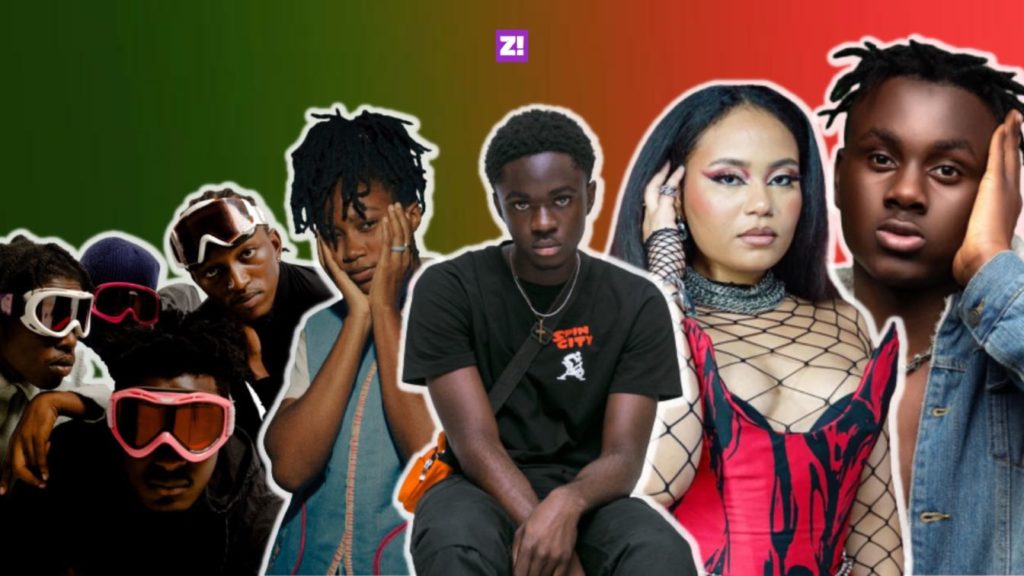
    With artistes like Amaarae, Black Sherif, King Promise and Kwesi Arthur building up massive fan bases across the world, we’ve decided to look at some of the new school artistes putting their stamp on the scene and continuing the legacy of the icons who came before them. 

    Yaw Tog 

    What do you get when you take a cup of black coffee with two scoops of pre-workout and half a can of your favourite energy drink? Chaotic adrenaline, for sure — which is more or less what you get listening to Yaw Tog’s music. At just 19, the Kumasi-born rapper has helped introduce Ghana’s version of drill music — asakaa — to the world. Delivering bars in his native language of Twi, you don’t have to understand Yaw Tog’s music to feel gingered to take on the world. 

    You should listen to: His 2020 breakout single, Y33gye, when hitting the gym or looking for extra energy to fight capitalism.

    Moliy

    Moliy is no stranger to Nigerians who love good music. Getting her big break on Amaarae’s global chart-topper, Sad Girlz Luv Money, Moliy has since collaborated with everyone from BOJ to Ogranya and producer, P.Priime. Features aside, Moliy holds her own on solo projects, proving that she’s more than just a chorus girly.

    You should listen to: Her 2022 EP, Honey Doom

    SuperJazzClub

    Nothing beats live music, and as someone who’s seen and felt the energy SuperJazzClub brings to the stage, I can confidently say they’re the real deal. With nine members, a number that rivals some famous K-pop groups (BTS only has seven members), SuperJazzClub is bursting at the seams with talent across vocals and production. The creative mix is evident in the music they’ve put out since their 2020 debut EP, For All the Good Times. Their rave-like performances have built a cult following outside Ghana, with fans worldwide (including me) ready to shout “Flash”, as soon as their 2021 smash hit, Cameras, comes on. 

    You should listen to: Paradise off their 2023 compilation, ACT 3.

    Baaba J 

    There’s no denying that Baaba J is one of the most exciting voices out of Ghana right now. Making a major entry into the scene with her 2020 debut EP, Lumumba St, Baaba J introduced herself as an artiste who’s comfortable knowing she doesn’t fit in. “I have no exes. I have no dresses. I’m a geek,” she declares on Tomboy, a standout track from the EP, before reminding everyone that, tomboy or not, she’s still the girl who can easily “pull both sexes”. 

    You should listen to: Her latest single, Ole. 

    RECOMMENDED: We Don’t Rate You If You’re Not Listening to These 10 Female Artists

    Fameye

    Listening to Fameye is like having a spiritual experience. Leaving his early rap days behind for a more high-life-leaning sound, Fameye has established himself as one of the most versatile artistes in Ghana, who’s not afraid to explore new territories. 

    You should listen to: His 2021 hit, Praise, and let his music minister to the deepest part of your soul. 

    Essilfie

    If you’re looking for a lush and sultry mix of pop/R&B with a sprinkle of amapiano, then Essilfie is your girl. With a voice that would fit seamlessly into the 1990s era of Jill Scotts and Erykah Badus, Essilfie makes music for the baddies who know their worth and refuse to take shit from anybody. Her music is unapologetic and right in your face. Whether you get it or not, Essilfie is that girl. 

    You should listen to: KroKro Me from her 2022 EP, Tori’s Lounge

    Marince Omario 

    If you’re into no skips trap artistes like Pyscho YP and Don Toliver, then Marince Omario is the Ghanaian rapper you need to have on your playlist. Famous for creating his own genre of music , Marince combines trap, R&B and what sounds like nostalgic high-life, to make the distinct style he describes as “Fu”. With Manrice, you don’t know if you’ll get a club banger or a song to play in the background while you journal. But one thing’s for sure: you’ll have a good time. 

    You should listen to: Ramblers off his 2020 EP, Oblitey, while pre-gaming before a dirty Friday night on the streets. 

    Larruso 

    If Larruso was a Nigerian artiste, he’d be on the radio daily, with earworms you couldn’t possibly avoid even if you wanted to. Blending dancehall with afropop and a certain swagger that’s clearly innate as opposed to acquired, Larruso’s music holds your attention from start to finish. With a tested and trusted discography since his 2019 debut, he’s the captain of his musical ship and wants you to join him on his journey. 

    You should listen to: His 2022 EP, Sounds from the Slums, for the full Larruso experience. 

    ALSO READ: A Ghanaian Helps Us Break Down Lyrics on Black Sherif’s “The Villain I Never Was” Album

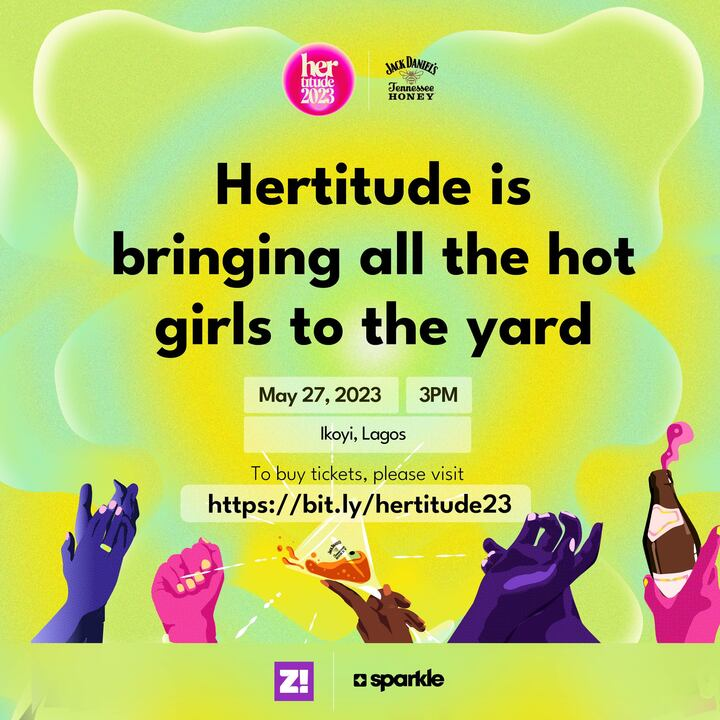
    Can you handle the hotness of Zikoko’s women’s only party of the year, HERtitude? Click here to buy your ticket and find out

    ,
  • A Timeline of Ghanaian Songs That Slapped Harder Than Ghana Jollof

    Ghanaians put boiled eggs in everything except their music, and I’m sure that’s why it slaps so hard. While Nigerians have become the face of Afrobeats, there’s no denying the massive role the Ghanaian music scene has played in helping us define this sound. 

    Here’s a timeline of Ghanaian songs that crossed the border into Nigeria and took over our playlists. 

    2004: Ahomka Wo Mu — VIP 

    Even though it wasn’t the first Ghanaian song to cross into the Nigerian market, VIP’s Ahomka Wo Mu was the blueprint for successful crossovers. The song was so big that they ended up signing with Kennis Music, the biggest label at the time and home to 2Baba, Tony Tetuila and Eedris Abdulkareem. 

    However, VIP’s most significant impact was inspiring this Mama G classic:

    2007: 16 Years — Mzbel

    16 Years is an iconic song about consent and speaking up against sexual harassment, disguised as a party jam. Fun fact: I didn’t know it was a Ghanaian song until it popped up on a Ghananian YouTube playlist and I was shook. 

    2009: Kiss Your Hand — R2Bees and Wande Coal 

    For the longest time, I was convinced Wande Coal was the only one singing on Kiss Your Hand, and before you judge me, we all thought Wande Coal was singing on Fireboy DML’s Peru too. 2009 introduced us to the Ghanaian group R2Bees, and since then, they’ve churned out hit after hit, including one of my all-time faves, Slow Down with Wizkid in 2013. 

    2011: Azonto — Fuse ODG 

    Goes without saying. You have to have been there to fully understand the impact Fuse ODG’s Azonto had on the streets. This was a moment. Everyone started doing Azonto, even Wizkid. Good times for real. 

    2012: U Go Kill Me — Sarkodie

    We should’ve all seen Sarkodie’s 2021 Non-Living Thing (feat. Oxlade) coming considering his breakout single was U Go Kill Me — I guess the babe succeeded. Continuing the Azonto craze that started in 2011, Sarkodie’s U Go Kill Me made him a household name in Nigeria, and the song still slaps till today. 

    2013: Muje Baya (Move Back) — 5ive 

    Taking us out of the azonto era and starting a new dance craze, 5ive’s Muje Baya (Move Back) showed us how to have a good time and still push our bad belle haters away. Talk about creating a multipurpose bop. Love to see it. 

    2014: Tonga — Joey B

    “Tonga dey rhyme with corna. Will you come to my corna? I wan give you hard drive, format.” If you ask me what Tonga means, na who I go ask? All I know is dancefloors in 2014 ate Joey B’s Tonga up and have refused to swallow or spit it out since then. 

    RECOMMENDED: 12 Things We Learnt from the 12 Episodes of “Afrobeats: The Backstory”

    2015: Skin Tight — Mr. Eazi

    I know what you’re thinking, “Mr. Eazi aka Tosin Ajibade is not Ghanaian.” But it’s hard to deny Ghana’s influence on his music, especially when he started out. Mr Eazi and Juls (who produced Skin Tight) introduced Banku music to a Nigerian audience and started a sonic trend that influenced everyone from Runtown to Tekno. 

    2017: One Corner — Patapaa

    The One Corner dance is something that still haunts me to this day because why? Why did anyone think it was cool? 2017 was the year of One Corner, and I doubt we’ll be forgetting it anytime soon. 

    2018: Joanna — Afro B 

    Justice for all the Joanas out there because I’m sure their lives haven’t been easy since Afro B dropped Joanna in 2018. 

    2020: Forever — Gyakie 

    A real pandemic music baby, Gyakie ruled the last few months of 2020 and the start of 2021 thanks to her inescapable hit, Forever. This song was everywhere on TikTok and on everyone’s Instagram story. Now that I think about it, it made sense that she hit up another pandemic music baby, Omah Lay for the Forever remix that dropped in 2021. 

    2022: Kwaku the Traveller — Black Sherif 

    Black Sherif’s Kwaku the Traveller is the definition of, “No one knows what it means, but it’s provocative. It gets the people going.” I’m not sure what this guy is rapping about, but something about his energy gingers my energy. It’s a feeling thing. If you know, you know. 

    ALSO READ: Here Are Some Ghanaian Foods Even Nigerians Can’t Troll

  • Valentine’s: Why Only Give Flowers When There’s Chocolate?

    Ensuring that Valentine’s Day fell within ten-day chocolate marketing period may have been a masterstroke for Ghana’s chocolate marketers. But they were also helped because a campaign launched 15 years ago to encourage local consumption of chocolate is beginning to bear fruit.

    By Zubaida Mabuno Ismail, bird story agency.

    “I have run out stock of Kingsbite milk chocolate, I only have the love chocolate (chocolate from Turkey),” announces a vendor stationed at the Dzorwulu junction in a suburb of Accra. It’s Valentine’s Day, February 14, 2022 and already vendors are selling out of Ghanaian chocolate.

    That is a measure of success for the organisations behind Ghana’s National Chocolate Week Celebration, an annual marketing drive that was begun in 2015 and which is beginning to change the narrative on chocolate.

    It’s also great news for the Ghana Cocoa Processing Company, which sells seven main brands of chocolates – including Kingsbite.

    Three private firms — Chocolate 57, owned and run by London-based sisters, Priscilla and Kimberly Addison, Niche Cocoa and Cocoa Liquor Company-GIHOC Distilleries are the other key partners behind the country’s annual Chocolate fete. According to the managing director of the state-run Ghana Cocoa Processing Company, Nana Agyenim Boateng, more and more stakeholders are being drawn in every year.

    It may have been luck that this year, Valentine’s Day fell within the 10-day chocolate fete, scheduled to run from February 12 to February 22 but the Valentines Day slogan, “Eat Chocolate, Stay Healthy, Grow Ghana; Our Chocolate, Our Health, Our Wealth” left no doubt as to what the day was meant to be about.

    Valentine’s gift boxes and bouquets invariably contained a bar of Kingsbite Milk Chocolate.

    Board member of the country’s COCOBOD, Naa Adwoa Dokuah, explained the celebrations’ origins – and why the board shares chocolate bars each year with the Darbah community in the Atwima Nwabiagya North District to share bars of chocolate to pupils.

    “The national Chocolate Day celebration idea was mooted by former tourism minister Jake Obetsebi Lamptey during ex-President John Agyekum Kufour’s tenure and this is an opportunity to honour the president in his hometown,” he said.

    Ghana has had plenty of chocolate visionaries. The first was the late Tetteh Quarshie. Quarshie is credited for bringing the first cocoa beans to the then Gold Coast in 1879. The agriculturalist planted the beans on his farm at Mampong-Akuapim, a town in the Eastern Region but little did he know that his discovery would later be the lifeline to his country’s economy, becoming an important part of the country’s export.

    Born in 1842, Quarshie did not witness his country’s first official export of two cocoa bags in 1893, as he died on Christmas Day, 1892. But by 1910 Ghana was already the world’s largest exporter of cocoa and produced almost half of the world’s output until 1978, when Ivory Coast overtook Ghana as the largest producer.

    Although cocoa beans originated in South America, the majority of the world’s annual crop is grown in Africa, and the 2017-2018 African harvest amounted to around 3.5 million tons. The top two producers are Ghana and Ivory Coast, with Ivory Coast producing more than twice the volume that Ghana does. Some three million people work in the industry in those two countries.

    In 2015, while the world’s cocoa farmers received about 8 billion US dollars in revenue, the world chocolate market was valued at 110 billion US dollars, according to the African Development Bank. Ghana wants to retain far more of the chocolate market value than it currently does, by developing its domestic chocolate market and relying less on exports of unprocessed beans… basically changing the narrative from “raw cocoa exporter” to “processed chocolate consumer”.

    To boost local cocoa consumption, in the academic year 2017/18, the government introduced a hot chocolate programme for senior high school students in the country. The country also encourages an interest in cocoa and chocolate production, at school.

    School principal Lawrence Ahiagbor said that the strategy not only encourages learners to become familiar with chocolate as a local product but also promotes its consumption. Surprisingly few learners know about cocoa or chocolate, especially in the country’s north.

    “Since cocoa is not something that is produced in the northern part of Ghana. Most of our learners would have seen it for the first time in its real essence and not in pictorial form. They would also learn the act of sharing and then begin to develop an interest in cocoa made products in Ghana,” Ahiagbor said.

    One of those who got to enjoy chocolate products at the annual fete was Kanitatu Abdul-Latif, a pupil of the Alhassan Gbanzaba Memorial School in Ghana’s Northern region. She was fascinated with chocolate saying she had only seen the cocoa pods either in photos or television.

    “I only see cocoa on television so seeing it today (chocolate day) brings me joy. Again, I have learned about other products produced from cocoa. Thank you for bringing us cocoa,” she said with a smile on her face.

    Mohammed Farakhan, another pupil, enjoyed the celebration, too.

    “I see today as a day to honour the cocoa farmers and the celebration in school is our way of saying thank you to the farmers.”
    Latif said.

    Cocoa is mainly grown in the country’s forested areas of Ashanti, Brong-Ahafo, Central Region, Eastern Region, Western Region, and Volta, where rainfall is 1,000–1,500 millimetres per year.

    While the global price of cocoa beans can fluctuate considerably, the price has gravitated been between 2,000 and 3,000 US dollars per metric ton for the past few years.

    So while it may have been luck that Valentine’s Day this year fell during the annual Chocolate Week Celebration, it was no coincidence that it was chocolate, not flowers, that marketers across the country, were pushing on the day.

    <script src=”https://bird.africanofilter.org/hits/counter.js” id=”bird-counter” data-counter=”https://bird.africanofilter.org/hits/story?id=6213b89ed5453f06505f5bde&slug=valentine-s-why-only-give-flowers-when-there-s-chocolate” type=”text/javascript” async=”async”></script>

  • “My Family Had To Sleep At The Ghanaian Border”- Abroad Life

    The Nigerian experience is physical, emotional, and sometimes international. No one knows it better than our features on #TheAbroadLife, a series where we detail and explore Nigerian experiences while living abroad.


    Today’s subject on Abroad Life has travelled to three different countries with her family. She talks about her experiences in each country, sleeping at airports and borders, and why she’s never going to Ghana by road again.

    What was growing up like?

    I grew up in a pretty comfortable household with parents who made sure the family did stuff together, even if it was as little as going for lunch every Sunday. I’m the oldest of my siblings, so I was the first to go to a school outside the state where we lived. Generally, growing up was interesting. 

    When did you first leave Nigeria?

    I was 13 and we went to the UK for Christmas. My parents had been there before and they were excited to go on the trip again with us. 

    God when? How was the trip?

    It started off disastrous.  On our transit stop at Casablanca, we discoveredthat it was snowing terribly where we were going to in the UK and this  meant that our flight had to be delayed. Omo, we had to sleep in the airport all night. It was super, super cold, and all we had to eat was some bread that the airline provided. 

    We eventually left the next day.

    What was the UK like?

    It was cold, but it was great. We visited family and some of my parents’ friends, we went shopping, we had lots of fun. I almost didn’t want to return to Nigeria. 

    But you returned. 

    It was hard accepting that I had to come back. When I got back, all I could think about was going back. After some time in school though, I calibrated back to default Nigerian setting. I’d remember from time to time and wish I was in the UK, but I knew I was here. Tears. 
    LMAO. When did you next leave Nigeria?

    With my family again, about four years later, this time to Ghana. We planned with some extended family and friends and did a long road trip. 

    How was this trip?

    It was the worst trip of my life. First of all, one of the vehicles we went with had a problem on our way, so we had to stop to fix it. That one caused us to spend a long time on the road, so by the time we got to the Aflao border, it was getting dark. 

    “Oya let us pass”, they said no, that it was too late and they weren’t letting anyone enter the country again. Omo, we begged and begged, we explained our situation, we showed them that there were children among us and we didn’t have anywhere else to go, but they didn’t allow us. So we had to sleep at the border. Sleeping in a bus at the border of a country you’ve never been to before is terrible enough, but when you’re in a large group of people who are stressed and have been travelling all day, it’s much worse. 

    We eventually entered the country around noon the next day but all our ginger had died. We just spent the next few days resting and going to a few places, and then we left. We spent only one week there and it was very meh.

    That sounds terrible. Have you been to Ghana ever since?

    One time, yes. That’s the only time I didn’t travel outside Nigeria with my family. This time, I went for something work-related, and while I didn’t sleep at the border, it wasn’t smooth sailing too. We had some wahala at the border, but in the end, I went for my conference, and spent the remaining days enjoying my time in Ghana. I went to Cape Coast too to see all the amazing stuff there. But I promised myself I wouldn’t go to Ghana by road again. 
    Wait. Where else have you travelled to with your family?

    Dubai. We went there fairly recently, and it was so, so, so fun. We went to the desert and all the other fun places you hear about in Dubai. I loved every second of it. 

    You travel a lot with your family. That must be nice. 

    It is. The best way to travel with family is to find group deals online. They’re fairly priced and they usually come with tour guides, so you don’t have to stress about finding your way about. 

    Let me go and call a family meeting. I have something to tell them. 

    LMAO.

  • Love Life: He Ghosted Me For Three Months

    Love Life is a Zikoko weekly series about love, relationships, situationships, entanglements and everything in between.


    Audio: He Ghosted Me For three Months

    *Godwin, 20, and *Tope, 19, dated for three months after which Godwin ghosted Tope for three months. Today on Love Life, they talk about what went wrong in the relationship and what they could have done better.

    What’s your earliest memory of each other?

    Godwin: I met Tope last year, during the lockdown. I rarely use Facebook, but because of the pandemic and boredom, I got on it. There was a post where someone was asking people to comment with their Twitter handles. Tope was the one who posted it. I followed her, and she followed back, and that’s how our conversation began. From there, we exchanged WhatsApp numbers and took the chats online. 

    Tope: I asked him how he got his followers. I don’t use Twitter frequently, and so to see someone excel at it was quite fascinating. 

    What was your first impression of each other?

    Godwin: To be honest, I have a thing for dark-skinned girls, and fuck— sorry for the f-word— she had the complexion. I just couldn’t resist. I didn’t let her know my impression though. I stayed lowkey. Until we began talking.

    Tope: You used the f-word.

    Godwin: I apologised.

    Tope: I can’t really remember my first impression of Godwin, but when we started chatting he was cool and sounded like he was going to be smart. Also yes, he was my spec. To be honest, if he wasn’t, we wouldn’t even talk.

    So, when you both connected online, what did you talk about?

    Tope: We talked about a lot of things. One of them was that he wanted me to come to his school, but I couldn’t. I’m in Ghana and he’s in Nigeria. The trip wasn’t very feasible, especially with the lockdown. We also spoke about his exes — it was part of our many conversation threads; we spoke about anything that caught our fancy.

    Godwin: We talked about lockdown experiences: how it was going in Nigeria versus Ghana. We talked about school life too. And the talk about my ex: you know that moment when you’re chatting with someone and they begin to ask you questions like, “So how’s your boo/babe?” 

    That was what prompted the talk. Our conversation was already becoming interesting and I told her about my past relationships and exes. I also told her I was done with love, but I guess she pitied me and gave me some sort of assurance about finding love. Even when the chats stopped being intense, it was this assurance that brought me back to her. This plus the fact that she’s my spec.

    The chats stopped being intense?

    Tope: Yes. We moved to WhatsApp and the conversation died. But then one day he responded to my WhatsApp status.

    Godwin: Lockdown was getting lonely and I kept seeing her status updates even though we weren’t talking as much. One day, I replied to a status update that she posted, and we picked up our conversation again.

    Tope: And then, a few weeks after that, he asked me to be his girlfriend.

    Oh?

    Godwin: Her WhatsApp updates have a large part to play in this. Yes, she’s my spec and our conversations had stopped for a while, but seeing the updates again, the desire came afresh and I just did it.

    Tope: I cleared him straight up. I told him I wanted something that would last long, a relationship that I saw a future in. 

    Interesting. What was your reaction to this, Godwin?

    Godwin: I understood what she meant, so I assured her of my love in what little way I could. But despite all I said, she was bent on a long-term relationship.

    I had never been in a long-term relationship before, but because she wanted one and she sounded convincing, I was willing to give it a try.

    You’re in Nigeria and she’s in Ghana. How did you plan to make it work?

    Tope: We thought we could, but the distance was a major issue.

    Godwin: She was supposed to come to Lagos after the lockdown, but the government didn’t do things the way we expected. 

    Tope: We weren’t allowed to fly or travel by road. When they finally opened the Nigerian border, Ghana’s border was still closed. We were hoping we could see each other by the end of the year, but because it took too long for the lockdown to be lifted, it never happened.

    And how did this affect your love life?

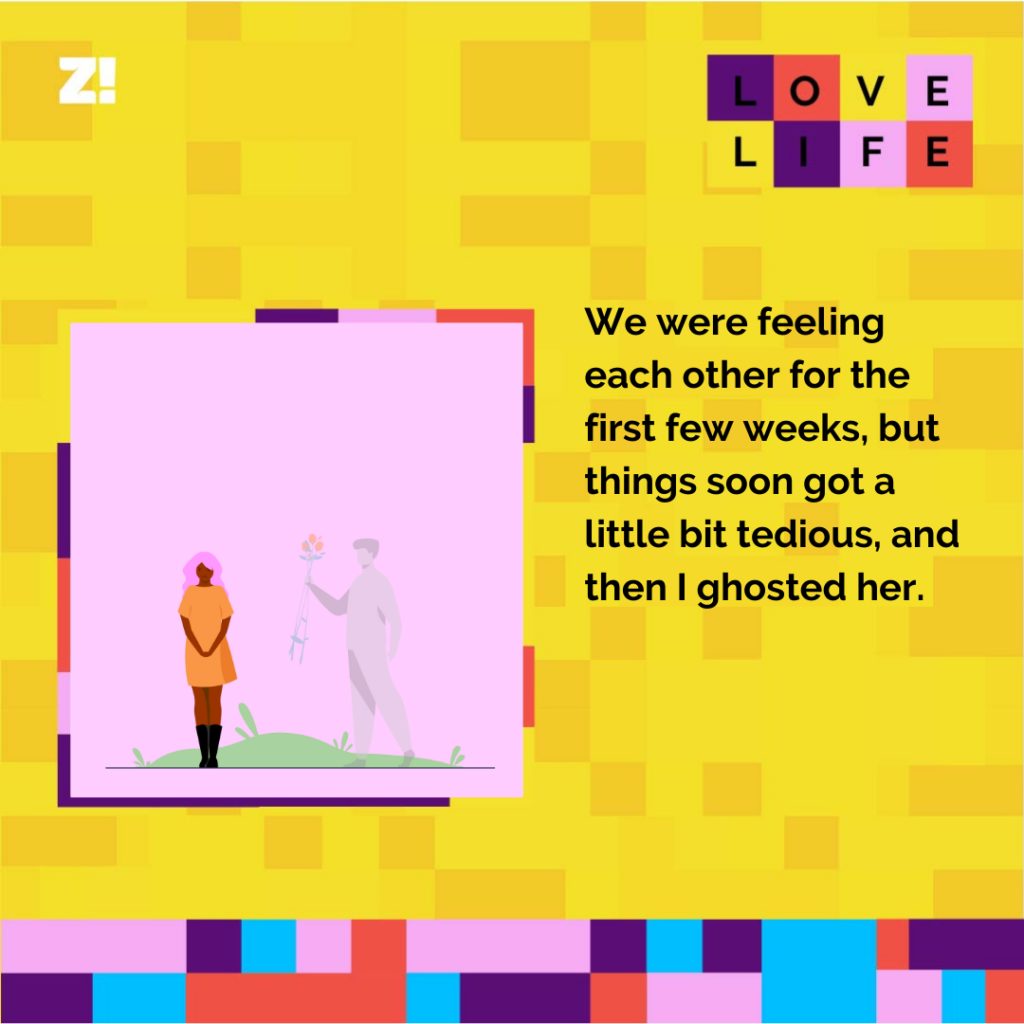
    Godwin: We were feeling each other for the first few weeks, but things soon got a little bit tedious. She was attention-demanding, and because it was a lockdown, I understood how she must have felt and I tried to give her the attention to an extent. But we soon had minor fights that became quarrels. 

    Tope: He was always busy, and because it was a lockdown, I understood. But he wouldn’t pick my calls sometimes and he wouldn’t call back too. And then later, I’d see him post pictures on his status while my messages were still unread.

    So how did you resolve this?

    Godwin: I ghosted her.

    Come again?

    Godwin: Look, I don’t like facing quarrels or confrontation. Everyone I have dated knows this. So when I sense that something is coming up which would lead to a dispute, I suddenly ghost the person for a few days as a means to run away from the fight. I’m a very chilled and calm person. I hate stress.

    With Tope, I didn’t really want to ghost, but Tope was so blunt.

    Tope: Tope is still very blunt.

    Godwin: I can’t remember her last insult to me, but that was it. I ghosted her for three months.

    How old was the relationship by then?

    Tope: Three months, but frankly, I wasn’t feeling his vibe anymore. I wasn’t as interested in him as I was in the beginning, and there was also the fact that we hadn’t seen each other. Plus, he was always talking about going to visit one girl or the other. 

    Godwin: It was a guy.

    Tope: No, it was a girl. I saw the pictures you posted.

    Godwin: But each time I told you I was going to visit a girl, it was actually a guy I was going to see.

    Wait. So you went to see a guy but you told her it was a girl?

    Tope: Please ask him.

    Godwin: I lied to make her jealous. She was constantly seeking attention and we were already having one of our fights then. It was just once or twice, and at the end, I’d tell her what I did. But the picture she’s talking about, I went to see my best friend, a guy, and we went together to see a lady.

    I think Tope takes things too personally and too seriously. The lockdown was a lot on everyone, but sometimes, it felt like she was taking out the frustration on me. So one day, I told her that she complains a lot and maybe she should try praying that the lockdown would be lifted. The next thing I got was an insult. This was why I ghosted her. I’d already reached my limit.

    How were the three months of the relationship?

    Tope: Stressful. Yes, it was nice at the beginning — it’s always nice at the beginning.

    Godwin: For me, it was beautiful. All the things I experienced, I consider as the normal things that happen in a relationship, so I used them as an opportunity to work on myself. 

    How did the relationship end?

    Tope: We just stopped talking.

    Godwin: I ghosted her. We dated for three months and I ghosted her for another three months after which I reached out to apologise.

    Why did you feel the need to do that?

    Godwin: I do it to people I ghost. The main reason why I ghost is to avoid confrontation or insults. When I feel like the dust has settled, I return and apologise for ghosting. 

    I reached out to Tope because I still wanted her around, if not as a lover, but as a friend. I still miss her. When we got back to talking after I reached out to her, I told her I wished we were back together, but she said I was not someone who seemed serious.

    What do you love most about each other?

    Tope: I love how Godwin doesn’t argue. He keeps a calm head, no matter the situation.

    Godwin: I love Tope because I think she’s wife material. 

    Tope: What the — ? Clearly you have jonzed.

    What do you mean, “wife material”?

    Godwin: She knows what she wants, and puts God first, and I love her for that. She’s also very encouraging, and she prays for me. I’m not a religious person — I’m a bad guy — but frankly, I don’t think there’s anything better for a man than a praying woman. 

    Yeah, she’s blunt. But I fuck with that too, at least to an extent.

    What would you say you’ve learned from the relationship?

    Godwin: Patience. Dating Tope taught me to see things from other people’s point of view. It also helped me value communication more. I also don’t think I’ll ghost anyone ever again.

    Tope: Patience for me too. Dating Godwin taught me to be calm in situations. While we were together, I wasn’t exactly patient. If anything went wrong, I used to take it to the next level. But it wasn’t really worth it because that was one of the things that destroyed our relationship.

    Now, I have learned not to lose my cool.

    Do you think there’s a chance of you both getting back together?

    Godwin: I guess…

    Tope: No. 

    This image has an empty alt attribute; its file name is 2-1024x1024.jpg

    Subscribe HERE.


    Check back every Thursday by 9 AM for new Love Life stories here. The stories will also be a part of the Ships newsletter, so sign up here.
    If you want to share your own Love Life story, fill this form.

  • 11 Things That Can Happen If Twitter Office Was In Nigeria

    Fellow Nigerians, we believe you have heard the news: Twitter is now building a team in Ghana. In other words, Jack Dorsey and his fellow Twitter people bypassed Nigeria the giant of Africa, and our amazing Jollof rice and went to pitch their tent in Ghana.

    But we are not angry. Honestly, we are not. Because if Twitter came to Nigeria, here are 11 things that will surely happen:

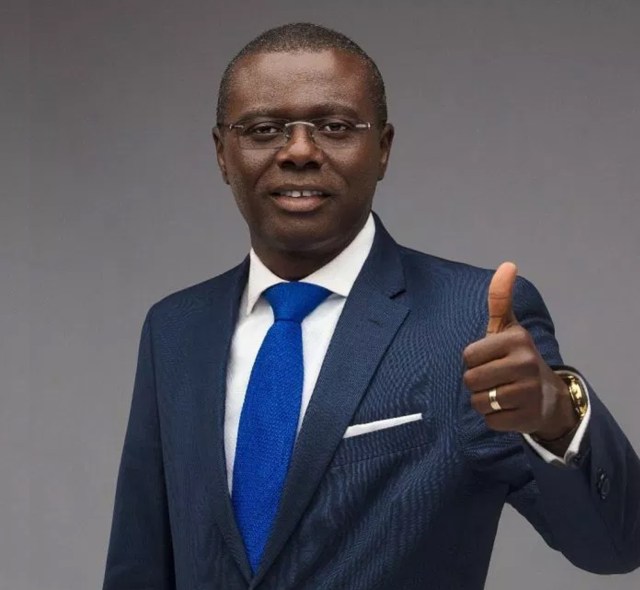
    1. First of all, Sanwo-Olu will congratulate them.

    As per, ‘We are proud of the strides our youths are making, etc etc’. But we both know that it is formality. Please take your seat, the real Sanwo-Olu will be with you soon.

    2. Jack will have to drop something for the boys before they can start any business oh.

    No more tuale, double puate! Jack Baba, drop something for the boys!

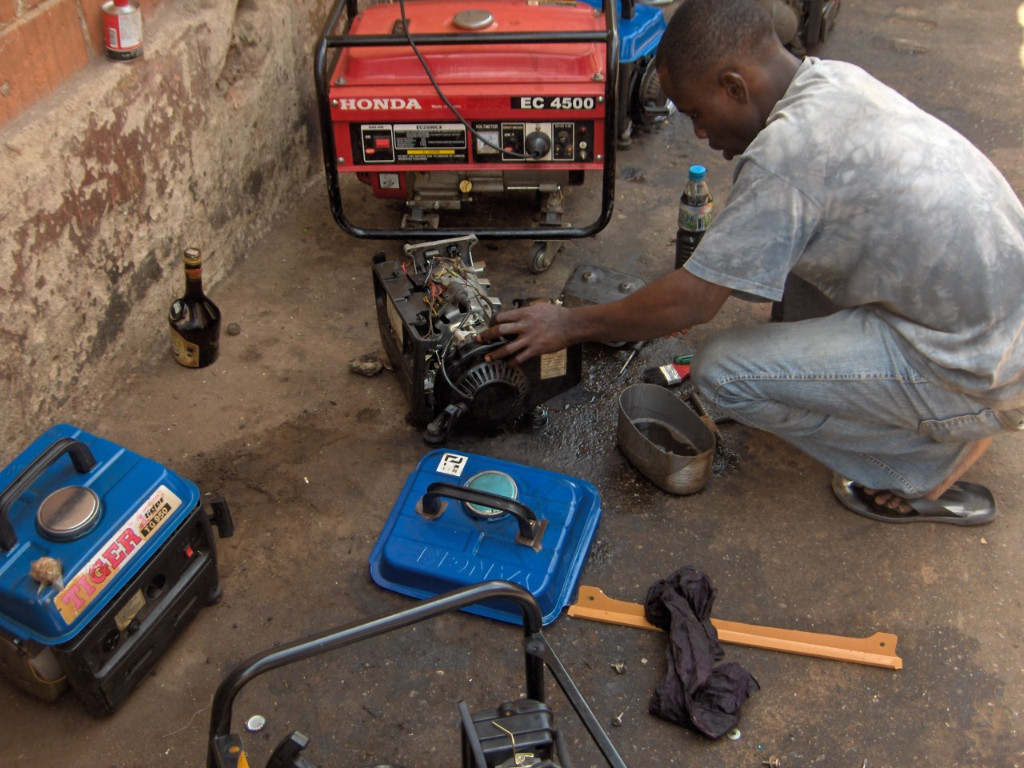
    3. And then they will have to run on generator.

    Because where will they see light to function properly?

    4. Internet will spoil their market oh.

    We that we are ordinary citizens sef, Internet providers are flogging us left, right and centre. How much more Twitter people?
    5. Of course, hold-up will catch them.
    5 Types Of People On Sunday Night | Zikoko!

    No be Naija we dey?

    6. Hello, the real Sanwo-Olu.

    That man is a rite of passage at this point. Even Twitter will eat their own breakfast. Perhaps it will come in form of a ban. Or a restriction. Jack and his people must sha Sanwo-Olu.

    7. D for what? DSS.

    Let Twitter put out one tweet the high and mighty of this country consider insulting, the next thing you know, DSS will go and pick them up.

    8. Besides sef, how will they buy SIM card and register NIN?

    You that you are not working with Twitter, have you been able to do your NIN? This country get as e be, my dear.

    9. Let’s not forget tax.

    The way the governement will seedily create a tax for them ehn. Hmm.

    10. Adamu Garba will finally launch his lawsuit.

    If he cannot catch Jack Dorsey, at least he will catch his workers. Imagine being punished for a crime your oga committed.

    11. One day, we will wake up and hear that Twitter has been banned. You know what will come next?

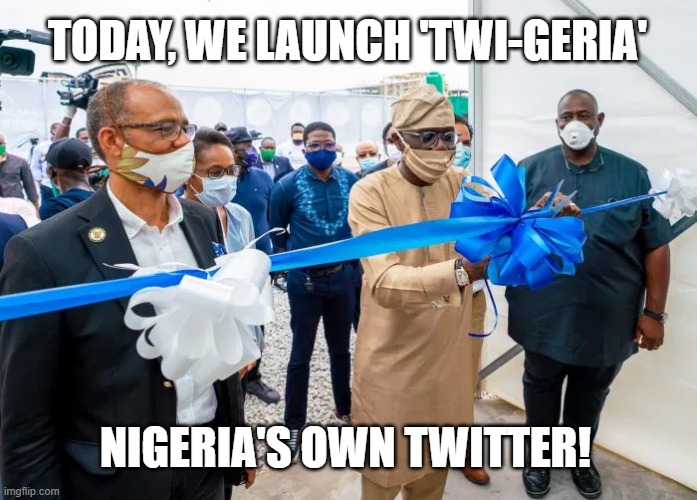
    Crowwe, but maybe they will call it Crow-ter, or Twit-Gidi. Or even Twi-geria. You know, it’s like Twitter, but for Nigerians.

    It is well with our souls. Please put some Jollof rice on fire.

  • “Nigerian Women Need To Learn From Ghanaian Women”- Abroad Life

    The Nigerian experience is physical, emotional, and sometimes international. No one knows it better than our features on #TheAbroadLife, a series where we detail and explore Nigerian experiences while living abroad.


    Today’s subject on Abroad Life has lived in Ghana for the past five years. He talks about his initial hesitation to move, perceptions Ghanaians have of Nigerians, Ghanaian women and Ghanaian jollof. 

    So how long have you been in Ghana? 

    I’ve been here for about five years. I came here for school, and I’m in my final year now.

    Why did you choose Ghana?

    The University of Ghana is considered the best in West Africa, so when I finished secondary school, my parents told me to go there. I remember they used the word “Prestigious” a lot as they tried to convince me. But I didn’t really know anything about the school, so I did some research. 

    What did you find?

    All the stuff I saw online pointed to the fact that it was a good school. They even had detailed information for international students, but the Nigerian in me was still not sure I wanted to go there. I mean,  I grew up in Nigeria and all my friends were there. Why would I want to go to Ghana? 

    What was the process of getting an admission like?

    It was pretty easy. I used my WAEC. Some people use A-Levels, but it’s much easier to use WAEC. It’s the same way you’d apply to go to a Nigerian university, the only difference is that the cut off mark is higher for non-Ghanaians. Thankfully, that wasn’t a problem for me. 

    So what was your first time in Ghana like?

    About two months before I had to resume school, my entire family decided to take a trip to Accra to see the school and the environs. We stayed there for about a week, then went back to Nigeria. When it was time to resume, I came on my own. Settling down and doing all my registration was really stressful. It was probably worse for me because I’m an international student and I had to do some extra stuff. 

    What’s one thing that shocked you about Ghana?

    There are a few things. First, the language. You know how in Nigeria, there are three major languages, but everyone just has to know either English or pidgin to get by? It’s not like that here. There’s one major language and then the other languages are fringe languages. This means that a lot of people speak the major language and in turn, don’t speak English really well. Don’t get me wrong, the majority speak English well. But coming from Lagos where everyone spoke either English or pidgin fluently enough to communicate, it was strange to get here and see so many people struggling with English. The average person in Accra does not speak English as well as the average person in Lagos.

    That’s interesting…

    Ghanaians also strongly believe that their accents and pronunciations are superior, so I always get corrected when I pronounce something the Nigerian way. It’s hilarious. 

    Another thing I found strange is that many Ghanaians I interacted with automatically assume every Nigerian is a fraudster. When they see Nigerians, they see fraud. I noticed it in my first year because I would hear whispers, but I thought it was just a funny stereotype until one guy asked me to teach him how to do fraud. I was so offended. I told him I’d never done fraud in my life and asked why he would even consider asking me that His reply: “Stop lying. Are you not a Nigerian?” 

    Wow.

    There are a lot of funny things that some Ghanaians believe about Nigerians. For example, many Ghanaians believe that the average Nigerian is a great entertainer. Like, we can sing and dance. I think it’s because we have many great musicians, but it’s just funny to me that they would assume it’s all of us that can sing and dance. People always ask me if I can do either, and when I ask why, it’s the same reason: “Because you’re Nigerian.”

    Haha…

    One last thing — they consider Nigerians to be very loud people. Okay, yes, we’re loud, but I’m a very quiet person, so whenever someone meets me for the first time and finds out I’m Nigerian, they get shocked and say something like, “You’re Nigerian? But you’re very quiet!”

    You’re killing me… How then do you socialise?

    When I first got here, I was in the hostel for international students, so I naturally spent more time with Nigerians and people from other nationalities. In my second year, I moved hostels and started mixing with Ghanaians. It was nice. They’re more accommodating than Nigerians. I would say the only thing that challenged me was the pidgin. Ghanian pidgin is quite different from Nigerian pidgin. 

    And then Ghanaian babes…

    Tell me about them.

    Ghanaian babes are super friendly. At first, it was strange to me that women were this nice in real life because most of the Nigerian babes I know will just give you attitude for nothing. I think the thing with Nigerian babes is that they think everyone is trying to hit on them, so they just put up a shield wall. It’s annoying, I won’t lie. But even if Ghanaian girls don’t like you, they’re still polite and will speak to you like a normal human being.

    You’ve dated a Ghanaian woman?

    Yes, but not until after a few years here. Because they’re nice people, I started feeling like the women I was hanging out with were not “honest” with their feelings. It’s like, “I know you want to be nice to me and all, but please it’s not like I’m perfect. Be real with me and tell me when I mess up. Be comfortable around me.” It took me a while before I found someone like that, but I did, and we dated. It was good, but Coronavirus came. Lockdown and distance were tough, so we ended things. 
    In the end though, I would rather be with a Ghanaian woman than a Nigerian one.  I don’t think they’re as entitled as some Nigerian women can be. Nigerian women need to learn from Ghanaian women. 

    Are you coming back to Nigeria any time soon?

    I’ll be honest, I’m now very used to life here and I’m enjoying it. It’s calm and there are job opportunities especially for people in tech.  So I’ll probably stay.

    Do you miss anything about living in Nigeria? 

    The food. The food and the people. Nigerians are generally livelier, but there are already a lot of Nigerians living here, so the people part is sorted. Nigerian restaurants are also springing up fast. So, basically the part of Nigeria that I love, I already have it here. 
    I’m curious, has “Ghana must go” ever come up in any of your conversations?

    Hahaha, yes. There was a time I wanted to come back to Nigeria for the holidays and my bag cut, so I needed an emergency bag. I walked into a store and as I was telling the guy what I wanted to buy, I had to stop mid-sentence to re-evaluate what I was about to say. I later found out that they call it “Jute bag”, but they never take offence when anyone calls it Ghana must go. They’ll even laugh. But at that point, they already know you’re a foreigner. 

    Omo, Ghanaians seem like really chill people. 

    Most of them are. Of course, there are the people that don’t like Nigerians because they think we’re here to scam them, take their jobs and marry their women. They’re a small group, but they air their opinions with their chest. They won’t get violent or anything, but they’ll speak their minds. I got a lot of hate in school because, as a tall guy, I naturally attracted women and guys thought I was here to steal their babes. It was weird. Also, a lot of people say that Ghanaian women prefer Nigerian men because we dress better, have more game and are more confident. There might be some truth to it.  
    Final question, Ghanaian jollof or Nigerian jollof?

    If someone says they prefer Ghanaian jollof, it means they’ve not tasted Nigerian jollof. Ghanaian jollof is tasteless until you add shito, and even then it doesn’t taste as good as Nigerian jollof. But what’s the point of calling something jollof if you’re even going to add stew on top. 

    The first time I had Ghanaian jollof, I was at a restaurant with my friend. When I saw and tasted it, I had to tell the waiter  I didn’t order white rice and he should bring what I really ordered. My friend had to tell me to calm down and eat my food because I wasn’t going to find any jollof much better than that in Ghana. I was hurt. 


    Want more Abroad Life? Check in every Friday at 9 A.M. (WAT) for a new episode. Until then, read every story of the series here.
  • What Is Happening With Nigerian Traders In Ghana?

    Nigerian traders in Ghana have being complaining of unfair treatment and the forceful closure of their shops in the country.

    The video above, recorded by a Nigerian trader in Ghana is a good place to begin. For the past few days, Nigerian traders have been appealing to the Nigerian government, claiming that their shops are being locked up by Ghanaian authorities, and that the latter are hell bent on forcefully closing up their business, despite evidence of company registration, tax payment and legal business dealings.

    $1 Million Foreign Equity and 31,500 Cedis Registration Fee

    But that appears not to be all of the story. Chukwueka Nnaji, President of the Nigerian Traders Union in Ghana had said shops belonging to Nigerians were locked by an Inter-Ministerial Task Force which went round on August 10, requesting their registration of business taxes, resident permit, standard control and the GIPC (Ghana Investment Promotion Council) Registration.

    Nnaji explained that Nigerian traders could not afford the requirements of the registration which they were given two weeks to pay. The GIPC (Ghana Investment Promotion Council) Law allows for general trading of people who are not members of GUTA ( Ghana Union of Traders Association), but with a requirement of $1 million cash or foreign equity and registration fee of 31,500 Cedis.

    Nnaji further added the law requires Nigerian trader’s to employ a minimum of 25 skilled Ghanaian workers and they must not trade in commodities that Nigerian traders have applied in.

    Boakye Boateng

    But Boakye Boateng, Head of Communications in Ghana’s Trade Ministry has defended the regularisation exercise, stating that it would be unfair of Nigerian traders to complain of insensitivity by the Ghanaian government.

    He added that Nigerian traders had been served notice for over a year, and we’re pardoned in December following the intervention of President Nana Akufo-Addo. He added that the security officials in the ‘regularisation exercise’ only went to inspect shops, and that they were given 14 days to ensure that all their necessary documentations were complete.

    Future of African Trade

    It is clear there are still a lot of challenges with Intra-African trade, especially due to Xenophobia and related reasons. African governments must work together to facilitate trade and migration amongst different countries. We’ll keep hearing stories of this nature until that is fixed.

  • Everything We Know About The Earthquake In Ghana

    At about 10:40pm yesterday June 24, 2020, parts of the Greater Accra, Central Region and their surrounding areas experienced earth tremors. It was reported that this earthquake in Ghana occurred three times in the space of 10 minutes.

    According to reports from MyJoyOnline, a Ghana-based news website, some residents of Osu, Ablekuma Manhean, Kaneshie, Achimota, Adenta, Circle, Kokomlemle, Accra New Town, Legon, Dansoman, Kasoa, Haatso, Kwashiman, Teshie, Nungua, McCarthy Hill among others said they felt the movement.

    In this video, a Ghanaian talks about experiencing the remor.

    Other Ghanaians have also shared their experience on Twitter:

    https://twitter.com/Ankamagyimi/status/1275925658405830658?ref_src=twsrc%5Etfw%7Ctwcamp%5Etweetembed%7Ctwterm%5E1275925658405830658%7Ctwgr%5E&ref_url=https%3A%2F%2Fwww.myjoyonline.com%2Fnews%2Fnational%2Fearth-tremor-rocks-accra-surrounding-areas%2F

    Victor Asemota, a Nigerian tech investor living in Ghana also tweeted about this earthquake in Ghana:

    A report from VolcanoDiscovery says the Ghana earthquake had a magnitude of 4.0 with a 10.0-kilometre depth. This is regarded as a ‘light earthquake’. Earthquakes measured between 4 and 4.9 on the Richter scale fall in this category and generally cause no damage.

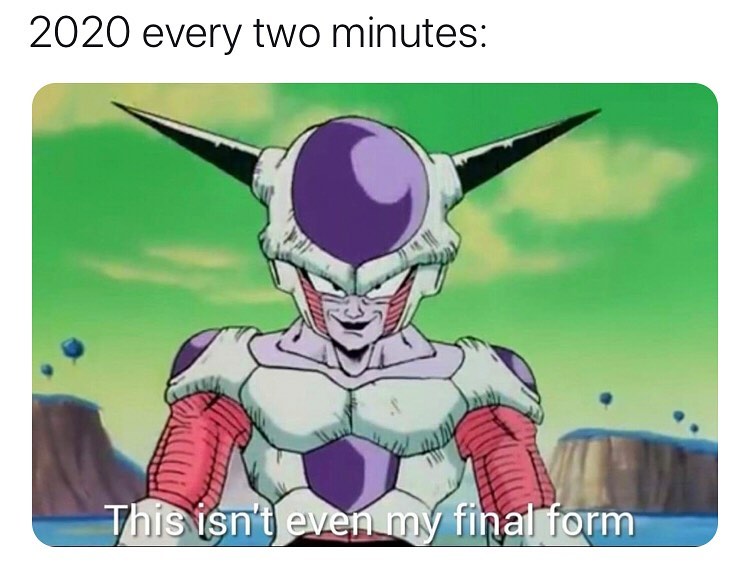
    Whew, chale. 2020 really came prepared.

    Here’s something we think you’ll love: 13 Old Nollywood Memes That Perfectly Describe 2020

  • Five Places To Visit In Ghana

    Ghana is known for its warm people. Don’t believe me? Ask the Jollof Road gang! Are you visiting Ghana soon? You probably are. Literally everyone is visiting Ghana in December. Here’s a list of recommended places to visit while you’re there: 

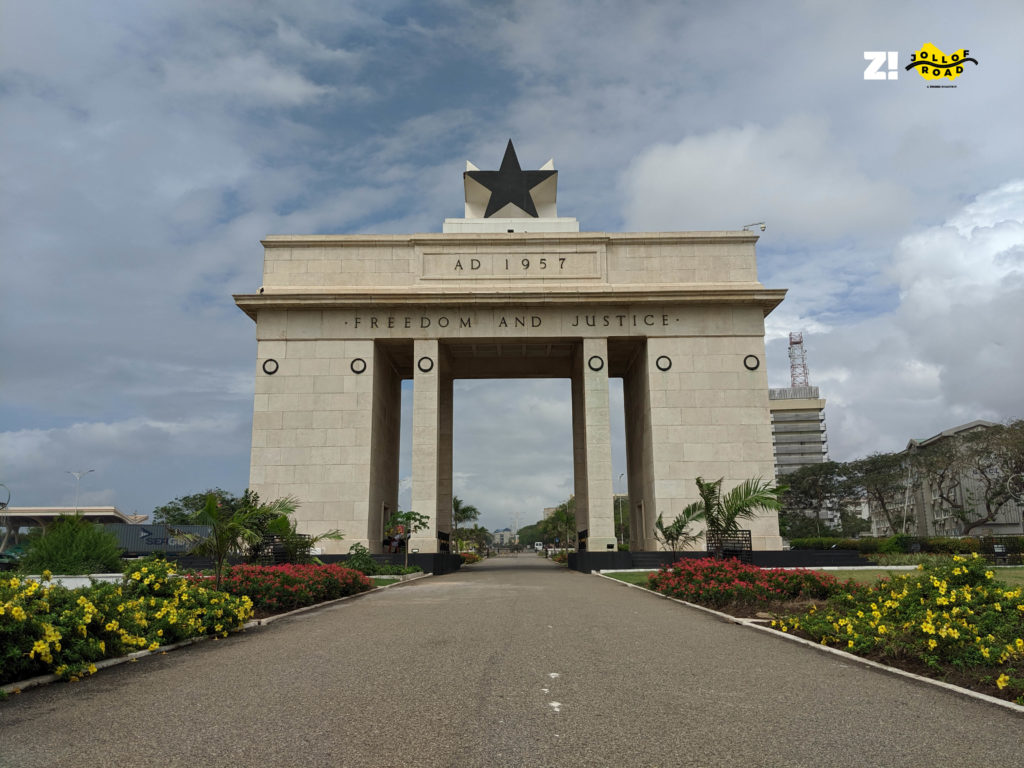
    1. Black star square

    The black star square is a public square located in Accra. In 1957, Kwame Nkrumah – former Prime Minister and President, commissioned the construction of the square to celebrate the country’s independence. It was finally completed in 1961 to honour the visit of Queen Elizabeth II. Interesting, right? I know! We visited this beautiful monument and had fun taking pictures. 

    2. Osu Castle

    The Osu Castle – also known as Fort Christiansborg, is located in Osu, Accra. It was built around 1659 by the Danes to initially serve as a site for trading activities. It also served as the seat of the Ghanaian government until 2013. The tour is free and only open to visitors on Fridays.

    Fun fact: Barack Obama was here during his visit to Ghana in 2009

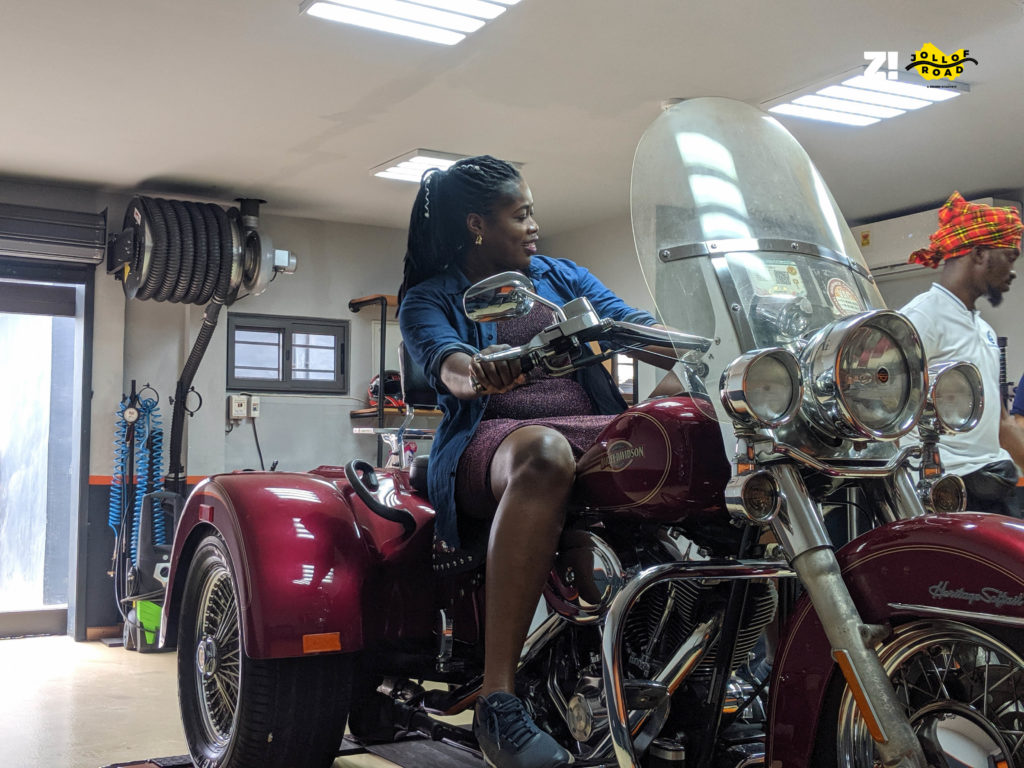
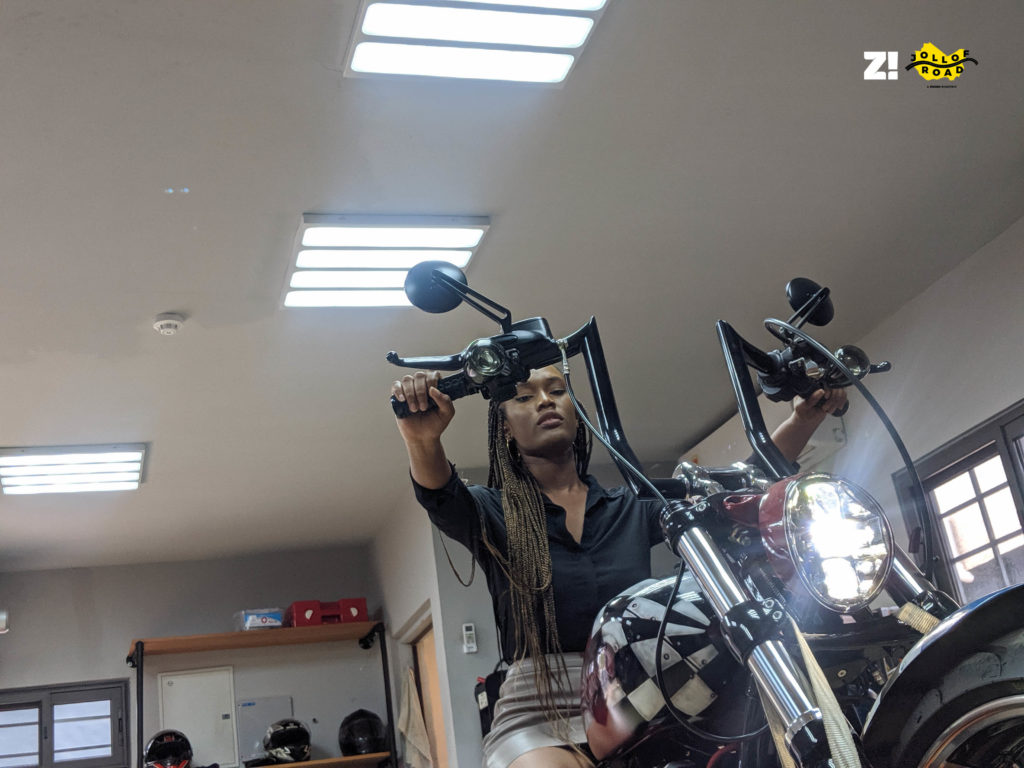
    3. Harley Davidson

    Harley Davidson is an American owned motor company with a showroom in Accra, Ghana. It is the only showroom in Western Africa. If you love motorbikes and are familiar with this iconic brand, you should definitely visit to get rad photos and have a test ride.

    Fun fact: you can find a community of bikers in Accra

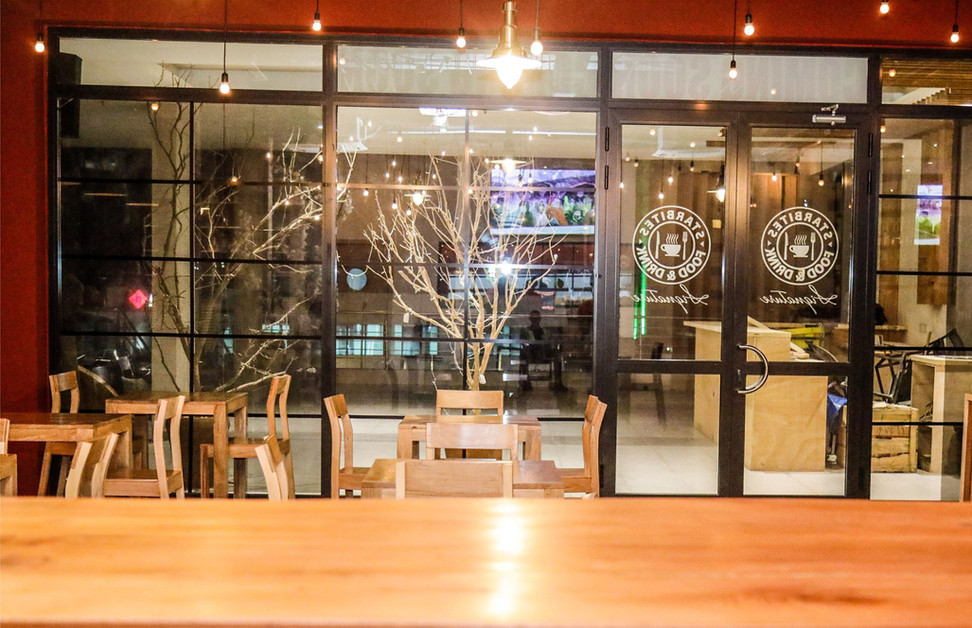
    4. Starbites Restaurant

    A sage once said that the best things in life are free. Well, guess what? They lied. Good food isn’t always free. This intercontinental restaurant is located in East Legon, Accra. You should definitely stop by this restaurant if you want to try some bomb ass food that can solve all your life problems.

    5. Bloombar 

    For my nightcrawlers, you weren’t left out. This is a good place to unwind after a long day of sightseeing and doing tourist-y things. You get live music, yummy food and great drinks all in one place.

  • Even though Nigerians are usually always trolling Ghanaians on social media, deep down we actually love them and their food.

    Here’s a few dee-lee-cious Ghanaian foods that you as a Nigerian is sure to love.

    Waakye And Shito

    https://www.instagram.com/p/Bepc8ZvgBzn/
    Waakye (pronounced wa-chayy) is an absolutely delicious Ghanaian dish of rice and beans. When served with the Shito sauce, your Nigerian mind will be blown, and you will shamelessly ask for more.

    Banku And Tilapia

    https://www.instagram.com/p/BlvlKUHHzGe/
    Banku is a lot like fufu, made by fermenting corn flour. It can be eaten with different soups and stews, but when paired with Ghana’s much-loved tilapia fish, shito and vegetables… Now that’s a match made in culinary heaven!

    Fufu And Light Soup

    https://www.instagram.com/p/Bi_PwaZhjmr/
    Ghanaian Fufu is commonly made by “pounding” cassava and unripe plantains together. When paired with Light Soup, you just know it’s about to go down! Light Soup is a really tasty tomato based soup that can be made with chicken, goat, or pretty much any other meat.

    Palava Sauce

    https://www.instagram.com/p/BT1eyNaAWk3/
    This picture is enough to convince you to try this. Palava Sauce is a delicacy made with meats, fish, vegetables and crushed bitter lemon seeds. Basically Ghana’s version of the Nigerian egusi and I gotta say… This bangs! Pair it with whatever you want and enjoy your life.

    Abenkwan Palm Nut Soup

    https://www.instagram.com/p/BQ9zjdHDgMd/
    Abenkwan Palm Nut Soup is a rich and totally delicious soup made with fresh palm nuts. If you’ve ever tried Banga soup, well… This is Banga’s twin that went to Ghana and started thriving. Too delicious. Pair it with your favourite swallow and chop like king!

    Kenkey

    https://www.instagram.com/p/BfEWE2kFe8Z
    Kenkey is one staple Ghanaian dish you’ll be unable to get enough of. It’s usually made out of ground maize, wrapped in banana leaves and boiled. Kind of like moi-moi, if you are a moi-moi lover this just might replace moi-moi’s place in your heart.

    In case you needed a little more motivation to try out any of these dishes, just watch this video of Waakye being made. Any Ghanaians on here? Did we leave any one out? Let us know!

  • Nigerians Were Almost Winning Against Ghana Until This Guy Mentioned Our President

    It is no news that there is, has been and most likely will continue to be, a kind of sort of ongoing beef like this between Nigeria and Ghana.

    But is it really any wonder? To Nigerians, Ghana is like that younger brother that is tired of staying under his big bro’s glory and wants to shine too.

    So it is common to find Nigerians throw shade at Ghanaians regarding everything from their complexion to whose jollof rice is really better.

    And it appeared like we were winning, for a while at least, until this happened…

    While this one was trying to claim Nigerian born but British trained current world heavyweight champion, Anthony Joshua, he forgot that it is not good to play with stones if you’re wearing glasses.

    https://twitter.com/IzuOdD/status/858454740312743936

    That’s how the thing backfired.

    Which really shouldn’t have pained Nigerians, if not that it was true.

    You see for the past few weeks Daddy Bubu has been using us to do hide and seek.

    And as this one has come to yab us now we cannot even report.

    Na to just siddon cry remain.

    Daddy Bubu, where are you na?!!

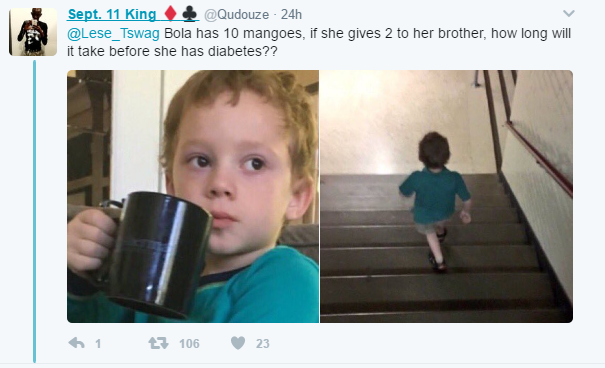
  • 16 Tweets That’ll Remind You Of Why You Hate Math
    This twitter user is reminding everyone why maths is the worst thing in the world and people are responding in the most hilarious ways.

    1. Who Kofi help?

    2. What concerns ladder with birthday?

    3. When you see the question and you already know you’re failing

    4. All job searchers know this struggle

    5. Hated seeing ‘x’ in maths class

    6. Chidi and Stella can do whatever they want

    7. The only answer to this is ‘Rice’

    8. Kuku kill me

    https://twitter.com/kojonokware/status/841412828460404737

    9. I don’t know o!

    10. It’s like this one will die in the friendzone o

    https://twitter.com/Qudouze/status/841590497827262464

    11. When your F is already loading

    12. It’s not adding up

    https://twitter.com/Latchenko/status/841611793554407425

    13. You, when the interviewer starts asking stupid questions

    14. But is it fair?

    15. For football lovers

    https://twitter.com/dammylare_/status/841642003674857472

    16. Question for the Gods

    https://twitter.com/buikem/status/841708610631716869
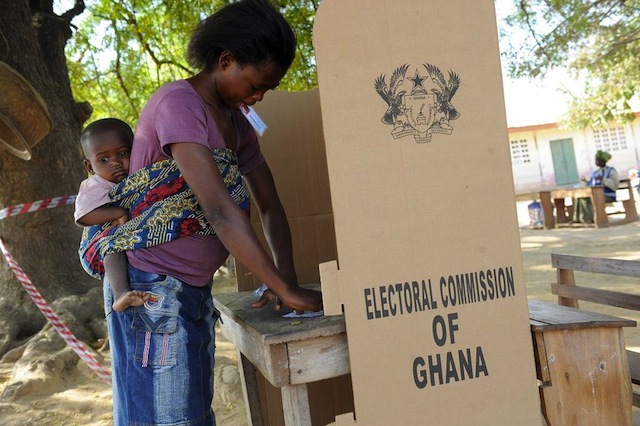
  • Ghanaians have peacefully opted for ‘change’ in the just concluded presidential elections, just like Nigerians did in the 2015 presidential elections.

    According to Reuters, two radio stations have called the results of the December 7 elections.

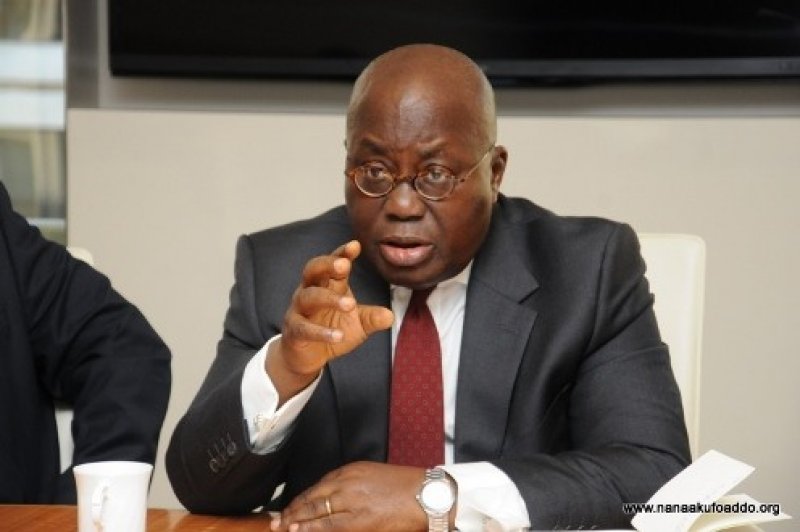
    Meet President-elect, Nana Addo Dankwa Akufo-Addo, leader of the opposition New Patriotic Party (NPP).

    72-year-old Nana Akufo-Addo ran for president under the NPP in 2008, 2012, and now in 2016. He previously served as Attorney General of Ghana and Minister for Foreign Affairs.

    Ghanaians are banking on him to bring ‘change’ to the country.

    https://twitter.com/officialdaddymo/status/807123310546944000
    Which one of you did this?

    Incumbent president, John Dramani Mahama, apparently did not get the memo: you dab, you lose!

    https://twitter.com/Ayina_r/status/807127696123817984

    Did he not see what happened to America’s Hilary Clinton?

    Hopefully, president-elect Nana will not put Ghana inside one-chance bus, like some people have…

    …we are not naming names, though!

  • This Ghanaian Music Video Dragging Nigerian Jollof Is An Epic Fail

    It appears Ghanaians are taking the Jollof wars to a whole other level. There’s been an intense battle since forever, over who cooks the best Jollof between the two countries.

    Even though we all know Nigerian Jollof is the main thing, this video is still hilarious!

    Nigerian Twitter is seriously dissing the video though.

    This person is just here to drag!

    Really, why was the background green and white?

    Now, let’s all sit and wait for the Nigerian version.

  • If you’ve had to cancel your travel plans this year due to the high exchange rate, we present to you Ghana!

    1. Adomi Bridge

    Such a fine, peng bridge.

    2. Hillburi Resort

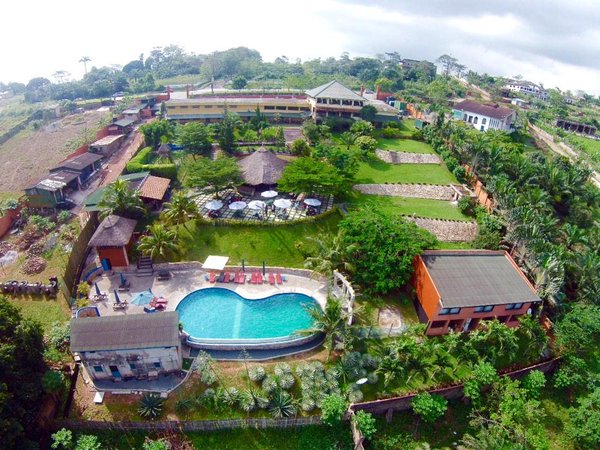
    This is the place to go for utmost relaxation.

    3. Busua Bridge

    We’ve heard so mang good things about this place.

    4. East Legon

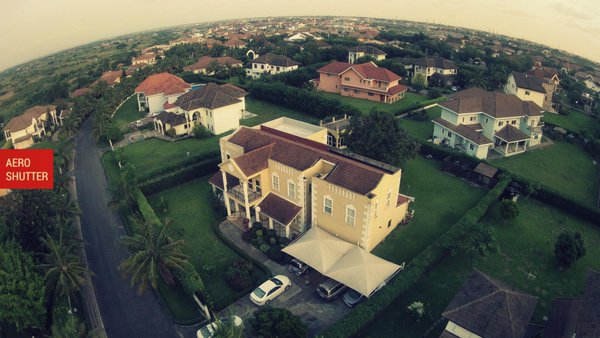
    This place looks so peaceful.

    5. Still on East Legon

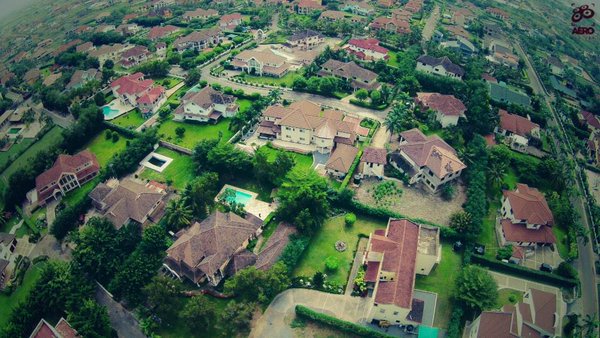
    Everywhere is just green anyhow!

    6. Villagio Apartments

    Somebody rent us a flat here, please.

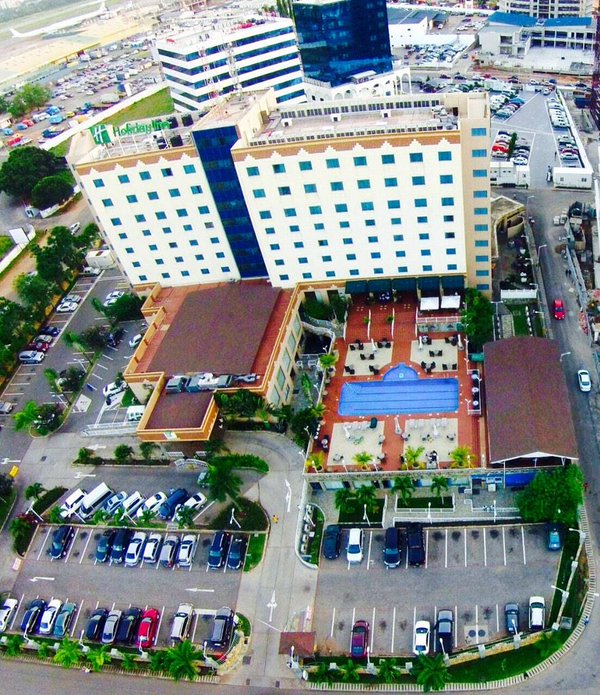
    7. Holiday Inn, Accra

    Wait, is that swimming pool on the…?

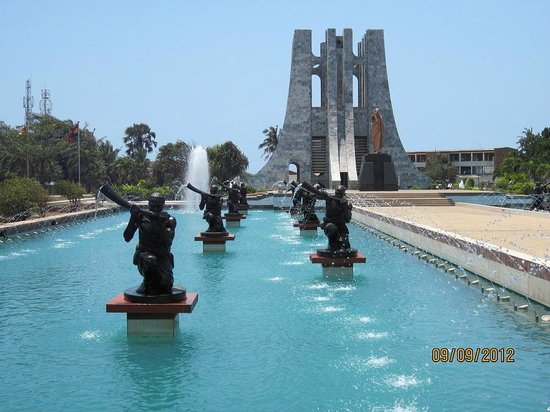
    8. Kwame Nkrumah Mausoleum

    The late DrKwame Nkrumah and his wife Fathia, are buried here. So cool!

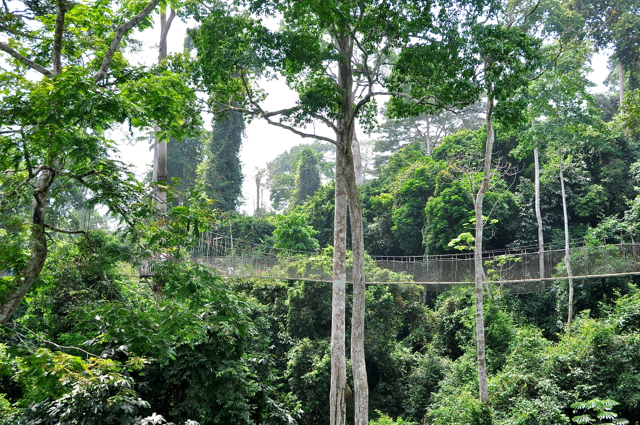
    9. Kakum National Park

    If you don’t get to the canopy walkway, did you really visit Ghana?

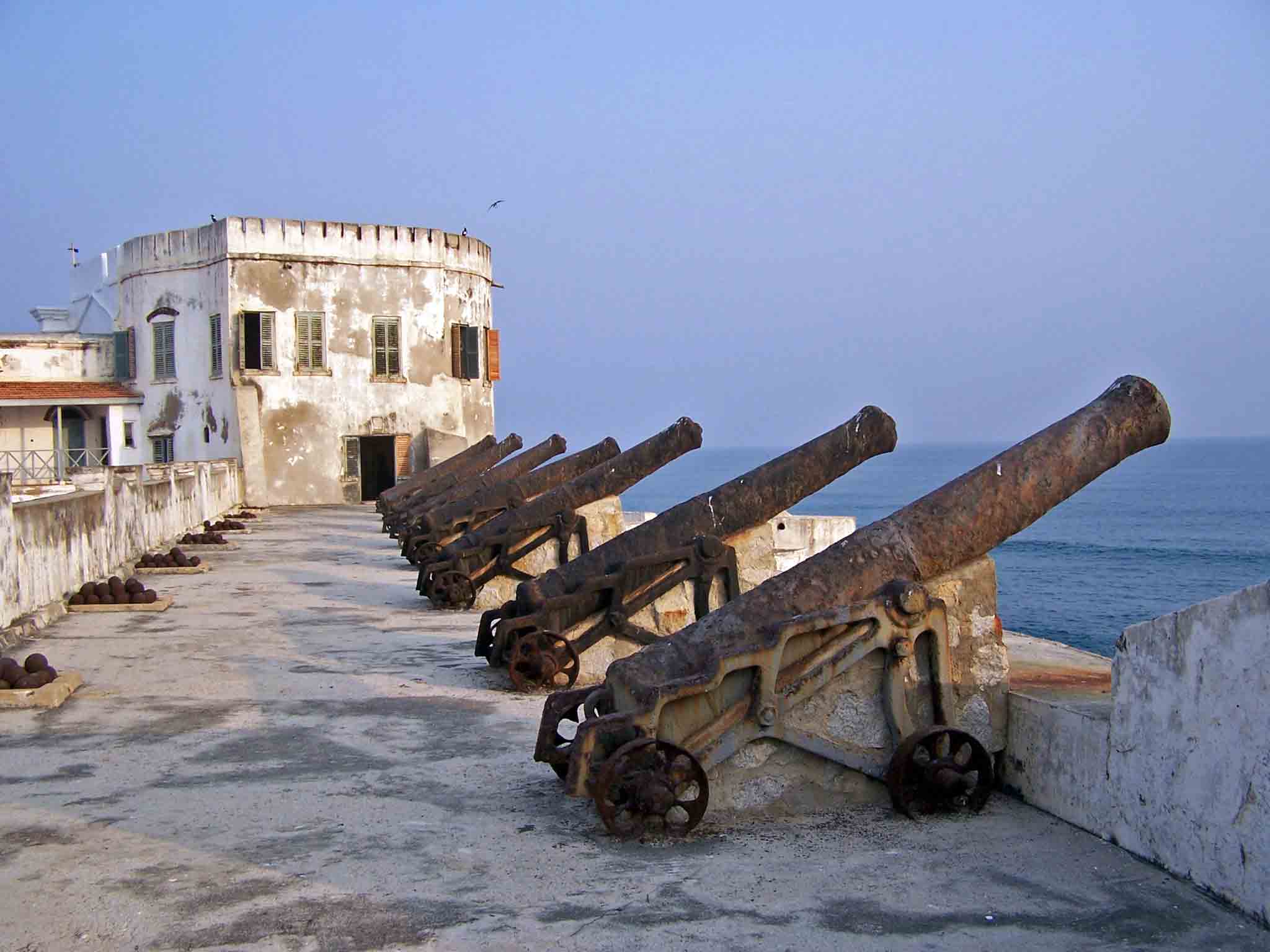
    10. Cape Coast Castle

    Just look at the beautiful ruin!

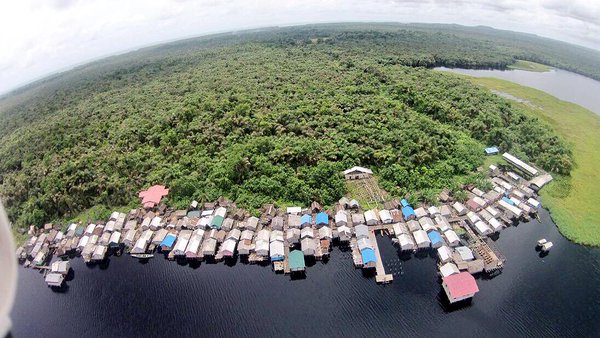
    11. Nzulezu Village

    The cutest mini fishing village ever!
  • If All Your Friends Are Members Of Rich Gang, This Post Is For You

    1. When you hear they dropped 300k for only prom.

    Ahn ahn! Only you?

    2. When they’re complaining that their holiday in The Bahamas was boring.

    Nawa oh!

    3. Meanwhile, you spent the holidays washing plates in the village.

    Anyway, this life is turn by turn sha!

    4. When they say they’re on a budget because they have ‘only’ 30k in their account.

    This one doesn’t know anything.

    5. When they buy something of N100 with N1000, and they tell the hawker to keep the change.

    I’m so going back to collect that change!

    6. When you go to their house and they treat you like royalty.

    This is heaven on earth!

    7. But you don’t want to go home , so your parents have to come to carry you from their house like:

    Give me one more day now!

    8. Their reaction when you talk about ‘jumping’ danfo.

    “What is a danfo?”

    9. When they come to your house and your parents start forming nice.

    But you people are always wicked to me now.

    10. When they buy 10k jeans in Yaba, and they tell you it’s cheap.

    They have scammed this one o!

    11. Their reaction when you baff up and wear your ‘designer’ kacks.

    “Are those knock off yeezys girl?”

    12. You, when their parents come to the hostel and start shouting that the room doesn’t have AC.

    But there is fan now!

    13. When they buy you plenty clothes from jand.

    Oshey friendship mi!

    14. How they react when you ask them about their problems in life.

    We already know ma!

    15. Their reaction when you tell them you’re always broke.

    Just look at this one.

    16. When they ask you to come and hang out at one posh restaurant you can’t even pronounce.

    I’m not on seat abeg!
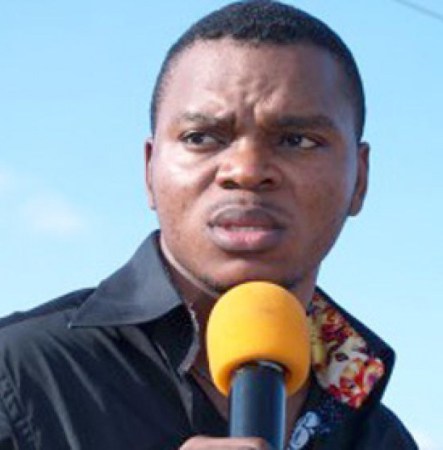
  • The Case Of The Ghanaian Pastor That Flogged Two People For Fornicating

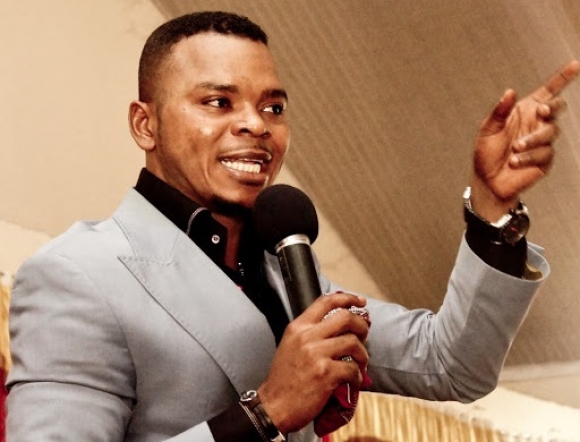
    Not long ago, this video of controversial Ghanaian pastor, Reverend Obinim, flogging two teenagers in his church for having sex went viral.

    https://twitter.com/iGitz_/status/766188645464301569

    And even though people all over the internet found this pastor’s action ridiculous…

    Some people thought this ridiculous act was funny.

    https://twitter.com/Kofi_Batsa/status/766260678126690304

    But that’s not why we’re here sha. Gist just broke that this unpopular pastor was arrested for fraud.

    According to the report, he’s currently in jail for being involved in an alleged 11.6 million Ghana Cedis fraud.

    The complainant claimed that he gave Pastor Obinim the large amount of money as payment for spiritual assistance. Unfortunately, the pastor didn’t deliver.

    In addition to this fraud wahala, he’s also being charged for physical assault of the two people he flogged in his church.

    We’re not going to say anything sha. Just let us know what you think in the comments section.

  • 10 Bad-Ass Women In African History You Should Totally Crush On

    1. Funmilayo Ransome-Kuti: Lioness of Lisabi.

    You know her as mother of the great Fela, but she was much more than that. A great advocate for women’s rights, Kuti led more than 10,000 women in a protest against native authorities at the palace of the Alake of Egbaland in 1949, causing him to relinquish his crown for a bit.

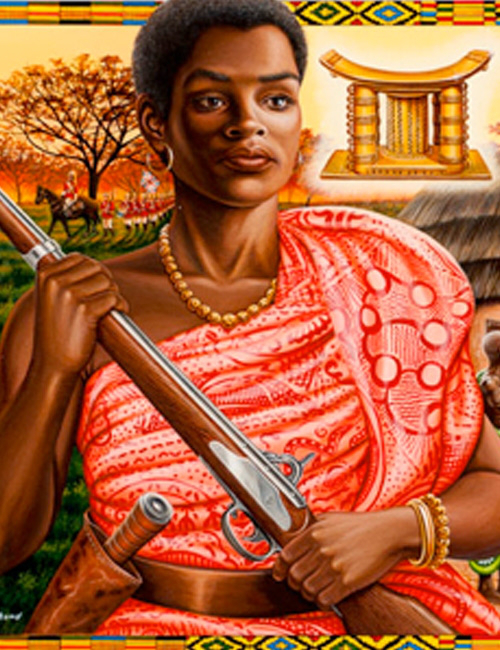
    2. Yaa Asantewaa: Queen Mother of Ashante Kingdom.

    Born in 1840, Yaa Asantewaa became famous for leading the Ashanti rebellion against British colonialism to defend the Golden stool- a symbol of the Asante Kingdom- from Frederick Hodgson, then Governor-General of The Gold Coast.

    3. Queen Aminatu: Warrior of Zazzau.

    Born around 1533 in Zazzau (now Zaria), Amina was a fearsome warrior with a great army and empire. Her story inspires the fantasy series: Xena, The Warrior Princess.

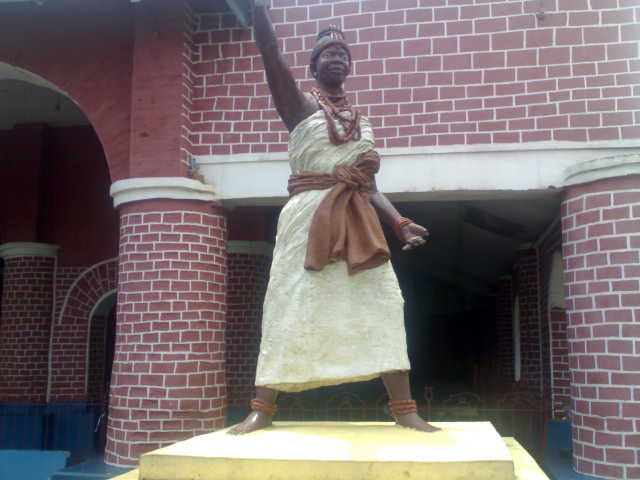
    4. Moremi Ajasoro: Olori of Ile-Ife.

    Married to King Oranmiyan, this brave queen risked her life by going undercover to learn the secrets of the tribe terrorizing her people.

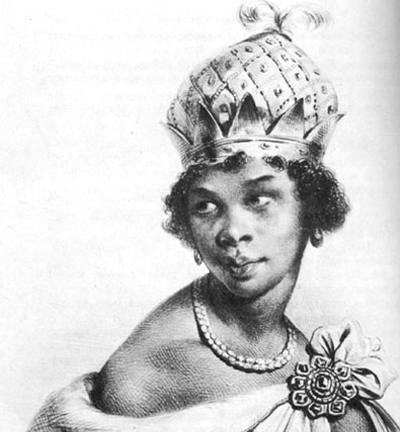
    5. Ana de Sousa Nzinga Mbande: Ngola of Ndongo

    Some say she was a queen, others believe she was a ruthless ‘king’! At the turn of the 17th century, Nzinga fearlessly and cleverly fought for the freedom of her kingdom from the Portuguese, who were colonizing the area now known as Angola.

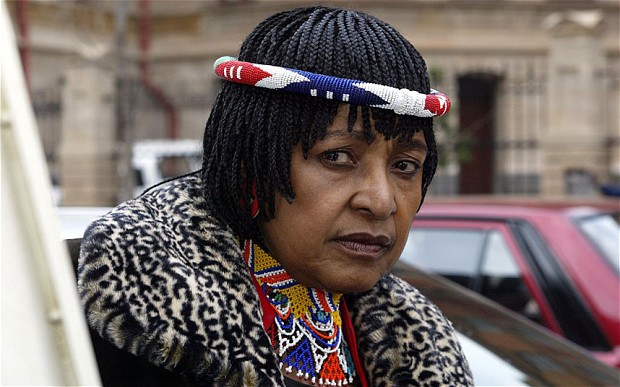
    6. Winnie Madikizela-Mandela

    Born 1936, South Africa’s first black professional social welfare worker chose to struggle for equality and justice for all people in South Africa. After her marriage to Nelson Mandela in 1958, she suffered harassment, imprisonment, and periodic banishment for her continuing involvement in the struggle against apartheid.

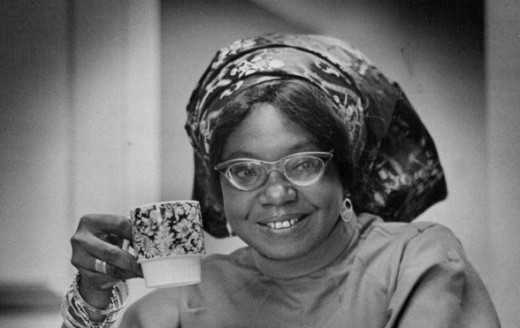
    7. Flora Nwapa: Mother of modern African literature.

    Born 1934, Nwapa’s ‘Efuru’ was the first book written by a Nigerian woman. Flora unarguably paved the way for a generation of African women writers. ‘Efuru’ (1966),  is based on an old folktale of a woman chosen by the gods.

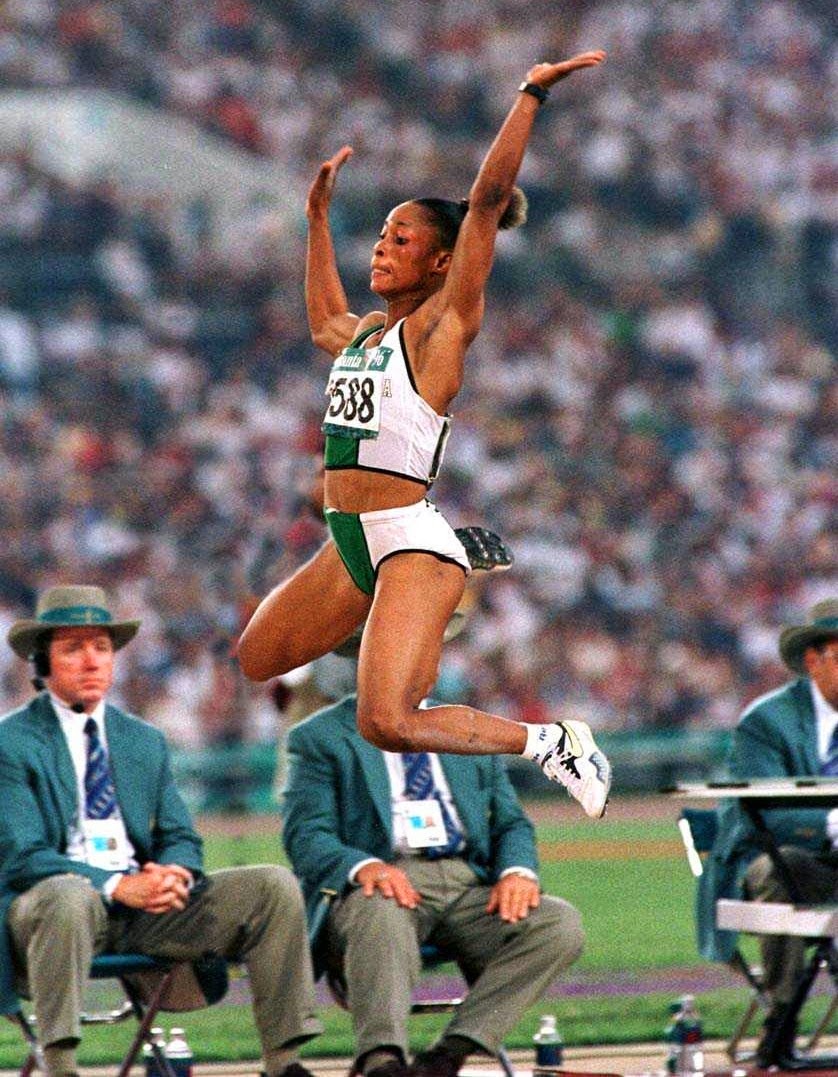
    8. Chioma Ajunwa-Opara, MON.

    Chioma was the first West African woman, as well as the first Nigerian, to win an Olympic gold medal in a track and field event when she emerged victorious in the women’s long jump event at the 1996 Olympics in Atlanta.

    9. Margaret Ekpo: Political activist.

    Born in Cross River in 1914, Ekpo was among the first wave of Nigerian women in politics. She was known for attending political rallies, and unionizing women to fight for their rights.

    10. Miriam Makeba: Mama Africa.

    Widely known for her incredible voice and music, Makeba was also a political activist. In 1963 she testified against apartheid before the United Nations. As a result the South African government revoked her citizenship and right of return. She stayed in America and married Stokely Carmichael, a Black Panther leader.

    This is post is brought to you by MAGGI @ 50:

    The big idea for the MAGGI 50th anniversary campaign is: Let’s Celebrate. We intend to do this primarily by sending gift boxes containing specially curated ingredients and gifts to women influencers pan Nigeria & beyond for trusting MAGGI in the past years, and in the future ahead. Click the link below to learn more.
  • 13 Pictures Only Proper Fans Of Mr Eazi Will Understand

    1. You, the moment you hear “ZAGADAT”:

    My body is ready.

    2. When a Nigerian musician says “it’s your boy…” but it’s not Mr Eazi.

    Will you leave this place.

    3. You, playing a Mr Eazi song for the first time:

    It’s already a jam.

    4. You, whenever they start playing ‘Hollup’ on the radio:

    No other option.

    5. How you sing when ‘Skin Tight’ comes on:

    The best.

    6. You, trying to find a Mr. Eazi song you don’t like:

    Nope. Doesn’t exist.

    7. When you’ve been at a party for 5 minutes and the DJ has not played Mr Eazi yet.

    This one is not a serious person.

    8. When someone asks you what your favourite Mr Eazi song is.

    Chai! See JAMB question.

    9. How you feel when someone you introduced to his music starts jamming it:

    Wondafuu.

    10. When someone tries to tell you that all his songs sound the same.

    Save it.

    11. You, praying for Mr Eazi to blow even more:

    Baba God, do it for your boy.

    12. How you treat people when they discover his music:

    WELCOME!

    13. You, waiting for Mr Eazi to drop his album already:

    Drop it for us oh!

    For those of you who have never heard of him, well, you’re welcome:

    https://www.youtube.com/watch?v=djfEaX2tA7M
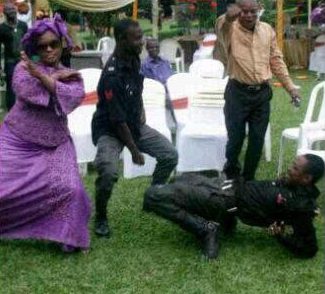
  • This Video Is Proof That Ghanaian Police Officers Know How To Get Down

    Just when we thought Nigerian police officers were the only ones that liked to form bad guy…

    And turn up like there’s no tomorrow…

    These Ghanaian officers just shocked us in this video.

    They were giving us serious moves o!

    Ghanaians, when they see the police officers twerking up and down.

    Not every time enforce law, sometimes throw home training away and turn up!

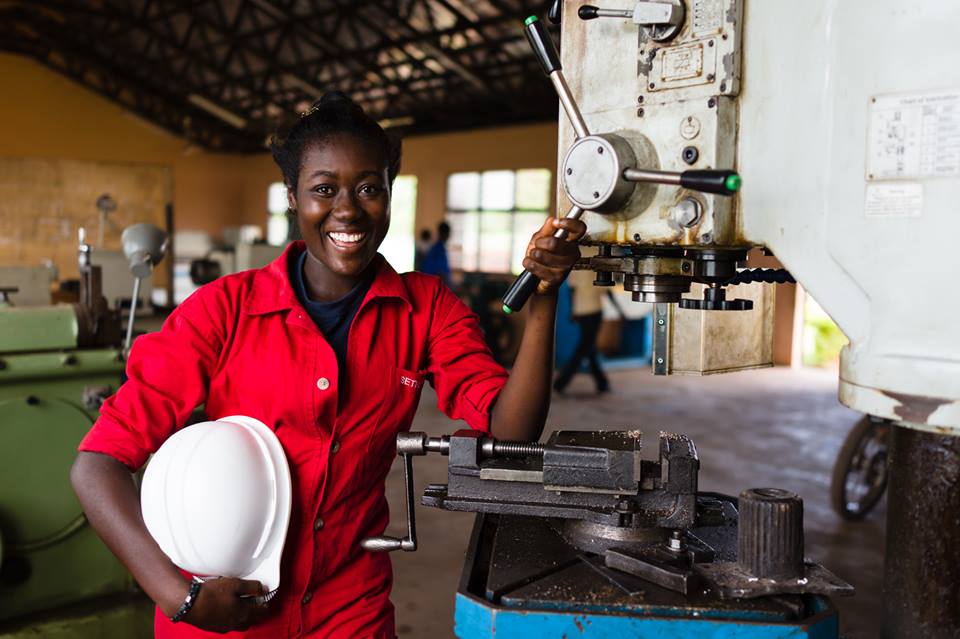
  • Rosemary Amposah Wants To Be A Badass Welder But Haters Don’t Like It
    The world is slowly coming to accept that women can aspire to be whatever they want to be. In this inspiring story shared by UNICEF, this Ghanaian woman once again shows us there’s nothing wrong in following ones dreams.

    Like most of our parents, Rosemary Amposah’s mother always wanted her to be a nurse, doctor or at least join the police force. She believed people in such occupations were highly respected.

    However, plans changed when she graduated from high school and started working as a sales attendant at a filling station because there were only few jobs around. Unfortunately, her job brought little fulfillment.

    Surprisingly, her father proved to be far from the typical African father when he encouraged her to learn welding and enrolled her in an institution to help with her training even though her mother hated it.

    Joining the school made her the first girl in her class with other 15 boys, and instead of cheering her on, most people only passed negative comments. Especially a man who said her job was going to prevent her from getting married and having children.

    In spite of the long distance (she walks to her school) and all the negativity, Rosemary doesn’t even care about what the haters have to say.

    It’s funny how people never mention how a man’s job will prevent him from having children or getting married.

    Well sha, we’re very inspired by Rosemary’s story and wish her the best!

    Featured image credit: UNICEF
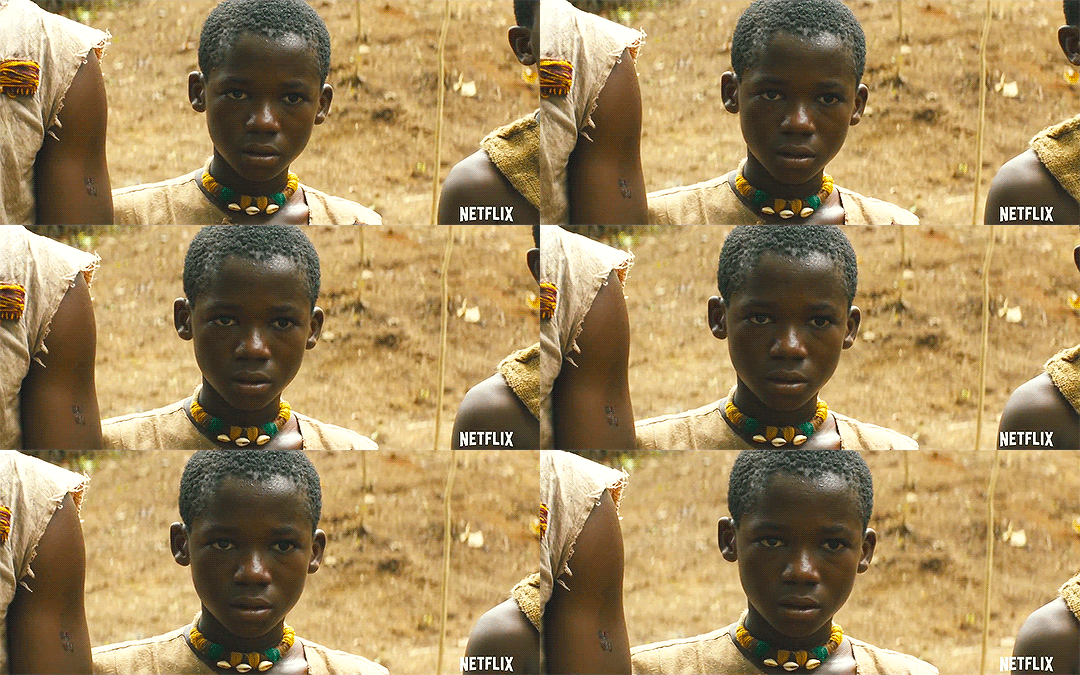
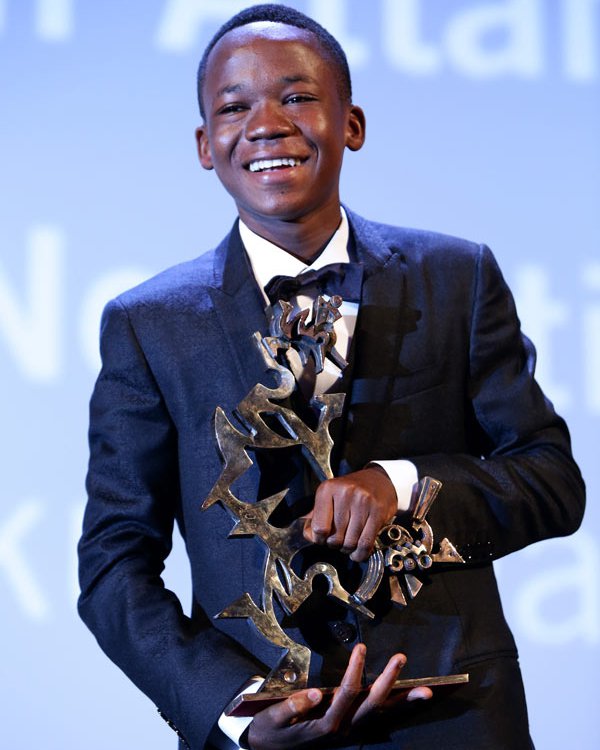
  • Winning! Beast Of No Nation Star, Abraham Attah Has Been Cast In The New Spiderman Movie

    Abraham Attah, the young actor that captured our hearts with his role as Agu in Beasts of No Nation is going big in Hollywood.

    His amateur but equally award-winning performance has not only earned him awards…

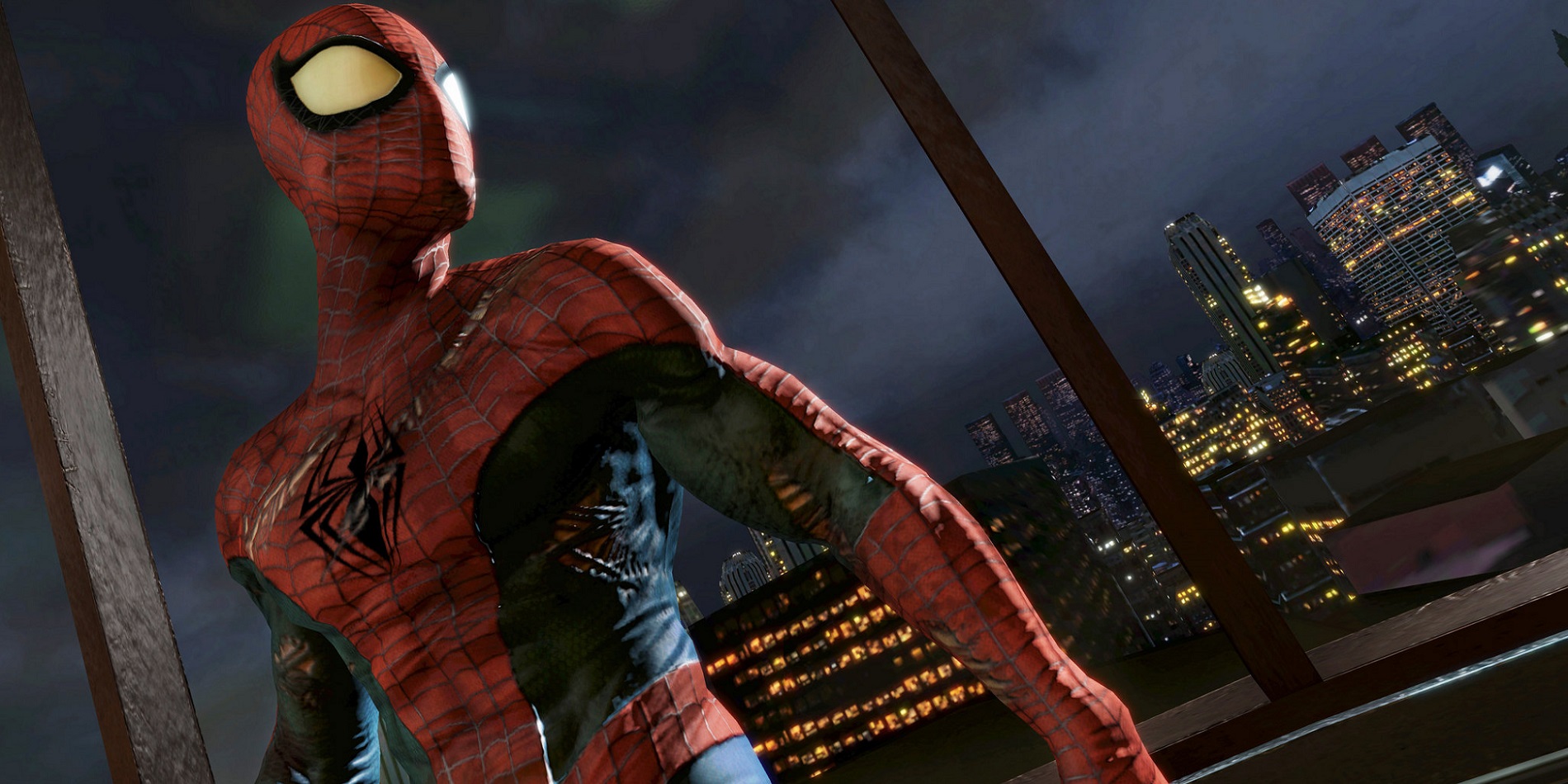
    But also a spot in the cast of the forthcoming Spiderman movie!

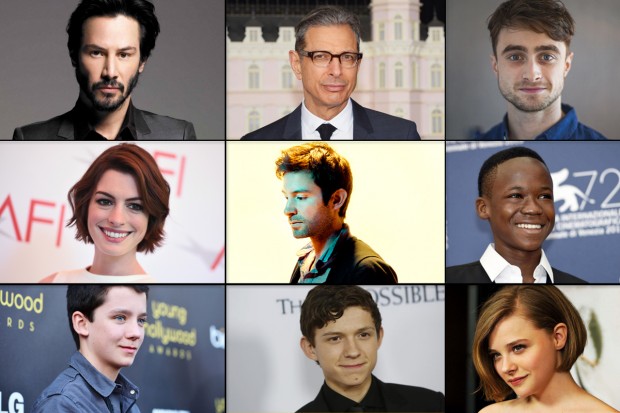
    Although his role is yet to be announced, he’ll be joining actors like Zendaya, Tom Holland and Micheal Keaton.

    He is also set to star in a drama film, The Modern Ocean, which also includes Daniel Radcliffe, Keanu Reeves and Anne Hathaway.

    The Spiderman movie is obviously going to be lit! Abraham is only going to greater places and we hope he wins an Oscar soon!

  • A Pastor And Babalawo Fought A Spiritual Battle Over Who Was More Powerful
    This spiritual battle between a Ghanaian babalawo and another pastor reminds us of the latest Batman Vs Superman movie- how the fight looked like it was going to be one deadly match!

    Apparently, Bishop Obinim, the Founder of International Leadsway church got mad when a spiritual priest claimed to be the source of his healing powers.

    Na wa!

    Bishop Obinim got angry and challenged the priest, Okomfo Yaw Appiah, to a spiritual battle at Jackson park, Kumasi.

    As per actor and boss.

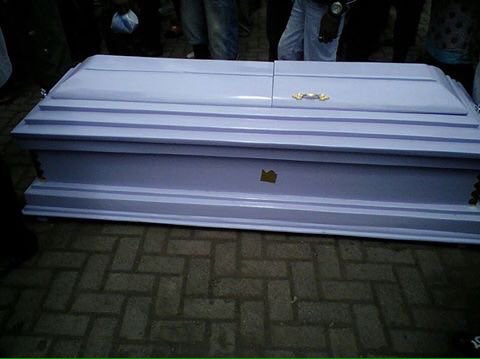
    The rules were simple. Bishop Obinim wanted the priest to come and show his powers and the loser gets to be buried in a coffin.

    The loser should just go and report to God in heaven.

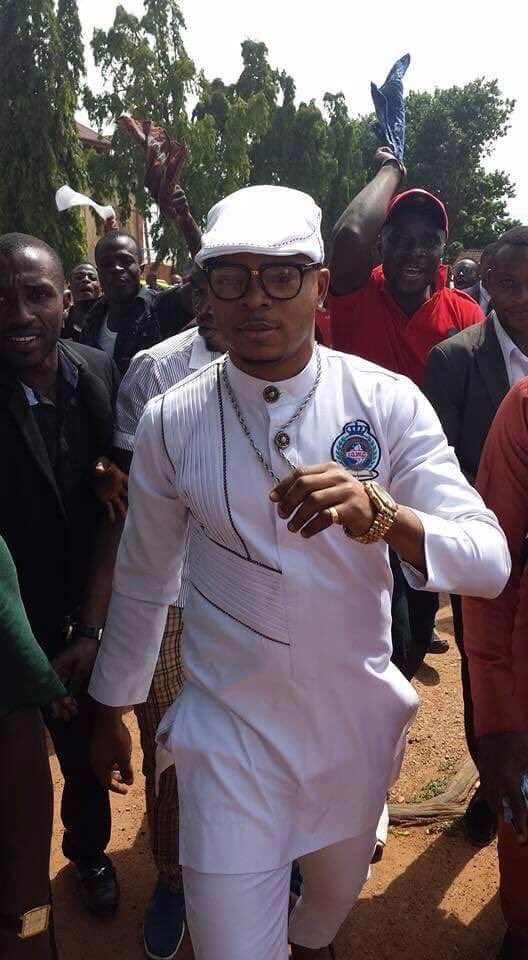
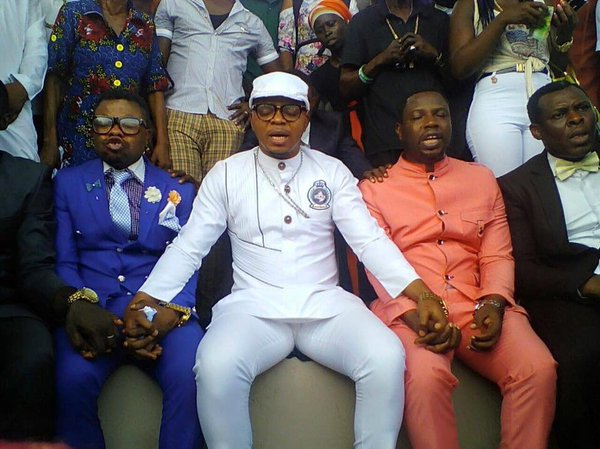
    Being a baby boy, the bishop came dressed in all white and bling with two VIP buses full of his congregation.

    As per angel of the most high.

    Funny enough, after making plenty mouth, Priest Okomfo didn’t show up because he claimed the police ‘prevented’ him from coming for the battle.

    Instead of him to say he’s not doing anymore.

    Bishop Obinim kuku declared himself winner of the battle in the presence of the over 3000 people who gathered to watch the battle.

    3,000 people no get work?

    Watch the full video of the drama here:

    https://www.youtube.com/watch?v=uoIzubG8BNg&nohtml5=False
    [zkk_poll post=28342 poll=content_block_standard_format_8]
  • This Ghanaian Ad Is The Funniest But Coolest Condom Ad You’ve Ever Seen
    Many of us have heard of the several Sexually Transmitted Diseases (STDs) that exist and ways to prevent them.

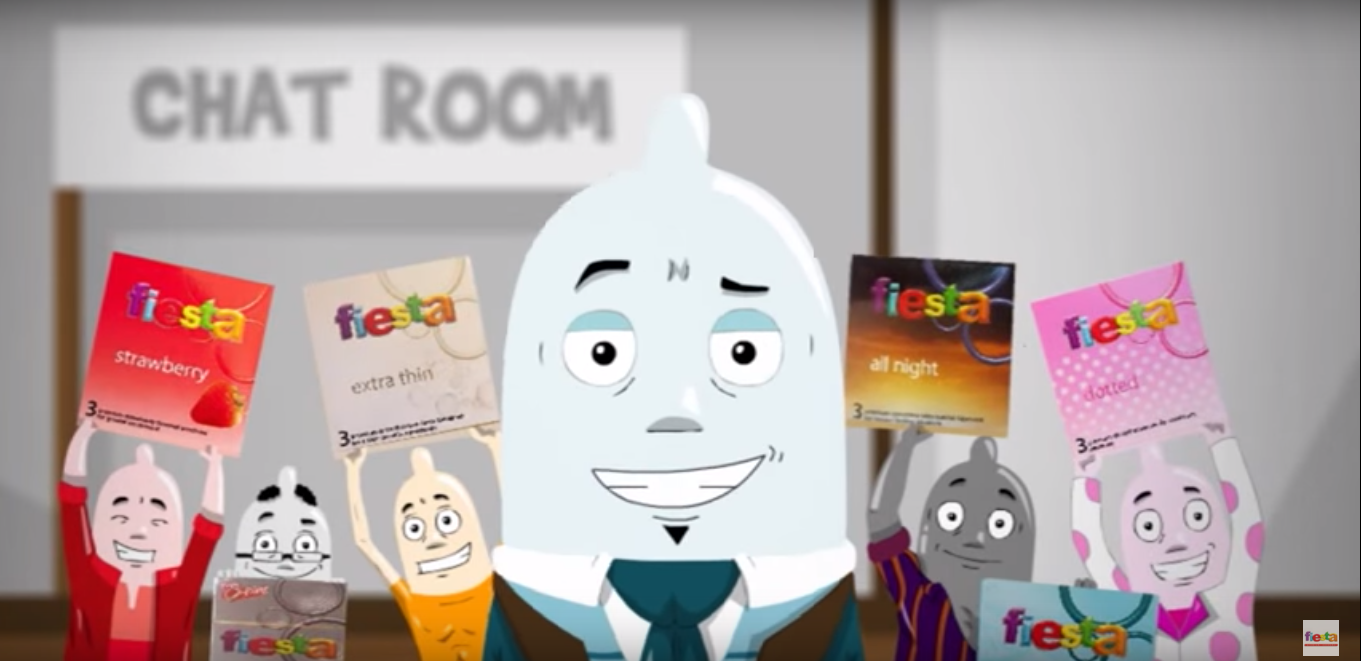
    Ghanaian condom brand, Fiesta Condoms put out a hilarious but educating animated series about the advantages of using condoms on their Youtube channel.

    It is not a surpsrise that Fiesta Condoms are a trademark of DKT International, the non-profit organization that promotes family planning and HIV prevention through social marketing.

    They kicked things off on their Youtube channel with this funny skit about a couple that would rather pray away STIs and infections rather than use condoms.

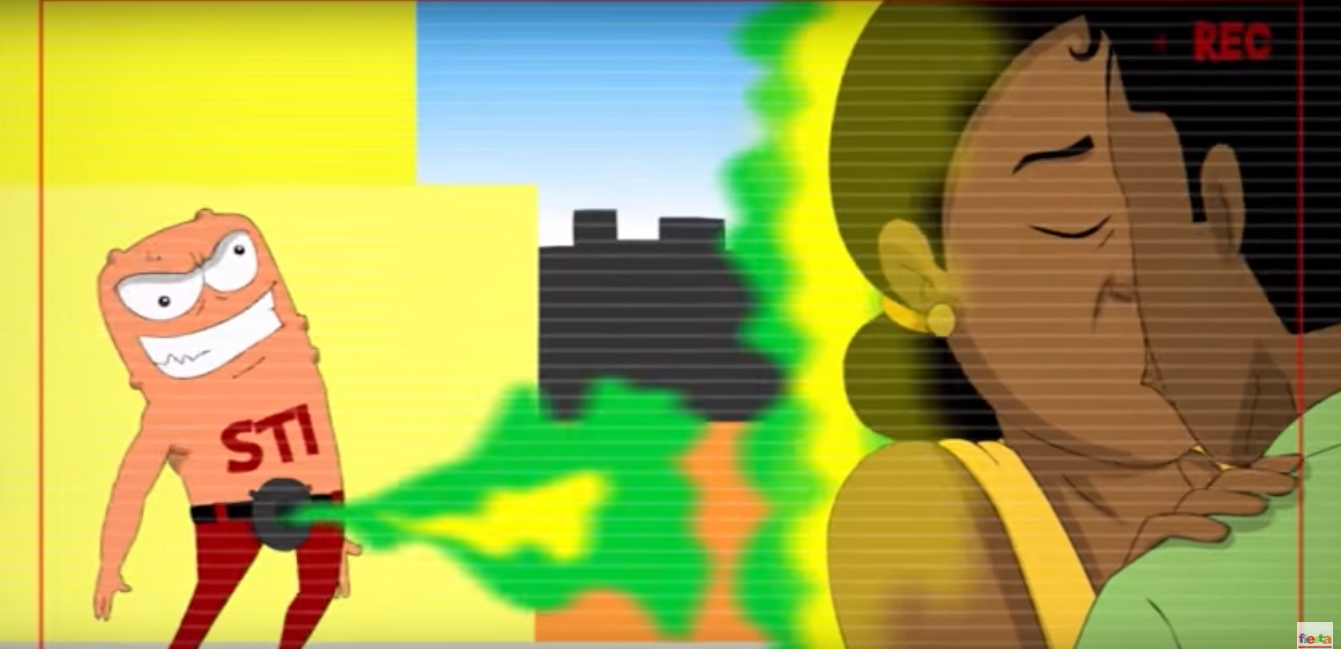
    Then, this funny ad tells the story of a hideous STI that terrorizes couples in the land giving them infections. The Superheroes, Fiesta condoms come to the rescue and save the day.

    Check out the full video here.

    You can also watch other ads on their channel, Fiesta Condoms Gh.
  • We’ve Seen the Nigerian Pu… Ahem… Video and We Have Things to Say [NSFW]

    By now, you’ve definitely heard of Princess Vitarah’s “Nigerian Pussy” song.

    And people can’t seem to make up their mind if they love it or hate it.

    Now before we start, we’re going to borrow an idea from Siyanda Panda 🙂

    Considering how sweet jollof rice is, we can’t really blame her.

    And that analogy makes sense when you think about it…

    Nigerian jollof better than Ghanaian jollof? Nigerians aren’t arguing – no matter what you mean by jollof.

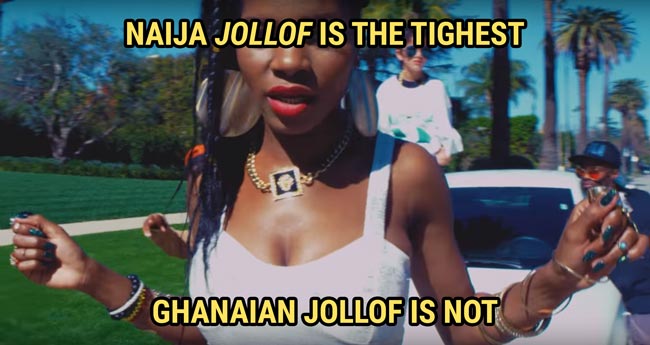
    That Naija *jollof* is better than Ghanaian *jollof*

    This is what we have been saying since.

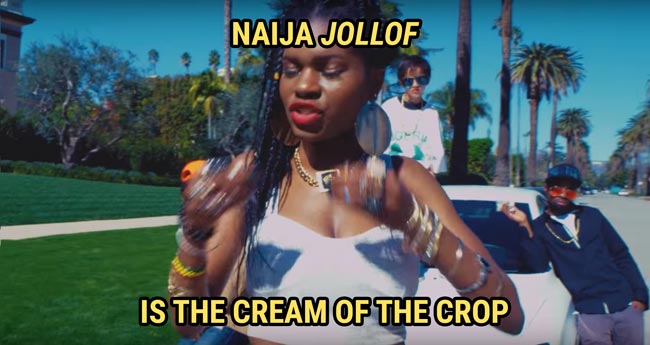
    That it’s the cream of the crop

    Preach it sister!

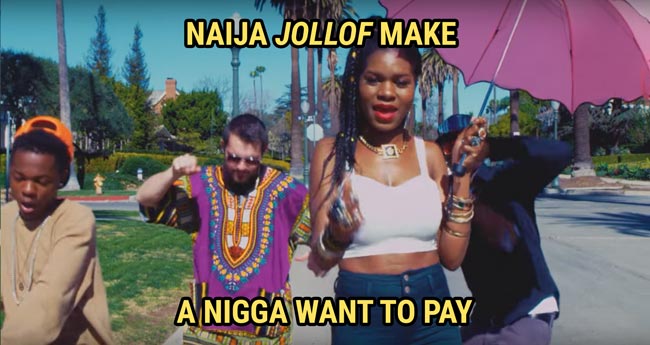
    That it’s so sweet that men pay for it…

    She reminds us of the feeling at every great party

    (or threesome)

    What happens to oyinbos when they taste Nigerian jollof

    This one is finished but he doesn’t know it yet.

    That Jollof is best with chicken

    That a great mama put can destroy your salary

    We’re still talking about jollof yeah?

    That great Jollof can make you Shoki

    Anyway, enjoy the video here

    https://www.youtube.com/watch?v=N7MzBv98D-s&feature=youtu.be
    https://www.youtube.com/watch?v=OlrqGakejd4
    [zkk_poll post=21586 poll=content_block_standard_format_13]
  • This Little Boy Didn’t Let Cancer Stop Him From Living His Dream
    According to the Paediatric Society Of Ghana, 70% of the children diagnosed at their center are left to die by their parents due to the whooping sum of money needed for chemotherapy and other treatments.

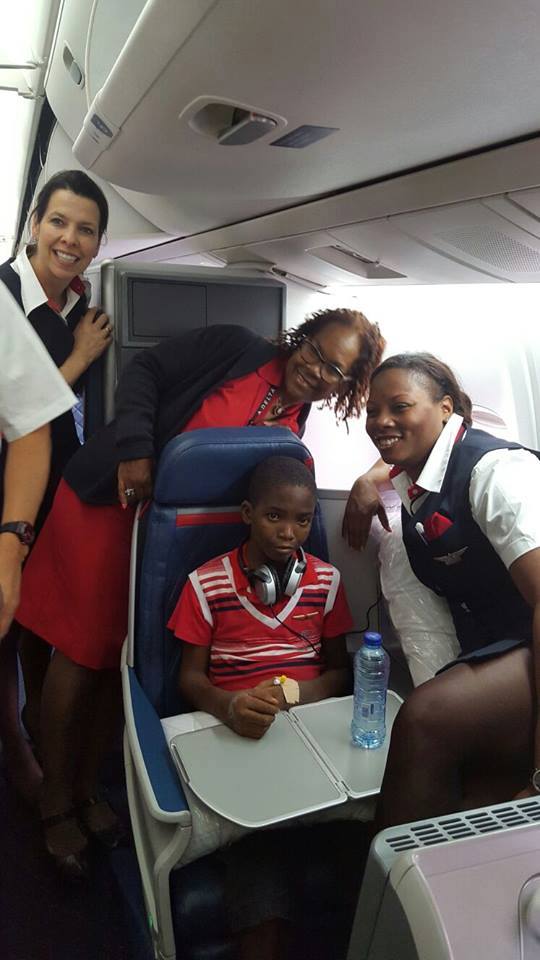
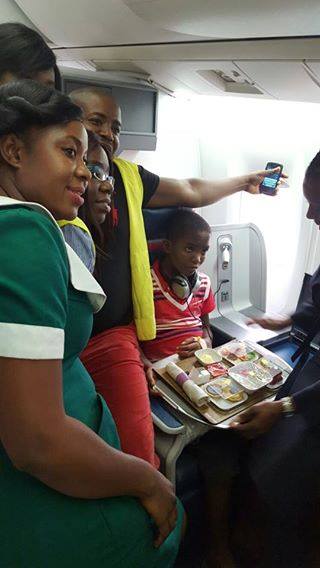
    Photos of this young Ghanaian boy went viral after he requested to see the interior of an airplane for the first time in his life.

    Due to lack of funds and and consequently insufficient medical care, he was recently informed by doctors that he has a very limited time to live.

    Upon learning his fate, he simply requested for something he had always wished for all his life.

    His wish was granted by Delta airlines and he was driven in an ambulance to the airport accompanied by the nurses of the hospital.

    After his story went viral, people on social media called out to willing donors to assist his cause.

    Unfortunately, his parents have given up all hope and are refusing monetary donations from willing volunteers.

    In a society where poverty and illiteracy thrives, many more children like this unnamed little boy have lost their lives to ailments that could have been managed under normal conditions. We hope steps are taken to help children like this boy in the future.

    What do you think about this little boy’s heart breaking story?

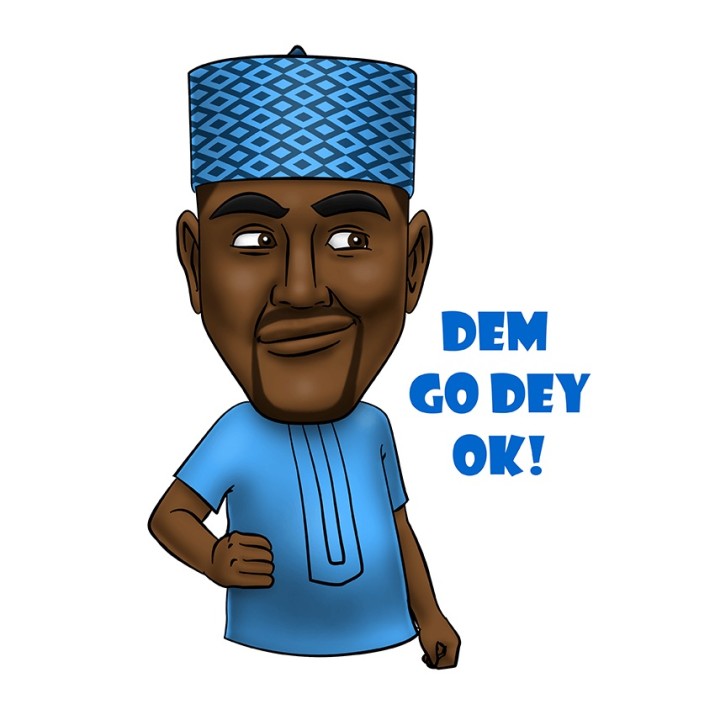
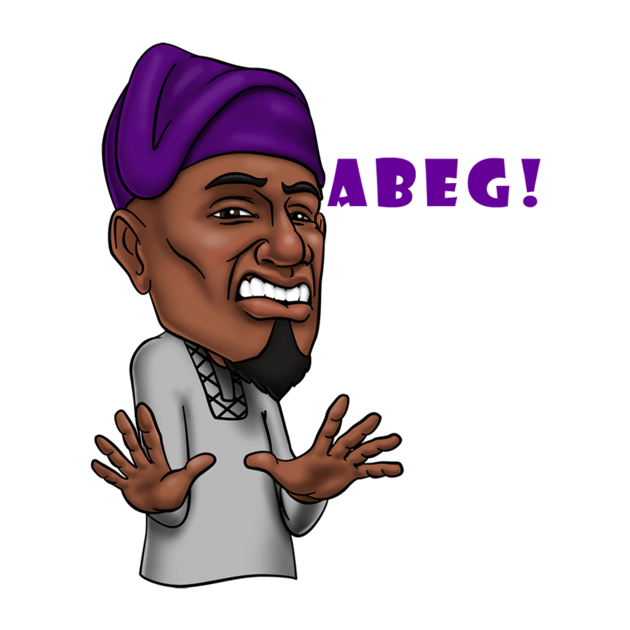
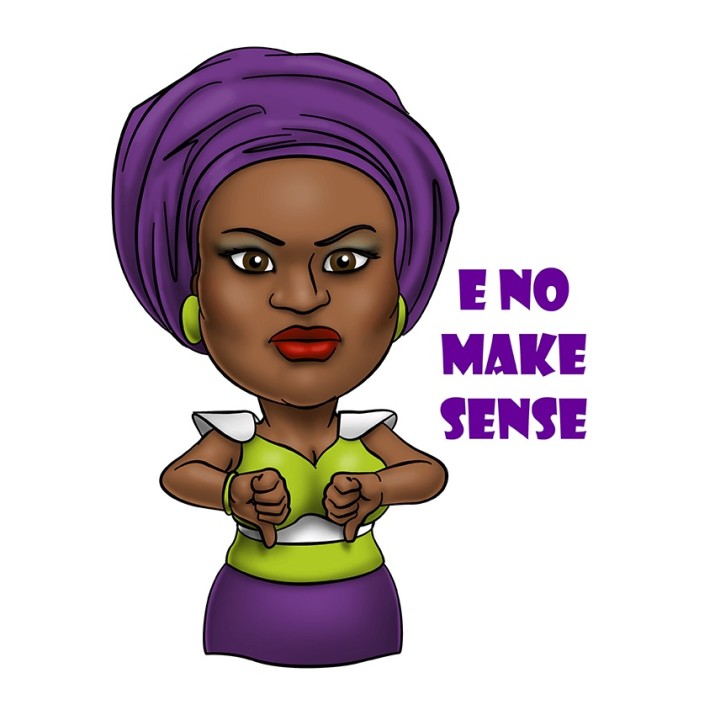
  • Nigerian And Ghanaian Themed Emojis Are Finally Here And Free To Download!

    Do you ever feel like there’s no emoji in the app store to really express how you feel while chatting?

    Those times you really want to let out your African-ness but the ones available are too tame for you?

    The Afro Emoji app, launched in January 2016 was created with the aim of placing African culture in the tech world.

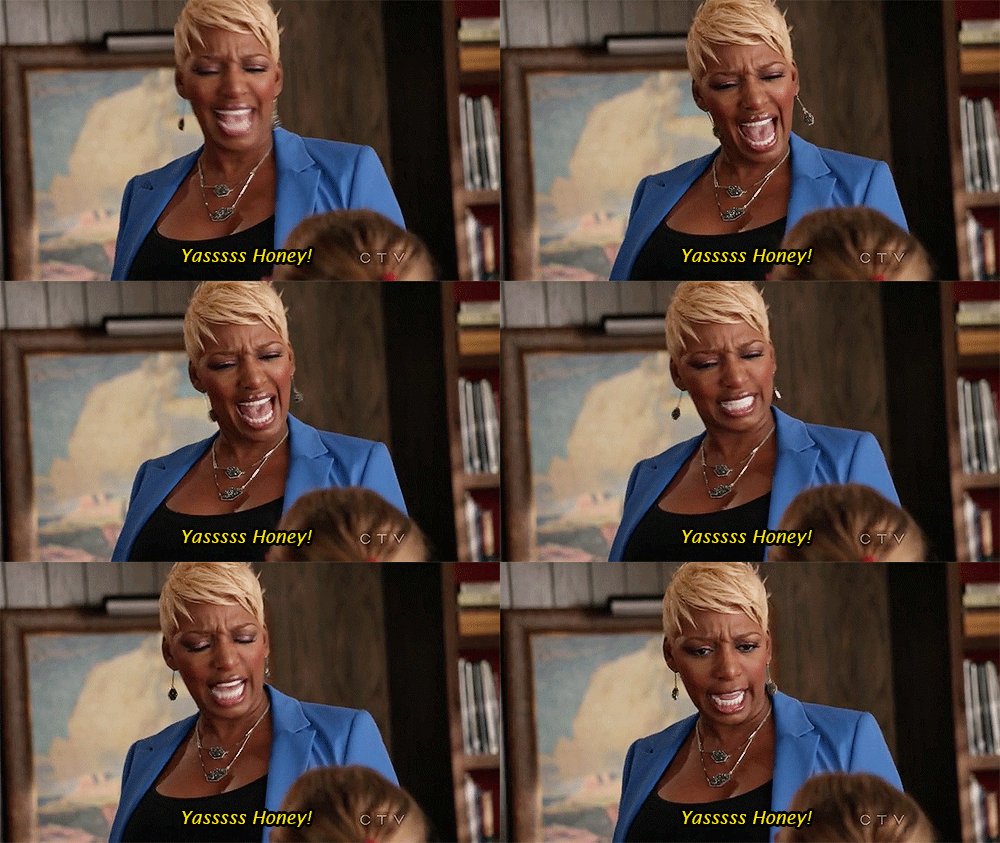
    For those that have been looking for a free sticker in pidgin, this is the part where you say YASSSS!!!

    With the fast global rise in mobile technology, the team at Afro Emoji aim to bridge the gap between Africa and the rest of the world.

    Because Africans have a different style of communicating with each other, the Afro Emoji team leader, Ayoola Daramola says the app aims to make online conversations more fun and diverse for Africans.

    Everybody will be alright in the end.

    For when something/someone irritates you….

    And when you disagree with something.

    When you’re trying hard not laugh.

    And when it’s time to turn up!

    For the Ghanaian folks.

    And the best part is that the app comes with 50 free stickers.

    You can download for free on Google Play Store and App store. Unlocking the other 300 stickers costs as low as $1.99.