Notice: Function _load_textdomain_just_in_time was called incorrectly. Translation loading for the wordpress-seo domain was triggered too early. This is usually an indicator for some code in the plugin or theme running too early. Translations should be loaded at the init action or later. Please see Debugging in WordPress for more information. (This message was added in version 6.7.0.) in /home/bcm/src/dev/www/wp-includes/functions.php on line 6121 Fela Kuti | Zikoko!
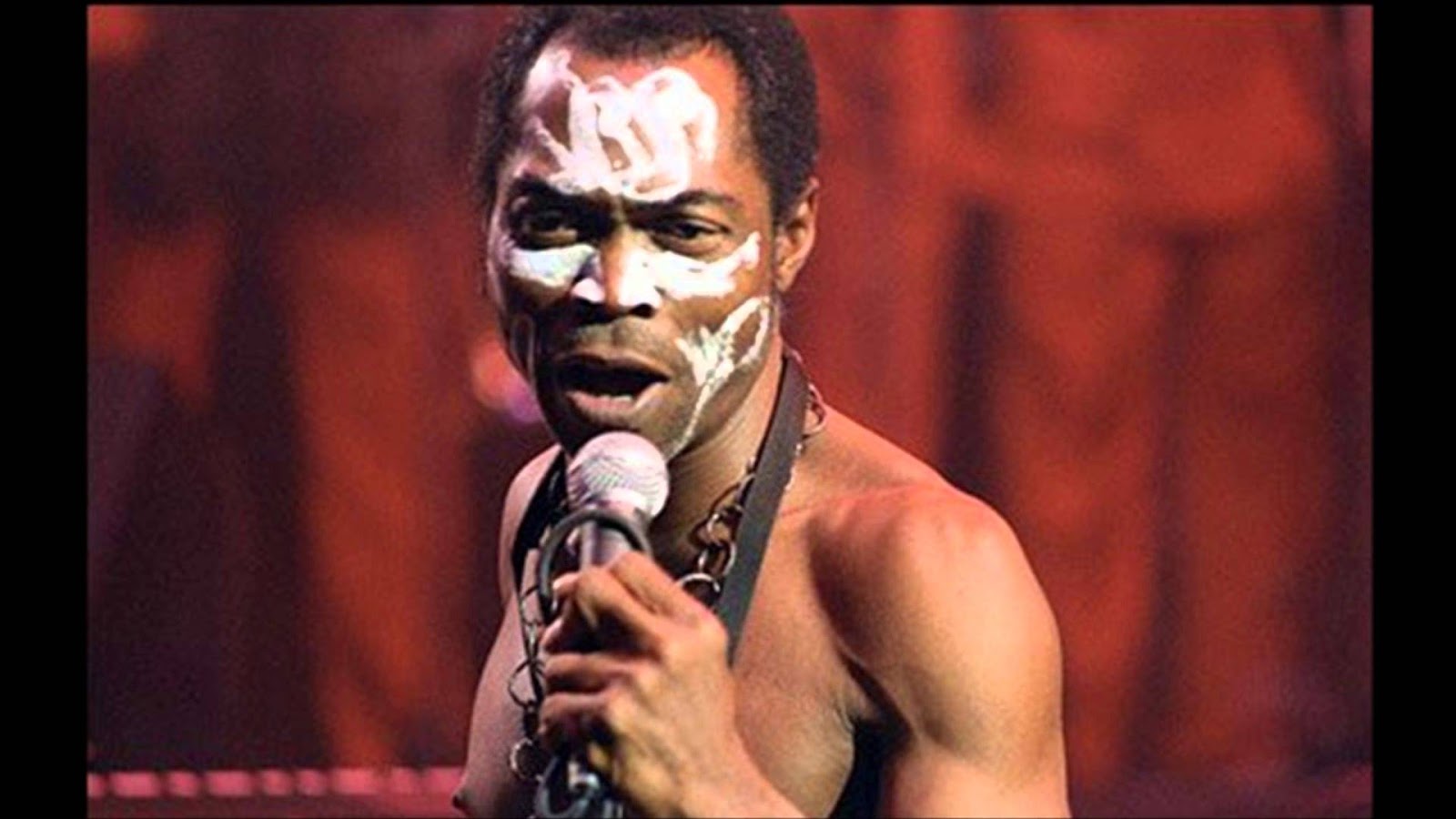
To celebrate legendary musician, activist and progenitor of Afrobeat music, Fela Anikulapo-Kuti, who passed away 26 years ago this week, we bring you the most current guide to his life and music.
His large discography
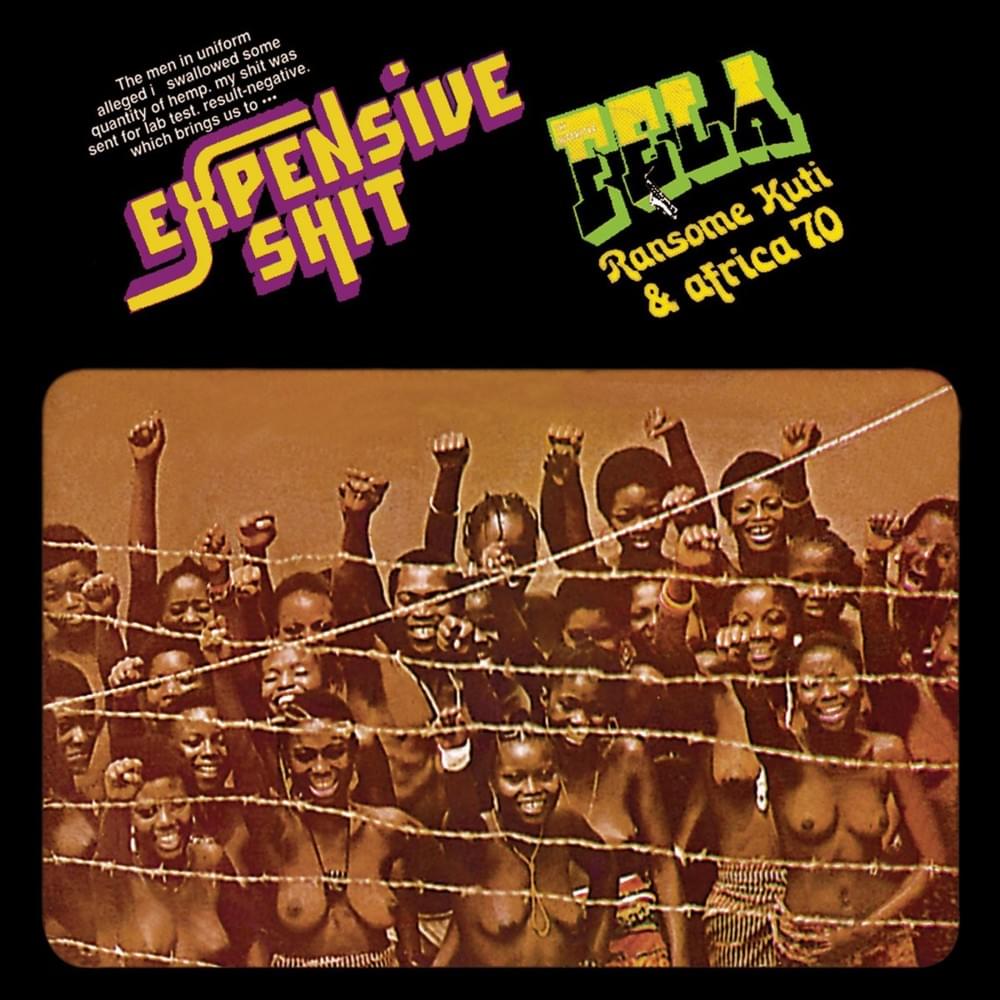
This might read obvious, but to really know the man named Fela Kuti, his music is the best place to start. With a discography of 41 studio-recorded albums, five live albums and three compilations of his best songs, his music is one of the closest dives into his person, thought processes and ideologies.
Recommendations: Expensive Shit (1975) and Zombie (1977)
(Spotify)
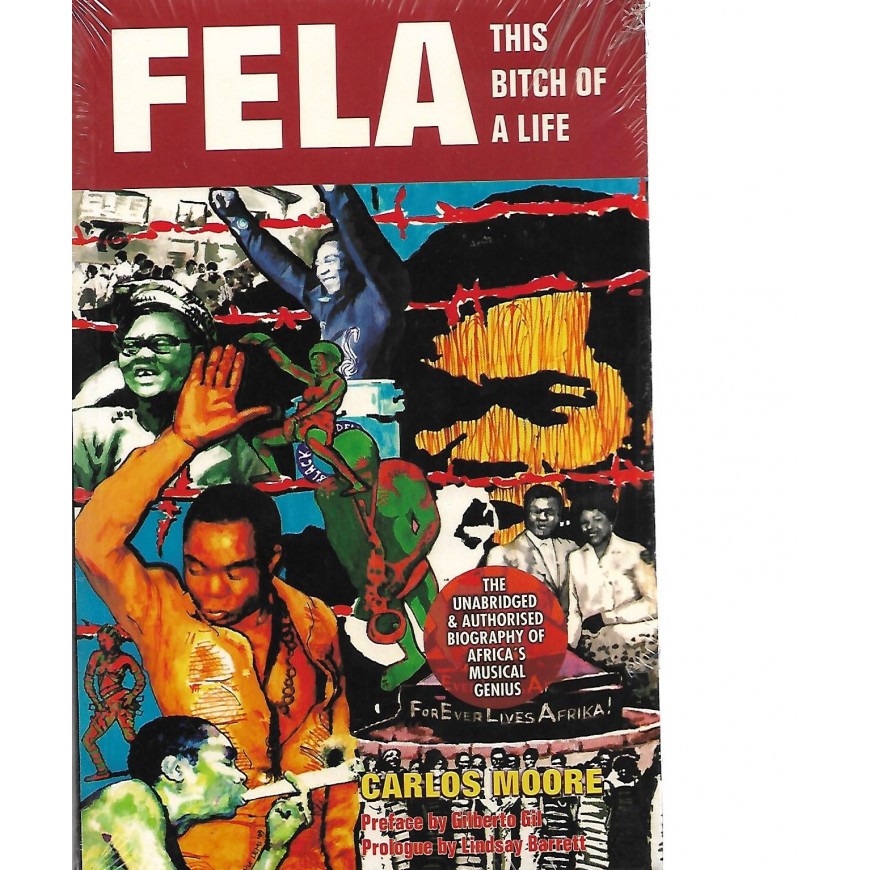
“Fela: This Bitch of a Life”
This is arguably the most popular book about Fela. It was written by Cuban writer and social researcher Carlos Moore, and was first published in France as “Cette Putain de Vie” in 1982. The 328-page book was born out of his friendship with Fela. Moore told the story majorly in Fela’s voice and documented his relationship with his native doctor, “Professor”. It also has interviews with 15 of his 27 wives.
(Booksellers)
“Dis Fela Sef! The Legend(s) Untold: A Memoir”
From the start of Fela’s career till his demise, Benson Idonije was there as his first manager (1963 – 1970) and friend. It’s no wonder he published a memoir in 2016, that tells untold stories about the late musician — from his ancestry to being a music producer at Nigerian Broadcasting Corporation to his promiscuity.
(BookArtVille)
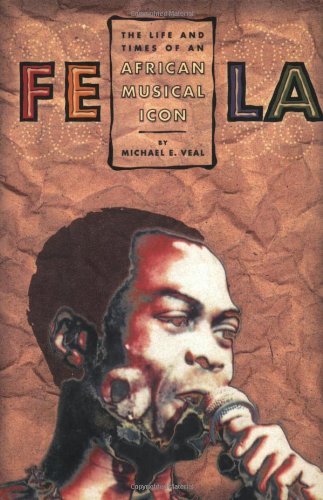
“Fela: The Life and Times of an African Musical Icon”
A Yale ethnomusicology professor, Michael Veal, wrote this book on Fela in 2000, and it’s considered the best publication on the Afrobeats legend. It covers everything about Fela’s life and music, politics and hedonism. It’s a collector’s item— it’s the most extensive research on Fela, the Nigerian music scene back then, and also a very cheap book.
(AbeBooks)
“Fela Kuti: Music Is A Weapon”
At the peak of Fela’s career in 1982, French directors, Jean-Jacques and Stéphane Tchalgadjieff, travelled to Lagos to shoot a documentary about him. “Music Is A Weapon” is arguably the most sincere and intimate interview Fela has ever given. His famous quote, “Music is the weapon. Music is the weapon of the future”, came from this interview. The documentary shows the interview and visuals from his performances at The Shrine.
“Finding Fela!”
This is a music documentary made by Oscar award-winning director, Alex Gibney, in 2014. It features the Broadway musical biography, Fela! by Bill T. Jones, and interviews with Tony Allen, Seun and Yeni Kuti. It’s impossible to talk about Fela Kuti and leave out this music documentary.
“Konkombe”
Aside from the “yabis” of his music, another way to get his undiluted truth are through the interviews. In 1979, Jeremy Marre directed a music documentary, Konkombe,based on the Nigerian pop music scene. The documentary has performances, recording sessions and interviews from musicians like King Sunny Ade, Sunny Okosun, and of course, Fela. His popular quote, “Music cannot be for enjoyment. Music has to be for revolution”, is from this documentary.
https://youtu.be/4waYY1HZ318
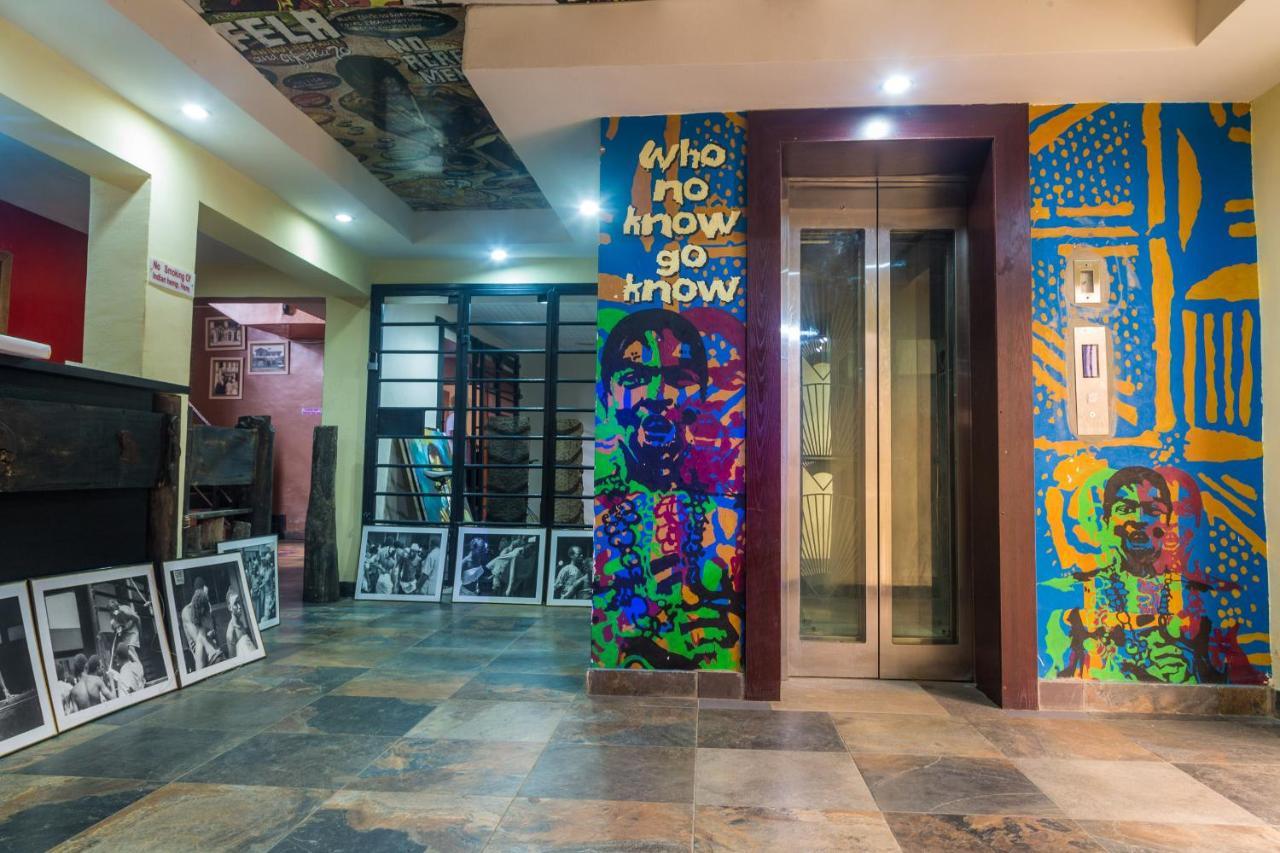
The Kalakuta Museum
The Kalakuta Museum was Fela’s home and recording studio until 1997. Fela’s iconic photographs, posters, album art, line the walls of this iconic building which also houses his musical instruments, shirts, stage suits, shoes and famous underwear. Visit the place today, and you’ll feel close to the legend, his personality and upbringing.
Nollywood is in a constant state of evolution. Over the past few years, the industry has found its way out of the ghetto. We bade adieu to bad wigs with no frontals and ghosts that obey traffic signs, and quickly said hello to that one bridge that never misses a project and an array of actors with accents we just can’t trace. All in all, we’ll take what we can get and call it progress.
Izu Ojukwu’s Amina is currently showing on Netflix. The film is one of the few Nollywood offerings that take us away from the overly milked Lekki-Ikoyi set “Why can’t I find a man” romcoms that come out every Eke market day. Chronicling the life of Northern icon and the original Khalessi, Queen Amina, the film had us thinking about some other badass (some are just downright bad) Nigerian historical figures that deserve biopics of their own.
Welcome to history class.
Fela and Funmilayo Ransome-Kuti
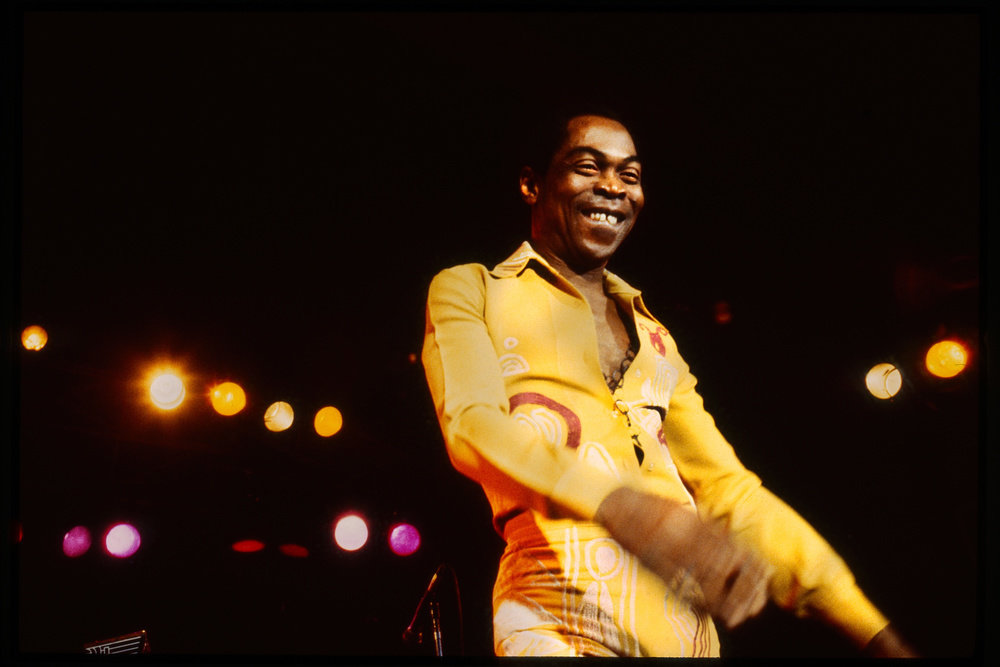
What better way to kick off our class than with the man Burna Boy so desperately wants to be like. Arguably the most famous Nigerian musician of all time, Fela has been sampled by everyone from Beyonce and Missy Elliot to Skales and Wizkid. While Fela has two plays based on his life with one showing on Broadway, seeing the story of the man who dared military leaders for breakfast on a big screen would slap real hard!
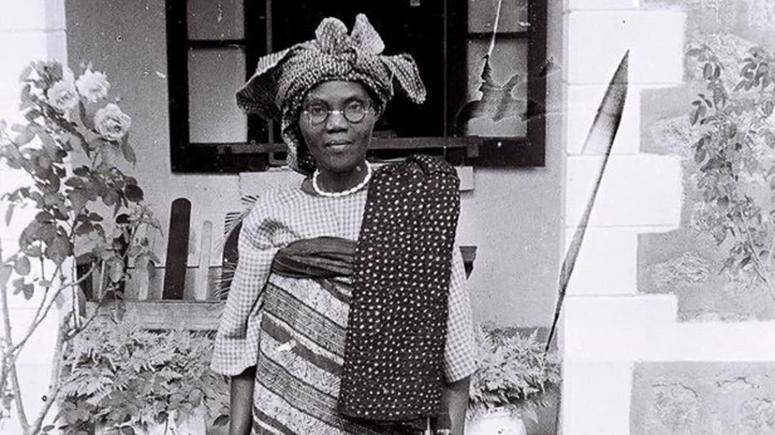
Funmilayo Ransome-Kuti, a renowned feminist leader, and mother to Fela is another figure who deserves a Nollywood biopic of her own. Before she was thrown out from a second-story window by the military in 1977, the original badass Kuti had her foot on the necks of the British and the Nigerian military. She was known to lead marches, revolting against unfair taxation. She’s also famous for being the first woman to drive, a feat some of us have failed to achieve years later
General Sani Abacha
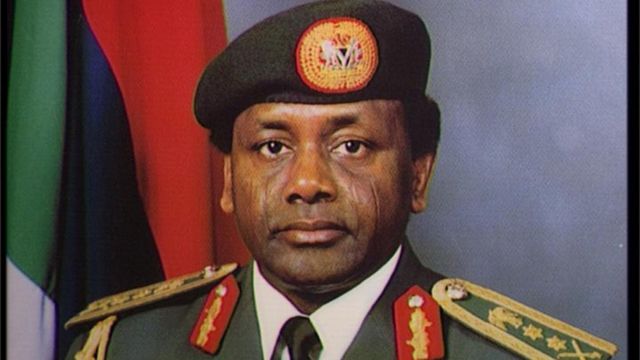
Uganda has The Last King of Scotland, Britain has all the adaptations of Henry VIII, so it’s only right we get a full feature film about the military dictator who “allegedly” met his death eating a ₦100 green apple. General Sani Abacha who ruled Nigeria like Game of Thrones’ Jeoffery is by far one of the most brutal leaders this country has ever seen. His reign of terror lasted from 1993 – 1998. The man was offing people left, right, and center. However, these days, Abacha randomly gifts Nigerians a couple of millions from all the money he looted during his tenure. Where does this money go? Well, tomorrow is another day.
Samuel Ajayi-Crowther
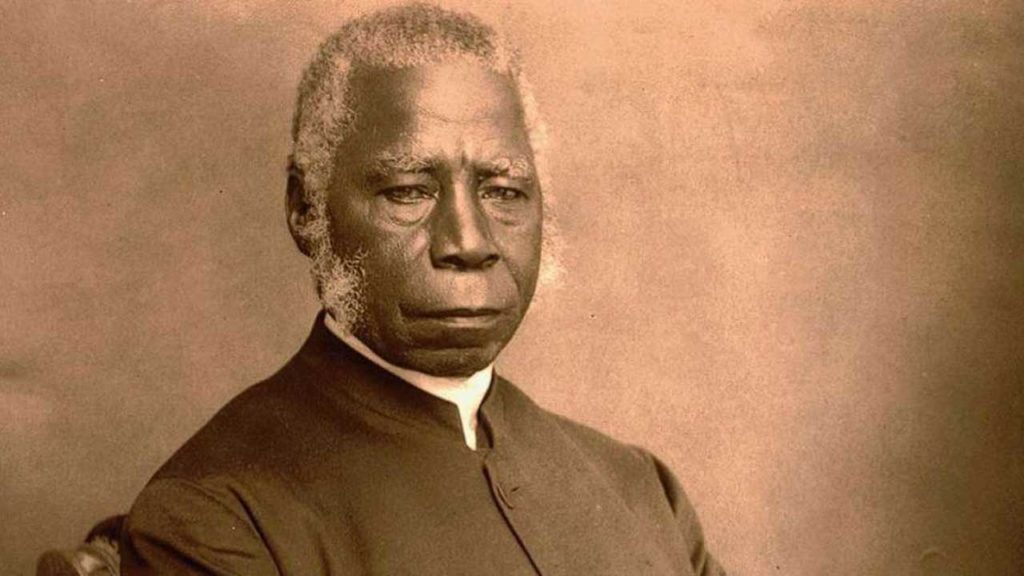
We all know The Oscars love a good slave story. Well, Samuel Ajayi-Crowther is our shot at the gold naked man. Slave turned linguist, turned the first African Anglican Bishop, Crowther served us some serious range! Our good bishop was praised for his contribution to education and religion in the country. Years later, he was eventually pressured out of his position. Why? well, two European missionaries accused African pastors of fraud, ignorance, and immorality – smells like racism. Imagine a Nollywood biopic about this? The drama! The tea!
Nnamdi Azikiwe
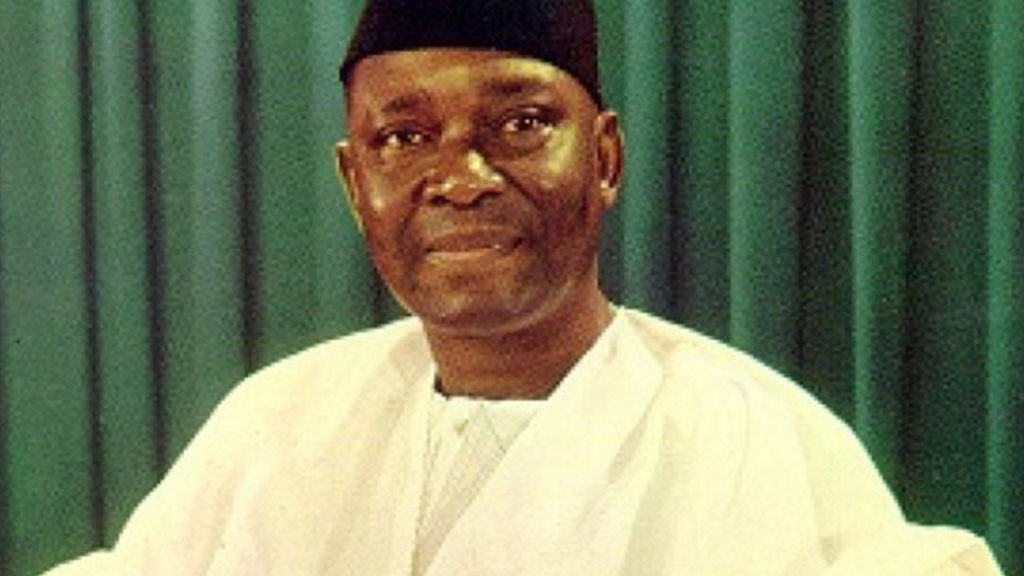
It’s not easy being the face on ₦500. When you’re big, you’re actually big! Popularly known as Zik, Nnamdi Azikwe was famous for forming a temporary government alongside another iconic figure, Abubakar Tafawa Balewa. He received the largely honorary posts of President of the Senate, Governor-general, and, finally, first President of Nigeria from 1963 – 1966. A controversial figure during the Biafran War, his biopic will be sure to feature long monologues and enough political backstabbing to have us at the edge of our seats.
Kanu Nwankwo
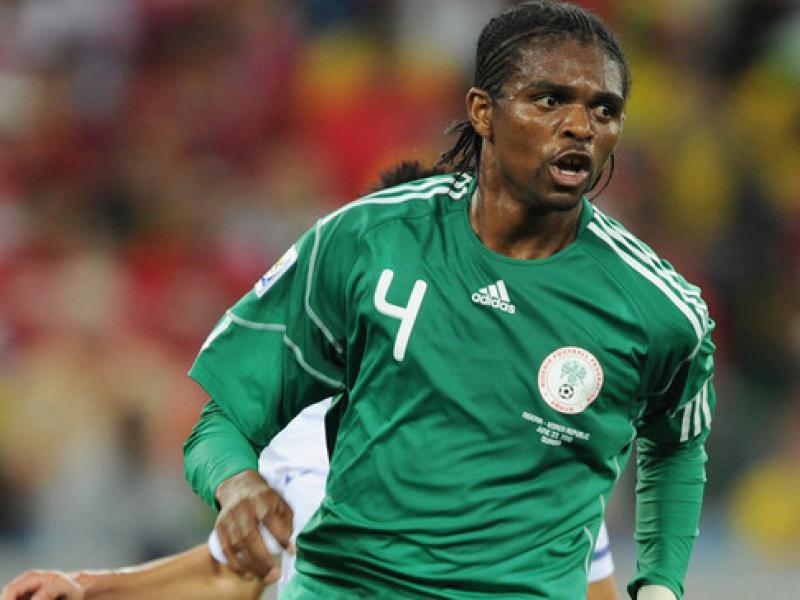
Kanu Nwankwo, also known as Papilo is one of the most famous Nigerian footballers of all time. Scoring two last-minute goals that saw Nigeria beat Brazil, he led the country to victory at the 1996 Olympics. He is also famous for that one milk ad that we all couldn’t escape growing up. Whether or not we’ve made our parents proud is still up for debate. We are sure that a Nollywood biopic, aptly titled Papilo, will have Nigerian cinemas in a chokehold.
Interview With… is a Zikoko weekly series that explores the weird and interesting lives of inanimate objects and non-human entities.
Water works harder than the average Nigerian civil servant. We drink water, bathe with it, cook with it, and use it for a quite a number of things. After all, it is a free gift of nature. But does Water get the respect it deserves for this hard work?
Today on Interview With, we decided to speak with Water about its job, and more importantly, to ask if it has enemies. This is an exclusive interview.
[Water flows in]
Zikoko: Hello, Water! Welcome to Zikoko.
[Water keeps flowing in]
We’re so pleased to have you and we—
[Water keeps flowing in]
Um, could you like, maybe stop flowing in? This is Surulere and—
[Water pauses]
Water: Oh, this is not Lekki?
No, not at all.
Water: Oopsie.
It’s fine. We’ll mop the floor when you leave.
[Water stops flowing in]
Water: Thank you for having me.
Can I start by asking what Lekki residents did to you?
Water: At this point, they should have gotten used to me. I mean, every time it rains, I visit them. And the reason is simple — that place was originally my territory, but because they wanted “a nice view”, they came and started building on my head. I’m just reminding them that I’ve not forgotten them.
But Afrobeats legend Fela Anikulapo-Kuti has a song titled “Water E No Get Enemy.” Isn’t this a fact?
Water: First of all, forget that thing Fela said. Me, I have enemies. Fela was a human being so he didn’t even know what life has been like for me. But he told you people that I don’t have enemies and you believed him? It’s the audacity for me. He didn’t even come to ask me if I had enemies. The way I would have opened my register to start listing their names ehn.
Wait, what? You have a register?
Water: If you go through the kind of things I go through, no one will tell you before you start keeping a register of enemies.
It’s almost as if you people heard that water is a free gift of nature and decided that I must run all your errands and do all your dirty work for you.
Hmm. Let’s talk about skincare. People drink you for clear skin, but instead of giving them that clear skin, they spend valuable time urinating. Is this something you are proud of?
Water: You people are funny sha. Your mates that are spending money on skincare products to get clear skin, they don’t know what they are doing, abi? So you just drink me and you expect your skin to clear up. Why don’t you stop eating groundnuts first before you come and talk to me. Please ask something else before I boil here.
Still on the matter of drinking you. These days, many people no longer drink water as much as they should. How do you feel about that?
Water: How do I feel about having less work to do? Please, please, I am satisfied. Anybody that does not drink me, that is their own problem. You think I care? But tell me, what are they drinking instead?
Erm, alcohol…
Water: I beg your pardon?
It’s true oh. In fact, some of them are advocating for water to be mixed with small alcohol. They said you are tasteless.
Water: It is you that is tasteless, Mr. Interviewer. It is you that will not have taste. You better not provoke me to anger, otherwise I will flood this place.
Ah, please oh. It’s not me that said it. I am just repeating some of the things that people have said.
Water: Then be sensible about it.
Alright, I’m sorry. Let me rephrase the question. What is your relationship with alcohol?
Water: First of all, alcohol is a dirty animal that is living a fake life. And for those people drinking alcohol, that thing they are looking for, may they find it.
You mean intoxication? They said you cannot give them that.
[Water bubbles seriously]
Water: Let this be the last time.
Yes, it will.
Water: I don’t have any problem with alcohol. We do our things separately, and we are not in competition with each other. That’s all I have to say on this matter.
So you mean you don’t feel somehow when you are both at parties and people pick alcohol over you?
Water: Why should I? Besides drinking, I do other things that alcohol can never dream of. They use me to prepare the party food, when they want to make alcohol cold, they turn me into ice block and dip the alcohol inside. In fact, if you don’t want to have a nasty hangover the next day, it’s still me you need to drink, so what’s the fuss about?
Let me ask you a question.
Water: Go ahead.
Do you think you have an identity crisis?
Water: Ahan, from where to where?
I am just asking because you exist in so many forms. Sparkling water, bubbly water, distilled water, etc. Who are you trying to impress?
Water: This interview is starting to get out of hand.
Okay then, let’s go back to your register of enemies. Whose name is at the top?
Water: That’s better. First on the list are Nigerian babies.
Not Lekki residents?
Water: No, those ones are the third.
Ahan. Who is now the second?
Water: Those who use spit as lubricant.
Hei. This is a lot. Let’s start unpacking it. First of all, what did Nigerian babies do to you?
Water: Have you been used to wash a baby’s bum-bum before?
Erm, no. I use water to do the washing.
Water: God, my life is so hard. I used to think being used to brush people’s teeth was the worst. You know, morning breath, mouth odour, and all of that. But have you ever smelled a baby’s poop before? Let alone now been the element used to clean that poop. Don’t even get me started on adult shit.
Yes, that’s a territory I don’t think we should explore. Have you considered therapy?
Water: Therapy that I went that my therapist tried to drink me? Please please. You humans are very despicable.
Ehya. Your condition is critical. So, what about those who use spit as lubricant?
Water: My brother. If it’s not that I am water, I think I would be needing water to wash my eyes. Because the kinds of things I encounter on a daily basis, ehn. It’s enough to make me want to flood this earth without God’s permission. Why would you decide to use saliva as lubricant? You are about to pound each other like yam and the next thing I see is that I am being dragged out of my comfort zone and applied on the palm. In the blink of an eye, they have rubbed me over someone’s vag—
Eh, I think that’s enough visual imagery for today. Besides, isn’t saliva different from water?
But what about those who sell you for ridiculous amounts?
Water: It will touch everybody. Just wait and see.
Does this mean you will leave Lekki residents alone?
Water: Why are you so concerned about them? Do you live in Lekki?
Not yet. I am thinking of moving there. I just need my hook-up business to pay.
Water: Don’t you work at Zikoko?
Yes, I do. Hook-up is my side hustle. 2k per night.
Water: 2k per night… Hmm. Wait, first. If you charge 2k per night, that means you are one of those who use spit as lubricant. You have met your waterloo today.
No oh, I use groundnu—
[Water drowns Zikoko interviewer]
Check back every Friday by 9AM for new Interview With episodes. To read previous stories, click here.
When she’s in the mood, Beyonce Knowles Carter, first of her name, Queen of the Beyhive knows how to make the whole world stand still. She’s been doing so for years – with albums, magazine covers and even interviews. Today, the Queen is bigger than just her music; she has her own army of loyal followers aka the Beyhive and has become a template for becoming a cultural legend.
If you take a walk through history, every legend has a moment where they ascend to that fabled status. Beyonce has many, but her 2-hour long performance at the Coachella festival could well be the best. Two years after the fact, the Queen invited us into her world with the Netflix film: Homecoming.
Apart from chronicling Beyonce’s preparation for the Coachella performance, the film is an exercise in all the things that make Beyonce who she is. If you want your name in flashing lights like everyone else, these are the biggest lessons we learned from Beyonce’s Homecoming about becoming THAT person and doing it bigger and better than anyone else. And just so you know they work, we’ve brought some familiar (icons and) legends to the party.
Want It. And Work For It.
I think it was Malcolm Gladwell who, in his book “Outliers”, first suggested the 10,000-hour rule. The idea is that it takes 10,000 hours of work to attain expert status at anything. Let’s start here; It takes a level of desire to dedicate 10,000 hours to anything and even more desire to do those 10,000 hours over and over again. That’s why Beyonce is who she is. If “Homecoming” is anything to go by, every moment of Beyonce’s waking life is dedicated in some way to her craft. Her dedication makes 10,000 hours feel like a day’s worth of work.
Take the fact that in childbirth, she had high blood pressure and preeclampsia, a possibly deadly pregnancy complication that led to her babies being born by emergency C-section. Beyonce recalls being afraid she would never be able to reach previous levels again but she pushed herself or 8 whole months. Fadalud! That insane work ethic is at the centre of her success. Want another example of insane dedication to one’s craft? You may not agree that Wizkid is a legend, but there is one trait that, according to everyone who knows him, set him apart from the get-go. Zero marks if you guessed it’s his work ethic.
Stand For Something Important. And Own That Narrative.
One of the best things about “Homecoming” and a message Beyonce herself proudly emphasises is that she is totally, defiantly and loftily black. Given the opportunity to headline such an important festival, anyone in her position would be reluctant to speak their truth. Even her mother was sceptical about putting up such a black show in front of a majority-white audience.
But Beyonce persisted and put black excellence front and centre in her set. It makes sense that her performance, a hat-tip to centuries of black culture, is filled with references to other legends like Nina Simone, and Fela Kuti.
Fela, in particular, is a poignant allusion; today, he is most remembered as Nigeria’s legendary dissenter who fought for his beliefs – he encouraged African pride, called out despots and corruption and is still a global symbol of defiance.
It also reminds me of the classic “Wait For Me” by King Sunny Ade and Onyeka Onwenu. At a time where unguarded sexual liberation was inching its way through a popular disco-fueled subculture, the two made a song that pretty much preached abstinence. It was not what most frenzied fans would have wanted to hear from the two of the biggest pop acts of the time, but it was a just cause and in standing for it, over time, the two have come to represent an inimitable standard that a new generation can only aspire to.
In a world that’s plagued by groupthink, it’s important to stand for something powerful and to live that narrative to the hilt. It’s the only way to stand out and more importantly, inspire change.
Surround Yourself With Winners and Future Legends
You’re only as good as your team. Beyonce’s “Homecoming” showed us the scale of work, time and dedication that went into what would eventually become known as Beychella. And even though the film has been described as a display of Beyonce just the way she wants us to see her, you can’t ignore the number of people moving and making things happen behind the scenes.
Contrary to what you may have heard, Beyonce did not wake up like this. From the planning table to the main stage, it took nearly 200 talented, dedicated and driven people to make the show a success. It takes a huge team, it takes a village, and I think we all worked to our limit,” Beyoncé said in the Netflix film.
Looked at the credits and I counted 296 people if I’m not mistaken that were part of Beyoncé’s #Homecoming Live performance team & crew excluding Coachella people yuhhhh pic.twitter.com/yNmKAALQ8i
When you’re on the road to greatness, the only people you need by your side are the people who are headed in the same destination. It makes the success sweeter – “We all performed with all of our heart, and we performed with love and connection, and we did it together.” Beyonce said.
Unfortunately, it’s hard to find local examples; many of our greatest collectives or teams have broken off by factors ranging from greed to a desire to be in the spotlight, leaving talented artistes with rookies who can’t bring their dreams to life. You’re only as good as your team.
Make A Statement
Sure, it was the first time a black woman was headlining Coachella. Sure, it was barely months after she had twins. Sure, she personally selected each dancer, every light, the material on the steps, the height of the pyramid, the shape of the pyramid, according to Vanity Fair. But everything Beyonce did was directed towards a single purpose, making a statement.
After cancelling the previous year, staying out of the limelight to have her kids and not releasing any more music for a while, Beyonce could have shown up with a regular set and it would have been good enough for any regular artiste. Instead, she took it a step further and put on a show worthy of her status.
https://www.instagram.com/p/BhmP-FClIds/
That single decision is reminiscent of Fela Kuti’s set at the Berlin Jazz stage in 1977. Fela, like Beyonce, had built up quite the following at the time. He had become the de-facto face of dissent against successive tyrants and for all his troubles, lost his mother and his freedom on several occasions. His performance at the Berlin Jazzstage was supposed to be a showcase of his music.
Instead, Fela turned it into a declaration of his origin and intent. From the beginning, every performer, down to the man holding the shekere was recognised by name, before Fela was introduced for a performance where he gave a few lessons in Pidgin, made a few jokes and brought the problems of post-colonial Africa for a former colonial master’s front door.
No-one can tell the future, but on the days when we discuss music, culture and the moments that cemented legacies, Beychella and Fela’s performance at the Zenith in Paris will be two of them and it will be just because these two legends decided ‘good’ just wasn’t good enough.