Notice: Function _load_textdomain_just_in_time was called incorrectly. Translation loading for the wordpress-seo domain was triggered too early. This is usually an indicator for some code in the plugin or theme running too early. Translations should be loaded at the init action or later. Please see Debugging in WordPress for more information. (This message was added in version 6.7.0.) in /home/bcm/src/dev/www/wp-includes/functions.php on line 6121
fela | Zikoko!
  • The Greatest Afrobeats Albums According to ChatGPT, Ranked 

    Everyone says AI is the future. After all, it can write a 5,000-word essay faster than any human being. But does AI have taste when it comes to afrobeats music? I reached out to ChatGPT — the Beyoncé of AIs — for its top ten greatest afrobeats albums of all time. While the list looks good, I don’t agree with a couple of things. 
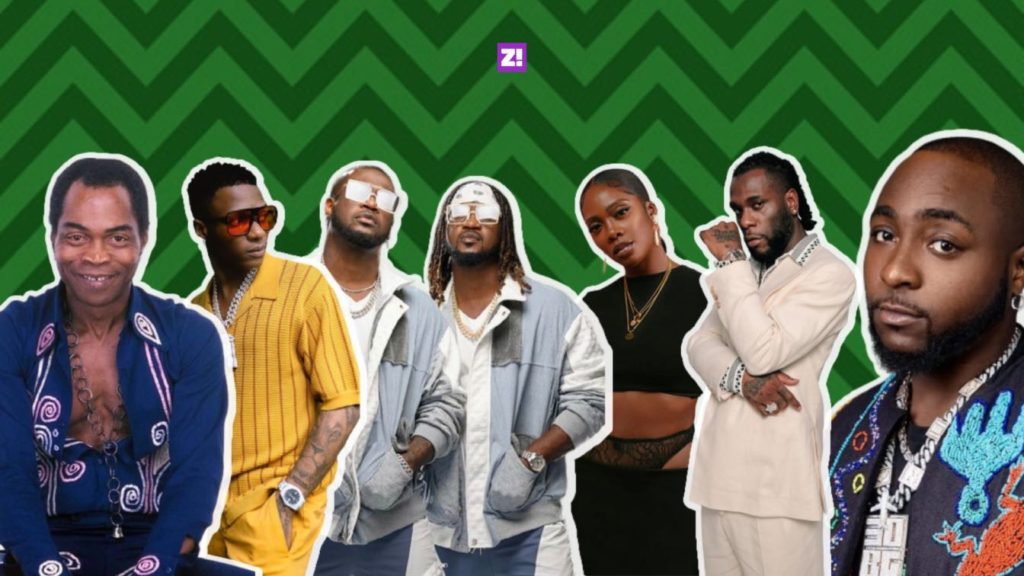
    Let’s get into this ranking. 

    10. Once Upon a Time — Tiwa Savage, 2013

    Tiwa Savage doesn’t get enough credit for how she has and continues to impact afrobeats. At a time when the Nigerian scene was a boys’ club, she came in and disrupted the system. 

    But while there was a lot of anticipation for her debut album, Once Upon a Time, after excellent back-to-back singles — from Kele Kele Love to Without My Heart — outside of a few standouts like Middle Passage, Folarin and Ileke, most of the non-singles on the album sounded like filler tracks. That being said, an excellent replacement for this album would be Tiwa’s 2020 masterpiece, Celia, which finally found the balance between vocalist and club-friendly Tiwa. 

    9. Get Squared — P-Square, 2005 

    Can we go back to the smooth R&B days when men were dramatic AF, break-dancing shirtless in the rain and singing about how they could treat every girl better than their current man? When they made Get Squared, Peter and Paul were knee-deep in their afro-R&B F-Boy bag. They served breakfast on Temptation, got breakfast in return on Omoge Mi, pulled up to the club in Bizzy Body and ended up with the popo on Oga Police. These men didn’t put Mary Slessor to shame with this album, and it definitely deserves to be on this list. 

    8. Baddest Guy Ever Liveth — Olamide, 2013

    Forget conversations about any big three; Olamide has always been an afrobeats icon. Since his 2010 breakout with Eni Duro, Olamide has used his music as a bridge that connected audiences to the streets of Lagos. Olamide made street pop cool, and now, we have artistes like Naira Marley, Asake, Zinoleesky and Seyi Vibez. 

    Baddest Guy Ever Liveth is top three Olamide, and it’s not number three. With songs like Eleda Mi O, the fuji-inspired Anifowose and Durosoke, Olamide created an album that started his legacy as an afrobeats GOAT deserving of a spot on this list. 

    7. Mama Africa — Yemi Alade, 2016

    Say what you want about Yemi Alade, but the woman knows her sound and audience. Fresh off the success of 2014’s King of Queens, which had her breakout hit, Johnny, Yemi Alade dropped Mama Africa in 2016 and became a Pan-African rockstar. While the album had bangers like Na Gode, Ferrari and Mama, the production sometimes feels repetitive, but how can anyone hate on that with Asake playing everywhere? Yemi Alade deserves her flowers for the colour she brings to afrobeats, and even Beyoncé agrees

    6. A Good Time — Davido, 2019

    We all love Davido, but before A Good Time, I never saw him as an album artist, especially after listening to OBO: The Genesis. A Good Time works well because it’s a collection of singles compiled over two years. That being said, the singles, from If to Fall and Assurance, all slap. Davido should also get a lifetime supply of agege bread for putting Wurld, Naira Marley and Zlatan on one track. However, although Davido’s contribution to afrobeats remains goated, this album shouldn’t be on this list. If we were talking about the greatest songs, that’d be a different case. 

    RECOMMENDED: The Real 30BG Know These Are the 15 Greatest Davido Songs of ALL Time 

    5. Superstar — Wizkid, 2011

    An album title can describe many things: the emotions the artistes went through while creating it, how they want their audience to feel, or their view of the world. For Wizkid, his debut album Superstar was prophetic. 

    Guided by Banky W, the singer delivered one of the most impressive debut albums in Nigerian history. With hits like Love My Baby and Pakurumo, and deep cuts like Scatter the Floor and No Lele, Wizkid had the world in his hands and still has it over a decade later. That being said, Made in Lagos, a more cohesive and expansive work, is a better album and should’ve been on this list instead. 

    4. African Giant — Burna Boy, 2019

    Whether or not African Giant is Burna Boy’s best album is up for debate. However, it’d be almost impossible to talk about the trajectory of afrobeats, especially for our generation, without mentioning the album that should’ve gotten Burna Boy his first Grammy

    From award bait collaborations with Damian Marley Jr, M.anifest and Angelique Kidjoe, to viral singles like Anybody, Killin Dem and Dangote, Burna Boy made a statement with African Giant, and the world listened. 

    3. Expensive Shit — Fela Kuti, 1975

    This entry is how you know AI ain’t shit. Fela isn’t an afrobeats artiste, he made afrobeat music. 

    Afrobeat is a music genre that fuses West African musical styles, such as fuji and highlife, with jazz, soul and funk. The genre is mainly recorded with heavy live instrumentation and was made famous by Fela Kuti, a pioneer. Meanwhile, afrobeats is a term that groups African pop music genres with diverse influences, such as rap, reggae, soul and R&B. 

    Since Fela doesn’t make afrobeats, he shouldn’t be on this list. 

    2. Juju Music — King Sunny Ade, 1982 

    Honestly, I’d never listened to King Sunny Ade’s Juju Music until now — let me tell the truth and shame the devil. However, listening to the album for the first time was a major experience because I realised I knew most of the songs. Living in Lagos and attending events with my mum introduced me to jams like Ja Funmi, Ma Jaiye Oni, and 365 is My Number. King Sunny Ade’s music makes it hard to pick between sitting down to relax and standing up to bust a move. This is an incredible album. However, whether or not it’s an afrobeats album is up for discussion.  

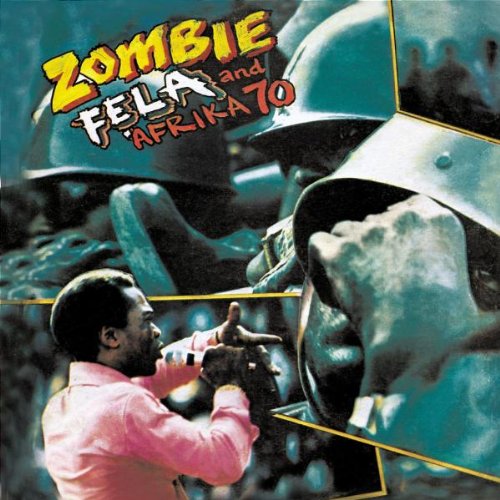
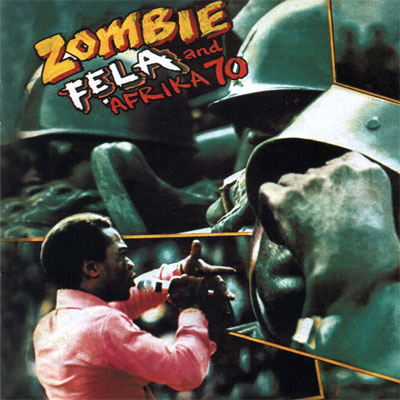
    1. Zombie — Fela Kuti, 1977 

    Fela’s Zombie is an iconic album. With just four tracks that last almost an hour altogether, the album is an enjoyable political statement that reminds us that not much has changed since 1977; after all, the government is still fucking us over. But despite being a great album, I’d like to refer to my last Fela entry. Dear, this isn’t an afrobeats album; it’s afrobeat. So much for the “intelligence” part of Artificial Intelligence. 

    ALSO READ: The Greatest Nollywood Films According to ChatGPT, Ranked

  • I Brought Fela Back from the Dead

    We’ve all heard stories of how Afrobeat legend Fela Anikulapo Kuti was a major opps to the Nigerian military government. It’s been 26 years since his death, and we can’t expressly say that the country’s state has improved. We’re still recycling the same old leaders, and corruption is still the definition of normal. 

    I’ve often wondered what Fela would say or sing if he were alive to see us today, so I devised a means to talk to him.

    Relax, I don’t have supernatural powers, but everything is possible with tech these days. I found an AI technology that lets you bring historical figures back to life, and here’s how my conversation with Fela went:

    Fela: Hello, my people! It’s a pleasure to talk to you beyond the veil!

    Tolu: Hello, sir. I just want you to know that Nigeria hasn’t gotten better since your passing o

    Fela: Yes, my sister. It’s a shame that things haven’t changed much. But we must remember that change doesn’t come easily.

    Tolu: Speaking of change, do you remember Muhammadu Buhari?

    Fela: Ah yes, I remember him very well. Buhari was a military leader who governed Nigeria during one of its darkest periods. He was responsible for many atrocities and human rights violations. 

    Tolu: Ehm, despite his atrocities, Nigeria voted him as president in 2015, and he ruled us for another 8 years till 2023. 

    Fela: That is truly disappointing. It shows that our struggle for democracy and good governance must be continuous. We must remain vigilant in ensuring those in power are held accountable for their actions.

    Tolu: Well said. Anyways, we have a new president. Guess who?

    Fela: Hmm, I’m not a seer, my sister, but tell me, who is the new president? 

    Tolu: Bola Ahmed Tinubu. Do you remember him?

    Fela: Yes, I do remember him. He was a prominent figure in Nigerian politics during my time and played a significant role in the return to democracy after years of military rule. 

    Tolu: You sound like a Tinubu fan

    Fela: I’m not a fan of any individual politician o. My loyalty lies with the people and their struggle for democracy and social justice. Tinubu’s past contributions to Nigerian politics might be noteworthy, but it’s his present actions that matter the most.

    Tolu: Well, during his inaugural speech, he finally removed fuel subsidy, and the suffering in Nigeria has increased.

    Fela: Ah, the fuel subsidy issue has been contentious for some time. While it may bring short-term economic benefits, it’s important to consider the impacts on common people already struggling with poverty and hardship.

    Tolu: I don’t understand your English. Are you in support of the subsidy removal?

    Fela: No, I’m not. As an activist who always fought for the rights of the people, it’s important that policies put in place by the government better the lives of Nigerians as a whole.

    Download the Citizen Election Report: Navigating Nigeria’s Political Journey

    Tolu: Do you think we should protest?

    Fela: Absolutely. It’s our duty to hold our leaders accountable and fight for our rights.

    Tolu:  You fought many times against police brutality, and we’re still experiencing the same brutality today. How can we stop this?

    Fela: Ah, police brutality is an issue that has plagued our society for a long time. It’s not enough to condemn the actions of these police officers; we must address the root causes in the police system.

    Tolu: Oh, ehen, did you hear that your last son, Seun, slapped a police officer?

    Fela: Ehn? (laughs) My son Seun is a fighter like his father. But violence is never the solution to police brutality or any other societal issue. 

    Tolu: What’s your advice for Nigerian youths today?

    Fela: Never forget your roots, and always stand up for what you believe in. Don’t be afraid to challenge those in power and demand justice for yourself and your fellow citizens. Educate yourself on our issues and work towards solutions that benefit everyone, not a select few. And above all, remember the power of music and art to inspire people to change. As I’ve always said, “Music is a weapon”. 

    If you’re interested in a series like this, where I speak with historical figures, please fill out this very short form. Thank you!

    What else happened this week?

    Civil Servants Suspended For Salary Padding

    Corruption is a major problem in Nigeria that we typically blame our politicians for. However, we shouldn’t turn a blind eye to the amount of dishonesty and fraud present in ordinary citizens as well. On June 12, 2023, news broke of some civil servants from Ministries, Departments and Agencies (MDAs), the Revenue Mobilisation Allocation and Fiscal Commission (RMAFC), and the Office of the Accountant General of the Federation (OAGF) who were suspended and under probe for salary padding.  

    An investigation revealed that an Integrated Personnel Payroll Information System (IPPIS) desk officer in charge of salaries connived with these civil servants to pad their salaries by manipulating the IPPIS system. For instance, a level 7 officer whose salary should be ₦60,000 was receiving over ₦400,000—the salary package of a director. Apparently, this salary padding had been going on for a while before it was finally caught wind of. 

    Currently, steps are being taken to upgrade the IPPIS system, and the culprits will be handed over to the authorities for prosecution. 

    Question of the week

    President Bola Tinubu signed the Student Loan Bill on June 12, 2023. Is this a step in the right direction for the Nigerian education sector? And if you could change one thing about the Bill, what would it be?

    Video of the week

    Ehen one more thing…

    Femi Gbajabiamila, Speaker of the House of Representatives, will be Nigeria’s 7th Chief of Staff. But what happens to his rep seat? Find out here

    To ensure you don’t miss out on the next edition of Game of Votes, subscribe to the newsletter here.

  • QUIZ: Which Fela Song Are You?

    The legendary Fela Kuti has been nominated to be inducted into the Rock & Roll Hall of Fame.

    Take this quiz and we’ll tell you which of his songs best describes you, and don’t forget to vote for him here.

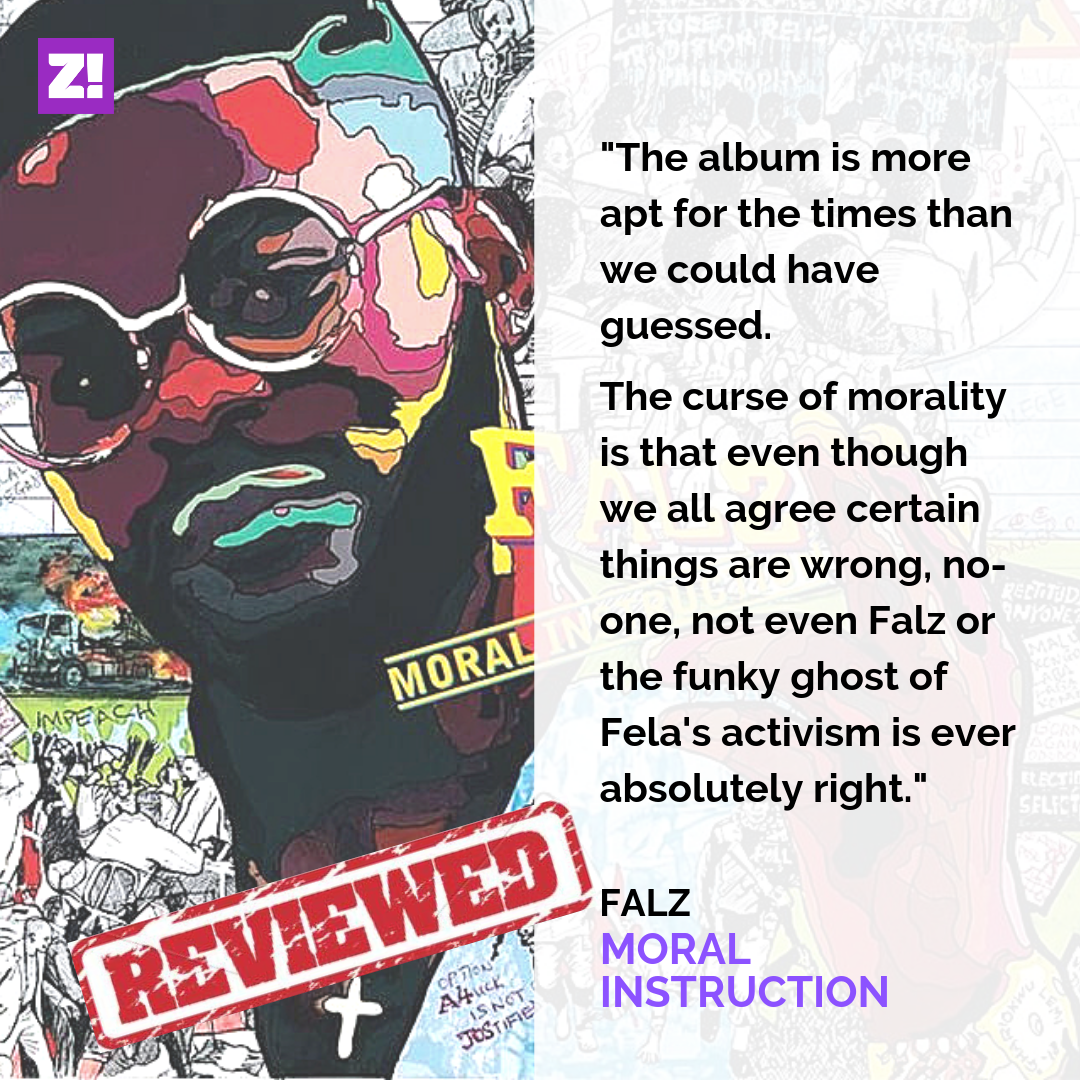
  • Falz’s fourth studio album leaves little to the imagination.

    The lead and only single, Talk is Falz pointing fingers as he runs through Nigeria’s most salient problems.

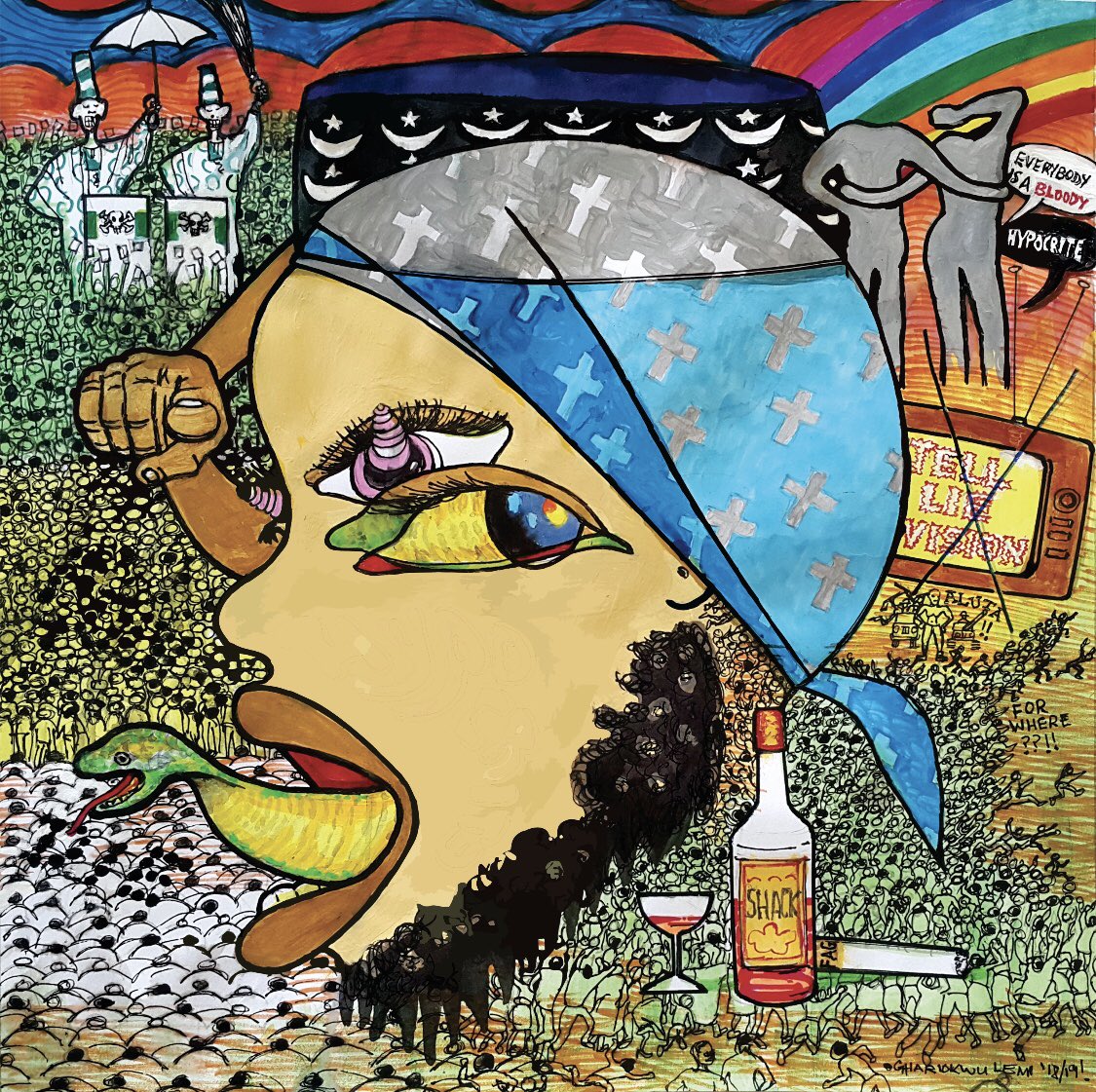
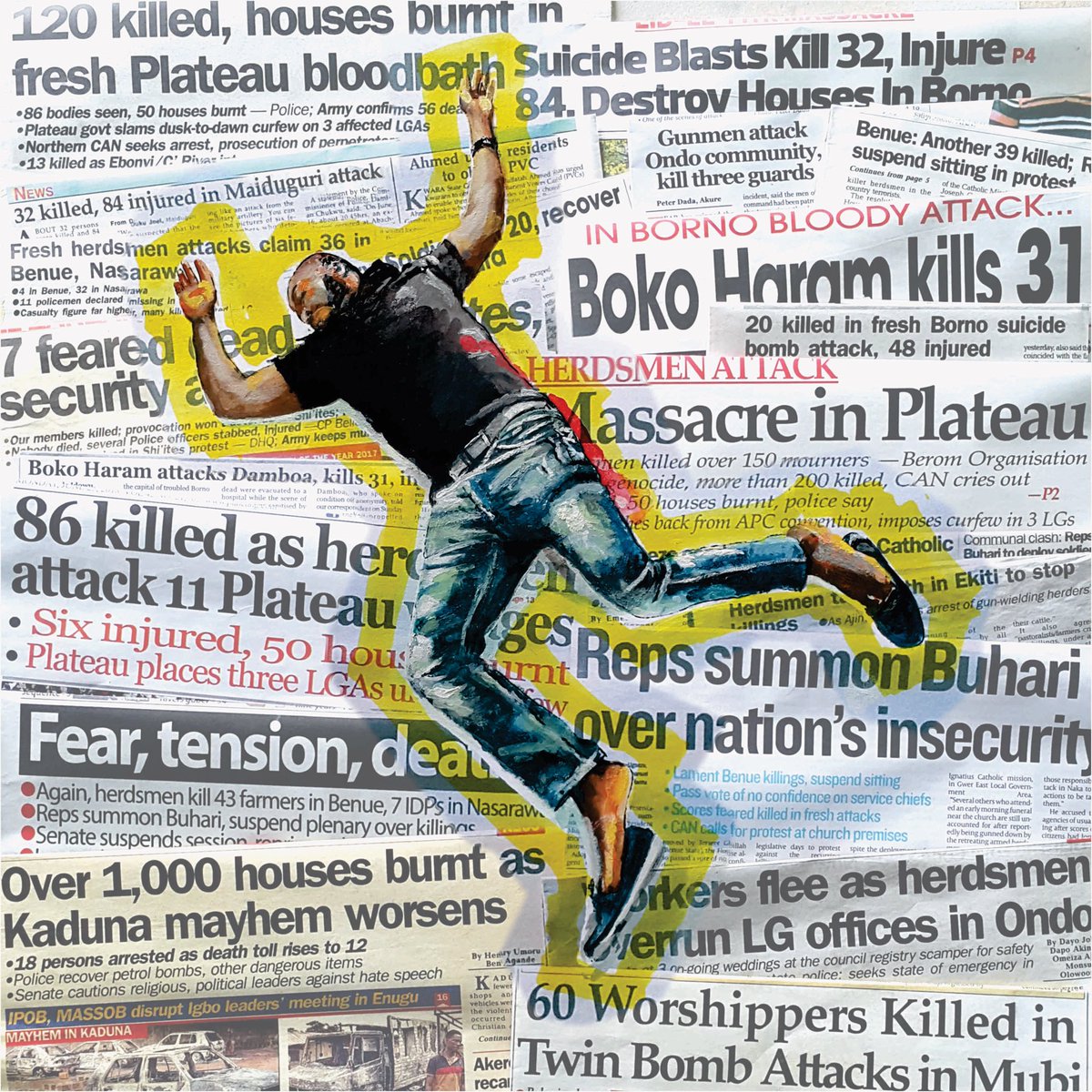
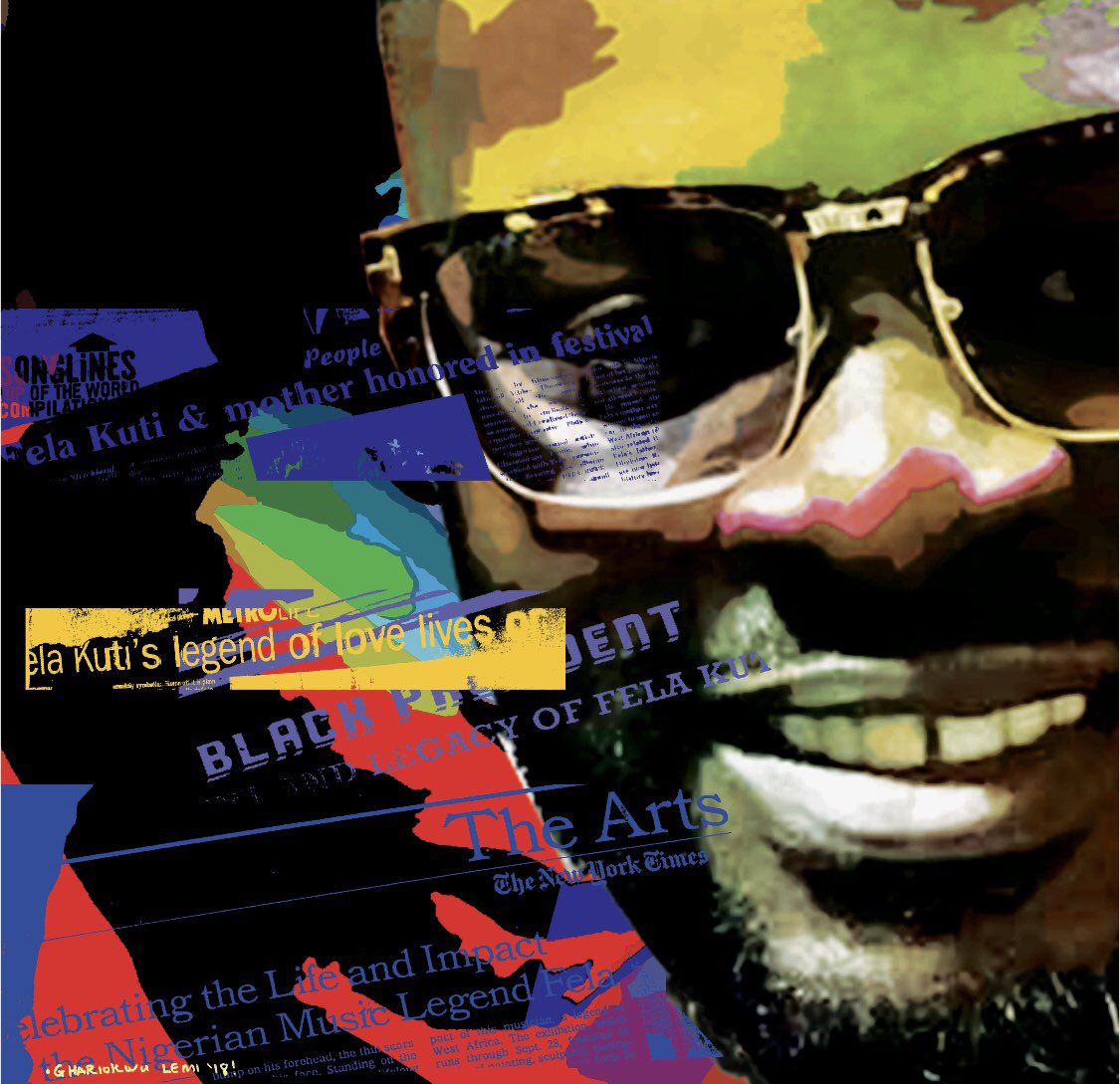
    On the day it was released to a social media frenzy, Falz also shared the album jacket, designed by Lemi Ghariokwu, most known for his work for Fela Kuti.

    He is also featured on the album. The title, however, gives it all away.

    If the album’s title “Moral Instruction” suggest a pious class on Nigeria’s woes and how we’re responsible for the mess we find ourselves in, that’s because it is.

    By now, such social commentary is not unexpected from Falz.

    You’d have to go as far back as his debut “Wazup Guy” to find what could well count as his first politically-charged song.

    On “How Far” featuring Sir Dauda, Falz manages to express genuine shock that the same people have been at the country’s helm for generations.

    He then goes on–”They say we go write the future, them no give us pen/Give it up for VIPs, them be our problem/Vagabonds in power, as Fela called them“.

    In the years since, Falz has come to embrace commentary and offer his own two cents–most notably on “This is Nigeria”–on issues of cultural and social relevance.

    “Moral Instruction” comes at a time where he is a forerunner in the conversation about activist musicians and a new Fela.

    It is only fitting then that the album’s opener “Johnny” is led by a boisterous sample of Fela Kuti’s “Johnny Just Drop”.

    The story of a young graduate shot by an insecure, trigger-happy police officer is all too familiar to the average Nigerian.

    Stellar production by TMXO puts the song at a confluence – Falz’s delivery assures you that this is hip-hop, yet there is that indisputable bounce on the guitar that makes you want to swing and lose yourself.

    But there is nothing to swing to. This is, at its core, a sad song.

    On the first verse, Falz makes references to the seemingly endless violence in Jos–“Dem kill am for Jos for no just cause/nobody fit comot for house, who born us?“.

    He proceeds to narrate the moment when Johnny dies – “una don run go chop, Oya give me my own share/before them talk one, he say ‘shut up!’/who dash you liver/talk small, I go cock gun/small time, e don pull trigger”.

    It is in moments like this, when Falz passionately addresses the violent inanities and the lack of decorum that have become part of life in Nigeria, that the album works best.

    On “Talk”, he points the finger at the usual suspects – politicians, religious leaders, the regular man and his apathy as reasons for the state of the nation.  

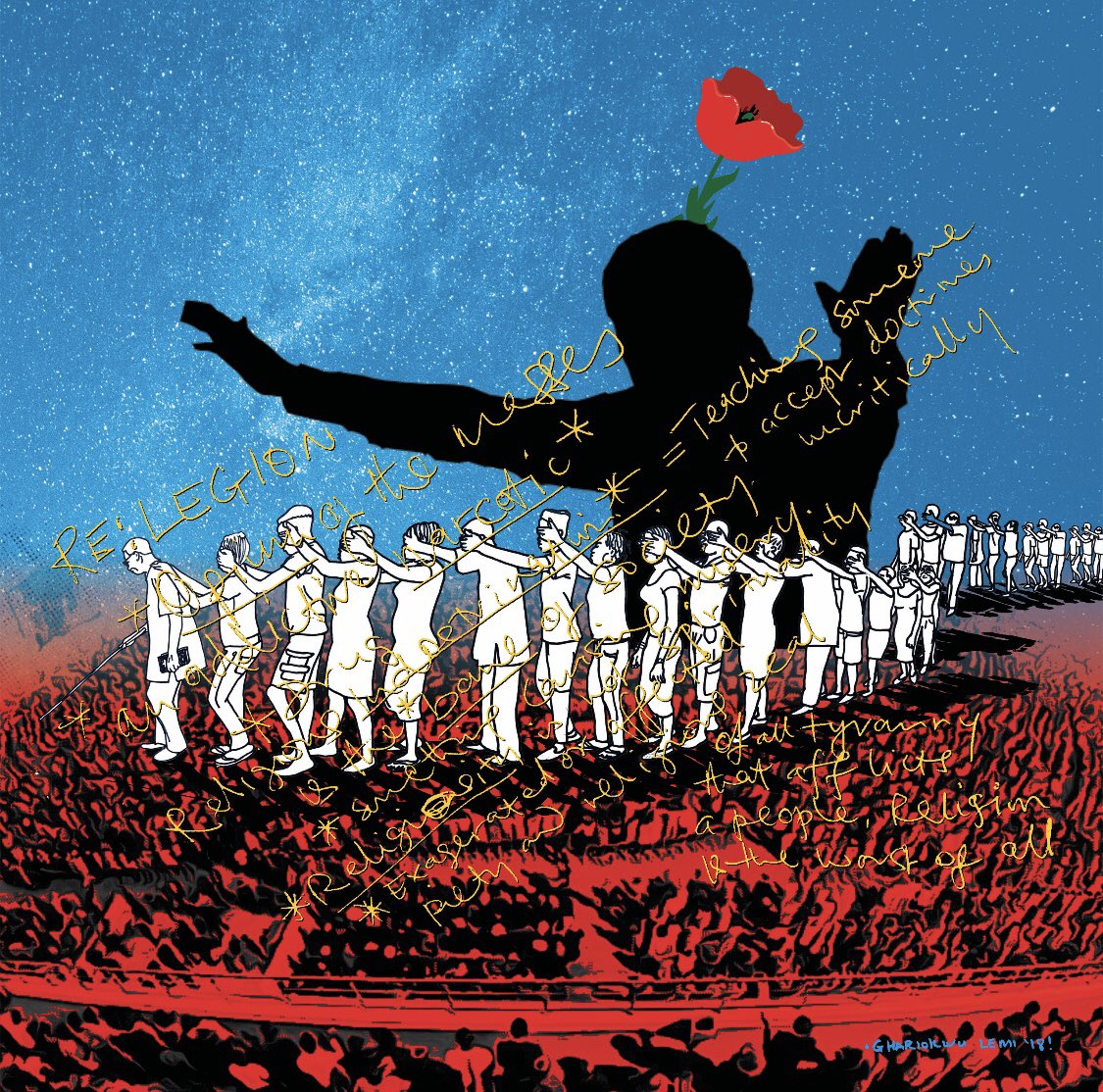
    “Amen” is where he comes the men at the helm of wealthy religious institutions whom he sees as jet-setting swindlers selling hope for donations and Sunday offering.

    Take our offering set up uni/and your church members no fit afford the school fees” is a line that should incite some conversations in a few Alumni Whatsapp groups.

    In an industry helmed by flamboyant stars making assembly-line pop music, Falz is eager to be seen as the one directly addressing issues we have grown numb to.

    It is as he emphasises at he ends “Talk” with one final confession–”na me talk am”.

    It is when this eagerness veers into contentious territory, that Falz’s brand of activism becomes problematic.

    This brand of moral instruction turns a familiar chapter on “Talk”–where he continues a pattern of berating sex work with the lines–”Instead make you work, you dey find Alhaji/Eh eh, you dey find Alhaji/You come turn your body to cash and carry/Eh eh cash and carry“.

    His insistence on addressing sex work as an immoral symptom of greed has drawn criticism.

    But the outrage became much louder after journalist Joey Akan posted a video of him explaining his distaste for ‘transactional sex’ (amidst several questionable uses of the term “feminist”) at his listening party–which is being interpreted as a sense of entitlement to women’s bodies.

    The problem with using morality as a lens is that it is entirely subjective and constantly evolving.

    Our ideas of good and bad overlap at obvious points –bad governance, corruption, murder–but at others, holding one’s beliefs over another’s can reek of self-righteousness.

    Unlike his appraisal of religion, Falz’s personal opinion about sex work refuses to explain how it sits in the larger context of societal ills and the sorry state of our nation.

    The reality of sex work in Nigeria, more often than not, is the result of too many social factors.

    Falz addresses some of them but others, like simple choice and outdated laws are beyond his scope on the album.

    However one may feel about ‘transactional sex’ though, we cannot strip people of their right over their own bodies.

    Falz’s approach is problematic – but not fatal.

    That’s because “Moral Instruction” and the incisive political critique it pulls off is held together by some very good music.

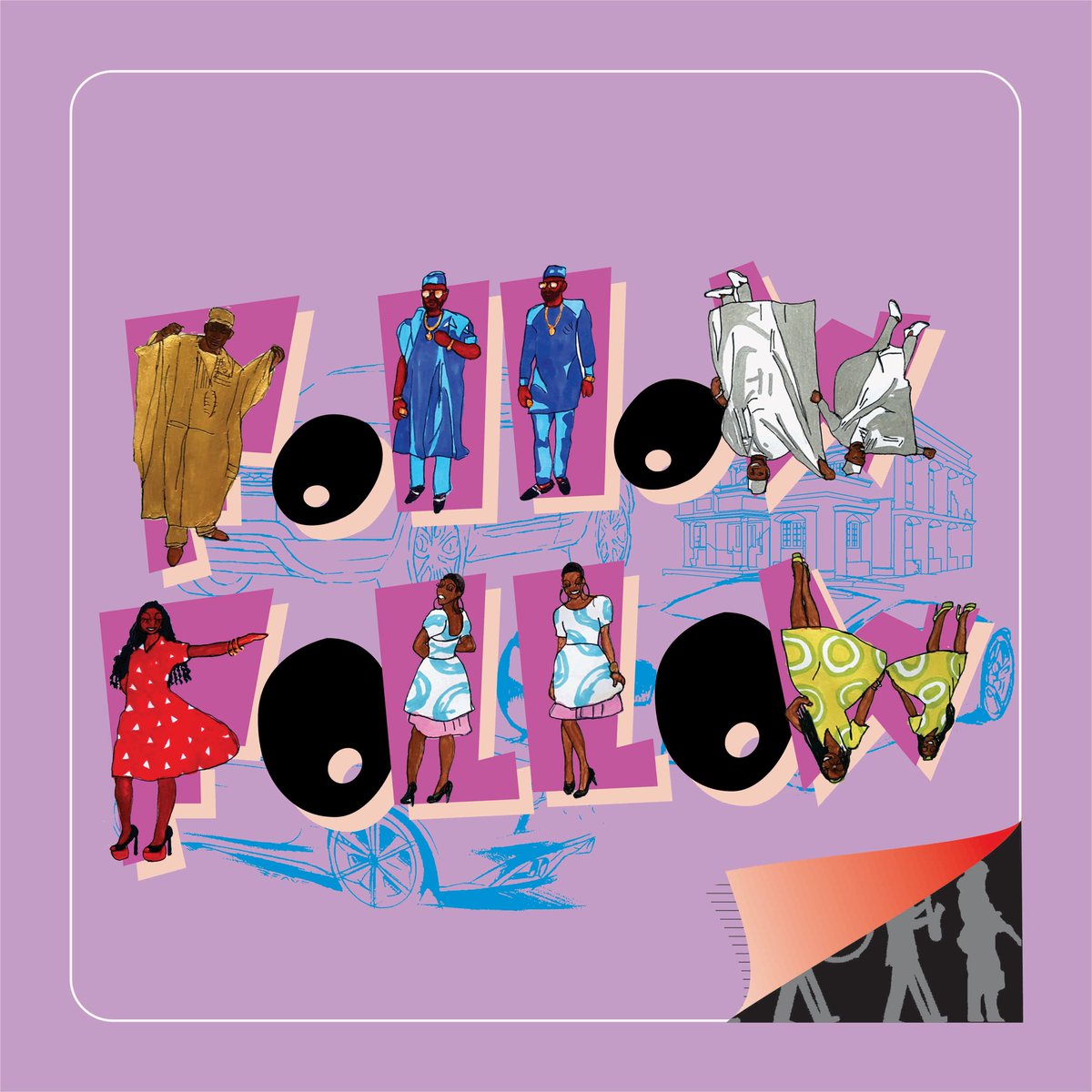
    Trap meets Fela’s disruptive energy on “Follow Follow” via a sample of the classic “Zombie”.

    The result is a song that has the potential to distract you from the fact that 30 years after, we, not soldiers, are the zombies here.

    “Amen” is as rich as red velvet cake. It is led by a poignant sample of Fela’s “Coffin For Head of State”, and thickened with excerpts from interviews and Falz at his most lyrical in years.

    In an important election year, Falz’s moral instruction is a reminder that we have become all too comfortable in this dysfunctional society we’ve made for ourselves.

    At its best, it is militant and demanding. At its most controversial, it is another’s can and nearly disappointing.

    For everything he does to address our collective apathy, his choice to point fingers at perceived wrongdoers on the basis of his own opinion feels like an easy way out.

    To his credit, Falz seems to acknowledge this on the album’s final track where he says “After all is said and done/I do not have the right to direct the finger of guilt or the look of contempt at my guy/for even I can barely see through the speck in my eye” but it’s a little late.

    It is almost a given that this album will be defined by the nuance in the conversations it has and inspires.

    It makes the album more apt for the times than we could have guessed.

    The curse of morality is that even though we all agree certain things are wrong, no-one, not even Falz or the funky ghost of Fela’s activism is ever absolutely right.

  • Is There Such A Person As The ‘New Fela Kuti’?
    The new Felas.

    The day was the 11th of August 1997, nine days after Fela’s death. Seun Kuti stood on the first-story balcony of his father’s home in Ikeja. Tens of thousands of people stood below. Most of them had walked through Lagos for Fela Kuti’s funeral. Now, they looked on as Seun offered a brief yet brave eulogy to the late bandleader.

    “We will remember the true meaning of Fela: Forever Lives Africa”, he screamed out.

    That acronym now reads “For Ever Lives Afrobeat” – as the theme of Felabration, an annual celebration of Africa’s most influential musician. The event’s purpose is as simple as the statement; Fela’s legacy, this music and his beloved people will live forever.

    Fela would have turned 80 this year. In the years since, many names have come forward as potential successors, evidence that his legacy lives on.

    But are they really? Which of these artists is the new Fela?

    The Prince of Afropop

    The first name that comes to mind is Wizkid, Africa’s pop prince and maker of watery party anthems.

    In a way–considering his standing and the image he projects–the Fela comparisons were bound to come.

    For one, Wizkid loves his marijuana, a drug that Fela described as a “gift from the gods of Africa”. Long before he decided to marry 27 of his dancers, Fela was known for his promiscuity. Wizkid’s 3 children and tussles over parental responsibility have brought that part to the fore as well.

    If the comparisons have put them in the same sentence, Wizkid played his part to create an actual conversation by using the #Felaback hashtag.

    He has “Jaiye-Jaiye”, a song with Fela’s first son, Femi Kuti, complete with a music video shot at Fela’s Afrika Shrine where he dresses like a Gucci-friendly version of the late icon.

    But that’s where the attempts at similarity end. To start with, Starboy doesn’t look like he’s trying to get into trouble with anybody-he is more likely to talk about shoes than politics.

    There’s also a lack of depth to Wizkid. His watery lyrics aside, he’s a sweet-faced poster boy for pop success in a way that opposes what Fela stood for; originality, pride in identity and a willingness to push the boundaries.

    What we have is an easily digestible version of the real deal; a de-caffeinated Fela more interested in waist sizes than social commentary.

    Starboy has said comparing him to Fela is disrespectful, so I assume he understands this too.

    But can one say the same of Burna?

    Damini Ogulu’s new national anthem, “Ye”  revolves around a sample of Fela’s “Sorrow, Tears and Blood” that most people sing like a personal truth.

    Burna ticks a lot of boxes, from Fela’s gang-like inner circle to walking around in his own perpetual cloud of smoke.

    His devotion to Fela shows in his music. Burna is adept at making rousing songs of struggle with a sprinkling of Fela’s lyrics.

    Like Fela who believed in corporal punishment, Burna has a reputation that suggests he is not one to shy away from using the power of the black man’s fist. And he has his own Afrika Shrine video too in “Run My Race“.

    So what’s different? Perhaps, it’s Burna’s nonchalance. He may fill the Fela spec sheet quite well, but unlike Fela, there’s an impression that he’s not a deliberate product of his intentions.

    Burna could sing Nigeria to revolution but he’s also as likely to inspire outrage for shutting down an interview of his grandfather because he was apparently bored. 

    On a bad day, he’s a loose cannon inspired by someone who had no regard for rules.

    You get a sense that he wants to be as respected as Fela. But, for better or not, he’s confident he can become someone just as worthy by being himself.

    Addendum: Since writing this piece, Burna Boy has delved deeper into Abami Eda’s influence on his sound and beliefs. For one, he has a massive diamond-encrusted necklace in the late singer’s image. The most substantial tributes to Fela have come on his fourth studio album, “African Giant” and the many events that led to that. He is Fela’s biggest and most prominent ambassador today.

    Seun Kuti still wears Fela on his sleeve.

    It’s almost perfect that the closest real thing to Fela is one of his own.

    You can hear it in his aggressive Afrobeat, see it in his outspoken nature, and feel it in his belief in a united Africa.

    Seun has Fela’s aura; an air that demands respect even if you’re uncertain of what to expect in return.

    It is that impression that lures you to sit beside him and listen to whatever he has to say like the wives and children who shadowed Fela in interviews at his home.

    Yet we never look at what Seun does as inspired in the same way that we look at Fela.

    Seun, like all Kutis, suffers from the curse of having a unicorn for a father.

    He has always been expected to follow in his father’s steps, like his brother Femi.

    As such, his best efforts come across as one who is simply doing what he must.

    Someone who might be surprised he’s making this conversation is Falz.

    How does one compare a sweet-boy lawyer turned rapper – whose mainstream fame came with Instagram skits – to an unbridled, drug-using, anti-establishment bandleader with misogynist views?

    The answer? The Internet.

    This slightly-absurd story peaked when Falz put out “This is Nigeria“, a commentary on the Nigerian situation inspired by Childish Gambino’s “This is America”.

    Lo and behold, the rapper, whose alter ego is named “Brother Taju”, was taking shots at everyone from politicians to yahoo boys.

    Falz has found a sweet spot by making music that the average Nigerian finds personal, honest, or amusing at least.

    Like Fela, he’s vocal about politics and the quality of people in power. After leaving crumbs of his singer’s inspiration, Falz released “Moral Instruction” in January 2019. It is an album so heavily influenced by the late icon that its could well be a cover album. The album was critically acclaimed for addressing “the lack of decorum that have become part of life in Nigeria”. However, the album faced backlash for selective morality, a problem that we deemed “problematic but not fatal

    But all that is only a feeble drop in a shallow puddle, next to the ocean that was Fela’s life.

    At best, Falz’s image and approach is too clean for the grime of Fela’s impetuous life and legacy. At worst, he appears like an attempt to re-imagine a man who died in a class of his own, cooked up in the dark bowels of a strategy meeting.

    What then does it take to be a new Fela? Or to be at least, worthy of the comparisons?

    To start with, there’s an obvious flaw in how we see Fela. It should be obvious that most fans have grown familiar with a watered-down image where Fela is the benevolent daddy of all Nigerian musicians. But it was the same man who boasted of having death in his pouch. 

    To be the new Fela would mean to be free-spirited, like him, to the point of recklessness.

    At the height of his career, Fela discarded every connection to foreign cultures, particularly those from Europe and the United States.

    Despite being raised by an Anglican minister, he shunned Christianity and practised traditional faiths.

    Before his performances at the Shrine, Fela would conduct elaborate ritualistic ceremonies with help from his personal magician, Professor Hindu.

    To be Fela would mean to be idealistic to the point of self-sabotage.

    Zombie - Fela Anikulapo Kuti

    It was Fela who said that “As far as Africa is concerned, music cannot be for enjoyment, it has to be for revolution“.

    Fela’s anti-colonial upbringing and his Black Panther teachings spurred a deep hatred for authority and repressive regimes.

    As the military abandoned the barracks for government houses, Fela let them know what he thought of their autocracy with tongue lashings disguised as songs.

    Some of them were like “Zombie“, a song so brutal that record shops refused to play them in public for fear of being beaten by soldiers.

    For all his trouble, Fela had his home burnt down, his wives robbed and stabbed and his mother, the enigmatic Funmilayo Ransome-Kuti, thrown from a second-story window. 

    But till his last days, he never stopped.

    To tick the boxes that make one worthy of being compared to Fela would mean abandoning material success for a greater purpose.

    Fela Kuti abandoned material good.

    In this sense, Fela was closer to a religious leader than an artist.

    When Motown offered him over a million dollars for five albums, Fela turned down the offer because the gods had told him to.

    His home, Kalakuta Republic was a fenced compound that was home to hundreds of free-spirited young people, many of whom had run away from home in search of answers and like minds.

    Maybe that’s why there can’t be a new Fela, or why there shouldn’t be.

    Fela Kuti

    There are too many boxes to tick, some of them exemplary, others dangerous.

    Fela was a rarity – and there will be many more that invoke his ideals. The road to carrying on his legacy may seem covered in Afrika Shrine videos and angry lyrics from “Teacher Don’t Teach Me Nonsense”, but any potential successor may find that the destination is beyond limits.

    Some, like Burna will be close in most regards. Others, like W4 who showed us Fela’s fashion in contemporary terms, will pull off some elements with insane precision. But what they will not be is the complete package.

    And that’s okay.

    On their own, despite their individual shortcomings, they could be all the evidence we need that Fela still lives.

    Did you enjoy this? You should sign up for our weekly pop culture newsletter, Poppin’. You’ll get to know what we’re up to before anyone else + insider gist, reviews, freebies and more. If it sounds like your deal, sign up here.

  • I pledge to you, that after you read this, you’d have a lot of reasons to get your PVC.

    I know, I’ve started again. But just in case, this is how to get it.

    I discovered some strange facts about Nigeria and it’s people and I couldn’t keep them all to myself.

    Because where’s the fun in that?

    I have to tell you that everything you’re about to read is 100% true.

    fight no atheism
    I’m saying it with my chest.

    Have you ever wondered if greatness could sometimes be a family thing?

    Like you can just be great because your family has symptoms of greatness ?

    So it turns out Fela Anikulapo Kuti and Professor Wole Soyinka were cousins. Two of Nigeria’s Greatest men.

    Yup, Fela’s father and Wole Soyinka’s mother were siblings.

    Ladies, according to the Nigerian “Breach of Contract to Marry”, if a man proposes to you, and suddenly calls off the marriage…

    …you can sue his sorry ass.

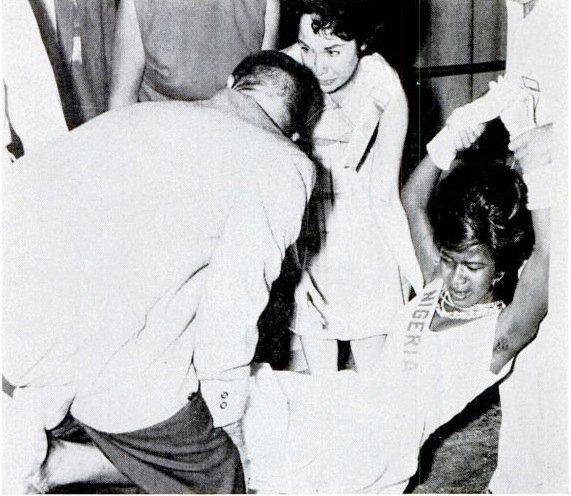
    In 1964, Edna Park who was Nigeria’s representative at Miss Universe fainted when her name wasn’t called as a finalist.

    The judges audacity.

    Should we talk about football for a minute?

    Ohh yeahhh

    In 1964, the Nigerian civil war had to be stopped for 2 days, because Nigerians wanted to watch Pelé play.

    You guys, Pelé is the god of Football. Argue with Maradona.

    Also, Nigeria’s first world cup goal was in 1994 and they finished Bulgaria with a sweet 3-0. The late Rashidi Yekini scored our first goal ever.

    See, sometime’s I just wish I could rewind time small.

    Let me tell you about Nigeria in the 70’s.

    You’re not ready for this, trust me.

    In the 70’s, Nigeria had one of the strongest currencies in the world.

    60kobo = $1

    In the 70’s, there was actually constant power supply in the entire country.

    I mean NEPA almost never took light. Believe it or not.

    During that same period, there were literally excess jobs in Nigeria.

    See why I said I wish we could go back in time a bit?

    Finland even used to say Nigeria was “A future world power”

    And Yakubu Gowon said our only problem is how we spend money.

    Fast forward to 2018, It was announced on the 25th of June that Nigeria has become the country with the highest number of poor people in the world. We beat India to it.

    I truly do not know what to say.

    Anyway, moving on to some weird stuff. In 2009, a goat was arrested by the Nigerian police.

    I don’t mean goat like a legend. I mean goat like goat. Animal.

    So, a man tells the police someone tries to steal his car but was caught and tried to run away. The man believed the thief turned into a goat because well, the thief disappeared.

    What’s the logical thing to do? Obviously, arrest the goat.

    While goat’s are going to jail, humans are barking to death. Okay so, In 1953, the Alaafin of Oyo visited Bode Thomas who was a Lawyer and Chairman, Oyo divisional council.

    Political brothers supporting each other.

    Things went south quickly when Bode Thomas insulted the Alaafin for standing to greet him. I mean, Sho mo age mi ni?

    As soon as the Alaafin left, Mr Bode starts barking like a dog, non stop. while he was still barking, He died the next morning.

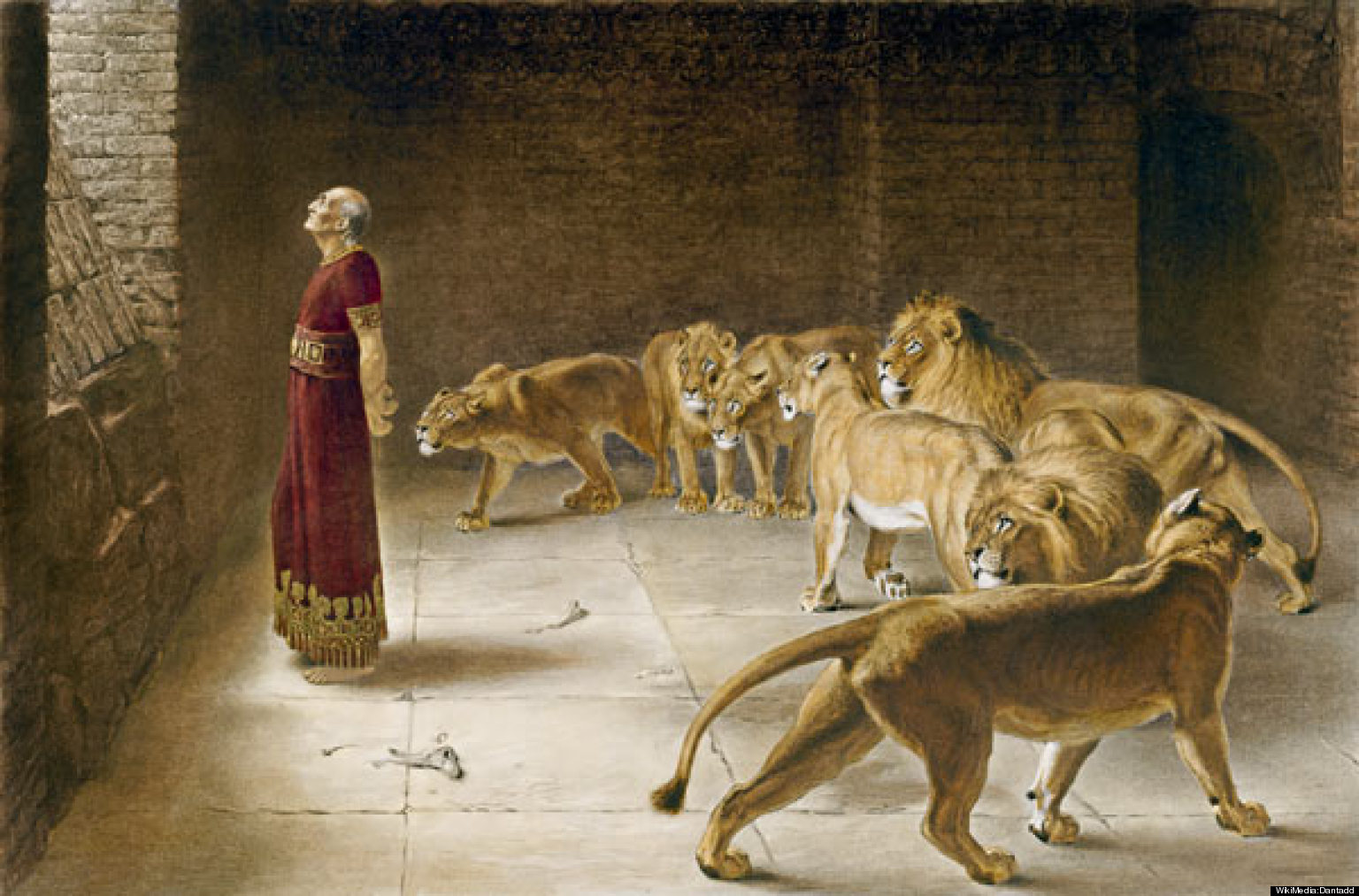
    I’m going to end with this story most of us have probably heard before. If you’ve never heard about Daniel in the Bible.

    Let me give you a vague summary, He was a man who stayed with lions, interacted with them and came out alive.

    Daniel Abodunrin, who was a Nigerian prophet tried to recreate the story above by entering the Lions den in a zoo in Ibadan.

    They ate him up. It’s not funny.

    “Wait wait wait, Nigeria is somehow o, what’s that thing you were saying about PVC?”

    Don’t worry I got you. Just click here.
  • Burna Boy Was Asked To Choose Between Fela And Wizkid And He Dragged The Hell Out Of The Interviewer
    Some people don’t have home training and Burna Boy is just here to tell them.

    During an interesting interview session with Noise Questionnaire, Burna Boy was asked to choose between Fela, Wizkid and Burna Boy.

    He gave the perfect clapback and we’re so proud of him.

    People need to put some respeck on Fela’s name. He’s not anybody’s mate, even in death!

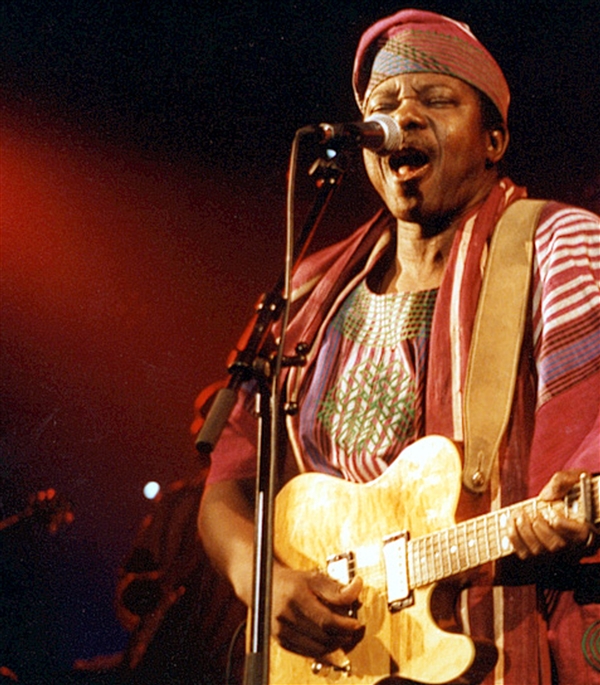
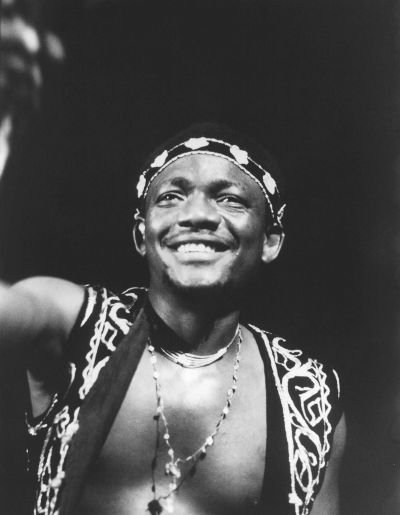
  • 1. King Sunny Ade

    This man is a living legend!

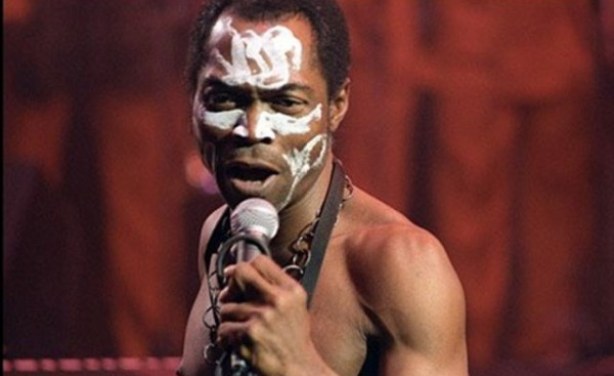
    2. Fela Anikulapo Kuti

    Gone, but forever in our hearts.

    3. Bongos Ikwue

    If you haven’t, sharply go and listen to ‘Mariama’. Classic!

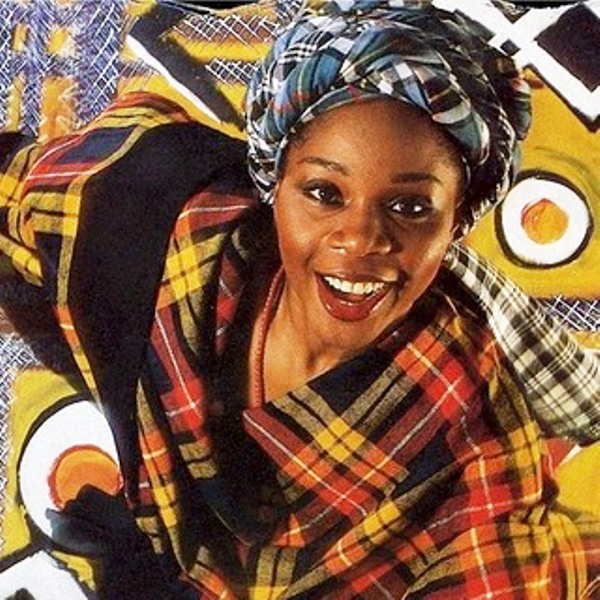
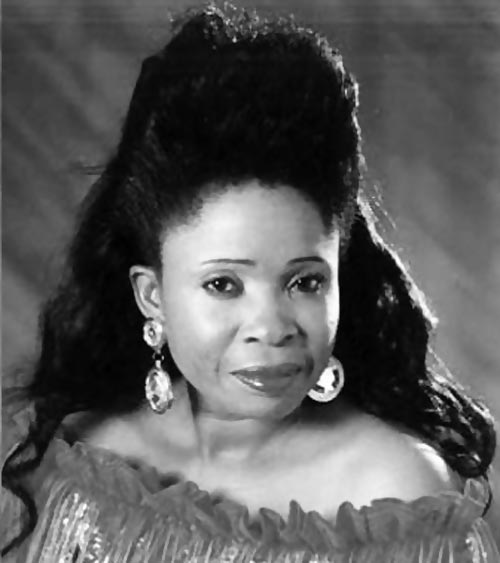
    4. Onyeka Onwenu

    Yup! We know: she looked amazing even then.

    5. Prince Nico Mbarga

    This is the genius who blessed us with ‘Sweet Mother’.

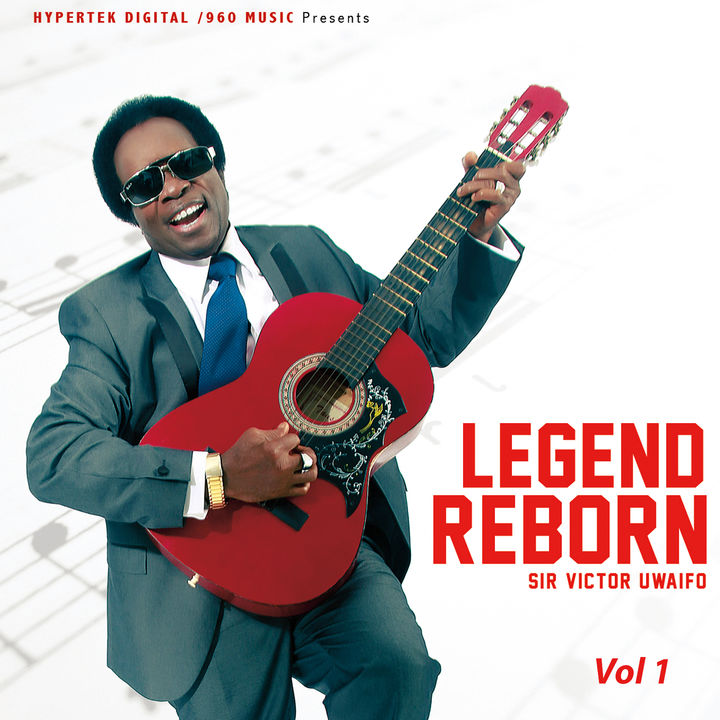
    6. Sir Victor Uwaifo

    You and bae should try dancing to ‘Joromi’ one of these days.

    7. Chrissy Essien Igbokwe

    RIP to the ‘Seun Rere’ crooner.

    8. Ebenezer Obey

    AKA ‘Chief Commander’, AKA King of Nigerian juju!

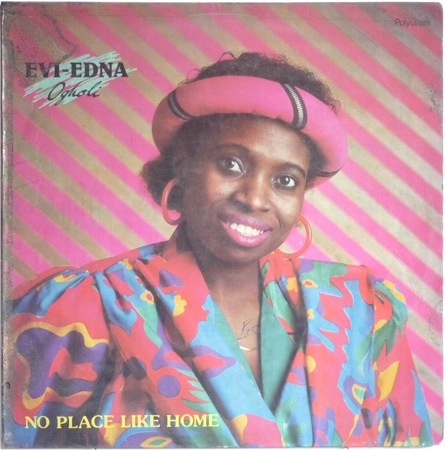
    9. Queen of Reggae; Evi Edna Ogholi

    Remember ‘Uuuu ye, I wish you happy birthday’?

    10. The late Sonny Okosun

    That time when he blessed us with ‘Fire in Soweto’.

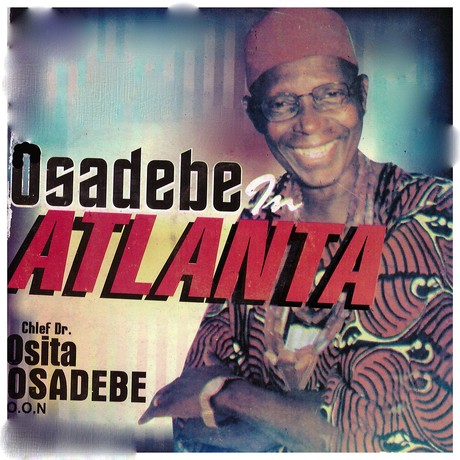
    11. Chief Osita Osadebe

    Also late, sadly. Because of him, we have ‘Osondi Owendi’.

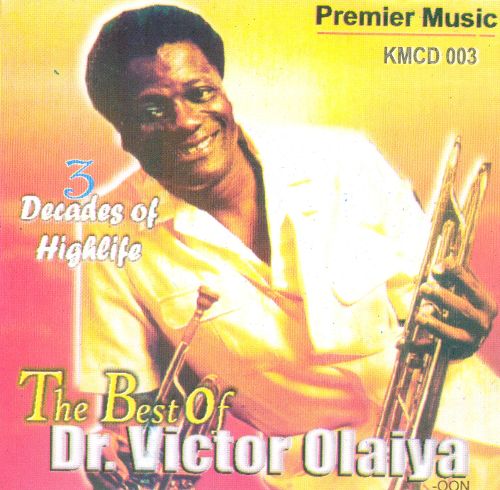
    12. Victor Olaiya

    ‘Baby jowo ko ma elo ooo…’

    13. Majekodunmi Fasheke

    Take us back to the golden days of Majek Fashek!
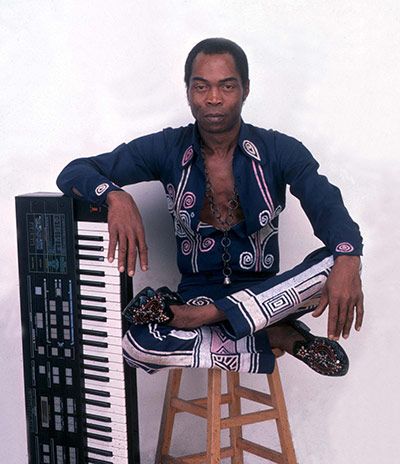
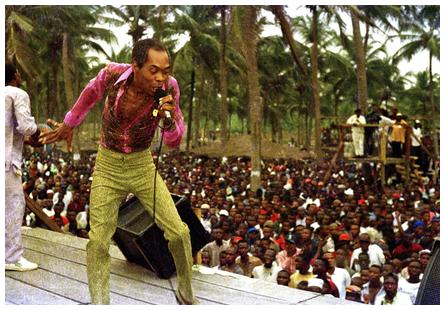
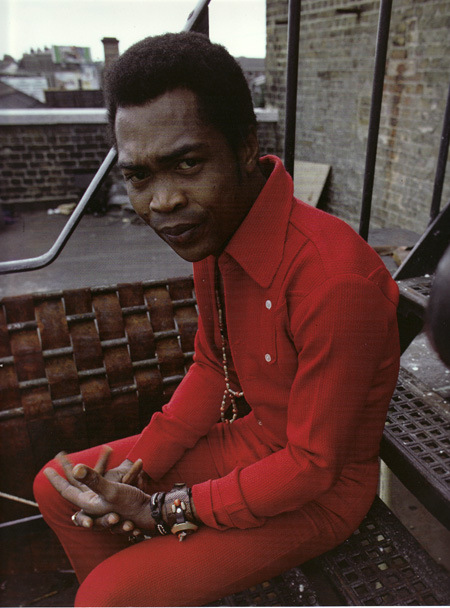
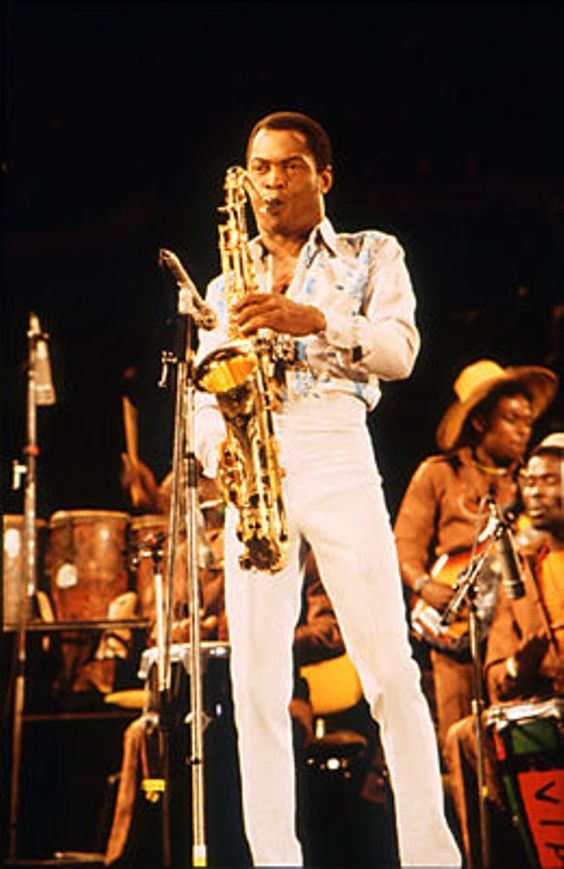
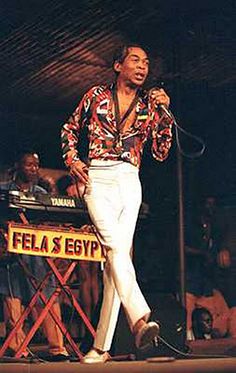
  • 1. When he gave us this print and open chest combo *swoon*.

    2. Who else could rock pink and green but Fela?

    3. Only Fela could rock red on red so well.

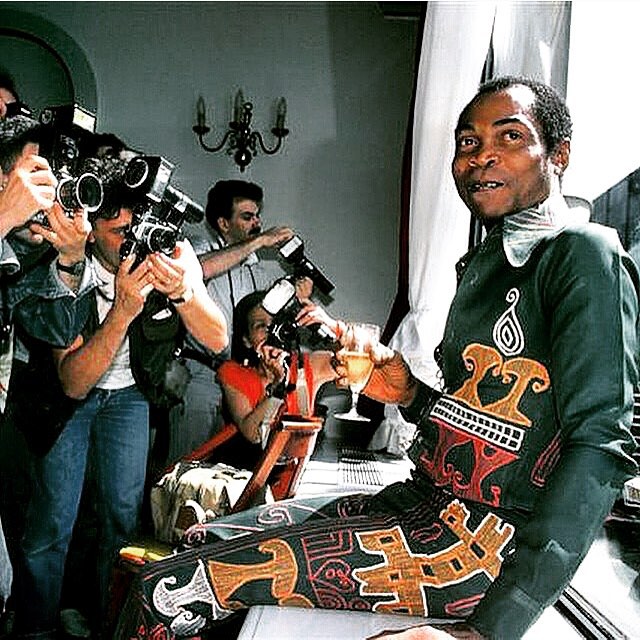
    4. And he was the master of white pants, to be honest.

    5. What did we just say? King of white pants!

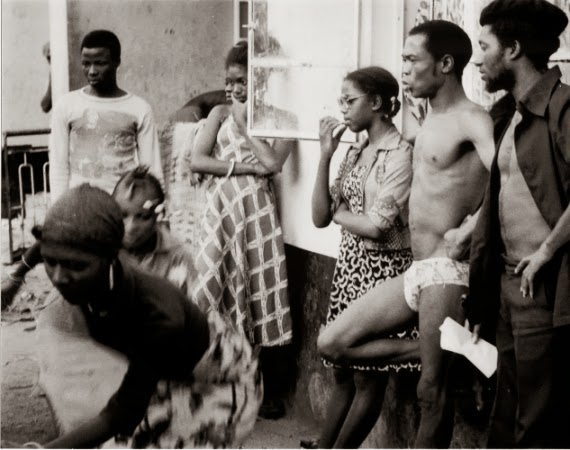
    6. That time when he just had to wear panties to wow us.

    7. Okay, the guy really, really liked his panties.

    8. Have you ever seen anything so beautiful?

  • 14 Iconic Pictures Of The Legendary Fela Kuti
    It’s hard to say the name Fela Anikulapo-Kuti without being respectful. He was an artist so great, his music will be continuously sampled and relevant in addressing social issues.

    Celebrating 19 years since this legend departed from this world, here are some of the times Fela was captured in moments of greatness:

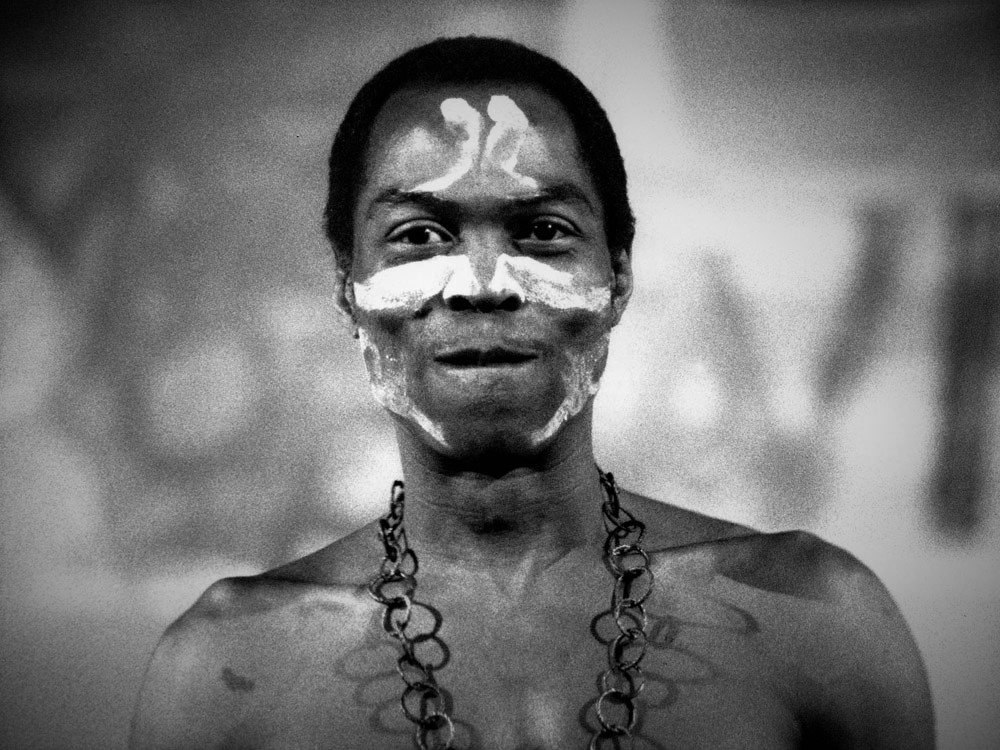
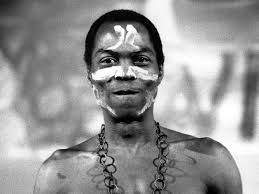
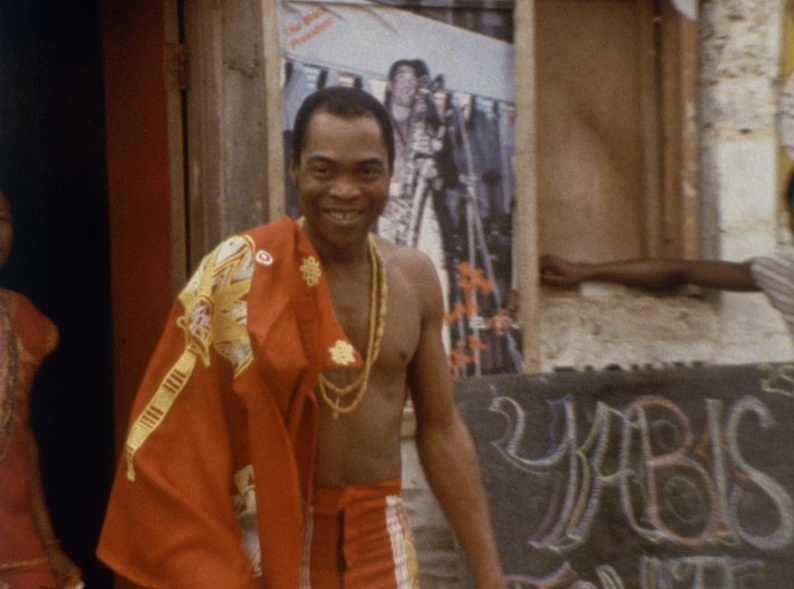
    1. His signature smirk.

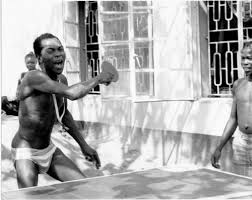
    2. That time he was captured playing table tennis in his underwear.

    3. When he flashed a big smile for the camera.

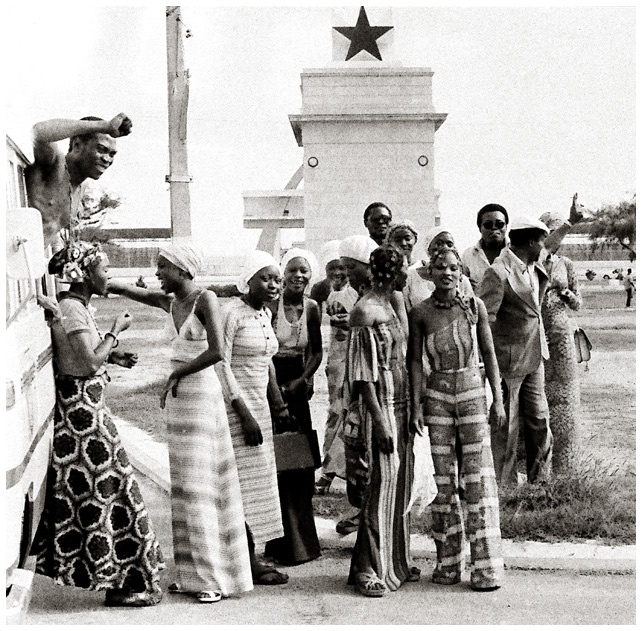
    4. That time he was hailing his fans during a visit to Ghana.

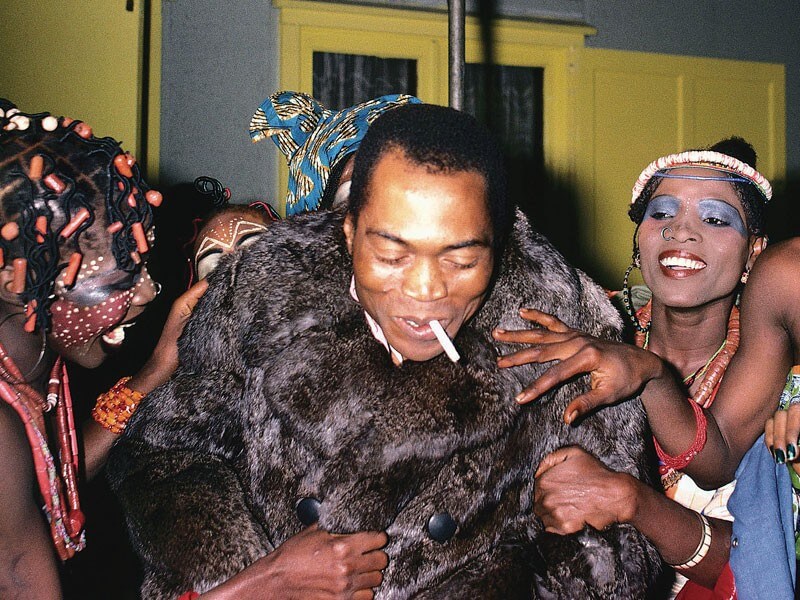
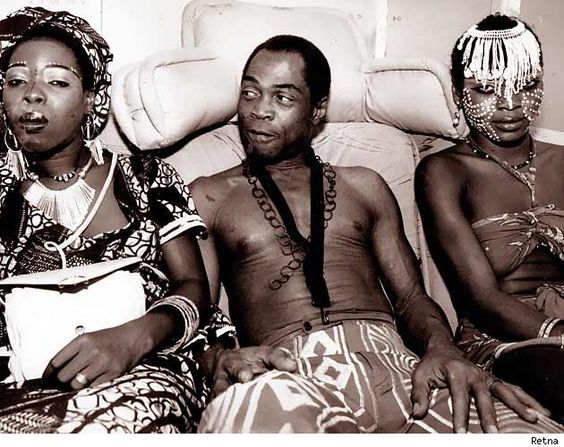
    5. This picture of him chilling with his dancers.

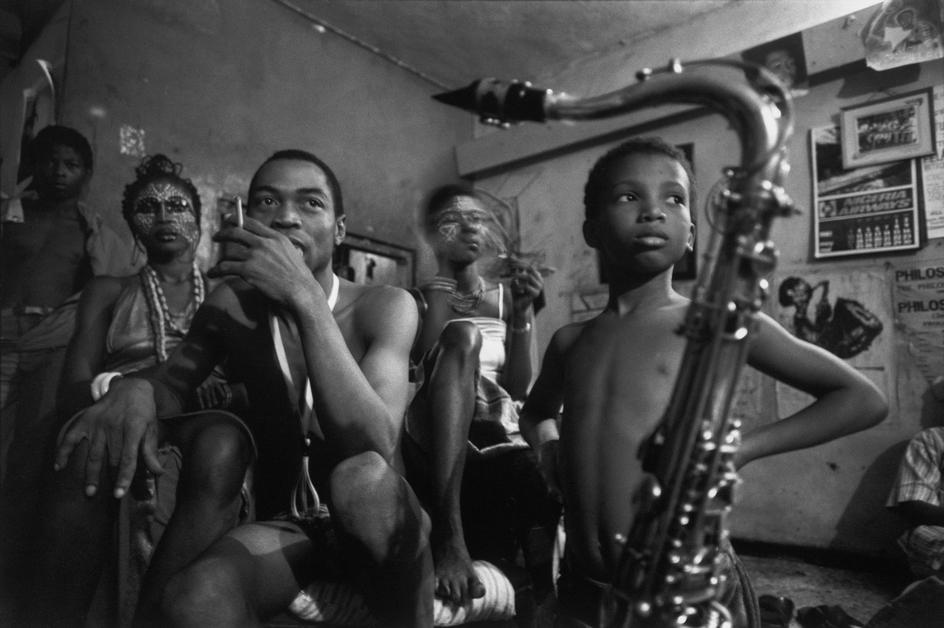
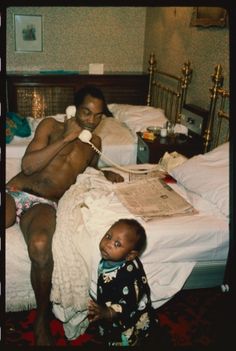
    6. Just look at him receiving a phone call with little Seun Kuti in the room.

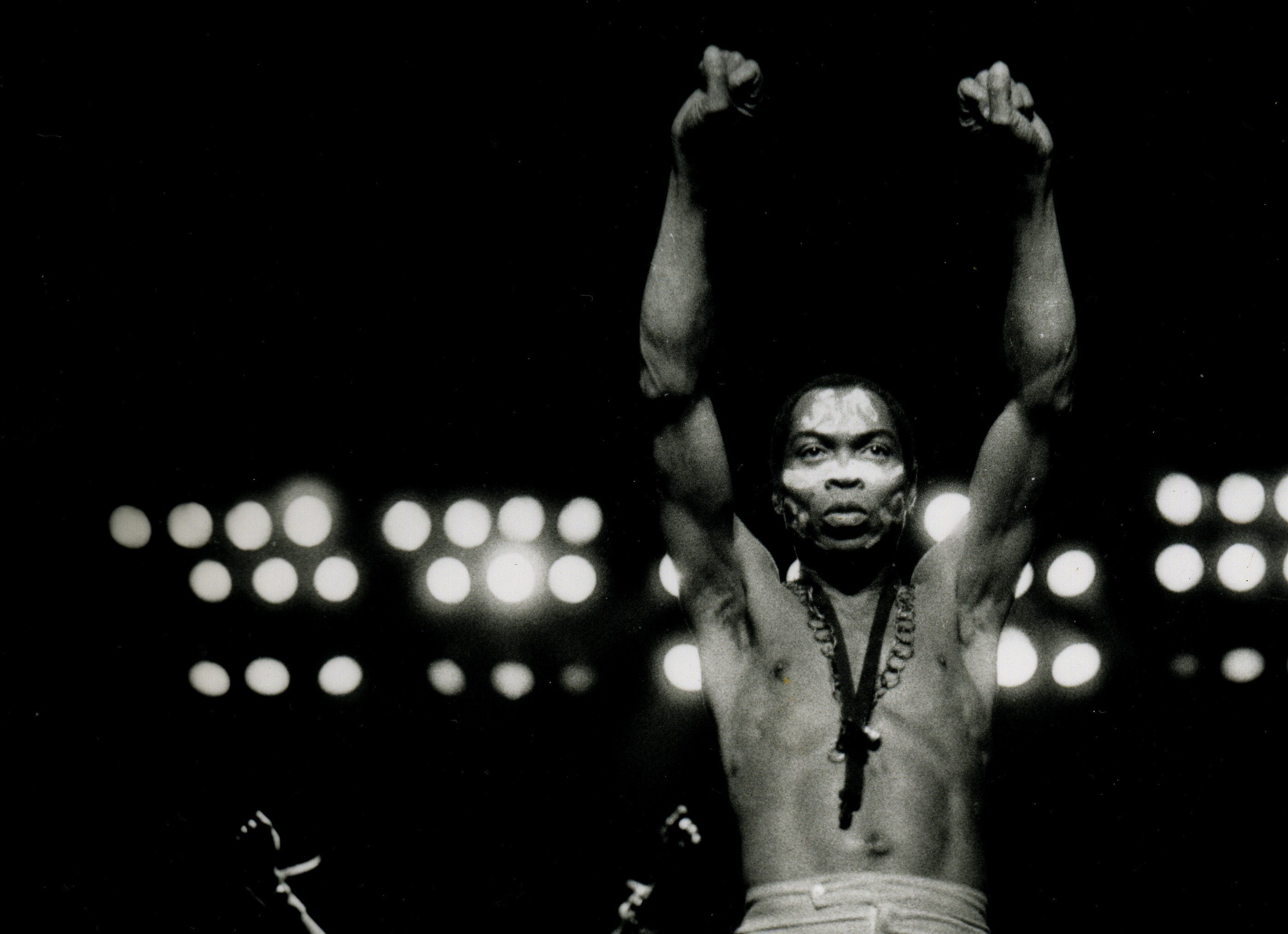
    7. This really iconic pose he gave after delivering an amazing performance.

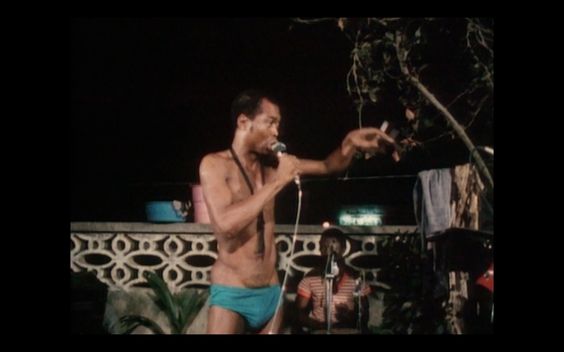
    8. When he didn’t give a damn while on stage.

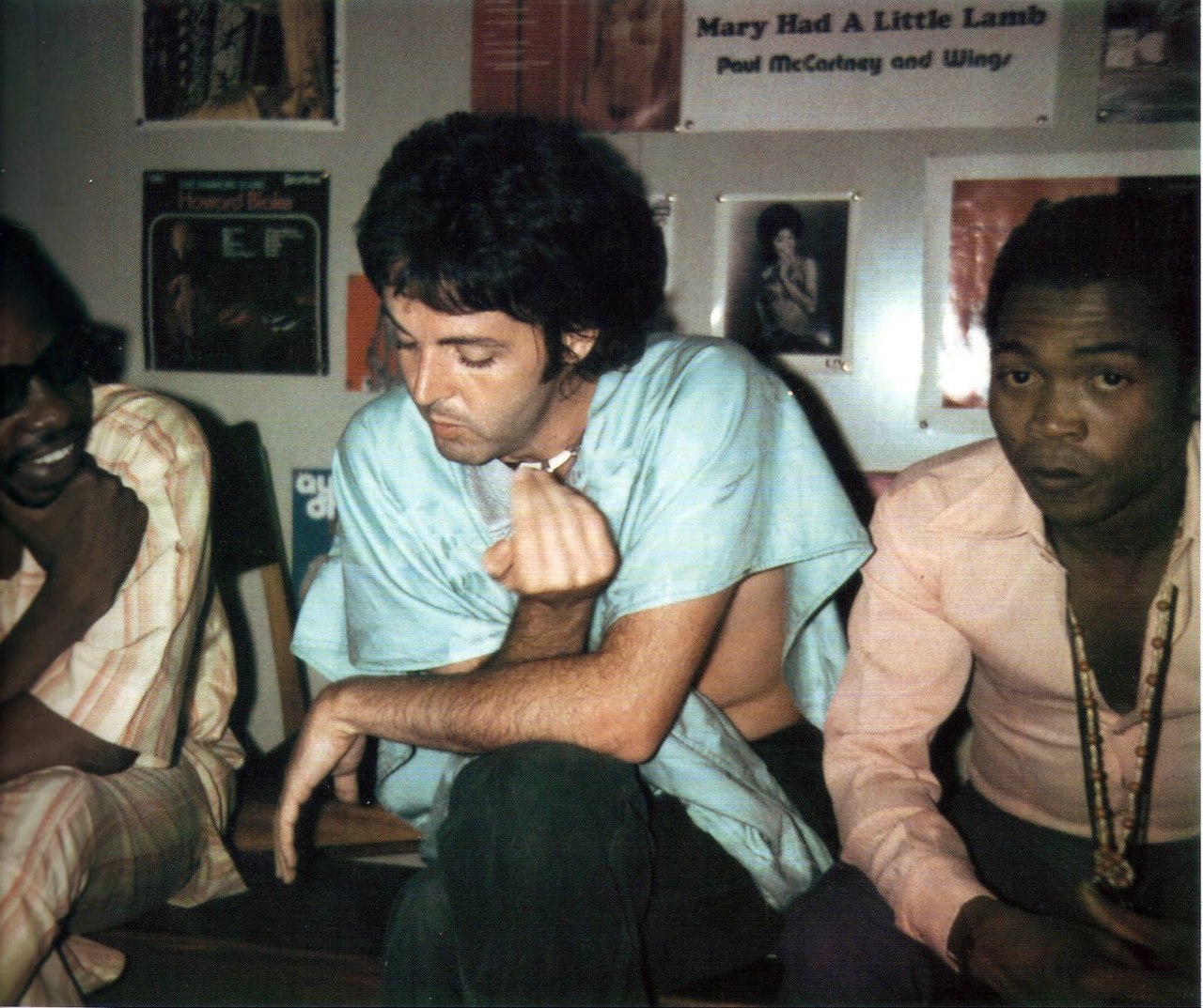
    9. When he met the great Paul McCartney.

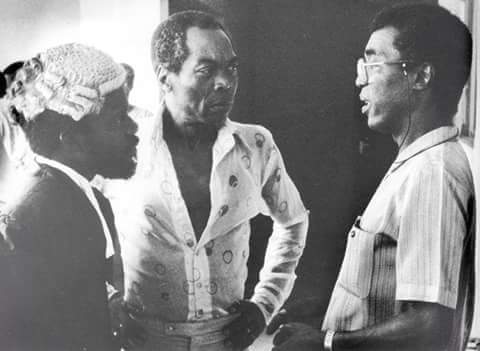
    10. The time he was in a deep conversation with his brother, Late Dr Beko Ransom-Kuti and his lawyer, Femi Falana.

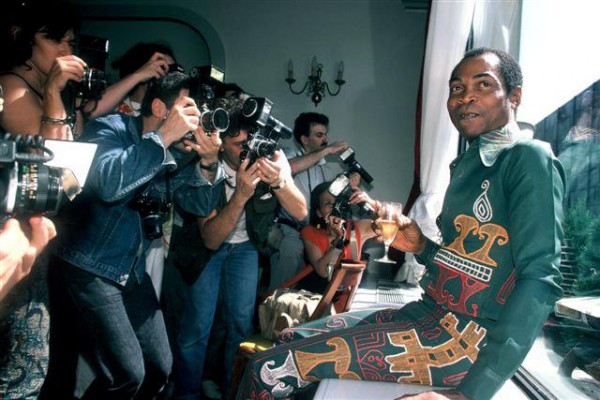
    11. When he was forming bad guy for the paparazzi.

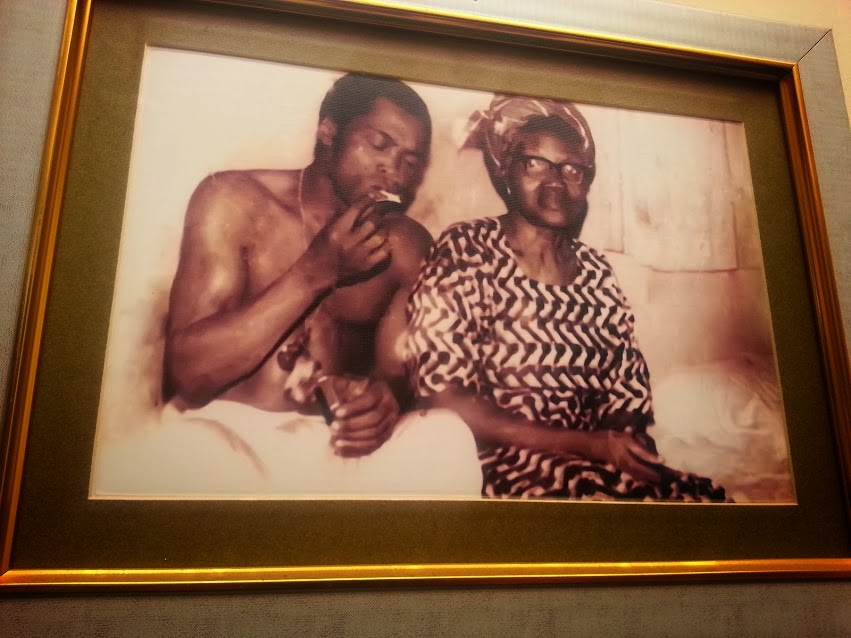
    12. This framed picture of Fela and his his mother, Mrs Olufunmilayo Ransom-Kuti.

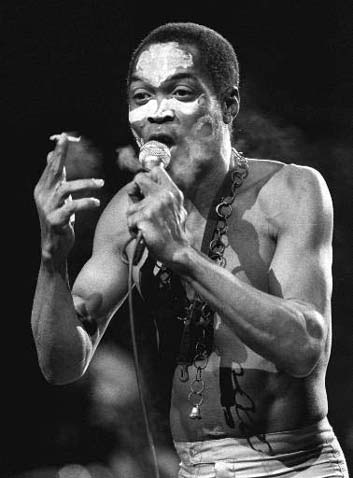
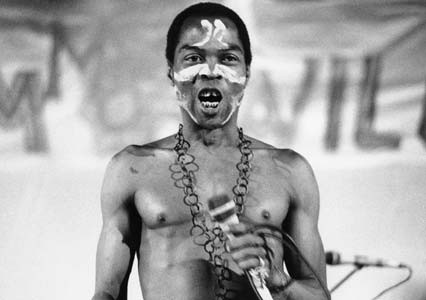
    13. When he was fierce while on the microphone.

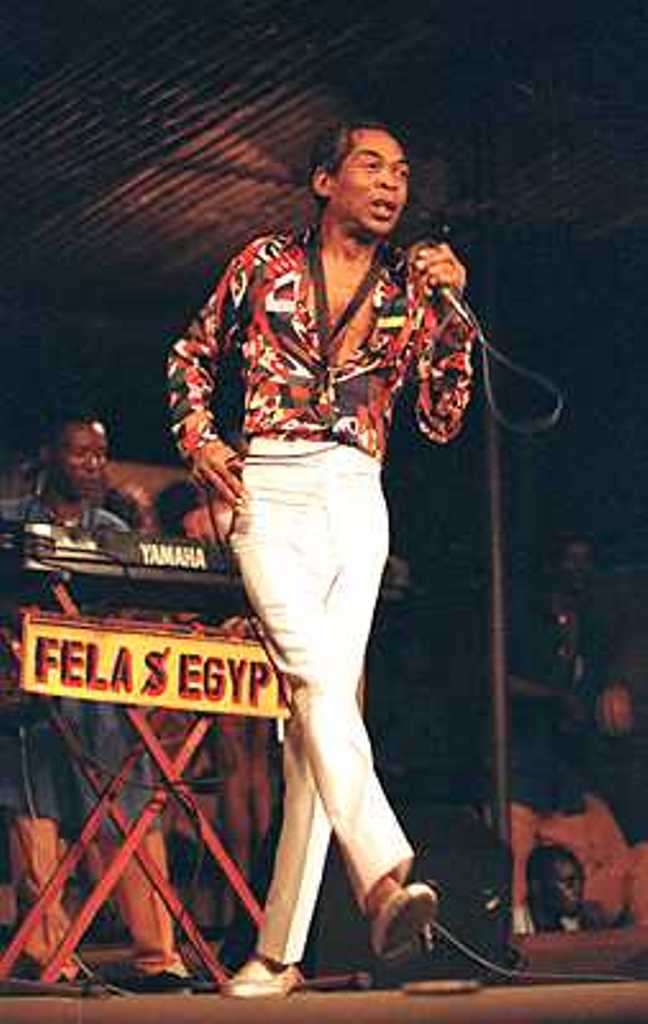
    14. That time he served serious fashion slayage on stage.

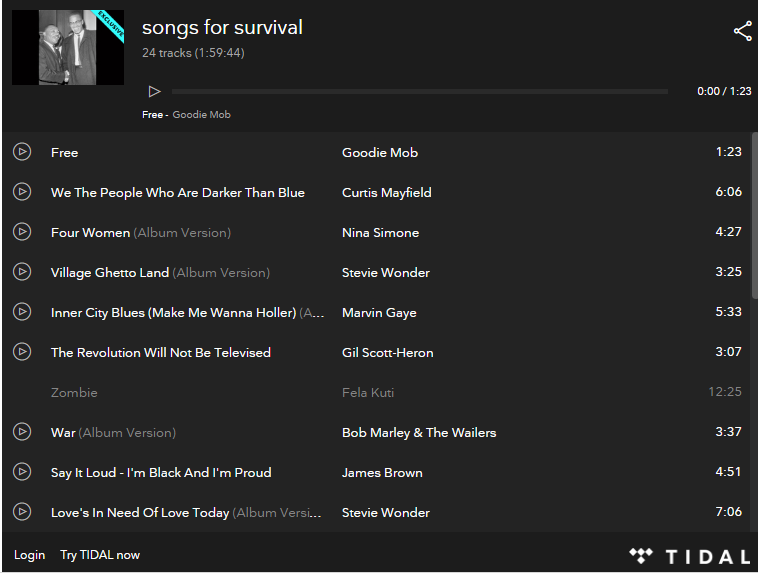
  • Fela Kuti’s ‘Zombie’ Is One Of The Songs On Jay-Z’s ‘Songs For Survival’
    Nigeria’s military regime wasn’t perfect and was met with resistance from outspoken Nigerians such as Fela, Gani Fawehinmi and Ken Saro-Wiwa.

    Being the radical that he was, Fela threw heavy shade at the Nigerian military in his 1977 song, Zombie, where he compared the soldiers to mindless Zombies.

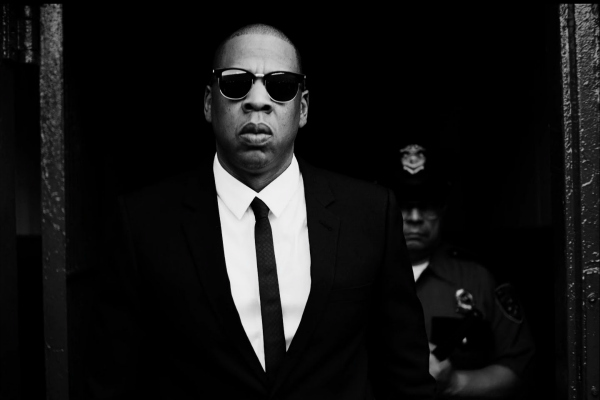
    In the light of the recent protests against police brutality in the US, American rapper, Jay-Z, compiled a list of songs that addressed social injustices in a selection he titled, Songs For Survival.

    And because Fela’s legendary status and his Zombie song will be forever relevant, Jay-Z added this great song to the collection which is available for download on Tidal.

    You can listen to Fela’s Zombie here.

    https://www.youtube.com/watch?v=Qj5x6pbJMyU
    You can also listen to Songs Of survival via Tidal here.