
Notice: Function _load_textdomain_just_in_time was called incorrectly. Translation loading for the wordpress-seo domain was triggered too early. This is usually an indicator for some code in the plugin or theme running too early. Translations should be loaded at the init action or later. Please see Debugging in WordPress for more information. (This message was added in version 6.7.0.) in /home/bcm/src/dev/www/wp-includes/functions.php on line 6121
Federal agency | Zikoko!
  • 10 Law Enforcement Agencies in Nigeria and Their Duties

    Law enforcement agencies in Nigeria are all established to enforce the law without bias, but each agency has a different focus. 

    From the famous EFCC to the lesser-known NIA, we’ll break down each law enforcement agency in Nigeria to help you identify them, their history and job descriptions.

    The Nigerian Police Force (NPF)
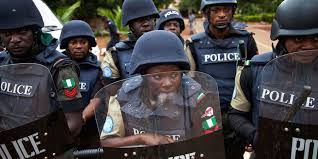
    The Nigerian Police Force is the largest organisation on this list and principal law enforcement agency in Nigeria. It was established in 1930 and is currently headed by Inspector General Kayode Egbetokun. 

    The NPF is saddled with the responsibility of maintaining law and order and executing the activities of all other law enforcement agencies in the country.  They operate under their functions in Section 214 of the 1999 constitution of the Federal Republic of Nigeria (as amended) Nigeria Police Act 2020.  

    National Drug Law Enforcement Agency (NDLEA)
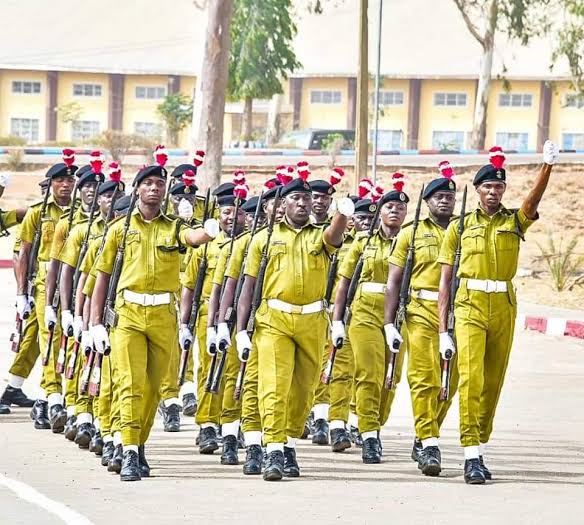
    The NDLEA is the country’s foremost agency in its fight against illicit drugs and intoxicants. It performs covert and major operations tackling the cultivation, trafficking and distribution of illegal and dangerous drugs in the country. 

    The NDLEA was established in 1989 by decree number 48 of 1989 Act of Parliament. The current chairman of the NDLEA is Brig. Gen. Mohammed Buba Marwa (Rtd).

    Economic and Financial Crimes Commission (EFCC)
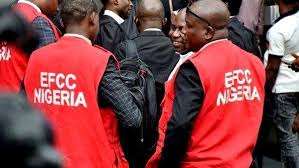
    The EFCC is the financial safeguard of the country. They focus on financial crimes such as money laundering, fraud, embezzlement and other financial corruption-related cases. 

    Their mandate is to combat these crimes and recover stolen funds from guilty defendants. The commission was established in 2003 under the EFCC Establishment Act 2004. The current chairman of the EFCC is Olanipekun Olukoyede. 

    Nigerian Immigration Service (NIS)
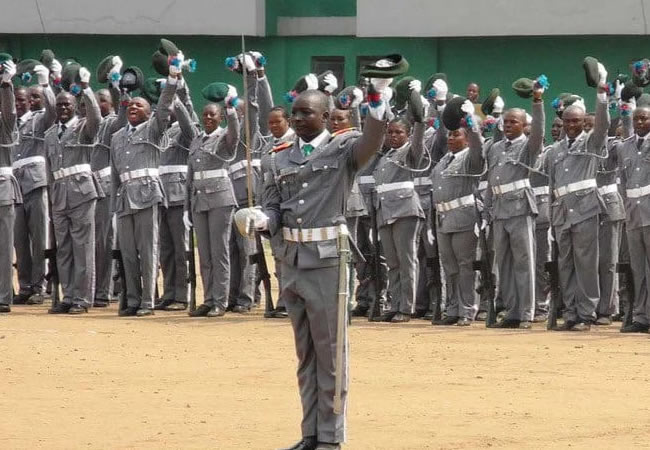
    The NIS handles border security and the integrity of the country. They are in charge of issuing visas, passports and any other document required to make legal entry into the country.

    The NIS was established on August 1, 1963, by the Act of Parliament, CAP 171, Laws of the Federation Nigeria. It is currently headed by Comptroller General Kemi Nanna Nandap.  

    Nigerian Customs Service (NCS)
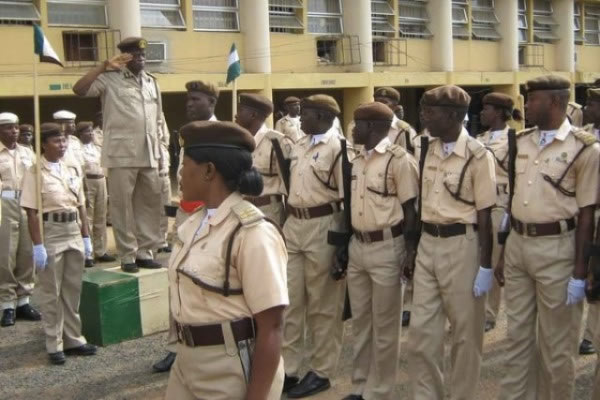
    The NCS is another agency that ensures the security and integrity of Nigerian borders. Their focus is primarily on imported goods. They ensure the veracity of such goods, issuing documentation and clearance for all imports into the country. 

    They’re also tasked with rooting out smugglers and traffickers who circumvent legitimate means of importation to bring in illicit goods like drugs, stolen merchandise, cars, etc. The NCS was established in 1891 and operates under the Customs and Excise Management Act. It is currently headed by Comptroller General Bashir Adewale Adeniyi.

    National Intelligence Agency (NIA)
    The NIA is the country’s foremost intelligence agency. They operate in secret, focused on finding and distributing intelligence to other agencies. 

    They gather intelligence on sensitive issues such as terrorism, kidnapping, child and drug trafficking, cybercrime and gun trafficking. It was established on June 5th, 1986, under the National Security Agencies Act of 1986 (Decree 19). The NIA is currently headed by Director General Ahmed Rufai Abubakar.

    Department of State Services (DSS)
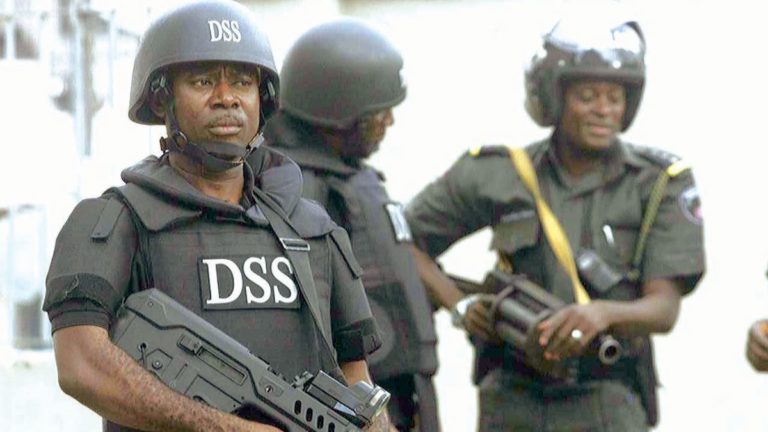
    This agency was formed on June 5th, 1986, under the National Security Agencies Act of 1986 (Decree 19). The agency is currently headed by Director General Yusuf Magaji Bichi. Like its sister agency, the NIA, it is tasked with providing intelligence to the government and other agencies. 

    The DSS is  focused on counter-terrorism and investigating national security threats; they also handle the security of core officials of the government. 

    Nigeria Security and Civil Defence Corps

    The NSCDC is a paramilitary institution that handles everything from providing security to public infrastructure to protecting the country’s pipelines from vandalism. 

    They’re in charge of registering and regulating private security enterprises in the country. It was founded on June 28th, 2003, under the 2003 NSCDC Act. The current head is the Commandant General, Dr. Ahmed Abubakar Audi.

    Federal Road Safety Corps (FRSC)
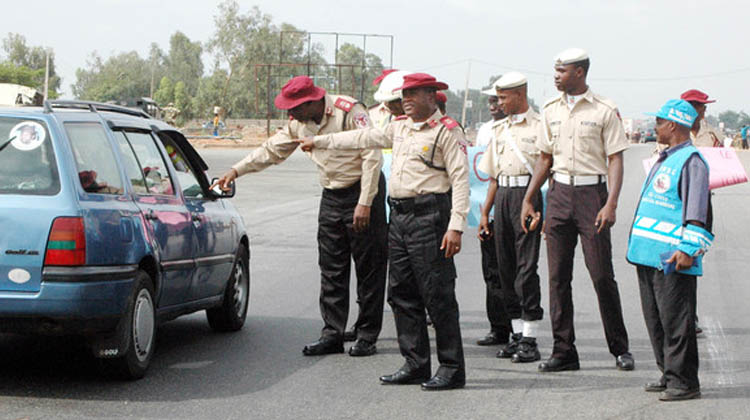
    The FRSC is the principal road administration agency and traffic law enforcement agency in the country.

    They were established in 1988, under the Federal Road Safety Commission Act and are responsible for all road administration matters such as issuance of driver’s licenses and roadworthiness documents, traffic management and regulation, and ensuring the safety of all vehicle users on the highways. 

    The Independent Corrupt Practices Commission (ICPC)

    Established on September 29, 2000, the ICPC is responsible for investigating reports of corruption-related cases of any public body or system.

    They receive, investigate and prosecute cases of corruption as dictated by their constitutional mandate under the Corrupt Practices and Other Related Offences Act of 2000. The current chairman of the agency is Prof. Bolaji Owasanoye.

    From traffic law enforcement to drug control, corrupt financial practices and maintenance of law and order, every agency on this list is committed to enforcing the law and promoting order.

    To learn more about other national agencies in Nigeria, click here

  • The Key Functions of Nigeria’s Federal Agencies and Parastatals

    There are over 100 federal government agencies and parastatals in Nigeria, and tracking their functions and responsibilities can be challenging. In this article, we’ll spotlight some of these agencies and tell you everything you need to know about them. 

    Nigeria Security and Civil Defence Corps (NSCDC)

    The NSCDC is a paramilitary agency officially established by Act 3 of 2003. However, its earliest operations started in 1967 during the civil war under the name “Lagos Civil Defence Committee”. At that time, one of the significant duties of this paramilitary group was to sensitise civilians to enemy attacks and how to protect themselves, for instance, by identifying bombs and bomb raids and diving into trenches during bomb attacks. 

    The name “Nigerian Security and Civil Defence Corps” was adopted in 1970 and transformed into a national security agency in 1984. 

    These days, the NSCDC works with the police to protect Nigeria and Nigerians from threats and any form of attack. Some of their primary functions are:

    • Maintenance of peace and order while also protecting the lives and properties of Nigerians
    • Ensures and recommends the registration of every private guard company under the Ministry of Defence
    • Supervises and monitors the activities and operations of private guard companies
    • Oversees the surveillance of government facilities, projects and infrastructures at every level
    Download the Citizen Election Report: Navigating Nigeria’s Political Journey

    Economic and Financial Crimes Commission (EFCC)

    The EFCC is one of the more well-known federal agencies in Nigeria. It was established by a National Assembly Act on December 12, 2002, under the administration of former president Olusegun Obasanjo. 

    One of the reasons behind the establishment of the EFCC was in response to the Financial Action Task Force on Money Laundering (FATF), which listed Nigeria as one of the 23 countries that were non-cooperative with the efforts of the international community to fight money laundering. 

    Since the establishment of the EFCC, the agency, especially under the leadership of its pioneer chairman, Nuhu Ribadu, has tried to tackle the problem of corruption and fraud plaguing the country. For instance, we’ve seen the arrests and prosecutions of politicians and high-level fraudsters such as Ade Bendel, Maurice Ibekwe, and Fred Ajudua. 

    According to the EFCC, their vision is to create a Nigeria free from financial and economic crises. They plan to achieve this by adequately executing their functions, which involve:

    • Investigating all financial crimes such as contract scams, money laundering, illegal fund transfers, counterfeiting, and advance fee fraud
    • Collaborating with government bodies locally and internationally to eradicate economic crimes
    • Enlightening the public against economic and financial crimes within and outside Nigeria
    • Adoption of measures to identify, trace, freeze, confiscate or seize proceeds received from terrorist activities

    Independent Corrupt Practices Commission and Other Related Offences Commission (ICPC)

    The ICPC was inaugurated on September 29, 2000, following the recommendation of former president Olusegun Obasanjo.

    It was established by the Corrupt Practices and Other Related Offences Act 2000 and has the major responsibility of:

    • Receiving and investigating reports of corruption and other offences as stated in Act 2000
    • Examining and enforcing the correction of corruption-prone systems and procedures
    • Enlightening Nigerians against corruption and other related crimes. 

    While it may seem like there’s an overlap between the responsibilities of the EFCC and the ICPC, there’s a major difference between both agencies. The ICPC is limited to investigating and prosecuting corruption in the public sector, but the EFCC is empowered to fight corruption at all levels, i.e., both private and public. 

    Federal Competition and Consumer Protection Commission (FCCPC)

    The FCCPC is a federal agency established in 2019, birthed by a merger between the Nigerian Consumer Protection Council (NCPC) and the Nigerian Competition and Consumer Protection Commission (NCCPC). This occurred following the Federal Competition and Consumer Protection Act, signed into Law by former president Muhammadu Buhari. 

    The FCCPC aims to protect consumer rights and promote fair market competition. Some of 

    the functions of this federal agency include:

    • Investigating and enforcing consumer protection laws in Nigeria 
    • Educating, advising and enlightening consumers on their rights 
    • Encouraging fair market competition by investigating price fixing and market allocation
    • Regulating and sanctioning misleading advertisements

    State Security Service (SSS)

    The State Security Service, also known as the Department of State Services (DSS), concerns itself with detecting and preventing crimes that threaten Nigeria’s internal security.  

    Its roots can be traced to the military regime in Nigeria, when General Olusegun Obasanjo enacted NSO Decree No. 16 (1976), which resulted in the establishment of the Nigerian Security Organisation (NSO). However, under the regime of General Ibrahim Babangida’s administration in 1985, he restructured the NSO through Decree No. 19 of 1986, also called the National Security Agencies (NSA) Decree, 1986. This led to the emergence of three separate security agencies:

    • The State Security Service (SSS)
    • The Defence Intelligence Service (DIS)
    • The National Intelligence Agency (NIA)

    And some of the major functions of the SSS involve:

    • Prevention of any crime against Nigeria’s security
    • Investigation and prevention of threats of terrorism, espionage, sabotage and separatist agitations
    • Upholding and enforcing Nigeria’s criminal laws
    • Protection of top government officials like the president, vice president, senate president, speaker of the house of representatives, governors, and other visiting dignitaries.