Notice: Function _load_textdomain_just_in_time was called incorrectly. Translation loading for the wordpress-seo domain was triggered too early. This is usually an indicator for some code in the plugin or theme running too early. Translations should be loaded at the init action or later. Please see Debugging in WordPress for more information. (This message was added in version 6.7.0.) in /home/bcm/src/dev/www/wp-includes/functions.php on line 6121 education | Zikoko!
Up until the time I went to university, I was always the best at everything — schoolwork and extracurricular activities. This genuinely made me believe that God anointed my brain to pass any exam . I never had it difficult. I never needed to study too hard for anything. The only time I ever studied hard in my life was in JSS1 when my position briefly dropped from 1st to 2nd because the competition increased. I was smart like that. But that belief was quickly challenged when I got into the university.
I went to college at 15, like others do. But unlike many Nigerian kids who had set ambitions, I didn’t know what I wanted to do. I knew I wanted to work with technology, as I’d fallen in love with computers after getting my first one at 8. But that conviction wasn’t strong enough because I was also drawn to pure sciences and had a strong interest in physics. It also didn’t help that the prominent people in physics were revered as being super-smart. So I thought I could be like them.
You can imagine the look on my dad’s face when I showed him my JAMB form and he saw “Physics” on it. It was one of disgust. “Physics?” he asked. “What do you want to do with it?” I mentioned that I could work at CERN (a huge research lab somewhere in Europe) and that I just loved physics and wanted to pursue it. My man looked me in the eyes and said “Unless you want to become a teacher, I’m not paying for you to go and study this thing”.
I argued this out with him for a few days but my dad is a stubborn man. It also didn’t help that I had zero leverage in this situation. When it finally came to it, he chose a course for me. And you know what he chose? Pharmacy. He argued that getting a job is assured and I could make more money if I start my own thing.
It sounded like a good deal, so I chose it. I filled out the form, wrote the test and scored high enough to study pharmacy. That was the beginning of all my problems. Coming from a relatively comfortable school life, I was quickly introduced to running after lecturers in search of a lecture hall, sitting on the floor in overfilled classes, and extremely long hours under the sun in the name of ccomputer-based tests. In short, I suffered. But that was my first year.
In my second year, the suffering moved from physical to mental. 10-hour classes every day, with extra labs on top. That boy who never had to stress to get through school suddenly started freaking out every day. My first year dealt the first blow to my ego, but the real kicker came in my second year.
During my second year final exams, I fell sick. I was so sick that I had to be admitted in the hospital for a few days. I’d forced myself to push through three exams in my half-alive mental state, I failed those three courses. Three D’s in one semester. At first, I was confused. I had okay test scores. So how did this happen? As it turned out, I wasn’t dreaming at all. I had a D in all three of them, and in my department, that meant that I had three carryovers.
What followed was the roughest period of my life. Denial was the first phase, so I started trying to prove to myself that it wasn’t really me and that something was wrong. I worked twice as hard as I used to, and even took everything way more seriously than I ever had. But nothing worked. My grades didn’t go back to being stellar. I’d have panic attacks before exams and sometimes fall physically ill whenever a huge deadline was coming up. In the end, my grades were slightly above average at best.
This felt like an attack on who Ithought I was, and I spent the next two years nursing an identity crisis. I started searching for that validation outside of school. I learned new things and picked up new skills to prove to myself that I was still that guy. I guess it’s hard to know if I was because I didn’t have to write any exams. I got reasonably good at those things but the minute I realized that I was, I dropped it and started to pursue something else.
Over that time, I learned to code, learned to write, and dabbled in finance, among other things. They all came in handy as I started earning a lot of money before I graduated from college. I was working two remote jobs at a point, making $1000 a month. I finished the degree and even though all my toiling in school had stopped, my personal scrambling continued. But one day, after stressing so much to get a finance certification, I realized that I wasn’t enjoying most of these things. I was doing them to prove something to myself. But I didn’t need to. School was already behind me and I could just face real life now, and the good part was, there are no exams here.
To be honest, I think my life would have been so much easier if I’d cut myself some slack. I’m not that special, and there’s honestly no need to be. After coming to that realisation, I decided to take a step back from working so much to figure out what I actually enjoyed.
I realized that it was computers all along. This might sound cliche but while I’d changed so much, I’d also remained the same. I’ve always enjoyed working with them and learning about them. I had so much more clarity when I stepped back from overwork than all my years of trying to force my way through. I feel like I’ve finally figured my life out, and I just want one thing from here on out — to do what I love and make I life out of it. At the moment, I’m doing an MSc in computer science at a school in the USA and even though it’s not easy, I know I chose for myself this time.
*Names have been changed for the sake of anonymity
Succeeding in education is something everyone wants. Parents want their children to be happy and successful, and kids want to make their parents proud. However, high school and even college time can turn out to be quite challenging at times. They can really pose some obstacles to students.
However, a mother’s love is essential in these times. It can change a child, it can come with inspiration, and more importantly, motivation. Loving mothers can support their children tremendously, especially during school time. The power of a mother is incomparable, especially when it can help students understand the value of failures too, not only of success. So, if you are a mother and you want to help your kids succeed, you can do some things to ensure this happens. You can guide your children during the stormy moments of school and inspire them to go beyond their limits and go out of their comfort zone. Here are a few things you could do.
Establish a Routine
One of the most essential things to do as a mother who wants to help their kids succeed is to help them establish a routine. This is crucial so that you make sure kids will complete their homework and have their study time, which is important when they are students. It also helps them develop healthy and effective study habits, but also manage their time efficiently so that they are productive. This can be done by setting a schedule and being consistent in following it.
No matter whether your kids are in high school or college, they need a structure to follow to make sure they complete all their homework. And it is also essential to know that when this happens, there is a nursing essay writing service that can help them overcome challenges with their essays. You can order your essay from Edubirdie and nursing essay writers will help you create a structure for it, research it, and even write it. Also, it is crucial to be flexible when establishing a routine. A lot of things could happen, but also the first version might not be the right one for your kids. So, just be open to adjusting and changing it depending on their needs, behaviors, and expectations. Always include breaks, as they are necessary for productivity and also meditation. Help your kids prioritize tasks depending on their importance and urgency. As soon as you do this with your kids, they will learn to organize their tasks later.
Encourage a Love for Learning
Another crucial thing you can do as a mother who wants to support their children in achieving success in school is to encourage a love for learning. It may sound complicated, but there are a few things you could do. For example, you could make learning enjoyable by finding creative ways to engage your child’s curiosity and imagination. You can use games, experiments, puzzles, or even role-playing to make learning more fun.
You can also support their learning by supporting the knowledge they are already acquiring in school. If they are learning about plants or animals now, you can take them on a field trip in the forest to see the plants in real life. Kids are like sponges and they learn a lot by doing things practically, so you can apply this easily. Another way you could encourage learning is by being a role model. You are the primary attachment figure in their life so you are like a model to them. Encourage them to explore their own interests by doing this on your own. They will be inspired by you and this fuels them with motivation.
Provide Support
It is essential to provide support to your kids whenever they ask for it. It is crucial to encourage them to be autonomous and try to organize their lessons and study time however they feel like it. However, if they need support with lessons, study, organizing time, or making projects, you should be there for them. And it is not about doing the projects or homework for them. It is about offering your emotional support and constructive feedback when they are struggling. They should see all the setbacks as opportunities to develop themselves, not as reasons to give up.
Conclusion
As a mother, you love your kids deeply and you want to see them happy and succeeding. However, during their school or college years, they might encounter drawbacks and obstacles. Which is completely normal. You can help them by supporting them in establishing a routine, encouraging a love for learning, and providing support whenever they need it.
Bio lines: Cameron Debenham is a content writer and blogger. He loves writing articles for parents and students. Cameron loves hiking, reading, and playing the piano.
Education is a process of gaining knowledge to develop skills, talents, minds, and character. It is the first step for people’s empowerment towards making the world a better place.
However, many parents are unable to give their children proper education due to a lack of finance. Determined to support the education sector, thereby assisting parents and guardians, Stanbic IBTC has opened an application portal for new applicants to register for its 2021 – 2022 University Scholarship Programme.
The Stanbic IBTC Scholarship Programme is geared towards encouraging diligence and academic excellence amongst Nigerian undergraduates. This is open to students who participated in the 2021 Unified Tertiary Matriculation Examination (UTME) and have been admitted into any of the universities in the nation.
The foremost financial institution understands that many individuals may not have the funds for tuition. Hence the scholarship programme was enacted to support the dreams and aspirations of Nigerian youths. The inaugural edition of the scholarship held last year, aided hundreds of undergraduates who applied from all over the country with funding for their tertiary education.
In the inaugural edition, the total scholarship value awarded to successful candidates amounted to over N40 million naira, spread across four years, and disbursed in tranches of N100,000 per academic session. Subsequent disbursements will be hinged on the maintenance of at least a second-class upper grade and good conduct of the students as referenced by the universities.
The educational initiative designed to assist hard-working students is now accepting new applications for the 2021/2022 academic session. With this initiative, students aspiring to study in state and federal universities in the 36 states of Nigeria will not have to worry about school fees while studying.
This is a breath of fresh air for Nigerian youths who require aid with educational funding. It will surely relieve parents and guardians who have financial challenges but desire tertiary education to their wards or children.
Interested applicants need to have a minimum score of 250 in the 2021 UTME and a letter of admission into a Nigerian university issued by the Joint Admissions and Matriculation Board (JAMB) or the university.
By applying early, you stand a chance of receiving the scholarship grant, which is contingent upon meeting all the eligibility criteria. To apply, click here.
The scholarship programme is in line with Stanbic IBTCs commitment to the growth and development of the Nigerian educational sector.
Engineering is an interesting course to study, especially when you are a curious, intelligent and handsy person. Nonetheless, the course would stress you and give you occasional sleepless nights. Here’s a list of things that you will be able to relate to if you studied engineering at a Nigerian University.
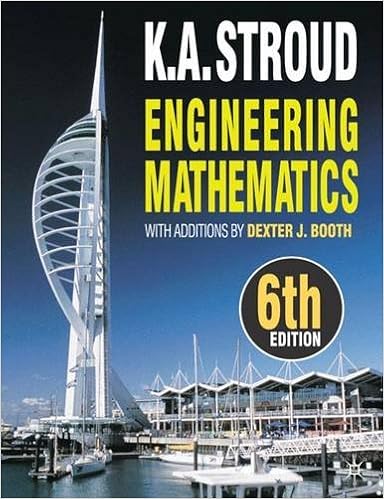
1.Knowing the content of K. A. Stroud Engineering Mathematics Textbook from top to bottom.
Sorry that we hit this sensitive spot, but the ability of this textbook to help relive your past trauma is unmatched. It’s impossible to forget this textbook.
2.Wondering if Thermodynamics is a real course or an excuse to torture students.
If the word torture could be replaced, it should be replaced with thermodynamics. If you studied engineering and enjoyed learning thermodynamics, we are worried about the kind of adult you turned out to be.
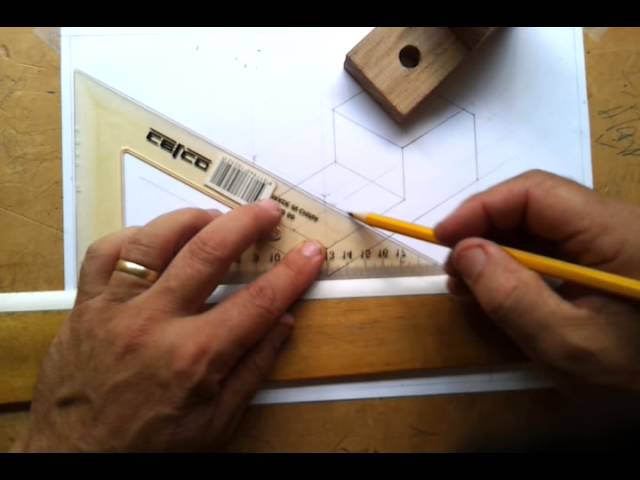
3.Learning Engineering Design with a T- square and TD board.
Not only was this a useless course for a lot of engineering students, if you studied in a Nigerian university, you probably had to draw with your hand. You’ll be dressed up looking really good, dragging a TD board with you. Ah God.
4.Asking yourself if you really need that degree when studying for an exam.
If you studied engineering, you probably asked yourself ‘’do I even like this course?’’ more than ten times in an academic year. Engineering students live in a constant state of I hate it here.
5.Seeing formulas in your dream.
This is the deepest mud, not only will the course stress you in real life, but it would also follow you to your dreams. The x, the y, the shokolokogbamgbose.
6.Cramming coding languages and writing them with pen and paper.
Oh oh, it sounds like a lie till you’ve schooled in a Nigerian university. You thought seeing formulas in your dream was the deepest mud, this one takes the cake.
7.Learning with software from 1988 in 2021.
If Nigeria isn’t in 2021 yet, how will the universities be?. As if it’s not bad enough that the lecturers are teaching with outdated software, they’ll be teaching it with strong head too.
8.Getting a job and realizing you have to teach yourself everything the job requires.
You’ll spend 5 years getting that degree, and spend another 1 year or more teaching yourself all the things your boss expects you to know.
“A Week In The Life” is a weekly Zikoko series that explores the working-class struggles of Nigerians. It captures the very spirit of what it means to hustle in Nigeria and puts you in the shoes of the subject for a week.
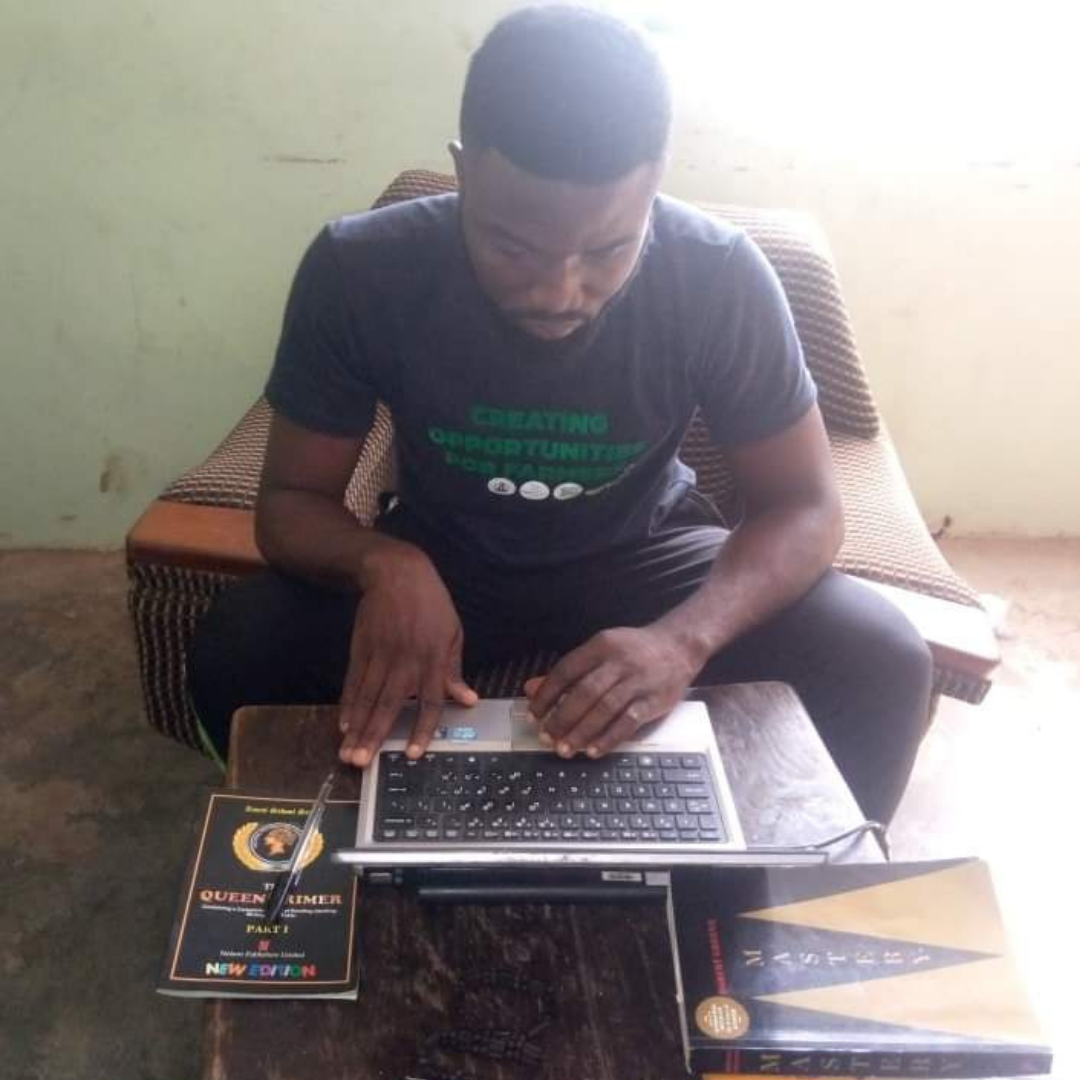
The subject of today’s “A Week In The Life” is an Agripreneur and a teacher. He’s pursuing agriculture [with Farm Kwara] in a rural community in Ilorin to fund his passion for teaching. He tells us about life in the community, some of the challenges of agriculture and the educational system, and how he’s making an impact in the community through education.
MONDAY:
My body is programmed to wake up by 5 a.m. every day. I wake up, read my bible, meditate and ask myself: “What do I want to achieve today?” After I’m done ruminating over the question, I set out for the farm and my day begins.
Supervising soya bean planting on a farm in the rural part of Ilorin has been an interesting experience for me. On some days, the sun beats my head so much that I go home with a mild headache. On other days, I have to walk for miles on end for farm inspection. But I don’t complain because it is what I signed up for. It’s easy to bear the stress of agricultural work because I know that by 4 or 5 p.m., we’ll close for the day and my day can really begin.
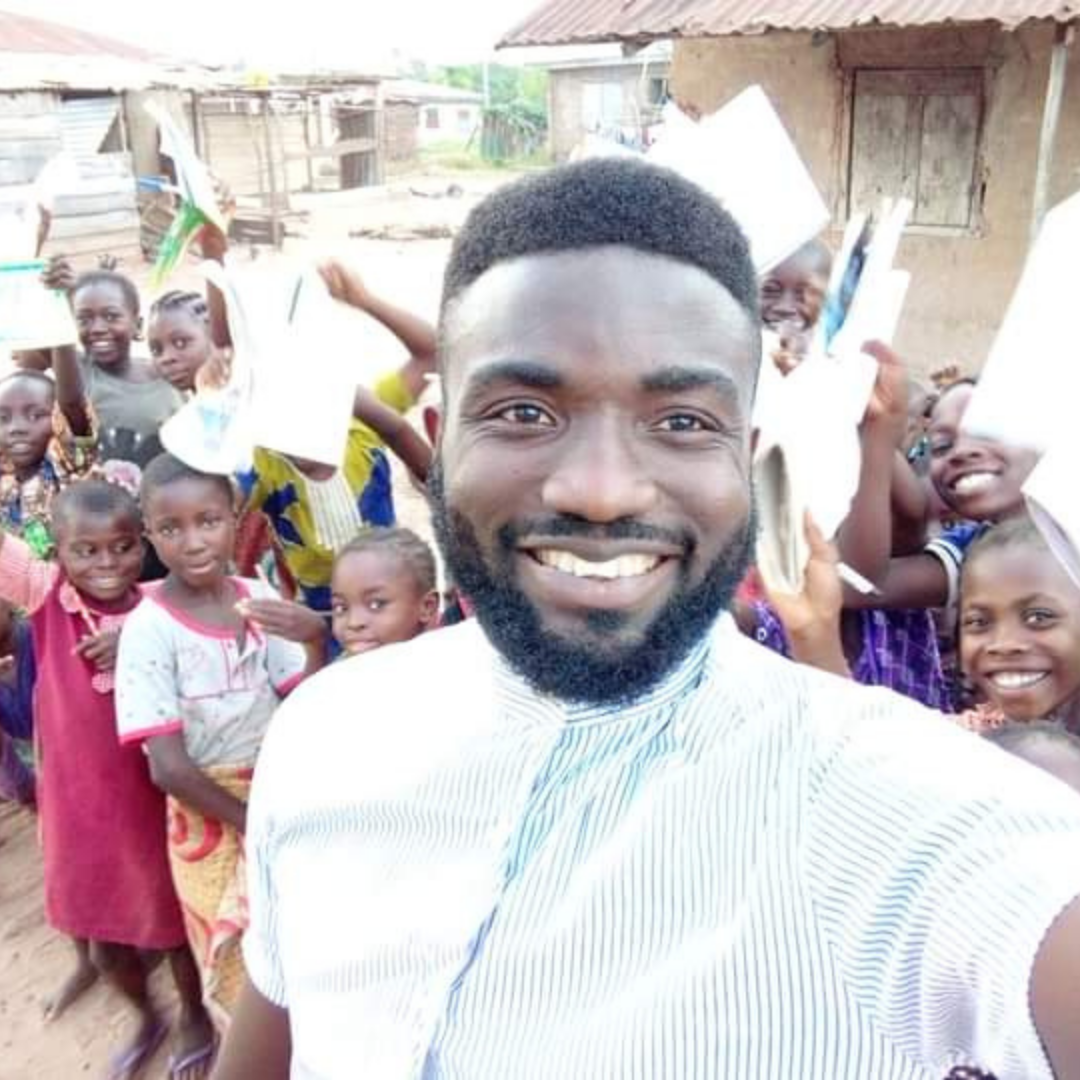
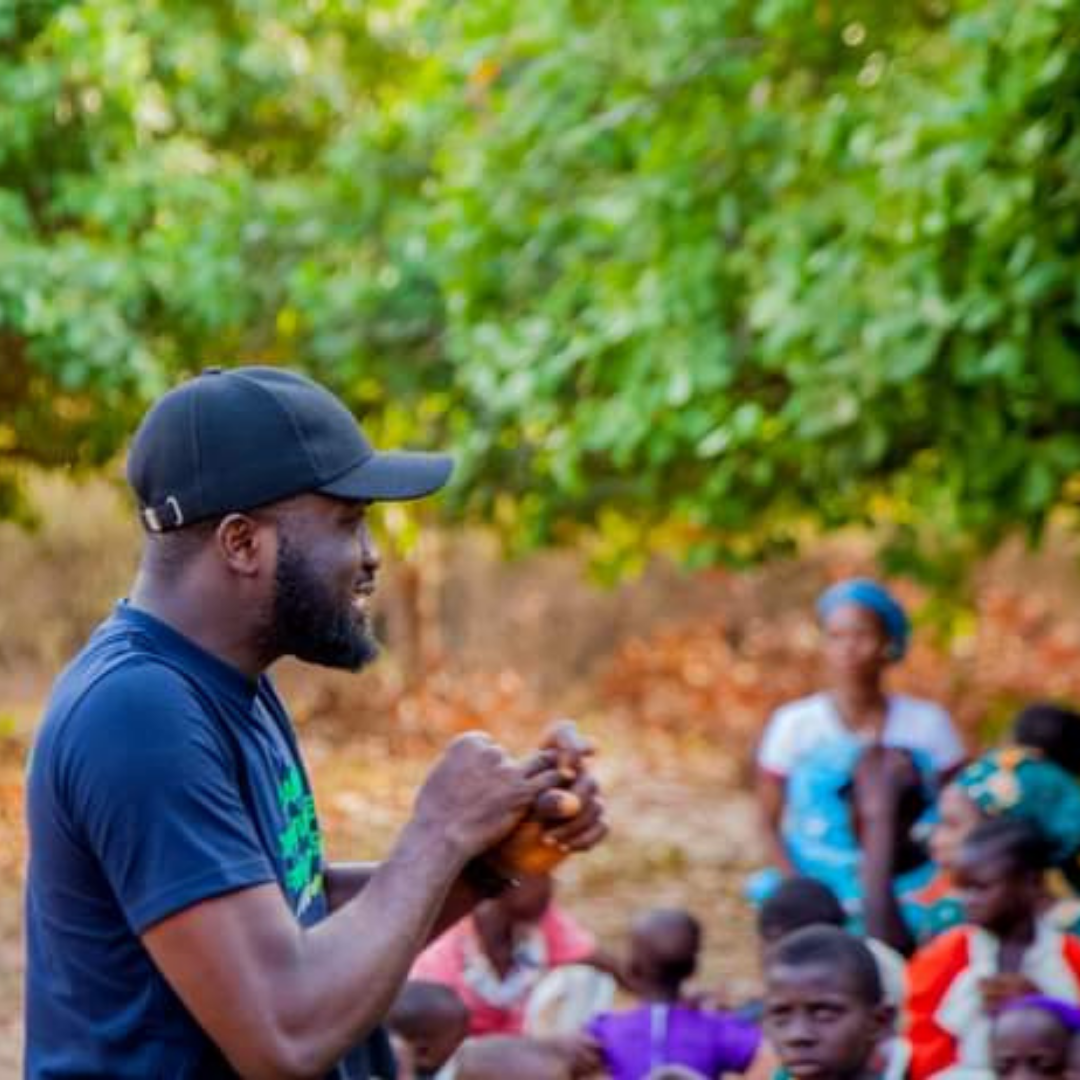
Because I live in the community where the farm is located, I have “free” time after work every day. I observed that because the school in the community has neither teachers nor books, the children are at an educational disadvantage. Therefore, I took it upon myself to teach the kids every day after closing from work. Every day between 5 – 7 p.m. is when my day truly begins.
TUESDAY:
My experience in the community has been eye-opening. Seeing suffering is humbling. Sometimes it’s difficult to see a future for the people in the community because everything there is killing them; no access to education, harmful beliefs, culture. However, I’m going to try my best regardless of the situation on the ground.
Everything I do is informed by my own experience and upbringing because I know what it’s like to struggle academically and to be at the mercy of strangers and extended family members. I’m happy I can make an impact through education.
It hasn’t been easy because it takes a level of perseverance to change the minds of people in the rural community. And this difficulty is transferred from parents to children. Even people with access to education are still struggling not to talk of those that don’t have access.
Compared to Western nations, our education system is backwards and not optimal — we don’t have effective tools for communication and many students can’t think outside of the curriculum. It’s surprising when I tell people about learning to code and they say it’s limited to only science class students. I gave a lecture a few weeks back where supposed graduates hadn’t heard of Linkedin before that day — how are these so-called professionals supposed to position themselves in a digital world? In future, I plan to do a campus tour on the relevant 21st-century skills because it appears that many graduates are in the dark.
WEDNESDAY:
People are always asking me “If you’re so passionate about education and impact, why are you an Agripreneur?” My reply is because cash funds passion. Trying to change things without money is a fool’s errand. Education is a long term goal for me and I need farming to build wealth. If I want to be an astounding educator, I need exposure and travelling because travelling is a form of learning. Passion can also make you wealthy, but there’s a high chance that if it doesn’t, frustration will make you abandon the passion.
Today is one of those passion vs. I can’t kill myself sort of days. I’m in no mood to teach the kids after returning from work because I just want to sleep. However, when I think of the kids and their desire to learn, I summon the energy to stand up.
I’ve come a long way with these kids and it has been rewarding. When I first got into the community, these kids couldn’t communicate in English talkless of memorising anything in English. During one of our classes, I taught them an affirmation — I am who I am because God made me so. I’m a solution provider and a generation that can’t be shaken. I had to explain the meaning of the song in Yoruba for the kids to grasp the importance. Imagine my surprise when I heard these kids reciting the song verbatim over the next few days. One boy in particular, Iyanu, made me so happy because he used to run away at the sight of a chalkboard and his mates termed him an olodo. It was such a huge moment seeing this boy recite the song alongside his mate.
I wake up by 5 a.m. today. I read my bible, meditate and tell myself: “An ideal future is one where I’ve built a sustainable wealth system that can fund my passion for impact. To achieve that, I must always be seeking ways to improve my value by constantly learning. An ideal future is investing in people’s lives such that when I’m long gone, my name will open doors for my children.” After I’m done with my affirmations, I set out for work.
FRIDAY:
If I become the minister of education, the first thing I’ll do is get teachers trained because nemo dat quod non habet — no one gives what they do not have. The next point of call would be to increase the incentives for teaching. I remember collecting irregular ₦20,000 as a teacher and telling myself that I couldn’t continue like that. As long as teachers still get paid poorly, they can’t perform effectively. Teachers are frustrated and passion can’t feed them.
The next thing I’ll do is revisit the curriculum; Nigeria needs to shift from paper-based learning to practical based. We need more real-life experiences if we hope to train graduates that can be useful in the real world. In addition, there would be bootcamps in tertiary institutions where trends in a particular field would be analysed, forecasts made and the curriculum tweaked to accommodate these realities. It’s only by staying on top of trends that we can produce relevant graduates, and it’s sad that the curriculum doesn’t accommodate this reality.
Thank God it’s Friday, so I’m not even going to bother my head thinking about Nigeria’s problems. I’m looking forward to the weekend because I’m travelling to Ilorin city to see my friends, grudgingly watch Manchester United play and read if I can. At least I’ll get a break until Monday when the hustle begins all over again.
Check back every Tuesday by 9 am for more “A Week In The Life ” goodness, and if you would like to be featured or you know anyone who fits the profile, fill this form.
Every week, Zikoko seeks to understand how people move the Naira in and out of their lives. Some stories will be struggle-ish, others will be bougie. All the time, it’ll be revealing.
What is the first thing you ever did for money?
Haha. Farming. The first thing I did was farming.
Do you remember the first money you made from farming?
I farmed about three plots of land and harvested two bags of rice and sold it for no more than ₦4,000. This was around 2008, and I was 21. I sold it in the market.
Oh okay, so this was after your secondary school?
No. I finished secondary school in 2014. I started in 2008.
When did you finish primary school?
2006.
Oh okay. Uhm, when did you start primary school?
I started in 2000.
What do you remember from before 2000?
I was helping my parents on the farm after school. We used to grow rice, yam, cassava, groundnut and maize. I told them that I want to go to primary school. I can’t remember, but the school fee was 1,000-something naira. After that was secondary school, which I finished in 2014. But I didn’t write WAEC till 2015.
What did you want to study when you wrote WAEC?
Petrochemical Engineering. Due to finances, I couldn’t even bother with admission. I still want to go back to school.
Ginger! What next did you do for money after that?
Before I started working again, I went to a computer institute for six months. I learned MS Word and all of that.
Did you use it when you finished?
No. I’ve forgotten some of the things I learned. Sha, after my six months course, I travelled to Oyo State. I went to work for a local government chairman. I was an attendant in his supermarket and did housework too.
How much did it pay?
I can’t remember, but the money wasn’t much. I think it was ₦15,000. This was 2015. I worked there for a year and half.
How did you find the job?
A job agent. When people need workers, they go to these agents. The agents get contracts from all these big people that give work. When they need a worker, they reach out to the agents, and then we apply for the job from the agents.
Oh, so that’s how you found the job from Benue.
Yes. I know the agent personally; we’re from the same place.
What type of job does the agent find? Do you know another person that uses this agent?
A lot of jobs, and a lot of people. There’s supermarket work, housework, dry cleaning, and even gardener work.
Oh okay, after you spent one and the half years at that supermarket, where did you go next?
I came to Lagos to look for work.
What was the first thing you did in Lagos?
I came through a friend I met when I was in the village – he was already in Lagos. I called him to ask him to let me know if there was any work in Lagos. He told me there was no work, but if I wanted one, I had to come and look for it myself.
I wrote my CVand started applying. I got my first job at a hotel.
Niceee. 2016?
Yes. It was paying like ₦30k.
What was it like, being your first job in Lagos?
I was amazed that there was a place where people gathered for the joy of doing all sorts of things. But it was my first experience sha.
How long were you there for?
One year. I travelled home in December 2017 because my dad was sick. I stayed at home for two weeks, and before I came back, they replaced me.
Eish. So what did you do when you came back?
I started submitting my CV again. I got a job as a waiter. That one also paid ₦30k. After one year, they promoted me to cashier, and I started collecting ₦40k. I worked there till the end of 2019. They were cutting down staff, so they told me to leave.
I was unemployed for three months and just looking for a new one throughout. I’m not sure how many jobs I applied to, but I remember that I printed my CV 10 times. Nobody responded.
How did you survive during that period?
My savings. I had two hundred and something in my savings. I spent about ₦70,000 from my savings. It was my friend that helped me find the job I finally got. It was a job as a waiter in a restaurant. The salary was ₦30k. I didn’t want to accept it at first, but they said they’ll give me accommodation, so I accepted it.
When I started, there was no accommodation, even till today. They also said that beyond my salary, I’d get a commission on service charges; nothing.
Ah.
Not too long after I started, we went into lockdown.
COVID.
Yes. When the pandemic started, we were hoping that the lockdown would be for just two or three weeks. But no, it continued. Everyone was at home, everything became expensive. In my area, pure water that was three for ₦20 has become one for ₦10. The rice that I used to buy for ₦1,200-₦1,300 became ₦2,400.
No money coming in during the lockdown; anything from your company?
Yes. They sent me ₦10k.
So, you resumed work after the lockdown ended?
Yes. They also increased my salary to ₦35k.
What’s it like working at a restaurant?
The best thing about it is that you meet so many people. For me, it’s the superstars. I meet them face to face and have the privilege to chat with some of them and make them comfortable.
Who’s the first superstar you attended to?
Davido. That day, he came with a small group, ordered light food and Hennessy. Then AY. Don Jazzy, Wande Coal.
Who’s your least favourite type of person to attend to?
Some people order things they don’t know. Even after explaining why they shouldn’t, they’ll go ahead and order it. Once their food is ready, they’ll say, “What’s this rubbish?” Then they’ll not take it.
So who pays for it?
Sometimes, it’s the company. They change the order with the hopes that the customer will come back again.
What’s your average order at your restaurant?
I don’t know, but the minimum order is mostly ₦10k. There are some restaurants with a minimum spend. That is, if your order is not up to ₦10k in some places, we might gently tell you to order more than ₦10k. I know one restaurant that has ₦20k minimum order tables.
What’s the biggest bill you’ve ever seen?
₦800k+
Ah, how did the kitchen react?
In most restaurants, the kitchen doesn’t know how much people are spending. It’s only the waiter that knows because they’re the ones attending.
But when a waiter sees it, you’ll just tell yourself, “Hmm, I wish I had that kind of money to spend.” You’ll see someone spend all the money you have in thirty minutes. But also, the salary is not why I work at the restaurant. The salary is small.
Why?
It’s the tips. Last month, my salary was ₦35k. But if you add tips, sometimes it’ll be up to ₦50k. The highest I’ve made in a month is ₦120k. In September, I made ₦90k, including my salary.
Interesting that tips are how you actually make a living. How many people do you serve in a day?
I can do like 5 tables in one hour, and I work for 9 hours, 6 days a week. I have one day off.
Busy week. Let’s break down how you spend monthly. How much do you save?
I try to save up to ₦50k per month. It’s from those savings that I pay my house rent – ₦150k per year. Then I try to send money home from the rest. It’s not fixed sha.
Do you ever think about your life and wonder what small decisions you could have made that’d make things different?
I should have left the village since. My parents don’t like their children being far from them. When I had to travel for my first job in Oyo, I left by force. I told them I could not live with them again.
If I know, I for don commot house since.
Hmm, okay. What’s something you want now but you can’t afford?
My education. I had a revelation — I get them about five times every month. And it’s always about education.
Tell me what you see.
One day I was fasting, and I just lay down on the rug. I think I fell into a trance, because I was awake. I saw myself in a very big school, I don’t even know the school. As I walked in, I heard a voice tell me to go left.
On the left, I saw a staircase. As I tried to climb the staircase, something was blocking me. I don’t know what it was, but I struggled till I made it.
I met one woman past the stairs, and I told her I came to get admission forms. She gave me one.
The second time, I found myself sitting in a class, listening to a lecture.
That’s powerful. That’s what your mind wants.
Actually, I want it.
I understand that education is generally important, but why is it so important to you?
The Bible says the gift and the calling of God are irrevocable. But when you have a calling from God, and you know you have it, you have to press towards it for a better understanding.
For me, education is how I can begin to fulfil my calling.
Hmm, I feel you.
You know, when I was a child in the village, people used to bring things to me to help them fix. I’m not sure how, but I helped them fix a lot of things. That’s when I started developing some interest in engineering. But that had to wait.
Do you ever think of where you will be in five years?
In five years, I don’t want to be in Nigeria again. My choice is Canada.
Do you know the process of going to Canada?
No, I don’t know the process. See, if I have a good job in Nigeria, I can stay.
What is a good job to you?
A job that pays well.
How much is well for you?
Hmm.
Say it with your full chest.
₦300k a month.
What’s something you bought recently that made you feel good?
Recently? I’m not sure. One day I wanted to buy a new phone, one fine Samsung. I looked at my account and said, how will I use this money to buy only a phone?
How much was the phone?
The phone is ₦135k. I would have been happy if I bought that phone, but I just can’t drop the money.
I feel you. On a scale of 1-10, how will you rate your financial happiness?
1. I appreciate my current job, but I want a better one that pays me more. To tell the truth, I really appreciate this conversation.
I appreciate you too, man. One more thing, have you ever considered going back to farming?
Hahaha, not for now.
Ah, why?
It’s not only that the stress is too much, but produce for the work is low.
Every week, Zikoko seeks to understand how people move the Naira in and out of their lives. Some stories will be struggle-ish, others will be bougie. All the time, it’ll be revealing.
This weeks’ #Nairalife was made possible by FCMB’s promise of quality medical care from the comfort of your home.
Do you remember the first time someone called you rich and you were extremely triggered?
My cousins in London. For some reason, their step mum painted an exaggerated version of our family to them. They genuinely thought we were “living in a mansion, driving the latest Benz” life. It was so annoying because I only had £40 in my account and someone was stressing me that I was rich, hahaha.
It was 2012, and I was 17.
What was the real picture of what life was like?
We definitely were not poor or suffering, but we weren’t rich either. It’s like my dad spent all his money on educating all his kids.
I remember asking for things and he would just say, sorry I can’t give you this because I need to pay your brother’s school fees or you can’t travel to so and so place. So, while we weren’t suffering, all the money went to our schooling.
The drive.
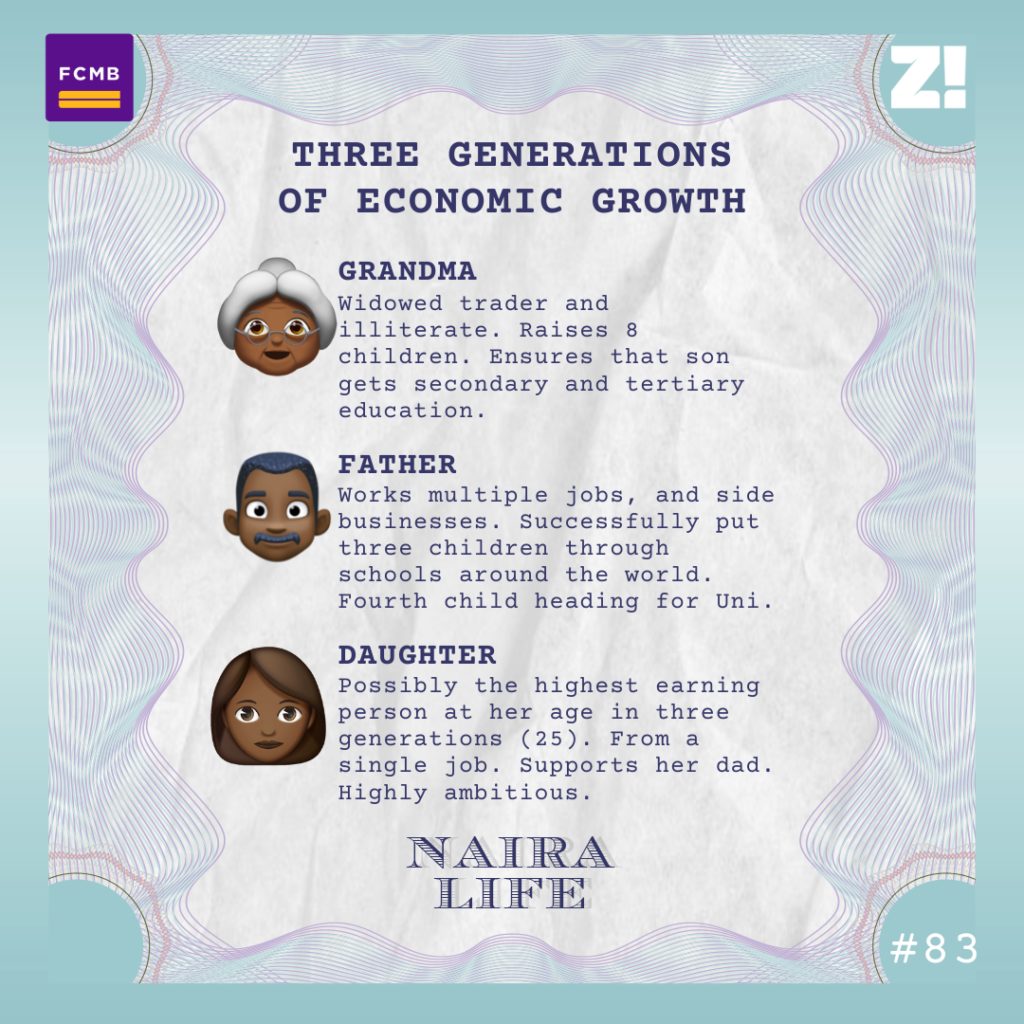
My dad is obsessed with education, it’s what helped him get to where he is in life. It gave him a second chance because he had it rough growing up. So, he made sure to get us the best education possible. If you looked at our family from that lens, you’d be like oh wow these guys are rich. But he was taking loans to do this, saving like crazy and investing a shit load, for us.
How rough? Paint a picture.
I don’t know, but he doesn’t talk much about it. His dad died when he was pretty young. His mum was a trader. When his dad died, his mum did her best to send all her children to primary school. She was illiterate but learned from her brothers that education was the next best thing. She’s the one that got him obsessed with going to school. Anyway, she had 8 children so, at some point, she couldn’t pay for school for him anymore.
Woah.
She had so many responsibilities and things. So, my dad had to live with someone else, to make space in his mother’s house for his other siblings. He used to sell groundnut in the streets, at some point he started DJ’ing in clubs in secondary school to earn money. He was the ultimate hustler.
Anyway, his mum paid for his secondary school and university, against all odds.
This was quite the game-changer, wasn’t it?
Well, of course. I mean he still had to do sell a thing or two in school, like buying and selling milk to his coursemates for extra cash. But it was definitely a game-changer. He wouldn’t have been able to go to the quality schools if she didn’t go to great length.
Your dad managed to fund your school fees. Let’s do the math.
I got a scholarship but I can’t remember how much.
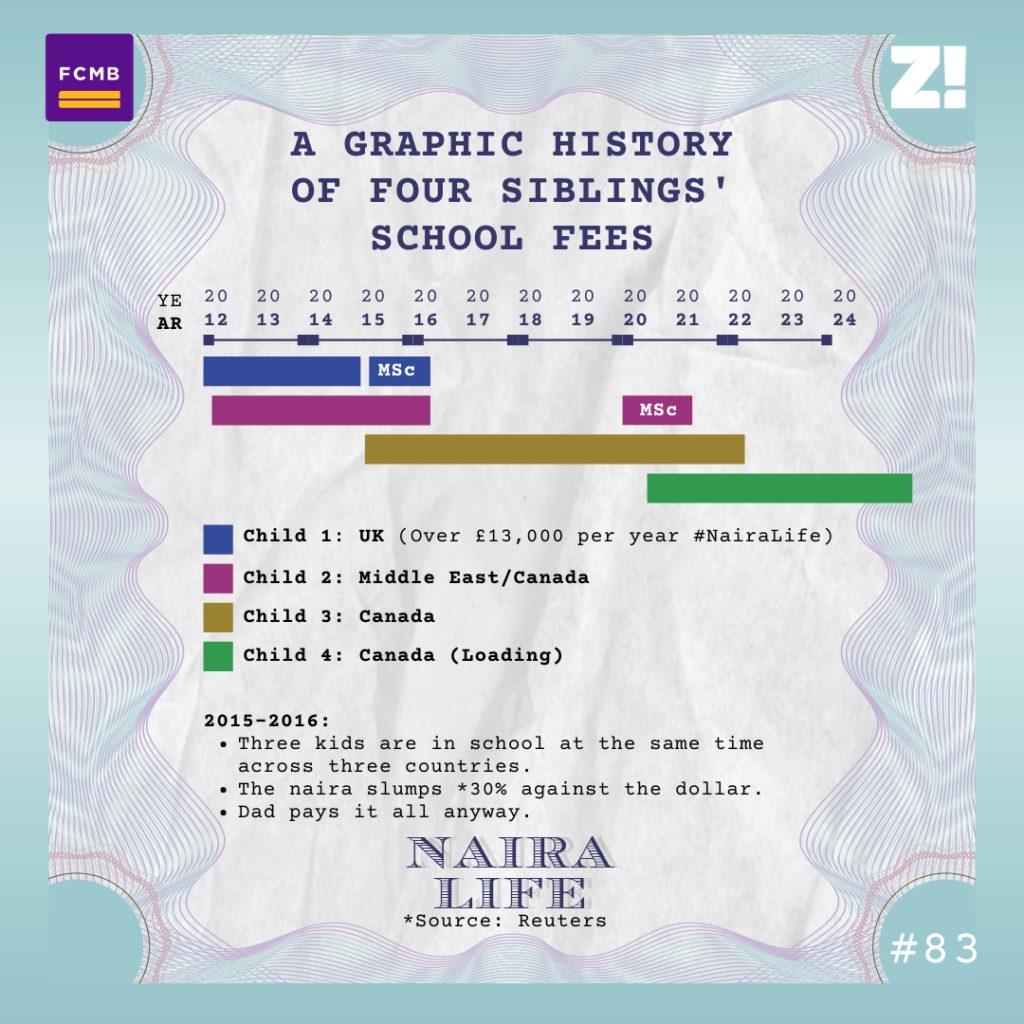
Remember that he had other children abroad while paying this; Canada and the United Arab Emirates.
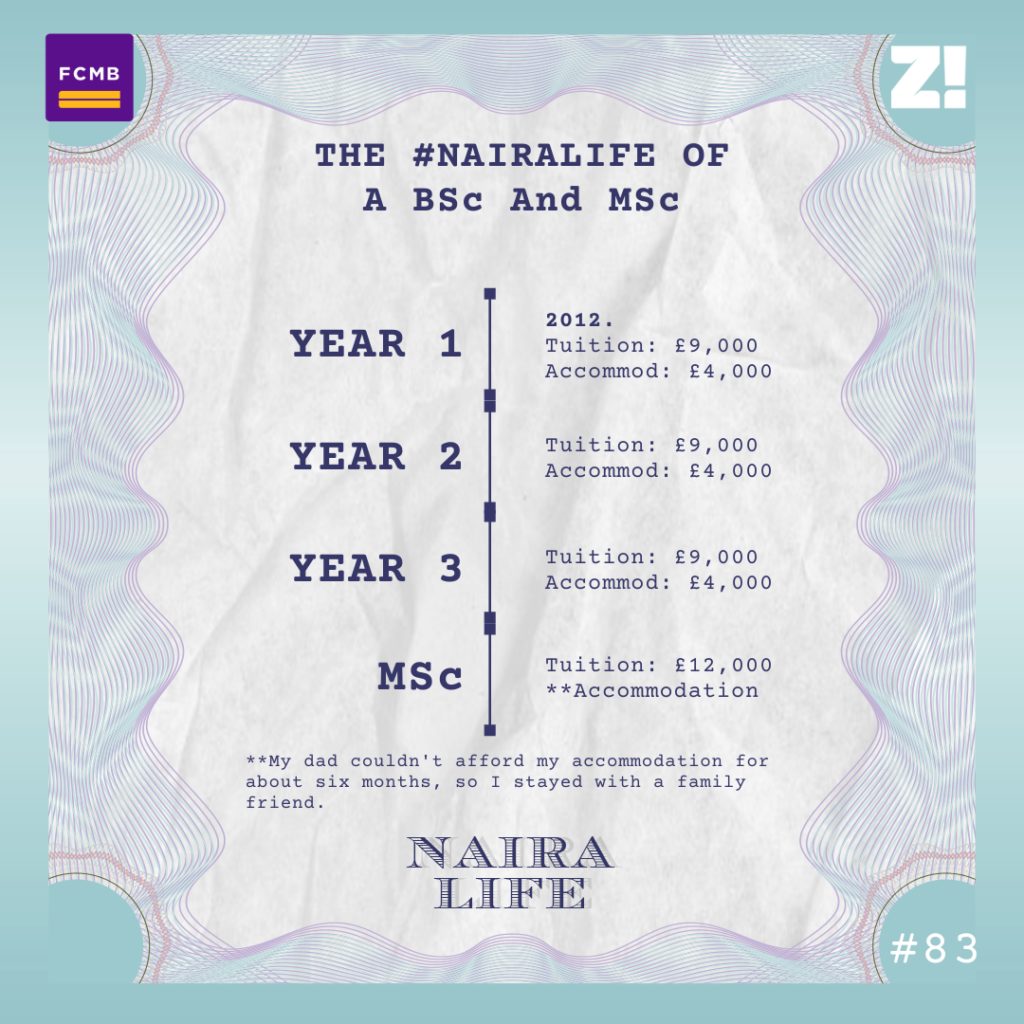
Plus he used to send me £200 every month, except in my 2nd year when I worked. That one was so expensive he couldn’t afford the accommodation at first. I stayed with a relative for the first 6 months.
One sibling started in 2015, and won’t be done till 2022. Another started in 2012 and is currently doing Masters.
The last-born has gained admission in Canada already. It is COVID that delayed everything. At some point my dad was so broke he considered letting the last born school in Nigeria. Then one day he just came and said, “Canada it is. I will figure it out.”
How does one even pay for all of this?
Loans. And lots of savings. Because I know damn well he doesn’t have the money sitting somewhere. He runs a full-time job, does two things part-time, and tried to start a business that COVID said no to.
Also, stop obsessing about my dad, hahaha.
Fair, because I was just about to segue. So, what do you do?
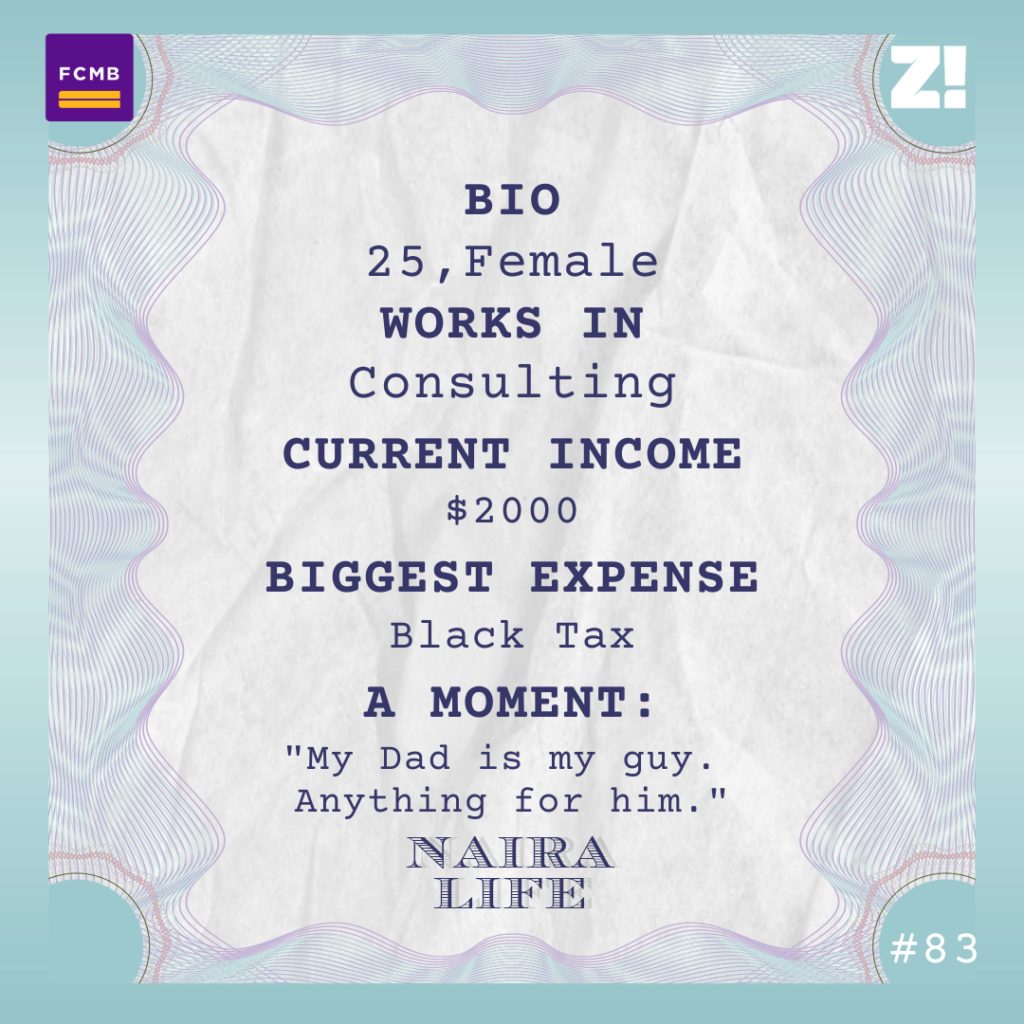
I’m a consultant at a global media agency based in Nigeria.
Hmmm. Global. Is the money global too?
Well, it’s $2,000 a month – $1980 if you remove bank charges.
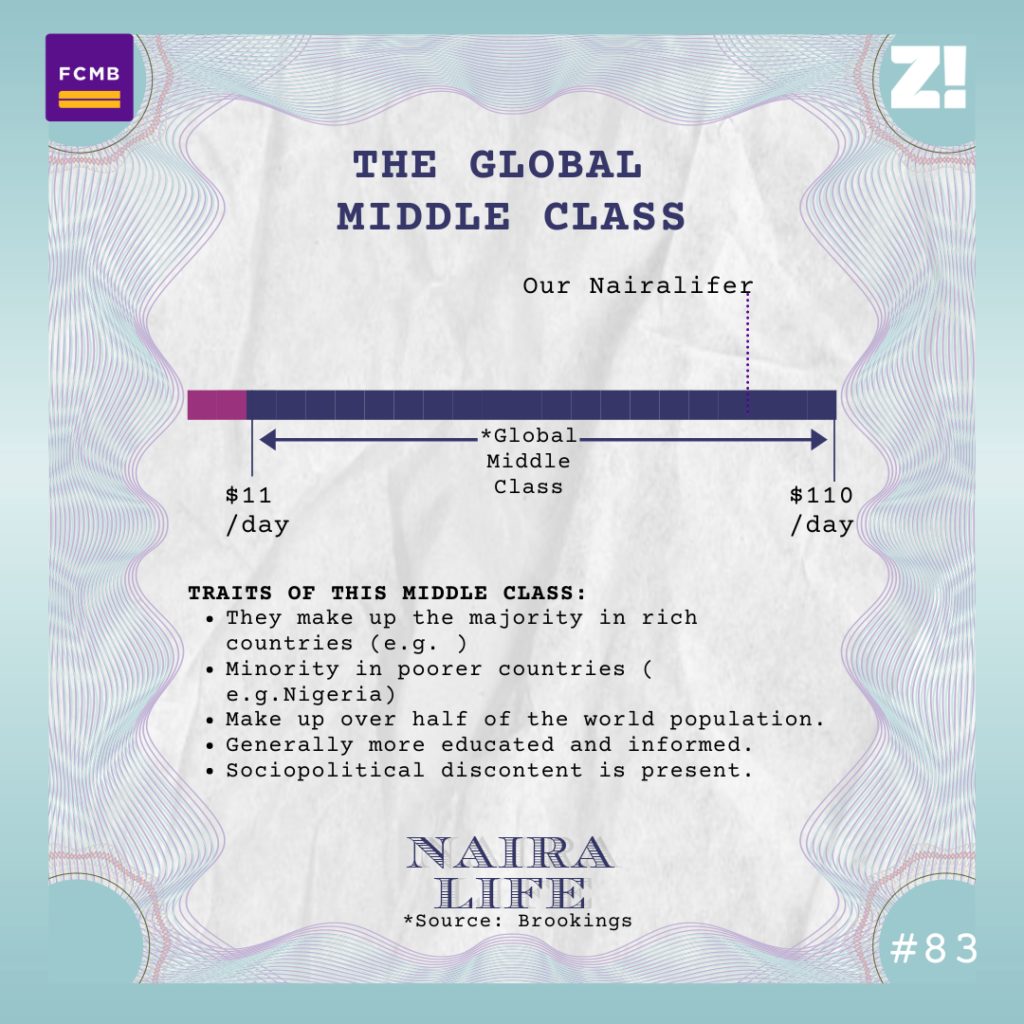
This puts you in the upper strata of the supposed global middle class.
Hahaha. Wow. This money that I’m managing.
Hmmm. Managing. Tell me how you manage every month.
It changes every month, but this is what an ideal month looks like.
₦10k goes to fuel. ₦20k goes to internet subscriptions. Rent? Zero, hahaha. ₦150k goes to just spending; I’m always buying food for myself or bae. Or taking my friends. ₦20k is for toiletries and random things for my body and bathroom.
The rest almost always goes to my dad. He thinks I’m borrowing him but I’ve dashed him.
That’s interesting, that last part. Tell me about the first time it happened.
It was 2019, and he didn’t have the money to pay for one of my sibling’s accommodation. I could tell it was stressing him out. And I had $4000 sitting on my account, I was saving it but I didn’t have any immediate use for it. So, I was like here you go, Daddy. He was so grateful for it.
Because I don’t pay rent, health insurance, and transport, I always have money. So, it’s easy to give him. He’s saying he’ll pay me back. But for me I’ve dashed him. It’s happened all the time since then.
How have these experiences shaped your perspective on money?
I don’t really know. I have never thought about it. I think one thing I’m certain of is that I want to have bastard money. There’s always something to spend on, someone’s school fees to pay, someone’s book fees to help out with. I want to have enough money to cover those expenses, not even for myself. For them.
I hope you get it. Looking at what you currently earn, how much do you think you should be earning?
I know I should be earning at least $3000 for my current level. I didn’t negotiate properly when I was just starting out. I was coming from a salary of about $600 to $2000, so the difference seemed a lot to me. But based on industry standards, definitely $3000.
You’re living a version of the Nigerian dream; earn global, spend local. What’s something you didn’t expect to be a source of stress for you, that is now?
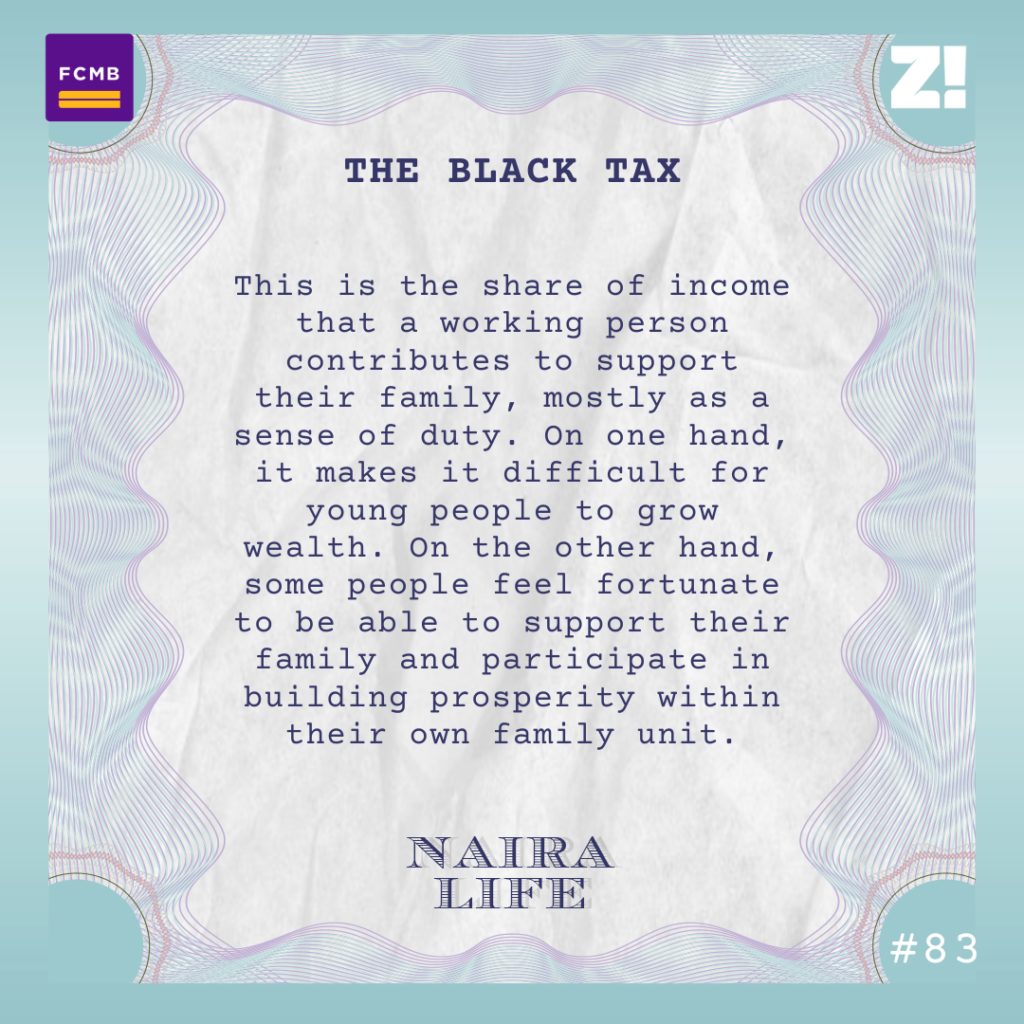
Black tax. I knew it would come eventually, but not on this scale. I barely save except, except for my current moving-out fund. All my savings go to someone’s school fees or something. I’d have had millions of naira in my account if not for that. I could have gotten a house.
Hence, the trigger when people say you’re rich.
Oh my God, yes. It’s so annoying. I mean I’m definitely not poor, I’ve never had to beg for money. If I’m begging it’s from my friends and I always pay them back. But for some reason, people always make jokes about me having money.
And what makes it triggering is not saying I’m rich or asking for money, it is the timing of it. It always comes when my account is empty or almost empty. Imagine someone continuously making rich jokes when you have just ₦10k in your account.
Your spending power feels relatively small compared to what you earn.
On average I spend about $400. I don’t have external expenses like rent or medical bills, so it makes it easy to spend less.
The big project savings only happens occasionally, everything else goes to the family. So, like $1400 goes to the family. My dad never ever asks me for this money, by the way. It’s just that I always feel some sort of guilt seeing him hustle so much.
Imagine your dad struggling to pay school fees and you have a shitload of money in your account doing nothing? It just makes sense giving him instead of having the money sleep there. And he always accepts it, so that means he needs it. Even though he won’t ask when I don’t show up. He doesn’t rely on me or anyone else. He always finds away. But I’m always happy to help him. Until I no longer can.
That’s heavy.
Haha. My dad is my guy. Anything for him.
Where does your mum sit in the context of money and household income?
Interesting question. She doesn’t contribute much, barely actually. She works but all the money goes back into her business which has been recently tested by COVID 19. It’s such a struggle that sometimes we hand her money for rent and other business-related expenses.
You said “no longer can” earlier, and I’m curious about that.
I’m moving out soon, it means I’ll have additional expenses of my own to worry about. I’ll have to worry about rent and my own personal expenses. So, there will be less to contribute unless I get a raise or a better job.
What are the things that need to happen for you to unlock your next level of income?
I already have the skillset needed to get a raise but I’m not sure the place I work is interested in giving me a raise since I’m a consultant, not full-time staff. I have to either find a better paying job or stick there till a miracle happens.
Stick there? Do you ever get the sense of feeling trapped?
I’m getting there. When I feel like I can no longer take it, I’ll move on. For now, there are still some benefits of sticking there. I am picking up other unrelated skills that will help me moving forward. For now, it’s keeping me occupied. I’m also building a fantastic global network. It helps to know many people in high places haha.
How much do you think you’ll be earning in, say 5 years?
$10,000 a month. Or more. But in 5 years, I don’t know if I’ll be doing the same thing or in the same industry so it’s hard to say.
What’s something you want right now but can’t afford?
A house. Always a good investment.
What’s something you wish you could be better at, financially?
I don’t know shit about investment. I know I don’t have enough to invest but I haven’t taken the time out to learn my options at least. I need to fix that.
Financial regrets?
I wish I didn’t buy a car haha. I love driving but I hate driving because of mad people. I almost always Uber because of the traffic and because I need to work in transit. So, sometimes I think of what I could have done with that car money instead. It cost nearly $6,000.
You don’t even think in naira. Why all this?
Naira is setting me back, my dear. I’m thinking for the future when I move outside the country. Also, I earn in dollars so it’s easier to calculate my expenses in the currency I earn in.
Did I just hear you say japa?
I’m not a fan of migration or the Canada hype. But I know that for the type of opportunities I want, there is very little Nigeria can give me. At some point, the UK or the US will come calling.
I can’t work with local agencies or media companies. They can’t afford to pay me, and they can’t offer me the type of environment or network I’m looking for. So, inevitably I’ll bounce outside the country.
On a scale of 1-10, financial happiness?
8. I’m very happy because I’m not suffering or poor. I could be saving and earning more but I’m definitely okay.
One last question.
Shoot.
Your dad giving you the best quality of education means that you actually went to school with rich people. What was that like for you?
It was such a weird change that started from secondary school – it was an expensive private school here in Nigeria. I was coming from a background that you can call razz, and I got bullied for it and called ‘local’ a lot.
Their pocket money was like ₦20k every month and I was getting like ₦3 – ₦5k. I’d never travelled abroad or even entered a plane at the time. Whenever we travelled, it was by road.
So, having rich schoolmates was such an experience. I wasn’t poor but my family couldn’t compete financially and socially with all those guys there. But I tell you it shaped me.
On some days, it hurt to be dragged but for the most part, I was fine. I experienced different sides of the coin, I guess. And by the time I finished secondary school, I had a network of friends outside my family status.
It turned out to be a blessing.
It’s Okay To Be Too Busy For Your Doctor’s Appointment. Weekdays are for work, weekends frankly should be for resting. To suit your busy lifestyle, FCMB has a promise: from the convenience of your home, workplace or even on the go, you can connect with 30 qualified medical doctors across a broad range of specialities, get access to free and up-to-date health resources on key medical conditions, and lots more.
No stress, no judge-zone! Easy-peasy, right? What’s more, as an FCMB customer, your first 30-minute consultation with a doctor is FREE! Click here to get started
What does life look like for Gen Z Nigerians everywhere in the world? Every Friday, we ask five Gen Z Nigerian students one question in order to understand their outlook of life.
Religion is a big topic for Nigerians because we live in a very religious society. This week, we asked them how their faith (or lack of) has been impacted by the education they receive.
Here’s what they said:
Ana: Afe Babalola, 19-years-old. No religion, just vibes
Going to University definitely affected my faith.. Before I went, I was kind of a Christian. Now? Not so much. As a biochemistry major in my third year, you see all the processes of life explained. Science is my peace, and it does not allow for the thousand and one loopholes Christianity does. It is relatable, I understand it. They teach me that miracles are things science just does not have an explanation for yet. I feel the only thing still tying me down to a belief in a higher power, is the creation of the world. Once I figure that out, I am golden. My parents don’t know, and I don’t plan on telling them. Not at least until I’m out of their house.
Chidinma: University of Nigeria, Nsukka, 20-years-old. Christian
I am a very religious person. Christianity is my push and driving force. It was integrated into every area of my life, at least before I started psychology. I’m in my third year now, and one thing we have to learn is to celebrate personal bias and faith from work. Although prayer gives me peace, I cannot advise that as a solution to a patient. Learning that in school, is teaching me how to separate my faith from all other areas of my life, and I do not know what that means for me right now.
Kabiru: UniLorin, 18-years-old, Muslim
I guess I am a bit too strong in my faith to have anything shake it, education or otherwise. Allah has been there for me even before I was born, so why will education make me turn my back on that? The knowledge I am trying so desperately to get was given to me by Allah. He is the reason I am able to start school in the first place.
Tolu: Covenant University, 21-years-old, Christian
We attend church a lot in school. It is a requirement to graduate so I really did not have a choice. I was not one of the strongest Muslims out there, because I found the religion a bit off, so maybe that was why it was so easy for me to convert to Christianity. I had a lot of Christian friends, and they always spoke about faith and love of God. It felt nice, and I wanted to see what they were on about anyway. I kept telling myself that if this also doesn’t feel right, I’d just leave. It feels right. I’m meant to graduate this year, so we’ll see how this goes.
Cynthia: UniLag, 19-years-old, Polytheist
As someone that studies Creative Arts, perspective is very important. There is nothing really objective, everything is based on the subject. That is how my faith started to change. By my second year (in my third now), Muslim? Christian? Traditional worshipper? All of them became right, and all of them wrong. It is all based on perspective.
For more stories about student life and Gen-Z culture, click here
The Nigerian experience is physical, emotional, and sometimes international. No one knows it better than our features on #TheAbroadLife, a series where we detail and explore Nigerian experiences while living abroad.
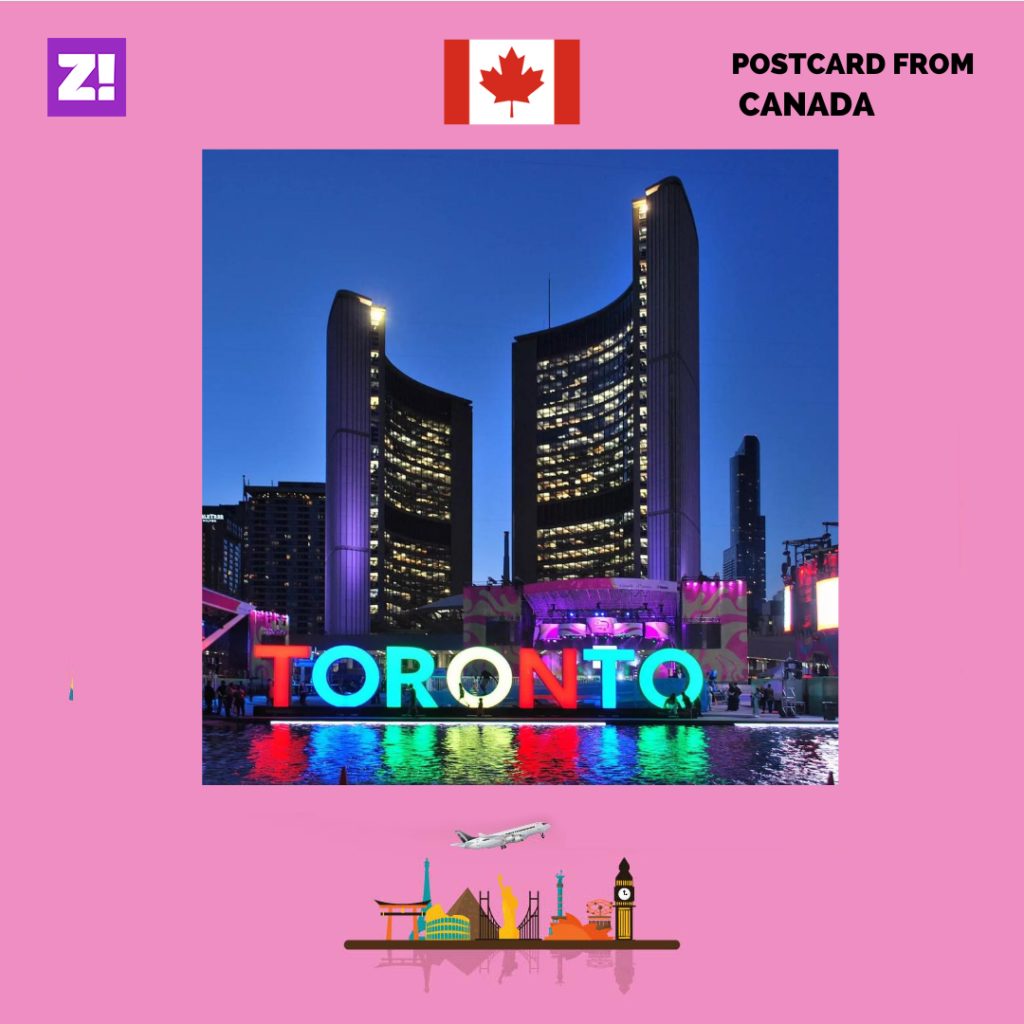
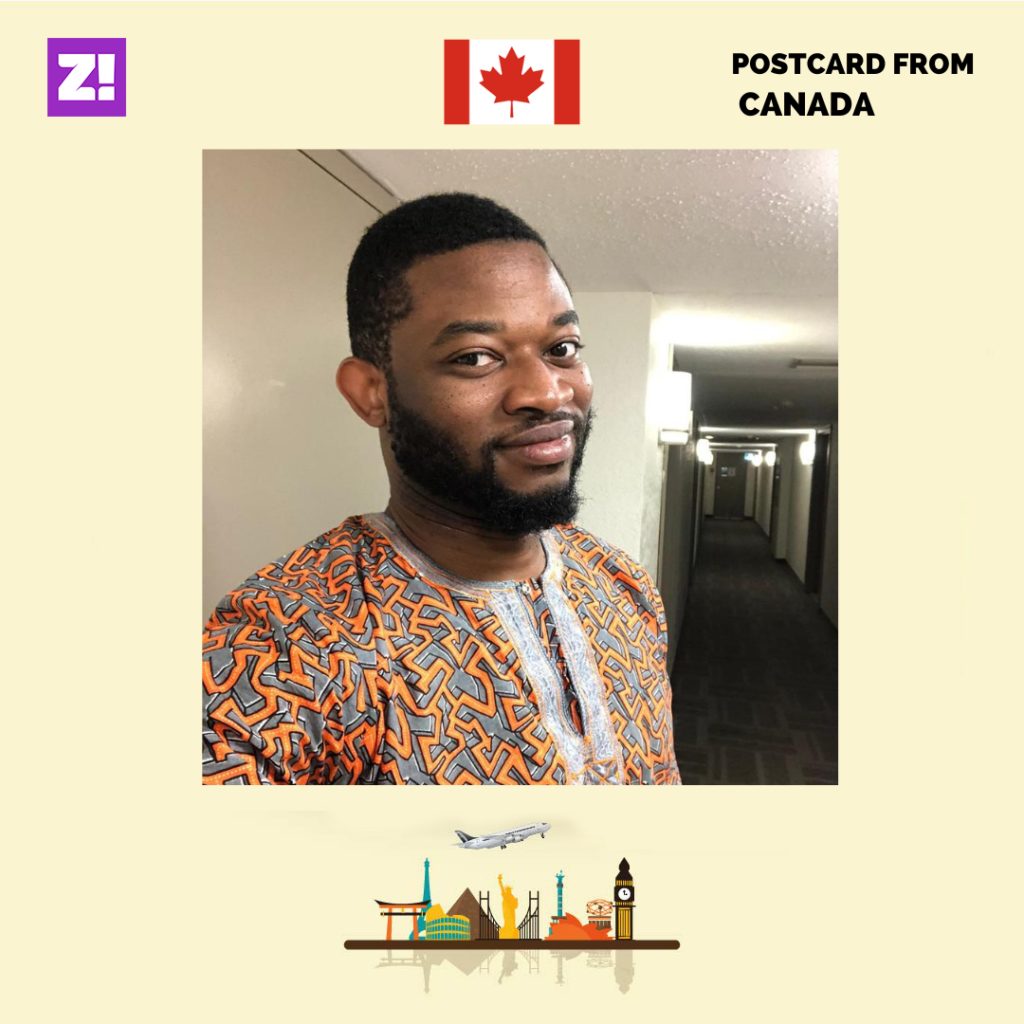
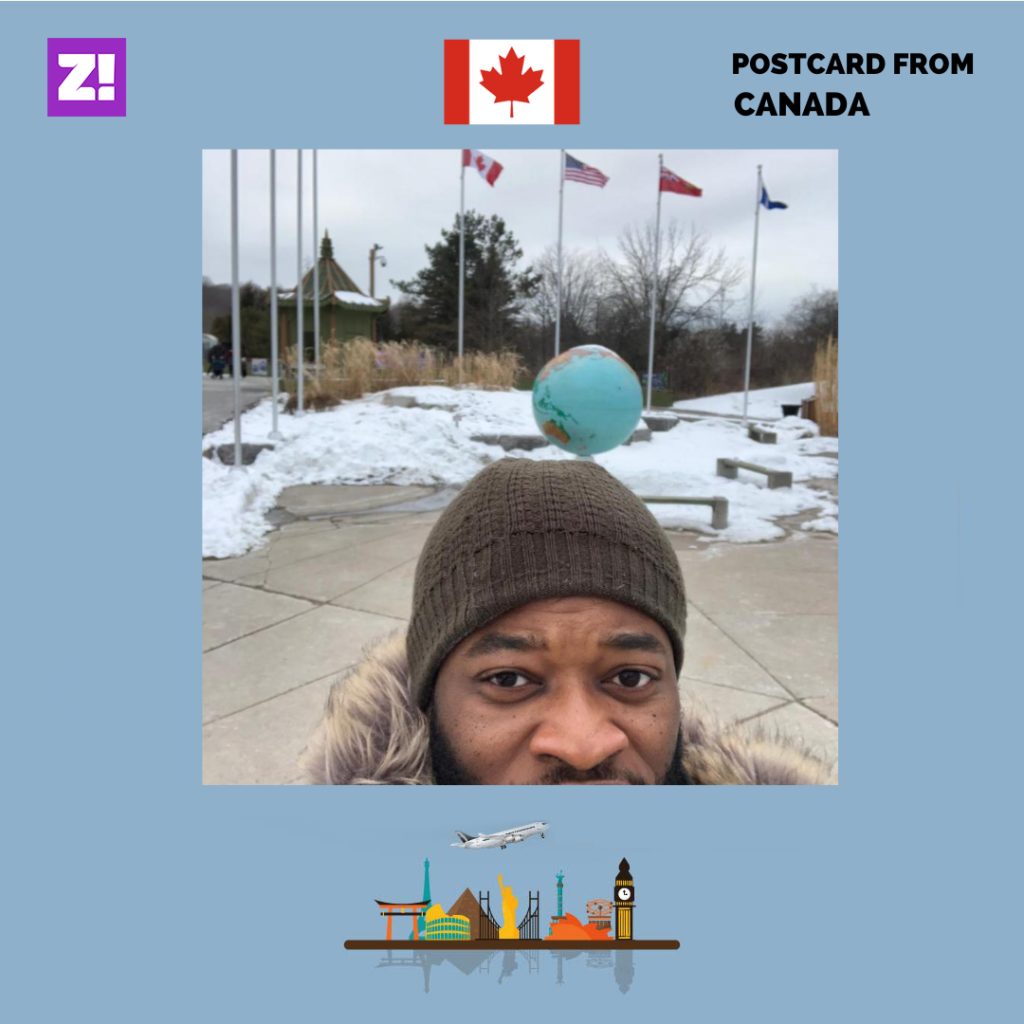
On Abroad Life today, Deyo tells us how his curiosity and passion for solving the electricity problem in Nigeria took him from the hydroelectric station in Kwara State to Canada and why he plans to return to Nigeria to implement all he’s learning.
How long have you been in Canada? AKA Abroad Nigeria
January made it five years, so five and a half years.
Wow! That’s a long time
When I first came here and met people that had been here for five years, I had the same reaction but five years later it still feels like I’m new.
What part of it feels new to you?
It’s mostly because I still meet people that have been here for decades, who moved here from Nigeria, and all over the world.
People say that everywhere you go in Canada, you’ll see Nigerians. How true is that?
It’s hard to survey. I’m in Ottawa and there’s a sizable number of Nigerians here, but if you compare it to Toronto, that number is nothing. You’ll find more Nigerians in Toronto than in any other place in Canada. I’m four and a half hours away from Toronto by road. That’s where some of my Nigerian friends are, so if I want to see them I’ll just drive there.
Ottawa and Toronto are in the same province which is Ontario, so in this province I’d say there are many Nigerians.
Do you know why Nigerians decide to stay in Toronto?
Toronto is a really big city. It’s like the Lagos of Canada. It’s a very metropolitan city, and it’s very busy so there are a lot of opportunities. It also has industrial activities so people go there to find opportunities.
When did you decide that you wanted to leave Nigeria?
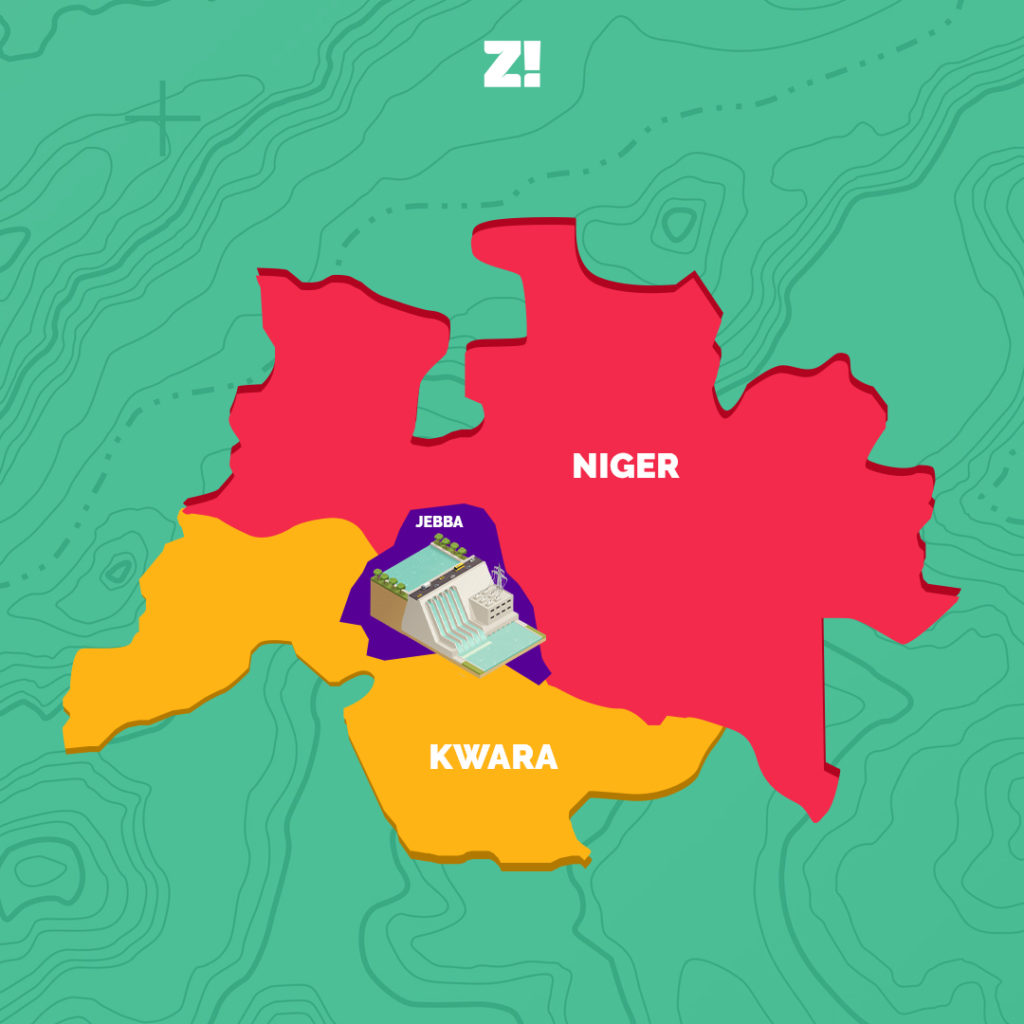
I worked at Jebba Hydroelectric Power Station in Jebba which is a border town between Niger and Kwara state. The hydroelectric facility there uses water from a flowing river to generate electricity. At that point, I was looking to further my career and my experience there exposed me to renewable energy. The Nigerian power sector had too many problems for me to feel comfortable to develop professionally. I felt like going abroad would help me get some exposure and experience. The plan was to come back because I am mind blown at the amount of resources we have in Nigeria. I was exposed to how electricity was generated and all I could think about was how to scale it so that the entire population gets electricity, because we’re a huge population and the demand for electricity is high, but the supply is low.
Canada is very big in renewable energy so I chose to go to Canada.
Wait, so this isn’t a japa story?
Nope. I came to get some exposure, and then fix some problems.
It’s nice to see a different mindset. After five and a half years, would you say you have that same outlook?
Even though it’s taking a while, the answer is yes. People say things are bad in Nigeria and it’s silly to return and try to make it better but the fact is that things are bad all over the world.
So from Jebba to Ottawa, how has the self-development journey been?
I came out here as a student to do my masters. The opportunity to get into Canada was more on the studying part. That was the most feasible way for me, because if it was just getting a job, I wouldn’t be able to compete with other people. So coming to study was the approach. I came as a student, and I finished my masters in 2016.
The course — Systems Science — was very complex; the description is “a course about solving complex problems” and based on my exposure in the Nigerian power sector, I can say the problem in Nigeria is complex. I have been in the system and I know what’s going on there so I said to myself, “okay, Systems Science is good”. It was also a good segue from my Systems Engineering background in UNILAG, even though I didn’t finish that one with a first class or a 2.1.
So, a systems engineering background, masters from the university in Ottawa, and background in electricity generation in the power sector. You must have been hot cake.
I thought I’d be hot cake as well but soon I realised that these streets are tough. All around the world, an economy is an economy. Nobody just gets handed anything. I have seen many Nigerians come here and expect to ‘blow’ immediately. In trying to leave Nigeria, they burn bridges and then face reality when they get here. It doesn’t always end well.
So while still looking for a job, with my Canadian university masters, I started working at a warehouse, picking orders.
A Warehouse. How did that make you feel?
To me, it was unfair. It felt unfair because I felt that someone with a masters degree program in my discipline was not supposed to be doing such jobs. This was so far from my evaluation of what things would be. I had even engaged my fiancée before coming so that when I got my masters, I would bring her over, marry her, and then focus on the rest of my self development. Everything looked nice on paper. In retrospect however, that was one of my best learning experiences. I still work at that same company, but I rose through the ranks to where I am today.
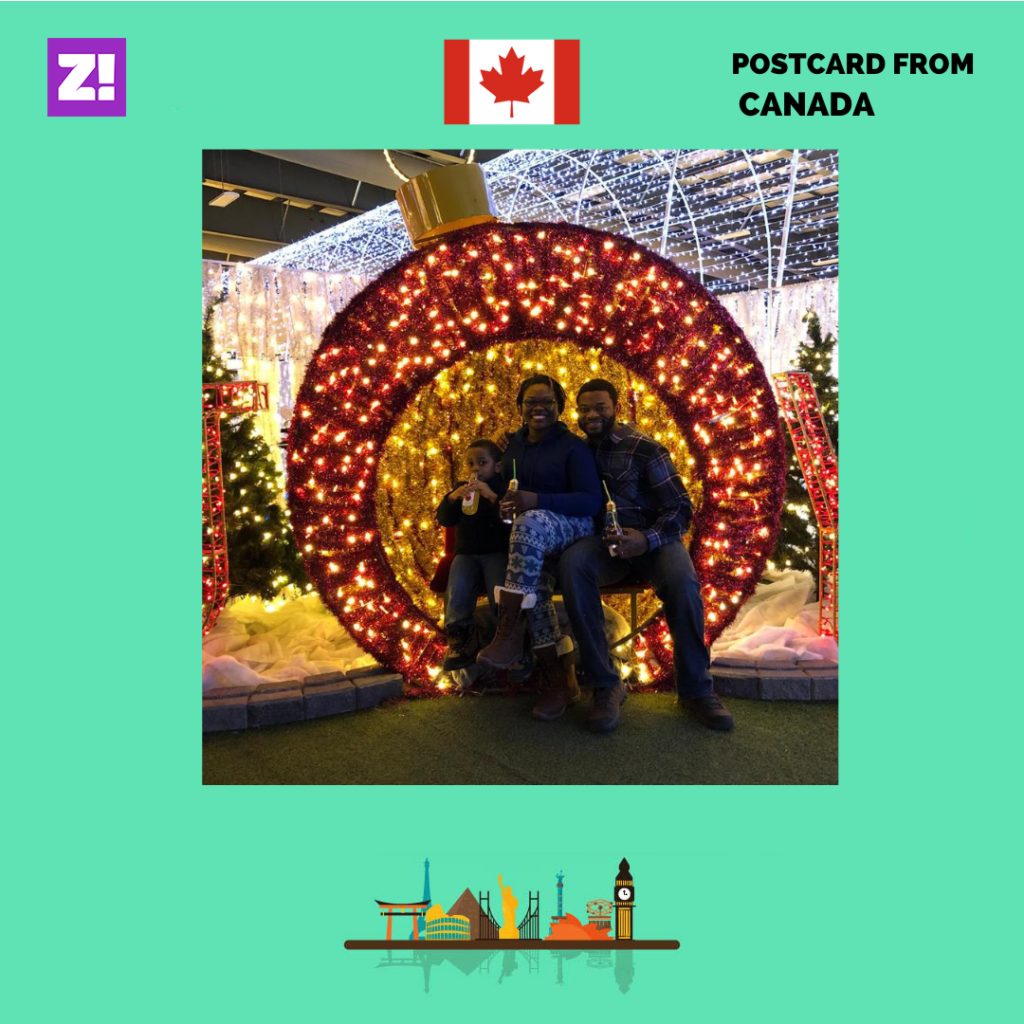
She joined me later though and even though we had some paperwork problems that meant she had to go back to Nigeria for about two years with our son, she’s back and we’re all here together with our permanent residence, and with our son as a full citizen.
How did it feel raising a child away from home?
One word: Adventurous. At the point of fatherhood, I had already been through and survived enough life’s circumstances for me to realize that having an optimistic attitude would help me through my greatest challenges as I venture through life. So I just took it one day at a time.
I’m going back to the top now. How easy was it getting a student visa?
There’s nothing easy in this life but I don’t want to discourage anyone. They’ll give you a list of documents you need. Make sure you have all of them and follow due process. If you get rejected, which I did, take it as feedback and work towards not getting rejected again.
When you first got to Canada, what was the first difference you noticed?
The weather in Canada is as bad as people say it is. I came in winter with just a fleece jacket and when I got off the plane I thought there was some disaster going on. It was so bad, I had to run back into the plane to ask a guard if he knew what was happening outside. I usually like to keep an open mind, so a lot of the other stuff was just normal to me.
Like Racism?
Yeah any kind of discrimination, I don’t like using that word (racism). I don’t see it a lot, or if it happens to me I don’t engage in it. I try to navigate it and think maybe the person is having a bad day and acting like this but not that they’re being racist.
With this pandemic and everyone being at home, how has that affected you as a father, worker and husband?
I’m in charge of Quality Assurance for Information Systems where I work — the enemy of a software developer. To carry out that role there’s no need to be in the office so I’ve been working from home. The challenge with working from home is my son doesn’t want to hear any stories; he doesn’t understand what work is and why it is necessary, so he wants to play when he wants to play and I find that challenging because at first I tried to explain to him but now the challenge is being able to balance my work with his play time; I can’t really argue with whenever he wants to play. I never win, it’s just having to balance my time and work, that’s the challenge for me right now. My wife is very supportive.
Children…
So, where would you rather be, Canada or Nigeria?
It depends on a lot. Right now there’s a very interesting conversation going on globally around energy, energy access, energy efficiency, and energy security. With the way the world is, with the pandemic and all, being in Nigeria might be frustrating because everyone is meant to be staying indoors and how can you stay indoors without stable electricity. So I would love to be in Nigeria, but I wouldn’t want to be stuck in Nigeria because I’m not where I want to be in my self development journey. I still keep close contacts with a lot of people in the power sector in Nigeria and we talk about how to move things forward from bottom up but it’s not so straightforward.
I’m putting in the work though. I hope it works out.
What do you miss about Nigeria?
Family, friends and Owambe food.
I hope we see you soon.
Want more Abroad Life? Check in every Friday at 9 A.M. (WAT) for a new episode. Until then, read every story of the series here.
The Nigerian experience is physical, emotional, and sometimes international. No one knows it better than our features on #TheAbroadLife, a series where we detail and explore Nigerian experiences while living abroad.
The subject of this week’s Abroad Life has chosen to be anonymous. She is a 21-year old International Economics and Relations student who left Nigeria for Ukraine when she was 17. She talks about racism and why she’s done with both Nigeria and Ukraine.
First things first, what’s a 21 year old Nigerian woman looking for in Ukraine, with no family there?
I’m in university, studying International Economics and Relations.
What happened to UNILAG?
Haha…The atmosphere in Nigeria is not a very good place for studying. If we’re going to be frank with each other. I have watched people ahead of me do six years for a course that was meant to last four years. There’s always a delay, somehow, as if it’s a curse. Personally, I’m not about to go on a break in between school, so that’s one major thing.
So when did you decide that you were going to leave?
It was June 2018. I had just finished secondary school and I had a friend in Ukraine already, who was studying medicine. It was her uncle who set up everything for her. She told me to come because the process was easy and I told my mom. My mom linked up with the uncle and he actually did the processing.
I thought this was one of those scam stories.
Haha.. Nope. We needed some documents, which we were able to present. I had to go to the embassy at Abuja, and I got my visa. So from the time when I decided I was going to study in Ukraine, when I applied to the school, and I told my mom, and I got my visa, it took about two weeks.
Two weeks?
Two weeks. Although, I really don’t know how much it cost and all that because at time I was still 17 going 18 that month. My work was just to make sure I appear, and present all the needed documents and I did that. I left very shortly after.
Considering how short the time was, you didn’t have much time to say goodbye to friends and family. How was that?
It was actually cool for me, I’m not that person that has a lot of friends and all so it wasn’t too dramatic. We are in the 21st Century where you can just text “Hey, I’m leaving to study in Ukraine, I’ll see you in four years.” or make a call and you’re good. It’s never as deep as going round visiting. My family followed me to the airport. It was just normal.
So you’re arriving in Ukraine, a place where you’ve never been before. What hit you the hardest?
My God, it was the language. I didn’t have any time to learn so it was super complex. Even now, I’m always on my phone using a translator. Luckily for me, as you enter the country, the people that check the visa and your documents speak English so that helped me at least get myself into the country. I had booked for someone to pick me from Kyiv to my city, and that was a six-hour drive. After that, I found a way to settle. Google Translate everywhere.
So if I’m coming to Ukraine, I know I need to learn the language, thanks. What else do I need?
Should I be honest?
Hit me.
Don’t come to Ukraine.
But…
I’m just being honest with you. You know that racism thing that they’re shouting in the US? Hmm.
Every time I enter a bus here, people act like the grim reaper has just entered and they have to avoid me at all costs. You see people instinctively using their bags to occupy seats and moving away. If you sit beside one white person, odds are they’ll stand up and leave you with an empty seat.
Wow
I’m probably just a very self aware person, but these things get to me. It’s weird feeling like you don’t fit in society and whenever you try to fit, society looks at you and says “Nope, you don’t belong here”. In my experience, it’s also been really hard to get a job, and it doesn’t help that black people pay more for stuff like housing than locals.
Why is that?
I don’t know. But me and some other black students pay $250 a month for rent in our different apartments. In the same building complex, whitestudents pay $150 or even less. Wanna hear the worst part?
It gets worse?
We have separate classes for blacks and whites.
That’s not possible!
I’m dead ass serious about that
What’s the name of your school?
I’d rather not say. In fact, I want to be anonymous.
There’s also the little things like being on a queue for something and not being attended to until all the white people have been. But you know Africans are free spirited, so we don’t take things to heart, we just deal with whatever comes. What is the distribution of white to black people in your city?
There are actually a lot of black people here, you’ll find Ghanaians, Kenyans, Tanzanians, Ethiopians, South Africans, people from Swaziland, there are plenty black people here. My city isn’t very big so maybe that accounts for why they treat us like this.
Do you think nationality doesn’t matter when this racism happens?
Yes, every black person is treated the same. Recently a boy was stabbed, and they’ve been dragging the case for a while, but now they want the case to go because it’s a black guy and they’re making his murder his own fault.
Why am I speechless?
There’s NUGS (National Union of Ghanaian Students) there’s NUNS (National Union of Nigerian Students) here though and they play their parts in expressing our interests.
I feel like I have to clarify though, that they won’t violently attack you. In fact, as a black woman, I can freely walk at any time of the night and feel safe. You just won’t have the same rights as everyone else.
That’s crazy, and I hate to hear that you’re experiencing that. So how many years is your course and how far gone are you?
I’m doing a 4 year course and by God’s grace I’ll be in my 3rd year by September.
Are you planning on leaving once that’s done?
Definitely. I do not see a future for myself here.
Okay so you can’t wait to leave and come back to Nigeria?
Nah, not Nigeria. Somewhere else maybe. I’m done with the two countries. Living abroad has made me see how much we suffer in Nigeria.
Gun to your head, pick a place to stay, Ukraine or Nigeria?
I’d pick Ukraine.
Balance me here real quick. So you’d rather stay where you face racism nonstop?
There’s tribalism in Nigeria that lets people get more opportunities than others. They’re brothers. Nigerians even get violent sometimes. I’d stay here if it was the only choice. If I’m getting treated differently because I’m black, and I’m also getting treated differently because I’m Yoruba, what’s the difference?
That’s…interesting.So, how is daily life in Ukraine?
One thing I should let you know; feeding is cheap.
Cheaper than in Nigeria?
100%
Wow! What do they eat?
We have African stores here so you’ll buy your stuff. But food generally, is cheap.
What do Ukrainians eat?
Apart from their traditional food, they eat a lot of junk. They have their own food but I haven’t tried it because I’m not interested.
So you’re not immersing yourself in their culture?
No. I don’t feel accepted so it’s not natural for me.
Apart from food, how would you say it’s different from Nigeria?
Nightlife is very safe; you can walk on the roads at night even as a girl. I’m an introvert so I’ve never been to a club here but I hear it’s cheap to enter. I’ve got just a few friends, I’m not a people person. Transportation is also pretty chill. We’ve got buses, rail, and taxis, or you can ride your bicycle.
But everyone here obeys every single traffic rule. Like robots.
How’s the weather?
The weather is harsh. When it’s cold it’s extremely cold and when it’s hot it’s extremely hot.
What is it right now?
I don’t know if the world is coming to an end. But it’s summer right now and it’s extremely hot.
Hang in there!
Check back every Friday by 12pm noon for a brand new Abroad Life story. If you’ll like to share your own story, please fill out this form.
Nigerians are woke these days – at least that’s what you’d think if you stumbled onto, and got lost in social media.
The truth is, a lot of us are not. We are naturally loud and extremely assertive, so when we talk it’s easy enough to believe we are authorities on the matter. However, even though a lot of us claim woke, we don’t deeply understand certain issues.
Because the lines are so blurry, what does ‘woke’ mean, anyway?
I love thisUrban Dictionary definition of woke; “getting woke is like being in the Matrix and taking the red pill. You get a sudden understanding of what’s really going on and find out you were wrong about much of what you understood to be truth.” In simpler terms, it means to become aware of the problems in our society and the factors that contribute to them. You ‘wake’ up to the realization that some of our traditions, culture, societal structure and interactions are problematic. The impact of wokeness in Nigeria is however limited by ‘fake wokeness’. What is fake woke, you ask? Fake woke people are those who aren’t directly affected by or understand certain social issues, but still argue blindly in favour of the problem. They are the opposing voice, creating doubt and slowing down progress.
Can wokeness be learned?
Yes, it can. Ironically, when supposedly enlightened people tell ‘ignorant’ people to read a book, it’s actually not (just) an insult. You can actually find the answers to life in books. We’ve put together a reading list of African books which attack social issues to get you started.
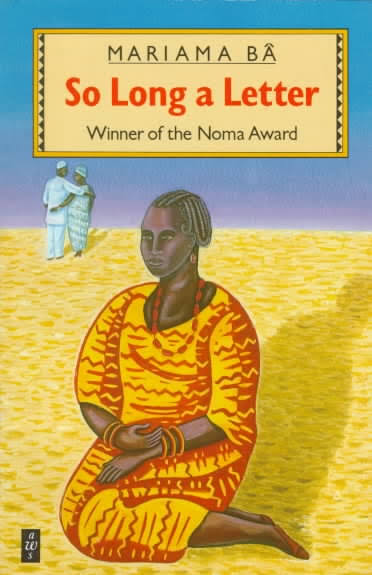
1. Female marginalisation: So Long A Letter – Mariama Bâ
An inspiring story of feminine strength, So Long A Letter is written as a series of letters between Ramatoulaye and her best friend Aissatou, after Ramatoulaye’s estranged husband dies from a heart attack. While observing mirasse, (a forty-day period of isolation and mourning) Ramatoulaye keeps a diary which she sends her friend. This book explores a woman’s place in developing West African society. Ba wants this novel to encourage women take responsibility for their lives. The letter format pulls you in, making the book feel extremely personal.
2. Government incompetence: The Trouble With Nigeria – Chinua Achebe
This is a great book for Nigerians, but the problems therein apply to a lot of African countries. The Trouble With Nigeria takes a look at Nigeria’s major problem which according to Achebe is leadership–or the lack of it. Leadership is used as the launching pad to dissect many Nigerian problems: tribalism, lack of patriotism, social injustice, the cult of mediocrity, indiscipline and corruption.
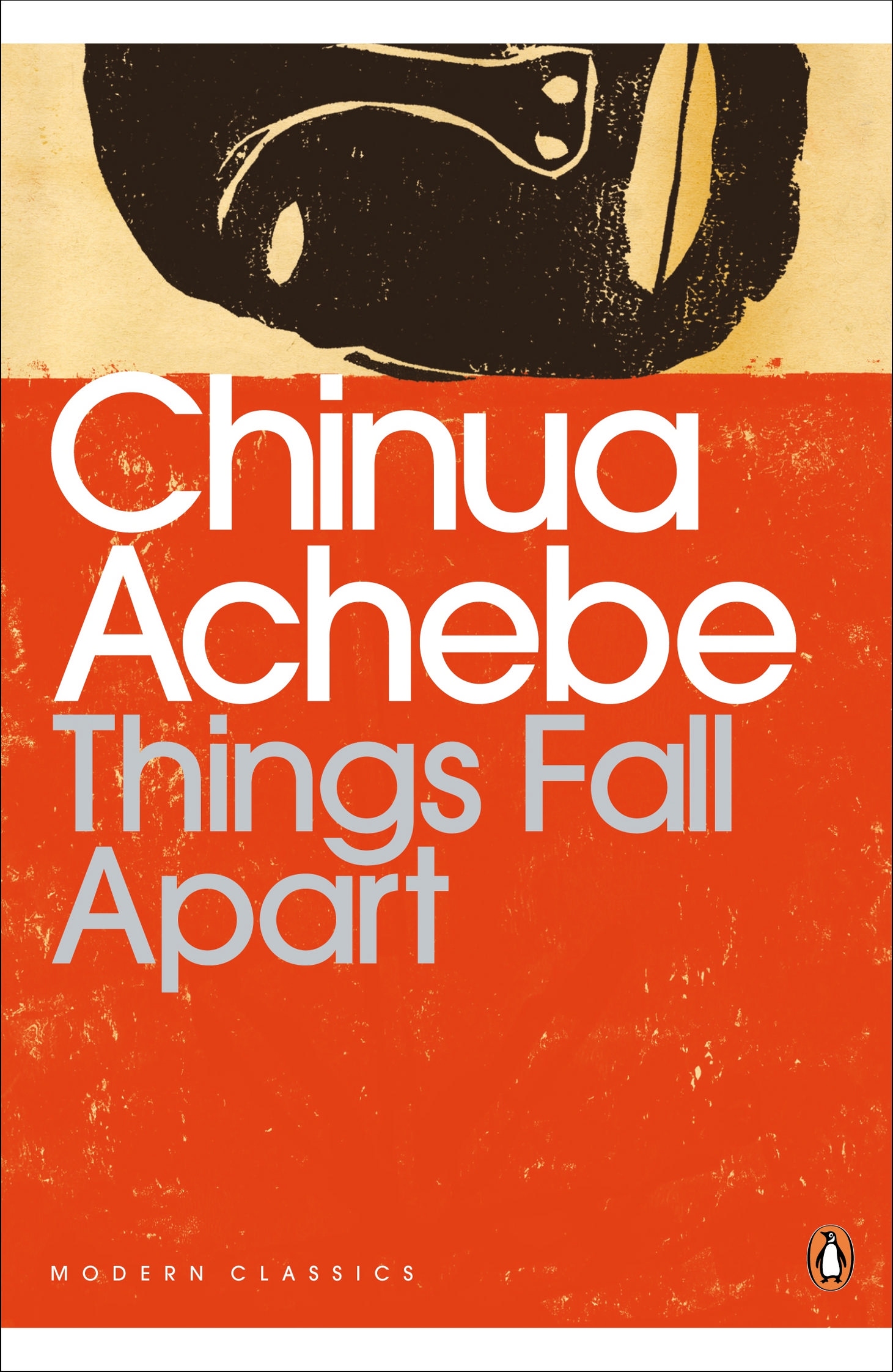
3. Social disintegration: Things Fall Apart – Chinua Achebe
Rich in cultural history, Things Fall Apart tells a captivating story of a traditional Igbo man who, though living in a rapidly changing Africa, refuses to accept British imperialists and missionaries. Achebe describes the daily life of the Igbo by telling the story Okonkwo and passes on key points about the Igbo culture. This book details how the way of life of the British crept into traditional Igbo society, and exposes the corruption and oppression that was perpetuated.
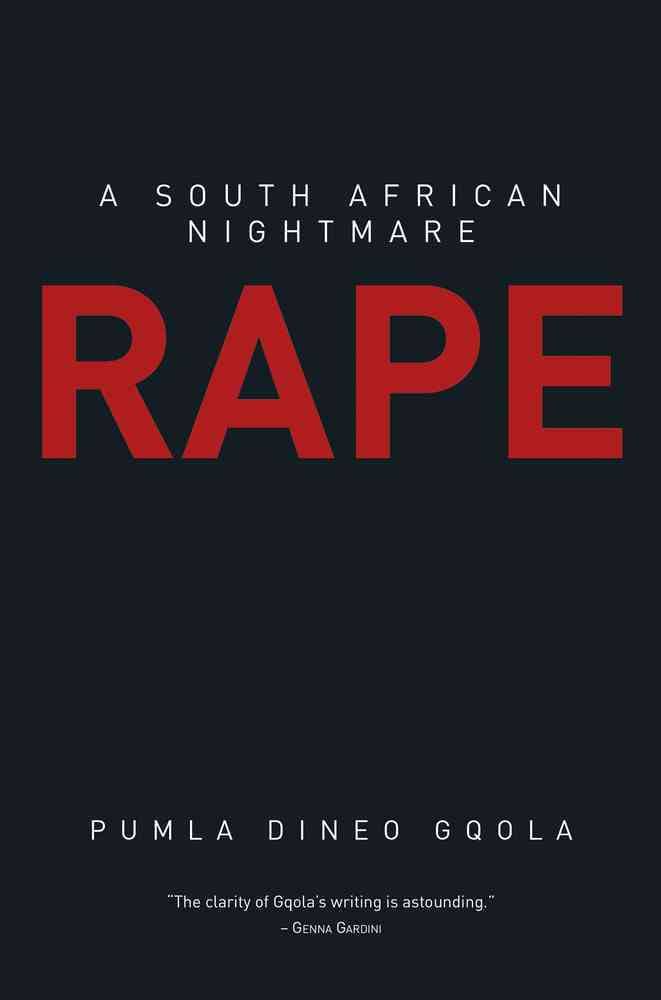
4. Sexual harassment/rape: Rape: A South African Nightmare – Pumla Dineo Gqola
Using examples from the past and present, Rape: A South African Nightmare takes on various aspects of rape culture in South Africa. It does so by focusing on the patterns and trends of rape culture and asking what can be learned from famous cases. This book analyses the fact that public responses to rape are characterised by doubt. It also asks penetrating questions about female fear factor, boy rape, the rape of black lesbians and more.
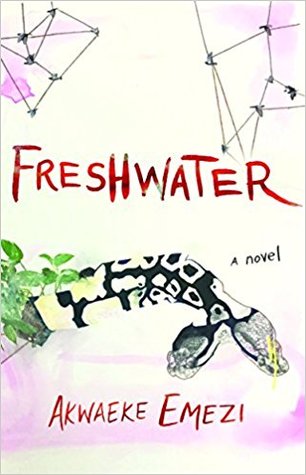
5. Mental health: Freshwater – Akwaeke Emezi
Freshwater is Akwaeke Emezi’s daring debut novel that was shortlisted for The Center For Fiction First Novel Prize, 2018. This book paints a profound picture of what it’s like to mentally be between worlds by exploring the life of Ada, a Nigerian girl who was a little “different” from other children. She was a challenging child for her parents, who were constantly concerned about her fractured existence. Throughout her life, Ada speaks through her various selves (which is framed within the Igbo tradition of ogbanje). Freshwater takes on challenging topics such as identity, mental illness, self-harm, sexual assault, suicide, and more.
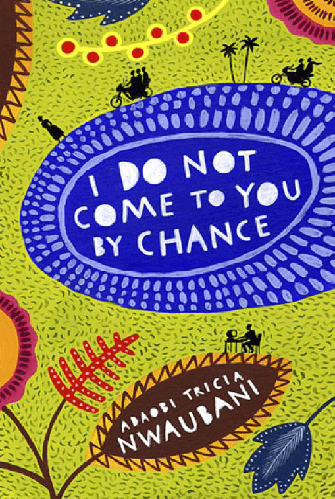
6. Yahoo-Yahoo: I Do Not Come To You By Chance – Adaobi Tricia Nwaubani
Adaobi Tricia Nwaubani’s debut novel, I Do Not Come To You By Chance won the 2010 Wole Soyinka Prize for Literature in Africa and the 2010 Commonwealth Writers’ Prize for Best First Book in Africa. This is a very insightful contemporary African novel centered around a young man burdened with responsibility. It details the lengths he goes to provide for his family, which takes us into the world of email scams AKA Yahoo-Yahoo and into the lives of the people behind them.
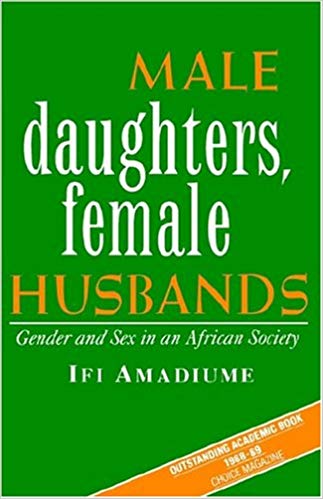
7. Gender roles and inequality – Male Daughters, Female Husbands: Gender and Sex In An African Society – Ify Amadiume
Male Daughters, Female Husbands explores the imposition of Western life onto West African society. This book does a fantastic job of outlining the new gender reality created by the impression of European Christian values on a traditionally matrilineal Igbo society. Amadiume details a rich history of economic and social power that West African women held, and how they’ve have found themselves disadvantaged compared to their male counterparts since the early 1900s. This is a must-read for every woman.
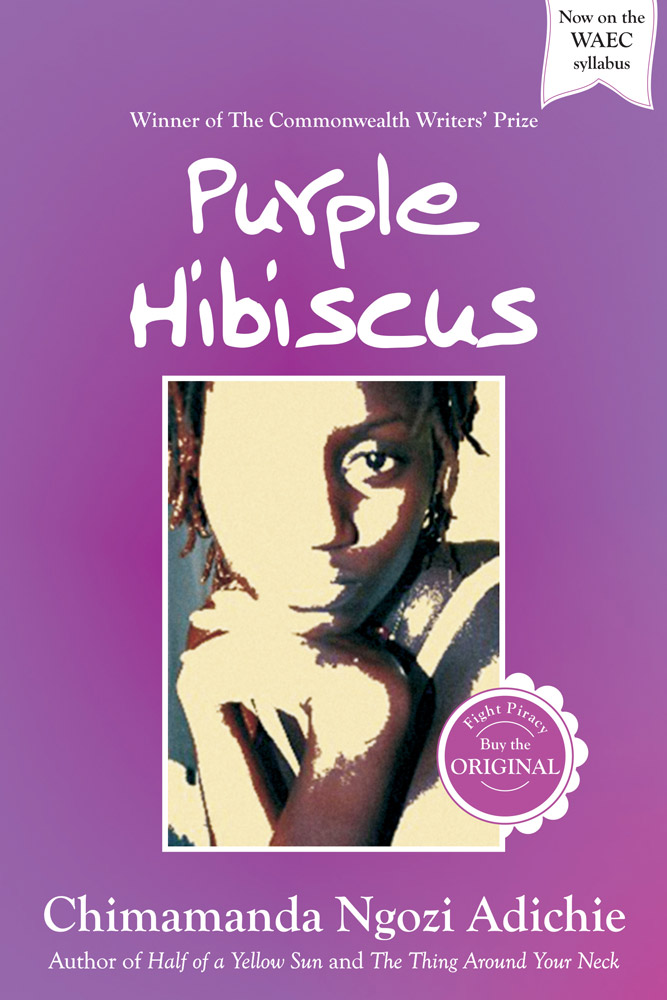
8. Abuse and domestic violence: Purple Hibiscus – Chimamanda Adichie
Longlisted by the Booker Prize in 2004, and shortlisted for the Orange Prize For Fiction that same year, Purple Hibiscus has garnered a lot of acclaim. This is a captivating book that handles abuse in a most delicate way. This book is focused on Kambili and her family, and what they endure for the sake of religion and family values. It shows the disintegration of her family unit and the unimaginable effects of abuse.
If you’ve read any of these books, what do you think about them? Which other books would you recommend?
This channel teaches you biology, chemistry, physics, economics, philosophy and world history. Get to learning!
2. How to adult
This channel focuses on getting you to function like an adult; everything from how to pack for a holiday to how to quit your job is somewhere here!
3. Khan Academy
This is your cheat sheet to anything educational, with the most complex ideas broken down … and broken down again, to help you have an easier learning experience!
4. Sexplanations
This is your guide to sexuality and sexual health. It talks about all those things your mother refused to while giving you that vague and awkward sex talk. It also covers sexual hygiene, consent and a myriad of connected topics.
5. NigeriaCuisine
This is your guide to being a pro in the kitchen! So if your aunties are always acting like they alone have the secrets to wonderful tasting food, come here to burst their bubble!
6. Clean my space
On this channel, you learn to clean any and everything from top to bottom. There’s a method to the madness!
7. AndyAX
If you are a camera and filmmaking lover, this channel will teach you all the hacks you need to know!
It’s however unfortunate to note that not even one Nigerian university made the list.
In fact, there has never been a Nigerian university on the CWUR ranking since 2014.
In spite of this, Uganda, Egypt and South Africa were the only African countries on the list.
The CWUR based this ranking on 8 factors including: quality of education, alumni employment, quality of faculty, influence, citations, publications, broad impact and patent.
This means an average Nigerian university does not meet any of these standards and cannot even match up to any of these international universities.
Looking at the alumni factor, after doing so much wahala to even get a degree in Nigeria, there are no jobs available for the graduates.
The extent of the failing education sector comes to light every other day and must be addressed!
For Nigeria to move forward and progress, the system responsible for grooming and producing citizens that will enforce this change has to be fixed.
The fact that the educational system in Nigeria needs a complete overhaul isn’t news.
And since it looks like it could take the Nigerian government a while to get to that point, a group of Nigerian youth have decided to make a change, one step at a time.
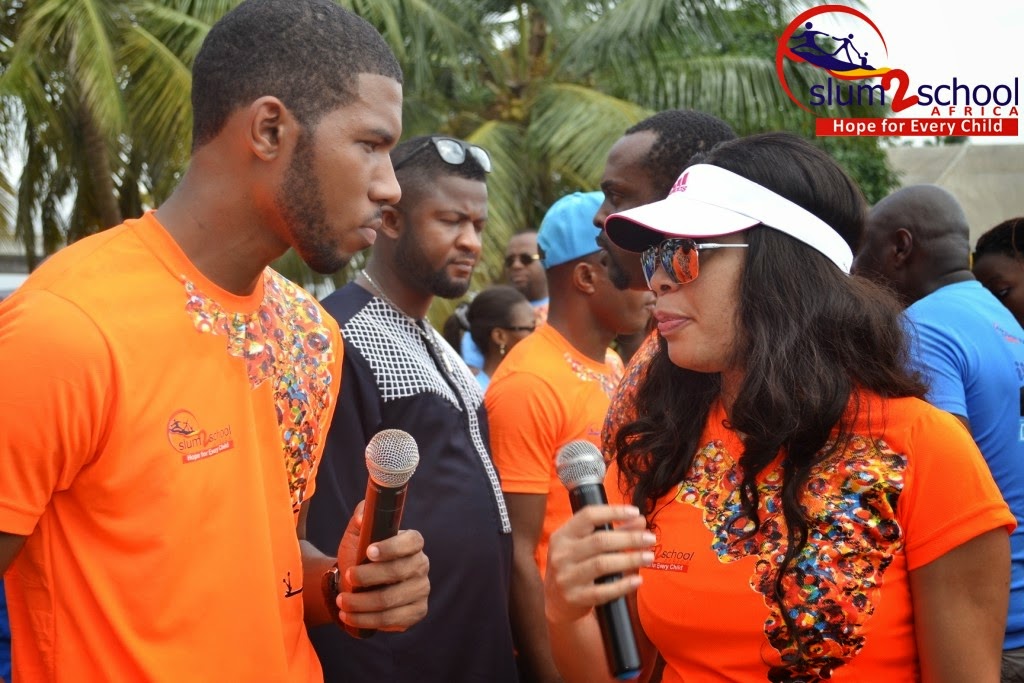
In the past 4 years, Slum2school Africa has reached out and provided educational scholarships and support to 650 disadvantaged children in slums and remote communities such as Okuagbo, Saga Islands and Makoko.
The award-winning NGO, founded by Orondaam Otto in 2012, has engaged over 5000 volunteers across 12 different countries who have actively participated in realising the vision of the organisation.
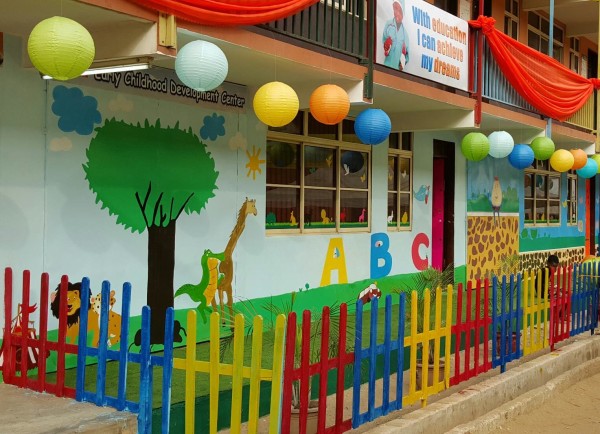
2016 seems to be an unstoppable year for Slum2school Africa. In February, the first Early Childhood Development Centre was launched in Makoko to celebrate the 4th anniversary of the organisation.
The center was furnished with adequate educational materials and 4 learning spaces to conveniently service 600-1000 children weekly.
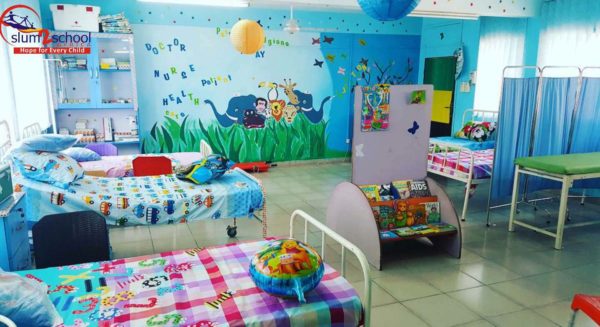
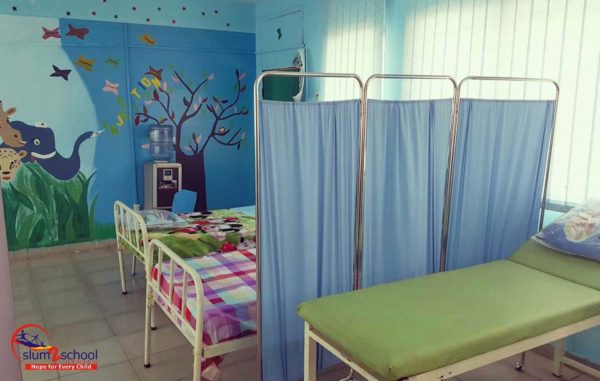
And in June, they commissioned the first fully-equipped children health care center in Makoko.
The health center was designed to serve about 2,000 children and will at least reduce the spread of diseases among the school children. The center will also provide first aid services to children in the community.
Thanks to these guys, there will be fewer Nigerian children out of school. Even with these accomplishments, the government needs to play its part and provide necessary amenities to children living in remote parts of the country.
79 year old Hajiya Fatima Kurfi finally achieved her life-long dream of getting an education when she bagged her B.Sc degree in Islamic Studies from Al-Qalam University in Katsina state.
Although the mother of four and grandmother had completed her degree in 2009, her convocation ceremony was deferred till May 2016 when the university hosted its convocation ceremony for seven graduating sets of the school.
Hajiya Kurfi who didn’t have the opportunity to attend school while growing up, began learning how to read and write when she married her husband who eventually relocated to England. She followed him shortly after.
After returning from England with her husband, she enrolled in an Arabic Teachers College for her secondary school education, where she was in the same class with one of her grand-kids, before obtaining a Diploma at Danfodio College.
Hajia Kurfi was still determined to continue her education and eventually got admitted into Al-Qalam University in 2005.
Currently, she runs a private school for children and an NGO which aims at advocating education of the girl-child.
Although she doesn’t want to go further in her education, she has decided to continue researching at home by studying books and research papers written by her husband, Dr Ahmadu Kurfi, who is a teacher and former federal permanent secretary. Go grandma, we couldn’t be more proud!!!
A number of people who are studying accounting are either there by choice, or because their parents are accountants so you can’t be a prodigal child. Every accounting student has been in one or all of these situations.
When you get admission into the university and you made it into the accounting department
And your first two months are as easy as ABC so you think life is a bed of roses
First semester exams show up and you get all A’s and you believe you will be the next Accountant General of Nigeria
Your second year starts and things start having k-leg
Your balance sheets start refusing to balance
And the number of accounts you have to prepare are now six per question
Income statements, adjusted trial balance, journal entries, balance sheet, profit and loss, cash flow accounts…
As if that is not enough cost and Financial Accounting and Case Analysis start bringing up their head on your course list
And then Taxation becomes advanced and Auditing and Assurance starts looking like hell
Taxation Y U become advanced? People, Y U have to do fraud and give us errors to find?
And then you start seeing letters and greek symbols in your textbooks in Financial Management
What is a beta? What is ‘r’ doing here? What is this funny looking ‘E’ what is all this Lord?
To make matters worse you are told you need to start getting ready to start ICAN lessons
God what is all this? Who invented accounting?
Every weekend from 9AM to 9PM
Is this ICAN lesson or prison in disguise?
So you have no social life, no sleeping pattern, wonder if life’s worth living and are about to give up
Somebody can’t even go to Quilox or go and buy Suya and relax.
So you start to reconsider all your life choices and if it is too late to change your course
Is all this worth it? Mass Communication wouldn’t have stressed me like this…
But you remember your parents, uncles, and even your pastor is an accountant and you can’t be the black sheep
Before they say I want to bring shame to the family.
So you just have to carry your cross and die with it
I’m not the first, I wouldn’t be the last.
ICAN exams come and you are tired of life and reading and just want the world to end
Can Jesus like come back today or the apocalypse happen?
Then the results come out and you passed everything
FINALLY!! ITS ALL OVER!!
Now you can add “ACA” to your name and start carrying shoulders
Augusta Uwamanzu-Nna has shown that Nigerians will continue to excel at home or even abroad. She was accepted into all 8 Ivy League universities in America.
The 17 year old senior of Elmont High School, Long Island, New York will have taken 13 advanced courses when she graduates.
The Ivy League schools include: Harvard University, Yale University, Princeton University, Dartmouth College, Brown University, Cornell University, University of Pennsylvania and Columbia University.
She was also offered admission by 4 other universities: John Hopkins University, Massachusetts Institute of Technology, New York University and Rensselaer Polytechnic Institute.
She credits her accomplishments to her supportive parents who made sure she appreciated the importance of education and the dedicated teachers of Elmont High School.
She believes her resilience and hard-work also helped her achieve some of her goals. Although she wasn’t born in Nigeria, her visits to the country have inspired her to be of positive impact to Nigeria.
Although she hasn’t decided on a school, Augusta wants to study a science related course and is very interested in research.
The 17 year old upon discovering her school lacked the hi-tech equipment required for her research, went on to apply for an internship in Columbia University so she could continue.
However, she isn’t the first African to achieve this feat.
Studying architecture in the university is not just a course, it affects everything in your life from sleep pattern, social life, eating schedule, how you view life and everything. Only architecture students will understand these situations.
1. When you realize RedBull or Power Horse are your favorite drinks
Can’t afford to be weak for one minute, before you sleep for two days.
2. Realizing you have been in the studio for 22 hours
Ahan where is this time running to?
3. When everyone in the studio hates you because you play music too loud
Don’t be angry oh please block your ears now or go and build your own studio.
4. When everywhere is a bed space
The tables and chairs looking like a comfortable bed or roses. Opportunity comes but once.
5. When everybody is saying good morning and it’s just your bedtime
This backwards sleeping pattern life.
6. When you eat your breakfast, lunch and dinner at one sitting
Because there will be no time again till tomorrow.
7. When you are an expert at the different smells of glue
UHU, Pritt you can smell them in your dream.
8. When you don’t know what day of the week it is at all
Could it be Monday? Or is today Friday? Been in the studio for two days…
9. When you realize your parents have a better social life than you
*cries in spending hours on projects*
10. When you can’t find one of your instruments
THE END OF THE WORLD.
11. When you become a scavenger for materials for your model
Toothpick, rubber bands, screws, straws almost anything on the floor is useful.
12. When you are tired of hearing “didn’t you wear this yesterday”
Is it your cloth? Is it your body? Please let me repeat my clothes in peace.
13. When you can’t remember what your bed feels like
Dear bed, I miss you.
14. When you are an expert photoshop, autocad, illustrator user but you fumble with Excel
See, some software programs are not really that important in this life.
15. When you tell your friend to wake you up and they forget
YOU WANT ME TO BE A FAILURE IN LIFE ABI?
16. When your boo doesn’t believe you forgot to reply or call on their birthday
See, I am sorry it’s not really my fault.
17. When you only think of sleep when you hear “weekend”
What is a turn up? Finally, I can have more than two hours of sleep.
From the stables of EVCL studios is this cartoon series aimed at educating children between the preschool and toddler ages.
Learning just got more interesting and creative.
The cartoon series was created to reach out to African children within and outside the continent by providing information on African history through entertainment and fun.
The need to help African children connect with their heritage prompted the EVCL team to create the series in 2010.
The characters are siblings who go on really awesome adventures with their friend, Zeena the butterfly.
Based in a modern African city setting, Bino and Fino live with their grandparents, Mama Mama and Papa Papa.
Topics such as female empowerment, geography and also the ways of life of people of other cultures are explored during their adventures.
The cartoon has been viewed across countries like Nigeria, South Africa and even the UK.
Some of their videos are on their Youtube channel, while more episodes can be bought off their website.
You can watch the official trailer of Bino and Fino here.
Over the past few days, thousands of protesters in South Africa have been speaking out against the government’s decision to raise school fees by 10.5%.
The protesters believe the rise in tuition will make tertitary education unaffordable and will prevent poor black students from accessing and benefitting from education. Demanding instead for institutions to provide free education for all.
https://instagram.com/p/9GqEBtKBrT/
The hashtags #FeesMustFall, #NationalShutDown and #ZumaMustFall have been trending on social media and the important message is being received all over Africa and all around the world.
If your child was born in 2015, by the time they reach 18, university fees for an average 4-year degree could cost R1.2M #FeesMustFall
The protests began on Monday with students barricading a number of South African campuses including the University of Cape Town and University of the Witwatersrand in Johannesburg. Today, over a dozen universities have been involved in the demonstrations.
But what was originally intended as a peaceful protest that demanded answers from the ANC, resulted in policemen releasing teargas, stun grenades and arresting students.
Overall, many South Africans feel this is a mirror event to the Soweto uprising in 1976 when students protesting against apartheid language policies were fired on by police.
The only thing that changed is the quality of our cameras . Our leaders have failed us pic.twitter.com/iZMqAjKeYn
South African President, Jacob Zuma, is reportedly planning to meet with student leaders and university administrators today according to his spokesman, Bongani Majola. We hope that an agreement can be made. In the meantime, our thoughts remain with our South African brothers and sisters.
In 2015, quality education should really be free for all.
Your children are the piece that’ll live long after you’re gone. You want them to live a life of ease and joy, and the easiest way to do this is by planning for their future.
Here’s how you can do that.
Open a savings account for them
With the way the economy’s moving, you probably wish you’d started saving the second you came into this world. It might be too late for you, but it isn’t too late for your child. Put some money into a savings account every day, week, or month. This way, if you need to make emergency payments on their behalf, you can always go back to the account.
Make sure they get a good education
People keep saying school is a scam, but we know it’s not. A good education will give your child the edge they need in life. They’ll get to meet people, build important networks, and learn skills they won’t at home.
So why don’t you make sure they get the best education by taking the Stanbic IBTC Education Endowment policy? You’ll be investing in their future, and it’ll ease you of the burdens of parting with a huge sum when the time comes.
Give them a support system
No one can do life alone, and your children need people to support them. Surround them with people you know and trust because, believe it or not, your love and presence won’t always be enough.
Teach them useful skills
A formal education is great, but learning doesn’t end when children leave the classroom. Make sure you teach them empathy, kindness, and proper communication so you won’t send annoying human beings out into the world.
Keep an open line of communication
You need to know what’s going on in theirlives so you can know when to help them. You can’t do this if they don’t tell you what’s going on with them, so it’s best to make sure they know you’re always there and ready to listen without judgment.
Teach them to care for themselves
As important as it is for your children to know they can always lean on family and friends they must also learn to take care of themselves. It’ll help build their self-confidence and independence.
Make a will
Making a will doesn’t mean you’re surrendering to the arms of death; it just means you love the people in your life. This will make sure your children are not left fighting for all you’ve worked so hard for when you’re gone.