As the arm of government that handles the prosecution and interpretation of all laws in the country, there are several tiers of the Nigerian Judiciary System the average citizen may not be familiar with. There are two categories of courts recognised in the Nigerian Constitution: federal and state courts. The National Judicial Council recommends justices or judges for the courts, the President appoints the Chief Justice for the federal courts, and the state governor does the same at state courts.
Three courts exist under the federal: the Supreme Court, the Court of Appeal and the Federal High Courts. Under the state courts, there is the High Court of the State, the Customary Court of Appeal and the Sharia Court of Appeal. Northern Muslim states usually have Sharia Courts rather than Customary Courts.
The hierarchy of courts in Nigeria refers to how they are organised by level, jurisdiction and region with the federal courts wielding more authority.
Tier 1 Courts: The Supreme Court
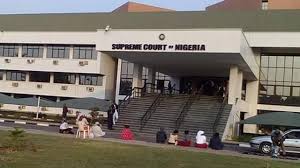
The Supreme Court is the highest and most powerful court in the land and all decisions here are final. The apex court is provided for under section 230 of the 1999 Constitution of the Federal Republic of Nigeria (as amended). It comprises of Chief Justices and other justices who must not exceed 21. They are appointed by the president and must be qualified practitioners with at least 15 years of service. The Supreme Courts have the jurisdiction to reassess the decisions of the Court of Appeal. They also have the jurisdiction to determine State vs. State and Federal vs. State cases.
Tier 2: The Court of Appeal

The second highest court in Nigeria is the Court of Appeal. It is located in Abuja alongside 20 other locations to make it more accessible to the masses. The Federal Court of Appeal is provided for under Section 249 of the 1999 Constitution of the Federal Republic of Nigeria (Amended).
The president of the Court of Appeal is the head of the 49 justices that operate the Federal courts. The Court of Appeal hears and judges cases from other courts in the hierarchy. It has the jurisdiction to determine all election-related cases of the executive branch of government. The Court of Appeal is the centre of all legal systems in the country and is constitutionally required for three justices well knowledgeable in the customary and Islamic personal law to be included.
Tier 3 courts
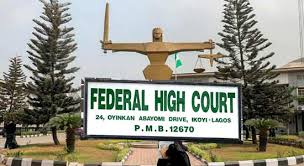
The Tier 3 Courts are the Federal High Court, the High Court of a State/FCT, the Customary Court of Appeal of a State/FCT and the Sharia Court of Appeal of a State/FCT. All judgments reached at any of these courts can be appealed to the Tier 2 courts (Federal Court of Appeal).
The Federal High Court
The Federal High Court is based in Abuja but has other branches across the 36 states of the Country. The court is provided for under Section 249 of the 1999 Constitution of the Federal Republic of Nigeria (Amended). It has jurisdiction over civil matters and other cases as set out under Section 251 of the 1999 constitution of the Federal Republic of Nigeria (Amended). The court also has appellate jurisdiction to determine cases from tribunals.
The High Court of a State/FCT
The highest English legal court in a state, the court is provided for under Section 255 of the 1999 constitution of the Federal Republic of Nigeria (Amended) and has a large jurisdiction under the Constitution in Civil and Criminal Matters. The court is presided over by a chief judge and other judges and has appellate jurisdiction on cases from the Customary and Magistrate Courts. It shares a lot of powers with the Federal High Court.
The Customary Court of Appeal of a State
This is the highest customary law court in a state. The courts are established under Section 280 of the 1999 Constitution of the Federal Republic of Nigeria (Amended). The President of the State/FCT Customary Appeal Court is the head of the court, assisted by other judges to review decisions of Customary Courts in the state.
The Sharia Court of Appeal for a State/FCT
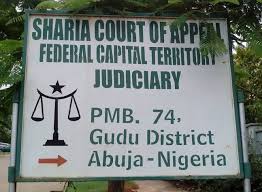
This is the highest Sharia court in the States. It is established under section 277 of the 1999 Constitution of the Federal Republic of Nigeria (Amended). The head is called the Grand Khadi, assisted by other Kadis to review decisions of Sharia courts in the state.
Tier 4 Courts: The State Courts
State courts are the lowest courts in the hierarchy of courts in the judiciary. They include Magistrate Courts that handle all English legal cases, Customary Courts that handle all customary legal cases and Sharia courts that handle Islamic cases enacted in northern states. The courts are established under state law and are the only courts not established under the 1999 Constitution of the Federal Republic of Nigeria (Amended). All judgments under these courts can only be reviewed by their Tier 3 counterparts.
Tier 5 courts (others)
Election Tribunals
There are two types of Election Tribunals: The National Assembly Election Tribunals which handle petitions on disputed results of Senate and House of Representative elections; and the Governorship and Legislative Electoral Tribunals which handle disputed gubernatorial and state legislative electoral decisions. The Tribunals are set up by the President of the Federal Court of Appeal under the advisement of other chief judges and presidents of courts of appeals.
The Code of Conduct Tribunal
This is established by the Chapter C1 Code of Conduct Bureau and Tribunal Act, No. 1 of 1989 Laws of the Federation of Nigeria. The Tribunal hears the petitions of citizens on corrupt public servants for breaches made under its provisions. The president of the country selects the chairman of the tribunal under the advice of the National Judicial Council. The judgment of the Tribunal can be reviewed by the tier 2 courts (Federal Courts of Appeal).
National Industrial Court (NIC)
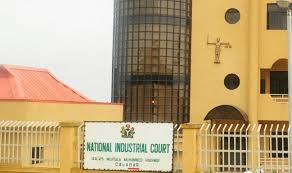
This court is provided for under Section 254A of the 1999 Constitution of the Federal Republic of Nigeria. It has exclusive jurisdiction over all industrial disputes including Workers’ Compensation Law, Trade Union and Labour Laws as well as Factory Law.
While power needs to exist in sections like this, they all follow the same manual, so justice gets served equally.
For more information on courts in Nigeria, here’s What Every Nigerian Should Know About the Supreme Court.