Notice: Function _load_textdomain_just_in_time was called incorrectly. Translation loading for the wordpress-seo domain was triggered too early. This is usually an indicator for some code in the plugin or theme running too early. Translations should be loaded at the init action or later. Please see Debugging in WordPress for more information. (This message was added in version 6.7.0.) in /home/bcm/src/dev/www/wp-includes/functions.php on line 6121
Culture | Zikoko!
  • Obi Asika, Ali Nuhu Among New Directors of the Federal Ministry of Art, Culture and the Creative Economy

    On January 12, 2023, Ajuri Ngalale, Tinubu’s Special Adviser on Media and Publicity, announced the appointment of 11 new directors for the Federal Ministry of Art, Culture and the Creative Economy (FMACCE). These are their names and new roles.

    Tola Akerele — Director-General, National Theatre

    Tola Akerele has built successful businesses that have contributed to contemporary African art. She founded Bogobiri House, an Afrocentric and artistic hotel with an art gallery, restaurant and bar. Alongside being the curator at Soto Gallery, Tola also owns an interior design studio called iDesign by Tola Akelere. With a solid resume in arts, culture and creativity, it’s not hard to see why the direction of the national theatre has been entrusted with her.
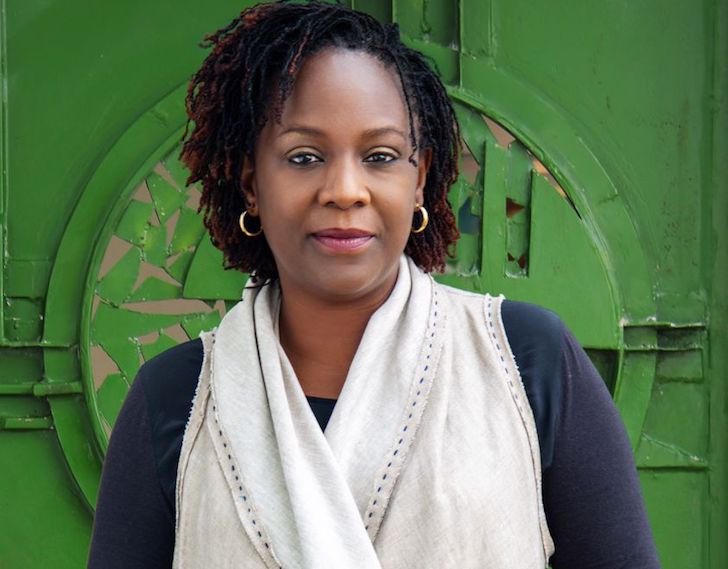
    Image source: Businessday NG

    Husseini Shaibu — Director-General, National Films and Censors Board

    The new director of the National Films and Censors Board is Husseini Shaibu, the deputy national director of the National Troupe of Nigeria, an editor at The Guardian newspaper and a film critic. He’s also been a member of the jury board of the Africa Movie Academy Awards (AMAA) and the Nigerian Oscar Selection Committee. 
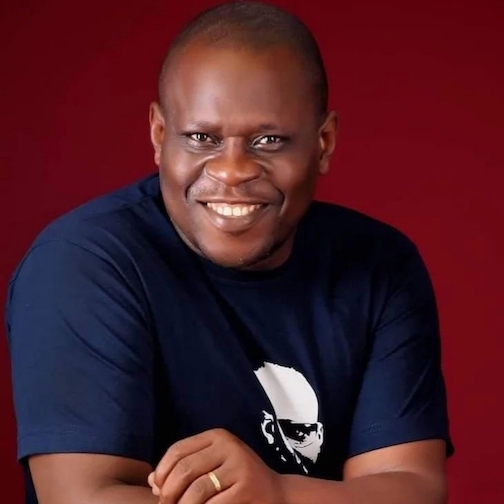
    Image source: Starconnect Media

    Obi Asika — Director-General, National Council for Arts and Culture

    Anyone who’s familiar with the Nigerian music industry must know Obi Asika is a major contributor to the sector. Not only did his Storm Records platform OG Afrobeats artists like Sasha P, Naeto C, Jazzman Olofin and Yung 6ix, becoming one of Nigeria’s biggest labels to date, but Obi’s ten-episode Afrobeats documentary, Journey of the Beats (2022) on Showmax, also visualised the genre’s history and global movement. He served as a Senior Special Assistant to former President Goodluck Jonathan and was once part of the African Advisory Committee of the Smithsonian’s National Museum of African Art in the U.S.

    Image source: TheWill Downtown

    Aisha Adamu Augie — Director-General, Centre for Black and African Arts and Culture

    Aisha Adamu Augie is an Abuja-based award-winning photographer, filmmaker and mixed media artist. She won the Sisterhood Award for Photographer of the Year and the British Council’s “Through My Eyes” competition in 2014. The same year, Aisha hosted “Alternative Evil”, her first solo photography exhibition. When she’s not hosting the podcast, “I Love Your Work with Aisha Augie”, she’s performing governmental roles. She was a Special Adviser to Zainab Shamsuna Ahmed, the former Minister of Finance, Budget and National Planning, from 2019 to 2023. 
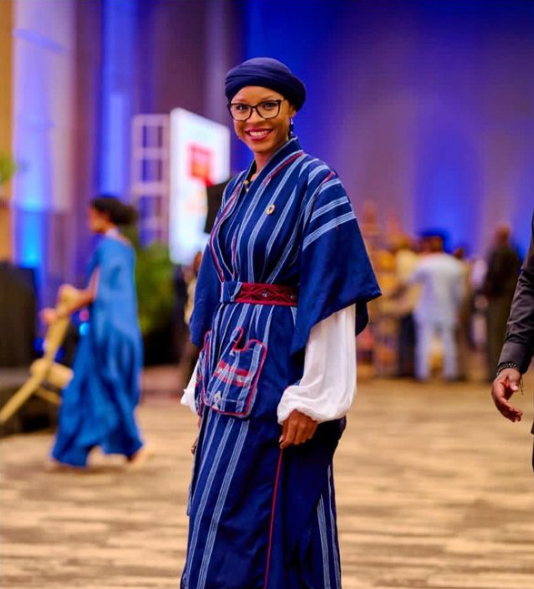
    Instagram: @aishaak49

    Ekpolador-Ebi Koinyan — Chief Conservator, National War Museum

    The National War Museum is the only museum that showcases military history in West Africa, and Ekpolador-Ebi Koinyan is its new chief conservator. Before his appointment, he headed the Bayelsa State Government’s e-Governance Project, and he’s a senior partner at Smart Alliance Consulting, examining the operations of professional service firms in emerging markets.
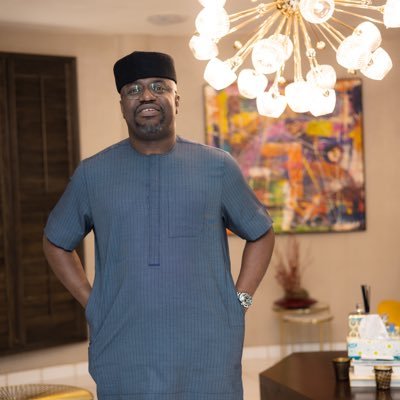
    X.com: @ekpolador_ebi

    Ahmed Sodangi — Director-General, National Gallery of Art

    Ahmed Sodangi is an experienced expert in the import and export industry, and a project officer at the Bank of Industry Ltd. Although he’s an unfamiliar name, we’re investing a little faith in this president’s appointee.

    Image source: LinkedIn

    Chaliya Shagaya — Director-General, National Institute of Archeology and Museum Studies

    Chaliya Shagaya is an entrepreneur, fashion consultant and ex-mode who’s consulted for respected designers like Deola Sagoe and Korto Momolu. Ms Shayaga served as the former head of new media at Nigerian Maritime Administration and Safety Agency (NIMASA) and head of government relations at the Nigerian Exchange Ltd. (NGX). We look forward to her contribution to preserving our artefacts and museums — and possibly, giving us our Afrobeats Museum?
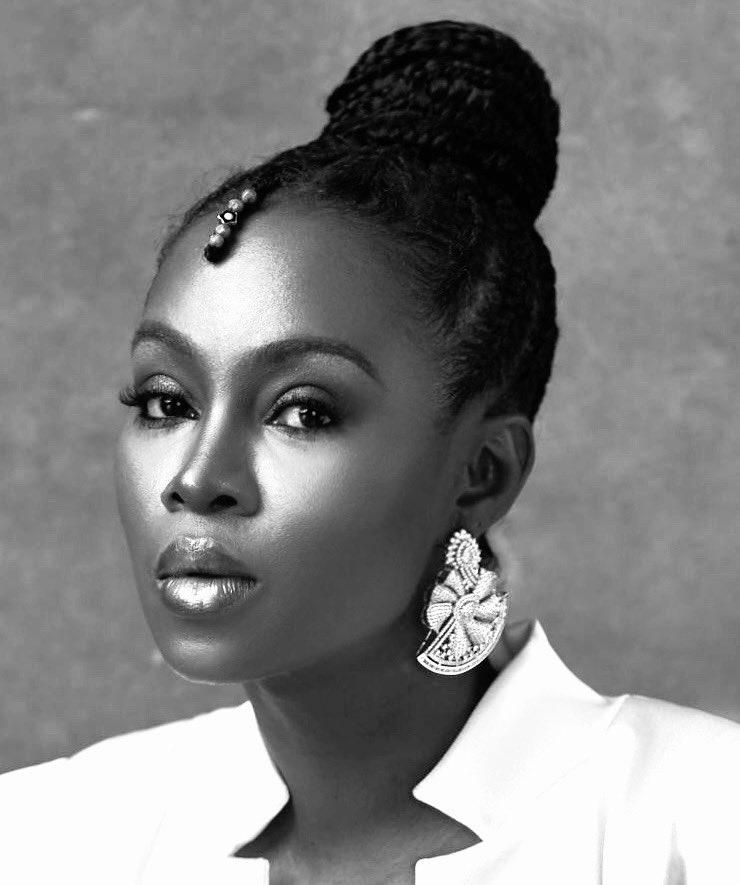
    Image source: THISDAYLIVE

    Khaltume Bulama Gana — Artistic Director, National Troupe of Nigeria

    Kaltume Bulama Gana is the curator of the National Gallery of Art, an artist who’s showcased her work at more than 45 group and solo exhibitions. She was an assistant director in the History and Culture Bureau in 1987, and before that, she was a TV presenter at Kano State Television from 1985 to 1986. She runs Herwa Heart of Art Initiative, an NGO focused on educating children, including young girls and women affected by Boko Haram’s insurgency. We hope she excels in her new role.
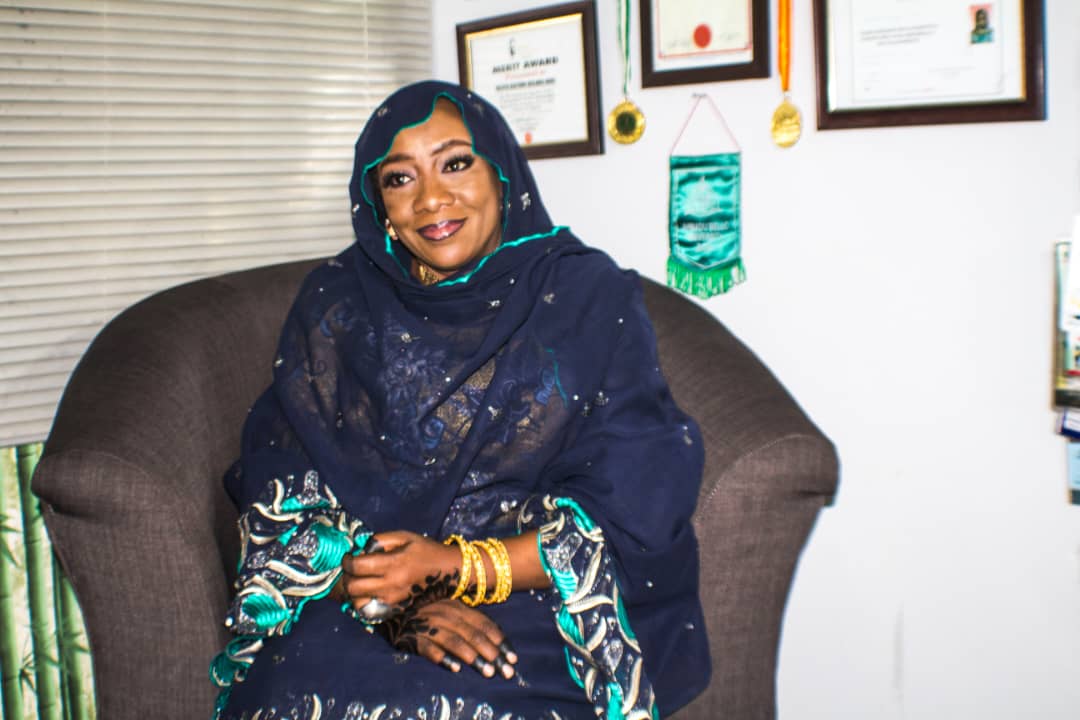
    Image source: OpenBU

    Biodun Ajiboye — Director-General, National Institute for Cultural Orientation

    Biodun Ajiboye has worked in media, publicity and campaigns for the All Progressive Congress (APC) political party and in the Nigerian telecommunication industry. He owned the now defunct Nigerian Telecoms News and the Nigerian Telecoms Awards. 

    Image source: The Guardian Nigeria

    Ali Nuhu — Managing Director, Nigerian Film Corporation

    Ali Nuhu is among the most decorated actors in the Hausa film industry. With over 22 years in the film industry, he’s not a new face to lovers of Kannywood and Nollywood. If you want a problem solved, call on those with firsthand experience in it. We guess that’s what President Tinubu did with this appointment. 
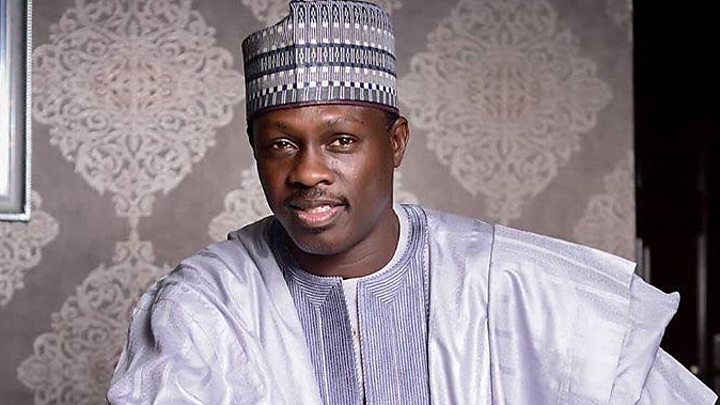
    Image source: Daily Trust

    Ramatu Abonbo Mohammed — Director-General, National Commission for Museums and Monuments

    Ramatu Mohammed Abonbo was Niger State’s former commissioner of commerce, industry and investment. Before her involvement in politics, Ramatu was Chief Marketing Executive at MicroAccess Ltd., a pioneer information and communication firm through which Nigeria’s first national website and the National Hospital’s first website were built. She was also the director of Hamble Group, London. Although her CV isn’t related, we look forward to see how her past successes in executive leadership transfers to her new role.
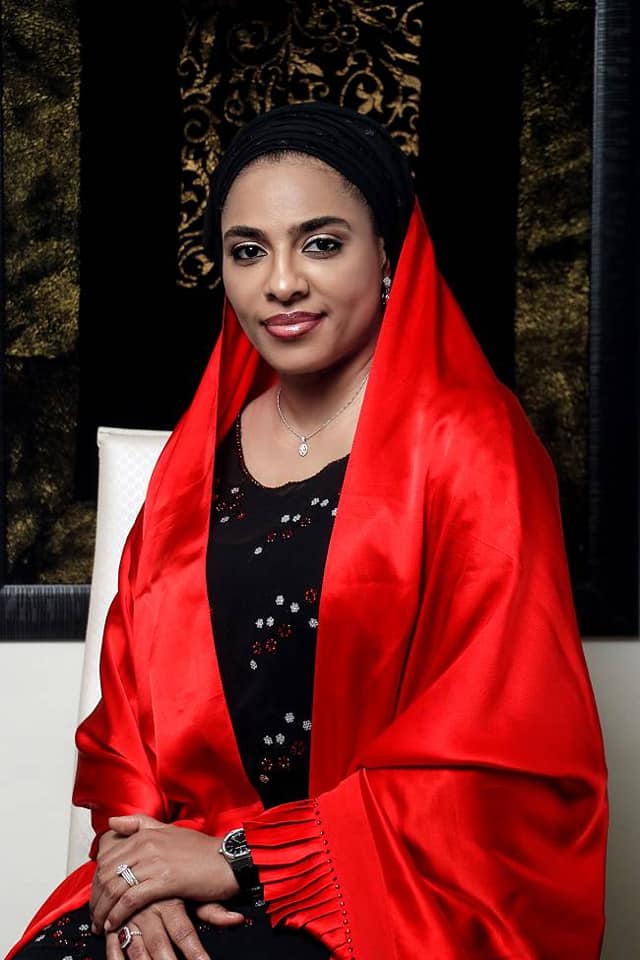
    Facebook: Haj. Rahmatu Mohammed Yar’adua

    UP NEXT: Dear Minister, Nigeria Already Has Theme Songs to Choose From

  • You Want to Fight with a Nigerian Babe? Just Touch These Six Things

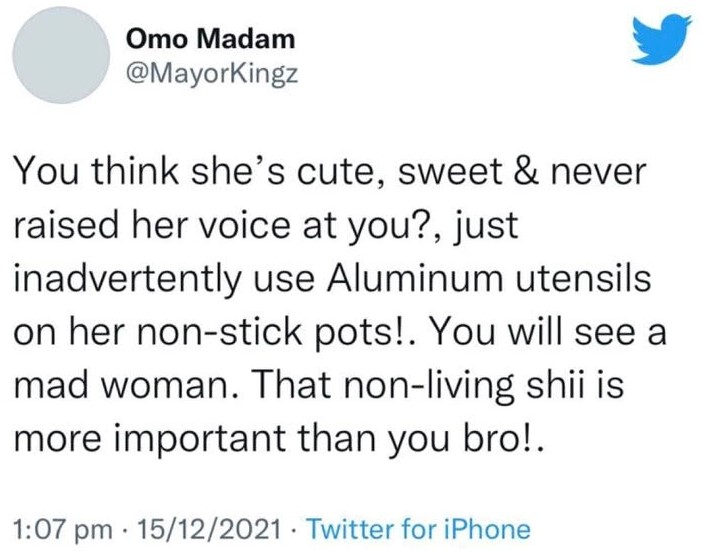
    There was a tweet going around about a guy that was almost crucified by his babe for messing up her non-stick pots.

    Rookie mistake. There are many things that a woman’s love conquers, but using these six things? Just start looking for another partner.

    1. Her Food

    Even if she offers to feed you, say no. Have some bloody self-control.

    2. Her Wig

    If you’re considering using her ₦350k human hair to practice your TikTok and Instagram skits, drop it now. Drop it immediately.

    3. The T-shirt/Sweatshirt she stole

    What is she supposed to use to sleep at night or for quick errands? Adieu Papa t-shirt? Give her her shirt back.

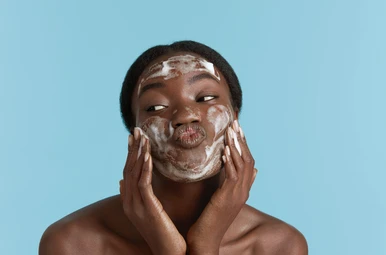
    4. Skincare Products

    It’s the men that use it with no regard for me. Squeezing the tube like toothpaste. We support a man supporting his skin. But please, stick to Irish Spring if you don’t want to buy your own. 

    5. Hair Conditioner

    Please when did men realise the power of conditioners and who told them?! Especially the beard gang group. Please and please, stick to your oils and Afro combs.

    6. Jewelry

    Men with piercings are the hottest, until the studs a babe ordered from Zara disappears. Then it’s wartime on these love streets.

    [donation]

  • 11 Socially “Unacceptable” Things Nigerians Should Normalise

    In this article, Nigerians as a whole will be dragged by the neck. We really do the most as a society in terms of creating stereotypes and setting stifling rules.

    Let’s do better and normalise these things abeg.

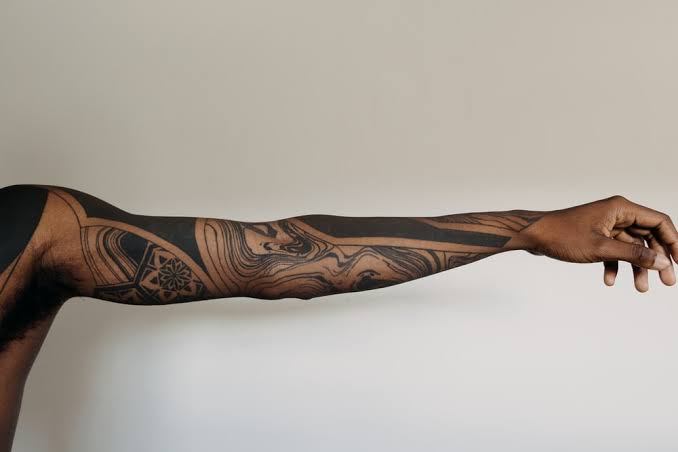
    1. Tattoos

    The average Nigerian on the street immediately tags you a sinner and wayward child if you have tattoos. They don’t even care to know its significance in your life.

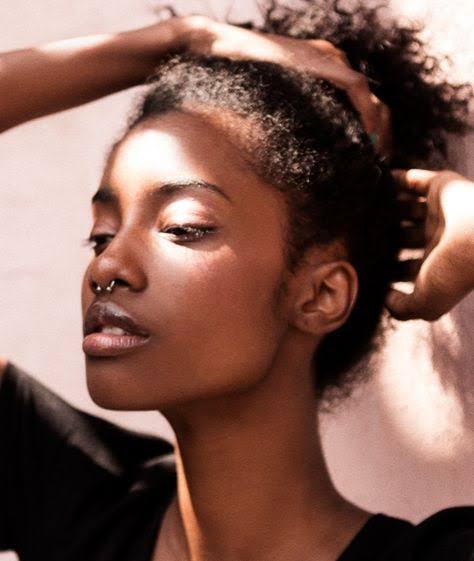
    2. Piercings

    From rude stares to disgust, and even hostility, Nigerians will throw everything at you as if you are the cause of their problem. Why? Simply because you pierced your nostril or belly button.

    3. Women choosing not to get married

    This is the fastest way to ostracise yourself and be tagged a witch. Marriage can be beautiful and there’s nothing wrong with aspiring for it. But why is it suddenly inconceivable that a fully grown woman decides to reject the idea? It’s about time we stopped using marriage as a yardstick to measure a woman’s worth plis.

    4. Women choosing who they want to marry

    This is especially common in domineering families. Why do we feel the need to control and police the lives of women? All these aren’t necessary nau. Your parents and generations before did it, but it doesn’t make it hundred per cent right or effective.

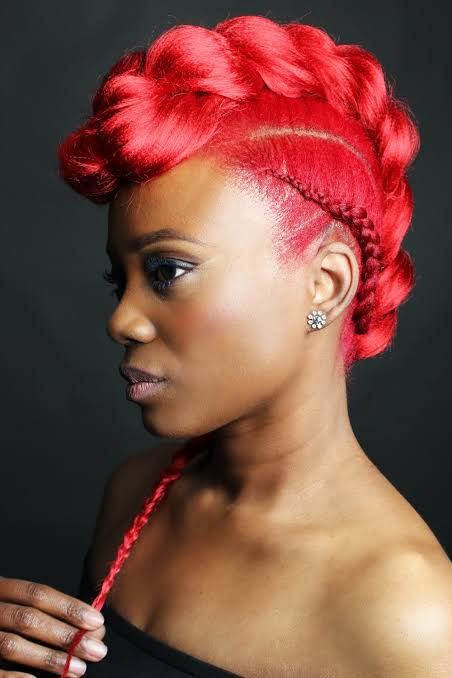
    5. Dyed hair

    Anything outside colour black is frowned upon, why? Who says you can’t explore colours on your hair? It’s funny how many people frown at dyed hair, but paint their nails in different colours.

    6. Fathers saying “I love you”

    A typical Nigerian dad will rather bend than say “I love you” to his children or even wife. If you tell them nko? They’ll either say “God bless you” or pretend they didn’t hear. Who would blame them though, it’s ingrained in the fabric of the society and its expectations from men.

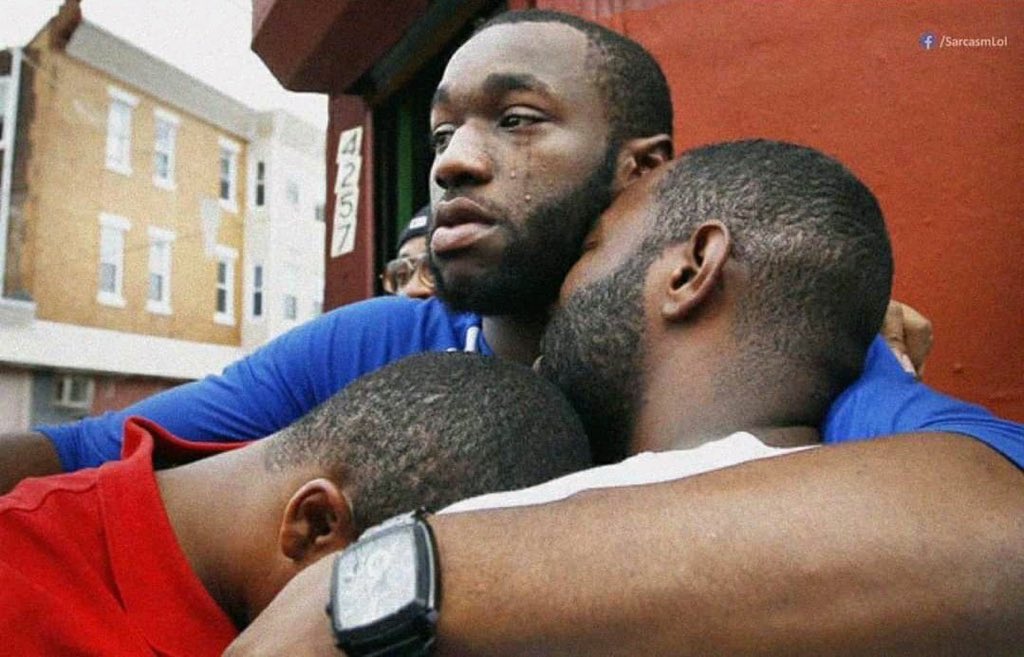
    7. Men crying

    By now, we should be doing away with the narrative that men are wooden or machines. They are made of flesh, blood and feelings. Let’s stop pressuring men with phrases like: “Na man you be” or “Stop acting like a woman.” This leads to bottling up a lot of emotions and looking for unhealthy gateways to vent.

    8. Leaving bad marriages and relationships

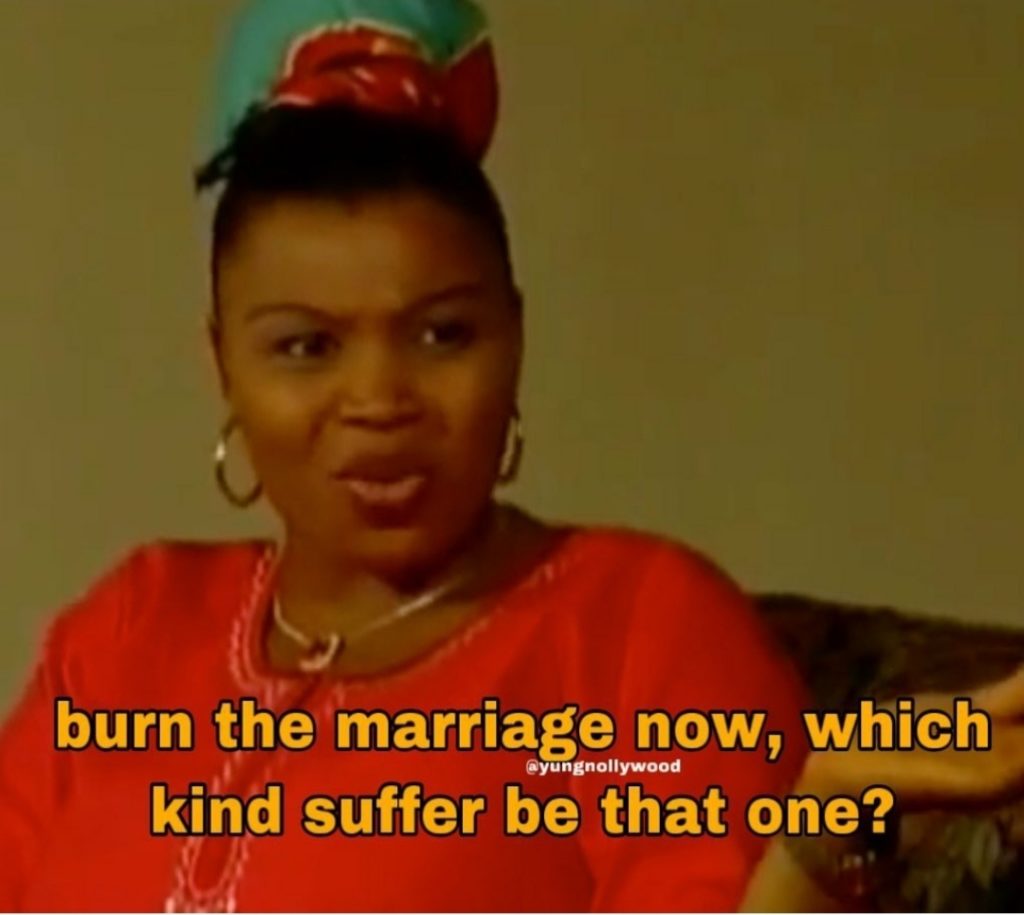
    The shaming and “endurance” culture has to end. Let’s be unbiased enough to accept that sometimes, a marriage is better off nonexistent. Society is usually quiet when the issues start, but the minute you want out, it’s, “Be patient and endure. What will people say?” People will be fine.

    9. Women being single

    The minute a woman is past 25 and nearing 30 in this part of the world, she won’t hear word again. Let’s normalise minding the business that is ours and stop asking “When will it be your turn?” at every wedding. Do we ever consider the fact that there’s so much more to life beyond a woman finding a man to “complete” her? Na single she single, she no kill person.

    10. Women choosing not to have kids

    Nigerians should accept that some women are just not cut out to be biological “mums”, and that’s not a crime. There’s so much pressure on women to have kids. It’s as though that’s the primary aim of their existence, and they’re tagged failures if this duty is not fulfilled. God forbid they hear you want to take out your uterus.

    11. Men wearing earrings

    If a man having on earrings makes him effeminate, then let it. How does it affect the price of tomatoes in the market? Torh.

  • We Have More Gist On Airtel’s “The Rainmaker” Teaser

    In this article, we gave you a little background information on Airtel’s “The Rainmaker” teaser and what we think it could be hinting at – a TV series, or another mind-blowing advert. Well, we’re back with more gist on that.

    Asides being a period piece and starring Nollywood veteran, Jide Kosoko, here are other things we found out.

    • It is part of Airtel’s “Data Is Life” advert series.

    • Nigeria’s rich and diverse culture is on full display.

    • The acting and storytelling is superb.

    Airtel doesn’t fall hand; they keep keep dropping amazing on-screen content back-to-back.

    Just see for yourself.

    We love this whole cultural concept from “the smartphone network.” You should too. It’s available on Airtel TV if you’d like to rewatch the video. Also, stay alert on Airtel Nigeria’s social pages for more gist and get ready to #RepYourTribeWithAirtel as there’ll be prizes of up to 100, 000 Naira to be won.

    Anticipate!

  • My Mother Thought I Was Possessed Because I Have Alopecia

    As told to Mariam

    Last week, I asked Nigerian women to share their biggest insecurities with me for an article. Sandra* was one of the women that reached out to me. After she responded, I asked more questions and this is what she told me: 

    I was born with dreadlocks. When I was two years old, my parents cut them off. The option of not cutting the hair simply didn’t exist for me. Anytime my mother talked about it, she gave me the impression that keeping a child’s dreadlocks could result in something negative happening in the child’s life. My sister was born with locs too and they were cut as well. After my haircut, there were bald patches where my edges should be. I didn’t think too much of it at first, but as I grew older, it became the only thing I could see when I looked in the mirror. It was as though my hairline kept receding. 
    I was about 9 years old when it became a problem for me. People were always offering advice, and I was always eager to try. I used spirit on my scalp. I put weed in my hair cream. I bought a special hair growth cream.  One time, one woman told me to use my first urine of the day to wash my hair. I was desperate, so I did it. When all the creams and concoctions didn’t work, I was accused of being a witch who was cutting her hair to torment her parents. I also used to wet the bed at the time so it was easy for them to assume something was wrong with me. 

    My mother would ask me if I  was secretly shaving my hair to frustrate her. One day she came back from work and said that I had a spirit husband, and I needed to pray if I wanted him to leave me alone. She told me we would be going for a deliverance session when she came back from work the next day. In my head, I was thinking “Omo, what if they actually cast a demon out of me tonight?” 

    I don’t remember how the deliverance session went. I know there were a lot of prayers and that became a regular occurrence. My mother would always ask her pastors to pray a special prayer for me. We went for two more deliverance sessions, where they tried to cast the demon living inside me. Nothing worked — I was still wetting my bed and my front hair refused to grow. 

    I started dodging the deliverance sessions. I would tell my mother I was too tired or that my stomach was paining me. Sometimes she would still force me to follow her to church but I used to get very tired so I would always have an excuse to leave. 

    When I was 13, I went to boarding school and I stopped attending deliverance sessions completely. But things there were also bad. People would call me ugly to my face. I felt ugly. They would ask if rats ate my hair. Even though I was popular because I won many inter-school competitions for my school, my identity was still largely tied to my hair. People described me as the tall dark girl without front hair. My school only allowed us to make all-back, and it was the one hairstyle that fully displayed my alopecia so I cut my hair. Even when my hair was low, the bald patches were still obvious. 

    In SS2, when I became head girl, the school included a beret as part of our uniform and I heard one of the house mistresses say it was because the head girl has no front hair. As I grew older, I got used to comments and they stopped bothering me. When I finished secondary school, I noticed that random people started to compliment me on the road. They would stare when I walked past or say they liked my height, my stature or my smile. I started to wear those compliments. I started to see beauty when I looked in the mirror. I realized that I always liked what I saw in the mirror but I needed someone else to like it too. My self-esteem improved. Even though in my first year of University, people still told me I wasn’t pretty, it didn’t hurt as much. 

    I studied physiotherapy and I got to interact with a lot of medics. That’s how I learned the term for my hair’s condition was alopecia. I haven’t been able to see a dermatologist but it felt good to know. 

    I rarely go to salons because my mood sours whenever people mention my baldness and hairdressers always want to recommend something. I also don’t like when people touch my hair so I make my hair myself most times. On most days, I feel beautiful but I can’t wait until I can afford surgery because I’d like to know what I look like with a head full of hair.

    Subscribe to our newsletter here.

    Subscribe here.

    QUIZ: What Colour Should You Dye Your Hair?

    Take this quiz and we’ll tell you what colour you should dye your hair.

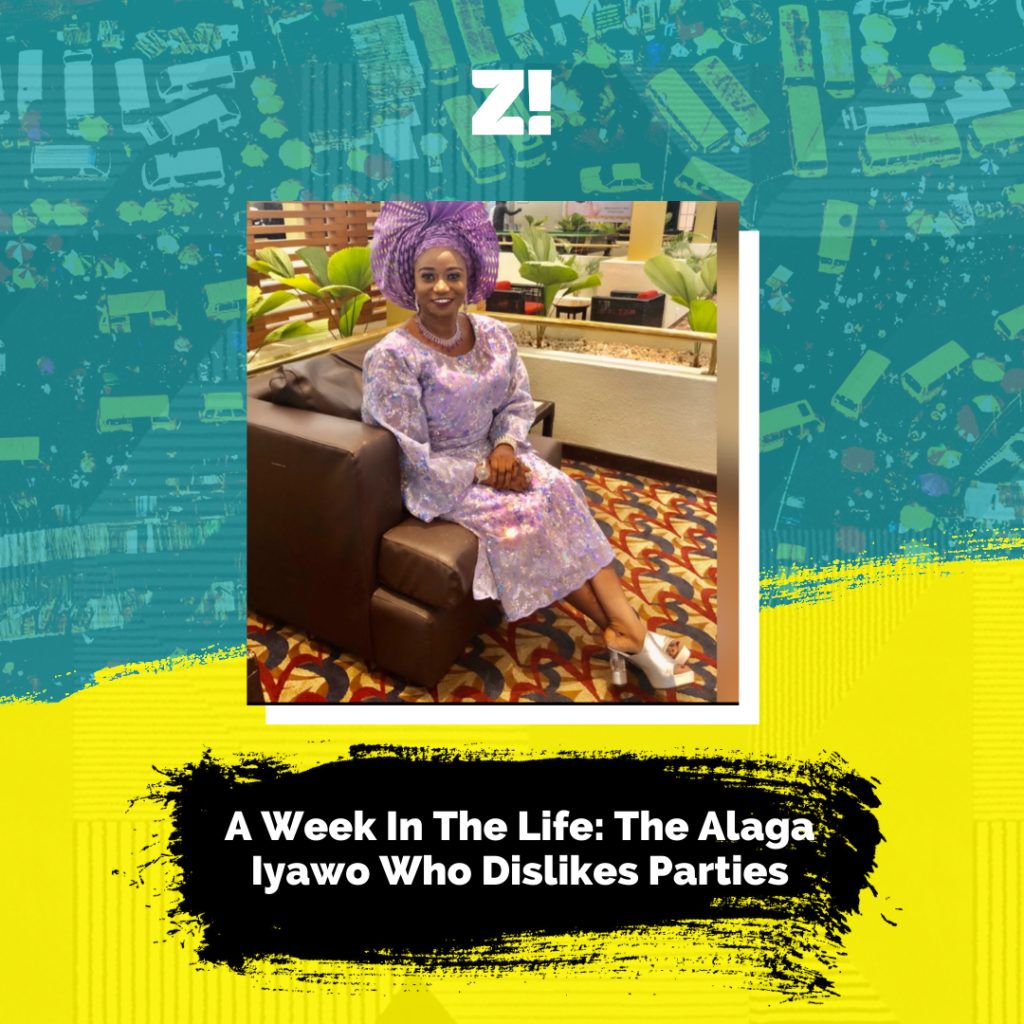
  • A Week in the Life: The Alaga Iyawo Who Dislikes Parties

    A Week In The Life is a weekly Zikoko series that explores the working-class struggles of Nigerians. It captures the very spirit of what it means to hustle in Nigeria and puts you in the shoes of the subject for a week.


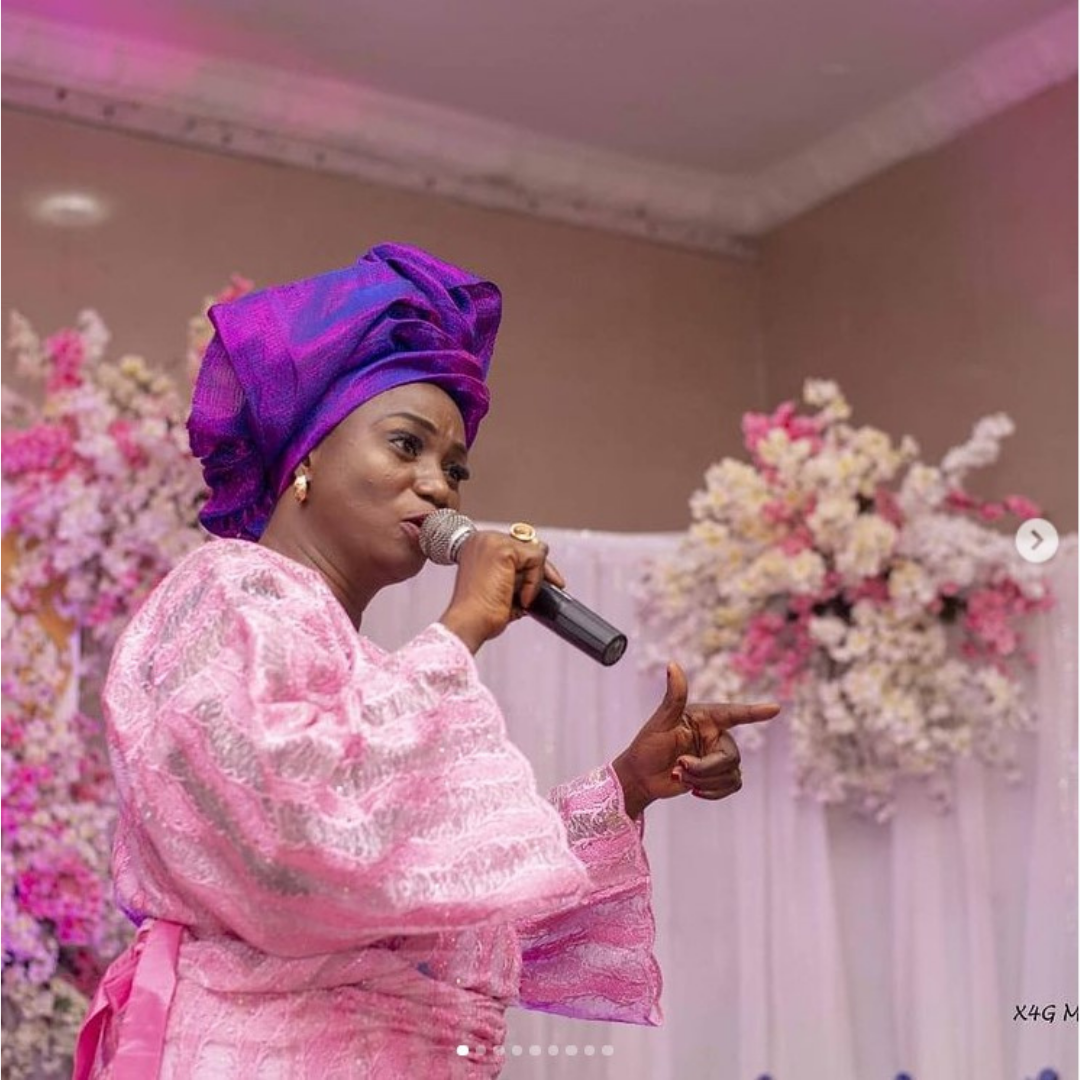
    The subject of today’s “A Week In The Life” is an Alaga Iyawo. These are women who host Yoruba wedding ceremonies, sing songs of praises, double as MC’s and serve a host of other functions. She talks to us about not liking parties even though her job revolves around them, the challenges she faces in day to day life, and what a perfect retirement looks like for her. 

    MONDAY:

    The first thing on my mind when I wake up today is that I’ve been an Alaga for weddings for close to 22 years. And that feels unreal. It feels like a lifetime ago when I stumbled into this job. Becoming an Alaga for me was by luck/chance because I didn’t go to school to learn neither was I trained; it just happened. 

    In those days, as a youth in church, we used to rally round to help members of the church getting married — planning, declaration, coordination and any other thing. It was during one of these moments my journey started. There was a particular sister we helped out with planning her wedding, and it is wasn’t until the day of the wedding that we knew we were supposed to get an Alaga. The only reason we even knew was because the groom’s family came with theirs. In the midst of all the confusion, all the other sister’s pushed me forward saying: “Sister Bisi, you can do it. You can talk very well.” I mean this was true; I was an interpreter in church, I sang in the choir, and I was also a teacher in the children department, but the fact remained that I had never done something like that before. As if it was ordained by God, I now wore one very fine cloth that day. Grudgingly, I stepped up to represent the bride, and that was the beginning of my journey. It wasn’t perfect and I’m thankful I had help from someone who guided me on what to do and say. I was also lucky that it was a small church event, so we just said opening prayer, praise the Lord, let the bride come in, let the groom come in and we were done. 

    However, my second time on the job was intentional. After witnessing my performance, one of the sisters in church said she was not going to pay what the professionals were asking for, and I had to be her own Alaga. Her argument was since I had done it for someone else, I could also do hers. I told her I was scared and that event was impromptu but all she told me was to go and prepare. Because I was unmarried at the time, I spent a lot of hours watching videos from my sister’s wedding to learn the mannerisms, songs, routines etc. Thankfully, I pulled it off. After the success of the second wedding, I officially became the church’s Alaga. Couples would come in for marriage counselling and the church would provide options for them to save money, part of which usually involved my services. 

    That’s how I began full time with no prior training or anything. God just showed me that this is a calling, and ever since then, I’ve been able to train at least over 120 people who are doing well. That alone is enough reason for me to get out of bed every morning. 

    TUESDAY:

    One question people ask me is “What do we do with all the money we collect at weddings?” I try to break it down for them. Firstly, the money is for the family. We share the proceeds into like thirteen envelopes which are then distributed to the family members on the paternal and maternal side. The money is a token to appreciate people who took off time to attend the wedding. It’s not as if the money will change their lives, because some people get as low as ₦200 or ₦500, but it’s for them to say that during so and so wedding, they went home with something. 

    We also collect specific money like money for unveiling the bride, which goes to the bride. There’s money for reading letter which goes to the person who reads the letter the couple writes to each other. We also have “aeroplane” money for people who bring in the wife to the venue. 

    I make my own money from being sprayed during the programme. Or after the groomsmen finish prostrating to both families, I ask them to bless me with anything they have. The reason why it seems like some of my colleagues charge a lot of money from the groomsmen and bridesmaid is that they probably collected a cheap amount for their services. Parents usually boast about the calibre of people coming to the wedding to make sure we don’t charge a lot. In cases like that, the Alaga has to make up for the difference in fees. That means that everyone present at that ceremony will pay through their nose. I charge a fixed fee before the wedding, and that’s why I don’t collect money more than once at the venue, and I remit the money for the family to the family. 

    There’s a class of people called “no bowl show”, where the family instructs us not to collect any money at the venue. In cases like that, we charge them two times the fee.

    WEDNESDAY:

    Every job has challenges, and my own is not an exception. Sometimes, the other side [bride or groom] might also have their own Alaga, and the person is trying to show off their talents or skills while you’re working on a fixed time, and that can be frustrating. It can cause a lot of issues when both of you are not the same page. You just have to pray to meet someone who is understanding.

    Also, Nigerians do not keep to time. Sometimes they know an event won’t start till 2 p.m., but they’ll tell you to come by 8 or 10 a.m. So I end up spending time I could have used on other productive things waiting for the event to start. I went for an event on December 24th that was supposed to start by 8 a.m. In my head, plus Nigerian time, we’d start at 10 a.m. and be done by latest 2 p.m — I’d still have ample time to get home and make Christmas plans for my family. This event didn’t start until some minutes before 1 p.m. When I wanted to introduce the groom, I was told that he was stuck in traffic. Thank God I went along with one of my colleagues that day because after waiting for a few minutes and no show, I just picked up my car and left the venue. My colleague was the one who anchored the rest of the event. 

    Another issue that is now “normal” is men making advances at me during this work. It’s always annoying when some father of the groom or bride makes advances at me because most times, I get close to the mother of the bride or groom first. Imagine talking to someone for months and planning a wedding with them; there’s a form of friendship that occurs from spending a lot of time together. Then suddenly on the day of the event, her husband is making a move on you. It’s very somehow. I just chalk it up to men’s nature, ignore and face my work. I know my worth, and I know what the men are doing is all noise.  

    THURSDAY:

    A good Alaga must have a very good dress sense. They must also smell nice, look nice and have a good voice. They should be able to coordinate themselves. If you can’t control your temper you can’t do this work. Mostly because people will step on your toes intentionally or unintentionally. To succeed in this job, you also need to learn time management — don’t waste people’s time and make sure you finish early enough for the family to entertain their guests. These are the things any exceptional Alaga must know. 

    I’m always training people. In fact, I’m starting another training in February. Today, I’m counting the number of students who have enrolled for the class, and ten slots have been filled out the twenty I planned for. I’m glad that people are interested in learning about this job. It’s very lucrative to use your voice and talent to make money. All you have to do is transport yourself to the venue and you’re good. I call my tribe the “Exceptional Alagas” because we train them on how to sing, coordinate events and not be greedy. The beauty is that the training happens over WhatsApp, so it accommodates my busy schedule. After the online class, we have an internship period where people shadow professionals for six months to a year. I’m always excited to pass on knowledge to the younger generation. 

    FRIDAY:

    Without my husband, I wouldn’t be anything at all and I’m not even joking. If I didn’t marry him, I don’t see any man who could have married me. Because of how demanding my job is, it’s not easy combining it with family duties. But my husband is so understanding. In fact, he’s unique. In addition to my Alaga work, I also run a jewellery and Aso-Oke store, and my office is quite a distance from my house. What this means is that I leave the house from Monday, and I don’t return home until Saturday. My husband holds down the house until I’m back. It helps that I have grown-up children and always make arrangements before leaving the house, but there’s just something about a man who supports your career no matter what you choose. My husband and I both started our careers as teachers until I decided to pursue this work full time. When I told him, he agreed. And ever since then his okay has been okay. I don’t know how many men can do that for a woman. 

    SATURDAY:

    I have an event today, so I’m up early to prepare. People ask me how I’m always in the mood to perform my duties. Maybe because they think it requires so much energy. I tell them that there’s no dull moment as long as it’s work. The only thing is that I don’t party outside of work. If I’m not with the mic at an event, it’s rare to catch me attending a party. I get fed up and pissed easily at parties. Even when I’m working, once I’m done with my duties, I’m out. I always want to retreat into my shell and go to either my house or the office. 

    I know I can’t do this job forever and that’s why I’m planning for retirement. All these other businesses [Aso-Oke] are my retirement plan, God willing. When I look back at my life, I see that God has been able to do what us men can’t do through this job. At least I can say that through this job we’ve gotten houses, we’ve gotten cars, we’ve started a business and we’ve trained our children. I want to retire by the time I turn 60, 65. At least by then, my kids will have given me grandchildren. At that point, all I want to do is focus on my family. 


    Check back every Tuesday by 9 am for more “A Week In The Life ” goodness, and if you would like to be featured or you know anyone who fits the profile, fill this form.

    [donation]

  • Countries You Didn’t Know Had Yoruba People

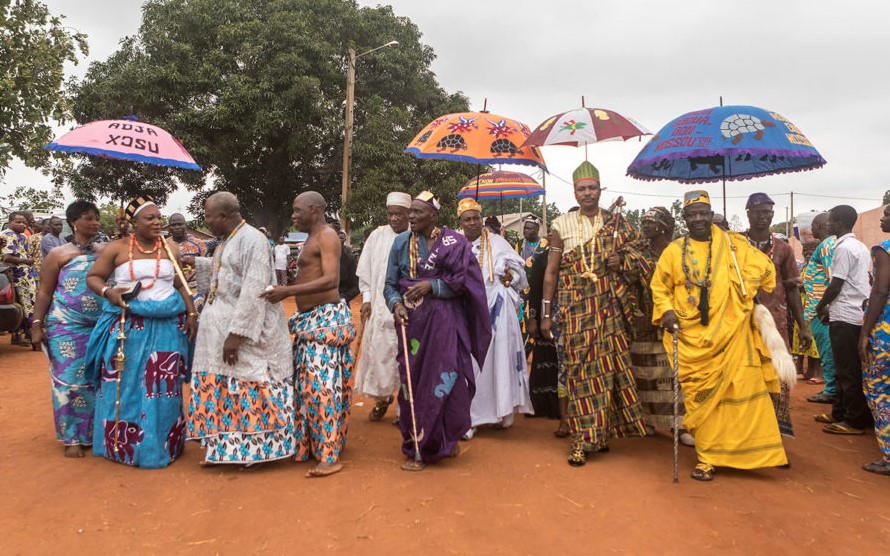
    Everyone hears Yoruba and automatically assume the speaker is from Nigeria. You couldn’t be wronger. Most Yoruba people are from Nigeria, but there are estimated to be about 47 million Yoruba people worldwide.

    1. Benin Republic

    Yup. Our quiet French-speaking neighbors to the West have a large Yoruba population. Of Benin’s 11.5 million people, 1.7 million of them share the Yoruba heritage.

    BENIN REPUBLIC GOES DOWN CULTURAL LANE – News in Africa

    2. Ghana

    Yeah. The guys you’re always fighting over jollof. There an estimated 500,000 Yoruba people in Ghana’s 30million-strong population.

    3. Sierra Leone

    The Oku people, with an estimated population of 25,000, are an ethnic group in Sierra Leone and the Gambia primarily the descendants of educated, liberated Yoruba Muslims from Southwest Nigeria, who were released from slave ships and resettled in Sierra Leone as liberated Africans or came as settlers in the mid-19th century.

    Oku people (Sierra Leone) - Wikipedia

    4. Togo

    The Atakpame people of Togo speak Ife, known by scholars as Ife Togo, which traces it roots to Ile-Ife, Nigeria. The ancestors of the Atakpame people were Yoruba people who fled inter-tribal wars in the 17th Century.


    5. Ivory Coast

    There are about 120,000 Yoruba speakers in Cote d’Ivoire, despite being 2000 kilometres away.

    6. Cuba, Puerto Rico, Dominican Republic, Venezuela, Saint Lucia, Jamaica, Brazil, Grenada, and Trinidad and Tobago

    No thanks to the trans-Atlantic slave trade which saw millions of slaves taken from the Western coasts of Nigeria to islands all over the Americas and the carribeans, there’s a thriving Yoruba culture in these countries.

    Read: 7 Things Nigerians Will Do Once The Coronavirus Vaccine Is Out

    [donation]

  • 5 Cultural Festivals in Nigeria That Are Always Lit

    The average Nigerian youth identifies more with Halloween than any Nigerian festival. Now, this breaks my heart because we have incredible festivals and celebrations in Nigeria that are arguably more than these ‘foreign things’.

    I lie? Check this Nigerian festivals out. They are proper:

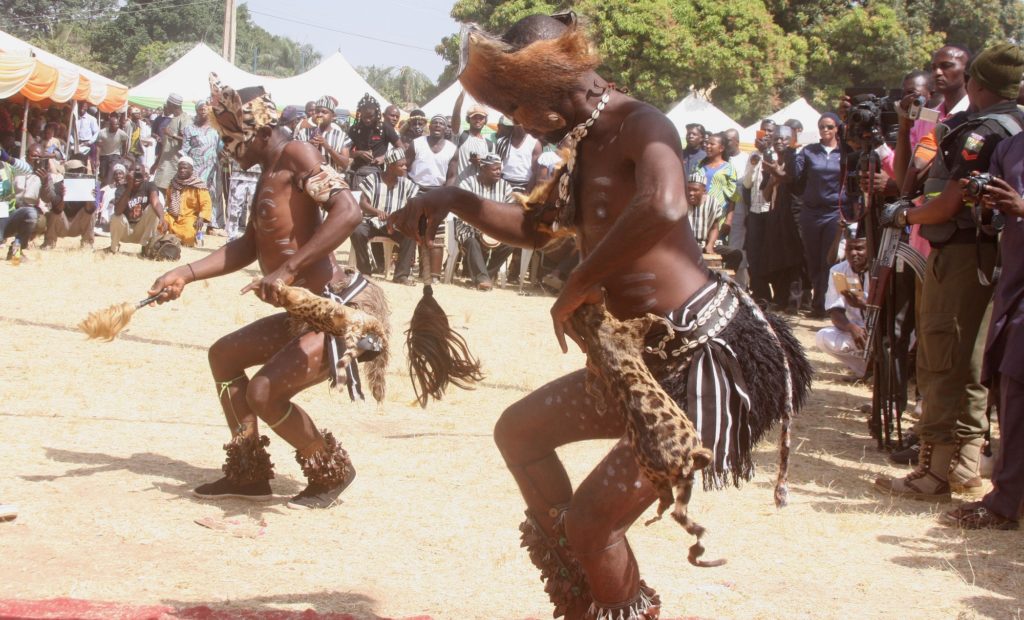
    1. Kagoro Afan Festival

    The Kagoro Afan festival is celebrated by the Kagoro people of the southern part of Kaduna State. ‘Afan’ means mountain or hill, and the Afan festival usually marks the end of the annual harvest of grains and the beginning of hunting and other activities.

    Dear, find attached a video for your viewing pleasure. K’e ni nice day.

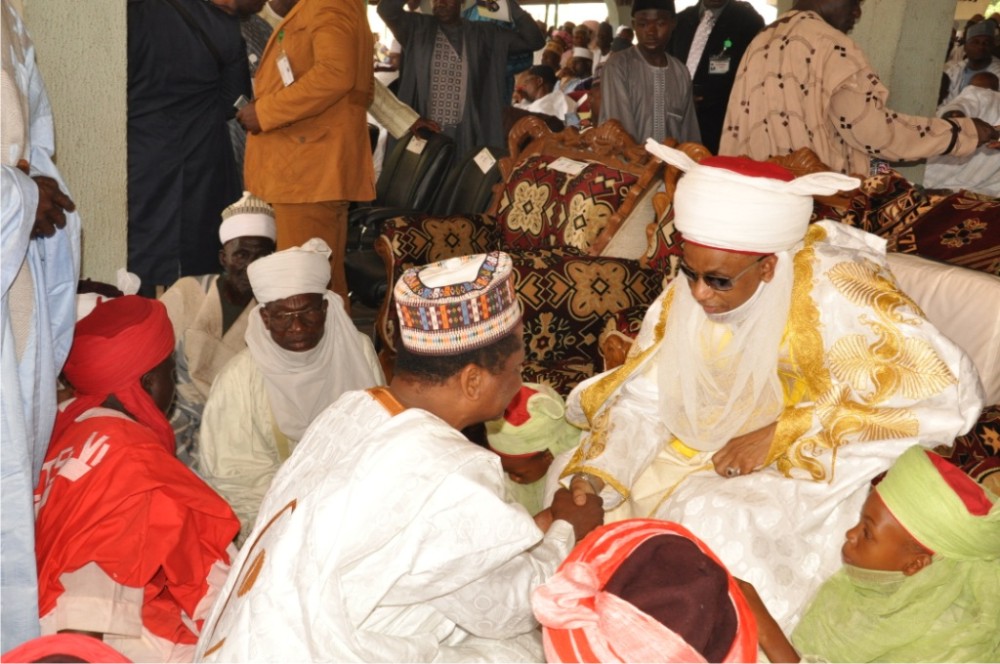
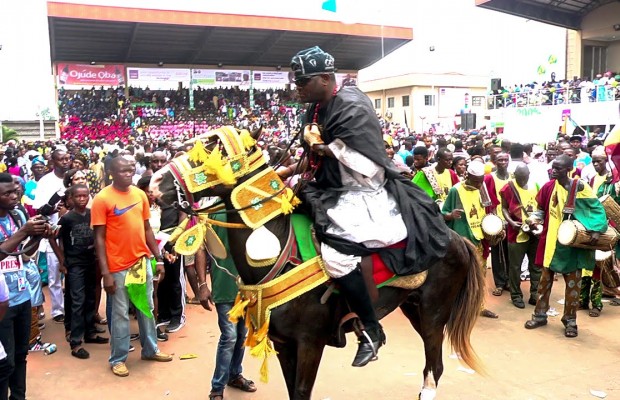
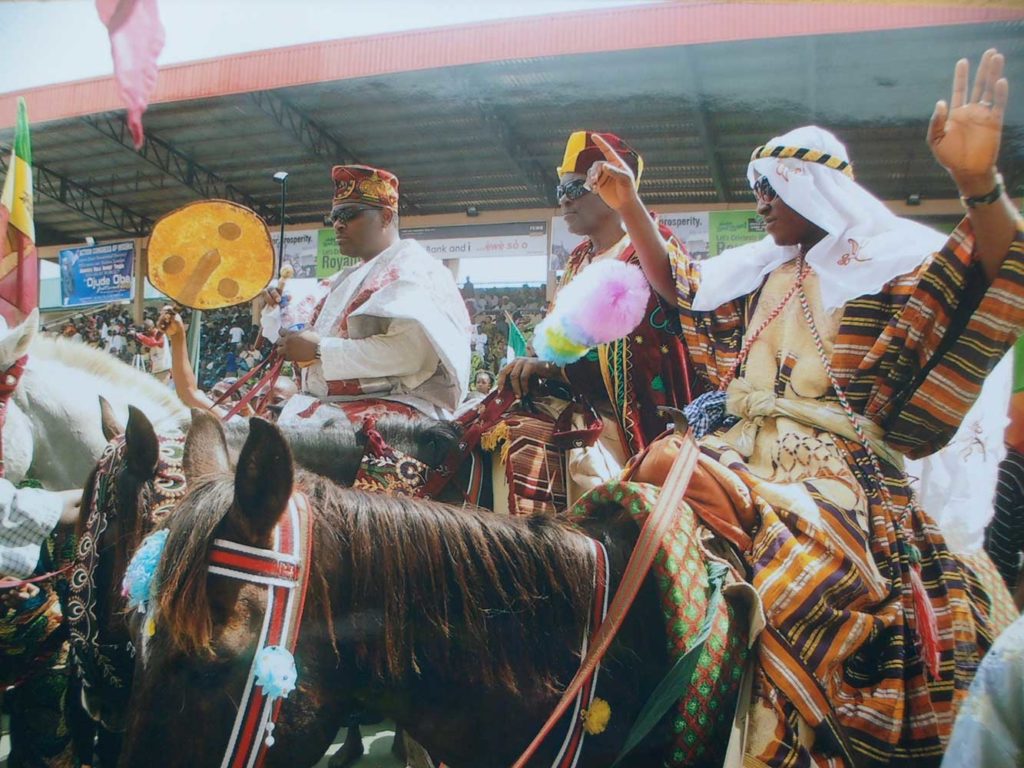
    2. Ojude Oba Festival

    Ojude Oba is an annual festival held in Ijebu Ode, a town in Ogun State, Nigeria. It is usually held annually after the third day of every Eid-el Kabir.

    During this festival, different age grades of the Ijebu kingdom gather in front of the Oba’s palace to celebrate his majesty. It usually holds on the “Ileya day”.

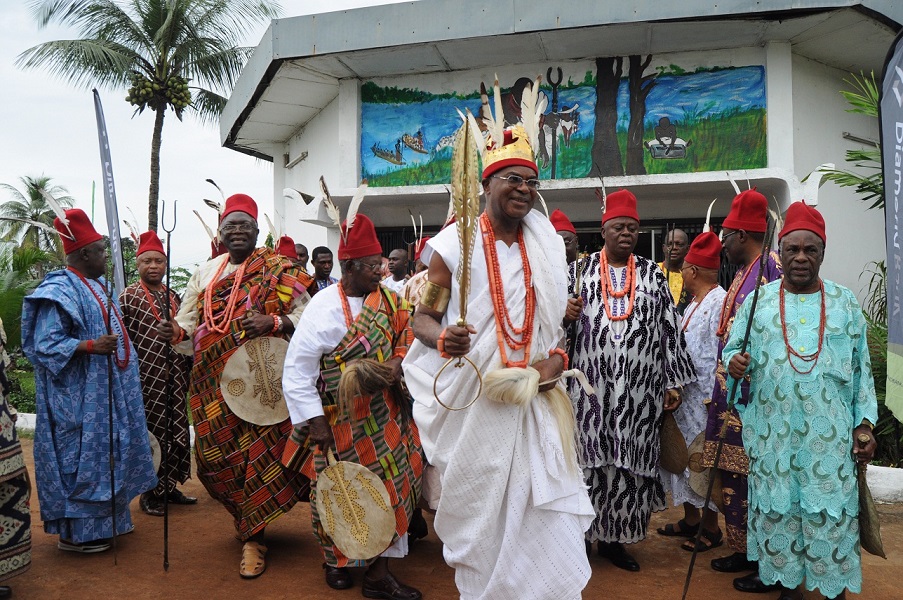
    3. Ofala Festival

    Ofala festival is annual festival celebrated by indigenes of Onitsha, Umueri, Umuoji and other nearby communities such as Nnewi, Aguleri, etc.

    The festival is celebration of the Obi (King), and it must be celebrated almost every year without fail.

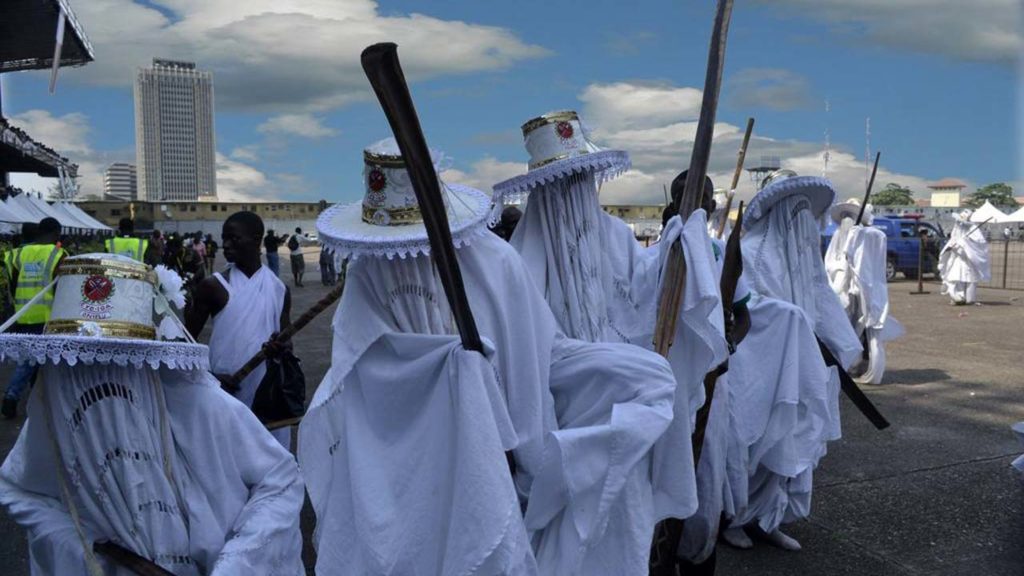
    4. Eyo Festival

    The Eyo Festival is one of the most popular festivals in Nigeria.

    The Adamu Orisha, or Eyo, play is particular to Lagos State. It is a play that begins from Lagos Island and is only carried out for the celebration of the death or passage of an important person in Lagos society.

    5. Nupe Day Festival

    The Nupe Day Festival is always celebrated on the 26th of June by all, you guessed right, Nupe people in Nigeria and abroad.

  • If You Grew Up Left-Handed, Allow Us Tell Your Story

    If you grew up left-handed, then you’ll relate:

    1) You grew up ambidextrous.

    At some point, your parents forced (mostly with flogging) you to learn how to use both hands. They tried to “correct” your hand

    2) While growing up, you were constantly beaten for using your left hand to do everything.

    Is it my fault that I was born this way?

    3)Your face anytime someone refuses food because you served it with left hand.

    You’re not hungry.

    4) Your face anytime you meet someone not bothered by which hand you use.

    An angel.

    5) You’ve had to live with people calling your hand “devilish” or “useless.”

    Na wa oh.

    6) You’re tired of people saying “Aren’t lefties meant to be smart?”

    Free me.

    7) You’ve been told as a left-handed Muslim or Christian that you couldn’t touch the holy books.

    So painful. Especially when people try to use religious texts to call you a sinner.

    8) Your fear of eating outside is very real.

    Because you can feel eyes judging you.

    9) Doing mental calculations anytime you want to give an adult something.

    You can’t even afford to loose guard because the drama is not worth it.

    10) Not being sure of your left or right side.

    Because all the years spent trying to change your hand from left to right has confused your brain.

    11) Your face anytime someone goes: “So, you’re a leftie?”

    And so?

    12) You’ve had sellers slap your hand because you touched their goods with your left hand.

    The audacity.

    13) Or traders refuse money because of your left hand.

    Mschew.

    14) The very real struggle of trying to open car doors or flush toilets.

    No one makes anything for left-handed people!

    15) Using scissors is a big struggle because the blades are so darn confusing!

    God, why is it so confusing? Please don’t let me cut myself.

    16) You still get flashes as an adult of all the trauma you had to deal with while growing up.

    Some things just never completely go away.

  • 8 Things About Abroad Supermarkets That Gave Nigerians Culture Shock

    If you plan to relocate, this post if for you. I spoke to a couple of friends who recently relocated to Canada and America about culture shock. Here’s what they had to say about the difference between our supermarkets.

    1) Eggs in supermarkets are refrigerated in the store.

    Why?

    2) You don’t leave your bag at the door.

    Mood:

    3) There is something called price match.

    Wait for it – If something is cheaper at a competitor, you get the same thing for that same price.

    4) You’re not likely to see powdered milk or chocolate.

    It’s usually liquefied and stored in kegs.

    Riddle me this: If it’s liquid milk, will you people still put cereal first?

    5) Most of the stores have self checkout.

    You mean no standing in queue and someone telling me no change? Or I should pick chewing gum with my change?

    6) There’s something called Crustless bread.

    Bread that doesn’t sweat. Will it still be sweet?

    7) In Texas, you can’t sell liquor on Sundays.

    This is why.

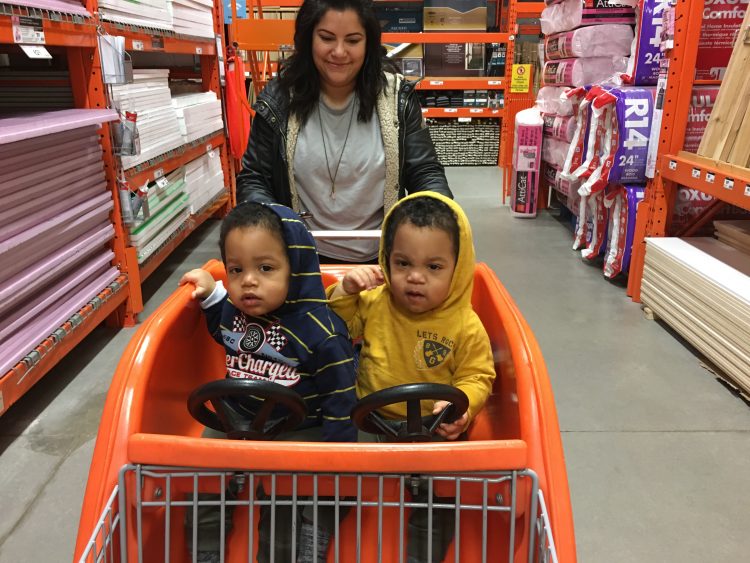
    8) Children are encouraged to sit in shopping carts.

    They even have ‘steering wheels” for kids. I too am someone’s kid.

    Do you have more? Please, share with us in the comments section.

  • QUIZ: Can You Guess The Nigerian Food From Three Ingredients?

    Nigerian delicacies are amazing. I don’t say this as a Nigerian but as a foodie.

    How good of a cook are you? Do you think you’ll be able to recognize Nigerian meals from just three ingredients?

    Good Luck:


    Image sources: Sisi Jemimah. Ndudu by Fafa.

  • Africa has always had a loud voice, but lately, it is getting louder. If you haven’t already been to one of the many music festivals that seem to crop up all over the place, you’re missing out.


    Don’t know what we are on about, but love the way that music makes you feel? Check out our list of the top music festivals in Africa and get ready to party.

    Lake of Stars, Malawi

    Held at the Chintheche Inn on the picturesque banks of Lake Malawi, this diverse event celebrated its 15th anniversary this year. From Indie Pop to Afro Rock, you’ll find inspiring music to suit every taste.


    Add engaging workshops and seminars to the mix, and it’s not hard to see why this beloved festival has won so many awards – plus you can pass it off as being an educational experience. Held over 3 days you can dance in the dust and then take a dip in the lake, what’s not to like?

    Bushfire, Swaziland

    Bushfire, held in the town of Malkerns, is one of the best-known events on the African music scene. Besides, it won the 2017 Best Responsible Event at the 2017 African Responsible Tourism Awards.


    Expect to feel great about yourself as you enjoy music, poetry, dance, theatre and visual arts since all profits go directly to charity. CNN called this one of the “7 African music festivals you have to see” and who are we to argue? Do it.

    Felabration, Nigeria

    Yeni Kuti organised the first Felabration back in 1998, in honour of her father Fela Kuti. The Nigerian-born activist and Afrobeat pioneer had a wide global influence. Felabration is held at the New Afrika Shrine in the city of Ikeja in October, during the week of his birthday.


    In addition to world-class local acts and international headliners, revellers get to experience important symposia on political events, photo exhibitions, debates and even street parades. If you love Afrobeat, you know where you need to be.

    Cape Town International Jazz Festival

    This is sub-Saharan Africa’s most significant musical event and has been dubbed one of the greatest gatherings on the continent. The two-day extravaganza is held at the Cape Town International Conference Centre, and other locales around the city.


    Notable artists over the years have included Hugh Masekela, Beatenberg and Cannibal Ox, and this festival has a bit of a feel of a giant street party, so it’s well worth checking out, even if jazz isn’t your thing.

    Sandbox Festival, Egypt

    Want to party alongside the pyramids? El Gouna, the premier resort city in Egypt’s Red Sea Riviera, is the venue for this celebration of great vibes in an intimate setting.


    This electronic music festival is one of the hippest to hit Africa, and you can also enjoy kiting, diving, snorkelling or simply sitting on the beach and soaking up the sun while listening to banging tunes from some of the world’s top DJs.

  • The struggle of having a hard to pronounce name in Nigeria is very real. On most days you wake up wishing your name was Jane Doe just so you don’t have to deal with Nigerians just being Nigerian about your name. If you have a name like Eghwrudjakpor Onovughakpor Onovughe then we are sure you can relate to these struggles.

    Nobody ever gets the spelling right, infact they don’t even try to get it right.

    Yes there’s a ‘k’ in between that ‘v’ and ‘w’ oya correct the spelling

    You spend way too much time trying to teach people you just met how to pronounce your name

    And they still won’t get it o

    When they finally give up and ask you if you have a middle name

    Yes I do it’s ‘Esereshareberuo’

    If you are not careful they’ll vex and skip past your name at passport office

    Nobody has time for your ten syllables name

    Sometimes you even need a nickname for your nickname if you are smart you’ll have like three backup nicknames

    Stay ready

    Some people even start getting angry because they have to pronounce it

    “You sef how you go get this kind name” Sorry sir, it’s not my fault sir

    When someone asks you to pronounce it for them for the 20th time in a row

    See ehn just call me ‘esss’ I won’t be angry

    Everyone always wants to know the meaning and origin of your name

    Please stop disturbing me

    When you are waiting to hear your name on a roll call and the person calling the names suddenly starts stuttering

    Don’t stress yourself, I’m here

    When people start making the same old jokes about your name

    “Ah this your name will make me bite my tongue o” Bite it now

    You don’t bother correcting people when they get your name wrong you just answer anything they call you.

    “Minisoware” Iminiovwerha but close enough

    Even your closest friends still manage to mess it up years after meeting you for the first time

    Judging you

    After what you’ve suffered your promise to give your first child a name like Bayo Ojo

    It’s only right

    When you meet someone who gets the pronunciation of your name on first try

    Are you sure we are not related?

    Even the people from your daddy’s village don’t know how to pronounce the name

    So where the hell is my name from? Do you have a hard to pronounce name? Which other struggles did we leave out?
  • 16 Times When Nigerian Food Looked So Beautiful

    1. Efo-Riro: The Traditional Vegetable Soup

    https://www.instagram.com/p/99VP0Op-AY/?taken-by=phummyndeps
    Just take a look at all the obstacles in that bowl.

    2. Meat Pies

    https://www.instagram.com/p/-WNhkxOjOG/?taken-by=foodace
    These hearty pies with mixed fillings will have you wanting some more.

    3. The Grilled Moin-Moin on a Salad

    https://www.instagram.com/p/98STTUp-KX/?taken-by=phummyndeps
    One just wants to know how it will feel in ones mouth!

    4. Assorted Meat Pepper-soup

    https://www.instagram.com/p/9wOIPqOjH_/?taken-by=foodace
    Have you ever seen pepper soup look so attractive?

    5. An Amazing Bowl of Banga Soup

    https://www.instagram.com/p/78Q0LTK3_a/?taken-by=afrolems
    Looking at this might make you salivate and wish you could download food online.

    6. Isi-Ewu

    https://www.instagram.com/p/72Nv-bFxRw/?taken-by=dobbyssignature
    *stares at photo* The craving!

    7. Yam and Vegetable Porridge

    https://www.instagram.com/p/9tgECHujNR/?taken-by=foodace
    This could just be the cure for many illnesses.

    8. Bole (Roasted Plantains) and Fish

    https://www.instagram.com/p/7KaEQyFxQN/?taken-by=dobbyssignature
    From the Rivers area of Nigeria, Bole never looked so good!

    9. The Jollof Rice!

    https://www.instagram.com/p/68C0OmhKBU/?taken-by=chefzeelicioussss
    “The Jollof Rice” because it is a sacred topic. And this plate looks Holy.

    10. Eba and Seafood Okra

    https://www.instagram.com/p/9lkZ2mJ-Kr/?taken-by=phummyndeps
    This designer Eba and seafood okra would have your tummy rumbling fast!

    11. Ewa-Agoyin and Plantain

    https://www.instagram.com/p/4cDDEWEU2T/?taken-by=twopeascooks
    Look at the plantain.. Now don’t you want to try this?

    12. Abacha

    https://www.instagram.com/p/9G9YXaOjM9/?taken-by=foodace
    If you have never tried this or is your favorite this just makes it way more attractive.

    13. Ofada Rice and Ayamase (Designer Stew)

    https://www.instagram.com/p/tj5jszFxcN/?taken-by=dobbyssignature
    This dish looks so beautiful and its not Transformation Thursday yet.

    14. Puff Puff

    https://www.instagram.com/p/7z3zB5Cmp9/?taken-by=myactivekitchen
    This Nigerian staple snack looks picture perfect and looks like it would take your palette to places!

    15. Coconut Fried Rice

    https://www.instagram.com/p/6dCNeSimiJ/?taken-by=myactivekitchen
    This looks so tasty already!

    16. Asaro (Yam Porridge)

    https://www.instagram.com/p/10P9leCmmq/?taken-by=myactivekitchen
    This one could make you sell your birthright!