Notice: Function _load_textdomain_just_in_time was called incorrectly. Translation loading for the wordpress-seo domain was triggered too early. This is usually an indicator for some code in the plugin or theme running too early. Translations should be loaded at the init action or later. Please see Debugging in WordPress for more information. (This message was added in version 6.7.0.) in /home/bcm/src/dev/www/wp-includes/functions.php on line 6121
citizenship | Zikoko!
  • You Aren’t Doing Citizenship Right if You’re Not Doing This

    By Civic Hive

    Do you consider yourself an active citizen?

    Photo by Daniel BELOUMOU OLOMO / AFP

    No wham, our friends at Civic Hive know, and we will tell you in three minutes. 

    Who is an active citizen?

    First, an active citizen takes responsibility and initiative in matters of public concern in an informed, committed, and constructive manner. 

    In other words, you must participate so blessings won’t pass you by.

    You must do everything in this article to be considered an active citizen.

    Pay your tax

    As an employed citizen, you have to pay your taxes. This is a percentage of your earnings that you must pay the government for social amenities to meet the country’s needs.

    Ask questions

    Learning is our job, and the nation will benefit if we, as citizens, take advantage of every chance to participate in civic activities in our neighbourhoods. You have to question your government, be interested in how policies are being shaped, and always share responses and insights with those who aren’t privy to the information we have. All this to say, keep your government on its toes.

    Register to vote.

    You can vote once you are 18 or older. To ensure your representation in government, it is your civic duty to register and participate in elections. 

    Respect the Constitution and obey all local, state, and federal laws.

    As you hold the government accountable, you also must respect your country’s constitution by upholding its laws without reservation.

    Sabi your rights and protect those of others.

    Every citizen must be fully aware of their rights and know when they are being violated. You should also learn to respect and stand up for other people.

    Know and engage with your representatives.

    You should take an interest in the legislative activities of your country. In Nigeria, for example, you must pay attention to how the National Assembly operates. Start by recognising which person represents you across all governance levels and communicating with them frequently.

    Participate in your local community.

    Lastly, to be an active citizen, you must participate in activities starting with your local community and contributing to national development. 

    If we genuinely want to see the changes we demand as citizens, we must all demand more from ourselves to become active citizens. 

    To learn more about being an active citizen, click here.

  • Differences Between Citizens and Non-Citizens in Nigeria

    A citizen is defined as a legal member of a state with full constitutional or legal rights in the country in which he or she resides. 

    Non-citizens —also known as Aliens— are not nationals of a state where they reside but visitors — for business, leisure, residence, education, or other factors.

    RECOMMENDED: What are the Rights of A Nigerian Citizen?

    What’s the difference between them?

    According to Section 28 of the Nigerian Constitution, here are the various ways one can identify a citizen and a non-citizen:

    Means of citizenship

    A Nigerian automatically gains the right to citizenship by birth. 

    Soft life privilege

    Non-citizens, however, must hustle to gain citizenship through naturalisation and registration. Even then, their application could still be denied by the Nigerian government if it’s not satisfactory.

    RECOMMENDED: What Are the Types of Citizenship in Nigeria?

    Political rights

    Nigerian Citizens have the right to vote and contest for political office, unlike non-citizens. However, a non-citizen is still allowed freedom of speech and can support or oppose a political candidate.

    Crime and punishment

    A citizen’s citizenship cannot be revoked even if they commit a crime, as it is not a privileged status. 

    However, the citizenship of a naturalised Citizen can be revoked if convicted of a serious crime. In short, a naturalised citizen’s enjoyment of citizenship is subject to good behaviour.

    Allegiances 

    A citizen owes allegiance to Nigeria, but the loyalty of an alien is usually to their country of origin.

    Duration of residence

    Citizens in Nigeria are allowed to stay in the country for as long as they please. 

    However, the movement for non-citizens is more restricted. Individuals outside of the Economic Community of West African States (ECOWAS) need a tourist visa to stay in the country for up to 90 days

    ECOWAS residents, however, can stay in Nigeria with the aid of a residence permit.

  • 5 Sounds That Deserve Nigerian Citizenship At This Point

    If you live in Nigeria, there are sounds/noises that you have grown used to. At this point, they are so ingrained in our daily lives that we should just give them citizenship at this point.

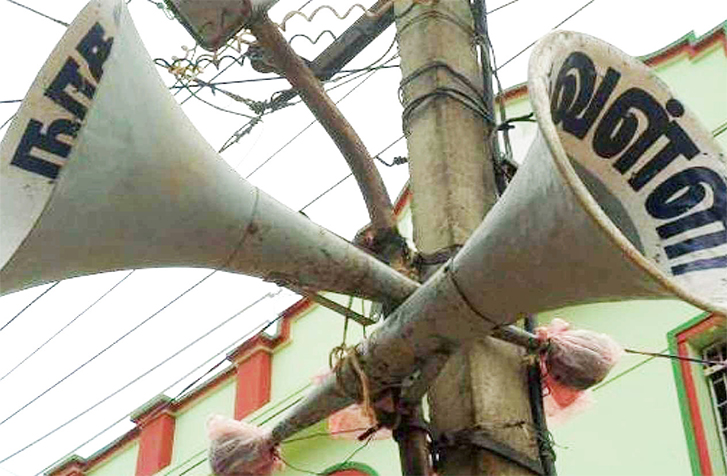
    1) Sound from mosque/church.

    I can’t decide the winner between early morning “where will you spend eternity?” and call to prayer from mosques. These are unofficial alarms for Nigerians.

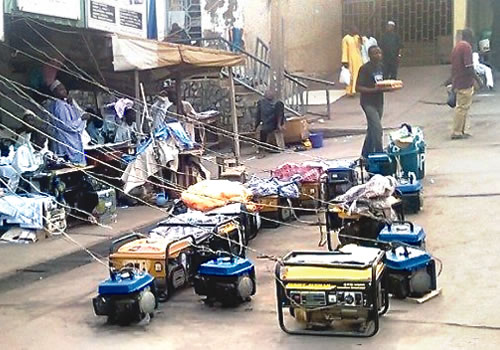
    2) Generator sound.

    The ghetto. Ratata.

    3) Nepa siren.

    Up NEPA!

    4) Rubbish statements from our politicians.

    From the stables that brought to you “Lazy Nigerian youths” and social media bill.

    5) Sound of silence from Government in times of crisis.

    Nigerian Government left this chat.