Notice: Function _load_textdomain_just_in_time was called incorrectly. Translation loading for the wordpress-seo domain was triggered too early. This is usually an indicator for some code in the plugin or theme running too early. Translations should be loaded at the init action or later. Please see Debugging in WordPress for more information. (This message was added in version 6.7.0.) in /home/bcm/src/dev/www/wp-includes/functions.php on line 6121
AIDS | Zikoko!
  • Eight Nigerians Discuss Their Scariest HIV Self-Tests

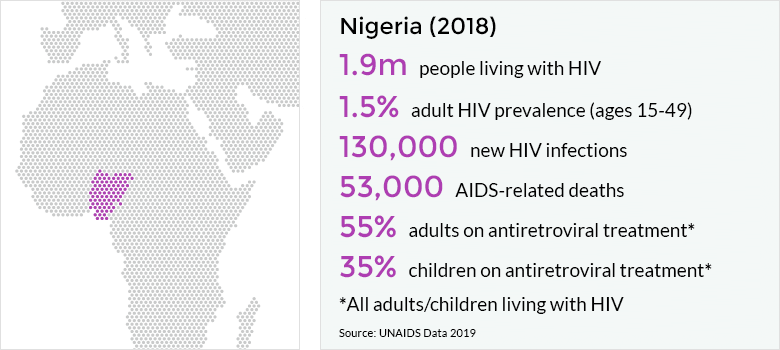
    Despite the scrapping of testing fees in government health facilities and the large donor funds Nigeria receives annually, one in five young persons have never tested for HIV. This statistics looks insignificant until you do the maths and realise at least 18 million people have no idea of their status. We must recognise that these numbers can only be reduced by promoting awareness on self-testing.


    You probably heard of HIV as an insuppressible disease that kills everyone it touches mercilessly, but it is very much manageable if caught early. And the only way to detect it early is to test regularly.


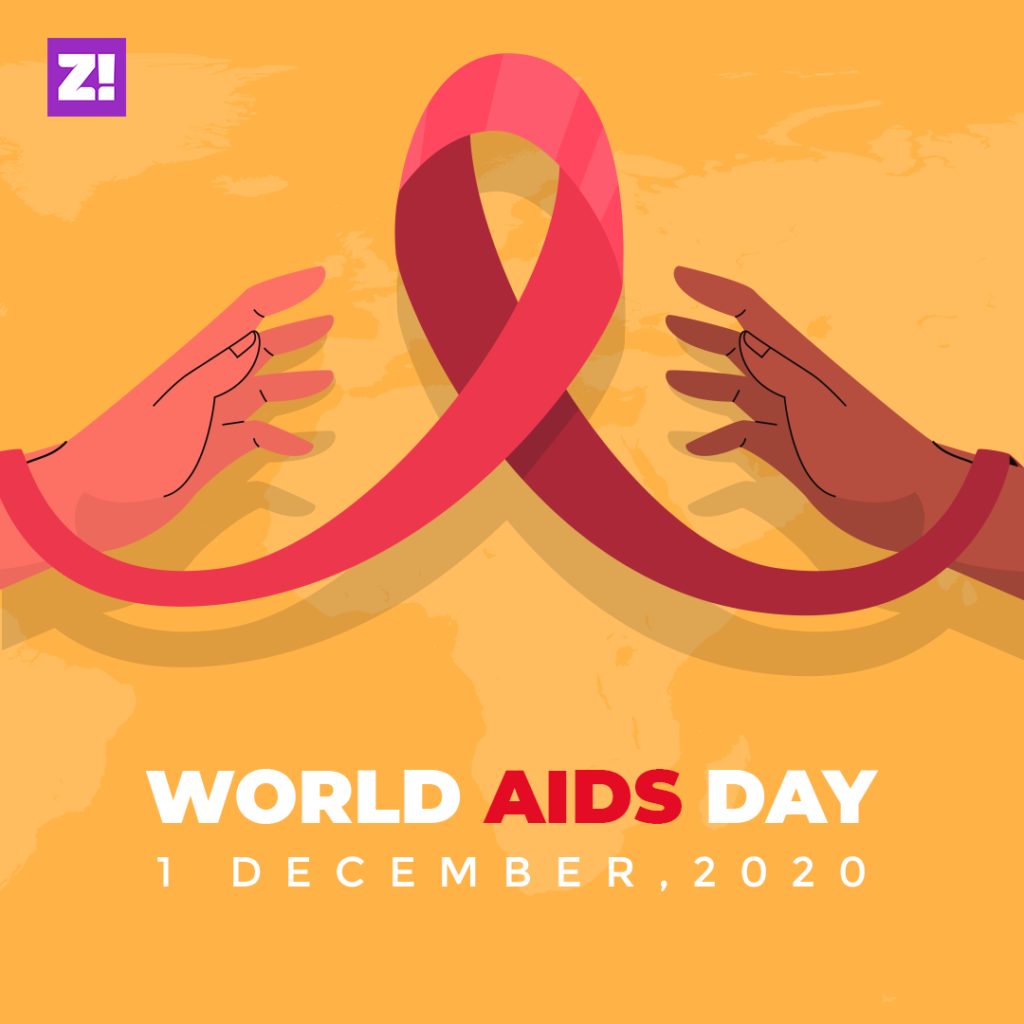
    As today, 1 December 2020, marks yet another World AIDS Day, I have compiled some experiences of young people who have self-tested for HIV (and some reasons why you should get yourself tested soon).


    Kazeem, 21

    I interned at this diagnostic laboratory during SIWES period that year. There, I ran a lot of screening test on pregnant women and people interested in blood donation. One time, while I was testing a pregnant woman, I pricked myself by accident. I wasn’t so bothered until her result showed positive. I panicked. Since I was already in a lab, I just grabbed a self-test kit and asked a fellow intern to help me. The three minutes between sample collection and knowing the result was the longest and darkest moment of my life. Although it showed negative the first time, I continued testing every other week to be sure. Lucky for me, they all came up negative.

    Miracle, 20

    My personal experience with a test kit was in 2018. I was in my second year of nursing school. I usually had access to the kits during clinical rotations, and I also had this friend whose mum was a nurse and brought lots of kits around the hostel. One day, she came around with an unfamiliar one which I decided to test with. I took the sample, added buffer and all of that. I left it for about ten minutes then came back to read my result. What I saw threw me off balance. Two stripes! My bones became weak. I started wondering where I got it from. I thought of the clinic and all the patients I had worked with. I wept! I did not know who to go to. I thought of confiding in my friend but I feared the stigma that might follow if her mouth leaked. So I kept to myself. I was starving and couldn’t concentrate during classes. Later, I went to my friend and explained everything with the used kit. Before that, I made her swear not to reveal it. When she saw the kit, she told me I was negative. Apparently, I had read wrong. Only one of the stripe was filled with blood but because there were two lines on it, I assumed I was positive. I knelt down and was praising God after she left because it would have been terrible for me.


    Prince, 25


    All my life, I have tested a total of two times. The first was very dramatic for me. My friends and I decided together to test one day. It was supposed to be one of those hard guy moments but I failed shamelessly. I wasn’t brave enough to stand over the counter and ask for an HIV test kit so and they bought it. They finished theirs but I was yet to test myself. Truth is, I’m terrified of needles, pins and anything that requires piercing my skin. I remember my friend pinned me down and took the sample. I can’t say for sure how long it look to show but it was less than 15 minutes. During that short time, I kept asking myself “what if?” questions. I was even imagining how I would break the news to my parents because, at that time, I was very dependent on them. Thankfully, it came out negative.

    Faizah, 18

    The first time I self-tested was about a year ago. Before that time, I have tested at least twice that I remember. All these school registration requirements in JSS 1 and in 100 level but those were done by someone. So this one was just out of plain curiosity. I was out with some people during a medical outreach where we were testing people for HIV. At the end of the day, people I came with started taking turns to test themselves but I couldn’t bring myself to do it in presence of my peers. They may not have been staring but I was too self-conscious. As we were packing remnant equipment, I snuck two kits for myself. I locked my door and drew the curtains before I started. The first kit gave an invalid result, blood filled the HIV stripe but not the control stripe. I was scared but not scared. You know how one thing goes south and you just start shaking. Anyway, I tried with the second and that came out negative.


    Ajifa, 22

    That day I went to the doctor’s and made some complaints. I don’t know why, but he told me to go run some tests, HIV inclusive. FMC’s laboratories were always packed with people and they delayed results for too long. That’s if they don’t lose it and ask you to retake the test. But I was too weak to go to the private clinic I usually used so I opted for the hospital’s lab. It was just too crowded that day, and I wasn’t comfortable taking the test there even though the HIV test there is free. So I sat for other tests there then went elsewhere to buy the kit. It was easy for me to use. I got my result in like five minutes or so.


    Ekene, 26

    I used those kits in 2016 first. I purchased them at a drug store. The only hassle was pricking my finger but that doesn’t bother me anymore. There was this self-test tutorial on Youtube that I followed. It is now a routine for me. I have seen firsthand how badly late diagnosis can alter people’s lives. My cousin discovered his positive status quite late and is dead now. He was a chronic drug user. Not like it is hereditary you know. But… I’m more conscious about it. I test every other month.

    Tobi, 20

    I self-tested first when I was 17. My mum is a nurse so supplies like HIV kits were always somewhere in the house, or in the clinic. I have an unreal phobia for needles but that day I had to overcome it to obtain blood. Since I would have no tenable explanation for testing if someone saw me, I did it in private. My mother, being a nurse, taught me about sex from very early because she believed in exposing children to things rather than hiding it from them. She even supplied me condoms. But I started having raw sex with some guy because that was the only way he’d believe I loved him enough. We had done it a couple of times before I discovered he was a free giver of sex. Anyways, I tested that day and of course, it was negative. I was checking almost every day during that period. I even moved a pack from the clinic to my room when the ones at home were visibly reducing. I’m safe now.


    Molayo, 22

    This wasn’t my first time using self kits. It was just my first time with that mouth swap thingy. And yes, it was an experiment. It was relatively simple to use. I just swapped it over my gum and dipped it in a liquid. I have stuck with it now because it is easier and does not require me stabbing myself.

    If this prompts you to self-test, you can watch this video guide or read this short guide on using oral test kits.

    Read Next: 8 Important Things About AIDS You HAVE To Know


    Story by Musa Faridat. Reach her here.

  • 8 Important Things About AIDS You HAVE To Know

    December 1st is World AIDS Day. It is a day to raise awareness about AIDS. We spoke to Doctor Opeyemi, to tell us some facts about the disease, common misconceptions and how to care for people living with AIDS.


    1) AIDS

    AIDS (Acquired Immuno Deficiency Syndrome) is the late stage manifestation of the viral infection called HIV (Human Immuno Deficiency Virus). When the CD4 cell count of the body falls below a certain level (200 per cubic millimetres), it means the disease has overpowered the body. AIDS can also occur when an opportunistic infection, which is an infection that happens because a bigger infection is already in the body is happening, or because the body’s immune system is weak, is also present in the affected person’s body.

    2) People that can get AIDS

    Anyone can get AIDS. There is a common saying that “e no dey show for face”. For some people, it is basically impossible to detect. 

    3) How to get AIDS

    So, you cannot directly contract AIDS from someone, but you can contract HIV which, if not treated, can progress to AIDS.

    4) Some ways of contracting HIV

    You can get HIV through sharing sharp objects with someone who has it or having unprotected sex with someone who has not been taking their medication and as such has a viral load. It is also possible for positive pregnant mothers to pass the virus to their children, or if an iatrogenic blood transfusion with blood that is infected occurs. This is actually very rare because blood is usually screened before transfusion.

    5) Preventive measures

    Abstinence and ensuring that even when sex is had, it is protected are ways to prevent AIDS. Condoms are not only for preventing pregnancies but also for preventing infections. You can also help by making sure HIV infected persons use their drugs at the right time and attend the appropriate clinics to get the appropriate care. Also make sure you do not share sharp objects. 

    6) Common misconceptions

    A lot of people think AIDS can only affect a certain group or demographic of people when in truth, anyone can get it. Another common misconception is that only gay men get AIDS or only women get it because they are sex workers. This is untrue and a dangerous misconception. 

    7) Ways to help people with AIDS

    Do not stigmatize them. Support them and treat them like the human beings they are. If they are struggling with their medication, be there for them. You can take care of them at home and follow them to the hospital if you can. 

    8) Destigmatisation of AIDS

    The best way to destigmatise AIDS is to understand that it is a disease like many others, and it does not matter how the person got it. Do not refuse them employment simply because of their illness, and do not cut them off as friends. Things like that only tend to cause them more hurt.

    For more information about World AIDS Day, please click here


    [donation]

    For more information about World AIDS Day, please click here

  • Brace yourself, brothers and sisters.

    For what you are about to witness will (or should) forever change your perspective on bumping uglies with strange people. If you don’t know them well enough to be able to ask for STD test results, they’re strange.

    Now, we know body no be firewood.

    But before you go and meet that sweet boy or sweet girl, better find out their status. Ask to see the results, even. Some people have horrible STDs. Our ancestors call unwanted and unexpected ‘gifts’ like that ‘double wahala.’ Be advised.

    First off, sexually transmitted diseases (STDs) are the literal worst.

    STDs are infections/diseases caused by having sexual contact with infected people either through oral, anal or/& vaginal intercourse. Most STDs show no symptoms and may last for years which is additionally scary. By the time it shows symptoms, a great deal of damage could have been done.

    Most of them are curable, but there are a few that can only be managed.

    Those are the ones we’re focusing on today. The manageable ones. They are unsightly, painful, expensive and potentially deadly. Infected people have to depend on medicine to suppress symptoms for the remainder of their life, or until scientists figure out a cure.

    So stay woke.

    Gonorrhea is one of the most common STDs in Nigeria. In fact, a study done by WHO showed that Lagos in 1963 had the highest gonorrhea rate in the world! It’s most common among young people between 15 to 24 and it infects parts of the body that are warm and moist eg the eyes, mouth, urethra, vagina, anus etc. Oddly enough, gonorrhea used to have a complete cure, but the infection-causing bacterium Neisseria gonorrhea has become resistant.

    Symptoms:

    Gonorrhea can cause rectal infections, anal itching, sores, discharge or bleeding. It’s pretty nasty. If treatment doesn’t start right away, it can have dire consequences such as obstruction of the fallopian tubes, infertility and ectopic pregnancy. Men may feel pain in their testicles, and be unable to father a child.

    These are sexually transmitted diseases that lead to liver inflammation and, in serious cases, to death.  There is no cure for hepatitis A & B, however, there is a vaccine for these two types and your body usually clears both Hepatitis A and Hepatitis B within a few months. Unfortunately, some people end up with chronic Hepatitis B, which means their body didn’t get rid of it within six months. At this stage, you can only take medication to slow down the liver damage.

    Symptoms:

    When Hepatitis is contracted, first symptoms can include a general feeling of unwell, vomiting, nausea,  fever and dark-coloured urine.  In serious cases, Hepatitis develops into cirrhosis and can lead to liver cancer.

    This is a viral infection that is passed through skin-to-skin contact. Most people get HPV through direct sexual contact, such as oral sex. It can affect your mouth, genitals or throat, giving you warts. Warts associated with most HPV infections go away on their own, but the virus remains in the infected person’s body. As a result, that person may still pass HPV to sexual partners.

    Symptoms:

    When the virus doesn’t go away on its own, it’s a big problem. Complications include genital warts and warts in the throat. HPV may also cause cervical cancer and cancers of the genitals, head, neck, and throat. However, the types of HPV that cause warts are different from the types that cause cancer.

    Herpes is a viral infection characterized by periodic outbreaks of painful sores. It can be contracted through sex, kissing or touching an affected area. Although condoms can prevent herpes transmission during intercourse, oral contact with genitals or open sores anywhere can spread the disease.

    Symptoms:

    Herpes usually shows up as cold sores or blisters. Symptoms can also include pain when urinating, lower back pain, flu-like symptoms and a burning sensation in the genitals. Small red bumps may also appear around the genitals or on the mouth.

    Bottom line

    Nobody likes living with STDs of any kind. The good news is, if you have any of these STDs, they can be managed well with modern medicine. Don’t beat yourself up about it. If you don’t have any STDs, take care to keep it that way. It is important to choose your sexual partners very carefully and use protection. Abstinence, however, remains the best way to protect yourself.

  • A Story Of How Terrifying Your First HIV Test Will Be

    Your first thought will be

    Is this how my story will end??

    You’ll think of the farthest hospital from your house you can go to for the test.

    So no one will see you. If you live in Isolo, go to a hospital in Ikorodu.

    You’ll wonder if the nurse attending to you thinks you’re a giant whore.

    Don’t judge me please.

    You’ll wonder if the other people in the waiting area also think you’re a giant whore.

    All of you should mind your business.

    As the nurse draws your blood and takes it to the lab, you’ll wonder what your life will be like if the results come back positive.

    Everything will scatter.

    How your family will react.

    How your friends will react.

    You’ll think of how you’ll possibly be able to afford the drugs.

    You’re broke.

    At this point, it’s been 30 mins. You’ll see the nurse coming back with the envelope and you’ll wonder why she has that sad look on her face.

    Jesus!

    She’ll call you to a corner and you’ll wonder why the hell she’s stressing you out like this.

    God please let this be over already.

    She’ll hand you the envelope and watch you open it with your hands shaking and you’ll think

    She’s here to give me counseling. IT IS FINISHED!!!

    The result says negative. You’ll look at the nurse in disbelief and think

    WHAT THE HELL WAS ALL THAT DRAMA ABOUT?!

    Like she can read your mind, she’ll lean in and whisper quietly in your ear

    Go out and whore no more.

    She’ll hand you a handkerchief to wipe your sweat with.

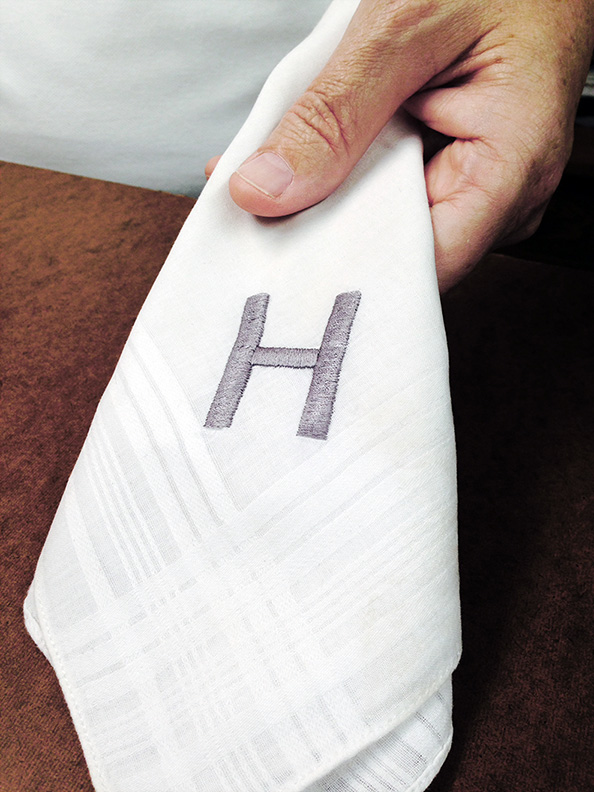
    It turns out that the nurse’s name is Hannah and she has monogrammed handkerchiefs that she hands out because she does this kind of thing all the time.

    This will be you the moment you leave the hospital.

    YASSSS GAWWWWDD!!!

    Unless of course your story ends differently, in which case……

    Enjoyed this? Read this next article to find out 11 crazy and common myths about HIV/AIDS.

    11 Crazy & Common Myths About HIV
  • Currently, records have shown an unbelievable 3.4 million Nigerians are living with the HIV/AIDS virus.

    Every year on World AIDS Day- December 1st, people around the world come together to fight against the virus, spread awareness and show support for people living with HIV/AIDS.

    For this year’s World AID Day, Up In The Sky Nigeria, a Nigerian Ad agency, created a campaign, Tick Tock, to spread awareness about the importance of getting tested and support for those already living with AIDS

    Oya, go and get tested today but in the mean time, watch the short but moving film below:

  • QUIZ: How Much Do You Really Know About HIV/AIDS?
    It’s World AIDS Day! Misconceptions about HIV/AIDS have prompted the very behaviour that cause people to be susceptible to the virus.  Understanding the challenges of HIV/AIDS starts by dealing with some of the common myths we have heard and believe about the disease. So let’s find out how much you actually know about HIV/AIDS and give you some answers!