Notice: Function _load_textdomain_just_in_time was called incorrectly. Translation loading for the wordpress-seo domain was triggered too early. This is usually an indicator for some code in the plugin or theme running too early. Translations should be loaded at the init action or later. Please see Debugging in WordPress for more information. (This message was added in version 6.7.0.) in /home/bcm/src/dev/www/wp-includes/functions.php on line 6121
2000s | Zikoko!
  • The First Record Labels to House Afrobeats

    A record label’s place and role in music can never be kicked to the curb. Especially in these times when you need a good platform to succeed, record labels that nurtured the Afrobeats movement deserve recognition.
    At the dawn of Afrobeats in 1991, before anybody with a heavy purse (whether they know the business or not) could set up an office and say their record label was open, it was just a few heads running the operational side of the music around here. Before the indigenous labels that focused on contemporary pop music in Naija, Western labels held tight to the helm of the business throughout the 20th century. Independent labels were nonexistent until, at least, 1990.

    A few music labels ran the Nigerian music scene from the ’60s till the tail end of the 1980s. One of them is Premier Records, which provided space for music journalist, Dean Disi to occupy leadership positions. Disi’s time as general manager ushered in Segun Arinze, Ras Kimono, Evi-Edna, Charly Boy, Edmund Spice, Junior & Pretty and more, into the Nigerian entertainment scene.

    When Junior & Pretty emerged from Ajegunle with their funny style of Pidgin English rap, it was just young people making hip music in the most expressive way they could. The music wasn’t called “Afrobeats” yet. It was simply “Nigerian music”.

    In 1991 Junior and Pretty was signed to kickstart Storm Records. After Obi Asika, its founder and chief executive officer, had gathered some expertise in DJing, radio programmes and events promotion, with valuable music business experience from his days at the University of Warwick, his move into the Nigerian music scene was inevitable.

    Under him, Junior & Pretty made the Fufu Flavour album which included their popular hits Monica and Bolanle, years before Afrobeats became official. 

    If there’s an unpopular yet essential consensus we have to come to, Junior & Pretty is the very first Afrobeats act.

    Storm Records, on the one hand, didn’t get a breakthrough until around 1998, when it evolved from just a clique movement into an actual music label, now known as Storm 360. 

    Lanre “eLDee” Dabiri’s Trybe Records arrived in 1998 too. It kicked off as Trybesmen, a movement of three rappers named eLDee, Freestyle tha Shogun and Kaboom. They met in Lagos in 1994 and put out their first album, L.A.G. Style, in 1999. Then they had hits like Trybal Marks and Shake Bodi. Primarily hip-hop in style and fashion, their approach blended smoothly with Afrobeats.

    After the Trybesmen broke up in 2004, eLDee kept his label running while releasing solo projects. Trybe Records housed 23 artists between 1998 and 2011, including 2Shotz, Dr. Sid (pre-Mo’Hits Records), Niyola, Lequse, Sheyman, K9, Aramide, Eva Alordiah, Sojay, Sarz and Sasha P, who later signed to Storm Records. 

    The music Trybe Records put out laid the foundation for what we now recognise as the Afro Hip-Hop sound in Nigeria, making its mark in the development of Afrobeats before it was acquired by Iman Entertainment in 2011.
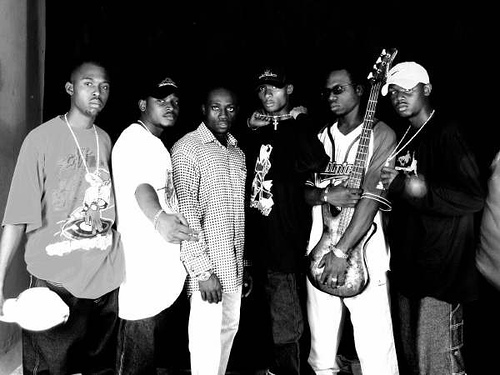
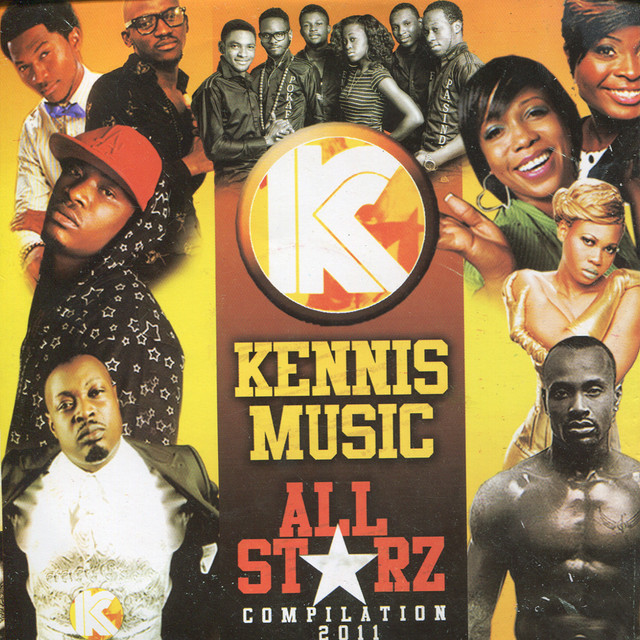
    But back in 1998, Kehinde Ogungbe (Keke) and Dayo Adeneye (D1) returned from Hollywood to open Kennis Music, after hosting “AIT Jamz” on African Independent Television for some time. They signed The Remedies a year after — a trio of Eedris Abdulkareem, Eddy Montana and Tony Tetuila. Their 1999 debut hit single, Shakomo, is evergreen — a simple party single recorded on the instrumental of MC Lyte’s Keep On Keeping On

    Nigerian contemporary music was now called “Naija Music”.

    One day in 2000, Tony Tetuila left the group, and the three men had a beef that dragged into 2002. They exchanged diss tracks like Tetuila’s Omode Meta N Sere, which became a hit and introduced us to Tuface. The two-man Remedies responded with Jealousy, featuring Pasuma. The beef later became focused on Tony and Eedris. 

    Tony went after Eedris in his monster hit, My Car. Not one to swallow insults and jabs, Eedris fired back with a smash hit, Oko Omoge, that had us screaming the line, “One leg up, one leg up”, a subtle diss at Tony, who limps while walking. All this happened while they were still signed to Kennis Music, who benefited from one of the most significant controversies in Nigerian music. 

    In 1999, a fellow label signee, Paul Play, released his first and second albums, Dairo Music Foundation Project 1 and Paul I.K. Dairo Project 2 before he left Kennis Music. The label’s roster boasted Blackface, Marvelous Benji, Rasqie, Azadus, Olu Maintain, Kelly Handsome and Joel Amadi, who put out the last album from Kennis Music in 2015.

    Kennis Music remains the Nigerian music label with the most albums — 75.
    An account of the labels that platformed Afrobeats in its early stage isn’t complete without Nelson Brown’s Dove Records, home to Plantashun Boiz and their debut album, Body and Soul, in 2000. The body of work gave us hits like You and I, Don’t You Know, Knoff Off and Ememma. 30+ people will see these song titles and jump for joy with hearty remembrance. Sold Out was the second album they put out before their first breakup in 2004. 2Face signed to Kennis and released his debut and sophomore albums. Three years later, a Plantashun Boiz reunion happened, and they released Plan B under Plantashun Entertainment Limited Management.

    During Storm 360’s run, Darey Art-Alade made his classic ballad, Not the Girl, in 2009, and R&B music was pushed to the forefront. The radios regularly played songs by Storm artists like G.T. the Guitar Man, Ms Jaie, Tosin Martin and Jazzman Olofin (Mr. Funky). The label also created space for hybrid artists like 2Shotz, Sasha P, General Pype, Ikechukwu and LOS. Banky W too, before he moved on to start his own imprint.

    Then there was Question Mark, operated by Kevin Luciano-Gabriel (ex-MTV staff) alongside Gbenga Shokefun (former manager of girl group, Kush). The record label launched in 2005 with Nnenna and Modenine, who had the classic cult song Cry together. Question Mark had Cobhams Asuquo as its in-house producer from 2005 to 2006. Asa was signed, released Eye Abada and left without giving them an album. 

    Q. Mark’s artist lineup also consisted of Street Monk, Silver Saddih, Harry Songz and Safarie. When the label put out the music video for its all-star anthem, Street Life, it was on the MTV Chart and set the standard for Nigerian music videos with great set, camera and overall production quality.

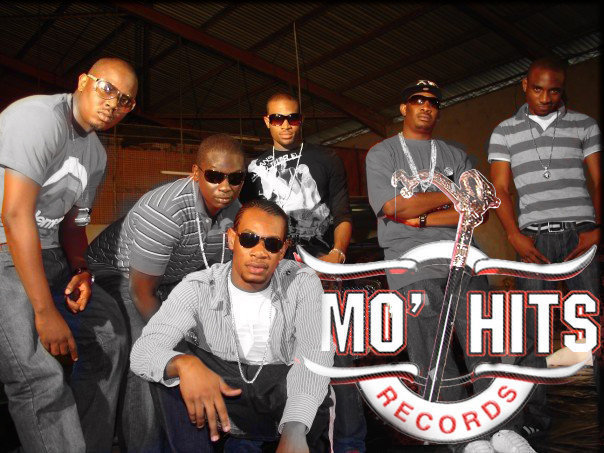
    Mo’Hits Records was the rave of the moment from when it launched in 2005 till it crashed in 2012. After leaving JJC’s 419 Squad in the U.K., music duo Don Jazzy (producer) and D’Banj (singer), returned to Nigeria and founded Mo’Hits with funds from D’Banj’s mum. They released the No Long Thing album in 2005, and D’banj was named The Most Promising Male Act at the Kora Awards and given a Channel O Music Video Award for Tongolo. In 2006, he followed up with RunDown Funk U Up and the monster hit, Why Me.

    As the label grew, signings surged, and in came Wande Coal, who changed Nigerian pop music forever with his hit-stacked Mushin 2 Mo’Hits debut album. Dr. SID joined them officially in 2007 and had hits like Something About You, Winchi Winchi and Over the Moon. D’Prince dropped a handful of popular songs like Omoba, Goodybag and Banana. And K-Switch brought the “Ajebutter that knows the street” sound.

    From 2010 to 2013, guys like Wizkid, Ice Prince, Davido, Burna Boy and Yemi Alade were new hot kids on the block from record labels like Empire Mates Entertainment, Chocolate City, HKN Music, Aristokrat Records and Effizy Entertainment.

    Around the end chapter of Mo’Hits, what used to be known as Naija music had become Afrobeats and gained global popularity. The label would soon morph into Mavin Records, currently one of the biggest in Nigeria. Mavin presented us with Tiwa Savage and a back-to-back line up of breakout stars — from Di’Ja, Reekado Banks and Korede Bello to Rema, Ayra Starr and most recently, Lifesize Teddy.
    Since the 90s, Afrobeats has transcended into international music collaborations, foreign shows and awards, global festival stages, stadium performances and cultural diversity. We owe these laudable feats to the groundwork of the early pushers of Afrobeats, who built business models and laid down the structure for the sustenance and monetisation of Nigeria’s musical talents. 


    To celebrate this great legacy, Spotify Africa is throwing the hottest Afrobeats party in Lagos on October 13, 2023. And Zikoko will give away tickets at the end of the week!
  • 6 Things Nigerians Thought Were Normal In The Early 2000s That Absolutely Weren’t

    Permit me to revisit (some of) your childhood trauma.

    1) Packing hair at the barbershop after every haircut.

    Because people were “stealing” destiny and glory from hair. I can’t stop wondering how they would single out one person’s hair from the pile.

    2) Refusing to wear helmets because they could “steal” your destiny/glory through it.

    Spiritual safety over physical safety, innit?

    3) Not picking calls from strange numbers.

    The explanation was that they were also collecting souls through the phone. And people were allegedly vomiting blood. Soulja boy is shaking at all that wasted potential.

    4) Not listening to certain songs because they were using them to recruit people into the Illuminati.

    Let’s be honest, music nowadays doesn’t slap again like the Illuminati era. Maybe the secret ingredient of a good gbedu is someone’s soul.

    5) Avoiding direct contact with lizard eggs because they could cause “epilepsy.”

    Who sold us this lie?

    6) Refusing food from strangers to avoid becoming a witch/wizard.

    I still regret not eating Juniors birthday biscuit when I was in Primary 5.

  • QUIZ: Nigerians Loved These 2000s Hits. Do You Remember Them?

    There are some international hits that got so much airplay during the 2000s that they might as well have been made by a Nigerian. We want see if you can identify 11 of them by their lyrics alone.

    Give it a shot:

  • 7 Songs Children Had No Business Dancing To In The Early 2000s

    1. Kelis – Milkshake

    Kelis once said in an interview that the title of the song means “the thing that makes women special. It’s what gives us our confidence and what makes us exciting.” Well, I call bullshit because ‘Milkshake’ is obviously as a euphemism for boobs.

    2. Tony Matterhorn – Dutty Wine

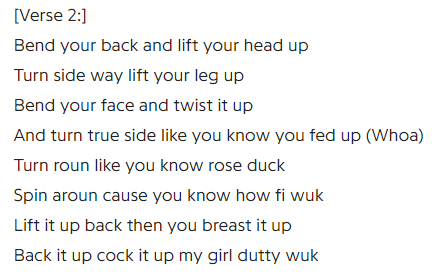
    This smash riddim dance track found its way into the playlists at Nigerian KIDS PARTIES due to the fact that its dirty lyrics were disguised in an accent difficult to understand for those not familiar with it. Here are a few lines from the song’s second verse:

    It reads like he’s describing a particularly violent game of Twister

    3. Nelly – Hot in Here

    I wonder what my parents would’ve done if they knew I was at my primary school end of the year party bumping to a song that was clearly about a house party that turns into an orgy because of global warming.

    4. Aqua – Barbie Girl

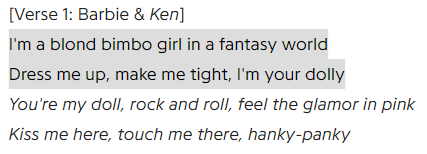
    The iconic ode to Barbie (and her partner, Ken) was riddled with so much sexual innuendo that the group was sued by Mattel, the makers of the Barbie doll, for violating their trademark and turning the children’s toy into a sex object.

    And you danced to it at your church’s bazaar while your parents cheered you on.

    5. Rupee – Tempted To Touch

    The song is from the POV of a guy waxing on about a sexy girl on the dancefloor he’s tempted to touch and hold tight because he has a raging boner for her. Enough said.

    6. Destiny’s Child – Lose My Breath

    This song starts with a woman’s voice that screams “HIT ME!” and then segues into a 3 minute and 33-second long shaming session where Beyonce, Kelly, and Michelle berate their lovers for not being able to keep up with them sexually. None of this mattered though because we were too busy grinding to it at birthday dancing competitions.

    7) Kevin Lyttle -Turn Me On

    The name of the song alone.

    What’s up, Zikoko Fam? It would mean the world to us if you spared a few minutes to fill this Reader Survey. It’s so we can bring you the content you really want!

  • Quiz: How Well Do You Know Super Story?

    Any young Nigeria born before the beginning of this millennium knows that Super Story was a defining part of our childhood and lives. Premium content Gen Z can probably not relate to. Let’s take you back to the beginning. How well do you remember and know your award winning  Super Story?

  • These Nigerian Fashion Trends From The 2000s Must Never Make A Comeback

    I’m not proud of everything I’ve done in my rather eventful life. I look back at that time I ran away from a bunch of kids trying to mug me in 2011 and shake my head in regret. There’s also the time I went to a Constitutional Law lecture in a pair of jeans and got the dragging of my life. But none of that comes close to the 2000s; the decade I let peer pressure get the better of me.

    The 2000s are iconic for many things; every other person had Y2k fever, and the lyrics to Will Smith’s “Will 2k” were gospel. Good times. Who woulda thunk that barely years later, I’d be rocking corduroy trousers big enough for my entire body to fit in? If you look at the photos of you and your best friends from that era, you’ll get my point better. The 2000s were a dark time, a time when we collectively decided to dress like badly drawn cartoon characters.

    Now that street fashion is more popular than ever, and more fashionable people are looking to past decades for inspiration, we must make sure nobody ever decides to bring these fashion fads back.

    • Anything With ‘OBEY’ On It

    The first time I saw a shirt with “OBEY” written on it, I assumed it was a PSA. Like the United Nations had sponsored a program to get Nigerian children to be more obedient. Then I began to see it on TV, on the backs of people who have never obeyed any instruction in their lives. Man, every young Nigerian male who was alive and had spare cash in the 2000s rocked something with OBEY on it. The ‘OBEY’ clothing line was vital in bringing streetwear to the masses (and our people at Aba did their fair share to help). To be fair, their designs are pretty cool. Nah, they’re not. I’ve seen enough OBEY for 60 lifetimes.

    • Boot Cut Trousers
    Bracket doing it for the culture.

    What do you know about walking around in trousers that feel like they’re hiding an entire village and its citizens. From time, trouser cuts have been the first casualties of fashion trends. So I reckon people were excited when the boot-cut thing (or bell bottoms, as some call them) showed up. They shouldn’t have. Except that you’re trying to smuggle your extended family into another country, there’s no alternate reality where these trousers make sense. Imagine walking and waiting for the bottom half of your trousers to catch up with you. There’s also the part where the trousers would swallow your shoes, with no regard for how much you spent on them. Never Again.

    • Supra Hightops

    Christ. These ‘sneakers’, which was the ruse they were sold under, look like what happened if Wall-E spent too much personal time with a leather ball. Yet everybody I knew, boys and girls wanted to rock a pair in 2008. Supra fever was so intense that it was tied to dance moves like the Dougie and an entire batch of baby-faced rappers. To be fair, they stood out; a pair of Supras look like Optimus Prime is hugging your feet with your trousers all scrunched near your knee. Hightops aren’t bad; a nice pair of 23s will prove this point. Supras just don’t work.

    • That Shirt & Sweater/Waistcoat Combo
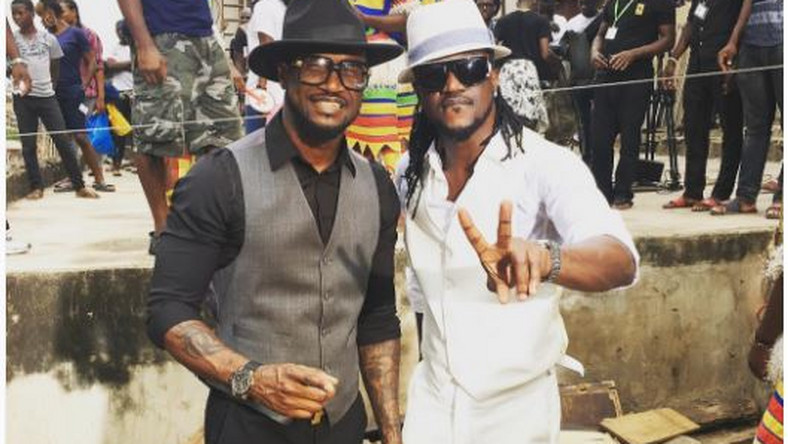
    P-Square Being P-Square

    Yes, Bayo. I know you’ve seen all those interviews of Jeff Bezos where he’s stylishly decked in a dress shirt and a nice sweater. I know you want to be like Bezos. I wanted to be a young, hip billionaire too. So I let my friends convince me to dress the part – by wearing waistcoats over dress shirts in the midday sunshine, with a patriotic ‘Nigeria’ pin for effect. Guess who’s still poor? Me. Certain philistines still dress like this, but we must raise awareness and kill this virus before it overwhelms the entire population.

    • Multicoloured Snapbacks
    This guy again.

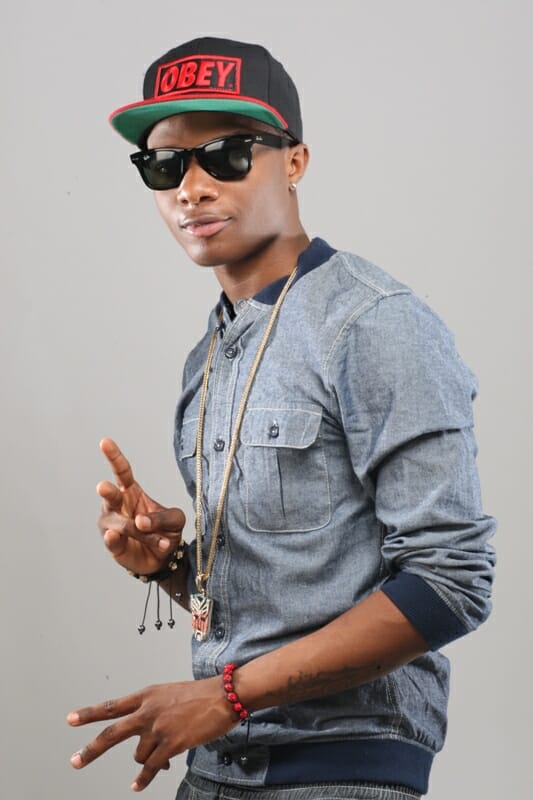
    I blame Wizkid and “Holla At Your Boy”. You see, when a young, talented singer who’s supposedly in his teens shows up and grabs all the (ladies’) attention, it’s only understandable that every potential baby boy wants to look like him. Hats, or face caps as they are also known, had been a thing long before Wiz. But when he began to show up everywhere in snapbacks of varying colours, the mandem followed suit. Then, unimaginative Nigerians began making theirs, complete with meaningless terms like “SWAGGER” embossed in hideous colours. Snapbacks are still a part of popular culture, as Wizkid will show you any day. But the 2000s were a dark time we must never return to.

    HONOURABLE MENTION

    No matter what you do, you just can’t beat this one. It’s trying to live forever.

    • Colour Blocking
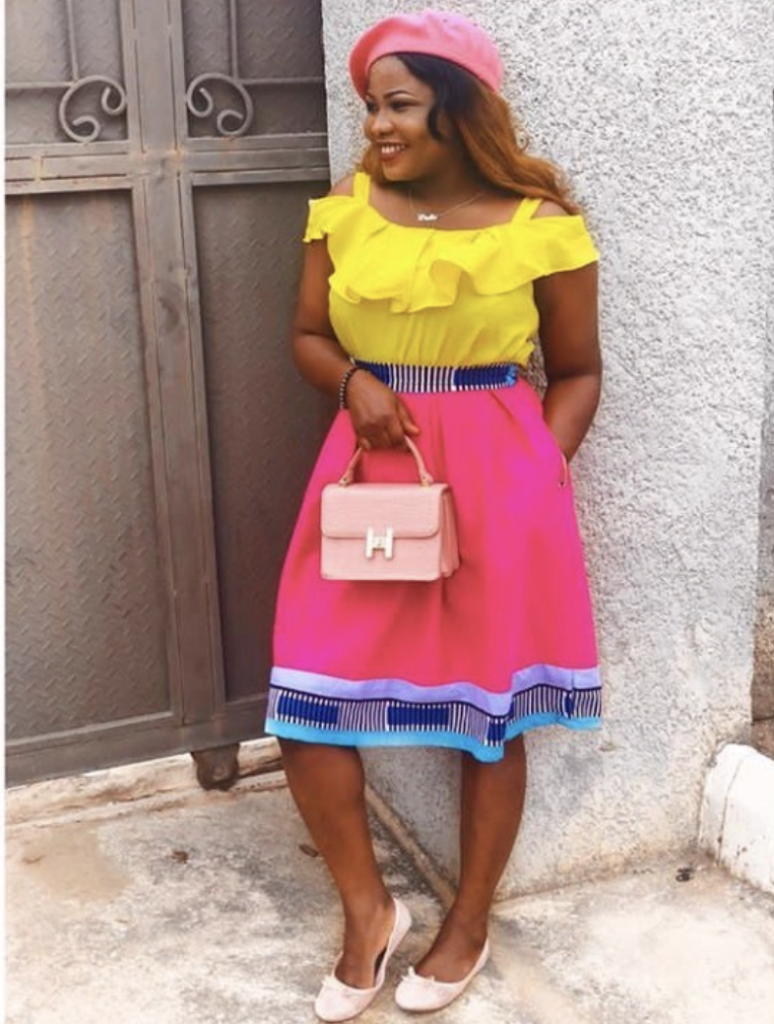
    Debs, an Abuja Lifestyle Blogger

    Want to see what a person looks like when they manage an outfit that combines all 9 primary colours? To be fair, you’ve probably seen it already. Colour blocking is essentially a display of graphic design. People rock items of very different colours, supposedly to create a diverse visually-pleasing palette. What I see is pure, unadulterated confusion.

    Did you enjoy this? You should sign up for our weekly pop culture newsletter, Poppin’. You’ll get to know what we’re up to before anyone else + insider gist, reviews, freebies and more. If it sounds like your deal, sign up here.